Breaking News
Oil price edges up in 2026! Debut after worst annual loss since 2020; here’s all you need to know


Oil price edges up in 2026! Debut after worst annual loss since 2020; here's all you need to know

Oil prices inched higher on the first trading day of 2026 after logging their steepest annual decline since 2020, as fresh geopolitical risks resurfaced in global energy markets.Brent crude futures rose 14 cents to $60.99 a barrel by 0146 GMT, while US West Texas Intermediate (WTI) crude gained 14 cents to $57.56 a barrel.The modest uptick came amid reports of Ukrainian drone strikes targeting Russian oil facilities, alongside tighter pressure on Venezuelan exports following fresh US sanctions. Russia and Ukraine traded accusations of attacks on civilians on New Year’s Day, even as intensive talks overseen by US President Donald Trump continued in a bid to end the nearly four-year-old war, Reuters reported.Kyiv has stepped up attacks on Russia’s energy infrastructure in recent months, seeking to curb Moscow’s financing of its military campaign in Ukraine.Adding to supply concerns, Washington on Wednesday imposed sanctions on four companies and associated oil tankers operating in Venezuela’s oil sector. The US blockade is aimed at preventing sanctioned tankers from entering or leaving Venezuela, forcing state-run energy firm PDVSA to adopt extreme measures to avoid shutting refining units as residual fuel inventories pile up.Despite the early gains, oil prices remain under pressure.Brent and WTI ended 2025 with losses of nearly 20%, the sharpest annual fall since 2020, as oversupply worries and tariff concerns outweighed geopolitical risks.It also marked Brent’s third consecutive year of declines—the longest losing streak on record.


Source link

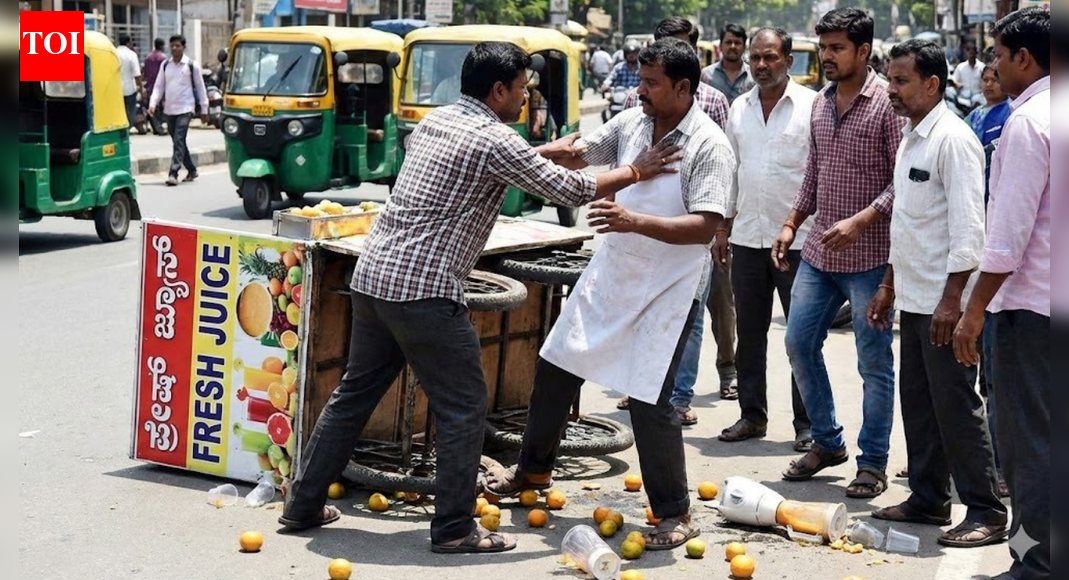
Pineapple or Mosambi? Juice vendor assaulted, confined in Bengaluru; ‘wrong juice’ blamed for wife’s miscarriage | Bengaluru News


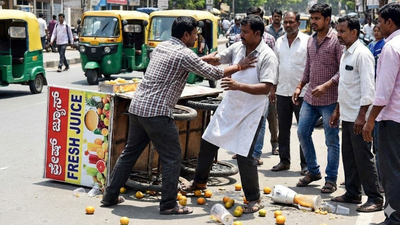
BENGALURU: A routine day turned into a nightmare for a fruit juice vendor in Bommanahalli when two men allegedly abused, assaulted, and illegally confined him, claiming he had served the wrong juice to a pregnant woman, which they said caused her miscarriage.The vendor, Aakash, a Bommanahalli resident originally from Bihar, operates a small fruit juice stall on a pushcart near a govt hospital in Roopena Agrahara. In his complaint to Bommanahalli police, Aakash explained that a woman had regularly visited his stall over the previous few days to order mosambi (sweet lime) juice.

Bengaluru Headlines Today — The Biggest Updates You Need to Know.

On Dec 27, around 3pm, an unidentified man approached him and shouted. When Aakash questioned him, the man assaulted him and accused him of serving pineapple juice to his wife, claiming this had led to her miscarriage. Despite Aakash’s insistence that he only served what customers ordered, the man forced him to accompany him to a nearby house close to the Ganesha temple, where the woman was present.Aakash reiterated that the woman had consistently ordered mosambi juice, but the situation escalated. Allegedly, the woman’s husband, along with another unidentified man, forcibly confined him in a room, verbally abused him in both Kannada and Hindi, physically assaulted him again, and threatened to kill him. He was finally released around 5:30pm, sought treatment at a nearby hospital, and filed a police complaint that same day.A case has been registered under BNS sections 115 (voluntarily causing hurt), 127 (wrongful confinement), 351 (criminal intimidation), and 352 (intentional insult with intent to provoke breach of peace). Police efforts are on to nab the accused.


Source link

Michael Clarke makes bold retirement prediction for Australian great ahead of Sydney Ashes 2025-26 Test


The Ashes 2025-26 series has been a whirlwind of high-stakes drama and rapid results, with the first four matches providing some of the most condensed Test cricket in recent history.

Australia holds an unassailable 3-1 lead in the Ashes 2025-26 series ahead of Sydney Test

Australia currently holds an unassailable 3-1 lead in the five-match series, having dominated the early encounters in Perth, Brisbane, and Adelaide with clinical bowling and explosive batting from the likes of Travis Head and Alex Carey. However, the narrative shifted dramatically during the Boxing Day Test at the MCG, where England secured a historic four-wicket victory in a match that lasted less than two days.

This win ended England’s 14-year drought on Australian soil and injected fresh life into the tour just as the teams headed to the series finale. Now, all eyes turn to the Sydney Cricket Ground (SCG) for the fifth and final Test, scheduled to begin on January 4, 2026, where the hosts aim to close out a 4-1 victory while England looks to build on their newfound momentum.

Michael Clarke’s retirement prediction for the Australian veteran

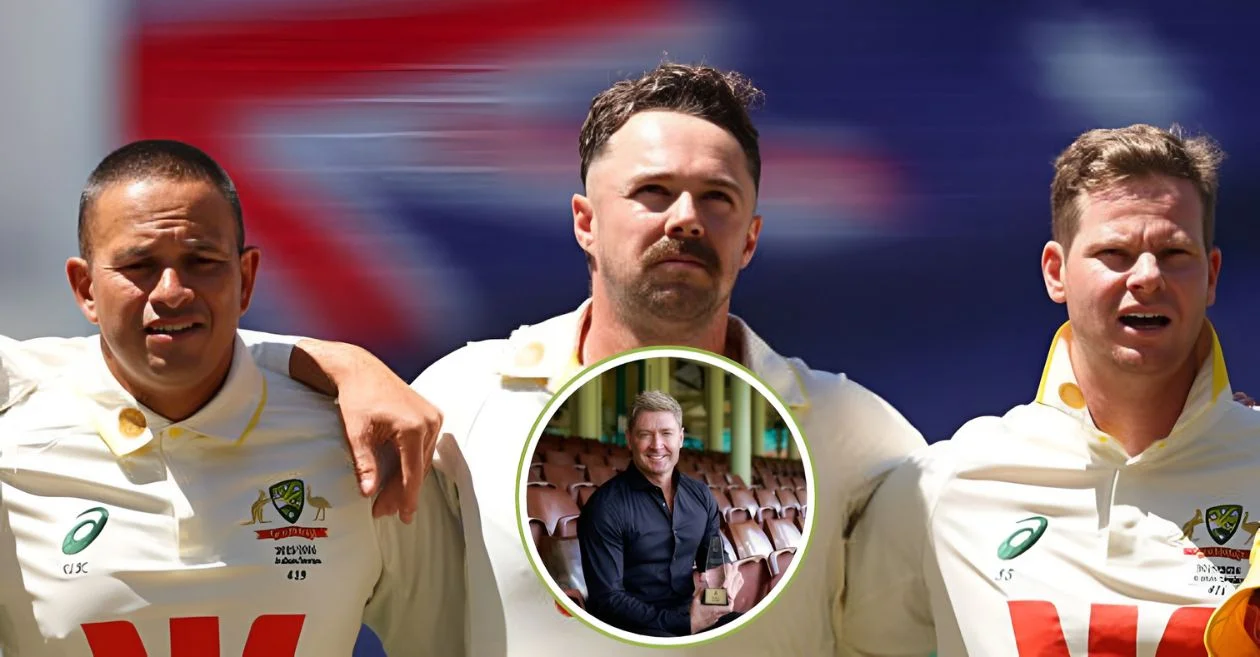
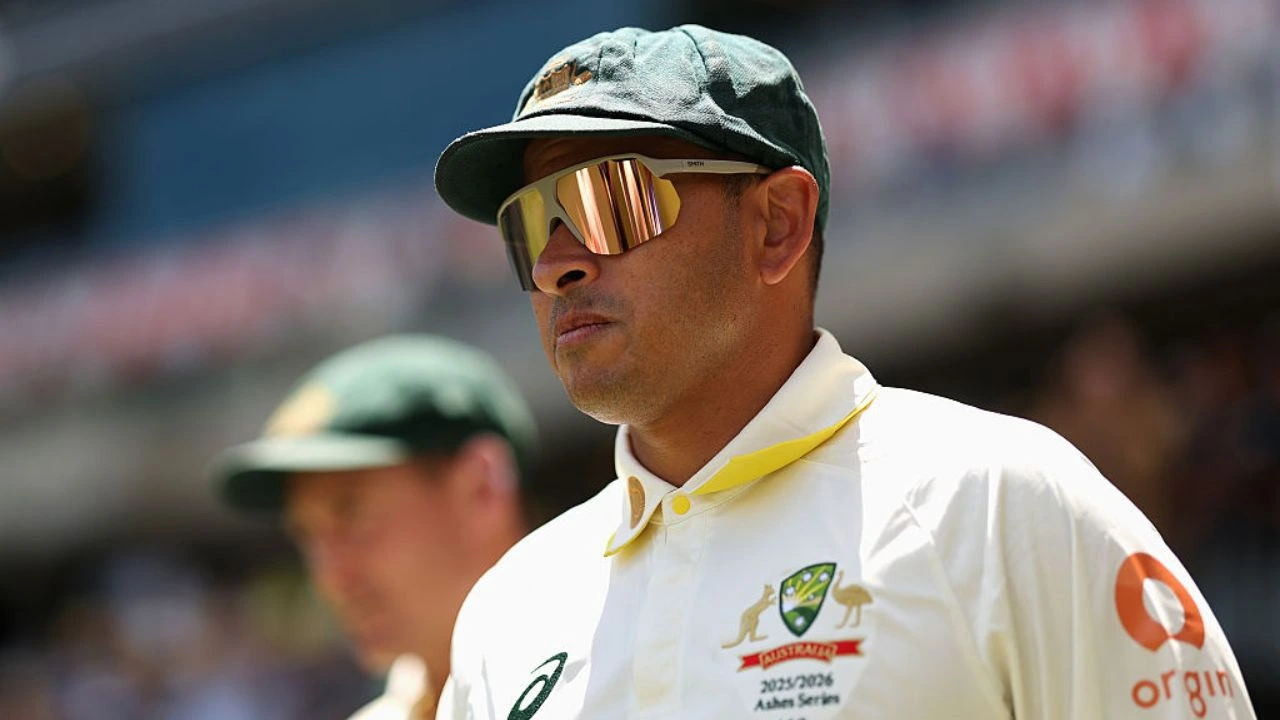
Former Australian captain Michael Clarke has stirred significant debate by predicting that the Sydney Test will serve as the international swansong for veteran batter Usman Khawaja. Clarke believes the 39-year-old should take the opportunity to retire on his home ground, especially after a challenging 2025 season where he averaged 36.11 across 10 Tests. Despite a massive 232-run knock against Sri Lanka in January, Khawaja struggled for consistency throughout the year, only breaking an 11-month half-century drought during the Adelaide Test.

“I think this will be Usman’s farewell Test match. I don’t think it’s a token selection; they obviously picked him for Melbourne, so if they’ve gone that way, you pick him for Sydney as well. But I think he’ll retire after this Test match… I’d love to see Uz make a hundred at the SCG and walk away on a high because not many people get that opportunity.” Clarke was quoted as saying by NDTV Sports.

Also READ: R Ashwin, Darren Lehmann and others send best wishes as Damien Martyn fights with meningitis

SCG showdown: The 87-Test veteran’s performance so far

Khawaja’s journey through the 2025-26 Ashes has been anything but smooth, marked by injury, positional shifts, and fluctuating form. After missing the start of the series due to back spasms and being sidelined for the Brisbane Test, Khawaja received a late reprieve in Adelaide following a last-minute injury to Steve Smith.

In that match, he showed flashes of his classic resilience, scoring a vital 82 and 40 from the middle order to help Australia clinch the series early. However, his fortunes dipped sharply at the MCG, where he managed scores of just 29 and 0 as the Australian batting lineup crumbled under England’s aggressive attack.

Head coach Andrew McDonald has firmly dismissed retirement rumors, noting that Khawaja has given no personal indication that Sydney will be his final game. As the series moves to the SCG, a venue where Khawaja averages a staggering 87.50 with four centuries to his name, the veteran finds himself at a crossroads. Whether he uses the familiar surroundings to notch one last massive score or follows Clarke’s advice to walk away on a high, his presence will be the primary focal point of the New Year’s Test.

Also READ: Harbhajan Singh picks the semifinalists of T20 World Cup 2026


Source link

Usman Khawaja retires: ‘They told me I’d never play for Australia’ — Pakistan-born cricketer calls out stereotypes | Cricket News


Usman Khawaja retires: 'They told me I'd never play for Australia' — Pakistan-born cricketer calls out stereotypes
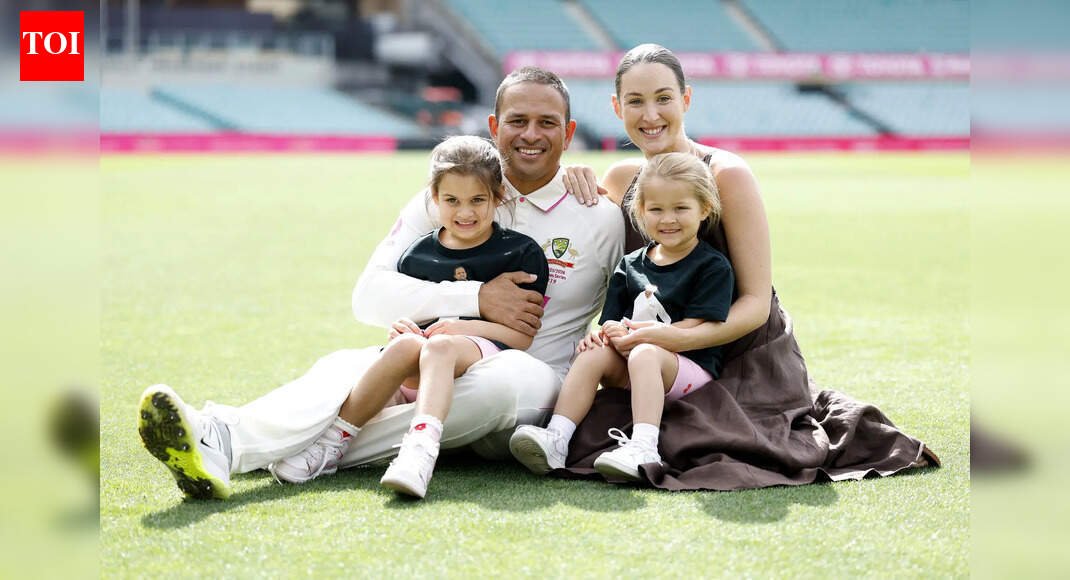
Usman Khawaja poses for a photo with his family after announcing his international cricket retirement. (Getty Images)

Usman Khawaja will walk out at the Sydney Cricket Ground one final time this week, bringing the curtain down on a 15-year international career that redefined what Australian cricket could look like — and who it could belong to.Go Beyond The Boundary with our YouTube channel. SUBSCRIBE NOW!The veteran left-hander confirmed on Friday that the fifth Ashes Test in Sydney will be his last in the Baggy Green, announcing his decision in an emotional press conference surrounded by his parents, wife Rachel and their two children. He informed his teammates only moments earlier, just before Australia’s training session.

Next Travis Head? Meet Jerrssis Wadia, the Indian-Origin batter, who is taking over BBL

“I’m a proud Muslim coloured boy from Pakistan who was told he would never play for the Australian cricket team — look at me now,” Khawaja said, summing up a journey that has been as much about resilience and representation as runs and records.Born in Islamabad and raised in Sydney, Khawaja will retire in the city where he first watched Test cricket from the stands and later made both his first-class and Test debuts. Now 39, the oldest member of Australia’s Test side, he bows out after 88 Tests, with the chance to overtake Michael Hussey’s run tally and finish inside Australia’s top 14 men’s Test run-scorers.Khawaja told coach Andrew McDonald of his decision after the fourth Test in Melbourne, but admitted keeping the secret had been difficult.

Poll

How do you want Khawaja to be remembered after his retirement?

“It’s been tough, I’ve just wanted to tell everyone,” he said. “I didn’t think I’d get emotional, but I teared up straightaway. My journey has been different to a lot of cricketers… all that emotion built up.”That journey was rarely smooth. Despite a promising debut in the 2010–11 Ashes, Khawaja endured years of being dropped, recalled and dropped again — in Sri Lanka, Bangladesh, England and at home — becoming, by some measures, Australia’s most frequently discarded Test batter. At one point, his average sat just above 25, and his Test future looked finished.Instead, Khawaja kept returning. His career-defining second act began at the SCG in the 2021–22 Ashes, where twin hundreds reignited his career. From that moment until now, no Australian has scored more Test runs. His nine-hour 141 against Pakistan in Dubai, twin tons at Sydney, and marathon innings at Edgbaston in 2023 stand as monuments to patience and defiance.Off the field, Khawaja’s impact may be even greater. As Australia’s first Muslim Test cricketer, he became a powerful, plain-spoken advocate against racism and for better pathways for players from migrant backgrounds.“I just want to be remembered as a humble cricketer who went out there and entertained,” Khawaja said. On a stage that once told him he didn’t belong, Usman Khawaja will take his final bow — on his own terms.Usman Khawaja’s international career stats (before farewell SCG Test):

  • Tests: M 87 | I 157 | R 6206 | HS 232 | Ave. 43.39 | 16x100s | 28x50s
  • ODIs: M 40 | 39 | R 1554 | HS 104 | Ave. 42.00 | 2x100s | 12x50s
  • T20Is: M 9 | I 9 | R 241 | HS 58 | Ave. 26.77 | SR 132.41 | 1x50s


Source link

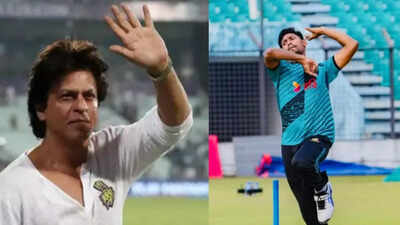
‘Shah Rukh Khan is a traitor’: BJP targets KKR owner over picking Bangladeshi cricketer Mustafizur Rahman; Congress defends him | India News


'Shah Rukh Khan is a traitor': BJP targets KKR owner over picking Bangladeshi cricketer Mustafizur Rahman; Congress defends him
Shah Rukh Khan, Mustafizur Rahman

NEW DELHI: Hindu religious leaders and BJP figures have launched sharp attacks on Bollywood actor Shah Rukh Khan over his IPL team Kolkata Knight Riders (KKR) selecting Bangladeshi cricketer Mustafizur Rahman, while the Congress has stepped in to defend the actor, calling the remarks against him an attack on India’s pluralism.The first public criticism came from Hindu spiritual leader Devkinandan Thakur, who questioned KKR’s decision in the backdrop of reported violence against Hindu minorities in Bangladesh. Speaking to ANI, Thakur said the KKR management should remove the Bangladeshi player. He demanded that the money paid to the cricketer be given to families of Hindu victims as an apology.

BJP Leader Attacks Shah Rukh Khan Over KKR’s Bangladeshi Cricketer Amid Hindu Lynching in Bangladesh

“The management of KKR, their boss, should remove that cricketer (Mustafizur Rahman). Rs 9.2 crore that they are giving to that cricketer, that money should be given as an apology to the relatives of the Hindu children if they are in India, so that at least they can know that their feelings are with the Hindus,” Thakur said.Spiritual leader Jagadguru Swami Rambhadracharya went on to questioned Khan’s character and called hhim a traitor.“He (Shah Rukh Khan) is not a hero. Shah Rukh Khan does not have a character. His actions have been those of a traitor,” Rambhadracharya said.Soon after, BJP leader Sangeet Som called Shah Rukh Khan a “traitor” and accused him of investing money in a player from a country he claimed was “working against India”. Som said Mustafizur Rahman would not be allowed to play in the IPL.“The way Hindus are being persecuted in Bangladesh, women and girls are being raped, their homes are being burned, and anti-India slogans are being chanted there. Despite all this, traitors like Shah Rukh Khan, I’m calling him a traitor because everything he has is given by India, given by the people of India, but where do they invest this money? They invest it in players from a country that is working against India. I want to tell people like Shah Rukh Khan that they will not succeed. At any cost, they will not be able to get Mustafizur Rahman to play here. Rahman won’t be able to step outside the airport,” Som told ANI.The response from Congress followed soon after. MP Manickam Tagore condemned the remarks against Khan, calling them an attack on India’s pluralism. In a post on X, Tagore said hatred could not define nationalism and criticised the RSS for spreading division.“Calling Superstar Shah Rukh Khan a ‘traitor’ is an attack on India’s pluralism. Hate cannot define nationalism. RSS must stop poisoning society.”

Screenshot 2026-01-02 085234

.

The attacks come amid a series of violent incidents targeting members of the Hindu community in Bangladesh. Last month, two Hindu youths were lynched in separate incidents. Dipu Chandra Das, a garment factory worker in Mymensingh district, was beaten to death over alleged blasphemy charges on December 18, after which his body was reportedly hanged and set on fire.


Source link

A life in defence of the unloved: Tale of India’s ‘Snake Man’ | India News


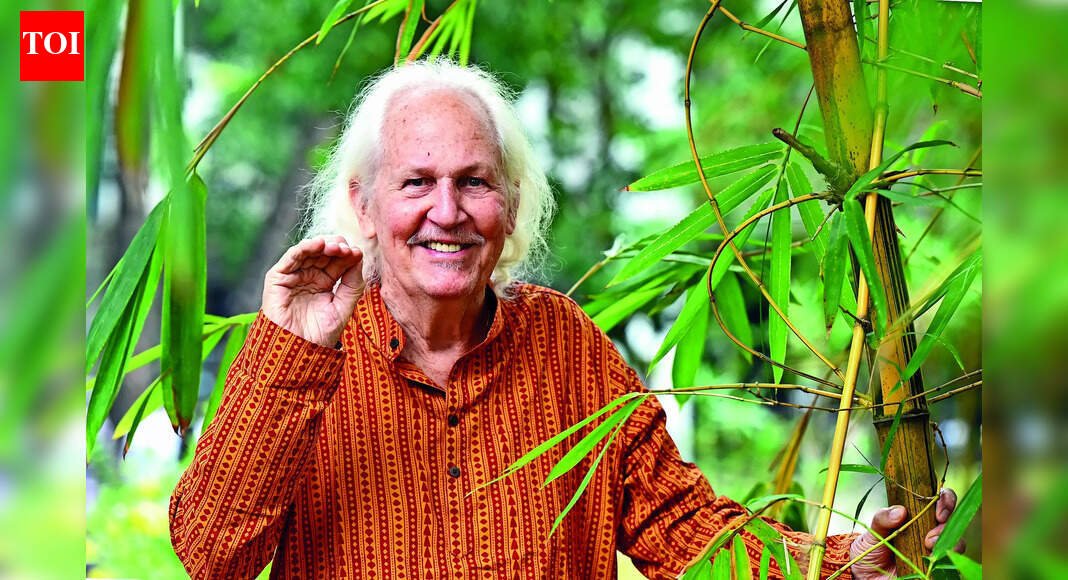
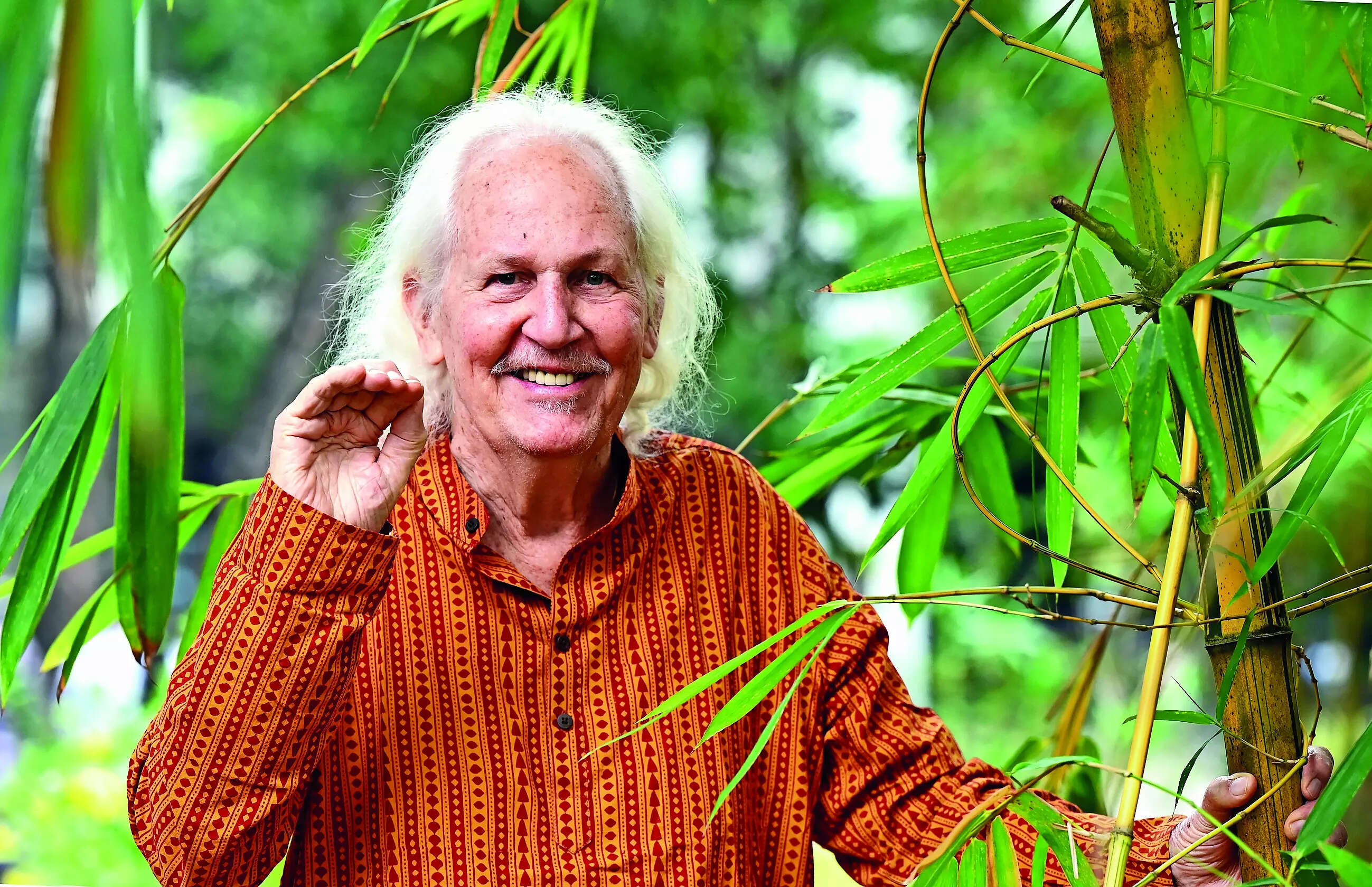
A tiger appeared without warning, gliding like a shadow along the forest edge as a boat drifted through the Periyar waters. For a 13-year-old boy visiting Kerala in 1957, the moment was electrifying. Wildlife then was not something confined to sanctuaries; it was visible, immediate, woven into everyday landscapes. That fleeting encounter stayed with Romulus Whitaker long before he became one of India’s most influential conservationists, shaping a life devoted to understanding-and defending-creatures most people feared. Whitaker’s first journey to Kerala was part of a family trip. His sister was graduating from high school, and the itinerary included Kochi, where they stayed at the Malabar Hotel, then considered the city’s finest. Boat rides through rivers like the Periyar were already popular, and wildlife sightings were common. “Gaurs and deer were easily spotted, and tigers still roamed freely at a time when hunting was legal. I never saw a king cobra on that trip, but the habit of looking closely had already taken root,” Whitaker recalls. That fascination had formed much earlier, far from India. Growing up in northern New York State, Whitaker once watched neighbourhood boys kill a snake out of fear. “I knew more about snakes than the other kids, and that made a difference,” he says. His mother encouraged his curiosity, buying him a book on snakes that helped replace fear with knowledge. When he later brought a live snake home, she admired it rather than panicking, calling it beautiful. An old aquarium with cracked glass became a makeshift enclosure. Without realizing it, Whitaker had taken his first step into a lifelong engagement with reptiles-a fascination that deepened after his family moved to India in the 1950s. Janaki Lenin, Whitaker’s partner and co-author of his autobiography “Snakes, Drugs and Rock ‘n’ Roll: My Early Years”, says writing the book gave her a deeper understanding of the extraordinary life he has lived. His schooling, she notes, was anything but conventional-camping in forests, fishing in lakes, and once even discovering a python under his bed. Boredom was never an option. If a classroom failed to hold his attention, he simply walked away to explore something more compelling outdoors. Comparing his life to her own, Lenin describes Whitaker as someone who has “lived six or seven lifetimes in one.” Formal education never quite suited him. After finishing school, Whitaker enrolled in college but soon realized classrooms could not compete with hands-on learning. His real education began at the Miami Serpentarium under Bill Haast, the legendary snake handler who pioneered venom extraction in the United States. Working alongside Haast, Whitaker learned to handle venomous snakes, maintain them in captivity, and extract venom for medical use. “Bill Haast was my guru,” he says. “He taught me respect for snakes, not just technique.” When Whitaker returned to India, he had a clear idea: The country needed a place where people could learn about snakes scientifically rather than fear them blindly. That idea took shape in 1969 with the opening of the Madras Snake Park. Visitors arrived sceptical-some expecting spectacle, others danger. Whitaker himself was often viewed as an eccentric outsider. But the park was never meant to entertain. It was an educational experiment. For the first time, ordinary people could see snakes up close, learn to identify species, and understand that most snakes were not out to harm them. Over the decades, the impact has been profound. India today has thousands of snake rescuers, a reality Whitaker views with cautious optimism. While rescue work has reduced routine killings, it has also become performative in some cases. Kerala, he notes, stands out for institutionalizing rescue work. By registering rescuers, issuing identity cards, and maintaining an online database, the state has created a system rooted in accountability and data. The model has since been adopted by Karnataka and is being replicated in Tamil Nadu. Snakebite, however, remains one of India’s most under-recognized public health crises. For decades, official statistics claimed around 1,400 deaths annually. A nationwide “Million Deaths Study” based on verbal autopsies revealed a far grimmer reality: Over 50,000 deaths every year, with nearly one million snakebite incidents. Many victims never reach hospitals, either dying en route or seeking traditional remedies instead of medical treatment. “The key word is prevention,” Whitaker says. Simple measures-using a torch at night, wearing footwear, being cautious near pump houses-could prevent a significant proportion of bites. Improved reporting, he adds, has made it seem as though cases are increasing, when in fact awareness and documentation have improved. Treating snakebite as a medical emergency rather than a cultural or mystical phenomenon remains the biggest challenge. Few initiatives illustrate Whitaker’s belief in practical, science-based solutions better than his long association with the Irula tribal community of Tamil Nadu. For generations, the Irulas survived by catching snakes for their skins. When the skin trade was banned, their livelihood vanished overnight. Working with the community, Whitaker helped develop a new model: Irula snake catchers would capture snakes, extract venom under controlled conditions, and release them back into the wild. The venom would then be supplied to pharmaceutical companies to manufacture antivenom. “They are saving lakhs of human lives,” Whitaker says. Today, around 350 Irula families supply venom that meets India’s entire antivenom requirement. For him, it remains the country’s only true example of sustainable wildlife use-one that benefits both people and animals without depleting wild populations. Human-animal conflict remains one of conservation’s most complex challenges. India’s tiger, leopard, and crocodile populations have all increased-a remarkable achievement by global standards. But many of these animals now live outside protected forests. Leopards, in particular, thrive in agricultural landscapes, raising cubs in sugarcane fields and feeding on small animals and stray dogs. “Leopards don’t need forests the way we think they do,” Whitaker explains. “They’ve adapted to living alongside people.” Problems arise when human panic leads to capture and relocation-an intervention that often worsens conflict. Whitaker’s own experience reinforced this lesson. Living on a small farm near Chennai, he once lost a dog to a leopard. His first instinct was to call the forest department. Then came the realisation: “We moved into his territory. He didn’t move into ours.” Simple precautions, like keeping dogs indoors at night, resolved the issue without endangering the cat. Lenin agrees that human-wildlife conflict is not new, but says its nature has changed. Earlier, communities managed interactions locally. “The law took away that freedom, but the state did not fulfil its responsibility of sorting out the issue,” she says. Many conflicts today, she argues, are effectively state-created-especially in the case of elephants, which require vast landscapes and abundant food. Habitat disruption leaves marginalized communities bearing the burden of coexistence, even though they are the least equipped to do so. Whitaker is critical of how crop-raiding wildlife is managed, particularly in Kerala, one of the few states where wild boars that devastate farmlands are legally permitted to be killed but must then be buried. Recalling ecologist Madhav Gadgil’s public criticism of the policy, Whitaker questions the logic of wasting what is a valuable protein source. “These animals can destroy paddy or peanut fields as much as an elephant does, but after killing them, you are told to bury the meat. People are always in need of protein, especially in rural areas. He recounts seeing electric fences in parts of north India where nilgai, jackals, and peacocks were killed indiscriminately and left to rot. For him, science-based preventive infrastructure works far better than reactionary measures. He regards Indira Gandhi as India’s most conservation-minded Prime Minister, instrumental in legislations such as the Wildlife Protection Act of 1972. “She had come to the Snake Park in Madras in 1972, and then we told her about the problems that were happening. When Rajiv became the prime minister, we spoke to him about the Andamans and the deforestation there, and they stopped it. These were the times when you could actually speak to a prime minister and the next day you might see some action; I would love to see that happening today. When Whitaker received the Padma Shri, he briefly met Prime Minister Narendra Modi but did not get the chance to speak at length. He later sent a draft message to the PM’s office, hoping for a mention of snakebite prevention during Mann Ki Baat. “If the PM spoke for even one minute about snakebite as a medical emergency, and about the importance of govt hospitals being equipped to handle it, thousands of lives could be saved,” he says. When he first documented India’s snakes, around 275 species were known. Today, more than 360 have been recorded. For young people entering herpetology, he sees unprecedented opportunities through universities and research institutions. “Go there, volunteer, and learn,” he advises. “Observe, respect, and don’t try to be a hero. Conservation is about patience and understanding, not spectacle.” Now in his eighties, Whitaker continues to focus on snakebite mitigation through films and awareness campaigns. From a child defending a snake to a man who has spent a lifetime persuading a nation to rethink its fears, his story is ultimately about understanding nature and choosing scientific knowledge over fear. (Romulus Whitaker was in Kochi with his partner, writer Janaki Lenin, for a climate literature festival at the Kerala University of Fisheries and Ocean Studies)


Source link

Access Denied


Access Denied

You don’t have permission to access “http://www.ndtv.com/telangana-news/revanth-reddy-says-kcr-deserve-hanging-for-river-water-injustice-10182048” on this server.

Reference #18.9cf856b8.1767322850.47011b0f

https://errors.edgesuite.net/18.9cf856b8.1767322850.47011b0f


Source link

Top stocks to buy today: Stock recommendations for January 2, 2026 – check list


Top stocks to buy today: Stock recommendations for January 2, 2026 - check list
Top stocks to buy (AI image)

Stock market recommendations: According to Bajaj Broking Research, the top stock picks for January 2, 2026 are Canara Bank, and Nykaa. Here’s its view on Nifty and Bank Nifty:Index View: NiftyNifty is expected to remain range-bound with an upward bias, oscillating within the 25,700–26,300 corridor in the near term. The index is positioned at a technical inflection point, where a decisive move outside this band is likely to define the next directional leg.A sustained close above 26,300 would act as a bullish trigger, paving the way for a potential advance toward the 26,500 zone in subsequent sessions.On the downside, 26,000 serves as immediate support. A stronger demand zone is placed between 25,700–25,800, which coincides with the 50-day EMA, recent swing lows, and a key retracement of the prior up-move.Maintaining trade above this support cluster is essential to protect the positive momentum of the past three months and keep the broader bullish structure intact.BANK NiftyBank Nifty continues to outperform the Nifty, displaying clear relative strength, and is in the process of base-building within the 58,500–60,100 band over the near term.A decisive breakout with follow-through above 59,500, which also coincides with an intermediate supply zone, could trigger fresh momentum toward the lifetime high region around 60,100 in the coming sessions.The strong up-move of the past two months remains well anchored within an ascending price channel, highlighting persistent accumulation even at higher levels.On the downside, the 58,300–58,600 zone offers robust support, converging with the 50-day EMA and the earlier breakout base. As long as the index defends this support cluster, the medium-term bullish structure remains intact.

Stock Recommendations:

Canara BankBuy in the range of ₹ 153-155

Target Return Time Period
₹ 175 13% 3 Months

The counter has established a strong uptrend, marked by a multi-month breakout and a consistent higher high–higher low formation, highlighting sustained buying interest. Prices continue to hold above major weekly moving averages, with rising volumes lending credibility to the ongoing strength.On the downside, 145 acts as immediate support, followed by 140. On the upside, resistance is placed near 170, which coincides with the 161.8% Fibonacci extension of the prior swing, and further at 175. Corrective declines toward the average should be viewed as accumulation opportunities.Momentum indicators remain robust; although the RSI above 70 indicates an overbought condition, the broader trend is intact, and any temporary consolidation is likely to be constructive rather than trend-reversing.NykaaBuy in the range of 260-265

Target Return Time Period
₹ 292 11% 3 Months

The stock is trading above its key moving averages and has established a base formation on the weekly timeframe, indicating improving price stability. The weekly chart reflects a higher high–higher low structure, confirming a strengthening trend.Immediate support is seen at 245, followed by 240, while short term resistance is placed near 275, with further upside potential toward 292. From a momentum perspective, ADX at 28 signals a strengthening trend, while the weekly RSI at 63 suggests bullish dominance.(Disclaimer: Recommendations and views on the stock market, other asset classes or personal finance management tips given by experts are their own. These opinions do not represent the views of The Times of India)


Source link

Vijay Deverakonda and Rashmika Mandanna Spotted Together in Rome – New Year 2026 Wishes |


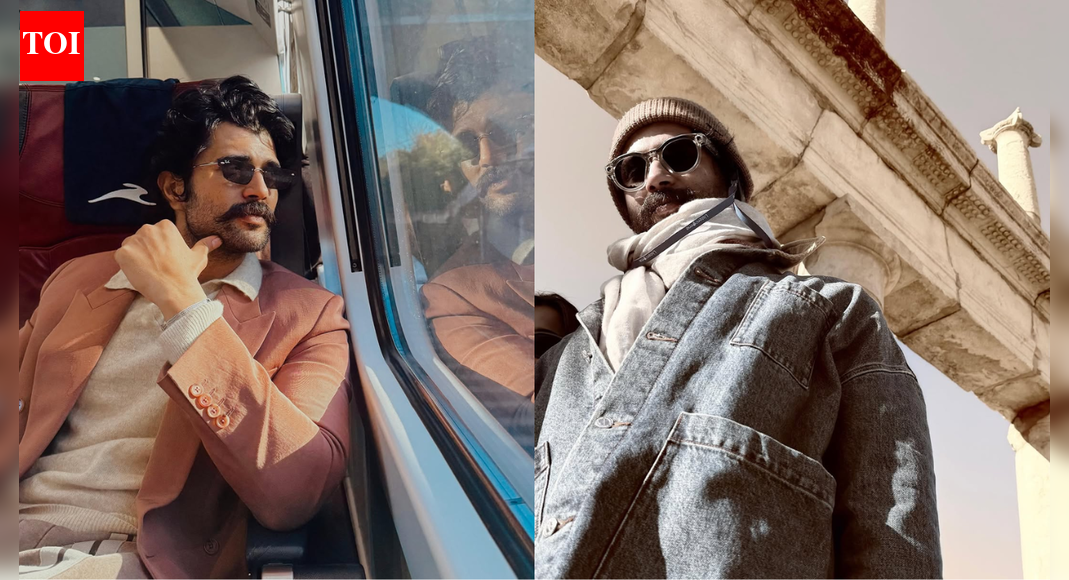
Vijay Deverakonda’s New Year vacation in Rome has sparked fan speculation as he shared photos, including one with a mystery person on his shoulder. Coincidentally, Rashmika Mandanna also posted Rome vacation pictures, fueling rumors of them being together. The article also touches upon their alleged engagement and upcoming wedding plans.

Actor Vijay Deverakonda is ringing in the New Year with a relaxed vacation in Rome with his loved ones. Recently, the ‘Rowdy Janardhana’ actor shared pictures from his trip to the Italian capital. One of the pictures that has caught attention shows someone resting their head on the actor’s shoulder and fans think its Rashmika Mandanna.

Sweet moments noticed by fans

Vijay Deverakonda shared pictures on his Instagram where he is seen smiling and walking around the beautiful city. One picture shows him near the famous Colosseum. Another picture shows a girl leaning on his shoulder. Her face cannot be seen. But fans believe it is Rashmika Mandanna. Interestingly, at the same time, ‘The Girlfriend’ star also posted her own vacation photos from Rome. This made fans think that both of them are together in the same place.

Vijay Deverakonda's IG post

From Kirik Party to Pushpa & Animal, Rashmika Marks 9 Years With Heartfelt Note

Vijay Deverakonda’s post

Vijay Deverakonda captioned the post, “Happy new year my darling loves. May we grow up together, make great memories, do great things, spread love, cheer and life. Biggest kisses and hugs to all of you.”

Rashmika Mandanna in Rome

A few days ago, Rashmika Mandanna too shared a post on her social media handle, where she shared that she was in Rome. In the pictures, she was seen travelling via train and is seen holding flowers. In one of the pictures, she is seen posing with the Colosseum. Interestingly, one of the pictures also includes Rashmika Mandanna and Vijay Deverakonda’s younger brother, Anand Deverakonda.

Engagement and wedding plans

Vijay Deverakonda and Rashmika Mandanna have been reported to have engaged in October 2025 in a closed ceremony in Hyderabad. The couple are yet to officially announce it. Additionally, many reports say that their wedding will happen on February 26, 2026. It will take place in a big and beautiful palace in Udaipur. The wedding is expected to be very private. On the work front, both actors are currently busy with their upcoming individual projects. Vijay Deverakonda will be next seen in ‘Rowdy Janardhana’ and on the other hand, Rashmika Mandanna will be seen in ‘Mysaa’. Interestingly, they are expected to reunite on the big screen in a tentatively named ‘VD14’, which will be a period drama directed by Rahul Sankrityan.


Source link

Usman Khawaja invokes Pakistan roots in emotional retirement statement


The veteran Australia National Cricket Team opening batsman Usman Khawaja has announced his retirement from international cricket, ending a 15-year-long career.

Usman Khawaja will play the 88th and last Test match of his career at the Sydney Cricket Ground and retire following the end of the fifth match of Ashes 2025-26.

Usman Khawaja finally says goodbye

Khawaja’s retirement has been one of the biggest talking points in the ongoing Ashes series as several cricket experts called for his retirement despite the batter not dropping any hints.

Your daily dose of cricket!

next

The veteran left-handed batsman became the centre of attention during the first Test when he was unable to open due to a back spasm, and then he also missed the subsequent Test.

Jake Weatherald sealed a spot at the top order as an opener, and with Travis Head being promoted, Khawaja’s role in the Australian team was significantly reduced.

Now, he is set for a traditional Sydney swansong, and he could finish up as Australia’s 14th-highest run-getter in the red-ball format if he scores 30 more runs in his final game.

So far, Usman Khawaja has scored 6206 runs in 157 innings at an average of 43.39, with 16 tons and 28 fifties.

I’m a proud Muslim coloured boy from Pakistan – Usman Khawaja

Addressing an emotional retirement press conference, Khawaja said that he is a “proud Muslim coloured boy from Pakistan”.

“I’m a proud Muslim coloured boy from Pakistan who was told he would never play for the Australian cricket team – look at me now,” Khawaja said during a press conference that lasted the best part of an hour.

Also Read: ECB chief to hand Brendon McCullum ‘SACKING’ news after Sydney Test

More to follow..


Source link