Breaking News
Saina Nehwal: The unlikely architect who changed Indian badminton forever | Badminton News

Saina Nehwal: The unlikely architect who changed Indian badminton forever
Saina Nehwal (Image credit: X)

Saina Nehwal’s retirement, announced in a podcast, was generally received with a sense of ennui. Out of circuit for almost two years, the badminton world accepted the former world No.1’s absence as a receding hairline. The inevitable that happens with an athlete as years and injuries pile on. Reassessment and retrospection followed almost immediately after Saina’s confession though she has refused to make her plans official. “I actually felt that I entered the sport on my own terms and left on my own terms, so there was no need to announce it.” She may apparently be rather casual about her absence, but history of Indian sport will not let her be.Saina Nehwal’s name will glow not merely as a champion, but a catalyst. Long before badminton became a household conversation, before packed stadiums and prime-time broadcasts, before young girls across India picked up racquets with professional ambition, there was Saina — dreaming, daring and grinding away on the courts, to challenge a global order dominated by China and Europe. Her legacy is not defined only by medals or rankings, but by the irreversible transformation she brought to Indian badminton.

Sanju Samson or Ishan Kishan? | Greenstone Lobo predicts the ideal player for T20 World Cup

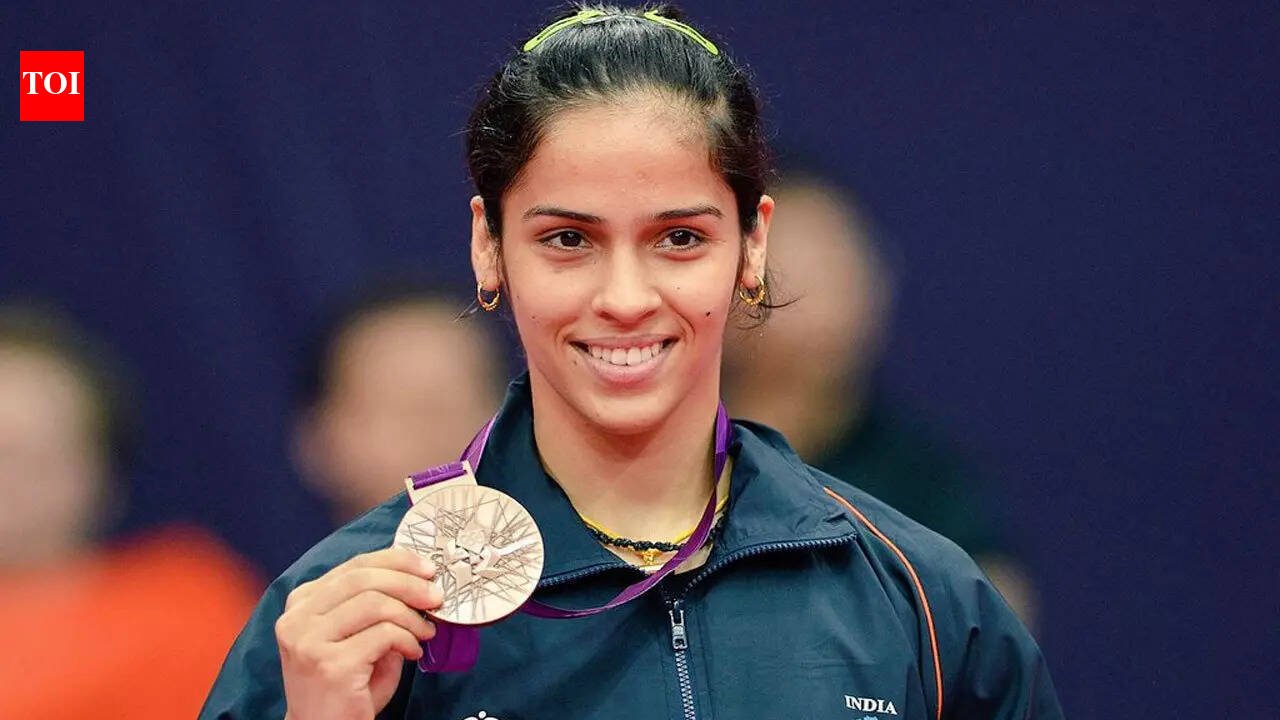
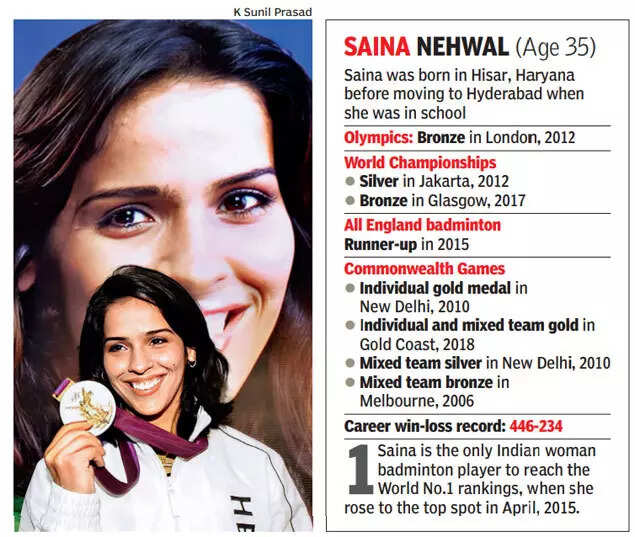
Saina’s rise was neither accidental nor convenient. Emerging from a country where cricket overwhelms the sporting imagination, she chose a path strewn with little infrastructure, limited financial backing, and scarce international exposure. Yet, emerging stronger from every setback, Saina turned adversity into opportunity. In 2008, she announced her arrival on the world stage by becoming the first Indian woman to win the BWF World Junior Championships. The same year, her quarterfinal finish at the Beijing Olympics marked another first for Indian badminton, signalling that India was ready to compete with the best.The milestones continued relentlessly. In 2009, Saina became the first Indian woman to win a BWF Super Series title at the Indonesia Open, a tournament long considered a fortress for badminton’s elite nations. Each win cemented the belief that Indians can make a mark in the sport globally. Saina didn’t just win matches — she showed how to blow away the windmills of the mind.Her defining moment came at the London 2012 Olympics, where she won the bronze medal, albeit off a walkover, but it made her the first Indian badminton player to win an Olympic medal. For India, the medal was historic; for Saina, it was acknowledgement of years of sacrifice, pain, and perseverance. It was also a moment that changed public perception. Badminton was no longer a niche sport — it had a national hero.
.

If the Olympic medal established Saina as a champion, her ascent to World No.1 three years later anointed her as a legend. She became the first Indian woman and only the second Indian after Prakash Padukone to achieve the top world ranking. At a time when women’s singles badminton was fiercely competitive, Saina dared to challenge the Chinese hegemony. Tournaments began to be described as “Saina vs China,” a phrase that captured both her dominance and defiance, and a nation’s imagination.That rise to the summit was deeply emotional. Saina herself admitted she never dreamt of being world No. 1 — it was her mother’s dream for her to win an Olympic medal. When Carolina Marin’s defeat at the India Open confirmed her top ranking, Saina struggled to put the moment into words. Wiping sweat from her brow, glancing at the Indian flag stitched into her kit, she could only say, “Oh my God, world No. 1…” It was a moment of disbelief, humility, and triumph —facets that would remain hallmarks of her career.But Saina’s legacy cannot be measured in rankings alone. Over a career spanning nearly two decades, she won over 24 international titles, including 11 Super Series titles, and achieved feats such as becoming the first Indian woman to win two Commonwealth Games singles gold (2010 and 2018). These accomplishments reflect not just talent, but extraordinary longevity in one of the most physically demanding sports.What truly separates Saina from her contemporaries is her impact beyond the court. Her success fundamentally altered the place of badminton in India. Television viewership surged. Corporate sponsorships followed. Saina is the first Indian woman athlete to sign a multi-million dollar sponsorship deal. Badminton academies mushroomed across the country. Parents who once hesitated to support non-cricketing careers began to see badminton as a viable profession.Coach Vimal Kumar, who guided her to that No. 1 spot, told TOI, “You know, she really brought Indian women’s badminton to the forefront because no woman prior to that has excelled so much at the world stage.”Most importantly, Saina inspired a generation. PV Sindhu, Lakshya Sen, Kidambi Srikanth, and countless others grew up watching her fight against the world’s best. Sindhu herself has often acknowledged Saina’s role in paving the way for Indian women in badminton. Where Saina walked alone, others followed with belief.Her journey was never smooth. Injuries, coaching changes, form slumps, and public scrutiny tested her resolve. Yet Saina’s work ethic — acknowledged by coaches like P Gopichand and Vimal Kumar — never wavered. She shifted cities, reinvented her game, and adapted her style to remain competitive. Even when younger players emerged, Saina continued to fight, proving that resilience, not comfort, defines champions.The nation rewarded her with the highest sporting and civilian honours — the Arjuna Award, Khel Ratna, Padma Shri, and Padma Bhushan. Yet her greatest award remains the revolution she ignited. Prakash Padukone introduced India to world badminton. Saina Nehwal sparked the renaissance. She made Indian badminton fearless, visible, and aspirational. She showed that an Indian woman could dominate a global sport through grit, discipline, and belief. She coded a new data architecture for success in an individual sport — and left the template for the rest to follow. Saina did not merely play badminton. She changed Indian badminton forever.

Source link

Budget 2026: From briefcase to bahikhata — How the red ledger entered Parliament


Budget 2026: From briefcase to bahikhata — How the red ledger entered Parliament

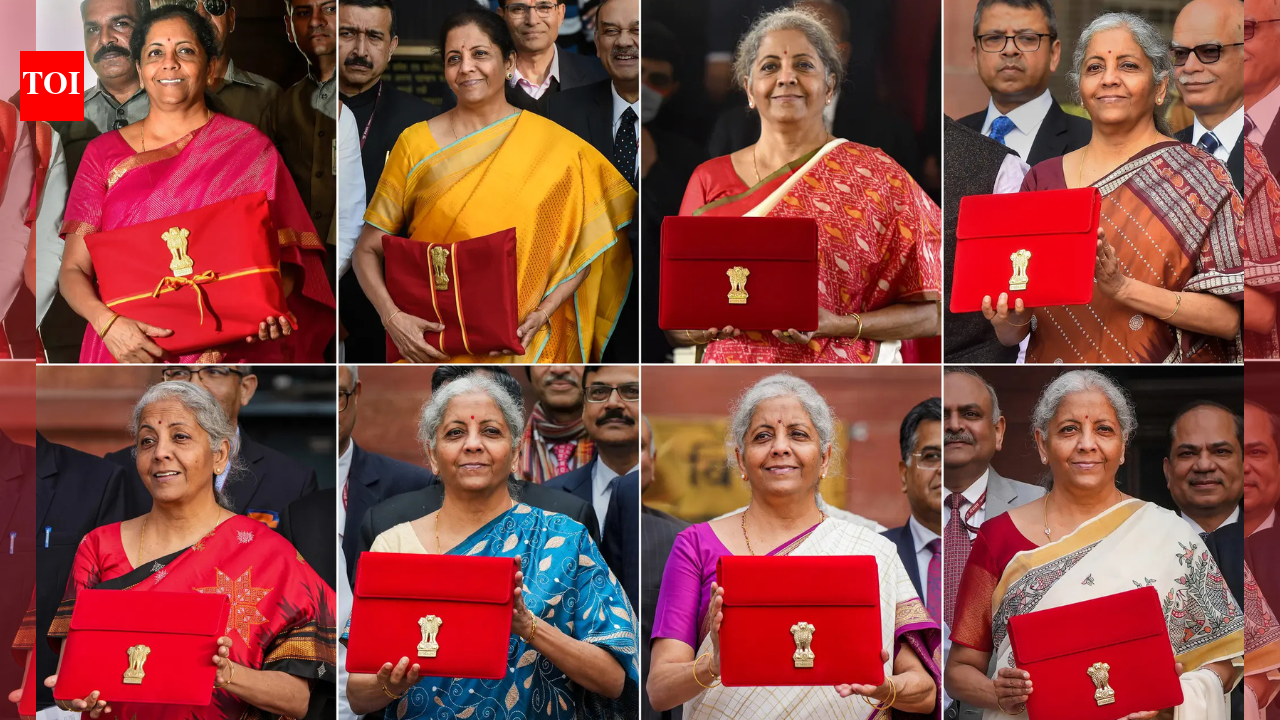
With Budget 2026 just a day away, focus has returned to Union finance minister Nirmala Sitharaman’s red bahi khaata and what it could hold for different sectors. First introduced in 2019, the traditional red ledger has since een representing not just a functional item, but a conscious shift away from colonial-era customs, towards a more Indian and personal symbol of budgeting.Moving to the bahi khaata was a part of a wider departure from British-era Budget practices. An earlier shift came during the Atal Bihari Vajpayee government, when the timing of the Budget presentation was changed from evening to morning, breaking from a schedule originally set to match the opening of the London Stock Exchange.

How bahi khata entered the Parliament

Idea behind the red Bahikhata emerged from FM Sitharaman’s memories of her time working in the United Kingdom, where she observed the British chancellor carrying a bag bearing the emblem “EIIR, Elizabeth-II Regina”. She told TOI, “During my days in Britain, the chancellor used to carry a bag with an emblem EIIR, Elizabeth-II Regina. That memory is very strong and I didn’t want to carry a bag which didn’t have EIIR, but had a British hangover. It’s high time we adopted our own thing,” she told TOI at the time of the introduction of bahikhata.

Who made Bahikhata?

The bahi khaata was made and designed by her aunt. “My maami (aunt) made this. She had this official emblem embossed on it. This bag was taken toSiddhivinayak and Mahalaxmi temples (in Mumbai) yesterday. She went there, performed puja, and gave it to me. She came to Parliament and watched the Budget speech,” Sitharaman said.The traditional bahi khaata is made from cotton cloth and bound with thread, with pages crafted from handmade paper. The red ledger is topped with the national emblem in gold. Until her decision, the leather briefcase had been a constant feature of India’s Budget presentation, used by every finance minister, going from R K Shanmukham Chetty to Arun Jaitley and Piyush Goyal.


Source link

UAE and Scotland strike major investment deal: What’s in it for both economies as Gulf meets Europe?


UAE and Scotland strike major investment deal: What’s in it for both economies as Gulf meets Europe?
UAE and Scotland Sign Investment MoU: What Does This Mean for Global Business?

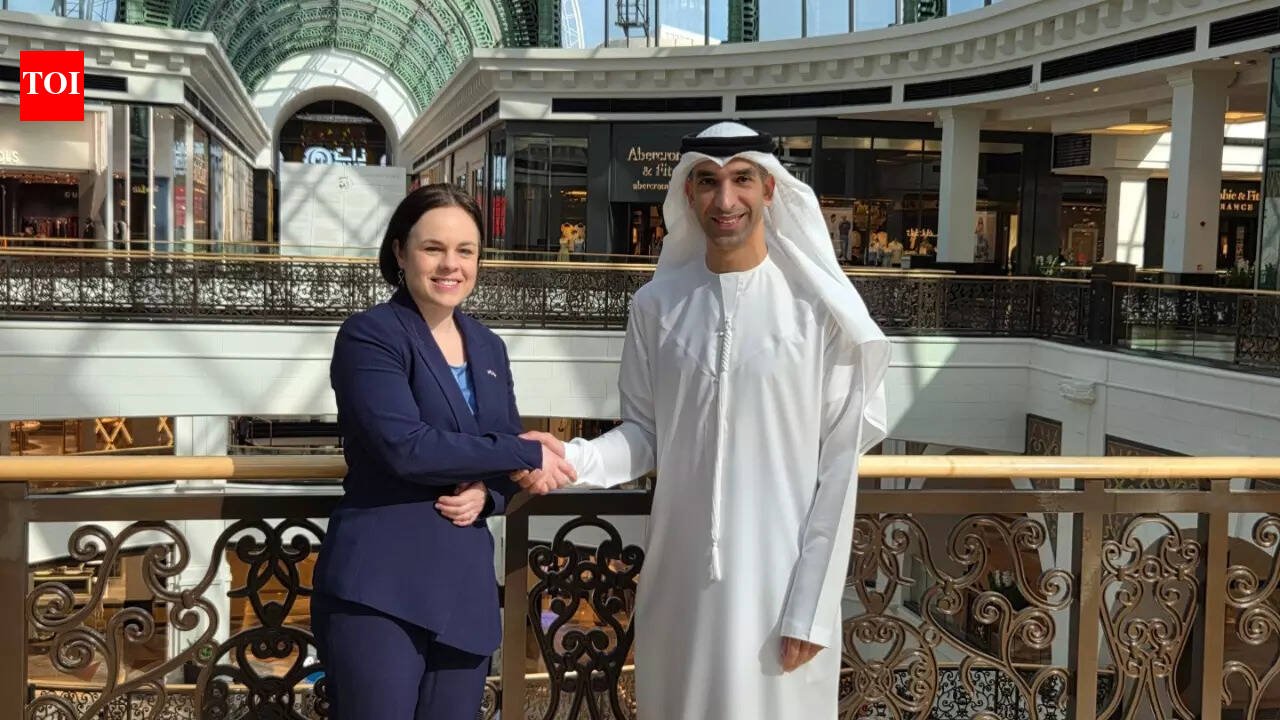
In a significant development for global investment flows, the United Arab Emirates (UAE) and Scotland have signed a pivotal Memorandum of Understanding (MoU) to deepen bilateral investment cooperation, broaden economic ties and unlock new opportunities for businesses in both nations. The agreement, inked on January 30, 2026, reflects the UAE’s strategic vision of strengthening international economic partnerships that support diversification, sustainable growth and resilient development while offering Scottish companies expanded access to one of the Gulf’s most dynamic markets.

UAE and Scotland’s milestone agreement for bilateral investment

The MoU was formally signed in Dubai by Mohammad Abdulrahman Alhawi, Under-Secretary of the UAE Ministry of Investment and Kate Forbes MSP, Scotland’s Deputy First Minister and Cabinet Secretary for Economy and Gaelic, on behalf of the Scottish Government. This partnership establishes a structured framework to facilitate increased investment flows and strengthen coordination between government entities, investment promotion agencies, chambers of commerce, business groups and private sector stakeholders in both the UAE and Scotland.By fostering closer collaboration, the agreement aims to encourage the exchange of capital, technology and expertise, key drivers of economic diversification and innovation in today’s competitive global landscape. Officials from both sides emphasised that the pact goes beyond symbolic diplomacy to generate tangible outcomes: job creation, expanded market access and stronger economic linkages that benefit enterprises in each economy.

UAE and Scotland build on successful engagements and shared momentum

This MoU builds on a series of high-profile engagements between the two economies, including the Investopia Global Edinburgh event held in December 2025, which created a platform for UAE and Scottish businesses to connect, explore partnerships and identify sector-specific opportunities. As part of the cooperation framework, Scottish companies are now being encouraged to participate in the Investopia flagship event in Abu Dhabi in March 2026, while plans are underway for an expanded Investopia Global session in Scotland later in the year.These developments reinforce a broader trend of cross-border investment collaboration, signalling deeper economic integration between the Middle East and European markets, particularly in areas where both economies possess competitive strengths.


Source link

Mumbai Metro One gets prestigious award | Mumbai News


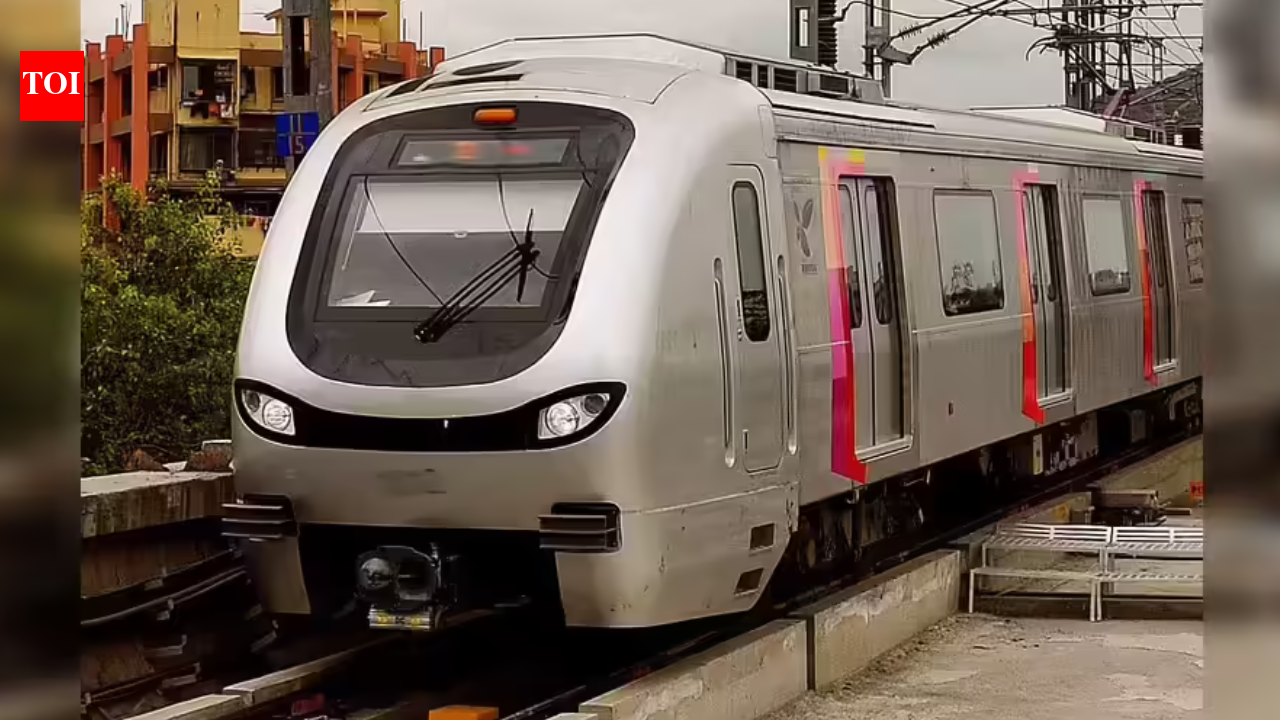
MUMBAI: Mumbai Metro One, promoted by Reliance Infrastructure, has received the Great Place To Work certification, recognising employee feedback on workplace culture. The certification is awarded to organisations that achieve a minimum 70% positive score in an employee experience survey, which evaluates factors such as credibility, respect, fairness, pride and camaraderie. The assessment is conducted by Great Place To Work, which follows a standardised, research-driven methodology. Great Place To Work has been studying workplace practices for over three decades and analyses inputs from employees across more than 150 countries. The certification is largely based on employee responses rather than management submissions. According to Mumbai Metro One, the recognition reflects feedback from staff across operations, maintenance, customer service and support functions, who handle train operations, station management, safety and commuter interface on the Versova–Andheri–Ghatkopar corridor. Metro Line 1 operates 476 services daily. During peak hours, trains run at a frequency of 3 minutes 20 seconds, while off-peak services operate at intervals of 5 minutes 55 seconds. The first service starts at 5.30 am from both Versova and Ghatkopar, and the last service departs at 11.26 pm from Versova and 11.52 pm from Ghatkopar. Mumbai Metro One runs the east–west corridor connecting the western and eastern suburbs, making it one of the busiest rapid transit lines in the Mumbai Metropolitan Region.


Source link

Access Denied


Access Denied

You don’t have permission to access “http://www.ndtv.com/world-news/pakistan-economy-imf-pakistan-loans-we-feel-ashamed-pakistan-pm-shehbaz-sharif-on-begging-for-money-around-the-world-10918316” on this server.

Reference #18.c7f5d217.1769842876.8dbfecf2

https://errors.edgesuite.net/18.c7f5d217.1769842876.8dbfecf2


Source link

Trackside fire, signal failure disrupt railway services in Mumbai; CR commuters hit | Mumbai News


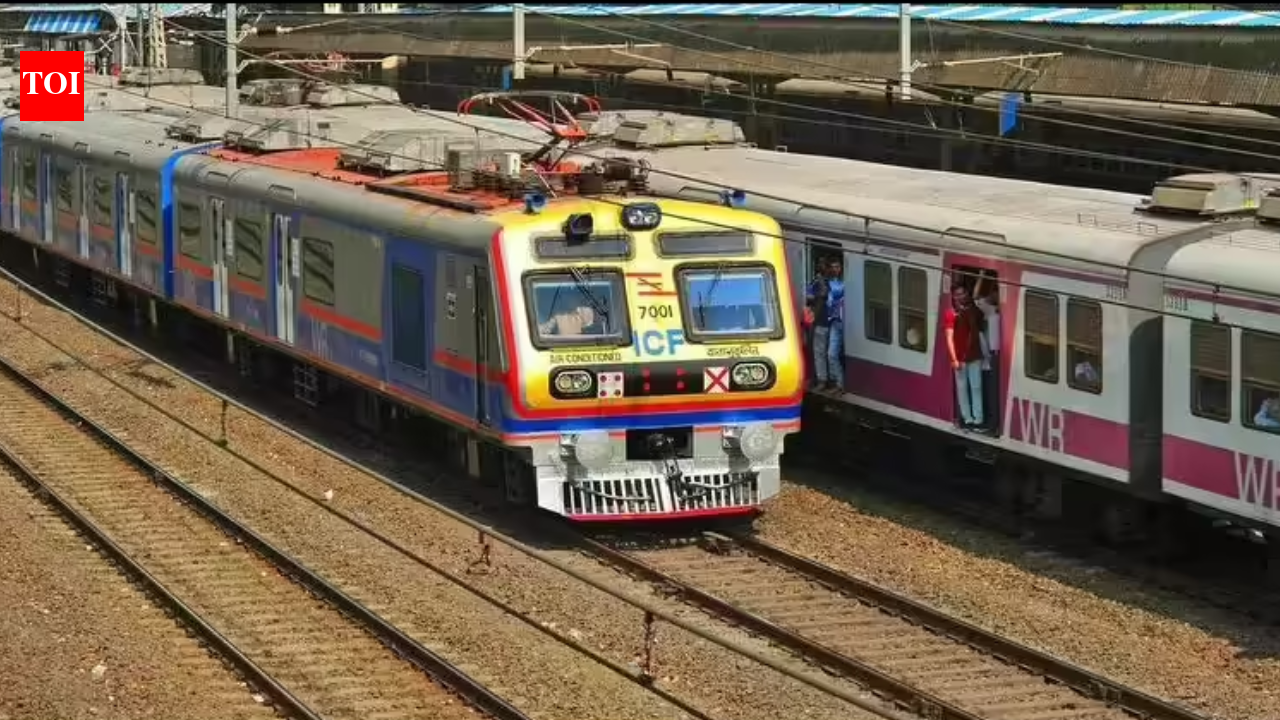
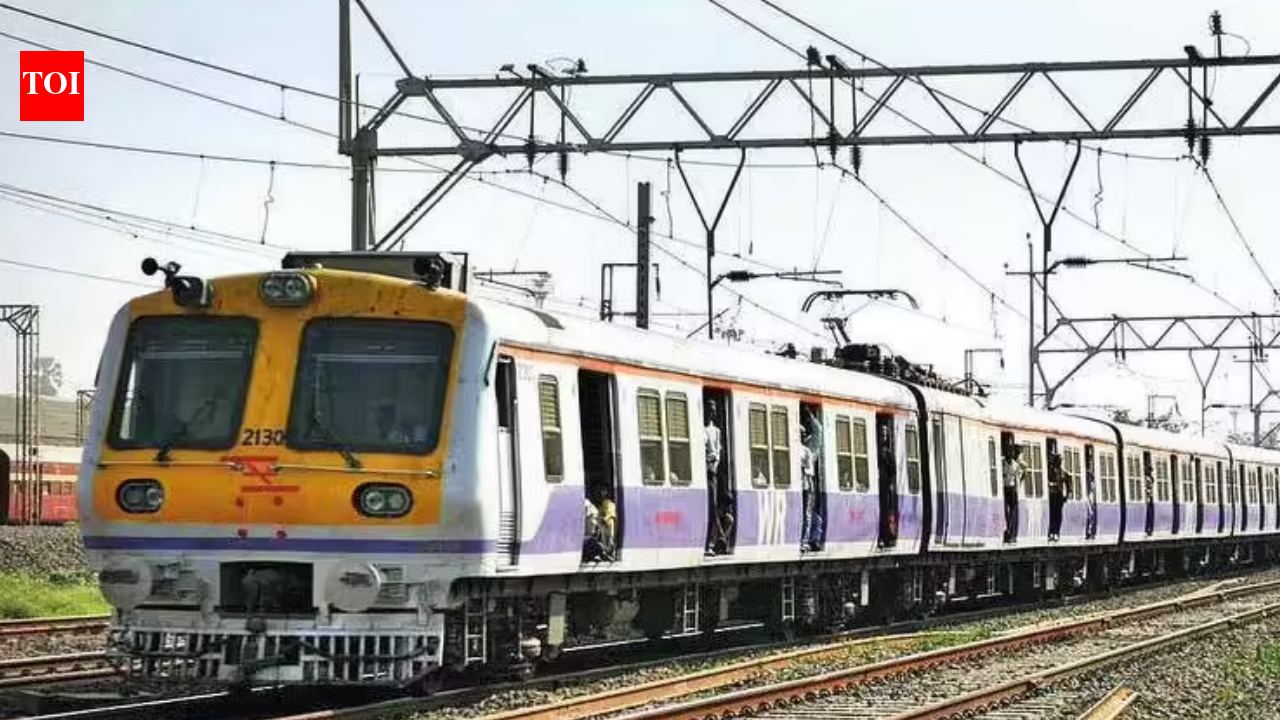
MUMBAI: A series of incidents across the suburban rail network, including injuries at a station, a trackside fire and a signal failure, left Central Railway (CR) commuters facing a difficult time on Friday, and leading to delays on the main and harbour lines. The first incident occurred at Sion station around 10am, where three persons were injured after a quarrel among themselves within the station area. According to railway officials, the trio lost balance and fell beside the UP (CSMT-bound slow) track. As a safety measure, the OHE of both UP and DN tracks was temporarily switched off, affecting train operations in the section. The injured were rushed to hospital and their condition is stated to be stable. The injured have been identified as Afzal Chaudhari (36) of Govandi, Sachin Vishvakarma (21) of Nalasopara in Thane district, and Jainil Sayyad (25) of Kurla. In the second incident, Central Railway services were delayed on Friday evening after fire and smoke were reported from garbage lying adjacent to the tracks between Kalwa and Thane around 6.30pm. Railway officials imposed a caution order in the affected section while fire brigade personnel carried out dousing operations near the tracks. Train movements were regulated during this period, resulting in delays to suburban as well as long-distance services on the main line. Commuter inconvenience continued as harbour line services were also affected due to a signal and telecommunication failure between Mansarovar and Khandeshwar, during which four signals in both UP and DN directions went blank, leading to regulation of trains on the section. The cascading disruptions resulted in severe overcrowding at stations, particularly during peak hours. “I was stuck at Kurla station for nearly 25 minutes waiting for a train. Every service was delayed and platforms were overcrowded. There was no clear announcement on how long it would take,” said Rakesh Patil, a daily commuter travelling towards Dadar. Another commuter, Amit Raje, said trains were so overcrowded due to the delays that he decided not to board at all. “I stepped out of the station and took road transport to reach Matunga, even though it took longer,” he said.


Source link

Western Railway launches indigenous KAVACH train protection system on Vadodara–Surat–Virar section | Mumbai News


MUMBAI: Western Railway on Thursday commissioned the indigenous train protection system, KAVACH, on the Vadodara–Surat–Virar section, enhancing safety on one of its busiest corridors.The KAVACH project on Western Railway has been sanctioned at a cost of Rs3 97 crore. Work on the 344 km Vadodara–Surat–Virar section began in January 2023 and was commissioned on 30 January 2026, officials said. Earlier, the Vadodara–Ahmedabad section had been commissioned. With this, a total of 435 route km on Western Railway is now operational with the KAVACH system.KAVACH is an advanced train protection system that adds an extra safety layer to reduce risks caused by human error. Its key features include preventing signal passing at danger, checking over-speeding, avoiding head-on and rear-end collisions, automatic whistling at level crossing gates, and repeating signal aspects inside the locomotive cab to help drivers during fog, poor visibility, or adverse weather conditions.Officials said the system has been fully conceptualised, designed, and developed indigenously by Indian Railways in close collaboration with Indian industry. The technology is highly complex and significantly cheaper than comparable European systems such as ETCS.Implementation on the Vadodara–Virar section involved multiple technical steps, including creating separate signalling schemes for each station and automatic signalling section, programming and installing over 8,000 RFID tags along the tracks, and planning continuous radio communication between stations and locomotives. Fifty-seven radio communication towers were installed, along with equipment at stations.The work also included laying optical fibre cable along the route, installing KAVACH equipment at stations and level crossing gates, developing dedicated software for system operation, integrating it with the existing signalling system, fitting KAVACH on locomotives, and extensive trials before commissioning.Currently, KAVACH is enabled on WAP-7 locomotives. On Western Railway, 364 locomotives have already been equipped with the system.Additional General Manager Pradeep Kumar, present when a train fitted with KAVACH departed, said, “We have already fitted KAVACH in 300 locomotives, and work on the balance 200 locomotives will be completed within a year.”Work on the Vadodara–Nagda section is progressing and is expected to be commissioned by March 2026, while the Virar–Mumbai Central section is targeted for completion by September 2026. Overall, KAVACH works covering 2,667 route km have been sanctioned on Western Railway at a cost of Rs1,435 crore, with proposals for a further 2,476 route km under consideration.


Source link

‘Nothing more to say’: India coach delivers blunt verdict on Sanju Samson | Cricket News


India’s Sanju Samson (AP Photo/Aijaz Rahi)

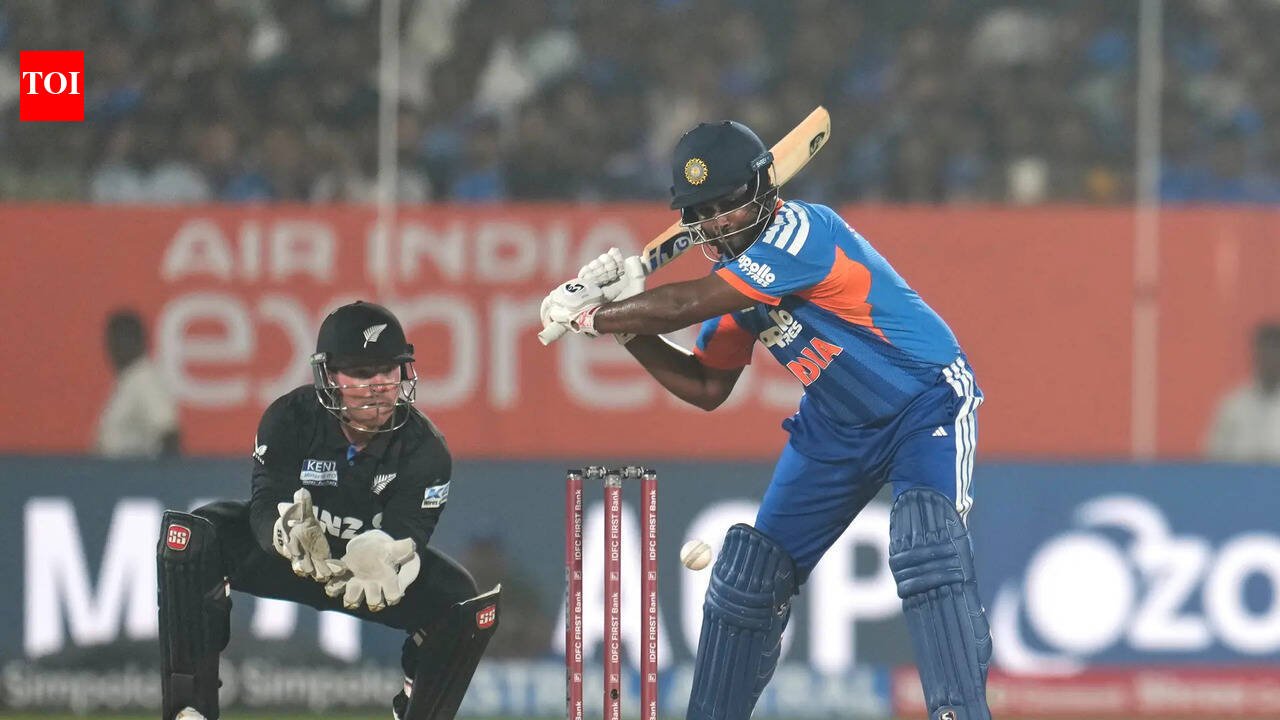
India’s batting coach Sitanshu Kotak has thrown his weight behind Sanju Samson, insisting that a short run of poor scores has not shaken the team management’s belief in the wicketkeeper-batter. Samson has struggled in the ongoing five-match T20I series against New Zealand, managing only 40 runs from four outings at an average of 10. Despite the numbers, Kotak made it clear that the staff see this as a temporary phase rather than a decline in ability.

Sanju Samson or Ishan Kishan? | Greenstone Lobo predicts the ideal player for T20 World Cup

“Sanju is a senior player, he is very good. He probably has not scored as many runs as everybody would like, but that’s part of the cricketing career. Sometimes you have five innings in a row where you score so many runs and sometimes you have a little tight period,” Kotak said while addressing the media on the eve of the fifth T20I. He stressed that Samson has the full backing of the think tank during this challenging stretch. “It’s all up to an individual how to keep his mind strong and, obviously, our job is to keep him in a good frame of mind. He is practicing and he is working hard, so we all know what Sanju is capable of. I don’t think anything more to say about Sanju because he has been really good,” he added. Those words were reflected on the training ground at the Greenfield Stadium, where Samson spent close to half an hour batting in the nets. He began by facing side-armers Hari and Raghu, then took on left-arm spinner Axar Patel. The session was followed by a brief discussion with head coach Gautam Gambhir and bowling coach Morne Morkel. If he features on Saturday, it will mark Samson’s first international appearance at his home venue. Kotak also highlighted the value of the recent white-ball fixtures as India fine-tune their preparations for the T20 World Cup, calling the New Zealand and South Africa series important building blocks. “It’s been a very important series for us. It is obviously useful because before the World Cup you kind of start getting into a rhythm, you start finding the combinations and you try and give players an opportunity,” he said. “All that you can do when we are playing. So, these five games, and obviously, before that South Africa (series) is also very useful for us.” On team selection, Kotak indicated that Ishan Kishan is likely to return for the final T20I after missing the previous match with an injury. “Ishan Kishan has always been good whenever he got an opportunity. Sometimes wicketkeeper batters don’t get opportunities. But whenever Ishan has played, he has always done well,” he said. “And very likely (he will play), at the moment, as far as I know. The physio is here for practice. So, physios will take a call. But I feel very likely.” Kotak credited the presence of naturally aggressive players such as Kishan, Suryakumar Yadav and Abhishek Sharma for allowing India to maintain an attacking approach throughout the series. He reserved special praise for Abhishek’s clarity and technique, noting that his strokeplay is rooted in solid fundamentals rather than reckless hitting. “He does speak to Gautam, he does speak to me and Surya and some other players also. So, he is very open to everything,” Kotak said, before adding that Abhishek’s shots are played “on merit of the ball” with strong basics. The batting coach was also pleased to see captain Suryakumar rediscover form with consecutive half-centuries after a quiet spell. “There will be a dry patch in T20s and you still have to go hard, you still have to play for the team, which is what he did. So glad that he got a good two innings, that’s a good sign for the team anyway,” Kotak said.


Source link

‘Aai’ written on rickshaw helps Mumbra cops crack baby kidnapping case; over 1,600 CCTV cameras scanned in six-day operation | Thane News


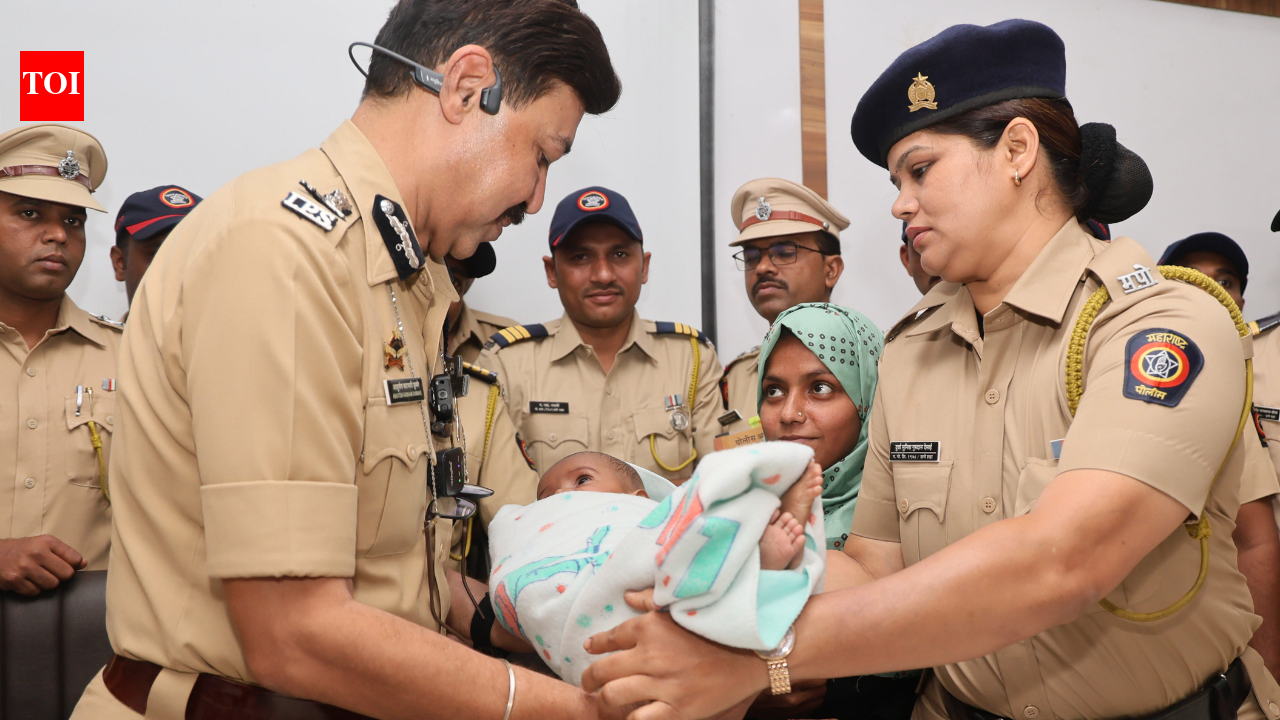
THANE: A single word painted on an autorickshaw became the breakthrough clue that helped Mumbra police crack the kidnapping case of a 3-month-old infant and arrest three persons after scanning over 1,600 CCTV cameras in a 6-day operation.The infant, Afiya Khatun Shahrukh Ali, was kidnapped on the evening of Jan 22, near DCB Bank on Khadima-Machine Road when her mother, Farzana Mansuri (23), was crossing the road with her two daughters. A burkha-clad woman offered to hold the baby and vanished into the crowded locality within moments.CCTV footage revealed the suspect fleeing in an auto bearing the word “Aai” (mother in Marathi). Under the guidance of Police Commissioner Ashutosh Dumbre, four special teams tracked the suspects through footage. Technical surveillance led police to prime accused Nasrin Sheikh, a Mumbra resident, who led the team to Mohammad Mujib Gulab (31) and his wife, Khairunnisa (30), who were handed over the baby. – Nishikant Karlikar


Source link

The 2025 iPhone whose successor Apple may not launch in 2026


The 2025 iPhone whose successor Apple may not launch in 2026

Apple launched iPhone Air in September last year along with its iPhone 17 series. The smartphone features a 5.6mm thin profile, making it ‘thinnest iPhone ever’. A new report now suggests that users waiting for the next version of the iPhone Air may have to wait longer. The Cupertino-based company is unlikely to launch a second-generation iPhone Air in 2026. “Apple has at least five new iPhone models in the pipeline,” Nikkei Asia reports. These will include “a revamped iPhone Air, its thinnest-ever model; the standard new iPhone; and three premium models.” However, there is no clarity on when iPhone Air shipments will start, the report says adding it is not expected in 2026.“It is not yet clear when shipments of the Air will start, but they are not expected this year,” the report adds.

Apple may skip iPhone 18 in 2026

Apple iPhone Air is not the only iPhone that the firm may skip this year. As per the report, Apple may skip a 2026 launch for the iPhone 18 and push its debut to 2027. The report cites four people aware of the matter who say that Apple will prioritise premium iPhone launches in 2026 due to the global memory crunch. The tech giant is said to focus on delivering its first-ever foldable iPhone as well as two Pro models for its launch in the second half of the year and the the standard iPhone 18 model will be scheduled for shipment in the first half of 2027.“Apple is prioritizing the production and shipment of its three most premium new iPhone models for 2026 while pushing back the shipment of its standard model amid a marketing strategy change and supply chain crunch,” it says.“Supply chain smoothness is one of the key challenges for this year, and the marketing strategy change also played a part in the decision [to prioritize premium models],” the report quotes an executive with an iPhone supplier who has direct knowledge of the plan.

Supply chain constraints ‘likely’ reason

The report indicates that Apple seems to have started to feel the effects of soaring memory prices, and to minimize any potential production hiccups, the company is taking measures to keep things running smoothly.A Nikkei Asia report earlier stated that the tech supply chain, particularly the consumer electronics segment, is facing mounting pressure over a supply crunch for memory chips and various materials. Not just Apple, but other Chinese smartphone makers, including Xiaomi, Oppo, Vivo and Transsion, have lowered their shipment forecasts for this year.


Source link