Breaking News
‘Make in India’ semiconductor push: Micron’s Gujarat plant to begin next month, making ‘most complex’ chips says Vaishnaw


'Make in India' semiconductor push: Micron's Gujarat plant to begin next month, making 'most complex' chips says Vaishnaw

Micron Technology’s $2.75-billion semiconductor facility in Sanand, Gujarat, is expected to begin commercial production by the end of February, IT and electronics minister Ashwini Vaishnaw said. Speaking to ET on the sidelines of the World Economic Forum in Davos, Vaishnaw said that pilot production is already underway at four semiconductor plants, with one now ready to shift to full commercial operations in the third week of February. “I can share some good news. The four plants that started pilot production in recent months…one of which is going to start commercial production in the third week of February, I just met its CEO and he’s very happy with the work that has happened in India. This is in Sanand, the Micron plant,” he said. Vaishnaw further acknowledged the complexity of semiconductor manufacturing, calling it among the hardest industrial challenges.

‘Bit Late but Strong’: Amit Shah Highlights India’s Semiconductor Industry Growth

India making ‘most complex’ chips

He added that the country’s approach has been to focus on problem-solving, “we are very cognisant of the difficulty involved in semiconductor manufacturing. That’s why we are keeping our heads down and solving every problem as it comes. The industry is very satisfied with our problem-solving approach,” Vaishnaw said.According to the minister, global semiconductor firms are increasingly viewing India as a destination not only for design but also for advanced manufacturing. He said that industry leaders at a Davos roundtable highlighted that the “most complex chips” are now being developed in India, including two-nanometre nodes, and as the manufacturing capability is increasing, companies may also manufacture those chips in the country.“Yesterday, at a roundtable, practically every semiconductor industry leader they are now designing end-to-end products in India, and the most complex chips, including two-nanometre nodes, are being designed in India end to end. Now that manufacturing capability is coming up, they want to manufacture those chips in India,” Vaishnaw said.He also pointed to a defined roadmap for technology progression in Indian chipmaking. “We have set a very clear path, from 28-nanometer to 7-nanometer, to 3-nanometer, to 2-nanometer node. That path is clearly laid out. After six decades of persistence, this is finally giving results,” he said.

‘Rare earth availability very large’

Vaishnaw linked India’s semiconductor ambitions to the strength of its strategic partnerships, especially when it comes to securing critical minerals such as rare earths. He said the key challenge is not availability but processing and extraction capabilities.“This is a very important topic. Rare earth availability is very large, there is no shortage. What is important is to be able to process them, extracting the elements from the minerals available in nature. That’s where we need collaboration with multiple countries, so that we are able to create that ecosystem which can process the minerals,” he said, adding that many sectors depend on rare earths.While answering whether India can secure the rare earths required for semiconductor manufacturing and the wider electronics ecosystem, Vaishnaw described mineral supply as inherently multilateral, requiring multiple countries to play complementary roles. “The mineral value chain will always remain a multilateral value chain. It will have multiple players as part of the value chain. Some things will come from one country, others from another country. What is important is to build alliances,” he told ET.He noted that India has built semiconductor development partnerships with several regions and countries. “That’s why we have alliances with the US, with Germany, with Japan. We now have alliances with South Korea and with the entire EU for semiconductor development,” Vaishnaw said.

India amid global headwinds

In the midst of geopolitical uncertainty, Vaishnaw said India’s focus is on building dependable partnerships rooted in trust. “What’s important is to create relationships based on trust. That’s what Prime Minister Narendra Modiji has done over the last 11 years. The relationships that we have developed are relationships of trust, where we co-create, co-develop, and add value to each other. These are the relationships that will sustain in this turbulence,” he said.Asked about US President Donald Trump’s speech at the WEF, Vaishnaw said the global environment is entering a turbulent phase, making economic and technological resilience crucial. “The entire world is bracing for a very turbulent period, and we are a very, very responsible country. It’s very important to have resilience built into our economy, into our society, into our country,” he said, listing resilience across technology, defence, research and development, and trade as key focus areas.Vaishnaw also shared what he believes are the key discussions shaping this year’s Davos agenda. “There are two major themes out here. One is, as AI models become commoditised, which they have, how the value will come out of AI? The second is, in this entire geopolitical and geo-economic turbulence, how will countries respond?” he said.In his message to the business community attending Davos, Vaishnaw said investors are increasingly viewing India as a stable and trusted partner in global supply chains. “The entire world is looking at India as a trusted value chain partner, as a country that is growing consistently, as a country that is having inclusive growth, as a democracy that is led by a leadership that is focused on making sure every section of society grows with the growth of the country,” he said. He also added that India’s pace of technology adoption and adaptability are among the factors driving investor confidence.

Source link

Mumbai BMC mayor election: Meet the women frontrunners for the richest civic body | Mumbai News


Mumbai BMC mayor election: Meet the women frontrunners for richest civic body
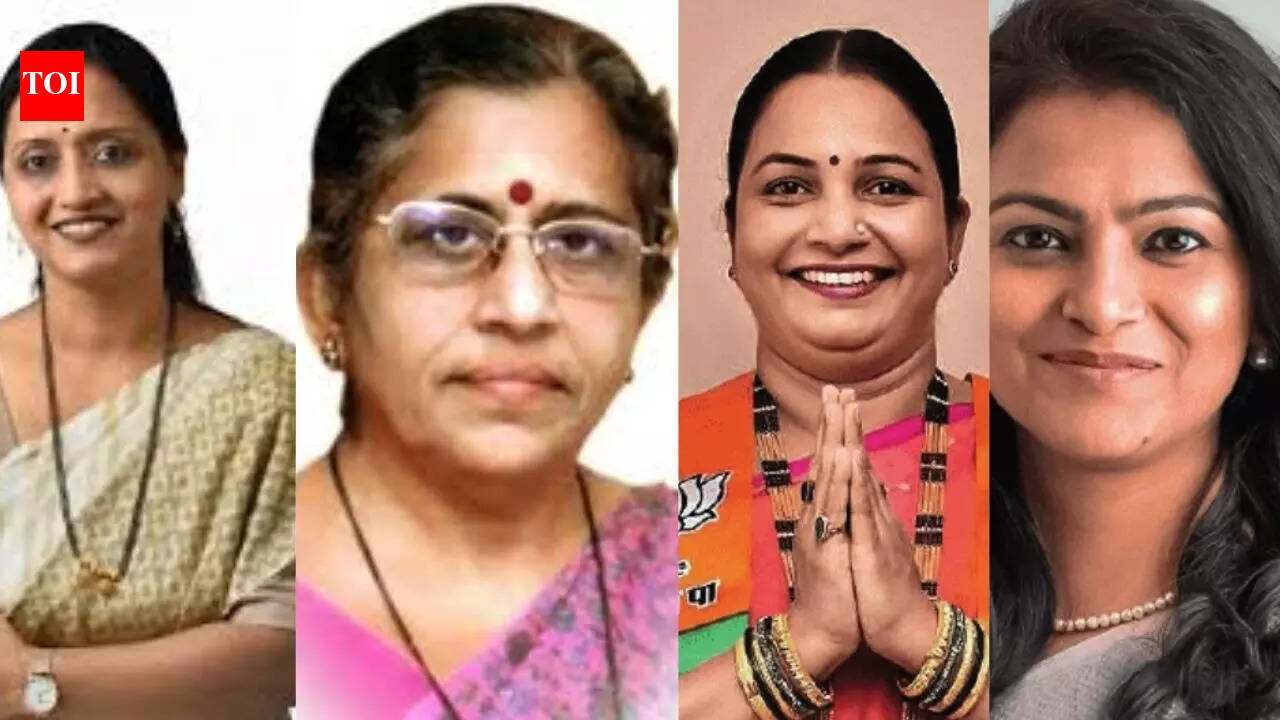
(L-R): Rajeshree Shirwadkar, Alka Kerkar, Yogita Koli, Harshita Narwekar

MUMBAI: The Bharatiya Janata Party (BJP) is poised to take the Mumbai mayor’s post for the first time since the 1980s, with the party narrowing its choice to several women corporators. The post was reserved for a woman from the open category in a draw of lots held on Thursday by the Urban Development Department.

The frontrunners

  • Ritu Tawde, a two-time corporator from Ghatkopar who joined the BJP from Congress in 2012.
  • Alka Kerkar, a three-time Bandra West corporator with close links to the RSS and former deputy mayor.
  • Rajeshree Shirwadkar, a third-term Sion corporator.

Party insiders say the selection will balance organisational priorities with electoral strategy, as the BJP returns to the mayor’s chair after nearly 40 years — the last BJP mayor being Dr Prabhakar Pai in the 1980s. Other names in contention include Tejasvee Ghosalkar from Dahisar, a former Shiv Sena (UBT) corporator seen as a tactical choice linked to deputy chief minister Eknath Shinde’s plan to mark the birth centenary of late Bal Thackeray. Additional possibilities include Harshita Narvekar from Fort, Priti Satam from Goregaon, Yogita Koli from Malad, Shital Gambhir from Mahim, and Swapna Mhatre from Bandra West.


Source link

Badlapur shaken again: 4-year-old molested by school van driver; accused arrested | Mumbai News


MUMBAI: A four-year-old girl attending a pre-primary school in Badlapur was allegedly molested by the private school van driver, following which Badlapur police registered a case against the accused and arrested him. Enraged locals vandalised the van after learning about the incident.The incident came to light on Thursday afternoon when the girl, a student at a private English school in Badlapur, did not return home at the usual time (12.30 pm), leaving her parents worried. The girl reached home about an hour later. When questioned by her family, she initially did not say anything, but she appeared visibly distressed. After repeated questioning, the girl revealed that the school van driver had molested her, police.(The victim’s identity has not been revealed to protect her privacy as per Supreme court directives on cases related to sexual assault)


Source link

‘Apply for IndiGo’s vacated slots, but only if you can mount extra flights;’ Government tells airlines


NEW DELHI: Government Thursday asked airlines to “submit their requests and preferences” to airport operators for IndiGo slots that have become available after 10% of its current winter schedule flights were cancelled following last month’s disruptions. It has directed airports to “compile the requests received from airlines and forward the same to” it.The aviation ministry sent this communication to airlines and airport operators on Thursday, listing the conditions attached with getting slots freed up by IndiGo till the flight cuts remain in place. “Surrendered slots should not remain unutilised where capacity can be added. Preference shall be given to airlines that can demonstrate capacity in the form of additional aircraft, pilots, cabin crew, ground support equipment and maintenance engineers, and not merely a reshuffle of existing flights. Airlines must share operational preparedness failing which assigned slots will be cancelled and re-assigned. Existing routes or sector connectivity shall not be discontinued to utilise vacated slots,” the official note says.The aviation ministry had cut IndiGo flights by 10% after its schedule collapsed in the first week of that month and the same, as of now, are supposed to remain in place all the summer schedule comes into effect from the last Sunday of March. It then set up a slot coordination committee “for the purpose of redistribution of slots vacated by lndiGo cancellations to other Airlines.” Led by joint secretary Rubina Ali, the committee had its first meeting on January 13 where the process and rules for redistributing the slots were decided.After getting the requests for slots temporarily freed up by IndiGo, this panel will decide on their final allocation. Officials in other major Indian airlines say their current capacity is nearly fully deployed. Also, they do not know how long these slots are available for. The current winter schedule ends on March 28, and so far IndiGo cuts are for this remaining period.“The ministry has come out with good conditions that disallow taking capacity out from some route and deploying it on the IndiGo slots others may get. This means only someone sitting on spare capacity can avail of this which is not the case with any serious Indian player. The best bet in the short term remains IndiGo getting its house in order and be able to return to pre-cut level of flights. Everyone wants that to happen as till the 65% market share company is not operational 100%, the fare caps will remain in place that are hurting our yields,” said officials of other big airlines.


Source link

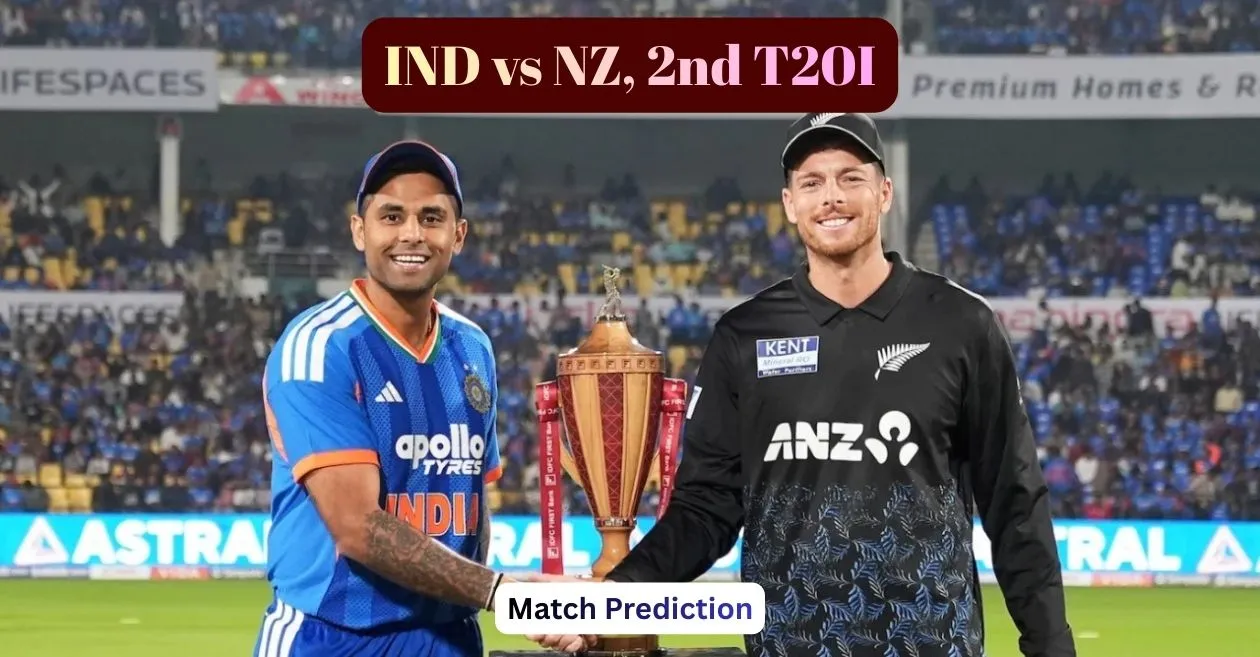
IND vs NZ, 2nd T20I Match Prediction: Who will win today’s game between India and New Zealand?


India enter the second T20I at the Shaheed Veer Narayan Singh International Stadium in Raipur with significant momentum, leading the five-match series 1-0. After a dominant 48-run victory in the series opener at Nagpur, the Men in Blue will look to tighten their grip on the series before the action moves to Guwahati.

The hosts were powered by a sensational Abhishek Sharma, who smashed 84 off 35 balls in the first game. With Rinku Singh providing the late-overs blitz and Varun Chakaravarthy leading the spin department effectively, India’s T20 World Cup preparations look on track.

The Kiwis struggled early in Nagpur, losing key wickets of Devon Conway and Rachin Ravindra within the first two overs. While Glenn Phillips kept them in the hunt with a defiant 78, the middle order will need more stability to chase or set a competitive total on Raipur’s large outfield.

IND vs NZ, 2nd T20I: Match Details

  • Date and Time: January 23 (Friday); 7:00 pm IST / 1:30 pm GMT
  • Venue: Shaheed Veer Narayan Singh International Stadium, Raipur

IND vs NZ, Head-to-Head Record (T20Is):

Matches played: 26 | India won: 15 | New Zealand won: 10 | No result/Tied: 1

Shaheed Veer Narayan Singh International Stadium Pitch Report

The pitch at the Shaheed Veer Narayan Singh International Stadium is traditionally balanced, offering a “sporting” surface that provides a fair contest between bat and ball. Initially, the black soil track offers good carry and bounce for pacers, but it tends to slow down as the game progresses, assisting spinners with natural grip and turn. A defining feature of this venue is its vast boundary dimensions, which makes clearing the ropes difficult and rewards smart placement. With significant dew expected in the evening, the toss will be crucial; chasing becomes considerably easier as the ball gets harder to grip.

Squads

India: Suryakumar Yadav (c), Abhishek Sharma, Sanju Samson (wk), Shreyas Iyer (first three T20Is), Hardik Pandya, Shivam Dube, Axar Patel (vc), Rinku Singh, Jasprit Bumrah, Harshit Rana, Arshdeep Singh, Kuldeep Yadav, Varun Chakaravarthy, Ishan Kishan (wk), Ravi Bishnoi

New Zealand: Mitchell Santner (c), Michael Bracewell, Mark Chapman, Kristian Clarke (first three games), Devon Conway, Jacob Duffy, Zak Foulkes, Matt Henry, Kyle Jamieson, Bevon Jacobs, Daryl Mitchell, James Neesham, Glenn Phillips, Rachin Ravindra, Tim Robinson, Ish Sodhi

Also READ: IND vs NZ: Arshdeep Singh reveals the key to thriving on batting-friendly pitches

IND vs NZ, 2nd T20I: Today’s Match Prediction

Case 1:

  • India wins the toss and bowls first
  • New Zealand powerplay score: 45-55
  • New Zealand total score: 170-180

Case 2:

  • New Zealand wins the toss and bowls first
  • India powerplay score: 60-70
  • India total score: 210-220

Match result: India to win the contest 

Also WATCH: Sanju Samson turns ‘Superman’ with brilliant one-handed catch to dismiss Devon Conway during 1st T20I


Source link

Low Vitamin D may worsen Dengue outcomes, global study raises questions for India | India News


Low Vitamin D may worsen Dengue outcomes, global study raises questions for India

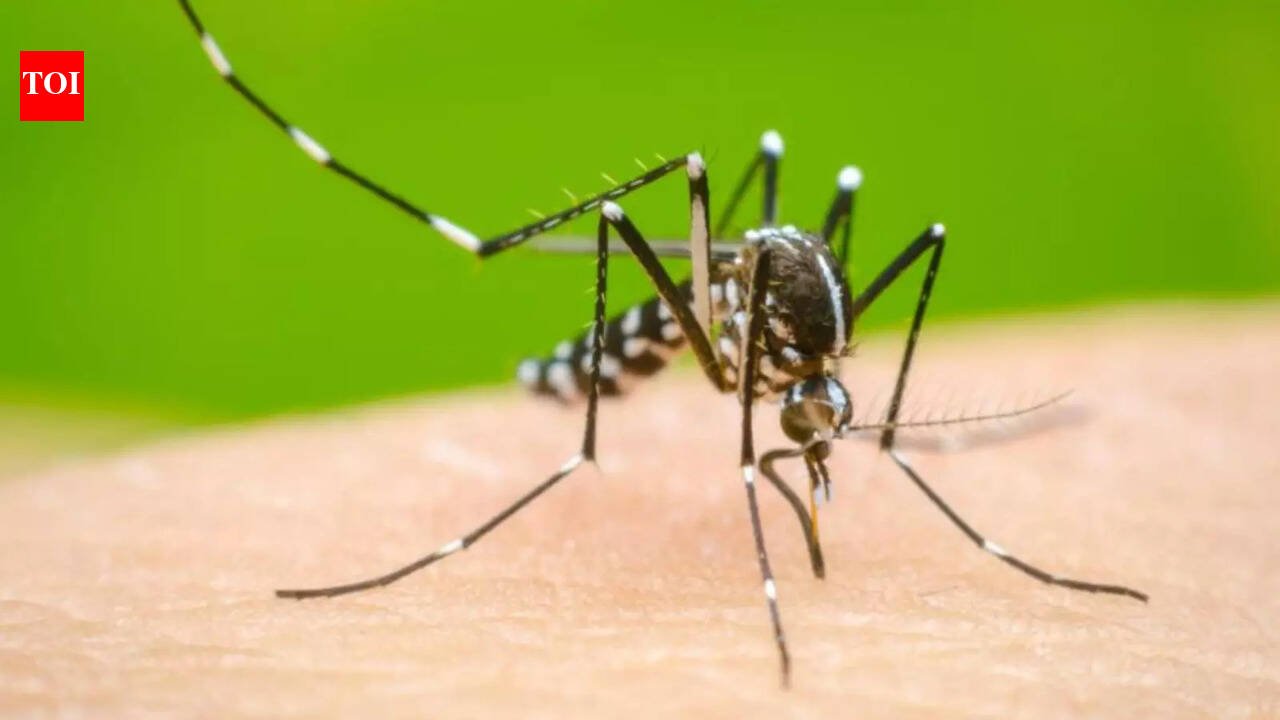
Photo for representative purpose only

NEW DELHI: A clinical study from Colombia, published in the Indian Journal of Medical Research, the peer-reviewed journal of the Indian Council of Medical Research (ICMR), has found that low vitamin D levels are linked to more severe dengue, a finding with clear relevance for India, where both dengue and vitamin D deficiency are widespread. Dengue remains a recurring public health challenge in the country, especially during the monsoon, when hospitals see sharp rises in patients with high fever, falling platelet counts and bleeding complications. While many recover with supportive care, a significant proportion deteriorate rapidly, and predicting severity remains difficult.In the Colombian study, researchers analysed blood samples from nearly 100 laboratory-confirmed dengue patients, classified by disease severity, and compared them with healthy individuals. They measured serum vitamin D levels along with miRNA-155, a molecule that regulates immune and inflammatory responses. Patients with milder dengue had higher vitamin D levels, while those with warning signs or severe disease showed significant deficiency. At the same time, miRNA-155 levels rose steadily with increasing severity, indicating an exaggerated immune response. The study also found an inverse relationship between vitamin D and inflammatory markers such as TNF-alpha and interleukin-6, both linked to severe dengue and complications like dengue haemorrhagic fever.Commenting on the findings, Dr R. Goswami, professor of endocrinology at the All India Institute of Medical Sciences, said the study strengthens earlier evidence linking low vitamin D with severe dengue, particularly dengue haemorrhagic fever. “What this study adds is a possible disease mechanism through microRNA-155, which is involved in immune dysregulation via Th1 and Th2 pathways,” he said, adding that it is prudent to maintain normal levels.Doctors say the findings resonate with Indian clinical experience. Dr Pankaj Soni, principal director (internal medicine) at Fortis Escorts Heart Institute, said low vitamin D is associated with bleeding and complications and may worsen inflammation and viral replication, making it a modifiable risk factor but not a treatment. Dr Atul Gogia, head of infectious diseases at Sir Ganga Ram Hospital, said severe dengue is often driven by a cytokine storm, and correcting deficiency could help reduce complications, though larger, well-controlled trials are needed.India continues to face a heavy dengue burden, with about 1.13 lakh cases and 95 deaths reported till November 2025, and much higher numbers recorded in peak years such as 2023. At the same time, national studies show vitamin D deficiency affects a large majority of Indians across age and income groups. Experts caution against self-medication but say the study highlights the need for India-specific research to examine whether correcting widespread deficiency could help identify high-risk patients early and reduce dengue-related complications.


Source link

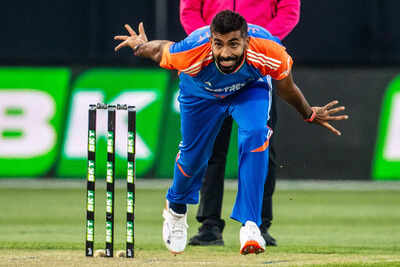
A decade of Jasprit Bumrah sorcery: Unorthodox pacer set for full-circle moment against New Zealand in Raipur | Cricket News


A decade of Jasprit Bumrah sorcery: Unorthodox pacer set for full-circle moment against New Zealand in Raipur
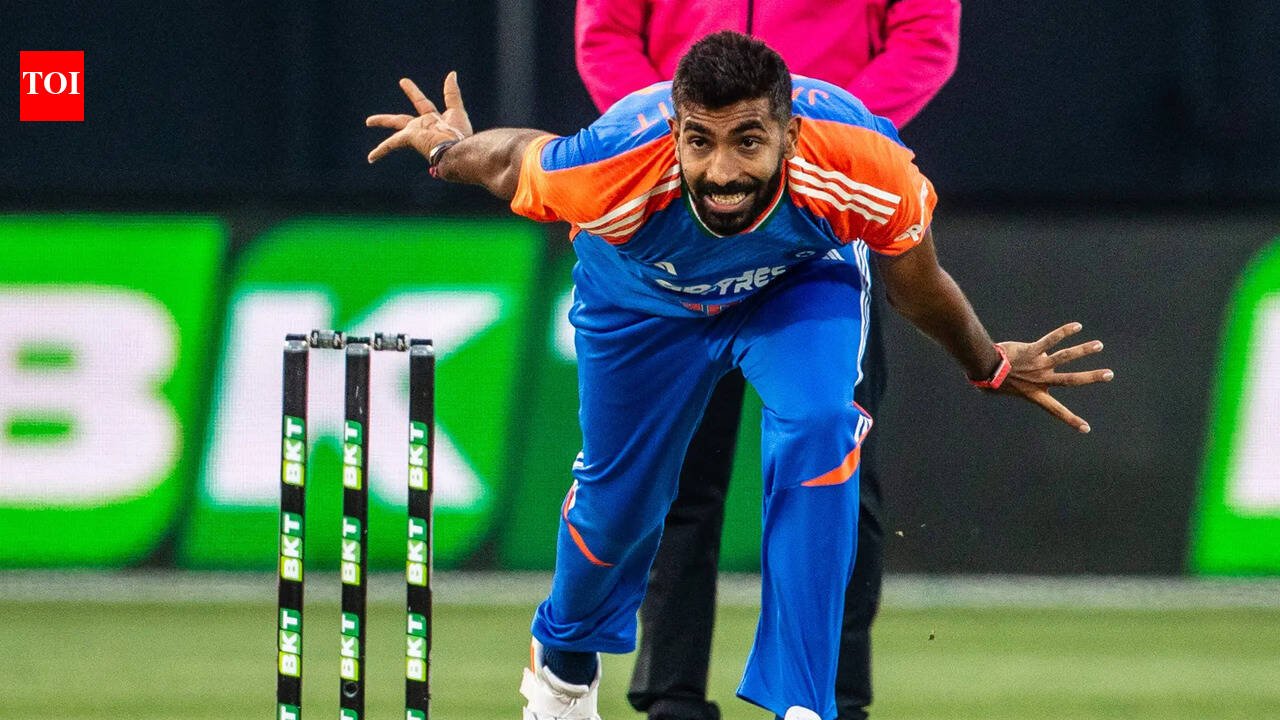
Jasprit Bumrah (AP Photo)

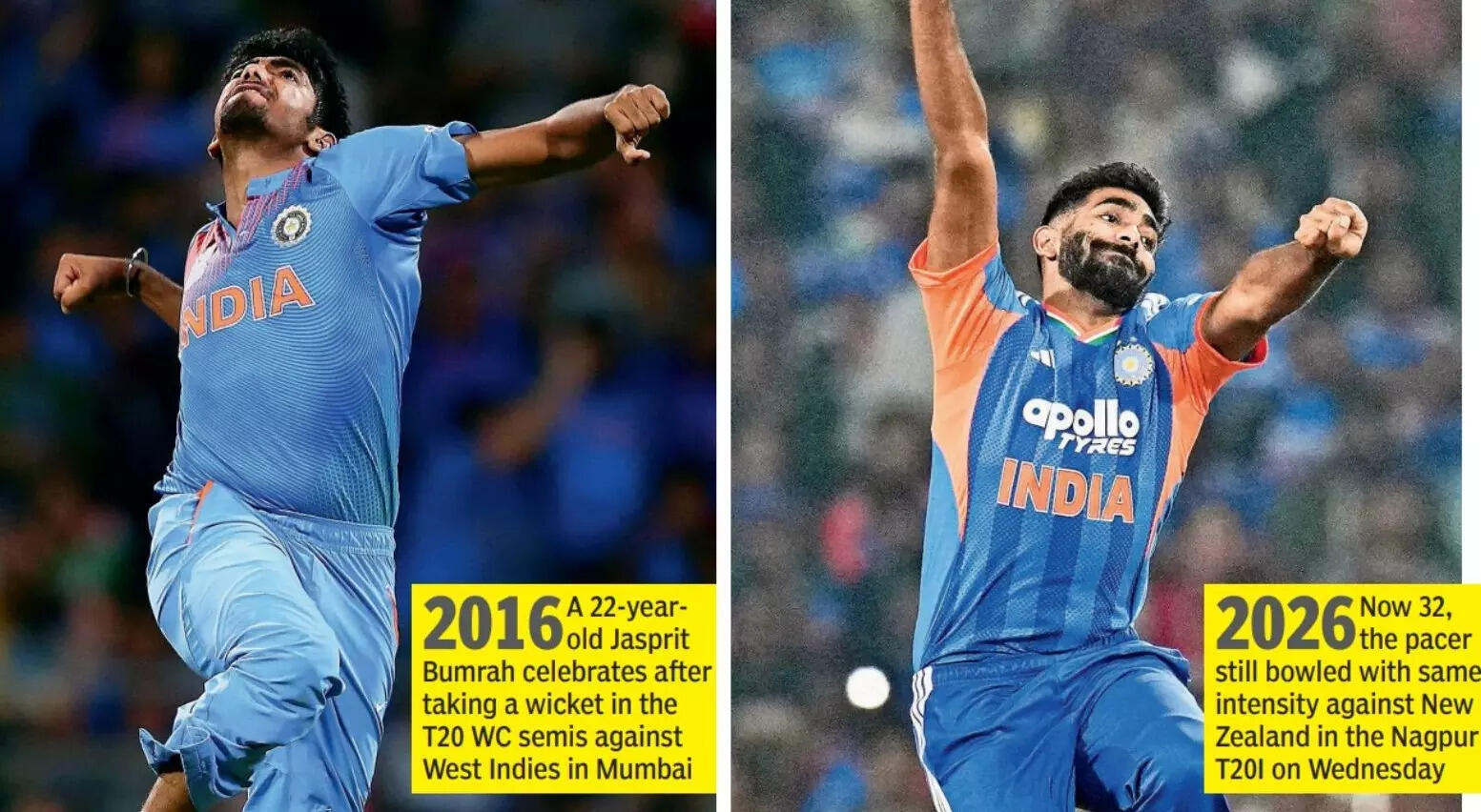
RAIPUR: Cricket tragics, whatsapp uncles, millennials and zoomers often dissect India’s batting into a pre-Tendulkar and post-Tendulkar phase. And when one mentions Jasprit Bumrah, one suspects they will break down India’s pace bowling into a pre and post-Bumrah era.Go Beyond The Boundary with our YouTube channel. SUBSCRIBE NOW!When the Gujarat pacer was first spotted taking the wicket of Virat Kohli in the IPL in 2013 on his debut despite being hit for three boundaries, everyone was amazed at his unorthodox action and the ability to deliver accurate yorkers at will. The doubting Thomases also questioned whether his action will be sustainable over a long period and whether he can play the longer format. But at every stage of his life, Bumrah kept defying the odds and continued to chase excellence and write his own destiny to slot himself among the all-time greats.

‘Indian cricket no less than Bollywood abroad’ | Bombay Sport Exchange

On Friday, the right-arm pacer will complete a decade in international cricket when he takes the field during the second T20I against New Zealand.His international debut in the fifth ODI against Australia in Sydney on Jan 23, 2016 was full of drama.Bumrah was actually part of the T20I team on that tour and was supposed to fly to Adelaide three days prior to the last ODI, but as the Indian board could not find him a flight seat, he stayed back in Sydney. Bumrah thought he would get to spend some time in the company of the seniors and sharpen his skills, but never in his wildest dreams did he imagine that he would be handed an ODI debut. But he was drafted in, in place of Bhuvneshwar Kumar, who fractured his thumb. The spot could have gone to left-arm seamer Barinder Sran, who was in the original ODI squad, but skipper MS Dhoni decided to go with his hunch and hand the Gujarat pacer ODI Cap No. 210.

Jasprit Bumrah

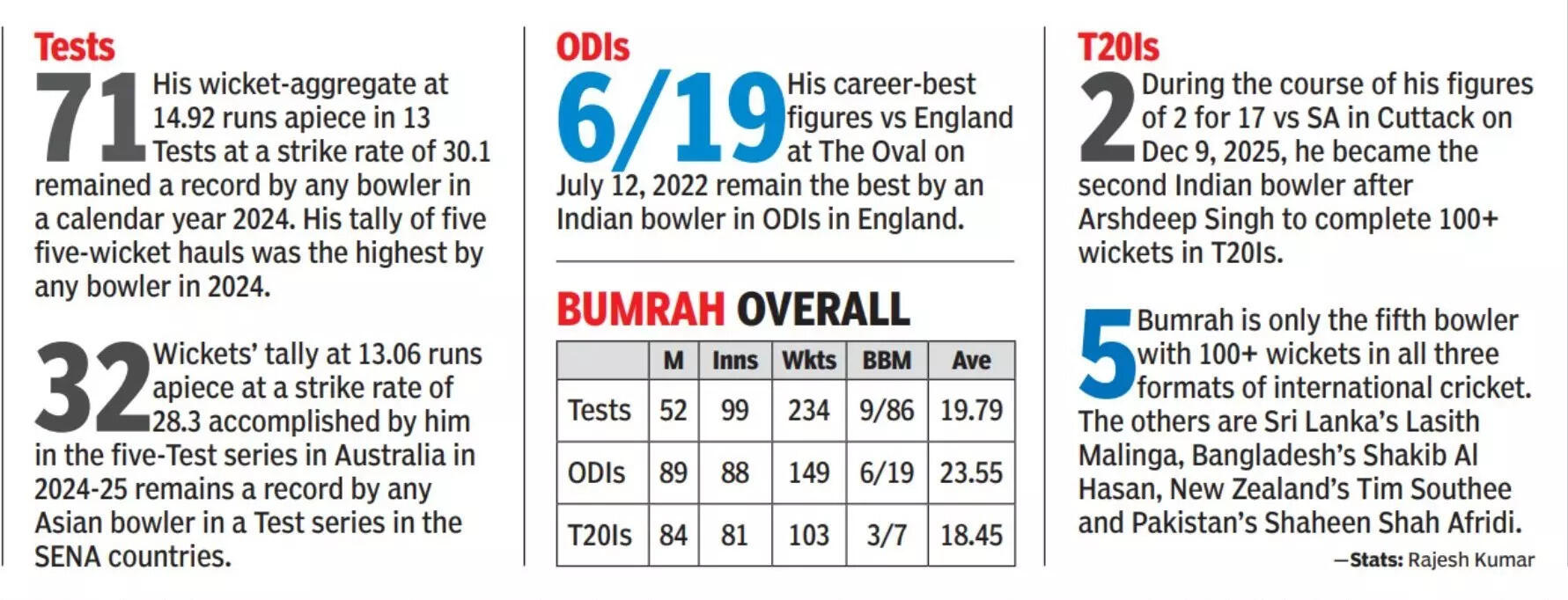
The chosen one did not disappoint and finished with figures of 2/40 from 10 overs, which included the dismissal of Aussie skipper Steve Smith, and since then he has never looked back. By the end of the T20 games, Dhoni called him the find of the tour.After the Sydney ODI, Smith admitted that because of Bumrah’s nippy action, the deliveries came quicker onto the bat than one thought. That unusual action, with the release much closer to the batter than traditional bowlers, gives the batter no trigger to react and has bamboozled modern-day greats like Smith, AB de Villiers and Joe Root.Bumrah has made an impact across formats, but it was the T20s that first brought him into the limelight during the IPL with Mumbai Indians with captain Rohit Sharma often using Bumrah’s four overs like a pensioner used his retirement corpus.He did the same during the T20 World Cup in 2024 too, especially in the game vs Pakistan in New York where his 3/14 across four overs enabled India to pull off a heist and defend 119.The defence of 30 off 30 balls vs South Africa with six wickets left in the final too became possible only because Rohit still had two overs of Bumrah up his sleeve and the GOAT bowled one of the balls of the tournament to castle Marco Jansen.

Jasprit Bumrah's career records

India will hope that he has an ace up his sleeve again when they set about defending their T20 World Cup title on home turf, starting with a group clash against USA at the Wankhede Stadium on Feb 7.During the 2024 edition, he had an economy rate of 4.17, which was best among the bowlers who played five or more matches in the tournament. His career economy rate after 84 T20Is is 6.42, which is obscene for a bowler who bowls during all three phases—Powerplay, middle overs and the death.The most important aspect of Bumrah is his presence in the playing XI and his ability to land telling blows. It has a calming influence on the bowling attack and settles the nerves of a skipper, which was missing during the recent ODI series defeat against New Zealand.It’s hardly a wonder then that be it Dhoni, Kohli, Rohit or Surya, all looked in Bumrah’s direction when they needed a piece of magic. Rest assured, India will need his magic again as dew, not a factor in West Indies and USA in 2024, will be a huge one, come Feb and March and if Bumrah is on, rival teams often end up playing a 16-over match, instead of a T20 game.


Source link

January 2026 bank holidays: Are banks closed for 4 days from today? Check state-wise list


January 2026 bank holidays: Are banks closed for 4 days from today? Check state-wise list

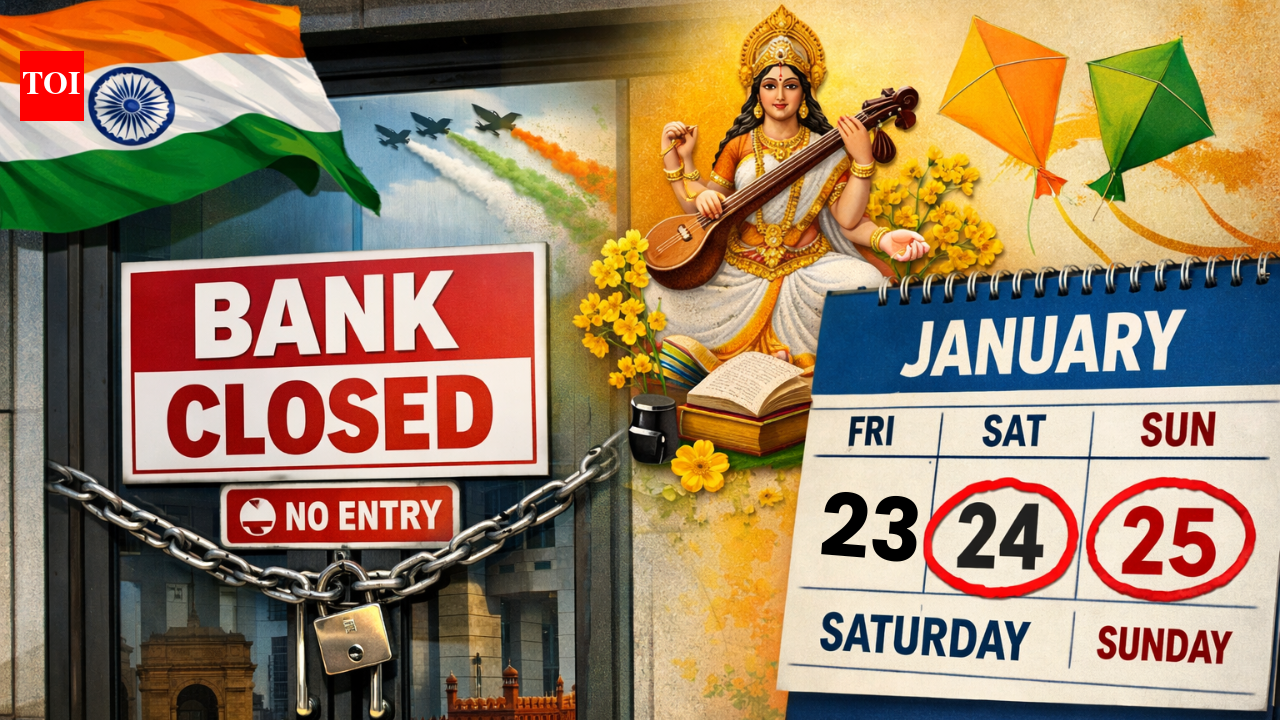
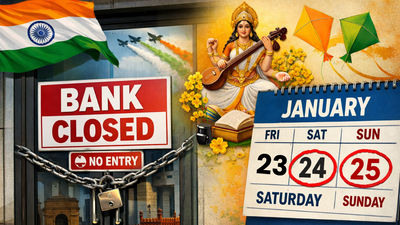
Planning a bank visit? You might want to reschedule, as banks are set for a four-day holiday, beginning from January 23 till January 26. Keeping track of bank holidays is crucial for customers to plan their finances in advance and avoid last-minute inconvenience. It is important to note that banks in India follow a combination of national and state-specific holidays, which means branch closures may vary from one state to another. Here’s a list of when and where will banks remain closed for rest of January:

When & where will banks remain shut?

January 23: Banks will remain shut in Tripura, Odisha and West Bengal on account of the Birthday of Netaji Subhas Chandra Bose, Saraswati Puja (Shree Panchami), Vir Surendrasai Jayanti and Basanta Panchami. January 24: Banks will remain closed as it is the fourth Saturday of the month. According to RBI, banks remain closed on second and fourth Saturdays of the month.January 25: Banks will remain sut nationwide, as it is a Sunday.January 26: Banks across the country will remain closed, to mark Republic Day. While bank branches will not be operational on these days, customers will still be able to access a range of digital banking services. Online banking platforms, ATMs, mobile banking applications and UPI services will continue to function, allowing users to carry out fund transfers, bill payments and other routine transactions. However, services that require a physical visit to a bank branch, including large cash deposits, cheque clearances and the issuance of demand drafts, will not be available during the holidays. Account holders are therefore advised to complete such tasks in advance and rely on digital options when branches are shut.


Source link

Did Congress’s solo run hurt chances of Thackerays in BMC polls? Data shows vote-split may have swung 26 seats in Mahayuti’s lap | Mumbai News


Did Congress going solo cost the Thackerays in BMC polls?

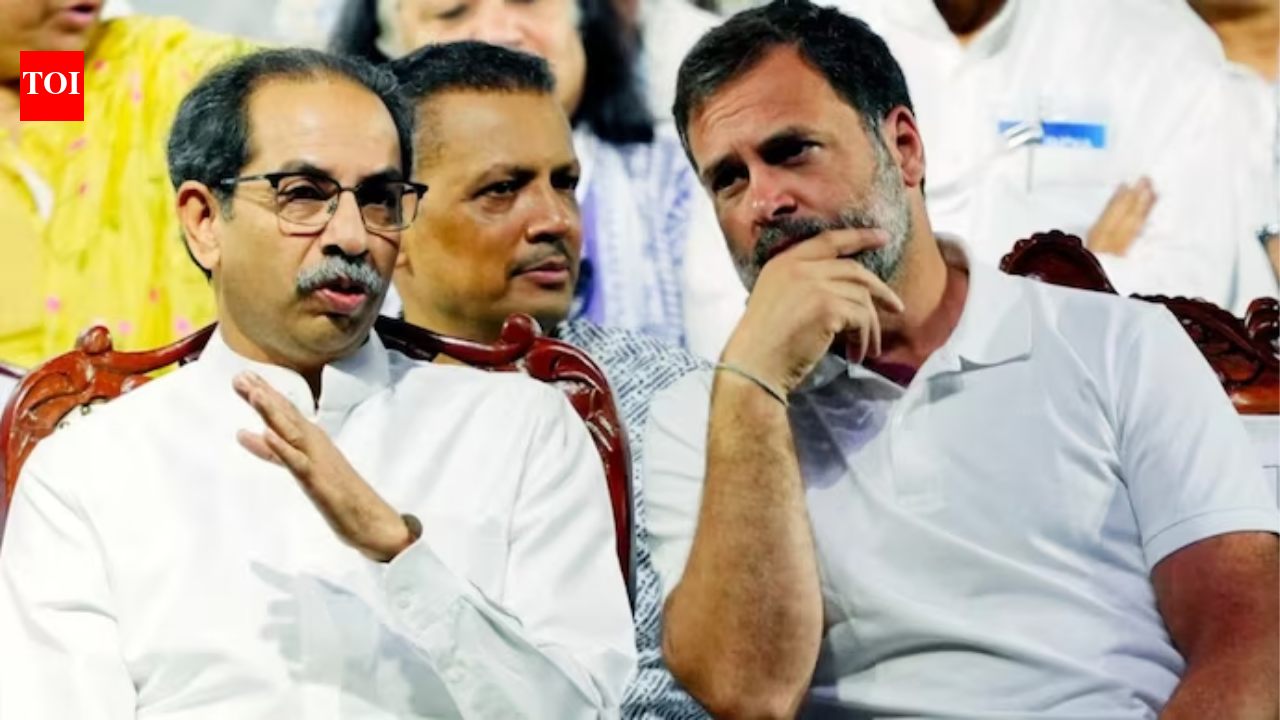
MUMBAI: The decision of Congress to contest separately in the BMC polls may have caused losses for the alliance of Raj and Uddhav Thackeray in at least 26 seats, with the vote-splitting benefiting BJP-Shiv Sena candidates. The vote fragmentation may have helped BJP gain 20 seats and Shiv Sena win 6 seats, data shows, assuming votes had got transferred among the opposition parties.Among the gainers was ex-Shiv Sena MLA Yamini Jadhav, who won from ward 209 in Byculla. She polled 7,974 votes. However, combined votes of the candidates of the Congress and Raj Thackeray’s MNS were higher at 8,641.The BJP’s Akash Purohit, son of senior politician Raj Purohit, won his second term as corporator from ward 221 (Bhuleshwar). He got 6,178 votes. However, candidates of the Congress and Uddhav Thackeray’s Sena (UBT) jointly got 8,828 votes.In some wards, the gap between the two was large. For instance, BJP’s Banderi Tipanna won from ward 65 after polling 8,328 votes. The combined votes of the UBT Sena and Congress candidates were 13,406. The gap was 5,078 votes. This indicates that if they had a joint candidate, they had high chances of winning the seat.In the BMC polls, the UBT Sena won 65 seats and MNS won 6, taking the number of the alliance to 71. The Mahayuti won 118 seats, four over the half-way mark. The BJP got 89 seats and Eknath Shinde’s Shiv Sena got 29. The Congress won 24 seats, lower than its 2017 tally of 31.The gap between the two alliances is perhaps too large to speculate on whether the entry of Congress would have helped the opposition win the polls. However, UBT Sena politicians said the dynamics of Congress entering the alliance would have benefited both Congress and the UBT Sena. “There is no doubt both Sena (UBT) and the Congress would have benefited if it had joined the alliance,” said ex-mayor and UBT Sena corporator Kishori Pednekar.


Source link

Rupee continues to rise! Currency recovers 17 paise to reach 91.41 against US dollar


Rupee continues to rise! Currency recovers 17 paise to reach 91.41 against US dollar

Rupee continued its upward rally on Friday, rising 17 paise to 91.41 against the US dollar in early trade. This comes after US President Donald Trump softened his stance on tariff threats against Europe over Greenland, easing fears of another trade war. Forex traders said that the US President’s change in stance lowered near-term geopolitical concerns. As investors’ risk appetite improved, the dollar corrected, allowing emerging market currencies, including the rupee, to recover slightly, they added. Rupee opened at 91.45 at the interbank market before strengthening to 91.41, following Thursday’s rebound from record lows when it had gained 7 paise to close at 91.58. Despite the improvement, the currency is facing pressure from sustained foreign fund outflows amid ongoing global uncertainties. Foreign institutional investors continued to offload equities, selling shares worth Rs 2,549.80 crore on Thursday, according to exchange data. Traders pointed to the pending US trade agreement as a key factor for rupee’s movement. They further added that until the geopolitical risk eases and the trade deal materialises, the rupee is likely to remain vulnerable to external shocks. Commenting on the outlook, Amit Pabari, MD of CR Forex Advisors, said in a research note, “At current levels, a large portion of global risk appears to be priced into the rupee. This opens the door for a phase of consolidation and a possible partial recovery if risk sentiment stabilises. The 92.00 level remains a strong resistance, while sustained RBI support could guide USD/INR back toward the 90.50–90.70 zone in the near term. Elsewhere, the dollar index, which tracks the greenback against six major currencies, edged up 0.01% to 98.36. Brent crude futures rose 0.87% to $64.62 per barrel.


Source link