Breaking News
Vande Bharat sleeper tickets sold within hours! Indian Railways’ new train on Kamakhya–Howrah route sees strong debut; all you want to know


Vande Bharat sleeper tickets sold within hours! Indian Railways’ new train on Kamakhya–Howrah route sees strong debut; all you want to know

Vande Bharat sleeper, Indian Railways’ new train for overnight premium travel, has received overwhelming passenger response, according to the Ministry of Railways. The first commercial run of Vande Bharat Sleeper train between Kamakhya and Howrah saw all tickets selling out within hours of bookings opening, Indian Railways said.According to railway officials, reservations for the Vande Bharat Sleeper (Train No. 27576) were fully booked across all classes within 24 hours after ticket sales opened on January 19 through the Passenger Reservation System and online platforms. The train will begin its maiden commercial journey from Kamakhya on January 22 and from Howrah on January 23, according to a PIB press release.

PM Modi Flags Off India’s First Vande Bharat Sleeper Train Between Howrah-Guwahati In Bengal

The swift sell-out comes days after Prime Minister Narendra Modi flagged off the country’s first Vande Bharat sleeper train from Malda town in West Bengal on January 17. The service is aimed at making long-distance overnight travel faster and more comfortable while improving connectivity between eastern India and the Northeast.

Vande Bharat Sleeper: All About The New Train

The semi-high-speed, fully air-conditioned Vande Bharat sleeper will run six days a week, barring Wednesdays from Kamakhya and Thursdays from Howrah. It will complete the Howrah–Kamakhya journey in about 14 hours, making it the fastest train on the route. En route, it stops at key stations including Malda Town, New Jalpaiguri, New Cooch Behar and New Alipurduar.Railway officials said that the strong booking response reflects a growing preference among passengers for modern trains that offer shorter travel times, improved safety and enhanced comfort.The new service is expected to significantly benefit passengers travelling between West Bengal and Assam, particularly those undertaking overnight journeys.The Vande Bharat Sleeper train has 16 coaches, including AC 3-tier, AC 2-tier and First AC with a total passenger capacity of 823. Fares range from Rs 2,299 for AC 3-tier to Rs 3,640 for First AC between Howrah and Kamakhya, excluding GST.Designed for a maximum speed of 160 kmph, the train is equipped with safety systems such as the indigenous KAVACH anti-collision technology and regenerative braking. Passenger amenities include improved sleeping berths, onboard information systems, CCTV surveillance, bio-vacuum toilets, and facilities for persons with disabilities.Officials said the introduction of the sleeper version of the Vande Bharat marks an expansion of India’s premium rail services beyond day travel, with the high occupancy on its first run indicating sustained demand for upgraded long-distance train travel in the region.


Source link

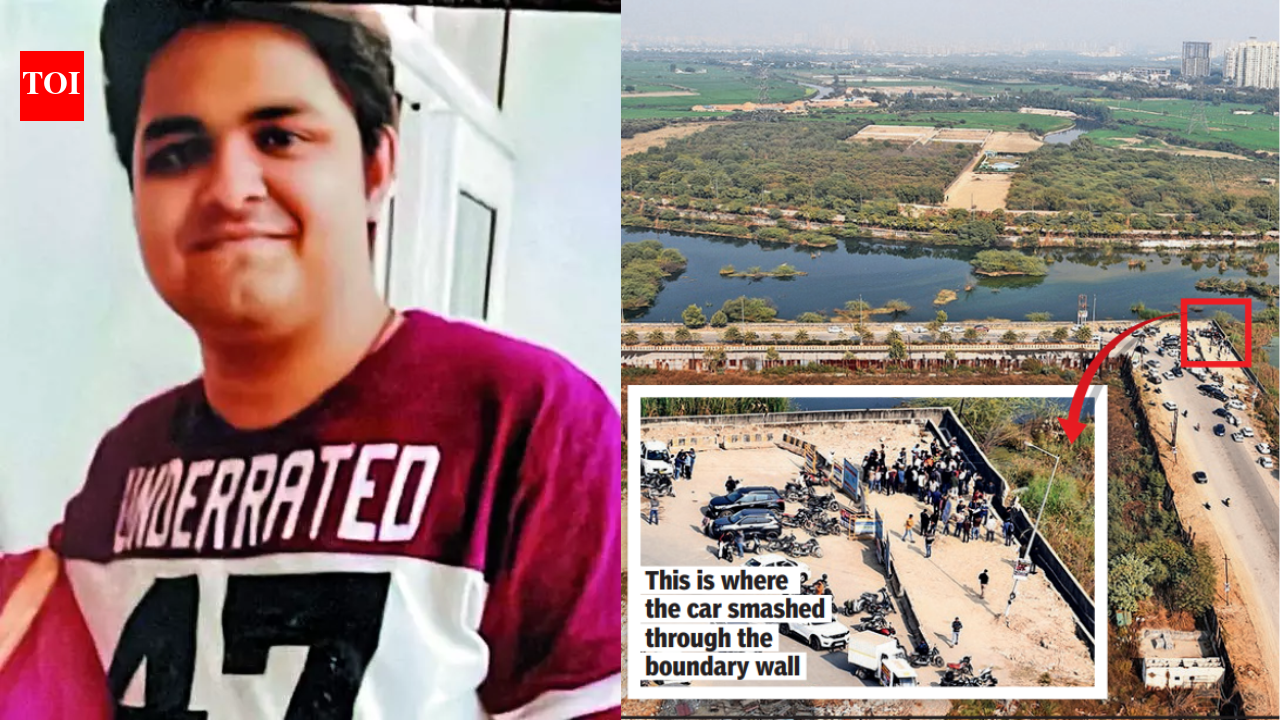
Crash on 90-degree road: How civic neglect killed techie in ‘planned’ Noida; flooding fix proposed in 2015, never implemented | Noida News


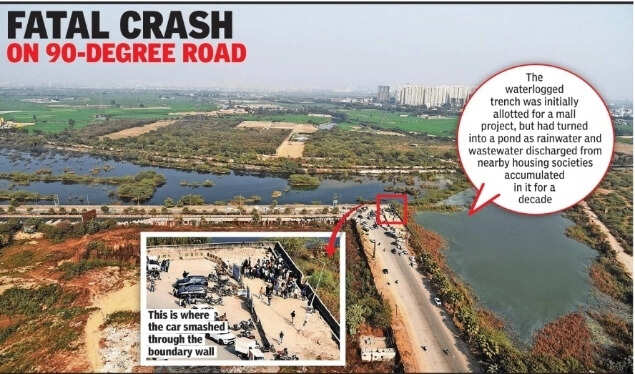
NOIDA: The waterlogged trench in Sector 150, where the 27-year-old software engineer drowned on Friday midnight, was initially allotted for a private mall project, but had turned into a pond as rainwater and wastewater discharged from nearby housing societies was allowed to accumulate in it for a decade.The road Mehta took has a sharp right-angle turn that becomes hazardous in fog without warning signs or lights.

Fatal crash

A stormwater management plan that was chalked out by the irrigation department in 2015 remained on the papers, despite multiple rounds of surveys and site inspections.

‘He Was Screaming For Help’: SUV Plunges Into Flooded Pit, Techie Dies In Noida

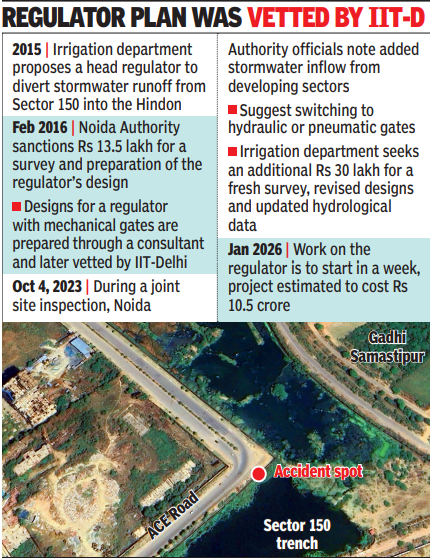
Documents accessed by TOI showed that the irrigation department in 2015 proposed a head regulator to divert runoff into the Hindon. In Feb 2016, it received Rs 13.5 lakh from Noida Authority to undertake a survey and prepare a design of the proposed regulator.A letter, shot by the executive engineer of the irrigation department’s construction division in Ghaziabad to the senior manager of Noida Authority’s work circle 10 on Oct 9, 2023, showed that multiple communications were exchanged between 2015 and 2023. It also flagged the need to channelise rainwater from the developing sectors into the Hindon.

How civic neglect killed techie in ‘planned’ Noida

The letter stated that the irrigation department had drawn up designs for a regulator with mechanical gates at Sector 150 through a consultant, which was eventually vetted by IIT-Delhi. But following a joint site inspection on Oct 4, 2023, Noida Authority officials said stormwater from additional sectors had been linked to the existing drain, potentially increasing discharge and suggested that hydraulic or pneumatic gates be used instead of mechanical ones.Subsequently, the irrigation department had sought an additional Rs 30 lakh for a fresh survey, revised designs and drawings, along with updated hydrological data such as maximum discharge, water depth, longitudinal slope and freeboard. A revised survey report remains pending.Senior Noida Authority officials, including deputy general managers (civil and water), senior managers, assistant managers, and engineers from the irrigation department, were present during the inspection, the letter stated. The impact of the delay was evident during the 2023 monsoon, when Sector 150 and nearby areas saw severe waterlogging. Basements of several housing societies by ATS, ACE, Godrej, Tata, Eldeco and Samridhi in nearby areas were flooded as rainwater could not be discharged into the Hindon in the absence of a regulator. Without a controlled outlet, the water stagnated and risked backflow when the river swelled.Also read: Mumbai road crash: Auto driver hurt as Mercedes collides with Akshay Kumar’s escort vehicle; driver hospitalised Residents alleged inaction by the Noida Authority, forcing societies to use heavy dewatering pumps, while choked drains triggered sewer backflow into homes.Following the engineer’s death, the irrigation department executive engineer BK Singh told TOI that work on the regulator would start in a week. Singh said the project, estimated to cost Rs 10.5 crore, would be financed by the Noida Authority. The department has received the selected contractor’s financial bid, and the remaining formalities, including submission of official documents and a security deposit, were expected to be completed within a week.He said that the project moved through multiple stages over the years, including proposal preparation, consent from the Authority, vetting by a state-level committee, and the tendering process. Final approval was granted by the chief engineer committee before bids were invited, Singh said. The department was now targeting completion of the head regulator before the onset of the monsoon season to minimise disruption.Residents said that had the regulator been in place, water may not have accumulated on the low-lying commercial plot near the Hindon-Yamuna confluence. “The regulator could have controlled flows and accommodated excess water within the plot,” said Jitendra Meena, a resident of Tata Eureka Park.


Source link

Meta’s Asia Policy chief is leaving; says in ‘farewell note’ on LinkedIn: I recently celebrated completion of my 14th year at Meta, that’s …


Meta’s Asia Policy chief is leaving; says in 'farewell note' on LinkedIn: I recently celebrated completion of my 14th year at Meta, that’s …

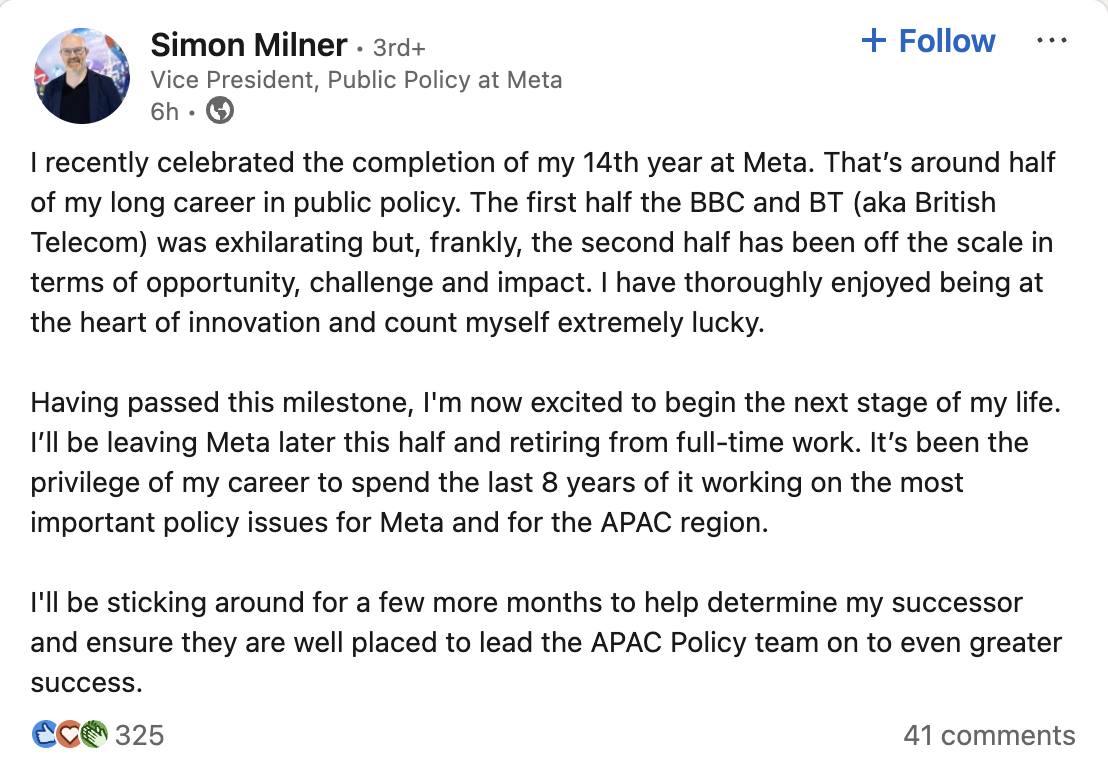
Facebook-parent Meta’s senior public policy executive for Asia-Pacific is leaving the company amid regulatory challenges in the region. Singapore-based Simon Milner has been with Meta since 2012. In a recent LinkedIn post, he announced that he will leave the company in the first half of this year to retire from full-time work. In his post, Milner said: “I recently celebrated the completion of my 14th year at Meta. That’s around half of my long career in public policy.”The departure comes as Meta faces increased scrutiny of its platforms and is focusing more on artificial intelligence (AI). Recent regulatory challenges include Australia’s decision to restrict children’s access to social media. In his role, Milner leads staff in countries including China, India, and Japan, according to his LinkedIn profile. He previously served as head of policy for the UK and Ireland before becoming a director for Europe, the Middle East and Africa.

Meta’s Asia policy chief Simon Milner's farewell note on LinkedIn

Read Meta’s Asia Policy chief Simon Milner’s farewell note

In his farewell note on LinkedIn, Milner wrote: “I recently celebrated the completion of my 14th year at Meta. That’s around half of my long career in public policy. The first half the BBC and BT (aka British Telecom) was exhilarating but, frankly, the second half has been off the scale in terms of opportunity, challenge and impact. I have thoroughly enjoyed being at the heart of innovation and count myself extremely lucky. Having passed this milestone, I’m now excited to begin the next stage of my life. I’ll be leaving Meta later this half and retiring from full-time work. It’s been the privilege of my career to spend the last 8 years working on the most critical policy issues for Meta and the APAC region. I’ll be sticking around for a few more months to help determine my successor and ensure they are well placed to lead the APAC Policy team on to even greater success.”How Simon Milner’s exit can be a ‘problem’ for MetaPublic policy staff typically advise companies on regulatory issues and coordinate with governments. The Asia-Pacific region is essential to Meta because of its many populous, youthful markets that can support the social media company’s growth.Recently, Taiwan and Japan criticised Meta for Facebook-based financial scams. In 2025, Taiwanese banks removed their advertisements from Facebook due to the rise of fake bank ads, while Japanese lawmakers called on Meta to take action against ads using images of celebrities to deceive users.Moreover, to protect young people from online harms, Australia implemented a ban on children under 16 accessing social media platforms such as Meta’s Instagram and Facebook in December 2025. Other Asian countries, including Indonesia and Malaysia, have also said they have been inspired to adopt similar measures.Meanwhile, Meta has said it has implemented many safety features for young people on its services over the years.


Source link

Sanjay Bangar picks Team India’s all-time T20 XI ahead of New Zealand series; names Virat Kohli as captain


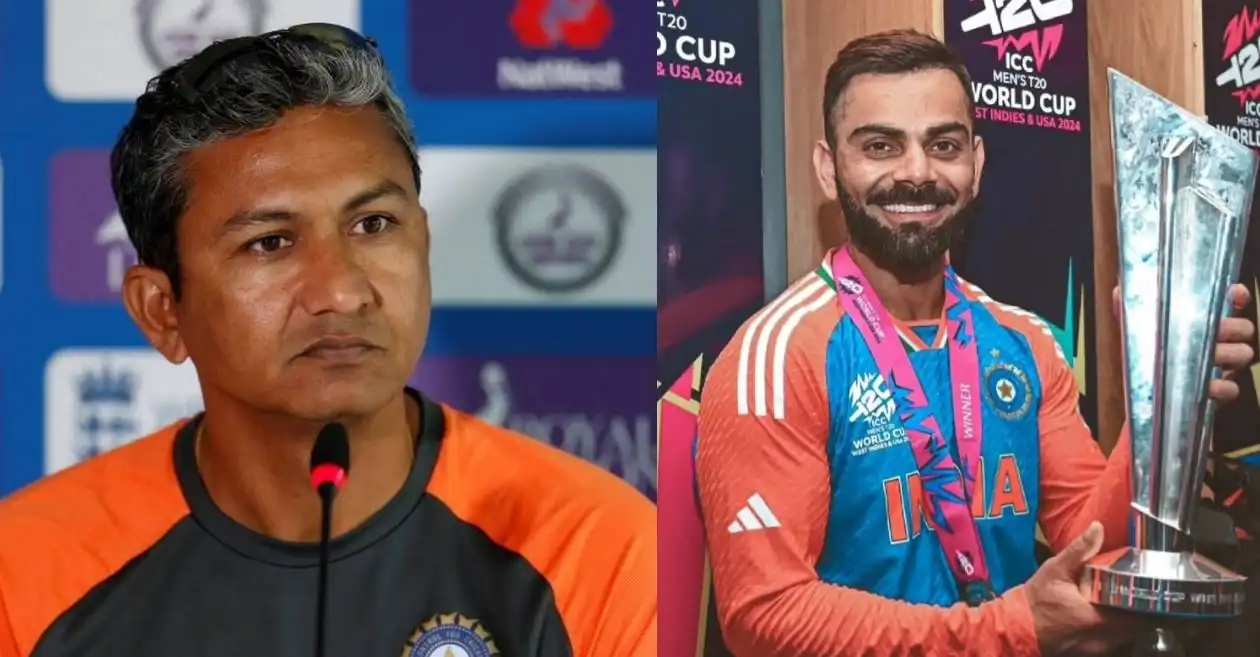
Former India batting coach Sanjay Bangar has stirred discussion ahead of Team India’s five-match T20I series against New Zealand by unveiling his all-time India T20 XI. Speaking during a segment on ESPNcricinfo, Bangar picked a star-studded lineup drawn from players he believes best define India’s success and adaptability in the shortest format, with Virat Kohli named as captain.

The announcement comes shortly after New Zealand clinched the ODI series against India, sealing the decider at Indore on Sunday. With attention now shifting firmly to T20 cricket, the series opener is scheduled for January 21 in Nagpur, making Bangar’s selections especially topical as debates around India’s T20 legacy resurface.

Sanjay Bangar names his all-time India T20 XI

Bangar’s XI blends experience, match-winning pedigree, and versatility, reflecting how India’s T20 approach has evolved over the years. From explosive openers to seasoned all-rounders and a varied bowling attack, the former coach emphasized balance as the key theme behind his picks.

While the squad features several players no longer active in T20Is, Bangar made it clear that past impact, consistency, and ability to influence big moments were the defining criteria.

Virat Kohli to lead Bangar’s side

Despite stepping away from T20 internationals, Kohli remains central to Bangar’s vision. The former India skipper has been chosen not only as an opener but also as the captain of the side. Bangar highlighted Kohli’s unmatched consistency, adaptability across conditions, and leadership qualities as reasons for handing him the armband.

Kohli’s opening partner in the XI is Shubman Gill, India’s current batting poster boy. Interestingly, Gill is not part of India’s T20I squad for the upcoming New Zealand series and is also absent from the plans for the T20 World Cup 2026, scheduled to begin on February 7 across India and Sri Lanka. Nevertheless, Bangar backed Gill’s technique and temperament as ideal traits for the top order in an all-time setup.

Behind the openers, KL Rahul slots in as the designated wicketkeeper-batter, offering flexibility and experience at the top and middle order.

Yuvraj Singh headlines middle order and all-rounders club

The middle order is headlined by Yuvraj Singh, whose legacy in T20 cricket is firmly etched in Indian folklore. Yuvraj played a defining role in India’s triumphant 2007 T20 World Cup campaign, including his iconic six sixes, and Bangar acknowledged his ability to change games within a few overs.

Joining him is Suryakumar Yadav, India’s current T20I skipper and one of the most innovative batters in modern cricket. His 360-degree stroke play adds unpredictability to the lineup. Power-hitting all-rounder Shivam Dube and swing-bowling option Deepak Chahar round out the all-rounders’ group, ensuring depth in both batting and bowling.

Also WATCH: Virat Kohli’s graceful response to a Pitch Intruder during IND vs NZ 2nd ODI

Ashish Nehra to lead the bowling attack

The bowling unit reflects a blend of pace, swing, and spin. Veteran left-arm pacer Ashish Nehra leads the attack, recognized for his effectiveness in white-ball cricket and ability to strike early.

He is supported by Mohammad Shami, whose seam movement and experience make him a potent T20 option. The spin department features the wrist-spin duo of Kuldeep Yadav and Yuzvendra Chahal, providing variety and wicket-taking threat through the middle overs.

Sanjay Bangar’s all-time India T20 XI

Virat Kohli (c), Shubman Gill, KL Rahul (wk), Suryakumar Yadav, Yuvraj Singh, Shivam Dube, Deepak Chahar, Mohammad Shami, Ashish Nehra, Kuldeep Yadav, Yuzvendra Chahal.

Also READ: Harshit Rana clears up misconceptions about Virat Kohli and shares hilarious first meeting with Anushka Sharma


Source link

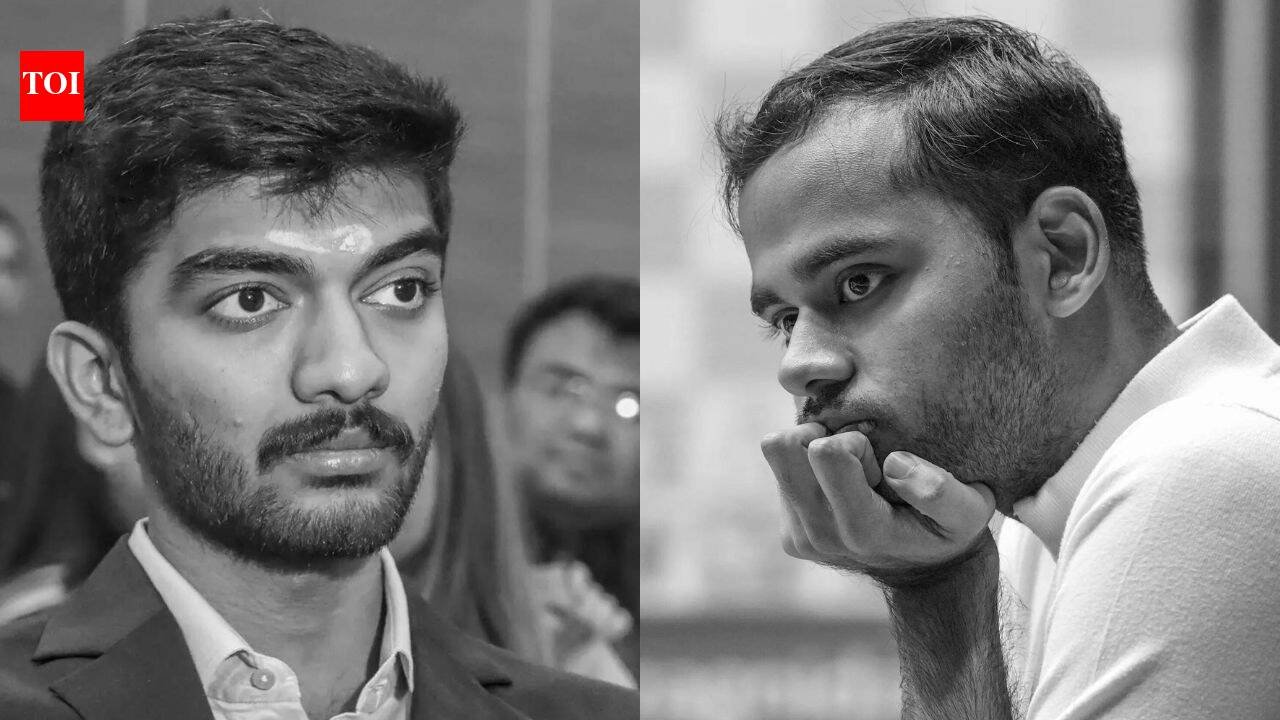
Not D Gukesh or Arjun Erigaisi! After Magnus Carlsen, Indian Grandmaster confirmed for Norway Chess 2026 | Chess News


Not D Gukesh or Arjun Erigaisi! After Magnus Carlsen, Indian Grandmaster confirmed for Norway Chess 2026
D Gukesh and Arjun Erigaisi (Photos from PTI)

NEW DELHI: Indian chess grandmaster R Praggnanandhaa has confirmed his participation in the prestigious Norway Chess tournament for the third time. This will continue his steady rise among the world’s elite. One of the standout talents of the new generation, Praggnanandhaa recently qualified for the 2026 Candidates Tournament after winning the 2025 FIDE Circuit.

Levon Aronian opens up on Goa, FIDE World Cup 2025, Total Chess C’ship, and more | Exclusive

Speaking about his return, Praggnanandhaa said, “Looking forward to be back in Norway Chess, I enjoyed playing in 2024. Most exciting format I have played!”His connection with Norway Chess grew stronger in 2024, when he registered his first classical victory over Magnus Carlsen.The same year, he was part of India’s gold medal–winning team at the Chess Olympiad. These consistent performances have helped Praggnanandhaa reach a career-high world ranking of number four, along with a peak rating of 2785.With this announcement, Praggnanandhaa has been confirmed as the second player to participate in this year’s Norway Chess event in Oslo, following Magnus Carlsen, who was revealed earlier as the first entrant. As the organisers continue to unveil the remaining names each week, hopes remain alive for reigning world champion D Gukesh and India’s top-ranked player Arjun Erigaisi to also feature in the prestigious tournament.Norway Chess organisers were equally enthusiastic about his confirmation. COO Benedicte Westre Skog praised his impact at the event, saying, “Praggnanandhaa delivered some memorable moments at Norway Chess in 2024, and it’s great to welcome him back.“From qualifying for the Candidates to achieving major results on the world stage, his consistency and ambition make him an exciting player for both fans and competitors. We’re looking forward to seeing what he brings to the tournament in 2026.”


Source link

PhonePe IPO gets SEBI nod; company eyes April listing


PhonePe IPO gets SEBI nod; company eyes April listing

MUMBAI: PhonePe has secured go ahead from markets regulator Securities and Exchange Board of India (SEBI) for its initial public offering (IPO), said people aware of the matter. The Walmart-owned company is seeking to raise around Rs 12,000 crore ($1.3 billion) through an offer for sale (OFS). An OFS allows existing company shareholders to offload their stakes and exit their investments; no money goes into the firm’s coffers. PhonePe will file updated draft IPO papers with SEBI in the next few days, the people said. The company, last valued at $12 billion, plans to get listed on the bourses sometime in April, they added. PhonePe did not respond to queries. More startups are taking the IPO route to grow and give exit to investors amid a widening primary market which is enabling new age companies to go public. SaaS firm Amagi Media Labs and logistics player Shadowfax are among the first lot of startups that are set to debut on the exchanges this month. Big players such as Zepto and Oyo are in the IPO queue while Walmart’s other India business Flipkart is also gearing up for a listing this year. Even as domestic liquidity is boosting the IPO market, the broader markets have been choppy due to geopolitical tensions with many startups tempering their valuation targets. PhonePe competes with players such as Google Pay and Paytm in India’s growing fintech market where there is enough and more room to expand given that many people remain underbanked. People now are also more willing to adopt digital services. PhonePe, which completed separation from Flipkart in late 2022 and shifted base to India from Singapore has expanded beyond digital payments to cover insurance, wealth, lending and stockbroking over the years.


Source link

BMC urges eco-friendly immersion for Maghi Ganeshotsav | Mumbai News


Mumbai: As Mumbai prepares to welcome Ganpati idols for the Maghi Ganeshotsav beginning January 22, the BMC is once again nudging citizens towards a more environmentally conscious celebration. For public Ganeshotsav mandals, the BMC introduced an offline single-window system for mandap permissions, charging a nominal fee of Rs 100. Civic officials said this aimed to reduce paperwork while encouraging organised and compliant celebrations.As per the standard operating procedures (SOPs) issued by the Maharashtra Pollution Control Board on August 18, 2025, and the circular dated August 26, 2025, artificial ponds will be constructed for the immersion of idols up to 6 feet in height for Maghi Ganeshotsav 2026.According to the MPCB’s SOPs, immersion of coloured chemicals, thermocol, plastic, cloth, flowers, garlands, decorative materials, and similar items in water bodies is prohibited. Therefore, public mandals and devotees are being urged to dispose of floral offerings and ritual waste only in designated nirmalya kalash (collection containers).To facilitate smooth idol immersion, the BMC will set up artificial ponds based on local requirements. Overall, with the objective of celebrating Maghi Ganeshotsav 2026 in an environmentally friendly manner and preventing pollution of natural water bodies, the BMC administration appealed to all public Ganeshotsav mandals and household devotees to immerse Ganesh idols only in artificial ponds and to cooperate with the administration by adhering to the guidelines issued by the High Court and the Pollution Control Boards, said Deputy Commissioner and Ganeshotsav coordinator Prashant Sakpale.


Source link

CM Naidu ‘misused’ Davos visit for political gains: YSRCP leader | India News


CM Naidu 'misused' Davos visit for political gains: YSRCP leader

VISAKHAPATNAM: Senior YSRCP leader Gudivada Amarnath on Tuesday alleged that Andhra Pradesh chief minister N Chandrababu Naidu used a global platform for self-promotion and to level baseless charges against the opposition.Amarnath’s remarks came amid Naidu’s participation in the World Economic Forum (WEF) in Davos, Switzerland, where CM addressed members of the Telugu diaspora and global investors.“Naidu misused a global platform for self-promotion and for making baseless allegations against the opposition YSRCP, while the situation in the state tells a different story,” Amarnath claimed while addressing a press conference.The former minister accused Naidu and his team of turning “the overseas tour into an exercise in political marketing”, ignoring the ground realities faced by people in Andhra.He alleged that several sections of society were in distress, claiming that farmers were not receiving the Minimum Support Price (MSP) and students were burdened by pending fee reimbursement dues.Amarnath further alleged that the NDA coalition government had failed to fulfil its election promises to youth, women, farmers and students, and accused it of repeatedly “misleading the public through propaganda.” He also accused the TDP-led NDA government of indulging in “credit chori” over the Bhogapuram airport project, claiming that statutory clearances and preliminary groundwork had been secured during the YSRCP government’s tenure between 2019 and 2024.The Bhogapuram project is a proposed aviation hub near Visakhapatnam, aimed at boosting regional connectivity, handling passenger and cargo traffic, and supporting economic growth in north Andhra.A validation flight was conducted on January 4 to assess runway readiness, navigational systems, and overall operational safety ahead of commercial operations.Amarnath said the TDP “had a history of making false claims” and asserted that people were aware of the facts and would not be misled again.There was no immediate response from the ruling TDP.


Source link

Noida techie death case: NDRF retrieves car from waterlogged trench after three days — video | India News


Noida techie death case: NDRF retrieves car from waterlogged trench after three days — video
Noida techie Yuvraj Mehta’s car pulled out of pit

NEW DELHI: Days after 27-year old Noida techie drowned in a waterlogged trench, NDRF team pulled out his car on Tuesday. Police said the accident occurred in Greater Noida, within the jurisdiction of the Knowledge Park police station, late on the night of January 16–17, when the deceased Yuvraj Mehta’s car broke through the edge of a drain at the Sector 150 crossing and fell into the water.The NDRF team used boats and divers to locate his car and pull it out three days after the incident and loaded onto a truck.

‘Over 100 People Watched’: Eyewitness, Father Recall Failed Rescue As Noida Techie Cried For Help

Meanwhile, earlier in the day, police arrested the director of a real estate firm in connection with the death of the 27-year-old software engineer, while a Special Investigation Team (SIT) visited the spot and initiated its probe into the incident, officials said. “Abhay Kumar, the director of MZ Wiztown Planners and one of the accused in the case, has been arrested from Sector 150,” said, Additional Commissioner of Police (Greater Noida) Hemant Upadhyay, quoted by ANI.Also read: How civic neglect killed techie in ‘planned’ Noida; 2015 proposal ignoredEyewitnesses said the victim repeatedly cried out for help for nearly two hours, but despite the presence of police personnel and rescue teams at the site, he could not be rescued.His body was recovered on Saturday following an extended search operation carried out by the fire department, police, the State Disaster Response Force (SDRF) and the National Disaster Response Force (NDRF).Also read: Tale of a lucky trucker and an unlucky techie- How freezing water & ‘cold’ response cost a young life in NoidaWith regards to the probe, the three-member SIT, with ADG Bhanu Bhaskar, Meerut divisional commissioner Bhanu Chandra Goswami and Public Works Department chief engineer Ajay Verma, has been directed to submit its report within five days.Additionally, UP government also removed senior IAS officer Lokesh M as the CEO of Noida Authority, placing him on the “waitlist”.The case pertains to the incident, when Mehta’s SUV fell into a nearly 30-foot-deep, water-filled pit at a commercial site amid dense fog and low visibility. The pit was allegedly not secured with barricades, reflectors or warning signs.


Source link

What Musk, Altman and Brin agree on: Students should pay attention to computer science and maths


What Musk, Altman and Brin agree on: Students should pay attention to computer science and maths
Global tech leaders are pushing students to focus on maths and computer science when they are tempted to move away.

There is a quiet panic creeping through classrooms and coding labs. Artificial intelligence now writes code faster than students can learn it. It solves equations without showing its work. It answers exam-style questions with unsettling confidence. For a generation raised on speed and shortcuts, the conclusion feels obvious: perhaps computer science has peaked; perhaps maths is finally optional.That conclusion is wrong and the people who know it best are the ones who helped build the systems causing the panic. Over the past year, an unlikely consensus has emerged among global tech leaders. They are not urging students to chase the newest programming language or master the trendiest AI tool. Instead, they are pointing insistently backwards to subjects many students are eager to escape: Mathematics, computer science fundamentals, physics, and theoretical thinking.This is neither nostalgia, nor academic romanticism. It is a warning about where value is draining out of the system. AI is not eliminating intelligence, it is commodifying the mechanical parts of it. The first skills to flatten are those based on repetition: Syntax memorisation, framework fluency, surface-level coding competence. What survives, and in fact becomes rarer, is the ability to reason from first principles, to model a problem abstractly, to understand why a system behaves the way it does when it fails.That is why some of the sharpest minds in technology are now sounding almost conservative. They are arguing that maths is not a hurdle but a filter; computer science is not about writing code but about structuring thought; and difficulty, far from being a flaw in education, may be its last remaining quality check.In an age obsessed with shortcuts, these voices are making an unfashionable case: that the hardest subjects still matter—not despite artificial intelligence, but because of it. Here, we examine why some of the world’s most influential tech figures are pushing students back to maths and core computer science at the very moment many are tempted to move away.

Pavel Durov: Maths trains independence

The provocation began quietly. In mid-2025, Telegram founder Pavel Durov posted advice aimed at students weighing their options in an AI-dominated future. “If you’re a student choosing what to focus on, pick mathematics,” he wrote. No emojis, no caveats.Durov did not frame mathematics as a guarantee of employment. He framed it as a discipline that forces independent thinking. Maths, as he has often argued, does not allow the luxury of imitation. You either understand the problem, or you don’t. In a world where AI offers instant answers, that distinction matters more, not less. Durov’s subtext was unmistakable: reliance on tools is rising; intellectual self-reliance is becoming scarce.

Elon Musk: First principles, or nothing

Durov’s post drew a response from Elon Musk that became viral precisely because of its brevity. Replying publicly on X, Musk wrote: “Physics (with math).”The two words were not a curriculum. They were a philosophy. For Musk, physics is the arena where first-principles thinking is unavoidable, assumptions are tested against reality, not convenience. Maths is the language that makes that testing precise. When Musk says “physics (with math)”, he is rejecting surface competence. He is arguing that as systems grow more complex—rockets, autonomous vehicles, large-scale AI—the penalty for shallow understanding becomes catastrophic.In the AI era, Musk’s message was stark: tools will change weekly; first principles endure.

Sam Altman: High-leverage moment

By late 2025, a different anxiety had taken hold: that AI had made computer science itself a poor academic bet. Speaking at Stanford University in a public conversation with cryptography professor Dan Boneh, OpenAI CEO Sam Altman addressed that fear head-on.“This is a really cool time to be studying computer science,” Altman said. “It’s a high-leverage moment, especially if you’re interested in AI.”Altman’s phrasing was deliberate. “High leverage” does not mean easy returns. It means that understanding foundational systems now carries outsized impact later. AI, in Altman’s telling, is not replacing computer science; it is concentrating power in the hands of those who understand how these systems are built, constrained, and deployed.For students, the implication is uncomfortable but clear: shallow familiarity will age badly. Structural understanding will compound.

Demis Hassabis: The discipline of difficulty

If Altman speaks as a strategist, Demis Hassabis speaks as a product of academic rigour. In a 2025 conversation on the Lex Fridman podcast, the Google DeepMind CEO reflected on the formative impact of his education.“I took some very difficult math and theoretical computer science courses,” Hassabis said. “They taught me how to think deeply and rigorously—and how to persist when things were hard.”He returned to the theme later that year at public forums, cautioning students against abandoning maths and theory simply because AI tools appear to make them redundant. The real value of those subjects, Hassabis argued, lies not in the content itself but in the cognitive training they impose: precision, patience, and the ability to wrestle with problems that resist quick solutions. In an era where answers arrive instantly, the capacity to sit with uncertainty becomes a competitive advantage.

Sergey Brin: Passion and caution in the AI era

At a time when students are hearing two conflicting narratives — AI will replace jobs and AI will replace degrees — Google co-founder Sergey Brin offered one of the most grounded responses in January 2026 while speaking to a new generation of engineers at Stanford University.His words were simple but layered. “I chose computer science because I had a passion for it. It was kind of a no-brainer for me. I guess you could say I was also lucky because I was also in such a transformative field,” he said. Brin’s emphasis on curiosity rather than credential chasing was deliberate. He pointed out that his own journey — from a Stanford graduate student to co-architect of Google — was driven by interest, not fear-based career calculus. In an age of generative AI, where models such as Gemini and ChatGPT can write and debug code, that distinction matters more than ever. Importantly, Brin did not stop at passion. He also addressed the anxiety about automation head-on. With characteristic candour, he quipped, “I wouldn’t go off and switch to comparative literature because you think the AI is good at coding. The AI is probably even better at comparative literature, just to be perfectly honest anyway.”His point was twofold: Don’t flee STEM out of fear of automation, and don’t assume AI’s current performance undermines the value of structured learning.

If you ignore the fame…

Fame is a distraction. Take the celebrities out of it — Musk tossing “physics with maths” like it is a mic-drop, Altman selling computer science as a “high-leverage” bet from a Stanford stage, Hassabis sounding like the class topper who actually enjoyed theoretical CS, Brin reminding everyone he picked CS because he genuinely liked it — and the argument stops being glamorous. In fact, it starts being annoyingly sensible. AI is not stealing intelligence, it is bulk-discounting the easier bits of it. The stuff that once passed as skill — routine coding, formula application, template thinking — is now a vending machine. What still refuses to automate is judgment: Spotting the bad assumption, knowing when an answer is plausible and when it is polished nonsense. That is why they keep returning to maths and core CS.



Source link