Breaking News
Want to donate this Ramadan? Sharjah launches new app to make giving easier | World News


Want to donate this Ramadan? Sharjah launches new app to make giving easier
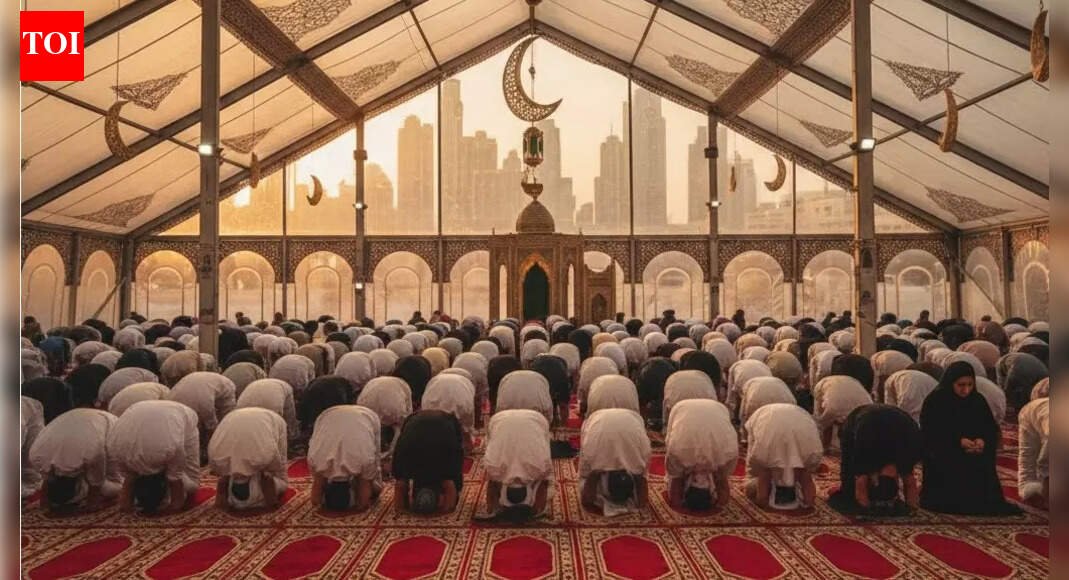
This Ramadan, donating gets easier as Sharjah launches new app / AI Generated Image

As the crescent moon for Ramadan 2026 approaches, Sharjah is already lighting the way for a season of immense kindness. Sharjah Charity International (SCI) has officially pulled back the curtain on its most ambitious seasonal drive yet, titled the “Joud” campaign. With a staggering goal of AED 130 million, this initiative is designed to ensure that no one, whether in the UAE or across the globe, feels forgotten during the Holy Month.

Sharjah Charity unveils Ramadan 2026 ‘Jood’

The campaign was officially inaugurated by Sheikh Saqr bin Mohammed bin Khalid Al Qasimi, Chairman of SCI, marking a significant milestone in Sharjah’s humanitarian journey. The word “Joud” translates to “Generosity,” and the 2026 campaign lives up to its name by targeting a massive audience. The board of directors emphasized that this year is about more than just numbers; it is about reaching the most vulnerable communities with speed and dignity. By planning months in advance, the charity ensures that logistics are set to deliver aid to remote areas globally exactly when the first fast begins.

Ramadan 2026 goals

The Jood 2026 campaign is designed to make a meaningful impact both inside the United Arab Emirates and internationally. With a Dh150 million target, the funds will support initiatives that reflect the spirit of Ramadan, feeding the hungry, helping the needy, and uplifting families.According to SCI Executive Director Abdullah Sultan bin Khadem, key allocations include:

  • Dh71 million for operational costs during Ramadan.
  • 1.3 million iftar meals distributed to those fasting inside the UAE and abroad.
  • Ramadan food baskets for 25,000 registered beneficiaries.
  • Zakat al-Fitr support for 35,000 people.
  • Eid clothing for 3,000 beneficiaries.
  • Dh4 million for medical treatment support.
  • Dh3 million for debt relief.
  • Dh1 million for housing-related assistance.
  • Mobile iftar outreach programs in several countries through international aid efforts.

With these distributions, SCI expects the campaign to reach more than two million beneficiaries during this Ramadan season.

‘Kick Out Fascist Regime’: London Boils As Anti-Khamenei Protesters Lay Siege Outside Iran Embassy

New digital donation app

A highlight of the campaign launch was the unveiling of a new smart digital application available on both the Apple Store and Google Play. The app is part of SCI’s broader digital transformation initiative to make donation processes easier and more accessible for contributors.The application has been developed in-house by the charity’s digital team and includes advanced features such as an AI-powered smart assistant named “Ahmed” designed to simplify the donation experience and help users quickly choose categories of giving.According to SCI board member Saeed Ghanem Al Suwaidi, the app’s design focuses on user friendliness and saving time for donors by enabling them to complete their charitable contributions in just a few steps. He also called on the public to download the app and join the campaign in supporting SCI’s various initiatives. The launch of Jood 2026 comes at a time when Ramadan initiatives are taking centre stage across the UAE, reflecting the emirates’ commitment to community support and global humanitarian outreach. Beyond Sharjah Charity’s efforts, other major Ramadan campaigns, such as the UAE Food Bank’s ‘United in Giving’ initiative, which delivered meals to millions last year, show how widespread and coordinated charity work has become during the holy month.


Source link

‘Pressure, pain, sacrifice’: Ex-KKR spinner’s journey from IPL spotlight to final goodbye at 31 | Cricket News


'Pressure, pain, sacrifice': Ex-KKR spinner's journey from IPL spotlight to final goodbye at 31
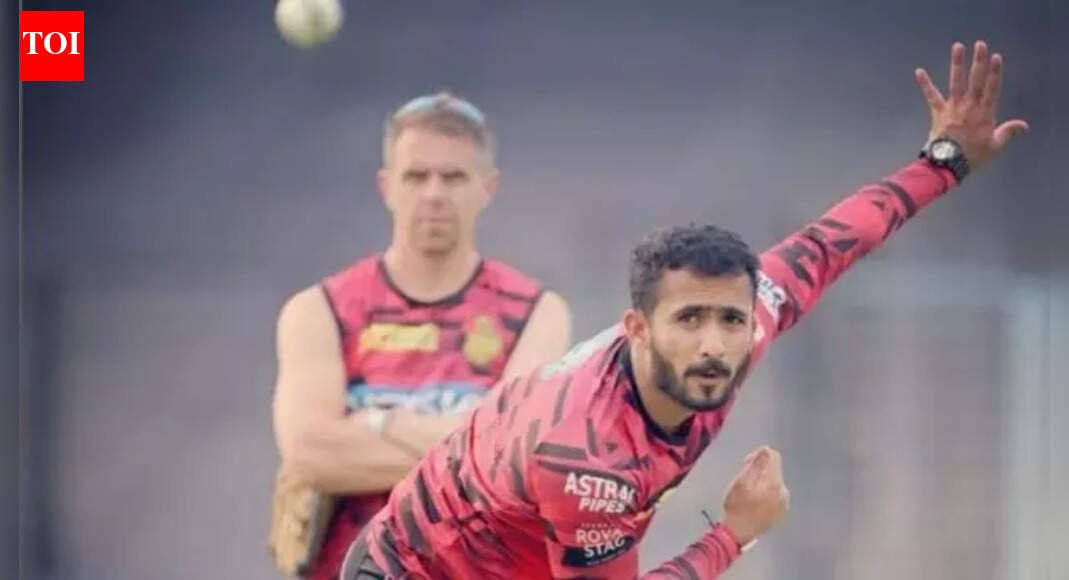
KC Cariappa (Pic credit: Cariappa’s Instagram post)

NEW DELHI: Former Kolkata Knight Riders and Punjab Kings leg-spinner KC Cariappa has announced his retirement from Indian (BCCI) cricket at the age of 31, bringing the curtain down on a career that promised much and delivered moments he says will stay with him forever.Go Beyond The Boundary with our YouTube channel. SUBSCRIBE NOW!Cariappa burst into the limelight in the IPL in 2015 when KKR snapped him up for a hefty Rs 2.4 crore. On debut, the young leg-spinner produced a moment that instantly etched his name into league folklore — dismissing South African great AB de Villiers. Yet, in a twist that would come to define much of his professional journey, Cariappa played just one match that season before being released.

Sourav Ganguly on coaching in SA20, India’s World Cup chances and more

The following year, he was picked up by Kings XI Punjab (now Punjab Kings) for Rs 80 lakh and played nine games there in two seasons. Cariappa would return to KKR in 2019, only to feature in a solitary game once again. In total, he played 11 IPL matches, picking up eight wickets at an economy rate of 9.66, while spending much of his IPL stint on the fringes despite the early hype. He was part of Rajasthan Royals squad too during his IPL career.Announcing his retirement through an emotional Instagram post, Cariappa reflected on a journey that began far from the limelight. “From the streets where it all began to stadium lights and wearing the jersey with pride – I lived the dream I once only imagined. Today, I officially announce my retirement from BCCI cricket,” he wrote. “This journey gave me everything. Victories that made me smile, defeats that broke me and lessons that shaped me.“I’ve felt pressure, pain, sacrifice but also the kind of joy only cricket can give,” he added. Though he hails from Karnataka, Cariappa represented Mizoram in domestic cricket and enjoyed a productive run. In 14 first-class matches, he claimed 75 wickets at an impressive average of 23.20, while also taking 24 wickets in 20 List A games. In T20s, he finished with 58 wickets from 58 matches at an economy of 6.60.Expressing gratitude, Cariappa thanked the Karnataka State Cricket Association for “building me, guiding me and believing in me,” and the Cricket Association of Mizoram for supporting him “like family.” He also looked back fondly on his IPL years. “My 7-year IPL journey will always stay close to my heart,” he wrote.Signing off, Cariappa struck a poignant note: “I may be retiring from BCCI cricket today but I will never retire from loving this game.”


Source link

Trump’s 25% Tariff Threat on Iran: Implications for US-China Trade Truce | Business


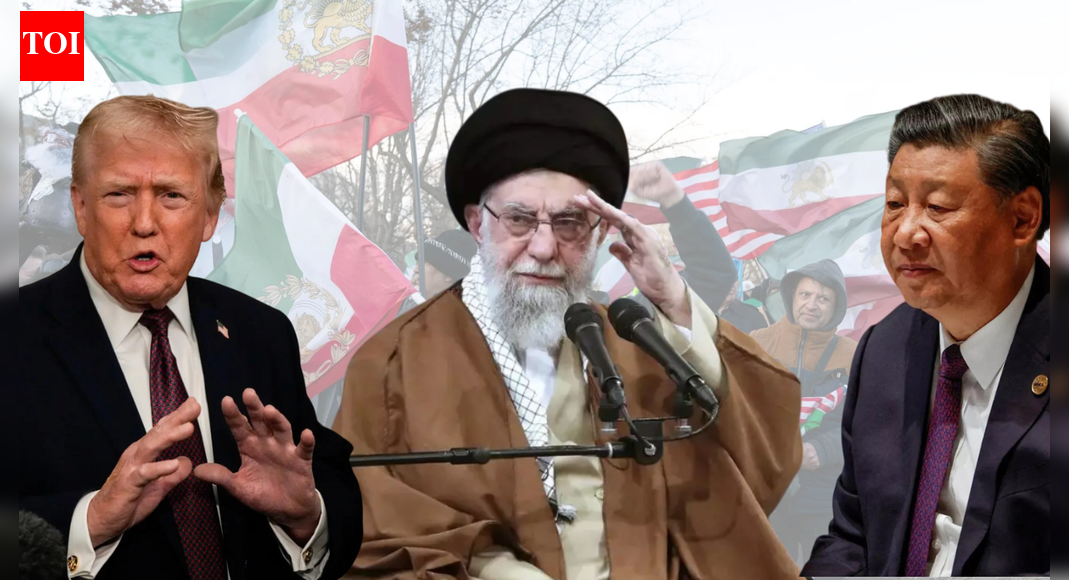
25% tariff threat: Trump’s Iran move rattles Xi; will it upend US-China truce?

US President Donald Trump’s favorite economic weapon is back on the table, but this time it’s pointed in an unexpected direction: Iran.Tl;DR: Driving the news

  • Trump has thrown a fresh wildcard into global trade by threatening to impose 25% tariffs on any country that continues to do business with Iran – a move that could destabilize the fragile trade truce between the US and China.
  • In a social media post Monday, Trump wrote that “Any Country doing business with the Islamic Republic of Iran will pay a Tariff of 25% on any and all business being done with the United States of America,” adding the measure would be “effective immediately.” He did not spell out how the tariffs would be applied, what legal authority he would rely on, or whether specific sectors or products would be targeted.
  • Bloomberg reports the announcement immediately raised alarms in Beijing, where officials and businesses are acutely aware that China is Iran’s largest trading partner and the world’s biggest buyer of Iranian oil.
  • The timing is delicate: The threat comes just months after Washington and Beijing agreed to pause their bruising trade war, cutting tariffs and restoring access to strategic resources such as rare earth minerals.

Trump Threatens To ‘Strangle’ Iran Ahead Of Attack, Blackmails India, China With 25% Tariffs

The context: Iran is on edgeIran is entering its third week of unrest with the kind of grim arithmetic that changes diplomatic equations: activists say over 600 people have been killed and more than 10,000 detained, while the state has tightened an information blackout that makes verification harder and escalation easier.Now the crisis is spilling outward – into the familiar geometry of US-Iran brinkmanship – with President claiming Tehran is looking for a way out, even as he threatens new punishment and keeps military options on the table.

What is happening in Iran

Trump told reporters his administration is preparing for talks but may not wait: “A meeting is being set up, but we may have to act because of what is happening before the meeting,” he said on Air Force One.. He also framed Iran’s posture as weakness under pressure: “I think they’re tired of being beat up by the United States,” Trump said. “Iran wants to negotiate.”Iran’s public tone suggests defiance, not retreat. Yet Iranian officials are also carefully signaling that diplomacy is not off the table – so long as it doesn’t look like capitulation.Iranian foreign ministry spokesman Esmail Baghaei said a channel to the US remained open, but talks must be “based on the acceptance of mutual interests and concerns, not a negotiation that is one-sided, unilateral and based on dictation.”Why it matters

  • At stake is not just another tariff skirmish, but the durability of a US-China trade détente that both sides have incentives to preserve.
  • The October truce reached between Trump and Xi Jinping eased pressure on global markets and supply chains after years of tit-for-tat escalation. Bloomberg Economics estimates that the average US tariff rate on Chinese goods dropped to 30.8% from 40.8% following the deal.
  • That rollback helped stabilize prices for US consumers and reassured American manufacturers reliant on Chinese inputs. For Beijing, it delivered relief to exporters and reopened access to US technology and markets – while also ensuring continued US access to Chinese rare earths critical for electronics, clean energy and military hardware.
  • Trump’s Iran tariff threat now risks reopening wounds both sides had agreed to stitch up.
  • Wendy Cutler, a former senior US trade negotiator now at the Asia Society Policy Institute, told Bloomberg that the move “underscores just how fragile the trade truce is between Washington and Beijing.” She added that “even if Trump does not actually go through with this tariff threat, some damage has already been done” to bilateral trust.

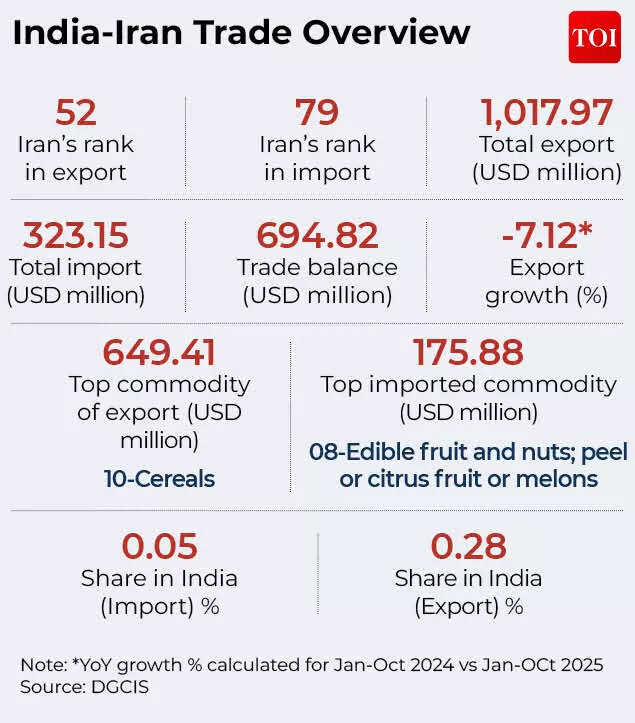
Zoom in: China-Iran trade exposureWhile Iran looms large strategically, its economic footprint in China’s overall trade picture is relatively small – but highly concentrated.Reuters data show that China is Iran’s largest trading partner. Iranian exports to China totaled about $22 billion in 2022, with fuels accounting for more than half. Imports from China stood at roughly $15 billion.In 2025, China bought more than 80% of Iran’s shipped oil, according to Kpler data cited by Reuters, reflecting Tehran’s dependence on Beijing as sanctions have narrowed its customer base.For China, that discounted oil is essential. It fuels private refiners that operate on thin margins and supports an economy already grappling with slowing growth, property-sector stress and weak consumer confidence.Beyond oil, China exports machinery, vehicles, electronics, refrigeration equipment and industrial components to Iran. Those sectors could face indirect exposure if US tariffs were applied broadly to countries trading with Tehran.Still, two-way trade with Iran accounts for less than 0.2% of China’s total trade, Bloomberg notes – limiting the macroeconomic hit, but not the strategic implications.Iran tariff threat: What it means for India and othersWhile China sits at the center of the Iran trade nexus, Trump’s 25% tariff threat casts a much wider net- putting pressure on a diverse group of US partners and rivals with very different exposure to Tehran.1. India is among the most sensitive cases. Reuters reports that India’s bilateral trade with Iran totaled about $1.34 billion in the first 10 months of 2025, dominated by Indian exports such as basmati rice, pharmaceuticals, fruits and vegetables. New Delhi sharply reduced Iranian oil imports in recent years due to international sanctions, but it still relies on Iran for regional connectivity projects and limited trade flows. A blanket tariff threat could complicate India’s effort to balance strategic ties with Washington against regional interests in the Middle East.

India-Iran trade overview

2. For Japan and South Korea, the risk is less about volume and more about precedent. Both countries maintain only modest trade with Iran- mostly machinery, vehicle parts and small volumes of food products – and both finalized trade arrangements with the US last year. Reuters reports that officials in Tokyo and Seoul said they are closely monitoring the situation, signaling concern that secondary tariffs could undercut hard-won trade stability with Washington.3. Turkey faces a different dilemma. As a major regional trading partner of Iran, Turkey imported and exported billions of dollars’ worth of goods in 2022, according to World Bank data cited by Reuters. Ankara has historically resisted US pressure to fully sever economic ties with Tehran, and Trump’s threat raises the prospect of renewed friction between Nato allies over sanctions enforcement and trade retaliation.4. Beyond those countries, Reuters notes that Iran trades with more than 140 partners globally, including the United Arab Emirates and Iraq. Many of those economies act as transit hubs or intermediaries rather than direct end-users – raising complex questions about how Washington would define “doing business” with Iran, and whether indirect trade could also trigger penalties. Trump’s threat doesn’t just target Iran’s biggest buyers – it tests how far US allies and partners are willing to align with Washington’s Iran strategy when the cost could be tariffs on all their US-bound exports.The US-China trade truce under strainThe October agreement between Trump and Xi was narrowly constructed and always vulnerable to external shocks.It did not resolve deeper disputes over industrial policy, technology transfer or national security. Instead, it focused on freezing tariffs at current levels and restoring access to strategic materials – particularly rare earths, which China dominates globally.During the earlier trade dispute, Beijing imposed export curbs on rare earths, highlighting a choke point Washington is keenly aware of. The truce ensured US companies could again source those minerals, which are vital for everything from smartphones to fighter jets.Bloomberg Economics data underscore how meaningful the détente was: a nearly 10 percentage-point drop in average US tariffs on Chinese imports translated into billions of dollars in avoided costs for US firms.Trump’s Iran tariff threat jeopardizes that stability by introducing uncertainty over whether China could once again become a target – this time indirectly, via its ties to Tehran.What they are saying

  • Trump has framed the move as part of a renewed “maximum pressure” campaign against Iran, which is facing its most serious anti-government protests in years.
  • “This Order is final and conclusive,” Trump said in a separate social media post, according to Reuters, again without detailing the scope or enforcement of the tariffs.
  • China responded sharply. The Chinese embassy in Washington said Beijing would take “all necessary measures” to safeguard its interests and opposed “any illicit unilateral sanctions and long-arm jurisdiction.”
  • That language echoes China’s longstanding criticism of US sanctions policy, which it argues violates international norms and harms global trade.

Between the linesTrump’s Iran tariff threat highlights a recurring pattern in his trade and foreign policy: maximalist rhetoric paired with ambiguous follow-through.Bloomberg points out that just months earlier, in June, Trump surprised oil traders and officials within his own administration by signaling that China could continue buying Iranian oil – a move that appeared to undercut Washington’s longstanding Iran policy.That mixed messaging reflects competing priorities. On one hand, Trump wants to squeeze Tehran amid domestic unrest and geopolitical confrontation. On the other, he is wary of actions that could spike oil prices, hurt US consumers, or destabilize relations with Beijing.History offers a clue. In August last year, White House adviser Peter Navarro downplayed the idea of further tariffs on China over its purchases of Russian oil. “We have over 50% tariffs on China,” Navarro said at the time, according to Bloomberg. “We don’t want to get to a point where we hurt ourselves.”The Iran tariff threat revives that same tension – between leverage and self-inflicted damage.What’s next

  • The biggest unanswered question is whether Trump’s threat becomes formal policy.
  • Reuters reports there has been no official White House documentation outlining how the tariffs would be imposed, which legal authorities would be used, or whether all of Iran’s trading partners would be targeted equally.
  • That uncertainty alone is enough to rattle markets and complicate diplomacy.
  • Bloomberg notes the risk is especially acute as Trump eyes an April visit to Beijing – a trip expected to reinforce the October truce and showcase a stabilizing US-China relationship.
  • Oil markets are already reacting. Prices climbed to seven-week highs on concerns that Iranian exports could fall if enforcement tightens or if buyers retreat to avoid US penalties.
  • For Beijing, the calculus is complex: push back forcefully and risk escalation, or wait to see if Trump follows through – a familiar dilemma after years of trade brinkmanship.

(With inputs from agencies)


Source link

Gig workers row: No more 10-minute delivery deadline; Centre urges quick commerce players to drop time limit


Gig workers row: No more 10-minute delivery deadline; Centre urges quick commerce players to drop time limit

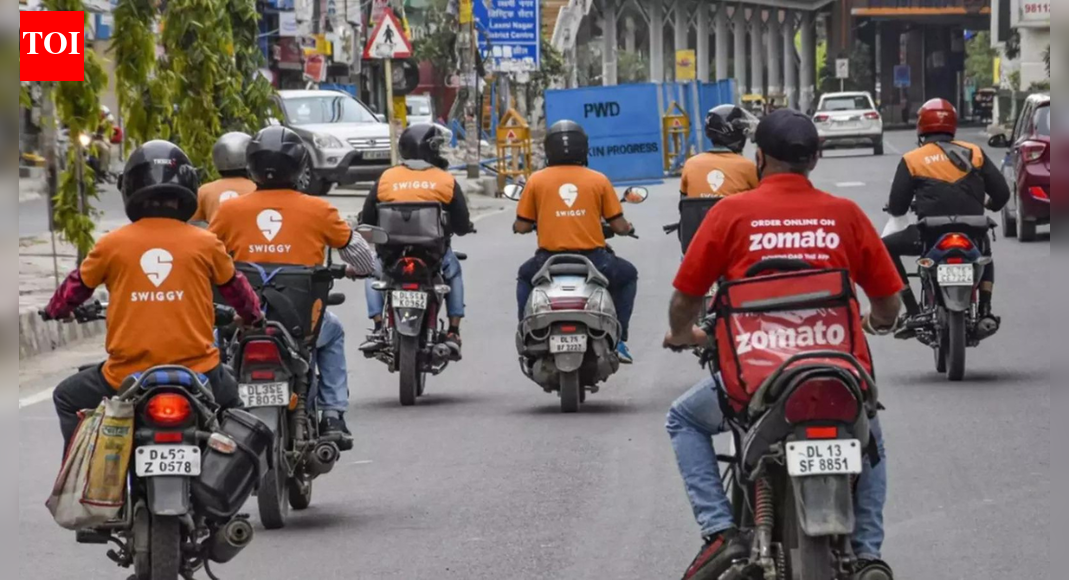
NEW DELHI: Quick commerce platforms on Tuesday agreed to remove “10-minute delivery” service following the intervention of Union minister Mansukh Mandaviya over the safety of delivery partners, news agency ANI reported, citing sources.This comes after Mandaviya held discussions with officials of Blinkit, Zepto, Swiggy, and Zomato, advising them cut slack on the strict delivery time limits in the interest of delivery workers’ safety.

‘Remove 10-Minute Delivery Option’: Gig Workers Launch Nationwide Strike On New Year’s Eve

Companies assured the government that they would remove delivery-time commitments from their brand advertisements and social media platforms.According to ANI, Blinkit has already acted on the directive and removed the 10-minute delivery promise from its branding. Other aggregators are expected to follow suit in the coming days. The move is aimed at ensuring greater safety, security and improved working conditions for gig workers.Also read: ‘Forced to pose as rooster’; Delivery employee assaulted by Zepto showroom owner for using perfume inside store in DelhiThis comes after gig workers unions launched a nation-wide strike, demanding the removal of 10-minute delivery options and the restoration of earlier payout structuresThe strike was organised under the banner of the Indian Federation of App-Based Transport Workers (IFAT), which represents delivery workers and drivers associated with companies such as Swiggy, Zomato, Zepto and Amazon.(This is a developing story)


Source link

Mark Zuckerberg seems to be putting breaks on the vision he has been chasing since 2014, changed company’s name for and spent billions on …


Mark Zuckerberg seems to be putting breaks on the vision he has been chasing since 2014, changed company's name for and spent billions on ...
Meta is reportedly planning significant job cuts, around 10%, within its Reality Labs division, responsible for VR products like Meta Quest. This strategic shift prioritizes artificial intelligence development, potentially impacting CEO Mark Zuckerberg’s long-term metaverse vision. Investors have expressed concerns over substantial VR spending with slower-than-expected consumer adoption.

Facebook-parent Meta is planning to cut 10% of its workforce in Reality Labs Division which is behind the Meta Quest headsets, Ray-Ban Smart Glasses and the virtual reality social network known as the Metaverse. Quoting people familiar with the development, a Bloomberg report says that the job cuts come as the company shifts priorities to build next-generation artificial intelligence (AI). It states that the latest job cuts may put breaks on Meta CEO Mark Zuckerberg‘s long-chased vision of building virtual reality for the metaverse which started in 2014 with the acquisition of virtual reality start-up Oculus in 2014 for $2 billion. Another step in this direction came in 2021, when Facebook rebranded itself as Meta.

Meta layoffs may be announced soon

Meta’s Reality Labs Division roughly has 15,000 employees. According to the Bloomberg report, Meta may announce the cuts to Reality Labs as soon as January 13, 2025. Sources told the publication that layoffs are said to disproportionately affect those in the metaverse unit who work on virtual reality (VR) headsets and a VR-based social network. As per a memo sent by the company to employees last week, Meta’s chief technology officer Andrew Bosworth, who also heads Reality Labs, has called for a ‘most important’ meeting on Wednesday – January 14, asking staff to attend in person.Last year, Zuckerberg asked top executives to make cuts to their 2026 budgets while he pours money into A.I. research. As Meta faces competition from companies like OpenAI and Google, Mr. Zuckerberg has increased the budget for TBD Lab, the skunk works unit at Meta that aims to build superintelligence, a godlike AI system.As reported by Bloomberg, the company also plans to reallocate some of the money from virtual reality products to increase the budget for its wearables division, which builds smart glasses and wristband computing devices.

Meta investors raises concerns

Despite the company spending tens of billions of dollars on developing virtual reality headset, the consumer response has been slower than expected. Investors have grown wary of Meta’s spending.In December last year, a company spokeswoman said Meta was “shifting some of our investment from Metaverse toward A.I. glasses,” and was not planning “any broader changes.”


Source link

UP temple wedding ends in bloodbath: Family slits newlyweds’ throats as villagers watch in horror; 3 held | Agra News


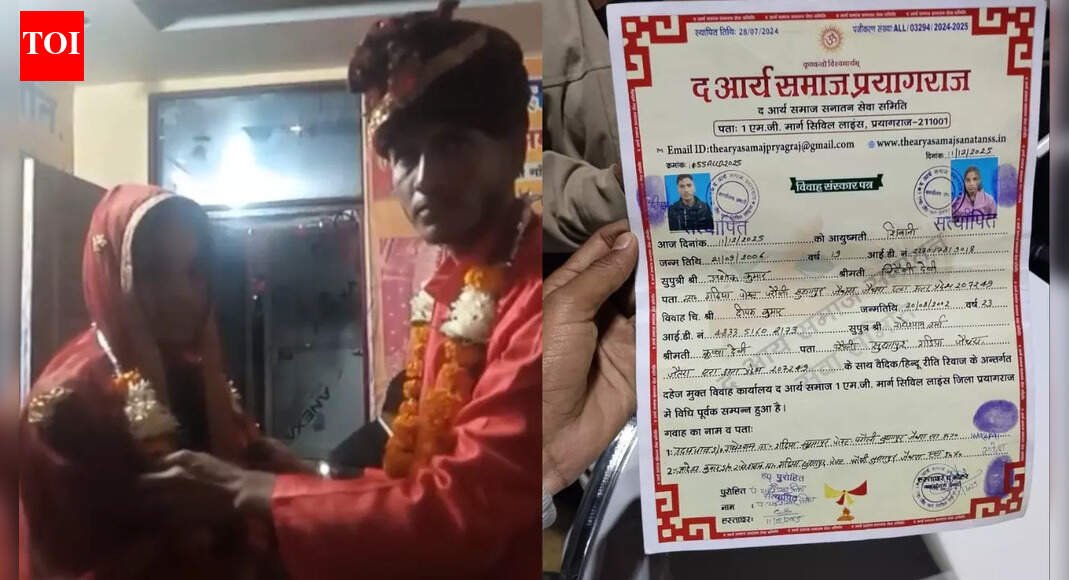
AGRA: A 19-year-old girl and her 23-year-old husband — who had eloped and got married at a temple last month — were called back home and brutally thrashed before their throats were slit by the woman’s family even as bystanders gaped in shock at the chilling crime. The double murder took place at Gadhiya Suhagpur village under Jaithra police station of Etah district in Uttar Pradesh on Sunday evening.An FIR was registered under BNS sections 103(1) (murder) and 191 (rioting) against five members of the woman’s family. Police said three accused — including the woman’s father, Ashok Kumar, 45; mother, Vitoli Devi, 42; and sister Shilpi, 20 — have been arrested. Her brothers Satish and Jabar Singh Vikas are on the run. SSP Shyam Narayan Singh said, “Preliminary investigation suggests that the woman’s father, along with his sons, are involved in the double murder.”Victims Shivani Kumari and Deepak Kumar, who worked at a private company in Prayagraj, belonged to the Lodhi-Rajput community and lived in the same locality. They had been in a relationship for the past three years, and on Dec 11, they eloped and got married at an Arya Samaj temple in Prayagraj against the wishes of the woman’s parents.On Saturday, Shivani returned to her parental home after her family called her back. Around 7 pm on Sunday, when Deepak came to meet her, the newly wed couple were attacked with sticks and a trowel while villagers watched in horror.“After thrashing the couple, the attackers slit Shivani’s throat. As Deepak ran to save his life, he was caught and his throat was also slit. The attackers then threw the blood-soaked body on the roof of a neighbour’s house,” said a villager.Police arrived soon, but by that time Shivani had already died. Deepak was breathing, and he was rushed to the nearby community health centre, from where he was referred to the district hospital, but he died on the way.In his police complaint, Deepak’s father, Radheyshaym, who works in the forest department, said: “Shivani’s family member attacked my son and his wife with a sharp weapon in front of terrified villagers.”(With inputs from Vikas Dubey in Etah)


Source link

Access Denied


Access Denied

You don’t have permission to access “http://www.ndtv.com/world-news/china-provokes-india-with-shaksgam-valley-claim-dispute-explained-10741123” on this server.

Reference #18.acf856b8.1768298752.e9b89a1

https://errors.edgesuite.net/18.acf856b8.1768298752.e9b89a1


Source link

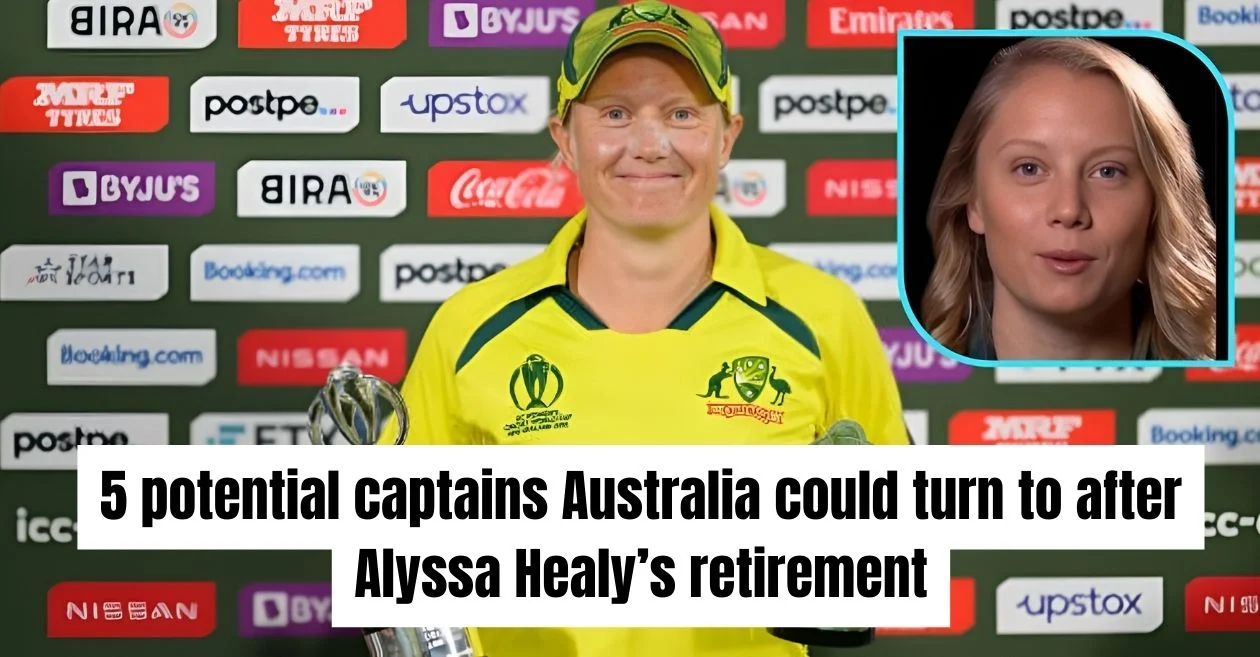
5 contenders to replace Alyssa Healy as Australia captain after her retirement from international cricket


The retirement of Alyssa Healy on January 13, 2026, officially signals the end of an era for Australian cricket. For over fifteen years, Healy was the team’s heartbeat, a relentless wicketkeeper-batter whose aggressive intent at the top of the order redefined modern keeper-bats.

After taking the torch from Meg Lanning, she ensured Australia remained at the global pinnacle, leading with a sharp tactical mind and a fearless persona. Her departure leaves a massive void, not just in her 7,000+ international runs and 275 dismissals, but in the psychological edge she provided the squad. As she exits after the final series against India, the focus shifts to a new leadership chapter. Australia now requires a figure who can manage a transition where veteran legends are stepping away, ensuring the team’s ‘winning DNA’ remains intact. Replacing a character as large as Healy requires a blend of tactical brilliance, individual performance and the authority to lead in high-pressure World Cup finals.

5 players who could lead Australia after Alyssa Healy announces her retirement

1. Tahlia McGrath 

Tahlia McGrath (Image Source: X)

Tahlia McGrath is the most immediate choice to succeed Healy, having served as the national vice-captain and interim leader during Healy’s injury spells. Her qualification is built on being a premier world-class all-rounder who remains remarkably calm under pressure. She has already proven her ability to win titles as a captain in the domestic circuit and has the full respect of the current veteran-heavy squad.

  • Captaincy Record: Captained Adelaide Strikers to back-to-back WBBL titles (2022, 2023). Led Australia in T20Is and ODIs during the 2024 and 2025 seasons.
  • Leadership Stats: Maintained an elite T20I batting average of 42.00 and strike rate of 133+ while leading. Under her captaincy, the Strikers held one of the highest win percentages in WBBL history.

2. Annabel Sutherland

Annabel Sutherland
Annabel Sutherland (Image Source: X)

At just 24, Sutherland is the generational talent candidate. Known for a meticulous and professional approach, she is already the cornerstone of the Australian bowling attack and a powerhouse with the bat. Her qualification lies in her maturity; she was identified as a leader at 15 and has been groomed for this moment. She represents a ‘Lanning-style’ appointment – young, dominant and capable of leading for a decade.

  • Captaincy Record: Current captain of the Melbourne Stars (WBBL). She has led various Australia ‘A’ and underage pathways teams with high tactical acclaim.
  • Leadership Stats: Belinda Clark Medal 2025 winner. Holds the record for the fastest Women’s Test century (148 balls) and a Test double-century (210) vs South Africa.

Also READ: Meg Lanning picks Alyssa Healy’s successor as Australia’s next ODI captain after heartbreaking CWC 2025 exit

3. Beth Mooney 

Beth Mooney
Beth Mooney (Image Source: X)

Beth Mooney offers a ‘steady hand’ approach, ideal if the selectors prefer a bridge between the Healy era and the younger generation. Her qualification is her unparalleled cricketing IQ; as a wicketkeeper, she shares Healy’s tactical vantage point. She is widely considered the ‘toughest’ player in the squad, often performing her best when the team is in a crisis, making her an ideal leader for high-stakes tournaments.

  • Captaincy Record: Captained Perth Scorchers (WBBL) and led Gujarat Giants in the inaugural WPL (2023) and 2024 seasons before transitioning into a senior advisor role.
  • Leadership Stats: Holds a 48.00+ average in ODIs and 42.00+ in T20Is. She is a 3-time WBBL champion and was the T20 World Cup 2020 Player of the Tournament.

4. Ashleigh Gardner 

Ashleigh Gardner 
Ashleigh Gardner (Image Source: X)

Ashleigh Gardner is the premier tactical choice, offering an aggressive and modern perspective. Her qualification is her status as the world’s #1 all-rounder, giving her a unique understanding of both bowling rotations and batting tempos. Her appointment would be historic, as she would be the first Indigenous person to captain an Australian cricket team on a permanent basis, reflecting a modern and inclusive era.

  • Captaincy Record: Captained Gujarat Giants (WPL 2025/26) to their first playoffs and led Trent Rockets in The Hundred (2025). Current captain of the Sydney Sixers.
  • Leadership Stats: Two-time Belinda Clark Award winner (2022, 2024). Holds the best Test bowling figures for an Australian woman (12/165) and has over 120 WBBL wickets.

5. Phoebe Litchfield 

Phoebe Litchfield  
Phoebe Litchfield (Image Source: X)

Phoebe Litchfield is the bold choice, representing the face of the future. Her qualification is her fearlessness; she plays a brand of cricket that perfectly mirrors the aggressive intent Healy championed. By appointing her now, Australia would be following the successful blueprint of blooding a captain early to build a dynasty. She is already a global superstar and a marketing powerhouse for the women’s game.

  • Captaincy Record: Youngest permanent captain in WBBL history, leading the Sydney Thunder at age 21 (2024/25). Captained NSW underage teams to national titles.
  • Leadership Stats: ICC Emerging Cricketer of the Year (2023). Averaging 41.00+ in ODIs with 3 centuries before the age of 22; scored 304 runs in the 2025 World Cup.

Also READ: Jemimah Rodrigues reveals how Richa Ghosh dismantled Alyssa Healy’s sledge with an unforgettable reply

This article was first published at WomenCricket.com, a Cricket Times company.


Source link

‘Anywhere but India’: A closer look at Bangladesh sports advisor’s explosive claims and ICC’s rebuttal on T20 World Cup venue shift | Cricket News


'Anywhere but India': A closer look at Bangladesh sports advisor's explosive claims and ICC's rebuttal on T20 World Cup venue shift
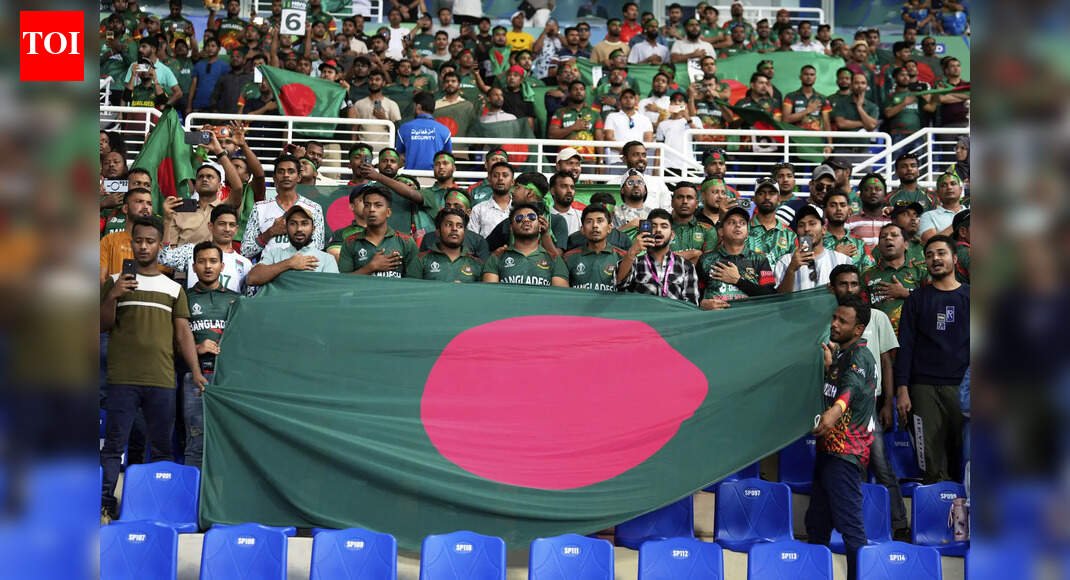
File Pic: Bangladesh fans cheer for their team in the stands. (AP Photo)

NEW DELHI: A day after Bangladesh government’s sports advisor Asif Nazrul sent shockwaves through world cricket by declaring that Bangladesh would play the ICC Men’s T20 World Cup 2026 anywhere except India, this report re-examines the allegations he levelled — and why the ICC has firmly pushed back against them.Go Beyond The Boundary with our YouTube channel. SUBSCRIBE NOW!Nazrul’s remarks on Monday came against the backdrop of strained ties between the Bangladesh Cricket Board (BCB) and the BCCI, triggered by the release of Mustafizur Rahman from Kolkata Knight Riders and reports that Chennai and Thiruvananthapuram had emerged as alternative venues for Bangladesh’s World Cup matches. Speaking to reporters at the Bangladesh Football Federation, Nazrul insisted that Dhaka’s position was categorical.

Bangladesh seek T20 WC match shift from India after Mustafizur Rahman’s IPL exit

Nazrul’s allegations, claims and defiance“I already said India means India. We are talking about India; we did not say Kolkata,” he said. “If you change it from Kolkata and give another venue — Sri Lanka can be given, no problem. Hold it in Pakistan, no problem. Hold it in the United Arab Emirates, no problem.”At the heart of Nazrul’s argument was what he described as an ICC security assessment that allegedly validated Bangladesh’s concerns. According to him, the ICC’s security team had warned that risks would increase if Mustafizur Rahman was selected, if Bangladeshi supporters wore national jerseys in public, and if the tournament coincided with Bangladesh’s upcoming national elections.

Poll

Should Bangladesh relocate their matches from India for the ICC Men’s T20 World Cup 2026?

“If the ICC expects that we will form a team excluding our best bowler, that our supporters cannot wear our national jersey, and that we will postpone our election to play cricket, then there cannot be anything more bizarre or unreasonable,” Nazrul said, adding that these points “undoubtedly proved” there was no environment for Bangladesh to play anywhere in India.Nazrul also framed the issue in political and ideological terms, alleging an “aggressive communal situation” and a sustained “anti-Bangladesh campaign” in India over the past 16 months. “No one should have a monopoly over cricket,” he said, accusing the ICC of bowing to India’s influence and urging the governing body to prove its global credentials by shifting Bangladesh’s matches to Sri Lanka.ICC’s quick rebuttalHowever, within hours of his comments, the ICC poured cold water on those claims. Sources in the governing body clarified that its independent risk assessments — carried out by internationally recognised security experts — did not support the conclusion that Bangladesh could not travel to India. The overall security risk for the tournament, including Bangladesh’s scheduled fixtures in Kolkata and Mumbai, was assessed as “low to moderate”, with no specific or direct threat identified.The ICC also rejected any suggestion that it had recommended changes to squad selection, fan behaviour or domestic political processes. “Routine contingency planning has been selectively referenced and misrepresented,” an ICC source told TimesofIndia.com.Bangladesh’s clarificationBangladesh deputy press secretary Azad Majumdar later acknowledged that Nazrul had misread an internal note, explaining that it was not an ICC response to Bangladesh’s request for relocation.As things stand, Bangladesh remain scheduled to play four group matches in India, with fans and the wider cricketing world now waiting to see what unfolds next in this evolving controversy.


Source link

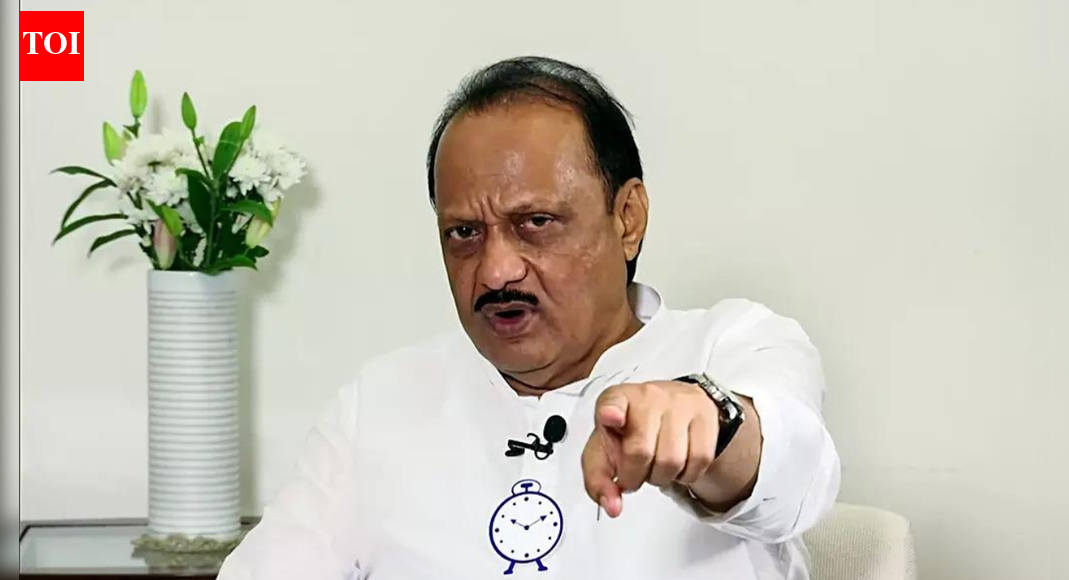
Civic polls: Ajit Pawar reveals reason for NCP reunion; will it impact ties with Fadnavis? What he said | India News


Civic polls: Ajit Pawar reveals reason for NCP reunion; will it impact ties with Fadnavis? What he said

NEW DELHI: Maharashtra deputy chief minister Ajit Pawar on Tuesday justified his decision to align with Sharad Pawar’s faction of the NCP ahead of the upcoming local body polls in Pune and Pimpri-Chinchwad.In an interview with news agency ANI, Pawar said a joint election strategy was decided after it was learnt that votes would split if workers of both factions contested against each other.

BMC Becomes Mega Battleground As Thackerays Reunite And Alliances Shift Ahead Of Civic Wars 2026

He, however, added that his decision would not affect his equations with chief minister Devendra Fadnavis.NCP–NCP(SP) reunion“I view it very positively,” Pawar said about the alliance between the NCP and the NCP (SP).“It was because of the efforts of the workers that a joint election strategy was decided upon in Pune and Pimpri-Chinchwad. The workers knew that if they contested against each other, the votes would be split. That was something they wanted to avoid at all costs. The workers wanted to win the election… Some people from both parties tried to find a solution,” he added.When asked whether both factions of the NCP would merge in the future, Pawar said, “We haven’t thought about that yet because today is the last day of campaigning, so we are focusing more on ensuring that the voting takes place properly. That’s why we haven’t thought about it from that angle.”He added that such a decision could only be taken after leaders of both sides are taken into confidence, and not just workers. “Not just karyakartas, we need to talk to other leaders too because the party is functioning with them, and they have to talk with their leaders.”“Not just party workers, but we will have to discuss with both party leaders. Leaders run the party, so we need to have discussions first,” he added.Cracks within Mahayuti?During the interview, Pawar also dismissed reports of rifts with Chief Minister Devendra Fadnavis after his decision to join hands with Sharad Pawar’s faction.“No, it will not be affected. 100%, it will not happen,” Pawar said, referring to differences between him and the chief minister.He also justified his decision to part ways with the NDA for the local body polls. Recalling how the NCP and Congress allied for the Lok Sabha and Assembly elections but contested local body polls separately, he said a similar situation existed between the BJP and the Shiv Sena as well.“Since I’ve been in politics, in all the elections we’ve fought since 1999, we had an alliance with the Congress. We were working together in the Lok Sabha, in Parliament, and fighting elections together. We were fighting on our respective symbols. The same thing happened in the Assembly elections. But in local body elections, to support and empower our respective party workers, we always fought against each other,” Pawar said.“The same thing happened with the BJP and Shiv Sena. In the 2017 elections in Mumbai and Thane, they were fighting against each other. So, there’s no need to think that something very different is happening here,” he added.Local body polls will not impact functioning of Maharashtra govtPawar also affirmed that the three parties contesting separately—BJP, NCP and Shiv Sena—against each other in the local body polls have agreed that the elections will not impact the functioning of the Maharashtra state government, even after results are declared on January 16.This comes after Chief Minister Fadnavis took a swipe at Ajit Pawar for criticising the BJP during the poll campaign.Speaking during an interaction with actor Girija Oak, Fadnavis said the BJP and the NCP had decided well in advance that they would not contest the Pune and Pimpri-Chinchwad civic elections as allies, since both were strong parties in the region.“Ajit dada only speaks, but my work speaks. We had already decided that even if we contest against each other, it would be a friendly contest and that we would refrain from criticising each other or each other’s parties. I have followed that rule till now, but his restraint is somewhat shaken,” Fadnavis said.However, Ajit Pawar will not “speak” after January 15, when votes will be cast, Fadnavis said, exuding confidence in the BJP’s performance.‘I have a secular mindset’Pawar also condemned attempts to give the Brihanmumbai Municipal Corporation (BMC) elections a “communal angle”. Reaffirming that he has “a secular mindset”, he said that in a diverse country like India, everyone is an equal citizen.“I do not like this at all. I have a secular mindset. The ideology of Ambedkar does not teach us this. Our country is so big, and those who live in this country are all Indians. If someone is committing treason against the country, action should be taken against them, and they should be given the death penalty. A new law should be made,” Ajit Pawar told ANI.Pawar’s statement comes a day after Chief Minister Devendra Fadnavis asserted that the new BMC mayor will be “from the Mahayuti, will be a Hindu, and a Marathi.”


Source link