Breaking News
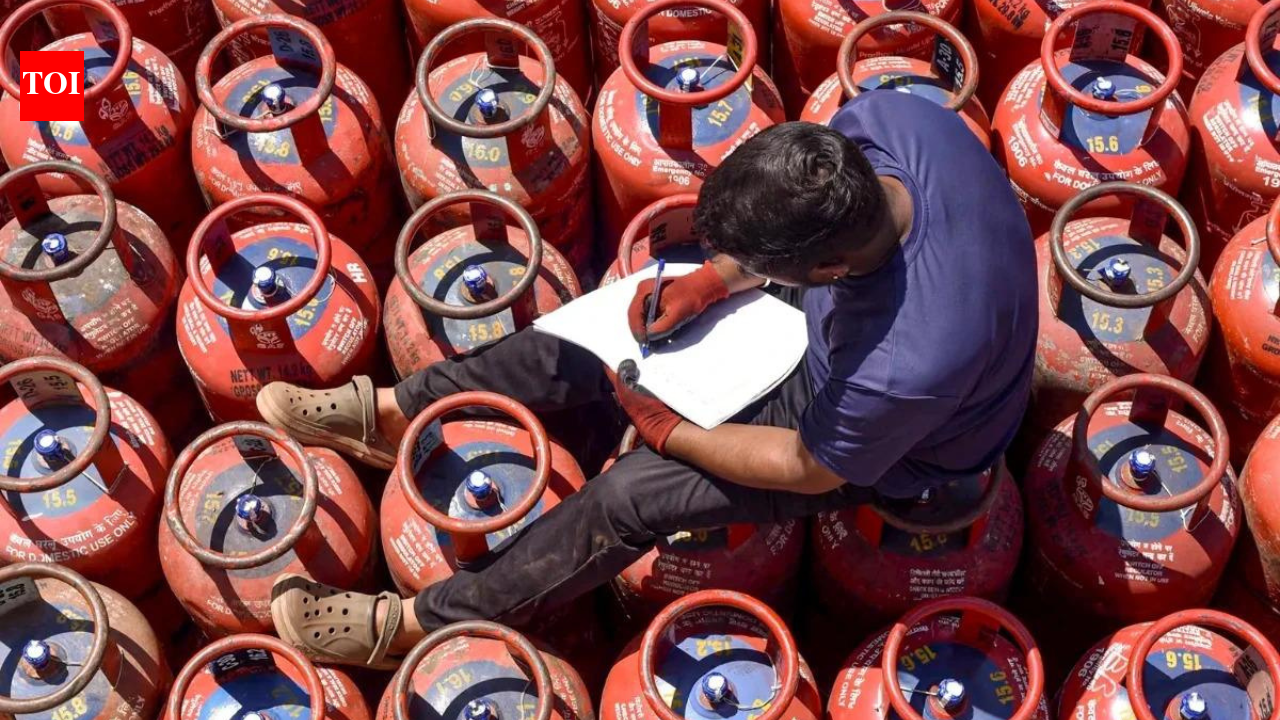
Govt ramps up LPG supply, urges no panic amid Middle East crisis

Iran War, LPG Crisis Row Expose Congress Rift As Leaders Counter Rahul Gandhi’s Stand Openly

The government has stepped up LPG supply across the country and urged consumers to avoid panic buying amid concerns over disruptions linked to the Strait of Hormuz, PTI reported on Sunday.Sale of small 5-kg LPG cylinders, available over the counter at distributorships on valid ID proof, has been ramped up to meet demand. These market-priced cylinders do not require address proof unlike subsidised 14.2-kg domestic cylinders.

Watch

Iran War, LPG Crisis Row Expose Congress Rift As Leaders Counter Rahul Gandhi’s Stand Openly

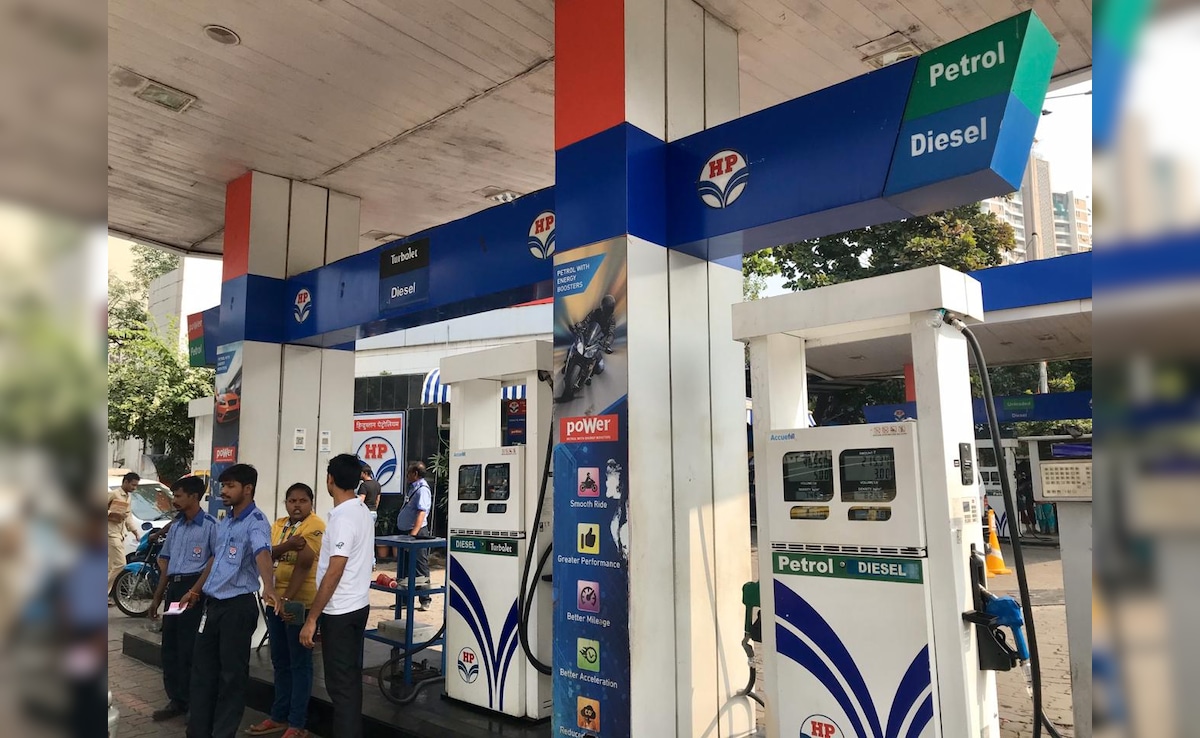
“Yesterday (April 4), more than 90,000, 5Kg FTL cylinders were sold. Since March 23, 2026, about 6.6 lakh, 5 Kg FTL cylinders have been sold,” the oil ministry said in a statement.The ministry said there are no reports of shortages at distributor points, with more than 51 lakh domestic cylinders delivered in a single day. Online bookings accounted for 95% of total demand.Authorities have intensified enforcement against hoarding and black marketing, seizing over 50,000 cylinders since March and issuing more than 1,400 show-cause notices to LPG distributors. So far, 36 dealerships have been suspended.The government has prioritised supply of domestic LPG and piped natural gas (PNG), especially for households and essential services such as hospitals and educational institutions. Refinery output has been increased, while demand is being managed by extending LPG refill intervals.Commercial LPG supplies have been capped at 70% of pre-crisis levels, with wider availability of smaller cylinders aimed at easing pressure.On the natural gas front, full supplies are being maintained for households and transport, while supplies to fertiliser plants are set to rise to around 90% of average consumption from April 6, backed by incoming LNG cargoes.All refineries are operating at high capacity with adequate crude inventories, and petrol pumps remain fully stocked nationwide, the ministry said, reiterating its advice to rely on official information and avoid panic buying.
Source link

‘Betrayed Punjab’: AAP flays Raghav Chadha’s silence on state issues after his ‘ghatak hoon’ remark | Chandigarh News


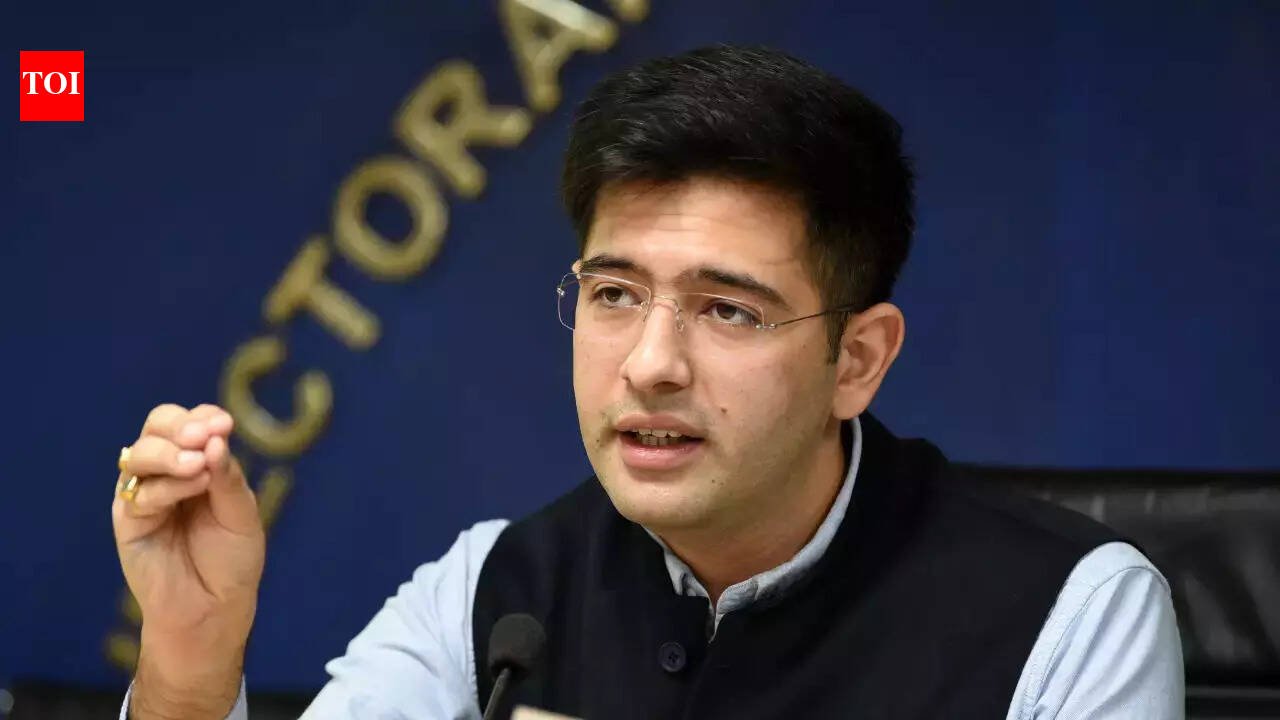
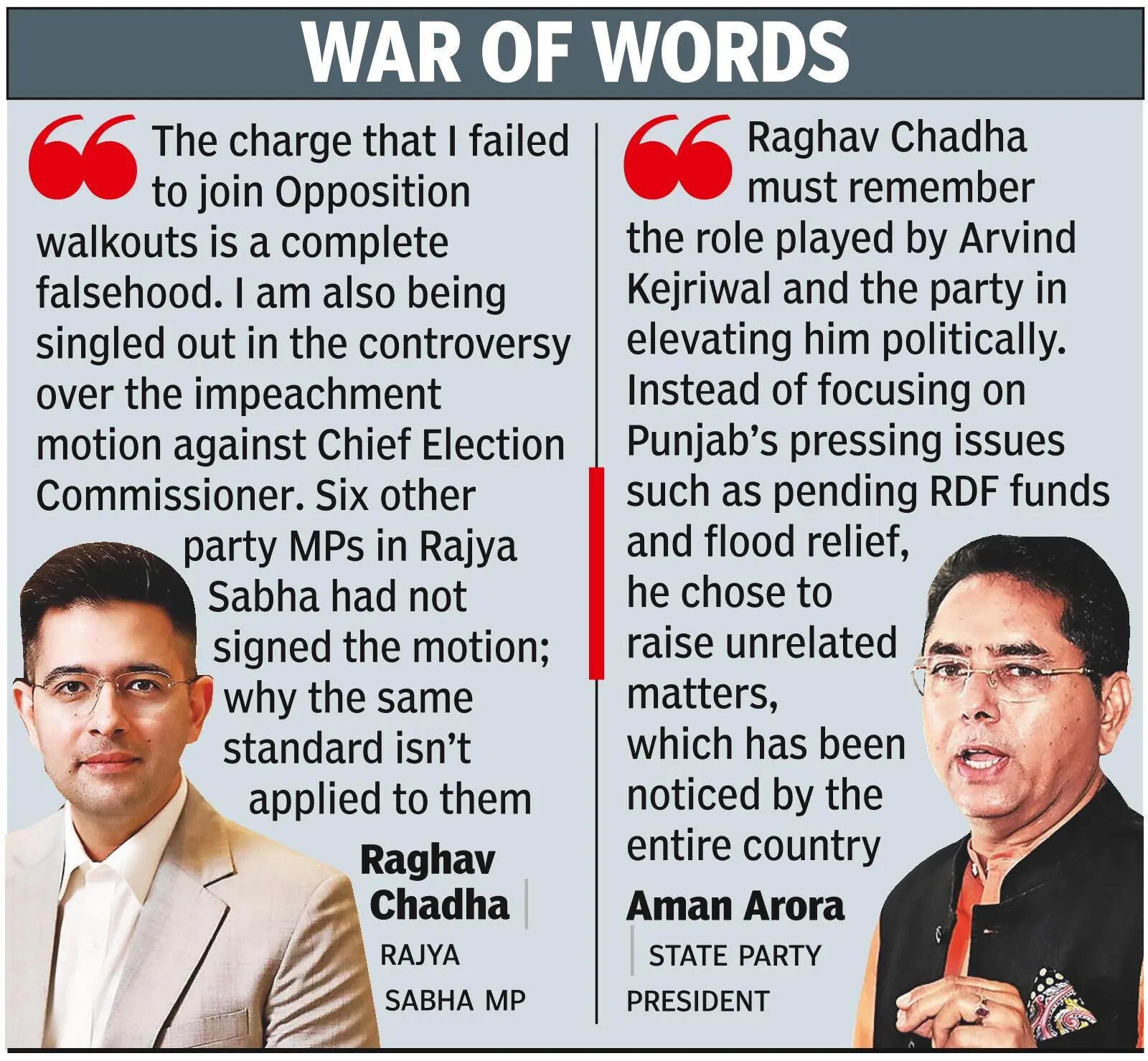
CHANDIGARH: The war of words between Aam Aadmi Party and party Rajya Sabha MP Raghav Chadha intensified on Saturday, with Punjab functionaries accusing him of betraying the state that elected him, and he claiming a “coordinated campaign” to silence his voice. “Ghayal hoon, isliye ghatak hoon (I am wounded, therefore I am lethal),” he said.Punjab AAP functionaries, including finance minister Harpal Singh Cheema, state party president Aman Arora and chief spokesperson Kuldeep Singh Dhaliwal on Saturday accused Rajya Sabha MP Raghav Chadha of failing to raise matters concerning Punjab in Parliament.They alleged that issues like the state’s pending funds with Centre, including Rs 8,500 crore rural development fund (RDF), Rs 60,000 crore GST losses and Rs 1,600 crore flood relief, were not taken up, despite repeated communication. Calling the “silence” a “betrayal” of Punjab’s people and mandate, AAP functionaries said his failure to raise farmers’ concerns and flood victims’ plight reflected a “complete disconnect from ground realities.Cheema said, “We sent him to Rajya Sabha with hope, but he did not speak even once before the Prime Minister on these issues. This clearly shows a compromise. AAP is a party that gives opportunities to common people, but remaining silent on such crucial issues is a betrayal of Punjab and its people.”

‘Betrayed Punjab’: AAP flays Chadha’s silence on state issues

‘Ghayal Hoon, Isliye Ghatak Hoon,’ Retorts Chadha, Dismisses Allegations

“Raghav Chadha was elected to RS by Punjab MLAs with the expectation that he would strongly represent the state’s concerns at the national level. However, he completely avoided raising even a single sensitive issue related to Punjab,” added Cheema.On flood relief, he said, “Despite PM’s announcement of Rs 1,600 crore relief for Punjab after the devastating floods, not even a fraction of that amount has reached Punjab’s treasury. All these issues were repeatedly conveyed to Raghav Chadha, yet he did not raise even one of them in Parliament.”Arora said, “Raghav Chadha must remember the role played by Arvind Kejriwal and the party in elevating him politically. Instead of focusing on Punjab’s pressing issues such as pending RDF funds and flood relief, he chose to raise unrelated matters, which has been noticed by the entire country.”Dhaliwal found Chadha’s silence on the plight of flood-affected people of Punjab ‘disappointing’. “The party and affected residents repeatedly urged him to raise the issue of compensation in Parliament, especially the Rs 1,600 crore relief announced by the PM, which has still not been delivered. People suffered massive losses to homes, crops and infrastructure, yet their voice was never raised at the national level. We expected him to strongly demand justice and relief for Punjab’s flood victims. People of Punjab will not forget this neglect,” he said.Chadha on Saturday released a video statement, rebutting allegations levelled against him by AAP leadership, calling them “baseless, selective and unsupported by facts.”The charge that he failed to join Opposition walkouts was a “complete falsehood”, he said, adding that he was being singled out in the controversy over the impeachment motion against Chief Election Commissioner. Seven of the 10 party MPs in Rajya Sabha — including himself — had not signed the motion, he said, asking why the same standard wasn’t applied to the six others.Dismissing claims that he was “scared”, Chadha said his refusal to engage in shouting should not be mistaken for weakness. “I came to Parliament to make an impact, not a ruckus,” he said.During his four years as MP, he highlighted a wide spectrum of issues, including GST, income-tax, Punjab’s water concerns, Delhi’s air quality and unemployment, he said, alleging a deliberate and coordinated bid to “silence his voice in Parliament”.


Source link

RCB vs CSK Live Score, IPL 2026: Virat Kohli gears up to pile more misery on CSK


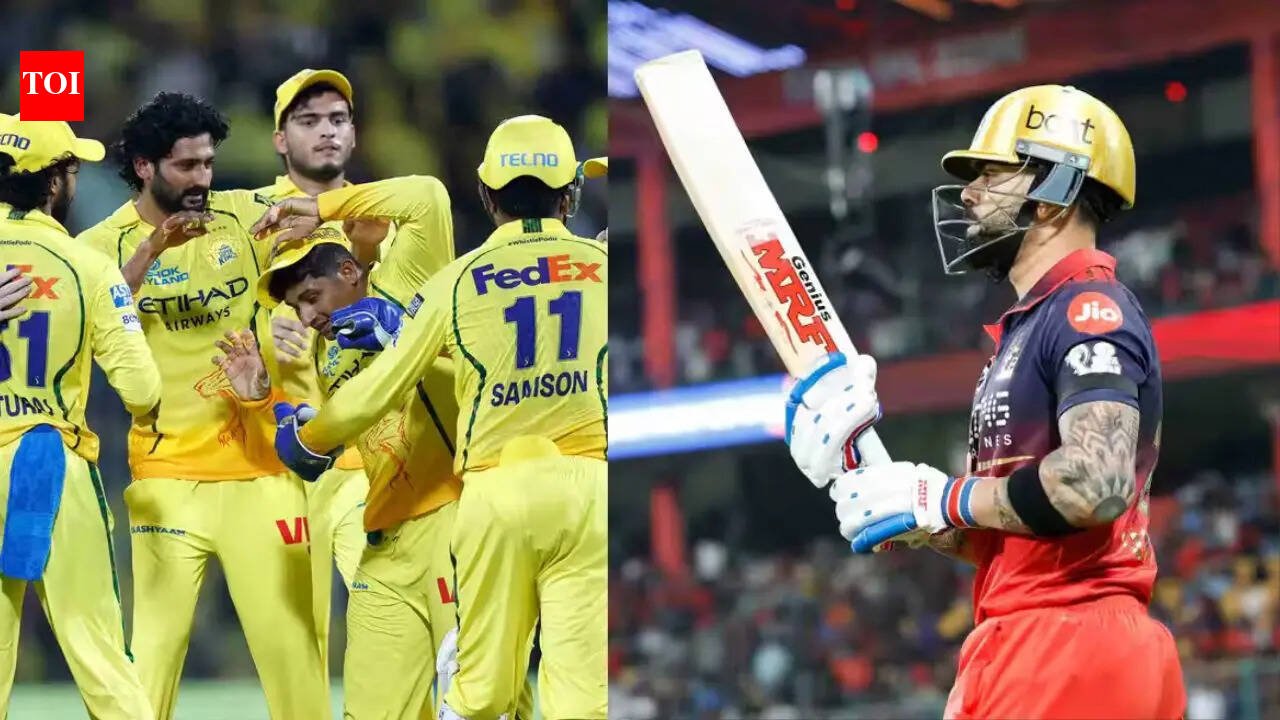
RCB vs CSK Live Score, IPL 2026: Royal Challengers Bengaluru (RCB) will look to continue their strong title defence when they face a struggling Chennai Super Kings (CSK) in a high-stakes IPL 2026 clash at the M. Chinnaswamy Stadium.

Coming off a dominant win against Sunrisers Hyderabad, RCB appear well-balanced and confident early in the season.

Their opening match showcased both bowling discipline and batting firepower. Jacob Duffy and Romario Shepherd led the bowling effort with three wickets each to restrict SRH to 201. In response, Devdutt Padikkal’s blistering 61 off 26 balls set the tone, while Virat Kohli’s unbeaten 69 ensured a comfortable chase with overs to spare.

On the other hand, CSK are searching for answers after two consecutive defeats. Despite posting a strong 209 in their last outing, they failed to defend the total, exposing vulnerabilities in their bowling attack. The pressure is mounting as they look to avoid a third straight loss.

Beyond the match itself, the RCB-CSK rivalry brings unmatched intensity. Kohli has previously pointed out how CSK fans flood the Bengaluru stadium, creating a rare mixed atmosphere filled with noise, banter, and competitive energy.

RCB vice-captain Jitesh Sharma has made it clear that the team is not focusing on past records or opposition struggles but sticking to its own preparation and strengths. This clarity of approach has been key to their early success.

Adding another layer of intrigue, veteran pacer Bhuvneshwar Kumar is on the verge of history. Just one wicket away from 200 IPL scalps, he could become the first fast bowler to achieve the milestone, underlining his longevity and evolution in T20 cricket.

With RCB holding recent dominance and CSK desperate to bounce back, this encounter promises drama, intensity, and potentially defining moments in the early stages of IPL 2026.

Squads:

Chennai Super Kings Squad: Sanju Samson(w), Ruturaj Gaikwad(c), Ayush Mhatre, Sarfaraz Khan, Shivam Dube, Kartik Sharma, Prashant Veer, Noor Ahmad, Anshul Kamboj, Matt Henry, Khaleel Ahmed, Jamie Overton, Rahul Chahar, Matthew Short, Ramakrishna Ghosh, Gurjapneet Singh, Akeal Hosein, MS Dhoni, Shreyas Gopal, Spencer Johnson, Mukesh Choudhary, Urvil Patel, Aman Khan, Dewald Brevis, Zakary Foulkes

Royal Challengers Bengaluru Squad: Philip Salt, Virat Kohli, Devdutt Padikkal, Rajat Patidar(c), Jitesh Sharma(w), Tim David, Romario Shepherd, Krunal Pandya, Bhuvneshwar Kumar, Abhinandan Singh, Jacob Duffy, Suyash Sharma, Jacob Bethell, Rasikh Salam Dar, Kanishk Chouhan, Venkatesh Iyer, Josh Hazlewood, Mangesh Yadav, Vihaan Malhotra, Vicky Ostwal, Jordan Cox, Swapnil Singh, Satvik Deswal


Source link

Air India Ahmedabad plane crash: Grieving families write to PM Modi, demand release of black box data | India News


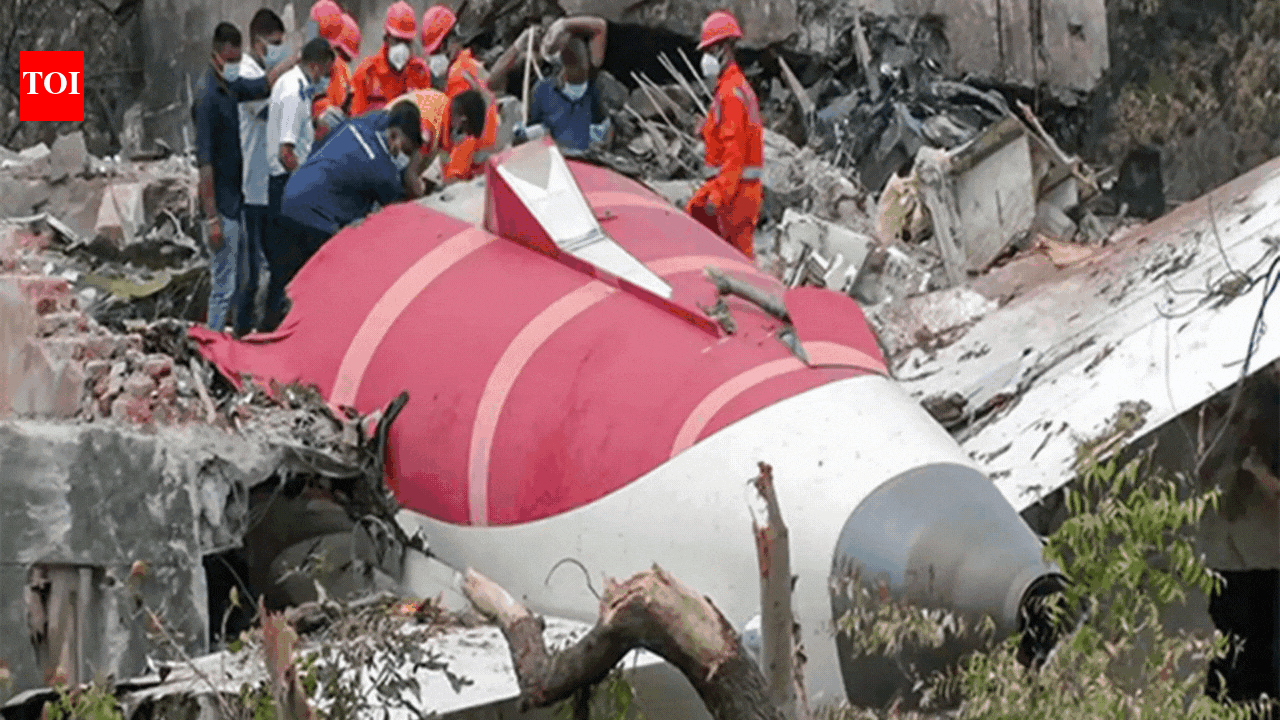
Air India Ahmedabad plane crash (File photo)

NEW DELHI: Ten months after the tragic Air India plane crash that killed 260 people in Ahmedabad, around 30 grieving families have written to Prime Minister Narendra Modi, urging the release of the Cockpit Voice Recorder (CVR) and Flight Data Recorder (black box) data.Air India flight AI 171, a Boeing 787-8 en route to London, crashed into a medical college hostel complex shortly after taking off from Sardar Vallabhbhai Patel International Airport on June 12.The aircraft bursted into flames, killing 241 out of 242 people onboard and 19 individuals on the ground.

Watch

Who Cut the Fuel? Inside the Mystery of the Air India 171 Cockpit Audio

The families, who met in Ahmedabad on Saturday, said that the release of the black box and CVR data is crucial to uncover the truth behind the calamity.“We want to know the truth about what caused the crash and whether there was any technical problem,” they said.Copies of their letter were also sent to the Aircraft Accident Investigation Bureau (AAIB), Directorate General of Civil Aviation (DGCA) and Gujarat chief minister Bhupendra Patel. The families demanded that if the black box data cannot be made public, it should at least be shared privately with them.The airline’s response to the families’ plea is awaited. The AAIB had submitted its preliminary investigation report in July 2025. The final report is expected to be released in June 2026, according to PTI.


Source link

No handshake! Uzbek chess GM stuns India’s Harika Dronavali with ‘Namaste’ – Watch | Chess News


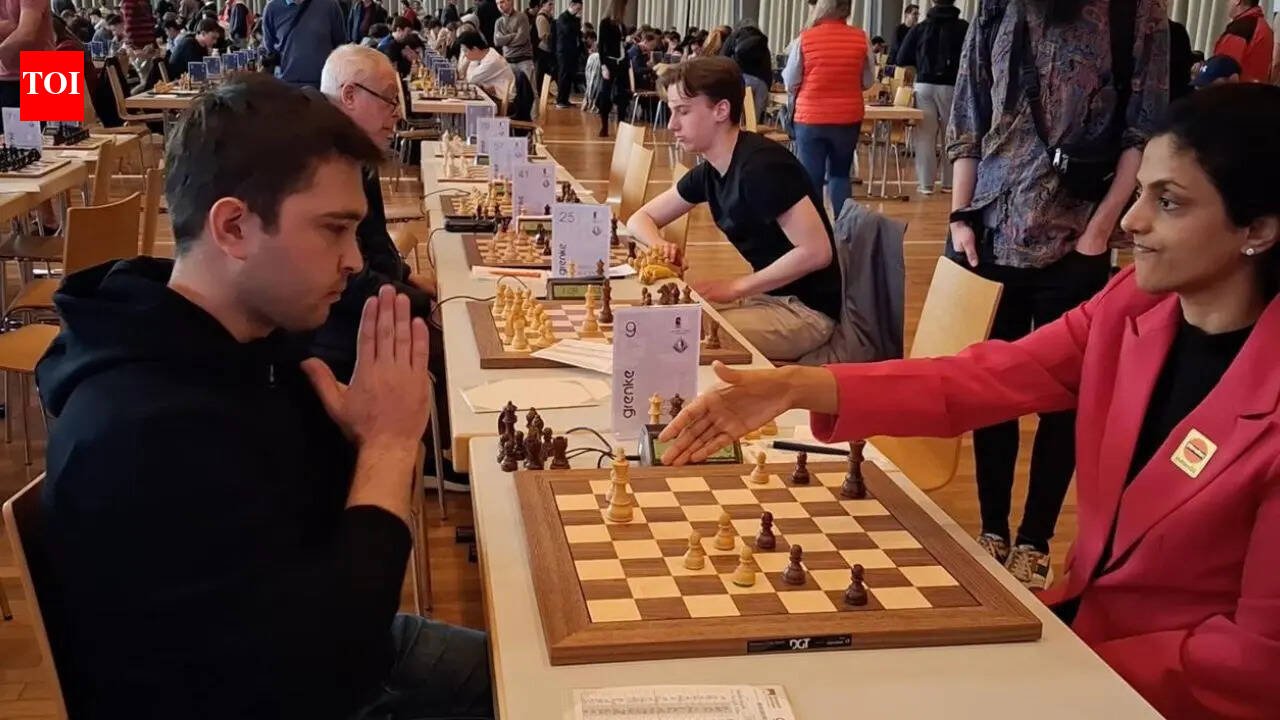
No handshake! Uzbek chess GM stuns India's Harika Dronavali with 'Namaste' - Watch
Nodirbek Yakubboev’s ‘Namaste’ gesture to India’s Harika Dronavali (Photo Credit: ChessBase India)

NEW DELHI: A light and heartwarming moment grabbed attention at the Grenke Freestyle Open when Grandmaster (GM) Harika Dronavali extended her hand to resign, but Uzbek GM Nodirbek Yakubboev responded with a polite “Namaste” instead. Both players smiled and walked away, making it a memorable and respectful exchange.Watch:The event itself is heating up in Karlsruhe, where Vincent Keymer and Hans Niemann are leading with perfect 5/5 scores. They’re set to face off next in a crucial match. Close behind is a strong group, including world number one Magnus Carlsen, keeping the competition intense.Interestingly, Daniel Hausrath, ranked far lower globally, is surprisingly holding his own among top players. With thousands of participants and a major prize pool, the tournament is one of the biggest in the world, and upcoming rounds are expected to shake up the leaderboard.This isn’t the first time Yakubboev avoided a handshake. Earlier, during a game against R Vaishali at the Wijk Aan Zee Challengers section last year, he did the same, which led to confusion. Later, he met her again with flowers and chocolates to apologise.“I’m sorry for what had happened? It was an awkward situation for both of us. I was hurrying that day. It looks like some misunderstanding. And I want to wish good luck for the remaining games for both of you. Just want to say. I respect you and your brother both. Both of you, and all the Indian chess players,” Yakubboev said.Vaishali responded kindly: “No, it’s clearly understandable. I didn’t take it that way, so we didn’t have to feel bad. You actually apologised. It’s totally fine. You don’t have to worry about it.”Yakubboev later explained it was due to “religious reasons”, adding, “I want to explain the situation… I do not touch other women for religious reasons.” He emphasized respect, saying, “I respect Vaishali and her brother as the strongest chess players in India. If I have offended her with my behavior, I apologise,” and clarified, “I do what I need to do… It is their business what to do.”


Source link

Stock markets outlook: Dalal Street braces for swings as RBI MPC decision, war risks weigh on sentiment–Check key triggers


Stock markets outlook: Dalal Street braces for swings as RBI MPC decision, war risks weigh on sentiment--Check key triggers

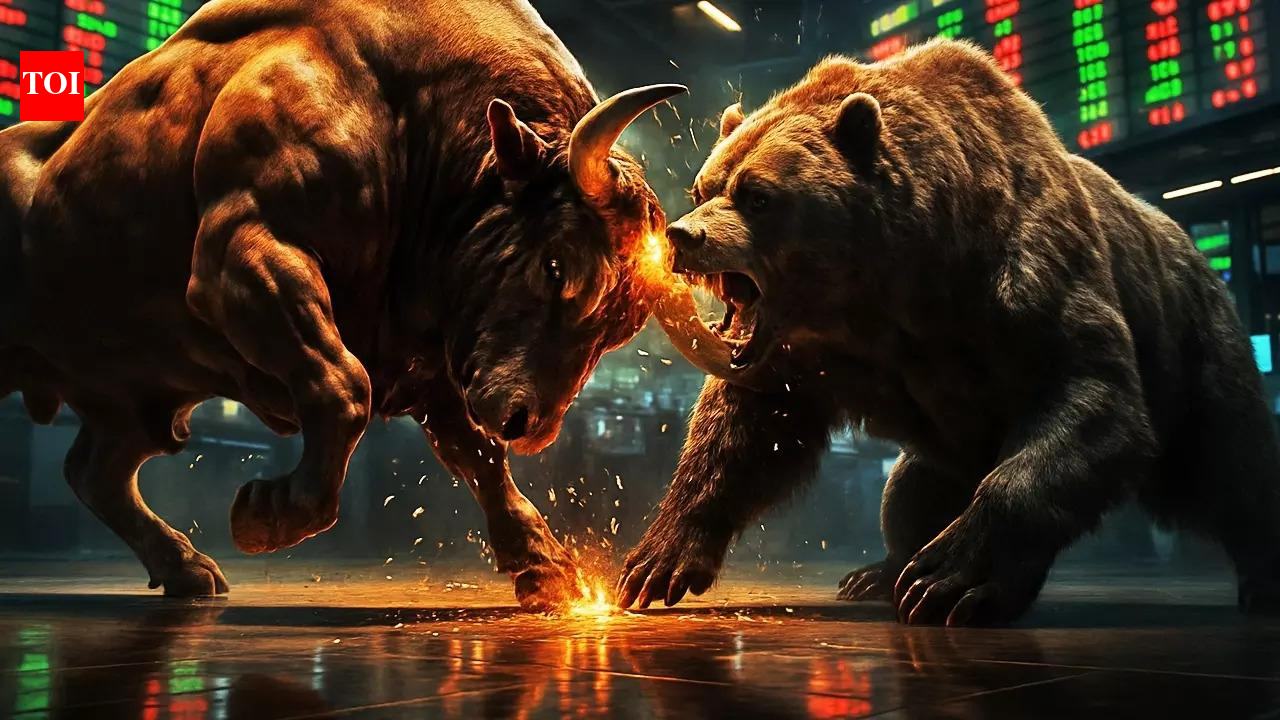
Domestic equities are expected to remain volatile this week as investors track the Reserve Bank’s monetary policy decision, global macroeconomic cues and evolving developments in the West Asia conflict, analysts said, according to PTI.Market participants will also keep a close watch on crude oil price movements and foreign fund flows, which continue to influence sentiment.Vinod Nair, Head of Research at Geojit Investments Ltd, said the RBI’s Monetary Policy Committee (MPC) meeting will be the key domestic trigger, with investors focusing on the central bank’s stance on inflation and growth.“A rate pause is near-certain consensus, the central bank walks a tightrope between crude-driven inflation risks and a four-year low Manufacturing PMI signalling a softening growth impulse. The governor’s commentary on the rate cycle trajectory and FY27 projections will be closely monitored.“Globally, the US March CPI reading will carry significant importance, as it buries residual Fed rate-cut hopes, strengthens the dollar and tightens financial conditions for emerging markets, including India,” Nair said.He added that geopolitical developments in West Asia will remain the dominant factor shaping market direction.“Indian markets return after a three-day gap and remain acutely vulnerable to weekend war developments, with crude trajectory and any credible ceasefire signal being the decisive variable that could either trigger a sharp relief rally or extend the current sell-on-rise mode,” he said.In the previous holiday-shortened week, the BSE Sensex declined 263.67 points, or 0.35%, while the NSE Nifty fell 106.5 points, or 0.46%.Siddhartha Khemka, Head of Research (Wealth Management) at Motilal Oswal Financial Services Ltd, said investor sentiment will remain closely linked to developments in the West Asia conflict.Brent crude prices have stayed elevated near $107 per barrel, fuelling concerns around imported inflation. Currency pressures have also intensified, with the rupee weakening sharply before recovering towards Rs 93 against the US dollar following RBI intervention, he noted.Foreign institutional investor (FII) outflows remain a key overhang, with March witnessing heavy selling of Rs 1.2 lakh crore, among the highest monthly outflows in recent years.“Investors will monitor the US Federal Open Market Committee (FOMC) meeting minutes, GDP data, and initial jobless claims for further cues on growth and the policy trajectory.“Overall, markets are expected to remain volatile as geopolitical developments, crude price movements, FII flows and global macro data continue to drive sentiment,” Khemka said.Analysts said any signs of de-escalation in the West Asia conflict could ease crude prices and stabilise the currency, offering relief to markets, while further escalation may prolong risk aversion and keep pressure on foreign flows.


Source link

Access Denied


Access Denied

You don’t have permission to access “http://www.ndtv.com/india-news/iran-war-crude-oil-prices-middle-east-war-petrol-diesel-should-petrol-diesel-be-under-gst-war-impact-on-crude-raises-big-question-11314057” on this server.

Reference #18.c7f5d217.1775391093.8d8fde5d

https://errors.edgesuite.net/18.c7f5d217.1775391093.8d8fde5d


Source link

FIFA agrees to three-month delay in AIFF elections | Football News


PANAJI: FIFA, the governing body for world football, has told the All India Football Federation (AIFF) it has “no objection” to elections being postponed from Sept to Dec 2026 to ensure full compliance of the constitution with the new National Sports Governance Act 2025 and its related regulations.AIFF president Kalyan Chaubey was elected on Sept 2 in 2022 for a fouryear term. Elections were to be held before the end of the term, but with the National Sports Governance Act 2025 coming into force, AIFF informed the governing bodies that it needs to stay in office till later this year “to ensure uninterrupted administration of football in India”.“On Dec 22, 2025, the ministry of youth affairs and sports issued a notice recognising that the structural changes required for all national sports federations to fully align with the NSGA are foundational in nature. In order to facilitate compliance with the provisions of the NSGA, the ministry of youth affairs and sports allowed a onetime extension to national sports federations whose elections are due in this calendar year, allowing such federations to conduct their next elections by Dec 31,” AIFF deputy secretary general M Satyanarayan wrote in a letter to FIFA and AFC last month.FIFA said it has no objection and reiterated its willingness to support AIFF throughout this process and to work closely together.“We kindly ask that you keep FIFA and the AFC informed of any further steps in the amendment process of the AIFF constitution, and in particular to share with us a document outlining the key amendments and necessary steps required with tentative timelines to ensure compliance with the NSGA,” Emile Doms, associations governance services manager at FIFA, wrote to the federation last week.Meanwhile, AIFF has asked its member associations to complete adoption of amendments to their constitutional document on or before June 30, 2026.


Source link

RBI likely to hold repo rate at 5.25% amid inflation risks from Middle East crisis


RBI likely to hold repo rate at 5.25% amid inflation risks from Middle East crisis

The Reserve Bank is expected to keep the benchmark repo rate unchanged at 5.25% in its April monetary policy review, as rising inflation risks linked to the Middle East crisis cloud the outlook, according to a poll of economists cited by PTI.Geopolitical tensions, volatile commodity prices and sharp currency movements — with the rupee hitting record lows — have complicated the policy trajectory, with economists closely watching the central bank’s projections on growth, inflation and policy stance.“Given the uncertainty around crude oil prices and geopolitical developments, the RBI is likely to remain on pause in the April policy and closely monitor incoming inflation data before taking any further action,” said Aditi Nayar, Chief Economist at ICRA, PTI quoted.SBI’s chief economist Soumya Kanti Ghosh said the central bank will be cautious in communicating its decision. “India is not unscathed from the current crisis and is feeling the mercury rising. Rupee is already hovering above 93 per dollar, and crude oil is adamant above USD 100 per barrel, resulting in a jump in imported inflation across states,” he said, adding that the projected “super El Nino” will also put pressure on inflation.Dipti Deshpande, principal economist at Crisil, said under the base case scenario where inflation remains close to the MPC’s target, the central bank may look through the supply shock and keep rates unchanged.The RBI has already cut the repo rate by 1.25% since last February, but has maintained status quo in its August, October and February 2026 policy reviews.The six-member Monetary Policy Committee is scheduled to begin its April meeting on Monday, with the final decision expected on Wednesday.Economists noted that although retail inflation has eased closer to the RBI’s medium-term target of 4%, the recent spike in crude oil prices has raised concerns over second-round effects on domestic prices, especially in fuel, transport and core inflation components.Estimates suggest that every USD 10 per barrel increase in crude prices could push inflation up by as much as 0.60%. Crude prices have surged from around USD 60 per barrel to over USD 100 since the conflict began in late February. The rupee has also weakened by more than 4% during this period, adding to imported inflation pressures.“We do not expect any change in repo rate or stance this time. The tone will be cautious, and what will be eagerly awaited is the RBI’s forecast of GDP and inflation under the prevailing uncertainty,” said Bank of Baroda chief economist Madan Sabnavis.HDFC Bank principal economist Sakshi Gupta said a rate move based on short-term developments may not be prudent given ongoing volatility in global commodity markets. “The central bank would prefer to wait for clearer signals on the inflation trajectory,” she said.Economists indicated that the RBI may revisit its inflation and growth projections in the upcoming review to reflect evolving global risks, with a possibility of upward revision in inflation forecasts if crude prices remain elevated.Given the current scenario, the policy focus is expected to shift towards inflation management rather than growth support.“While domestic growth conditions remain supportive, the persistence of global uncertainties could weigh on exports and investment activity, requiring the RBI to maintain policy flexibility,” said a treasury official at a private sector bank.The central bank is also likely to retain its neutral stance, signalling flexibility amid uncertain inflation dynamics and global developments. Liquidity conditions, transmission of past rate changes, financial market stability, currency movements, capital flows and bond market dynamics are expected to remain key considerations for policymakers.


Source link

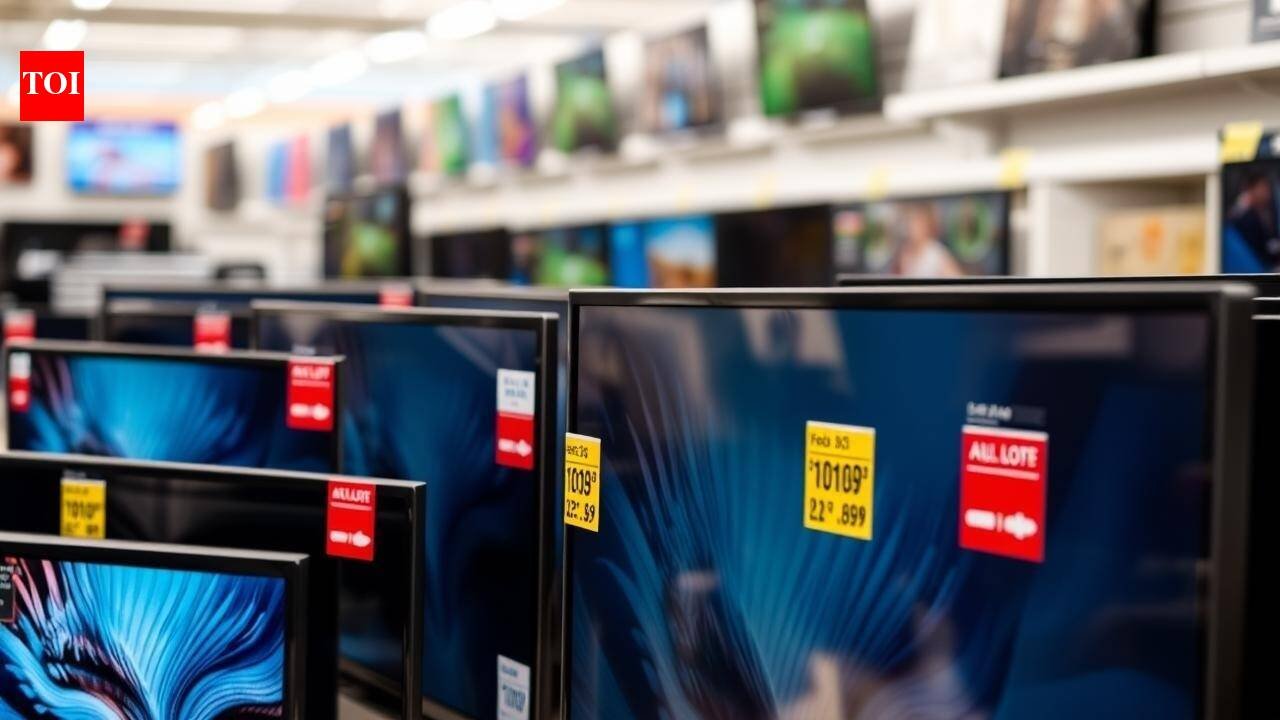
India Television Market: Middle East tensions to hit TV sales? Industry braces for decline as production costs rise


Middle East tensions to hit TV sales? Industry braces for decline as production costs rise

India’s television market is headed for new challenges as manufacturers face rising input costs and shifting consumer demand patterns that are beginning to affect sales momentum. Industry players are facing a sharp escalation in the cost of key components such as memory chips (RAM), alongside higher plastics prices and increased ocean freight charges. These freight pressures have been linked to ongoing geopolitical tensions in West Asia. At the same time, depreciation of the rupee has added further burden to production expenses, pushing up retail prices of television sets across categories.Amid these pressures, several manufacturers have adopted different pricing strategies, with some absorbing part of the cost increases and others avoiding full pass-through to consumers in a bid to retain their share in India’s intensely competitive TV market.However, the rising price environment is beginning to influence buyer behaviour. Consumers are delaying purchases, and industry participants are reporting early indications of downtrading, where customers opt for lower screen sizes to manage budgets.“There will be a shift in the purchase of TV screen sizes. If a consumer is looking to buy a 55-inch screen size television, they might opt for a 50-inch screen size model instead. Consumers who were considering a 65-inch screen size TV are now settling for a 55-inch screen size,” said Super Plastronics Pvt Ltd (SPPL) Director and CEO Avneet Singh Marwah, whose company holds brand licences for Thomson, Kodak and Blaupunkt among others.He added that pricing has moved up significantly over the past six months, noting that an entry-level 32-inch television, which had previously fallen to around Rs 9,000, is now being sold at about Rs 11,000.Despite the pressure on demand, financing options continue to provide some support to the market. Haier India President NS Satish said that instalment-based purchasing is helping maintain demand, particularly for larger screens.“Almost 50 per cent of our business happens on EMI,” he said, pointing out that even a price increase of around Rs 5,000 only adds a few extra monthly instalments. “When EMI is there, an additional hike of around Rs 5,000 is just three additional instalments,” he said.Satish noted that while some consumers are still upgrading to bigger televisions by opting for higher EMIs, a section of buyers is shifting towards smaller screen sizes due to affordability concerns. He also said companies have not fully passed on cost increases to consumers, with current pricing levels now close to pre-GST reform figures.According to Counterpoint Research, India’s television market is expected to see a slowdown in demand, with shipments projected to decline 5–6 per cent in Q1 and 3–5 per cent in Q2 of 2026. The pressure is being driven by rising RAM costs, freight disruptions linked to geopolitical tensions, and the impact of rupee depreciation on import-linked expenses.Anshika Jain, Principal Analyst at Counterpoint Research, said brands with integrated supply chains, such as Samsung, are better positioned to manage these cost pressures. She added that consumers are currently prioritising essential spending and postponing discretionary purchases like televisions.However, she ruled out a widespread downgrade trend in screen sizes, noting that while some downtrading is visible, the premium segment, especially 45 inches and above, remains steady, supported by EMI options that ease affordability.Jain also said the market could see a modest recovery during the festive season in the second half of the year, with larger screen sizes of 55 inches and above continuing to gain traction over the longer term as upgrade cycles gradually evolve.


Source link