Breaking News
The ‘difficult call’ Riyan Parag took – and how it paid off for Rajasthan Royals | Cricket News


The 'difficult call' Riyan Parag took - and how it paid off for Rajasthan Royals

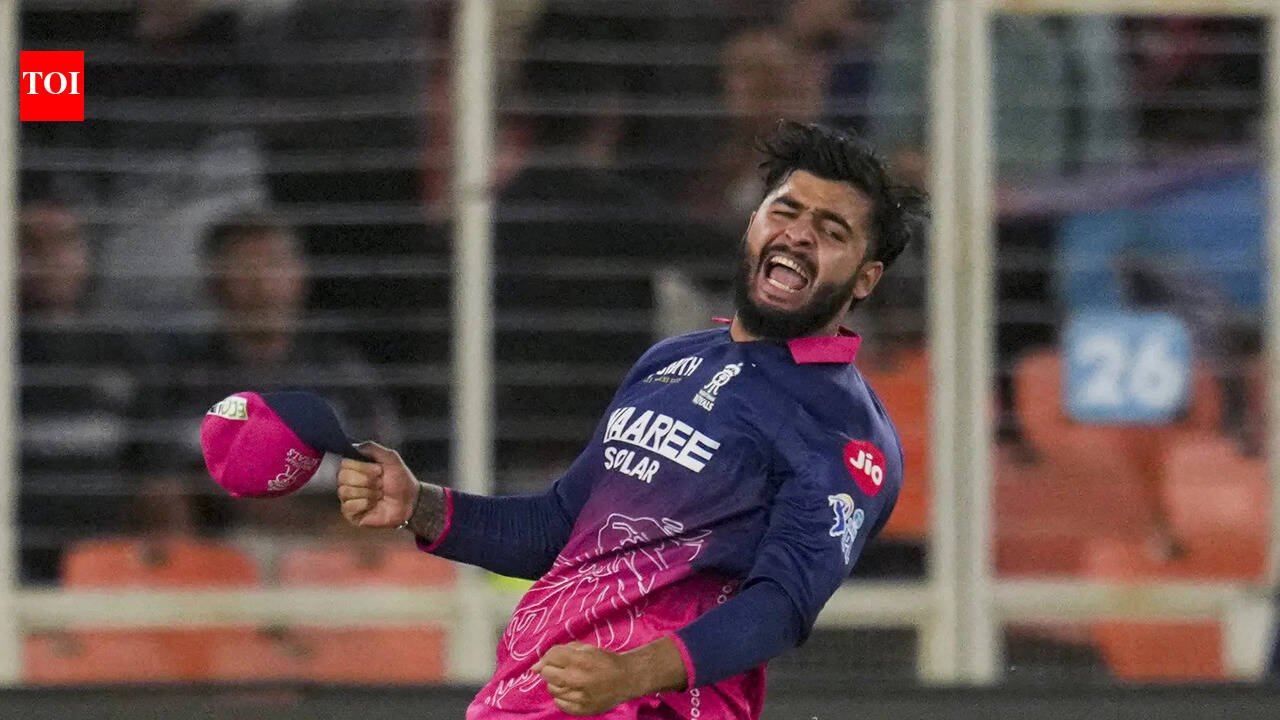
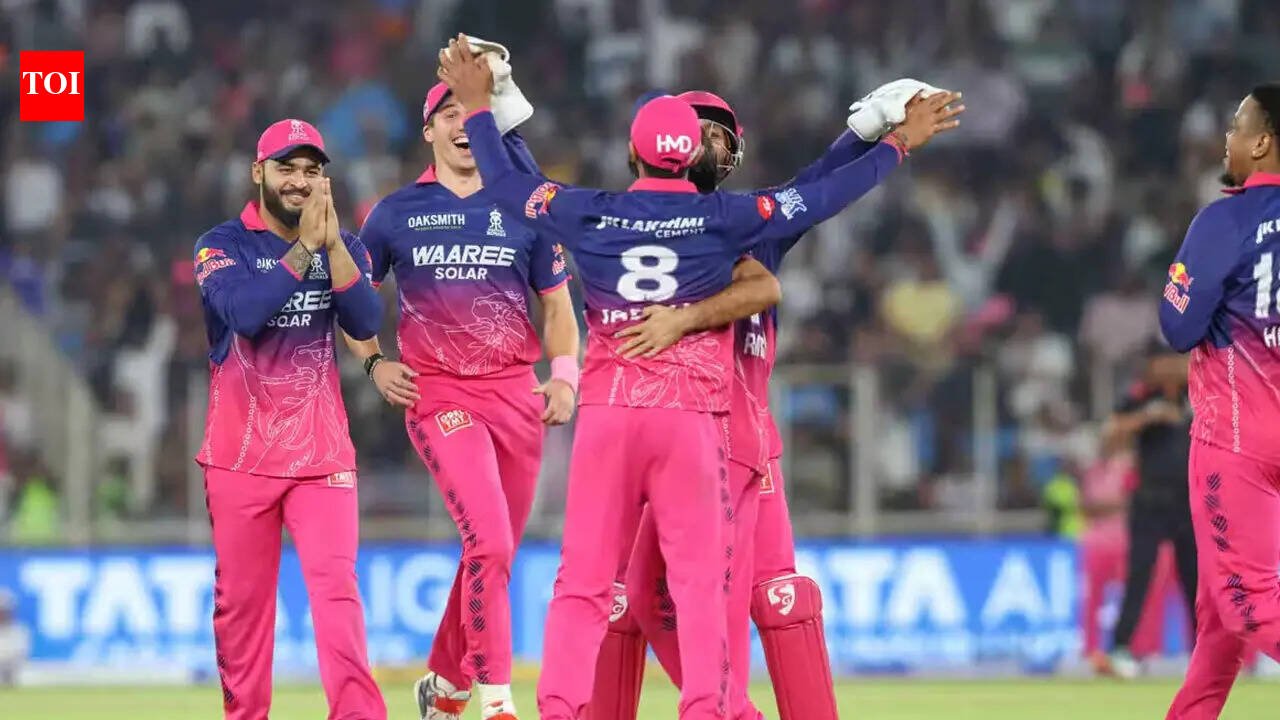
NEW DELHI: With 11 needed off the final over, Riyan Parag took a gamble against Gujarat Titans. Despite having one over left from Nandre Burger, Sandeep Sharma, and even two overs from Ravindra Jadeja, Parag turned to Tushar Deshpande – and the move paid off. The bowler delivered under pressure as Rajasthan Royals cruised to their second successive win, defeating the Shubman Gill-led side by six runs in a thriller at the Narendra Modi Stadium in Ahmedabad.Former India cricketer Irfan Pathan believes the bold calls at the death will significantly boost Parag’s confidence as a leader.Parag first entrusted Jofra Archer with the 19th over before handing the final one to Deshpande.“This was the best game of the season so far. It was very important for Rajasthan that Riyan Parag commands that respect while leading the side,” Pathan said on JioStar.“He made that difficult call in the last over, and that decision went in favour of Rajasthan, which will give him a lot of confidence as a leader. He went to Jofra Archer to bowl that 19th over, and generally, you go with your more experienced bowler in the penultimate over.”Archer justified the move with a superb over, conceding just four runs and tightening the screws on Gujarat’s chase. Deshpande then held his nerve to defend 10 runs in the final over as Rajasthan Royals edged past Gujarat Titans by six runs.

Watch

‘Bowlers have it hard’ – Glenn Phillips breaks down modern T20 cricket

“Jofra used his experience, used his pace, and didn’t give any room to either Rabada or Rashid Khan, who were going strong. That over set it up nicely for Tushar Deshpande, because if GT had gotten 10 runs off it, the game would have been done then. It was a special over from Jofra.”“And credit to Tushar Deshpande, who held his nerve and bowled accurate yorkers, one after the other, to get his side home,” Pathan added.Rajasthan Royals will next take on five-time champions Mumbai Indians at the Barsapara Cricket Stadium in Guwahati on Tuesday.


Source link

OPEC+ to consider output hike as US-Iran war disrupts oil supply routes


OPEC+ to consider output hike as US-Iran war disrupts oil supply routes

OPEC+ may approve an oil output increase at its meeting on Sunday, though the move is expected to remain largely symbolic as key producers are unable to raise supply due to disruptions caused by the US-Israeli war with Iran, Reuters reported citing sources.Eight OPEC+ members are scheduled to meet at 1300 GMT to discuss production quotas for May, with sources indicating that any increase would have little immediate impact on global supply.

Watch

‘HORMUZ REMAINS CLOSED’: Iran DARES Trump With ‘FOREVER WAR,’ Laughs Off 48-Hour Hormuz Deadline

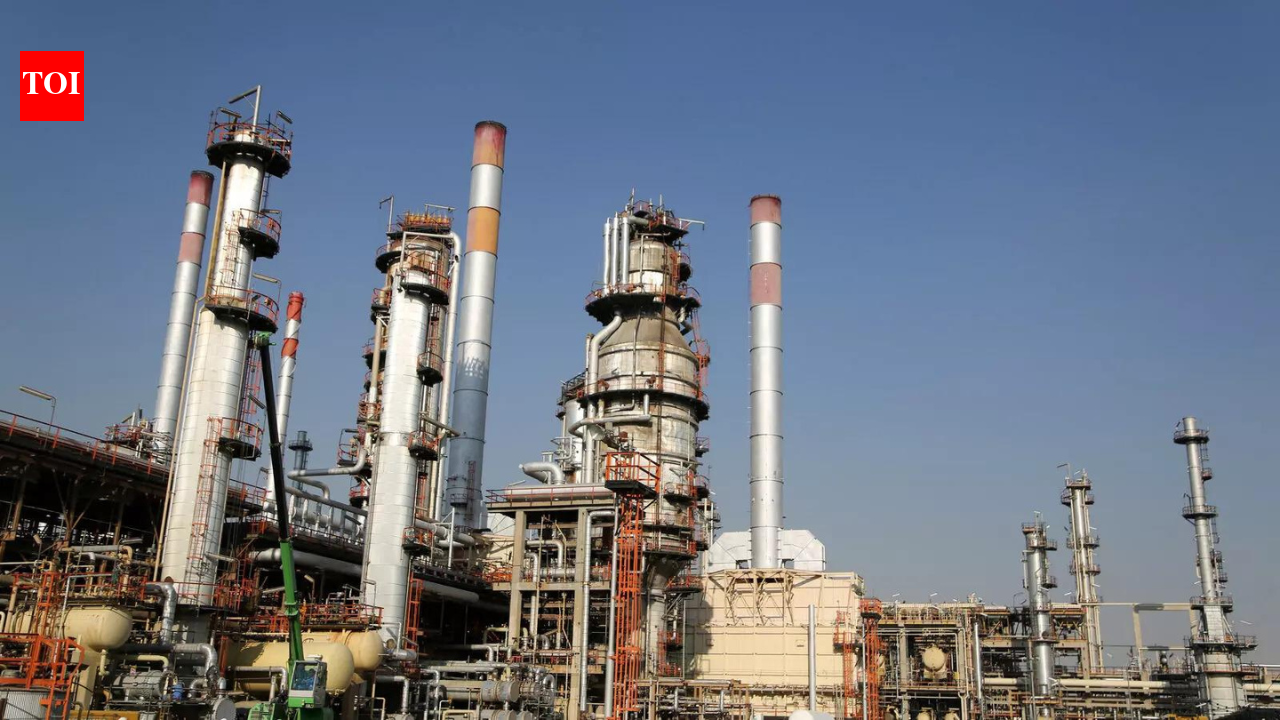
The ongoing conflict has effectively shut the Strait of Hormuz — the world’s most critical oil transit route — since the end of February, sharply curtailing exports from major producers such as Saudi Arabia, the UAE, Kuwait and Iraq. These countries were among the few in the group with the capacity to raise output before the conflict.Other members, including Russia, are also unable to increase production due to Western sanctions and infrastructure damage linked to the war in Ukraine.Within the Gulf region, missile and drone attacks have caused significant damage to energy infrastructure. Officials say it could take months to restore normal operations and achieve production targets, even if the conflict ends and shipping through Hormuz resumes immediately.At its previous meeting on March 1, OPEC+ had agreed to a modest output increase of 206,000 barrels per day for April. However, the ongoing crisis has since triggered what is being described as the largest oil supply disruption on record, removing an estimated 12 to 15 million barrels per day — or up to 15% of global supply.Crude prices have surged to near four-year highs, approaching $120 per barrel. JPMorgan has warned that prices could rise above $150 — an all-time high — if disruptions in the Strait of Hormuz continue into mid-May.While a fresh output hike may signal intent to boost supply once conditions stabilise, analysts say it remains largely theoretical under current constraints. Consultancy Energy Aspects described the proposed increase as “academic” as long as disruptions in the strait persist.


Source link

‘Iranians were actively looking for him’: Missing US crew member from F-15 found alive after ‘heavy firefight’


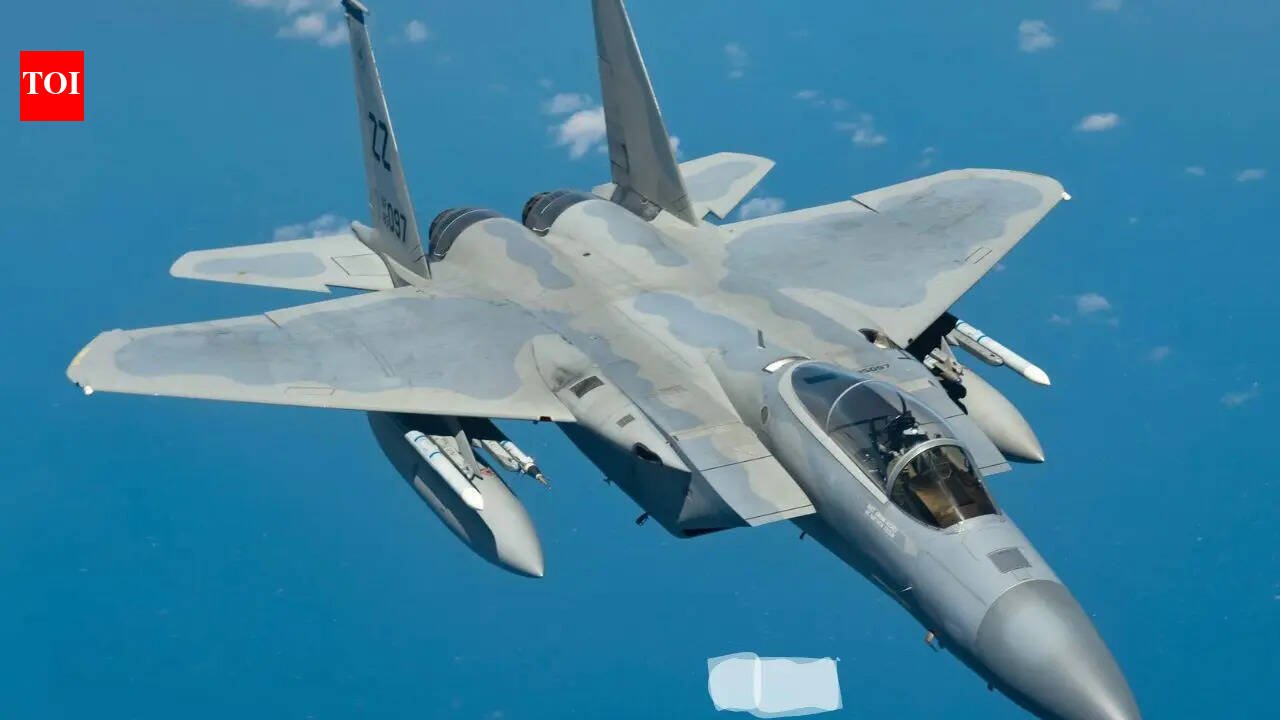
A missing crew member from a downed US F-15 fighter jet in Iran has been retrieved alive following a high-risk search and rescue operation after a heavy firefight.Confirming the evacuation, US President Donald Trump said, “The US military sent dozens of aircraft, armed with the most lethal weapons in the world, to retrieve him.”

Watch

‘ENEMIES WERE GETTING CLOSER’: Trump Shares Inside Details Of U.S. F-15E Pilot Rescue In Iran

“United States military pulled off one of most daring search and rescue operations in US history, for one of our incredible crew member officers,” he added.“The United States military pulled off one of the most daring search and rescue operations in US history,” Trump said.Trump providing details of the rescue operation said, “My fellow Americans, over the past several hours, the United States military pulled off one of the most daring search and rescue operations in US history, for one of our incredible crew member officers, who also happens to be a highly respected colonel, and who I am thrilled to let you know is now safe and sound! This brave warrior was behind enemy lines in the treacherous mountains of Iran, being hunted down by our enemies, who were getting closer and closer by the hour, but was never truly alone because his commander in chief, secretary of war, chairman of the joint chiefs of staff, and fellow warfighters were monitoring his location 24 hours a day, and diligently planning for his rescue.“At my direction, the US military sent dozens of aircraft, armed with the most lethal weapons in the world, to retrieve him. He sustained injuries, but he will be just fine. This miraculous search and rescue operation comes in addition to a successful rescue of another brave pilot, yesterday, which we did not confirm, because we did not want to jeopardise our second rescue operation. This is the first time in military memory that two US pilots have been rescued, separately, deep in enemy territory. We will never leave an American warfighter behind! The fact that we were able to pull off both of these operations, without a single American killed, or even wounded, just proves once again, that we have achieved overwhelming air dominance and superiority over the Iranian skies. This is a moment that all Americans, Republican, Democrat, and everyone else, should be proud of and united around. We truly have the best, most professional, and lethal military in the history of the world,” Trump added.

Image credit: Truth social

Separately, former US Special Forces personnel and journalist Jack Murphy claimed the airman had been located alive. In a post on X, Murphy wrote, “Good news for once. F-15 WSO recovered alive. Was escaping and evading. Massive firefight on tgt. Iranians were actively looking for him in the area.”However, US officials have not publicly confirmed the recovery.According to CNN, both US and Iranian forces had been conducting search operations in the rugged highlands of Iran’s Kohgiluyeh and Boyer-Ahmad province and the Bakhtiari region. During these operations, Iranian tribesmen reportedly opened fire on American helicopters.Iran’s Fars News Agency reported that local tribal groups targeted two US Black Hawk helicopters on Saturday in the same region.Following the confrontation, the Islamic Revolutionary Guard Corps praised the tribal fighters as “courageous, valiant and victorious guardians of the borders,” CNN reported.Footage circulated by Iranian state-affiliated outlets allegedly showed armed Bakhtiari tribesmen patrolling mountainous terrain in Khuzestan province in search of the American airman. In one clip, an individual is heard saying, “God willing, he will be found.”Iranian authorities had also announced financial rewards for information leading to the capture of the missing pilot, according to multiple media reports.The incident follows the downing of two US warplanes on Friday, including an F-15E Strike Eagle, marking a major escalation in the ongoing conflict, according to The Associated Press. One crew member was rescued, while another was initially reported missing.In an email cited by AP, the Pentagon said it had received notification of “an aircraft being shot down” in the Middle East. It also informed the US House Armed Services Committee that the status of one service member remained unknown.US President Donald Trump declined to outline a response if the pilot was harmed or captured. “Well, I can’t comment on it because we hope that’s not going to happen,” he told The Independent in a telephone interview.Meanwhile, Iran’s Islamic Revolutionary Guard Corps claimed it had shot down an MQ-9 Reaper drone in Isfahan, according to Fars News Agency.The search for the missing pilot had drawn intense attention as Iran also urged civilians to locate and hand over the “enemy pilot,” while US forces deployed aircraft and helicopters to scan mountainous terrain, AP reported.The developments come amid continued escalation in the West Asia conflict, now in its sixth week. President Trump warned Iran to reopen the Strait of Hormuz, saying, “Remember when I gave Iran ten days to MAKE A DEAL or OPEN UP THE HORMUZ STRAIT. Time is running out — 48 hours before all Hell will reign down on them,” according to AP.

Poll

What is your opinion on handling of the situation by Trump?

Iran responded sharply to the warning. “The doors of hell will be opened to you” if Iran’s infrastructure is attacked, Gen. Ali Abdollahi Aliabadi said, as reported by Iranian state media and cited by AP.The war, which began with US-Israel strikes on February 28, has killed thousands and expanded across the region, disrupting shipping routes and fuelling fears of further escalation, according to AP.


Source link

State-run oil firms to pay discounted refinery rates as fuel prices stay frozen despite crude surge


State-run oil firms to pay discounted refinery rates as fuel prices stay frozen despite crude surge

In a first since fuel price deregulation, state-run oil marketing companies (OMCs) have moved to pay discounted rates to refineries for petrol, diesel, aviation turbine fuel (ATF) and kerosene to limit mounting losses arising from a self-imposed freeze on retail fuel prices, sources told PTI.OMCs on March 26 fixed rates for petroleum products at discounts of up to Rs 60 per litre to their imported cost, with the revised pricing applicable from March 16. The move is expected to hit standalone refiners such as MRPL, CPCL and HMEL the most, according to people with direct knowledge of the matter, as reported PTI.

Watch

Iran War Impact Hits India: Commercial LPG Prices Rise, Airfares Set To Surge As Fuel Costs Double

The decision comes as international crude oil prices have surged from about $70 per barrel before the Middle East conflict to over $100, while domestic petrol and diesel prices have remained unchanged, forcing OMCs to absorb the impact.With no immediate end to the conflict in sight, OMCs have opted to apply discounts on refinery transfer price (RTP) — the internal price at which refineries sell fuels to marketing arms — effectively lowering payouts to refiners below import-parity levels.For the second half of March, a discount of Rs 22,342 per kilolitre (Rs 22.34 per litre) was imposed on diesel, reducing RTP from Rs 85,349 per kl to Rs 63,007 per kl. For the first fortnight of April, the diesel discount has widened sharply to Rs 60,239 per kl, bringing RTP down from Rs 146,243 per kl to Rs 86,004 per kl.On ATF, RTP has been cut to Rs 76,923 per kl from Rs 127,486 per kl after factoring in a discount of Rs 50,564 per kl. Similarly, kerosene RTP has been reduced to Rs 77,534 per kl from Rs 123,845 per kl with a discount of Rs 46,311 per kl, sources said.Indian Oil Corp, Bharat Petroleum Corp and Hindustan Petroleum Corp did not immediately respond to requests for comment.The discounted pricing prevents refiners from fully passing on higher crude costs through RTP, compelling them to absorb part of the burden from elevated global oil prices.While integrated public sector companies such as Indian Oil Corporation Ltd (IOC), Bharat Petroleum Corporation Ltd (BPCL) and Hindustan Petroleum Corporation Ltd (HPCL) may offset part of the impact through their combined refining and marketing operations, standalone refiners that depend on market-linked RTP for revenues are likely to face a sharper squeeze on margins.Mangalore Refinery and Petrochemicals Ltd (MRPL), Chennai Petroleum Corporation Ltd (CPCL) and HPCL-Mittal Energy Ltd (HMEL) — which have limited retail presence and sell most of their output to OMCs — are expected to be the most affected.The changes could also impact private refiners such as Nayara Energy and Reliance Industries Ltd if similar discounts are extended, as they sell a significant portion of their petrol and diesel output to OMCs, which operate about 90% of the country’s over one lakh fuel retail outlets.Traditionally, petrol and diesel pricing in India has been based on import parity, where fuels are valued as if imported, even though crude oil is refined domestically. RTP was linked to import parity price (IPP) until June 2006, after which the government adopted trade parity pricing (TPP), assigning 80% weight to import parity and 20% to export parity.This framework helped protect refinery margins, especially for standalone refiners without the cushion of marketing margins. Although petrol and diesel prices were deregulated in 2010 and 2014 respectively, retail prices have remained largely frozen since April 2022, with OMCs absorbing losses during periods of high crude prices.The current RTP discount comes as under-recoveries on petrol and diesel have widened. Unlike LPG, where the government compensates for losses, there is no such support for auto fuels.The Ministry of Petroleum and Natural Gas said in a post on X on April 1, “With global petroleum prices up by up to 100 per cent in the last one month, PSU OMCs are incurring under-recoveries of Rs 24.40 per litre on petrol and Rs 104.99 per litre on diesel at retail selling price (RSP) level as on 01.04.2026.”OMCs believe freezing RTP will help distribute the financial burden across the refining ecosystem. However, analysts caution that the move could disproportionately impact independent refiners with limited downstream presence and distort market-linked pricing signals, sources added.


Source link

‘I can see a lot of respect’: Ex-India cricketer in awe of young skipper Riyan Parag | Cricket News


‘I can see a lot of respect': Ex-India cricketer in awe of young skipper Riyan Parag
Rajasthan Royals’ captain Riyan Parag (PTI Photo)

Former Chennai Super Kings batter Ambati Rayudu has backed Rajasthan Royals skipper Riyan Parag, stating that the young captain has already earned the trust and respect of his teammates early in his leadership stint.Rajasthan edged past Gujarat Titans by six runs in a tense encounter at the Narendra Modi Stadium on April 4. After posting 210/6, RR managed to restrict Gujarat to 204/8, sealing a narrow but impressive win.

Watch

Shashank Singh on Punjab’s strong start, Priyansh’s growth & team mentality | IPL 2026

Speaking during a discussion on ESPNcricinfo, Rayudu highlighted how Parag has settled into the role and how the squad appears to be responding positively to his leadership.“He is doing a fantastic job and I am sure the coaching staff are giving him all the freedom. I can easily see the RR group having great respect for him. That is great to watch. When you have a young captain, the biggest challenge is to command that respect. I can see a lot of respect for him in the squad. They look to be enjoying themselves, which is a great sign.”Parag was handed the captaincy ahead of IPL 2026 after Sanju Samson moved to CSK. The 24-year-old had already gained some leadership exposure last season, stepping in as stand-in captain during Samson’s injury phase.Former Australia captain Aaron Finch also weighed in, pointing out a key factor that has helped Parag ease into the role. He noted that the absence of a dominant senior figure in the dressing room has worked in the young skipper’s favour.“What is also important in that regard when you have got a young captain – there is not an overshadowing figure who has missed that opportunity to lead the side. Often there can be a resentment there towards the person who has got the job. He has got a team of young superstars. He can almost guide them through the next phase of their career and forge a generation of seriously good players for RR.”Under Parag’s leadership this season, Rajasthan have made a strong start, winning both of their matches so far. While his individual returns with the bat have been modest — 14* off 11 against CSK and 8 against GT — he has contributed with the ball as well, picking up the wicket of Kumar Kushagra in the latter game.With early results going his way and strong backing from former players, Parag’s captaincy stint has begun on a promising note, both in terms of results and dressing-room dynamics.


Source link

Dalal Street recap: Six of top-10 firms lose nearly Rs 65,000 crore in mcap; Bharti Airtel leads decline


Dalal Street recap: Six of top-10 firms lose nearly Rs 65,000 crore in mcap; Bharti Airtel leads decline

Stock market ended the holiday-shortened week in red, dragging down the combined valuation of six of India’s ten most valued companies by Rs 64,734.46 crore, with Bharti Airtel emerging as the biggest loser. The broader market reflected the subdued sentiment, as the BSE Sensex slipped 263.67 points, or 0.35 per cent, while the NSE Nifty declined 106.5 points, or 0.46 per cent over the week.“Markets ended lower for the sixth consecutive week, declining by nearly half a per cent, reflecting heightened volatility driven by a mix of global and domestic uncertainties.“The holiday-shortened week began on a weak note as escalating US-Iran tensions and a sharp rise in crude oil prices weighed on sentiment, triggering broad-based selling pressure,” Ajit Mishra, SVP, Research, Religare Broking Ltd, said.He noted that sentiment improved briefly during the week. “However, markets staged a mid-week recovery supported by easing geopolitical concerns and softer oil prices,” he added.“Despite this rebound, volatility remained elevated due to fluctuating global cues, continued foreign institutional outflows, rupee weakness, and inflation concerns,” Mishra said.Among the major decliners, Bharti Airtel saw its valuation fall by Rs 29,993.07 crore to Rs 10,20,420.26 crore. ICICI Bank followed with a drop of Rs 12,845.81 crore, taking its market capitalisation to Rs 8,70,705.49 crore.Bajaj Finance shed Rs 11,169.36 crore, ending at Rs 5,14,226.12 crore. HDFC Bank also saw its valuation decline by Rs 7,822.79 crore to Rs 11,56,195.90 crore, while Hindustan Unilever lost Rs 2,349.59 crore to Rs 4,85,190.60 crore.The market capitalisation of State Bank of India registered a comparatively smaller fall of Rs 553.84 crore, settling at Rs 9,41,015.31 crore.In contrast, gains in select heavyweights offered some support. Tata Consultancy Services added Rs 22,359.78 crore to reach Rs 8,87,028.43 crore, while Infosys rose by Rs 12,374.76 crore to Rs 5,27,409.43 crore. Larsen & Toubro advanced by Rs 6,575.43 crore to Rs 4,97,111.62 crore.Reliance Industries also posted a gain of Rs 3,518.45 crore, taking its valuation to Rs 18,28,034.07 crore, and retained its position as the country’s most valued company. It continued to be followed by HDFC Bank, Bharti Airtel, State Bank of India, Tata Consultancy Services, ICICI Bank, Infosys, Bajaj Finance, Larsen & Toubro and Hindustan Unilever.


Source link

Access Denied


Access Denied

You don’t have permission to access “http://www.ndtv.com/india-news/from-modern-colour-themes-to-pvc-flooring-inside-next-gen-amrit-bharat-coaches-inspected-by-railway-minister-11313605” on this server.

Reference #18.adf5d217.1775380952.25d8bd26

https://errors.edgesuite.net/18.adf5d217.1775380952.25d8bd26


Source link

Khawaja Asif: ‘We will take it to Kolkata’: Pakistan defence minister Khawaja Asif warns India of strikes in ‘future misadventures’


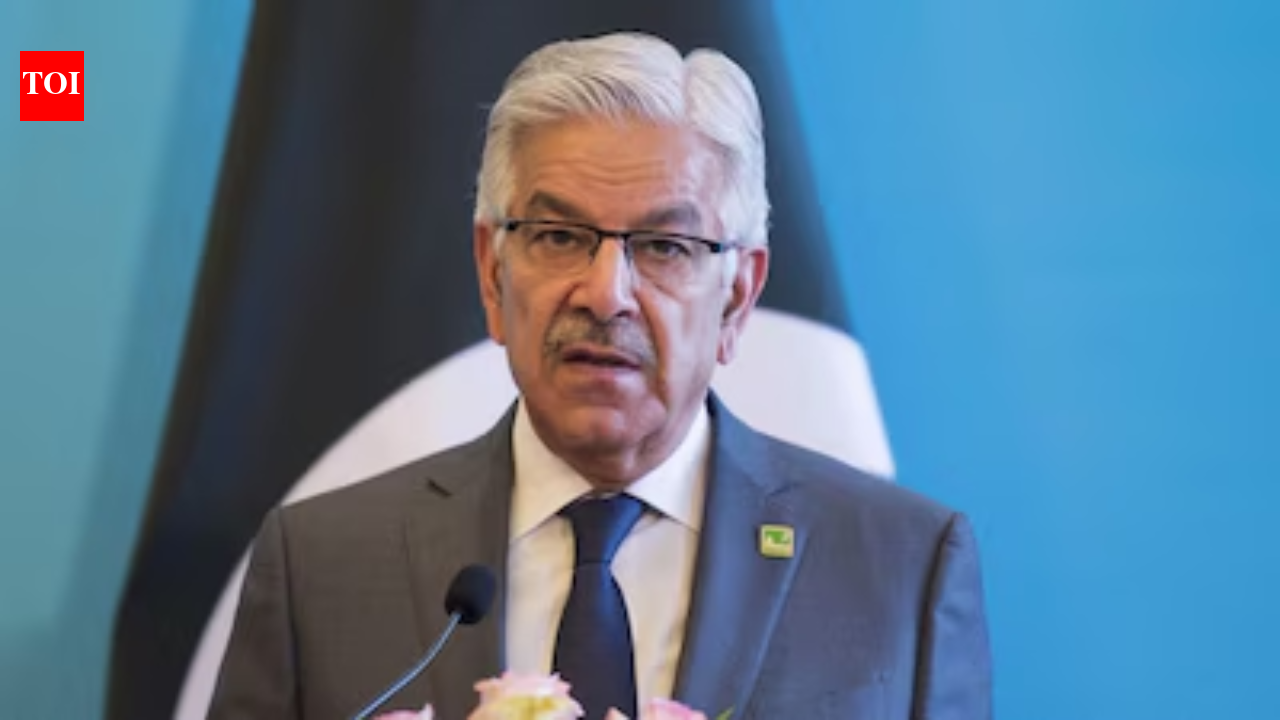
Pakistan defence minister Khawaja Asif (File photo)

Pakistan’s defence minister Khawaja Asif on Saturday said that Islamabad would retaliate with a strike on Kolkata in the event of any “future misadventure” by India.“If India attempts another false-flag operation, then, God willing, we will take it to Kolkata,” Asif told reporters in his hometown of Sialkot.

Watch

‘Will Take It To Kolkata’: Pak Minister Khawaja Asif’s Fresh Threat After Rajnath’s Stern Warning

In August 2025, Pakistan’s military issued a similar warning, stating it would strike deep inside India from the eastern front. Kolkata—one of the country’s largest cities and a former national capital – is the capital of West Bengal, an eastern state.Meanwhile, Asif also alleged that New Delhi may be planning a “false-flag operation,” claiming India could stage an incident using its own operatives or Pakistani detainees and blame it on Islamabad, though he offered no evidence to support the assertion.Earlier this week, he had described Pakistan’s response to any Indian attack as “swift, calibrated and decisive,” reacting to defence minister Rajnath Singh’s warning that any future “misadventure” by Pakistan would invite “unprecedented and decisive” action.Tensions between the two neighbours remain high following the April 22 Pahalgam attack last year, in which 26 civilians—mostly tourists—were killed by Pakistan-backed terrorists. The attack triggered a brief but intense military confrontation between May 7 and 10.Hostilities subsided after Islamabad sought a ceasefire, which New Delhi accepted while maintaining that Operation Sindoor—its military response targeting Pakistan-based terror groups—had only been paused. New Delhi also asserted it would not distinguish between terrorist groups and Pakistan’s military leadership.

Poll

Do you feel confident in diplomatic solutions to resolve Pakistan-India tensions?

Asif’s latest remarks came days after former Pakistani high commissioner to India Abdul Basit suggested Islamabad should target major Indian cities such as Mumbai and Delhi if its nuclear arsenal were threatened by the United States. He argued that since the US is beyond Pakistan’s nuclear reach, India would become the “next best option.”“If someone casts an evil eye on us, we will strike Mumbai and New Delhi without hesitation,” Basit added.(With PTI inputs)


Source link

Inside India’s ghost malls: How nostalgic hangout spots lost their magic


Inside India's ghost malls: How nostalgic hangout spots lost their magic

What once felt like stepping into a weekend dream: buzzing food courts, lively movie halls, bags in hand after a shopping spree, now feels strangely hollow. Walk in today, and the lights are still on, the escalators still moving… but where is everyone?Welcome to India’s ghost malls, where you will find shops still open, food counters still serving, but somehow, it’s still not enough to bring the crowds back. And that’s the reality for nearly 20% of malls across India. The once-bustling hangout spots are quietly losing their charm, fading into an eerie silence.But how did places that were always packed suddenly become so quiet?Today, almost one in five malls in India is now underperforming or almost empty, according to a report by Knight Frank India. As the retail world splits into booming and struggling spaces, these “ghost malls” are not just a sign of what went wrong, but also a chance to rethink and reinvent how these spaces are used.

What are ghost malls?

While some malls are still buzzing bright across India’s urban skyline, others are losing relevance, with fewer shoppers and more shuttered stores. Their decline shows how India’s retail market is changing: it is no longer just about space, but about offering the right experience in the right place.

A haunting issue: 74 malls, 15.5 million square feet, and a lot of silence

Today, India is home to dozens of struggling or shuttered malls, especially in metro suburbs and smaller cities that experienced the first wave of mall construction in the 2000s.The numbers almost read like a warning sign. Out of 365 shopping malls surveyed across India, 74, roughly 20% have been classified as “ghost malls.” This together accounts for about 15.5 million square feet of vacant or underused retail space, a lot of square footage built for shoppers who no longer show up. And these are not just struggling malls with a few shuttered stores but retail spaces that have lost their commercial pulse, where high vacancy, weak footfall and a broken tenant mix have pushed them into irrelevance.What makes these malls even more haunting is what they once promised. They were built as symbols of aspiration, in a time when malls stood for modern India, cool interiors, global brands, food courts, multiplexes and weekend family outings. Back then, they were not just shopping centres; they were markers of a rising urban lifestyle. Today, many stand as quiet reminders of what happens when real estate ambition moves faster than retail reality.

Where the ghosts live: West and South dominate the dead-space map

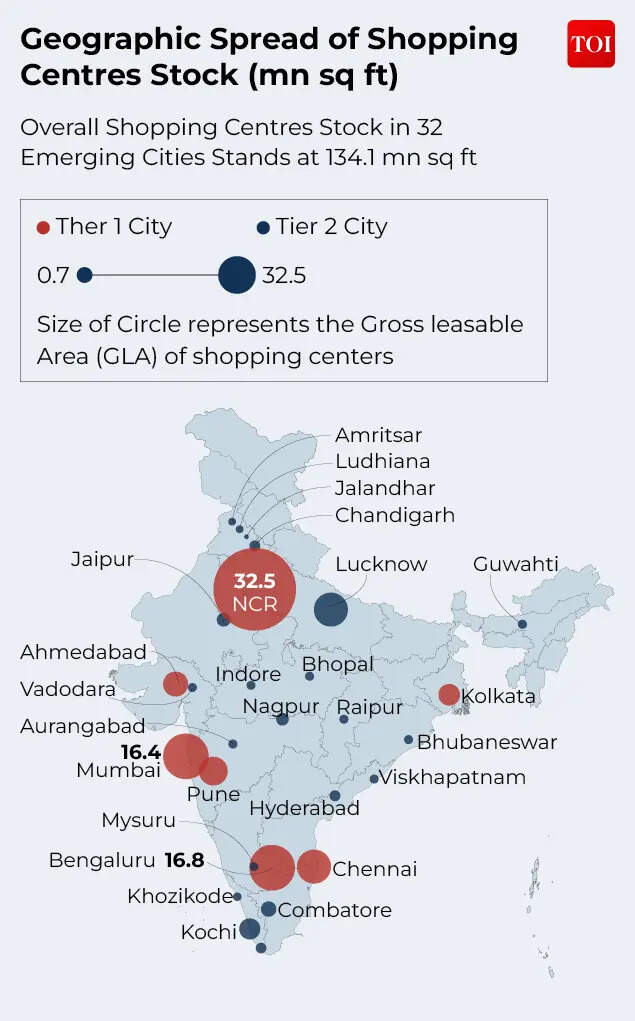
If you want to map India’s ghost malls, the dead-space geography is not evenly spread. West and South India dominate the list. These regions account for the largest concentration of non-performing or near-dead mall assets.That itself offers a strong narrative hook. Why are the “ghosts” clustering there? In many cases, these were among the earliest and most aggressive mall development markets. Cities in the West and South saw rapid mall construction during the big retail real estate push, when developers rushed to monetise urban land and consumer optimism. But scale alone did not guarantee sustainability.

Why do malls die?

The rise of ghost malls in India is less about low consumer spending and more about poor planning and oversupply in certain areas. Many malls, especially in the same locality, lack differentiation, causing fragmented footfall and frequent shop closures. E-commerce accelerated the decline but isn’t the main cause. “India’s ghost malls are less a reflection of weak consumption and more a result of uneven supply expansion and gaps in asset positioning across micro-markets. Nearly 20% of malls across 30+ cities are currently under-occupied, with stress visible not just in smaller cities but also in pockets of larger urban markets,” Naveen Malpani, Partner and Consumer & Retail Industry Leader, Grant Thornton Bharat told TOI.When location misfiresOne of the biggest factors behind a mall’s success is its location and ironically, it’s often the very thing that leads to its downfall. Poor planning at the outset, such as choosing the wrong catchment or misjudging demand, has turned many shopping centres into ghost spaces. Several malls were built in areas without enough consumer base to sustain them. In smaller cities, developers in the 2000s sometimes overestimated future demand, constructing multiple shopping centres where just one would have sufficed, leaving several half-empty from the start. In other cases, too many malls emerged in the same locality, all vying for the same spotlight. When supply exceeds demand, only a few malls remain relevant, while others slowly lose footfall. Take Noida’s Great India Place, Wave Mall, and DLF Mall of India. Located close together and targeting the same shoppers, the arrival of the larger, modern DLF Mall of India shifted consumer preference, leaving older malls struggling to keep pace.

During my time in Noida for graduation from 2016 to 2018, Great India Palace (GIP) was the go-to hangout spot for everyone. We’d meet there to decide on movies, food, shopping. Later, Mall of India gained popularity, but GIP remained accessible and widely visited. People would often visit both malls to compare which was better for movies, shopping, or dining. Over time, some shops at GIP began closing, and footfall gradually shifted elsewhere. The Wave Cinema at GIP still drew a few visitors, but apart from that, activity slowed. GIP was central for many years, especially in the late 2010s, but since around 2022–23, post-pandemic closures and a slowdown have gradually changed its prominence.

Harsh Shivam, a former engineering student told TOI.

Ageing malls that never grew upRemember that old mall you used to visit as a kid? Yes, that very one might also have become a ghost mall today. A number of first-generation malls from the early 2000s failed to keep pace with changing consumer tastes and expectations. As shiny new complexes opened elsewhere, older centres that didn’t renovate, refresh, or reinvent themselves saw patrons slowly drift away. When newer, flashier malls entered the scene, those stuck in the past lost their visitors, unable to compete with modern designs, better lighting, and more engaging experiences. Gurugram’s MG Road malls are a classic example, they were once the city’s go-to retail stretch but gradually lost footfall to newer destinations like CyberHub and the shopping centres along Golf Course Road. Today, shoppers are looking for more than just stores, they want immersive experiences, entertainment, and ambience, which makes it hard for outdated malls to attract repeat visitors.Too many owners spoil the mallEver wondered why some shopping centres just don’t seem to click? A lot of underperforming malls in India suffer from fragmented ownership. Here’s what happens: during construction, developers often sell individual shop units to multiple investors to raise funds. Sounds smart, right? But the catch is, without a single entity managing the mall, keeping quality standards high and curating the right mix of tenants becomes almost impossible. Each shop owner rents out their space to whoever will pay, leading to a random mix of stores, inconsistent storefronts, and no coordinated marketing. The result? Instead of a vibrant, cohesive shopping destination, the mall starts feeling like a collection of unrelated small shops. And as shoppers notice the chaos and lack of experience, footfall drops. So next time you visit a mall that feels disjointed, fragmented ownership might just be the culprit!

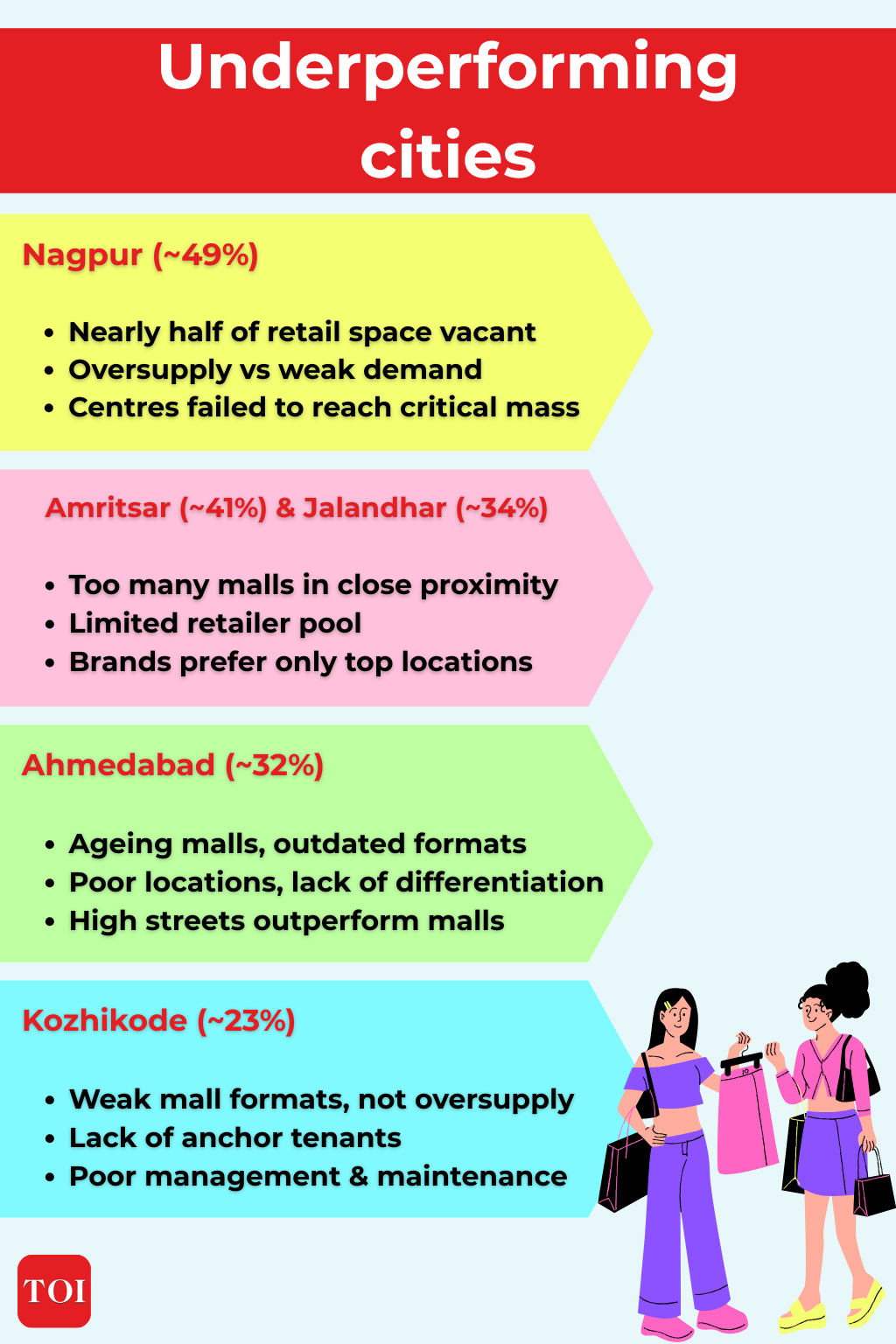
Underperforming cities

When anchor stores walk outAnchor tenants, think multiplexes, supermarkets, or big-name brands, are the lifeblood of a mall. They pull in crowds, and smaller stores thrive on that traffic. But what happens when a major anchor exits? Footfall drops sharply, smaller retailers start struggling, and soon a domino effect sets in. Sales fall, shops close, and the once-busy mall begins to feel empty and abandoned. The impact can be devastating: a single anchor’s departure can threaten the entire centre’s viability. Without a swift replacement, other tenants follow suit, vacating their spaces and leaving the mall with dwindling visitors. In many cases, this chain reaction has proven fatal, turning vibrant shopping destinations into ghostly corridors. Essentially, when the big draw leaves, the whole ecosystem suffers and a mall that once buzzed with life can quickly become a hollow shell.E-commerce changed the gameFootfall in shopping malls is also declining due to the rise of e-commerce over the past decade. These malls often relied on stores selling books, music, and basic electronics, categories that shoppers now prefer buying online. Without unique experiences or exclusive offerings, what reason did people really have to visit? Maybe a food court or cinema, but even those aren’t enough if the mall is poorly located or uninspiring. Then came the Covid-19 pandemic, and things got worse. Malls already struggling financially couldn’t survive months of closure, and many never bounced back.

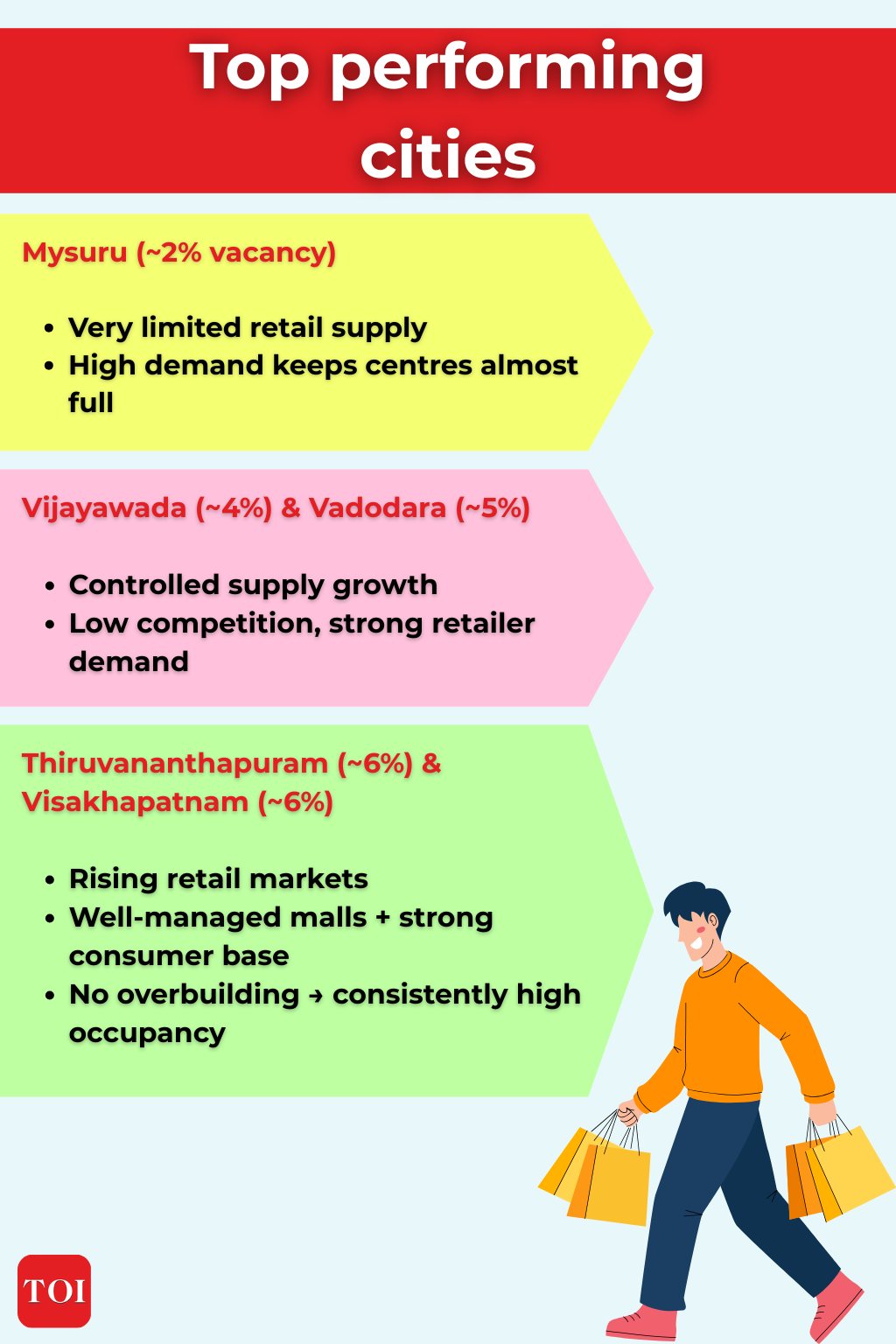
Top performing cities

Legal troublesSometimes, it’s not just design or competition, external administrative issues can doom a shopping centre. Projects caught in prolonged legal disputes, like land title conflicts, zoning problems, or delays in occupancy certificates and approvals, often struggle to lease spaces effectively, leaving buildings empty. Take Bengaluru’s Grand Sigma Mall as an extreme example: legal issues around land use meant it could never fully open, and it was eventually demolished, a total loss of value. Even a well-designed, strategically located mall can falter if regulatory hurdles aren’t resolved quickly. Such compliance failures scare off both retailers and visitors, turning promising projects into dead assets. Shopping centres “die” when their core value collapses, whether due to flawed location, mismanagement, loss of consumer trust, or broader economic pressures.

Geographic spreak of shopping centres shock

Quality over quantity: retailers focus on efficiency and experience

Retailers are now prioritising efficiency and performance, revisiting leases, trimming underperforming stores, and turning outlets into experience or fulfilment centres. India isn’t lacking demand; instead, consumers are choosing quality and relevance “For retailers, this has sharpened the focus on store-level productivity and capital efficiency, with many renegotiating lease structures, rationalising store networks, and using physical stores as experience and fulfilment hubs. Ultimately, India does not have a demand deficit, it is witnessing a quality and relevance filter. The market is clearly bifurcating between high-performing, curated retail destinations and commoditised assets that are increasingly becoming obsolete,” Malpani told TOI.

The great contradiction: Empty malls in a market with a retail space shortage

Here is where the story becomes both genuinely fascinating and a little absurd.India has ghost malls, but it suffers from a shortage of quality mall space.At first glance, those two facts should cancel each other out. If there is empty retail space, why do brands keep saying there is not enough space? Why are rentals in top malls strong? Why do new entrants still struggle to find the right location?The answer is simple, and powerful: not all retail space is equal. This is the contradiction that makes the ghost mall story more than a tale of collapse. India does not suffer from a pure oversupply problem. It suffers from a mismatch problem. There is dead space, yes, but often in the wrong place, with the wrong design, the wrong tenant mix, the wrong catchment, or the wrong consumer proposition.

Ghost malls in Tier-1 cities

Millions of newly affluent consumers are driving demand for products from Louis Vuitton, Chanel, Dior, and others. Yet, India has very few true luxury malls: the Emporio and Chanakya in New Delhi, and Jio World Plaza in Mumbai.As Saurabh Bharara of DLF told ET that top global brands are eager to enter India, but high-quality space is scarce. Luxury retail demands more than square footage, it requires the right ambience, co-tenants, consumer profile, parking, and proven footfall. An empty unit in a dead mall is not an opportunity, it’s a risk. The challenge isn’t excess space, but the right space.Why? Because luxury does not just need square footage. It needs context.

The silver lining: Dead malls can be reborn

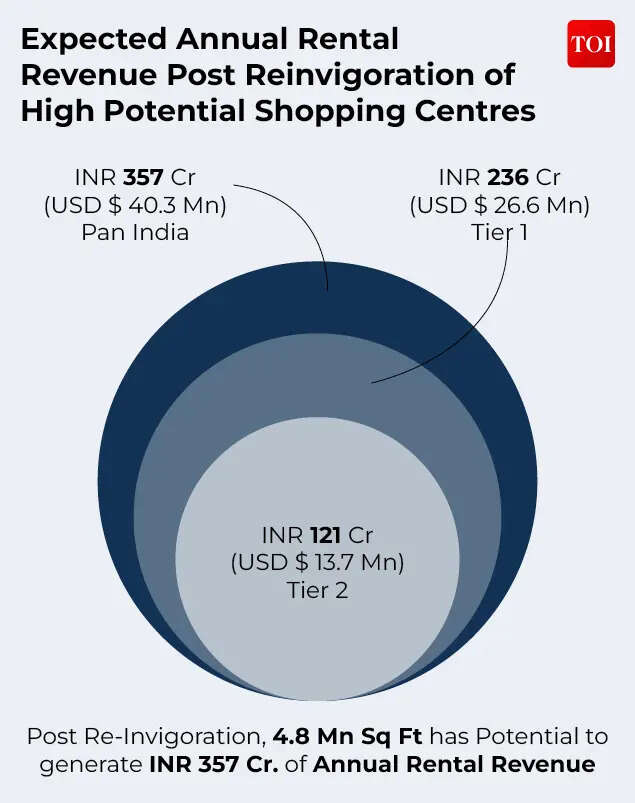
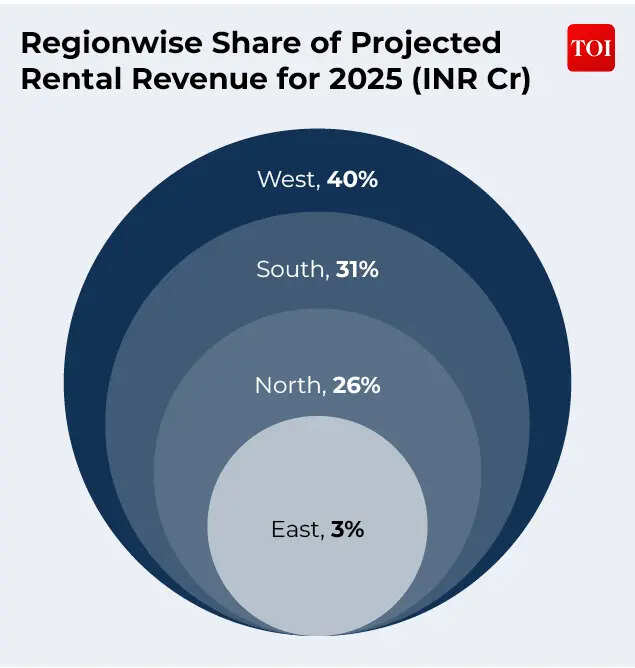
Not every ghost mall has to remain a ghost. So, what should a city do with 15.5 million square feet of empty retail space? Imagine turning old, quiet malls into bustling hotspots and making strong returns while doing it. That’s exactly the opportunity in India’s retail real estate today. Tier 1 cities hold two-thirds of the potential (INR 236 Cr), while Tier 2 cities add another INR 121 Cr. Instead of spending huge sums on building new malls, investors can revive dormant centres and unlock cash flows with projected rental yields of 5.86%.Regionally, the West and South dominate, generating 77% of projected rental revenue. But the trick is strategy: pick the right property, execute well, and these “sleeping giants” can become high-yield, value-add investments. Lessons from global markets show how revitalisation works and in India, 15 shortlisted centres across 11 cities could together produce Rs 357 Cr annually.Simply adding a few new brands, a fresh coat of paint, or a rebranded logo isn’t enough. Real revival often means rethinking the purpose of the space, resizing, re-tenanting, improving circulation, enhancing access, or even converting the mall into something entirely new.

Expected annual rental revenue

Beyond shopping: Entertainment hubsTurn a mall into a playground! Empty units can become amusement parks, gaming arenas, bowling alleys, or sports facilities. Young people and families get a “day-out” experience, while remaining retail shops and cafes benefit from the extra footfall.Retail revival: Upgrade & repositionSome malls just need a makeover. Modern interiors, better layouts, new anchor stores, trendy cafes, and entertainment options can bring shoppers back. Marketing helps reposition the mall as a must-visit destination.Workplace reimagined: Co-working hubsGhost malls with big floor spaces, parking, and central locations can become co-working hubs. Start-ups, small businesses, and corporations are always looking for flexible spaces. According to Knight Frank, even food courts and entertainment areas can turn into lounges, meeting spots, or event zones. Suddenly, an empty mall starts buzzing with professionals instead of shoppers.Learning under one roof: Education facilitiesMalls can be your new classrooms…quiet literally! Large, accessible spaces can host coaching centres, skill-development institutes, or even satellite university campuses. Empty shops can be converted into classrooms, auditoriums, and admin offices. With parking and transport links already in place, these centres can attract students year-round, especially in Tier 2 cities where quality education is limited.Healing spaces: Healthcare centresGhost malls are perfect for clinics, diagnostic labs, pharmacies, or even small hospitals. Their layouts, parking, and multiple entrances make them ideal for patients and visitors. Medical tenants bring stable leases, while communities gain better access to healthcare.Rebuilt for relevance: Mixed-use redevelopmentWhen retail alone won’t work, think mixed-use. Offices, schools, or medical facilities can occupy part of the mall, or in extreme cases, the entire structure can be rebuilt for a new purpose. Empty spaces can finally earn their keep.

Regionwise share

The bottom line?

The story of India’s ghost malls is not just about empty corridors and silent food courts, it’s a lesson in adaptation. While many first-generation malls failed to evolve with changing tastes, their vast spaces, central locations, and existing infrastructure hold immense potential. From entertainment hubs and co-working spaces to education centres and healthcare facilities, these “sleeping giants” can be reinvented to meet today’s urban demands. For investors and cities alike, the message is clear: with the right strategy, what once felt hollow can be transformed into vibrant, profitable destinations. The malls of yesterday may yet become the thriving landmarks of tomorrow.The takeaway? India’s retail real estate has a “second chapter” ready to be written, and the malls of yesterday could be the cash cows of tomorrow.



Source link

BCB faces turmoil as captains retain roles, board hit by another round of resignations | Cricket News


BCB faces turmoil as captains retain roles, board hit by another round of resignations
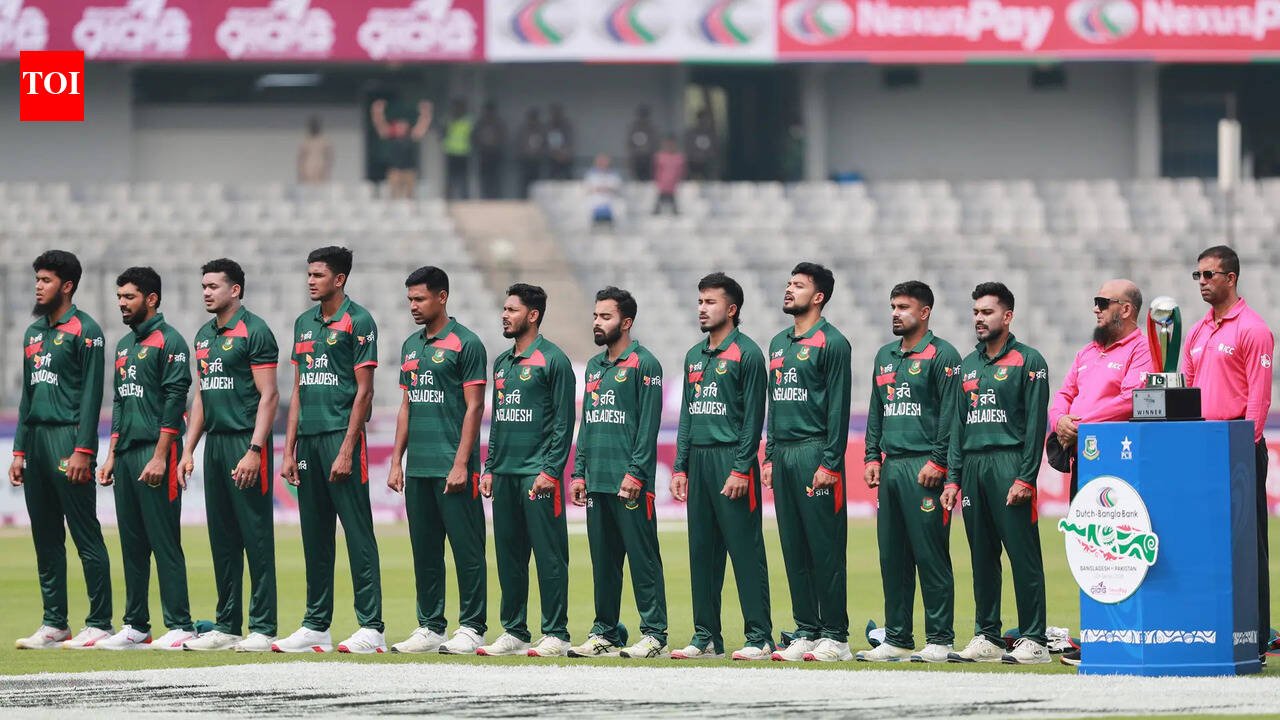
Bangladesh Cricket (AP Photo/Mahmud Hossain Opu)

The Bangladesh Cricket Board (BCB) finds itself at a crossroads, projecting stability on the cricketing front while grappling with deepening uncertainty in its administration. Key decisions taken during the fourth Board of Directors meeting in Dhaka on Saturday underline a dual narrative of long-term planning and immediate crisis management.Leadership Continuity and Coaching Boost Signal Cricketing StabilityIn a major move, the BCB reaffirmed its leadership structure across formats. Mehidy Hasan Miraz will continue as Bangladesh’s ODI captain until the ICC Cricket World Cup 2027, while Litton Das will lead the T20I side through to the ICC Men’s T20 World Cup 2028.To strengthen leadership depth, Najmul Hossain Shanto and Saif Hassan have been named vice-captains for ODIs and T20Is, respectively. The decisions reflect the board’s intent to provide continuity and clarity in leadership during a crucial phase for Bangladesh cricket.The board also bolstered its coaching setup by appointing former spinner Mohammad Rafique as a specialist spin-bowling coach and consultant for a one-year term. A pioneer of Bangladesh cricket, Rafique is expected to play a key role in nurturing spin talent across all levels.On-field progress has already been visible under Mehidy’s leadership, with Bangladesh securing notable series wins against West Indies in 2025 and Pakistan earlier this year.Beyond team matters, the BCB approved a new Human Resources policy aimed at improving transparency and efficiency. It also launched two digital platforms, the Player Data App and Cloud Server App, to enhance performance analysis and data-driven decision-making.Administrative Crisis Deepens with Wave of ResignationsHowever, these forward-looking steps come amid mounting instability within the board. Three directors: Saniyan Taneem, Mehrab Alam, and Faiazur Rahman resigned on Saturday, taking the total number of departures from the current board to six.Their exit follows the recent resignation of Yasir Mohammed Faysal Ashique, intensifying concerns over internal discord. Earlier, Amzad Hussain and Ishtiaque Sadeeque had also stepped down, citing personal reasons.An investigation committee formed by the BCB is expected to submit its report by April 9, after which the government will decide on the board’s future. There is growing speculation that the board could be dissolved, with an ad hoc committee, potentially led by a former Bangladesh captain, being prepared as a contingency.BCB Seeks Reset in Relations with BCCIAmid the uncertainty, the BCB is also attempting to rebuild strained ties with the Board of Control for Cricket in India (BCCI). Relations between the two boards had deteriorated following Bangladesh’s withdrawal from the T20 World Cup due to security concerns.The situation worsened after Mustafizur Rahman’s IPL participation became a point of contention, ultimately leading to Bangladesh being replaced by Scotland in the tournament.The fallout extended to bilateral cricket, with Bangladesh’s women’s tour of India cancelled and doubts lingering over India’s scheduled white-ball tour of Bangladesh in September.In an effort to restore normalcy, the BCB has reached out to the BCCI, proposing renewed engagements and exchange programmes. Cricket operations chairman Nazmul Abedin expressed optimism about receiving a response soon, calling it part of routine communication between cricket boards.


Source link