Breaking News
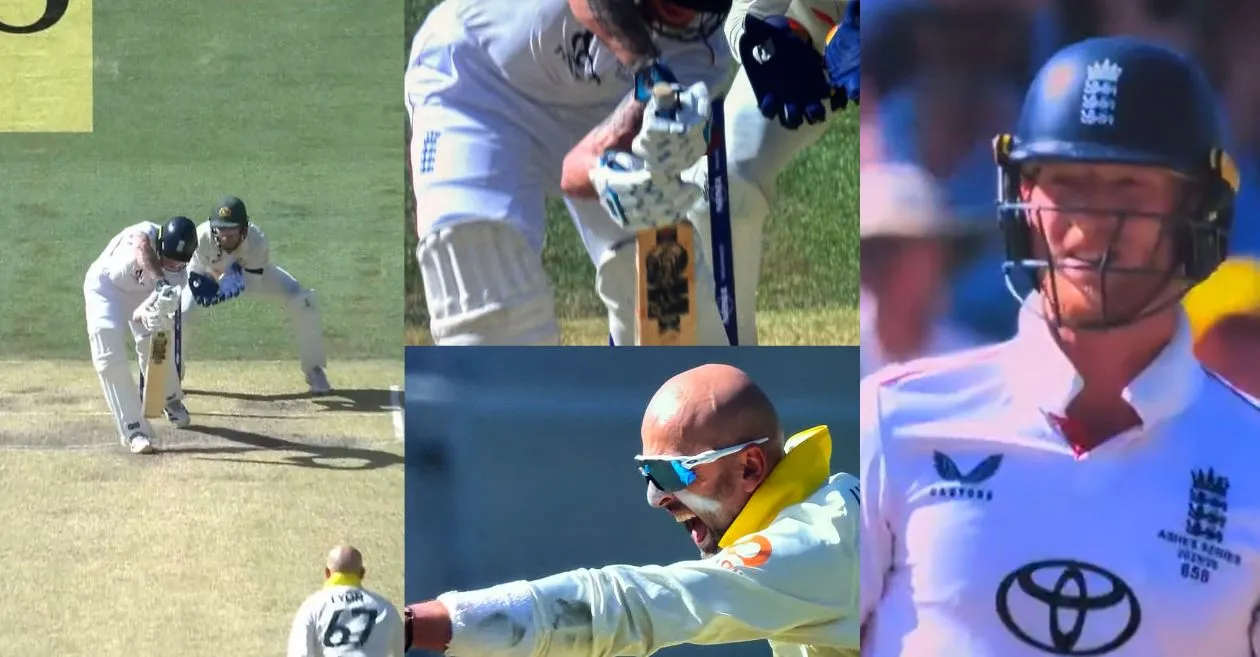
WATCH: Nathan Lyon rattles Ben Stokes’ off stump with a beauty on Day 4 of the third Ashes Test in Adelaide


The third Ashes Test between Australia and England ignited Adelaide Oval from December 17 to 21, 2025, with hosts Australia enforcing a daunting 435-run chase after posting 371 and 349 in their innings. England responded with 286 in their first dig, trailing by 85, before slumping to 194/6 on Day 4, needing 241 more on a wearing pitch. Travis Head‘s masterful 170 in the second innings propelled Australia, leaving England captain Ben Stokes‘ side on the brink in this pivotal series clash.​

Nathan Lyon’s peach shatters Ben Stokes on Day 4

Nathan Lyon delivered a match-defining moment on Day 4, dismissing Stokes with a ripper at 51.6 overs to leave England reeling at 189 for 5. Round the wicket, Lyon drifted the off-break into middle stump before it straightened viciously, spinning past Stokes’ groping bat to clip the top of off. Stokes departed for a gritty 5 off 18 balls (1×4, SR 27.77), his frustration evident as Australia sensed victory.​ The veteran spinner’s figures read 13-1-57-2, his third strike underscoring Adelaide’s spin-friendly conditions. Earlier, Lyon removed Zak Crawley (85, stumped) and Harry Brook (30, bowled), exploiting the turn to dismantle England’s middle order. This “special delivery” echoed Lyon’s Adelaide mastery, where he has historically tormented England.​

Here’s the video:

Also WATCH: Marnus Labuschagne grabs a screamer to remove Ollie Pope on Day 4 of the third Ashes 2025-26 Test in Adelaide

Australia edges toward Ashes series triumph against England  

Australia moved to the brink of a decisive victory in the Ashes 2025–26 as England slipped deeper into trouble under the lights, reaching 194/6 after 53.5 overs in their chase. Still needing 241 runs with only a minimum of 14.1 overs left, England found themselves suffocating under relentless pressure, reflected in a modest scoring rate of 3.60. Pat Cummins led from the front with a superb spell of 3 for 24 from 10 overs, ripping through the top order by removing Ben Duckett for 4, Ollie Pope for 17 and the prized wicket of Joe Root for 39. The final phase before stumps summed up England’s plight, as they managed just 43 runs while losing three wickets in the last 10 overs.

The match has largely followed Australia’s script from the outset. On Day 1, the hosts piled up 326 for 8, built around a fluent century from Alex Carey (106) and a composed 82 from Usman Khawaja. England responded on Day 2 with 213 for 8 at stumps, with Ben Stokes’ gritty 83 and Jofra Archer’s 51 providing resistance. Australia then tightened their grip on Day 3, cruising to 271 for 4 on the back of a dominant Head innings. Head later turned it into a commanding 170, striking 16 fours and two sixes, while Carey added 72 as Australia were bowled out for 349. Although Archer’s five-wicket haul in the first innings briefly lifted England’s hopes, Cummins’ incisive captaincy and bowling have left Australia just four wickets away from sealing the urn.

Also READ: Fans react as Australia surge ahead on Day 3 of Adelaide Test against England after Travis Head and Alex Carey’s blistering knocks


Source link

‘Meets anti-India forces abroad’: BJP charges Rahul Gandhi over Germany visit; alleges LoP aided by George Soros | India News


'Meets anti-India forces abroad': BJP charges Rahul Gandhi over Germany visit; alleges LoP aided by George Soros
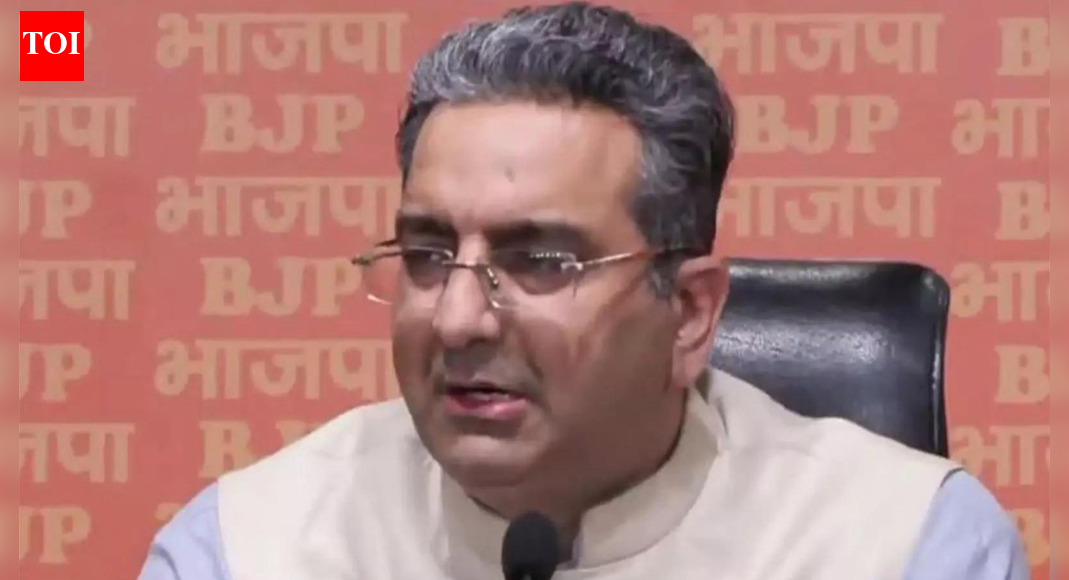
Gaurav Bhatia (ANI image)

NEW DELHI: The Bharatiya Janata Party (BJP) on Saturday alleged that Congress leader Rahul Gandhi had joined hands with “anti-India forces” during his visit to Germany.Party spokesperson Gaurav Bhatia asserted that the Congress MP was part of a larger conspiracy against the country. The BJP also linked Gandhi to US billionaire investor George Soros, repeating earlier allegations of foreign influence.Addressing a press conference at the BJP headquarters, Bhatia alleged that Gandhi met individuals hostile to India while abroad.“If anyone meets anti-India forces and insults Bharat from foreign soil, it’s none other than Rahul,” Bhatia charged. He added, “George Soros and Rahul Gandhi are two bodies but one soul.”The BJP spokesperson displayed a purported photograph of Gandhi with Cornelia Woll, president of the Berlin-based Hertie School, claiming it as evidence of his interaction with “anti-India forces in Germany”. Bhatia alleged that Woll is a trustee of the Central European University, which he said is funded by Soros’s Open Society Foundation.Questioning Gandhi’s foreign visits during parliamentary sessions, Bhatia asked, “What kind of anti-India agenda is it that the Leader of Opposition Rahul Gandhi is hatching a conspiracy against Bharat by joining hands with such anti-India forces?” He further claimed that Gandhi frequently travels abroad during or ahead of Parliament sessions and meets people who are “jealous of India and attack its integrity”.Bhatia also alleged that this was not the first such instance, accusing Gandhi of defaming India during previous foreign visits.“This is not the first time Rahul Gandhi is indulging in such anti-national activities,” he said. “Rahul Gandhi has become Mir Zafar,” the party spokesperson asserted.The BJP reiterated its claim that Soros makes “anti-India statements” and provides funds to create unrest in the country. “George Soros is not an Indian; he is a foreigner. But Rahul Gandhi has taken the oath of protecting the Constitution,” Bhatia said. He added, “These snakelets within India need to be treated. People of the country are demanding it.”The BJP’s remarks come amid Rahul Gandhi’s ongoing visit to Germany, where he toured BMW’s headquarters in Munich. During the visit, Gandhi criticised the Centre over manufacturing, saying India needs to “produce more” and that manufacturing in the country was “declining”.In a video shared by the Congress, Gandhi said India needs to focus more on production-led growth. “Manufacturing is the backbone of strong economies. Sadly, in India, manufacturing is declining. For us to accelerate growth, we need to produce more—build meaningful manufacturing ecosystems and create high-quality jobs at scale,” he said.In another video clip from the visit, Gandhi remarked, “India needs to start producing. Production is the key for the success of any country. And our manufacturing is declining which actually should be going up.”The BJP strongly objected to Gandhi’s remarks, accusing him of running down the country from foreign soil at a time when Parliament was in session. BJP MP and party spokesperson Sambit Patra said the Leader of Opposition carries a “huge responsibility” and must act with restraint while travelling abroad. “The LoP has a huge responsibility. The LoP has to behave in a really responsible manner, especially when the LoP is on foreign soil. Parliament is in session here, several Bills are being discussed in the House and Rahul Gandhi is in Germany to address the Indian diaspora,” Patra said.Referring to Gandhi’s visit to the BMW plant, Patra alleged that the Congress leader praised German manufacturing while portraying India negatively. “Today, we saw Rahul Gandhi visiting the BMW factory in Munich and there, he appreciated their manufacturing and said that he is sad that manufacturing is poor in India,” he said, rejecting Gandhi’s claim and citing official data to assert that India’s manufacturing sector was on a growth path.The BJP’s latest attack also revives allegations made earlier this year, when party spokesperson Gaurav Bhatia accused the Congress and Rahul Gandhi of working with foreign forces to destabilise India. In February, Bhatia had claimed that organisations linked to George Soros were involved in “anti-India activities” and alleged that funding to certain NGOs during the Congress-led UPA government was significantly higher than under the current BJP government.At the time, Bhatia had accused Gandhi of collaborating with foreign forces to weaken India, citing alleged links to Soros-funded organisations.


Source link

BMC polls: Congress decides to go solo; Uddhav–Raj bonhomie strains MVA | India News


BMC polls: Congress decides to go solo; Uddhav–Raj bonhomie strains MVA
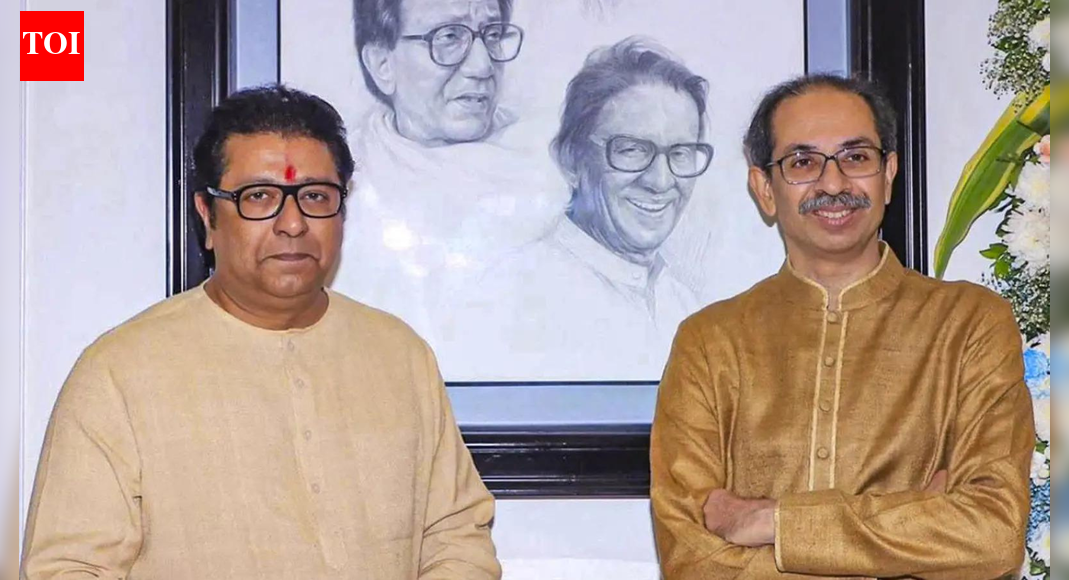
Raj Thackeray and Uddhav Thackeray (R) (PTI file photo)

NEW DELHI: The Congress on Saturday announced that it will contest the upcoming Brihanmumbai Municipal Corporation (BMC) elections alone, a decision confirmed by party leader Ramesh Chennithala while speaking to ANI news agency.“We are all ready for the BMC elections. I have come to attend the meeting… Congress has taken a decision to contest the elections alone,” Chennithala said.The announcement comes amid one of the most striking political developments in Mumbai ahead of the polls, the growing proximity between Sena UBT chief Uddhav Thackeray and his cousin, Maharashtra Navnirman Sena supremo Raj Thackeray.Once bitter rivals, the cousins now appear aligned in their belief that losing Mumbai would significantly weaken the broader Thackeray political legacy.For Uddhav Thackeray, winning control of the BMC may be the last major opportunity to reassert political relevance after the 2022 split in the Shiv Sena. For Raj Thackeray, the election is being framed as a battle to safeguard Marathi identity, with the MNS presenting itself as the custodian of Maharashtra’s linguistic and cultural character.While no formal announcement has been made yet, the Sena (UBT) and MNS are expected to declare their alliance for the BMC polls next week.Notably, the Congress is part of the Maha Vikas Aghadi (MVA) alliance in Maharashtra, alongside Uddhav Thackeray’s Shiv Sena (UBT) and Sharad Pawar’s Nationalist Congress Party (NCP – SP).In the 2024 Maharashtra Assembly elections, the MVA suffered a major setback, losing heavily to the BJP-led Mahayuti alliance, which secured a landslide victory.Polling for BMC’s 29 municipal corporations, 32 zilla parishads and 336 panchayat samitis will be held on January 15, with results to be declared the following day on January 16.


Source link

‘I know what to do’: After Shubman Gill’s omission from T20 World Cup squad, captain Suryakumar Yadav speaks up on his own form | Cricket News


'I know what to do': After Shubman Gill's omission from T20 World Cup squad, captain Suryakumar Yadav speaks up on his own form

NEW DELHI: The Indian selectors on Saturday made a clear statement of intent ahead of the T20 World Cup, dropping Shubman Gill from the squad and recalling wicketkeeper-batter Ishan Kishan along with Rinku Singh. The move underlined the team management’s preference for impact-driven roles over reputation, especially at the top of the order in the shortest format.Gill’s exclusion was the key call taken at the selection meeting in Mumbai. Given his recent returns, the decision did not come as a surprise.

Ryan ten Doeschate backs under-fire Suryakumar Yadav, Shubman Gill to regain form

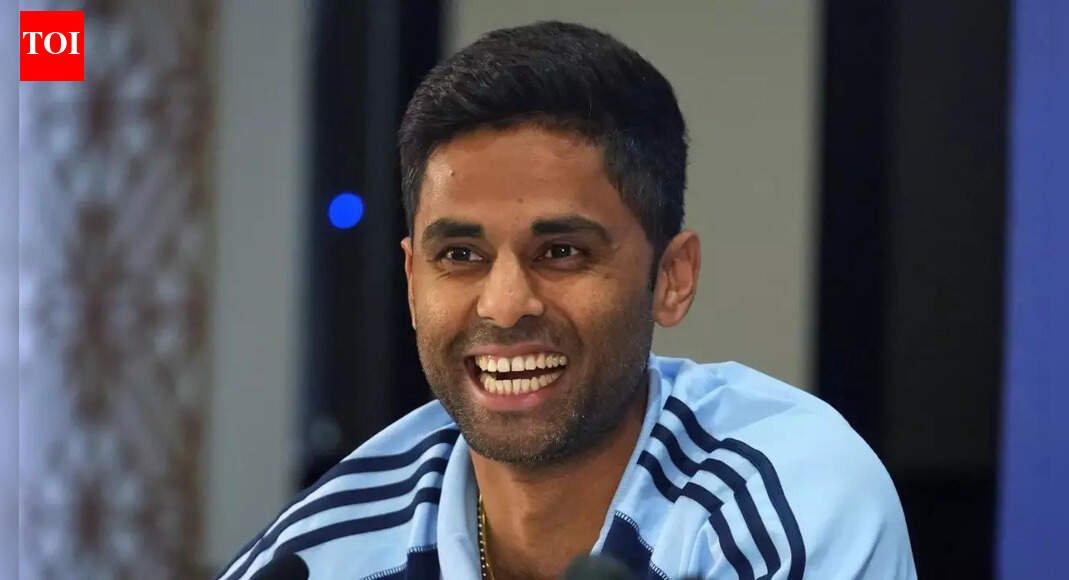
While Gill has been consistent in Tests and ODIs, he has struggled to secure a defined role in T20Is, especially as an opener, where the team management is looking for quick starts instead of run accumulation. His powerplay strike rate and the rise of more aggressive options appear to have worked against him. Against South Africa, he scored 4, 0 and 28 in three matches.“Shubman Gill is short of runs at the moment and missed the last WC too,” chairman of selectors Ajit Agarkar said at the press conference.“It’s not about Gill’s form. We wanted to have a keeper at the top,” skipper Suryakumar said on Gill’s omission.Questions, however, remain around Suryakumar’s own batting form. He ended the 2025 calendar year without a fifty in T20 Internationals.In the recent T20 series against South Africa, which India won 3-1, Suryakumar scored 12, 5, 12 and 5.“I know what to do and I will do it. You will see Surya the batter. Everyone has gone through such a phase, just that mine has gone a bit longer,” Surya said after the squad announcement on Saturday.Suryakumar finished 2025 with 218 runs from 19 T20I innings, averaging 13.62 at a strike rate of 123.16, without a half-century.As India prepare to defend their T20 World Cup title, stronger batting returns from the captain will be required.


Source link

‘Considers female students his daughters’: Bihar governor defends Nitish in hijab row; what he said | India News


'Considers female students his daughters': Bihar governor defends Nitish in hijab row; what he said
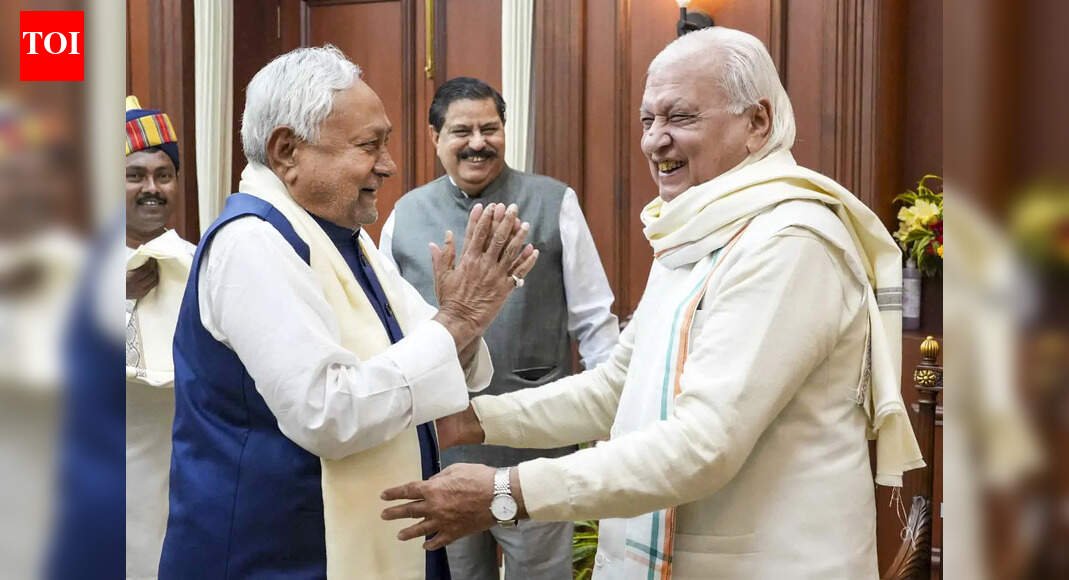
Bihar governor Arif Mohammad Khan (right) and CM Nitish Kumar (File photo/PTI)

NEW DELHI: Bihar governor Arif Mohammad Khan on Saturday defended chief minister Nitish Kumar, who is facing criticism for removing a woman doctor’s “hijab” (veil), saying Kumar considers female students as his own “daughters.”Also Read | CM Nitish Kumar pulls down woman’s hijab at event; Cong, RJD slam ‘vile act’“This man (Nitish) considers female students as his daughters. It pains me to hear the word ‘dispute’ in this case. Can there be any row between a father and a daughter?” Khan asked.The governor also expressed his “pain” that the incident had turned into a controversy and blamed the media for it.“What have you people made out of it?” he asked reporters.Khan was referring to a video clip which sparked a major political row. The incident took place on Monday in Patna at the chief minister’s secretariat, where Ayush doctors had gathered to receive their letters of appointment. When the woman came up for her letter, Kumar saw her veil, asked “what is this” and then removed the veil.Will the woman doctor report for duty?Meanwhile, Mahfoozur Rahman, principal of Patna’s Government Tibbi College and Hospital, said the doctor’s family wanted to avoid “media attention” and that she would “reconsider” whether to join.Also Read | Nitish Kumar hijab row: SP neta files complaint against Bihar CM, UP ministerAlthough Saturday is the last date for joining, he noted that the government and the department may consider extending the deadline, calling it a “special case.”“Ultimately, it is up to her,” Rahman said, adding that she could also opt for higher studies instead of taking up the posting.According to the principal, the doctor’s family maintained that if she joins, she would do so with her “privacy intact.”“Her husband told us the family is disappointed by the row peddled by the media and has denounced reports of their travel to Kolkata as false,” he stated.He added that the family is “not angry” with Nitish Kumar or the Bihar government.(With PTI inputs)


Source link

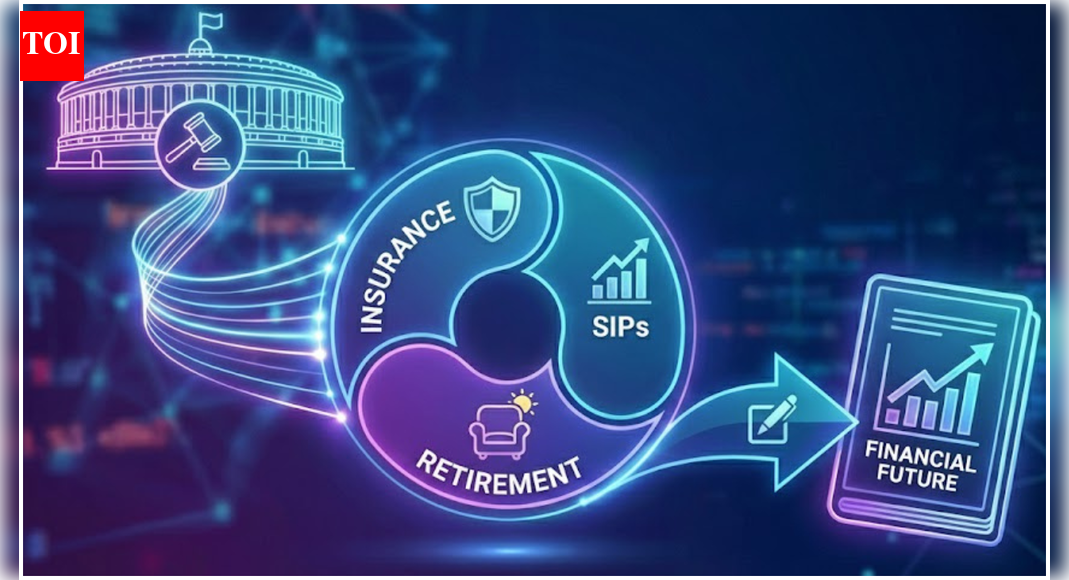
From insurance to SIPs to retirement: How Parliament’s Winter Session rewrote your financial future


From insurance to SIPs to retirement: How Parliament’s Winter Session rewrote your financial future

Driving the news

While the political headlines from the Winter Session focused on the usual parliamentary theatrics, Parliament quietly passed a legislative package that fundamentally alters the DNA of your personal finances.In a matter of days, the rules governing how you insure your life, save for retirement, and invest in the market were rewritten. The changes are technical but the impact is personal. By passing bills that allow up to 100% foreign ownership in insurance and pension firms, and by overhauling banking regulations, the government has effectively ended the era of “capital-starved” financial services. This isn’t just policy tweaking; it is a direct response to a harsh new global reality.With US President Donald Trump slapping 50% tariffs on Indian goods-threatening the country’s export engines-New Delhi has pivoted aggressively. The strategy is clear: if exports slow down, internal investment must speed up. The result for you? A flood of global competition that promises lower premiums, better pension products, and a banking sector flush with Japanese and Western capital.

Why it matters:

From allowing 100% foreign ownership in insurance and pension firms to cleaning up mutual fund fee structures, the reforms are sweeping – and they aim to funnel both domestic and global capital into India’s growth story.

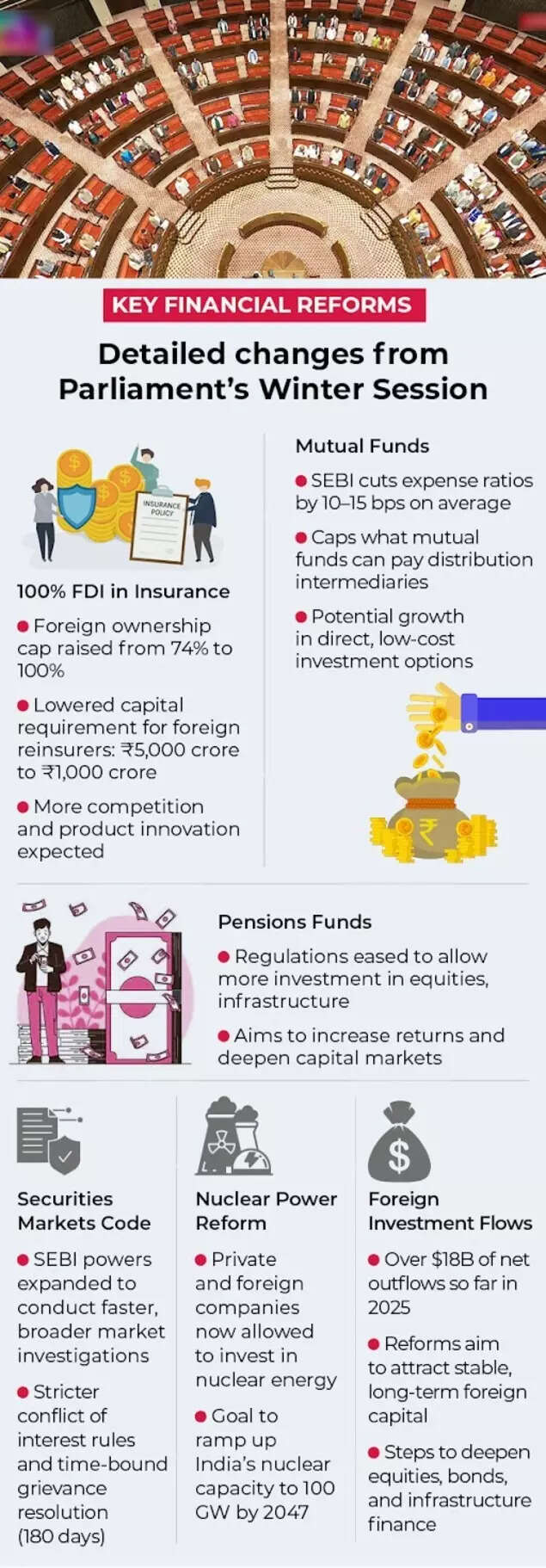
Detailed changes from Parliament's Winter Session

1. Insurance goes global – and your premiums may follow

Zoom in:The Sabka Bima Sabki Raksha Bill lifts the foreign direct investment (FDI) cap in insurance from 74% to 100%. This means global players can now fully own Indian insurers, bringing in capital, scale, and innovation without local JV constraints.What they’re saying:According to PRS Legislative Research, the bill also lowers entry thresholds for foreign reinsurers and expands IRDAI’s oversight on agents and commission disclosures – a signal that regulation will evolve with the market.Reuters notes that the move is meant to fix chronic under-penetration and low consumer confidence in insurance products.The big pictureThis change could usher in better service, more transparent pricing, and modern insurance products like behavior-based health plans. But medical inflation and claim volatility could temper expectations of cheaper premiums in the short term.Between the lines:This isn’t just about foreign companies. It’s about shifting Indian households from informal assets like gold and real estate toward formal, risk-managed financial products.

2. Your SIP just got a silent upgrade

Driving the news:While Parliament debated insurance and pensions, Sebi -the market regulator -quietly cut how much mutual funds can pay distributors and brokers.Why it matters:This could reduce investor costs by 10–15 basis points – seemingly small, but meaningful over long horizons due to compounding effects.

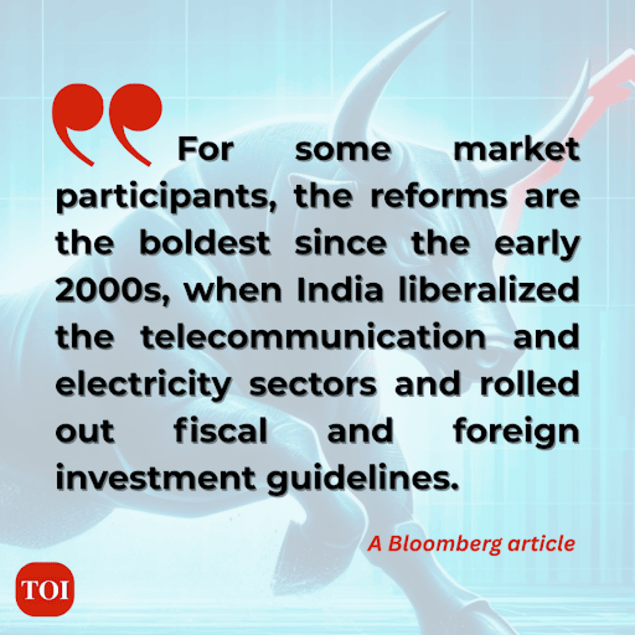
A Bloomberg article

Zoom in:A 0.15% drop in fees on a Rs 10 lakh investment compounding at 12% over 20 years could boost your final returns by Rs 2.5 lakh.What next:This structural change shifts incentives. Fund houses must now compete more on performance than payouts. Expect:

  • Rise in direct-to-consumer channels
  • More fee transparency
  • Less pressure to push high-commission, underperforming schemes

The bottom line:Sebi is betting on investor-first capitalism – and this tweak may quietly boost your long-term wealth more than flashy IPOs.

3. Pensions embrace the market – and volatility

The big picture:The PFRDA is giving pension funds more flexibility to invest in equities and diversified assets – signaling a shift away from the Provident Fund-style safety net to higher-risk, higher-return strategies.Why it matters:Pension assets are long-term and ideal for funding infrastructure, industrial growth, and decarbonization. Think highways, power plants, and ports – built using your retirement contributions.Zoom in:Foreign pension managers – now allowed 100% ownership – may bring modern portfolio theory to your nest egg, optimizing for long-term, inflation-adjusted returns.The trade-off:Expect higher short-term volatility in your pension balance – but potentially better long-term outcomes.What they’re saying:As one top regulator told Reuters, the move is about channeling household savings into productive use – not parked cash or gold.

4. Market regulation gets muscle with the Securities Markets Code

Catch up quick:The Securities Markets Code Bill, 2025 proposes new enforcement tools for SEBI, including market courts, expanded conflict-of-interest rules, and stricter timelines for dispute resolution.

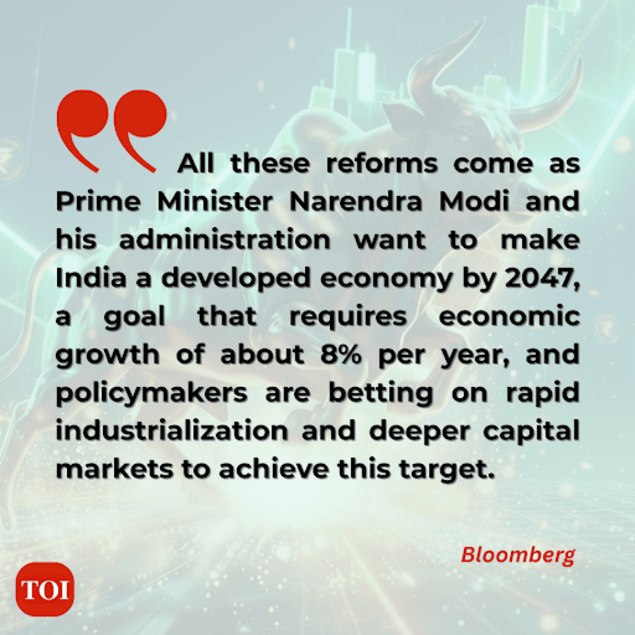
Bloomberg on reforms

Why it matters:India’s retail investor base is booming. If markets are seen as unfair or slow to resolve fraud, investors retreat to safer (but less productive) assets like gold or real estate.Between the lines:This bill is about trust. It’s a bet that cleaner, faster enforcement will encourage deeper participation in financial markets.If it works:Households will feel safer parking wealth in markets – deepening capital pools and improving market efficiency over time.

5. Nuclear power enters the private era – and links back to your wallet

Driving the news:Parliament passed the SHANTI Bill, opening civil nuclear energy to private and foreign players for the first time.Zoom in:The government is targeting a 10x increase in nuclear power capacity – from 10 GW today to 100 GW by 2047.Why it matters:Power prices affect inflation, job creation, and industrial competitiveness. Nuclear energy is stable baseload power — essential for a fast-growing economy.The household angle:

  • Lower energy prices = lower inflation
  • More energy = more factories = more jobs
  • Capex in nuclear = investable bonds and infra projects for your pension/mutual fund

Between the lines:The bill also tweaks nuclear liability rules – shifting some risks away from operators and toward the state – a key move to attract global investment.

6. The macro play: Foreign capital in, market jitters out?

The context:This reform blitz follows US President Donald Trump’s 50% tariffs on Indian goods. With exports under pressure, India is doubling down on internal liberalization to attract foreign investment.Why it matters:From Japanese banks buying into Yes Bank to US firms eyeing mutual fund expansion, global players are already responding. But there’s turbulence:

  • So far, foreign investors have pulled $18 billion from Indian equities in 2025 (worst ever)
  • The rupee fell 5% this year, making it Asia’s worst-performing currency

What they’re saying:Barclays India CEO Pramod Kumar told Bloomberg: “The latest spate of reforms will help revive global investor sentiment amid tariff worries.”Grant Thornton Bharat’s Vivek Ramji Iyer summed it up: “Deregulation in action.”Between the lines:The tension between long-term reforms and short-term volatility will define market behavior in 2026. But the structural story is intact – and foreign capital is still betting on India.

What you’ll feel first – and what will take years

In the next 12–18 months:

  • Expect reshuffled insurance JVs and new products
  • Mutual fund fact sheets showing lower TERs
  • Rising pension plan choices with higher equity allocations

In the long term:

  • A rebalanced credit system where bonds, not just banks, fund infrastructure
  • Nuclear investments offering new financial instruments
  • Markets that feel safer and faster for retail investors

The bottom line: Parliament didn’t tweak your budget – it redirected your future

This wasn’t budget-session tinkering. It was a full-system reboot for your portfolio. If executed well:1. Insurance becomes cheaper and smarter2. Mutual funds offer higher net returns3. Pensions go from sleepy to strategic4. Markets gain muscle – and trust5. India gets global money to power domestic dreams

What’s next:

Watch for implementation. Fee drops, product launches, new FDI deals, and regulatory enforcement will determine whether the promise translates to better financial outcomes – or just more noise.


Source link

‘Modi govt is correcting Congress’s mistakes’: PM in Guwahati; hails development of Assam | India News


'Modi govt is correcting Congress's mistakes': PM in Guwahati; hails development of Assam

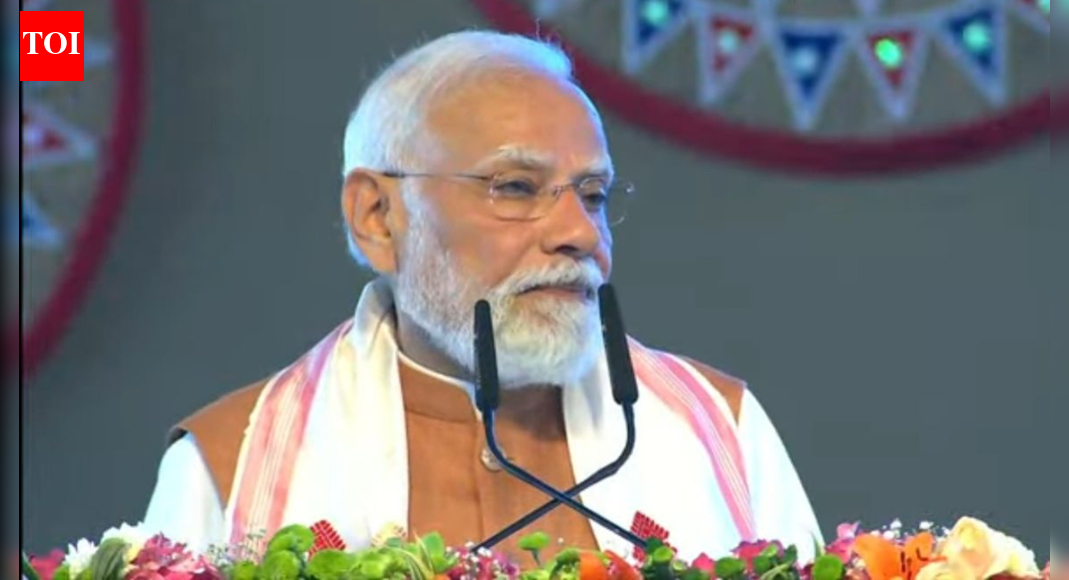
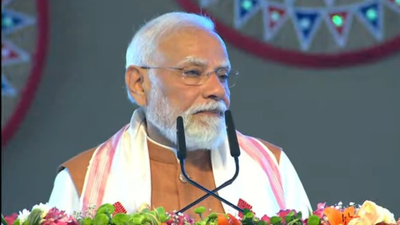
NEW DELHI: Prime Minister Narendra Modi on Saturday hit out at the previous Congress government in Assam and said that the “development of the state and the Northeast region was never in its priority list.”“Modi government is correcting Congress’s mistakes,” PM Modi said in Guwahati.“My attachment to the soil of Assam, the love and affection of the people here, and especially the love of the mothers and sisters of Assam and the Northeast, continuously inspire me, strengthening our resolve for the development of the Northeast. Today, a new chapter is being added to Assam’s development,” PM Modi said after inaugurating a new terminal of the Guwahati airport.“Development under BJP’s double-engine government flows unabated in Assam just as flow of mighty Brahmaputra river,” PM Modi said at Guwahati rally. He added, “the inauguration of the new terminal of Lokapriya Gopinath Bardoloi International Airport is the proof of our vow for the region’s development. I congratulate the whole nation for this new building. ”The PM termed the modern airport facility and connectivity infrastructure as the “gateways of new possibilities and opportunity.” He went on to say, “when people see that state of art highways and airports are being built in Assam they feel now Assam is getting justice.”He then slammed previous Congress governments saying, “ development of Assam and Northeastern region was never on the agenda list of their governments. People in the government used to say who goes to the region, what is the need for better infrastructure, modern railways, highways and airports.”“Because of this mentality Congress for decades ignored Assam and the North East. Modi is rectifying the mistakes made by Congress in the last six-seven decades one by one. I don’t care whether Congress people go to the North East or not, but as soon as I come here I feel I am among my people,” PM added.


Source link

Parliament Winter Session concludes: Inside the 19 days of turbulence — key bills passed, debates missed | India News


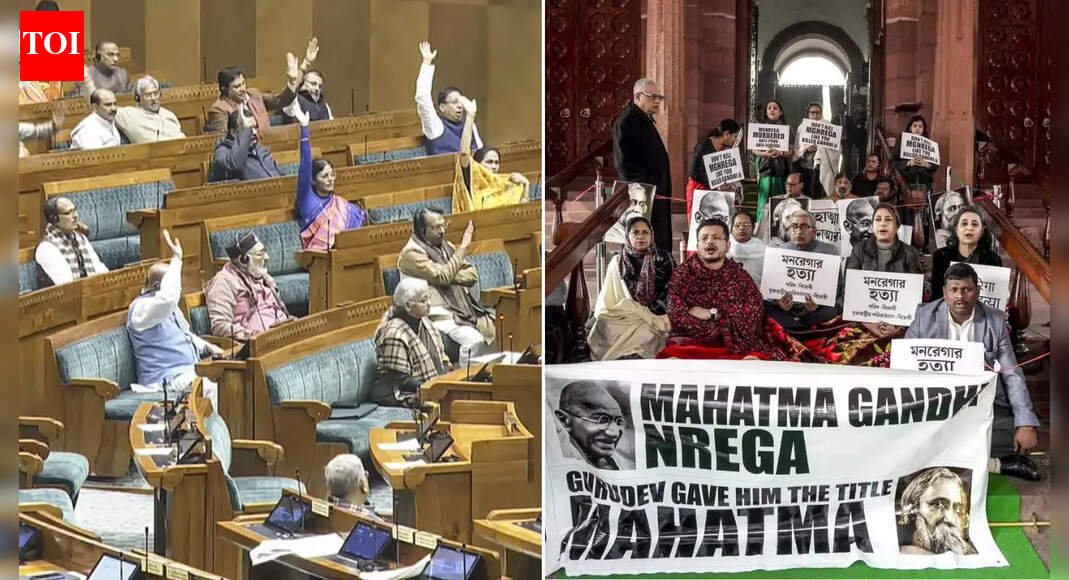
NEW DELHI: The Sixth Session of the Eighteenth Lok Sabha, which began on December 1, concluded on Friday, after 19 turbulent days marked by protests, repeated disruptions, sloganeering and sharp political confrontations between the government and the Opposition.While the Winter Session saw the passage of several significant legislations, it was also dominated by intense disagreements over issues such as the Special Intensive Revision (SIR) of electoral rolls, the replacement of MGNREGA, and the worsening air pollution crisis.

Winter Session Closes As Lok Sabha Skips Pollution Debate A Day After G RAM G Bill Sparks Chaos

The session ended with both Houses being adjourned sine die.Parliament discussed two major agenda items during the session: the 150th anniversary of the national song Vande Mataram and electoral reforms. However, a proposed discussion on the severe air pollution affecting large parts of north India, including Delhi, could not be taken up as the Lok Sabha was adjourned sine die before the issue was addressed.

What are the key bill introduced?

According to an official release, ten government Bills were introduced during the session, of which eight were passed. These included the Manipur Goods and Services Tax (Second Amendment) Bill, 2025; Central Excise (Amendment) Bill, 2025; Health Security se National Security Cess Bill, 2025; Appropriation (No. 4) Bill, 2025; Repealing and Amending Bill, 2025; Sabka Bima Sabki Raksha (Amendment of Insurance Laws) Bill, 2025; Sustainable Harnessing and Advancement of Nuclear Energy for Transforming India Bill, 2025; and the Viksit Bharat – Guarantee for Rozgar and Ajeevika Mission (Gramin) (VB-G RAM G) Bill, 2025.On December 8, Prime minister Narendra Modi initiated a discussion to mark 150 years of Vande Mataram. The House debated the subject for 11 hours and 32 minutes, with 65 members participating.During the 15 sittings of the Winter Session, the Lok Sabha functioned for a total of 92 hours and 25 minutes, achieving a productivity rate of 111 per cent, Speaker Om Birla said. The House admitted 300 starred questions, of which 72 were answered orally, and received 3,449 unstarred questions. A total of 408 matters were raised during Zero Hour, while 372 issues were taken up under Rule 377. On December 11 alone, 150 members raised issues during Zero Hour.Additionally, 35 statements were made under Direction 73A, and 38 statements were laid on the Table, including two under Rule 372 and one by the minister of Parliamentary Affairs. A total of 2,116 papers and 41 reports of Parliamentary Standing Committees were also presented during the session.

S. No. Title Ministry Introduced in LS/RS Passed in LS Passed in RS
1 The Securities Markets Code Bill, 2025 Finance 18/12/2025
2 The Sabka Bima Sabki Raksha (Amendment of Insurance Laws) Bill, 2025 Finance 16/12/2025 16/12/2025 17/12/2025
3 The Sustainable Harnessing and Advancement of Nuclear Energy for Transforming India Bill, 2025 Atomic Energy 15/12/2025 17/12/2025
4 The Appropriation (No. 4) Bill, 2025 Finance 15/12/2025 15/12/2025 16/12/2025
5 The Repealing and Amending Bill, 2025 Law and Justice 15/12/2025 16/12/2025 17/12/2025
6 The Viksit Bharat Shiksha Adhishthan Bill, 2025 Education 15/12/2025
7 The Manipur Goods and Services Tax (Second Amendment) Bill, 2025 Finance 01/12/2025 01/12/2025 02/12/2025
8 The Central Excise (Amendment) Bill, 2025 Finance 01/12/2025 03/12/2025 04/12/2025
9 The Health Security se National Security Cess Bill, 2025 Finance 01/12/2025 05/12/2025 08/12/2025

What are the key Bills passed?

1. Sabka Bima Sabki Raksha (Amendment of Insurance Laws) Bill, 2025: Parliament cleared the Sabka Bima Sabki Raksha Bill on December 17, a day after it was passed by the Lok Sabha. The Bill allows 100 per cent foreign direct investment (FDI) in the insurance sector, despite demands from several Opposition members in the Rajya Sabha that it be referred to a parliamentary committee for further scrutiny. Some members also objected to the Bill’s title, noting that it uses both English and Hindi.Moved by finance minister Nirmala Sitharaman, the Bill aims to transform India’s insurance sector, expand access to coverage and facilitate universal insurance protection by 2047. It introduces wide-ranging amendments to the Insurance Act, 1938, the LIC Act, 1956 and the IRDA Act, 1999. The legislation raises FDI in insurance from 74 per cent to 100 per cent, while mandating that at least one of the top executives — the chairman, managing director or chief executive officer — must be an Indian citizen.2. Sustainable Harnessing and Advancement of Nuclear Energy for Transforming India Bill (SHANTI), 2025: The Lok Sabha passed the SHANTI Bill on December 17 amid an Opposition walkout. Introduced by minister of state for the Department of Atomic Energy Jitendra Singh, the legislation marks a significant policy shift by allowing private sector participation in nuclear energy, a domain previously reserved for government enterprises.Singh said the Bill provides for ” a pragmatic civil liability regime for nuclear damage and to confer statutory status to Atomic Energy Regulatory Board.” The law aims to facilitate rapid growth in nuclear energy and its applications across sectors, in line with India’s target of achieving 100 GW of nuclear power capacity by 2047. It introduces updated safety protocols, a specialised nuclear tribunal for dispute resolution, and changes to the nuclear liability framework to reduce risks and encourage investment.3. Viksit Bharat Gram Rozgar aur Manav Garima (VB-G RAM G) Bill, 2025: The Lok Sabha passed the VB-G RAM G Bill on December 18 amid sustained Opposition protests and repeated disruptions. The legislation replaces the 20-year-old Mahatma Gandhi National Rural Employment Guarantee Act (MGNREGA) with a new statutory framework aligned with the Viksit Bharat 2047 vision. The Bill guarantees 125 days of wage employment per financial year to every rural household whose adult members volunteer to undertake unskilled manual work. 4. Appropriation (No. 4) Bill, 2025: The Appropriation (No. 4) Bill, 2025 was passed by the Lok Sabha on December 15 and by the Rajya Sabha on December 16. The legislation authorises the withdrawal and appropriation of additional funds from the Consolidated Fund of India for the financial year 2025–26.The Bill provides legal sanction for the government to spend an additional ₹1,32,268.85 crore beyond the amounts approved in the Union Budget for 2025–26.5. Repealing and Amending Bill, 2025: Parliament passed the Repealing and Amending Bill on December 16 in the Lok Sabha and December 17 in the Rajya Sabha. The Bill repeals 71 obsolete laws, including the Indian Tramways Act, 1886, the Levy Sugar Price Equalisation Fund Act, 1976, and the Bharat Petroleum Corporation Limited (Determination of Conditions of Service of Employees) Act, 1988.It also amends four existing laws. These include updates to the General Clauses Act, 1897 and the Code of Civil Procedure, 1908 to modernise terminology, amendments to the Indian Succession Act, 1925 to remove court validation requirements for wills in certain cases, and a correction of a drafting error in the Disaster Management Act, 2005.6. Manipur Goods and Services Tax (Second Amendment) Bill, 2025: Parliament passed the Manipur GST (Second Amendment) Bill, 2025 to replace the ordinance promulgated in October this year. The legislation amends the Manipur Goods and Services Tax Act, 2017 to implement decisions taken by the GST Council.It gives effect to the Council’s plan to rationalise GST rates by consolidating multiple slabs into two primary rates of 5 per cent and 18 per cent. The 56th GST Council had decided to merge the 5, 12, 18 and 28 per cent slabs into two slabs covering about 375 items.7. Central Excise (Amendment) Bill, 2025: The Central Excise (Amendment) Bill, 2025 was passed by Parliament on December 4. The Bill amends the Central Excise Act, 1944 to increase excise duties and cess on tobacco products, including cigarettes, cigars, hookah tobacco, chewing tobacco, zarda and scented tobacco.Moved by minister of state for finance Pankaj Chaudhary, the Bill aims ” to give the government the fiscal space to increase the rate of central excise duty on tobacco and tobacco products so as to protect tax incidence” after the GST compensation cess ends.8. Health Security se National Security Cess Bill, 2025: The Health Security se National Security Cess Bill, 2025 replaces the compensation cess on pan masala. The legislation states that the cess is intended “to augment the resources for meeting Security expenditure on national security and for public health, and levy a cess for the said purposes on the machines installed or other processes undertaken by which specified goods are manufactured or produced.”

What were the debates missed?

Air pollution debate left unresolved: A major flashpoint was the failure to hold a detailed debate on air pollution. Leader of opposition Rahul Gandhi had repeatedly sought a discussion, urging the government to present a clear plan to tackle the crisis.However, parliamentary affairs minister Kiren Rijiju on Friday, accused the opposition of “stalling” the debate. Rijiju said some MPs had shown ” unacceptable behaviour” during the discussion on the Viksit Bharat Guarantee for Rozgar and Ajeevika Mission (Gramin) Bill and had indicated they did not want a discussion on the health hazard posed by air pollution in the National Capital Region.Expressing regret over the missed debate, Rijiju said the government was fully prepared to discuss air pollution and that the concerned minister was ready after the issue was listed in the names of Priyanka Gandhi Vadra (Congress), Kanimozhi (DMK) and Bansuri Swaraj (BJP).VB-G RAM G Bill triggers protests: The passage of the Viksit Bharat Gram Rozgar aur Manav Garima (VB-G RAM G) Bill was marked by heavy Opposition protests. Several parties alleged a lack of consultation and insufficient debate before the Bill was passed, leading to repeated disruptions, walkouts and high political drama in the House.Electoral reforms debate loses focus: A potentially important discussion on electoral reforms also failed to achieve its intended purpose, as it quickly descended into political crossfire. The opposition had been demanding a debate on the Special Intensive Revision (SIR) of electoral rolls in 12 states and Union Territories. The government, however, made it clear that the functioning of the Election Commission could not be discussed in Parliament and instead agreed to a broader debate on electoral reforms. Electoral reforms were discussed on December 9 and 10 for nearly 13 hours, during which 63 members took part.

Government and opposition reactions

Addressing the customary post-session press conference, Rijiju described the Winter Session as “very productive”. He said, “2025 winter session is a very proactive session… The bills passed in this session will play a big role in improving the lives of crores of people and to make India a ‘Viksit’ nation… The 150th year of Vande Mataram discussion has taken place, very fruitful and important… By having extensive discussions on Vande Mataram, we have once again furthered the awakening of patriotism...”On electoral reforms, he said that those who had accused the Election Commission were “exposed” during the debate. “Many people raised questions about the election process, but after the debates on electoral reforms in both houses of Parliament, everything became clear. Those who levelled accusations against the Election Commission and the electoral system were also exposed…” he added.On the VB-G RAM G Bill, Rijiju said, “G Ram G bill is a very important bill, brought and passed to stop corruption, bring more transparency.”The Opposition strongly disagreed. Congress general secretary Jairam Ramesh called the session a “pollution session” and said, “I was shocked when the government gave a reply in Parliament yesterday, stating that there is no relation between pollution and lung problems.”“Rahul Gandhi demanded a discussion on air pollution. We wanted a debate on it in Lok Sabha and Rajya Sabha,” he said, underlining that the opposition was pushing for accountability. He rejected the government’s claim that Opposition protests blocked the debate, saying the Lok Sabha was adjourned indefinitely without taking up the issue.Trinamool Congress MPs staged an overnight dharna in the Parliament complex, accusing the government of bulldozing the VB-G RAM G Bill through without consultation. “We MPs of the Trinamool Congress have been sitting on a 12-hour dharna,” TMC leader Sagarika Ghose said, adding that the replacement of MGNREGA amounted to an attack on rural workers.As Parliament adjourned sine die, the Winter Session ended with sharp political divisions intact, a mix of legislative progress, charged debates, and unresolved concerns that are likely to resurface in the next session.

Source link

Fans left shocked as BCCI drops Shubman Gill from India’s T20 World Cup 2026 squad


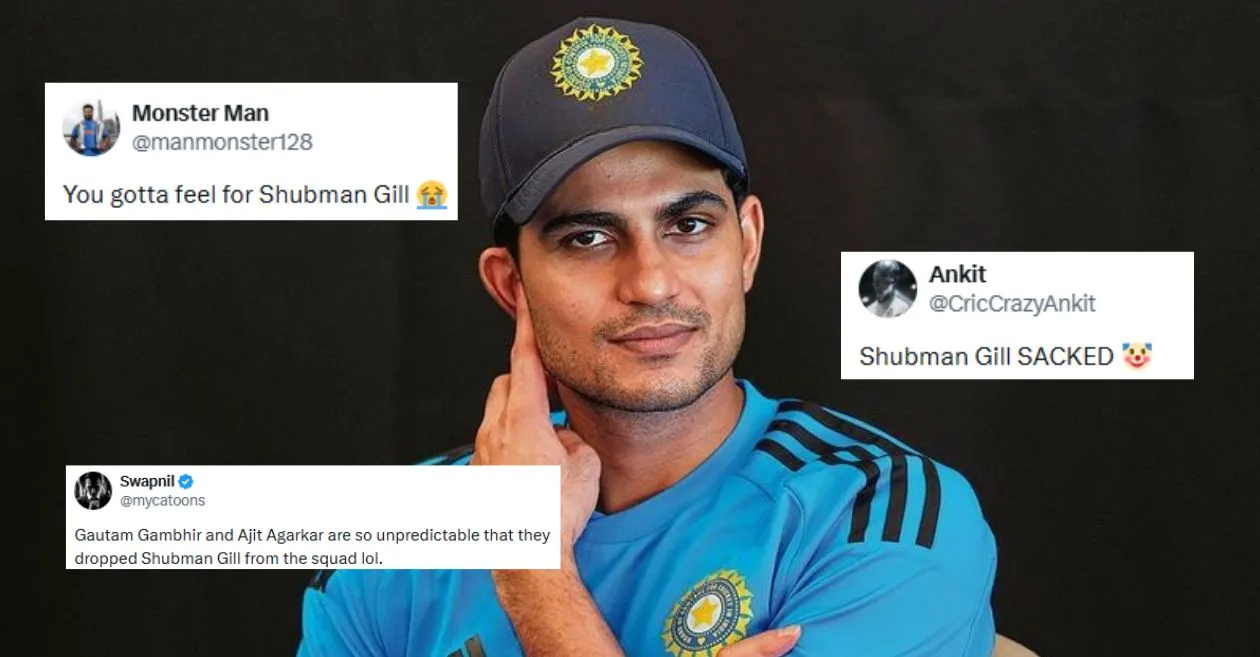
In a stunning development that has sent shockwaves through Indian cricket fans BCCI announced the 15-member squad for the Men’s T20 World Cup 2026 along with the five-match T20I series against New Zealand creating massive buzz on social media. Suryakumar Yadav retains captaincy with Axar Patel elevated as vice-captain while former vice-captain Shubman Gill and Jitesh Sharma suffer shocking exclusions. The announcement came from Mumbai’s BCCI headquarters on December 20 2025 attended by secretary Devajit Saikia captain Suryakumar and chief selector Ajit Agarkar.​

India’s T20 World Cup 2026 squad composition and key inclusions

India‘s T20 World Cup 2026 squad blends explosive batting all-round depth and potent bowling, The batting lineup features power-hitters like Abhishek Sharma (recent aggressor) Suryakumar, Sanju Samson, Tilak Varma, Rinku Singh and recalled Ishan Kishan who returns after strong domestic showings. All-rounders Hardik Pandya (blitzed 63 off 25 in recent T20I) Axar, Shivam Dube and Washington Sundar provide balance. Bowling boasts pace spearhead Jasprit Bumrah alongside Arshdeep Singh, Harshit Rana plus spinners Varun Chakaravarthy and Kuldeep Yadav offering variety on expected spin-friendly pitches.​

This same squad prepares via New Zealand T20Is from January 21-31 2026 ahead of the World Cup starting February 7 where India defends their 2024 title won against South Africa. Three ODIs precede from January 11-18 with that squad pending.​

Shubman Gill’s exclusion sparks outrage among fans

Gill’s omission despite prior vice-captaincy in South Africa T20Is has fans furious with #JusticeForGill trending nationwide. Chief selector Agarkar cited Gill’s underwhelming T20I form—291 runs in 15 innings at 24.25 average strike rate 137.26 no fifties—a foot injury sidelined him recently.​

Social media erupted as fans gave a mixed reaction on BCCI’s call. Jitesh also missed out as Kishan and Rinku prioritized for finishing prowess. Agarkar emphasized squad balance favouring current impact over potential. Gill’s IPL success contrasts T20I struggles prompting debates on his aggressive evolution needed for T20s.​

As India eye back-to-back titles under Suryakumar this bold call tests selection gambles but underscores ruthless T20 meritocracy. Fans await Gill’s response in IPL 2026.

Also READ: Shubman Gill dropped, Ishan Kishan & Rinku Singh return as India unveil squad for T20 World Cup 2026

Here’s how fans reacted:

Also READ: Fans go wild as Varun Chakaravarthy and Hardik Pandya help India demolishes South Africa in Ahmedabad T20I to clinch a 3-1 series win


Source link

Jharkhand horror: Drunk army jawan ‘rapes’ woman inside train | Ranchi News


Jharkhand horror: Drunk army jawan 'rapes' woman inside train

RANCHI: An Army jawan was arrested in Ranchi, Jharkhand, for allegedly raping a 22-year-old woman while on duty, officials said on Saturday.The incident occurred on Thursday around 5:30 pm at Tatisilwai Railway Station, where the woman was waiting to board a train to Ranchi. The 42-year-old jawan reportedly took her to an empty train coach and allegedly committed the assault, the official added.“The Army personnel was on duty guarding a defence logistics train. He was reportedly in an inebriated state when he committed the crime,” the Railway Protection Force (RPF) official said.The accused jawan, a resident of the Sarha police station area in Prayagraj district, Uttar Pradesh, was posted with the 42 Medium Regiment in Patiala, Punjab, officials said.After the woman’s cries for help, bystanders at the railway station raised an alarm, prompting Railway police to rush to the scene. The jawan attempted to flee but was apprehended, sustaining injuries in the process.An FIR has been registered based on the victim’s statement. On Friday, he was produced before a court, which sent him to judicial custody.(The victim’s identity has not been revealed to protect her privacy as per Supreme Court directives on cases related to sexual assault)(With agency inputs)


Source link