Breaking News
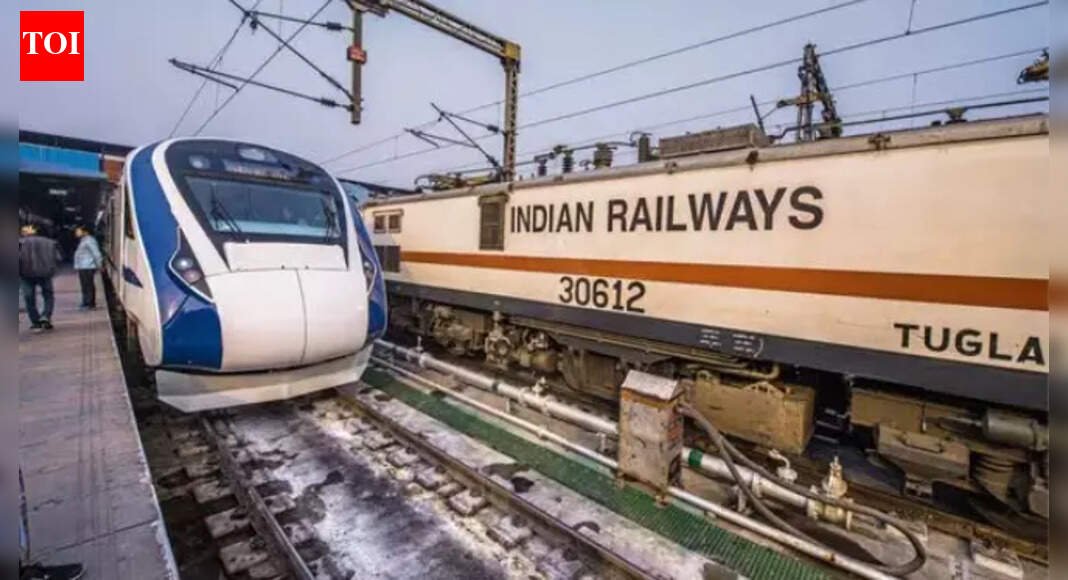
Railway Budget 2026: Funding for Indian Railways likely to remain unchanged — Vande Bharat, bullet trains & more in focus


Railway Budget 2026: Funding for Indian Railways likely to remain unchanged — Vande Bharat, bullet trains & more in focus

The GBS for Indian Railways might remain broadly unchanged in the upcoming union budget 2026-27, as the current funds are sufficient for the infrastructure upgrade. The GBS or the gross budgetary support for FY26 stands at Rs 2.52 lakh crore, with an additional Rs 10,000 crore permitted for spending through Extra Budgetary Resources (EBR), including public-private partnership (PPP) projects. Officials said the railways has already utilised a substantial portion of the allocation. “Indian Railways has utilised 77% of total GBS till now. The required pace of infrastructure upgrade is being met,” a senior official told ET, adding that Rs 1.95 lakh crore has been spent on capital expenditure since April 1, this year.Another official said that a sharp increase in budgetary support may not be necessary, given that major network upgrades are nearing completion. “A significantly higher GBS may not be needed,” the official said, noting that railway electrification has crossed 99.2% and is close to covering the entire 69,400 route kilometre network. Indian railways uses budgetary grants to fund its capital expenditure, including the laying of new tracks, multi-tracking of existing routes, and completion of electrification across the broad-gauge network. The same allocation is also used for procuring rolling stock such as wagons, coaches, and locomotives. While overall GBS may remain steady, allocations within the rail budget are expected to be adjusted. “GBS allocation will be rejigged to reflect updated priorities,” the second official said, pointing to the possibility of higher funding for the bullet train project, track safety works, and decongestion initiatives.At the same time, next fiscal’s budget will allocate more funds for newer Vande Bharat and Amrit Bharat trains, aimed at improving passenger experience as well as enhancing train speed and punctuality.The railway board also expects some relief on the revenue expenditure front, which is currently met through freight earnings that subsidise passenger fares. Second official told ET that the electrifying the whole network will cut costs on diesel purchases, adding that allocations for have already fallen below Rs 10,000 crore in fiscal 2025-26.In Budget 2025-26, Rs 6,150 crore were set aside specifically for track electrification projects, according to ET. An official status report shows that 726 route kilometres were electrified until the end of November in the current fiscal.Meanwhile, Rs 19,000 crore were reserved for the National High Speed Rail Corporation Limited, which is developing the Mumbai-Ahmedabad High Speed Rail Corridor. Expenditure on safety-related works, including both revenue and capital spending, is projected at Rs 1.17 lakh crore in fiscal 2025-26.


Source link

1888, 1895, 2025: Shortest completed Ashes Tests ever | Cricket News


1888, 1895, 2025: Shortest completed Ashes Tests ever
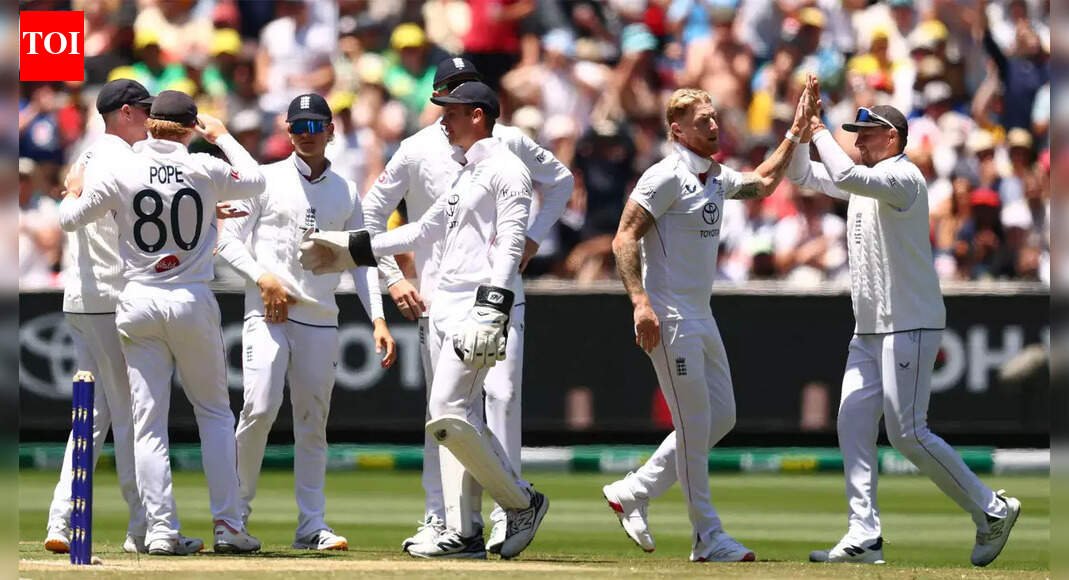
England’s previous Test win in Australia had come at the Sydney Cricket Ground in January 2011. (AFP Photo)

NEW DELHI: England finally exorcised their Australian demons, ending an 18-match winless streak Down Under with a dramatic four-wicket victory in the fourth Ashes Test at the Melbourne Cricket Ground on Saturday. The result not only restored pride after a bruising tour but also rewrote several entries in Ashes history, with the contest finishing inside two days in extraordinary fashion.Go Beyond The Boundary with our YouTube channel. SUBSCRIBE NOW!Having lost the first three Tests at Perth, Brisbane and Adelaide, England had already conceded the Ashes in just 11 days of cricket. Questions over preparation, form and direction surrounded the visitors as they arrived in Melbourne. Yet, against the odds, England produced a defiant performance to halt a barren run that had stretched nearly 15 years.

From MCG to T20 World Cup snub: How Indian cricket let Shubman Gill down

England’s previous Test win in Australia had come at the Sydney Cricket Ground in January 2011. Since then, they had endured 18 Tests without victory, losing 16 and drawing two. That sequence placed England alongside New Zealand for the most consecutive Tests without a win in Australia, a dubious record that now stands corrected. The victory also carried personal significance for key figures, with Joe Root registering his first Test win in Australia after 18 matches, while Ben Stokes tasted success for the first time in his 13th Test on Australian soil.The Melbourne Test was notable not just for the result, but for its sheer brevity. Completed in 852 balls, it became the fourth-shortest Ashes Test in history. Only three matches from the late 19th century were shorter: Old Trafford (1888), Lord’s (1888), and the Perth Test earlier in this series, which ended in 847 balls. Melbourne 2025 now sits alongside those games as one of the quickest finishes the rivalry has ever seen.It also joined a rare list of Ashes Tests to conclude inside two days. Before this series, the most recent such occurrence had been Nottingham in 1921 (excluding a rest day). Remarkably, the 2025 Ashes has now produced two Tests ending within two days — Perth and Melbourne — underlining the extreme conditions and relentless pace that have defined the contest.From Australia’s perspective, the defeat marked only their third loss in Boxing Day Tests since 2011. Across 15 matches at the MCG during this period, Australia have won 10, drawn two and lost just three — twice to India and now to England. That context makes England’s triumph even more striking.

Shortest completed Ashes Tests (by balls)

Balls Venue Year Winner
788 Old Trafford 1888 England
792 Lord’s 1888 Australia
847 Perth 2025 Australia
852 Melbourne 2025 England
911 Sydney 1895 Australia

Ashes Tests ending inside two days

Venue Year Note
Lord’s 1888
The Oval 1888
Manchester 1888
The Oval 1890
Nottingham 1921 Excluding rest day
Perth 2025
Melbourne 2025

England’s last Test win in Australia was at the SCG in January 2011. This is the first Test win for Joe Root in 18 Tests in Australia, and the first for Ben Stokes in 13 games.

Most consecutive Tests without a win in Australia

Team Tests without win Period Status
New Zealand 18 Dec 1987 – Dec 2011 Ended
England 18 Nov 2013 – Dec 2025 Ended
West Indies 17 Nov 2000 – Jan 2024 Ended
Pakistan 17 Nov 1999 – Present Ongoing
Sri Lanka 15 Feb 1988 – Present Ongoing

Australia in Boxing Day Tests since 2011

Matches Won Lost Drawn
15 10 3 2

  • Lost: 3 (vs IND in 2018 and 2020 and vs ENG in 2025)Drawn: 2


Source link

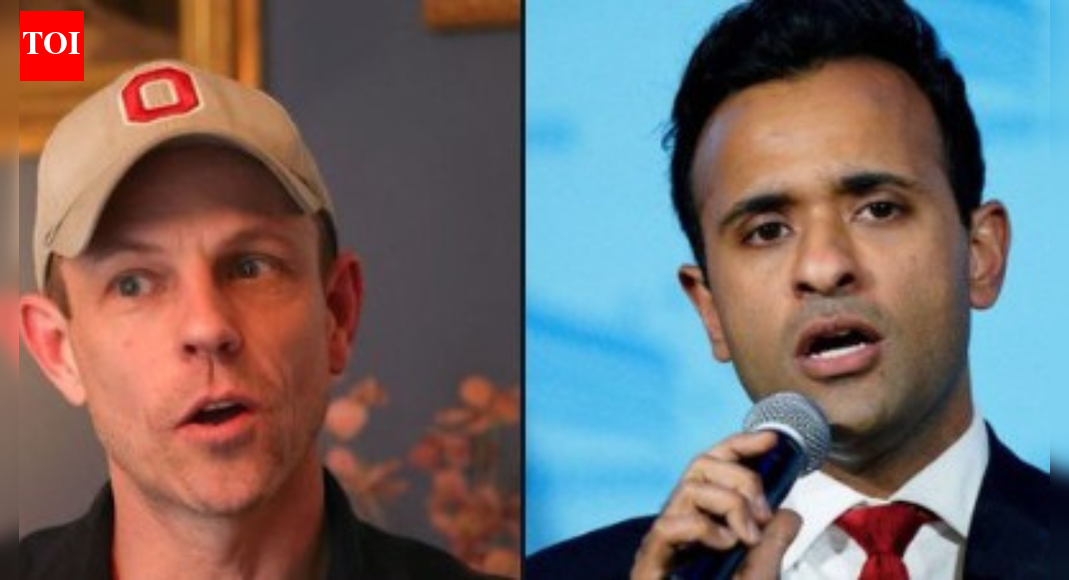
Vivek Ramaswamy’s 2nd ‘Christmas crashout’: MAGA rallies behind anti-H-1B Casey Putsch as Nick Fuentes to campaign against ‘Indian-origin anchor baby’


MAGA is caught in the crosshairs after far-right activist Nick Fuentes announced that he will be campaigning against Indian-origin Vivek Ramaswamy in the upcoming Ohio governor election. Fuentes is not mainstream but his strong anti-India stand has found many takers in MAGA who are now determined to stop Ramaswamy in Ohio after what MAGA is calling as Ramaswamy’s second Christmas crashout. This section of MAGA has now tilted towards Casey Putsch who announced his run for the Republican nomination for Governor of Ohio, throwing a challenge to Ramaswamy. On Christmas Day, Ramaswamy’s polymarket prediction apparently saw a dip from 72% to 54% and trend observers noted that Ohioans will be voting for Caset Putsch in the primary.

Usha Vance J**t Slur Sparks Firestorm: Vivek Ramaswamy’s Outburst Splits MAGA | ‘You Have No Place…’

Vivek Ramaswamy’s 2nd Christmas crashout

In 2024, Ramaswamy stirred up Christmas chaos as he condemned American culture for valuing mediocrity, while pushing for the H-1B visa program that allows companies to hire skilled employees from foreign countries. As he pitched for a reform in the visa program, he said Americans are not interested in STEM (Science, Technology, Engineering, Mathematics) and that’s why the IT sector needs to hire from foreign countries. This sidelined him in the Republican Party as he exited DOGE and limited his political ambition to Ohio. All of 2025, he was bombarded with racial attacks, asking him to go back to India. Come this Christmas, Vivek Ramaswamy penned an opinion piece for the NYT where he expressed his opinion about what America is. He said America is not Nick Fuentes openly calling Second Lady Usha Vance ‘jeet’ — a racial slur targeting Indian-origin people. Ramaswamy also wrote how he’s always asked to go back to India while he was born and brought up in Ohio. The NYT piece served as Ramaswamy’s second ‘Christmas meltdown’ as Nick Fuentes provoked MAGA youths against him and said the only election in 2026 that Fuentes cares about is the Ohio Governor election. Fuentes told his followers that if Ramaswamy wins the election, there will be no Christmas in the Governor’s Palace and there will be Diwali instead.

Who is anti-H-1B Casey Putsch?

An automotive YouTuber who shows how he builds and restores cars, Casey Putsch, has announced his run for the GOP ticket for the Governor election, throwing a challenge to Ramaswamy, who has already been endorsed by President Donald Trump. Casey Putsch said H-1B visas and AI data centers are the two major problems for Ohioans. He said H-1B visas are destroying the job market for young Ohioans and are only helping big corporations. Conventional MAGA is, however, cautious about throwing its weight behind Putsch and they believe Putsch is not a Trump supporter.

Is Vivek Ramaswamy an anchor baby?

While Nick Fuentes repeatedly calls Vivek Ramaswamy an anchor baby, Vivek Ramaswamy is not an anchor baby, as his parents legally migrated to the US from India, and he was born in the US. He could have been called an anchor baby had his parents been in the US illegally and had his birth anchored them to the US.


Source link

Startups in 2025: Fewer closures but big names stumble — BluSmart, Dunzo & others exit


Startups in 2025: Fewer closures but big names stumble — BluSmart, Dunzo & others exit

Despite a difficult funding climate, this year emerged as a comparatively stable year for India’s startup ecosystem, with shutdowns falling sharply from last year’s highs. Around 730 startups ended operations in 2025, a major decline from the 3,903 closures recorded in 2024. According to the department for the promotion of industry and internal trade (DPIIT), India, at present, has over 2.06 lakh registered startups. Though the number of closures was lower, it included several prominent names, spanning electric mobility, hyperlocal delivery, consumer internet and ecommerce. Here are some of the startups that said good byes in 2025:BluSmartElectric ride-hailing startup BluSmart was among the most notable exits. Launched in 2019, the company offered fully electric vehicles, assured rides and salaried drivers. The firm had gained roughly 9% market share in Delhi. Soon the ride company expanded its fleet to more than 8,000 electric vehicles across the country and raised around $168 million from investors, including BP Ventures and celebrity backers. However, according to ET, operations were suspended in April after Sebi detected large-scale financial misconduct at Gensol Engineering, a listed solar EPC firm promoted by BluSmart’s founders, the Jaggi brothers. While Gensol did not hold equity in BluSmart, it owned a substantial share of the startup’s EV fleet, resulting in close financial ties. Sebi said the promoters had siphoned off at least Rs. 262 crore from EV loans, forged lender documents, manipulated share prices, misled investors through false disclosures, and diverted funds towards stock trading and personal luxury purchases. Following the revelations, BluSmart faced internal disruptions, including delayed salary payments, declining ride volumes and leadership exits, before suspending services and transferring its fleet to Uber.Dunzo Hyperlocal delivery platform Dunzo also shut down after years of financial strain. Once a pioneer in the category, the startup drew widespread attention in 2022 when it secured $240 million from Reliance Retail. However, the platform struggled to compete with fast-scaling quick-commerce rivals such as Zepto, Swiggy Instamart and BlinkIt. The company failed to raise additional capital to support operations and expansion, while expenses, including those linked to its IPL sponsorship, added to financial stress. By September, Dunzo’s sole remaining co-founder, Kabeer Biswas, exited to build Flipkart’s quick-commerce arm Minutes, bringing the company’s prolonged downturn to a close.Hike Messaging app Hike, founded in 2012 by Kavin Mittal, was once viewed as India’s answer to global platforms such as WhatsApp and Telegram. Backed by investors including Tiger Global, SoftBank and Tencent, the company raised over $250 million within four years, with Mittal asserting, ‘we’re here to stay.’ At its peak, Hike had more than 100 million registered users and handled over 40 billion messages each month. However, the platform began winding down in 2021, when it shut its core messaging service, citing the challenge of competing with global network effects, ET reported. Hike later pivoted to Rush, a real-money gaming platform, following earlier attempts to reposition its messaging product, including its 2019 rebrand as Hike Sticker Chat. The company’s remaining operations ended in September after the Promotion and Regulation of Online Gaming Act imposed a blanket ban on real-money gaming apps.Good Glamm Group The Good Glamm Group, once valued close to unicorn status, also scaled back significantly. With a portfolio of over a dozen brands, the company aimed to replicate the roll-up ecommerce model by acquiring and integrating digital-first consumer brands. Over time, weaknesses in this approach became apparent. Heavy acquisition-related debt, slowing growth and limited access to fresh funding weighed on the business. Several acquired brands, including Sirona and The Mom’s Co, were wound down as anticipated efficiencies from shared marketing and supply chains failed to materialise. The group’s troubles reflected the broader challenges facing roll-up ecommerce models in India.Otipy Grocery delivery startup Otipy, launched during the pandemic by former Blinkit CTO Varun Khurana, also shut operations this year. The NCR-based B2B2C firm differentiated itself through a subscription-led, farm-to-fork model, connecting consumers with farmers via community resellers handling last-mile delivery in Mumbai and Delhi-NCR. The startup raised $44.2 million during its early years but struggled as ultra-fast delivery became the industry standard. Financial pressures mounted, leading to delayed salary payments and pending vendor dues. In May, the Crofarm India subsidiary ceased operations, affecting around 300 employees and delivery partners. Industry-wide data reflects a broader easing in shutdowns. Tracxn data cited by ET shows that startup closures fell nearly 80% this year, compared with the peak period of 2021–22, when more than 11,000 startups wound down. Over the past five years, enterprise applications have accounted for the largest share of closures, followed by retail and edtech, with healthtech, entertainment and media also seeing significant exits. Maharashtra and Karnataka have recorded the highest number of shutdowns among states during this period.


Source link

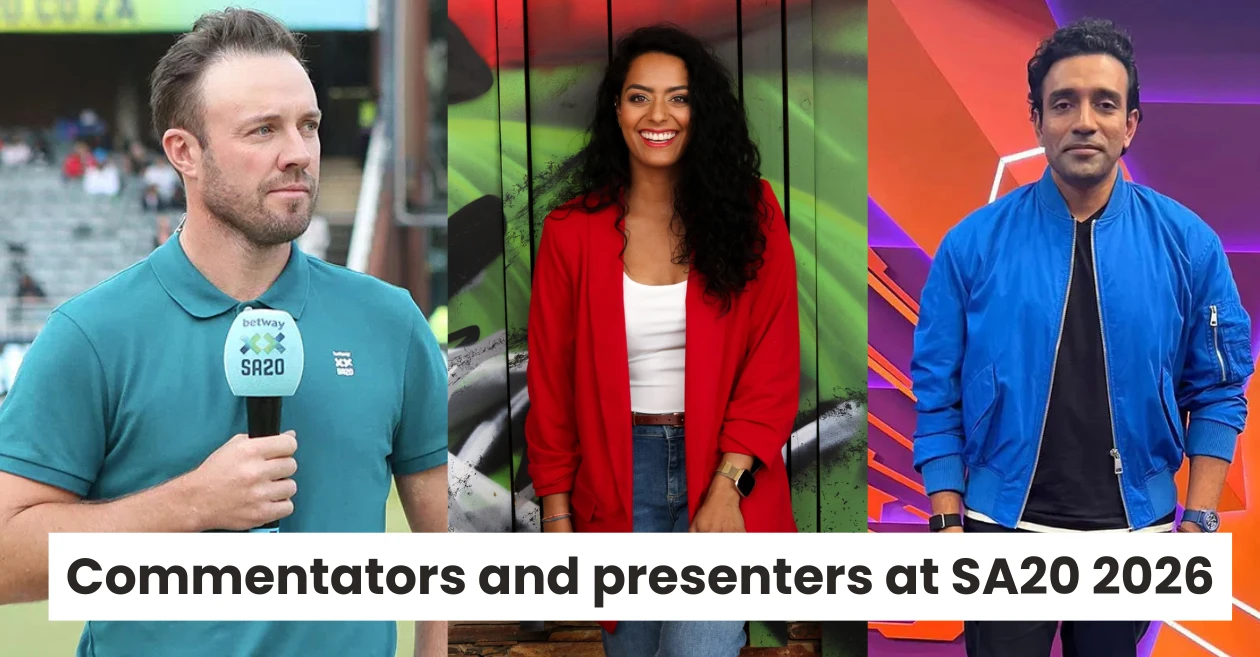
SA20 2026: Full list of commentators and presenters at South Africa’s explosive T20 cricket league


The SA20, South Africa’s explosive T20 cricket league, has returned for its fourth season, and the organisers have unveiled the complete list of commentators and presenters to match the on-field spectacle. Featuring former international captains, modern-day greats and seasoned broadcasters, the SA20 2026 broadcast team promises deep insight, entertainment and global appeal.

With the league continuing to grow as one of the world’s most-watched T20 tournaments, the announcement underlines SA20’s ambition to deliver world-class coverage alongside elite cricketing action till January 25.

The SA20 2026 commentary panel blends international star power with strong South African representation, offering a mix of tactical analysis, player perspectives and storytelling. Leading the list are former World Cup winners and captains such as Robin Uthappa and Eoin Morgan, both of whom bring experience from the highest level of white-ball cricket.

South African icons AB de Villiers and Dale Steyn headline the local contingent, offering unmatched insight into batting innovation and fast-bowling excellence. Their presence ensures fans gain a deeper understanding of match situations, pressure moments and player mindset.

Adding an international flavour are respected broadcasters and former players such as Kevin Pietersen and Mark Nicholas, whose voices are synonymous with major global tournaments. Mark Butcher also joins the panel, bringing analytical balance and a batter’s perspective.

Kevin Pietersen, AB de Villiers (PC: X.com)

South Africa’s cricketing depth is further reflected through voices like JP Duminy, Ashwell Prince, Chris Morris and Vernon Philander, all of whom bring recent playing experience and tactical awareness.

Also READ: SA20 2026 – TV channels, live streaming details | When and where to watch in India, Australia, Pakistan, USA, UK & other countries

Trusted presenters lit up SA20 2026

Renowned presenters and commentators Natalie Germanos, Mpumelelo Mbangwa and Kass Naidoo round out a lineup designed to appeal to both seasoned cricket followers and new audiences.

Kass Naidoo
Kass Naidoo (PC: X.com)

Their familiarity with South African conditions, players and fan culture have added authenticity and local flavour to the broadcasting channels.

The presentation team for SA20 2026 includes Nikhil Uttamchandani, Lesego Pooe, Motshidisi Mohono and Kriya Gangiah.

Motshidisi Mohono
Motshidisi Mohono (PC: X.com)

Tasked with anchoring pre-match build-ups, mid-innings discussions and post-match analysis, the presenters play a key role in connecting fans to the action and amplifying the league’s storytelling.

Also READ: SA20 2026 Squads – Players list and captains of all six teams


Source link

Ashes: 15-year wait over! England beat Australia in chaotic fourth Test at MCG | Cricket News


Ashes: 15-year wait over! England beat Australia in chaotic fourth Test at MCG
The win was England’s first Test success in Australia since January 2011, ending a run of 16 losses and two draws. (Getty Images)

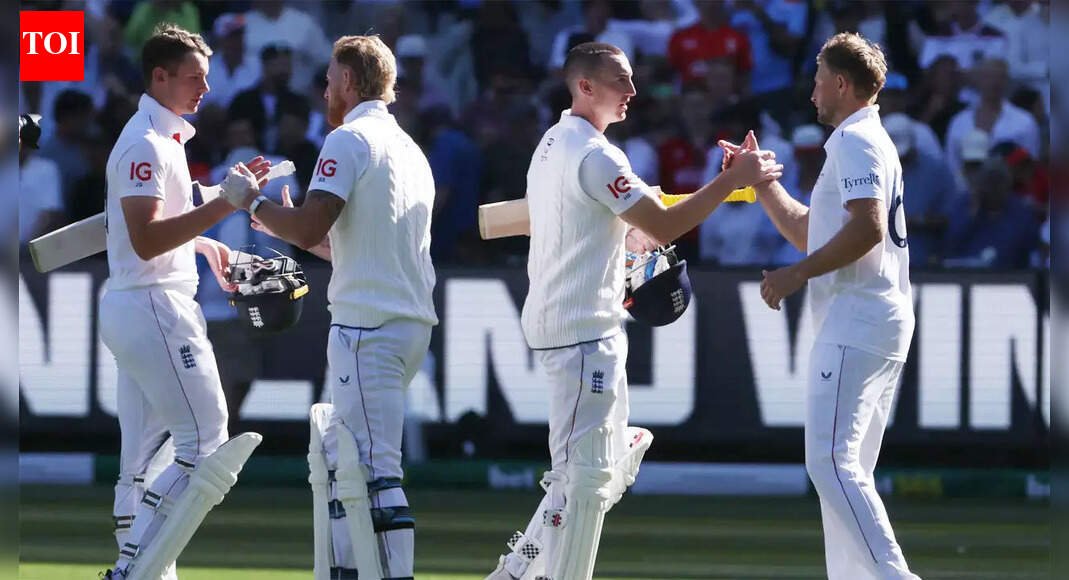
NEW DELHI: Staring at a clean sweep, England finally found a way to fight back, winning their first Test on Australian soil in 15 years with a gutsy four-wicket victory in a chaotic fourth Ashes clash at the Melbourne Cricket Ground on Saturday. The contest was wrapped up inside two days, restoring some pride for the beleaguered tourists.Go Beyond The Boundary with our YouTube channel. SUBSCRIBE NOW!After 20 wickets fell on the opening day, England bowled Australia out for 132 shortly after lunch in front of a bumper crowd of 92,045, leaving themselves a target of 175 for victory. Harry Brook (18*) and Jamie Smith (3*) guided England home amid deafening roars from the travelling “Barmy Army”, with the visitors finishing the chase after losing six wickets. Jacob Bethell made a vital 40, while Zak Crawley chipped in with 37.

Gautam Gambhir’s year as India coach ends like it started – on a chaotic note

England arrived in Melbourne under immense pressure after crashing in the first three Tests, amid questions over their preparation and criticism surrounding a mid-series beach break. But the visitors finally delivered when it mattered and will head to Sydney for the fifth and final Test with renewed confidence.The win was England’s first Test success in Australia since January 2011, ending a run of 16 losses and two draws. Openers Crawley and Ben Duckett set the tone with an ultra-aggressive “Bazball” approach. Duckett struck a boundary off Mitchell Starc in his first over, while Crawley followed up by smashing Michael Neser for a six and a four in successive deliveries.The pair raced to a brisk 50-run opening stand before Duckett was bowled by a searing Starc yorker for 34. England then rolled the dice by sending fast bowler Brydon Carse in at No. 3, but the experiment backfired as he lasted just eight balls before lofting Jhye Richardson to Cameron Green.Crawley was trapped lbw by Scott Boland after a gritty innings, and Bethell was caught by Usman Khawaja off the same bowler. Richardson dismissed Joe Root (15) lbw and Starc removed Ben Stokes (2), but with only 10 runs required, Brook and Smith calmly completed the job.– Atkinson injury –Australia resumed on 4-0 in their second innings after an explosive opening day of searing pace saw 20 wickets fall with the hosts dismissed for 152 and England just 110.It was the most wickets to tumble on the first day of an Ashes Test since 1909, and eclipsed the 19 on day one of the series opener in Perth.With 10 millimetres of grass on the track it was a bowler’s dream, but a host of former greats criticised the pitch for “doing too much” and being “unfair for the batters”.Nightwatchman Boland added two to his overnight four, but his time was always going to be limited and he edged Gus Atkinson to wicketkeeper Smith.Atkinson left the field soon after clutching what appeared to be his left hamstring.Josh Tongue came into the attack on a hat-trick after bagging the last two Australia wickets on day one, but Jake Weatherald whipped his full ball for three.Weatherald needed a decent knock to cement his spot at the top of the order, but he failed again, bowled by Stokes for five leaving a delivery that nipped back.Travis Head was joined by Marnus Labuschagne but he only made eight, caught by Root in the slips off Tongue.Head was in good touch before being bowled on 46 by a peach of a delivery from Carse that beat the outside edge, and when Khawaja (0) and Alex Carey (4) departed in the space of nine balls the momentum was back with England.After reaching lunch at 98-6, Green (19) became the seventh wicket to fall with the score on 119, edging a rising Stokes ball to Harry Brook at slip.Carse bagged Neser and Starc without scoring and Richardson fell to Stokes with the last four wickets tumbling for 13 runs, leaving Steve Smith unbeaten on 24.(With inputs from AFP)


Source link

‘Back to business’: FMCG engine stabilises operations after GST 2.0; companies expect ‘strong demand’ ahead


‘Back to business’: FMCG engine stabilises operations after GST 2.0; companies expect 'strong demand' ahead

Consumer goods companies across the country are finally seeing operations stabilising, months after changes to the GST structure were announced. Supply chains and inventory levels have returned to normal following the adjustment period after the reforms, making way for a recovery in demand from the next quarter. Executives from major FMCG and consumer-facing firms said that production levels, which had been curtailed during the tax transition, have now returned to normal. Companies including Dabur, Emami, AWL Agri Business, Zydus Wellness, Godrej Consumer Products and Parle Products are operating manufacturing units at full capacity as they rebuild stock to meet expected demand, according to an ET report.

Why FMCG engine slowed after GST cuts?

The sector faced disruption after GST rates were revised from September 22, with lower taxes introduced on a range of everyday items such as soaps, shampoos, toothpaste and food products. While the move was aimed at supporting consumption, companies and their trade partners had slowed operations during the transition due to repricing requirements, packaging changes and uncertainty among distributors and retailers. Retailers had reduced orders during the GST transition to avoid blocking working capital, as price adjustments were still being worked out. This led to a temporary production slowdown across the FMCG sector. With revised pricing now in place, inventories are being replenishedHowever, the sector is getting back on track. Parle Products vice-president Mayank Shah said stock levels are moving back to normal as new packs reflecting the revised prices reach the market. “We expect the full benefit of GST rationalisation on demand and sales will be visible from the January-March quarter,” he said.Emami’s vice chairman Mohan Goenka told ET that inventory conditions have now fully stabilised. “Stock levels have normalised, supply flows are smooth and there are no disruptions to availability. Overall, operations are back to business as usual,” he said. Zydus Wellness chief executive Tarun Arora also said that challenges linked to old pricing and packaging have largely been resolved. There was initial reluctance among channel partners to accept products carrying old prices, followed by confusion caused by packs printed with both old and revised prices. “These issues are mostly streamlined now,” he said. During the transition, several companies had to temporarily move away from standard price points such as Rs 5, Rs 10, Rs 15 and Rs 20, opting instead for odd pricing like Rs 4.70, Rs 9.80 and Rs 14.20 to accommodate the tax changes on existing stock. This created difficulties for kirana stores. Current inventories, however, are priced at familiar levels, with companies increasing pack sizes to pass on the GST benefit.

What’s next — Navigating after GST rate cuts

Dabur India expects performance to improve in the second half of the financial year. Rehan Hasan, sales head at the company, said Dabur is aiming for mid-to-high single-digit growth in the remaining months. “The trade disruptions due to GST have settled now and we are already seeing an uptick in demand. Rural demand continues to grow ahead of urban India. That said, the demand growth in urban markets is being primarily driven by modern trade and ecommerce,” he told ET. Godrej Consumer Products managing director Sudhir Sitapati said industry sentiment has turned positive following the stabilisation. “The entire industry is mostly bullish on the demand growth post GST 2.0. It’s a little early to say, but within a couple of months, by Jan-Feb, we should start seeing strong demand,” he said. Higher production levels are also being reflected in input demand. AWL Agri Business, a major edible oil supplier, said consumption from food companies has returned to normal levels. “Oil consumption by the companies is back to normal and growing, be it biscuits or namkeen,” said Angshu Mallick, executive deputy chairman at AWL Agri Business. Inventory correction is also visible in consumer durables. Air-conditioner makers, which faced weak sales earlier this year due to an unfavourable summer, are cutting excess stock after GST on ACs was reduced from 28% to 18%. “The industry had 90 days of inventory, which is almost double of the usual. It has come down, like in the case of Blue Star it’s now 50 days,” Blue Star managing director B Thiagarajan told ET. With supply chains back on track and production running at normal levels, companies expect the benefits of the GST rate cuts to begin reflecting in sales over the coming quarters.


Source link

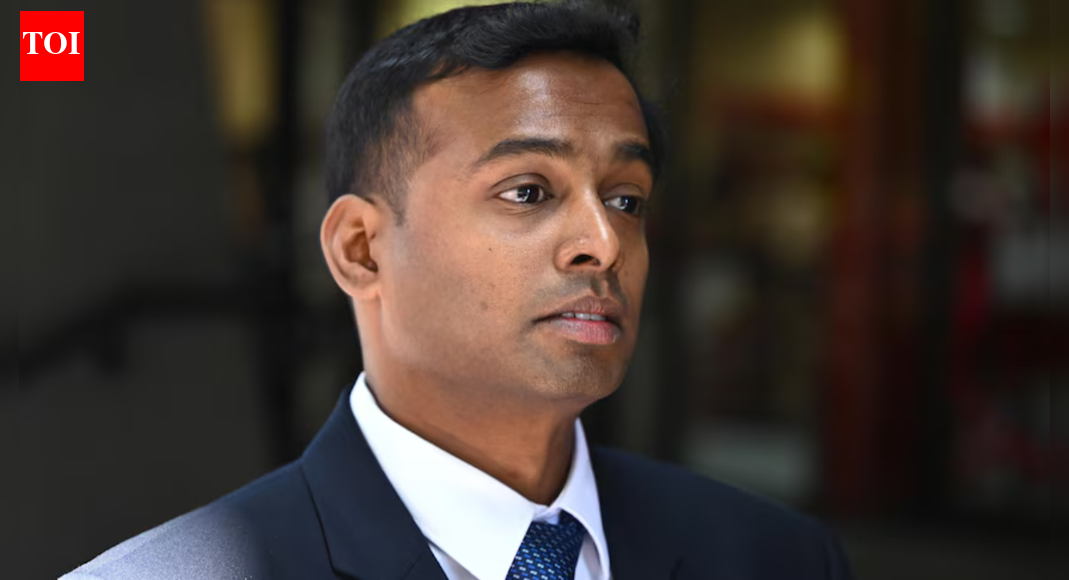
He has a 3-year-old daughter: Indian-origin IT worker who sexually assaulted 17 women in Melbourne saved from deportation


An Indian-origin man who sexually assaulted 17 women at a Melbourne nightclub in 2023 has now been saved from deportation as a tribunal ruled that deporting him would not be fair for his three-year-old daughter. The man, however, is prohibited from meeting his daughter as he pleaded guilty to the sexual assault; he also lost his IT job. But he was not jailed and now he works as a driver in Australia and won’t be deported. The Noticer reported that 35-year-old David Arokiaraj Maria Anthony Rayan got his visa canceled in September in the fallout of the sexual allegation charges but he appealed against the ruling and now he gets to stay in Australia. The decision, shocking for the Australian community, was taken at the Administrative Review Tribunal. Rayan was not even jailed for his 2023 offence, even after he pleaded guilty to 17 counts of sexual assault and one count of attempted sexual assault after targeting 18 women at the nightclub in Prahran on September 23, October 14 and October 21 — all in 2023. County Court Judge Peter Rozen had at that time determined Rayan to be of low risk and that his assaults were ‘out of character’.Initially, Rayan denied the charges and said he might have accidentally touched the women but CCTV footage revealed that he targeted women who were with other men. Rayan’s attorney said his client was “craving social interaction” after his marriage broke down. But after he pleaded guilty, he was given a two-year community corrections orderThe tribunal said Rayan’s three-year-old daughter will suffer if her father is sent back to India — though there is an intervention order in place preventing Rayan from seeing the child. To keep the offender in Australia, the tribunal also said that his mental health would be impacted if he were deported, though a psychological report confirmed that Rayan did not suffer from any mental illness.


Source link

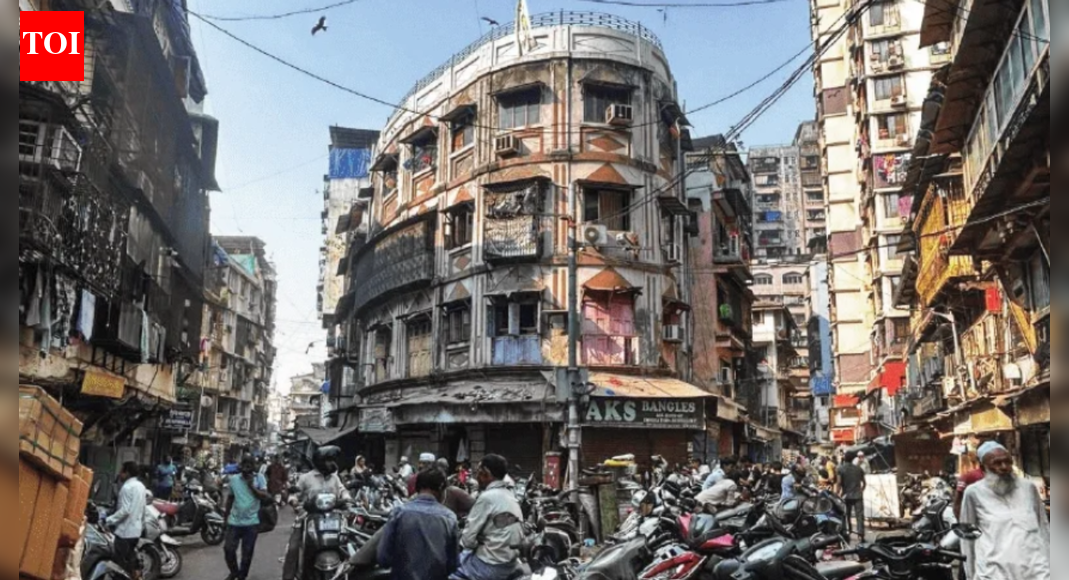
Battle for BMC: Amid narrow roads & bustling markets, old ward struggles to preserve heritage | Mumbai News


C Ward is home to some of Mumbai’s most vibrant commercial areas, bustling with shoppers in markets like Zhaveri Bazaar, Chira Bazaar, Bhuleshwar, Null Bazaar and Swadeshi Market. Its eastern border, Abdul Rehman Street, remains a historic and commercial hub. But the ward’s alleys and roads are now overwhelmed, with residents complaining of crowds, hawkers and traffic choking entry and exit points.Juzer Badani, who runs a glass shop in the area, says, “It’s impossible for an ambulance or fire engine to enter in an emergency because of extreme footfall, illegal hawkers and vehicular traffic. Recently, a huge tragedy was averted when a fire broke out late at night, when few people were around.” Abdul Rehman Street was once wide enough to accommodate an eight-horse carriage of early trading baron Jamshedji Jeejhbhoy, as per local lore.The ward made political history in the 2017 municipal polls when corporator seat 220 ended in a tie even after three recounts. The winner was declared by a draw of lots. BJP’s Atul Shah defeated Shiv Sena’s Surendra Bagalkar when a five-year-old girl, granddaughter of a municipal watchman, picked Shah’s name. This year, however, Shah cannot contest from the ward as it has been reserved for a woman candidate. The party may field him in neighbouring Ward 217 in Khetwadi, which was part of his past MLA constituency.From Bhuleshwar’s ornate facades to Abdul Rehman Street’s crowded lanes, the ward’s past is visible in every corner. Yet its markets, redevelopment plans and growing population are reshaping the ward faster than its aging buildings can bear. Marine Drive, synonymous with Mumbai, is another part of the ward where change has sparked discontent among long-time residents. Shalilesh Bajaj, a stockbroker, notes that while the Coastal Road has eased commuting, its exit onto the main road often causes gridlocks. Meanwhile, the Marathi-dominated chawls of Girgaon and the small houses of Bhuleshwar are giving way to skyscrapers. Narrow roads, inadequate toilets and poor footpaths have created crowding and discomfort. Bajaj adds, “There are very few public toilets, and the ones that exist are in terrible condition.”Politically, the ward leans BJP. The party won all three corporation seats in the last civic elections, and Rahul Narwekar, current Speaker of the assembly, won the Colaba seat, which includes parts of the ward, by nearly 50,000 votes. Shiv Sena UBT and Congress also hold influence, with MP Arvind Sawant representing southern Mumbai and Congress MLA Amin Patel covering Mumbaidevi.Patel, who has represented the area for over 20 years, says the floating population has increased, while many long-time residents have left, converting homes into shops. “This has decreased the voting population but worsened traffic. Parking plazas must be expedited. The BMC hawker policy is long delayed; we need a sustainable solution for those who rely on small loans but face eviction,” he says. Patel envisions cluster redevelopment to widen roads and improve amenities for shopkeepers and shoppers.Atul Shah, chairman of the Imitation Jewellery Dealers and Manufacturing Association, emphasizes that Mumbai’s largest imitation jewellery market, spread across Bhoiwada, Bhuleshwar and Gulalwadi with 2,200 shops, must modernize. “Young people don’t want to enter the business due to narrow roads, poor sanitation and old buildings. Only full-scale redevelopment can provide the infrastructure needed. But it will take 6-8 years, and even with consent from 98 of 273 buildings, the process faces delays,” he says. Crime also worries traders, as pickpockets and thieves routinely target customers. “The police try, but they’re understaffed, and nothing improves,” Shah says.


Source link

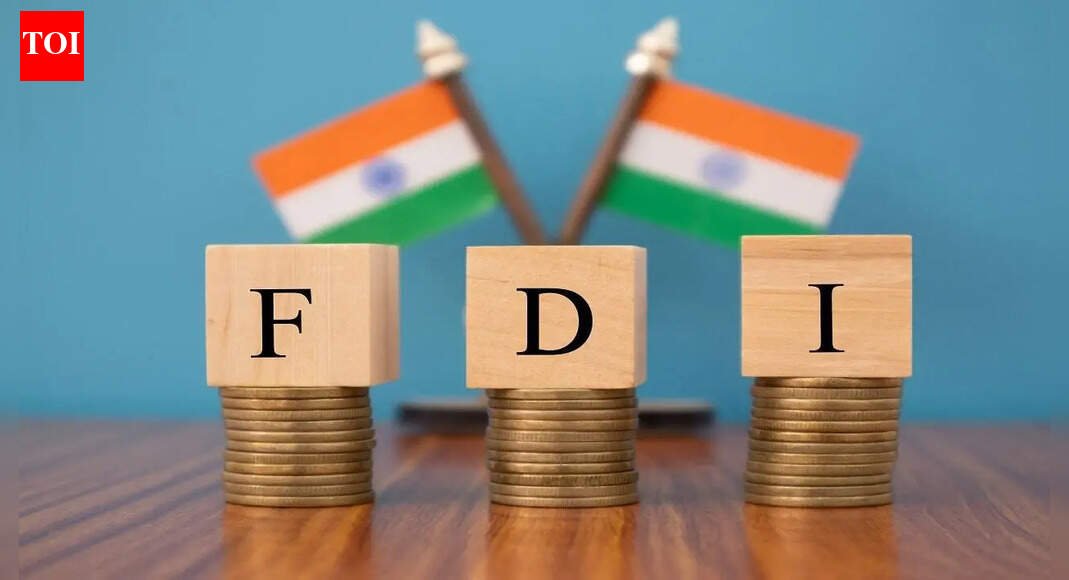
Strong fundamentals, big-ticket investments to propel India’s FDI in 2026


Strong fundamentals, big-ticket investments to propel India's FDI in 2026

FDI inflows into India are expected to register robust growth in 2026, supported by strong macroeconomic fundamentals, big-ticket investment announcements, sustained efforts to improve the ease of doing business, and a new generation of investment-linked trade pacts.To ensure that India remains an attractive and investor-friendly destination, the government reviews the FDI (Foreign Direct Investment) policy on an ongoing basis and makes changes from time to time after holding extensive consultations with stakeholders.The Department for Promotion of Industry and Internal Trade (DPIIT) has this year held a series of meetings with stakeholders on ways to promote FDI. In November, Commerce and Industry Minister Piyush Goyal also held consultations on ways to attract greater investments by making processes faster, smoother, and more efficient.Investor-friendly policies and regulatory practices, strong return on investments, a talented workforce, easing compliance burdens, decriminalising minor industry-related offences, and streamlined approvals are key measures that are keeping foreign investors focused on India despite global challenges.In 2024-25, total foreign direct investments (FDI) have crossed USD 80.5 billion amid global uncertainties. Gross overseas investments during January-October 2025 have crossed USD 60 billion.DPIIT Secretary Amardeep Singh Bhatia said India has attracted remarkable investments in the last eleven years due to a series of measures taken by the government.“It has touched an all-time high of USD 80.62 billion in 2024-25. We are hopeful that this year (2026), FDI may cross the last year’s data of USD 80.62 billion,” he told PTI.India is also banking on its free trade agreement with the four-nation European Free Trade Association (EFTA), under which the bloc has committed to invest USD 100 billion in foreign direct investment into the country over 15 years.The pact came into force on October 1, 2025, and on the very day of its implementation, Swiss healthcare major Roche Pharma announced a commitment to invest 1.5 billion Swiss francs (about Rs 17,000 crore) in India over the next five years.This will be pure FDI and not foreign institutional or portfolio investments by sovereign wealth funds of the EFTA nations – Switzerland, Norway, Iceland, and Liechtenstein.A similar commitment of USD 20 billion has been made by New Zealand under its trade pact with India, which is slated to be implemented in 2026.Certain reports have also projected a positive outlook for foreign direct investment into India.According to UNCTAD’s World Investment Report 2025, global FDI flows fell by 11 per cent in 2024 to USD 1.5 trillion. However, this figure conceals wide differences in performance across economies.Developed countries experienced a 22 per cent contraction, while flows to developing economies were stable. In Asia, particularly, east and southeast Asia, as well as India, investors maintained strong project activity, the report has said.Some of the major global firms have announced big-ticket investments this year.Microsoft CEO Satya Nadella has announced an investment of USD 17.5 billion by 2030 to help build infrastructure and sovereign capabilities for the country’s AI-first future.Amazon plans to invest USD 35 billion in India over the next five years to expand its businesses from quick commerce to cloud computing and artificial intelligence. Google will invest USD 15 billion over the next five years to set up an AI hub in India.iPhone maker Apple is expanding its presence in India, and South Korean electronics major Samsung is also expanding its manufacturing portfolio in the country.Arcelormittal Nippon Steel India is aiming to increase the colour-coated steel capacity to 10 lakh tonnes per year by 2026 from the present 7 lakh tonnes.As per the National Statistical Office (NSO), the Indian economy grew 8.2 per cent in the second quarter of 2025-26. The government, on its part, has come out with the second edition of the Jan Viswas bill to promote ease of doing business by decriminalising minor industry-related offences.Experts, too, have stated that India’s strong economic fundamentals and resilience, along with a sustained reform push, will be a big reason for a revival of FDI in 2026.“As India diversifies its economic relationships amid geopolitical uncertainties and moves up the value chain in manufacturing and services, these developments are expected to channel greater long-term FDI into services, software and electronics,” Rumki Majumdar, Economist, Deloitte India, said.Rudra Kumar Pandey, Partner, Shardul Amarchand Mangaldas & Co, said FDI from the Gulf Cooperation Council (GCC) countries has emerged as a strategic and increasingly durable pillar of India’s foreign investment landscape.“Technology-led services are expected to remain the primary magnet for foreign capital, with increasing emphasis on artificial intelligence, data analytics, cloud infrastructure, and Global Capability Centres focused on AI deployment and applied research,” he added.The top investors in India include Mauritius and Singapore (together accounting for about 49 per cent), followed by the US (10 per cent), the Netherlands (7.2 per cent), Japan (6 per cent) and the UK (5 per cent).The key sectors which attracted the maximum FDI in India include the services segment, computer software and hardware, telecommunications, trading, construction development, automobile, chemicals and pharmaceuticals.FDI is allowed through the automatic route in most of the sectors, while in areas such as telecom, media, pharmaceuticals and insurance, the government approval is required for foreign investors.At present, FDI is prohibited in certain sectors. They are lottery, gambling and betting, chit funds, nidhi company, real estate business, and manufacturing of cigars, cheroots, cigarillos and cigarettes using tobacco.FDI is important as India would require huge investments in the coming years for its infrastructure sector to boost growth. Healthy foreign inflows also help in maintaining the balance of payments and the value of the rupee.

Source link