India inks deals worth Rs 4,666 crore for close-quarter battle carbines & heavyweight torpedoes | India News


India inks deals worth Rs 4,666 crore for close-quarter battle carbines & heavyweight torpedoes

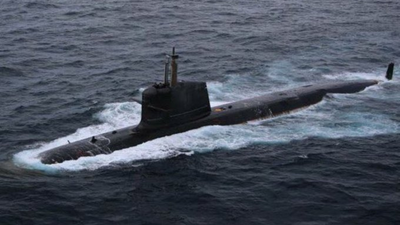
NEW DELHI: The defence ministry on Tuesday inked contracts worth Rs 4,666 crore for procurement of over 4.25 lakh close-quarter battle carbines with two domestic firms and 48 heavyweight torpedoes for the Scorpene or Kalvari-class submarines with an Italian one.The Rs 2,770 crore deal for the CQB carbines, along with accessories, was inked with Bharat Forge Ltd and PLR Systems (a joint venture between Adani Defence and Israel Weapon Industries) in the presence of defence secretary Rajesh Kumar Singh.While 60% of the carbines will be manufactured by Bharat Forge, the rest by PLR Systems, with the deliveries to the Army and Navy likely to be completed in around five years. “This marks the culmination of an extraordinary, persistent effort to equip Indian soldiers with world-class lethality, replacing legacy systems with cutting-edge indigenous technology under the ‘Aatmanirbhar Bharat’ vision,” the MoD said, in a statement.“The CQB carbines provide a critical edge in close combat through their compact design and high rate of fire, ensuring rapid, decisive lethality in confined spaces. The contract highlights the synergy between the govt and private sector, which will further give impetus to the Make-in-India initiative,” it added.The Rs 1,896 crore contract for the procurement and integration of 48 “Black Shark” heavyweight torpedoes, along with associated equipment, for the Navy’s six Kalvari-class or Scorpene submarines, in turn, was signed with WASS Submarine Systems S.R.L., Italy. The diesel-electric Scorpene submarines have been constructed by the Mumbai-based Mazagon Docks in collaboration with the French Naval Group under Project-75 for over Rs 23,000 crore. The first submarine INS Kalvari was commissioned into the Navy in Dec 2017, while the sixth INS Vagsheer in Jan this year.“The delivery of the 48 torpedoes will begin from April 2028 and be completed by early-2030.The torpedoes, which have significant operational capabilities and advanced technological features, will enhance the combat capability of the six Kalvari-class submarines,” the MoD said.


Source link

ISPL Season 3: Top batters to watch out for – Vijay Pawle to Jagannath Sarkar | Cricket News


ISPL Season 3: Top batters to watch out for - Vijay Pawle to Jagannath Sarkar
File photo of Vijay Pawle. (ISPL)

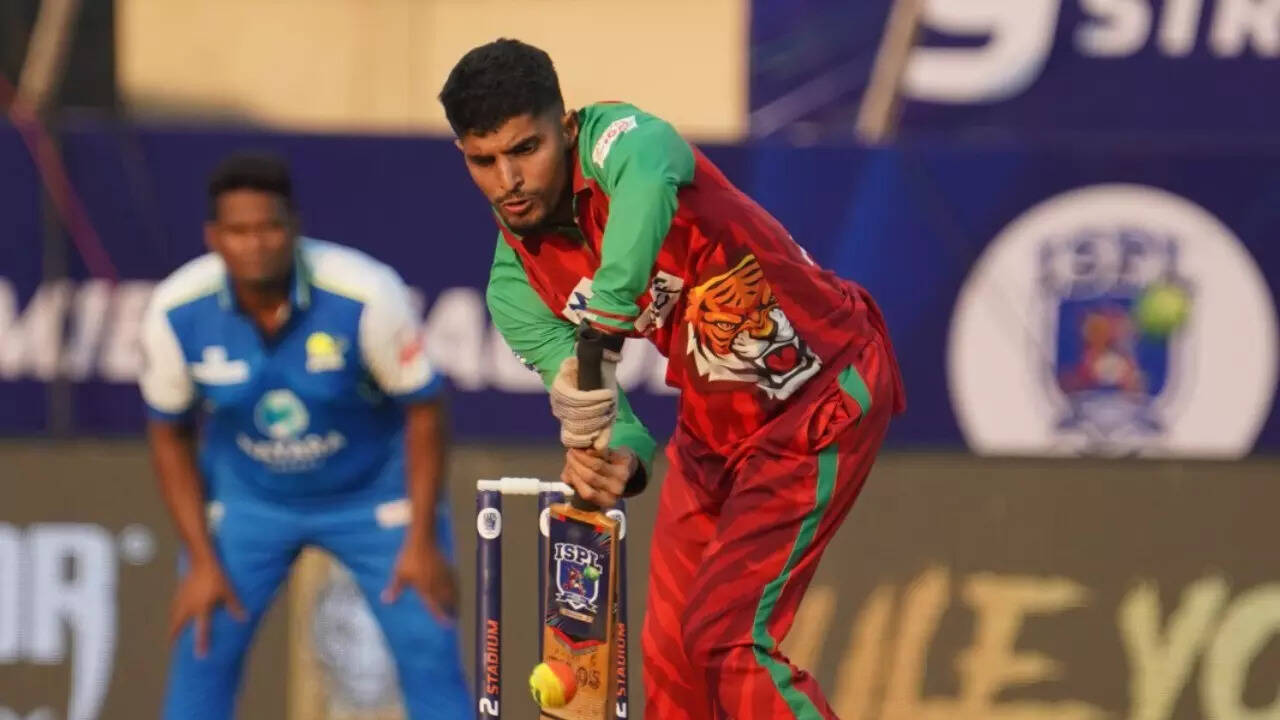
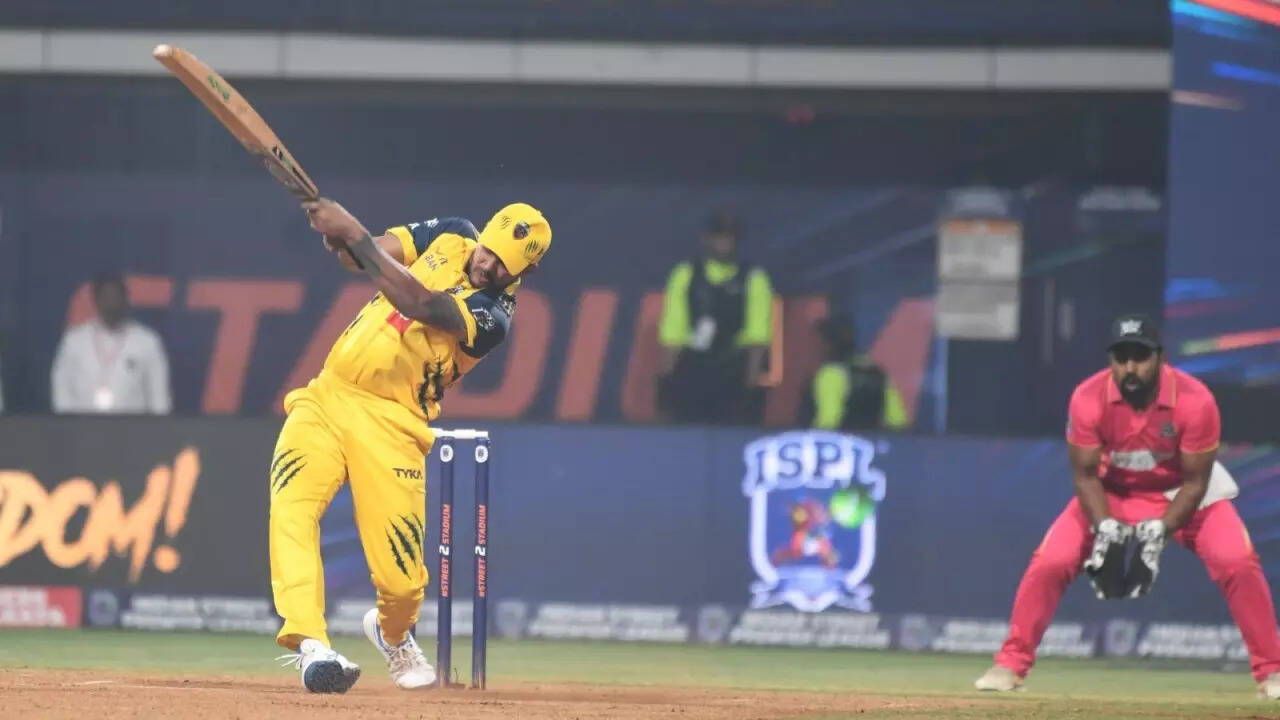
The Indian Street Premier League (ISPL), India’s trailblazing tennis-ball T10 cricket tournament, is set to illuminate Surat for Season 3 from January 9 to February 6, 2026, at the Lalbhai Contractor Stadium.Known as one of the nation’s most exciting tennis-ball leagues, ISPL continues to elevate the game with elite talent, electrifying batting displays, and nail-biting finishes.

Suraj Samat on ISPL 3: 101 Indian cities, bollywood star power and a Porsche for the MVP!

Eight high-octane franchises will clash for supremacy when the season begins: Majhi Mumbai, Chennai Singams, Tiigers of Kolkata, Falcon Risers Hyderabad, Bengaluru Strikers, Srinagar Ke Veer, Ahmedabad Lions, and Delhi Superheroes.With a stellar mix of proven match-winners and emerging stars, spectators can expect towering sixes, high-pressure chases, and memorable individual performances. As anticipation builds for the season opener, here are the top five batters to watch in ISPL Season 3 — players capable of turning games on their head and defining the tournament with the bat.Vijay Pawle – Majhi Mumbai

ISPL star Vijay Pawle 1

Vijay Pawle captained Majhi Mumbai to the ISPL Season 2 championship, displaying leadership, skill, and composure under pressure.

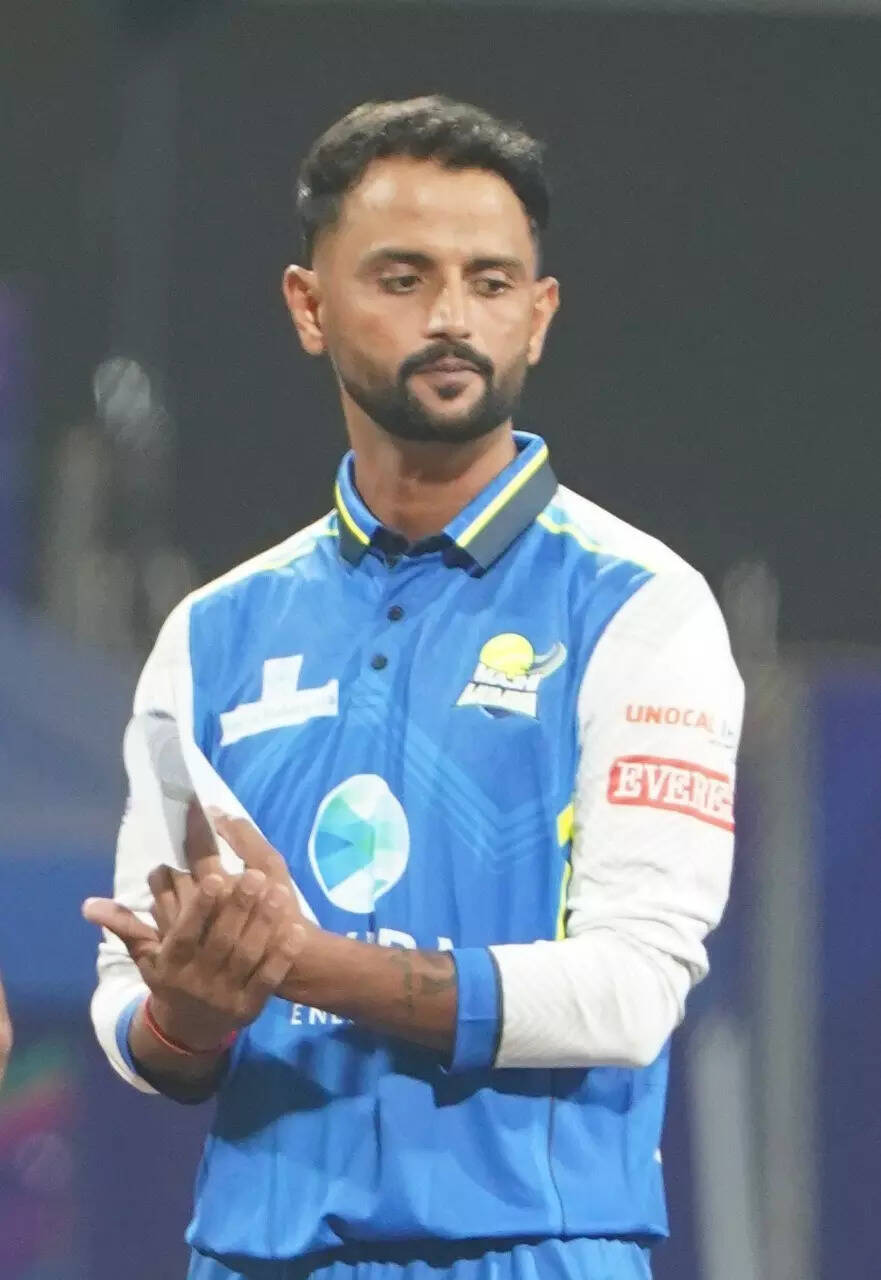
Vijay Pawle has built a reputation as a clutch performer, and his ISPL exploits have made him one of the league’s most valuable players. The West Zone star returned to Majhi Mumbai for Season 3 with the highest-ever ISPL bid, Rs 32.50 lakh, via the Right to Match (RTM) card.Known as the “Speed Master” of Indian tennis-ball cricket, Pawle combines explosive batting with sharp game awareness. His all-round value adds depth to his game, and he captained Majhi Mumbai to the Season 2 title. A previous Best Fielder Award in Season 1 underscores his athleticism. As Majhi Mumbai aim to defend their crown, Pawle’s influence with the bat will again be pivotal.Ketan Mhatre – Chennai Singams

Ketan Mhatre ISPL

File photo of Ketan Mhatre. (ISPL)

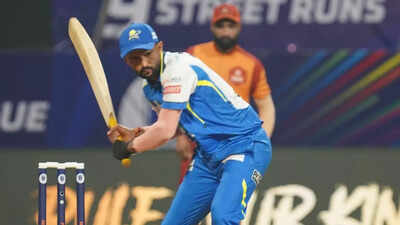
Among the most destructive opening batters in ISPL tennis-ball cricket, Ketan Mhatre remains a name that commands attention. From Waklan village in Thane district, Mhatre was retained by Chennai Singams for Rs 26.40 lakh via RTM, the second-highest bid of Season 3. A fearless top-order attacker, he has built a reputation for aggressive stroke play and explosive power-hitting. Across 16 matches in Seasons 1 and 2, he totaled 384 runs at a striking rate of 180.75. As Chennai Singams prepare for another campaign, all eyes will be on Mhatre to provide explosive starts from ball one.Saif Ali – Tiigers of Kolkata

Saif Ali ISPL IG

Saif Ali won the Player of the Tournament in the second season of the ISPL. (Instagram)

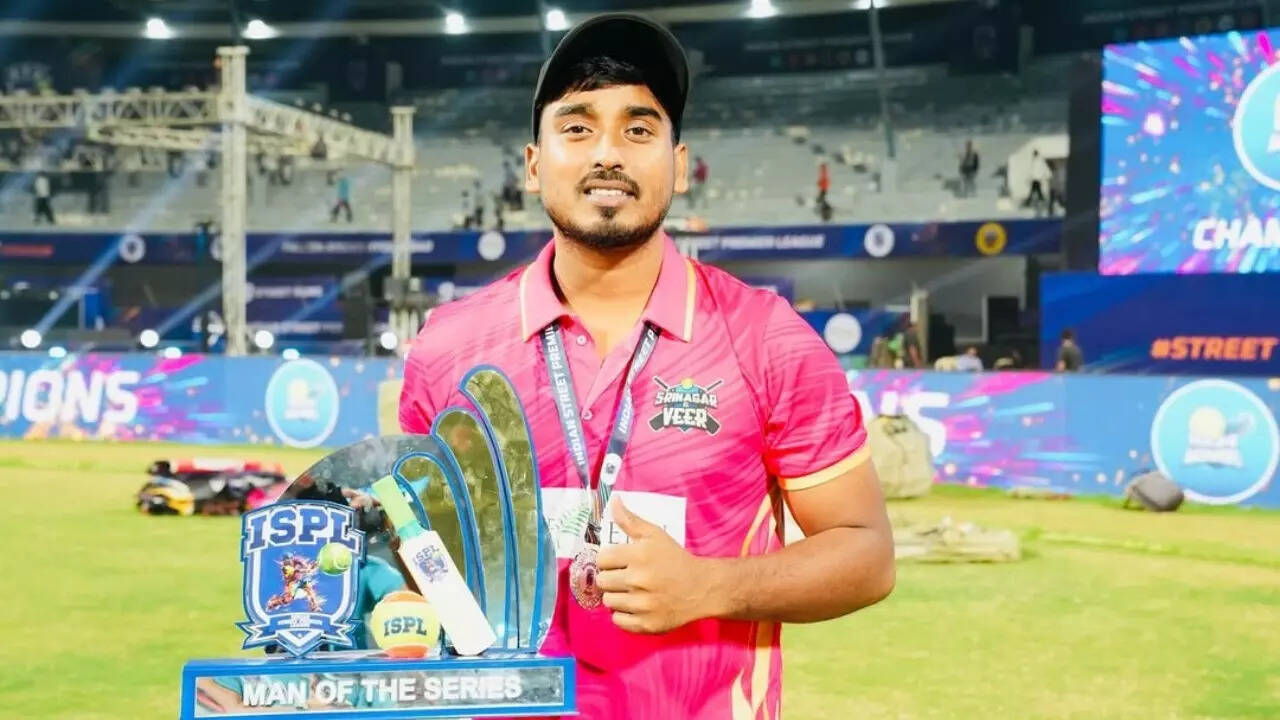
Earlier known as Sagar Ali, Saif Ali has emerged as one of the most consistent and dependable batters in the ISPL. A left-hander from Kashiara village in West Bengal, Saif was picked up by Tiigers of Kolkata for Rs 23.65 lakh, making him one of the season’s top bids. In Season 2, he became the first ISPL player to score back-to-back fifties, highlighting his composure under pressure. Across 19 matches over two ISPL seasons, Saif has 595 runs with four half-centuries, cementing his status as a reliable run-scorer. He has also represented West Bengal at the youth level.Fardeen Kazi – Bengaluru Strikers

Fardeen Kazi ISPL

File photo of the Fardeen Kazi. (ISPL)

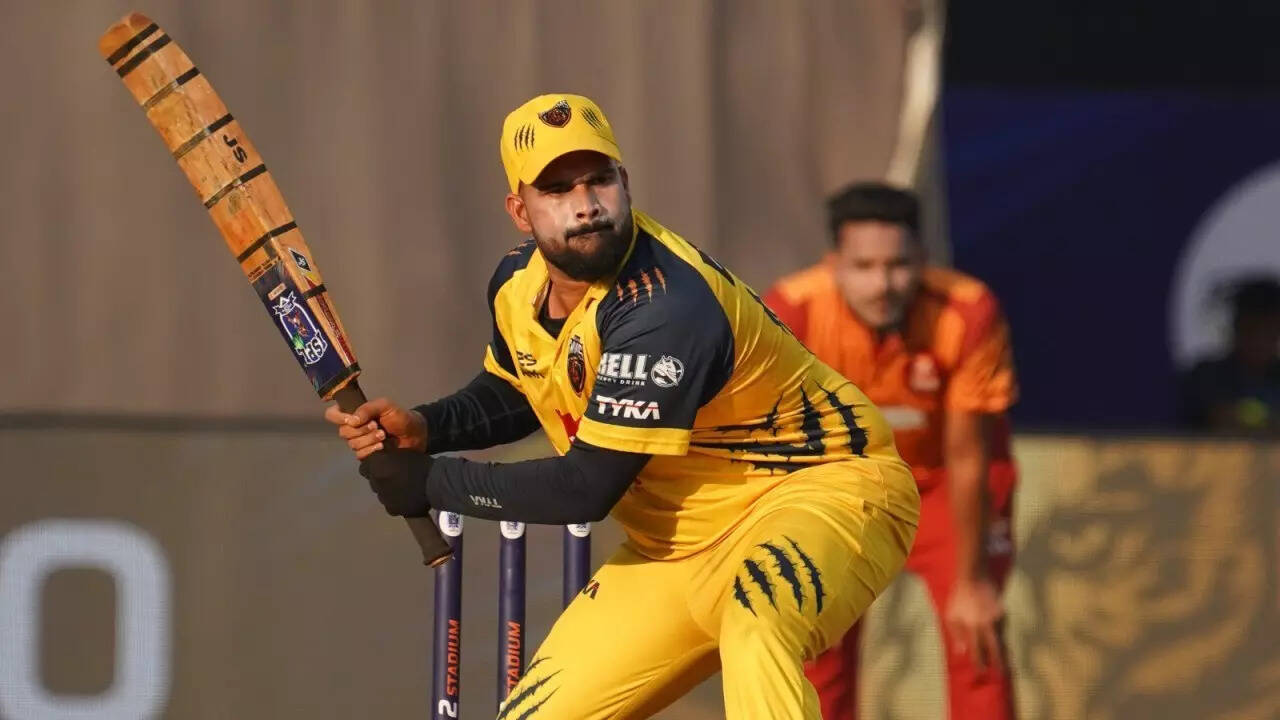
Fardeen Kazi’s defining moment came in Season 2 with a dramatic last-ball chase against Chennai Singams, a performance that announced him as a premier finisher. Needing 22 runs off the final over, Kazi led a calculated assault, culminating in a match-winning six off the last ball, one of ISPL’s most memorable victories. Among the top-priced batsmen in Season 2, Kazi continued to command premium value in Season 3, joining Bengaluru Strikers for Rs 22.30 lakh. Now with Bengaluru, Kazi is expected to be a go-to player in high-pressure moments.Jagannath Sarkar – Chennai Singams

Jagannath Sarkar ISPL

File image of Jagannath Sarkar. (ISPL)

Jagannath Sarkar has quietly become one of the ISPL’s most reliable and entertaining openers. Retained by Chennai Singams for Rs 20.02 lakh, the Tarakeswar-born batsman from West Bengal enters Season 3 with stronger form. In Season 2 (2025), he enjoyed a breakthrough campaign, scoring 226 runs in 10 matches to finish as the fourth-highest run-scorer. He combines aggression with control, posting a strike rate of 162.59 and hitting 16 sixes in Season 2. His performance peaked in a high-stakes clash against Majhi Mumbai, where he scored an unbeaten 50 to steer Chennai Singams to a crucial win.


Source link

‘There is no Christmas for me’: National champion at 31, skeet shooter Gurjoat says journey has just begun | Exclusive | More sports News


'There is no Christmas for me': National champion at 31, skeet shooter Gurjoat says journey has just begun | Exclusive
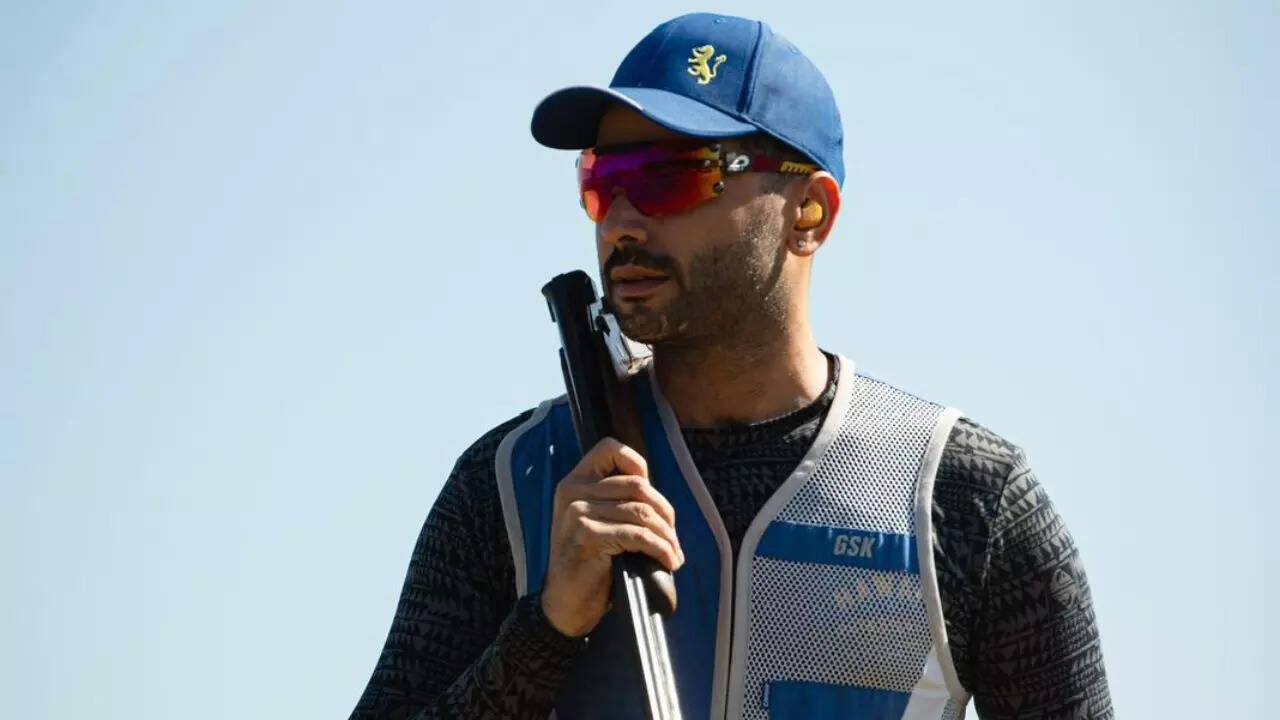
Gurjoat Siingh Khangura (Special arrangements)

NEW DELHI: “Gurjoat ka matlab hai Guru ki Jyot, the light of God,” said Gurjoat Siingh Khangura, his voice still carrying the absolute warmth and undeniable pride of a newly crowned national champion.As he finished explaining his name’s literal meaning, a short pause and a quiet laugh followed. After all, the light, for him, has just begun to glow brighter.

Esha Singh Exclusive Interview: Career in shooting, love for racing and much more

Less than a fortnight ago, the 31-year-old shooter stood atop the podium at the 68th National Shooting Shotgun Championship at New Delhi’s Dr Karni Singh Shooting Range. Hanging around his neck was a gold medal in the men’s skeet event.It was his first National title, a long-awaited one after years of competing against some of the country’s finest shotgun shooters.Yet, if one expected celebrations or time off, Gurjoat is quick to dismiss the idea. Call him on Christmas afternoon, and the reply is blunt: “It’s not Christmas. There is no Christmas for me. I was literally out of the shooting range when you called me.”For Gurjoat, the range remains home, even during the festive season.Why the Nationals mattered so muchIn Indian shooting, Nationals are more than just another competition. “Nationals are very important for me because this is the first competition. Basically, it happens at the end of the year, and the national score is counted as the base score for the next year,” he told TimesofIndia.com from Patiala during an exclusive conversation.“For the team to be selected, whoever will represent India internationally in World Cups, Asian Games and everything, Nationals are the most important competition of the year.”

Gurjoat Siingh Khangura (Special arrangements)

Gurjoat Siingh Khangura (Special arrangements)

As it goes in the shooting circuit, winning gold here does not just bring recognition. It sets the tone for selection trials, international opportunities and confidence heading into the new cycle.That context makes Gurjoat’s triumph even more significant. The field included Olympians, world record holders and seasoned international shooters.“Most of the players I played with are nine-time national champions, two-time Olympians, World Cup medallists,” he added. “So defeating them and winning the Nationals is basically like winning any tournament against international players.”A year of resurrectionIronically, the national title came at the end of a year that tested Gurjoat in every possible way. The 2025 season followed the Olympic cycle, and for Gurjoat, it was a year of experimentation. “It was a non-Olympic year, so it was the best time to try and test everything,” he explained.Early in the year, he represented India at World Cups in Argentina and Peru, where results did not go according to plan.“I had trained very well, but things didn’t work out. I fell very sick and had a back injury in Peru. I could barely get up, but I still shot the World Cup,” he recalled. Instead of frustration, he decided to reflect. “I sat and analysed everything that needed to change. It was actually a very positive year for me.”“I made a lot of technical changes this year. I bought a brand new gun, changed my stock setting and personalisation. I shot the Nationals with a brand new gun and stock, which was not even a month old.”The gold at Nationals, he feels, confirmed that those changes were worth the risk.“It ended on a very positive note. Whatever changes I needed to do, I worked on them, and now I know exactly how I will go about next year,” he stated.Age is just a numberAt 31, Gurjoat is often asked about age and pressure. He is quick to dismiss those concerns.“The pressure comes only in normal life. It doesn’t come in shooting,” he said with a smile. “If you keep yourself physically and mentally fit, you actually become more mature with time.”He points to veterans like Zoravar Singh Sandhu, who represented India at the Olympics last year at the age of 47, as examples of longevity in shotgun shooting.“Age doesn’t matter for shotgunners. That’s not true for shooting in general, actually,” he elaborated.‘My journey has just begun’Despite achieving what many chase for years, Gurjoat refuses to see the national title as a destination.“If I were to summarise my journey, I would say it has just begun. This gold was a big push and motivation for me,” he added. “For me, my journey has literally just begun. I have a lot more to go.“Next year, my aim is to get the quota, go for the Asian Games and try to win medals at the World Cups I attend.”Indian skeet on the riseIndian skeet shooting has historically lagged behind rifle and pistol events, but Gurjoat believes the tide is turning.“We didn’t have a strong base earlier. There were not enough international medals to motivate people,” he explained.“But that historical approach is changing. Last year, there were three Olympic representations and all were from skeet. That is a very big change.”According to him, confidence within the Indian contingent is steadily growing.ALSO READ: World champion at 7 in her first international event; ‘nervous’ while meeting PM Modi: How Pragnika Lakshmi became a chess prodigyBreaking the cost mythSkeet shooting is often labelled an expensive sport, but Gurjoat, who picked up the gun at the tender age of nine in the presence of his father, Col Manvinder Singh, wants aspiring shooters to know that entry barriers are not as high as perceived.“In many places, especially in Delhi, guns are provided on rent by clubs, private ranges and district associations,” he explained. “Rent is very nominal, from Rs 500 to 1,000. Anyone who wants to start can do so by affiliating with a local club.”

Gurjoat Siingh Khangura (Special arrangements)

Gurjoat Siingh Khangura (Special arrangements)

He credits government initiatives like Khelo India and the National Centres of Excellence for supporting athletes who perform consistently.“The government is doing a fantastic job once you reach a certain level,” he further stated.Life behind the medalThe discipline behind Gurjoat’s success is relentless. His day starts early, followed by stretching and dry training before heading to the range.“I shoot around 250 to 300 cartridges daily on average. Sometimes it goes up to 500 or 600, but I don’t shoot less than 200,” he added.Training is split into two sessions, adding up to five to six hours on range days, four to five times a week.Gym sessions, physiotherapy and early nights complete the routine.As the conversation wound down, the subject of Christmas returned. Gurjoat chuckled. “There is no Christmas for me.”For the newly crowned national champion, the celebration lies in hitting the target at the range. And if his words are anything to go by, this is only the beginning.


Source link

CEO of Cursor, the company behind one of the world’s most-popular coding agents, warns businesses: Things will eventually start to crumble if you…


The CEO of AI coding startup Cursor is sounding the alarm about relying too heavily on AI for software development, dubbing it ‘vibe coding.’ He emphasizes that while AI is a powerful assistant, developers absolutely need to grasp the code’s intricacies. Ignoring this can lead to shaky foundations for sophisticated applications, despite AI’s growing presence in coding.

The CEO of one of Silicon Valley’s hottest AI coding startups is issuing a stark warning: developers who blindly trust AI to write their software are building on shaky ground. Michael Truell, the 25-year-old CEO of Cursor—a $29.3 billion AI coding assistant used by over one million developers daily—told Fortune’s Brainstorm AI conference that “vibe coding” may work for quick prototypes but creates unstable foundations for serious applications. “If you close your eyes and don’t look at the code and have AIs build things with shaky foundations, as you add another floor, and another floor, things start to kind of crumble,” Truell explained. He compares the hands-off approach to constructing a house without understanding the electrical wiring or plumbing. He adds that it might look fine initially, but structural problems inevitably emerge as complexity grows.Truell’s concerns come as AI is transforming software development across the industry. Google CEO Sundar Pichai revealed AI now writes over 30% of new code at Google, up from 25% just months earlier, while Anthropic CEO Dario Amodei claimed Claude generates 90% of his company’s code. But Truell drew a clear line between AI-assisted coding—where developers remain engaged and understand what’s being built—and vibe coding, where programmers essentially outsource everything to AI without reviewing or comprehending the output.

Big Tech’s $70 Billion AI Move: Silicon Valley Bets On India, Snubs Trump’s ‘America First’ Diktat

Even AI coding pioneers admit the approach has serious limitations

Truell isn’t alone in his skepticism. Boris Cherny, who created Anthropic’s Claude Code, acknowledged vibe coding works well for “throwaway code and prototypes” but fails when developers need “maintainable code” where they must be “thoughtful about every line.” Andrej Karpathy, the former Tesla AI director who actually coined the term “vibe coding” earlier this year, recently admitted the method proved useless for his Nanochat project, which he wrote entirely by hand because AI agents “just didn’t work well enough.The reality on the ground supports these concerns. Research from METR found AI coding assistants actually decreased experienced developers’ productivity by 19%—despite participants expecting a significant boost. Consultancy Bain & Company separately reported that programming delivered “unremarkable” cost savings despite being among the first fields to embrace generative AI.

Cursor‘s rapid growth reflects hunger for AI tools despite productivity questions

Truell positioned Cursor as striking the right balance—embedding AI into developers’ working environments to predict code and handle routine tasks while keeping programmers actively involved in understanding what’s generated. “In the places where you want to take a step back and ask the AI to do something end-to-end, you can do that too,” he said, emphasizing developers still need visibility into the code being created.The market has responded enthusiastically. Founded by four MIT graduates in 2022, Cursor secured $8 million from OpenAI’s Startup Fund in 2023 before recently closing a massive $2.3 billion funding round. The company now employs 300 people and generates $1 billion in annualized revenue. But Truell’s message remains cautionary: AI coding offers tremendous power, yet treating it as a black box that magically produces working software is a recipe for disaster as applications scale and evolve.


Source link

Bollywood actress makes startling claim about past messages from India’s T20I captain Suryakumar Yadav


A fresh controversy has emerged at the intersection of Bollywood and Indian cricket after actress and reality TV personality Khushi Mukherjee made startling claims involving India’s T20I captain Suryakumar Yadav. Speaking to the media on Tuesday, December 30, 2025, Mukherjee alleged that the star cricketer used to message her frequently in the past—remarks that have since triggered widespread discussion across social media and news platforms.

Khushi Mukherjee makes astonishing claim about Suryakumar Yadav

Mukherjee’s comments came during a media interaction at a clinic inauguration event, where she was questioned about her personal life and the recurring speculation around celebrity–sportsperson relationships. What began as a routine query quickly turned into a headline-grabbing moment when the actress addressed rumours of link-ups with professional athletes.

Responding candidly, Mukherjee asserted that she has no interest in dating cricketers and distanced herself from any perceived associations.

“I don’t want to date any cricketer. There are so many cricketers after me,” she told reporters, setting the tone for what followed.

The most striking part of Mukherjee’s response was her direct reference to the Indian batter.

“Suryakumar Yadav used to message me a lot. Now we don’t talk much, and I don’t even want to get associated,” said Khushi, making it clear that any communication, according to her, belongs to the past.

Mukherjee further stressed that there is currently no contact between the two and that she is keen to avoid being drawn into speculation or link-up narratives.

“I don’t like any link-ups with me, so there really isn’t any,” she added, underlining her desire to keep her personal life away from public conjecture.

Also READ: Former Indian cricketer picks best ODI XI of 2025, no place for Daryl Mitchell

No response from cricketer’s camp

As of now, there has been no official response or clarification from Suryakumar or his representatives regarding the actress’s claims. The Indian cricketer, who has been one of the most prominent faces in white-ball cricket and a key leader in India’s T20 setup, is known for keeping his personal life largely private.

In the absence of a response, the comments remain unverified claims made during a public interaction, though they have already sparked intense debate online. Fans and commentators have been divided, with some urging restraint and others calling for clarity from the concerned parties.

Also READ: Ravichandran Ashwin picks 2 standout players for India in 2025


Source link

Huge blow! Rapid weight loss delays Shreyas Iyer’s return to competitive cricket | Cricket News


Huge blow! Rapid weight loss delays Shreyas Iyer's return to competitive cricket
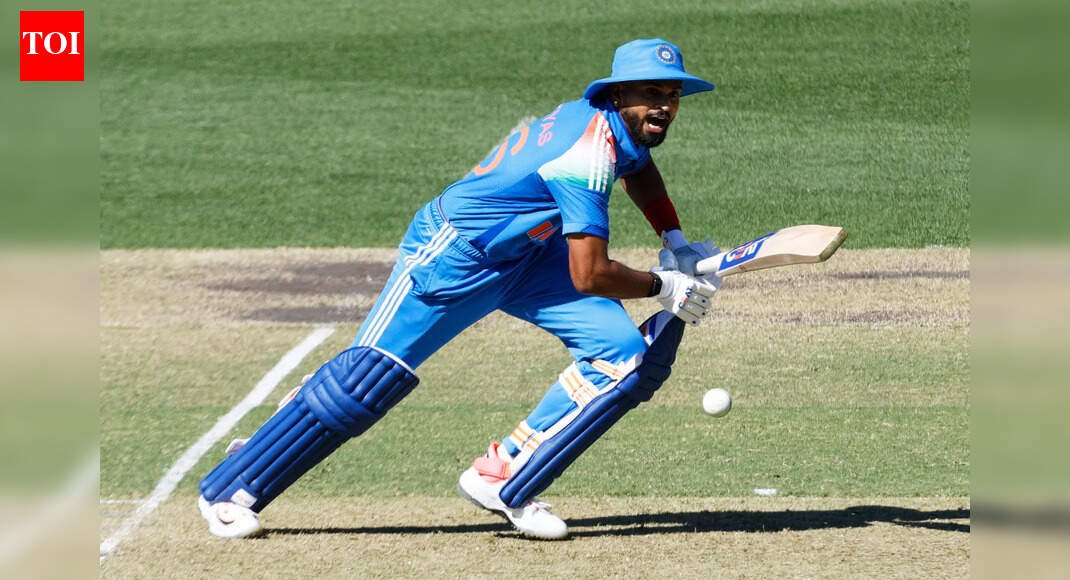
India’s Shreyas Iyer bats during the one day international cricket match between Australia and India in Adelaide, Australia, Thursday, Oct. 23, 2025. (AP Photo/James Elsby)

In a major setback for India, ODI vice-captain Shreyas Iyer’s return to competitive cricket has been delayed after the batter failed to receive the required clearance from the BCCI Centre of Excellence (CoE). As per the original plan, Iyer was expected to check out of the facility on December 30 but will now be spending at least a week more to get the Return to Play (RTP). While he continues to bat without any discomfort, the rapid weight loss due to the abdominal injury has pushed his strength below the optimum levels and a lot of attention will be paid on that in the coming week.Iyer has lost around 6 kgs due to the injury and while he has regained some of it, the drop in muscle mass has pushed his strength below optimum levels.“There is no problem with his batting but he lost around six kgs after the injury in Australia. While he has regained some weight, there has been a drop in muscle mass which has further affected his optimum strength levels. The medical team will not be taking any chances because he is a very important player in the ODI set up and his complete recovery is of utmost importance right now. The selectors and management will be conveyed about his present situation before they meet to pick team for New Zealand ODIs,” a BCCI official tells TimesofIndia.com.Go Beyond The Boundary with our YouTube channel. SUBSCRIBE NOW!As TimesofIndia.com had earlier reported, the right-hander was set to feature in the games on January 3 and 6 before the start of three-match ODI series in Vadodara on January 11 but there will be a late alteration as the right-hander is now expected to get the necessary clearances only by January 9 – two days before the New Zealand series starts and three days before knockouts of the Vijay Hazare Trophy. “There were a lot of positive developments as he batted in Mumbai, went to CoE and was pushing himself to feature in the New Zealand ODIs. There were indications of him playing the Vijay Hazare Trophy matches on January 3 and 6 too but we have now been told that he needs more time and will only be available from the knockout stages of the tournament,” a MCA official tracking developments tells TimesofIndia.com.

Poll

What is the biggest concern regarding Shreyas Iyer’s recovery?

Iyer had already resumed training and regular gym work, and even had a hit in the nets a day before heading to the CoE on December 25. He spent six days undergoing numerous fielding, batting and fitness drills at the facility, and will continue to be there for more fitness work.The Vijay Hazare Trophy knockouts are scheduled from January 12 – a day after India play the first ODI vs New Zealand – and Iyer is now unlikely to make the cut for the last ODI bilateral before focus shifts to the T20 World Cup in India and Sri Lanka in the months of February and March.


Source link

Why Saudi Arabia and the UAE import sand from Australia despite their endless deserts | World News


Why Saudi Arabia and the UAE import sand from Australia despite their endless deserts
Gulf countries like Saudi Arabia and the UAE import Australian sand because desert grains are too smooth for high-strength concrete/ Image: MyBayut

Sending coals to Newcastle is a phrase from the early 16th century, describing the pointless act of bringing coal to a city that already had plenty. As ironic as it may seem, similar paradoxes play out in the real world, sometimes on a massive scale. Gulf countries like Saudi Arabia and the UAE, for instance, are importing sand from countries such as Australia, China, and Belgium, according to the OEC. While the idea of desert nations buying sand seems puzzling, the reason lies in the specifics of construction requirements. As these countries race ahead with multi-billion-dollar projects, Saudi Arabia with its Vision 2030 developments, and the UAE with its skyline-transforming towers, the demand for a specific type of sand that deserts cannot provide has led to a steady stream of imports.This lesser-known fact sheds light on a broader global issue: the growing scarcity of construction-grade sand and the paradoxes of resource dependency even in the most unlikely places.

Why desert sand won’t do

Desert landscapes like Saudi Arabia’s might be abundant in sand, but not all sand is created equal. The grains found in deserts are typically too round and smooth because they have been eroded by wind over thousands of years. This makes them poorly suited for concrete production, where angular and coarse grains are essential to form a strong, cohesive mix when combined with cement and water.Concrete itself has three basic components: cement, water, and aggregate, combined in slightly different proportions depending on the intended strength and use. Cement is the powdery substance that reacts with water to form a ‘glue’, binding the mixture together. Because it is made from limestone and processed at incredibly high temperatures, cement production is highly energy-intensive and releases millions of tonnes of CO₂ each year. Some estimates suggest that the global cement industry alone may be responsible for up to 8% of the world’s CO₂ emissions, highlighting its environmental footprint.Aggregate provides concrete with its bulk. Depending on the mix, it can account for between 60 and 80% of the volume of concrete and 70-85% of its weight. Yet the term ‘aggregate’ masks the true origins of this essential material: it is made from a combination of coarse gravel and fine sediment, including sand, which can make up to 45% of the aggregate by volume. Crucially, not just any sand will do—its texture and shape are decisive factors in the strength and durability of the final concrete.The type of sand required for skyscrapers, infrastructure, and urban development usually comes from riverbeds, lakes, and seabeds, environments that produce more angular grains capable of binding effectively. Most natural sand is created through the slow, continuous process of weathering across various landscapes. A glance at satellite images shows just how abundant desert sand appears to be. Yet, despite its abundance, wind-tumbled desert grains are far too smooth and small to provide the necessary structural grip. The construction sector, therefore, relies on sand from quarries and riverbeds, where water-shaped grains are naturally angular, rough, and perfectly suited for cement to adhere.As investigative journalist Vince Beiser notes in The World in a Grain, trying to make concrete with desert sand is like “trying to build something out of a stack of marbles instead of a stack of little bricks.” The nuances of sand composition may seem trivial, but they underpin the foundations of cities and economies. According to the United Nations Environment Programme (UNEP), the world consumes around 50 billion tonnes of sand every year, making it the most extracted solid material globally—yet only a fraction is suitable for construction purposes.

Australia’s role in supplying sand

Australia has emerged as one of the key exporters of high-quality silica and construction sand. As per the OEC world, in 2023, Australia exported $273M of Sand, making it the 2nd largest exporter of Sand (out of 183) in the world with Saudi Arabia among the importers. In 2023, Saudi Arabia imported about US $140,000 worth of natural construction-grade sand from Australia.Saudi Arabia’s purchase of Australian sand, highlights the Kingdom’s reliance on these imports to meet construction standards for mega infrastructure projects. The conversation resurfaced on social media in 2024, the trend continues in the wake of Saudi Arabia’s ambitious urban development plans, including NEOM, The Red Sea Project, and Qiddiya.These projects require not just vast amounts of concrete but also the highest standards in material quality, a demand that desert sand simply cannot fulfil.

The broader Gulf context

Saudi Arabia isn’t alone in this phenomenon. Other Gulf countries, including the UAE and Qatar, face the same paradox: vast deserts, yet a reliance on imported sand for high-quality construction. The UAE, particularly Dubai and Abu Dhabi, has sourced construction-grade sand from overseas to support its rapid skyline expansion, a necessity dictated by the technical demands of modern engineering.Consider the Burj Khalifa, the tallest building in the world at 828 metres. Its construction required immense quantities of materials: 39,000 tonnes of steel, 103,000 square metres of glass, and 330 million litres of concrete, enough to fill 132 Olympic-sized swimming pools. Desert sand, despite its abundance, was entirely unsuitable. Its grains are too small, round, and smooth to provide the fractured surfaces necessary for high-compression concrete, leading builders to import sand from Australia for the project.Sand in the UAE serves multiple roles beyond skyscrapers. It forms the basis of glass production, shapes artificial islands such as The Palm Jumeirah, and replenishes popular tourist beaches through large-scale ‘beach nourishment’ projects. According to the UN, constructing the Palm Jumeirah alone consumed 186.5 million cubic metres of marine sand, effectively exhausting local reserves. A 2024 UNEP policy brief reinforces this reality, noting that the Middle East’s rapid urbanisation is driving global demand for construction sand. While regional countries are beginning to explore more sustainable solutions, the near-term dependence on imports remains entrenched.

Vision 2030 and the need for quality

Saudi Arabia’s Vision 2030, a blueprint to diversify the Kingdom’s economy beyond oil is driving massive infrastructure developments. The $500 billion NEOM city, the futuristic The Line urban concept, and other mega-projects require specialised building materials that meet international standards.Thus, importing industrial-grade sand isn’t just a matter of preference but a necessity. Without it, the construction of ultra-modern facilities, smart cities, and tourism hubs would face material shortages or quality compromises.

A global sand crisis

The dependence on imported sand is not just a Saudi issue; it reflects a growing global concern. The UNEP has flagged that the world is facing a “sand crisis,” warning that unregulated sand extraction is leading to environmental degradation in many parts of the world, including riverbed erosion, habitat destruction, and loss of biodiversity.In response, some countries are investing in alternatives like manufactured sand (M-sand), made by crushing rocks to create suitable construction material. Additionally, recycled construction waste is being repurposed to alleviate pressure on natural sand resources.Saudi Arabia, too, is exploring these options. While there’s no comprehensive national policy yet on reducing sand imports, experts suggest that innovation in materials science could eventually help the Kingdom lessen its reliance on foreign sand.


Source link

Salman Khan’s ‘Battle of Galwan’ in trouble? Chinese media flags movie; criticises it for ‘distorting facts’ | India News


Salman Khan's 'Battle of Galwan' in trouble? Chinese media flags movie; criticises it for 'distorting facts'

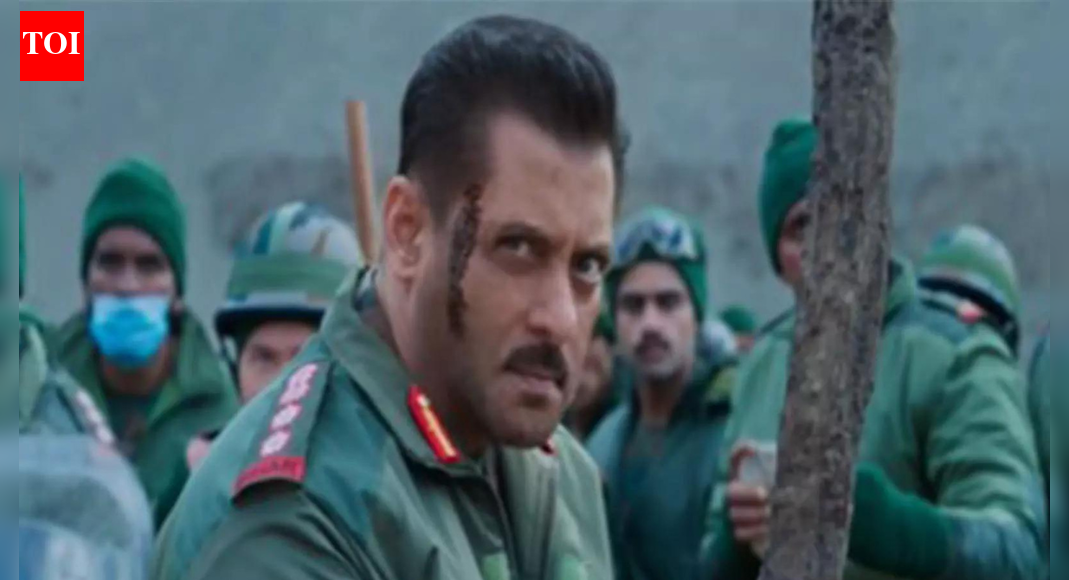
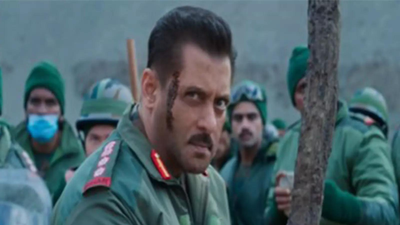
NEW DELHI: Chinese state backed Global Times has criticised Salman Khan‘s upcoming movie, ‘Battle of Galwan’, claiming that the film was “distorting facts”.“Bollywood films at most provide an entertainment-driven, emotionally charged portrayal, but no amount of cinematic exaggeration can rewrite the history or shake the PLA’s determination to defend China’s sovereign territory,” Global Times cited an expert saying.The movie is inspired by the 2020 clashes between Indian and Chinese forces in the Galwan Valley along the Line of Actual Control. The confrontation on June 16, 2020, claimed the lives of 20 Indian soldiers, while the Chinese side also suffered significant losses.

Salman first look from ‘Battle of Galwan’ goes viral as filming starts in Ladakh’s icy terrain

The film’s teaser was released to mark Salman Khan’s birthday, with the actor unveiling it on his Instagram handle. The preview features Salman in the role of an Indian Army officer, sporting a stern and controlled demeanour.Set against rugged landscapes and freezing conditions, the teaser includes close-quarter combat sequences, offering a snapshot of the harsh realities and challenges soldiers confront at high altitudes.In the aftermath of the clashes, India–China tensions escalated, prompting the army to deploy additional formations in and around the Galwan Valley along the Line of Actual Control in Ladakh. The forces also carried out several measures, including border surveys, to guard against any potential Chinese aggression.Since then, the two sides have gradually disengaged from multiple friction points along the border and established buffer zones in several areas.


Source link

When an ‘angry’ Elon Musk told Tesla managers: If someone can’t be happy, get divorced


Elon Musk’s companies – Tesla and SpaceX – struggled in 2008. The tech entrepreneur has talked about it at various public events, for example, in 2018, he told an audience at the South by South West (SXSW) conference that both companies almost went bankrupt in 2008. Now, an old footage from the year has been shared on social media, revealing the the high-tension discussion between the Tesla executives where a visibly stressed Musk issued an ultimatum to his team: save the company at all costs, or get out.The video showed Colette Niazmand, Tesla marketing executive, telling Musk that people found faults with the Tesla Roadster and the company realised that the car “had substandard parts”. Musk, who became angry by that point, said, “It’s not okay to be a part of this company. If somebody can’t get happy, get divorced.”

‘US Benefited Immensely From Indians’, Says Tesla CEO Elon Musk, Warns US Against Scrapping H-1B

The remark captured the height of the Tesla Roadster’s production crisis. At the time, Musk himself was undergoing a divorce from his first wife, Justine Musk. According to a 2018 report from BBC, Musk was borrowing money from friends just to pay his rent.

The ‘Pedal to the Metal’ crisis

The footage reveals Musk’s ‘frightening’ realisation as he surveyed an ‘army’ of rejected cars. “Holy Mackerel, Jesus,” Musk said after seeing a fleet of cars in what looked like a huge godown. “Yeah, like, we have like an army of cars here. Like, Jesus. This is frightening.” With only four deliverable vehicles for the sales team, the pressure was existential. Internal memos warned that if the Roadster couldn’t sustain the company by March 2009, Tesla would be “screwed.”“What’s going on here is the team has been doing a little bit of rework today. I got a message last week that if Roadster can’t sustain the company by March, then…That’s it. And that scares me,” one of the executives told Musk. “We need to get the company to cash flow positive in six to nine months. Well, we’re screwed. It’s really pedal to metal here. Each month it passes literally costs us tens of millions of dollars,” Musk replied to the crises situation.Niazmand then added insult to injury by revealing, “It wasn’t until Zach and Doreen family found the faults that we then realized that we had substandard parts on those cars, which quite frankly pissed me off.”Musk replied by saying, “I want names named. so if someone’s always on the hide seat and is always the root cause for problems, they will not be a part of this organisation for long term. It’s not okay to be a part of this company. If somebody can’t get happy, get divorced.”

Elon Musk talks about the ‘Skin of Their Teeth’ era

In 2018, Musk was facing a total wipeout and gave his companies very little chance to survive. While Tesla was burning through cash and had a backlog of defective cars, SpaceX had seen three consecutive rocket launch failures.“I gave both SpaceX and Tesla a probability of less than 10% likely to succeed. SpaceX is alive by the skin of its teeth, and so is Tesla—if things had just gone a little differently, both companies would be dead,” Musk later recalled.


Source link

Defining moment: India overtakes Japan to become world’s fourth largest economy; enjoys ‘Goldilocks’ phase with high growth, low inflation


Defining moment: India overtakes Japan to become world's fourth largest economy; enjoys ‘Goldilocks’ phase with high growth, low inflation
India has been the world’s fastest growing major economy for several years now. (AI image)

In a major feat, India has moved past Japan to become the world’s fourth-largest economy in nominal GDP terms, according to the government’s year-end economic review. The economy is set to overtake Germany to become the third largest after the US and China in the coming years. A final confirmation will depend on the data released by the International Monetary Fund (IMF) in the first half of 2026 when the final figures for 2025 will be released.“With GDP valued at $4.18 trillion, India has surpassed Japan to become the world’s fourth-largest economy and is poised to displace Germany from the third rank in the next 2.5 to 3 years with projected GDP of $7.3 trillion by 2030,” the government release said.

India Becomes Fourth Largest Economy

India has been the world’s fastest growing major economy for several years now. The size of its economy has doubled in the last ten years, and it is now eyeing the position of being the third largest in the world.A government economic note issued late Monday highlighted that India remains one of the fastest-expanding major economies globally and is well placed to maintain its growth pace. IMF forecasts for 2026 value India’s economy at $4.51 trillion, slightly above Japan’s projected $4.46 trillion. The government’s optimistic outlook comes even as the economy faces headwinds following the imposition of steep US tariffs in August linked to India’s purchases of Russian oil.

‘India Will Be 3rd Largest Economy’: PM Modi Sounds Warning To Trump, Says World is Betting on Delhi

Recent high-frequency data signals that economic momentum is holding firm. Inflation has stayed below the lower bound of the tolerance band, joblessness is easing, and exports are showing steady improvement, the government review noted.Financial conditions also remain supportive, marked by healthy credit expansion to businesses, while demand continues to be resilient, aided by a further pickup in urban consumption.India’s real GDP expanded by 8.2% in the second quarter of FY 2025-26, accelerating from 7.8% in the preceding quarter and 7.4% in the final quarter of FY 2024-25. This growth was driven by strong domestic demand, even as global trade and policy uncertainties persisted. Real gross value added rose 8.1%, underpinned by solid performance in the industrial and services sectors.The Reserve Bank of India raised its growth projection for FY 2025-26 to 7.3%, up from 6.8% earlier. The upward revision factors in sustained domestic demand, rationalisation of income tax and GST, softer crude prices, an early push in government capital spending, and accommodative monetary and financial conditions, all supported by contained inflation.“Ongoing reforms are likely to further enable growth prospects. Present macro-economic situation presents a rare “goldilocks period” of high growth and low inflation,” the review said.


Source link