After 125 bps cut, regulatory relaxations, all eyes on more growth push, rupee management from RBI in 2026


After 125 bps cut, regulatory relaxations, all eyes on more growth push, rupee management from RBI in 2026
Governor Malhotra is of the opinion that inflation will stay low or manageable, and the policy rates will be low for a prolonged period.

The Reserve Bank cut its key rates at four of the six monetary policy reviews of 2025 by a cumulative 1.25 per cent, courtesy inflation touching record lows, in what the newly appointed Governor Sanjay Malhotra called as a “rare Goldilocks period” for the economy.Malhotra cut the key rates right from his first policy announcement in February to support growth, and also slashed key rates by 0.50 per cent in June as it saw the space created by lower inflation.Completing a year in office, the career bureaucrat-turned-central banker termed it as a “rare goldilocks period” for India, with growth exceeding 8 per cent despite headwinds like the US tariffs and geopolitical changes, and inflation under 1 per cent.He also made it clear that growth will soften going ahead, and inflation will inch up closer to the RBI’s target of 4 per cent.Amid concerns on the nominal GDP growth remaining low, Malhotra said the Reserve Bank of India‘s (RBI’s) actions are dictated by the real GDP arrived at after subtracting the inflation levels.Actual inflation outcomes came much lower than the RBI’s projections on price rise, leading to some voices of concern on the central bank’s forecasting, and Poonam Gupta, an academic who got inducted during the year, said there are no systemic biases in the estimation.The RBI’s actions on rates, accompanied with explicit expectations of borrowing costs going down, came as a jolt for banks, which were impacted by narrowing in the net interest margins (NIMs) and a subsequent dent to core incomes. Tempering the impact were central bank’s moves on ensuring adequate liquidity in the system and more importantly, regulatory relaxations.At his maiden press outing in February after announcing a 0.25 per cent cut in rates, Malhotra underlined that while financial stability is important, the “cost of regulations” should also be taken on board and committed to lessen the impact of RBI’s moves.What followed through the year was a slew of relaxations. The crescendo was the October policy announcement with 22 regulatory measures, including some initiatives uncharacteristic of an otherwise conservative institution.Some, like allowing banks to fund India Inc’s global acquisitions or going back on the “forms of business” regulation draft under which the RBI had mulled preventing banks from having other entities engaged in same activities or tweaks on the infra finance front, led to the obvious questions on financial stability.However, Malhotra justified this and affirmed that financial stability is the foremost priority for the central bank and spoke of the need to ensure that regulations are not impeding economic growth and added that sufficient precautions have been built into the new relaxations.Interestingly, the announcement on acquisition finance came within weeks of SBI Chairman C S Setty publicly pitching for such a move.The RBI also climbed down on its previously mulled draft on project finance requiring banks to set aside up to 5 per cent provisions on loans. The move was flagged as a challenge by bankers, but the RBI brass had maintained that this was “conservative” given the previous experiences with lending to the segment.Apart from the regulatory relaxations, banks got a big breather in the form of almost no major supervisory action from the RBI this year, a departure from the central bank’s actions under Malhotra’s predecessor Shaktikanta Das, where even major lenders were slapped with cease-and-desist orders.Malhotra’s focus seems to be around customer centricity and quicker redressal of issues, which has shone in a slew of speeches and comments.From a regulatory perspective, the RBI executed a huge exercise of consolidating regulations into master directions and repealing irrelevant rules as well. The fate of Tata Sons vis-à-vis listing even after the passage of the September 2025 deadline to do so is key unanswered questions as the year ends.One of the biggest challenges for the RBI, which completed 90 years of existence in 2025, was the rupee breaching the 90 to a dollar mark. The central bank, which maintains that market interventions are guided by an aim to reduce volatilities and not defend a level, sold over $38 billion of forex in the first nine months of the year as the domestic currency depreciated against the greenback.Malhotra has pointed to the over $690 billion in forex reserves and a manageable current account deficit as one of the key strengths going forward, but given the sharp movements in the currency lately, experts opine that the rupee will continue to be a more challenging aspect for the central bank.Apart from the rupee, other measures to accelerate growth using both the monetary and other tools will be the key aspects to watch out for in 2026. Governor Malhotra is of the opinion that inflation will stay low or manageable, and the policy rates will be low for a prolonged period.


Source link

Over a year after Kurla BEST bus tragedy left 9 dead, driver’s licence revoked | Mumbai News


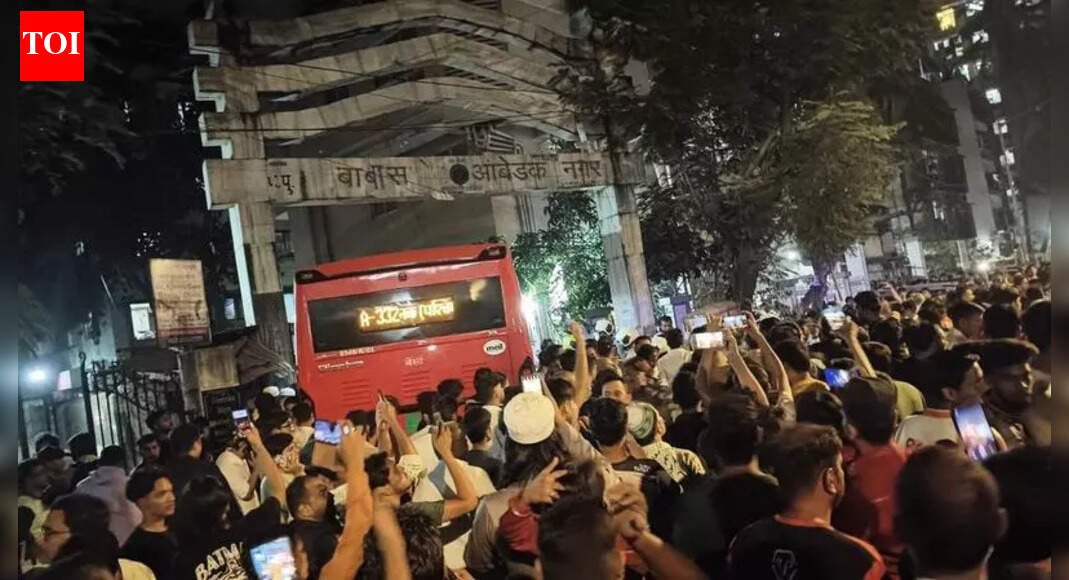
Mumbai: More than a year after the BEST bus accident claimed the lives of nine people and left 40 others injured in Kurla, the Maharashtra Motor Vehicles Department (MMVD) has finally revoked the permanent licence of the driver, who is currently in jail.Coincidentally, the department revoked the licence of the bus driver, Sanjay More, on Monday, the same day that another BEST bus of the same manufacturer mowed down 14 passengers in the Bhandup area of Mumbai. Four passengers were killed and 10 others injured in the accident, which occurred around 10 pm on Monday.“Incidentally, we revoked the licence of the driver (More) involved in the Kurla bus accident yesterday,” an MMVD official said on the condition of anonymity, adding that a notice was served on the driver at the Arthur Road Jail on Dec 12.The official said the department received the driver’s response last week, based on which the Wadala Regional Transport Office (RTO) revoked More’s driving licence, taking the “seriousness of the incident” into consideration. A copy of the revocation order was also physically handed over to him in jail.With the revocation, More’s transport-category driving licence, which he had held for about 25 years, now bars him from driving any vehicle.As per the RTO records, More’s transport-category licence, initially valid for light motor vehicles, such as tempos and taxis, was issued on July 5, 1990. A year later, on Aug 8, 1991, he upgraded to a heavy vehicle licence to drive trucks and buses.A 12-metre-long electric bus hired by the BEST undertaking on a wet-lease basis had ploughed into a crowd on the night of Dec 9, 2024, fatally knocking down nine people and injuring 40 others in the Kurla West area.However, even more than a year after the accident, action on his licence had not been taken by the department.A few days after the horrific accident on the busy road outside Kurla station, the Mumbai police wrote to the Wadala RTO, urging the authorities to revoke More’s licence considering the severity of the incident, in which multiple vehicles and pedestrians were struck by the speeding bus.On the basis of it, the MMVD initiated the process to revoke More’s driving licence as per the procedure laid down under Section 19 of the Motor Vehicles Act, 1988.According to officials, the Wadala RTO of the MMVD had sent three showcause notices to the bus driver, but these could not be delivered at his residential address. Another reason for the delay was that the driver had to be given an opportunity to present his side before his licence could be cancelled.The RTO had also received a written request from More’s son, stating that his father should be granted a hearing before any action was taken against his licence, in line with the procedure prescribed under the law.RTO officials said that as per the procedure, More was to be given a chance to present his side, in the interest of natural justice and hence the revocation of his driving licence was delayed. They decided to serve him physical notice in the jail and to which he replied.“He (More) had written that his licence should not be revoked as the charges against him are not proved yet,” another RTO official said.More was employed by a third-party agency that supplies drivers to EVEY Trans, a subsidiary of Olectra, the e-bus manufacturer. Prior to this, he had been driving minibuses for BEST’s wet-lease operators for about four years. He was assigned to drive the 12-metre e-bus from Dec 1, 2024, after joining the new company. PTI


Source link

Mumbai: Neighbour arrested for woman’s murder in Pant Nagar over 3 lakh loan dispute | Mumbai News


Mumbai: Pant Nagar police have cracked the murder of a 41-year-old woman who was found dead with her throat slit opened in mysterious circumstances last week at PWD Ground Road in Rising City, Ghatkopar East. The police have arrested her neighbour, who allegedly killed her over a financial dispute after she failed to repay a Rs3 lakh loan taken from the accused’s wife.Police arrested Mohammed Irfan alias Fakrealam Ansari (42) and are examining the role of his wife who had lent Rs 3 lakh to the deceased.On Dec 24, Aminabi Siddiqui, residing in the SRA building near Rising City in Ghatkopar, was found brutally murdered with her throat slit open at PWD Ground Road. The crime scene is just 100 metres from her home. Aminabi’s husband, Mohammed Anwar, drives an auto rickshaw for a living. The couple have 4 children: 2 boys and 2 daughters. According to her husband, Mohammed Anwar, his wife, as usual, went for a night walk just behind her house, and when she did not respond to his phone calls and did not return, her family began searching for her. They continued the search until morning. Around 10 am on Dec 25, she was found lying in a pool of blood at the PWD Ground Road. An offence of murder was registered against an unknown person at Pant Nagar Police Station,Police said the case initially posed a major challenge as there were no CCTV cameras in the area and no eyewitnesses. The woman was found with her mangalsutra, mobile phone and other belongings were intact, ruling out robbery as a motive. “During the technical analysis and circumstances we detained Ansari who initially refused but during sustained interrogations he admitted to killing her as she had failed to return his wife’s Rs 3 lakhs loan she had taken two years ago.”said Shailash Pasalwar, Assistant commissioner of police. Deputy commissioner of police (zone 7) Hemraj Rajput said that the police team carefully analysed the technical evidence, including call detail records and location data. This analysis led investigators to zero in on the woman’s husband. “Based on technical analysis and interrogation, it emerged that the accused confronted the woman during her walk and killed her in a fit of rage over the unpaid loan,” said Rajput.


Source link

Ahead of 2026 T20 World Cup, Sri Lanka appoint legendary Lasith Malinga as consultant fast bowling coach | Cricket News


Ahead of 2026 T20 World Cup, Sri Lanka appoint legendary Lasith Malinga as consultant fast bowling coach
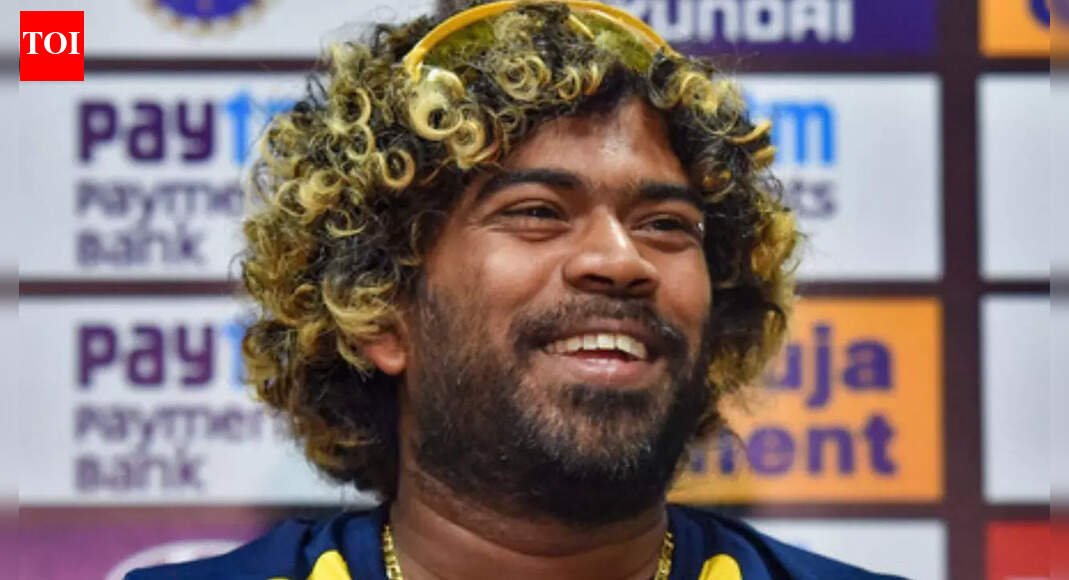
Lasith Malinga (PTI Photo)

Sri Lanka have brought back one of its biggest cricket heroes ahead of the ICC Men’s T20 World Cup 2026. Former fast bowler Lasith Malinga has been appointed as a consultant fast bowling coach for the national team.Sri Lanka Cricket confirmed the news in an official statement, with the board also conveying that Malinga’s role will be for a short period.

Why Gautam Gambhir needs to rethink the extra batting cushion in 2026

His appointment will run from December 15 to January 25, 2026. The timing of the appointment is important as it comes just before the T20 World Cup, which Sri Lanka will co-host.Malinga is one of the most famous bowlers Sri Lanka have ever produced. He led the team to their only T20 World Cup title in 2014, when Sri Lanka beat India in the final. Because of his vast experience, especially in T20 cricket, the team management believes he can guide the fast bowlers well. The ICC website also highlighted how valuable his knowledge will be for the team.The 42-year-old played 84 T20 internationals for Sri Lanka and took 107 wickets. He is best known for his deadly yorkers and calm bowling at the death. Even after retiring from all forms of cricket in 2021, Malinga has coached and mentored sides in T20 franchise leagues around the world.In 2022, he served as the bowling strategy coach. Now, with the World Cup around the corner, Sri Lanka hopes to make full use of his skills and experience.The T20 World Cup will begin on February 7, 2026. Sri Lanka have been placed in Group B along with Australia, Ireland, Zimbabwe, and Oman. The former champions will start their campaign against Ireland on February 8. The match will be played at the R Premadasa International Stadium in Colombo.


Source link

Luxury cars, cash, assets & more: ED raids reveal dark side of strongman Inderjeet Singh Yadav in Delhi and Gurgaon | Gurgaon News


GURGAON: The ED has conducted search operations at ten locations in Delhi, Gurgaon and Rohtak in connection with a money laundering case against Inderjit Singh Yadav, his accomplices, Apollo Green Energy Ltd, and other associated entities, an official said on Monday.According to an official statement released by the Gurugram Zonal Office of the Enforcement Directorate (ED), a money laundering probe has been initiated against Inderjit Singh Yadav over alleged extortion, coercive loan settlement of private financiers, armed intimidation and earning commission from such illegal activities.

Gurgaon Headlines Today — Key Stories You Shouldn’t Miss.

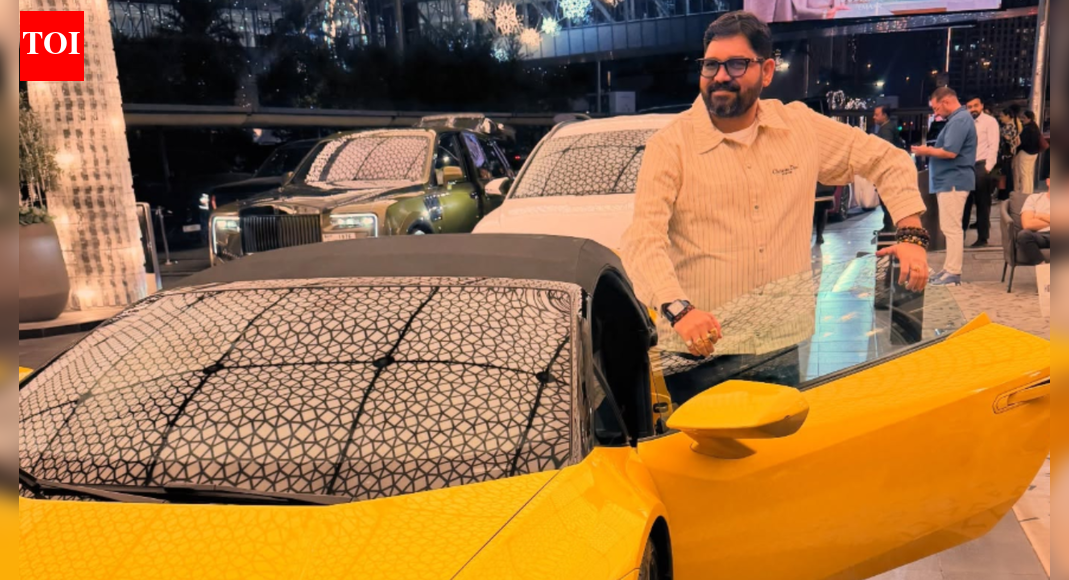
The ED initiated an investigation on the basis of more than 15 FIRs and chargesheets filed by Haryana and Uttar Pradesh police under various sections of Arms Act, Bharatiya Nyaya Sanhita, and the Indian Penal Code against Inderjit Singh Yadav and his associates.In the said FIRs, it has been alleged that Inderjeet Singh Yadav, owner and key controller of M/s Gem Records Entertainment Pvt Ltd (operating as ‘Gems Tunes’), is a known strongman involved in criminal activities like murder, extortion, coercive settlements of loans given by private financiers, fraud, cheating, illegal land grabbing, and violent offences.Yadav is wanted in various cases lodged by Haryana Police and is currently absconding and said to be operating from the UAE, the statement said.A senior ED officer said the central agency probe into the cases revealed that certain corporate houses like Apollo Green Energy Ltd and others allegedly borrow huge sums of money in cash from Dighal and Jhajjar-based private financiers and issue post-dated cheques as security.Investigation also revealed that Yadav acted as a strongman and enforcer, facilitating coercive settlement of these high-value private loan transactions and financial disputes running into hundreds of crores.These settlements were allegedly executed through threats, intimidation and use of armed associates of local gangs with the involvement of organised crime syndicates operating from abroad. Through these illegal settlements, he has allegedly earned several crores as commissions from these corporates.“The income so generated by Inderjit Singh Yadav from these fraudulent ways running into crores were allegedly used for acquisition of immovable properties, luxury cars and maintaining luxurious life while declaring minimum income tax returns.The search and seizure operation resulted in seizure of five luxury cars, bank lockers, cash amounting to Rs 17 lakhs, various incriminating documents, digital devices and digital data related to Inderjit Singh and his accomplices,” the official said.The search also uncovered that a website portal was developed and operated by Yadav for loan settlement between corporate houses and private financiers, he added.Further, during the search operation, it is revealed that various movable and immovable assets were acquired in the name of Inderjit Singh Yadav and has family members from the proceeds of crime, the statement said.


Source link

US stocks tick down as tech jitters linger


US stocks tick down as tech jitters linger

Wall Street’s major indexes retreated slightly on Tuesday, as worries over valuations of artificial intelligence stocks lingered in the final days of 2025.Shortly after trading began, the Dow Jones Industrial Average lost 0.2 percent to 48,380.60 while the broad-based S&P 500 Index edged 0.1 percent lower to 6,901.00.The tech-focused Nasdaq Composite Index also pulled back 0.1 percent to 23,442.33.“It’s perfectly normal for the market to pause, consolidate, go down a little bit, so on,” said Adam Sarhan of 50 Park Investments, adding that it is a healthy situation.“Right now, the market is consolidating a very strong rally from April’s low until October,” he added.Among individual companies, Boeing shares jumped 1.3 percent in early trading after the Pentagon announced that the company was awarded an $8.6 billion contract for F-15 jets for Israel.The contract comes as tensions remain high in the Middle East despite a fragile ceasefire that temporarily halted two years of war between Israel and Hamas in the Gaza Strip. But both sides have traded accusations of truce violations.On Tuesday, investors will also be eyeing meeting minutes from the Federal Reserve’s most recent policy gathering for further hints on when the US central bank might lower interest rates again.Major tech players saw declines early Tuesday as well, with shares in Nvidia and Palantir Technologies dipping.


Source link

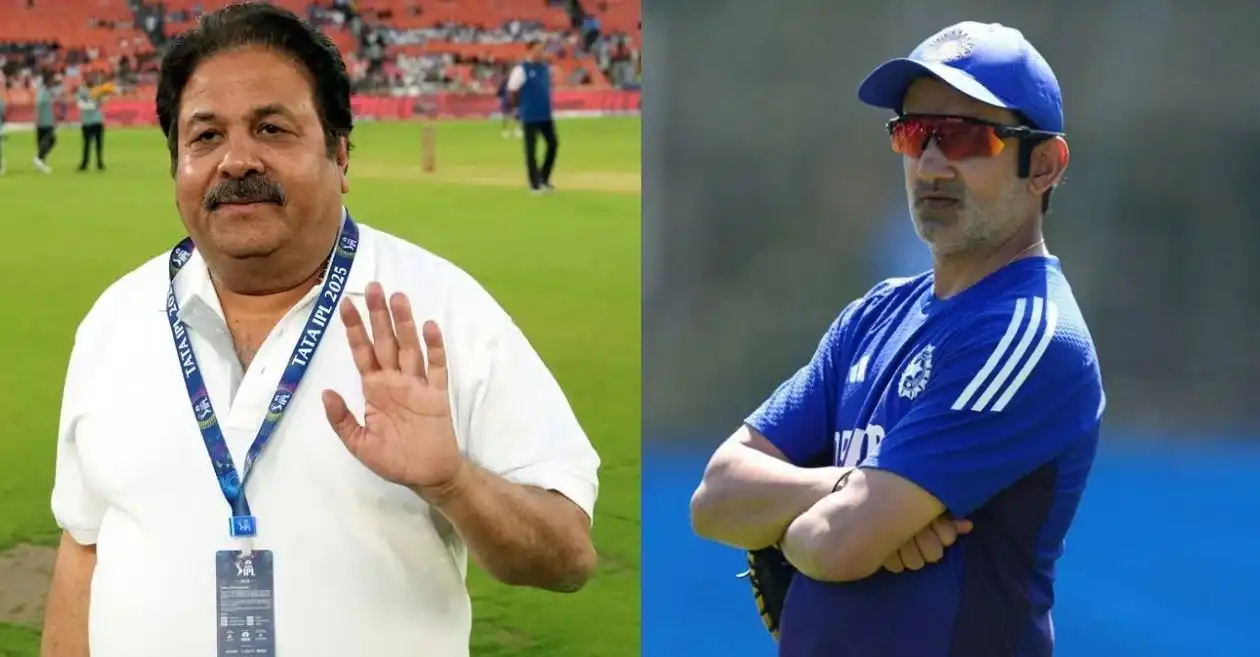
Rajeev Shukla reacts amid mounting speculation around Gautam Gambhir’s future as India head coach


The Board of Control for Cricket in India (BCCI) vice-president Rajeev Shukla has reacted to the reports suggesting that Gautam Gambhir’s position as India’s Test head coach is under threat. Following India’s shock home Test series whitewash against South Africa, speculation intensified in the cricketing circuit about a possible coaching overhaul, with former India batter VVS Laxman being touted as a potential replacement. The board, however, has now moved swiftly to shut down all such claims.

Rajeev Shukla opens up amid reports of Gautam Gambhir’s uncertain future

Rajeev publicly addressed the rumours and made it clear that the board has full faith in Gambhir’s leadership. Speaking to the media, Shukla categorically stated that there is no discussion or proposal within the BCCI to remove Gambhir from his role as India’s head coach.

“I want to make it very clear regarding the speculation circulating in the media about head coach Gautam Gambhir. The BCCI secretary (Devajit Saikia) has also made it very clear that there is no plan to remove Gambhir or bring in a new head coach for India,” Shukla said, as quoted by News18.

Gambhir’s tenure under the scanner

Gambhir took over as India’s head coach in July 2024, succeeding Rahul Dravid after the latter’s successful tenure. While Gambhir’s appointment was initially welcomed for his no-nonsense approach and tactical clarity, India’s red-ball performances have drawn criticism over the past year.

The recent defeat against South Africa marked India’s first home Test series loss to the Proteas since 2000. This setback came on the back of a 0-3 home series defeat to New Zealand last year, making it two consecutive home series losses in Tests. Compounding the disappointment, India also failed to qualify for the World Test Championship final for the first time since the tournament began, further fuelling doubts about the team’s direction in the longest format.

Despite the red-ball struggles, Gambhir’s overall coaching record presents a more balanced picture. Under his guidance, India have enjoyed significant success in white-ball cricket, winning the Champions Trophy and the Asia Cup in 2025.

Also READ: Kapil Dev shares his honest view on Gautam Gambhir’s coaching tenure ahead of the T20 World Cup 2026

Road Ahead for Team India

For now, the BCCI’s stance puts an end to uncertainty around Gambhir’s future and signals continuity in leadership. India’s immediate focus will shift back to limited-overs cricket, where they aim to defend their T20 World Cup title. In Test cricket, upcoming tours of Sri Lanka and New Zealand in 2026 will be crucial in rebuilding confidence, before attention turns to the marquee five-Test home Border-Gavaskar Trophy against Australia in 2027.

Also READ: Ravichandran Ashwin picks 2 standout players for India in 2025


Source link

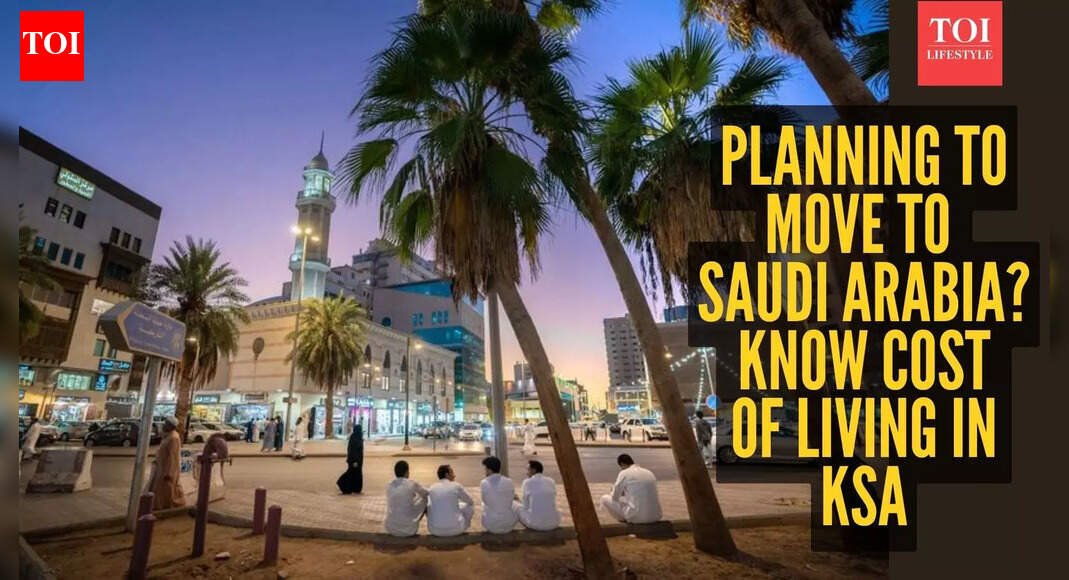
Saudi Arabia cost of living: Riyadh or Jeddah, which KSA city is easier on your wallet?


Saudi Arabia cost of living: Riyadh or Jeddah, which KSA city is easier on your wallet?
Is Saudi Arabia Still Affordable? New Data Reveals a Changing Cost-of-Living Story

As Saudi Arabia accelerates its economic transformation under Vision 2030, the everyday financial landscape for residents, both citizens and expatriates, is changing rapidly. From housing to groceries, consumer prices are evolving against a backdrop of modest inflation, residential property pressures and shifting wage dynamics, illustrating both opportunity and strain in one of the Gulf’s fastest-growing economies.

Inflation steady but cost pressures persist

According to the General Authority for Statistics (GASTAT), Saudi Arabia’s official statistics agency, the annual inflation rate stood at around 2.3% in mid-2025, a slight increase from earlier in the year. Housing costs and rents were the biggest drivers of this trend, offsetting lower prices in transportation and some consumer categories. A broad category in the Consumer Price Index (CPI) including housing, water, electricity, gas and fuel, rose significantly year-on-year, with rents up by roughly 7% and villa rentals climbing even more. Since housing represents a large share of household expenditure, these price increases carry outsized effects on everyday costs.

Housing: A major component of living costs

Rents across major cities like Riyadh and Jeddah continue to trend upward, reflecting strong demand for residential space amid rapid urban growth and infrastructure investment. In response, Saudi authorities moved to ease pressure on tenants when in late 2025, the Kingdom announced a five-year freeze on rent increases in Riyadh to temper rapid market escalation.

Saudi Arabia vs Your Salary: Why Expats Are Feeling the Pinch Despite Low Inflation

Saudi Arabia vs Your Salary: Why Expats Are Feeling the Pinch Despite Low Inflation

For many households, especially expatriates who typically pay rent directly, housing remains the single largest monthly burden. Depending on location and accommodation type, renting a one-bedroom apartment may range from around SAR 2,000 to SAR 8,000 per month ($540–$2,160), while larger units or compound housing can climb much higher.

Everyday expenses: What families and workers are paying

Beyond housing, everyday living costs vary widely depending on lifestyle and location. According to cost breakdowns widely used by expatriates and analysts, groceries for an individual might average SAR 747 per month (about $202), with basic food items like rice, eggs and milk remaining relatively affordable even as other prices tick up. Utilities and Internet are generally moderate relative to global averages, with monthly residential bills and communications costing hundreds rather than thousands of riyals. Public transport fares are low and fuel prices remain among the cheapest in the world, a notable contrast with many Western cities. Dining out and entertainment also contribute to daily living costs. Local restaurant meals can be inexpensive, while meals at higher-end restaurants reflect a broader range of urban lifestyle choices.

Wages vs costs: A growing disparity in Saudi Arabia

Though inflation remains modest, the cost of living is rising faster than many incomes, particularly for expatriates. A recent regional cost report notes that while headline inflation is around 2–2.3%, rental costs in key urban areas have grown at much higher rates, putting pressure on budgets even when overall CPI looks controlled.

What SAR 5,000 a Month Gets You in Saudi Arabia Today

What SAR 5,000 a Month Gets You in Saudi Arabia Today

Reports indicate that expat salary growth has stagnated, with typical annual raises far below the spikes seen in previous years and sometimes failing to match rising housing costs, especially in Riyadh’s competitive rental market. This trend has prompted some foreign professionals to reconsider relocation packages and salary expectations.

Key monthly expenses in Saudi Arabia

The cost of living in Saudi Arabia remains relatively affordable compared to other Gulf countries, especially for expats and singles, with monthly expenses for one person typically ranging from SAR 1,900 to SAR 5,600 (about $500–$1,500 USD), depending on the city and lifestyle. Costs vary significantly between cities like Riyadh (higher at around $1,627 monthly) and Jeddah (29% cheaper at $1,155).No income tax boosts purchasing power for many residents. Expenses exclude rent unless noted and are averages in SAR (1 SAR = $0.27 USD as of late 2025).

  • Riyadh: Highest costs; rent ~SAR 3,500 ($945)for 1-bedroom, overall index higher due to expat demand.
  • Jeddah: More affordable housing and food; total ~20–30% less than Riyadh.

Housing averages SAR 1,125/person ($304) including utilities in 2025 forecasts.

Category Single Person (SAR) Family of 4 (SAR)
Rent (1-bedroom city center) 2,500–4,000 ($675–$1,080) 4,000–7,000 ($1,080–$1,890)
Groceries 800–1,500 ($216–$405) 2,500–4,000 ($675–$1,080)
Utilities (85m² apt) 400–600 ($108–$162) 500–800 ($135–$216)
Transportation (taxi/public) 300–500 ($81–$135) 800–1,200 ($216–$324)
Dining out (meal for 2) 150–250 ($41–$68) N/A
Total (w/o rent) 2,000–3,000 ($540–$810) 5,000–7,000 ($1,350–$1,890)

Local brands and public transport keep basics cheap but Western imports, international schools (~SAR 50,000/year/child) and luxury lifestyles inflate bills. Inflation and Vision 2030 projects may raise prices slightly in 2026New survey data from PwC Middle East’s Voice of the Consumer 2025 underscores how price pressures are shaping resident behaviour. Nearly 47% of Saudi consumers ranked the cost of living among the top three risks likely to impact life in the coming year, ahead of even personal health or climate concerns.For many, rising prices have reshaped food and shopping habits, with consumers moving toward value purchases, promotions and multiple store options to manage household budgets. This shift reflects a rising price sensitivity even as broader economic opportunities expand.

Saudi Arabia’s balancing act: Growth, stability and quality of life

Saudi Arabia’s economic goals of diversifying beyond oil, attracting global talent and lifting living standards, sit alongside complex cost dynamics that affect residents in real ways. Government policies like the rent freeze in Riyadh point to active efforts to balance growth with affordability but the lived experience of high rental demand and everyday expenses shows the challenges remain substantial.As inflation remains moderate but specific cost categories like housing continue to accelerate, individuals and families are making lifestyle and financial choices that reflect both optimism and caution. Whether adjusting spending patterns, negotiating compensation packages or choosing where to live, the interplay between income, inflation and quality of life is at the heart of Saudi Arabia’s economic evolution.


Source link

With the legendary Warren Buffett stepping back, Berkshire Hathaway enters a new era


With the legendary Warren Buffett stepping back, Berkshire Hathaway enters a new era

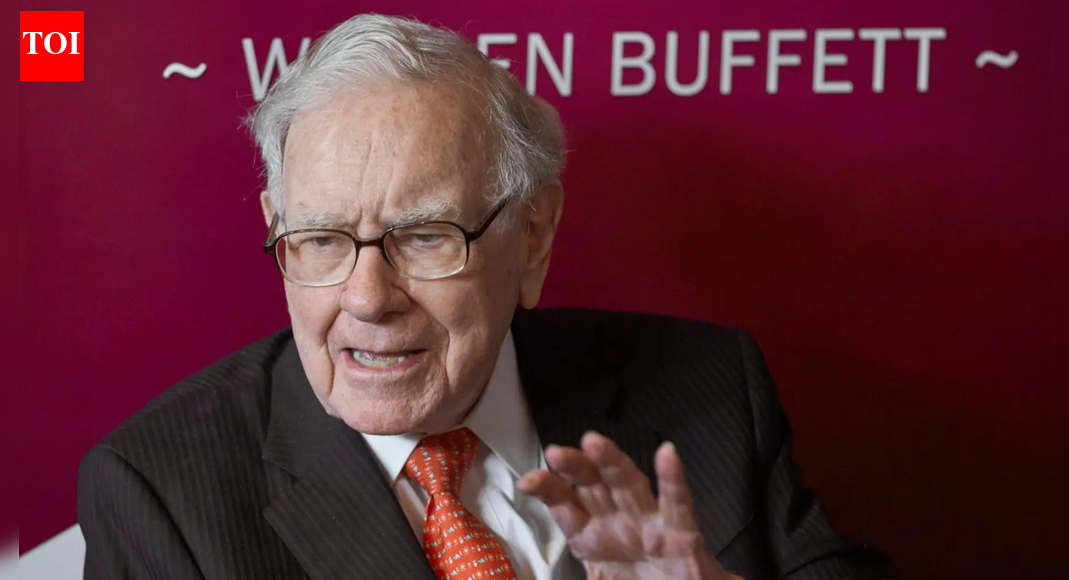
Greg Abel faces the challenge of taking over Berkshire Hathaway from the legendary Warren Buffett this week. Many regard Buffett as the world’s greatest investor after he grew Berkshire from a struggling New England textile mill that he starting buying up for $7.60 a share in 1962, to the massive conglomerate it is today with shares that go for more than $750,000 a pop. Buffett’s personal fortune of Berkshire stock is worth roughly $150 billion even after giving more than $60 billion away over the past 20 years. Berkshire for decades has routinely outpaced the S&P 500 as Buffett bought up insurance companies like Geico and National Indemnity, manufacturers like Iscar Metalworking, retail brands like Dairy Queen, major utilities and even one of the nation’s biggest railroads, BNSF. Along the way, Buffett bought and sold hundreds of billions of dollars of stocks and profited handsomely from his famously long-term bets on companies like American Express, Coca-Cola and Apple. Berkshire has struggled to keep that pace in recent years because it has grown so huge and also struggled to find new and significant acquisitions. Even this fall’s $9.7 billion acquisition of OxyChem probably isn’t big enough to make a difference in Berkshire’s profits. Investors will be watching closely to see what changes Abel might make in Berkshire’s trajectory, but don’t expect any seismic shifts. Buffett isn’t going anywhere and Abel has already been managing all of Berkshire’s noninsurance businesses since 2018. Buffett will remain chairman and plans to continue coming into the office each day to help spot new investments and offer Abel any advice he asks for. Some changes are likely CFRA Research analyst Cathy Seifert said it is natural for Abel to make some changes in the way Berkshire is run. Taking a more traditional approach to leadership with nearly 400,000 employees spread across dozens of subsidiaries makes a lot of sense, she said. But Berkshire operates under an extremely decentralized structure that trusts its executives with significant decisions. Everyone associated with the company has said there are no plans to change that. The world learned that Abel was to become the designated successor at Berkshire in 2021 when Buffett’s longtime business partner, the late Charlie Munger, assured shareholders at an annual meeting that Abel would maintain the company’s culture. Part of Buffett’s sales pitch to company founders and CEOs thinking of selling their companies has always been that Berkshire would largely allow them to continue running their companies the same way as long as they delivered results. “I think the investment community would likely applaud Greg’s management style to the degree that it sort of buttons things up,” Seifert said. “And if it helps performance, that can’t really be faulted.” Abel plays an active role managing companies Abel has already shown himself to be a more hands-on manager than Buffett, but he still follows the Berkshire model of autonomy for acquired companies. Abel asks tough questions of company leaders and holds them accountable for their performance. Abel did announce some leadership changes earlier this month after investment manager and Geico CEO Todd Combs departed, and Chief Financial Officer Marc Hamburg announced his retirement. Abel also said he’s appointing NetJets CEO Adam Johnson as manager of all of Berkshire’s consumer, service and retail businesses. That essentially creates a third division of the company and takes some work off of Abel’s plate. He will continue to manage the manufacturing, utility and railroad businesses. Abel will eventually face more pressure to start paying a dividend. From the beginning, Berkshire has held the position that it is better to reinvest profits rather than making quarterly or annual payouts to shareholders. But if Abel can’t find a productive use of the $382 billion cash that Berkshire is sitting on, there may be a push from investors to start paying dividends or to adopt a traditional stock buyback program that would boost the value of shares they hold. Currently, Berkshire only repurchases shares when Buffett thinks they are a bargain, and he hasn’t done that since early 2024. Still, Abel will be insulated from such pressure for some time since Buffett controls nearly 30% of the voting power in the stock. That will diminish gradually after his death as his children distribute his shares to charity as agreed. Berkshire has a solid foundation Many of Berkshire’s subsidiaries tend to follow the economy and profit handsomely whenever the country is prosperous. Berkshire’s utilities typically generate a reliable profit, and its insurance companies like Geico and General Reinsurance supply more than $175 billion worth of premiums that can be invested until claims come due. Investor Chris Ballard, who is managing director at Check Capital, said most of Berkshire’s businesses “can almost take care of themselves.” He sees a bright future for Berkshire under Abel. One of the biggest questions right now may be how much additional change there will be in company leadership after Combs’ departure, if any at all. The head of the insurance unit, Vice Chairman Ajit Jain, who Buffett has long lavished with praise, is now 74 and many of the CEOs of the various companies have continued working long after retirement age because they like working for Buffett. “As a long-term shareholder, we aren’t too concerned with Todd’s departure and don’t think this is the tip of some sort of iceberg,” said Ballard, whose firm counts Berkshire as its largest holding. “Todd’s situation is unique. It’s just a reminder that Warren’s pending departure is imminent and they’re preparing for a new phase – one that we’re still excited to see unfold.”


Source link

Traffic warden killed in Bhandup BEST bus crash | Mumbai News


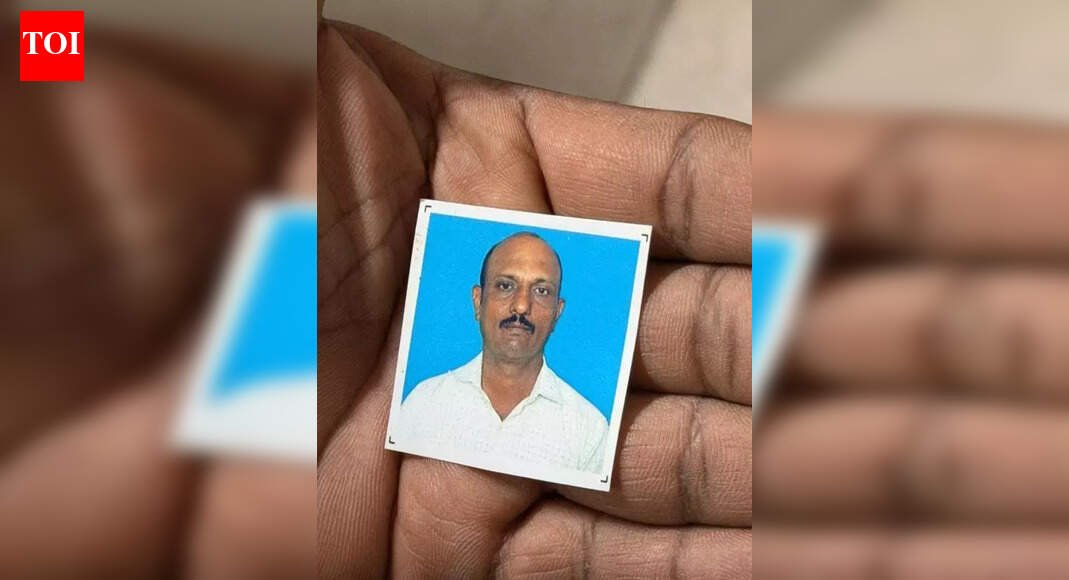
Mumbai: For the past couple of years, Prashant Shinde (48) was a traffic warden in Ghatkopar. He was the only male victim of the Bhandup BEST bus accident.His brother, Rajesh, said Prashant was on his way back home when the bus struck him while he was standing in a queue to board another bus. He was rushed to M T Agarwal Hospital, where he was declared dead. He was survived by his wife and a 10-year-old son.His brother-in-law, Sushant Dhotre, recalled a similar bus tragedy in Kurla last year that claimed eight lives. He said the govt should have learned from that incident and made broad changes. “Similar issues like hawkers, narrow lanes, and overcrowding, which played a role in the Kurla deaths, were also present here,” he said.Prashant’s family said the administration and ministers need to at least wake up now and rectify these issues so that more lives are not lost.


Source link