Breaking News
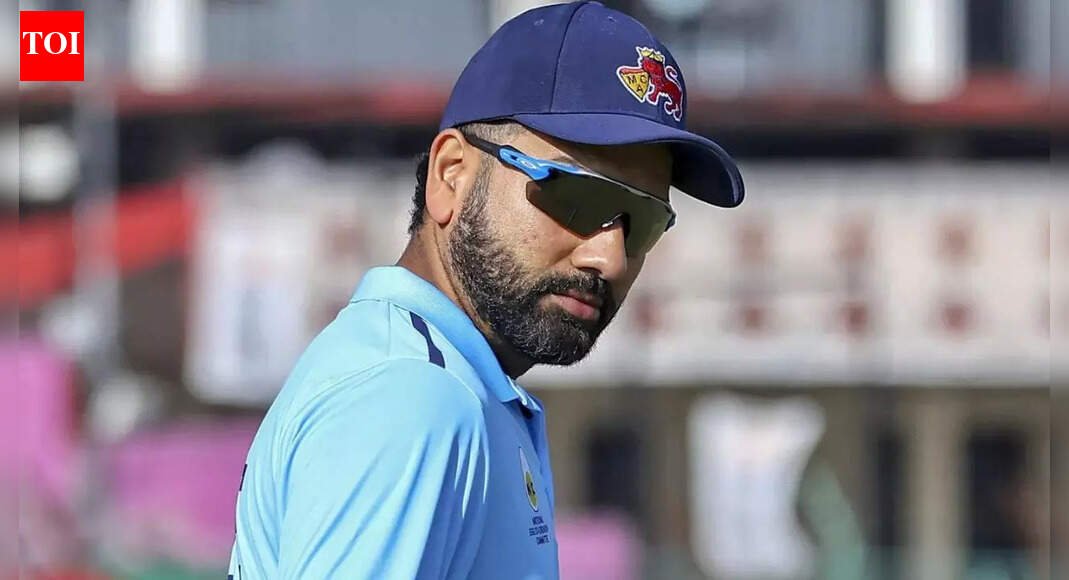
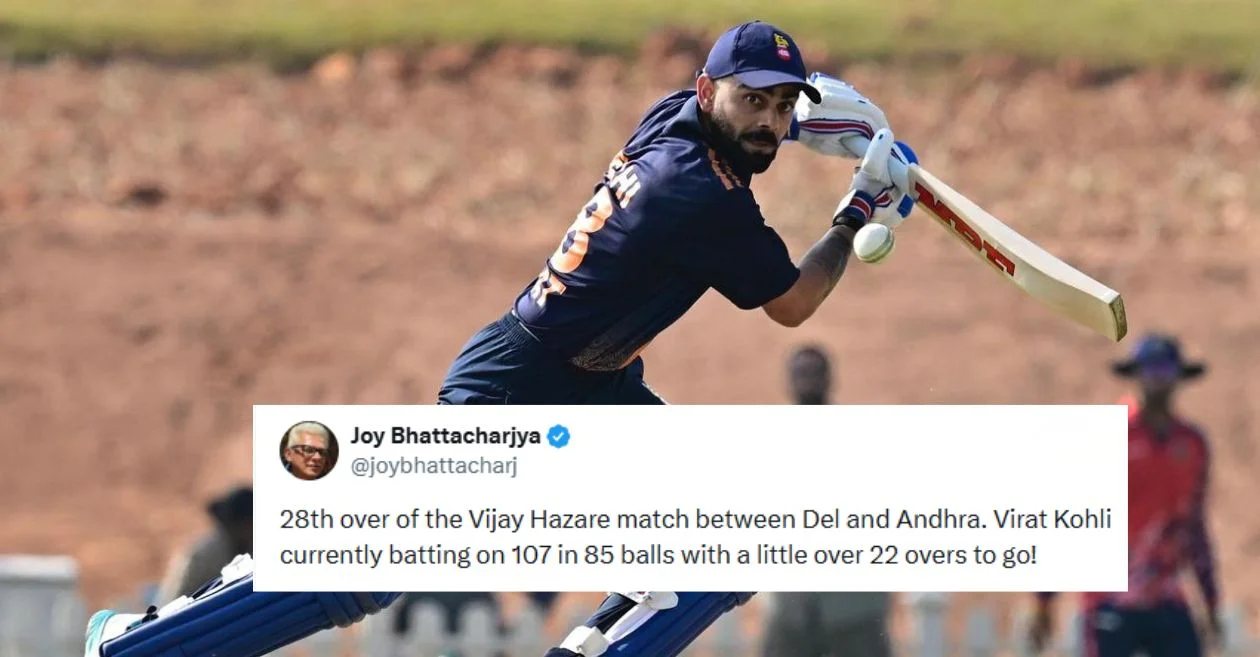
Fans go wild as Virat Kohli smashes 83-ball century for Delhi in his historic Vijay Hazare Trophy return vs Andhra Pradesh


In a historic display of batting mastery on December 24, 2025, Virat Kohli marked his much-anticipated return to domestic cricket by smashing his 58th List A century. Representing Delhi against Andhra Pradesh in the Vijay Hazare Trophy (VHT) 2025-26 in Bengaluru, Kohli proved why he remains the gold standard of the 50-over format.

Virat Kohli smashes stunning century in Vijay Hazare return as Delhi eye victory over Andhra Pradesh

Kohli made a spectacular return to the Vijay Hazare Trophy, playing a masterful knock of 131 runs from 101 balls. His dominant innings, which included 14 boundaries and three sixes, set the stage for Delhi’s chase of 299 runs. Kohli’s presence at the crease was nothing short of a spectacle, with his sharp strokeplay and calculated aggression lighting up the Bengaluru venue.

After losing his opening partner, Priyansh Arya (74),, Kohli anchored the innings alongside Nitish Rana, who played a solid supporting role with 66 off 50 balls. Kohli’s century took the game to a different level, displaying his ability to shift gears effortlessly. The chase was well within Delhi’s grasp, as they surged towards the target at an impressive rate of 8.33 runs per over. Kohli’s performance was a perfect blend of patience and aggression, ensuring Delhi’s position in a commanding position in the ongoing tournament. His confidence on the field is an excellent sign for both his form and Delhi’s campaign in the Vijay Hazare Trophy 2025-26.

Also READ: Ishan Kishan smashes record-breaking century as Vijay Hazare Trophy witnesses historic batting day

Kohli reaches the 16,000-run milestone in List A cricket after Sachin Tendulkar

Making his first appearance in the tournament in 15 years, Kohli entered the match needing just a single run to reach the 16,000-run milestone in List A cricket. He achieved this feat in the very first over of Delhi’s chase, becoming the second Indian after Sachin Tendulkar and the ninth player overall to breach this mark. Notably, Kohli reached 16,000 runs in just 330 innings, which is 61 innings faster than Tendulkar.

Chasing a competitive target of 299 at the BCCI Centre of Excellence, Kohli anchored the innings with trademark precision. He started aggressively to exploit field restrictions before shifting gears to bat deep after the dismissal of opener Arya. Kohli reached his half-century in just 39 balls and accelerated to his hundred in 83 deliveries. His innings was supported by a 113-run partnership with Arya and a further steady century stand with Nitish Rana. This 58th ton moves him within just two centuries of Tendulkar’s all-time record of 60 List A hundreds, with 53 of Kohli’s centuries having been scored in international matches.

Here’s how fans reacted:

Also READ: Fans go berserk as Rohit Sharma smashes an explosive century against Sikkim in Vijay Hazare Trophy 2025-26


Source link

ITR filing: Received ‘nudge’ from Income Tax Department for tax return & refund claims? Here’s what you need to do


ITR filing: Received ‘nudge’ from Income Tax Department for tax return & refund claims? Here’s what you need to do
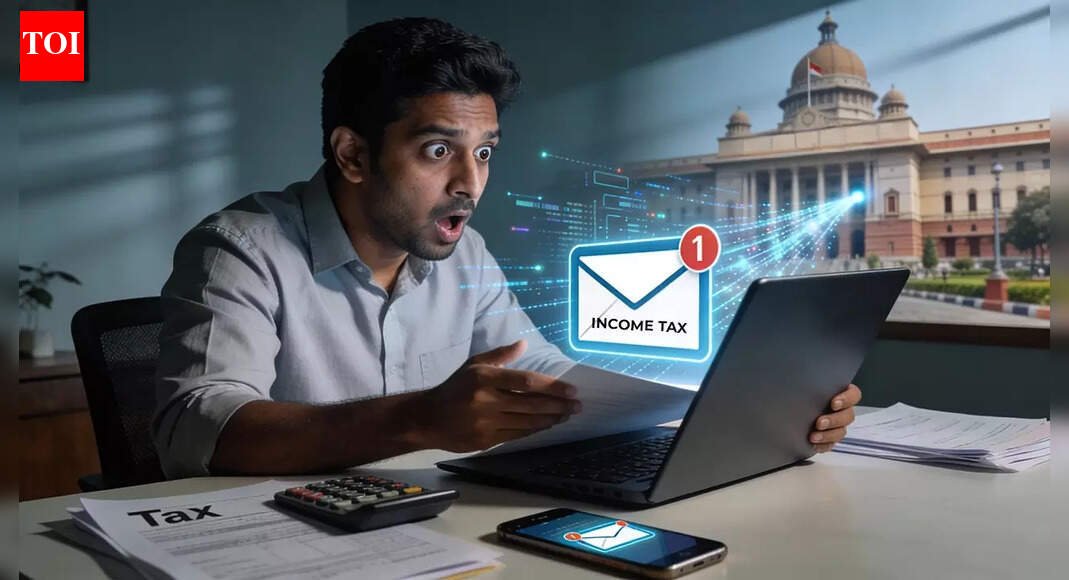
Identified taxpayers are being sent SMS and email under the government’s NUDGE campaign. (AI image)

ITR filing FY 2024-25 (AY 2025-26): The Income Tax Department is stepping up scrutiny for tax returns and many taxpayers are getting alerts to check their exemption and deduction claims. The last date to file income tax returns for FY 2024-25 was pushed to September 15, 2025 this year since the tax department took time to release forms and update the portal. However, the last date to file an updated or belated return for the current assessment year remains December 31, 2025.Several taxpayers are also facing delays in their returns and refunds being processed. Ahead of the important deadline, the Income Tax Department has issued a clarification on why some taxpayers are getting alerts to review their ITRs.The Income Tax Department has said that in the ongoing financial year 2025–26, over 21 lakh taxpayers have already updated their ITRs for AYs 2021–22 to 2024–25 and paid more than ₹2,500 crore in taxes. Also, over 15 lakh ITRs have been revised for the current assessment year.

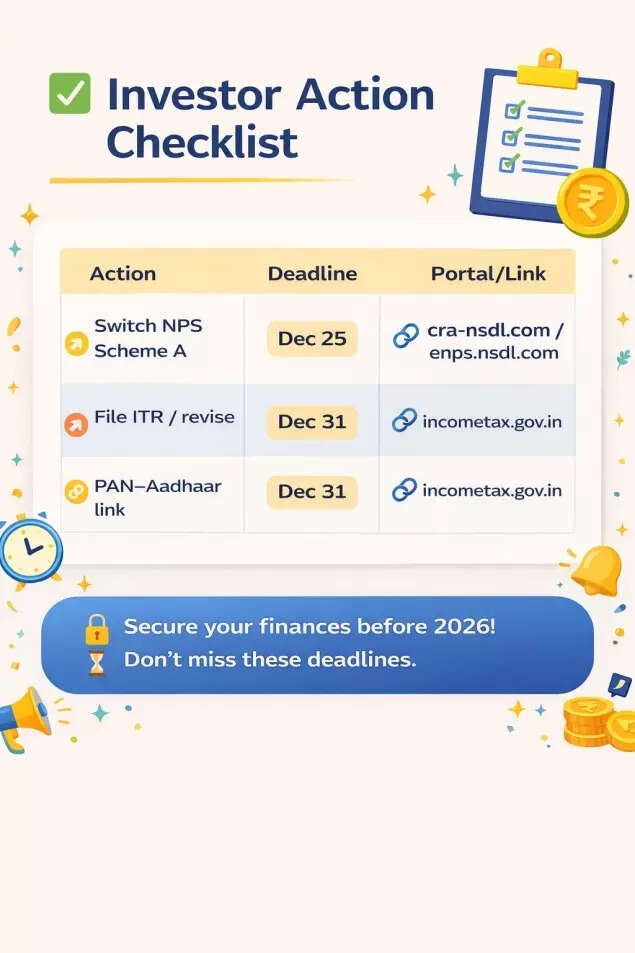
Investor Action Checklist

Investor Action Checklist

Why are some taxpayers getting intimations from the tax department, what is the nature of deduction and exemption claims being questioned, and what should taxpayers do? We take a look:

What’s the Income Tax Department’s ‘NUDGE’ campaign?

In a press release, the Income Tax Department has said that some taxpayers have claimed ‘ineligible’ refunds – through the deductions and exemptions route. This has led to their income being underreported.

PAN-Aadhaar Deadline Nears: How To Link Before December 31 Or Risk Inoperative PAN From Next Year

“Under the risk management framework, and through the use of advanced data analytics, cases for Assessment Year (AY) 2025–26 have been identified,” the Income Tax Department said.The tax department on its part is ‘nudging’ taxpayers to update their tax returns in case there is some discrepancy in the deductions and exemptions.

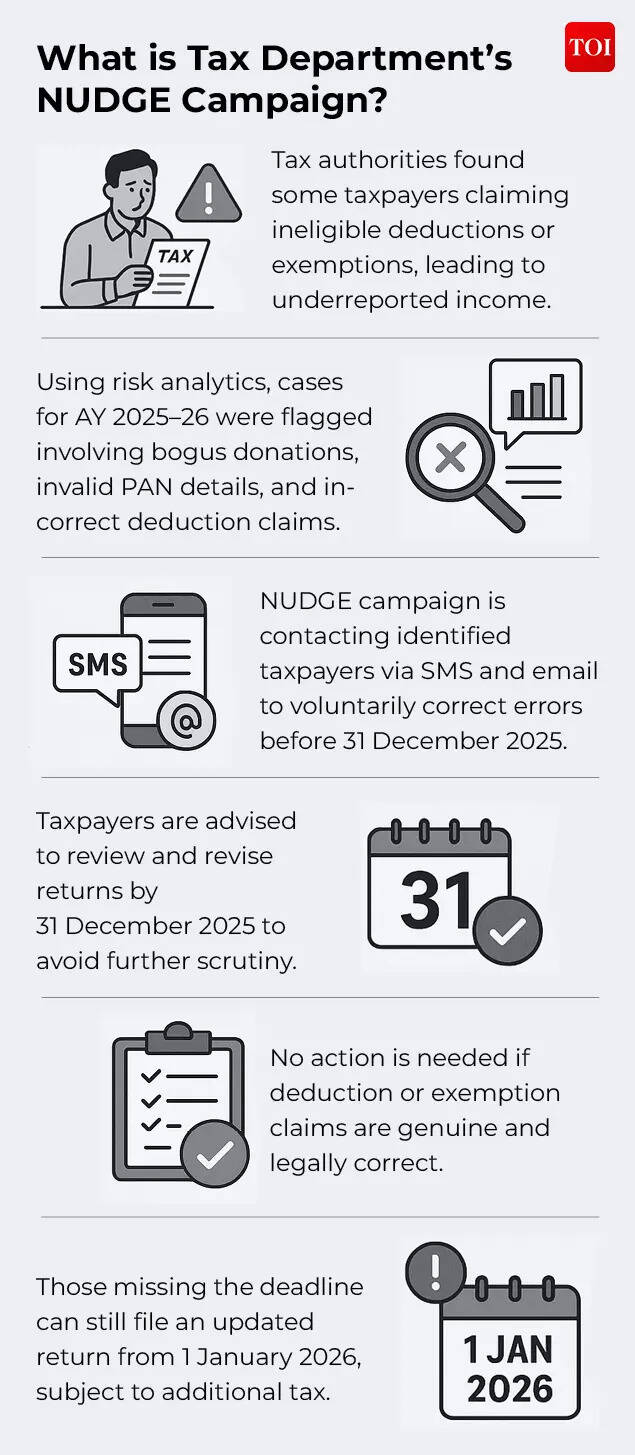
What is NUDGE campaign?

What is NUDGE campaign?

Identified taxpayers are being sent SMS and email under the government’s “Non-intrusive Usage of Data to Guide and Enable (NUDGE)” campaign. The aim is to encourage these taxpayers to correct errors in tax return filing, ahead of the December 31, 2025 deadline. “This initiative reflects a trust-first approach to tax administration, under which taxpayers are provided an opportunity to review their Income-tax Returns (ITRs) and voluntarily correct any ineligible claims, wherever required,” the tax department said.“The campaign leverages data analytics and technology to enable a transparent, non-intrusive, and taxpayer-centric compliance environment, with an emphasis on guidance and voluntary compliance,” the department adds.The tax department has advised the concerned taxpayers to “review their ITRs, verify the correctness of their deduction and exemption claims, and revise their returns, if required, within the prescribed time by 31 December 2025, so as to avoid further enquiries in the matter.”

ITR filing & Refunds: Why are taxpayers getting ‘nudges’?

Amarpal Chadha, Tax Partner at EY India explains that the NUDGE campaign is an initiative of the Income Tax Department aimed at encouraging taxpayers to voluntarily review deduction or exemption claims that have been identified as potentially ineligible through data analytics. The Department is also leveraging global information-exchange frameworks such as the Automatic Exchange of Information (AEOI), Common Reporting Standards (CRS), and the Foreign Account Tax Compliance Act (FATCA) to identify possible discrepancies in foreign asset reporting, Chadha told TOI.

.

Under the tax department’s initiative, taxpayers may receive an email or SMS explaining the reason for the communication and advising them to verify the accuracy of deductions or exemptions claimed, as well as the correctness of foreign asset disclosures. Where a taxpayer believes that corrective action is required, a revised return may be filed on or before December 31, 2025, which is the deadline for filing updated income tax returns for FY 2024-25

What kind of exemptions and deductions are likely under scrutiny?

Tanu Gupta, Partner, Mainstay Tax Advisors LLP has a clear message: In principle, all those exemptions and deductions which are not genuine are likely to come under scrutiny. “Even those deductions and exemptions which are inconsistent with the income tax department’s records/information/data, may also come under scrutiny. The most sought-after deduction/exemption currently includes “Donation to Political Parties”, “House Rent Allowance” to name a few,” she told TOI.According to Amarpal Chadha, any deduction that is claimed for donations to political parties where an incorrect or invalid PAN of the donee has been provided may come under the Income Tax Department’s scrutiny. The tax department has said that there are also cases where the taxpayers have given incorrect or invalid PAN details. Other cases pertain to the extent of deductions and exemptions that are being claimed by the taxpayers.“In addition, any deduction or exemption claimed in the income-tax return over and above what is reflected in Form 16 such as HRA exemption, exemptions under the Double Taxation Avoidance Agreement (DTAA), gratuity exemption etc. are also under tax department’s radar,” he told TOI.

What should taxpayers do if they get a ‘nudge’ from tax authorities?

Tanu Gupta recommends that for all the claims including exemptions and deductions, the taxpayer should always keep in handy the following documents: receipts / invoices of the payments for which exemption / deduction is claimed, bank statement evidencing such payment through proper banking channels, receipts from the recipient to corroborate with such payments.

.

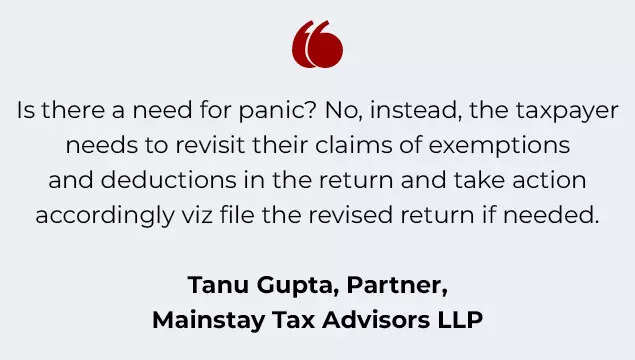
These are broad guidelines for the documents which the taxpayer should anyway keep on files for a good financial housekeeping, she says.Is there a need for panic? No, says Tanu Gupta. “Instead, the taxpayer needs to revisit their claims of exemptions and deductions in the return and take action accordingly viz file the revised return if needed. As the name suggests, the abbreviation and the complete name of it (Non-Intrusive Usage of Data to Guide and Enable), it is to facilitate the taxpayer to file compliant tax returns voluntarily, with correct, justified and genuine claims of deductions/exemptions,” she tells TOI.“There are cases where the taxpayers have received the communication from the department, although they believe that they do not have any inconsistency for the claims made in the return. They only need to see if they have all supporting documents for such payments to submit to the tax authorities when asked for,” explains Tanu Gupta, adding that wherever such exemptions / deductions are not authentic, the taxpayer needs to immediately revise the tax return by reversing such claims in the returns; and pay due income tax along with interest.Amarpal Chadha shares a checklist:

  • Verify Deductions and Exemptions: Check all deductions and exemptions claimed in the income-tax return and ensure adequate documentation exists to substantiate each claim
  • Identify Discrepancies: Compare the return filed with Form 16, bank statements, investment proofs, and other records to spot any discrepancies.

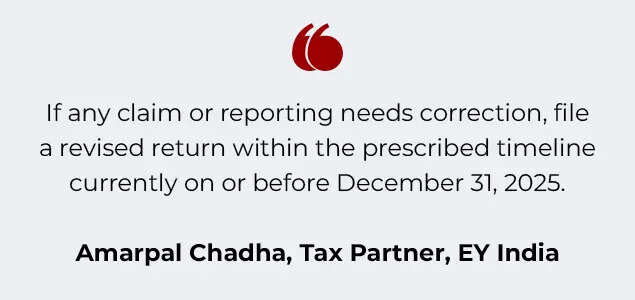
If any claim or reporting needs correction, file a revised return within the prescribed timeline currently on or before December 31, 2025, he says. “However, if the taxpayer believes that the exemptions or deductions claimed are accurate and valid, they may wait for further communication from the Income Tax Department,” he adds.It is important to restate here that taxpayers do not have to worry where their tax claims are genuine.The Income Tax Department has clarified that taxpayers whose claims are genuine and correctly made in accordance with law are not required to take any further action. “It is clarified that taxpayers who do not avail of this opportunity may still file an updated return from 1 January 2026, as permitted under law, subject to payment of additional tax liability,” it has said.


Source link

More competition for IndiGo, Air India: Shankh Air expected to begin operations in 2026; 2 new carriers get NOCs


More competition for IndiGo, Air India: Shankh Air expected to begin operations in 2026; 2 new carriers get NOCs
Shankh airlines (Image/Website)

Uttar Pradesh-based Shankh Air is expected to begin flight operations in the first quarter of 2026. The airlines has already secured a no-objection certificate (NOC) from the Union civil aviation ministry,.Yesterday, two other carriers Al Hind Air and FlyExpress also received their NOCs, paving the way for fresh competition in India’s fast-growing domestic aviation marketShankh Air will be operated by Shankh Aviation, whose aircraft are currently undergoing technical reviews and are being readied for delivery to India, the company said in a statement on Wednesday, according to PTI.

‘Worst Is Behind Us’: IndiGo CEO Says Airline Back on Track After Operational Crisis

The airline plans to launch flight services early next year and aims to scale up its fleet to 20–25 aircraft over the next two to three years.Shankh Aviation’s Chairman and Managing Director Sharvan Kumar Vishwakarma recently met civil aviation minister K Rammohan Naidu to brief him on the airline’s plans.Vishwakarma said the company is working towards a timely launch, while the minister assured full cooperation from the ministry and the Directorate General of Civil Aviation (DGCA) to ensure that required procedures are completed smoothly and within stipulated timelines.The approvals come as the government seeks to widen participation in India’s fast-growing domestic aviation market, which currently has only nine scheduled domestic airlines in operation. The number reduced further in October after regional carrier Fly Big suspended scheduled flights.Al Hind Air is being promoted by the Kerala-based alhind Group, while FlyExpress joins a list of aspiring carriers looking to enter a market where scale and pricing power are concentrated among a few major players.Concerns over an apparent duopoly in the sector have intensified in recent weeks. IndiGo and the Air India Group comprising Air India and Air India Express, together account for over 90 per cent of the domestic market, with IndiGo alone holding more than 65 per cent.Confirming the approvals, Naidu said in a post on X that the ministry had met teams from Shankh Air, Al Hind Air and FlyExpress over the past week. While Shankh Air already held its clearance, he said Al Hind Air and FlyExpress received their NOCs this week.Naidu said encouraging more airline operators has been a consistent policy objective, given that Indian aviation is among the world’s fastest-growing markets. He highlighted the role of government schemes such as UDAN, which aim to improve regional connectivity and have helped smaller carriers like Star Air, IndiaOne Air and Fly91 expand services to underserved routes.According to the latest DGCA data, India’s scheduled carriers currently include IndiGo, Air India, Air India Express, Alliance Air, Akasa Air, SpiceJet, Star Air, Fly91 and IndiaOne Air.


Source link

Rohit Sharma lights up Mumbai’s Vijay Hazare Trophy opener with fastest ever century | Cricket News


Rohit Sharma lights up Mumbai's Vijay Hazare Trophy opener with fastest ever century

NEW DELHI: Rohit Sharma played a stunning innings of 155 runs as Mumbai began their Vijay Hazare Trophy campaign with a comfortable win over Sikkim at the Sawai Mansingh Stadium in Jaipur, where Mumbai chased down the target with ease and won by eight wickets.Sikkim won the toss and chose to bat first. They put up a fighting total of 236 for 7 in their 50 overs.

Suryakumar Yadav press conference: What he said on his poor form

Ashish Thapa was the top scorer for Sikkim. The wicketkeeper-batter played a steady knock of 79 runs from 87 balls and held the innings together. K Sai Satwik and Kranthi Kumar also contributed with 34 runs each, while Robin Limboo remained not out on 31. Mumbai’s bowlers kept things under control, with Shardul Thakur leading the attack by taking two wickets and conceding very few runs. Musheer Khan and Shams Mulani also chipped in with one wicket each.While Sikkim’s total looked competitive, it was never going to be enough once Rohit Sharma got going.Mumbai’s chase started calmly, with Angkrish Raghuvanshi playing a patient knock of 38 with a strike rate of 65.52. From the other end, Rohit Sharma slowly settled in and then completely took charge of the match. The senior batter was in complete control and punished anything loose.Rohit smashed 155 runs from just 94 balls as his innings included 18 fours and nine sixes. Scoring at a rapid strike rate, he made the chase look effortless. Completing his 100 in 62 balls, Rohit garnered the fastest-ever century of his List A career.The Sikkim bowlers had no answers once Rohit found his rhythm. Musheer remained not out on 27 and played his role well.On the other end, Sarfaraz Khan finished the match with a quick cameo of eight runs. Mumbai reached the target in just 30.3 overs and won the match by eight wickets.With both bat and ball clicking, Mumbai have started their Vijay Hazare Trophy campaign in perfect fashion. Going into the next matches, they will be confident.


Source link

The new logic of rural welfare: Why VB-G RAM G makes sense for a $4 trillion economy | India News


The new logic of rural welfare: Why VB-G RAM G makes sense for a $4 trillion economy

Driving the newsThe MGNREGA – a flagship UPA-era program that guaranteed 100 days of wage employment to rural households – has been replaced by the Viksit Bharat–Guarantee for Rozgar and Ajeevika Mission (Gramin) or VB-G RAM G Act.Union minister Shivraj Singh Chouhan framed it as a bold leap forward: “This is a far better scheme that will completely transform villages.”Critics, led by Congress leader Sonia Gandhi, allege it’s a stealth demolition of rights-based welfare: “The very structure of MGNREGA… has been annihilated.”But beyond the political heat, the quiet engine driving this reform is economic evolution. India’s welfare state – and rural labour market – has changed dramatically since 2005. The logic behind G RAM G isn’t just political; it’s economic.

Why it matters

MGNREGA was designed as a safety valve. Its purpose was simple: if private work dried up, the state would step in and guarantee wages. It was meant to stabilise consumption in bad years and give the rural poor bargaining power in the labour market. On those terms, it succeeded.But it is no longer the India of the mid-2000s.

  • In 2005: Rural safety nets were thin, bank accounts rare, and the idea of digital transfers futuristic.
  • In 2025: Over 80 crore people get free food grain for the next five years. DBT has matured.
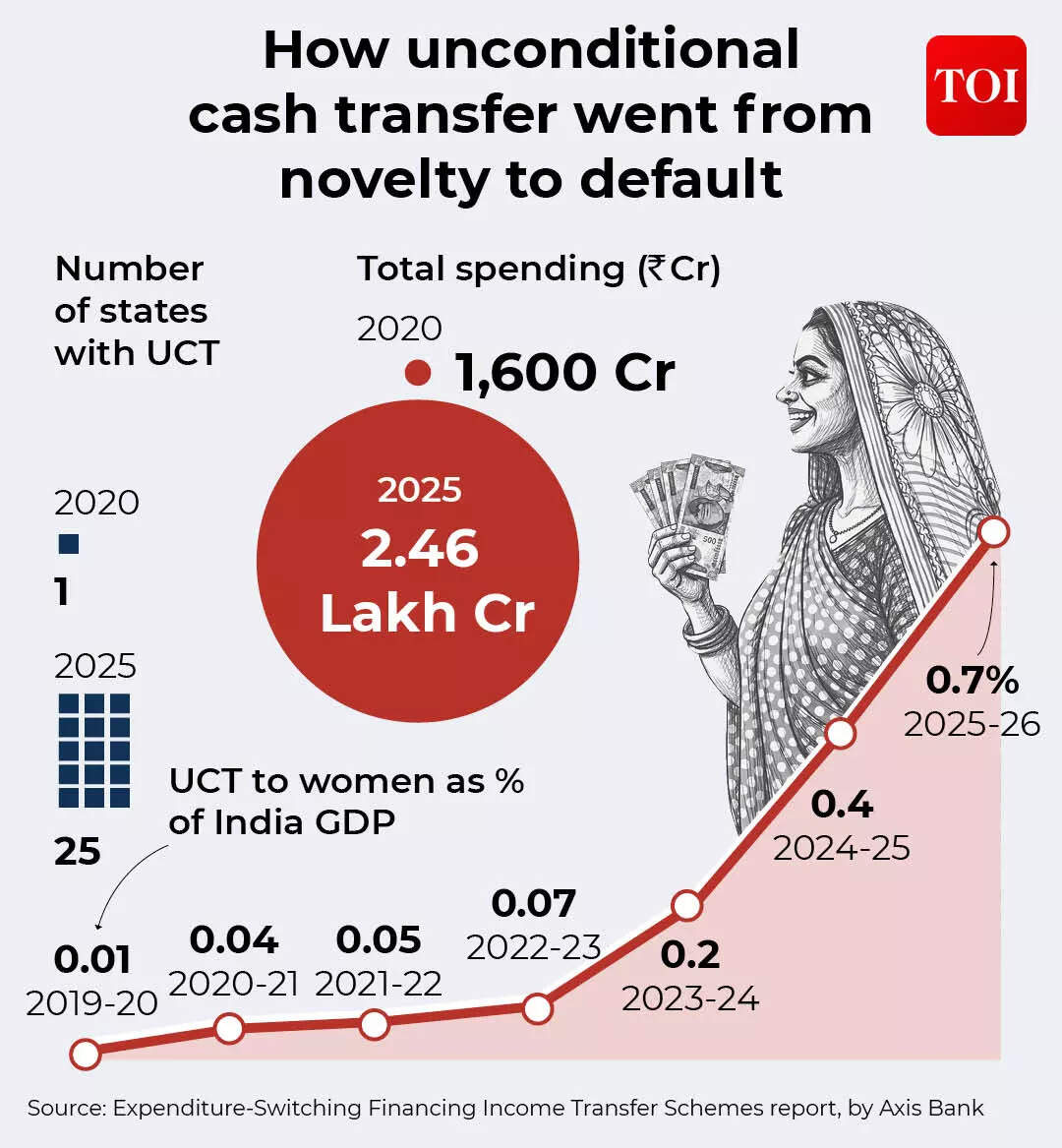
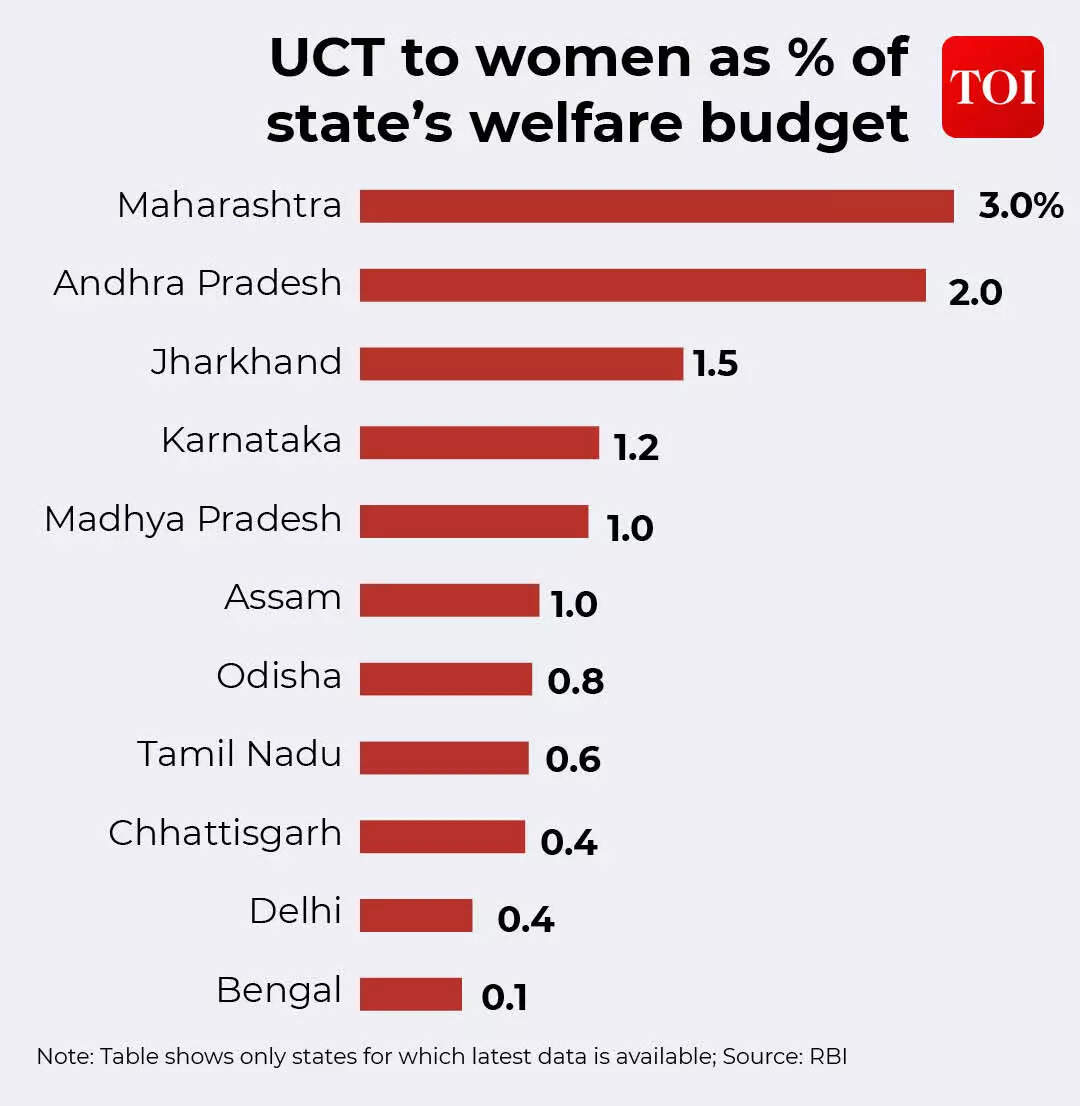
  • States are pumping Rs2.46 lakh crore annually into direct cash transfers to women.

MGNREGA, while historic in its impact, was built for an older economy. G RAM G is designed for a digitally connected, subsidy-rich, rural India where the challenge isn’t only poverty relief – it’s productivity, asset creation, and aligning with farm realities.

The big picture: Not a tweak, but a rethink

At a farmer rally in Rajasthan, Chouhan underlined the new mission:“We have not reduced it but increased it… Labourers will get wages and villages will see comprehensive development. Roads, drains, schools, everything can be built.”That shift – from emergency wage distribution to rural asset generation – reflects a deeper economic change.

What they’re saying

Sonia Gandhi calls G RAM G a “collective moral failure,” warning of job loss and loss of dignity: “The removal of the Mahatma’s name was only the tip of the iceberg.”The BJP’s Amit Malviya hit back: “Her arguments rest on mischaracterisations, selective memory, and outright falsehoods.”The divide is ideological – but also generational, rooted in two welfare philosophies: permanent subsidy vs productivity-driven support.Rahul Gandhi called it an ‘insult to the ideals of Mahatma Gandhi‘ and said the law bulldozes “both MGNREGA and democracy.”

Between the lines: The real economic logic of G RAM G

1. The safety net is now a floor, not a fallbackMGNREGA was built to prevent rural starvation and mass migration during crop failures and lean seasons. That logic worked in 2005.But today:

  • PMGKAY offers free food grain to 80 crore people until 2029.
  • NFSA guarantees subsidised food to two-thirds of India.
  • DBT infrastructure reaches 45 crore beneficiaries.

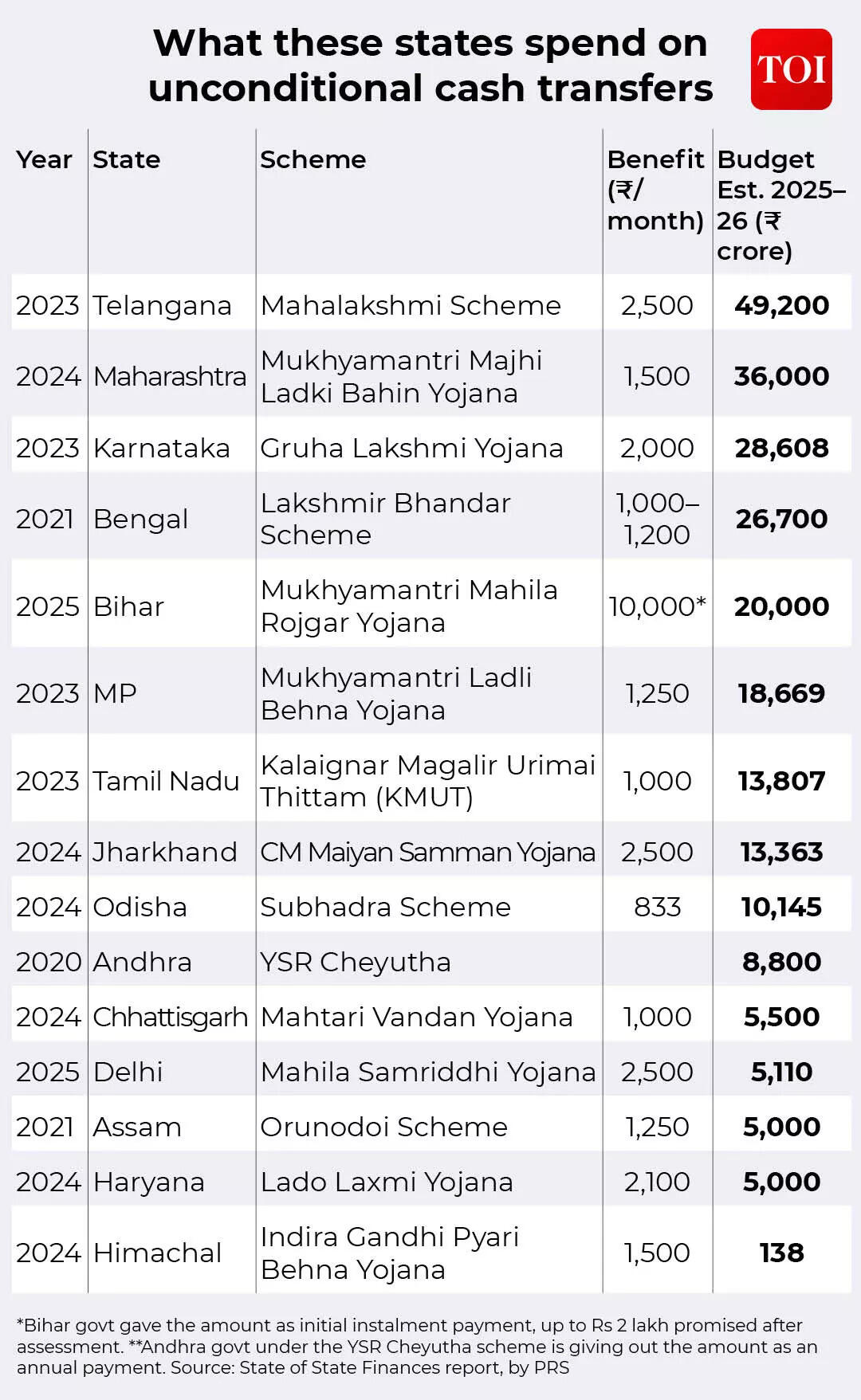
Implication: With calories protected, the role of employment guarantee schemes can shift from consumption smoothing to income generation through durable assets.In Chouhan’s words, “If needed, farm roads can also be constructed… everything can be built.”2. States are already flooding households with cash – so duplication is inefficient.From 1 state in 2020 to 15 states in 2025, unconditional cash transfers (UCTs) to women are now a Rs 2.46 lakh crore juggernaut.

  • Madhya Pradesh: Ladli Behna Scheme – Rs 1,000–Rs1,500/month.
  • Karnataka: Gruh Lakshmi – Rs 2,000/month.
  • Telangana: Mahalakshmi – Rs 2,500 + LPG subsidy + free bus rides.
women cash transfer desk gfx5

.

Why this matters: In villages where households already get regular cash + free food, demand for physical labour schemes changes.Women – the primary MGNREGA participants – are less likely to show up for work at Rs 220/day when cash arrives in their bank.

women cash transfer desk gfx

.

G RAM G acknowledges this by focusing on village development outcomes, not just labour targets.

women cash transfer desk gfx4

.

3. G RAM G fixes a paradox MGNREGA helped create: Labour shortages during harvestOne of the least discussed but most consequential changes is also one of the most controversial: The ability of states to suspend works for up to 60 days during peak sowing and harvesting seasons.Under MGNREGA, this was effectively taboo. Work was meant to be available year-round, on demand. But over time, farmers across states complained that the programme had become a rival employer. During peak agricultural seasons, when labour was needed most, workers often chose guaranteed public works instead. Wages rose. Harvests were delayed. Small farmers paid the price.The new law openly acknowledges this tension. By allowing a notified pause during peak seasons, it treats the employment guarantee not just as welfare, but as a labour-market instrument that must coexist with agriculture rather than crowd it out.States can pause work for 60 days to prevent a labour squeeze during critical farming periods.This reflects labour market realism, not policy retreat. In today’s India.

  • Farm productivity is vital.
  • Labour availability during key agri windows is essential.

G RAM G helps re-sync the rural workforce with agri cycles, rather than cannibalising farm labour.“They (MGNREGA) are trying to scare labourers… but we have increased the days to 125,” said Chouhan.4. India needs to move from “supporting poverty” to “building capacity”India’s economy is set to cross $4 trillion soon, but per capita income remains modest – around $2,800/year.That creates a challenge: How do we support vulnerable households without freezing them in place?“The real nature of the Modi government’s intentions can be understood from its decade-long track record of throttling MGNREGA,” Sonia Gandhi wrote in an article in a national daily.But G RAM G’s supporters argue the opposite: the scheme is not abandoning rights but upgrading them

  • From income support to income generation
  • From person-days to water tanks, roads, climate resilience
  • From centralised bureaucratic design to village-level planning

By raising guaranteed work to 125 days and channeling it into productive, measurable outputs, G RAM G aims to raise village capability – not just survival.

What next: Execution is the litmus test

Even the most elegant economic theory fails if delivery falters. G RAM G’s success hinges on four critical design principles:1. Avoid stealth caps: Centre determines normative funding per state – but must ensure that does not limit the legal guarantee.2. Use the 60-day pause wisely: It should match local agri calendars, not become a loophole to under-provide work.3. Biometrics must include – not exclude: With tech-driven tracking, grievance redress and offline options must remain strong.4. Measure outcomes, not just inputs: Focus must shift from how many people worked to what got built, how it’s used, and what productivity gains it generates.

Zoom out: The economics of co-ownership

The 60:40 Centre-State cost sharing is controversial but crucial. It ends the previous model where states authorised spending and the Centre paid the bill.Now:

  • States must co-own work quality.
  • Panchayats get more voice in planning.
  • Centre retains unemployment allowance provision – if work isn’t provided in 15 days.

Chouhan assured at the rally, “Funds won’t be swindled. Wages will be paid with interest if delayed.”It’s a governance pivot: from passive disbursement to performance-driven delivery.

The bottom line:

VB-G RAM G is not just a renamed MGNREGA. It’s a fundamentally new compact between India’s rural poor, its states, and its economy.In a welfare-rich, DBT-driven, digitally connected India:

  • Safety nets must become springboards.
  • Cash cannot replace infrastructure.
  • Relief must evolve into resilience.

G RAM G, with all its caveats and criticism, tries to answer a simple but vital question: What should rural employment guarantee look like – in a $4T India where the real challenge is not food or cash, but opportunity?


Source link

What are the ‘hidden charges’ on forex transactions: RBI issues draft rules on charges; what could change?


What are the 'hidden charges' on forex transactions: RBI issues draft rules on charges; what could change?
Reserve Bank of India (ANI image)

The Reserve Bank of India (RBI) has issued a draft proposal aimed at making cross-border payments more transparent and consumer-friendly. With this, the bank aims to address long-standing complaints about hidden charges and unclear pricing in foreign exchange transactions.A large number of individuals face difficulties while making overseas payments for education, living expenses, travel, investments or remittances, mainly due to complex processes and high service costs.In many cases, customers only discover the true cost of a transaction after it has been completed. This includes charges such as fees, margins and intermediary costs that are either bundled into exchange rates or deducted later without a clear explanation.To address these issues, the RBI has proposed new regulations that would require banks and other authorised dealers to disclose the total cost of foreign exchange transactions upfront, before a customer agrees to the deal. The move is intended to help customers compare charges across service providers and make more informed decisions, according to ET.

What the RBI has proposed

Under the draft circular, authorised dealers such as commercial banks and certain financial institutions will be required to clearly communicate all transaction-related costs in advance. This includes commonly used foreign exchange transactions such as:

  • Foreign exchange cash (T+0): Same-day currency exchange
  • Tom (T+1): Settlement on the next business day
  • Spot (T+2): Settlement within two business days

The disclosure requirement will cover both foreign exchange transactions and related derivative contracts used by retail customers.The RBI observed that a similar step was taken in January 2024, when authorised dealers were mandated to disclose mid-market rates for forex and foreign currency interest rate derivatives. The new proposal builds on a similar framework by extending transparency to the full cost structure of transactions.What counts as “total transaction cost”Before entering into a foreign exchange transaction, authorised dealers will now have to provide a complete breakdown of costs. According to Hemal Shah, Partner and Leader – Treasury and Commodity Advisory, Risk Consulting, EY India, this would include:

  • The foreign exchange rate applied
  • Currency conversion charges
  • Sending or outward remittance fees
  • Receiving fees, if applicable
  • Charges levied by intermediary or correspondent banks
  • Any other fee linked to executing the transaction

Importantly, these details must not only be shared upfront but also included in the final deal confirmation, allowing customers to verify what they were quoted against what they were ultimately charged.Once finalised, the instructions will be applicable within three months from the date of issuance.

Problems faced by retail users

Retail customers have long flagged that international transfers feel far more expensive and opaque than domestic payments. Often, customers are shown only an exchange rate, while additional costs such as remittance fees, FX margins, SWIFT charges and intermediary bank deductions are revealed only later.Experts point out that banks frequently embed margins and multiple fees into a single quoted rate, making it difficult for customers to understand the actual pricing. Charges on the recipient side, such as correspondent bank fees or instances where beneficiaries bear costs instead of remitters, have also added to confusion, particularly for exporters.Another major concern is the lack of transparency around correspondent bank fees, which can vary significantly depending on routing and overseas banking arrangements. While banks often describe these as outside their control, the RBI has flagged this as a key area where disclosure standards need improvement.

How customers will benefit

By mandating upfront disclosure, the RBI aims to give retail users a clearer picture of the true cost of cross-border transactions. This will help customers better understand pricing mechanisms, dealer margins, and the differences between various forex products.“Enhanced visibility on the hidden charges allows retail users to make better decisions on the pricing offered by ADs,” said Shah.Vijay Mani, Partner and Banking and Capital Markets Leader at Deloitte India, added that the move can significantly improve trust and comparability, provided the disclosures are implemented in a clear and customer-friendly manner.The RBI has invited public comments on the draft circular. Feedback can be submitted until January 9, 2026, after which the central bank will review responses before issuing final guidelines.

Who do the rules apply to?

Authorised Dealers under RBI regulations include Authorised Dealer Category-I banks and Standalone Primary Dealers authorised under Category-III to conduct foreign exchange transactions.Customers are classified as retail or non-retail for the purpose of these rules. Non-retail users include large financial institutions, NBFCs, insurance companies, mutual funds, alternative investment funds and Indian entities with a net worth of Rs 500 crore or more or a turnover of Rs 1,000 crore or more. Non-residents, other than individuals, are also treated as non-retail users.Any customer who does not fall into these categories is considered a retail user and will directly benefit from the proposed transparency measures.


Source link

Google AI CEO Demis Hassabis calls Meta AI chief scientist Yann LeCun ‘plain incorrect’, read his long post on why he thinks Yann is ‘confused’


Google AI CEO Demis Hassabis calls Meta AI chief scientist Yann LeCun 'plain incorrect', read his long post on why he thinks Yann is 'confused'

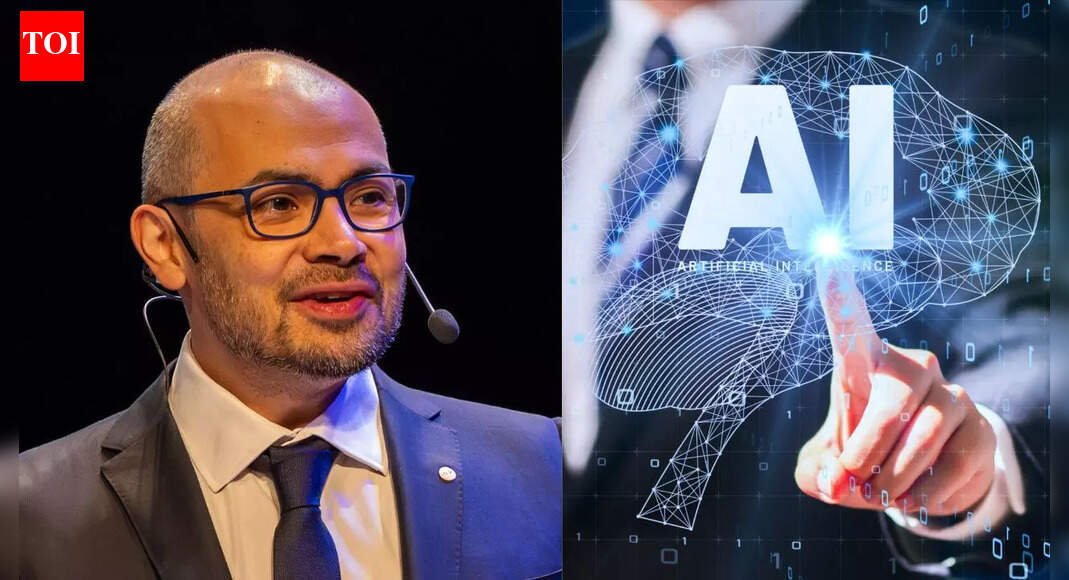
A fresh debate over the future of artificial intelligence (AI) broke out recently among some of the world’s most influential AI leaders. Former Meta AI scientist Yann LeCun in his recent appearance on a podcast said that there is no such thing as general intelligence, arguing that human intelligence itself is not truly general. According to him, human intelligence is highly specialised for the physical world, adding what people perceive as general intelligence is largely an illusion. “We only seem general because we can’t imagine the problems we’re blind to,” LeCun said. “This concept of general intelligence” he said. A clip from the podcast was shared on microblogging platform X (formerly Twitter) that caught the attention of Google DeepMind CEO and Nobel Laureate Demis Hassabis who publicly disagreed with LeCun’s views. Calling Yann’s opinion “plain incorrect”, Demis said that he’s confusing general intelligence with universal intelligence.”

What Demis Hassabis wrote ‘correcting’ MetaAI Chief Scientist

Quoting an X post with LeCun’s clip, Hassabis wrote:“Yann is just plain incorrect here, he’s confusing general intelligence with universal intelligence.Brains are the most exquisite and complex phenomena we know of in the universe (so far), and they are in fact extremely general.Obviously one can’t circumvent the no free lunch theorem so in a practical and finite system there always has to be some degree of specialisation around the target distribution that is being learnt.But the point about generality is that in theory, in the Turing Machine sense, the architecture of such a general system is capable of learning anything computable given enough time and memory (and data), and the human brain (and AI foundation models) are approximate Turing Machines.Finally, with regards to Yann’s comments about chess players, it’s amazing that humans could have invented chess in the first place (and all the other aspects of modern civilization from science to 747s!) let alone get as brilliant at it as someone like Magnus. He may not be strictly optimal (after all he has finite memory and limited time to make a decision) but it’s incredible what he and we can do with our brains given they were evolved for hunter gathering.”


Source link

BlueBird Block-2 mission: Isro releases rare onboard camera footage from liftoff to satellite separation — Watch | India News


BlueBird Block-2 mission: Isro releases rare onboard camera footage from liftoff to satellite separation — Watch

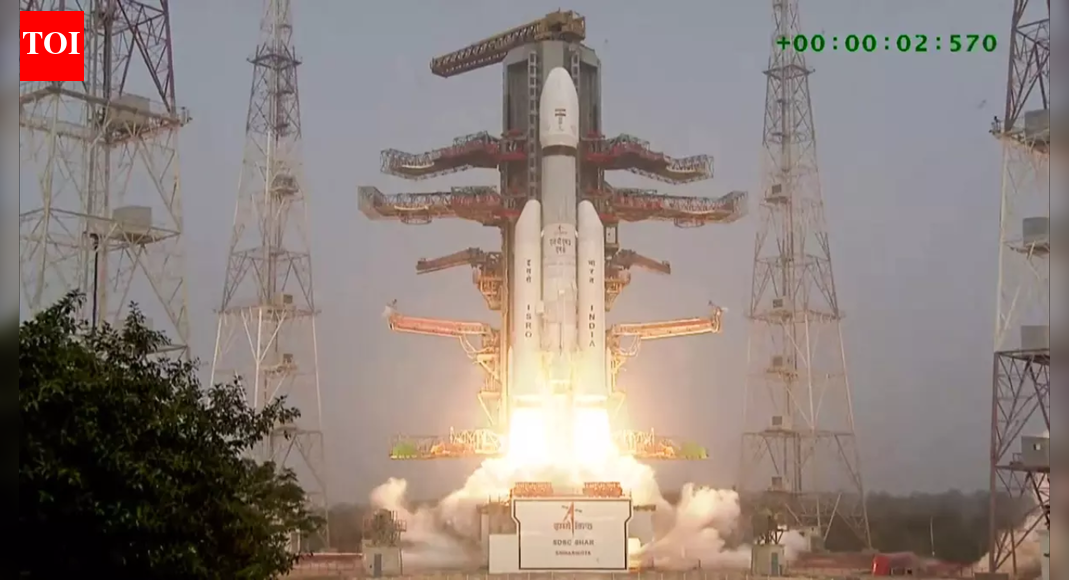
The Indian Space Research Organisation (Isro) on Wednesday released rare onboard camera footage from its heaviest rocket, LVM3-M6, offering a rocket’s-eye view of the BlueBird Block-2 mission from liftoff to satellite separation.The footage shared by Isro on X features visuals captured by cameras onboard and documents each major phase of the ascent. The footage shows the rocket lifting off from the second launch pad at the Satish Dhawan Space Centre in Sriharikota, Andhra Pradesh, followed by the separation of the twin S200 solid strap-on boosters. It then captures the separation of the L110 liquid core stage and the jettisoning of the payload fairing, before concluding with the successful separation of the BlueBird Block-2 satellite into Low Earth Orbit.

Bluebird Lift-Off Shows ISRO Commercial Power As Nambi Narayanan Calls LVM-3 Game Changer Move

The visuals were recorded during Isro’s successful commercial launch of the next-generation US communication satellite for AST SpaceMobile earlier in the day. The 6,100 kg satellite was placed into its intended orbit at an altitude of about 520 km, approximately 15 minutes after launch.The 43.5-metre-tall LVM3 lifted off at 8.55 am after the completion of a 24-hour countdown. Powered by two S200 solid boosters, a liquid core stage and a cryogenic upper stage, the rocket performed all mission events as planned.The space agency said the mission, designated LVM3-M6, marked the sixth operational flight of the LVM3 launch vehicle, nicknamed ‘Bahubali’ for its heavy-lift capability. The Isro chief, Dr V Narayanan, described the mission’s success as a “season’s gift” to the country.BlueBird Block-2 is part of a Low Earth Orbit constellation being developed by US-based AST SpaceMobile. The satellite is designed to enable direct-to-mobile connectivity, providing 4G and 5G voice and video calls, text messaging, streaming and data services directly to standard mobile smartphones.Developed by Isro, the three-stage LVM3 has a lift-off mass of 640 tonnes and a payload capability of 4,200 kg to Geosynchronous Transfer Orbit. In earlier missions, it has successfully launched Chandrayaan-2, Chandrayaan-3 and two OneWeb missions carrying 72 satellites.


Source link

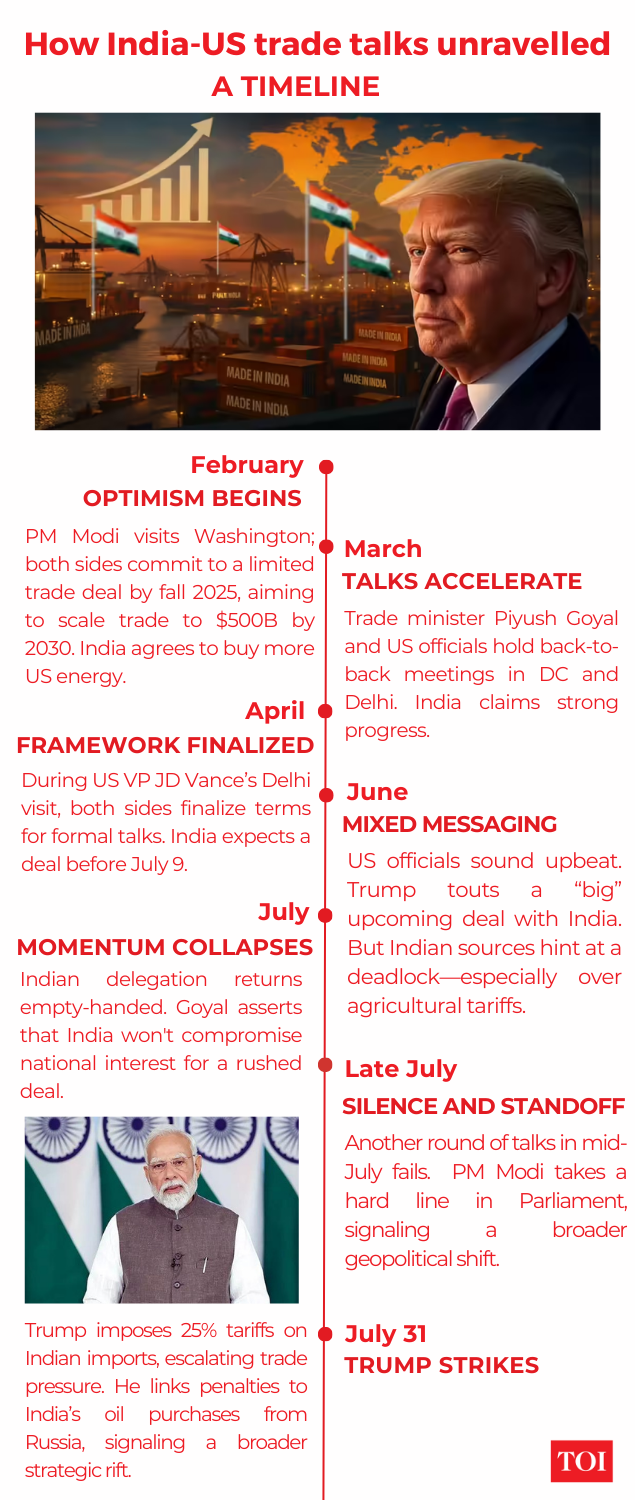
From ‘great friend Modi’ to 50% tariffs: Decoding India–US ties in the Trump era


Some relationships are hard to decipher: full of contradictions, confusing signals, and mood swings. Yet people stick with them, hoping that someday the pieces will click into place. That’s precisely how the India–United States relationship feels like today.Once feted as a natural marriage of the world’s two biggest democracies, relations between New Delhi and Washington nowadays seem querulous, unpredictable and hostage to the fluctuations in US President Donald Trump‘s mood. In fact, a partnership that experienced its heyday in public bonhomie and conjoined strategic interests seems increasingly held hostage to transactional politics and personal ego.

Donald Trump Praises Asim Munir As ‘Highly Respected’, Reiterates Eight Jets Shot Down in Op Sindoor

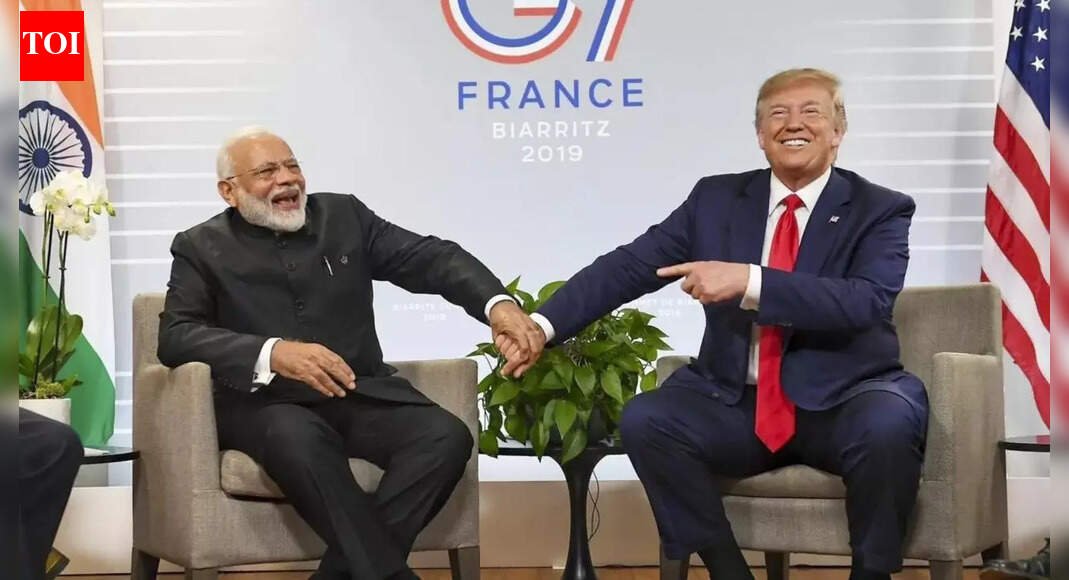
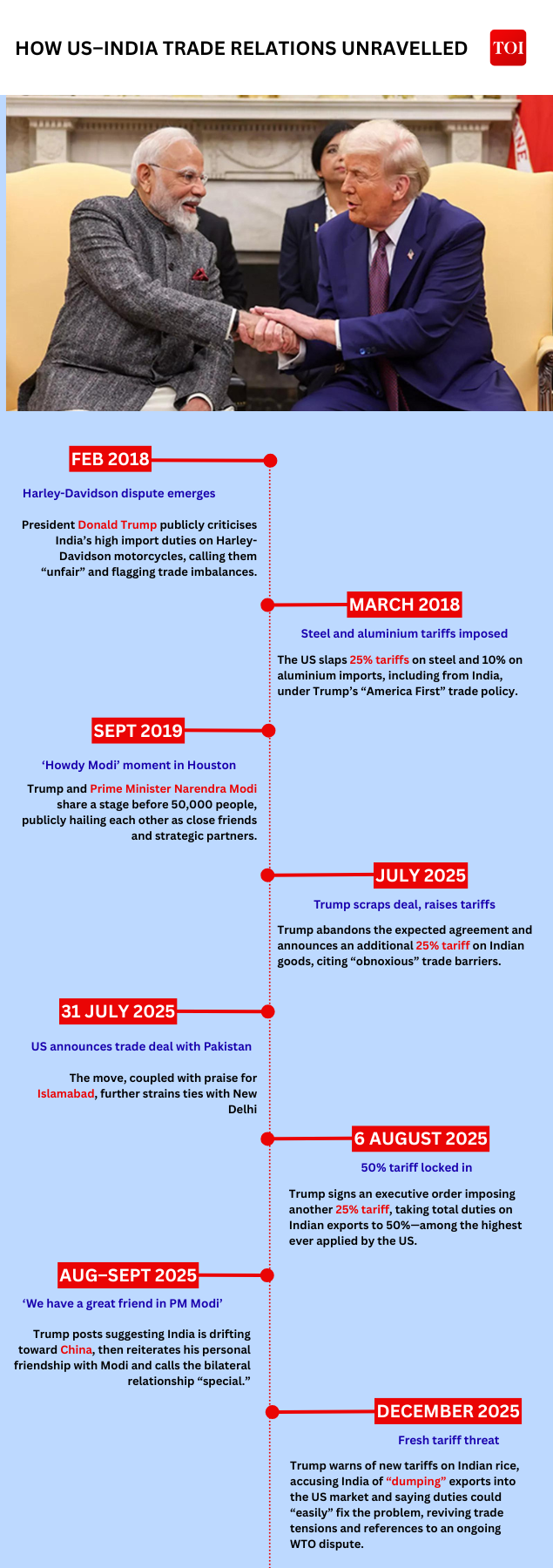
When the US went to the polls in 2024, many Indians watched closely. Some even prayed. After Trump returned to office on January 20, Prime Minister Narendra Modi made an early visit to the White House on February 12, signalling India’s intent to stabilise and strengthen ties. Talks of a bilateral trade deal followed, briefly reviving optimism.But that optimism quickly faded.The US administration’s failure to resolve the Russia–Ukraine war within its first 100 days—despite all the bold early promises—altered global equations. The India–US ties, too, had started fraying.From hugs to hostilityIt wasn’t always that way. Last September, Donald Trump and Narendra Modi stood before a screaming crowd of more than 50,000 at the “Howdy Modi” rally in Houston. Trump referred to India as a loyal friend. Modi lavished praise on Trump as a “true friend in the White House.” The chemistry seemed real. The optics were perfect.

PM Narendra Modi's Speech | Howdy Modi Event | Address to Indian diaspora

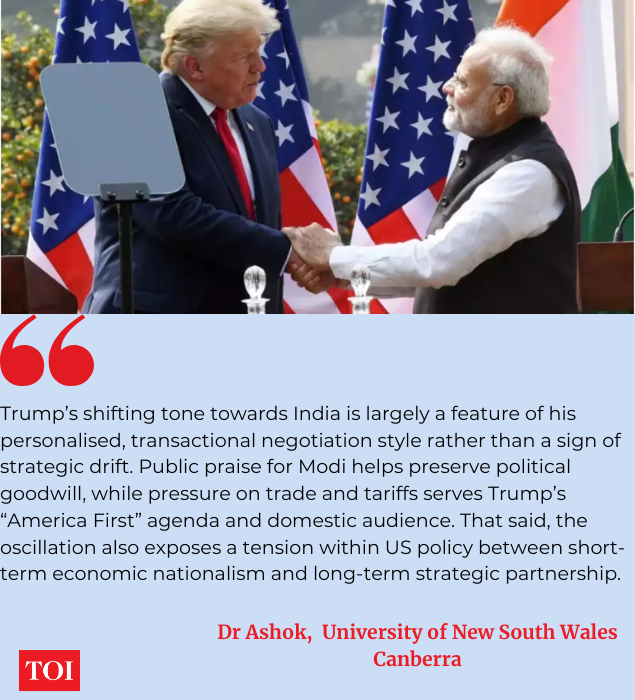
Six years on, that bonhomie seems a distant memory.By August 2025, the two countries were in a bruising trade war, with Washington slapping a staggering 50 per cent tariff on Indian exports. What transpired between those hugs in Texas and the hammer blows of tariffs is a sobering tale of ego clashes, hardening trade positions, and a friendship severely tested to survive realpolitik.The first cracksThe warning signs had flashed early. In 2018, Trump had publicly denounced India’s high import duties on Harley-Davidson motorcycles as “unfair.” Next came the “America First” tariffs-25 per cent on steel and 10 per cent on aluminium. Last March, India lost its preferential access under the US Generalised System of Preferences, affecting billions of dollars in exports.Then came another sensitive flashpoint—India and Pakistan.Trump had repeatedly claimed credit for a ceasefire between the two nuclear-armed neighbours, saying the US had mediated talks and urged both sides to focus on trade instead of war. The conflict had been triggered by an April 22 attack in Pahalgam, in which 26 civilians, mostly tourists were killed.On 10 May, Trump said he and the vice-president, JD Vance, had intervened to bring about an “immediate ceasefire.” Pakistan’s version of events kept shifting. India, however, was unequivocal.PM Modi told President Trump clearly that during this period, there was no talk at any stage on subjects like India-U.S. trade deal or US mediation between India and Pakistan,” Indian Foreign Secretary Vikram Misri said.“Talks for cease of military action took place directly between India and Pakistan through established military channels and on the insistence of Pakistan. Prime Minister Modi underscored that India has never accepted mediation in the past and will never do.”Ego over economics?According to Prof Rajan Kumar of JNU, the connection of Trump’s behaviour with economics is very minimum.“Actually, but Trump’s tariff is not as much about economics or the benefit of United States policy as much as it is for the ego of President Trump,” he added.“The fact that he wanted to take the credit for the ceasefire between India and Pakistan, but India didn’t accept it… he was really, really upset with that.”Prof Rajan said, “His policies are essentially driven by MAGA-style loyalty politics, not by consistent diplomacy. And indeed, if you look at countries like China and Russia that have stood up to Trump, they seem to bear fewer consequences than those perceived as more vulnerable.He also argued that this was one of the reasons why the US seemed to be becoming amiable towards Pakistan once again.Dr. Ashok Kumar, employed at University of New South Wales Canberra at Australian Defence Force Academy, was more circumspect, saying Trump’s seesawing reflects a transactional negotiating style, rather than a complete strategic break. Public praise preserves goodwill, tariffs satisfy domestic politics. But the contradiction, he said, exposes deeper tensions within US foreign policy.

Dr Ashok

From 25 to 50 per centVery early into 2025, optimism did briefly revisit. Modi’s visit to Washington revived hopes for a big-ticket trade deal as ambitions to double bilateral trade to $500 billion by 2030 were floated. But on 30 July, Trump derailed the talks abruptly when he announced an additional 25 per cent tariff. Days later, he revealed a trade deal with Pakistan.On August 6, he signed an order raising tariffs on Indian exports to 50 per cent—placing India among the most heavily tariffed US partners in history.

India US trade relations

Mixed messages, rising uncertaintyOn September 5, US President Donald Trump dropped a cryptic message that set off fresh speculation about the future of India–US ties and the stalled trade negotiations between the two countries.In a post accompanying a photograph of Prime Minister Narendra Modi posing with Chinese President Xi Jinping and Russian President Vladimir Putin, Trump suggested Washington was losing ground to Beijing’s influence.“Looks like we’ve lost India and Russia to deepest, darkest, China. May they have a long and prosperous future together!” he said.The post came amid growing trade tension and the increasing frustration in Washington over India’s continued energy ties with Russia and unresolved tariff disputes.Needed, though: From various international sources, a worldwide release.Within a day of the above observation, Trump placed emphasis on how the India–US relationship was “special” and that the personal friendship he had with Prime Minister Modi was intact.Speaking at the Oval Office, Trump said, “I’ll always be friends with (Narendra) Modi… He’s a great prime minister. He’s great. But I just don’t like what he’s doing at this particular moment. But India and the United States have a special relationship. There’s nothing to worry about. We just have moments on occasion.”His comments came despite lingering tensions over tariffs and Indian purchases of Russian oil.Fresh tariff threats over Indian riceSince then, Trump has escalated the trade rhetoric, warning that additional tariffs could be placed on Indian rice imports. Accusing India of ‘dumping’ rice into the US market, Trump promised he would “take care” of the issue, insisting that tariffs could “easily resolve the problem.”The remarks came in a White House roundtable with representatives of the farming sector and senior cabinet officials, including Treasury Secretary Scott Bessent and Agriculture Secretary Brooke Rollins. During the same event, Trump announced a $12-billion federal aid package for American farmers.Throughout the conversation, Trump presses Bessent on India’s trade practices. “India, tell me about India. Why is India allowed to do that? They gotta pay tariffs. Do they have an exemption on rice?When told, “No sir, we’re still working on their trade deal”, Trump responded, “But they shouldn’t be dumping. I mean, I heard that. I heard that from others. They can’t do that.”It triggered references to an ongoing World Trade Organisation case involving India.‘We have a great friend in PM Modi’Meanwhile, Trump has consistently praised Modi in public, and reassured India of its strategic relevance to Washington despite the sharp trade rhetoric.The US Embassy in India on Tuesday quoted Trump as saying on X: “India is home to one of the world’s oldest civilizations. It is an amazing country, and a very important strategic partner for America in the Indo-Pacific region. We have a great friend in PM Modi.”A statement from the ministry stated that the visit was a follow-up to the recent phone conversation between Modi and Trump, during which the two leaders reviewed bilateral relations besides discussing regional and global developments. The call came soon after Modi’s summit with Russian President Vladimir Putin and amidst renewed international efforts to end the Russia–Ukraine war through an expanded peace plan proposed by Trump.Trade negotiations also featured in the discussion, including US demands for India to allow greater access to its markets for agricultural produce including corn and soybean. Modi later characterized the discussion as “warm and engaging,” adding that both sides had reviewed the steady progress being achieved in ties and reaffirmed cooperation for global peace and prosperity.

india-us

Strategic imperatives, political uneaseEven as public messaging oscillates, several US lawmakers have cautioned that Trump’s policies risk straining ties with India at a time when Washington increasingly views New Delhi as a vital counterweight to China.Speaking to The Times of India, Vivek Mishra, Deputy Director of the Strategic Studies Programme at the Observer Research Foundation, underlined why India remains indispensable to US strategy.“Partners like India are therefore indispensable. But this strategic logic is now constrained by a resurgent nationalist imagination within the United States – one that questions America’s role as a global policeman and is deeply sceptical of complex, multi-aligned partnerships. India’s ties with Russia sit uncomfortably within this worldview. From Washington’s perspective, the contradiction is managed rhetorically rather than resolved strategically: India is expected to act as a counterweight to China while simultaneously being pressured to align more closely with US preferences,” Mishra said.“This tension reflects a broader uncertainty in US foreign policy-between realism, which acknowledges India’s strategic autonomy, and ideological nationalism, which demands clearer lines of allegiance,” he added.US elections and the immigration factorWith the US edging closer to another election cycle, immigration is slowly emerging as a point of political confrontation. The harshest criticism has been directed at Trump, whose name is already being bruited about as one of those likely to join the fray.Prof Rajan told The Times of India that anti-immigration sentiment is gathering steam across Western democracies.“And, you know, today only one scholar was saying Trump might go, but Trumpism will remain. So we’ve seen in the first administration also. Trump in his first administration imposed some tariffs, and Biden continued with those tariffs which he didn’t remove when he came to power,” he said.He added that the supremacy of America in the world is crumbling, providing fertile soil for blame politics.“And the easiest target in this situation becomes the immigrant… And Trump’s policy of nationalism, economic protectionism, etc, will continue,” Prof Rajan said.He further alleged that Trump pursues a policy of creating a white-dominant Western hemisphere and seeks control over territories from Greenland to Latin America.Tough talk vs diaspora politicsDr Ashok said Trump’s statements are carefully calibrated to appeal to his conservative base.“His remarks continue to underscore his brand as a prime minister who can wrest concessions from his partners. But they also risk offending the Indian-American diaspora, that has grown politically influential and generally prefers stable respectful bilateral relations. The interplay between domestic posturing and diaspora sensitivities remains a delicate balance,” he said.While Mishra said the Trump administration has softened overt rhetoric against India, its approach nonetheless remains transactional. The Indian-American community, he said, has limited room to openly push back in the political climate where support for foreign partnerships is easily labelled anti-American.“This is compounded by an ongoing debate within the United States about national identity-what it means to be American,” he said, citing that Indian-Americans are often torn between ethnic pride, strategic alignment, and domestic loyalty.C5 and a fragile hopeThere have been various reports that Trump is considering a new ‘C5’ grouping—comprising the US, Russia, China, India, and Japan—that could eventually displace the G7. Dr Ashok believes the idea reflects Washington’s recognition of India’s rising global stature.“The concept of a ‘C5′ group signals that Washington sees India as much more than a regional power, and increasingly as a pivot for a rebalanced international order. It shows US acknowledgment of India’s economic heft, demographic size, and strategic independence,” he said.Meanwhile, Mishra added, this is not radically different from earlier strategic imaginations that began at the turn of the century; this is simply a reassertion of those ideas. The implicit assumption herein is that a small cabal of major economies must come together in order to maintain order and stability in the global financial and strategic system.” What distinguishes the idea of a C5, however, is that it implicitly attempts to manage the growing distance between Russia and China, with the United States positioning itself as a central balancer. In the aftermath of the Russia-Ukraine war, which the Trump administration has sought to resolve or at least contain, these structural divergences between the US and China, and between the US and Russia, are unlikely to disappear any time soon. The C5 does not magically bridge these gaps; rather, its effectiveness would remain contingent upon the bilateral dynamics among these powers,” he said.“For India, however, the significance is clear: the very articulation of such a grouping suggests that the United States increasingly views India as a pillar of the next global order-one that deserves a seat at the high table, whether in the UN system or in shaping the political and economic architecture of the coming decades.”The C5 represents a broader and more ambitious conception of India’s role, extending well beyond regional balancing, compared to the Indo-Pacific framework, he further said.For now, India–US ties stay impossibly unpredictable–caught between strategic compulsion and political turbulence. Yet, beneath the noise, there is cautious optimism that both sides may still find a way to steady and strengthen the partnership.


Source link