Breaking News
New Zealand announces white-ball squads for the India tour; no Kane Williamson and Jacob Duffy in ODIs


New Zealand Cricket (NZC) has officially signaled a transitional phase for their white-ball squads, announcing a mix of seasoned leaders and fresh faces for their high-stakes tour of India in January 2026. With the T20 World Cup 2026 looming in February, the tour serves as the ultimate litmus test for the Black Caps in subcontinent conditions. While the T20I side sees the return of established stars, the ODI squad has been designed to test depth, featuring two uncapped players and a new captain at the helm. This dual-squad announcement highlights NZC’s careful management of player workloads, balancing franchise commitments and injury recoveries against the need for a full-strength World Cup preparation.

The leadership shift in New Zealand squad: Split captaincy for the India series

In a notable move, New Zealand have appointed separate captains for the two legs of the tour to manage injuries and individual schedules. Michael Bracewell will lead the ODI side, stepping in for Mitchell Santner, who is being rested for the 50-over format as part of a managed return-to-play plan following a groin injury.

Bracewell, who has become a vital all-round cog for New Zealand, will be supported by an experienced leadership group including Devon Conway and Daryl Mitchell. However, Santner will return to his leadership duties for the five-match T20I series, a format where his tactical acumen on spin-friendly Indian tracks is considered indispensable. Head coach Rob Walter emphasized that the T20I series is the priority, stating that exposure to subcontinent conditions is vital before the world event begins in February.

“Jayden has been an identified player of interest for some time and has some good New Zealand ‘A’ experience under his belt. He’s consistently been one of the top performers in white-ball cricket domestically for a number of seasons. Playing in the sub-continent is obviously very different to what we’re used to in New Zealand, so any opportunity we can get to expose our guys to those conditions can only be a good thing, especially prior to a T20 World Cup in the subcontinent. Rob Walter, NZ Head Coach, was quoted as saying by Blackcaps.

New Zealand’s white-ball squads for the India series

The squad announcement is headlined by the inclusion of Central Districts left-arm spinner Jayden Lennox, who has earned his maiden international call-up for the ODI series alongside the uncapped Kristian Clarke. Their inclusion follows standout domestic seasons where they were identified as key prospects for subcontinent conditions.

Meanwhile, Kyle Jamieson makes a highly anticipated return to both white-ball squads after a lengthy injury layoff. The T20I squad also welcomes back Matt Henry and Mark Chapman, both of whom are returning from recent calf and ankle injuries. These squads reflect a clear strategy of prioritizing T20 readiness while blooding the next generation of ODI talent during a busy international window.

New Zealand ODI Squad:

Michael Bracewell (c), Adi Ashok, Kristian Clarke, Josh Clarkson, Devon Conway, Zak Foulkes, Mitch Hay (wk), Kyle Jamieson, Nick Kelly, Jayden Lennox, Daryl Mitchell, Henry Nicholls, Glenn Phillips, Michael Rae, Will Young.

New Zealand T20I Squad:

Mitchell Santner (c), Michael Bracewell, Mark Chapman, Devon Conway (wk), Jacob Duffy, Zak Foulkes, Matt Henry, Kyle Jamieson, Bevon Jacobs, Daryl Mitchell, James Neesham, Glenn Phillips, Rachin Ravindra, Tim Robinson, Ish Sodhi.

Also READ: Australian Cricket Awards 2026: Will the event be scrapped? Here’s everything we know

Reason behind New Zealand stalwart Kane Williamson and Jacob Duffy’s absence

The biggest talking point of the announcement is the absence of former captain Kane Williamson from the ODI series. NZC confirmed that Williamson is unavailable for the 50-over matches due to his commitments with Durban Super Giants in the SA20 league, which directly clashes with the Indian tour.

Similarly, Tom Latham will miss the ODI series to remain in New Zealand for the birth of his third child. These absences have opened the door for emerging players like Bevon Jacobs and Tim Robinson, both of whom were rewarded for prolific domestic seasons. The T20I squad will be bolstered further later in the series by the arrival of players like Lockie Ferguson and Finn Allen as soon as their respective franchise commitments are complete.

“Kane Williamson is unavailable for ODI selection due to commitments in the SA20 league. Mitch Hay will keep wicket for the ODI series, whereas Devon Conway will take the gloves for the T20Is. Jacob Duffy and Rachin Ravindra will both sit out the ODI series to allow them to rest after being involved in all cricket since the start of the home summer. Ben Sears has returned from his stint in Melbourne, but was not considered for selection in ODI cricket as he works through his return to play program. Sears is progressing well and is on track to be available for the Super Smash.” New Zealand Cricket said in an official statement.

Also WATCH: Ben Duckett’s drunk video goes viral amid Ashes 2025–26 setback


Source link

Vijay Hazare Trophy: Vaibhav Sooryavanshi becomes youngest List A centurion, smashes 36-ball hundred | Cricket News


Vijay Hazare Trophy: Vaibhav Sooryavanshi becomes youngest List A centurion, smashes 36-ball hundred
Vaibhav Sooryavanshi (Pic credit: ACC)

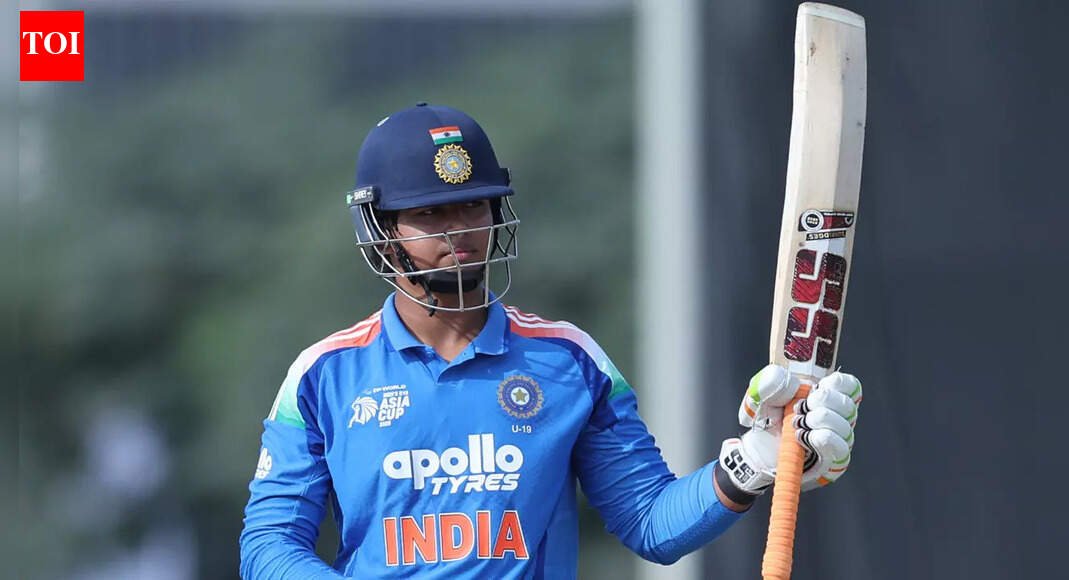
NEW DELHI: 14-year-old Vaibhav Sooryavanshi has stolen the limelight, overshadowing even the return of stars Virat Kohli and Rohit Sharma as Vijay Hazare Trophy got off to a stunning start on Wednesday. Representing Bihar, the prodigy smashed a blistering 36-ball century against Arunachal Pradesh, becoming the youngest player in List-A cricket history to reach triple figures.Go Beyond The Boundary with our YouTube channel. SUBSCRIBE NOW!Sooryavanshi, aged just 14 years and 272 days, also recorded the second-fastest century by an Indian in List-A cricket, trailing only Anmolpreet Singh’s 35-ball ton for Punjab in 2024 — coincidentally also against Arunachal Pradesh. Displaying a rare combination of composure and aggression, the southpaw went on to convert his century into 150, reaching the landmark in just 59 balls.

Kohli, Rohit, Surya, Pant: Who has the most to prove in Vijay Hazare?

The teenage sensation is on his way to a double century and already smashed 13 sixes and 16 fours in the match.The young batter’s record-breaking exploits are not limited to this tournament. Sooryavanshi has now scored centuries in the Vijay Hazare Trophy, Syed Mushtaq Ali Trophy, IPL, Youth ODIs, Youth Tests, and for India A. He also made headlines in the Under-19 Asia Cup 2025 with a 171-run innings off 95 balls.As the Vijay Hazare Trophy unfolds, all eyes will now be on this 14-year-old sensation, whose performances could redefine the landscape of Indian domestic cricket.

Fastest List-A Centuries in History

Rank Player Balls Score Team Opposition Venue Year
1 Jake Fraser-McGurk 29 125 South Australia Tasmania Adelaide 2023–24
2 AB de Villiers 31 149 South Africa West Indies Johannesburg 2014–15
3 Anmolpreet Singh 35 115* Punjab Arunachal Pradesh Ahmedabad 2024–25
4 Corey Anderson 36 131* New Zealand West Indies Queenstown 2014
4 Graham Rose 36 110 Somerset Devon Torquay 1990
4 Vaibhav Suryavanshi 36 190+ Bihar Arunachal Pradesh Ranchi 2025


Source link

7 strange ways your body reacts in life or death situations |


7 strange ways your body reacts in life or death situations

In moments where danger feels real and immediate, the human body behaves very differently from how it does in daily life. Thought often drops into the background. Instinct steps forward. People who have lived through accidents, violent encounters, natural disasters, or sudden medical emergencies often say the same thing later. They were not thinking. They were reacting. Some felt oddly calm. Others felt disconnected or unusually alert. None of it felt planned.This happens because survival switches the brain into a different operating mode. Normal priorities like comfort, politeness, or careful reasoning lose importance. The body focuses on one goal only, staying alive long enough to escape the threat. Actions happen first. Understanding comes later. That gap between reaction and awareness is what makes these experiences feel so strange in hindsight.

The Truth About Death Nobody Is Telling You- Sadhvi Bhagawati Saraswati Explains Krishna’s Message

A peer-reviewed review published in Nature Reviews Neuroscience describes how acute stress can rapidly reshape brain activity. Within moments, systems linked to threat detection become more active, while pain awareness, memory formation, and complex thinking are dialled down. This biological shift helps the body respond quickly when survival is on the line.

How the human body behaves during life or death situations

When danger is perceived, the nervous system releases a surge of stress hormones. Adrenaline and cortisol move through the body, activating neural circuits that evolved long before modern life existed. These responses are fast and automatic. They do not ask permission from conscious thought, which is why they often feel unfamiliar or out of character.

Time feels distorted

During life or death situations, many people notice that time stops behaving normally. Everything may seem to slow down, or the event may pass in a blur. This effect comes from the brain taking in more information per second than usual. Later, when those details are recalled, the moment feels longer than it truly was.

Pain disappears

In extreme danger, the body can temporarily mute pain. Serious injuries may not register until the threat has passed. Endorphins are released, and pain signalling pathways are suppressed so the body can keep moving. Once safety returns, pain often arrives suddenly and intensely.

Vision narrows

Tunnel vision is another common reaction. Awareness of the surroundings fades while attention locks onto whatever feels most dangerous or most useful for escape. This sharp focus can help in the moment, but it also explains why people later realise they missed obvious details around them.

Strength increases suddenly

Some individuals experience short bursts of unexpected physical strength during emergencies. Adrenaline allows muscles to work harder by reducing fatigue signals and recruiting more muscle fibres. This effect is temporary. When it fades, the body often feels drained or shaky.

Memory becomes fragmented

After surviving a life threatening event, memories can feel incomplete or jumbled. Stress hormones interfere with the hippocampus, which normally organises experiences into clear sequences. As a result, memories are stored as fragments rather than a smooth narrative.

Shaking or trembling suddenly

Once the danger has passed, shaking often begins. Hands tremble. Legs feel weak. This is not panic setting in late. It is the nervous system releasing built up stress chemicals. Shaking helps the body return to balance after extreme activation.

Loss of bladder control

In some cases, extreme fear leads to loss of bladder or bowel control. This response is involuntary. During survival mode, the body redirects energy away from systems that are not immediately necessary, prioritising alertness and movement instead.

Understanding these life or death reactions

None of these responses mean something went wrong. They mean the body did exactly what it was designed to do. Learning how the body reacts in life or death situations can ease shame and confusion after trauma. Your body was not failing you. It was trying to keep you alive.Disclaimer: This content is intended purely for informational use and is not a substitute for professional medical, nutritional or scientific advice. Always seek support from certified professionals for personalised recommendations.Also read| Best foods to eat if you have insulin resistance to improve blood sugar control and long-term health


Source link

Wellness Wednesday: Social media myth buster-“More protein is always better” |


Wellness Wednesday: Social media myth buster-“More protein is always better”

Protein has become the golden child of social media wellness. Every reel seems to shout, “Eat more protein!” But blindly chasing high protein can actually backfire. Protein is important—no doubt. But health doesn’t come from extremes. It comes from eating enough, not excess, and letting protein work with the rest of your plate, not overpower it.“It seems like protein is the nutrient that everyone is crazy with these days. You can find an infinite stream of protein bars, smoothies, and powders on Instagram and YouTube. The advice is clear: “Eat more protein!” But is more really better?,” asks Charu Dua, Clinical Nutritionist, Amrita Hospital, Faridabad. The expert has debunked this common myth and has shared inputs on how to use protein safely.

Importance of Protein for Muscle Growth and Overall Health

Social media myth buster

The expert debunks common myth on protein

Protein is important for health since it helps repair tissues, boosts immunity, and keeps muscular mass. However, the body works best when it is balanced, not when it is too much or too little. Extra protein doesn’t instantly change into more muscle or improved health once you’ve met your protein needs.For most healthy persons, the required amount of protein is not too high. Indians need roughly 0.8 to 1 gram of protein for every kilogram of body weight every day. For instance, a person who weighs 65 kg would need between 52 and 65 grams of protein every day. Even athletes, older people, or people who are getting better from an illness just require a little more protein. The idea that eating twice or three times as much protein, as seen on social media, can help you build muscle or improve your health is wrong.The body doesn’t have a place to store extra protein. Anything that it doesn’t need is broken down, and the nitrogen part has to be gotten rid of by the kidneys. This makes their job harder. People with renal illness, diabetes, or high blood pressure, which are common in India, can speed up kidney damage by eating too much protein.Also, eating too many protein-rich foods like meat, protein shakes, and bars might push out foods that are high in nutrients and fiber, including fruits, vegetables, and whole grains. This can cause constipation, bad gut health, high cholesterol levels, and a lack of nutrients, all of which protein alone can’t address.

Wellness Wednesday

A balanced approach to the protein we really need

The Indian Dietary Guidelines say that protein is important for development, repair, and overall health, but it’s important to get the right amount. To work well, the body needs a moderate amount of protein.

1. General protein consumption:

The Estimated Average Requirement (EAR) for healthy people is 0.66 grams of protein per kilogram of body weight per day.The Recommended Dietary Allowance (RDA) is 0.83g per kg of body weight per day, which is enough for 97.5% of people. This is about 43g (EAR) or 54g (RDA) of protein per day for an adult who weighs 65 kg.Most adults get enough protein from this amount. Too much protein beyond what you need won’t help you build muscle or improve your health, and it can put a burden on your kidneys.

2. The Protein Energy (P:E) Ratio:

10 to 15 percent of the calories you eat each day should come from protein. If you eat 2000 calories a day, this indicates that 200 to 300 of those calories should come from protein.Like all nutrients, protein functions best when it is balanced with the right amount of carbs and fats. Your body requires carbs and lipids to get the energy it needs to use protein to repair and develop muscles. If you don’t eat enough carbs and fats, your body can use protein for energy instead of developing muscle. This makes protein less effective at helping muscles grow.

3. The quality of protein:

Not all proteins are the same. Animal proteins, like meat, eggs, and dairy, are complete proteins. This means that they have all the amino acids your body requires.Plant-based proteins, such as pulses, beans, and grains, may be missing some important amino acids, but they can still give you good protein when you mix them well. For instance, mixing cereals and pulses in a 3:1 ratio makes sure that all the amino acids are present, which makes plant protein just as good as animal protein.

4. Nitrogen balance and energy use:

Nitrogen is in protein, which is necessary for making amino acids. To develop and repair muscle, the body keeps a balance of nitrogen. When you get enough protein to develop muscle, you have a positive nitrogen balance. When your body tears down muscle to meet protein needs, you have a negative nitrogen balance.For protein to work well for developing muscle, you need to get enough energy from carbs and fats. Your body could burn protein for energy instead of using it to create muscle if you don’t get enough energy from carbs and fats.

What exercise does to help your body use protein

It’s really important to be active so that your body can use the protein you eat to build muscle. This is how:Increased absorption: When you work out, especially with weights, blood flow to your muscles increases. This helps transport protein and other nutrients that help your muscles heal and grow.Regular exercise makes your body better at handling nutrients, which means it can absorb protein better and use it to build and repair muscle.Building muscle mass: When you lift weights, your muscles get tiny tears that need protein to heal and get stronger. The more you move about, the more protein your body will need to help grow muscle.

Keeping your muscles healthy and strong

Keeping your muscles strong is important for your health as a whole, not only for getting stronger. This is why:Lower risk of diseases: Having enough muscle mass lowers the risk of getting diseases including diabetes, heart disease, and osteoporosis. For instance, having more muscle makes your body more sensitive to insulin, which lowers your risk of type 2 diabetes.Better bone health: Strength training and other weight-bearing workouts can help make bones denser and lower the risk of osteoporosis.Metabolism: Muscle tissue burns more calories when you’re not doing anything, which helps you keep your weight in check and improves your overall metabolic health.You won’t be able to properly use the protein you eat to create muscle if you don’t exercise regularly. Instead, too much protein can be used for energy or stored as fat, especially if the body gets more protein than it needed to repair muscles.Protein is important, but getting the appropriate quantity is better than getting too much. Without exercise, protein alone won’t make you healthier or help you build muscle.Exercise, especially strength training, helps the body use protein better to build and repair muscles.To make sure that protein is used to grow and repair muscles instead of being used as energy, it should be balanced with energy from fats and carbs.To have the optimum health and muscle-building results, you need to eat enough protein, eat a balanced diet, and exercise regularly.In short, more protein isn’t necessarily better. The most important thing is to figure out how much you need based on your age, level of activity, and health goals. Not extremes, but equilibrium.


Source link

Jairam Ramesh accuses Centre of misleading public on Aravallis, questions redefinition | India News


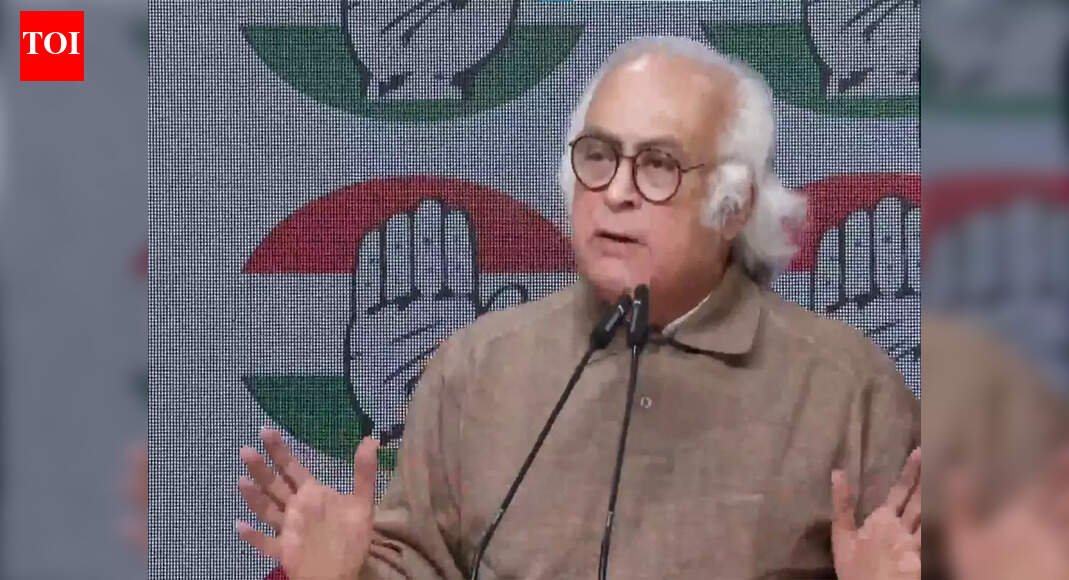
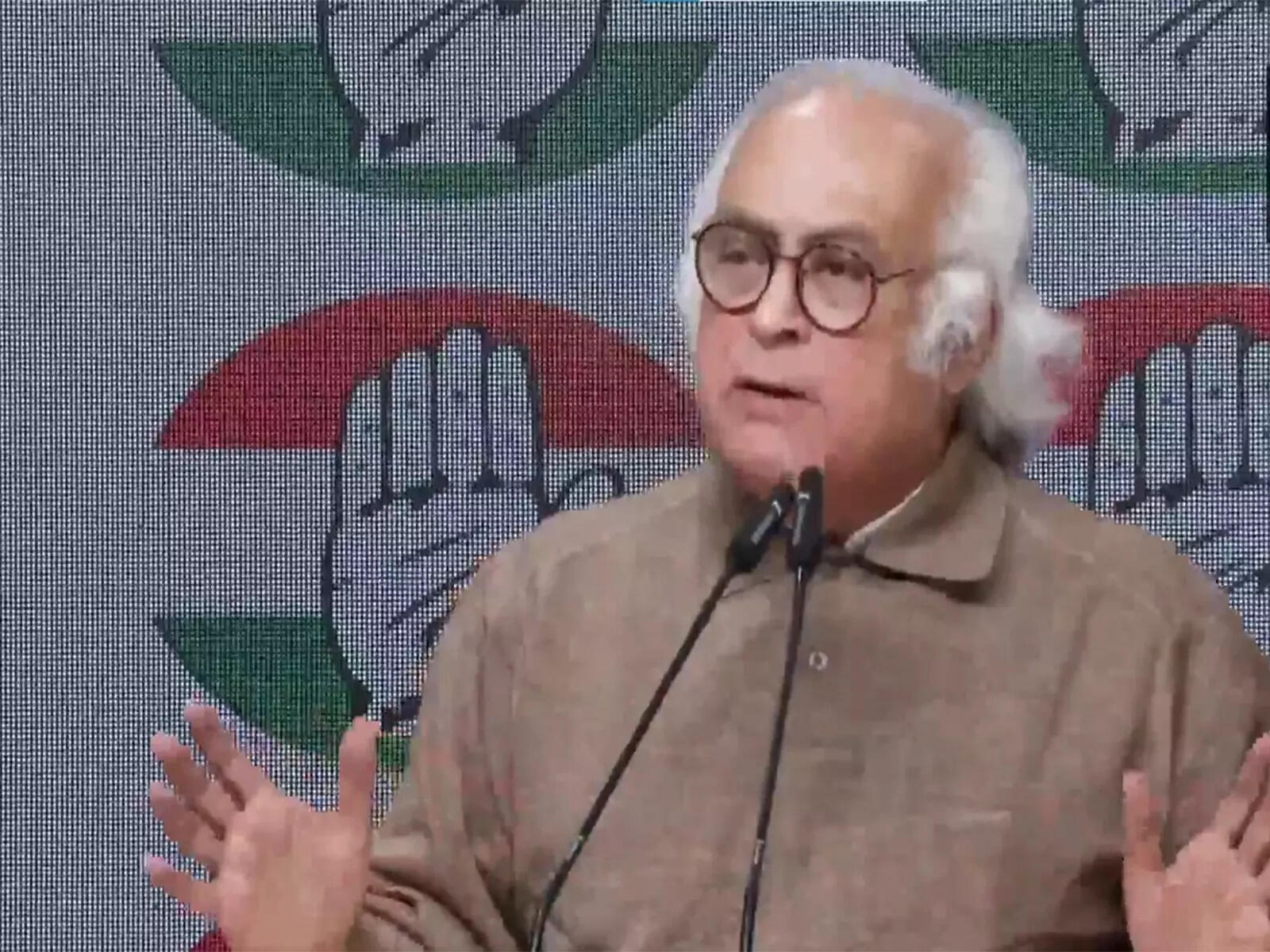
NEW DELHI: Senior Congress leader and former Union environment minister Jairam Ramesh on Tuesday stepped up his attack on the Modi government over the Aravalli Hills, accusing the Centre of “misleading the public” and pushing through a “fatally flawed” redefinition of the ecologically sensitive range.In a post on X, Ramesh alleged that the Union ministry of environment,forests and climate change was being “economical with the truth” on the Aravalli Hills issue. He claimed that the redefinition being adopted by the government had been “clearly and compellingly opposed” by key statutory and judicial bodies, including the forest survey of India, the central empowered committee (CEC) of the Supreme Court, and the apex court’s own amicus curiae.

Aravalli Hills Row: Why Definition Battle Could Decide Mining Water Security And AQI In North India

“Why is the Modi Govt pushing through a fatally flawed redefinition of the Aravallis?” Ramesh asked in his tweet.Speaking to on Tuesday, the Congress MP had alleged that the government was attempting to “sell the Aravalli Hills instead of saving them”. He argued that changes in the definition of the Aravalli region would open the door for increased mining and real estate activity, further aggravating pollution levels, particularly in and around the National Capital Region.His remarks came in response to Union environment minister Bhupender Yadav’s clarification that only 0.19 per cent, or about 277 square kilometres, of the total 1.44 lakh square kilometres of the Aravalli range would be permitted for mining activities.Questioning the government’s figures, Ramesh said the assessment lacked transparency. “On what basis have they decided the 0.19 per cent of the Aravalli Hills? That 0.19 per cent means 68,000 acres of land. This is a game of figures. The environment should not be changed into a game of figures,” he said.Ramesh also announced that he would approach the Supreme Court in January, challenging the government’s move and seeking judicial intervention to protect the fragile ecosystem spread across Rajasthan, Haryana, Gujarat and Delhi.The Union environment ministry, meanwhile, issued a detailed clarification stating that no new mining leases would be allowed until a comprehensive study is conducted, in accordance with the Supreme Court’s November 20 order.Environmentalists have repeatedly warned that degradation of the Aravalli range, an ancient mountain system that acts as a natural barrier against desertification, could have serious consequences. The hills are the source of major rivers such as the Chambal and the Sabarmati and play a crucial role in supporting agriculture, livelihoods and regional rainfall patterns.


Source link

‘India continues to soar higher’: PM Modi hails Isro’s BlueBird Block-2 satellite launch; calls it ‘proud milestone’ | India News


'India continues to soar higher': PM Modi hails Isro's BlueBird Block-2 satellite launch; calls it 'proud milestone'

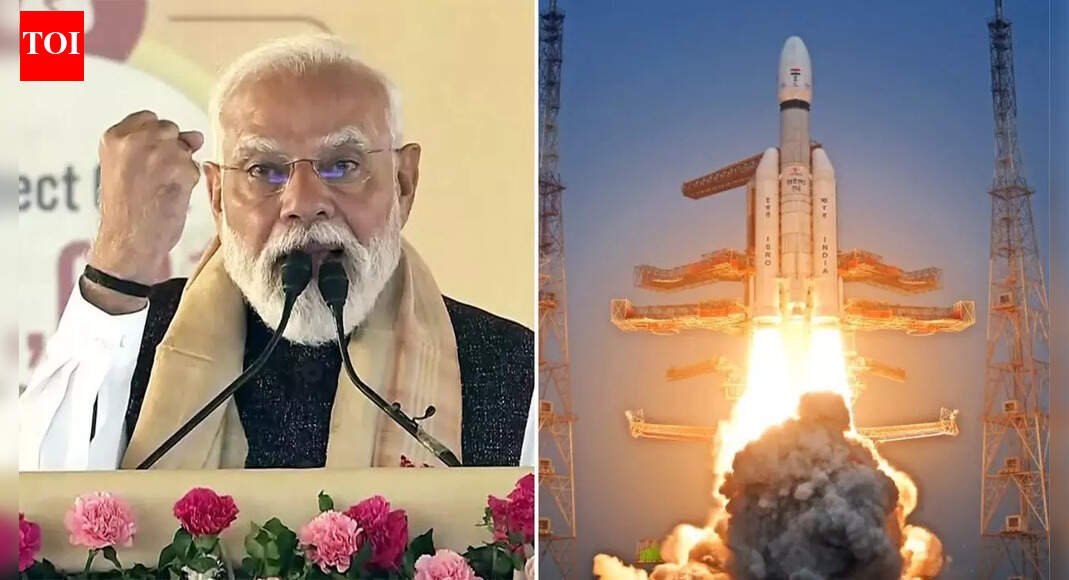
NEW DELHI: Prime Minister Narendra Modi on Wednesday hailed Isro‘s successful launch of LVM3-M6, which placed the BlueBird Block-2 satellite into its intended orbit, saying that “India continues to soar higher” further calling the mission a “proud milestone” in the country’s space journey.Congratulating Isro’s scientists and engineers, the prime minister said the achievement underlined India’s growing capabilities in the space sector and its push towards Aatmanirbhar Bharat.

ISRO Launches Heaviest-Ever Satellite BlueBird Block-2 Onboard LVM3 Rocket

Sharing a post on X, PM Modi said, “A significant stride in India’s space sector… The successful LVM3-M6 launch, placing the heaviest satellite ever launched from Indian soil, the spacecraft of USA, BlueBird Block-2, into its intended orbit, marks a proud milestone in India’s space journey.”“It strengthens India’s heavy-lift launch capability and reinforces our growing role in the global commercial launch market. This is also reflective of our efforts towards an Aatmanirbhar Bharat. Congratulations to our hardworking space scientists and engineers.”“India continues to soar higher in the world of space!” he declared.In a separate post, the prime minister highlighted the role of young scientists, saying, “Powered by India’s youth, our space programme is getting more advanced and impactful.”“With LVM3 demonstrating reliable heavy-lift performance, we are strengthening the foundations for future missions such as Gaganyaan, expanding commercial launch services and deepening global partnerships,” he said.“This increased capability and boost to self-reliance are wonderful for the coming generations,” he added.The prime minister’s remarks came after Isro’s heavy-lift rocket LVM3 successfully placed the US communications satellite BlueBird Block-2 into Earth orbit in an early-morning launch from Sriharikota.Isro chairman V. Narayanan said, “This is the heaviest satellite to be launched by an Indian launcher in Indian soil. This is also the first back-to-back LVM3 launch missions within a period of 52 days. With this, Isro has placed 434 satellites for 34 countries.”Weighing 6,100 kg, BlueBird Block-2 is the heaviest payload launched by LVM3, which completed its sixth operational flight and third dedicated commercial mission. The 43.5-metre-tall, 640-tonne rocket lifted off from the Second Launch Pad at the Satish Dhawan Space Centre, injecting the satellite into a circular orbit of around 520 km about 16 minutes after liftoff.


Source link

Meet ‘Super Mario’: The man living on cruise ships for 25 years with no home on land |


For most people, a cruise is a temporary escape. For Mario Salcedo, it has been home for a quarter of a century. Known to crew and fellow passengers as “Super Mario,” the Florida-based financial advisor has spent nearly his entire adult life moving from one ship to another, trading a fixed address for an endless horizon of ocean views.Since gradually shifting to full-time cruising around the turn of the millennium, Salcedo has abandoned life on land almost entirely. He owns no house, pays no rent, and has no property taxes or utility bills. Instead, his days unfold across the decks, lounges and cabins of Royal Caribbean ships, where his floating routine has become as familiar to staff as it is unconventional to outsiders.

From office desk to cruise ship living

Salcedo’s life at sea began in the late 1990s, when frequent business travel led him to discover that cruise ships offered something hotels and offices did not: stability wrapped in constant motion. By around 2000, he was effectively living onboard year-round, booking back-to-back sailings and returning to land only briefly between voyages.The decision was deliberate. Salcedo has said traditional office life felt restrictive and draining. Life on a cruise ship, by contrast, offered structure, social interaction and a sense of rhythm, even as the scenery continuously changed.

cruise ship living

How he pays for life at sea

Maintaining a permanent cruise lifestyle is not cheap, but Salcedo insists it is manageable. Over the years, he has estimated his annual costs at between $70,000 and $100,000, depending on cabin choice, itinerary and internet packages.That price covers accommodation, food, entertainment, housekeeping and global travel. What it replaces are many land-based expenses, including rent, home maintenance, car ownership and property taxes. Salcedo has described his arrangement as a predictable, all-in cost rather than a luxury splurge.

Working from the middle of the ocean

Salcedo continues to work full time as a financial advisor. His office is wherever he can open his laptop, whether that is a lounge, a quiet corner of the ship or a cabin desk overlooking the sea.He keeps a weekday schedule, managing client portfolios remotely. Over time, ship crews have adapted to his presence, and he has become a familiar figure rather than a transient guest.

More than 1,000 cruises and counting

After decades at sea, Salcedo has completed more than 1,000 voyages, placing him among the most frequent cruisers in the world. His loyalty to Royal Caribbean has brought elite status perks, familiarity with staff and a sense of continuity that mirrors life in a close-knit community.

Man Jumps Off Cruise in SHOCKING Move to Avoid $16K Gambling Debt; CAUGHT | WATCH

The repetition does not bother him. Instead, it provides the stability he values, even as ports and coastlines constantly change.

The unexpected cost to his health

Years of continuous motion have resulted in Salcedo developing Mal de débarquement syndrome, a neurological condition that causes a sensation of rocking or swaying when on land. Ironically, his symptoms ease once he returns to a moving ship.The condition has further anchored his decision to remain at sea, where he says he feels balanced and comfortable.

Admiration, scepticism and debate

Salcedo’s lifestyle regularly draws admiration and criticism in equal measure. Supporters praise the freedom and simplicity of his life, while critics question its sustainability, environmental impact and potential isolation.Salcedo acknowledges the trade-offs but says the structure and predictability of cruise ship living suit him better than life on land.

A home that never stays still

After 25 years, Mario Salcedo has become a symbol of extreme modern nomadism. His story challenges traditional ideas of home, stability and belonging.While most passengers eventually disembark, “Super Mario” keeps booking the next voyage. For him, home is not a place on land, but a cruise ship heading toward the horizon.


Source link

WATCH: Ben Duckett’s drunk video goes viral amid Ashes 2025–26 setback


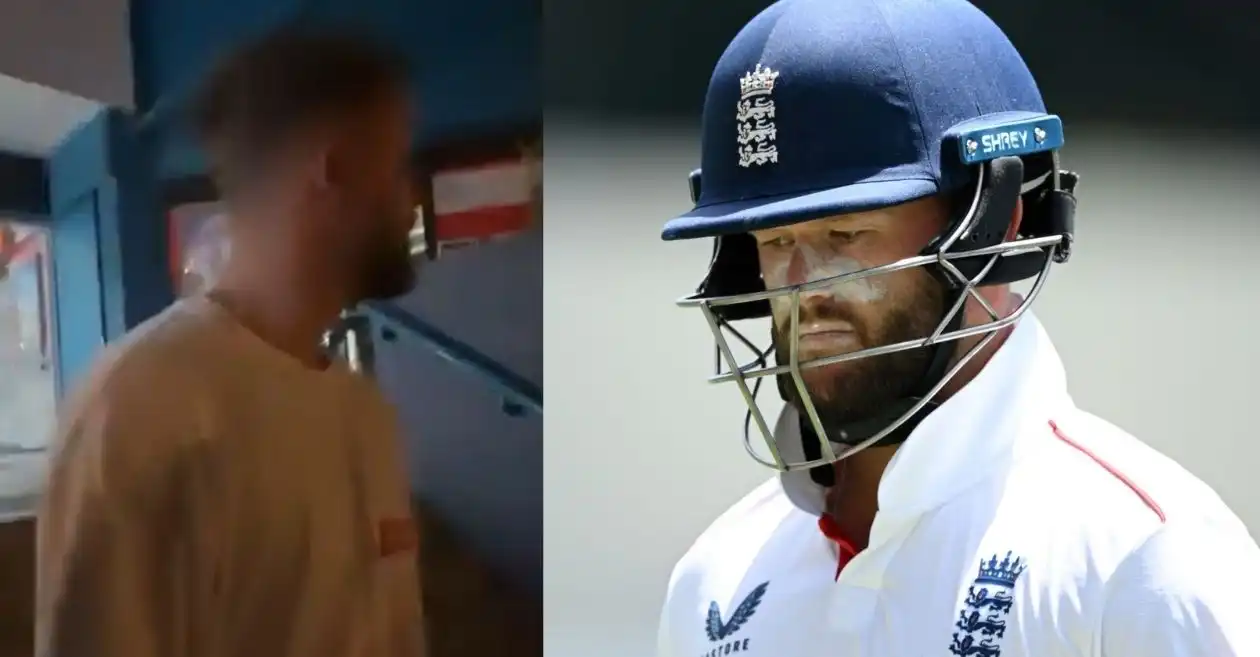
The ongoing Ashes 2025–26 tour has taken a dramatic turn for England, shifting focus from on-field struggles to off-field conduct. In the aftermath of Australia retaining the Ashes in emphatic fashion, England opener Ben Duckett has landed in controversy after a video allegedly showing him intoxicated went viral on social media. The clip has sparked widespread debate and prompted the England and Wales Cricket Board (ECB) to initiate an internal inquiry into the team’s behaviour during a scheduled mid-series break.

England’s campaign in Australia has already been marked by heavy defeats and growing criticism, and this latest episode has only intensified scrutiny on a squad struggling to cope with pressure both on and off the field.

Ben Duckett’s drunk video goes viral

The incident traces back to a four-day break taken by the England squad in Noosa, Queensland, between the second and third Tests. The break was sanctioned as a recovery window after England slipped to a 2–0 deficit early in the series. Instead, reports suggest the trip descended into excess, with claims of heavy drinking quickly making headlines.

The video, which surfaced on December 23, appears to show Duckett outside a shopping area, visibly unsteady and engaging with members of the public. In one exchange, he struggles to answer a simple question about finding his hotel. Another moment captures a fan mocking England’s poor form, prompting an angry verbal response from the batter. The interaction, filmed on a mobile phone, spread rapidly across platforms, drawing sharp criticism from former players and supporters alike.

Here’s the video:

Also WATCH: Rohit Sharma takes a cheeky dig at England after their poor show in Ashes 2025–26

ECB launches investigation

The timing of the video has proved particularly damaging. Just hours earlier, England’s managing director of cricket Rob Key had publicly acknowledged concerns about player conduct during the Noosa break and promised to look into the matter. England went on to lose the third Test in Adelaide, surrendering the Ashes at 3–0 and leaving the remainder of the series devoid of competitive edge.

Sources within English cricket indicate the ECB is treating the issue seriously, with an emphasis on maintaining professional standards during overseas tours. While no disciplinary action has yet been confirmed, the board’s response is expected to set a precedent for future conduct policies.

Duckett’s struggles add fuel to the fire

On the field, Duckett’s performances have done little to ease pressure. Opening the batting, he has managed just 97 runs across the series so far, averaging a modest 16.16 with a highest score of 29. His difficulties against Australia’s pace attack have mirrored England’s wider batting collapse, making the off-field footage even more uncomfortable for team management.

This is not Duckett’s first brush with controversy in Australia. During the 2017–18 Ashes tour, he was provisionally suspended after pouring a drink over the head of teammate James Anderson, an incident that had already raised questions about his judgement on tour.

Also READ: Marnus Labuschagne and Travis Head silence Stuart Broad as Australia retain Ashes with stunning win over England in Adelaide Test


Source link

‘Seemed completely fine’: 6-year-old girl dies of rabies despite treatment in Thane; raises questions on stray dog control | Thane News


THANE: A six-year-old girl bitten by a community dog in Diva last month died of rabies on Sunday at Mumbai’s Kasturba Hospital, despite completing a month-long post-bite treatment at the KDMC-run Shastrinagar Hospital. Her parents said Nisha was playing outside her home on the night of Nov 17 when a dog attacked her, biting her on the shoulder and cheeks. She was taken to a local doctor and later referred to Shastrinagar Hospital, where doctors initiated the standard anti-rabies protocol.

Love, Anger, Fear, Sympathy: How Indians See Stray Dogs | I Witness

“She received all the mandatory injections on time and had no complications,” said her mother, Sushma Shinde, fighting tears. “She seemed completely fine. We even celebrated her birthday on Dec 3.”

6-yr-old’s death sparks query on rabies care, stray control

The situation changed abruptly on Dec 16, a day after Nisha received the final antirabies vaccine dose. She developed fever, headache, extreme weakness and showed sudden behavioural changes. “She began banging her head against the bed and scratching anyone who came near her,” Sushma said. The family rushed her back to Shastrinagar Hospital, from where she was referred to Kasturba Hospital for advanced care.Admitted on Dec 18, Nisha was verbally informed that Nisha was showing symptoms of rabies, with doctors cautioning that her chances of survival were slim. “Still, we hoped for the best. She even asked for her favourite dal-rice the night before,” her mother said. Her condition deteriorated rapidly, her oxygen levels dropped, and she was declared dead on Sunday.The family is seeking answers. “We followed the treatment exactly as advised. We don’t want any other family to suffer like this,” said her uncle, Deva Kadam.Activists have blamed civic apathy and poor stray dog management. “This is the second reported dog-bite incident in the suburb; many cases go unreported,” said Shiv Sena (UBT) leader Rohidas Munde. “The incident raises serious concerns about treatment protocols, medicine quality, and administrative accountability. We have demanded a transparent probe.”KDMC medical health officer Dr Deepa Shukla said the prescribed protocol — including anti-rabies vaccine, immunoglobulin and tetanus toxoid — was followed. “The child returned on Dec 17 with high-grade fever. Our paediatric experts suspected rabies and immediately referred her to Kasturba Hospital,” she said, adding that detailed reports from both hospitals are awaited. Kasturba Hospital is yet to respond. Dr Prasad Patil, TMC’s medical health officer said the incident could possibly be the first rabies death reported in recent years in TMC limits.


Source link

KDMC polls: Ravindra Chavan calls for BJP victory to ensure transparent civic governance | Thane News


KALYAN: Ahead of the Kalyan–Dombivli Municipal Corporation (KDMC) elections, a BJP workers’ rally was held on Tuesday evening in Kalyan East, where BJP state president Ravindra Chavan called upon party workers and citizens to support the BJP to bring transparent governance to the civic body. During the meet, Chavan interacted with BJP office-bearers and workers from across the city and set the tone for the upcoming elections.Addressing the rally, Chavan said that under the leadership of Prime Minister Narendra Modi at the Centre and Chief Minister Devendra Fadnavis in Maharashtra, the country and the state are witnessing transparent and people-oriented governance. “On the same lines, we now want to establish a transparent administration in the Kalyan–Dombivli Municipal Corporation as well. For this, it is essential to support the BJP in the upcoming elections,” he said.

BJP-Led Mahayuti Sweeps Maharashtra Local Body Polls; PM Modi, CM Fadnavis Hail Victory

Referring to the slogan “Parliament to Panchayat, 100 per cent BJP,” Chavan reminded workers that the transparent governance model implemented at the Centre and the state must be extended to the civic level. He appealed to voters to press the button in front of the lotus symbol wherever BJP candidates are contesting and help accelerate the city’s development.Speaking at the workers’ convention held in the 100 Feet Road area of Kalyan East, Chavan also highlighted several civic issues affecting the locality. He said Kalyan East is a densely populated area where residents have long aspired to own permanent homes. To fulfil this dream, he stressed the need for policy-driven decisions and housing schemes such as SRS projects through the Mahayuti alliance. He also underlined the importance of 24-hour water supply, wider and better roads, and improved connectivity with major arterial routes.The meet witnessed the presence of several senior leaders, including veteran leader Jagannath Patil, MLA Sulabhat Tai Gaikwad, newly elected Ambernath Municipal Council president Tejashree Karanjule-Patil, BJP Scheduled Caste Morcha state general secretary Shashikant Kamble, BJP Kalyan district president Nandu Parab, former MLA Narendra Pawar, and former district president Narendra (Nana) Suryavanshi. A large number of party workers and citizens, especially women, attended the programme.Chavan concluded by urging party workers to intensify their outreach efforts and ensure the victory of BJP candidates in the KDMC elections scheduled on the 15th, stating that a BJP-led civic body is key to transparent governance and rapid urban development in Kalyan–Dombivli.


Source link