Breaking News
8.5°C in Bengaluru Urban dist? Cold wave and fog tighten their grip in festive season; holiday travel disrupted | Bengaluru News


8.5°C in Bengaluru Urban dist? Cold wave and fog tighten their grip in festive season; holiday travel disrupted

BENGALURU: As Karnataka readies for Christmas and New Year celebrations, winter has tightened its grip across the state. Despite variations in minimum temperature readings from KSNDMC and IMD, the cold is palpable, with dense early-morning fog reducing visibility and disrupting travel in parts of Bengaluru and its nearby districts.“Clear skies will continue over Bengaluru, with a dense blanket of fog and mist during mornings. While the city’s outskirts with thick vegetation are likely to record minimum temperatures below 10°C, areas in and around the central business district will see minimum temperatures between 12°C and 13°C,” an IMD scientist noted.According to KSNDMC data, Bengaluru Urban and Rural recorded minimum temperatures of 8.5°C and 8.7°C, respectively.In contrast, the IMD observatory on Palace Road reported a minimum of 14.4°C for Bengaluru, while HAL airport station recorded 14.1°C.However, there was unanimity between meteorologists from both the agencies that minimum temperatures had dipped 2-3°C below normal and was likely to fall by another one or two degrees during the weekend, with the chill expected to persist till month-end.Meanwhile, foggy conditions have already begun affecting routine life and holiday travel in southern interior districts. In Bengaluru Rural, dense fog between 4am and 9.30am has made driving difficult on several state and national highways, including NH-648, NH-48 and Yelahanka-Gauribidanur state highway.The cold has intensified across the state, with minimum temperatures plunging sharply in several districts, making this one of the coldest spells of the season.The sharpest dip has been recorded in north-interior Karnataka, where early mornings have turned biting cold. KSNDMC data show that Bidar recorded the lowest minimum temperature at 5.3°C Friday night, followed by Belagavi at 5.9°C and Dharwad at 6.4°C.Districts such as Vijayanagara, Vijayapura, Bagalkote, Gadag, Haveri and Kalaburagi reported minimum temperatures between 6.5°C and 8°C, indicating that the cold spell is widespread rather than confined to a few pockets.



Source link

IND vs PAK, U19 Asia Cup 2025 Final, Match Prediction: Who will win today’s game between India and Pakistan?


The stage is set for a blockbuster finale as the two giants of Asian age-group cricket, India U19 and Pakistan U19, clash in the ACC Men’s U19 Asia Cup 2025 Final at the ICC Academy Ground in Dubai.

After a grueling tournament, these two rivals meet again, just a week after their high-stakes group-stage encounter. India enters the final as the only undefeated team, while Pakistan has shown immense resilience to fight back and secure their spot in the title clash.

India holds the psychological edge, having defeated Pakistan by 90 runs in the group stage on December 14. In that game, India’s bowling depth and Aaron George’s middle-order heroics proved too much for the Boys in Green.

Key players to watch

  • Vaibhav Suryavanshi: The 14-year-old sensation has been the talk of the tournament. His record-breaking 171 off 95 balls against UAE highlighted his explosive potential at the top.
  • Ayush Mhatre (c): The skipper brings professional experience from the Ranji Trophy and IPL. Though he had a quiet group stage, his leadership and tactical acumen have been flawless.
  • Aaron George: The hero of the previous IND-PAK clash, his 85-run knock rescued India from a precarious position.
  • Deepesh Devendran: The pace spearhead who dismantled Pakistan’s top order with a 3-wicket burst in their earlier meeting.
  • Huzaifa Ahsan: Pakistan’s most consistent batter, he fought a lone battle with a gritty 70 against India in the group stage and will be vital in the middle order.
  • Ali Raza: A high-quality pacer who was instrumental in Pakistan’s U19 World Cup run last year. He will look to exploit any early moisture in the Dubai track.
  • Farhan Yousaf (c): The captain leads a balanced side and will need to anchor the innings if the top order falters against India’s spinners.
  • Mohammad Sayyam: A dangerous all-rounder who took 3 wickets against India earlier and provides crucial balance.

IND vs PAK, U19 Asia Cup Final: Match details

  • Date and Time: December 21; 10:30 am IST / 5:00 am GMT / 9:00 am Local
  • Venue: ICC Academy Ground, Dubai

Also READ: Fans left shocked as BCCI drops Shubman Gill from India’s T20 World Cup 2026 squad

ICC Academy Ground Pitch Report:

The pitch at the ICC Academy Ground in Dubai typically offers a well-balanced surface that provides a true and consistent bounce, favoring top-order batters who are comfortable playing through the line early in the innings. As the match progresses and the Dubai sun dries out the surface, the pitch tends to slow down and offer grip, making the middle overs a tactical battle where spinners become crucial for controlling the run rate. Historically, this venue favors the team batting first, as the surface can become slightly more difficult to bat on in the second innings once it wears.

Squads:

India U19: Ayush Mhatre(c), Vaibhav Suryavanshi, Aaron George, Vihaan Malhotra, Vedant Trivedi, Abhigyan Kundu(w), Kanishk Chouhan, Henil Patel, Khilan Patel, Deepesh Devendran, Kishan Kumar Singh, Udhav Mohan, Naman Pushpak, Harvansh Pangalia, Yuvraj Gohil

Pakistan U19: Sameer Minhas, Hamza Zahoor(w), Usman Khan, Ahmed Hussain, Farhan Yousaf(c), Huzaifa Ahsan, Daniyal Ali Khan, Mohammad Shayan, Abdul Subhan, Mohammad Sayyam, Ali Raza, Momin Qamar, Ali Hassan Baloch, Niqab Shafiq, Mohammed Huzaifa

IND vs PAK, U19 Asia Cup 2025: Today’s Match Prediction

Case 1:

India wins the toss and bowls first
Pakistan powerplay score: 40-50
Pakistan total score: 250-260

Case 2:

Pakistan wins the toss and bowls first
India powerplay score: 45-55
India total score: 270-290

Match result: Team bowling first to win the contest

Also READ: Shubman Gill dropped, Ishan Kishan & Rinku Singh return as India unveil squad for T20 World Cup 2026


Source link

‘Kochi Biennale challenges the practice of putting certain artists on a pedestal’ | India News


‘Kochi Biennale challenges the practice of putting certain artists on a pedestal’

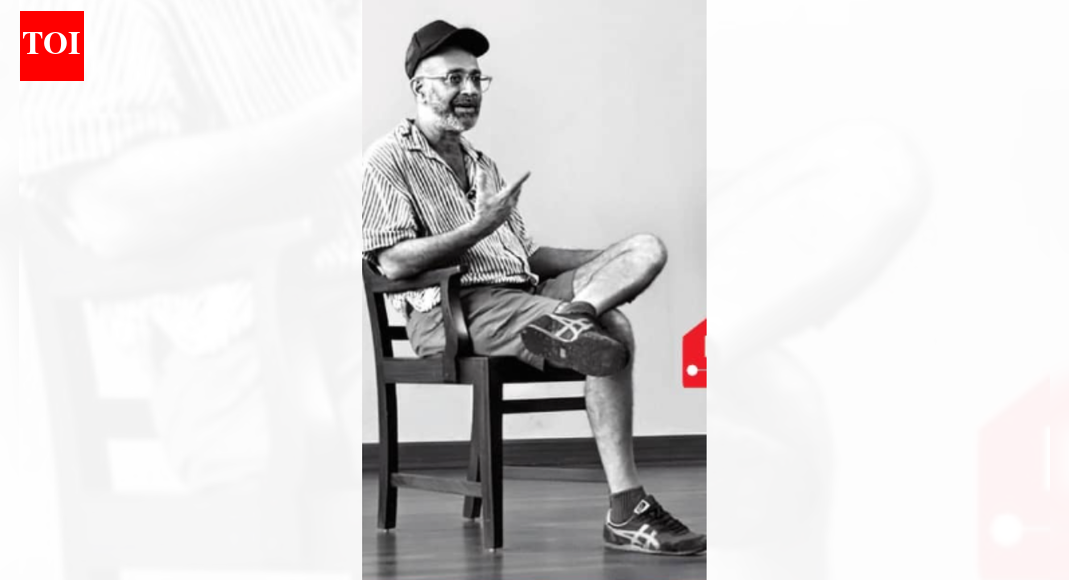
The Kochi-Muziris Biennale has never been about polished spectacle. Instead of wine and cheese, there are fried banana fritters, a curator dressed in shorts, with some works unfinished and others still finding their rhythm. Neelam Raaj spoke to curator Nikhil Chopra on why he wanted to blur hierarchies and invite viewers to experience contemporary art as something dynamic rather than fixedYou were one of the OGs of performance art in India, back when it wasn’t even widely accepted as art. You’ve done things like eating and sleeping at the Metropolitan Museum of Art in New York to trace the legacy of colonialism. As curator, the Biennale feels like it’s part of your attempt to expand the definition of art. Was that your aim?What interested me here was working with forms that don’t sit neatly in one category. Take the performance of French artist Uriel Barthélém. He is a drummer and composer but his was not just a music performance, it was also an experimental percussion and visual work. The drum kit is programmed to generate visuals, creating a multidimensional, multisensory experience. For me, it was almost like watching a live painting unfold.Your curatorial team at HH Art Spaces brought together established artists like Marina Abramovic and our own Gulammohammed Sheikh alongside artists who don’t even have gallery representation. That’s unusual, isn’t it?It was very much about dismantling hierarchy. We wanted to stop working with a pyramid structure where certain artists are placed on pedestals. By placing emerging artists alongside figures with established practices, the intention was to level the playing field and push back against gatekeeping. It allows younger voices to see their own work and research in dialogue with art history and excellence, and to recognise the strength of their own journeys.The Biennale also challenges the idea of art as something static or framed. There is Belgium-based Nigerian artist Otobong Nkanga who is growing a garden at Aspinwall and Argentine artist Adrián Villar Rojas who stuffed decaying food into obsolete fridges.Yes, art here is meant to be dynamic. Take Otobong’s garden, for example. It’s freshly planted now, but it will grow and change over the course of the Biennale. Time becomes a material. We have three months to cultivate this exhibition, almost like a garden, and that duration allows works to transform.The theme is ‘For the Time Being’. What does ephemerality mean to you in this context?It’s a series of moments. The Biennale has a beginning and an end, an entry and an exit. We’re acknowledging that we’re passing through time and place. Many of us have been living in Kochi for months, treating it as a residence rather than a temporary site. That kind of immersion is essential.Kochi itself feels deeply embedded in many of the works. Ghanaian artist Ibrahim Mahama was talking about how he sourced local sacks with the stamps of trade to turn a Mattancherry warehouse—a relic of its mercantile past—into a Parliament of Ghosts. How important was it that artists work closely with the city?Very much so. Many artists sourced materials locally, worked with students, carpenters, craftspeople, and technicians here. We’re crediting everyone involved, and their names will appear alongside the wall texts and in the catalogue. This exhibition was made collectively, with the city.The Biennale positions itself outside the commercial art market, yet collectors are clearly keeping an eye out for promising artists. Are you surprised by that?Artists need to sustain their lives. If art can become an agency for them, there’s nothing wrong with it. For me personally, as a performance artist, I never initially thought about my relationship with the market. Over time, drawing became a sustainable practice that fed my performances, and the performances fed the drawings. It became a symbiotic relationship.I’ve bumped into many locals and tourists here who admit they’ve never been to a gallery before, and many don’t have an ‘arty’ vocabulary. But you’ve spoken about how it’s okay if audiences don’t understand everything.That openness is crucial. Someone told me they didn’t understand everything, but they understood what they liked, and that was enough. Local residents, international visitors, first-time viewers, and specialists, everyone is invited to experience it on their own terms.Finally, what do you think is the function of a Biennale for someone encountering contemporary art for the first time?This Biennale, in many ways, is about demystifying making, watching, and interacting with art. It’s about instilling faith in the idea that art and poetry are essential to people’s lives. Contemporary art has the ability to poetically approach difficult conversations— about caste, gender, patriarchy, sexuality—within a space that feels safe and open. The aim is to allow people in, to break away from the white cube of galleries, and to make art feel lived, shared, and human.There were some grumbles about the spaces opening while many works were still in process. Did that unfinished state bother you?From the beginning, our curatorial note made it clear that we weren’t afraid of inviting people into that process. Some works were still being adjusted, some artists hadn’t fully completed their installations, and that was fine. People could walk through, see what was there, and also sense that things were still being fixed and tuned. Soon, everything will find its place, but the exhibition itself functions as an activation space over time.


Source link

Congress plays down Omar’s dismissal of ‘vote theft’ charge


Congress plays down Omar’s dismissal of ‘vote theft’ charge

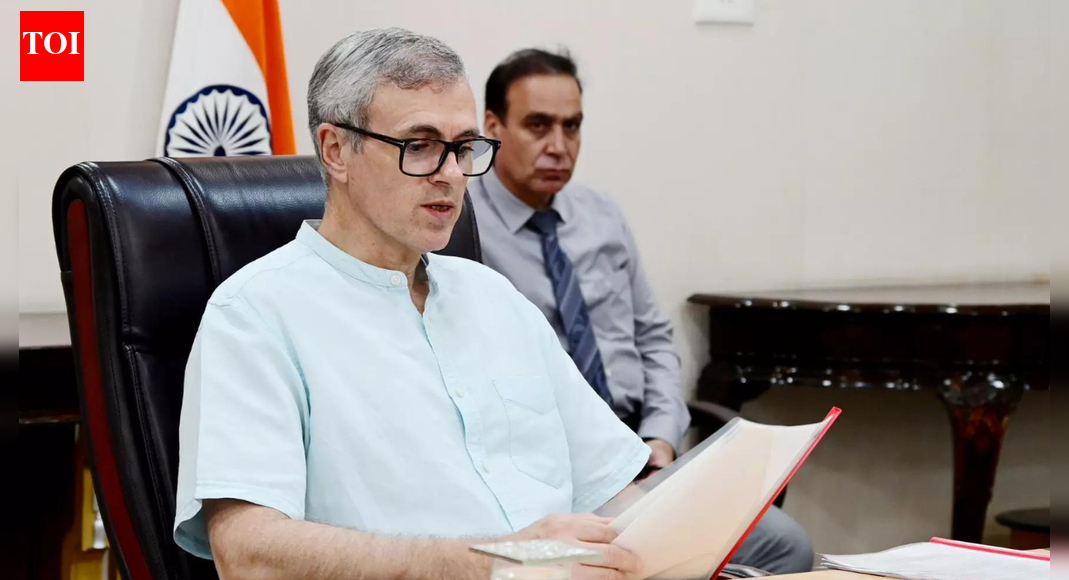
SRINAGAR: Days after J&K CM Omar Abdullah described the “vote chori” as an issue of the Congress alone and said the INDIA bloc had “nothing to do with it,” the party on Saturday said being in alliance does not negate a constituent’s political ideology.“Omar Abdullah was present in various meetings of the INDIA bloc, whether they took place in Kolkata or elsewhere. The alliance was very successful in the parliamentary elections, though we have not achieved 100 percent success,” Congress’s Salman Khurshid said responding to question whether Omar is drifting away from the alliance.“Alliance is not a negation of independent political parties. They don’t write off their own identity and own ideology,” Khurshid said at a press conference here.On Dec 15, J&K CM distanced himself from the “vote chori” issue raised by the Congress and said the “INDIA bloc has got nothing to do with it”.Early this week, he repeated the statement in New Delhi.Khurshid said Jammu and Kashmir’s demand for statehood was a fight for its very existence, describing statehood as an identity that had been taken away.He also questioned the removal of Mahatma Gandhi’s name from the rural employment law MGNREGA. “What was the need to change the name of the scheme?” he said, adding that it is an emotive issue for the Congress.Omar echoed his comments, saying no one could erase Gandhi’s legacy, irrespective of whether his name remained attached to the scheme. “Mahatma Gandhi lives in the hearts of the people of India,” he said, describing the original scheme as far-sighted. He accused the NDA government of attempting to weaken the MGNREGA by shifting its financial burden on the states, saying the Centre ultimately wanted to do away with it altogether.


Source link

Omar praises Centre for allocating funds to Jammu & Kashmir, complains about statehood | India News


Omar praises Centre for allocating funds to Jammu & Kashmir, complains about statehood

SRINAGAR: J&K Omar Abdullah Saturday praised the Centre for being generous in allocating funds to J&K, but said the same magnanimity had not been shown in the matter of restoring statehood.Omar said he had no hesitation in acknowledging and thanking the Centre’s efforts where it had delivered. “I am not among those who practise politics by deceiving people. Whenever the Centre extends support, I acknowledge it; and wherever there are shortcomings, I also speak about it,” he added.The CM was responding to media persons’ queries about the opposition’s accusations that he praised BJP in Delhi, but criticises it in Kashmir. At a meeting in New Delhi recently, Omar had said the Centre had been generous to J&K, even though, if it wanted, it could have brought his govt to its knees. Opposition parties in Kashmir widely criticised him for the statement, referring to him as “good boy” and alleging that he spoke in different voices in Delhi and Srinagar.Rejecting the criticism, Omar said he did not make statements to please anyone. “I do not say one thing in Delhi and another in Kashmir. I say this (praising Union govt over funds allocation) everywhere — in public meetings, in official interactions and even on the floor of the Assembly,” he said.Omar said the Centre had left no scope for complaint on issues other than statehood restoration, a commitment it has not fulfilled.Criticising the new rural employment guarantee Bill that has been brought to replace MGNREGA, Omar said the Centre had shifted the financial and administrative burden of the programme on the states.The CM was in Srinagar to review the winter preparedness of the administration.

‘Who named G-RAM G Bill?’

Omar Abdullah poked fun at the renaming of MGNREGA as ‘Viksit Bharat-Guarantee for Rozgar and Ajeevika Mission (Gramin), or VB-G RAM G, Omar Abdullah said the acronym sounded like a Bollywood movie’s name.“First of all, I am surprised where this name came from,” he said. “I am sorry, but a Bill should have been named after giving it some thought. It reminds me of an old Bollywood movie, ‘Ji Mummy Ji’. I don’t know if you have seen it or not, my nephew has,” he added. “Who named the bill as G RAM G?” he asked. He also criticised the removal of Mahatma Gandhi’s name from the scheme.


Source link

Sanjay Manjrekar warns India: ‘Tests reveal the real health of a nation’ despite white-ball series wins | Cricket News


Sanjay Manjrekar warns India: 'Tests reveal the real health of a nation' despite white-ball series wins
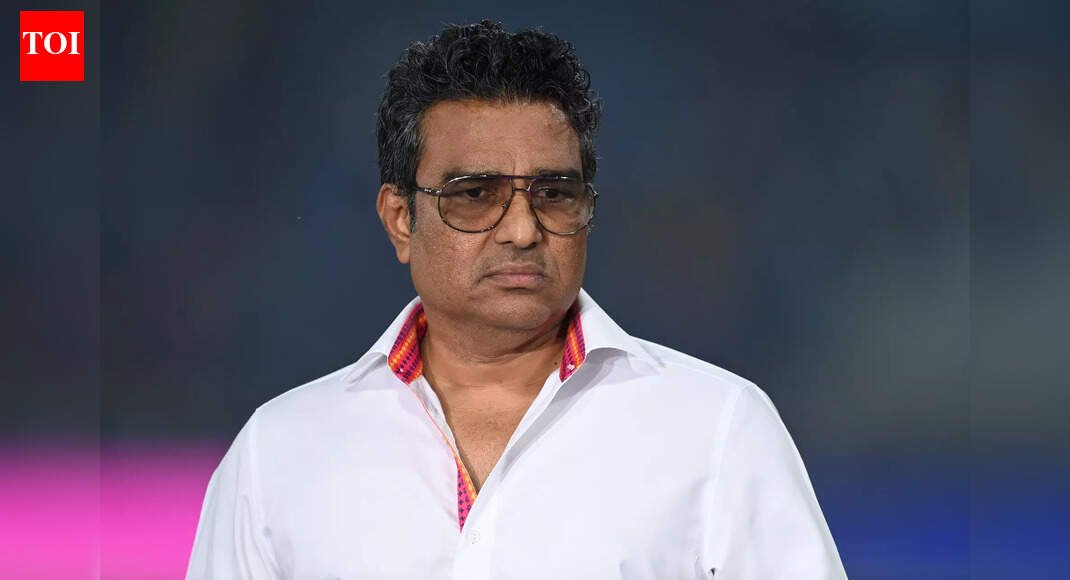
Former Indian cricketer Sanjay Manjrekar (Photo by Gareth Copley/Getty Images)

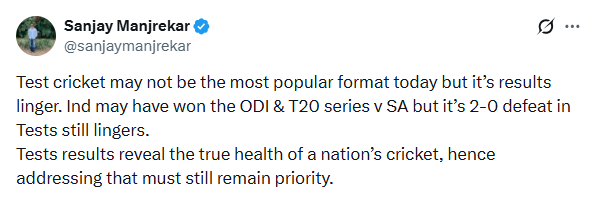
Former India batter Sanjay Manjrekar has voiced concern over the state of India’s red-ball cricket after the team suffered a 0–2 whitewash against South Africa in the Test leg of the home series, stressing that results in the longest format remain the truest measure of a nation’s cricketing health. India’s home season produced mixed emotions. The return of Rohit Sharma and Virat Kohli in the ODI series brought festive scenes and headline-grabbing performances, while a youthful T20I side continued to impress despite a few rough edges. Yet those positives have done little to dull the pain of another home Test whitewash, India’s second in successive years, which has left supporters deeply unsettled.

Shashi Tharoor vs Rajeev Shukla breaks out on India match in Lucknow

While defeats at home are not unheard of and long unbeaten streaks are eventually broken, the manner of India’s collapse stood out. The batting unit, stacked with proven talent, was undone repeatedly by South Africa’s disciplined bowling attack, led by spinner Simon Harmer and the tall left-arm pacer Marco Jansen, on challenging surfaces. India’s batters were also comprehensively outplayed by the Proteas line-up across both Tests. The disappointment followed closely on the heels of a 0–3 home whitewash against New Zealand last year, suffered despite the presence of senior players such as Rohit Sharma, Virat Kohli and Ravichandran Ashwin. More recently, a younger Indian side, captained by Rishabh Pant in place of the injured Shubman Gill, was unable to halt the slide, further compounding the sense of unease among fans.

Sanjay Manjrekar

Sanjay Manjrekar post

Manjrekar took to X to underline the significance of the setback, arguing that Test cricket still casts the longest shadow. He wrote that while India may have won the ODI and T20I series against South Africa, it is the 2–0 defeat in the Tests that continues to linger. According to him, Test results reveal the true state of a country’s cricket, and addressing issues in that format must remain a priority. India now face a stretch dominated by white-ball cricket, with three ODIs and five T20Is against New Zealand coming up, followed by the ICC T20 World Cup and the IPL next year. As a result, it will be several months before the team returns to Test action. At present, India sit sixth in the ICC World Test Championship standings, with four wins, four losses and one draw, translating to a points percentage of 48.15. Australia lead the table with a perfect percentage, followed by South Africa on 75.


Source link

‘Dhurandhar’ box office collection Day 16: Ranveer Singh and Akshaye Khanna starrer earns Rs 516 crore net; inches closer to Rs 1000 crore worldwide |


'Dhurandhar' box office collection Day 16: Ranveer Singh and Akshaye Khanna starrer earns Rs 516 crore net; inches closer to Rs 1000 crore worldwide

There appears to be no slowing down the extraordinary box office run of Bollywood blockbuster ‘Dhurandhar’. The Ranveer Singh and Akshaye Khanna starrer has stormed into its third week after delivering a record-breaking second week. The film continues to outperform its opening weekend figures, indicating continued audience interest and robust word of mouth.

‘Dhurandhar’ box office collection Day 16

According to early estimates from Sacnilk, ‘Dhurandhar’ earned an impressive Rs 33.50 crore net on Saturday from 5,398 shows across multiple regions. As per the report, the film saw good growth after opening its third week at the box office on Friday with Rs 22.5 crore at the ticket windows.

‘Dhurandhar’ week 3 collections

The film had closed its first week with an impressive Rs 207.25 crore net collection and went on to surpass that figure in its second week, adding an estimated Rs 253.25 crore. This pushed the two-week total to approximately Rs 460.5 crore. With its strong third-week performance, the film’s total net collections have now shot past the Rs 516.5 crore mark, thus cementing its blockbuster status.

‘Dhurandhar’ becomes second-fastest film to hit Rs 500 crore mark

With this achievement, ‘Dhurandhar’ has emerged as the second-fastest Hindi film to cross the Rs 500 crore net milestone. The record is currently held by Allu Arjun-led Telugu blockbuster ‘Pushpa 2 – The Rule’, which achieved the feat in just 11 days. However, ‘Dhurandhar’ has beaten Shah Rukh Khan’s ‘Jawan’ which was previously the fastest film, taking just 18 days to reach the mark. It also beat this year’s blockbuster ‘Chhaava’ which hit the mark in 23 days.

‘Dhurandhar’ becomes Ranveer Singh’s highest grossing film

‘Dhurandhar’ has also become Ranveer Singh’s highest-grossing film to date and his first to enter the Rs 500 crore net club, surpassing his previous blockbusters by a significant margin.

‘Dhurandhar’ gross collection

On Day 16 alone, the film’s gross collections stood at an estimated Rs 40.20 crore. Overall, its India gross has now crossed the Rs 700 crore mark, with total domestic gross collections estimated at around Rs 780 crore. The film’s rapid climb has been fuelled by strong performances, an intense narrative and exceptional weekday holds, translating into repeat viewership nationwide.

‘Dhurandhar’ to enter Rs 1000 crore club

At the international box office, ‘Dhurandhar’ continues to register solid numbers, with overseas collections now estimated at approximately Rs 160 crore. As a result, the film’s total worldwide gross has climbed to around Rs 940 crore. Given the current trend, industry trackers believe it is only a matter of time before ‘Dhurandhar’ enters the coveted Rs 1,000 crore worldwide club.


Source link

IndiGo alerts: Dense fog may disrupt flights across North India; travel advisory issued


IndiGo alerts: Dense fog may disrupt flights across North India; travel advisory issued

NEW DELHI: IndiGo on Saturday issued a travel advisory for passengers, warning that early-morning fog in Delhi and parts of northern India could disrupt flights on Sunday. The airline said reduced visibility during the early hours may lead to delays or schedule changes. In its statement, IndiGo said its operations teams will closely monitor weather conditions throughout the night to minimise inconvenience to travellers. The airline also thanked passengers for their patience in light of seasonal disruptions, according to news agency ANI. “Early-morning fog is expected to affect visibility across Delhi and northern India. Visibility may suddenly drop, impacting flight operations. Safety remains our top priority,” the advisory said. Passengers were advised to check the latest flight status before heading to the airport through the provided link. Those whose flights are affected can rebook or request a refund via IndiGo’s official website. Dense fog is a common winter phenomenon in northern India, often disrupting air, rail, and road transport. On Saturday, low visibility forced the cancellation of 66 arrivals and departures at Indira Gandhi International Airport in Delhi. Delhi Airport also issued a passenger advisory, confirming that low-visibility procedures were in place but all flight operations were functioning normally. Passengers were advised to contact their respective airlines for updates. Meanwhile, Srinagar Airport reported four flight cancellations, including three connecting to and from Amritsar and Delhi, due to adverse weather in those cities


Source link

Doctor’s warning: Never wear shoes inside the home, here’s why


“As a doctor, I never let shoes cross my doorstep, says Dr. Adrian, MD-he pushes a strict no-shoes policy inside his home for good reason. Shoes track in toxins, bacteria-and heavy metals that turn your home into a hidden health hazard. Simple habit change keeps families safer, especially kids who crawl and explore everything.

Hidden dangers

2

Shoes pick up more than dirt on city streets-they carry pesticides from sidewalks, bacteria from public bathrooms–and even lead from urban pollution. One-study found 96 percent of shoes tested positive for E. coli, a nasty bug linked to gut infections and urinary tract issues.Kids face the biggest risk;crawlers touch floors then pop hands or toys in their mouths. Those germs transfer fast. Adults track contaminants through homes, spreading them to kitchens–and bedrooms. Over time, this builds up, raising exposure to harmful stuff we can’t see.Floors act like sponges. Vacuuming helps but misses microscopic threats embedded in carpets or grout. Removing shoes stops the cycle right at the door.

What science says about germs

.

Research backs the no-shoes rule hard. A University of Houston study swabbed shoe soles and found fecal bacteria like E. coli on nearly all samples. Another from New Zealand detected toxic metals including lead, cadmium–and chromium on over 40 percent of shoes.These aren’t rare finds-urban areas amplify risks with traffic fumes settling on roads. Rural shoes haul farm chemicals. Indoors, poor ventilation lets particles linger in air–and dust. Breathing or ingesting them day after day stresses the body.E. coli thrives in warm, moist homes. It survives weeks on floors, hitching rides on socks or bare feet. For vulnerable folks like babies, elderly, or immunocompromised, infections hit harder and faster.

Real risk for kids

4

Imagine your toddler army-crawling across the living room. That innocent play exposes them to whatever your shoes dragged in from the office bathroom or street vendor stall. Studies link floor bacteria to higher diarrhea rates in children.Pets suffer too. Dogs lick paws after walking on contaminated rugs. Everyone shares the same spaces, so risks spread. Chronic low-level exposure to lead affects brain development in kids, even at tiny doses.In India, monsoons worsen it. Wet shoes smear mud mixed with sewage bacteria into homes. Dust from construction sites adds silica–and asbestos traces. A clean entryway policy cuts these threats dramatically.

Easy rules to apply

Adopt the rule without drama. Place a shoe rack or mat right inside the door. Keep comfy slippers handy for everyone. Guests get disposable booties or a polite heads-up.Lead by example. Families stick to habits when parents do. Sign a fun “no shoes zone” poster for kids. Involve them by letting little ones help wipe down the entry.Clean smarter. Mop with disinfectants weekly, vacuum HEPA filters daily. Air out shoes outside. Benefits show quick: fewer colds, cleaner air, peace of mind.Dr. Adrian nails it! Ditching indoor shoes protects without effort. Homes stay sanctuaries, not germ highways. Start tonight. Your family’s health thanks you.


Source link

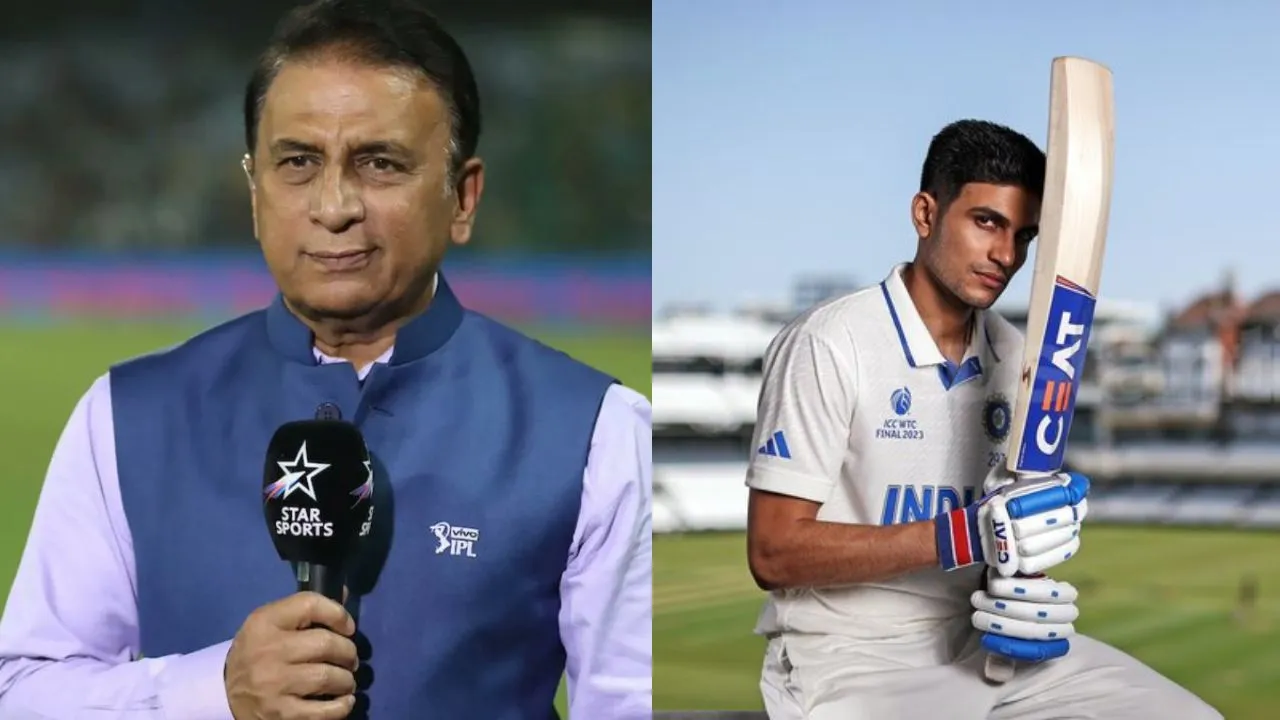
Sunil Gavaskar gives blunt advice to Shubman Gill after T20 World Cup setback


Former Indian cricketer Sunil Gavaskar gave blunt advice to the Indian youngster Shubman Gill on his way back from Ahmedabad, since they boarded the same flight on return. He has also defended Shubman Gill following his ugly snub from the T20 World Cup squad.

Shubman Gill’s snub from the Indian team for the ICC T20 World Cup has not only amazed Indian fans but also some of the cricket greats. One of them is none other than the Indian genius Sunil Gavaskar.

While many have been pleased by the selections made by the Indian Men’s Selection committee, some have even praised Shubman Gill’s exit from the World Cup squad; some, like the Gujarat Titans coach Ashish Nehra and former Indian captain Sunil Gavaskar, have backed Gill.

Your daily dose of cricket!

next

“Not a bit of a surprise, it is a surprise,” opines Sunil Gavaskar.

After Gill’s omission, Gavaskar seemed to have been genuinely taken aback, as he called it a shock on air when the squad was discussed. Gavaskar began by admitting he didn’t see it coming. “Not a bit of a surprise, it is a surprise.”

“Because he’s a class act. Quality batter, who’s had a fabulous season with the bat. Yes, I know he struggled for these few matches against South Africa. But you know, class always tells in the end. You know, form is always a little temporary,” said Gavaskar.

The former Indian captain tried to reason with Shubman Gill’s lack of form in the format. He mentioned that the Indian player returned after a long layoff, and that explains his lack of rhythm, since one has to just come into the shorter format and go all ‘bang-bang.’

“So the T20 format is not something strange for him,” said Gavaskar

Shubman Gill has often been criticized for being comparatively slower than the other players who bat during the powerplay; to this, Sunil Gavaskar explained that the method could look slower when he doesn’t get to time the ball sweetly.

Gavaskar opined that Shubman Gill is inclined to be more of a Test cricketer and has an intent to play along the ground. He mentioned that when it does not come easily onto the bat, then it is quite challenging to play different kinds of shots to get runs in T20s.

We’ve seen in the IPL, he’s very, very good. So the T20 format is not something strange for him,” said Gavaskar.

“Ghar pe kisiko bolo nazar utar de,” Gavaskar turns on fatherly mode for Shubman Gill

When an injured Shubman Gill and captain Suryakumar Yadav returned from Ahmedabad, Indian legend Sunil Gavaskar also took the same flight and came back along with the Indian stars.

He revealed that he gave Shubman Gill some advice, and it was not to improve his game or anything concerned with his technique. He mentioned Gill’s injuries as a bit freakish, and hence, he should cast off the evil eye from him.

“I said that some of these injuries that he’s had have been a little freakish. And therefore you know that neck injury and then, of course, the knee injury. I said, Ghar pe kisiko bolo nazar utar de. You know, because we believe in that. We believe in ki kabhi kabhi nazar lag jaati hain,” said Gavaskar, turning his grandfatherly mode on for the Indian cricketer.

ALSO READ: Ishan Kishan reacts as his long wait ends with ICC T20 World Cup 2026 selection


Source link