Breaking News
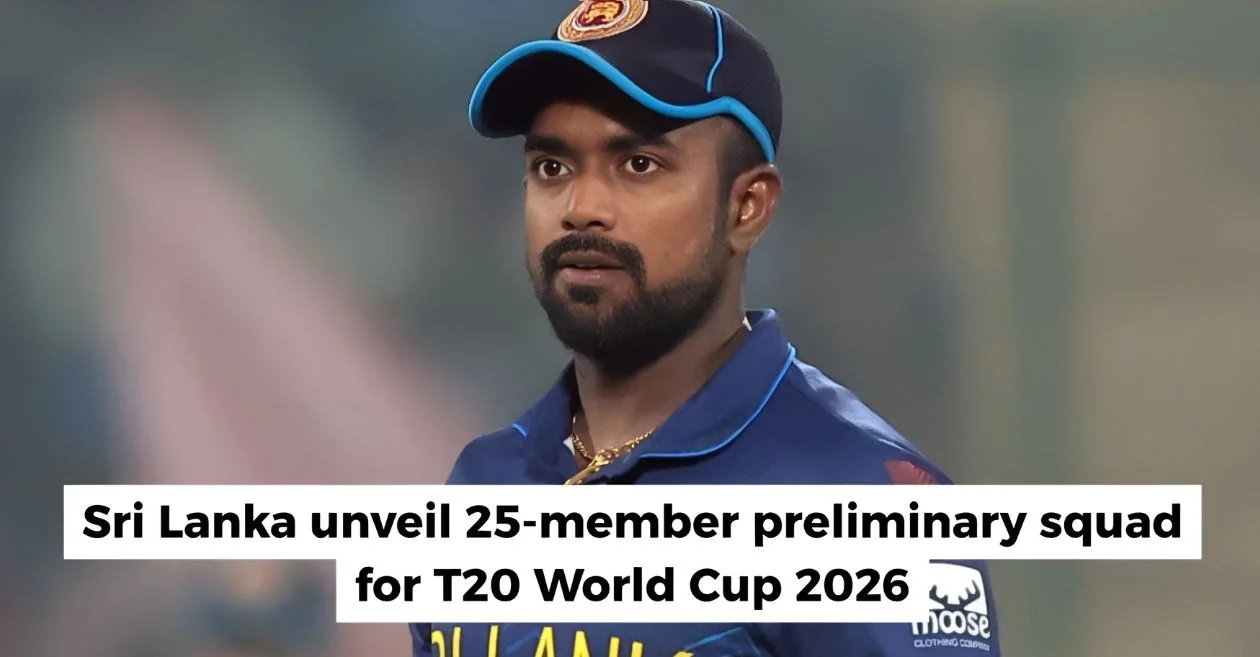
Sri Lanka part ways with Charith Asalanka; names new captain in 25-member T20 World Cup 2026 preliminary squad


In a stunning administrative upheaval just weeks before the ICC Men’s T20 World Cup 2026, Sri Lanka Cricket (SLC) has officially stripped Charith Asalanka of the captaincy.

Sri Lanka sacks Charith Asalanka ahead of T20 World Cup 2026

The announcement, made on December 19, 2025, follows a period of intense internal friction and a visible dip in the team’s on-field performance under Asalanka’s brief tenure. Pramodaya Wickramasingha, returning as the chairman of selectors, confirmed that the decision was driven by a need for experienced leadership as the nation prepares to co-host the global showpiece. The move has sent shockwaves through the cricketing community, particularly given the timing, with the tournament scheduled to begin on February 7, 2026.

The primary catalyst for Charith Asalanka’s removal from the captaincy appears to be a combination of dwindling batting returns and a controversial decision to withdraw from a recent overseas assignment. Wickramasingha was blunt in his assessment, stating that Asalanka’s “poor batting form” made it necessary to relieve him of the leadership burden to allow him to rediscover his touch as a specialist batter.

“Shanaka’s role will be of an all-rounder. When I stopped being a selector Shanaka was the captain. Charith (Asalanka) was in our long term plans then,” Wickramasingha was quoted as saying by Cricbuzz.

Also READ: Not India vs Pakistan! Jay Shah invites Lionel Messi for THIS T20 World Cup 2026 game

Sri Lanka appoints new captain in T20 World Cup preliminary squad

Cricket Sri Lanka named veteran all-rounder Dasun Shanaka as the new leader of the squad. With the 2026 T20 World Cup fast approaching, Shanaka’s reappointment is seen as a strategic move to leverage his experience of playing in three previous World Cups and his established rapport with head coach Sanath Jayasuriya. The chairman of selectors noted that in consultation with Jayasuriya.

“We decided that Dasun Shanaka should be captain until the end of the World Cup, after talking to head coach Sanath Jayasuriya as well. The previous committee had chosen a list of 25 players. We spoke to Jerome Jayaratne, the head of the high performance, as well as Sanath Jayasuriya. We decided to announce that same 25 as a preliminary squad for the World Cup. We are looking at Dasun as an allrounder. We’ll have to talk to Sanath Jayasuriya and work out what is required of him.”

The preliminary 25-man squad sees the return of several notable names, including wicketkeeper-batter Niroshan Dickwella, who is being considered for multiple roles including reserve keeper and opener. The squad is a blend of explosive pace, featuring Matheesha Pathirana and Nuwan Thushara, and a spin battery led by Wanindu Hasaranga and Maheesh Theekshana.

Clubbed with giants like Australia and rising teams like Zimbabwe and Ireland, Sri Lanka’s path through the group stages will demand the tactical maturity that Shanaka is known for, as the co-hosts look to replicate their past glory on home soil.

Sri Lanka preliminary squad for T20 World Cup 2026

Dasun Shanaka (Captain), Pathum Nissanka, Kusal Mendis, Kamil Mishara, Kusal Perera, Dhananjaya de Silva, Niroshan Dickwella, Janith Liyanage, Charith Asalanka, Kamindu Mendis, Pavan Rathnayake, Sahan Arachchige, Wanindu Hasaranga, Dunith Wellalage, Milan Rathnayake, Nuwan Thushara, Eshan Malinga, Dushmantha Chameera, Pramod Madushan, Matheesha Pathirana, Dilshan Madushanka, Maheesh Theekshana, Dushan Hemantha, Vijayakanth Viyaskanth and Traveen Mathew.

Also READ: Jacques Kallis explains why South Africa have a real shot at winning T20 World Cup 2026


Source link

‘Bat him at No. 3’: Former India batter makes strong case for Sanju Samson ahead of T20 World Cup | Cricket News


'Bat him at No. 3’: Former India batter makes strong case for Sanju Samson ahead of T20 World Cup
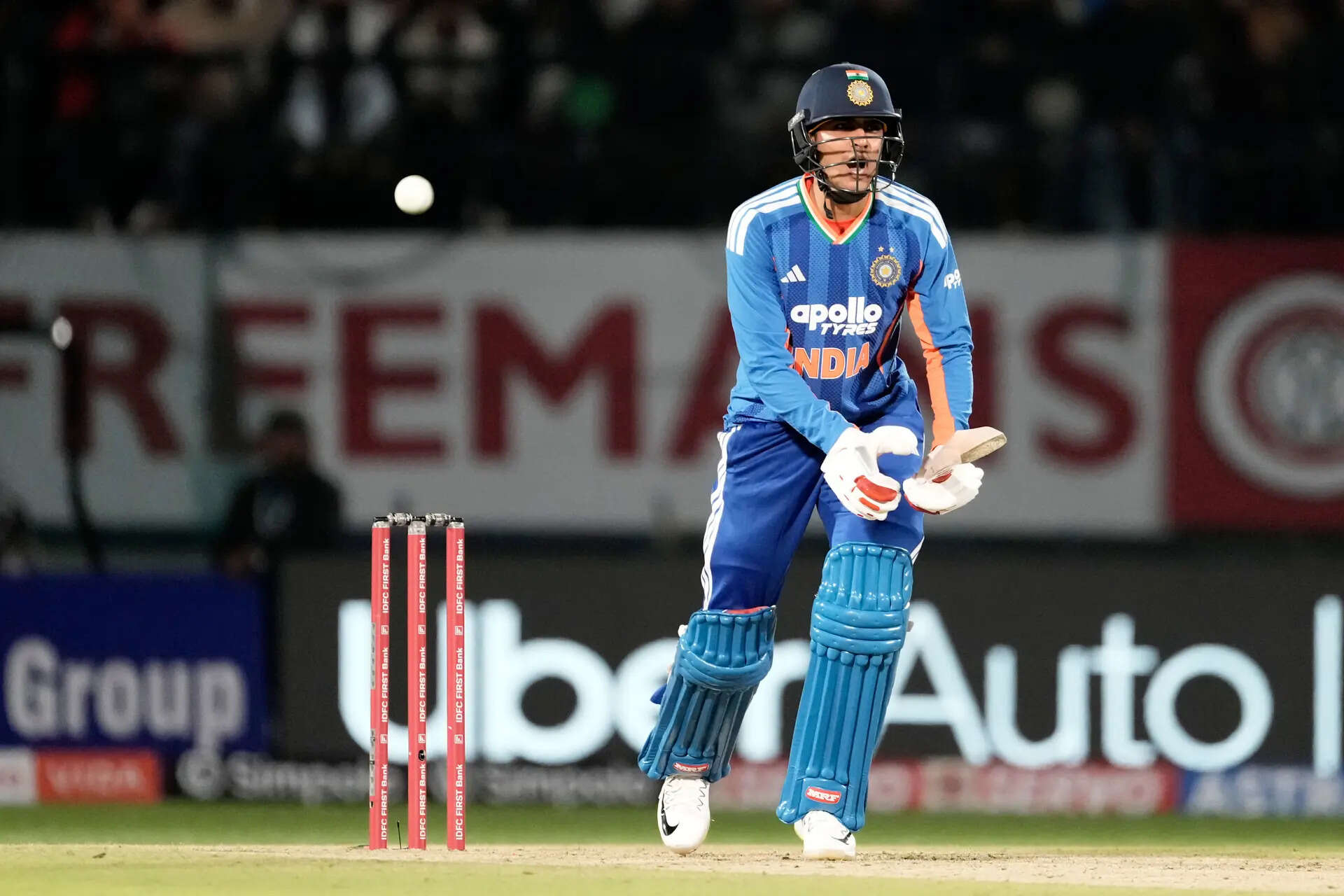
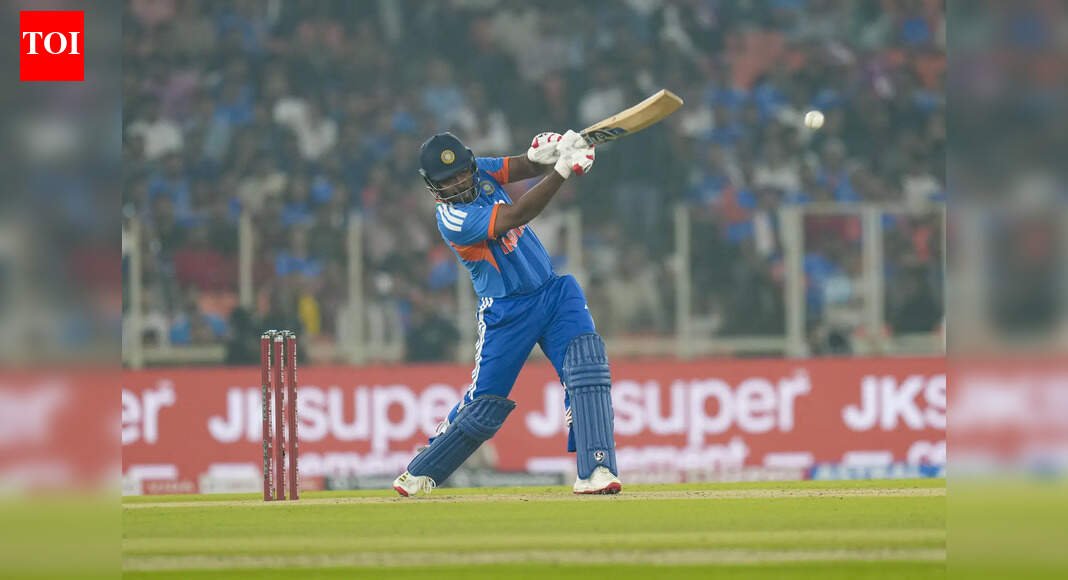
Ahmedabad: India’s Sanju Samson plays (PTI Photo/Shashank Parade)

NEW DELHI: With just 50 days to go for the ICC Men’s T20 World Cup in India and Sri Lanka, Team India’s numbers no longer scream dominance, even if recent results offer some comfort.As defending champions, India began their post 2024 title run in ruthless fashion, winning 17 of their next 20 T20Is. Eight scores crossed the 200 mark, five of them were 220 plus and three breached 245 mark, underlining a batting unit operating well ahead of the curve. That curve has flattened since the 2025 Asia Cup. India’s overall strike rate has dropped to 141.64, a worrying decline for a side that had redefined intent at the top of the order.

Curious case! Why Ajit Agarkar & Co. continue to ignore Ishan Kishan

Since the Asia Cup, Abhishek Sharma remains the only Indian batter striking above 145. Everyone else has slowed down, and the biggest talking point changed to the new opening combination. The Sanju Samson-Abhishek Sharma partnership set the tone for India’s surge after the 2024 World Cup. Across 16 innings, the pair averaged 33.43 and scored at a blistering strike rate of 193.84. That early momentum allowed India to sustain a strike rate of 154.56 through the middle overs and 169.39 at the death.The dynamic shifted when Shubman Gill returned to the playing XI as part of the management’s long-term leadership plan. Samson, who amassed 417 runs in 12 T20Is at a strike rate of 183.70 with three centuries at the top, was pushed down the order. His Asia Cup returns were mixed, though he still finished as India’s third highest run-getter with 132 runs, behind Abhishek Sharma’s 314 and Tilak Varma’s 213. A solitary outing in Australia at No. 3 ended without impact, after which Samson was dropped from the playing XI.Gill’s own returns since his comeback have been underwhelming. In 15 matches, he has scored 291 runs at an average of 24.25 and a strike rate of 137, without a single fifty. The numbers point to a batter searching for rhythm at a time when India’s top order needs clarity more than caution.Speaking at the JioStar Press Room ahead of the upcoming T20 World Cup, former India batter Robin Uthappa, who was part of the 2007 World Cup winning squad, was clear about the balance he wants to see. “I would not personally like to tinker with the opening combination,” Uthappa said. “What I would like is to see Sanju bat at No. 3, Tilak at No. 4 and Surya at No. 5. Suryakumar Yadav plays his best cricket outside the powerplay. Tilak Verma needs a pivotal role in this team and that is why No. 4 suits him.”Uthappa explained that placing Tilak Verma at No. 4 and Suryakumar Yadav at No. 5 would free up the top order. “This gives the openers and the No. 3 position the authority to go hard,” he said.

India South Africa Cricket

India’s Shubman Gill (AP Photo/Ashwini Bhatia)

He then addressed Gill’s role directly. “You can have someone like Shubman Gill play that sheet anchor role that India desperately need right now, so everyone else can play aggressively around him. India can still use the hyper aggressive batting template that has worked for them, while Gill bats at a 140 to 150 strike rate, which is where he thrives. It is similar to the role Virat Kohli played in the last T20 World Cup.The concerns, however, extend beyond Gill alone. India’s intent has also dipped due to Suryakumar’s prolonged lean patch. In 2025, the captain has scored just 213 runs from 20 matches at an average of 14.20 and a strike rate of 125.29. With both captain and vice-captain struggling for form, pressure has inevitably shifted on to the middle order.At the same interaction, former India all-rounder Irfan Pathan stressed that the phase of experimentation must now come to an end. “There has been a lot of talk about chopping and changing,” Pathan said. “I think the team management was trying to understand who can play different roles, but this is not the time to experiment. When the World Cup starts, it has to be very clear who is batting at what position.”That experimentation has been evident. In the last two T20I series against Australia and South Africa, India tried multiple options at No. 3, including Sanju Samson, Shivam Dube, Suryakumar Yadav, Tilak Varma and even Axar Patel.Pathan also did not hide his concern over Suryakumar’s form. “As a captain, you need to bat well and be in form going into a big tournament like the World Cup,” he said. “The concern is not just that he is not scoring runs, but that his strike rate is also going down. His strike rate is generally around 166, but over the last year it has come down to around 119.”Referring to Abhishek Sharma’s high risk approach at the top, Pathan said that such a style will inevitably lead to occasional early dismissals and that is acceptable. “He does not need to change,” Pathan said. “That is why he has been successful. But then the pressure comes on the middle order. When you have an in-form Suryakumar Yadav, it becomes a completely different game. Hopefully, he finds a way to stay a bit longer at the crease and get those runs before the World Cup.What Team India needs right now is certainty of roles. With the World Cup fast approaching, rediscovering tempo, fixing roles and getting their leaders back among the runs may matter far more than any tactical tweak.


Source link

IND vs SA: Umpire down! Sanju Samson’s rocket shot hits official – Watch | Cricket News


IND vs SA: Umpire down! Sanju Samson's rocket shot hits official – Watch
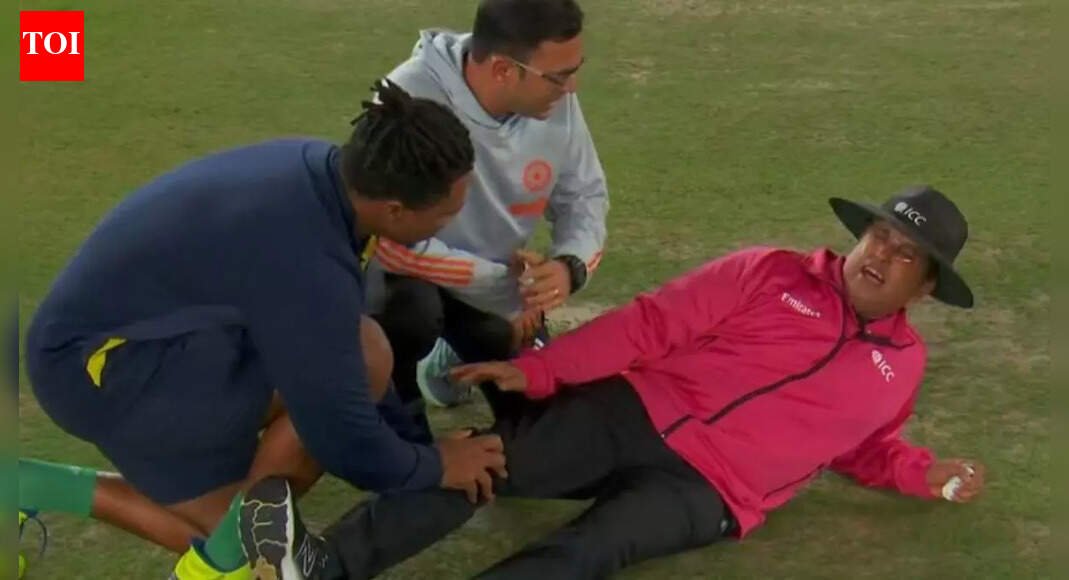
Umpire down in pain (Screengrab)

NEW DELHI: An unusual and worrying moment unfolded during the fifth T20I between India and South Africa when on-field umpire Rohan Pandit was struck by a powerful shot from Sanju Samson, forcing a brief pause in play. The incident occurred in the ninth over of India’s innings and left players and spectators concerned.The moment came on ball 8.4, bowled by South Africa’s Donovan Ferreira. Samson, in fine form, stepped back and hit a full delivery straight down the ground with force. Ferreira attempted to take the return catch, but the ball burst through his hands and deflected sharply towards the umpire standing behind the bowler. The ball struck Rohan Pandit on the knee, leaving him in visible pain.

Curious case! Why Ajit Agarkar & Co. continue to ignore Ishan Kishan

Pandit immediately walked away from his position before going down on the field as the ball trickled towards long-on. Medical staff quickly attended to the umpire. Watch:Players from both teams checked on his condition. Play was halted briefly to ensure he was fit to continue. Despite the initial pain and agony on his face, the magic spray worked as he continued.Before the interruption, India were cruising after South Africa chose to bowl first. At the time of the incident, India were 95 for 1 in 8.4 overs, scoring at nearly 11 runs per over. Samson was still on the crease with 36 off 20 balls, striking four boundaries and two sixes. Tilak Varma was also batting fluently on 21 off 11 balls after Abhishek Sharma was dismissed for a quick 34 off 21 deliveries.India had made full use of the Powerplay, racing to 67 runs in the first six overs. South Africa kept rotating their bowlers, but it couldn’t stop the strong start. Corbin Bosch had the only wicket so far.Coming into the match, India were already leading the five-match series 2-1. The hosts looked determined to press their advantage. The incident involving the umpire, however, became the talking point of the evening.


Source link

US markets today: Wall Street ticks up as AI shares stabilise; investors assess global cues


US markets today: Wall Street ticks up as AI shares stabilise; investors assess global cues

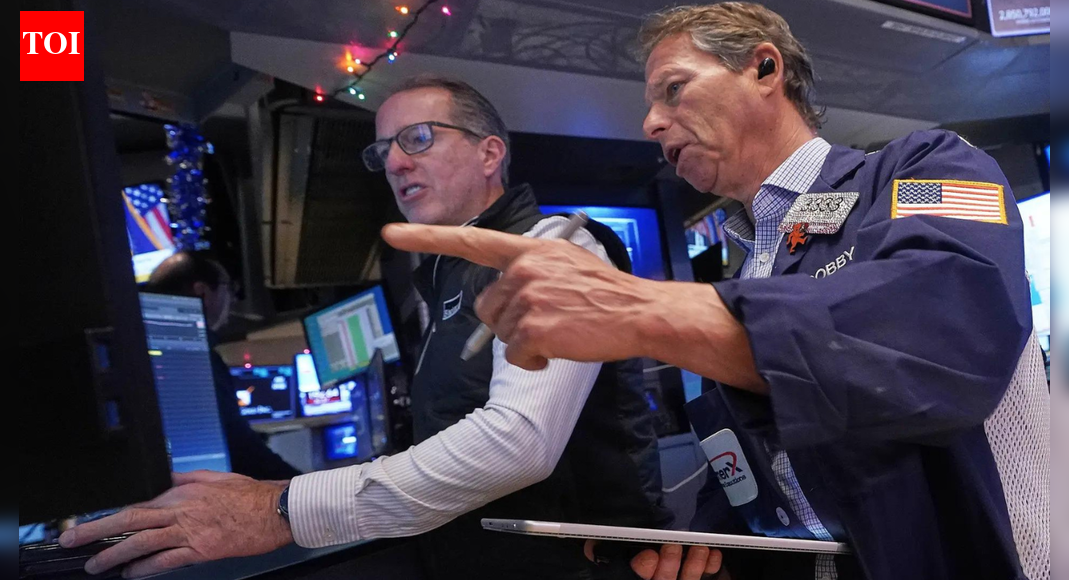
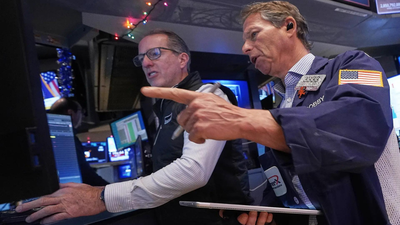
Wall Street opened higher on Friday as gains in artificial intelligence-linked stocks helped lift investor sentiment, even as markets digested a widely expected interest rate hike by the Bank of Japan.In early trade, the S&P 500 rose 0.5%, extending gains from the previous session though the index remained lower for the week. The Dow Jones Industrial Average added 256 points, or 0.5%, while the Nasdaq composite climbed 0.7%, led by advances in technology shares. Nvidia and other AI-related stocks moved higher after recent volatility, AP reported.Winnebago Industries surged 14% after posting quarterly profit and revenue that comfortably exceeded analysts’ expectations. In contrast, Nike shares slid more than 10%, with investors focused on the impact of tariffs despite what was otherwise a strong earnings performance. Deckers Outdoors, the owner of Ugg and Hoka brands, fell over 3% amid similar concerns over trade pressures.Oracle gained 4% after announcing that it, along with Silver Lake and MGX, had signed agreements to form a new US joint venture for TikTok. Each investor will hold a 15% stake, enabling the platform to continue operating in the US.Markets in Asia advanced after the Bank of Japan raised its benchmark interest rate by 0.25 percentage points to 0.75%, its highest level since 1995. The move was widely anticipated. Japan’s Nikkei 225 rose 1%, while the country’s 10-year government bond yield crossed 2% for the first time since 2006.“The Bank of Japan’s decision to raise interest rates at its meeting today was clearly signaled ahead of time and therefore came as no surprise,” Abhijit Surya of Capital Economics said.Asian stocks were further supported by optimism over potential US Federal Reserve rate cuts following softer-than-expected US inflation data. European markets were largely flat in midday trade.In commodities, US crude oil rose to $56.31 a barrel, while Brent crude edged up to $60.12. Bitcoin climbed nearly 4% to just under $88,000.


Source link

US’ BlueBird satellite launch on December 24: Isro


US' BlueBird satellite launch on December 24: Isro

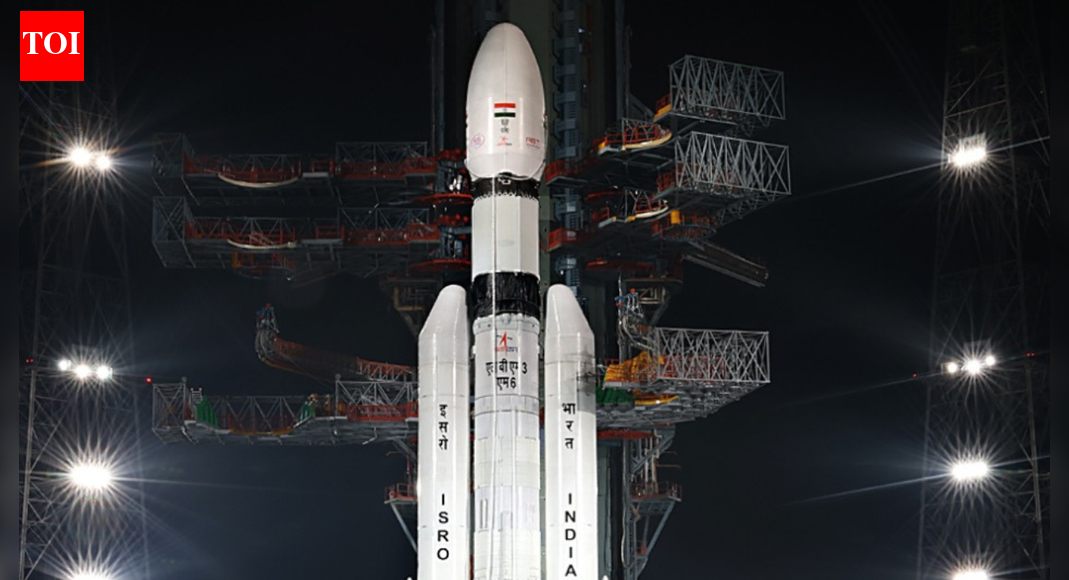
BENGALURU: Space PSU NewSpace India Limited (Nsil), which has a contract to put into orbit US’ commercial satellite “BlueBird Block-2” or “BlueBird-6” through Isro’s LVM-3, will implement the launch on Dec 24.Isro Friday confirmed the dates, and said: “The launch of LVM3-M6 is scheduled on Dec 2025 at 8.54 am from the second launch pad (SLP), Satish Dhawan Space Centre in Sriharikota.” While Isro chairman V Narayanan has been speaking about a Dec launch, the space agency, which had initially targeted Dec 15 pushed it to Dec 24. As per AST SpaceMobile, its next-generation BlueBird satellites are designed to deliver 24/7 high-speed cellular broadband to everyday smartphones worldwide. “These advanced satellites feature nearly 2,400 square feet arrays, which will make them the largest commercial phased arrays ever deployed in low Earth orbit, surpassing the previous record held by our first-generation BlueBirds at 693 square feet,” the firm said, describing the latest satellite. While the PSLV, which has delivered more than 400 foreign satellites into orbit, had been DoS and Isro’s mainstay for commercial launches until recently, the LVM-3 made its commercial debut on Oct 23, 2022 by putting a 5,796kg satellite into orbit. Following this, the launch vehicle has been used in multiple commercial missions.The BlueBird Block-2 satellite which weighs 6,500kg, will be part of a constellation of satellites AST has in place. “With our proprietary AST5000 application-specific integrated circuit (ASIC), each satellite will support 10 GHz of processing bandwidth and peak speeds of 120 Mbps per coverage cell,” the firm has said.Narayanan has said more than once that the mission shows how India, which once relied on other countries, including the US for its space programme, has grown formidable enough to launch a large satellite from a country considered as the leader in space.


Source link

Donald Trump and the art of adding your name next to Kennedy | World News


Donald Trump and the art of adding your name next to Kennedy

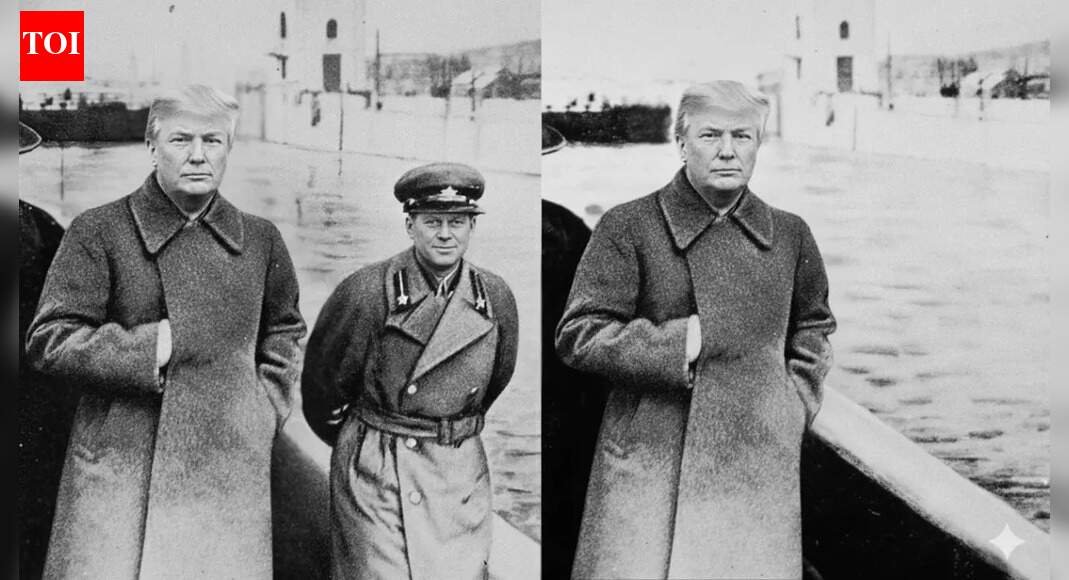
After becoming only the second man in American history to return to the White House after a hiatus, Donald Trump has been hellbent on leaving his mark on Washington. Not merely through policy or executive orders, but through brick, marble and nomenclature. He has pushed to break open the East Wing to make room for a sprawling White House ballroom, floated the idea of remodelling official spaces to better suit “modern presidential entertaining”, stacked cultural institutions with loyalists, and treated Washington less like a capital city than a property portfolio awaiting upgrades. The impulse is familiar: to brand power, to stamp ownership, to make the city remember who was here. It is this same instinct that has now spilled beyond the White House gates and into one of America’s most sacrosanct cultural monuments, with Trump backing the rechristening of the John F. Kennedy Center for the Performing Arts as the Trump–Kennedy Center.

Power, but make it concrete

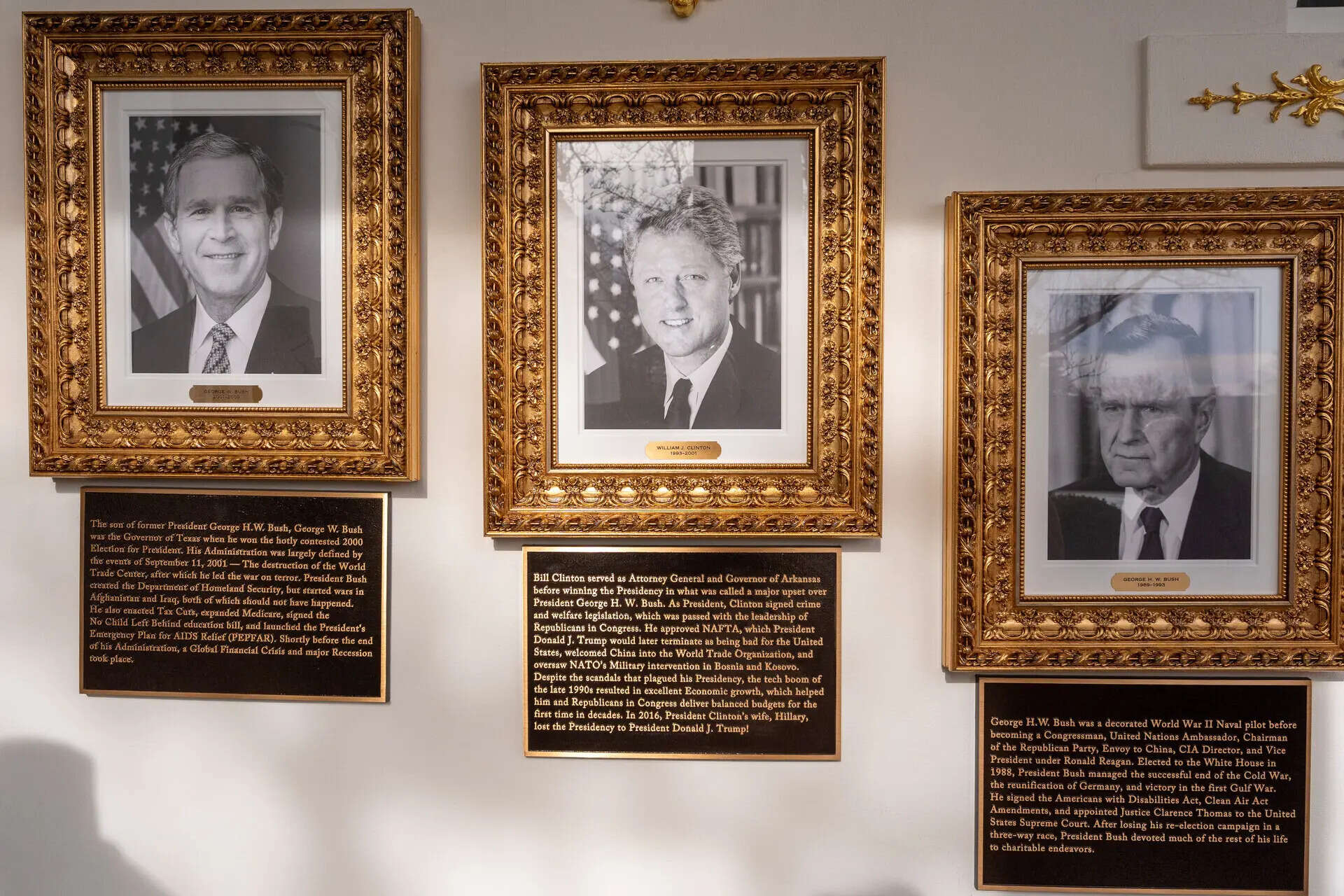
Sleepy. Divisive. A fan of young Trump: A look at the new plaques on the Presidential Walk of Fame

New plaques of explanatory text have been placed underneath presidential portraits on the Colonnade at the White House, Wednesday, Dec. 17, 2025, in Washington. (AP Photo/Alex Brandon)

Donald Trump has never been a president comfortable with abstraction. His idea of power is tactile. You can walk through it, host a dinner in it, point to it from across the street. This is why his second term has been accompanied not just by policy reversals but by an unusual fixation on physical space.

BRONZE & BLUNT: Trump’s New White House Plaques Target Biden & Obama | ‘Sleepy, Crooked & Worst’

The proposed White House ballroom is emblematic. Trump has long complained that the White House is ill-equipped for large-scale entertaining, arguing that modern presidents should not have to rely on temporary tents on the South Lawn. In Trump’s mind, grandeur is not excess. It is evidence. Evidence of success, of authority, of permanence.This is the same instinct that once drove him to plaster his name in gold across Manhattan skylines. Washington, however, has traditionally resisted this kind of personalisation. Presidents come and go; the buildings remain largely unchanged. Trump has never accepted that arrangement. He does not see himself as a caretaker. He behaves like an owner.

The Kennedy Center was never meant to be flexible

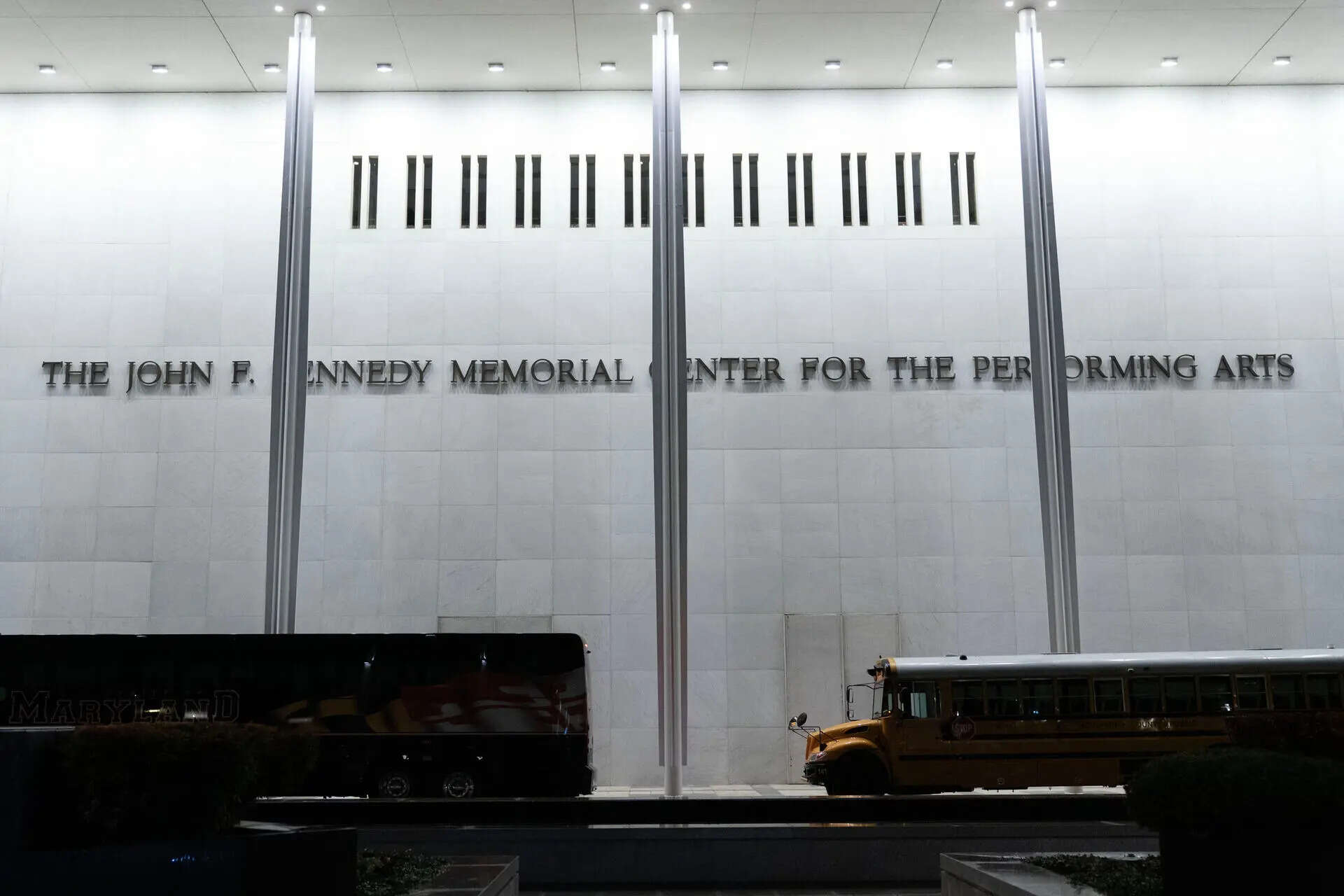
Trump Kennedy Center

Th eJohn F. Kennedy Center for the Performing Arts is seen in Washington, Thursday, Dec. 18, 2025. (AP Photo/Jose Luis Magana)

The John F. Kennedy Center for the Performing Arts occupies a unique place in American civic life. It is not just a venue. It was established by Congress as a living memorial to a president assassinated in office, explicitly linked to Kennedy’s belief that art was central to democratic life.That context matters. The centre’s name was not the result of philanthropy, branding or convention. It was a deliberate act of national remembrance. The idea was to freeze meaning, not renegotiate it with every new administration.Trump approaches it differently. When asked about the renaming, he framed the issue in transactional terms. “We saved the building,” Trump said, crediting his administration with securing funding and reviving the institution. In his worldview, rescue confers rights. If you fix something, you should be recognised for it.The problem is that memorials are not reward schemes. They are limits. They exist precisely to prevent present power from rewriting past meaning. Adding Trump’s name ahead of Kennedy’s is not a neutral update. It alters the hierarchy of memory. Trump first. Kennedy second. The living eclipsing the dead.

Why the Kennedys reacted with open anger

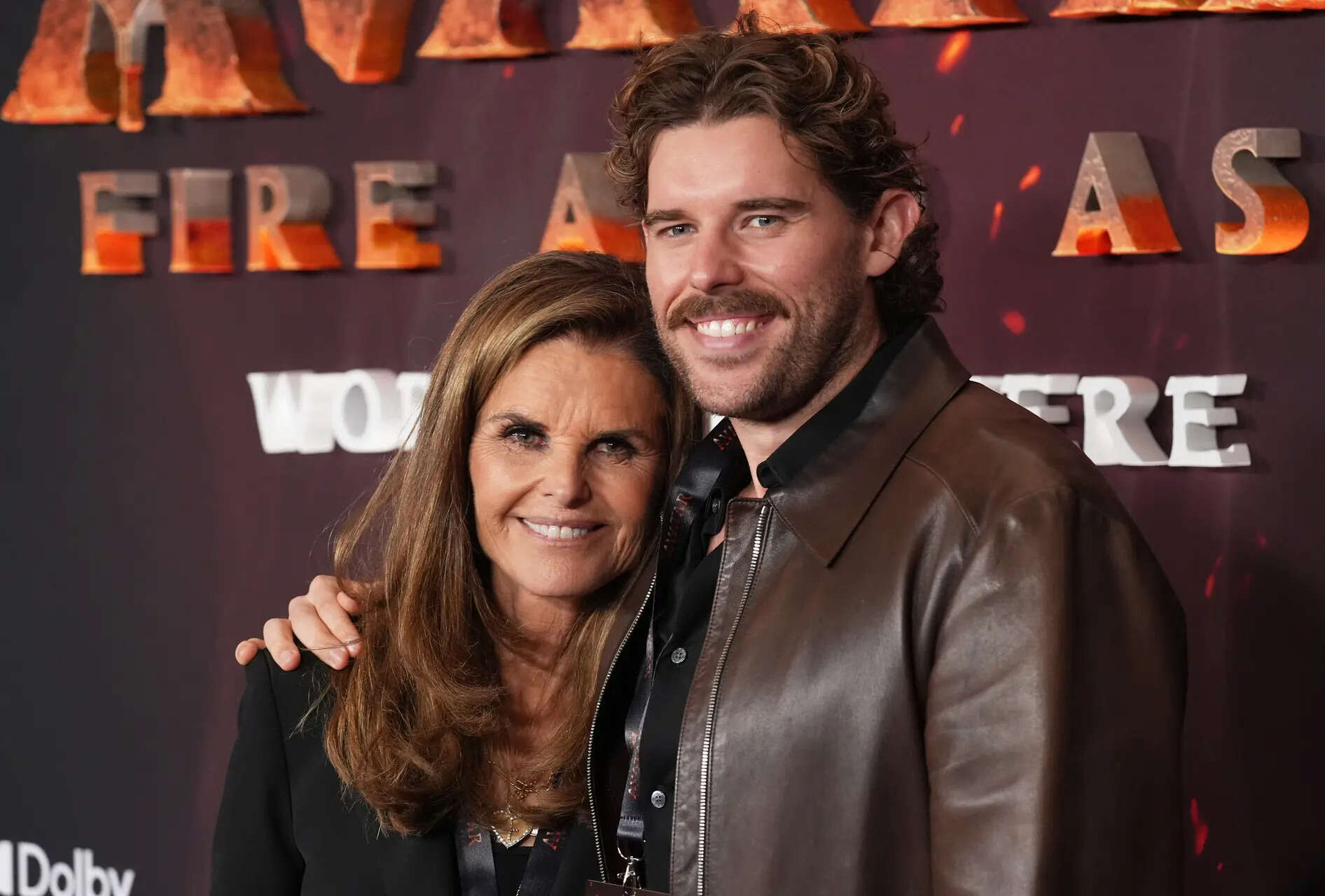
Maria Shriver and her son Christopher Schwarzenegger

Maria Shriver, left, and her son Christopher Schwarzenegger pose together at the premiere of the film “Avatar: Fire and Ash” on Monday, Dec. 1, 2025, at Dolby Theatre in Los Angeles. (AP Photo/Chris Pizzello)

The Kennedy family’s response has been striking not for its defensiveness, but for its tone. Maria Shriver did not issue a carefully worded statement. She spoke with disbelief. “It’s beyond comprehension to me,” she said, calling the move “beyond wild” and “so bizarre”.At another point, Shriver remarked, “Just when you think someone can’t go any lower, they do”, before urging Americans to “wake up”. There was no nostalgia in her reaction. It was moral outrage at what felt like a violation of an obvious boundary.Joe Kennedy III framed the objection in institutional terms. He pointed out that the Kennedy Center was named by law and that renaming it would be akin to renaming the Lincoln Memorial. The comparison was deliberate. Some names are meant to be untouchable, not because families demand it, but because societies do.The Kennedys are not fighting for relevance. Their name is already etched into American political history. They are fighting because they understand what happens when memorials become malleable. Once you allow power to edit memory, nothing stays fixed.

Culture wars by capture, not cancellation

Trump’s approach to culture has often been misunderstood. He is not a traditional culture warrior intent on defunding the arts or banning expression outright. His method is more effective. He captures institutions instead.By reshaping boards, installing loyalists and asserting personal authority over cultural bodies, Trump turns them into extensions of political power without ever needing to shut them down. The Kennedy Center renaming is the purest expression of that strategy.This is not about programming choices or individual performances. It is about control over context. By altering the name, Trump redefines the building’s meaning without touching what happens on stage. It is culture war by absorption rather than confrontation.The message is subtle but unmistakable. Even institutions designed to stand above politics exist at the pleasure of political power. No symbol is too sacred to be revised.

Legacy as something you can see from the street

For most presidents, legacy is an uncomfortable abstraction. It is shaped by historians, refracted through time, and rarely settles into a single narrative. Trump has no patience for that uncertainty.He prefers legacy that is physical. Names on buildings. Altered skylines. Concrete proof that does not depend on interpretation. Laws can be repealed. Policies can be dismantled. But a name carved into stone creates the illusion of permanence.This is why Trump is drawn to monuments, memorials and architectural changes. They offer something politics rarely does: durability. The Kennedy Center, in this sense, is not a memorial to another president. It is a canvas.Whether the renaming ultimately survives legal challenge is almost secondary. The intent is already clear. Trump does not want to be remembered as a president who governed well or poorly. He wants to be remembered as a figure who altered the landscape.That is what makes this episode so revealing. It is not an outburst or a distraction. It is a distillation of Trump’s governing philosophy. Power must be visible. Legacy must be branded. History must carry your name.The Kennedy family’s resistance is not about protecting a surname. It is about defending the idea that some institutions exist beyond the reach of personal ambition. If memorials can be rewritten by whoever holds office, then memory itself becomes transactional.And in Trump’s Washington, transactions are the only language that matters.


Source link

Horrific assault in Bengaluru: Ex-gym trainer kicks toddler playing badminton on road; CCTV captures incident | Bengaluru News


BENGALURU: A 35-year-old man kicked a five-year-old boy while he was playing badminton with other children on Old Post Office Road in Thyagarajanagar, South Bengaluru, on December 14.The accused has been identified as Ranjith, also known as Ranjan, a resident of the same area. Ranjith worked as a gym trainer and quit his job. The boy, a resident of Doddamavalli near Lalbagh, went to his uncle’s house in Thyagarajanagar.

Bengaluru Headlines Today — The Biggest Updates You Need to Know.

According to the complaint filed by the boy’s mother, the incident happened around 1:15pm when she visited her elder brother’s residence. While her son was playing with other children near the house, her brother’s neighbour kicked her son. The boy reportedly fell to the ground and sustained bleeding above his eyebrow, along with scratches on his hands and feet. He was immediately attended to by family members.Seeking justice for her son, the mother approached the police on the same day and demanded legal action against the accused. Initially, the complaint was registered as a non-cognisable register (NCR), requiring further inquiry. Following a preliminary investigation, police obtained permission from the II Additional Chief Judicial Magistrate (ACJM) court on December 15 and subsequently registered a case under the Bharatiya Nyaya Sanhita (BNS) section 115(2) – voluntarily causing hurt.A senior officer said Ranjith is unmarried and is mentally unstable, according to his family members. He is undergoing treatment with a psychiatrist. We are collecting details about his medical records. Ranjith has no cases against him in the past, but he always stays isolated and doesn’t talk much, even with his family members. Further necessary action will be initiated, the officer added.The incident was captured on CCTV cameras installed in one of the buildings. Ranjith is seen coming out of his house wearing a cap. He finds the boy holding a shuttle bat, runs towards him, kicks him on his back, and walks away. The older children immediately informed his parents about the incident.


Source link

ADB lending to India: ADB pledges $4.26 billion in 2025 sovereign lending; focus on jobs, energy transition and cities


ADB lending to India: ADB pledges $4.26 billion in 2025 sovereign lending; focus on jobs, energy transition and cities

The Asian Development Bank (ADB) committed $4.258 billion in sovereign lending to India in 2025, supporting projects across workforce skilling, renewable energy, urban infrastructure, metro and rail networks, healthcare services and ecotourism, the multilateral lender said on Friday, reported PTI.Of the 16 new projects committed during the year, nearly 32% were in the human and social development sector, while about 26% focused on energy– primarily renewable energy–and over 18% were in urban development, according to an ADB statement.Skilling and clean energy at the coreA key component of the 2025 portfolio is an $846-million financing initiative for PM-SETU, India’s flagship skilling programme, which aims to modernise hundreds of Industrial Training Institutes across states to improve employability and workforce readiness.ADB is also providing $650 million to support the PM Surya Ghar Muft Bijli Yojana, the national rooftop solar programme designed to expand household-level solar adoption across the country.“We are proud that ADB’s 2025 portfolio supported India’s priority development agenda, focusing on workforce skilling for jobs, clean energy deployment, and driving transformative urban growth,” said ADB Country Director for India Mio Oka, adding that the initiatives reflect the bank’s commitment to inclusive and sustainable growth.Urban transport, healthcare and regional developmentReaffirming its support for India’s urban transformation, ADB committed $775 million for five urban projects in Assam, Kerala, Sikkim and West Bengal. These investments are aimed at upgrading and expanding core urban services, including water supply and sanitation.In transport, the lender committed $729 million to expand regional rapid rail connectivity on the Delhi-Meerut corridor and metro networks in Chennai and Indore, with the objective of improving mobility, easing congestion and managing the pressures of rapid urbanisation.Other major loans included $460 million to Maharashtra to modernise rural power infrastructure and strengthen solar electricity supply for irrigation, and $398.8 million to Assam to upgrade healthcare and medical education systems. ADB also committed more than $200 million in loans to Meghalaya and Uttarakhand to promote ecotourism development.Alongside financing, ADB said it continued to provide policy and knowledge support through technical and operational studies. In 2025, this included assistance to the Ministry of Housing and Urban Affairs in developing three knowledge frameworks—on creative redevelopment of cities, cities as growth hubs, and urban water supply and sanitation—which underpin the government’s new urban challenge fund.ADB, founded in 1966, is owned by 69 members, including 50 from the Asia-Pacific region, and supports inclusive, resilient and sustainable growth across the region.


Source link

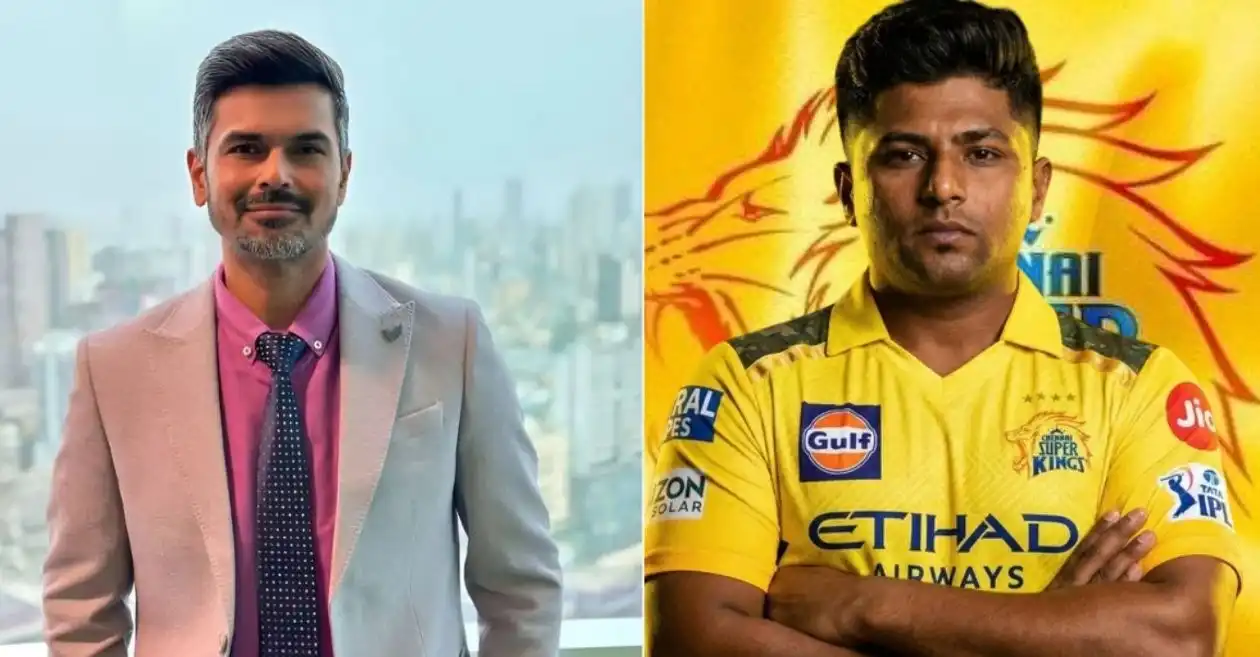
S. Badrinath picks CSK’s playing 12 for IPL 2026; no place for Sarfaraz Khan


Chennai Super Kings (CSK) have officially hit the ‘reset’ button. Following a high-stakes IPL 2026 auction in Abu Dhabi, the franchise has emerged with a squad that looks drastically different from the ‘experienced’ units of the past. Former CSK batter and cricket analyst Subramaniam Badrinath has voiced his approval of this transition, breaking down a playing 12 that balances blockbuster trades with record-breaking uncapped talent.

With the departure of long-term pillars like Ravindra Jadeja and Ravichandran Ashwin, Badrinath believes CSK have finally embraced a “youth-first” philosophy to secure the next decade of success.

CSK’s tactical masterstroke: The Youth gamble

The biggest talking point of the auction was CSK’s aggressive pursuit of uncapped Indian players. The franchise spent a staggering ₹28.4 crore combined to secure Prashant Veer and Kartik Sharma. Badrinath notes that this is a clear departure from the MS Dhoni-Stephen Fleming ‘safety-first’ manual.

By trading for Sanju Samson (in exchange for Jadeja and Sam Curran), CSK have also solved their long-term leadership and wicketkeeping succession plan, creating a top-heavy batting lineup designed for modern T20 aggression.

S. Badrinath predicts CSK Playing 12 for IPL 2026

Based on the auction buys and squad balance, Badrinath’s preferred XII, picked on Star Sports, features a blend of fearless openers and a completely revamped spin department. Badrinath’s analysis heavily focuses on the role of Prashant. Losing Jadeja was a massive blow, but Badrinath argues that Veer’s left-arm spin and explosive lower-order hitting make him the ideal successor. Furthermore, the combination of Kartik and MS Dhoni at the back end ensures that CSK remains one of the most dangerous finishing units in the league.

Also READ: ‘Missed a small trick’: Ravichandran Ashwin provided a blunt assessment of the CSK’s performance in IPL 2026 Auction

Badrinath’s CSK 12 for IPL 2026:

No. Player Role Impact / Notes
1 Ayush Mhatre Opener The breakout star; Badrinath’s pick for the most exciting young opener.
2 Sanju Samson Opener / WK The blockbuster trade; expected to lead the charge in the Powerplay.
3 Ruturaj Gaikwad (C) Top Order The anchor; returning from injury to lead the “New Era” squad.
4 Dewald Brevis ✈️ Middle Order “Baby AB” provides the overseas muscle in the middle overs.
5 Shivam Dube All-rounder Retained as the primary destroyer of spin bowling.
6 Kartik Sharma Finisher / WK ₹14.2 Cr Buy. and considered as the “future of Indian finishing.”
7 MS Dhoni Finisher The “Mentor-Player” who will likely drop lower to guide the youngsters.
8 Prashant Veer All-rounder ₹14.2 Cr Buy. The direct tactical replacement for Ravindra Jadeja.
9 Nathan Ellis ✈️ Pace (Death) Tactical pick; his cutters on the slower at Chepauk tracks will surely be an advantage.
10 Khaleel Ahmed Pace (Left-arm) Provides the Powerplay swing and much-needed left-arm angle.
11 Noor Ahmad ✈️ Wrist-spin The primary wicket-taker; world-class quality at a young age.
12 Rahul Chahar Impact Sub Badrinath suggests Chahar to double down on spin dominance at home.

No place for Sarfaraz Khan

In a move that surprised many fans, Badrinath did not find a place for Sarfaraz Khan in his starting 12. Sarfaraz was picked in the accelerated round during the auction but Badrinath’s selection indicates a preference for “specialist” roles over Sarfaraz’s traditional middle-order playstyle. By prioritizing the explosive power of Dube and the finishing potential of the high-priced Kartik, the analyst suggests that there is simply no room in the current XI for Sarfaraz to fit into the tactical puzzle Badrinath has envisioned for the Yellow Army.

Also READ: IPL 2026 Auction: Salary of Chennai Super Kings (CSK) players; check out how much Sanju Samson and Prashant Veer earn


Source link

SIR in Gujarat: Nearly 74 lakh names deleted from rolls; EC opens window for objections | India News


SIR in Gujarat: Nearly 74 lakh names deleted from rolls; EC opens window for objections

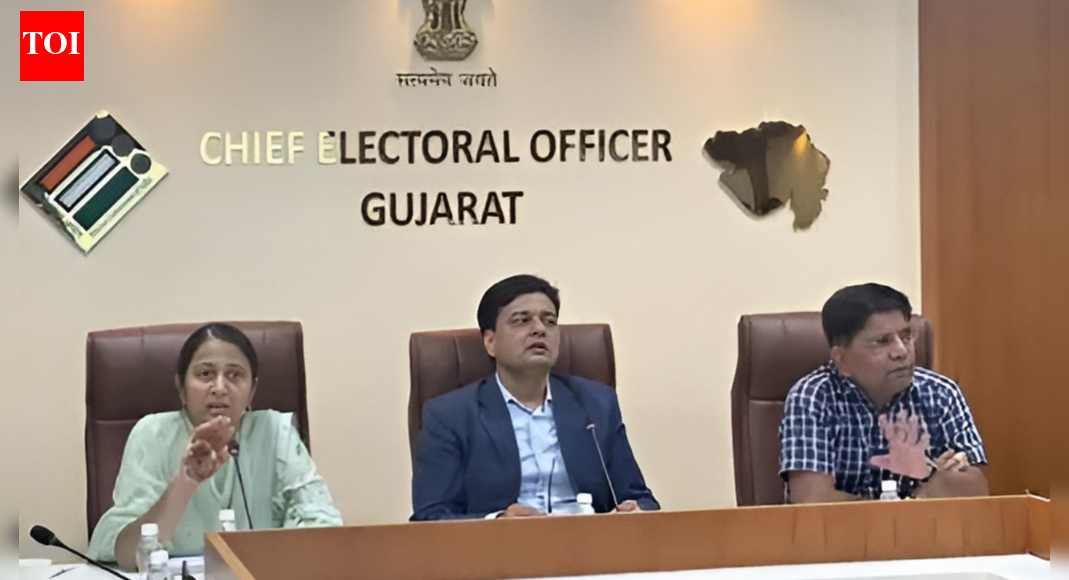
NEW DELHI: Nearly 74 lakh names have been removed from Gujarat’s draft electoral rolls following a large clean-up drive carried out under the Special Intensive Revision exercise. With this, the state’s total number of voters has dropped from the earlier 5.08 crore to 4.34 crore. The Election Commission released the updated draft rolls on Friday.State chief electoral officer Hareet Shukla explained that 73.73 lakh names were deleted during the verification process. He said, “Before the publication of the draft electoral rolls, a total of 5,08,43,436 voters were registered in the state. After the publication of these rolls, the number of voters is now 4,34,70,109.”

Watch: MPs Speak Out as SIR Row Dominates Winter Session Opening

He added, “During the SIR campaign, the names of a total of 73,73,327 voters have been removed from the draft electoral roll.”According to the CEO’s office, the deletions covered several categories such as deceased voters, those who were absent, people who had permanently moved away, individuals registered in two places and others who did not qualify to remain on the list.The SIR process began on November 4 and continued until December 14. With the draft rolls now made public, the Election Commission has allowed people to file objections or submit claims regarding the entries until January 18.


Source link