Breaking News
Trump’s 500% tariff pressure & global crude supply shock risks: Where does India’s oil security stand?


Trump’s 500% tariff pressure & global crude supply shock risks: Where does India’s oil security stand?
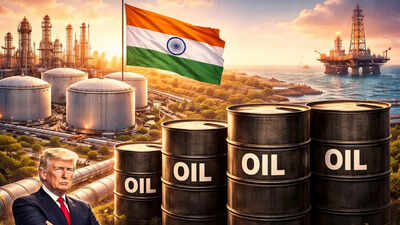
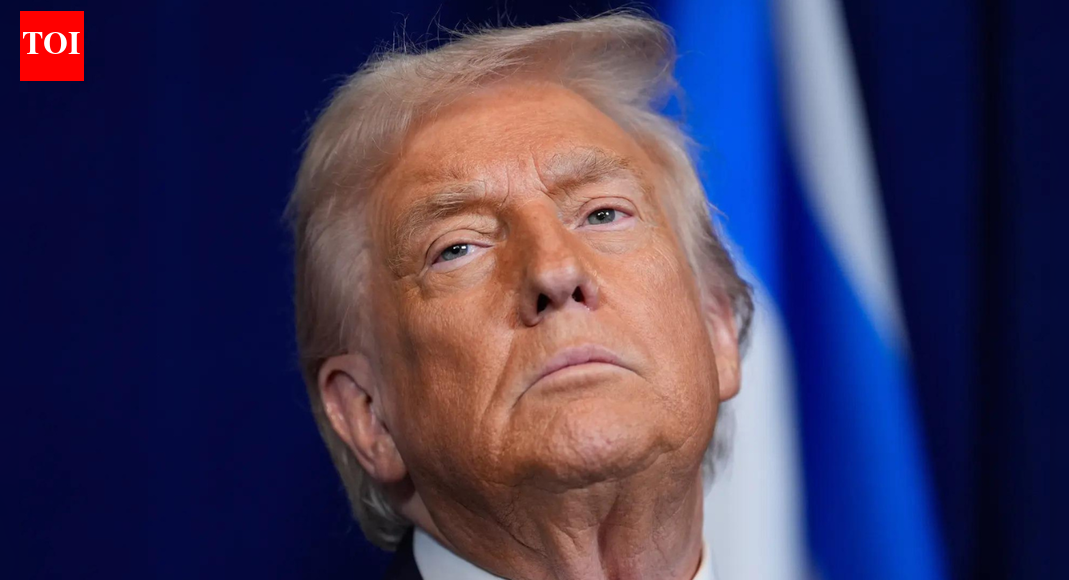
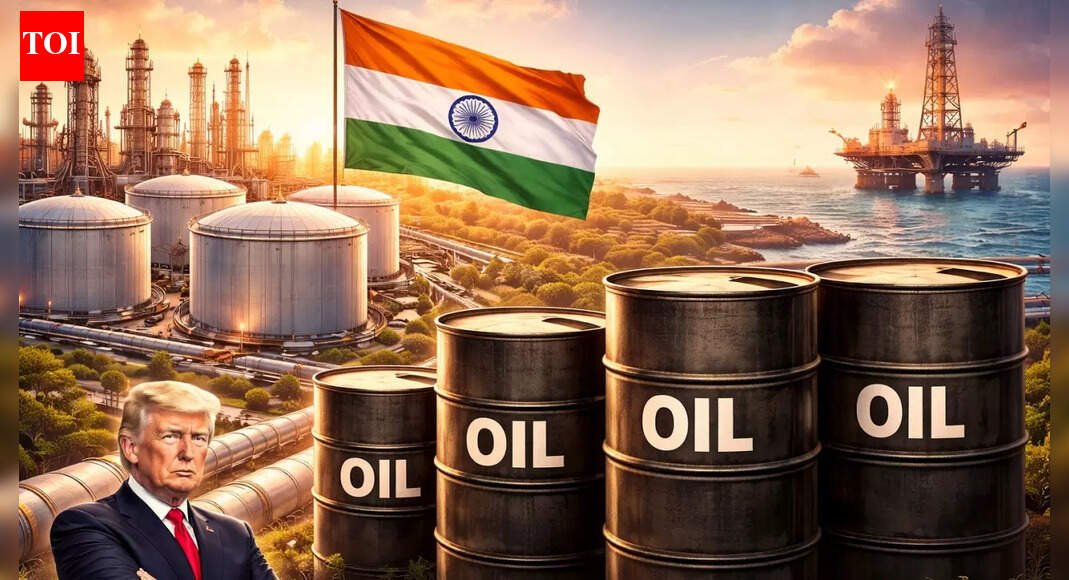
Recent geopolitical tensions and Trump tariffs on India highlight the need for India to step up focus on its energy security. (AI image)

Oil is called black gold – and for a reason – it’s the fuel that drives economic growth and oil security is increasingly becoming crucial in a world fraught with geopolitical uncertainties and possibilities of supply shocks. India imports over 85% of its crude oil needs – and a rise in crude oil prices or uncertainty in supply chains can feed negatively into the economic growth engine. Recent geopolitical tensions – possible blocking of the Strait of Hormuz, US moves in Venezuela which has the highest proven oil reserves in the world, and the Donald Trump administration’s tariffs on India for its crude imports from Russia all highlight the need for India to step up focus on its energy security.

Trump Clears Russia Sanctions Bill, 500% Tariff Threat Looms As India Reworks Oil Import Strategy

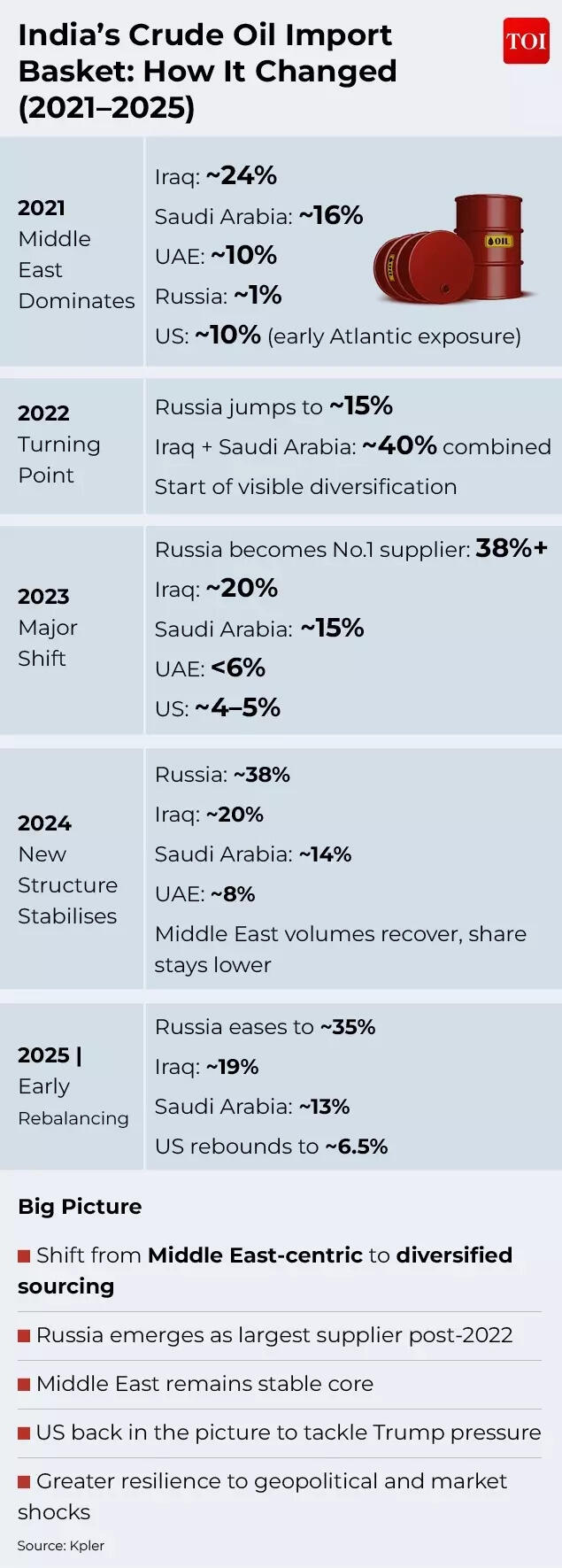
An SBI Research report last year – at the time of the Iran-Israel conflict – estimated that every $10 per bbl increase in crude oil prices can lead to 25-35 bps increase in CPI inflation and 20-30 bps decline in real GDP growth. However, SBI expects oil prices to soften this year, which will boost growth. Trump has been pressuring India to stop procuring crude from Russia and has even sanctioned two major Russian firms. A bill proposing 500% tariffs on countries buying Russian oil has also got a nod from the American President and will be put up for a vote in the Senate soon.India’s crude oil import basket has undergone a clear and measurable shift over the past five years, according to data from Kpler, a global real-time data and analytics provider. In 2021, India’s sourcing was still heavily dominated by the Middle East. By 2023, the transformation was clearly visible in the data. Russia became India’s largest crude supplier, accounting for over 38% of total imports.By 2025, data shows early signs of marginal rebalancing. Russia’s share eased to around 35%, while Iraq (19%) and Saudi Arabia (13%) remained steady. Notably, US crude regained visibility with a share of about 6.5%, highlighting India’s continued effort to keep procurement diversified and flexible, especially amid periodic logistical and compliance-related uncertainties in global trade.Post the latest EU sanctions in August, and US tariff and sanction actions linked to Russian entities such as Rosneft and Lukoil, India’s oil procurement strategy has remained pragmatic and interest-driven. “While India continues to acknowledge and factor in global sanctions frameworks, energy security and supply stability remain the primary considerations. Russian crude has continued to form a key part of India’s import basket, although volumes have eased since around December 2025 amid tighter compliance scrutiny, logistical challenges and a conscious effort by refiners to limit concentration risk,” says Sumit Ritolia, Lead Research Analyst, Refining and Modelling, Kpler.

Where Does India’s Energy Security Stand?

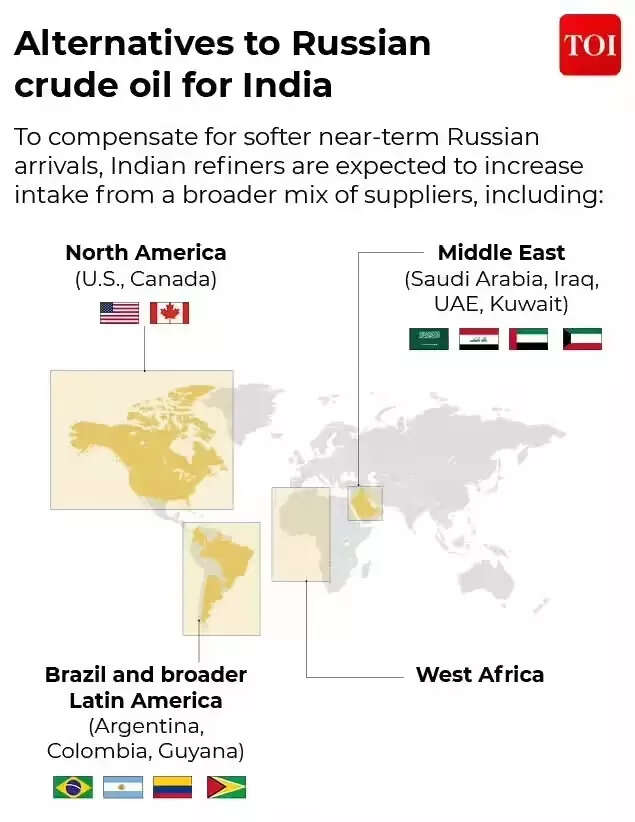
With India importing almost over 85% of its crude oil requirements, the dependency on the world is very high. Experts say that energy security is not only vital to India’s economic growth, it is a strategic necessity. Is India insulated from possible global supply shocks? Sumit Ritolia of Kpler cautions that India remains structurally vulnerable to external energy shocks, as nearly nine-tenths of its crude oil requirements are met through imports.“However, the country’s overall energy security framework is stronger today than it was a few years ago,” he tells TOI.How has that been achieved? Diversification of crude procurement sources has been key to India energy security strategy.Sumit Ritolia explains: India has significantly diversified its crude oil sourcing base across geographies, reducing over-reliance and improving its ability to respond to supply disruptions.“Indian refiners have also enhanced operational flexibility, enabling them to process a wider range of crude grades and swiftly adjust procurement strategies in response to changing market or geopolitical conditions,” he says.Pranav Master, Senior Practice Leader and Director at Crisil Intelligence tells TOI, “As India enters 2026, global energy markets remain volatile. With over 85% dependence on crude oil imports, energy security has become a strategic necessity rather than a policy choice. In response, India has strengthened resilience by diversifying crude sourcing from fewer than 30 countries to around 40, spanning the Middle East, Africa, and the Americas.“This diversification, supported by robust refining capacity (around 258 MMTPA), and proactive steps taken by the government, has significantly reduced exposure to supply disruptions and price volatility for domestic consumers. While geopolitical risks persist, India has moved beyond being a passive price-taker and now exercises greater flexibility through procurement diversification and consistent diplomatic engagements,” he adds.Upgraded refinery capabilities now allow Indian refiners to rapidly switch among diverse Russian, American, and Middle Eastern crude oil grades based on price and compliance considerations.This transition has been driven by a move towards spot-market sourcing, supported by advanced refining infrastructure and strict compliance systems.India is also navigating the US pressure on Russian crude oil procurement by stepping up imports from the US. In fact, India’s crude oil imports from the US rose 92% in the first eight months of the current financial year! However, Russia remained the biggest supplier between April and November 2025.
India’s Crude Oil Import Basket

India’s Crude Oil Import Basket

Sourav Mitra, Partner – Oil & Gas at Grant Thornton Bharat says, “India has made its stand clear that it will prioritise supply security and affordability for its 1.4 billion people. India did not deter from purchasing oil from Russia despite the US imposing 50% tariffs on India.”“India is tactfully navigating the situation by ramping up oil imports from the US even as Russian oil imports stay significant in FY26. India is maintaining a diverse sourcing mix in its crude basket amidst rising geopolitical uncertainty and Trump backing the Russia sanctions bill which proposes a 500% tariff on India,” he tells TOI.Manas Majumdar, Partner and Leader – Oil & Gas, Fuels & Resources at PwC India says that despite escalating sanctions and geopolitical turbulence, India remains relatively stable in terms of energy security as it has had a diversified set of suppliers – with close to 40 countries in the basket.“This broader supply pool enhances bargaining power, allows for various crude quality grades and insulates against geo-political disruptions. At one point, discounted Russian crude had grown to nearly 40% of our imports. This significantly eased cost pressures, and reduced dependence on other sources for e.g. Venezuela which helped in the short-term shocks. In the long-term if US sanctions on Venezuela go away and more oil flows, it can be a positive for India,” he tells TOI.Gaurav Moda, Partner and Energy Leader at EY-Parthenon India points out that given geopolitical dynamics especially in the past few years, the government and OMCs have diversified their sources of oil across several countries and providers. “Further, the OMCs have built up practice to keep 3-6 months stocks to iron out short term supply volatilities that have become inherent in the energy business. Such initiatives may help minimize impact on product supplies and end consumers in the near term,” he tells TOI.Sumit Ritolia of Kpler notes one small but important movement on the domestic front: India continues to focus on strengthening its domestic supply base. “While crude oil production has not seen large step-change increases in recent years, upstream companies – led by national oil firms – have been steadily investing in enhanced oil recovery, redevelopment of mature fields and exploration of new sedimentary basins to stabilise output and slow natural declines,” he tells TOI. These efforts are aimed at creating incremental, durable gains rather than rapid spikes in production. Although domestic output cannot materially reduce import dependence, consistent upstream investment supports long-term resilience and helps improve energy security at the margin. “Collectively, diversified sourcing, strategic and commercial stockpiles, despite being below global benchmarks, and sustained efforts to strengthen domestic production place India in a relatively stronger position to navigate an increasingly uncertain global energy landscape,” he says.

What happens if India’s access to discounted crude takes a hit?

The biggest lure of the Russian crude oil, and the reason for its rising share in India’s crude oil basket has been the lucrative discounts. But what if under pressure from sanctions and tariffs, Indian refiners stop procuring discounted Russian crude?The answer isn’t straightforward, though the cost would be in billions: the impact on India’s crude import bill would depend on prevailing global market conditions, including supply–demand balances, benchmark prices, freight rates and the availability of alternative barrels.
Alternatives to Russian crude

Alternatives to Russian crude

According to Sumit Ritolia, in 2025, India imported around 1.7 million barrels per day of such discounted crude from Russia, typically priced about $4–6 per barrel below other crudes in its import basket. At this differential, the cost advantage works out to roughly $3-4 billion per year. “If these volumes were replaced with alternative supplies at prevailing market prices, India’s crude import bill would rise by a similar order of magnitude, although the actual impact would ultimately depend on price movements, substitution costs and India’s ability to further optimise sourcing through diversification and refinery flexibility,” he explains.India currently imports over 85% of its crude requirement and this import bill is around $150 billion. Given Russian crude is a few dollars discounted to Brent (at peak this discount was more than $10-15+/ bbl), losing access to discounted Russian barrels could raise India’s annual crude bill by around $10 billion, says PwC’s Manas Majumdar. This estimate is based on a loss of roughly a $5‑per‑barrel discount across 1.85mbpd that India used to take earlier – however this quantum has reduced in recent times.
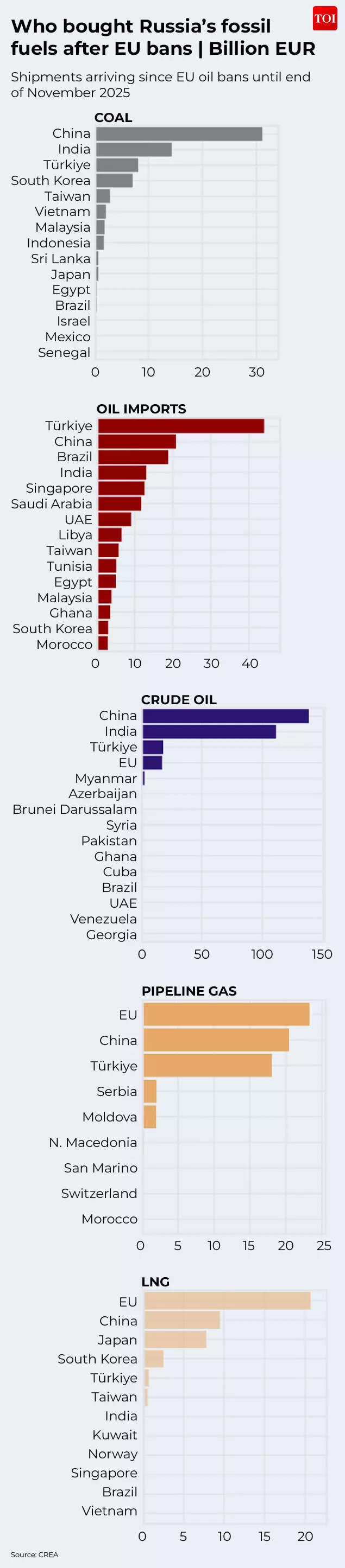
Who bought Russia’s fossil fuels after EU bans

Who bought Russia’s fossil fuels after EU bans

Refinery margins may also be impacted, as discounted Russian crude is reduced, mostly for private refiners, he says. “We believe that losing these cheaper barrels would raise feedstock costs, and could shave around 1-2 percentage points off refining margins,” Majumdar tells TOI.

India’s Strategic Petroleum Reserves: How Much Is The Cover?

In times of geopolitical uncertainties, supply shock possibilities, strategic oil reserves play a vital role. In the last few years India has been moving to shore up its strategic oil reserves to a 9–day cover which is what is standard maintained by OECD countries. However, there is still a long way to go.According to Sumit Ritolia, India’s strategic petroleum reserves currently stand at about 5.33 million metric tonnes. These are spread across underground caverns in Visakhapatnam, Mangaluru and Padur. This is around 39 million barrels, or around 9–10 days of national crude consumption.
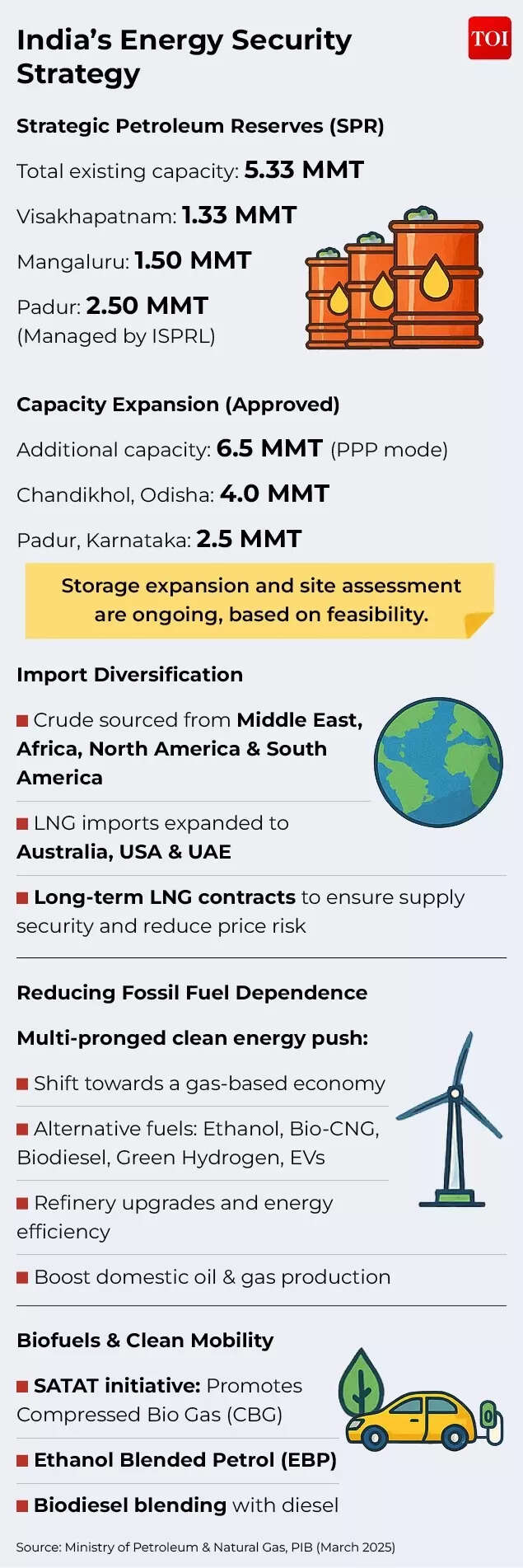
India’s Energy Security Strategy

India’s Energy Security Strategy

“While this is a meaningful safety net, it remains well below the 90-day cover maintained by most OECD economies when combining strategic and commercial stocks,” Ritolia points out.The government has announced Phase-II plans to add around 6.5 million tonnes of additional storage, but progress has been slow due to land acquisition and execution challenges, he adds.Manas Majumdar of PwC points to India’s planned expansion of strategic oil reserves at Chandikhol and Padur. In addition new sites are being planned in Bikaner, Bina. There is a capex allocation of around Rs 5000 crore plus for these expansions, and these plans need to be expedited, he tells TOI.“In addition, India can diversify strategic petroleum reserves storage types, and in addition to existing underground caverns blend with above-ground and commercial storage to enhance capacity. Also, bolster pipeline and trans-national supply chain resilience for crude flow and also to mitigate potential logistics chokepoints at areas like Strait of Hormuz,” he says.In addition to government-held strategic reserves, Indian refiners and oil marketing companies maintain their own inventories in the form of crude oil and refined petroleum products across refineries, pipelines and storage terminals. Experts differ on the number of days the stocks with oil marketing companies can cover.Ritolia says that these operational and commercial stocks can typically cater to domestic demand for an additional 10–20 days, depending on market conditions and throughput.“When combined with strategic petroleum reserves, these inventories provide India with a more meaningful buffer against supply shocks, even though overall emergency cover still falls short of global benchmarks and will need to expand in line with the country’s rising oil demand,” he says.However, Pranav Master of Crisil Intelligence says that combined with storage held by oil marketing companies, the total coverage stands at around 70–75 days.“Budgetary allocation for oil purchases reflects a shift toward proactive stockpiling during favorable price cycles, strengthening India’s ability to absorb future supply shocks. Apart from conventional coastal caverns, the exploration of salt-cavern-based storage should also be considered to enhance storage capacities,” he says.

What’s The Road Ahead For India’s Energy Security?

As India builds capacity to store more strategic petroleum reserves, it is important for it to speed up the process amidst ongoing geopolitical uncertainty that add to chances of supply shocks.“To better protect against global supply shocks, India needs to accelerate the completion of Phase-II strategic petroleum reserve capacity and ensure that existing and new caverns are consistently filled, well-maintained and operationally ready for timely release during emergencies,” says Sumit Ritolia.He is of the view that as demand continues to rise, expanding strategic petroleum reserves capacity in line with consumption growth will be critical to prevent a dilution of strategic cover over time.Experts also say that India needs to continue looking beyond crude to meet energy needs of the future.Sourav Mitra of Grant Thornton Bharat notes that India is doubling down on alternate sources of energy such as LNG, renewables, biofuels etc. to reduce oil dependency while ensuring reliability.According to a reply in Lok Sabha by MoS Petroleum and Natural Gas Suresh Gopi, to counter the reliance on fossil fuels, the government has adopted a multi-pronged strategy to promote clean energy – It is stepping up natural gas usage, improving refinery efficiency, and boosting domestic oil and gas production.In the meantime, it is also accelerating the adoption of biofuels and clean alternatives such as ethanol blends, bio-CNG, biodiesel, green hydrogen and EVs.Kpler’s Ritolia says that India would benefit from creating limited strategic reserves of refined products such as gasoline, diesel and aviation turbine fuel near major demand centres, which would help manage short-duration disruptions and logistical bottlenecks more effectively.“In parallel, strengthening domestic crude oil production should remain a key pillar of resilience. While large and rapid increases in output are unlikely, continued investment in enhanced oil recovery, redevelopment of mature fields and timely monetisation of discoveries can help stabilise production and deliver gradual gains. Alongside diversified imports and stronger stockholding, even incremental improvements in domestic output can reduce vulnerability at the margin and improve India’s ability to withstand external supply shocks,” he concludes.To sum it up: In a world of rising tensions, India has done well to diversify its crude basket so that temporary disruptions and choking of supply channels don’t have a long-term negative impact on the economy. Russia has only recently become a major oil supplier for India, and if it has to diversify away from it, the hit will not be too significant, though experts say Russian oil will not completely disappear. As it looks to build strategic oil reserves, there is a need to expedite the process, while also looking at non-fossil fuel based alternatives.


Source link

India targets 12 gold medals at 2036 Olympics | More sports News


India targets 12 gold medals at 2036 Olympics

NEW DELHI: India has raised its Olympic medal ambitions while pursuing hosting rights for the 2036 Games, with Qatar seen as the strongest rival.After winning no gold at the Paris Games in 2024, India is now targeting 12-14 gold and 30-35 overall medals at the 2036 Olympics.

Jay Shah’s 2036 Olympic blueprint for India: ‘8 Medals won’t cut it’

The benchmark for 2048 is 30-35 gold and 100 total medals under a 10-year medal strategy plan cleared by Prime Minister Narendra Modi.Overall, India has won 10 Olympic gold medals — eight in men’s field hockey — and two individual gold from shooter Abhinav Bindra (Beijing 2008) and javelin thrower Neeraj Chopra (Tokyo 2020).Union sports secretary Hari Ranjan Rao outlined the ambitions at a Sports Governance Conclave in Ahmedabad on Friday, saying India must aim to match China and the USA.He said 12-14 gold and 30-35 total medals in 2036 would place India in the top 10, while 35-40 gold and around 100 medals in 2048 would put it in the top five.Rao also set goals for the Commonwealth Games in Glasgow (July 23-Aug 2) and the Asian Games in Japan (Sept 19-Oct 4).


Source link

US Supreme Court ruling: Treasury has enough funds if Trump’s tariffs are struck down; when refunds could begin


US Supreme Court ruling: Treasury has enough funds if Trump’s tariffs are struck down; when refunds could begin

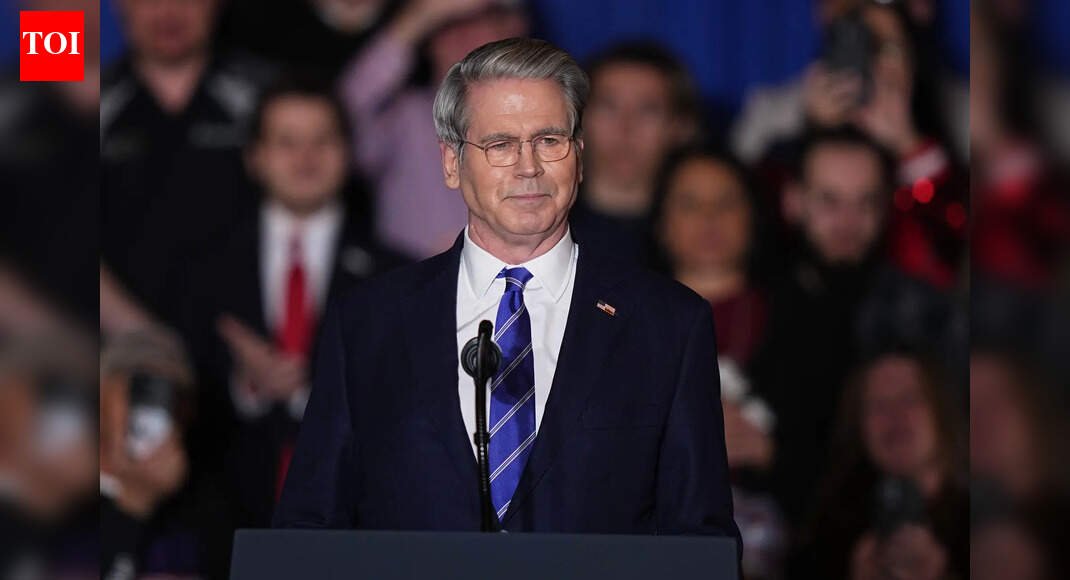
If the US Supreme Court rules against President Donald Trump’s emergency tariffs, the treasury has more than enough funds to pay for the tariff refunds, treasury secretary Scott Bessent said. The timeline of payments, however, might extend to weeks or even a year, he told Reuters.In an interview, Bessent said he doubted the court would rule against Trump’s tariffs, but suggested that any refunds could become a “corporate boondoggle” for companies that passed on the costs to their customers.

‘No Call From PM Modi’: Trump Aide Lutnick’s Shocker On India-US Trade Deal Amid Tariff Threats

“It won’t be a problem if we have to do it, but I can tell you that if it happens – which I don’t think it’s going to – it’s just a corporate boondoggle,” he said.“Costco, who’s suing the US government, are they going to give the money back to their clients?”Bessent added that, in general, companies had not been passing tariffs on to consumers, stating there was “very, very little, if any, pass-through,” and disputed that Trump’s tariffs had contributed to inflation. He noted that goods inflation had remained below headline inflation.Importers and trade lawyers had expected a Supreme Court ruling on Friday, but the court issued a decision on a different matter instead. It remains unclear when the court will rule on the tariff case, which challenges Trump’s use of the International Emergency Economic Powers Act (IEEPA) to impose broad tariffs on nearly every U.S. trading partner.Bessent said he believed that the longer the decision is delayed, the more likely the Supreme Court will rule in Trump’s favour.With nearly $774 billion in cash as of Thursday, the treasury has more than enough to cover any refunds. Treasury borrowing estimates for January-March 2026 project an end-March cash balance of around $850 billion.“We’re not talking about the money all goes out in a day. Probably over weeks, months, may take over a year, right?” Bessent told Reuters.He also indicated that Treasury budget data for calendar year 2025 would likely show a deficit reduction of $300 billion to $400 billion from 2024, providing additional capacity. The government reported a fiscal-year deficit of $1.775 trillion for 2025, which ended on 30 September.Importers have warned that recouping any tariffs paid could be difficult if the Supreme Court finds Trump’s IEEPA-based duties illegal. According to Customs and Border Protection data, $133.5 billion in such tariffs had been assessed through 14 December, with the total likely approaching $150 billion, based on Reuters calculations.Bessent disputed this estimate, saying it was “not the number” for tariffs potentially subject to refunds. He noted that revenues from tariffs imposed under other legal authorities also existed, but did not provide a specific figure for IEEPA-based tariffs.


Source link

Iran protests: Is Reza Pahlavi planning to return after 50 years in exile? What the former crown prince said


Iran protests: Is Reza Pahlavi planning to return after 50 years in exile? What the former crown prince said

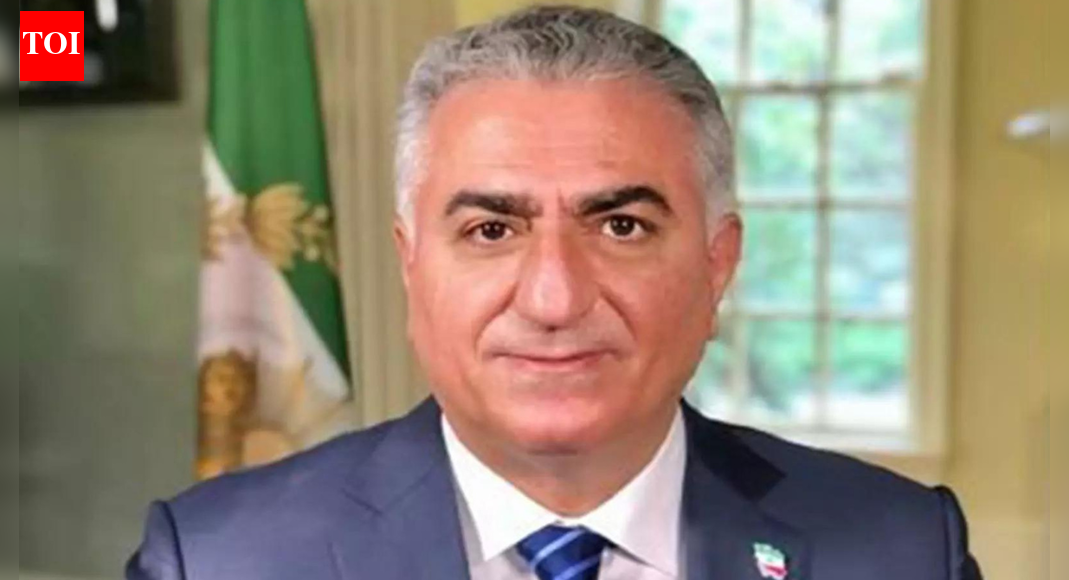
Iran’s former Crown Prince Reza Pahlavi on Saturday said that he is preparing to return home. He linked the possible move to the ongoing mass protests against the country’s clerical leadership.Pahlavi, who has lived in exile in the United States for five decades, announced the move in a video message and a post on X, as demonstrations continued across Tehran and other cities.

Iran In ‘LOCKDOWN’: Muslim Nations Cut Air Links As Deadly Protests Shake Khamenei Regime

“I, too, am preparing to return to the homeland so that at the time of our national revolution’s victory, I can be beside you, the great nation of Iran. I believe that day is very near,” he wrote.His remarks came amid widespread unrest that has disrupted daily life in parts of Iran and posed one of the most serious challenges to Supreme Leader Ayatollah Ali Khamenei in years. Many demonstrators have openly called for the return of Pahlavi, the son of Iran’s last shah, who was overthrown during the 1979 Islamic Revolution.

Call for strikes and street mobilisation

In his message, Pahlavi urged Iranians to intensify pressure on the state by targeting the economy and reclaiming public spaces. He called on workers in key sectors to stop work and join the protests.“I call upon the workers and employees of key economic sectors—especially transportation, oil, gas, and energy—to begin the process of nationwide strikes,” he said. He also appealed for coordinated street action over the weekend, asking people to gather from 6 pm with national symbols and move towards the central areas of cities.“Our goal is no longer merely to be present in the streets; the goal is to prepare for the capture and holding of city centres,” Pahlavi said.

Message to protesters and security forces

Pahlavi praised those who have continued to demonstrate despite threats and crackdowns, describing recent protests as a major blow to the leadership. “My dear compatriots, through your courage and resilience, you have earned the admiration of the world,” he said. Pahlavi added that the protests were “a crushing response to the threats of the treacherous and criminal leader of the Islamic Republic.”He also addressed members of Iran’s armed and security forces who have expressed sympathy with protesters. “To the youth of Iran’s Immortal Guard, and all armed and security forces who have joined the national cooperation platform, I say: Slow down and disrupt the repression machine even more so that on the appointed day, we can completely disable it,” he said.

Who is Reza Pahlavi?

Reza Pahlavi was groomed from birth to inherit Iran’s Peacock Throne and was undergoing fighter pilot training in the United States when the 1979 revolution ended his father Mohammad Reza Shah Pahlavi’s rule. Forced into exile, he has since lived mainly in the US, becoming a symbolic figure for monarchists and some opposition groups, according to BBC. Now 65, Pahlavi said he does not seek to restore the monarchy by force, insisting instead on a peaceful transition and a national referendum to decide Iran’s future system of governance.“This is not about restoring the past. It’s about securing a democratic future for all Iranians,” he has said previously.

Protests grip Iran

Iran has been witnessing widespread protests for nearly two weeks, initially triggered by rising living costs but rapidly expanding into broader demonstrations against the clerical establishment. Large crowds have taken to the streets in Tehran and several other cities, chanting slogans against Supreme Leader Ayatollah Ali Khamenei.Several human rights groups said that dozens of protesters have been killed and hundreds injured in clashes with security forces. Authorities have responded with a sweeping internet shutdown, which activists say is aimed at limiting the spread of protest footage and masking the scale of the crackdown.The unrest has drawn international attention, with Iran accusing the United States and Israel of inciting instability. Tehran has approached the United Nations Security Council, blaming foreign interference for the escalation of protests into violent acts.


Source link

‘Pace set by PM Modi’: NSA Doval says India will develop ‘even on autopilot’, reflects on global conflicts | India News


‘Pace set by PM Modi’: NSA Doval says India will develop ‘even on autopilot’, reflects on global conflicts
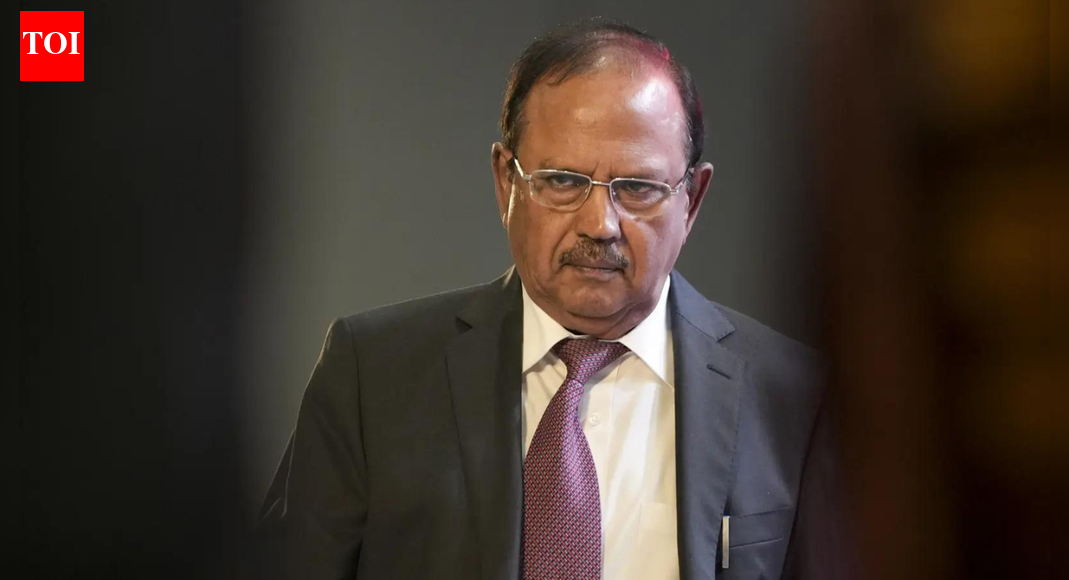
NSA Ajit Doval (PTI photo)

NEW DELHI: National Security Advisor Ajit Doval on Friday said that India is on track to become a developed nation at the pace set by Prime Minister Narendra Modi, even if the country runs on “autopilot”. He also reflected on current global situation, pointing to ongoing wars and conflicts across the world.Speaking at the Viksit Bharat Young Leaders Dialogue in New Delhi, Doval urged young people to strengthen their decision-making skills, saying the ability to take strong and timely decisions is essential for leadership in every field.“I’ve forgotten my youth, and your youth has changed so much that I’m not even aware of many things. But one thing is very common in both: when I was young, and now, I’ve observed that it always stays with you… That is your decision-making ability… India will definitely develop. India, at the pace and speed that PM Modi has set. Even if it runs on autopilot, it will still be developed,” Doval said.He stressed that the real question is who will lead a developed India in the future and how capable that leadership will be.“But the question is: who will lead this developed India? How capable will they be? The greatest strength of a leader is making the right decisions. They make decisions on time and implement those decisions with complete faith and conviction. So if you want to become a leader of developed India, in any field, science, technology, security, you will have to make decisions, and you will have to develop this decision-making ability from now on,” he said.Doval also said that a nation’s willpower is its greatest strength, adding that wars are fought to break an opponent’s morale rather than for violence itself.His remarks came amid recent global tensions, including the Donald Trump-led US military action in Venezuela that led to the removal of President Nicolas Maduro, and Trump’s repeated warnings to other nations.He said, “You can increase your willpower. That same willpower becomes national power. Why do we fight wars? We’re not psychopaths who get great satisfaction or pleasure from seeing enemy corpses, dead bodies, and severed limbs. That’s not why wars are fought. Wars are fought to break a country’s morale, so that it will surrender according to our wishes and accept our terms, allowing us to achieve what we want… The will of the nation is what wars are fought for. Even today, look at all the wars and conflicts that are happening; some countries want to impose their will on others, and for that, they are using force.”Doval added that strength alone is not enough without morale and leadership. He said, “If you are so powerful that no one can oppose you, then you will always remain independent. But if you have everything but without that morale, all your weapons and resources will be useless, and for that, you need leadership.”He also praised India’s current leadership and the country’s progress in recent years. Doval said, “Today, we are very fortunate to have such leadership in the country. A leadership that, in 10 years, has taken the country from where it was to where it is now, putting it on the path to rapid progress. Their commitment, their hard work, and their total dedication are an inspiration for all of us.”


Source link

Access Denied


Access Denied

You don’t have permission to access “http://www.ndtv.com/world-news/us-president-flaunts-happy-trump-lapel-pin-but-says-im-never-happy-10584589” on this server.

Reference #18.2ef63717.1768032274.1bf98318

https://errors.edgesuite.net/18.2ef63717.1768032274.1bf98318


Source link

‘I am very disappointed’: Could Russia’s Putin face a similar fate after Maduro? What US President said


‘I am very disappointed’: Could Russia's Putin face a similar fate after Maduro? What US President said

US President Donald Trump on Friday played down the possibility of abducting his Russian counterpart Vladimir Putin, just as he captured Venezuelan President Nicolas Maduro a week ago.Asked whether he would ever order a mission to capture Putin, Trump said, “I don’t think it’s going to be necessary.”

Trump ‘FEARS’ Putin & Xi; Announces Greenland Takeover ‘Easy Or Hard Way’ To Keep Russia, China Away

“I think we’re going to have and have always had a great relationship with him. I am very disappointed. I settled eight wars. I thought this would be in the middle of the pack or maybe one of the easier ones,” Trump said while talking to reporters at the White House.This comes days after Ukrainian President Volodymyr Zelenskyy suggested that the US president could be planning a similar plan for Putin as Maduro.Trump disagreed with Zelenskyy, saying such a sanction was “not necessary,” though he said he was “very disappointed” with Putin.Trump also claimed that Ukraine and Russia are close to a settlement and said, “Last month, they lost 31,000 people. Many of them were Russian soldiers. The Russian economy is doing poorly. I think we are going to end up getting it settled. I wish we could have done it quicker because a lot of people are dying, mostly soldiers.”Earlier, Zelenskyy, in a veiled reference to Putin, had said that if this is how a “dictator” must be treated, then the “United States knows what to do next.”Meanwhile, the Russian president is facing several arrest warrants by the International Criminal Court over alleged war crimes in Ukraine.This comes after Venezuelan President Nicolas Maduro and his wife, Cilia Flores, were captured in Caracas and flown out of the country in a joint operation involving intelligence agencies and US law enforcement.According to Venezuela’s interior minister Diosdado Cabello, Maduro was wounded in the leg, while his wife, Cilia Flores—who was detained alongside him—suffered a head injury during the raid.Maduro’s Vice President Delcy Rodríguez has now assumed the presidency of Venezuela.


Source link

Vasai Virar slowest in development in MMR: CM Devendra Fadnavis in Nalasopara | Thane News


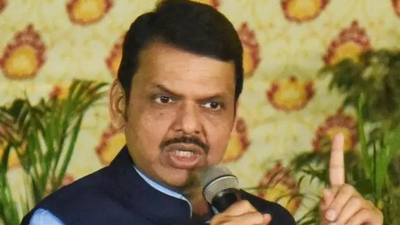
VASAI: A week before the polling starts in Vasai Virar Municipal Corporation (VVCMC), Maharashtra Chief Minister Devendra Fadnavis addressed a rally at Central park, Nalasopara east, (Friday). In VVCMC, there is an alliance between the BJP and the Shiv Sena, the MahaYuti, which is contesting against the Bahujan Vikas Aaghadi (BVA), Congress, UBT.From Airport to uninterrupted supply of water to slow-paced development in VVCMC, he spoke on all issues. Along with all the local leaders and local MLA’s, Transport Minister Pratap Sarnaik was also present at the venue, though, Sarnaik didnt follow Fadnavis to the Mira Bhayandar rally as there is no mahaYuti there.

BMC Becomes Mega Battleground As Thackerays Reunite And Alliances Shift Ahead Of Civic Wars 2026

In the earlier corporation elections, conducted in 2015, out of 115 seats, the BVA had won 106 seats, while the BJP won only 1 seat, with Shiv Sena 5, Congress 1 and Independents 2. Addressing the rally, Fadnavis thanked the residents for a clear mandate in the assembly elections on the three Vasai Virar seats in Vasai, Nalasopara and Boisar assemblies. “In the entire MMR, VVCMC is the only corporation which has witnessed development at a very slow pace”, said Fadnavis, further stating that “this corporation was used as an ATM”. Once elected, Development will be like Virar Fast! He also spoke about the rampant illegal construction in Vasai Virar. Lot of illegal constructions have happened and people have witnessed demolitions as well. We are creating a new cluster policy, helping poor with legal homes. Metro will also be connected to Vasai Virar from Shivaji Chowk, Mira road, easing Vasaikar’s connectivity to Mumbai. A new railway station will come up between Virar and Nalasopara, announced Fadnavis.Ladki Bahin will continue reiterated Fadnavis, which he repeated while speaking in the Mira Bhayandar rally. Speaking on the all-round development associated with the upcoming Vadhvan port in Dahanu (Palghar district), Fadnavis said that Vasai Virar would also benefit from this. We have appointed a consultant to check the feasibility test if an airport can come up in Virar or Vadhvan, he added.Speaking at the Mira Bhayandar rally, Fadnavis announced that, immediately post elections, the car shed at Dongri will be scrapped. He said that a lot of trees will have to be chopped and hence this call was taken.


Source link

Ludhiana shocker: Carpenter kills man, cuts body into 6 pieces; wife held for cleaning crime scene | Ludhiana News


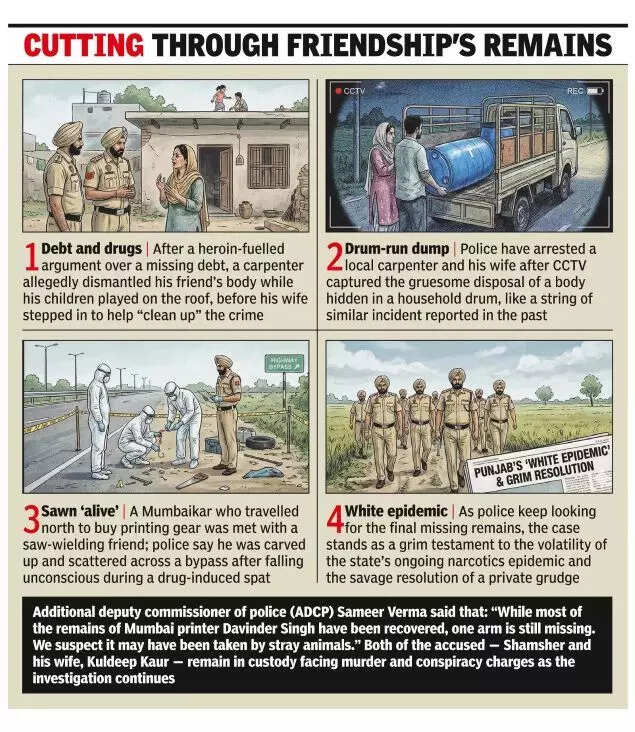
LUDHIANA: A grisly murder fuelled by a drug-induced dispute has ended with the arrest of a local carpenter and his wife after a 30-year-old man was on Thursday found dismembered in the city, sawed perhaps when he was just unconscious and taken for dead.

Carpenter held for killing man<br>

Carpenter held for killing man

Punjab Police confirmed on Friday they had apprehended woodworker Shamsher Singh Shera and his wife, Kuldeep Kaur (accused of joining the cleanup), in connection with the death of Davinder Singh, whose body was discovered on Thursday cut into six pieces and scattered near the Jalandhar Bypass.The victim, a digital printing professional based in Mumbai, had arrived in Ludhiana by train on Jan 6 to purchase new machinery. According to investigators, Davinder met with his friend, Shamsher, shortly after arrival. Additional deputy commissioner of police (ADCP) Sameer Verma has claimed that the two men consumed “chitta” – a local term for heroin – at Shamsher’s house. While under the influence, a heated argument erupted over an unpaid debt. Verma said: “During the altercation, Shamsher pushed Davinder, which knocked him unconscious. Believing the man was dead, Shamsher used a saw to dismember the body, a process that reportedly took him two-hours-and-a-half.”


Source link

‘Dhamki de raha hai mujhe, bolo aajao?’: Waris Pathan responds to Nitesh Rane, says he is not afraid of threats over Owaisi’s hijab-PM wish | Mumbai News


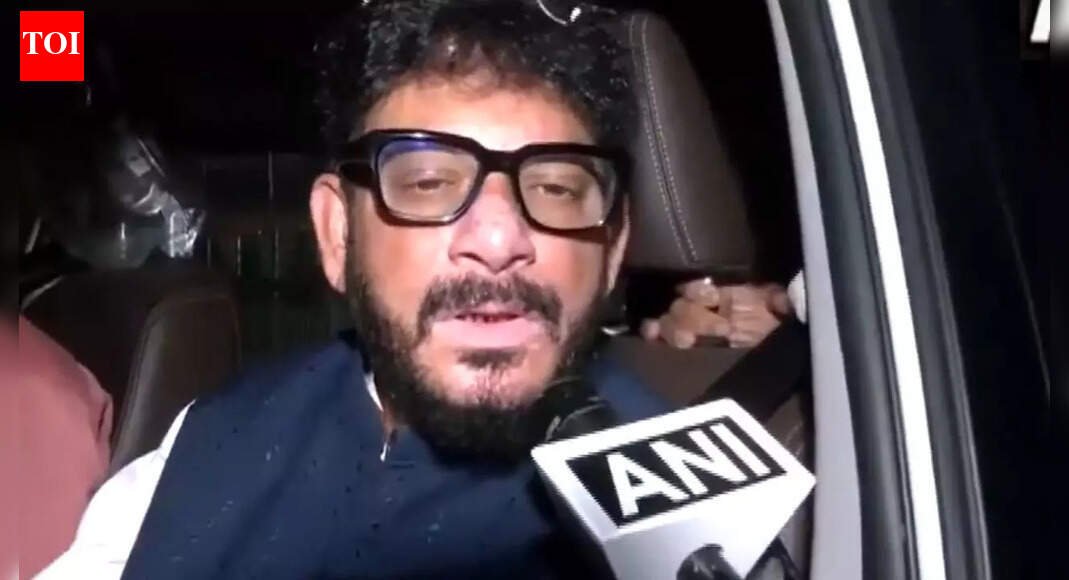
MUMBAI: AIMIM leader Waris Pathan strongly reacted to remarks by BJP leader Nitesh Rane, asserting that threats and criticism will not intimidate him and expressing support for Asaduddin Owaisi’s statement that one day a woman wearing a hijab could become Prime Minister.Speaking on the controversy, Pathan said, “The Constitution of India governs this country, and according to it, anyone can become the Prime Minister, Governor, or Mayor.”“What did he (Asaduddin Owaisi) say wrong? He said that it is our wish that one day a woman wearing a hijab will become the Prime Minister of the country,” Pathan added.Pathan further addressed threats reportedly made against him, stating, “The one who is threatening me should tell me where to come? We are not afraid of their threats.”The remarks come amid ongoing political debates over statements regarding representation of women and minority communities in leadership positions. Earlier, AIMIM chief Asaduddin Owaisi, speaking at an election meeting in Solapur, Maharashtra, on Friday, pointed out that while Pakistan’s Constitution limits the offices of Prime Minister and President to followers of a specific religion, India’s Constitution allows any citizen to hold such positions. Owaisi emphasized the inclusivity of India’s Constitution, framed by Babasaheb Ambedkar, noting that it enables anyone to become Prime Minister, President, Chief Minister, or Mayor.He said, “His dream was that a day would come when a Hijab-clad woman would rise to become the Prime Minister of India. The day will come in future.”Responding to Owaisi’s remarks, Maharashtra minister Nitish Rane said, Asaduddin Owaisi does not dare to make such statements in our Hindu nation. This is our Hindu nation, where 90% of the population is Hindu. Women who wear hijab or burqa will not become the Prime Minister or the Mayor of Mumbai.”“Those who wish to hold such positions should go to their own Islamic countries, like Karachi. Here, they have no place. Women who wear hijab or burqa will not become Prime Minister or Mayor in Mumbai,” he added further.


Source link