Breaking News
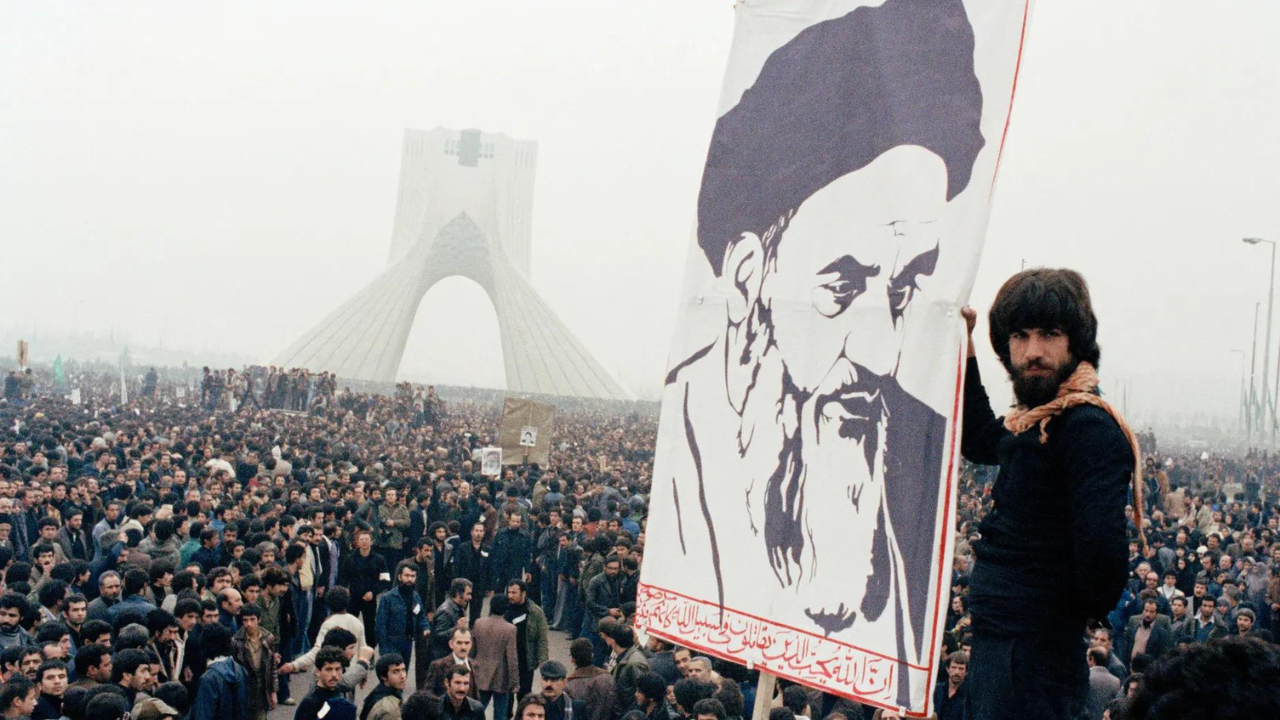
‘Legitimate targets’: Iran warns US of retaliation; Israel on high alert — will Trump order a strike?


‘Legitimate targets’: Iran warns US of retaliation; Israel on high alert — will Trump order a strike?

Nationwide protests challenging Iran’s leadership entered their third week on Sunday, with demonstrators once again flooding the streets of Tehran and Mashhad, the country’s two largest cities.The unrest has turned increasingly violent, with at least 116 people killed so far, according to rights groups monitoring the situation.

Khamenei In BIG TROUBLE: Iran Riots Video Viral Despite Internet Crackdown; BOMBS, Torched Cars…

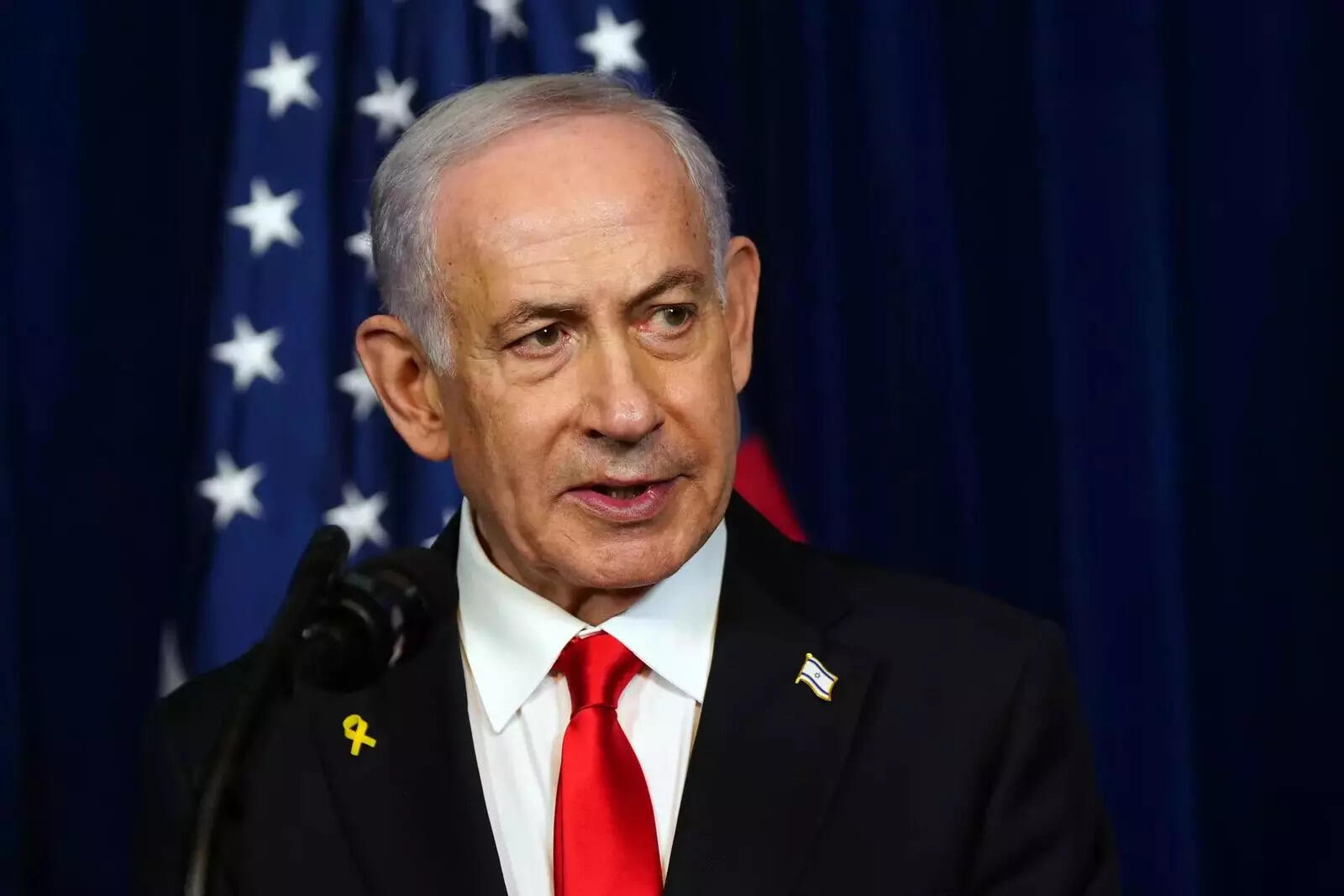
Israel on high alertMeanwhile, Israel is on high alert as US president Donald Trump is weighing options for military strikes in Iran amid ongoing protests in the country, news agency Reuters reported, citing three Israeli sources familiar with the matter.

.

The news agency cited a source and claimed Israeli Prime Minister Benjamin Netanyahu and US secretary of state Marco Rubio discussed the possibility of US intervention in Iran over a phone call on Saturday.Additionally, the matter was also discussed during Israeli security consultations over the weekend, it added.The sources, however, did not elaborate on what Israel’s high-alert footing meant in practice. ‘USA stands ready to help’Earlier in the day, Trump warned Iran against continuing to kill protestors and indicated that the United States stands ready to act.In a Truth Social post on Saturday (US local time), he wrote: “Iran is looking at FREEDOM, perhaps like never before. The USA stands ready to help!!!”According to US officials, Trump is seriously considering authorising a strike in response to the Iranian regime’s efforts to suppress demonstrations set off by widespread economic grievances.The president has been presented with a range of options, including strikes on nonmilitary sites in Tehran, the capital, the New York Times reported, citing sources.

Iran is looking at FREEDOM, perhaps like never before. The USA stands ready to help!

US President Donald Trump

Senior US officials said that at least some of the options presented to Trump for the situation in Iran would be tied directly to elements of the country’s security services that are using violence to put down the growing protests.Iran’s counter-threat to US and IsraelMeanwhile, Iran warned that regional US military bases and Israel would be “legitimate targets” if America strikes the Islamic Republic.Iran’s parliament speaker Mohammad Baqer Qalibaf made the threat as lawmakers rushed the dais in the Iranian parliament, shouting: “Death to America!”

In the event of an attack on Iran, both the occupied territory and all American military centers, bases and ships in the region will be our legitimate targets. We do not consider ourselves limited to reacting after the action and will act based on any objective signs of a threat.

Iran’s parliament speaker Mohammad Baqer Qalibaf

“The people of Iran should know that we will deal with them in the most severe way and punish those who are arrested,” Qalibaf said.He went on to directly threaten Israel, “the occupied territory,” as he referred to it, and the US military, possibly with a preemptive strike.“In the event of an attack on Iran, both the occupied territory and all American military centers, bases and ships in the region will be our legitimate targets,” Qalibaf said. “We do not consider ourselves limited to reacting after the action and will act based on any objective signs of a threat.”116 dead in violent protests in IranAt least 116 civilians were killed and hundreds were injured in Iran as the country is witnessing one of the largest protests since 2022, when the death of 22-year-old Mahsa Amini in police custody sparked nationwide anti-government protests.Protests fuelled by a deepening economic crisis have swept Iran since they began on December 28, following the collapse of the Iranian rial, as soaring inflation has driven frustrated traders and university students into the streets of major cities, including Tehran.

.

Online videos sent out of Iran, likely using Starlink satellite transmitters, purportedly showed demonstrators gathering in northern Tehran’s Punak neighborhood. There, it appeared authorities shut off streets, with protesters waving their lit mobile phones. Others banged metal while fireworks went off.The authorities have cut-off the internet and phone lines, forcing the nation into a near-total nationwide internet blackout.


Source link

Govt to achieve fiscal deficit target of 4.4 pc in FY26, may even better it: PwC


Govt to achieve fiscal deficit target of 4.4 pc in FY26, may even better it: PwC

NEW DELHI: The government is likely to achieve the fiscal deficit target of 4.4 per cent of the GDP in FY26, and it could even better it, a positive signal to global investors about India’s commitment to fiscal management, PwC Partner and Economic Advisory Services leader Ranen Banerjee said.The revision in the nominal GDP growth target from 10.1 per cent to 8 per cent by the National Statistical Office recently raised concerns about the government’s ability to meet the fiscal deficit target.Although the nominal GDP growth rate has been revised downward to 8 per cent from 10.1 per cent, the absolute numbers are almost matching the budget estimates, he said, adding that this means the denominator is not shrinking and the government should easily meet the 4.4 per cent fiscal deficit target.It is to be noted that the government overachieved its fiscal deficit target of 4.8 per cent against 4.9 per cent of GDP pegged for FY25.“It has a headroom to actually better it. We believe that optically speaking, it could be pegged at 4.3 per cent because it is a kind of signal that we are actually not only meeting the fiscal consolidation targets, but we are overachieving them,” Banerjee said.Finance Minister Nirmala Sitharaman, in her Budget speech last year, pegged the fiscal deficit for FY26 at Rs 15.69 lakh crore, or 4.4 per cent of GDP.Observing that the National Statistical Office’s revision of nominal GDP growth is in line with expectations, Banerjee said softer wholesale price indices, particularly food and oil prices, have contributed to a lower deflator, resulting in a smaller gap between nominal and real GDP growth.However, he said, the lower nominal GDP growth is expected to impact tax revenues, with an estimated shortfall of Rs 1.9 trillion in gross tax revenues.After accounting for GST compensation cess, he said, the shortfall could be around Rs 75,000 crore or Rs 0.75 trillion.Despite this, the central government is expected to have a buffer of around Rs 0.5 trillion from unutilised GST compensation cess funds.On the expenditure side, he said revenue expenditure is likely to be 2 per cent lower than budget estimates, while capital expenditure is expected to be close to 100 per cent of the budgeted amount.As a result, the fiscal deficit target is still achievable, with the shortfall in tax revenues likely to be offset by savings on the expenditure side, he added.


Source link

Ulhasnagar civic polls turn high-stakes as veteran corporators face BJP’s new faces | Thane News


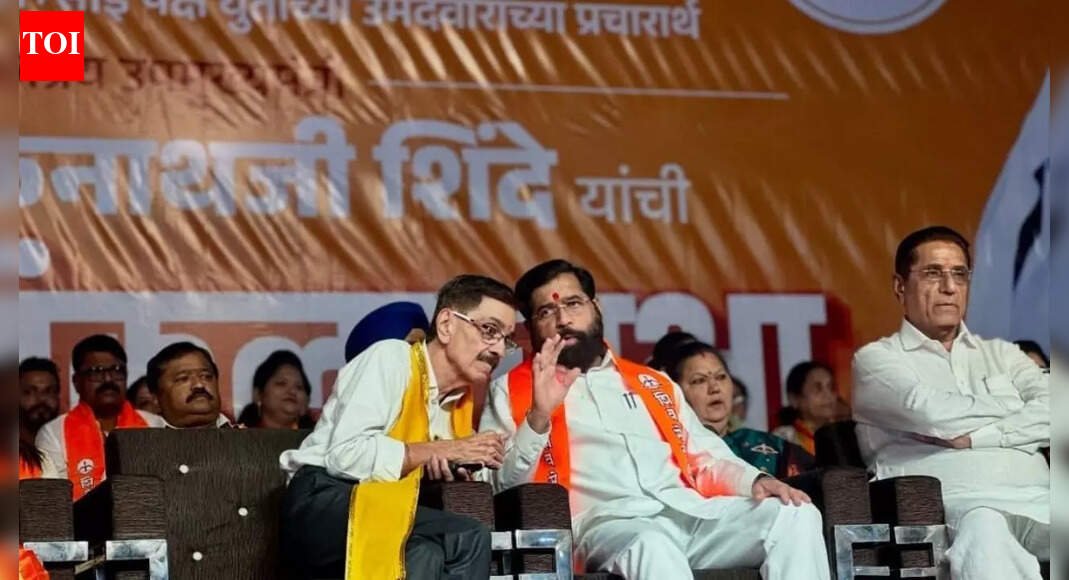
ULHASNAGAR: In Ulhasnagar Municipal Corporation, where BJP and Shiv Sena are contesting separately, some of the hottest seats feature four heavyweight former BJP corporators who switched sides just a month before the elections. These leaders left BJP and joined Team Omie Kalani, now contesting election on Shiv Sena’s symbol under Team Omie Kalani’s quota.BJP has fielded fresh faces against them, intensifying the battles on these seats. Facing off against these two-to-five-time winners are BJP’s new candidates, turning the contests into fierce showdowns.The veteran corporators are seeking votes based on their past achievements during their terms. Their opponents counter by calling these seats BJP strongholds and accusing the defectors of failing to deliver for their areas despite receiving major posts from BJP.The public will decide whether experience or new faces prevail on these seats. Not just local residents, but state leaders are watching closely—these four corporators’ defection to Shiv Sena ally TOK sparked a major uproar at the state level, as BJP corporators rarely switch parties so quicklyThe contests have intensified, with both sides aggressively campaigning and raising sharp questions about performance, loyalty and local development. In Panel No. 6, two out of four former corporators, Mahesh Sukhramani (three time former corporator) and Jaya Makhija, wife of former two time corporator Prakash Makhija, are contesting on the Shiv Sena symbol with TOK support. They are facing BJP candidates Deepak Chatlani and Hema Pinjani. Chatlani is known among Ulhasnagar’s business community and is seen as someone well-versed in civic issues, while Pinjani is a new face who has been associated with social work for several years. Panel No. 2 has also emerged as a high-profile contest. Former BJP district president and five-time corporator Jamnu Puruswani and two time former corporator Ram Parwani are contesting from this panel. The BJP has fielded advocate Bharat Shivnani against Puruswani and Sandhya Marathe against Ram Parwani’s wife Savita.Shivnani is a well-known lawyer who was once considered a close supporter of the Kalani camp, while Marathe is associated with social service and is being projected as a fresh and credible face by the BJP. Among the four former corporators, Jamnu Puruswani stands out as a five-time BJP corporator who has held several key positions, including that of Standing Committee Chairman. Prakash Makhija has also served multiple terms as Standing Committee Chairman. All four were once considered major faces of the BJP in Ulhasnagar, making their defection and current contest politically significant. Speaking to TOI, Mahesh Sukhramani said the four veterans have consistently worked for their wards over several years and stood by residents during both good and difficult times. “We are confident that the people will once again give us an opportunity to serve and continue development in our areas,” he said. On the other hand, BJP candidates have launched a strong counter-narrative. Hema Pinjani alleged that despite years in power, basic issues such as broken roads, poor sanitation and water problems remain unresolved in these wards. “We may be new to politics, but people want change. If given a chance, we will work sincerely to solve these long-pending problems,” she said. Deepak Chatlani echoed similar sentiments, claiming that the response during campaigning has been encouraging. “Voters are frustrated with unresolved civic issues and are keen to give new candidates an opportunity,” he said. As campaigning enters its final phase, these high-profile seats have become a litmus test not just for the candidates involved, but also for the broader political strategies of the BJP and Shiv Sena–TOK alliance. The outcome will be closely watched not only by Ulhasnagar residents but also by state-level leaders, as it could shape future political realignments in the region.The Shiv Sena is contesting UMC election with local ally TOK and SAI party. However BJP contesting against them on all 78 seats due to which contest has become intresting due to direct fight because TOK candidates are also contesting on Shiv Sena’s symbol.


Source link

London-based doctor, YouTuber Sangram Patil detained at Mumbai airport; defamation case filed by BJP media cell functionary | Mumbai News


MUMBAI: London-based doctor and YouTuber Sangram Patil was briefly detained at Mumbai international airport on Saturday in connection with a defamation case lodged by BJP media cell functionary Nikhil Bhamre.A city police official confirmed that he was detained by the crime branch and served a notice under Section 35 (3) of BNSS, which provides for issuing an appearance notice instead of arrest in offences carrying shorter jail terms.Officials stressed he was not arrested. Patil and his wife were questioned upon arrival from London and released after a preliminary inquiry. The complaint alleges Patil circulated false information about the ruling party and made derogatory comments against its leaders.


Source link

SAI party back in kingmaker role as Ulhasnagar civic polls turn into high-stakes power game | Thane News


ULHASNAGAR: The Secular Alliance of India (SAI) Party’s familiar role as a political kingmaker has once again come into sharp focus in the Ulhasnagar Municipal Corporation elections, with its return to the Shiv Sena fold reshaping the city’s power equations. Having played a decisive role in the last three civic polls, the SAI Party is being closely watched this time as it seeks to once again influence who controls the mayor’s office.Led by former deputy mayor Jeevan Idnani, the SAI Party has fielded 11 candidates, underlining its intent to remain a key player despite the city witnessing a direct contest between the Bharatiya Janata Party (BJP) and the Shiv Sena-led alliance. The party has joined hands with Shiv Sena and Team Omie Kalani (TOK), creating a formidable front against a BJP that is contesting all 78 seats on its own.

BMC Becomes Mega Battleground As Thackerays Reunite And Alliances Shift Ahead Of Civic Wars 2026

Idnani, whose political journey mirrors Ulhasnagar’s shifting alliances, is himself in the fray, along with his wife and former mayor Asha Idnani. His close associate Sunil Gangwani has also been fielded, consolidating the SAI Party’s presence in strategically important wards. Their joint campaigning, including Idnani sharing the stage with deputy chief minister Eknath Shinde at a recent rally, has sent out a clear signal of the alliance’s intent.The SAI Party’s association with Shiv Sena dates back to 2007, when it won 12 corporator seats and, with Sena’s support, secured the mayor’s post. Despite internal splits, the party retained its relevance in 2012 by winning 11 seats and once again sharing power with Sena. In 2017, the party shifted gears, winning 12 seats and aligning with the BJP and TOK. That alliance, however, proved short-lived, and after TOK switched sides, Shiv Sena returned to power.Now, after nearly 12.5 years, the SAI Party’s return to the Sena camp is being seen as a strategic recalibration rather than a mere alliance switch. Political observers say the Sena–TOK–SAI combine has considerably strengthened Sena’s prospects, especially in a fragmented mandate scenario.For the BJP, which is aggressively campaigning to install its own mayor in Ulhasnagar, the SAI Party’s move has complicated the arithmetic. With the kingmaker back in play, the civic polls have turned into a high-stakes power game, where post-poll alignments could prove as crucial as the verdict itself.


Source link

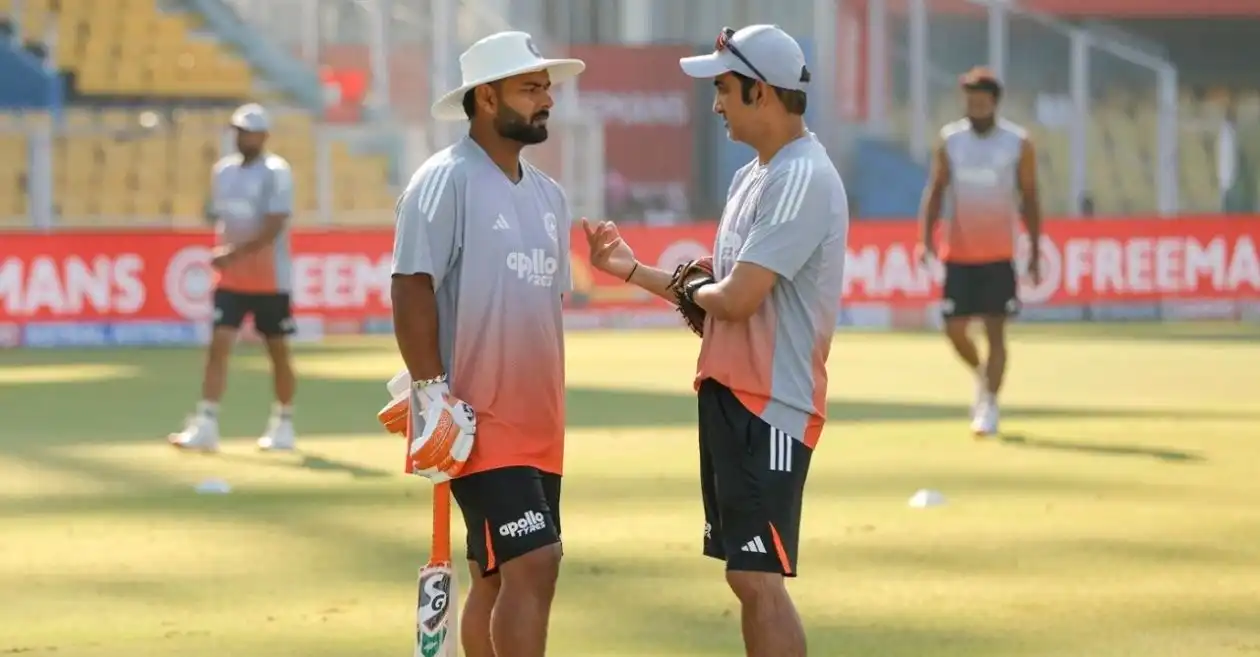
IND vs NZ: Here’s why Rishabh Pant is not playing the first ODI


The much-awaited ODI series between India and New Zealand kicked off at the BCA Stadium in Vadodara today. After winning the toss, India skipper Shubman Gill chose to bowl first. However, the team announcement sparked surprise as Rishabh Pant was missing from the playing XI.

Here’s why Rishabh Pant is not playing the first ODI

Notably, ahead of the match BCCI clarified that Pant had been ruled out of the entire three-match series. The news came as a major blow for India and dampened the mood among fans who had turned up in large numbers at the Vadodara venue. The injury occurred during India’s practice session yesterday (Saturday, January 10). According to the BCCI medical team, Pant felt a ‘sudden onset of discomfort’ in his right lateral abdominal area while batting in the nets.

Reports indicate he was struck on the ribcage/side by a delivery from a throwdown specialist during an extended session. He was immediately taken for scans, which revealed a side strain (oblique muscle tear). Given the nature of side strains, which typically require several weeks of rehabilitation, Pant was declared unfit for the series. He is expected to report to the BCCI Centre of Excellence (CoE) for rehabilitation.

Also READ: Shubman Gill speaks out on T20 World Cup 2026 exclusion as India gears up for New Zealand ODIs

KL Rahul to keep in place of Pant

In Pant’s absence, the spotlight shifts firmly to KL Rahul. Already a vital cog in India’s ODI setup, Rahul will now don the wicketkeeping gloves for the series. Rahul is no stranger to this dual role. He has successfully kept wickets for India in ODIs previously, providing balance to the side and allowing the team to play an extra batter or all-rounder. His experience and calmness behind the stumps will be crucial against a tricky New Zealand batting lineup. This situation presents another opportunity for Rahul to cement his spot as India’s versatile “Mr. Dependable” in the middle order, anchoring the innings while shouldering the keeping responsibilities.

Playing XI for both sides

India: Rohit Sharma, Shubman Gill (c), Virat Kohli, Shreyas Iyer, KL Rahul (wk), Ravindra Jadeja, Washington Sundar, Harshit Rana, Kuldeep Yadav, Mohammed Siraj, Prasidh Krishna

New Zealand: Devon Conway, Henry Nicholls, Will Young, Daryl Mitchell, Glenn Phillips, Mitchell Hay(wk), Michael Bracewell (c), Zakary Foulkes, Kristian Clarke, Kyle Jamieson, Adithya Ashok

Also READ: Not Jasprit Bumrah! Sourav Ganguly picks ‘X factor’ for India in the T20 World Cup 2026


Source link

When disasters strike, preparation saves lives — is India ready when crisis hits? |


When disasters strike, preparation saves lives — is India ready when crisis hits?

Disasters don’t just cause infrastructure losses, cripple economies, or claim lives. They shake something far deeper, that is, the very fabric of human existence.Each disaster leaves scars that statistics cannot fully capture silent grief, disrupted childhoods, fractured communities and lives permanently divided into “before” and “after”. Homes swallowed by raging floods erase decades of memory. Landslides bury entire villages in a single night. The suffering often stretches long after the debris is cleared and relief camps shut down.Tiny fingers that once wrapped around toys lie helplessly trapped under rubble. Cyclones obliterate years of hard-earned investments, stripping families of assets and security. Some survive in body but are torn in spirit, carrying the lifelong burden of outliving loved ones.We cannot stand against nature or turn its course. But when nature’s wrath presents itself, we can be prepared.For India , one of the world’s most disaster-prone countries , that preparedness often decides whether tragedy is counted in thousands or dozens.

2025: A year that laid bare India’s vulnerabilities

The year 2025 starkly illustrated how deeply disasters are now woven into India’s everyday reality. Extreme weather events were recorded on most days of the year, with floods, landslides, heatwaves and storms exacting a heavy toll on lives, livelihoods and infrastructure across regions.In North India, the monsoon triggered one of the most devastating flood seasons in decades. Punjab, Uttarakhand, Himachal Pradesh and Bihar bore the brunt as intense rainfall, cloudbursts and swollen rivers overwhelmed both natural systems and human settlements.Punjab, the bread basket of India, witnessed one of its worst flood episodes in decades. Exceptionally heavy monsoon rainfall in August, 253.7 mm, 74% above normal and the highest in 25 years , pushed the Sutlej, Beas and Ravi rivers into spate. Thousands of villages were inundated. At least 57 people lost their lives. Over 20 lakh people across all 23 districts were affected, nearly seven lakh displaced, and preliminary estimates put economic losses at more than Rs 13,800 crore. Over 4 lakh acres of farmland were destroyed, along with extensive damage to roads, bridges and homes.In Uttarakhand, the fragility of the Himalayan ecosystem was once again laid bare. In early August, a cloudburst-triggered flash flood struck Dharali village in Uttarkashi district. Torrents of water, mud and debris surged down the Kheer Gad stream, sweeping away homes, hotels and the entire market area within minutes. At least four people were killed, dozens reported missing, and scores of people, including pilgrims and tourists, were airlifted as rescue operations continued under hazardous conditions.Neighbouring Himachal Pradesh endured one of its most destructive monsoon seasons in decades. Between late June and early September, the devastating monsoon claimed over 400 lives through rain-related incidents and road accidents. Official estimates placed losses at more than Rs 4,000 crore, with over 135 landslides, nearly 100 flash floods and dozens of cloudbursts damaging thousands of homes and cutting off large parts of the state as roads, highways, power lines and water systems collapsed. The monsoon also caused damage to livestock, with at least 1,464 animal deaths and 26,955 poultry deaths reported.Across Delhi-NCR, rising levels of the Yamuna forced thousands of evacuations from low-lying areas and relief camps for displaced residents. Transport systems were paralysed by waterlogging. Haryana, Rajasthan and parts of Jammu & Kashmir also experienced flooding and landslides.Beyond floods, 2025 also saw intense heatwaves affecting more than half of India’s districts, raising serious public health concerns. Industrial accidents, fires, crowd crushes and aviation incidents highlighted how infrastructure stress intersects with natural hazards in densely populated regions.Together, these events underscored a sobering reality: extreme weather and geological hazards are no longer episodic shocks, but recurring tests of India’s preparedness and resilience.

Why India is one of the World’s most disaster-prone countries

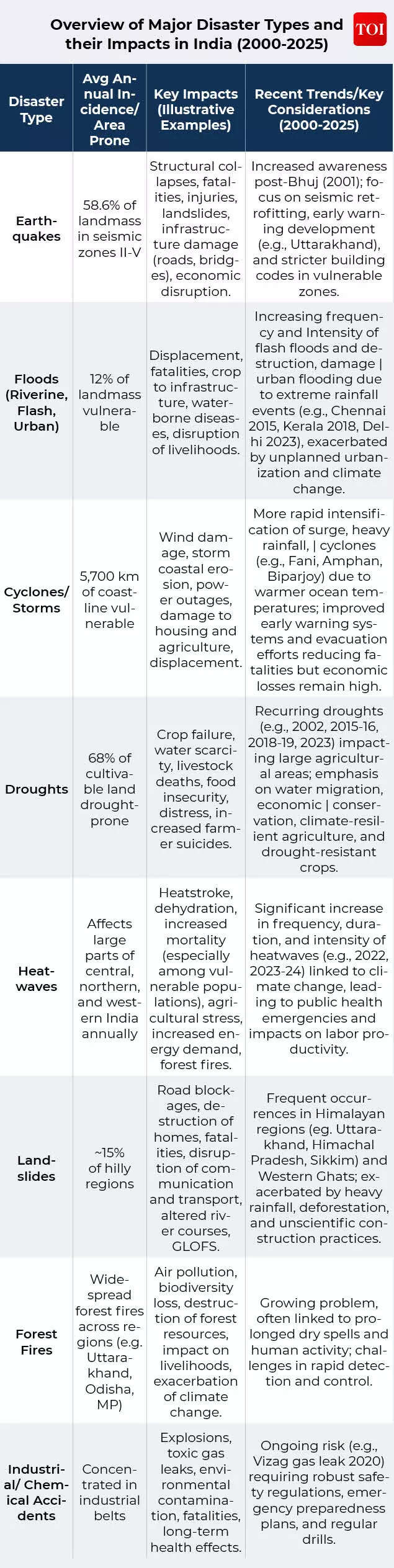
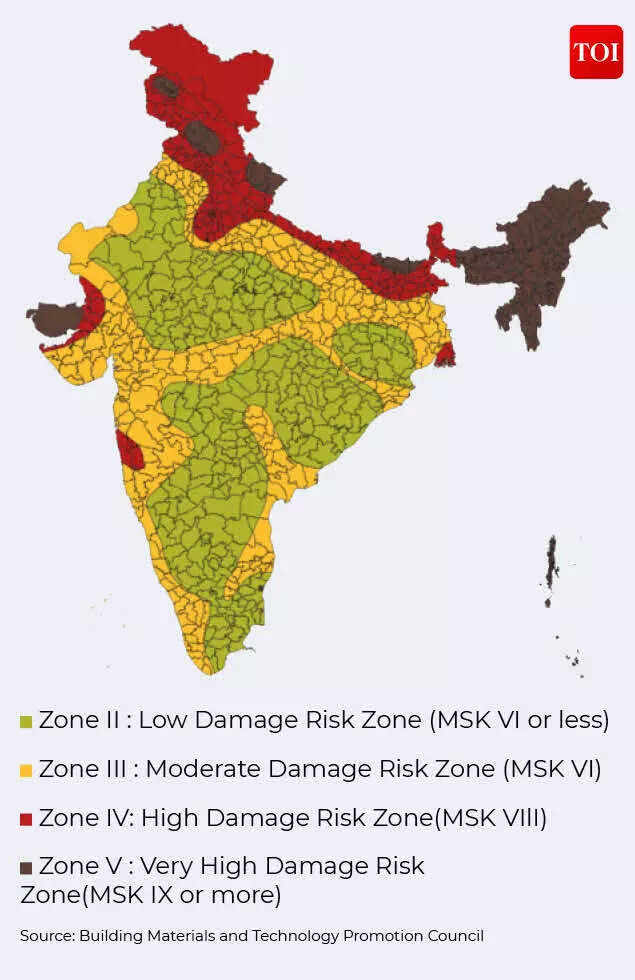
India’s susceptibility to disasters is not accidental but a consequence of the interplay between its geography, climate, population density, and development patterns. According to the World Population Review, India ranks as the third most disaster-prone country globally. Of its states and UTs, 27 remain prone to being exposed to cyclones, floods, droughts, earthquakes, and landslides. The country’s topography significantly contributes to this risk: the Himalayas are vulnerable to earthquakes and landslides, while the vast plains are prone to flooding. Additionally, tectonic activity in surrounding oceans makes India susceptible to tsunamis. Climate change has further exacerbated this vulnerability, increasing the frequency and intensity of natural disasters across the country.According to official assessments by the National Disaster Management Authority (NDMA) and the National Institute of Disaster Management (NIDM):

  • Nearly 58.6% of India’s landmass is prone to earthquakes
  • Over 12% is vulnerable to floods and river erosion
  • About 8% per cent of the areas are vulnerable to cyclone related disasters of various degree.
  • Around 68% of cultivable land is drought-prone
  • More than 5,700 km of coastline is exposed to cyclones and storm surges
2 cyclone2

Globally, India ranks third after the United States and China in the total number of recorded natural disasters since 1900. Between 1900 and 2022, the country experienced 764 major disaster events, with 361 occurring after 2000, underscoring the accelerating frequency of extreme events.Yes, India was ranked 9th in Germanwatch’s Climate Risk Index (CRI) 2026, reflecting significant impacts from extreme weather (1995-2024) with over 80,000 deaths, 430 extreme weather events, and $170 billion in economic losses, affecting 1.3 billion people and highlighting urgent needs for adaptation. The report, released at COP30, noted frequent floods, heatwaves, and cyclones, showing India’s high vulnerability despite efforts, emphasizing the need for climate finance and stronger resilience.
2 cyclone

India is highly vulnerable to floods as they alone account for around 41% of all disasters, making them India’s most persistent hazard.Climate change has intensified rainfall variability, increased the frequency of extreme precipitation, amplified heatwaves and altered cyclone behaviour. At the same time, rapid urbanisation, deforestation, encroachments on floodplains and infrastructure expansion into hazard-prone zones have sharply increased exposure. The result is a dangerous compounding of natural risk with human-made vulnerability. In a country where geography and climate collide with dense populations, India faces some of the harshest and most frequent disasters in the world.

What is a ‘disaster’ under Indian law?

India’s disaster framework is anchored in the Disaster Management Act, 2005, which defines a disaster as:“A catastrophe, mishap, calamity or grave occurrence… arising from natural or man-made causes… beyond the coping capacity of the community.”Notified disasters eligible for national assistance include floods, cyclones, droughts, earthquakes, landslides, avalanches, cloudbursts, heatwaves, cold waves, lightning, forest fires and pest attacks.The Act established a multi-tiered institutional structure,from the NDMA at the national level to State and District Disaster Management Authorities intended to focus not only on response, but on prevention, mitigation and preparedness.India’s disaster management framework is anchored in the National Disaster Management Authority (NDMA), created under the Disaster Management Act, 2005, after the 2004 Indian Ocean tsunami exposed gaps in coordination and preparedness. Mandated to steer policy across prevention, mitigation, preparedness and response, the NDMA has helped strengthen early warning systems and response mechanisms. Yet, as experts point out, the larger challenge lies in shifting sustained attention from visible relief operations to the quieter, less visible work of preparedness, a gap that continues to shape outcomes when disasters strike.

Climate change and the environmental cost of development behind disasters

While geography makes India vulnerable, environmentalists warn that human activity is rapidly amplifying natural hazards , turning extreme weather into recurring disasters.Kavita Ashok, a Delhi-based environmentalist who has worked on climate and urban ecology issues, argues that development patterns are accelerating climate risk rather than absorbing it.“In the name of development and urbanisation, human activities are clearing forests and burning fossil fuels for transport, industry and energy, thereby raising global temperatures,” she says.“Certain types of livestock farming, industrial activities and landfill decomposition release greenhouse gases that trap heat close to the Earth’s surface, leading to global warming.”She adds how the cumulative impact of these pressures is destabilising natural systems that once acted as buffers against floods, heatwaves and landslides.“Constant harassment of the Earth and its resources is stripping the planet of its natural wealth and rhythm,” she says.

quote 2 (11) (1)

Kavita Ashok further warns that despite years of climate conferences, scientific reports and public protests, action has not kept pace with the scale of the threat.“Sadly, climate conferences and protests are not reaching the deaf ears of authorities and short-sighted capitalists,” Ashok says.“The threat of a global climate collapse is round the corner, even if we turn a blind eye or a deaf ear to this catastrophe.”Her warning adds a critical layer to the disaster preparedness debate: preparedness cannot succeed in isolation if development itself continues to generate risk.

Preparedness vs response: A persistent imbalance

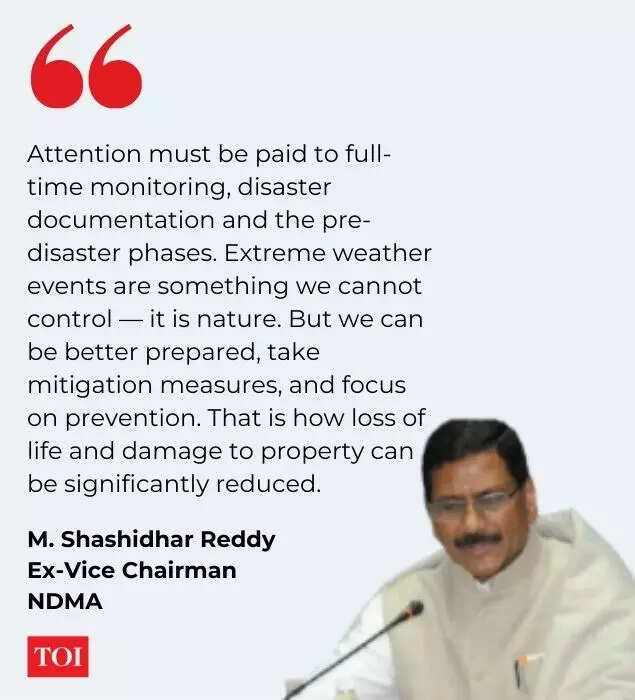
Few individuals have observed the evolution of India’s disaster management system as closely as M. Shashidhar Reddy, the former Vice Chairman of the National Disaster Management Authority who served from 2011 to 2014 and played a key role in operationalising the Disaster Management Act.“Whenever there is a disaster, everybody focuses on response and relief,” Shashidhar Reddy says. “But very little is being done on the pre-disaster phases , prevention, mitigation and preparedness. These are very important stages of disaster management, but not enough attention is being given to them.”
quote 2 (10) (1)

The reason, as he explains, is visibility. “Response and relief are visible , the media is there, people are affected, governments act. Preparedness does not get that attention.”Over the past two decades, India has significantly strengthened its response capacity , from the National Disaster Response Force to early warning systems and relief financing. Disaster preparedness, however, remains an area for improvement.

Cyclone Phailin: When preparedness saved lives

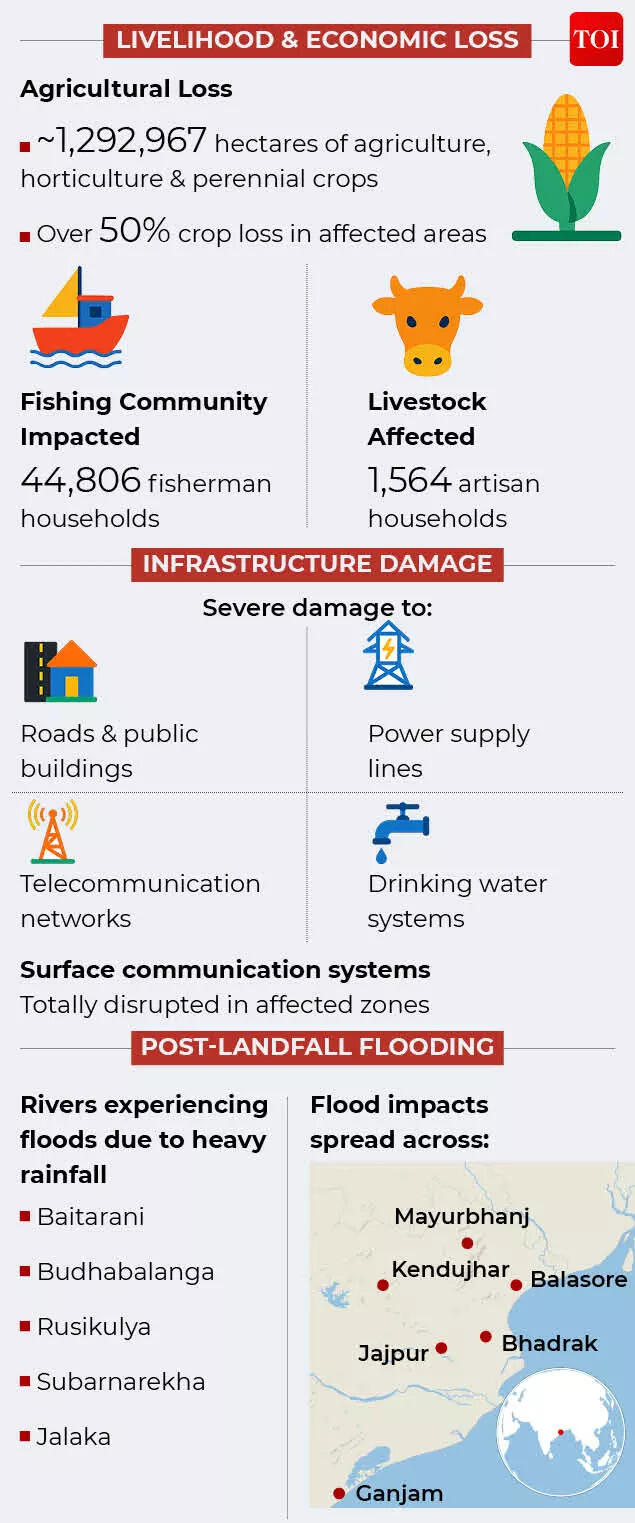
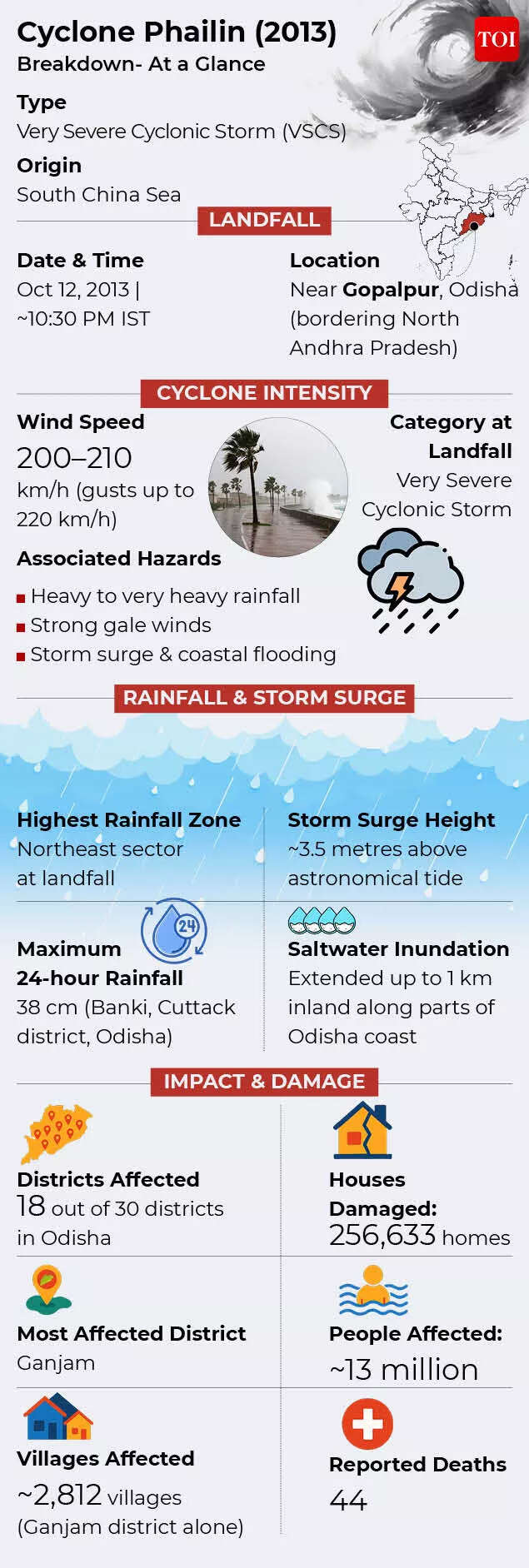
Few episodes illustrate the life-saving power of preparedness as clearly as Cyclone Phailin, which made landfall near Gopalpur in Odisha’s Ganjam district on the night of October 12, 2013.Phailin was the strongest cyclone to hit India in 14 years, packing winds of over 200 km per hour at landfall. Early global assessments warned of catastrophic consequences, with projections suggesting thousands of lives could be lost along the densely populated eastern coast.
2 cyclone3

“During Cyclone Phailin, international agencies predicted that thousands of lives could be lost,” recalls Shashidhar Reddy, adding that “IMD maintained that it would not be a super cyclone, and their forecast about landfall and wind speed turned out to be accurate.”

2 cyclone4

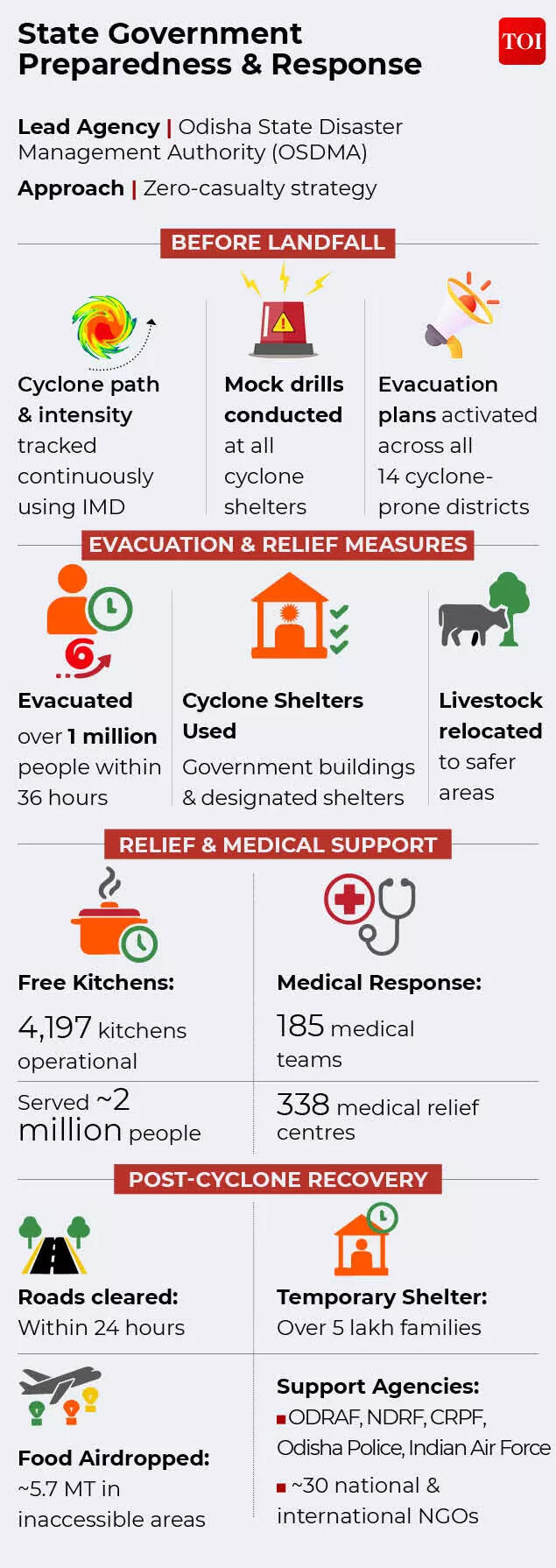
What followed was one of the largest pre-emptive evacuation exercises in history. Acting on accurate forecasts and rehearsed protocols, the Odisha administration moved over one million people out of harm’s way before the cyclone struck.“Because of preparedness measures, the loss of life was reduced to a great extent,” Reddy says. “This was possible only because of preparedness.”The World Bank also described Phailin as “one of the most successful disaster management efforts in the world”, noting that years of planning dramatically reduced fatalities from a very severe cyclonic storm , stronger than Hurricane Katrina at landfall.In one of the most successful disaster management efforts in the world, India’s eastern state of Odisha evacuated close to 1 million people before Cyclone Phailin, the strongest cyclone to hit the country in 14 years, struck the coast in October 2013. Years of planning and preparation dramatically reduced the death toll from this very severe cyclonic storm, which was stronger than Hurricane Katrina upon landfall. The project is in line with the IDA16 special theme on climate change. – World Bank report titled “India averts devastation from cyclone Phailin”For survivors, preparedness meant survival. “Had this cyclone shelter not protected us, we would have become one with the earth,” said P. Bhimraju Prushty, a resident of Prayagi village in Ganjam district.

What preparedness achieved on the ground

  • Over one million people evacuated in record time
  • Death toll significantly low as compared to over 10,000 deaths in the 1999 Odisha Paradip cyclone
  • 4,000+ free kitchens serving over two million people
  • 185 medical teams and 338 medical centres deployed
  • 5.7 metric tonnes of dry food airdropped in inaccessible areas
  • Half a million families provided temporary shelter
  • Major roads cleared within 24 hours due to pre-positioned resources
2 cyclone5 (1)

This response was not improvised. “NDMA had conducted mock drills a month before the cyclone,” Reddy explains. “When the actual cyclone occurred, the administration knew exactly what to do.”

Bihar: Where flooding is a persistent lived reality

If Phailin shows preparedness at its best, Bihar illustrates the cost of recurring disasters without long-term risk reduction.Nearly 73.63% of north Bihar’s geographical area is flood-prone. Of the state’s 38 districts, 28 are affected by floods, with 15 categorised as severely affected. Rivers originating in Nepal carry heavy sediment loads that raise riverbeds, while monsoon flows can increase up to 50 times within three months.The 2008 Kosi floods devastated livelihoods, damaging over 3.5 lakh acres of paddy and affecting nearly five lakh farmers. More recently, floods have impacted over 25 lakh people across ten districts, including Bhagalpur, Patna and Vaishali.The cycle repeats annually: evacuation, relief and reconstruction , often in the same vulnerable locations.

What can we learn from Japan?

Japan, like India, is one of the world’s most disaster-prone countries. Like, Indonesia, Phillipines, its location along the Pacific “Ring of Fire” exposes it to frequent earthquakes, tsunamis, and volcanic eruptions, while typhoons and heavy monsoon rains bring additional risks. Decades of investment in early warning systems, resilient infrastructure, strict building codes, and, importantly, regular nationwide disaster drills, from school exercises to city-wide tsunami and earthquake simulations, have transformed vulnerability into managed risk and that frequency of disaster has somehow made it very resilient, setting an example in disaster management. Citizens routinely rehearse evacuation routes, hospitals test emergency readiness, and local governments coordinate large-scale response exercises. These drills are deeply embedded in daily life, creating a culture where everyone knows what to do when disaster strikes, they are prepared.Japan also leverages innovative technology to reduce disaster risk. Researchers at the Tokyo Institute of Technology have developed a dynamic seawall system (SMS) that harnesses microtidal energy to power gates rising from the seafloor, protecting ports from tsunamis, storm surges, and high waves. Such systems exemplify how combining engineering, early warnings, and community drills can dramatically reduce loss of life and economic damage.India can draw valuable lessons from Japan’s model. Robust urban planning, stringent construction standards in hazard-prone zones, and well-rehearsed evacuation protocols can drastically reduce loss of life and economic disruption. Integrating technology with public awareness campaigns, such as real-time alerts, GIS-based risk mapping, and local disaster response teams, can make communities self-reliant while supporting national emergency efforts. Just as Japanese children practice earthquake drills at school and families rehearse escape plans at home, India could benefit from making preparedness a routine, community-wide practice. Japan demonstrates that high disaster exposure does not have to equate to catastrophe; what matters is preparation, coordination, and a culture that treats disaster readiness as a shared responsibility.

Lessons from Turkey

Turkey sits on multiple active fault lines, making it highly susceptible to devastating earthquakes. On 6 February 2023, the Kahramanmaraş earthquake sequence, consisting of two major quakes of magnitudes 7.8 and 7.7, struck southeastern Turkey and northern Syria. In Türkiye alone, the disaster caused over 50,000 confirmed deaths and over 107,000 injuries across 11 provinces, affecting an estimated 15.7 million people. Damage assessments revealed that hundreds of thousands of buildings were damaged or destroyed, including tens of thousands that collapsed or were heavily damaged, while many more sustained moderate or minor damage. The resulting direct economic losses were estimated at around $34 billion, highlighting how disaster exposure without robust preparedness can magnify both human and economic tolls.

Urban flooding: When cities grind to a halt

Urban flooding is emerging as one of India’s most disruptive disaster risks, threatening not just lives but the very engines of the economy. Rapid urbanization, inadequate drainage systems, and unplanned construction have made cities like Mumbai, Delhi, Chennai, and Bengaluru highly vulnerable to even short bursts of heavy rainfall.When streets turn into rivers, transport comes to a standstill, hospitals face access issues, supply chains are disrupted, and businesses halt. Airports, IT corridors, and industrial hubs can grind to a halt, resulting in losses that ripple far beyond city limits. In 2025, flash floods in Delhi-NCR and Mumbai caused massive disruption: offices, factories, and markets were forced to shut down for days, highlighting how urban flooding is no longer just a local inconvenience but a serious economic threat.Experts warn that without proper urban planning, investment in drainage infrastructure, and early warning systems, cities could see recurring economic losses that far outpace those from rural disasters. Urban flooding is a stark reminder that preparedness must extend beyond evacuation and relief, it must protect the lifelines of India’s economy.

Why documenting disasters is a critical step

The former NDMA Vice-Chairman also pointed out that, despite India facing recurring disasters, systematic documentation remains a key area of improvement. “Unfortunately, our disaster events are not properly documented,” says M. Shashidhar Reddy. “Failure stories, where there was inaction or wrong action, are sometimes downplayed. But that is how systems improve. It is not about blaming anyone; it is just about learning from what went wrong or where improvement is needed.” Drawing an analogy, he adds, “When there is a plane crash, investigators launch an immediate search and look for the black box to understand the cause and prevent future accidents. We need the same kind of seriousness in disaster management to mitigate impending risks.”(For context, a black box, the flight data recorder and cockpit voice recorder, stores critical information about a plane’s systems, speed, altitude, and cockpit communications. By analyzing it after a crash, investigators can reconstruct exactly what happened, identify failures, and recommend changes to prevent future tragedies) In the similar vein, documenting and analyzing disaster response gaps can help India strengthen its preparedness, reduce losses, and save lives.Disasters and extreme weather events are no longer rare and are increasingly shaping the news cycle. Climate change is turning what were once occasional shocks into recurring tests of resilience. While we cannot control the weather, floods, or earthquakes, we can prepare for them. Early warning systems, community awareness, and well-rehearsed evacuation plans make the difference between survival and tragedy.Preparedness is more than a technical requirement; it is a moral, economic, and developmental necessity. Whether a disaster becomes a national tragedy or a story of resilience depends largely on what is done before the first siren sounds. Relief and rescue are critical, but documenting gaps, learning from missteps, and applying those lessons is what strengthens the nation’s defenses.The Prime Minister’s 10-point Disaster Management Plan complements this perspective. From strengthening early warning systems and local response teams to integrating climate risk into urban planning, the plan outlines practical steps to reduce vulnerability. Coupled with community drills, public awareness campaigns, and technological solutions, these measures help ensure that cities, towns, and villages are better prepared when nature strikes.For India, preparedness is a moral, economic, and developmental imperative, one that we can say the country has the expertise, technology, and human capital to achieve. It should be a vital part of our development plans and should be carried out consistently. Disasters will strike. But whether they become national tragedies that cripple the economy, devastate communities, and overwhelm hospitals, or whether they become stories of survival, resilience, and coordinated action, depends entirely on what is done before the warning siren sounds, not after. Relief, rescue, and humanitarian aid are necessary, but they are reactive; proactive planning is transformative.



Source link

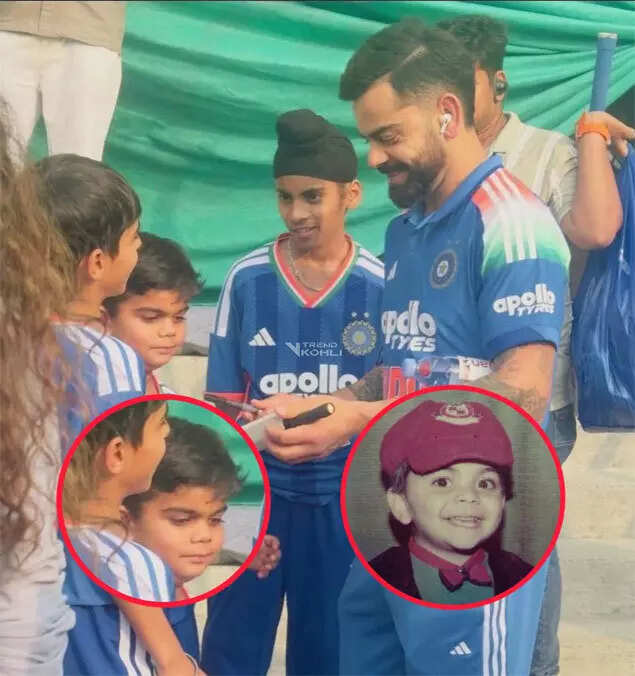
‘Mini VK’! Virat Kohli meets his childhood lookalike; fans go wild – WATCH | Cricket News


'Mini VK'! Virat Kohli meets his childhood lookalike; fans go wild - WATCH

NEW DELHI: Wherever Virat Kohli goes, a sea of fans is never far behind. From selfies and autographs to a simple greeting, such scenes have become routine whenever the former India captain is around. That familiar frenzy was on display once again in Vadodara as Kohli prepared for the upcoming three-match ODI series against New Zealand, starting January 11.The 37-year-old has been leaving nothing to chance in his build-up, spending long hours in the nets as he looks to extend his impressive run in the 50-over format.

Shubman Gill press conference: Breaks silence on T20 World Cup snub, and more on his future

Kohli’s recent ODI numbers underline his rhythm and hunger. In his last four appearances for India, he has struck two centuries and two fifties, and the upcoming series against the Blackcaps offers another opportunity to maintain that momentum.Amid the intense training sessions, Kohli found time for a lighter, heartwarming moment that quickly caught the attention of fans online.

Image credit: Virat Kohli fan club's X handle

During a brief break, he interacted with supporters and signed autographs when a young fan stood out for his uncanny resemblance to a young Kohli. Photos of the two soon made the rounds on social media, triggering a wave of amused reactions.One fan remarked, “19-20 ka bhi farak nahi hai,” pointing out how little difference there was between the two. Others chimed in with comments like “Really looking like same to same,” while some simply dubbed the youngster “Mini VK.” Another user humorously wrote, “Very funny, King Kohli. Same to same copy.”On the cricketing front, Kohli has stayed busy even outside international duty. Following the ODIs against South Africa, he turned out for Delhi in the Vijay Hazare Trophy, scoring a century and a half-century in two matches before missing the game against Railways. Despite questions surrounding his future after retiring from Tests, Kohli answered critics emphatically, bouncing back with big scores after early setbacks against Australia.Alongside Rohit Sharma, Kohli also stitched together two double-century partnerships recently, one each against Australia and South Africa. The duo will aim to carry that form into the New Zealand series, with matches scheduled in Vadodara, Rajkot and Indore.


Source link

‘From Ghazni to Aurangzeb’: PM Modi invokes history at Somnath; underscores temple’s resilience | India News


‘From Ghazni to Aurangzeb’: PM Modi invokes history at Somnath; underscores temple’s resilience
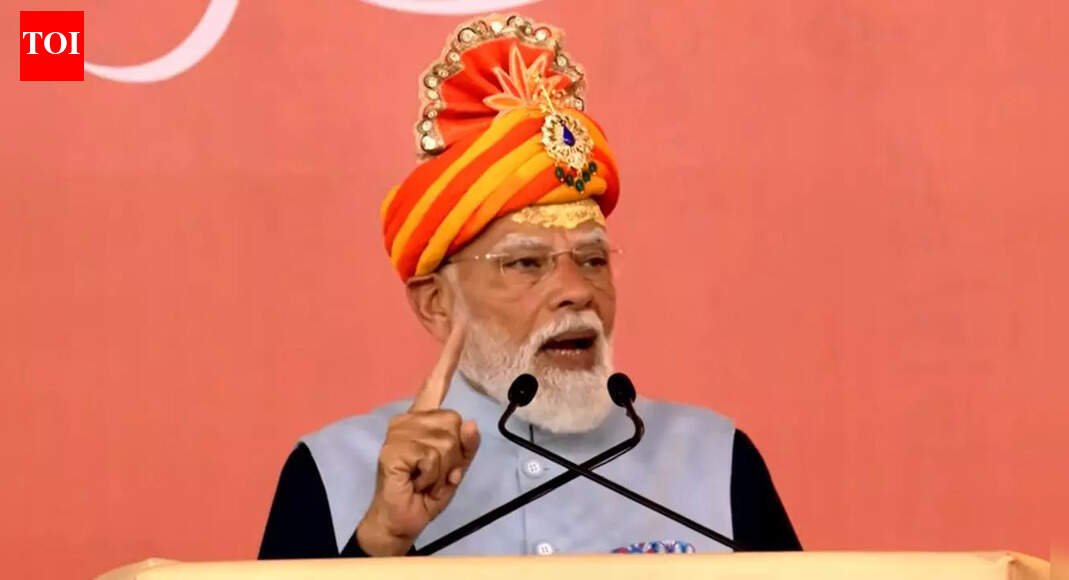
PM Modi during an address at Somnath Swabhiman Parv

NEW DELHI: Prime Minister Narendra Modi on Sunday invoked the history of Somnath Temple and how ancestors had “staked their lives for the temple 1,000 years ago”, saying “flag hoisting at Somnath Mahadev Mandir shows the power of India and its capabilities to the entire world”.“From Ghazni to Aurangzeb, all religious fundamentalists thought that by their sword they had won Somnath,” PM Modi said, adding that in the cycle of time “those fundamentalist invaders are now reduced to pages of history, but Somnath temple still stands tall”.Addressing a gathering during the “Somnath Swabhiman Parv”, PM Modi said: “Those present here, your ancestors, our ancestors, bet their lives for their faith, for their belief, for Mahadev – they sacrificed everything they had”.“When I am interacting with you, the question arises again and again – exactly 1000 years back, at the same place, what would have been the atmosphere? Those present here, your ancestors, our ancestors, bet their lives for their faith, for their belief, for Mahadev – they sacrificed everything they had. A thousand years back, the invaders thought they had defeated us, but today, even after 1000 years, the flag hoisting at Somnath Mahadev Mandir shows the power of India and its capabilities to the entire world,” PM Modi said.The attack on the Somnath temple marked the beginning of a long period during which the temple was repeatedly destroyed and rebuilt over centuries. Despite this, Somnath never ceased to exist in the collective consciousness of the people. The cycle of the temple’s devastation and revival is unparalleled in world history. It demonstrated that Somnath was never merely a stone structure, but a living embodiment of belief, identity, and civilisational pride.‘History of hatred was hidden’PM Modi claimed that the “true history of hatred, atrocity and terror was hidden” and, without taking names, attacked the Congress-led government for “whitewashing the history” that encapsulates the multiple attacks by Mughal invaders on the temple located at Gujarat’s coast.“If Somnath was attacked for wealth, then the first attack was enough, but it was attacked repeatedly, and its deity was desecrated,” PM Modi said. “The True history of hatred, atrocity and terror was hidden from us; we were taught that the attack was attempt to loot the Somnath temple. Those involved in appeasement knelt before such religious extremism,” he said.Somnath Swabhiman ParvThe Somnath Swabhiman Parv, being observed from January 8 to January 11, 2026, commemorates 1,000 years since the first attack on the temple in 1026. That assault marked the beginning of a long period during which Somnath was repeatedly destroyed and rebuilt.Despite these repeated attacks, the temple remained deeply embedded in the collective consciousness of the people. Its cycle of destruction and revival is often described as unique in world history, underscoring Somnath’s lasting spiritual and cultural importance.Before his address, PM Modi offered prayers at the Somnath Temple after completing the Shaurya Yatra in the temple town.

image (8)

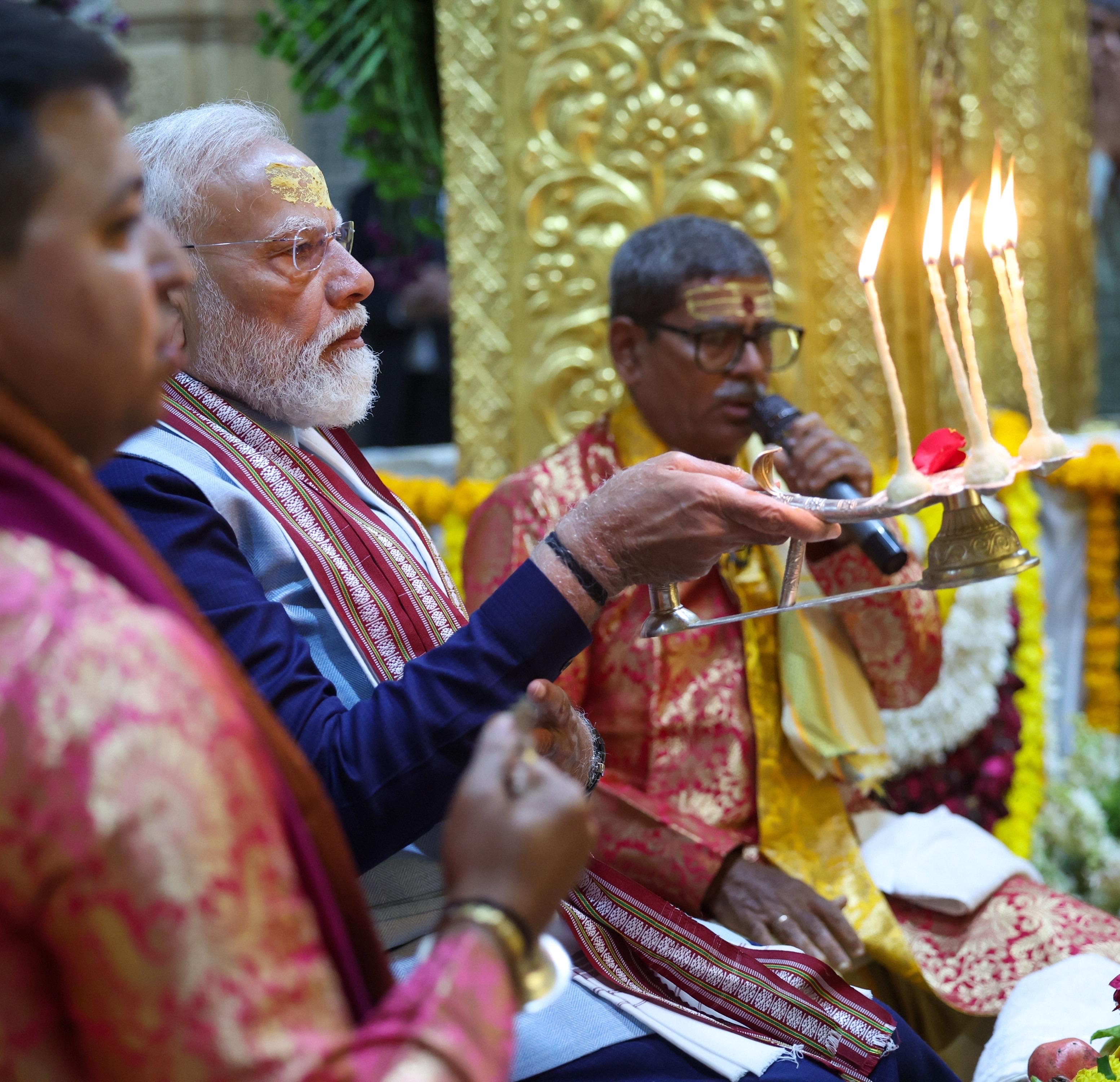
PM Modi performing puja at Somnath Temple

During his visit, the Prime Minister paid floral tributes to the statues of Veer Hamirji Gohil and Sardar Vallabhbhai Patel. Veer Hamirji Gohil is remembered for laying down his life in 1299 AD while defending the Somnath Temple during an invasion led by Zafar Khan. Earlier in the day, PM Modi participated in the Shaurya Yatra as part of a four-day national observance marking 1,000 years of uninterrupted faith and resilience since the first recorded attack on the Somnath Temple in January 1026 by Mahmud of Ghazni. The Prime Minister was accompanied by Gujarat chief minister Bhupendra Patel and deputy chief minister Harsh Sanghavi during the visit. As the procession moved through Somnath, Modi was seen blowing a conch shell and acknowledging people who had gathered along the route. The Shaurya Yatra is a ceremonial procession organised as part of the Somnath Swabhiman Parv, an event that symbolises courage, sacrifice and the enduring spirit that helped preserve Somnath through centuries of destruction and rebuilding. Ahead of the yatra, 108 horses from the Gujarat Police Mounted Unit arrived to participate in the procession, adding to its ceremonial significance.


Source link

FMCG sector rebound: Key players report volume-led growth; rural demand and e-commerce shine


FMCG sector rebound: Key players report volume-led growth; rural demand and e-commerce shine

The FMCG sector registered a robust recovery in the December quarter, aided by GST changes, festive sales, and reduced costs of raw materials. Even Dabur, Marico, and Godrej Consumer Products reported volume growth with single-digit revenue growth along with improved operating profit margins. The rural market continued to report better sales than the urban market, along with a sharp increase in e-commerce sales, as reported by ANI.After the initial shocks created by the GST implementation, with the need for the clearance of stocks, the market is now stabilising. There has been reported improvement in customer sentiment in both the urban and rural markets, with the rural market being stronger.Dabur anticipates double-digit growth in its Home & Personal care segment, especially in the category of hair oils and oral care. The company predicted its main brands like Dabur Amla, Almond, Anmol, Red Toothpaste, and Meswak will show healthy growth and gain market share. “Within the India business, we expect the Home & Personal care business to grow in double digits on the back of strong growth in Hair Oils and Oral care category. Key brands, which are likely to record healthy volume-led growth, are Dabur Amla franchise, Dabur Almond, Dabur Anmol, Dabur Red Toothpaste and Meswak,” it said.Godrej Consumer Products sees improving market conditions and expects close to double-digit revenue growth. The company is confident about better consumption in coming quarters due to falling inflation and lower GST rates making products more affordable. “We remain confident of a gradual improvement in consumption over the coming quarters, supported by falling inflation and improving affordability, following lower GST rates,” said the FMCG arm of Godrej Industries Group (GIG).Marico anticipates high revenue growth in the twenties for Q3, with better margins. The company sees steady demand and is optimistic about future growth, citing factors like lower inflation, reduced GST rates, higher minimum support prices for farmers, and good crop season. “Consolidated revenue growth on a year-on-year basis stood in the high twenties, poised to achieve our full-year aspiration,” it said.Major retailers are also showing strong performance. Trent reported 17 per cent revenue growth to Rs 5,220 crore. D-Mart saw its profits rise by 18.27 per cent to Rs 855.78 crore, while revenue grew 13.32 per cent to Rs 18,100.88 crore. Titan’s revenue grew by up to 40 per cent, largely because of rising gold prices.The organised retail segment continues to do well, with e-commerce and quick delivery services particularly growing at a high rate. Companies expect this positive trend to continue with improvement in market conditions and increase in consumption.


Source link