Breaking News
Budget 2026: MAIT seeks customs duty cuts on key electronic components; push to boost domestic manufacturing


Budget 2026: MAIT seeks customs duty cuts on key electronic components; push to boost domestic manufacturing

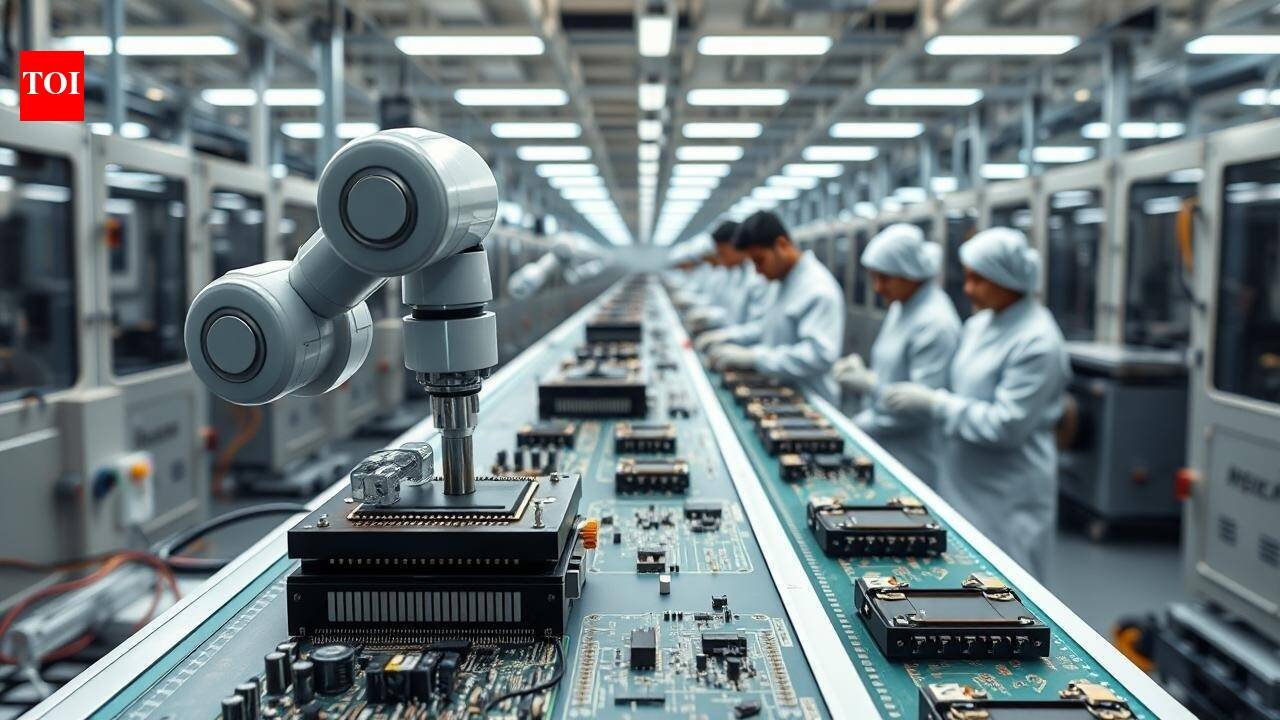
The IT industry body MAIT has urged the government to reduce basic customs duty on key electronic components and enhance tax incentives in the upcoming Union Budget to strengthen domestic manufacturing and improve global competitiveness.In its pre-Budget recommendations submitted to the finance and IT ministries, the Manufacturers’ Association for Information Technology (MAIT) proposed cutting basic customs duty on critical sub-assemblies such as camera modules, display assemblies and connectors from 10 per cent to 5 per cent to lower input costs and enhance competitiveness.Highlighting global uncertainties, MAIT said the Budget assumes “a role of paramount strategic importance” amid geopolitical tensions, supply chain disruptions and growing trade and tariff uncertainties. “Disruptions in global supply chains, geopolitical tensions, and the weaponisation of trade policies have highlighted the vulnerabilities inherent in over-reliance on imports,” the industry body said.Push for manufacturing, jobs and exportsMAIT called for strategic interventions in ICT adoption, AI integration, improved market access and enhanced credit guarantee coverage for micro and small enterprises, startups and export-focused MSMEs. To bolster domestic manufacturing, it stressed the need to rationalise import duties on components not currently made in India, as per news agency PTI.The association also recommended continued incentives for domestic mobile manufacturing, noting that the production-linked incentive (PLI) scheme for mobiles is set to end on March 31, 2026. India has emerged as a leader in mobile manufacturing and needs to build on the capacity created for both domestic use and exports, it said.Further, MAIT sought zero duty on parts and inputs for inductor coils, a cut in import tariffs on audio components from 15 per cent to 10 per cent, and an extension of the “import of goods for repair and return” period from seven years to 20 years to align with global practices.On direct taxes, MAIT proposed increasing the lower salary cap for deductions under Section 80JJAA from Rs 25,000 to Rs 50,000 to account for wage inflation and promote formal job creation.


Source link

‘Terrible comments’: Veteran domestic cricketer lambasts India coach | Cricket News


'Terrible comments': Veteran domestic cricketer lambasts India coach

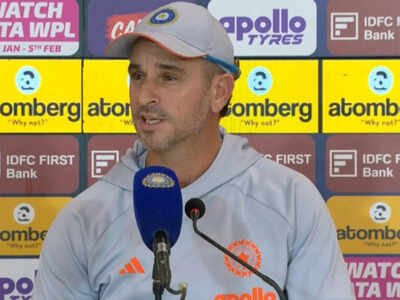
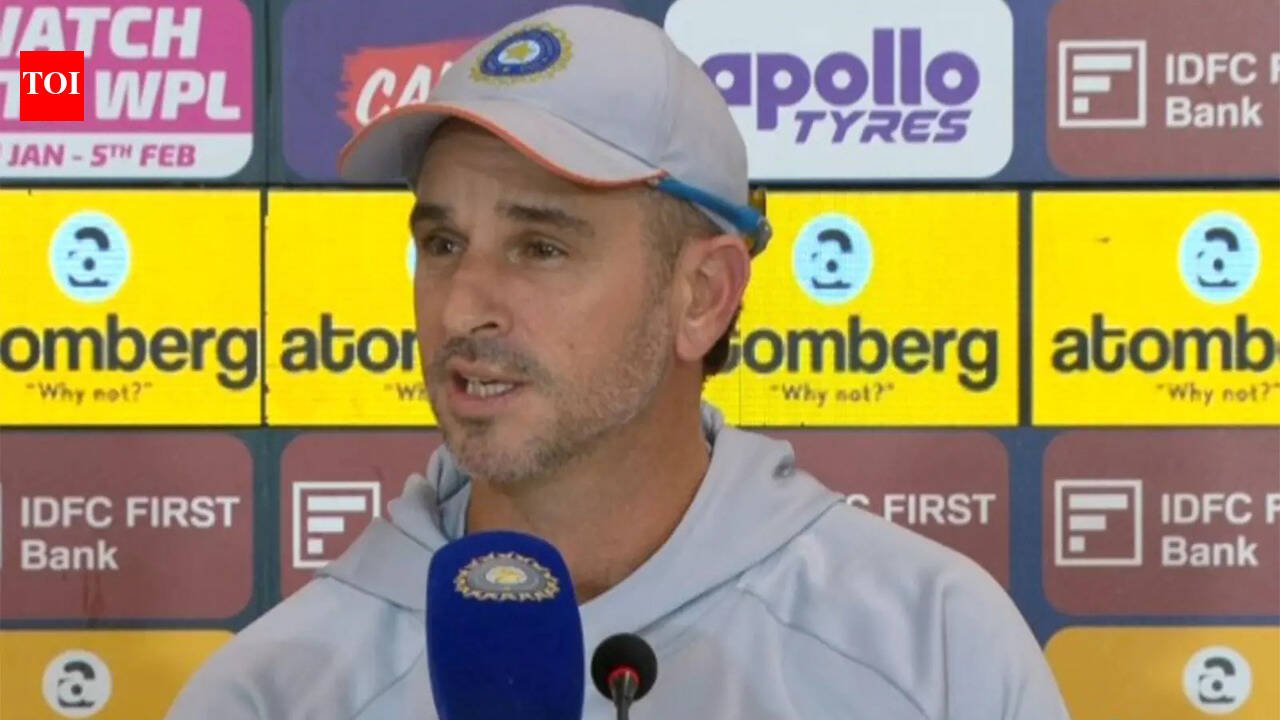
Former Indian domestic cricketer Priyank Panchal came out strongly against assistant coach Ryan ten Doeschate, calling out his comments on Rohit Sharma and Nitish Kumar Reddy and questioning whether foreign coaches truly understand how to handle relationships within Indian cricket. After the defeat to New Zealand, Ten Doeschate spoke about Rohit’s form, pointing out that the India captain “had not been as fluent as he has been” on what he described as a tough wicket. The comment came despite Rohit scoring 26 and 24 in the two ODIs so far, following a Vijay Hazare Trophy outing for Mumbai in December where the returns were 155* and 0.

The making of Cooper Connolly: Australia’s 22-year-old star

The assistant coach also took aim at Nitish Kumar Reddy, who had scored 20 runs and bowled two overs for 13 in the Rajkot game. The assessment was blunt. Nitish, according to Ten Doeschate, gets opportunities but “often ended up not doing a heck of a lot”. Those words triggered backlash online, with fans calling the remarks disrespectful towards Rohit, a senior figure who had already piled up five fifty-plus scores between the Australia tour in October-November and the Vijay Hazare Trophy, including two centuries. There was similar anger over the criticism of Nitish, a 22-year-old still finding his feet at international level, having played only three ODIs at the time, scoring 47 runs across three innings and going wicketless.

Priyank Panchal post

Priyank Panchal post

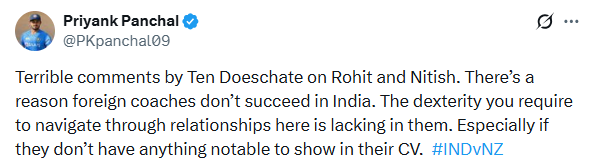
Panchal did not hold back. Taking to X, he wrote: “Terrible comments by Ten Doeschate on Rohit and Nitish. There’s a reason foreign coaches don’t succeed in India. The dexterity you require to navigate through relationships here is lacking in them. Especially if they do not have anything notable to show in their CV. #INDvNZ.” The message struck a chord because it went beyond one post-match comment. It tapped into a familiar debate about communication, cultural understanding, and how criticism is delivered within the Indian dressing room. For Panchal, the issue was not analysis alone, but tone, timing and respect. And once those lines are crossed, the fallout is never limited to just one press interaction.


Source link

Denmark is turning its streetlights red, and the reason will surprise you | World News


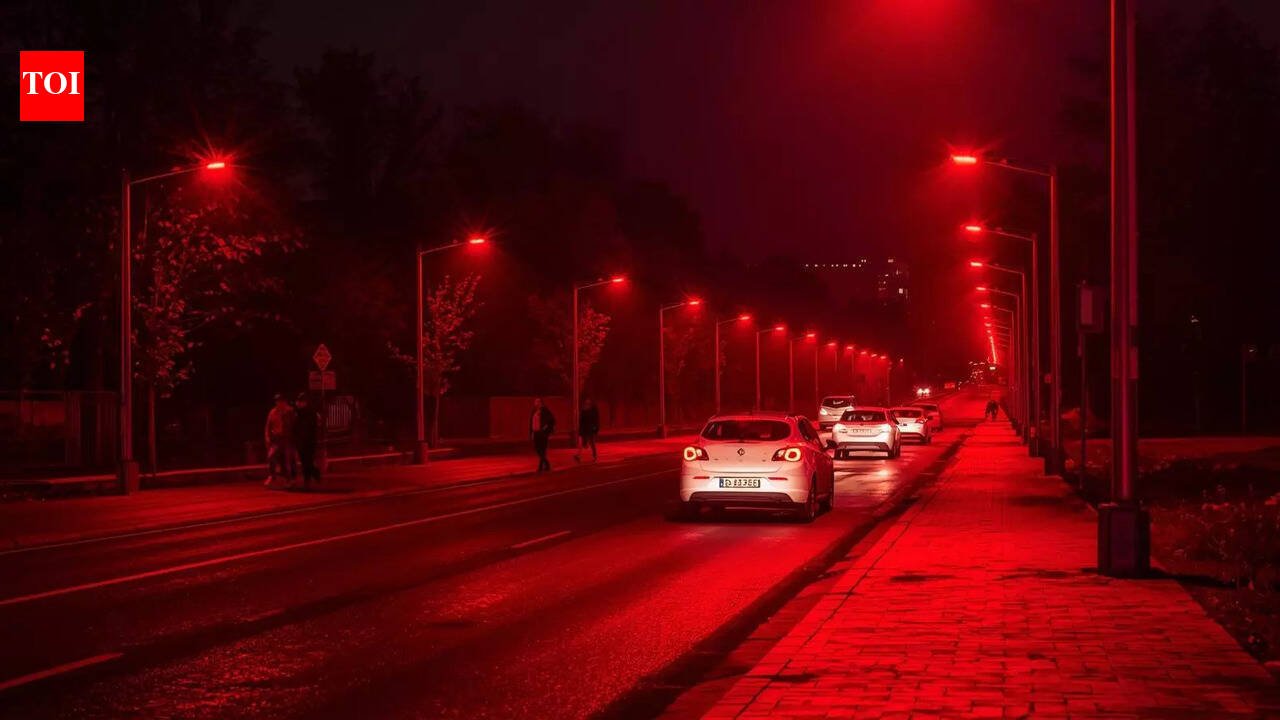
Denmark is testing a different kind of streetlight, one that changes colour rather than brightness. In a suburb near Copenhagen, familiar white lamps are being replaced with red lighting along selected roads. The shift is small in scale but deliberate in intent. Officials say it is designed to reduce harm to wildlife while keeping streets usable for people. Urban lighting has long focused on visibility and safety, often with little thought for ecological effects. This project reflects a slower reassessment of that approach. It draws on research, local conditions, and wider sustainability goals. While limited to one area for now, the experiment has attracted attention beyond Denmark, as cities elsewhere face similar questions about how to light streets without overwhelming the environments around them.

Denmark is testing red streetlights for the bats living in that area

The project is taking place in Gladsaxe, on the outskirts of Copenhagen. Red-toned lighting is replacing standard streetlights along parts of Frederiksborgvej near Skovbrynet. According to the press release from the Gladsaxe municipality, the area is known to host a local bat colony. Rather than turning lights off entirely, the municipality chose a colour that alters how light interacts with wildlife. The change is visible only at night and only along specific stretches of road.

Bats influenced the lighting decision

Bats played a key role in the preparation. Artificial lighting has been shown to interfere with bats’ ability to travel, feed, and navigate. Short-wavelength light, like that of blue, green, or white, usually has the biggest effect. Red light, which has longer wavelengths, may have less of an impact on bat behaviour, according to research from the Netherlands. Additionally, it is thought to be more appropriate for bats to hunt insects. Because to safety concerns, local officials stated that completely turning off the lights was not an option. The least disruptive option was red light.

Traffic safety remains part of the design

While parts of the road now use red lighting, safety for drivers and cyclists remains a priority. At junctions and crossing points, warm white lights are still used. These are mounted on higher masts to improve visibility where it is most needed. The lighting design varies along the route, adjusting to how people and animals use different sections of the road. The aim is to avoid a one size fits all approach.

Engineers balanced ecology and access

Road engineer Jonas Jørgensen from Gladsaxe Municipality said the goal was to limit disturbance without reducing accessibility. He noted that complete darkness would be ideal for bats but not realistic for a public road. The solution, he said, reflects a balance between environmental care and everyday use. The project required careful planning rather than a simple switch.

Designers saw the project as a test case

The lighting system was developed with professional lighting designers. They describe the project as an opportunity to challenge long-held assumptions about urban lighting. Philip Jelvard from Light Bureau said there would be an adjustment period for both people and bats. He added that the red light also carries symbolic weight, signalling that the area is environmentally sensitive.

Sustainability goals shape local policy

Gladsaxe was Denmark’s first municipality to formally align its strategy with the United Nations Sustainable Development Goals. Biodiversity protection is part of that framework. Mayor Trine Graese said the project shows how infrastructure can support both human needs and animal welfare. She described it as a practical example rather than a statement gesture.

A small change with wider interest

For now, the red streetlights remain limited to a specific route. There are no immediate plans to expand them across the city. Still, urban planners elsewhere are watching. As cities rethink energy use, biodiversity loss, and night time design, Gladsaxe offers a quiet example. It does not promise a solution for every street. It simply tests whether light can be used with more restraint, and whether cities can learn to notice what has long been lit over.


Source link

Market recap: Mcap of 3 of top-10 most valued firms jumps by Rs 75,855 cr; SBI, Infosys biggest winners


Market recap: Mcap of 3 of top-10 most valued firms jumps by Rs 75,855 cr; SBI, Infosys biggest winners

The combined market capitalisation of three of India’s ten most valuable listed companies rose by Rs 75,855.43 crore in the holiday-shortened week, with State Bank of India (SBI) and Infosys leading the gains, even as the broader equity market remained largely flat.During the week, the benchmark indices showed limited movement. The BSE Sensex slipped marginally by 5.89 points, while the NSE Nifty edged up by 11.05 points, reflecting a sluggish overall trend in equities.According to news agency PTI, SBI, Infosys and ICICI Bank were the only gainers among the top ten firms by market value. In contrast, seven heavyweights: Reliance Industries, HDFC Bank, Tata Consultancy Services (TCS), Bharti Airtel, Bajaj Finance, Hindustan Unilever and Larsen & Toubro, together saw their valuations fall by Rs 75,549.89 crore. The erosion in these seven stocks was still lower than the total value added by the three gainers.SBI emerged as the biggest winner during the week. Its market valuation jumped by Rs 39,045.51 crore to Rs 9,62,107.27 crore. Infosys followed closely, with its market capitalisation rising by Rs 31,014.59 crore to Rs 7,01,889.59 crore. ICICI Bank also added Rs 5,795.33 crore, taking its valuation to Rs 10,09,470.28 crore, PTI reported.On the losing side, Reliance Industries saw the sharpest decline. Its market capitalisation dropped by Rs 23,952.48 crore to Rs 19,72,493.21 crore. Larsen & Toubro’s valuation fell by Rs 23,501.80 crore to Rs 5,30,410.23 crore, while HDFC Bank lost Rs 11,615.35 crore, taking its market value down to Rs 14,32,534.91 crore.Bharti Airtel’s valuation declined by Rs 6,443.38 crore to Rs 11,49,544.43 crore. Bajaj Finance shed Rs 6,253.59 crore to stand at Rs 5,91,447.16 crore, and Hindustan Unilever’s market capitalisation slipped by Rs 3,312.93 crore to Rs 5,54,421.30 crore. TCS saw a relatively modest fall of Rs 470.36 crore, with its valuation at Rs 11,60,212.12 crore, as per PTI.Market sentiment towards IT stocks received support during the week after Infosys raised its revenue growth guidance for FY26, a move that helped lift its share price and market value. This came at a time when investors remained cautious otherwise, with limited trading activity due to a market holiday.Despite the weekly fluctuations, Reliance Industries remained India’s most valued listed company.It was followed by HDFC Bank, TCS, Bharti Airtel, ICICI Bank, SBI, Infosys, Bajaj Finance, Hindustan Unilever and Larsen & Toubro, maintaining the existing pecking order among the country’s corporate heavyweights.


Source link

IND vs NZ [WATCH]: Arshdeep Singh sends Henry Nicholls packing with a peach in 3rd ODI


The Holkar Cricket Stadium in Indore is renowned for being a batter’s paradise, but on January 18, 2026, the narrative shifted toward the moving ball. In the series finale between India and New Zealand, the Men in Blue, led by Shubman Gill, opted to field first—a decision that paid immediate dividends. As the sun began to set over Indore, India’s left-arm sensation Arshdeep Singh produced a moment of pure fast-bowling artistry that set the tone for a high-intensity powerplay.

Arshdeep Singh castles Henry Nicholls in 3rd ODI

The highlights reel for this 3rd ODI will undoubtedly be headlined by the fourth delivery of the opening over. Arshdeep, steaming in with a brand-new white ball, looked lethal from his very first stride. After probing the channel for the first three balls, Arshdeep produced an absolute peach to dismiss the experienced Henry Nicholls for a golden duck.

Operating from closer to the off-stump, Arshdeep created a subtle angle that shaped the ball away just enough to sow seeds of doubt. Nicholls, caught in a classic case of indecision, attempted to withdraw his bat at the last possible microsecond. However, the late movement was too sharp; the ball kissed the inside edge and crashed violently into the leg stump. It was a nonchalant yet clinical dismissal that left Nicholls throwing his head back in frustration as he trudged back to the pavilion without scoring. The sight of the leg stump knocked back provided India with the perfect start, reducing the visitors to 5/1 within the first four balls of the match.

Here’s the video:

Also READ: IND vs NZ: Here’s why Prasidh Krishna is not playing today’s game in Indore

India’s powerplay dominance puts New Zealand under the pump at Indore

The early strike by Arshdeep was just the beginning of a relentless opening burst by the Indian seamers. Following the departure of Nicholls, the pressure mounted on the Black Caps. Just seven balls later, Harshit Rana doubled the delight for the Indore crowd. The young pacer extracted extra bounce to remove the dangerous Devon Conway, who was caught by Rohit Sharma for 5. Within 1.1 overs, New Zealand found themselves reeling at 5/2, staring down the barrel of a potential collapse.

Despite the early carnage, New Zealand attempted to reconstruct their innings through Will Young and Daryl Mitchell. By the end of the mandatory 10-over powerplay, the visitors managed to reach 47/2, scoring at a run rate of 4.70.

While Young showed flashes of aggression with four boundaries to reach 24* off 32 balls, the discipline shown by India’s trio was exceptional. Mohammed Siraj, though wicketless in his initial spell, kept things incredibly tight with an economy of 3.00, ensuring no easy release of pressure. The strategy was clear: utilize the early moisture and swing to keep the Kiwi middle order quiet. With the likes of Glenn Phillips and Michael Bracewell waiting in the wings, India’s ability to maintain this squeeze will be the deciding factor in this series-concluding encounter.

Also READ: ‘If it was Virat Kohli, Steve Smith ka baap bhi single leta’: Ex-Pakistan cricketer on Babar Azam’s BBL controversy


Source link

Access Denied


Access Denied

You don’t have permission to access “http://www.ndtv.com/india-news/red-fort-blast-srinagar-police-red-fort-blast-mastermind-wanted-to-recruit-2nd-bomber-why-he-backed-out-10773303” on this server.

Reference #18.2ef63717.1768727865.374393d

https://errors.edgesuite.net/18.2ef63717.1768727865.374393d


Source link

‘BJP could not get majority’: Arvind Kejriwal on Mumbai BMC election results | Mumbai News


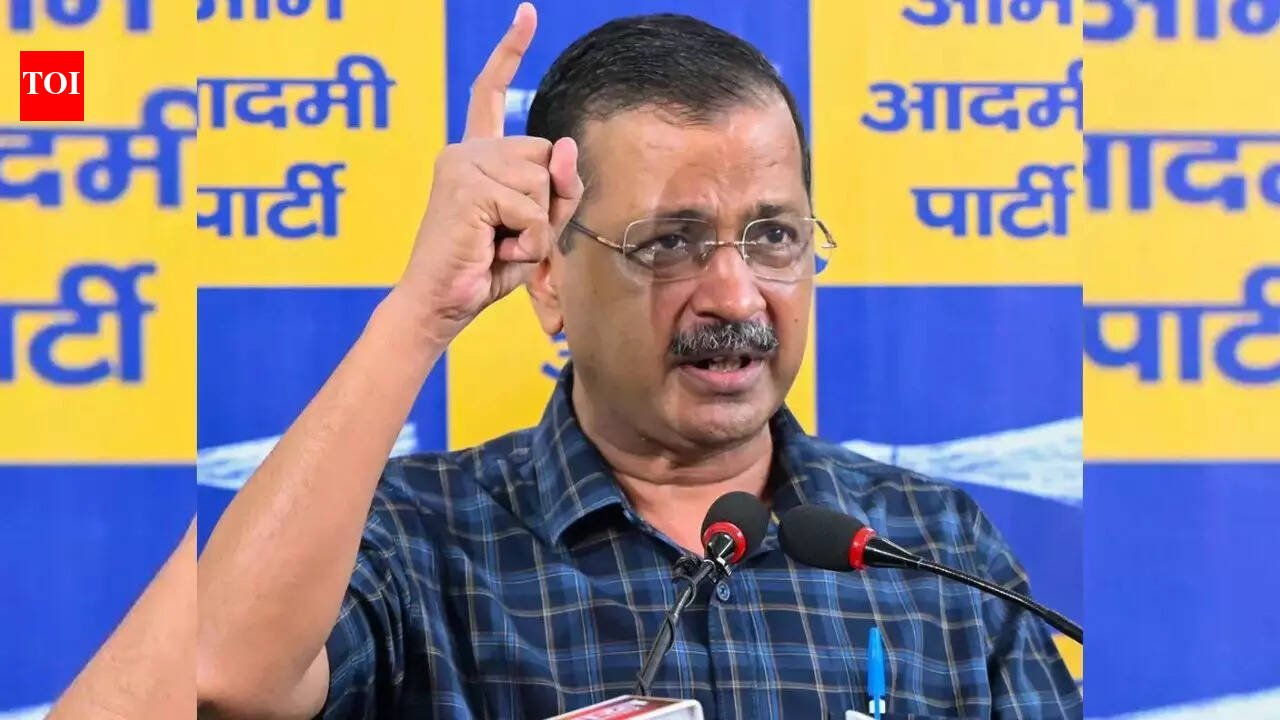
Arvind Kejriwal (File Photo)

AHMEDABAD: Amid reactions to the Brihanmumbai Municipal Corporation (BMC) election results, Aam Aadmi Party (AAP) national convener Arvind Kejriwal said the BJP’s failure to cross the majority mark showed that people were against the party.Speaking to reporters in Ahmedabad, Kejriwal said, “Despite facilitating such discrepancies, they (BJP) could not touch the majority mark. So, this clearly shows that the public is against them, but they misuse machinery.”Kejriwal, who is on a three-day visit to Gujarat, also targeted the BJP over its long rule in the state. He alleged that the party had damaged governance over the past three decades.

‘BJP Won By Betrayal’: Uddhav Thackeray’s First Reaction On Mumbai Civic Poll Results

“For the last 30 years, the BJP has been ruling Gujarat. In these 30 years, the BJP pushed Gujarat into a ditch. There is fear and corruption everywhere. They scare and threaten people who raise their voices against them, against injustice; they are jailed. They do corruption openly. Nobody can raise a voice against their corruption,” he said.The AAP leader said his party was gaining support across Gujarat despite limited resources.“People are looking at AAP with great hope. In the last 6-7 months, AAP has been conducting rallies across the entire state of Gujarat. People are turning up in large numbers. We don’t even have money; ours is a poor party. But people are coming to AAP rallies at their own expense…I am here on a 3-day visit. I will speak with volunteers and form a strategy,” he added.Meanwhile, the BJP–Shiv Sena (Eknath Shinde faction) alliance emerged as the single largest bloc in the BMC elections, though it fell short of a majority on its own. The Shiv Sena (UBT)–Maharashtra Navnirman Sena (MNS) alliance also secured a substantial share of seats and votes across Mumbai.According to official figures released by the State Election Commission and the BMC, the BJP won 89 seats with 11,79,273 votes, accounting for 21.58 per cent of the total votes cast. Among all winning candidates, the BJP’s vote share stood at 45.22 per cent, making it the single largest party in the civic body. Its alliance partner, the Shiv Sena (Shinde faction), won 29 seats with 2,73,326 votes, translating into a five per cent vote share.Together, the BJP–Shiv Sena (Shinde) alliance emerged as the largest bloc in the 227-member civic body.On the other side, the Shiv Sena (UBT), contesting in alliance with the MNS, won 65 seats. The UBT-led Sena polled 7,17,736 votes, or 13.13 per cent of the total votes cast, while the MNS secured six seats with 74,946 votes, amounting to a 1.37 per cent vote share.The Indian National Congress won 24 seats with 2,42,646 votes, representing 4.44 per cent of the total vote share.Among other parties, the All India Majlis-e-Ittehad-ul-Muslimeen won eight seats with 68,072 votes. The Nationalist Congress Party secured three seats, the Samajwadi Party won two, and the NCP (Sharadchandra Pawar) won one seat.Overall, candidates from recognised political parties polled 26,07,612 votes, accounting for 47.72 per cent of the total votes cast. The total number of votes polled stood at 54,64,412, while 11,677 voters opted for NOTA.While Uddhav Thackeray and Raj Thackeray sought to consolidate votes around the Marathi language and the revival of the Marathi manoos identity plank, the BJP-led saffron alliance highlighted its development work, including the Metro Aqua Line and the Coastal Road, which helped it gain an edge in the civic polls.


Source link

‘BJP people’s 1st choice’: PM Modi hails major BMC win; hits out at Congress in Assam | India News


'BJP people's 1st choice': PM Modi hails major BMC win; hits out at Congress in Assam
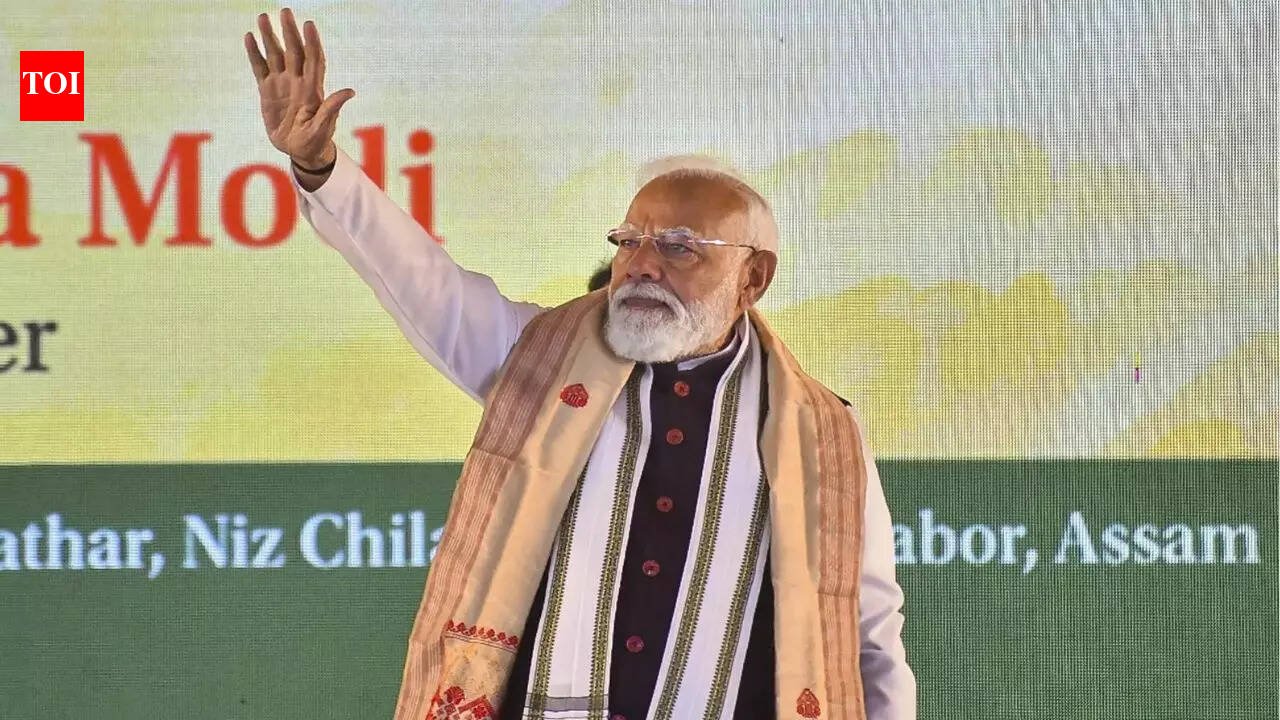
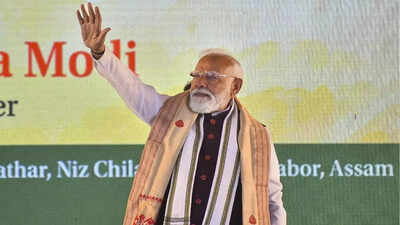
PM Modi in Assam (PTI photo)

NEW DELHI: Prime Minister Narendra Modi on Sunday praised his party, the Bharatiya Janata Party, saying the country has placed its faith in the BJP for the past one-and-a-half years and that the party has been on a “continuous rise.”Hailing the major victories of the BJP, after a brief setback in the 2024 Lok Sabha elections, PM Modi said: “BJP has become the first choice of everyone in the country”.“Recently, elections were held in Bihar and people gave a record mandate to the BJP. Two days ago, municipal corporation election results for major cities in Maharashtra were held. One of the world’s biggest municipal corporations, Mumbai, gave a historic mandate to the BJP, making the party win for the first time… In Kerala municipal elections also, people greatly supported the BJP, and Thiruvananthapuram has a BJP mayor for the first time,” PM Modi was quoted as saying by news agency ANI. Hitting out at the rival Congress, PM accused the party of “handing over Assam‘s land to infiltrators for votes during its rule in the northeastern state”.PM Modi alleged that infiltration kept increasing during the Congress rule in Assam for decades, with illegal immigrants encroaching upon forests, animal corridors and traditional institutions.”The BJP government is protecting Assam’s identity and culture by evicting infiltrators who encroached land,” he said in Assam’s Kaliabor.”Voters trust BJP for good governance and development. In the Bihar polls, people gave the party record votes and seats even after 20 years in power,” he said.PM Modi’s remark comes days after BJP pulled off a massive victory in Mumbai’s BMC elections, wresting power from the ally-turned-rival Uddhav Thackeray.BJP-led Mahayuti crossed the halfway mark of 114 in the 227-member body, but not by much. BJP won 89 seats and Shinde’s Shiv Sena 29 to gain a narrow lead. In effect, the BJP will need Eknath Shinde’s backing for big decisions.The Uddhav-Raj Thackeray combine won 71 seats (Uddhav’s Sena winning 65 and Raj Thackeray’s MNS taking 6), retaining a large chunk of wards in the city’s Marathi heartland but losing out on the control of Asia’s richest civic body.PM Modi laid the foundation stone for the Rs 6,957-crore Kaziranga Elevated Corridor, and virtually flagged off two Amrit Bharat trains in Assam’s Nagaon district.Modi, who arrived here from Guwahati in the final leg of his two-day visit to the state, performed ‘Bhoomi Poojan’ of the Kaziranga project.The corridor is aimed at ensuring safe wildlife movement across the Kaziranga National Park and Tiger Reserve, reduce road accidents on National Highway-715, and boost ecotourism, while generating local employment opportunities, an official said.It forms part of the four-laning of the Kaliabor-Numaligarh section of NH-715, and includes around 34.45 km of elevated wildlife-friendly corridors, along with bypasses at Jakhalabandha and Bokakhat, he said.PM Modi also reviewed a model of the Kaziranga Elevated Corridor.The Prime Minister also virtually flagged off two Amrit Bharat Express trains – Dibrugarh-Gomti Nagar (Lucknow) and Kamakhya-Rohtak.


Source link

Former White House Asia advisor is ‘not happy’ with Nvidia chip sales to China, calls Trump administration’s logic ‘fantasy’


Former White House Asia advisor is ‘not happy’ with Nvidia chip sales to China, calls Trump administration's logic ‘fantasy’

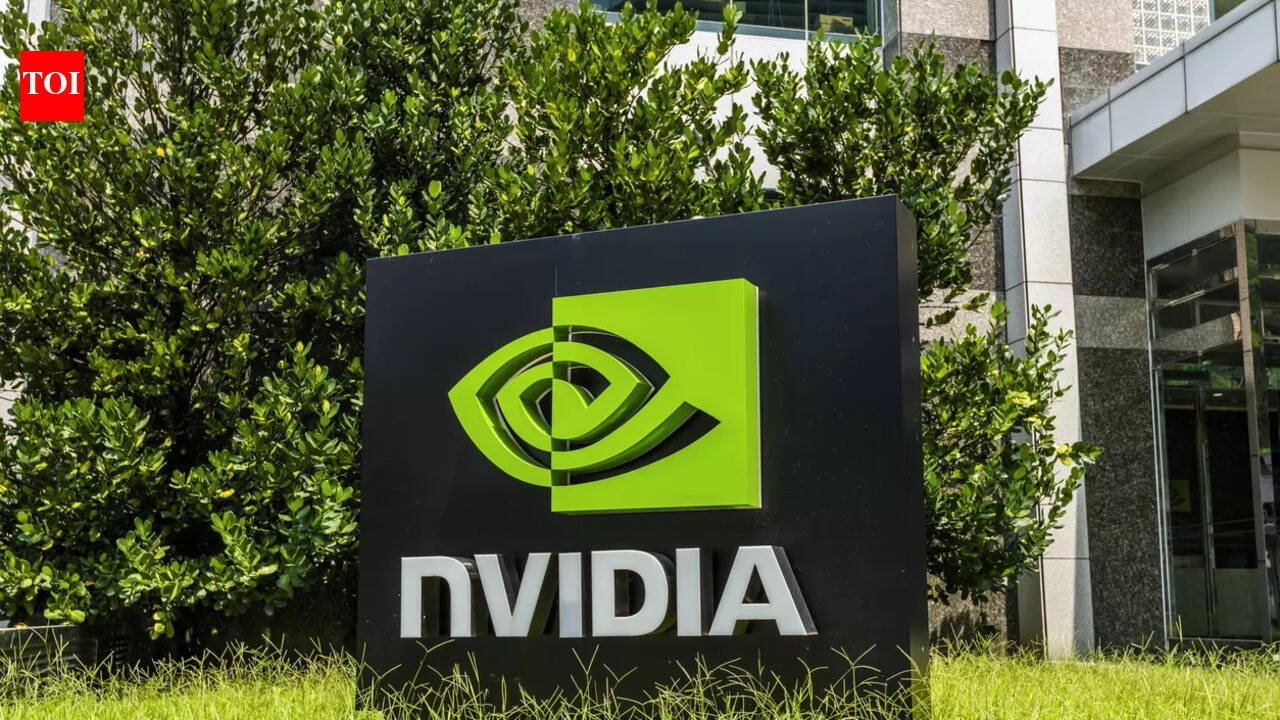
President Donald Trump’s decision to approve the sale of Nvidia’s powerful H200 artificial intelligence (AI) chips to China has received criticism from lawmakers and former officers who warned that the move may “supercharge” Beijing’s military capabilities. Matt Pottinger, who served as a senior White House Asia advisor during Trump’s first term, criticised the move during a congressional hearing, arguing that the administration is on the “wrong track” and is actively undermining the US goal of winning the AI race.Selling H200s to China “will supercharge Beijing’s military modernization, enhancing capabilities in everything from nuclear weapons to cyber warfare, autonomous drones, biological warfare and intelligence and influence operations,” Pottinger said. “Congress needs to put guardrails in place so that this mistake can’t be repeated,” he added, as per news agency Reuters.

Trump administration defends move

The Trump administration has defended the move, suggesting that by allowing the sale of American chips will discourage Chinese competitors like Huawei from developing their own advanced designs.Pottinger, however, dismissed this logic as a “fantasy”, warning that the H200 would enhance China’s capabilities in “nuclear weapons, cyber warfare, autonomous drones, biological warfare, and intelligence operations.”Congressman Michael McCaul said, “They steal so much intellectual property from this country but we don’t have to sell it to them.”Meanwhile, a spokesperson for Nvidia noted, “America should always want its industry to compete for vetted and approved commercial business, supporting real jobs for real Americans.”

New China regulations for import of Nvidia chips

Reuters reported earlier this week that Chinese customs agents have been told that Nvidia’s H200 AI chips are not permitted to enter the country. As per the new regulation, there are several restrictive measures aimed at mitigating security risks. The first is that every chip must be reviewed by a third-party lab to confirm its technical capabilities. Second, China cannot receive more than 50% of the total volume of chips sold to American customers. The third measure is that Nvidia must certify that domestic supply is sufficient before any units are shipped abroad; And finally, Chinese customers must demonstrate “sufficient security procedures” and pledge not to use the hardware for military purposes.


Source link

India vs New Zealand Live Score, 3rd ODI: Rohit Sharma and Virat Kohli in focus as India’s home ODI record faces New Zealand challenge


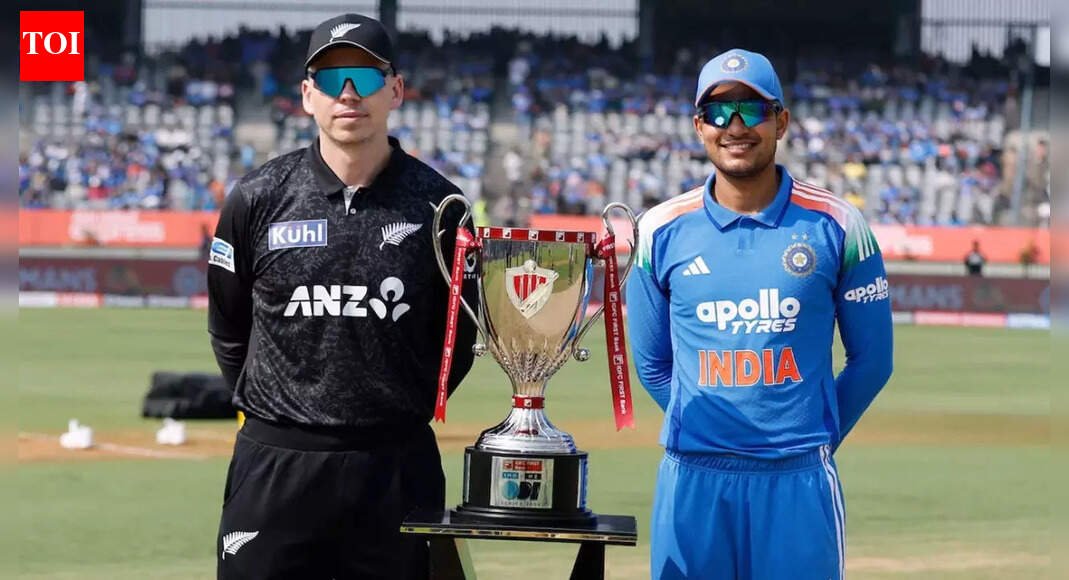
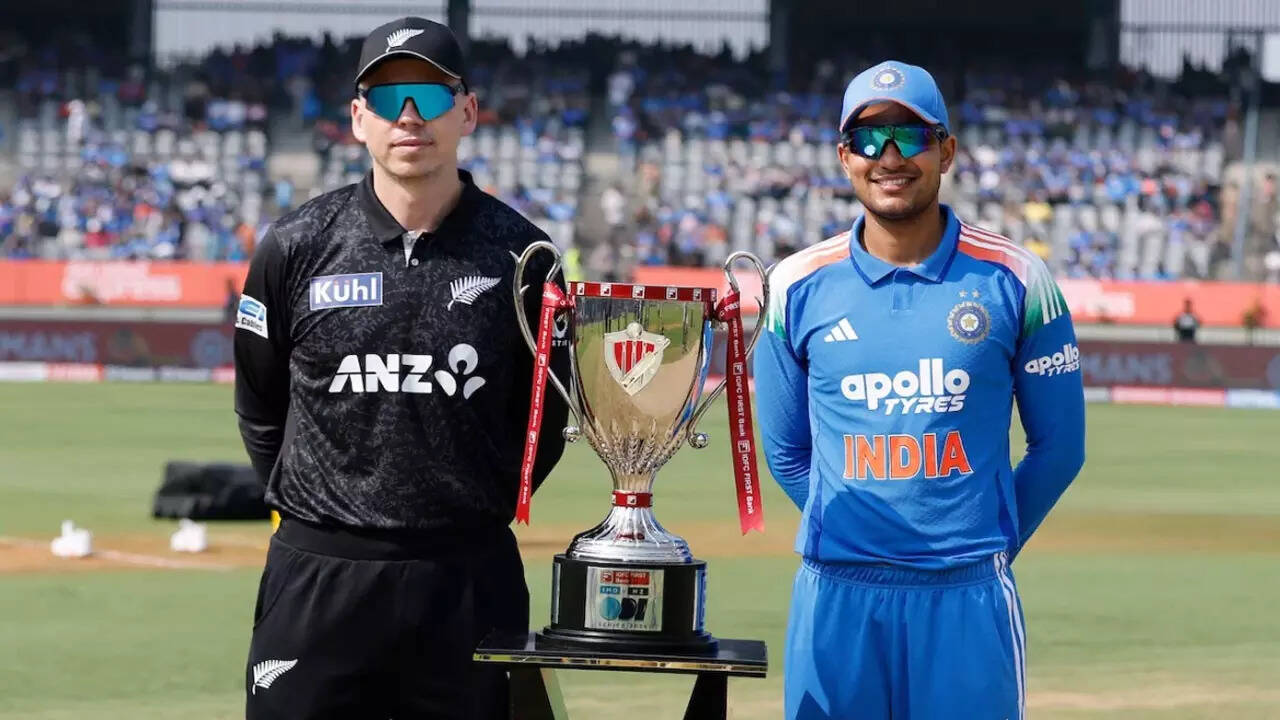
India vs New Zealand Live Score, 3rd ODI: India’s formidable home record in ODIs will face a stern test when they take on a confident New Zealand in the series-deciding third match at the high-scoring Holkar Stadium here on Sunday, with the three-match contest finely poised at 1-1.

India have not lost a bilateral ODI series at home since March 2019, when Australia overturned a 0-2 deficit to clinch the series 3-2, including the decider in Delhi. That long-standing dominance, however, is now firmly under scrutiny.

For New Zealand, the stakes are just as significant. The Black Caps have toured India for bilateral ODIs since 1989 but have never managed to win a series on Indian soil. Given the balance of this contest and India’s recent vulnerabilities, this represents one of their strongest chances yet to end that drought.

India head coach Gautam Gambhir would be keen to avoid another setback at home during his tenure, which has already seen a few unwanted firsts. Under Gambhir, India have lost five Tests at home and also suffered their first-ever bilateral ODI series defeat in Sri Lanka.

India’s loss in the second ODI at Rajkot was shaped not by a single moment of brilliance but by New Zealand’s grip over the middle overs. Daryl Mitchell’s unbeaten century was a study in measured aggression, particularly against spin — an area where India have shown signs of discomfort in recent times.

Indore, with its short boundaries and flat pitch, offers even less margin for error. On a ground where totals can escalate rapidly beyond 350, lapses in the middle overs can prove decisive.

India’s struggles against spin remain a talking point. Despite their batting depth and power, the side has often found it difficult to rotate strike consistently through the middle phase. Those stalled periods have forced batters into riskier options, disrupting rhythm and momentum.

Will there be a RoKo show?
Much of the attention will be on Rohit Sharma, who has endured a lean run in the series. His ultra-aggressive approach at the top has defined India’s ODI blueprint in recent times, but repeated early exits have brought added pressure.

Virat Kohli, meanwhile, continues to be the axis around which India’s ODI batting revolves. With India’s next 50-over assignment for senior players likely to come in July during the tour of England, fans will be hoping for another decisive RoKo partnership.

Selection balance
The choice between Nitish Kumar Reddy and Ayush Badoni presents a classic trade-off between depth and control. Reddy provides seam-bowling cover, albeit used sparingly, along with late-innings power. Badoni, on the other hand, offers composure and a sounder technique against spin in the middle overs.

The case for including left-arm pacer Arshdeep Singh also strengthens at Indore, where variations often trump raw pace. His ability to swing the new ball, target the stumps and execute yorkers at the death adds a different tactical layer, especially against New Zealand’s largely right-handed batting order.

His presence could also ease the load on India’s spinners by allowing greater reliance on pace-off deliveries, wide yorkers and hard lengths — strategies better suited to the Holkar Stadium surface. The challenge, however, lies in finding space in the XI. Mohammed Siraj’s role with the new ball makes him hard to omit, leaving a spinner or seam-bowling all-rounder as the likely casualty depending on conditions and batting depth.

One area of clarity is KL Rahul’s role. His consistent returns at No. 5 reinforce the value of keeping him there, rather than pushing him down to six, where his ability to manage tempo and rebuild under pressure is reduced.

New Zealand, meanwhile, arrive with clarity and confidence. Mitchell’s dominance, backed by Devon Conway, reflects the Black Caps’ sharp understanding of match-ups and disciplined execution. Their bowlers, despite lacking big names, have relied on variations and hard lengths to good effect on surfaces offering little assistance.

At a venue where bowlers are often reduced to damage control, the contest is likely to be decided as much by decision-making as by skill. For Shubman Gill and his side, the challenge extends beyond winning the series — it is about showing tactical flexibility and situational awareness when pressure is real and margins are thin.

Teams (from):
India: Shubman Gill (c), Yashasvi Jaiswal, Virat Kohli, Rohit Sharma, KL Rahul (wk), Dhruv Jurel (wk), Ravindra Jadeja, Nitish Kumar Reddy, Ayush Badoni, Kuldeep Yadav, Arshdeep Singh, Prasidh Krishna, Mohammed Siraj, Harshit Rana.

New Zealand: Michael Bracewell (c), Devon Conway (wk), Mitchell Hay (wk), Nick Kelly, Henry Nicholls, Will Young, Josh Clarkson, Zak Foulkes, Daryl Mitchell, Glenn Phillips, Adithya Ashok, Kristian Clarke, Kyle Jamieson, Jayden Lennox, Michael Rae.

Source link