Breaking News
Why Trump administration is still imposing 18% tariff on India – Explained


Why Trump administration is still imposing 18% tariff on India - Explained

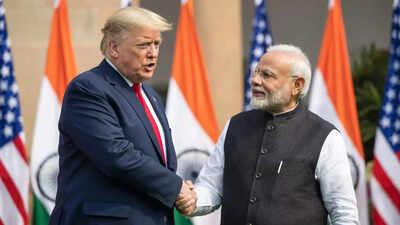
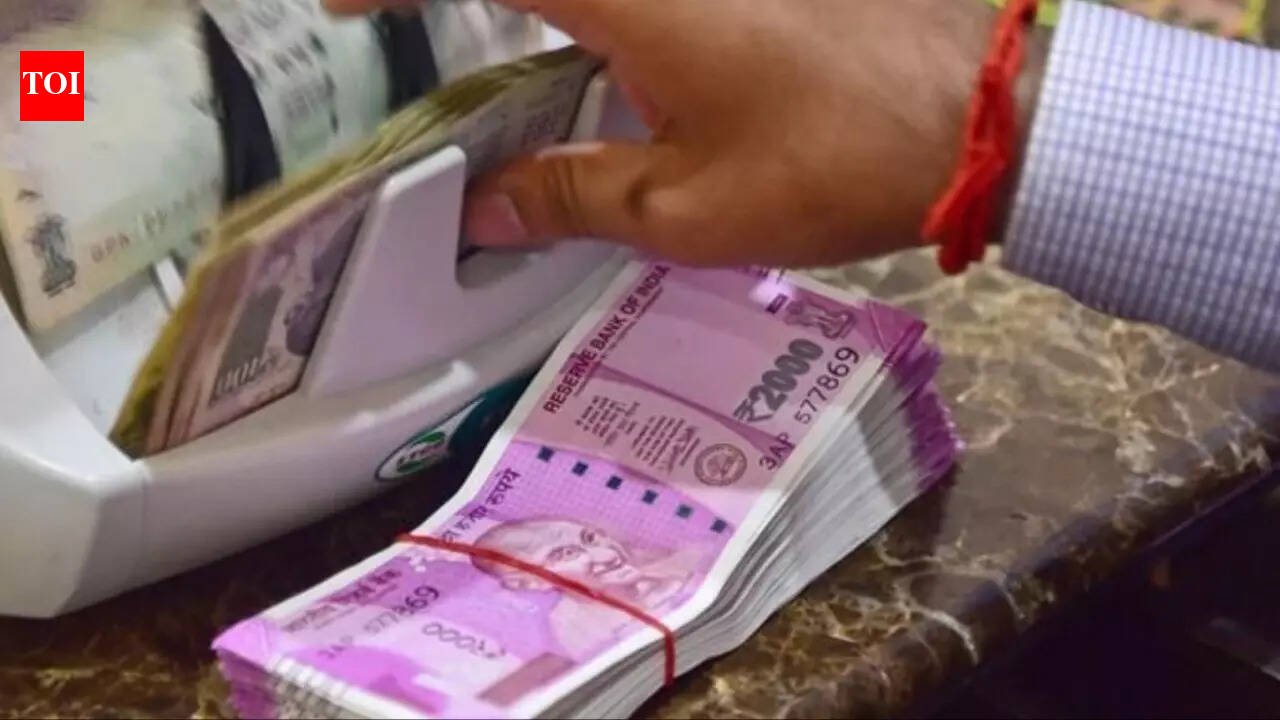
US trade representative Jamieson Greer on Tuesday outlined the Trump administration’s rationale for imposing an 18% tariff on Indian goods, citing Washington’s large trade deficit with New Delhi.Greer said the US is working to formally finalise the trade agreement with India announced earlier this week and is in the process of putting the details on paper.

‘India-US Trade Deal Removes Competitive Disadvantage’: Former Indian Envoy To Washington

Why the US is imposing tariffs

Explaining the decision to retain a baseline 18% tariff, Greer said the move reflects the size and growth of India’s trade surplus with the US.“The reason we’re maintaining some level of tariff 18% is because we have this giant trade deficit with them,” he said, adding that India has agreed to reduce its tariffs on a range of US products.According to US Census Bureau data, India’s trade surplus with the US reached USD 53.5 billion during the first 11 months of 2025, compared to USD 45.8 billion for all of 2024.Under the agreement, the US will reduce tariffs on most Indian goods to 18% from 50%. “We’ll finish papering it, but we know the specifics, we know the details,” Greer said, adding that India is maintaining some protection around agricultural goods.

Zero tariffs on several US products

Greer said India has agreed to cut tariffs on American industrial goods to zero from 13.5% and reduce duties on a wide range of agricultural and manufactured products.“For a variety of things, you know, tree nuts, wine, spirits, fruits, vegetables, etc, they’re going down to zero,” he said.However, he did not mention rice, beef, soybeans, sugar or dairy products that India also excluded from its recent trade agreement with the European Union.
.

Agriculture, energy trade and Russian oil

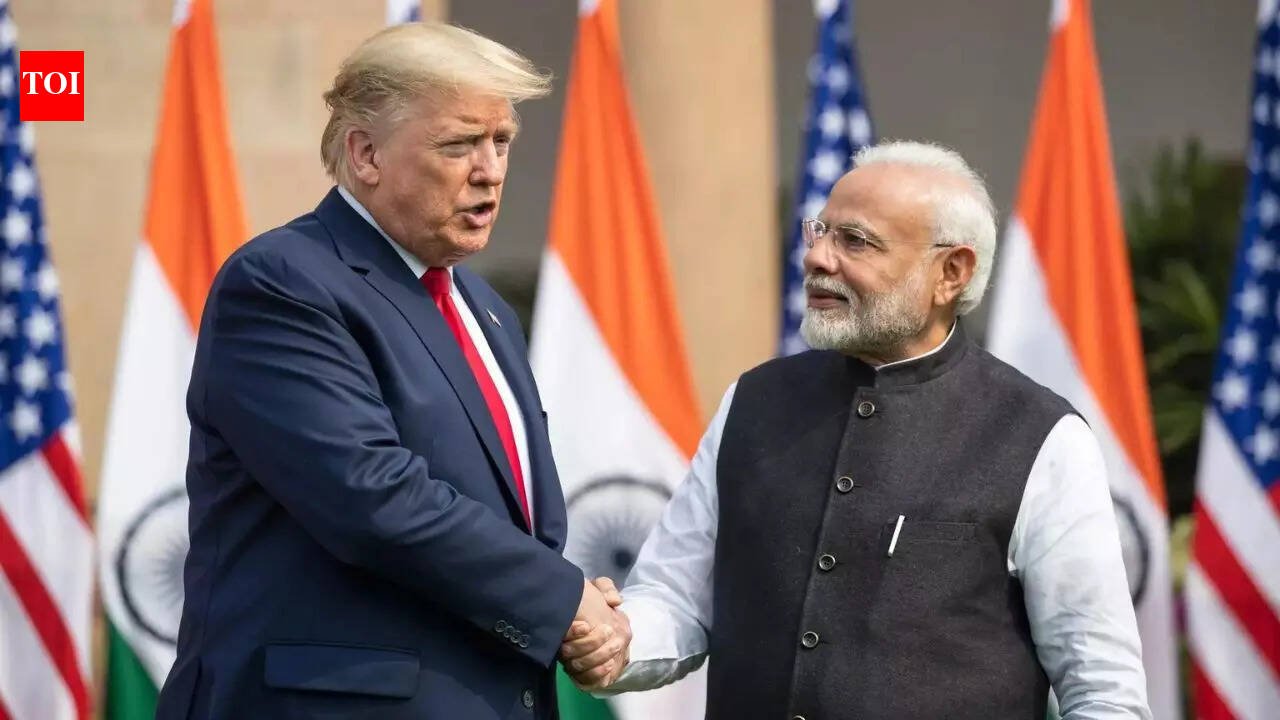
Greer said the US would continue to push for greater access to protected areas of India’s agriculture sector and that the two sides had reached an understanding on technical barriers to trade.“We’ve reached an understanding and an agreement with the Indians as well on a variety of technical barriers to trade, areas where they have not accepted US standards. We know American goods are safe,” he said.He added that there would be “a process for recognising US standards,” though India would have to go through its own political processes before accepting them. Once implemented, he said, this would open a market of more than one billion people to more US goods.Greer also said the US administration has been closely tracking India’s energy trade patterns, particularly its imports of Russian crude oil.“Have been monitoring Indians winding down purchase of Russian oil,” he said, adding that there are “a lot of opportunities for India to diversify supply and buy more US product.”He said India did not import Russian oil prior to 2022 and 2023 and has been working since late last year to scale down such purchases.The remarks come after US President Donald Trump said on February 2 that Washington would cut reciprocal tariffs on Indian goods to 18% following a phone call with Prime Minister Narendra Modi, effectively sealing the deal.In a post on Truth Social, Trump said India had agreed to reduce tariffs and non-tariff barriers against the US to zero and committed to significantly higher purchases of American products.“They will likewise move forward to reduce their Tariffs and Non Tariff Barriers against the United States, to ZERO,” Trump said, adding that India had committed to buying over $500 billion worth of US energy, technology, agricultural and other products.

India confirms sensitive sectors protected

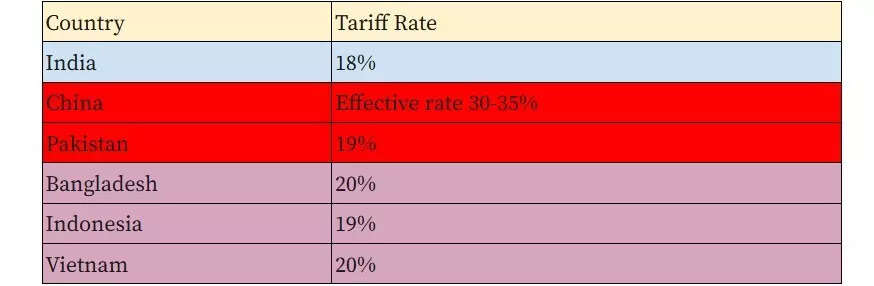
Commerce and industry minister Piyush Goyal said India has ensured that its sensitive agriculture and dairy sectors remain fully protected under the agreement.“The agreement will protect the sensitive sectors, the interests of our agriculture and our dairy sectors in full respect,” Goyal said at a press briefing.He said the deal would open opportunities for labour-intensive sectors such as textiles, apparel, home décor, leather and footwear, gems and jewellery, organic chemicals, rubber goods, machinery and aircraft, with US duties on these products coming down to 18% .Calling it a “very good” agreement, Goyal said Indian exporters are now better placed than competitors which continue to face higher tariffs in the US market.The reduction of US tariffs on Indian goods to 18% is expected to improve India’s competitiveness in the American market. Key competitor countries face higher tariffs, including Vietnam and Bangladesh at 20% , Malaysia at 19% , and Cambodia and Thailand at 19% each.

What the trade deal means and how India benefits

Under the proposed pact, India is expected to eliminate duties on some products immediately, phase out tariffs on others, and reduce import duties in select sectors. Certain items may also receive quota-based tariff concessions. Sensitive sectors such as agriculture and dairy, however, are completely excluded from the agreement, PTI reported.Greater clarity on tariff changes is expected through a US executive order and a joint India-US statement, both of which are awaited.The agreement is likely to benefit labour-intensive sectors that have been hit by steep US tariffs.These include garments, leather and non-leather footwear, gems and jewellery, plastics, chemicals, carpets and handicrafts. Exports from these sectors currently face tariffs of up to 50% , which will be reduced to 18% .Between 2021 and 2025, the United States remained India’s largest trading partner in goods. The US accounts for about 18% of India’s total exports, 6.22% of imports and 10.73% of overall bilateral trade.

Major traded products

In 2024, India’s key exports to the US included drug formulations and biologicals (USD 8.1 billion), telecom instruments (USD 6.5 billion), precious and semi-precious stones (USD 5.3 billion), petroleum products (USD 4.1 billion), gold and other precious metal jewellery (USD 3.2 billion), vehicle and auto components (USD 2.8 billion), ready-made cotton garments (USD 2.8 billion), and iron and steel products (USD 2.7 billion).Imports from the US included crude oil (USD 4.5 billion), petroleum products (USD 3.6 billion), coal and coke (USD 3.4 billion), cut and polished diamonds (USD 2.6 billion), electric machinery (USD 1.4 billion), aircraft and spacecraft parts (USD 1.3 billion), and gold (USD 1.3 billion).US services imports from India were estimated at USD 40.6 billion in calendar year 2024, led by computer and information services (USD 16.7 billion) and business management and consulting services (USD 7.5 billion).


Source link

Unsold in IPL, Australia great joins new PSL team for debut campaign in Pakistan Super League | Cricket News


Unsold in IPL, Australia great joins new PSL team for debut campaign in Pakistan Super League

NEW DELHI: Former Australia captain Steve Smith has signed with new Pakistan Super League (PSL) team Sialkot Stallionz for the 2026 season, which will make his first-ever appearance in the PSL. The franchise confirmed the signing on Tuesday, bringing Smith in through a direct signing option allowed under league rules for overseas players who did not play in the previous season.

Former captain Rashid Latif on Pakistan boycotting India T20 World Cup match

Sialkot Stallionz were recently announced as one of the PSL’s two new teams, and Smith is expected to be a central figure in their debut campaign. With his experience and leadership background, he could also be considered for the captain’s role.Smith, who went unsold during the IPL mini auction in December last year, last played competitive cricket in the Big Bash League with Sydney Sixers, where he made an immediate impact despite joining midway through the season. He scored 299 runs in just six matches at an impressive average of 59.80, including one century and two half-centuries. Smith, playing alongside Babar Azam, finished as the Sixers’ top scorer and helped them reach the final, where they lost to Perth Scorchers.Although Smith went unsold in the IPL 2025 auction, his value in franchise cricket remains high. Across 272 T20 matches, he has scored 6,242 runs at an average of 32.68 and a strike rate of 131.38, including five centuries and 30 half-centuries.Sialkot Stallionz have also strengthened their setup off the field by appointing former Australia captain Tim Paine as head coach. Paine brings coaching experience from stints with Adelaide Strikers and Australia A teams.The PSL 2026 season is scheduled to begin on March 26, with Sialkot Stallionz set to make their much-anticipated debut.


Source link

Union Budget 2026-27 shakes up NRI money: What Indians in UAE must do now


Union Budget 2026-27 shakes up NRI money: What Indians in UAE must do now
India Budget 2026-27: NRI Investment, Property, Remittance Changes for UAE Residents

As India’s Union Budget 2026–27 was unveiled on February 01, 2026, NRIs including millions living in the UAE found a mix of relief, opportunities and compliance changes that could reshape how they invest, remit money, sell property and engage with the Indian economy. Read on as we breakdown the practical implications for UAE-based NRIs in finance, property and cross-border money flows

Easier and larger equity investments

One of the most talked-about changes is that the investment limit for Persons Resident Outside India (PROIs), a category that includes NRIs, has been doubled:

  • Individual PROIs can now invest up to 10% directly in a listed Indian company (up from 5%).
  • The aggregate cap, total share that all PROIs can hold, has been raised to 24% from 10%.

Budget 2026 Overview: What Citizens And Businesses Should Know

This means that UAE-based Indians can build larger stakes in Indian equities without going through complex foreign portfolio investor (FPI) routes, offering greater flexibility for long-term wealth creation and portfolio diversification.

Simpler tax compliance in property sales

Property transactions involving NRIs have long been cumbersome due to procedural requirements like obtaining a Tax Deducted at Source (TDS) account number (TAN). Budget 2026 eliminates this hurdle:

  • TDS for sales of immovable property by NRIs will now be deducted and deposited using the resident buyer’s PAN, instead of needing a separate TAN. This streamlines compliance and reduces friction in cross-border property deals.
  • For diaspora Indians holding real estate in India, this is a significant administrative simplification that can cut delays and costs in selling or transferring property.

Cost-effective overseas travel and education remittances

The Budget introduces substantial reductions in Tax Collected at Source (TCS), a tax levied on certain overseas remittances, including travel, education and medical treatment:

  • TCS on overseas tour packages has been cut to 2% (from 5–20%).
  • Under the Liberalised Remittance Scheme (LRS), TCS for education and medical payments is also now 2%.

For UAE NRIs who frequently send money home for children’s studies, family trips or healthcare, this lowers the upfront tax cost and improves cash flow, especially for large remittances.

Expanded investment access and portfolio options

The budget also aims to broaden how NRIs can invest in India beyond traditional routes:

  • NRIs can directly invest in Indian equities under the PIS framework, a pathway previously less accessible without intermediaries.
  • This supports a trend where diaspora investors are increasingly engaging with domestic markets, not just through mutual funds or FPIs but through direct share ownership, enhancing their financial footprint in India.

Compliance relief and tax procedure simplification

Several procedural reforms benefit NRIs, particularly those balancing cross-border income reporting and asset holdings:

  • TDS on property sales by NRIs will be streamlined via PAN.
  • Certain foreign asset disclosure requirements have been relaxed with a one-time amnesty window, allowing individuals to regularise previously undisclosed overseas assets, albeit with penalties for larger values.
  • Tax filing processes, including extended deadlines and automated procedures, were introduced to reduce compliance burdens.

These changes signal the government’s intent to ease administrative pressure on NRIs and align cross-border financial activity with modern standards.

Why this matters for NRIs in the UAE

The budget’s philosophy goes beyond narrow tax tweaks: it reflects a continuity and stability approach that appeals to global Indian investors and expatriates. Financial leaders have described the Budget 2026 as pragmatic and growth-oriented, easing tax burdens while ensuring fiscal discipline, which boosts investor confidence in India’s long-term economic trajectory, a critical factor for NRIs considering large investments or business engagements.This is especially relevant in the UAE, where many Indians balance overseas income with Indian assets, equities and property portfolios. The absence of new taxes on remittances or overseas income, confirmed by analysts, signals that India is not tightening access but rather fine-tuning it for global engagement.For many diaspora Indians in the UAE, a community marked by significant remittances, property ownership and cross-border investments, Budget 2026 represents a shift toward ease, access and cost efficiency:

  • Lower TCS means more cost-effective travel and education remittances, a big deal for families and students abroad.
  • Simpler property tax compliance removes administrative barriers that often delay deals.
  • Higher investment limits give UAE-based Indians a broader role in India’s equity markets.

Compliance modernisation reduces friction for NRIs juggling dual economic identities. In short, this budget makes India more welcoming to its global diaspora, not by cutting benefits recklessly, but by reducing barriers and aligning policy with the realities of cross-border economic life.For UAE-based Indians, the Union Budget 2026 is not just another fiscal exercise, it is a diaspora-friendly, growth-oriented package that simplifies taxation, expands investment opportunity and eases the cost of global financial ties to India. Whether you are investing in Indian stocks, selling property back home, paying for children’s education or planning travel, the new rules offer relief and a clearer framework for engagement.(Disclaimer: Recommendations and views on the stock market, other asset classes or personal finance management tips given by experts are their own. These opinions do not represent the views of The Times of India)


Source link

Ishan Kishan OUT, Sanju Samson IN: India spinner announces playing XI vs USA in T20 World Cup | Cricket News


Ishan Kishan OUT, Sanju Samson IN: India spinner announces playing XI vs USA in T20 World Cup
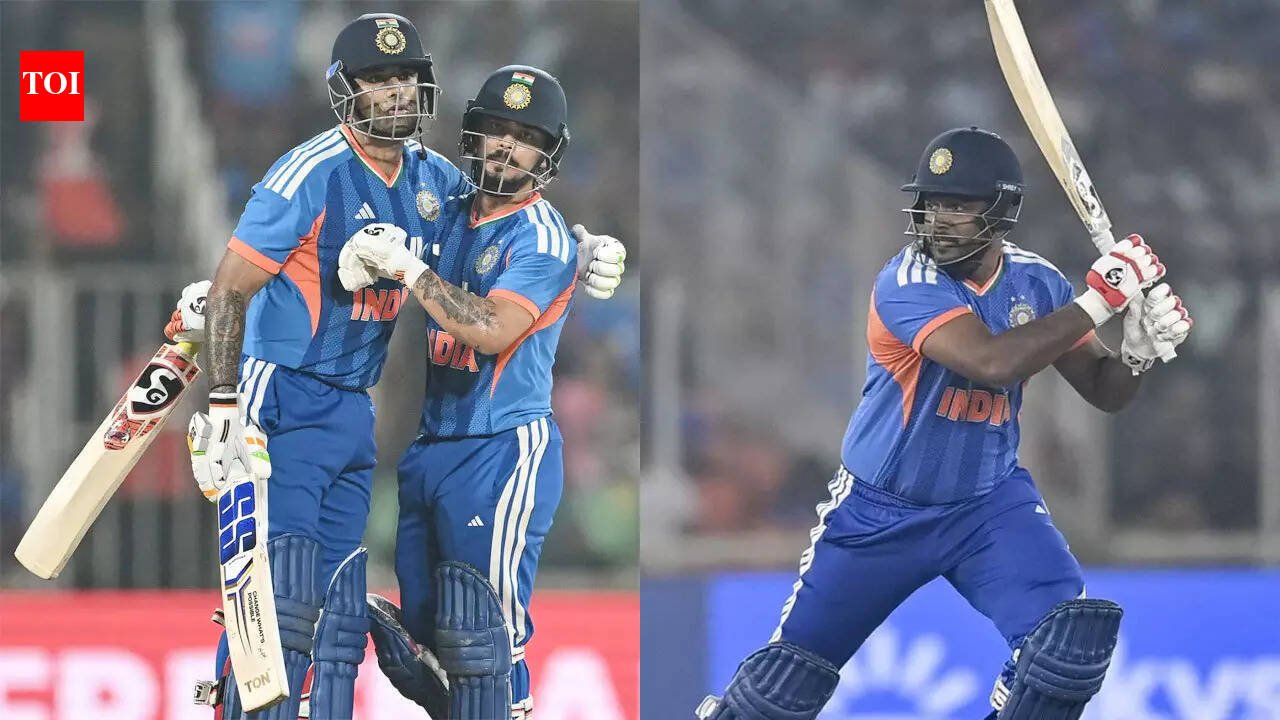
Yuzvendra Chahal opted for Sanju Samson over Kishan, even though Samson has been struggling for runs. (Image credit: Agencies)

NEW DELHI: Despite enjoying a stellar run in the recently concluded T20I series against New Zealand, in-form left-hander Ishan Kishan failed to make it into spinner Yuzvendra Chahal’s preferred playing XI for India’s T20 World Cup opener against the United States on Saturday.Chahal opted for Sanju Samson over Kishan, even though Samson has been struggling for runs. Samson was picked to open alongside Abhishek Sharma, replacing Kishan at the top of the order.

T20 World Cup: Squads, Full Schedule, Venues and Key Details Explained

The New Zealand T20I series had presented Samson with a chance to cement his spot after returning to the opening role following a three-month gap. However, he managed just 46 runs at an average of 9.20. Kishan, in contrast, amassed 215 runs at an impressive average of 53.75 and a strike rate of 231.18, highlighted by a century in the fifth T20I.Reigning champions India will head into the T20 World Cup as strong favourites on home soil.Led by Suryakumar Yadav, India open their campaign against the United States at Mumbai’s Wankhede Stadium on Saturday.On paper, India look well placed to defend their title. Since lifting the 2024 T20 World Cup after defeating South Africa in the final, they have won 33 of their 41 T20Is, losing just six.Their recent 4–1 home series victory over New Zealand further showcased the team’s depth and adaptability in familiar conditions.Chahal’s preferred playing 11: Abhisehk Sharma, Sanju Samson, Tilak Varma, Suryakumar Yadav, Hardik Pandya, Shivam Dube, Rinku singh, Axar Patel, Varun Chakaravarthy, Jasprit Bumrah

India squad for 2026 T20 World Cup 2026

Suryakumar Yadav (c), Abhishek Sharma, Tilak Varma, Sanju Samson, Shivam Dube, Ishan Kishan, Hardik Pandya, Arshdeep Singh, Jasprit Bumrah, Harshit Rana, Varun Chakaravarthy, Kuldeep Yadav, Axar Patel, Washington Sundar, Rinku Singh


Source link

Mumbai: Prayer and halwa offerings to mark Muslim festival of Shab E’ Baraat | Mumbai News


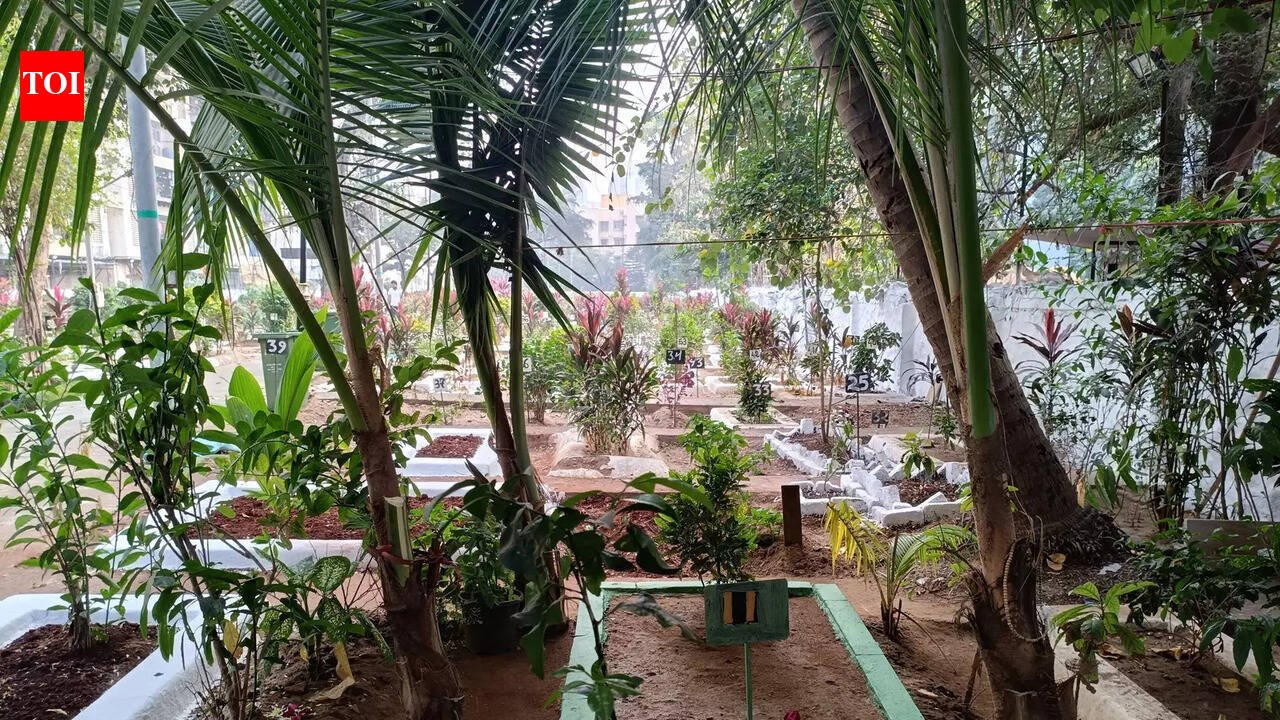
MUMBAI: The Muslim festival of Shab E’ Baraat or the Night of Forgiveness will be celebrated tonight on the intervening night of Feb 3-4.“Laylat ul’ Baraat is when Allah Almighty writes the Book of Deeds for the following year, including birth, marriage, death and significant life events,” said Maulana Shahabuddin Shaikh of Andheri West.“Muslims seek Allah’s forgiveness by reciting verses from the Holy Quran, and send Durood Sharif blessings upon Prophet Mohammed (PBUH). Thousands of people visit graveyards to pray for peace for the souls of their dear departed,” said Maulana Mohammed Saad of Andheri Muslim Qabrastan Masjid, Four Bungalows.The festival of Shab E’ Baraat occurs on the 15th night of the Muslim holy month of Shaban. Since the Islamic date changes at sunset, 15 Shaban will begin on the evening of Feb 3 and last until dusk Feb 4. Some people observe a fast on both days, others opt for Feb 4.The intervening night of Feb 3-4 will see thousands of men stream into mosques and graveyards. They bring sacks full of flowers and loose petals to sprinkle upon each grave, not just those of their own relatives and friends. Large cans are used to shower water upon the graves.Four Bungalows Qabrastan is the final resting place of film industry stalwarts like Kaifi Azmi, Shaukat Kaifi, Khayyam, Farooque Shaikh and Ishan Arya.Four Bungalows Qabrastan had received 18,000 visitors at Shab E’ Baraat in 2025, says Maulana Saad. This year too the numbers could cross 15,000. Police permission has been sought and volunteers are preparing to regulate traffic once the crowds build.On Monday volunteers at the mosque finished applying a fresh coat of paint to each of the 1,676 individual graves located here. White drapes and floral bouquets were being hoisted and the premises was cleaned thoroughly. The 130 children studying at the affiliate Madarsa Talimul Quran located inside the compound too were looking forward to the festival with eagerness.Charity and gifting is a prominent feature of Shab E’ Baraat. People line up to donate cooked meals and sweet delicacies to children in madrassas, mosques, orphans and underprivileged families. Bookings are made well in advance and last-minute donors often have to seek other alternatives. Women prepare chana dal halwa or suji halwa at home and offer it as Esaal E’ Sawaab to the souls of departed relatives.The holy month of Ramzan follows Shaban so another excitement is in the air as Muslims prepare to launch the annual fast likely Feb 18.


Source link

‘Ours will be greatest of them all!’ Trump shares photo of ‘beautiful’ India Gate


Donald Trump (AP image)

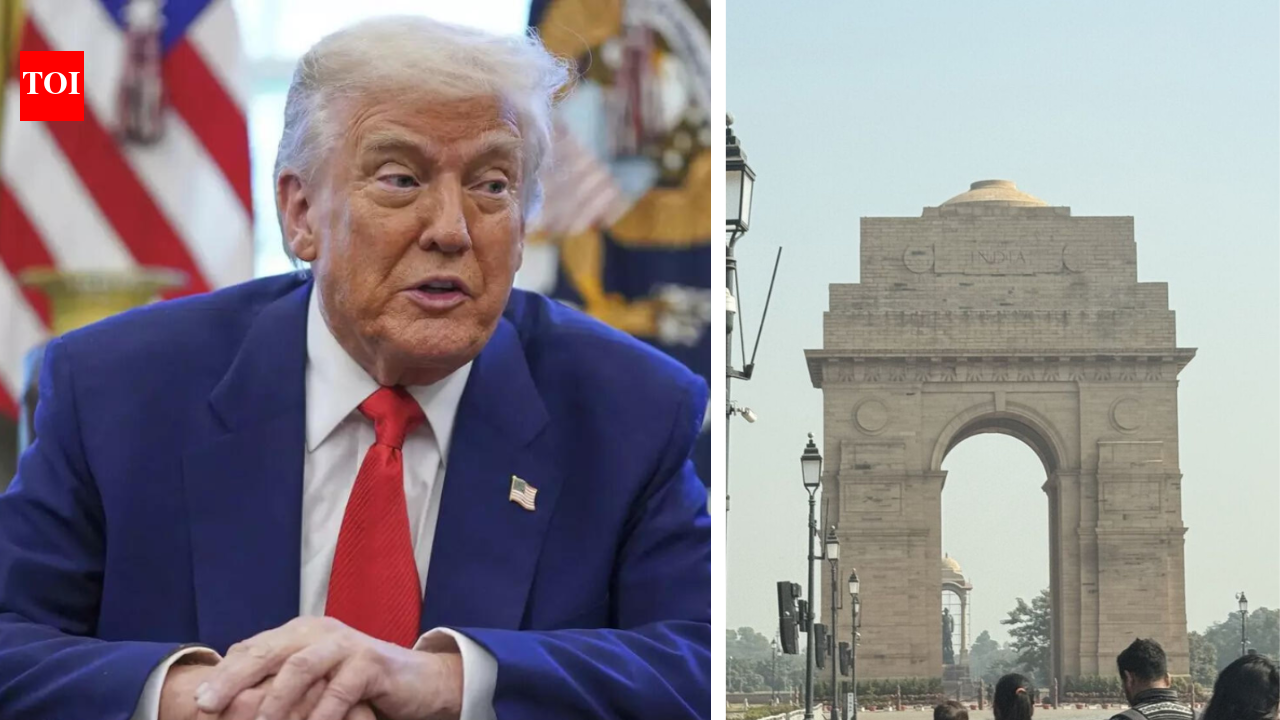
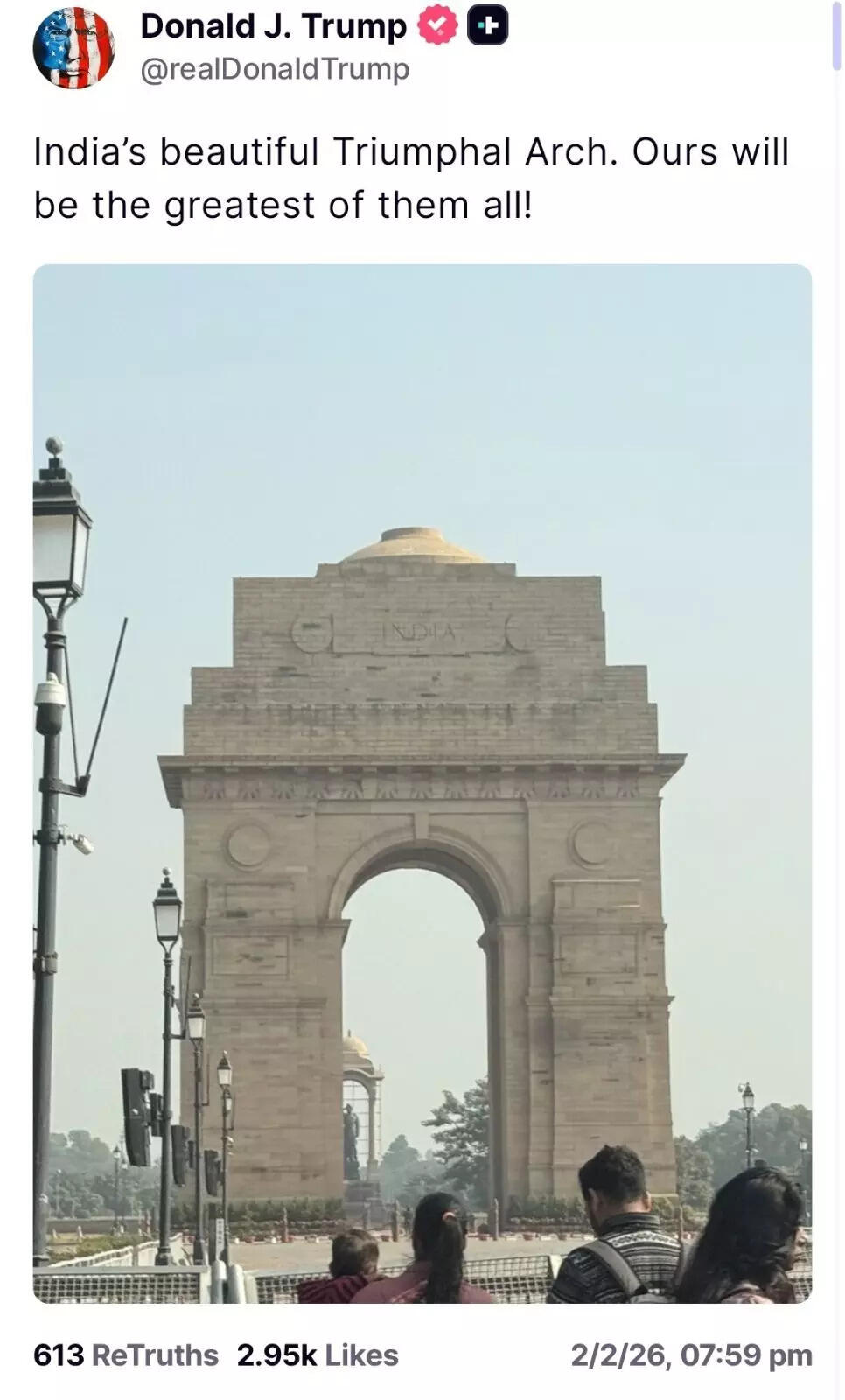
US President Donald Trump on Monday shared a photograph of New Delhi’s iconic India Gate on his social media platform, Truth Social, while reiterating his vision of building a massive triumphal arch in Washington DC.Posting the image, Trump wrote, “India’s beautiful Triumphal Arch. Ours will be the greatest of them all!” The post came amid his renewed push for what he has described as an “Independence Arch” in the US capital.

Trump Plans 250-Foot Independence Arch in DC, Sparking Debate Over Scale, Symbolism and Skyline

Trump has repeatedly said that he wants Washington, DC to have the world’s largest triumphal arch, calling it a symbol of national pride.

.

.

Speaking to reporters aboard Air Force One on Sunday, he said that the idea of such a monument had existed for nearly 200 years. “For 200 years, they wanted to build an arch,” Trump said. He added that while at least 57 cities across the world already have triumphal arches, Washington remains “the only major city” without one.Earlier, Trump announced that work on the proposed arch is expected to begin within the next few months. According to The Independent, the structure is planned near the Lincoln Memorial and along the Arlington Memorial Bridge, marking what Trump has described as a grand entrance to the nation’s capital.The proposed monument has also drawn comparisons with France’s Arc de Triomphe. Trump has indicated a preference for the largest of three proposed designs, reportedly standing about 250 feet tall, more than twice the height of the Lincoln Memorial. He has argued that the scale would reflect America’s stature and coincide with the country’s 250th anniversary of independence this year.Also Read |‘Arc de Trump’: Is US president building his own Arc de Triomphe in Washington, DC? — What we all need to knowReacting to the proposal, White House spokesperson Davis Ingle said, “The Arch is going to be one of the most iconic landmarks not only in Washington, DC, but throughout the world. President Trump’s bold vision will be imprinted upon the fabric of America and be felt by generations to come.”India Gate is a historic monument located at the heart of New Delhi. Standing 42 metres tall, India Gate is an Arc-de-Triomphe–style war memorial designed by British architect Edwin Lutyens.It commemorates more than 70,000 Indian soldiers who died fighting for the British Army during World War I, as well as those killed in the Afghan war of 1919. The Amar Jawan Jyoti, added after Independence, honours Indian soldiers who lost their lives in the 1971 war.


Source link

“Let’s see if you really have guts”: Harbhajan Singh challenges Pakistan’s match boycott threat against India in T20 World Cup 2026


The cricketing world is bracing for a massive geopolitical showdown after Indian spin legend Harbhajan Singh launched a blistering verbal attack on the Pakistan Cricket Board (PCB) and the Pakistan government. Following Islamabad’s directive to skip the high-stakes clash against India in the T20 World Cup 2026, Harbhajan dismissed the move as total drama designed to mislead the public.

The controversy erupted after the Pakistan government cleared its national team to participate in the tournament but strictly barred them from taking the field against India on February 15. The move is reportedly an act of solidarity with Bangladesh, a justification that Harbhajan finds hypocritical and financially motivated.

Harbhajan Singh questions Pakistan’s consistency over their stance on India boycott

Speaking on his YouTube channel, the Turbanator didn’t hold back, questioning the sudden surge of political stance when compared to previous tournaments where revenue was at stake. He challenged the Pakistani authorities to remain adamant if they truly believe in their cause, rather than using the sport as a tool for optics.

What benefit are you going to get from this? This is just to show arrogance, If you really think that you can do something like this, then be adamant. Let’s see if you really have the guts,” Harbhajan stated.

Harbhajan highlighted the irony of the situation, noting that Pakistan participated in previous events like the Asia Cup despite regional tensions because they were “not ready to leave that revenue.” He argued that if patriotism wasn’t the primary driver then, it’s hard to take the current boycott seriously now. By framing the boycott as a show of support for a third party, Harbhajan believes the PCB is ignoring the desires of cricket fans within its own borders who live for the India-Pakistan rivalry.

Also READ: T20 World Cup 2026: Parthiv Patel reveals his ideal India playing XI, excludes Harshit Rana

The looming shadow of ICC sanctions and hosting rights against Pakistan

Beyond the immediate heat of the rivalry, Harbhajan pointed toward the long-term consequences for Pakistan cricket. The International Cricket Council (ICC) maintains a strict code regarding government interference in sports and the fulfillment of tournament obligations. A refusal to play a scheduled fixture at a neutral venue—where no security threat was cited—could trigger a domino effect of disciplinary actions.

  • Financial penalties: Forfeiting a match of this magnitude results in massive losses in broadcasting revenue, which the ICC could recover through heavy fines.
  • Points forfeiture: India would likely be awarded a walkover, significantly impacting Pakistan’s progression in the T20 World Cup.
  • Hosting rights: Harbhajan explicitly called for the ICC to ensure “justice,” suggesting that Pakistan should be barred from hosting future global events if they fail to honour current commitments.

The former spinner’s rant underscores a growing frustration within the cricketing fraternity over the “on-again, off-again” nature of Indo-Pak fixtures. As the February 15 deadline approaches, the ball is firmly in the PCB’s court. Will they follow through with the boycott and risk international isolation, or will the lure of the world’s most-watched cricket match prevail?

Also READ: Pakistan’s boycott of India match in T20 WC 2026: List of teams that forfeited ICC event matches


Source link

Belinda Bencic, Elina Svitolina rewrite history as first mothers inside WTA top 10 | Tennis News


Belinda Bencic, Elina Svitolina rewrite history as first mothers inside WTA top 10
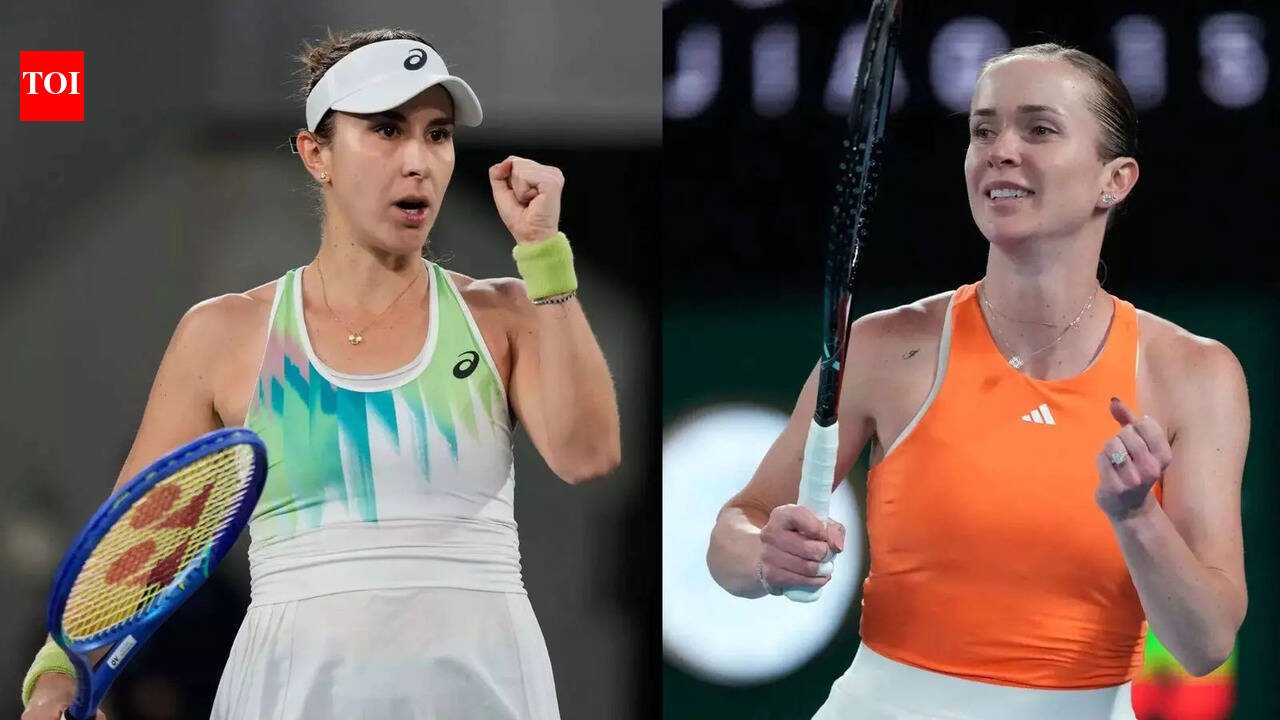
Belinda Bencic and Elina Svitolina

Belinda Bencic and Elina Svitolina have etched their names into tennis history, becoming the first mothers to be ranked inside the WTA Tour’s top 10 at the same time — a milestone the governing body has hailed as “an incredible moment for women’s sport”.Go Beyond The Boundary with our YouTube channel. SUBSCRIBE NOW!Switzerland’s Bencic made her return to the elite bracket in January, breaking back into the top 10 for the first time since stepping away from competition in September 2023 following the birth of her daughter, Bella. In the latest rankings released on Monday, she was joined by Ukraine’s Svitolina, who climbed into the top 10 after a run to the semi-finals of the Australian Open. Svitolina is the mother of Skai.The landmark moment has also shone a spotlight on the WTA’s Family Focus Program, which in recent years has aimed to make elite tennis more compatible with motherhood. The initiative includes ranking protection during pregnancy, postpartum return-to-play support and paid maternity leave — measures that both Bencic and Svitolina used via the Special Ranking Rule for returning mothers.“Two mothers ranked inside the WTA’s Top 10 rankings for the first time is an incredible moment for tennis and for women’s sport,” said WTA chief executive Portia Archer. “It not only highlights the exceptional achievements of Belinda and Elina, but also reaffirms the WTA’s commitment to creating an environment where mothers can continue to compete and succeed at the very highest level.”Ranked ninth, Bencic described her return as deeply personal and hard-earned. “Coming back to the WTA Top 10 one year after returning to competition after maternity leave is something I am incredibly proud of,” she said. “Very few people know how difficult that journey is.”Svitolina, now ranked 10th, echoed those sentiments. “It’s a dream to return to the WTA Top 10. Doing it as a mother means so much to me,” she said.At the top of the rankings, Aryna Sabalenka and Iga Swiatek retained their positions as world No. 1 and No. 2, while newly crowned Australian Open champion Elena Rybakina climbed two places to No. 3. Amanda Anisimova, Coco Gauff, Jessica Pegula, Mirra Andreeva and Jasmine Paolini rounded out the top eight.


Source link

Access Denied


Access Denied

You don’t have permission to access “http://www.ndtv.com/india-news/pm-modi-donald-trump-india-us-trade-deal-inside-story-what-pm-modi-told-nda-mps-on-india-us-trade-dealby-10936234” on this server.

Reference #18.34a21ab8.1770102690.55794f7

https://errors.edgesuite.net/18.34a21ab8.1770102690.55794f7


Source link