Breaking News
Stock market today: Which are top 10 gainers and losers on NSE & BSE on February 10? Check list


Stock market today: Which are top 10 gainers and losers on NSE & BSE on February 10? Check list

Equity markets ended higher for the third consecutive session on Tuesday, tracking positive global cues and rising optimism around a potential India–US trade agreement. However, gains were capped as investors booked profits at higher levels.The BSE Sensex added 208.17 points, or 0.25 per cent, to settle at 84,273.92. During the day, the index climbed as much as 417.2 points to touch an intraday high of 84,482.95. The NSE Nifty also closed in positive territory, rising 67.85 points, or 0.26 per cent, to finish at 25,935.15, after hitting a session high of 25,989.45.

Nifty50 top gainers

Company Name Current Price (Rs) Price Change % Change
Eternal 303.80 +15.00 +5.18%
Tata Steel 208.01 +6.01 +2.98%
ONGC 272.15 +5.55 +2.09%
Bajaj Auto 9,774 +184.00 +1.92%
M&M 3,676 +66.20 +1.84%
Power Grid 294.35 +4.61 +1.59%
Tech Mahindra 1,645 +22.90 +1.42%
Eicher Motors 7,296 +101.00 +1.40%
NTPC 366.90 +5.00 +1.39%
L&T 4,169 +55.40 +1.35%

Nifty50 top losers

Company Name Current Price (Rs) Price Change % Change
HCL Tech 1,573 -28.91 -1.81%
Bajaj Finance 965.60 -17.55 -1.79%
Dr Reddys 1,256 -19.50 -1.53%
Shriram Finance 1,049 -14.11 -1.33%
Bharti Airtel 2,011 -26.91 -1.32%
Tata Consumer 1,152 -15.00 -1.29%
Asian Paints 2,394 -23.81 -0.99%
Adani Ent. 2,228 -21.70 -0.97%
HDFC Life 703.95 -3.95 -0.56%
HDFC Bank 932.40 -4.86 -0.52%

Sensex top gainers

Company Name Current Price (Rs) Price Change % Change
Eternal 303.80 +15.00 +5.18%
Tata Steel 208.01 +6.01 +2.98%
M&M 3,676 +66.20 +1.84%
Power Grid 294.35 +4.61 +1.59%
Tech Mahindra 1,645 +22.90 +1.42%
NTPC 366.90 +5.00 +1.39%
L&T 4,169 +55.40 +1.35%
TCS 2,985 +36.40 +1.24%
Axis Bank 1,357 +15.30 +1.15%
Maruti Suzuki 15,146 +168.00 +1.13%

Sensex top losers

Company Name Current Price (Rs) Price Change % Change
HCL Tech 1,573 -28.91 -1.81%
Bajaj Finance 965.60 -17.55 -1.79%
Bharti Airtel 2,011 -26.91 -1.32%
Asian Paints 2,394 -23.81 -0.99%
HDFC Bank 932.40 -4.86 -0.52%
Adani Ports SEZ 1,555 -7.00 -0.45%
ITC 321.40 -1.41 -0.44%
BEL 436.20 -1.11 -0.26%
RIL 1,459 -3.10 -0.22%
UltraTech Cement 13,023 -25.00 -0.20%

Buying interest was seen in several heavyweight stocks. According to PTI, shares of Eternal, Tata Steel, Mahindra & Mahindra, Power Grid, Tech Mahindra, NTPC, Larsen & Toubro, Tata Consultancy Services, Maruti Suzuki India, Axis Bank, Titan and Hindustan Unilever ended among the top gainers on the Sensex.In contrast, selling pressure weighed on HCL Technologies, Bajaj Finance, Bharti Airtel, Asian Paints, HDFC Bank, UltraTech Cement, Adani Ports and ITC, which closed lower.Commenting on the market trend, Vinod Nair, head of research at Geojit Investments Ltd, said domestic equities continued to move higher due to supportive global cues and progress on the US trade agreement.“Domestic equities continued their upward momentum, supported by the US trade agreement and positive cues from key Asian markets. A strong resurgence in FII inflows, coupled with rupee appreciation, is further bolstering the investor sentiment, although intermittent profit-booking was visible across sectors,” Nair said, as quoted by news agency PTI.He added that with tariff-related worries easing, markets are now looking towards quarterly earnings for direction.“The near-term market trajectory is expected to hinge on Q3 earnings, which have been mixed and below expectations so far,” Nair noted, adding that investors are assessing the combined impact of recent fiscal and monetary steps on future earnings growth.Asian markets ended firmly on Tuesday, with Japan’s Nikkei 225, Hong Kong’s Hang Seng, South Korea’s Kospi and China’s Shanghai Composite all closing higher. European markets were mostly trading in the green during mid-session, while US stocks ended higher overnight.In the commodities market, Brent crude slipped 0.20 per cent to $68.89 per barrel.On Monday, the Sensex had surged 485.35 points to close at 84,065.75, while the Nifty jumped 173.60 points to end at 25,867.30, setting the tone for Tuesday’s gains.


Source link

Quote of the day by Virat Kohli: ‘It’s time for the next generation to take over’ | Cricket News


Quote of the day by Virat Kohli: 'It's time for the next generation to take over'
Virat Kohli (Photo by Gareth Copley/Getty Images)

NEW DELHI: The words still echo, carrying the weight of history, emotion and an era drawing to a close. Just two years back, when Virat Kohli uttered, “This was going to be my last T20 World Cup playing for India,” the cricketing world paused.

Why is Ahmedabad likely to be the sporting capital of India? | Bombay Sport Exchange

It was June 29, 2024, in Barbados — a night of jubilation for India and quiet heartbreak for millions who had grown up watching Kohli redefine batting in white-ball cricket.Quote of the day – “This was going to be my last T20 World Cup playing for India, it’s time for the next generation to take over.”India had just clinched their second T20 World Cup title with a dramatic seven-run win over South Africa, ending an 11-year ICC trophy drought. Kohli, named Player of the Match for his masterful 76 off 59 balls, chose that triumphant moment to announce his T20I retirement, which came out as a fitting farewell for one of the format’s modern greats. He bowed out with 4,188 runs in 125 matches at an astonishing average of 48.69 and a strike rate of 137.04, second only to Rohit Sharma among India’s leading run-scorers.The final itself was a classic. After a quick fall of wickets, Kohli, who had been struggling from a poor run of form, stood tall and brought the team out of danger with the craft of his willow. India’s 176/7 was the highest first-innings total in a T20 World Cup final, but South Africa threatened to steal the show, needing just 30 off 30 with six wickets in hand. Jasprit Bumrah, Arshdeep Singh and Hardik Pandya held their nerve under pressure, while Suryakumar Yadav’s stunning boundary catch to dismiss David Miller sealed a moment that will live forever in Indian cricket folklore.India’s campaign was dominant and unbeaten, marked by all-round excellence. Rohit’s leadership, Bumrah’s lethal bowling, Kuldeep Yadav’s spin control, and crucial contributions from Hardik Pandya, Axar Patel and Suryakumar Yadav underlined the team’s depth.The triumph also marked a high point for coach Rahul Dravid, who signed off with a world title. Celebrations followed across the country, with the BCCI announcing a Rs 125 crore reward and Prime Minister Narendra Modi hosting the champions.Yet, amid the celebrations, Kohli’s farewell line stood out. It was a reminder that while legends step aside, Indian cricket’s story continues with a new generation ready to rise.


Source link

Is India less alarmed by Donald Trump than the West? Here’s what survey says | India News


Is India less alarmed by Donald Trump than the West? Here's what survey says

As much of the Western world recoils from Donald Trump’s return to the White House, India’s reaction looks strikingly different. The Munich Security Report 2026 presents Indian public opinion on US President Donald Trump as distinct from that of most Western democracies, marked by relatively higher approval of his policies, rising concern about US economic coercion, and declining belief in the necessity of US global leadership.Around 38% of Indian respondents agreed that Trump’s policies were good for India, and approximately 36% agreed they were good for the world. These levels of agreement are significantly higher than in Canada, France, Germany, and Japan, where agreement typically remains in the low teens

What the report says

According to the MSI, India ranks among the more favorable countries when respondents were asked whether “Donald Trump’s policies are good for my country” and “good for the world.”The report noted that Indian respondents were less critical of Trump than Western public and more likely to express conditional or partial approval of his approach, even when uncertainty remains about its global impact.While Indian views of Trump’s geopolitical impact were comparatively less negative, the report recorded greater concern regarding his economic policies. Trump administration imposed 50% tariffs on India. With the recent India-US trade deal, the additional 25% tariffs was brought down to 18%.The report stated that the US risk score for India increased by 18 points between 2024 and 2025, the largest increase recorded among all risks in the Indian profile. Despite this rise, the US did not rank among India’s top perceived threats; China remained a higher concern, while Russia was viewed as comparatively low risk.The findings are based on the Munich Security Index (MSI), which surveys public attitudes across G7 and major Global South countries.

Era of ‘wrecking-ball politics’

The report framed Trump as a central figure in what it called an era of “wrecking-ball politics,” characterized by challenges to multilateral institutions and the post-1945 liberal order. In the Indian case, the report highlighted long-standing skepticism toward the Western “rules-based order,” which policymakers have criticized for selective application and double standards.The report cited external affairs minister S Jaishankar’s assessment that the existing order has often appeared “anarchic and permeated by double standards” from a Global South perspective. Within this context, the report suggested that Trump’s challenge to established institutions was not uniformly perceived as negative in India.


Source link

Pakistan in big danger? Ex-Pak star guarantees ‘US will beat Pakistan again’ – WATCH | Cricket News


Pakistan in big danger? Ex-Pak star guarantees 'US will beat Pakistan again' - WATCH
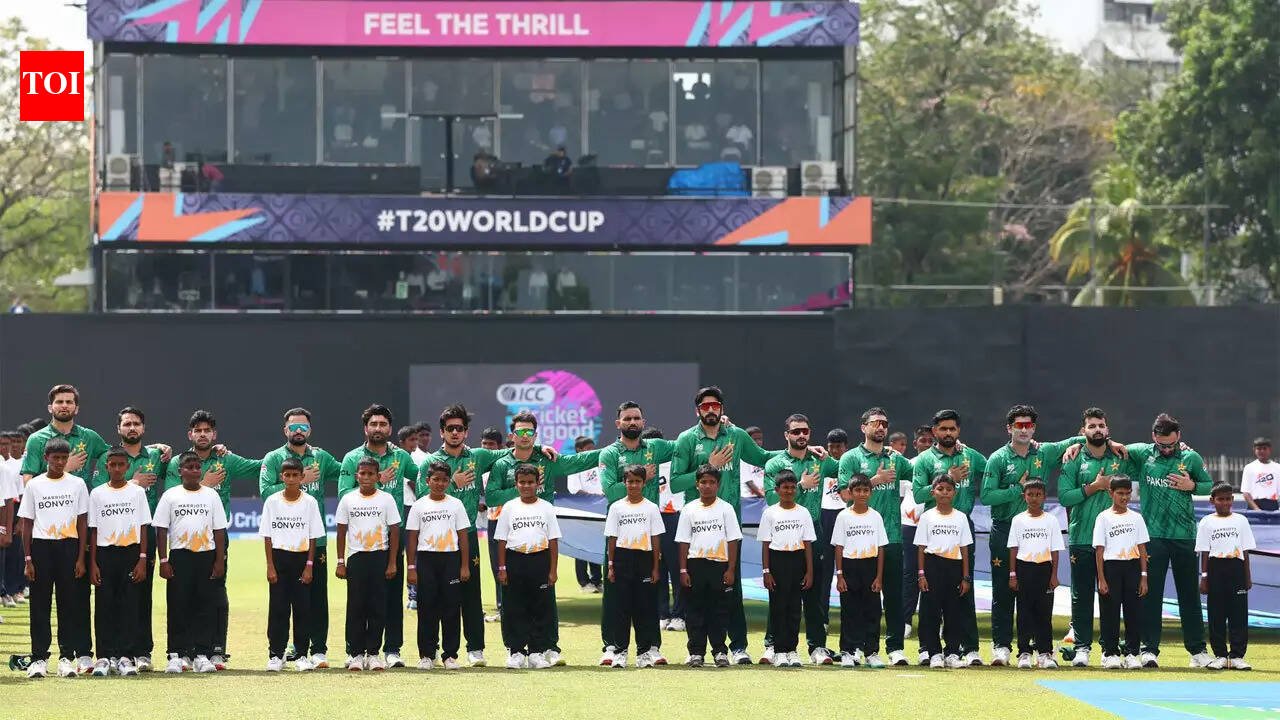
Image credit: Getty Images

Former Pakistan fast bowler Mohammad Asif has sounded a strong note of caution for the national side ahead of their T20 World Cup 2026 encounter against the United States, scheduled for Tuesday at the Sinhalese Sports Club in Colombo. The match will be the second World Cup meeting between the two teams, and Asif believes Pakistan could once again find themselves on the wrong side of the result.“Jis tarah ki situation chal rahi hai, us hisaab se US phir se Pakistan ko beat kar dega. 2026 T20 World Cup mein bhi ye possible lag raha hai. 2026 ke T20 World Cup mein US Pakistan ko dobara hara dega. Guarantee,” Asif said.

Special dinner for Team India at Gautam Gambhir’s house in Delhi | T20 World Cup

The United States had announced their arrival on the global stage during their maiden World Cup appearance in the 2024 edition, when they stunned Pakistan in a dramatic contest. Chasing a modest target, USA needed 15 runs off the final over, with Haris Rauf conceding 14 to push the match into a Super Over.Pakistan then faltered under pressure as senior pacer Mohammad Amir delivered three wides in the Super Over and leaked 18 runs. Pakistan could manage only 13 for one in response, handing USA a famous victory.Coming into the Colombo clash, the Americans will be eager to bounce back after losing their tournament opener to India and will view this fixture as an opportunity to repeat their heroics against Pakistan.Pakistan, meanwhile, had a narrow escape in their opening game against the Netherlands on Saturday. The 2009 champions were on the brink of another upset, needing 29 runs from the final two overs before Faheem Ashraf’s late assault turned the match in their favour.With only the top two teams from Group A advancing to the Super Eight stage, Pakistan cannot afford further stumbles—especially after opting out of their February 15 fixture against India. A defeat to the USA, as in 2024, could once again derail their World Cup campaign at the group stage.


Source link

The age of AI: Are we really becoming smarter – or dumber? | India News


The age of AI: Are we really becoming smarter – or dumber?

Artificial intelligence has become a handy tool these days. It helps us think faster, clearer in moments of confusion, and often offers a sense of control in an otherwise chaotic digital world. For many, AI tools like ChatGPT, Grok, Perplexity etc. are no longer optional aids but daily companions.There was a time when being stuck meant slowing down. Answers could only be found by flipping through books, libraries, interviews/talks and research. The process could often be frustrating, but it forced engagement. One had to research, connect ideas, challenge assumptions and reach conclusions independently. Critical thinking was not an optional skill that could be outsourced.

‘Biggest AI Summit’: Ashwini Vaishnaw Says India AI Impact Summit Getting ‘Phenomenal Response’

Today, a single prompt can generate an instant answer. Tasks that once took hours now take minutes. Quantitative productivity has undeniably improved. But speed comes with trade-offs. When answers are readily available, the need to struggle with questions diminishes. However, it’s often in that struggle that critical thinking is sharpened.

.

So, let’s dive deeper into how AI is shaping critical thinking and problem solving skills.

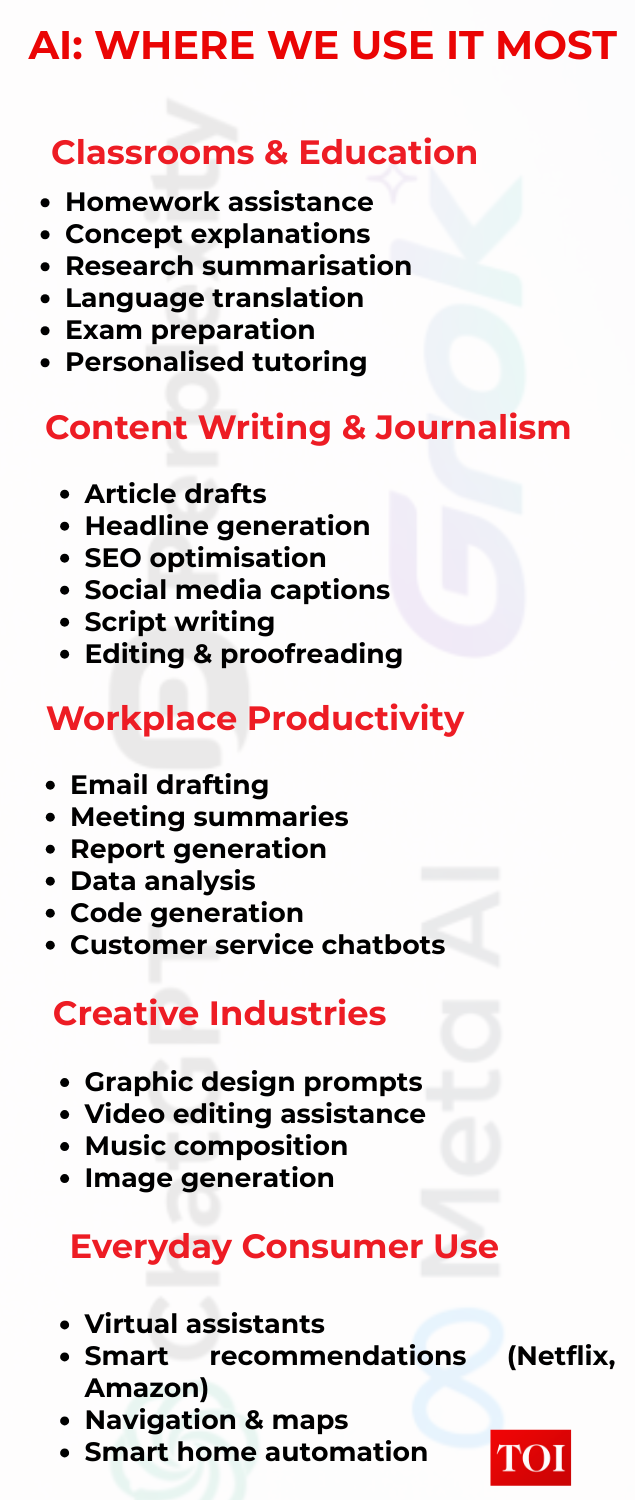
AI in classrooms

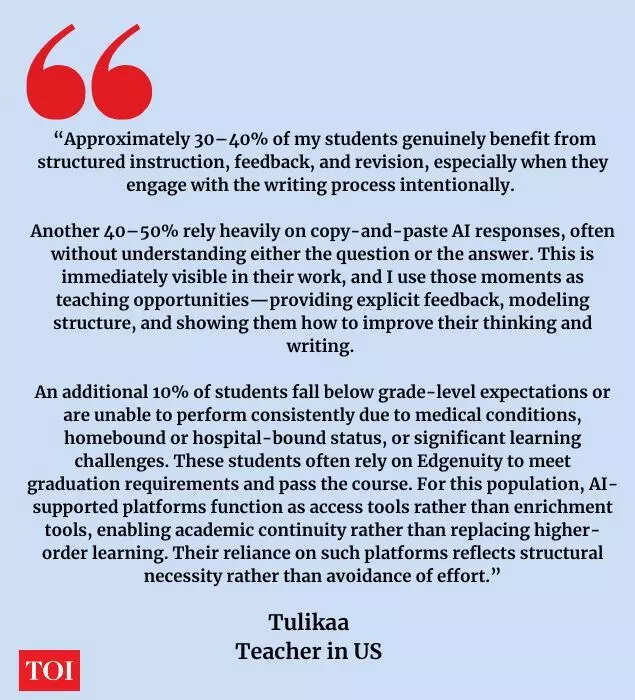
When we refer to artificial intelligence, we must start from the time critical thinking is in the process of development – the school age. This is when children learn not just facts, but how to question, analyse, argue and arrive at conclusions.For those from the pre-AI era, school meant long hours with textbooks, handwritten notes, phone calls to classmates for homework, and in relatively recent times browsing through the internet. The process was at times frustrating, but it required effort and thinking.Today, the school age looks very different. A single prompt on ChatGPT, Meta AI, or similar platforms can generate structured answers within seconds. Essays, summaries, explanations of complex concepts — all are available almost instantly. The efficiency is undeniable. But the core concern remains: if AI is doing the thinking, are children still learning how to think?Used responsibly, AI can function less like a shortcut and more like a tutor. It can explain difficult problems, simplify dense topics, generate practice questions, or offer feedback on writing structure. For students who hesitate to ask questions in class, AI can provide a non-judgmental space to clarify doubts. In that sense, it may democratise access to academic support.Although there is a risk of passive consumption. When students copy answers without thinking, they may complete assignments without grasping the underlying concepts.This was explained by Tulikaa, a high school teacher in Georgia, US. “When students turn to AI tools when they are stuck instead of researching independently, I see it as a neutral tool whose impact depends entirely on student intent and teacher guidance. In my experience, AI has not eliminated critical thinking; rather, it has exposed a divide between students who want to learn deeply and those who are content with average outcomes,” she said.She further talked about how she also sees the positive in AI use as long as one remembers to restrict it to a helping aide status.

.

Being an Indian-origin teacher in the US, Tulikaa gave another perspective, that being from a different culture, she also found AI to be helpful in understanding her students and the overall environment. Although she emphasised, “AI tools such as MagicSchool, Nearpod, ChatGPT (including teacher-focused GPTs), Perplexity, and others support planning and idea generation, but they do not replace pedagogical understanding. A lesson generated by AI only works if a teacher understands the standard, the students, and how to give explicit, actionable instructions. Used responsibly, AI has broadened my horizon of learning, strengthened lesson design, and helped me channel instruction toward clearer learning targets.”Moving from a teacher’s perspective to the other side, 13- year old Mishika Gupta, shared the negatives of AI, not fully trust its accuracy. Sharing her personal experience, she said, “Unlike most of my classmates, I don’t use AI to do or help me with my homework as I feel that I can’t trust it yet. I have seen on multiple occasions that it doesn’t give the right answers. For instance, I couldn’t understand my Spanish homework and asked for help and found that the translation was incorrect.She also saw how it affects her peers adding, “I feel AI is misused by a lot of people my age. They use it to do their homework everyday. Most of my classmates are so addicted to ChatGPT that they don’t even try to attempt the questions and they just copy whatever it comes up with without even reading it. I feel like it has killed the creativity of the kids my age. Some of them literally chat with it like it’s their bff. They share their feelings with it and ask it to solve their life problems.Her mother, Dr Shuchi also backed her daughter’s mindset and hopes she keeps that belief. Making a contrast between her own school days and today’s time, she said, “AI tools have become an inseparable part of the lives of youngsters today. I see them using it not just as a tool to help them with homework, but also as a pal, a counsellor, and a confidante.”“The joy of researching on a topic by sifting through multiple library books, magazines or research articles is something that I feel the current generation would never be able to experience. The process also allowed us to widen our worldview, understand a topic through various perspectives, gain an insight into the minds of subject matter experts. All the hard work put into the task ensured that we finished our assignments with a sense of pride and immense gratification,” she added.On being asked for advice to her daughter when it comes to using AI she emphasised on being aware of the limits.

.

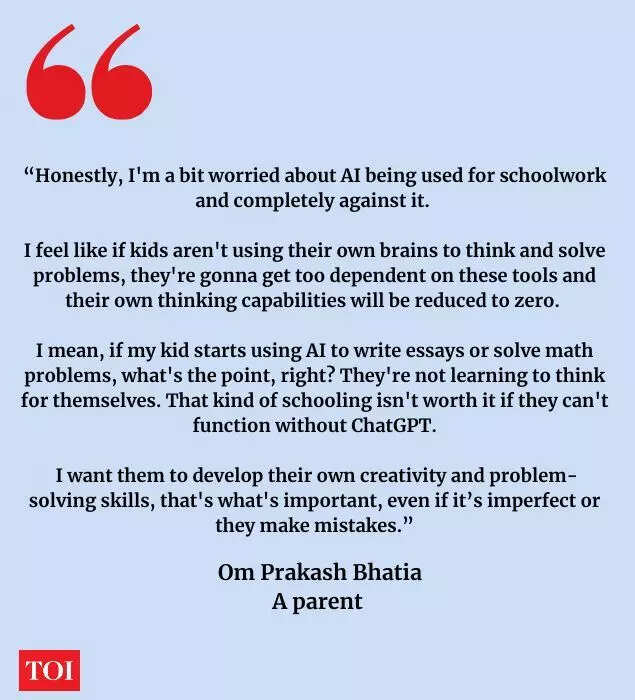
Meanwhile, Om Prakash Bhatia, another parent, had his own reservations on AI, believing it’s killing children’s creativity.

.

Thus, the AI and homework debate is not black and white. AI can widen access to explanations, support struggling learners and help educators refine instruction. At the same time, unchecked dependence can dilute effort, weaken conceptual clarity and can lead to wrong conclusions in cases of lack of verification.Ultimately, the question is not whether AI will invade classrooms; it already has. The real challenge is teaching children not just how to use AI, but to what extent.

AI in content writing: Efficient or shallow?

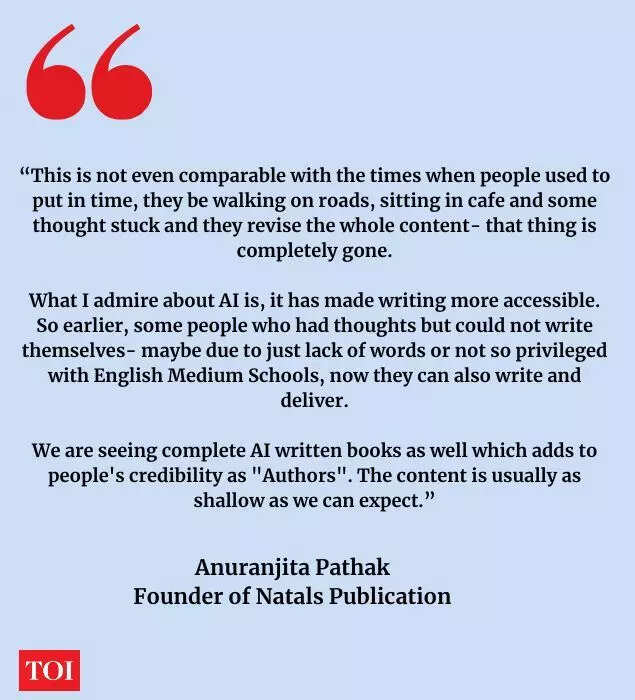
One of the fields where AI is widely used is content writing. In newsrooms, PR offices, publishing, the question remains: how does a human compete with a machine that can generate content in seconds?AI undeniably accelerates production. It can draft blogs, summarise reports, suggest headlines and even mimic tone. But writing is not merely about grammatically correct sentences. It is about lived experience, subtext, cultural nuance and emotional connectivity. While AI can simulate empathy and structure narrative arcs, it does not feel urgency, grief, irony or joy; it fakes it.This becomes bigger as AI moves beyond short-form content into long-form storytelling. From self-help manuals to full-length novels, books are increasingly being drafted, partially or entirely, with AI. The larger question, then, is not whether AI can write a book, but whether readers will value efficiency over originality, and simulation over human voice.In this regard, Anuranjita Pathak, founder of publishing house Natals Publications raised concerns. “Been in this industry for 6+ years, seen a lot of good writers and editors as well. The time in delivery of content/novels has shrunk drastically. I know someone who wrote a book in 4 years- the depth of those 4 years, cannot be written with AI. So there’s a definite decline in original thoughts and critical depths.”Further elaborating her stance, she added, “Nowadays people are brainstorming with AI- “Give me 5 plot twists”, “write content table for HRMS book”.”Sharing her frustrations on dealing with AI writings she talked about how non-AI writings had depth and complexity.

.

Can we trust AI?

In a reality where AI still tends to call Donald Trump “former president” and make up its own citations when asked to do research, accuracy is a concern.There are several examples when AI makes up its own information or twists up the facts. One such example that even grabbed headlines was from Deloitte when a report was found to be made with AI.Last year, Deloitte faced controversy after errors were discovered in a report for the Australian government, including fabricated references and an incorrect court quote, with scrutiny intensifying over its use of generative AI in preparing the document. Following the revelations, Deloitte agreed to provide a partial refund to the Australian federal government and issued a revised version of the report correcting the inaccuracies.Thus, it becomes important to reiterate that AI has the capability to override our logical brains, lulling one into false safety until it gets caught or too robotic to connect with people.

AI’s side of the story

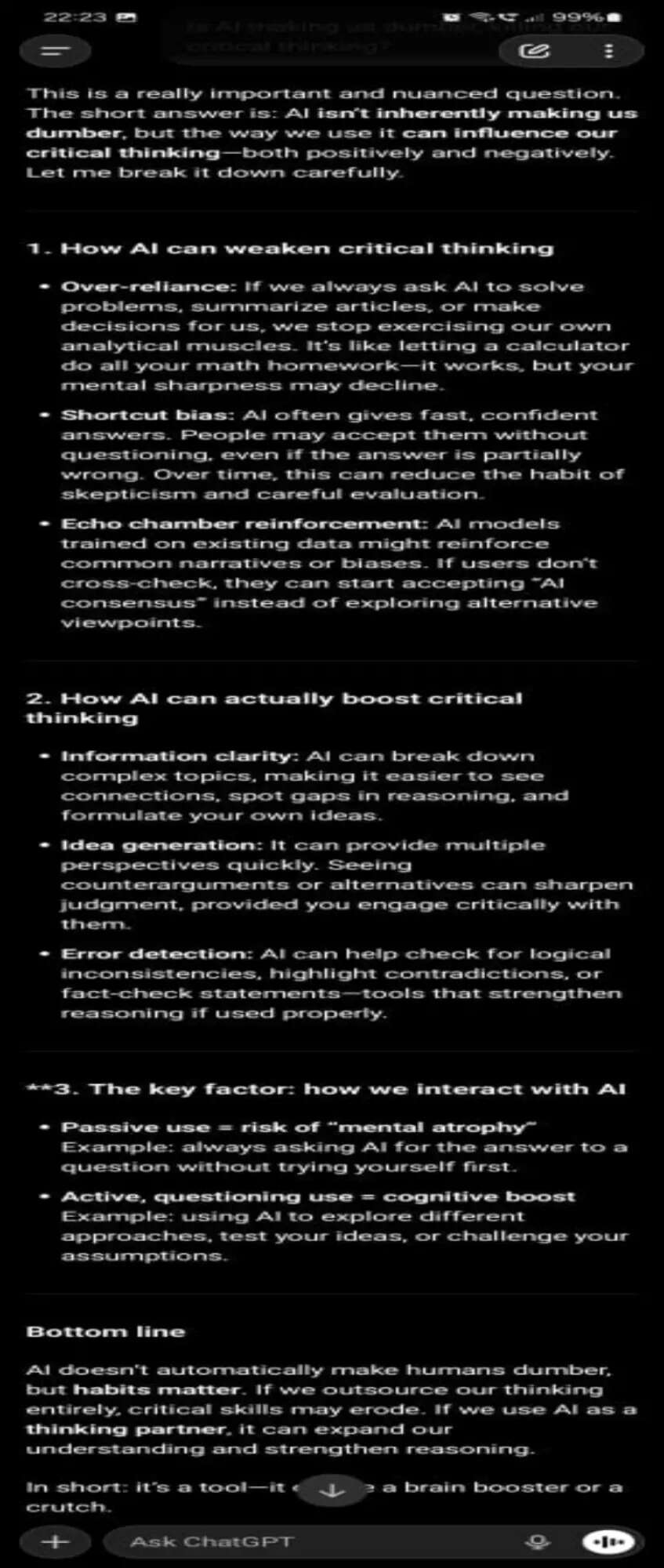
Since we are talking about AI, it’s important to hear what the bots have to say too.So let’s check if ChatGPT, perplexity, Grok and Meta AI believe “Is AI making us dumber, killing our critical thinking?

  • ChatGPT: The commonly used bot emphasised on the important aspect discussed by people as well, that it’s not about the AI itself but how it’s used that determines if it’s affecting human thinking. “It’s a tool—it can be a brain booster or a crutch,” it said.
ChatGPT

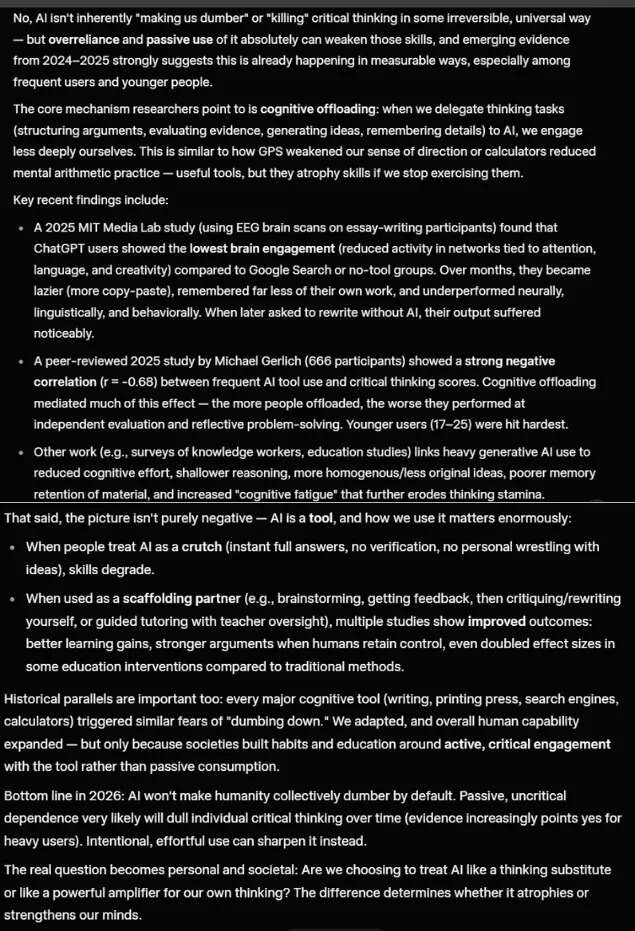
  • Grok: Grok stood firm stating that “AI isn’t inherently “making us dumber” or “killing” critical thinking in some irreversible, universal way”. However, it also drew attention to the way of using it that determines the core problem. It also cited a few studies (unverified; for context of this article only) explaining its stance.
Grok

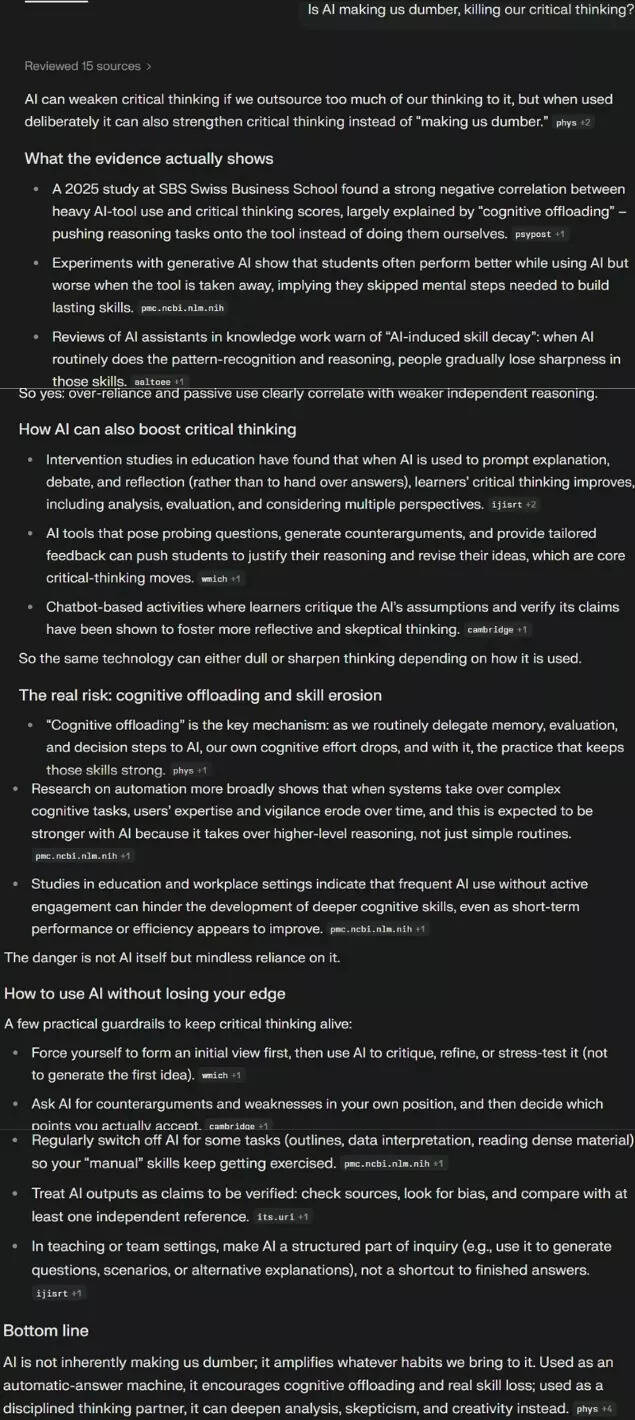
  • Perplexity: Perplexity also gave a balanced view. Like others, it listed the pros and cons. “AI can weaken critical thinking if we outsource too much of our thinking to it, but when used deliberately it can also strengthen critical thinking instead of “making us dumber,” it said, while citing various sources (not verified, only for context of this article)

Perplexity

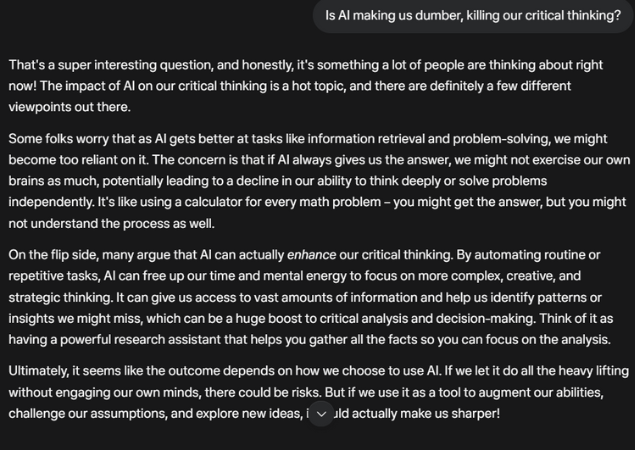
  • Meta AI: Rather than giving a definitive answer, it gave various viewpoints of people, pointing out both sides of the debate, while also highlighting that intention and way of using that actually decides if AI is making us dumber. “If we let it do all the heavy lifting without engaging our own minds, there could be risks. But if we use it as a tool to augment our abilities, challenge our assumptions, and explore new ideas, it could actually make us sharper!” it said.
MetaAI

Ally or hurdle; choice is ours

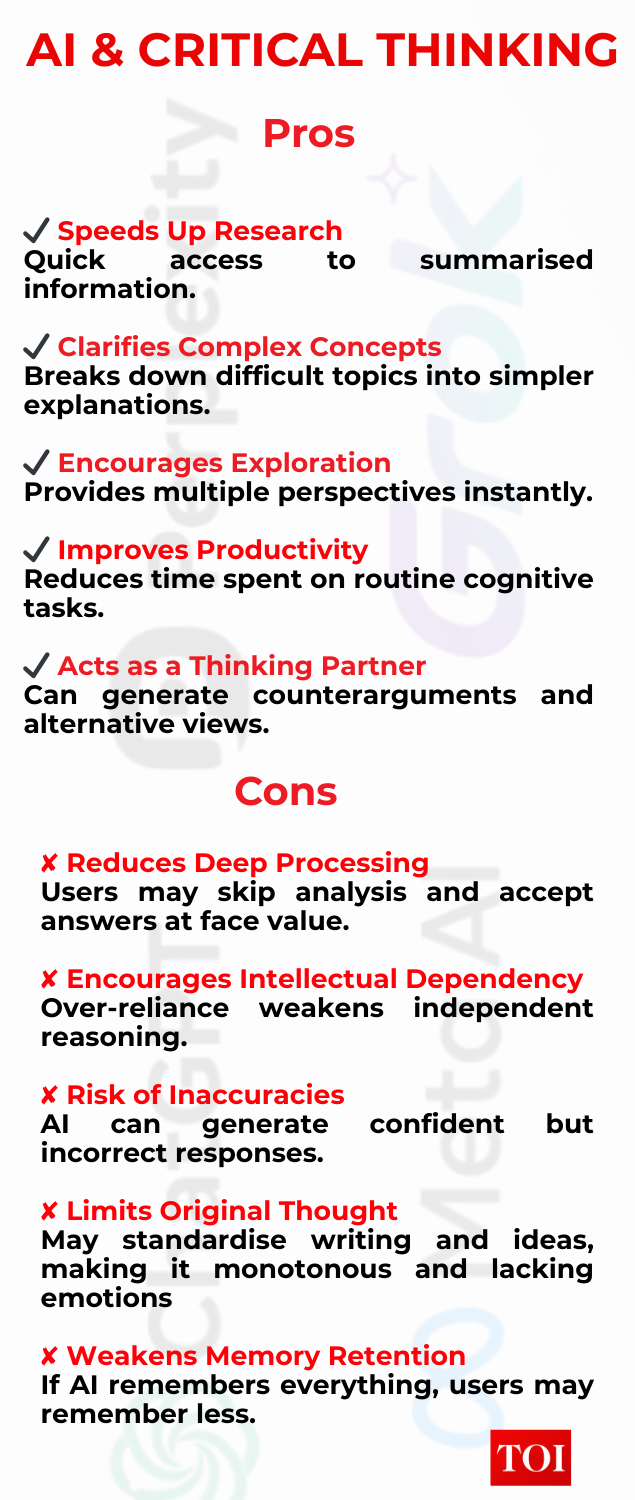
Looking at the insights of humans and bots, it becomes clear that the impact of AI on human thinking is not simply about using AI. In fact it depends on how we choose to use it. In itself, it is a neutral tool.When relied upon blindly, it risks killing creativity, problem-solving, and independent thought.On the other hand, when used responsibly, AI can augment human intelligence. It can help organise ideas, provide new perspectives, simplify complex concepts, and inspire creative solutions that we might not have considered on our own.

.

The key to that is balance, using AI as a helper rather than a substitute, a partner rather than a replacement for original thoughts.The fact is, we aren’t made smarter or dumber by artificial intelligence but by our choices about how we interact with it. We’re given a chance to think, to wonder, and to decide: will we let it think for us, or let it help us become even smarter? The answer will shape the future of learning and creativity in an AI-driven world.

Source link

Higher than India’s GDP: Value of household gold at record high of over $5 trillion – why even RBI is buying the yellow metal


Higher than India’s GDP: Value of household gold at record high of over $5 trillion - why even RBI is buying the yellow metal
The value of gold with Indian households has seen a big jump due to the rally in gold prices which has beaten all analyst expectations. (AI image)

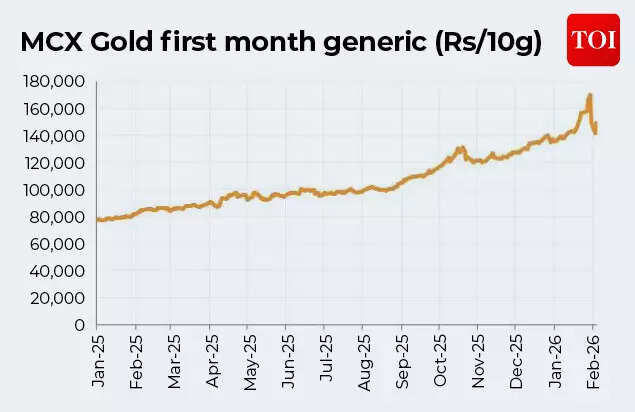
Did you know that the value of household gold with Indians is more than the size of India’s GDP? With gold prices skyrocketing in recent years, the value of gold with Indians has also ballooned. Recent estimates suggest that Indian households hold around 30,000 tonnes cumulatively in gold. At the current valuation of gold, this would mean that the value stands at around $5 trillion. As per International Monetary Fund (IMF’s) World Economic Outlook report in October 2025, India’s nominal GDP for 2025 (financial year ending March 2026) is projected at $4.125 trillion.While household gold is broadly representative of the wealth that has been accumulated over a period of time and is currently held, GDP is the value of goods and services that are produced in an economy over a year.Changes in the price of gold will change the value of gold held, and does not represent economic productivity. However, it is interesting to note that this stock of privately held gold represents one of the largest pools of household financial wealth anywhere in the world.

Rise in Gold Prices

The value of gold with Indian households has seen a big jump due to the rally in gold prices which has beaten all analyst expectations. In 2025 alone, gold prices rose 65%.But why has gold rallied so strongly? According to Praveen Singh, Head of commodities, Mirae Asset ShareKhan, the yellow metal has rallied sharply in this period due to several factors.

Rise in Gold Prices

Rise in Gold Prices

These include; debasement trade leading to erosion of trust in government bonds and fiat currencies, fiscal concerns in key economies (the US, the UK, Japan), risk to the US Federal Reserve’s independence as the White House pursues its political ambitions to cut rates aggressively even into elevated inflation, dollar weakness, the US weaponizing its currency and the economy, struggling property sector of China, inflation hedge buying, key central banks running fiscal dominant monetary policies, risk to the US dollar’s status of global reserve currency and geopolitical upheaval as nations adopt to changing world order. “What we are seeing is an emergence of a new global monetary system in which gold will play a prominent role in global trade and economic policies. This has led the countries to increase the share of the yellow metal in their forex reserves at the expense of the US dollar,” Praveen Singh tells TOI.Long standing alliances are fracturing, the post-Cold War rules-based order is weakening, and new blocs are emerging as nations prioritize strategic autonomy. Rising security tensions, coupled with the US’s increasingly assertive “America First” posture, have sparked a scramble for resources. This shift is lifting commodity prices broadly, with gold—both a monetary and strategic asset—benefiting disproportionately, he says.Fundamentally, gold’s sharp rise reflects more than cyclical demand. It embodies deep structural changes in global economics, geopolitics, and the functioning of the international monetary system, driving investors and central banks alike toward the world’s oldest store of value, Singh adds.

Importance of Household Gold with Indians

Experts note that while Indians traditionally save in gold, it is still a relatively unproductive class in terms of feeding into economic channels.Ranen Banerjee, who is Partner and Leader, Economic Advisory Services Government Sector Leader at PwC India sees this stock of gold as a non-yielding and non-productive asset which is considered culturally as a financial hedge for rainy days in households. “Some of this gold however has been put to productive use in recent times with the growth of gold loans,” he says.As BlackRock CEO Larry Fink recently told ET: If you want to be a part of the entire growth of India, investing in the Indian equity markets over time is probably the best solution. Gold has proven to be a great international investment, and it is somewhat of a diversifier. But you’re not growing with India.“You’re just growing with basically the fears of the world. Right now, gold has rallied dramatically because of all the fears, the debasement of currencies. So I’m not by any means suggesting gold is a bad investment. But gold has a different parameter over the long run. Gold is independent of India. In fact, when you invest in gold, you actually hurt the Indian economy, because once you invest in gold, there’s no monetary effect to it. It’s an asset that is unaffected to the economy. So when you invest in gold, you’re actually taking money out of the economy,” he told the financial daily.However, Sujan Hajra, Chief Economist & Executive Director, Anand Rathi Group says that the size of India’s household gold when compared to the GDP underscores the scale of wealth embedded in physical assets outside the formal financial system and highlights the macroeconomic significance of even a gradual shift of a portion of this gold into financialised channels such as monetisation schemes, collateralised lending, or gold-linked savings instruments.

Not Just Households, Even RBI Loves Gold

Hedging against global risks and de-coupling from the US dollar, central banks around the world have been aggressively buying gold. The Reserve Bank of India (RBI) has also stepped up gold purchases in the last few years. In fact, India’s gold reserves have risen by 57.81% in the last 10 years. The mix of its foreign exchange reserves has also changed – from 6-7% of gold holdings till a few years ago – the share of gold in India’s forex reserves has risen to over 17%. Madan Sabnavis, Chief Economist at Bank of Baroda sees RBI’s purchase of gold as a case of diversification in forex reserves. This has been done by various other central banks too, he notes.As per World Gold Council data, India currently holds the world’s eighth highest gold reserves. At 880 tonnes, it is just over one-tenth of the gold reserves with America.Sujan Hajra of Anand Rathi Group explains that the gold in RBI reserves is valued at international market prices, which are typically lower than domestic Indian prices because the latter include duties and levies. “The reported value is therefore modestly understated in rupee terms. For India, the gradual rise in gold holdings strengthens the resilience and diversification of the external balance sheet, while the still-dominant foreign-currency assets ensure continued liquidity for exchange-rate management,” he tells TOI.Hajra explains that the RBI, like other central banks, does not accumulate gold in pursuit of financial returns. “Instead, gold serves as a diversification asset offering safety, liquidity, and the absence of counterparty risk. Concerns over currency debasement risks, the concentration of reserves in dollar-denominated assets, and the rising incidence of financial sanctions have led many central banks to increase gold allocations, with global official-sector purchases averaging close to 1,000 tonnes annually in recent years,” he says.Ranen Banerjee of PwC India tells TOI, “The central banks across the world are slowly increasing their reserves of gold as a diversification measure as well as a hedge against an uncertain geopolitical environment. The volatility of various currencies as well as a diversification of trade basket requires a diversification of reserves too.”Gold is a safe haven asset – for households and central banks alike – and as data suggests, both in terms of rise in reserves and their value – it is increasingly gaining importance. As RBI governor Sanjay Malhotra recently noted – gold is the new barometer of global uncertainty, just the way oil prices were once seen as a reflection of geopolitical tensions.


Source link

Rajpal Yadav makes an emotional statement before surrendering himself in Tihar jail in cheque bounce case: ‘Mere paas paise nai hai’ | Hindi Movie News


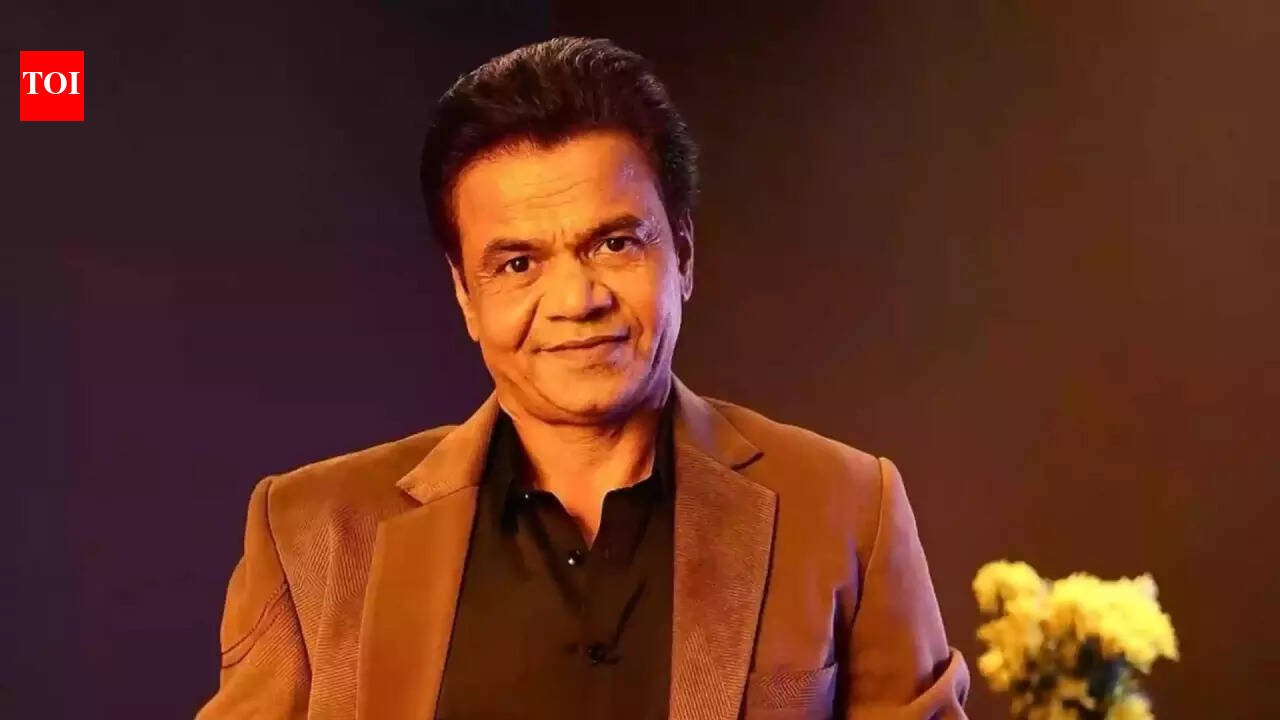
Actor Rajpal Yadav has been in the news for his name attached to the cheque bounce case. The actor has been going through a tough time amidst legal and financial troubles and was asked to surrender at Tihar jail in cheque bounce case of approximately Rs 2.5 crore. Now as per a recent report, the actor made an emotional statement right before surrendering himself to the authorities. Breaking down as he addressed the situation, Yadav said as quoted by News X, “Sir, kya karoon? Mere paas paise nahin hain. Aur koi upaay nahin dikhta… Sir, yahan hum sab akele hain. There are no friends. I have to deal with this crisis on my own.”For those not in the know, the legal battle dates back to 2010, when Yadav borrowed Rs 5 crore from Murali Projects Pvt Ltd to finance his directorial venture Ata Pata Laapata. The film failed to perform at the box office, leading to severe financial strain and difficulties in repaying the loan. As a result, several cheques issued by the actor reportedly bounced, triggering legal action.

Rajpal Yadav Seeks Delhi High Court Nod To Fly To Dubai Despite Ongoing Case

In April 2018, a Magistrate’s Court found Rajpal Yadav and his wife guilty under Section 138 of the Negotiable Instruments Act and sentenced them to six months in prison. Although the actor challenged the verdict and sought relief through multiple appeals, the matter dragged on for years, with the outstanding amount swelling to nearly Rs 9 crore.See More: Sonu Sood stands by Rajpal Yadav; actor promises him a role; urges film industry to helpDuring this period, Yadav managed to repay portions of the debt, including Rs 75 lakh in 2025. However, repeated delays and missed deadlines led the court to question his intent, observing his “lack of seriousness” in resolving the matter.On February 4, 2026, Justice Swarana Kanta Sharma dismissed Yadav’s final request for a one-week extension to arrange funds. The court made it clear that repeated leniency could not be granted, irrespective of one’s fame, and directed the actor to surrender without delay.See More: Rajpal Yadav’s Tihar Jail case: A long list of controversies around the actor


Source link

High gold prices alter wedding purchases amid marriage season | Mumbai News


MUMBAI: The wedding season has begun in right earnest, and the astronomical price of gold is rapidly changing shopping patterns. Several clients are selling off old jewellery to buy new designs for family weddings. Others are exploring lightweight ornaments and studded items that give a stylish look.On Saturday, 24 carat gold cost Rs 1,55,000 per 10 gm, excluding GST and making charges, and silver Rs 2,50,000 per kg.TOI interviewed a cross section of bullion traders, jewellers and wedding families who all pointed to changing dynamics in trousseau shopping for ornaments.Surendra Mehta, national secretary, IBJA (India Bullion & Jewellers Association) said, “Nearly 30% customers are opting to buy new jewellery against old. Light weight and lower caratage are other options many are exploring.”Kanaya Kakad, joint treasurer, IBJA, said, “All big brands like Tanishq and Kalyan are offering to exchange old gold for new. Gifting of silver items like vessels is presently low at weddings due to high prices.”Pt Bharat Bhushan Mishra of Malad is solemnising a handful of marriages this fortnight across Mumbai, Mahabaleshwar and Igatpuri. Of these, Amit Bubna, brother of groom Vimal, told TOI, “Definitely we have had to reduce the grammage of wedding ornaments. Salaries are nowhere keeping pace with the rise in prices. Imagine the condition ten years later.”Another groom’s relative Vastupal Shah said, “A family’s wedding budget is fixed so one has to compromise on quantity of gold. In 2025 we spent Rs 75,000 per 10 gm to buy gold for another marriage at home, and this time the rate has doubled to Rs 1,50,000.”Goldsmiths are on their toes. Jay Sagar, partner at the 60-year-old family-run Pransukhlal Jewellers, Charni Road, points to a new trend of convertible ornaments. “Buying has not stopped. But the young generation doesn’t want big expensive sets. They want something that they can wear, not jewellery that will be put away in a bank. It should have multiple uses. For this reason the trend of convertible jewellery is gaining ground. For instance, a necklace can be converted into a pendant or bracelet. Owing to changing times we have a team dedicated to innovative ornaments. Yes it is going to get tough, considering how expensive jewellery is getting. But we must adapt.”Colin Shah, MD, Kama Jewelry, says selling old ornaments is subjective. “One set of consumers believes in passing on heirloom jewels to future generations for its sentimental value while another wants to keep up with latest fashion trends and sell off old pieces.”Sanjay Shah, MD of Gold Star Group added, “People are also exchanging diamond studded jewellery for gold jewellery. They are accepting lower gold caratage especially with diamond studded gold jewellery — 14/10.”While Colin Shah feels gold will continue as Indians’ favourite investment although the size may lessen, Surendra Mehta points out, “Nearly 50% sale is down at retail counters. This shows that the ordinary middle class is not able to afford gold.” Sanjay Shah says, “I agree to this as people’s income is the same.”Indeed, bullion is swiftly becoming an investors’ market. The ordinary middle class buyer who purchased small items on every festival or gifted ornaments on auspicious occasions is gradually being driven out. Salaries and incomes are unable to keep pace with inflation. Households say the bride and groom’s families have now come to accept that volumes of gold exchanged will be low, and are quite accommodating too.

Banner Insert


Source link

T20 World Cup 2026: Sri Lanka’s Bhanuka Rajapaksa alleges Indian players use ‘special bats’ with power others can’t get


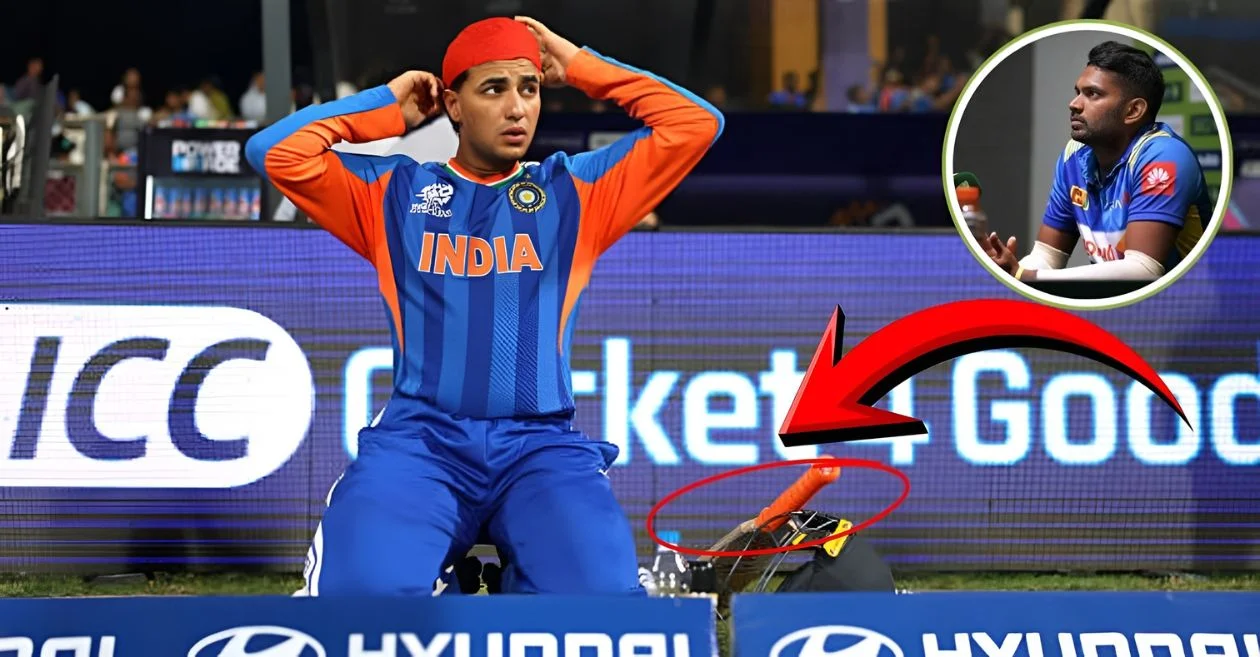
In a T20 World Cup 2026 campaign where the co-hosts are looking to reclaim their former glory on home soil, Sri Lanka has made a resounding statement with their clinical efficiency. Under the tactical leadership of Dasun Shanaka, the ‘Lions” have utilized their spin-friendly home conditions in Colombo and Kandy to dismantle early opposition, proving that they remain a formidable force in the shortest format. However the headlines have been dominated by Bhanuka Rajapaksa‘s controversial claims about ‘rubber-layered” Indian bats.

T20 World Cup 2026: Sri Lanka’s Bhanuka Rajapaksa raises concerns over special bats used by Indian players

The controversy reached a boiling point on February 10, 2026, when Rajapaksa suggested in an interview with News Wire that Indian batters are operating with equipment that defies standard physics. Amidst a World Cup where sub-continental pitches are producing high-scoring thrillers, the Sri Lankan power-hitter expressed his disbelief at the ease with which Indian players are clearing the ropes.

“Indian players have bats that are far superior to the best bats we get. It feels as though a layer of rubber has been applied. I can’t imagine how that’s possible. These bats can’t even be bought by others,  all players know this,” Rajapaksa claimed.

While the ICC maintains strict standards for all participating nations, these comments have sparked a massive debate over whether the technological gap in bat manufacturing has created an uneven playing field in modern T20 cricket.

Also READ: Shubman Gill’s close friend Agni Chopra responds to PSL registration rumours

Sri Lanka’s performance in the T20 World Cup 2026

Sri Lanka’s journey in the T20 World Cup 2026 began with a clinical 20-run victory over Ireland on February 8, 2026. The match perfectly illustrated the “Lankan Blueprint”:

  • The Spin Web: Wanindu Hasaranga and Maheesh Theekshana combined for six wickets, suffocating the Irish batters on a surface that offered significant turn and grip.
  • The Mendis Partnership: The victory was built on a vital 67-run stand between Kusal Mendis and Kamindu Mendis, with the latter smashing a rapid 44 off 19 balls to propel the score to 163.
  • Current Standings: Following their opening win, Sri Lanka sits comfortably at the top of Group B with 2 points and a healthy Net Run Rate (NRR) of +1.000.

The co-hosts have shown remarkable adaptability, moving from the humidity of Colombo to the cooler climes of Kandy for their upcoming fixtures. With a well-balanced attack featuring the pace of Matheesha Pathirana and the experience of spinners, Sri Lanka have emerged as a team that knows exactly how to exploit their home advantage.

Also READ: Virat Kohli and Rohit Sharma face Grade B demotion as Shubman Gill enters top bracket of BCCI central contracts for 2025–26


Source link

Assam CM Himanta Biswa Sarma files Rs 500 crore defamation case against Congress MP Gaurav Gogoi | India News


Assam CM Himanta Biswa Sarma files Rs 500 crore defamation case against Congress MP Gaurav Gogoi

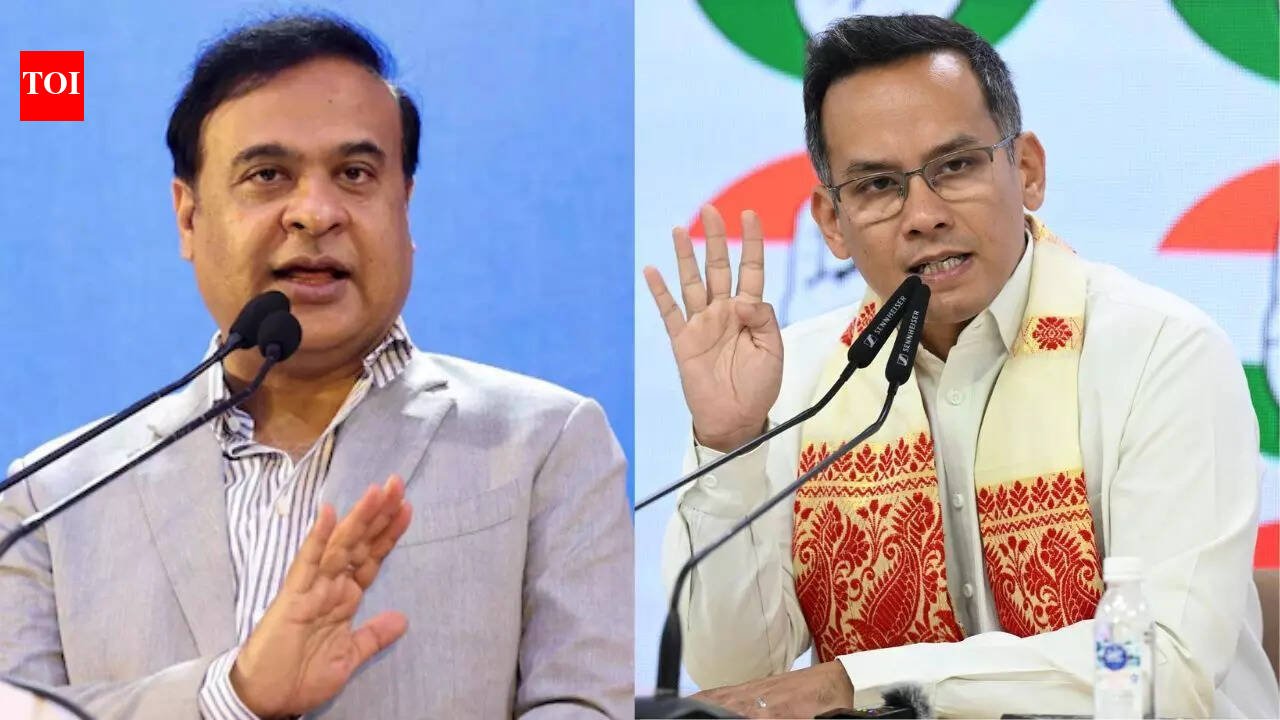
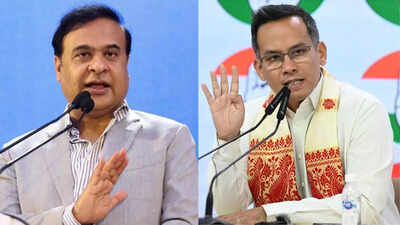
NEW DELHI: Assam chief minister Himanta Biswa Sarma on Tuesday said filed a Rs 500 crore defamation case against Congress leaders Gaurav Gogoi, Jitendra Singh and Bhupesh Baghel, accusing them of making false and defamatory allegations against him. In a post on X, Sarma said the case followed remarks made at a Congress press conference. “Today, I have filed a defamation case seeking ₹500 crore in damages against Congress leaders Jitendra Singh, Bhupesh Baghel and Gaurav Gogoi for making false, malicious and defamatory allegations against me through a press conference,” he wrote. The Assam chief minister said he was initiating both civil and criminal proceedings. “I am initiating civil and criminal defamation proceedings on 9 February 2026 against @JitendraSAlwar, @bhupeshbaghel, @GauravGogoiAsm and @DsaikiaOfficial for making false, malicious and defamatory statements against me in today’s press conference,” Sarma said.“The era of hit-and-run politics is over. If they have even an ounce of courage or evidence, let them prove every allegation before a court of law,” he said, adding, “I will not be intimidated by propaganda, coordinated slander, or political theatrics of so called slaves of Gandhi family,” he added. There was no immediate response from the Congress leaders named in the defamation case.


Source link