Breaking News
China to remove tariffs on most African imports from May 1, expands zero-duty policy across continent


China to remove tariffs on most African imports from May 1, expands zero-duty policy across continent

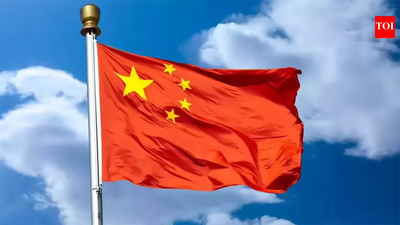
China will remove tariffs on imports from almost all African countries starting May 1, Chinese President Xi Jinping said, according to state media, in a move expected to deepen trade and economic engagement between Beijing and the continent, AFP reported.China already operates a zero-tariff policy for imports from 33 African countries, but Beijing had announced last year that it would expand the policy to all 53 African countries with which it has diplomatic relations.Under the expanded framework, zero levies will apply to all African nations except Eswatini, which maintains diplomatic relations with Taiwan. China claims the democratic island as its own and has not ruled out the use of force to assert control over it.

Trump Threatens Canada With 100% Tariff Over China Trade Push After Carney’s Beijing Visit

China remains Africa’s largest trading partner and has played a major role in infrastructure development across the continent through its Belt and Road Initiative.The move comes at a time when several African countries are diversifying trade relationships, particularly after US President Donald Trump imposed steep tariffs globally last year.Xi said the zero-tariff arrangement “will undoubtedly provide new opportunities for African development”, while announcing the timeline as leaders across Africa gathered in Ethiopia for the annual African Union summit.The expansion of tariff-free access is expected to strengthen China’s economic influence in Africa while boosting trade flows and market access for African exporters.


Source link

Do jism, ek jaan? No thanks: How Gamophobia is changing the language of love | India News


Do jism, ek jaan? No thanks: How Gamophobia is changing the language of love

In a world where relationships have become both more visible and more complex, a curious psychological phenomenon has been quietly gaining attention — gamophobia, the fear of commitment or marriage.It is more than just the occasional cold feet, jitters before a proposal or hesitation about settling down. Gamophobia is a deeply rooted, lived experience that can colour every connection, shape life choices, and define what love looks like for many individuals. Increasingly, mental health professionals, writers and even everyday couples are referring to this concept not just as a quirky term, but as a genuine emotional resistance.Ankur Halder, 27-year-old IT professional, put it perfectly- Like Abhay Deol says in Zindagi Na Milegi Dobara, “mujhe do jism ek jaan nahi chahiye.” The word “gamophobia” itself comes from the Greek gamos (marriage) and phobia (fear). At its core, it speaks about the fear of marrying or entering into long-term intimate commitment. Yet, in practice, it is far more nuanced. People who struggle with gamophobia are not necessarily afraid of love or companionship. Instead, they fear the permanence, vulnerability, expectations, and potential loss of autonomy that life-long attachment can entail.But why is this fear becoming more visible now? Why are more people open to calling themselves “afraid of commitment”? Is this simply a symptom of a generation spoiled for choice, or is it rooted in deeper psychological and social shifts? And importantly — what does this look like in a place like India, where marriage still carries cultural gravity unlike many parts of the world?To explore these questions, we must go beyond the label and into the lived realities that make gamophobia resonate in the twenty-first century.

The many faces of gamophobia

Gamophobia is not a clinical diagnosis in major psychiatric manuals like the DSM-V; it is a loosely defined term used in psychological, cultural and pop-psychology circles. Yet, its emergence reflects real emotional and relational patterns that therapists see every day.For some, it manifests as anxiety or panic when conversations about the future get serious. For others, it shows up as chronic relationship sabotage — starting strong, pulling away, or falling into self-fulfilling breakups before things get too real. Some experience sleeplessness, avoidance, or physical symptoms at the thought of tying their life to another.Importantly, gamophobia is not just about fear of marriage. It can express as:

  • Fear of dependency or vulnerability
  • Fear of repeating past relational trauma
  • Fear of losing one’s identity
  • Fear of failure in love
  • Fear of societal expectations tied to marriage

For a growing number of young Indians, this fear is not abstract. It surfaces at a very specific moment — when romance begins to gather weight.

AI image

In this country, relationships rarely remain suspended in emotional possibility. They are expected to culminate. They must formalise. They must move toward marriage.And it is often at this threshold that something shifts.

When love is easy, but forever is not

Aarav, 32, who works at an MNC in Mumbai said over the past decade, he has been in three serious relationships. Each followed a similar rhythm: an intense beginning, emotional intimacy, shared vacations. For months, sometimes years, everything felt certain.Then came the conversations about meeting parents. About timelines. About “where this is heading,” and began to withdraw.“I don’t know what happens,” he says. “It’s like something switches off. I start imagining all the ways it could go wrong. What if I lose my freedom? What if I’m not ready? What if I choose wrong and can’t undo it?”Gamophobia often unfolds in exactly this way. Individuals form romantic bonds with ease. They are affectionate, attentive, emotionally engaged. But when a relationship approaches formal commitment — engagement, marriage, shared finances — anxiety spikes. The future stops feeling romantic and starts feeling irreversible.

Not equal to inability to love

One of the most persistent myths about gamophobia is that it signals emotional immaturity or incapacity for deep feeling. This assumption could not be further from the truth.People who struggle with commitment anxiety often love intensely. They may be attentive partners, emotionally available in the present, and genuinely invested in their relationships. The difficulty does not lie in affection. It lies in anticipation.For some, the fear is rooted in childhood experiences. For others, it stems from witnessing marital dissatisfaction. And for many in contemporary India, it arises from the weight of making the “right” decision in a world that offers both endless choice and irreversible consequences.In that sense, gamophobia is less about rejecting love and more about fearing a mistake that cannot be undone.A 29-year-old woman (choosing to stay anonymous) grew up watching her parents argue behind closed doors while maintaining a composed public image. Divorce was never discussed. Silence was easier than separation.“When people talk about marriage,” she says, “I don’t picture romance. I picture staying even when you’re unhappy.”Children absorb more than they realise. When marriage is modeled as endurance rather than companionship, commitment can subconsciously begin to resemble confinement.

AI image

Why fear of commitment might be growing

A culture of choice and comparison

We live in an age where options, especially romantic ones, feel infinite. Dating apps, social media, global mobility, and curated images of “the perfect relationship” create an illusion of endless possibility. When one believes that the next swipe might be better, committing to one person can paradoxically feel limiting rather than reassuring.This reflects deeper cognitive patterns of comparison, fear of missing out, and choice overload. Instead of narrowing options feeling comforting, it can trigger anxiety about losing potential alternatives forever.

Individual identity over collectivism

In recent decades, individualism has become central to people’s sense of self. Career goals, personal growth, and self-discovery are prioritized more than ever. While this is empowering, it also changes how relationships are viewed. Commitment starts to feel like a trade-off — balancing autonomy with attachment. Ankur Halder said, “I believe a healthy relationship should consist of two independent individuals choosing to be together. Relationships today have evolved, unlike older generations like say my grandparents, where partners were often overly dependent on each other. I appreciate that relationships now allow more individuality.”

Witnessing relationship breakdowns

We grow up surrounded by stories of failed marriages, divorces, and high-profile celebrity breakups. Seeing relationships fall apart shapes our ideas about commitment — making it feel risky rather than romantic.

Trauma and attachment styles

How we bond emotionally is influenced by early life experiences. People with avoidant attachment often fear losing independence in close relationships. Those with anxious attachment may fear being abandoned, even in healthy partnerships. Someone whose early friendships ended abruptly may struggle to fully commit to a partner, worrying that closeness will lead to inevitable loss.

Changing gender roles and expectations

Traditional roles, like men as sole breadwinners and women as primary caregivers, have changed, but old expectations don’t disappear overnight. Women don’t want to be bound by household duties, and years of social conditioning have made many feel that, at some point, they’ll have to sacrifice their dreams to fulfill the expectations of a relationship. People everywhere often find themselves balancing new possibilities with inherited norms, creating tension in romantic relationships as they navigate who does what, how decisions are made, and what each partner “should” contribute.

Gamophobia in India: Between tradition and modernity

In India, marriage has long been treated as a central life milestone- expected, celebrated, and often orchestrated by family. Urbanisation, increased female workforce participation, and exposure to global culture have changed how young Indians think about partnership. Emotional compatibility and personal growth matter more than ever before.At the same time, entrenched expectations persist:

  • Marriage as familial responsibility
  • Pressure to settle down early
  • Fear of “what will people say”
  • Arranged marriage traditions
  • Gendered expectations around roles

In this environment, gamophobia can take on unique contours. For some, it becomes resistance against pressure, a boundary against societal coercion. For others, it reflects genuine uncertainty about whether traditional marital structures align with their evolving identities.Adding another layer of complexity, leaving a partner in India is often socially difficult. Relationships are not just between two individuals — they are entwined with family expectations, social judgment, and, in many cases, children. In India, many hesitate to end relationships even when they feel unfulfilled, fearing the stigma of separation or the impact on their children. This has created a common misconception: staying despite unhappiness is often interpreted as commitment or proof of love, when it may instead reflect social pressure and obligations.

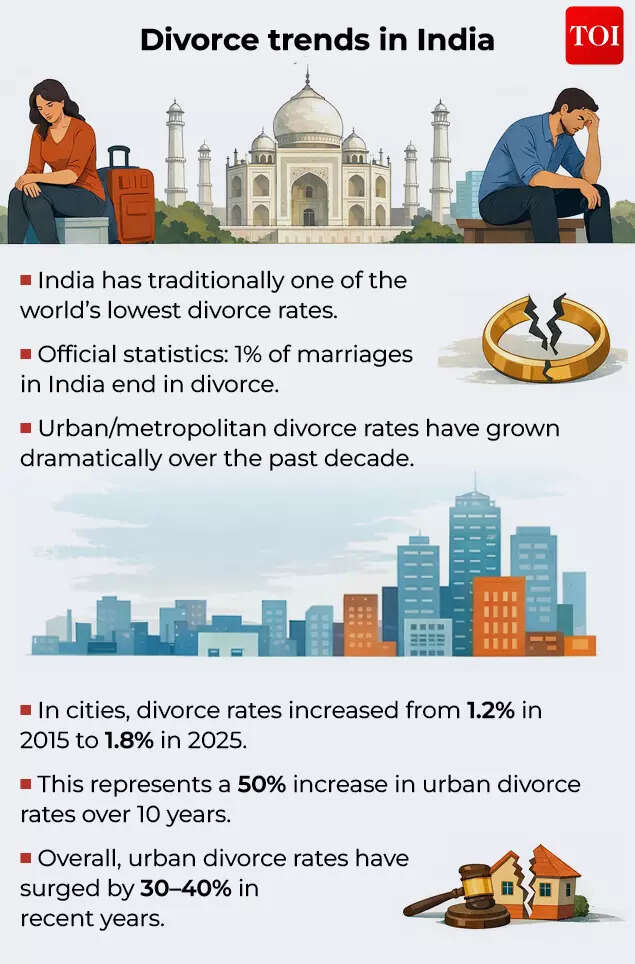
Divorce trends in India

Intergenerational values also play a role. Many Indian families prize endurance and sacrifice in relationships. While admirable, these ideals can unintentionally silence emotional needs. Young adults may find themselves torn between honoring tradition and honoring their own readiness.Mental health awareness in India is still developing. Anxiety around commitment may be dismissed as stubbornness or irresponsibility rather than understood as emotional complexity. Without language for their fears, many individuals internalise guilt instead of seeking support.

Not all fear is pathology

It is crucial to recognise that gamophobia is not always dysfunction. Fear can be protective, especially after painful or unstable relationships. It may signal the need for clarity, healing, or stronger identity formation.In a society that often equates marriage with success, choosing to pause or question is not necessarily avoidance. It may be discernment.Challenging conventional marriage norms, Ankur said, “I have a somewhat sceptical view of marriage. While I understand that it works well for many people, most marriages I’ve observed seem complicated and full of ongoing issues. That has made me question whether the institution itself is necessary, or whether commitment can exist in other forms.”Gamophobia is a mirror. It reflects personal insecurities and broader cultural change. It reminds us that commitment is not merely a social contract, but an emotional decision shaped by history, identity, and context.In India and beyond, the increasing visibility of commitment anxiety does not mean a generation is incapable of love. It suggests that people are thinking more deeply about what love demands.And perhaps, in asking those difficult questions, we are not drifting away from commitment but are learning to approach it with greater awareness.Love, after all, is not weakened by reflection.It is strengthened by choice.



Source link

‘Clearly dishonest’ ads that Sam Altman said made him ‘laugh’ seems to have worked well for Anthropic, the company that made fun of ChatGPT


'Clearly dishonest' ads that Sam Altman said made him 'laugh' seems to have worked well for Anthropic, the company that made fun of ChatGPT

OpenAI CEO Sam Altman was not pleased with Anthropic’s Super Bowl ads making fun of ChatGPT. But it seems they did the job that OpenAI’s arch-rival Anthropic intended to. According to data analyzed by BNP Paribas, the maker of the Claude chatbot Anthropic saw visits to its site jump 6.5% following its Super Bowl advertisement that made fun of rival OpenAI’s decision to bring ads to ChatGPT. As per the report, the Claude gain, which took it into the top 10 free apps on the Apple App Store, beat out chatbot and artificial intelligence competitors OpenAI, Google Gemini and Meta. Daily active users also reportedly saw an 11% jump post-game, the most significant among AI companies. OpenAI’s ChatGPT had a 2.7% bump in daily active users after the Super Bowl and Gemini added 1.4%. But what is important to note here is that Claude’s user base is still much smaller than ChatGPT and Gemini.Advertisements from artificial intelligence brands took center stage at the big game, which brought in an audience of 125 million in the U.S., as platforms made their pitch to lure more customers in a competitive market that’s showing no signs of slowing.Anthropic’s Super Bowl ads that mae un of OpenAI for showing adsAnthropic spent millions of dollars on ads during America’s National Football League championship game to slam rival OpenAI for its plan to sell ads on its ChatGPT. Anthropic’s 30-second ads took a thinly veiled jab at OpenAI’s intentions to introduce ads in ChatGPT. The punchline: “Ads are coming to AI. But not to Claude,” the name of Anthropic’s chatbot.

Sam Altman called Anthropic’s ads ‘clearly dishonest’

Not surprisingly, OpenAI CEO Sam Altman was not happy with Anthropic’s Super Bowl ad campaign. In a post to social media platform X, formerly, Twitter, Altman called the commercials “deceptive” and “clearly dishonest.”Here’s what Sam Altman wrote in his 400-word long note on Anthropic adsFirst, the good part of the Anthropic ads: they are funny, and I laughed.But I wonder why Anthropic would go for something so clearly dishonest. Our most important principle for ads says that we won’t do exactly this; we would obviously never run ads in the way Anthropic depicts them. We are not stupid and we know our users would reject that.I guess it’s on brand for Anthropic doublespeak to use a deceptive ad to critique theoretical deceptive ads that aren’t real, but a Super Bowl ad is not where I would expect it.More importantly, we believe everyone deserves to use AI and are committed to free access, because we believe access creates agency. More Texans use ChatGPT for free than total people use Claude in the US, so we have a differently-shaped problem than they do. (If you want to pay for ChatGPT Plus or Pro, we don’t show you ads.)Anthropic serves an expensive product to rich people. We are glad they do that and we are doing that too, but we also feel strongly that we need to bring AI to billions of people who can’t pay for subscriptions.Maybe even more importantly: Anthropic wants to control what people do with AI—they block companies they don’t like from using their coding product (including us), they want to write the rules themselves for what people can and can’t use AI for, and now they also want to tell other companies what their business models can be.We are committed to broad, democratic decision making in addition to access. We are also committed to building the most resilient ecosystem for advanced AI. We care a great deal about safe, broadly beneficial AGI, and we know the only way to get there is to work with the world to prepare.One authoritarian company won’t get us there on their own, to say nothing of the other obvious risks. It is a dark path.As for our Super Bowl ad: it’s about builders, and how anyone can now build anything.We are enjoying watching so many people switch to Codex. There have now been 500,000 app downloads since launch on Monday, and we think builders are really going to love what’s coming in the next few weeks. I believe Codex is going to win.We will continue to work hard to make even more intelligence available for lower and lower prices to our users.This time belongs to the builders, not the people who want to control them.


Source link

Access Denied


Access Denied

You don’t have permission to access “http://www.ndtv.com/world-news/bjp-bangladesh-jatiya-party-makes-its-mark-in-bangladesh-general-elections-wins-1-seat-andaleeve-rahman-partho-bnp-tarique-rahman-11002179” on this server.

Reference #18.c4f5d217.1771065682.58cb0018

https://errors.edgesuite.net/18.c4f5d217.1771065682.58cb0018


Source link

Cabinet clears Rs 1 lakh crore Urban Challenge Fund to drive market-led city infrastructure push


Cabinet clears Rs 1 lakh crore Urban Challenge Fund to drive market-led city infrastructure push

The Union Cabinet has approved the launch of the Urban Challenge Fund (UCF) with a total Central Assistance of Rs 1 lakh crore, aimed at driving market-linked urban infrastructure development and catalysing investments worth around Rs 4 lakh crore over the next five years.The fund marks a shift in urban development model away from grant-based financing towards “market-linked, reform-driven and outcome-oriented infrastructure creation, according to government statement.The scheme will be operational from FY 2025–26 to FY 2030–31, with an extendable implementation window till FY 2033–34.

Market-led financing model with reform-linked funding

Under the framework, Central Assistance will cover 25% of the project cost, while at least 50% of funding must be mobilised from market sources such as municipal bonds, bank loans and Public–Private Partnerships (PPPs). The remaining portion can be funded by states, Union Territories, urban local bodies or other sources.The fund is designed to leverage private investment, strengthen municipal finance systems and improve governance, while supporting citizen-centric urban reforms and high-quality infrastructure delivery.The PIB statement said the fund aims to create “resilient, productive, inclusive and climate-responsive cities”, positioning urban centres as key drivers of India’s next phase of economic growth.

Rs 5,000 crore credit support to boost smaller cities’ market access

A dedicated Rs 5,000 crore corpus will be used to enhance the creditworthiness of 4,223 cities, including Tier-II and Tier-III urban centres, particularly those accessing market financing for the first time.The Cabinet has also approved a Credit Repayment Guarantee Scheme of Rs 5,000 crore to support urban local bodies in Northeastern and hilly states, and smaller cities with populations below one lakh.The scheme will provide a Central guarantee of up to Rs 7 crore or 70% of the loan amount, whichever is lower, for first-time loans. For subsequent loans, the guarantee will be up to Rs 7 crore or 50% of the loan amount.This is expected to support projects worth at least Rs 20 crore in smaller cities initially and Rs 28 crore in subsequent phases.

Challenge-based project selection

Projects will be selected through a competitive challenge-based framework focusing on transformative impact, sustainability and reform orientation.Funding will be linked to reform milestones, defined outcomes and performance benchmarks. Continued fund release will depend on sustained reform progress, with monitoring to be carried out through a digital portal of the Ministry of Housing and Urban Affairs.Focus on growth hubs, city redevelopment and water infrastructureThe fund will support projects across three major verticals:

  • Cities as Growth Hubs: Integrated spatial and economic planning, transit-linked development, urban mobility and infrastructure projects to improve economic competitiveness.
  • Creative Redevelopment of Cities: Revamp of central business districts, heritage zones, brownfield regeneration, transit-oriented development and climate-resilient urban upgrades.
  • Water and Sanitation: Upgradation of water supply, sewerage and stormwater systems, integrated solid waste management, legacy waste remediation and rurban infrastructure.
  • Wide coverage across urban centres: The fund will cover all cities with populations of 10 lakh or more, all state and Union Territory capitals, and major industrial cities with populations above one lakh.

Smaller cities, including those in Northeastern and hilly states, will be supported through the credit guarantee component, with the government indicating that “in principle all cities will be covered under UCF”.

Reform-driven urban governance

Funding will be linked to reforms across governance, financial systems, service delivery and urban planning, including digital governance, credit strengthening measures and transit-oriented development.Projects will be evaluated based on their ability to deliver economic, social and climate outcomes, including revenue generation, private investment mobilisation, job creation, improved safety, inclusiveness and service delivery.The government expects the Urban Challenge Fund to catalyse large-scale private investment, improve urban governance and accelerate the development of future-ready cities aligned with national development priorities.


Source link

Govt approves Rs 10,000 crore Startup India Fund of Funds 2.0, key details to know


Govt approves Rs 10,000 crore Startup India Fund of Funds 2.0, key details to know

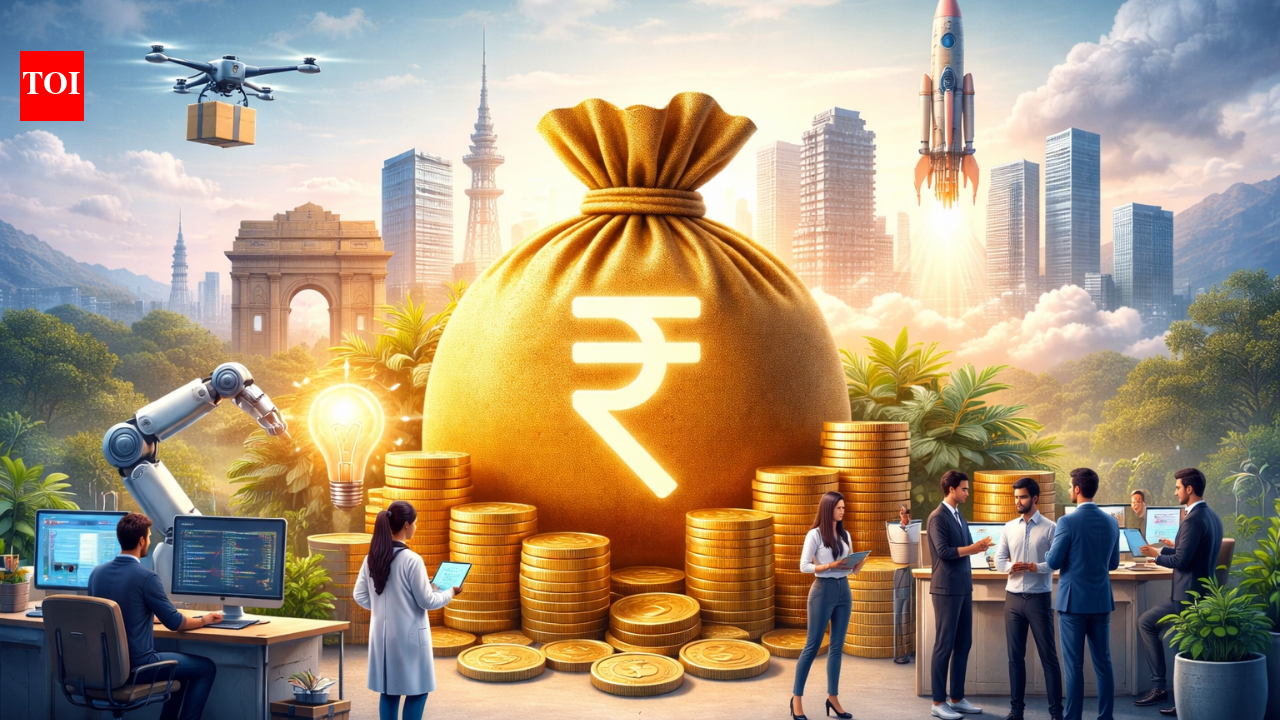
The Union Cabinet has approved the Startup India Fund of Funds 2.0 (Startup India FoF 2.0) with a total corpus of Rs 10,000 crore to mobilise venture capital for the country’s startup ecosystem.The scheme is aimed at accelerating the next phase of India’s startup growth by mobilising long-term domestic capital, strengthening the venture capital ecosystem and supporting innovation-led entrepreneurship across sectors.

Piyush Goyal Says Startup India Generated Over 21 Lakh Jobs, Credits PM Modi

The fund builds on the Startup India initiative launched in 2016, under which India’s startup ecosystem has expanded from fewer than 500 startups to over 2 lakh Department for Promotion of Industry and Internal Trade (DPIIT)-recognised startups. The year 2025 recorded the highest-ever annual startup registrations.Startup India FoF 2.0 follows the Fund of Funds for Startups (FFS 1.0), launched in 2016 to bridge funding gaps and catalyse the domestic venture capital market.Under FFS 1.0, the entire Rs 10,000 crore corpus was committed to 145 Alternative Investment Funds (AIFs). These AIFs have invested over Rs 25,500 crore in more than 1,370 startups across sectors including agriculture, artificial intelligence, robotics, automotive, clean tech, consumer services, e-commerce, education, fintech, healthcare, manufacturing, space tech and biotechnology.The first phase helped nurture first-time founders, crowd in private capital and strengthen the domestic venture capital ecosystem.

Focus on deep tech, manufacturing and early-stage innovation

Startup India FoF 2.0 will follow a targeted and segmented funding approach, focusing on:

  • Deep tech and tech-driven innovative manufacturing requiring long-term capital
  • Early-growth stage founders to reduce funding-linked early failures
  • Wider national reach beyond major metro startup hubs
  • Addressing high-risk capital gaps in priority sectors
  • Strengthening domestic venture capital, especially smaller funds

The fund is expected to support startups building globally competitive technologies, products and solutions, while boosting manufacturing, job creation and innovation-led growth.The government said the fund aligns with the Viksit Bharat @ 2047 vision, and is aimed at strengthening India’s economic resilience, innovation capacity and global competitiveness in emerging technologies and high-growth sectors.


Source link

In a first, Brahmaputra ‘rail-road twin tunnel’ gets Cabinet nod to transform North-east connectivity


In a first, Brahmaputra 'rail-road twin tunnel' gets Cabinet nod to transform North-east connectivity

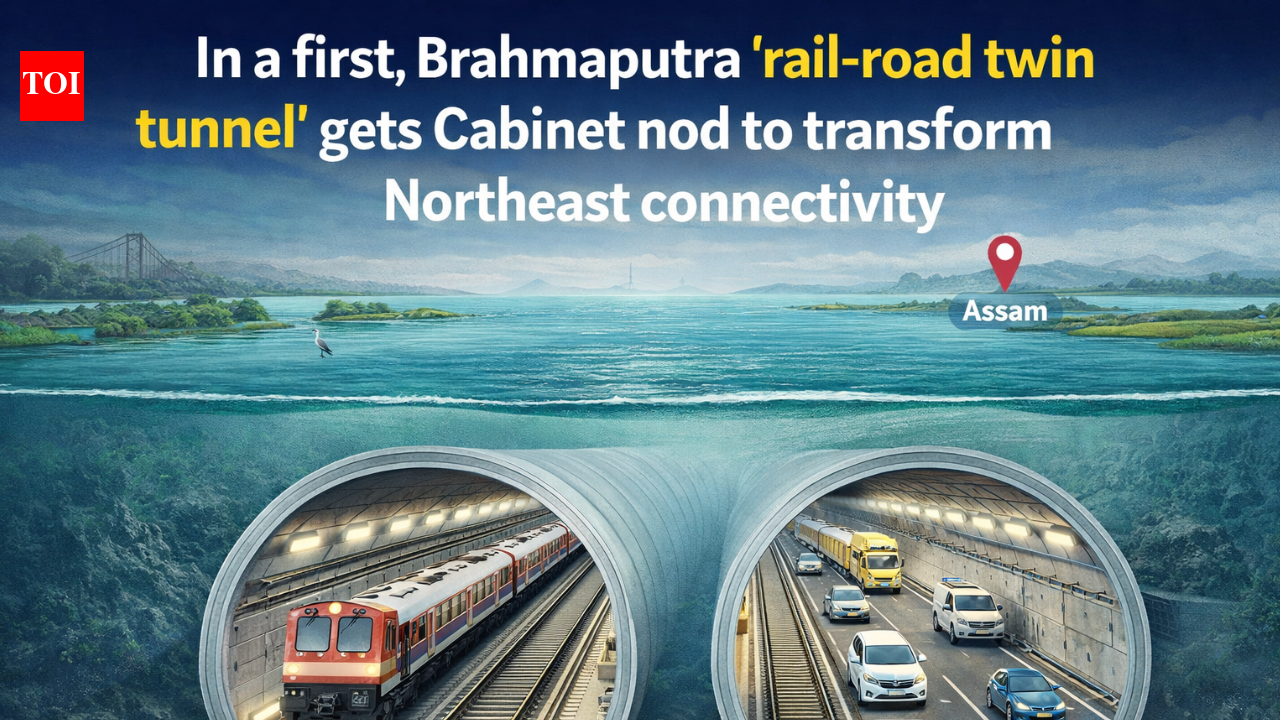
Union cabinet has approved construction of a 4-lane access-controlled greenfield corridor from Gohpur (NH-15) to Numaligarh (NH-715), including a 15.79-km road-cum-rail underwater tunnel under the Brahmaputra, at a total capital cost of Rs 18,662 crore, the government said.The total project length will be about 33.7 km, and will be implemented on an Engineering, Procurement and Construction (EPC) mode.The project is expected to be India’s first underwater road-cum-rail tunnel and the world’s second, and is aimed at strengthening connectivity across Assam and the broader Northeast region.Currently, travel between Numaligarh and Gohpur via the existing Kaliabhomora bridge route is about 240 km and takes nearly six hours, passing through areas including Kaziranga National Park and Biswanath Town.

PM Modi Opens Kumar Bhaskar Varma Setu, Rs 3000 Crore Bridge Cuts Guwahati Travel Time To 7 Minutes

The new greenfield corridor with the tunnel is aimed at significantly improving connectivity, reducing logistics costs and improving freight movement efficiency across Assam, Arunachal Pradesh, Nagaland and other northeastern states.

Multimodal integration and network connectivity

The corridor will integrate with two major national highways — NH-15 and NH-715 — and two railway sections:

  • Rangia–Mukongselek railway section (Gohpur side)
  • Furkating–Mariani loop line (Numaligarh side)

The project will also enhance multimodal connectivity by linking:

  • 11 economic nodes
  • 3 social nodes
  • 2 tourist nodes
  • 8 logistics nodes

It will also improve access to four major railway stations, two airports and two inland waterway terminals, enabling faster movement of goods and passengers.

Strategic and economic impact

The government said the project will play a key role in strategic connectivity, regional economic growth and trade expansion while strengthening links between major economic centres.The project is expected to generate about 80 lakh person-days of direct and indirect employment, supporting economic activity and development in surrounding regions.The tunnel component will include– Twin tube TBM tunnel with rail provision in one tube — 15.79 km, Road cut-and-cover section (1.26 km) and Rail cut-and-cover section (4 km). The project will connect key economic zones, industrial areas, social districts, tourist hubs including Kaziranga National Park, and major urban centres including Numaligarh, Tezpur, Gohpur, Dibrugarh and Itanagar.


Source link

Short-term loan dependence puts Pakistan’s economic stability at risk


Short-term loan dependence puts Pakistan’s economic stability at risk

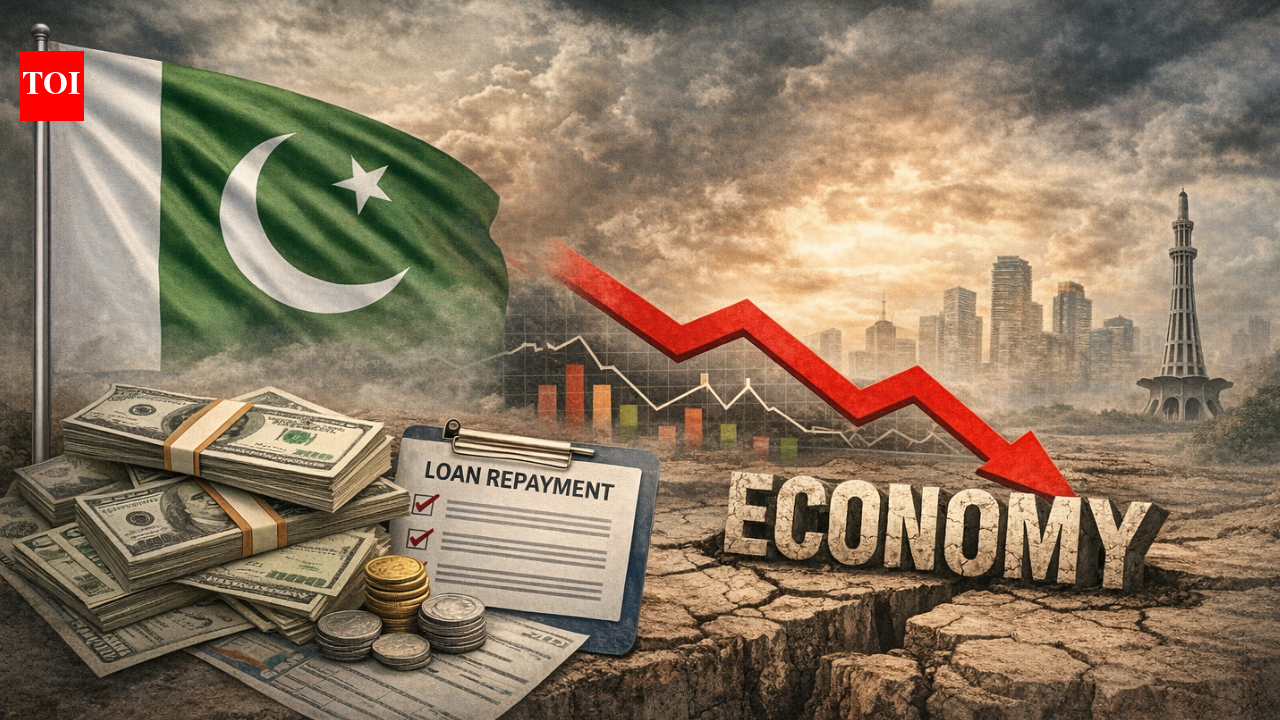
Representative image (AI)

The economy of Pakistan is in a risky state due to its over-reliance on short-term foreign loans, according to business leaders and economists. Key figures are calling for urgent negotiations with friendly nations to extend loan repayment periods and implement structural reforms, as reported by Express Tribune.Vice chairman of the Pakistan industrial and traders associations front (PIAF) Raja Waseem Hassan warned that without extending loan maturities, the country will continue to face balance-of-payments problems. While foreign reserves have grown to $21 billion in January 2026, experts say this improvement relies too heavily on temporary support from international institutions and friendly countries.

Pak PM Shehbaz Sharif Says He Begged For Funds With Asim Munir As Pakistan Buys Global Influence

“The government must immediately begin serious negotiations with friendly nations to secure longer repayment periods and ease pressure on foreign exchange reserves,” said Hassan. He welcomed recent positive diplomatic developments with Gulf states and the United States but cautioned that these relationships can change quickly.The country’s trade performance remains concerning. Exports stood at $32 billion in FY25, while imports continue to exceed export earnings. Dr. Saleem Ahmed, a senior economist, warned that Pakistan can’t rely forever on rollovers and short-term deposits. He suggests the country needs 5-6 per cent annual growth to stabilize its debt-to-GDP ratio, which currently hovers around 70 per cent.Economic growth prospects remain modest. The IMF expects 3.6% GDP growth for FY26, while the State Bank of Pakistan projects 3.75-4.75%. Though inflation has dropped from its 38% peak in 2023, strict monetary policies have slowed industrial growth and business lending.Experts recommended focusing on export-oriented sectors like textiles, IT, and agricultural processing. They suggest improving tax collection, reducing energy waste, and boosting remittances, which could reach $42 billion in FY26. They also stress the need to increase foreign direct investment beyond its current annual level of $1.5-2 billion to reduce dependency on external borrowing.Hassan pointedout that while Pakistan’s military importance can help in diplomacy, economic strength is crucial for long-term stability. “Economic strength must be the real shield. Without strong buffers and self-reliance, external partnerships alone cannot guarantee stability,” he said.


Source link

Iceland’s iconic black sand beach is vanishing in a shocking transformation; here’s why | World News


Iceland’s famous black sand beach has always felt a little unreal. Dark as charcoal and framed by cliffs. Pounded by Atlantic waves that don’t play nicely. For years, travellers have stood on the shore at Reynisfjara Beach, staring at its basalt columns and snapping photos that barely look real. It’s one of those places that seems permanent. And yet, in a matter of weeks, much of that iconic black sand appears to have vanished. Swept away and dragged into the North Atlantic, as cited by Arcticportal.org. Visit Iceland has long described it as one of the country’s most hazardous destinations. Sneaker waves, those sudden, powerful surges, have swept visitors into the sea before. Several people have died over the years, including one as recently as summer 2025. Now, the erosion may be adding another risk!

Iceland’s black sand beach nears to ‘extensive erosion’: Reports

Reports from Iceland suggest that powerful winds and heavy currents have stripped away large sections of the shoreline at Reynisfjara Beach. What was once a wide, dramatic stretch of black volcanic sand is now reportedly reduced to a narrow strip in places. The environmental change is described as “extensive erosion.” The appearance and accessibility of the beach are said to be dramatically altered.The transformation, which locals say is that the towering basalt columns that once sat high above the sand are now rising almost directly from the sea. These formations, shaped by ancient volcanic activity, used to be easily reachable on foot. Now they appear much closer to the crashing surf.

Iceland’s black sand beach nears to 'extensive erosion': Reports

Source: The Reykjavik Grapevine

What can be the reason behind the disappearance of sand

Experts near Reynisfjara Beach are pointing to unusual wind patterns this winter. Coastal engineer Sigurður Sigurðarson from the Icelandic Road Administration explained to Icelandic media that easterly winds have dominated recently. That’s not typical.Usually, southwesterly winds push sand eastward along Iceland’s south coast. This winter, the pattern seems to have flipped and easterly winds have reportedly pushed sand westward instead. The nearby mountain Reynisfjall juts far into the sea. When sand moves west, it hits that natural barrier and stops. Reynisfjara doesn’t receive fresh sand from the east under these conditions. So the beach shrinks. Experts say it’s still unclear whether the sand will return. It all depends on future wind directions and wave patterns.


Source link

Highways as runways: Why Northeast’s first emergency landing strip is a message to China


Highways as runways: Why Northeast’s first emergency landing strip is a message to China

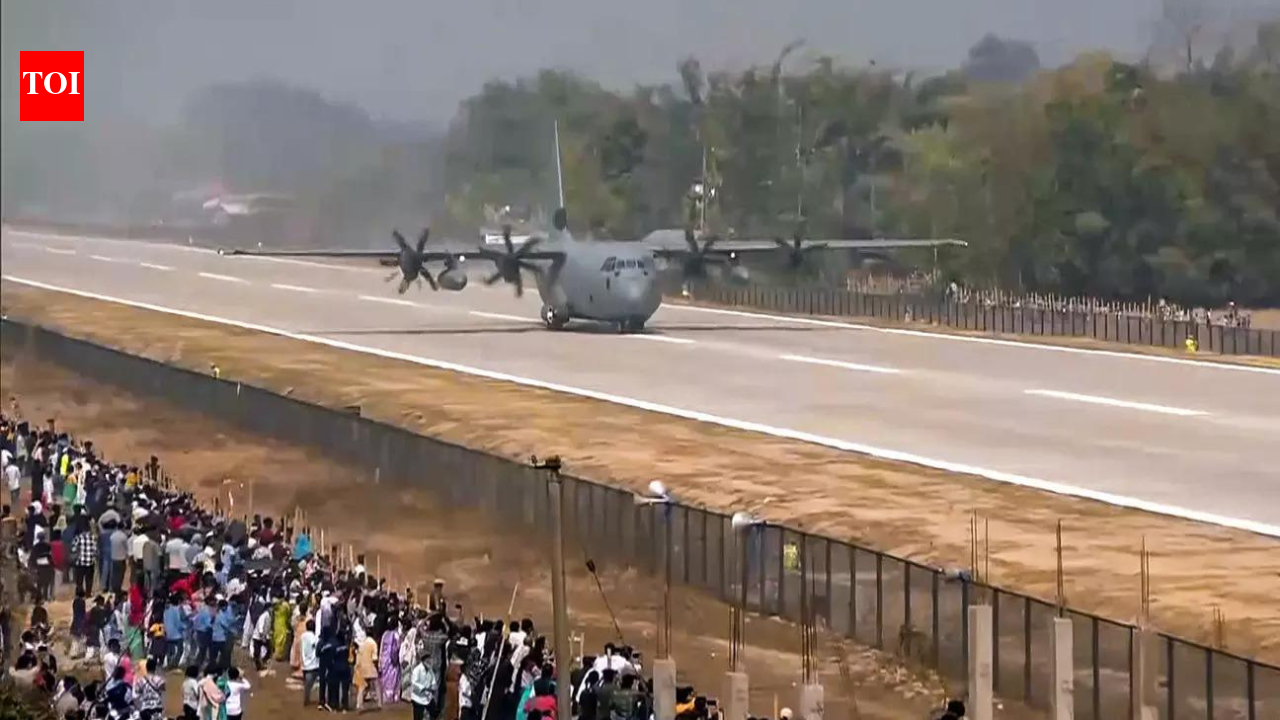
NEW DELHI: The emergency landing facility on the Moran Bypass in Assam’s Dibrugarh marks a significant piece of strategic infrastructure for India. The move has been described by defence officials as a “moment of profound significance” for India’s national security and regional resilience.Landing on the Moran Bypass in an IAF C-130J Super Hercules, Prime Minister Narendra Modi dedicated the 4.2 km reinforced stretch of National Highway 127 to the nation.The inauguration was marked by a sophisticated aerial display featuring Rafale and Sukhoi Su-30MKI fighter jets, demonstrating the highway’s ability to transition from a civilian transit route to a high-performance military runway in minutes.

What is an ELF?

An Emergency Landing Facility is an “alternative runway” engineered directly into the national highway system. Designed in coordination with the Indian Air Force (IAF), these stretches are built with specialised Pavement Quality Concrete (PQC) to withstand the immense heat and weight of modern aviation.The Moran ELF is uniquely equipped as a “dual-use” asset, capable of supporting:

  • Fighter Jets: Heavy combat aircraft up to 40 tonnes.
  • Transport Aircraft: Strategic lifters up to 74 tonnes.
  • Helicopters: Rapid deployment of rotary-wing assets for tactical support.

Strategic deterrence: The LAC factor

Located approximately 300 km from the China border (LAC), the facility serves as a critical “backup” for nearby airbases like Chabua and Tezpur. In a conflict scenario where primary airfields might be targeted, the ELF provides the IAF with essential operational redundancy.By dispersing landing options across the highway network, India effectively creates a “mobile” air defence grid that is significantly harder for an adversary to neutralise than a fixed, static airbase.Beyond its military utility, the ELF is a vital tool for Humanitarian Assistance and Disaster Relief (HADR).The facility opens a reliable air bridge for far-flung areas, allowing heavy transport planes to land life-saving supplies, rescue teams, and medical aid directly into the heart of Upper Assam when time is of the essence.The Moran facility is part of a broader national security initiative and the fourth of the 28 ELF sites across India.With approximately 15 now operational, the grid spans from the deserts of Rajasthan to the expressways of Uttar Pradesh, and now, the strategic borders of the Northeast.


Source link