Breaking News
Rijiju sets March 9 debate on no-confidence against Om Birla; Nehru’s 1954 message resurfaces | India News


Rijiju sets March 9 debate on no-confidence against Om Birla; Nehru’s 1954 message resurfaces
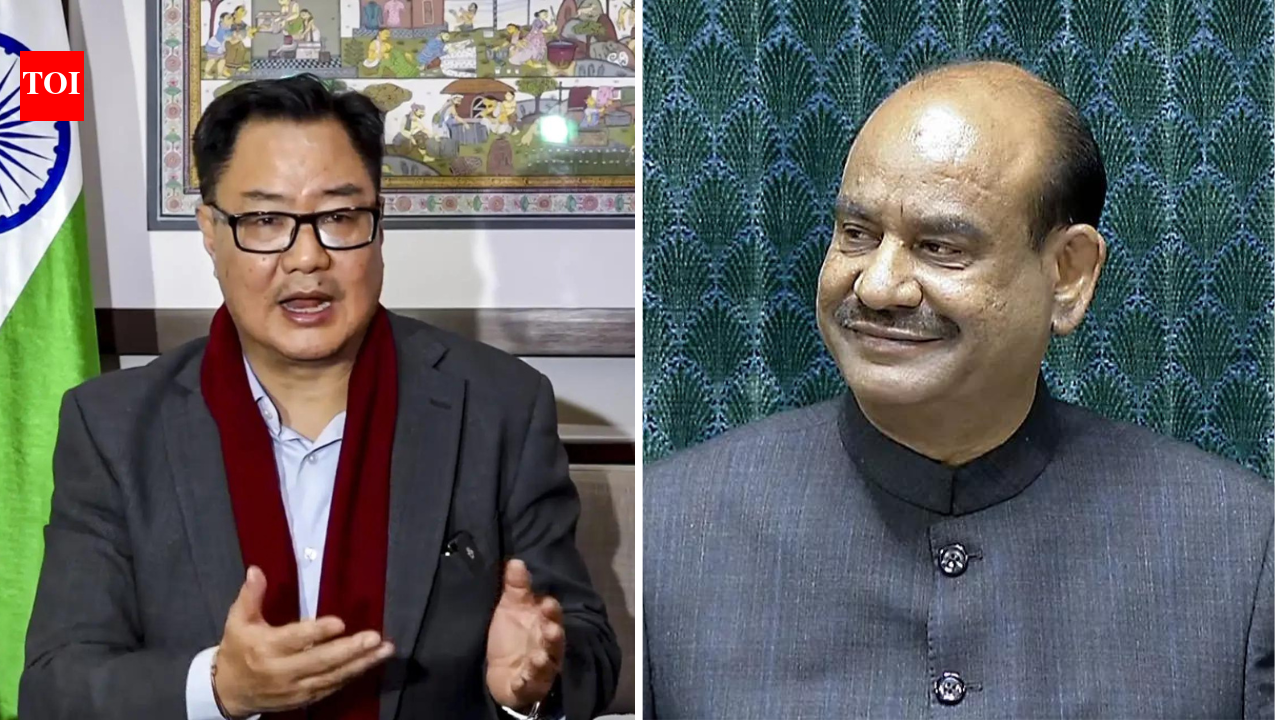
Kiren Rijiju and Om Birla (R)

NEW DELHI: Union parliamentary affairs minister Kiren Rijiju on Sunday said that the debate and voting on the no-confidence motion against Lok Sabha Speaker will be taken up on March 9.“On March 9 in the Lok Sabha, we will have the debate on the no-confidence motion moved against the speaker,” Rijiju told news agency PTI.“It is the rule to take it up on the first day. There will be a vote following the debate,” he added.Additionally, a speedy review will be conducted as per the rules, news agency ANI reported citing sources.This comes after Congress MPs submitted a no-confidence motion against the Om Birla, signed by 118 MPs. The Opposition MPs alleged “blatantly partisan” conduct and that leaders of opposition parties were not allowed to speak.However, this is not the first time when a no-confidence against Chair has been moved by the opposition. Earlier in 2024, the opposition moved a similar motion against then Rajya Sabha Chairman and Vice-President Jagdeep Dhankhar.History also records at least three instances since Independence when a no-confidence motion was moved to remove the Speaker. The first was against the first Lok Sabha Speaker, GV Mavalankar, in 1954, after MP Vigneshwar Misra alleged that the Speaker was not impartial.In 1966, opposition MPs moved a motion against Speaker Sardar Hukum Singh, with Madhu Limaye leading the charge and Deputy Speaker S V Krishnamoorthy Rao in the Chair.The third motion was moved on April 15, 1987, for the removal of Speaker Balram Jakhar by CPM MP Somnath Chatterjee, with Deputy Speaker Thambi Durai presiding. This motion was axed by the House.What was Nehru’s message to Congress MPs when oppn move a no-confidence motion against Speaker GV MavalankarThe first such situation surfaced on December 18, 1954, when the Opposition moved a resolution for the removal of then Speaker Mavalankar. It was admitted after over 50 members stood up in support, and a debate took place over it.India’s first prime minister Jawaharlal Nehru‘s message to Congress MPs during the debate in 1954 on the Opposition’s resolution to remove then Speaker GV Mavalankar was that they are not bound by any whip or direction, and that all legislators must consider the matter “regardless of party affiliations”.He had urged Lok Sabha MPs to look at the issue not through the lens of the party but as a matter concerning the dignity of the House.It was a fiery debate during which the Opposition, though weak in numbers, tore into Nehru and accused the speaker of being partisan.Intervening in the debate, Nehru said, “I would like to address the House, if I may, in my capacity and the high privilege of being the Leader of this House and not as a leader of the majority party. So far as this majority party is concerned, I would like to tell them that not one of them is bound by any whip or any direction: let them vote as they like. It is not a party matter. It is a matter for this House, for each individual, to consider, regardless of party affiliations.“Therefore, let us try to think of it not as a party issue but as members of this House, because this matter affects the hon. speaker, of course, but it affects the high dignity of this House as Parliament, it affects the first citizen of this country, that is, the speaker of this House,” he added.What is said about the speaker, what is done about the speaker comes back on each one of us who claim to be members of this House, the then PM said.“I wish members to realise this because I have felt sad and very sad ever since this matter came up before the House. We have known the speaker for many years and we have seen him function and it is possible that some of us may not have exactly the same opinion about him as others have; it is possible,” he said.“It has so happened that some of us have not particularly liked a decision of his or a ruling of his. It is one thing not to like a ruling or to disagree with it or even to feel, if I may say so, slightly irritated about something that has happened. These things happen. But, it is completely a different thing to challenge the bona fides of the very person in whose keeping is the honour of this House,” Nehru had said.“I do not say that it is not possible at all to raise a motion against the Speaker. Of course, the Constitution has provided it. Nobody challenges the right of the Opposition or any Member of the House to put forward this motion. I do not deny that right since it has been given by the Constitution. The point is not the legal right but the propriety; the desirability of doing it,” he said.Nehru then went on to strongly defend the speaker and hit out at the Opposition for questioning his bona fides.The Congress had a brute majority with over 360 members, and the resolution was negated by a voice vote.


Source link

Hardik Pandya is the Atum of Indian cricket | Cricket News


Hardik Pandya during the 2024 T20 World Cup.

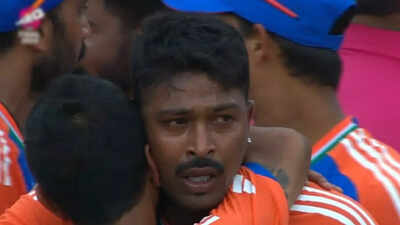
TimesofIndia.com in Delhi: In Egyptian mythology, Atum is the primordial creator deity who arose from chaotic waters, bringing himself into existence before creating the rest of the world. In simpler terms, Atum created himself. This isn’t a mythological story in the wrong section. It is about the rise, grind and survival of India’s premier all-rounder, the MVP of white-ball cricket: Hardik Pandya.Chaos and Hardik Pandya go hand-in-hand yet the cricketer has managed to fight the odds, shut out the outside noise and battle continuous against perception.

Dance, drums and fun! Team India land in Colombo | Hardik Pandya with Mahieka Sharmaindia arrival-

The quirky hairdos, numerous tattoos, a unique dressing style, flashy cars and the meanest collection of exotic watches. They love him for cricket, question his choices, and troll him for his personal life. Yet, that one glance leaves a lasting impression and a warmth that instantly makes you feel at home. Hate him, troll him but you can’t ignore him. Pandya is the heartbeat of India’s white-ball set-up and the crucial piece that has kept the scales in balance since 2016.However, 2016 is not the key year in the Pandya story. It was the 2013-14 season of the Syed Mushtaq Ali Trophy and John Wright was watching one of Baroda’s games from the stands. The then Mumbai Indians head coach was scouting local talent for the franchise and it was that first glance of Pandya that left a lasting impression on the New Zealander. It happened over a decade ago but the 71-year-old remembers the details as if they occurred yesterday.“I watched him for a week in the various games at BKC. He didn’t get a lot of runs, but he had an attitude. He kept trying to hit it over the boundary and attack. We tried to sign him that year only as we had a gap in our squad. I think Jalaj Saxena got injured and we could have replaced him, but Hardik picked up a back injury, so we couldn’t. He came to nets at Wankhede and bowled and batted. And then he got injured, so we couldn’t get hold of him that year.
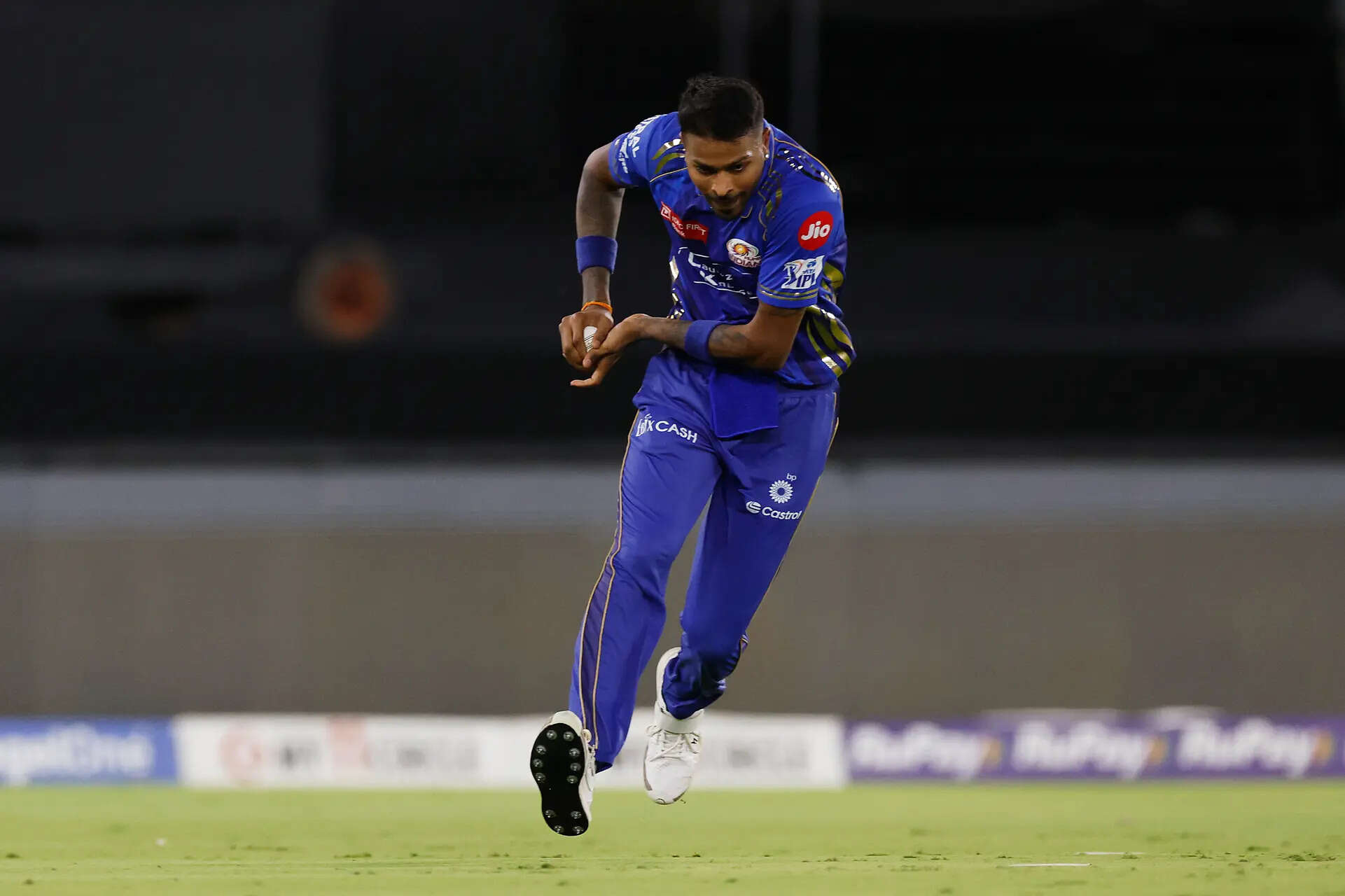
2025 IPL: Qualifier 2 - Punjab Kings v Mumbai Indians

AHMEDABAD, INDIA – JUNE 01: Hardik Pandya of Mumbai Indians catches out Priyansh Arya of Punjab Kings during the 2025 IPL Qualifier 2 match between Punjab Kings and Mumbai Indians at Narendra Modi Stadium, on June 01, 2025, in Ahmedabad, India. (Photo by Pankaj Nangia/Getty Images)

“We got him the next year. I was lucky, you know, because I played against Kiran (More) and Kiran and I have been mates for years. And he knew a bit about him, but I loved his attitude. Yeah. I’ll never forget that clip of his hip – like Virender Sehwag, which, you know, sometimes it’s just a shot that you see. That was 2014, he played for us from 2015 and started winning titles with us,” Wright tells TimesofIndia.com from New Zealand.Pandya’s entry into the MI setup meant he shared the dressing room with absolute legends of the game. In that dugout, he found mentors and coaches and formed bonds that remain strong. Kieron Pollard‘s entry into his life remains a defining moment of Pandya’s career. In the West Indian all-rounder, Pandya found someone he could relate with, speak to and learn from. While those lessons went beyond cricket, the classes didn’t start instantly but the early confidence was something which stayed with Pollard for many years.

I just hope and pray one day that we continue to remember Hardik Pandya for what he has actually done on the cricket field. Rather than the expensive watches and the cars and all that

Kieron Pollard

“My first thought of him, again, someone who’s excited, someone who had that youthful sort of exuberance coming into sort of the unknown world, but still just being himself. And again, I think that is what took me aback because normally when guys come in into a setup like a MI, they’re normally shy. But he wasn’t shy. He was confident. And I think that was what, you know, took me,” says Pollard in an exclusive chat.While the first impression was very good, Pollard took it easy with the young all-rounder. He wasn’t looking too far ahead but the moment he saw Pandya navigate through the lows of his career, he made a decision. The West Indian was convinced that Pandya has the “true mettle” to excel at the big stage and “made for the big times.”
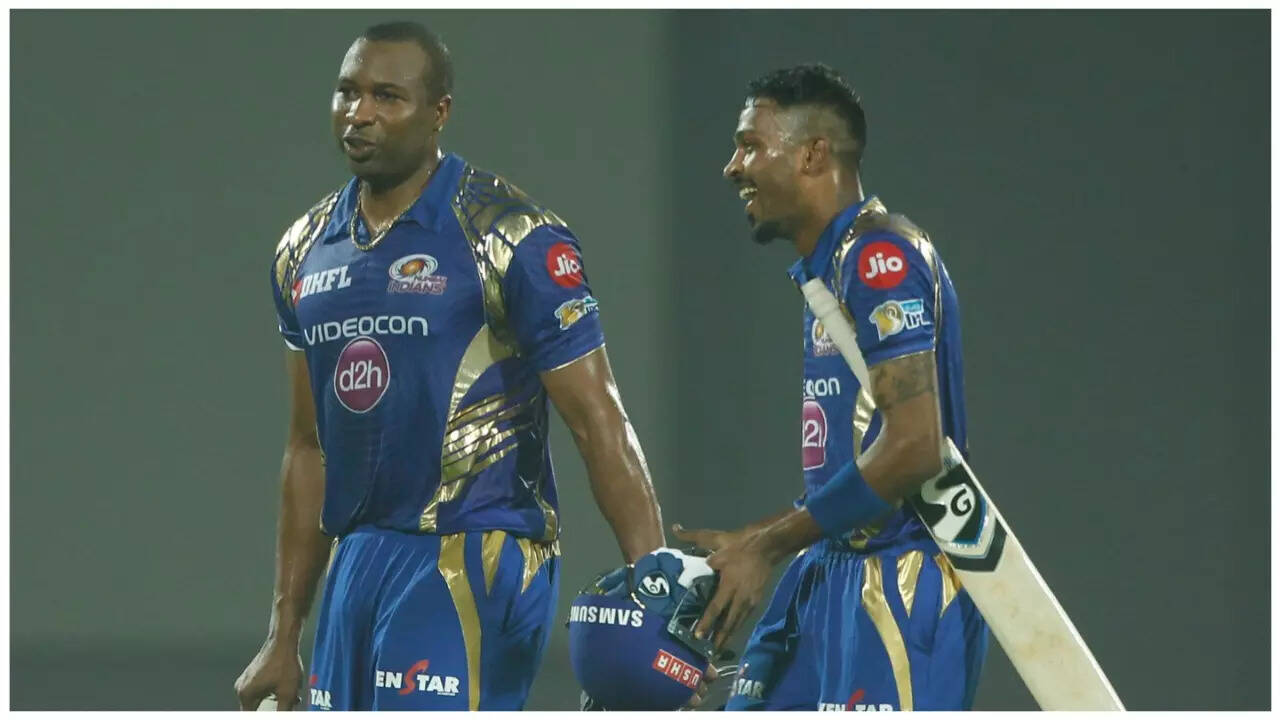
Kieron Pollard Hardik Pandya

File photo of Hardik Pandya and Kieron Pollard.

“I think it took a couple of years for me to actually make that determination in terms of ‘he’s cut out for it’ because he had highs and then he had some lows. And that’s where you can actually see the true mettle of an individual because it tends to happen. You have a one good season and then that’s it for some guys. But the manner in which he went through his highs and lows, is sort of proof to myself that he has what it takes. And again, for us, we spent a lot of time together. “He spent a lot of time chatting about cricket, about life, you know, brains and stuff like that. And so all of these things as well, after it has been taken in and then you see the expressiveness on the field, again, that’s when you really realise, okay, this guy, he’s made for the big times,” explains Pollard.During his early days in the MI set-up, Wright noticed the growing closeness between Pandya and Pollard, and saw the friendship blossom into a special bond. It rubbed off on the cricket too as the veteran coach still feels that the “best coaching comes from your co-players”.

I think they love each other’s company. They’re great mates. He learned an awful lot from Kieran Pollard

John Wright

“I think one of the things that stands out is that they were great mates. They seemed to get on really well. And obviously, playing together that relationship helped. The best coaching comes quite often from your co-players. From the mates in the team. You can be a coach, but the best coaching comes from your teammates. It’s an old-fashioned way of learning. But it’s probably the best and strongest. “For instance, when in the Indian team, Anil Kumble’s influence on our spin bowlers was huge. Rahul Dravid, Sourav Ganguly, Sachin Tendulkar and VVS Laxman’s influence on other batters was massive. I think as a coach, you need to create that environment so that the players are learning off each other. And I think that has happened with Polly. But I think they love each other’s company. They’re great mates. He learned an awful lot from Kieran Pollard,” says Wright.In his numerous interactions, Pandya has always called Pollard as the brother from another mother. The bond between the two remains special, and Pandya maintains that his Caribbean outlook on life continually draws him to Pollard. When Hardik’s brother Krunal entered the MI set-up, the trio instantly clicked and together became the franchise’s heartbeat for many years – helping them win titles and dominate the IPL. In Pollard’s words, they were the “real engine room” of the setup. Regarding the Caribbean outlook, Pollard doesn’t restrict it to music and style.“We tend to associate that with Caribbean and West Indian music and style. But we also have that pride and that passion as well for performance. As soon as you don’t perform, people look at what you’re doing. That’s exactly from a Hardik perspective. That’s exactly what has happened to him. He dresses nicely, he’s there, he likes himself, he likes to look nice. He has that flair. People tend to try to use that against him. Because they don’t have that confidence. That’s what happened. So that is certain things that can resonate with myself,” says Pollard.Pollard and Pandya spent numerous late nights and early mornings in the hotel corridors, and it wasn’t just fun and games. It was about life, cricket and everything that happens in between. During his active playing days, Pollard was always known to shut out the outside noise and speak his mind. It’s an art that takes years to master but with Pollard’s words of wisdom, Pandya had an early bootcamp that prepared him for the numerous battles life, and cricket, had in store for him.“I think it was just one of the conversations and one of understanding who can have an impact on you and who you allow to have an impact on you. If you know that you’re doing everything that you need to perform on a cricket field, and it’s not happening, it’s ok because it’s a game, it’s a sport, you feel a lot, right?. But if you allow people who can’t even pick up a bat or a ball or who only have an opinion because they’re watching data to affect you, that’s where the problem is.
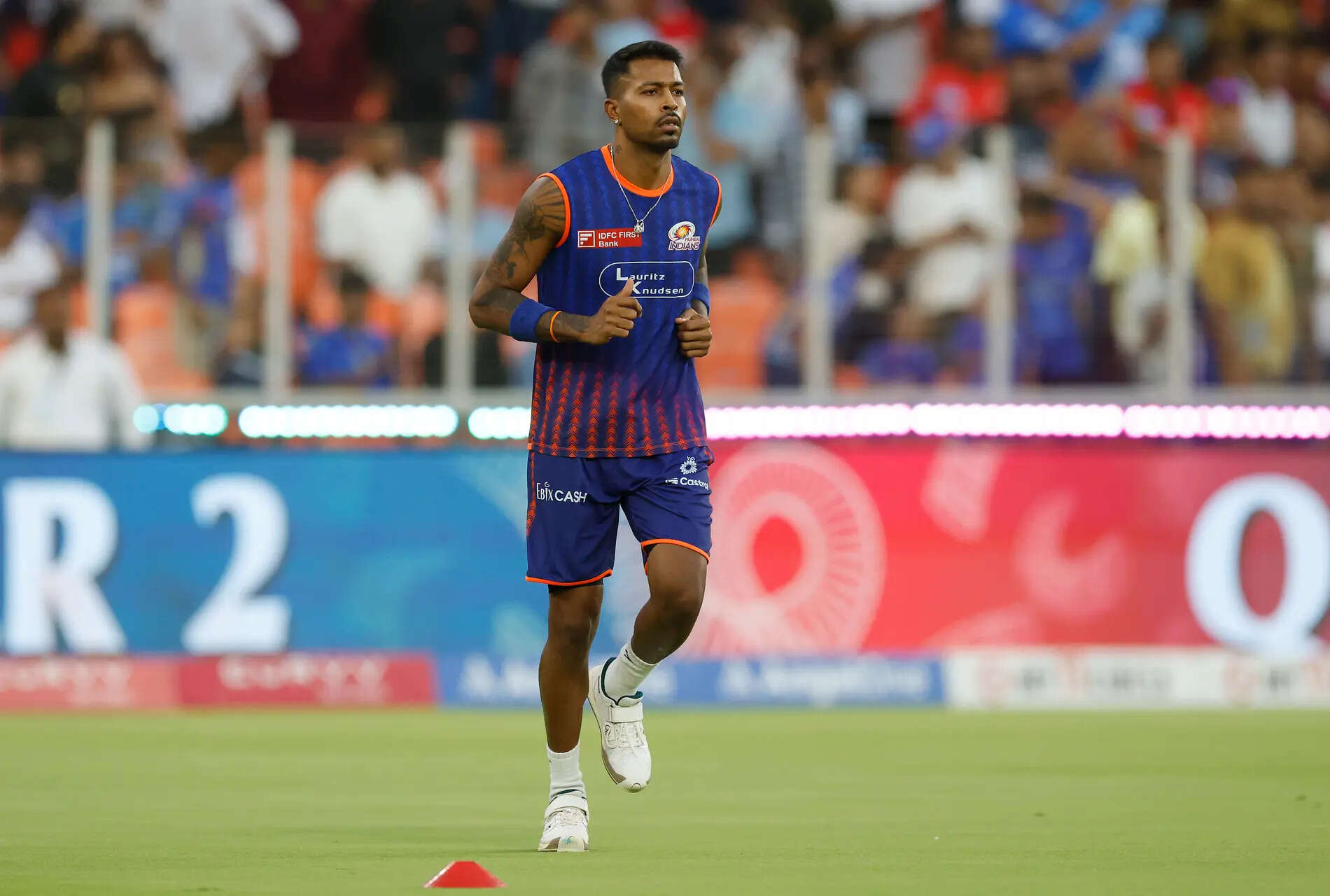
2025 IPL: Qualifier 2 - Punjab Kings v Mumbai Indians

Hardik Pandya of Mumbai Indians looks on during warm up at Narendra Modi Stadium. (Getty Images)

“My cricket will speak for me. And if my cricket doesn’t speak for me today, it’s over. I’ll get it to speak for me tomorrow. And that is the mentality I’ve had and that is the mentality that we sort of drill the conversations. Because people tend to say things but we can control what we can control. We don’t live it. But when you start to live it mentally, you get stronger,” Pollard reveals the conversations he had with Pandya to mentally prepare him for the battles.Over the years, Pandya has been labelled as fragile and injury-prone, with very little appreciation for the relentless grind of a premier all-rounder. He isn’t just a bits-and-pieces cricketer; he’s a freak who can break into any XI purely on the basis of his batting or bowling. Career threatening injuries and surgeries later, Pandya continues to go strong and has already played 131 T20Is and 94 ODIs for the country. And he is not done yet!“He would have been told a lot of things. He wouldn’t be able to bowl again. His body’s not strong. Who are you to say something like that? If you’re not the expert. So when you realise that those are just words and people are using words to maybe create an agenda. Just channel your energy to say, okay. If you tell me I can’t, I will show you I can. That’s exactly, you know, what he did over the years. As I said, it has not been easy for him. And a person like that. And living in India. The media is going to use that as a target. “So that’s the consequence that comes with the overall of that lifestyle. But you have to be able to be strong enough to overcome it. I believe he has been strong enough to overcome it. Who says they’re not going to have more? Because life is like, life is a life thing. But he has the, he has now the template to overcome it. That’s it,” says Pollard.
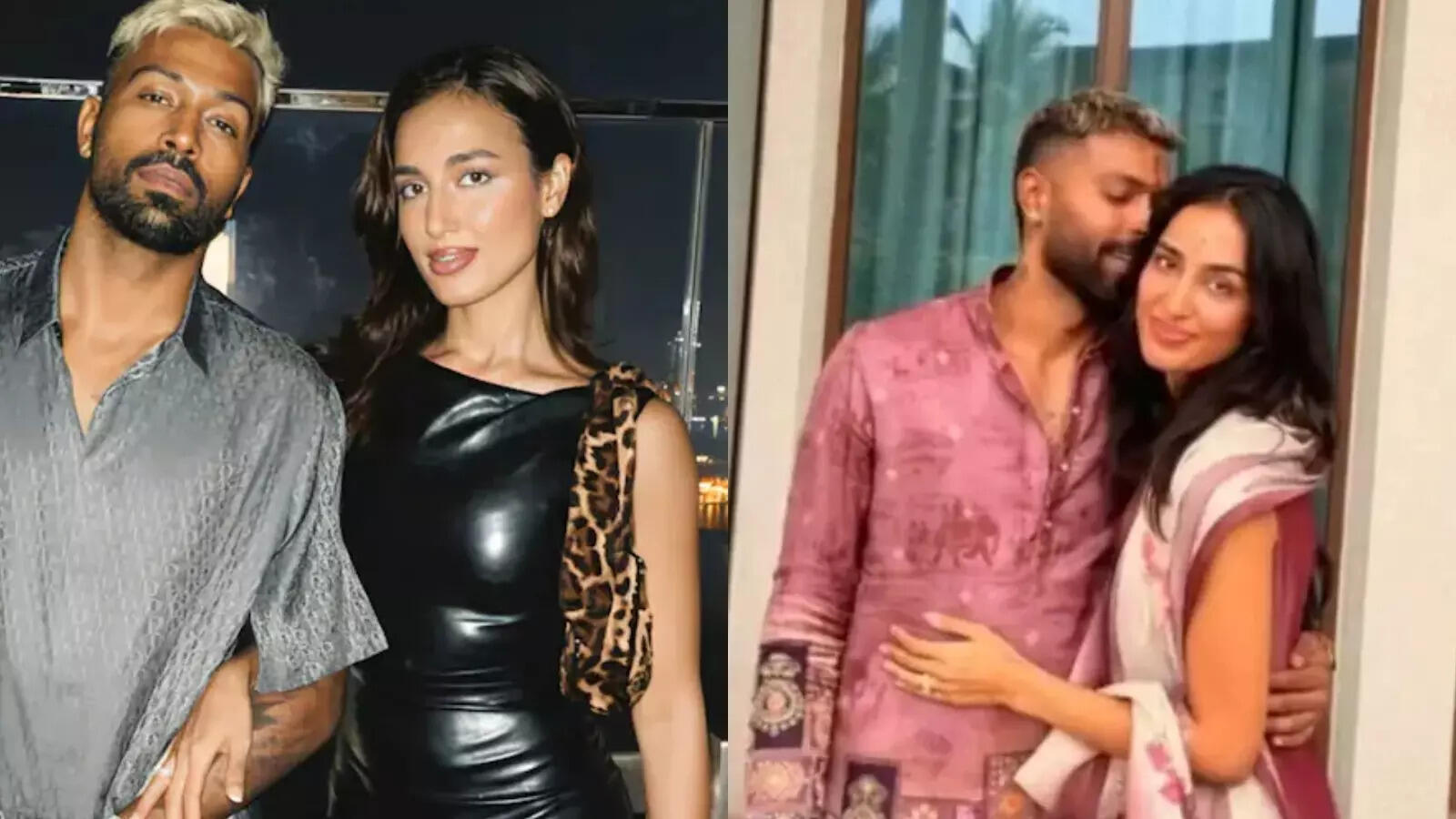
Hardik Pandya Mahieka Sharma

Hardik Pandya and partner Mahieka Sharma.

Flashy wraps on the car, expensive watches and an envious lifestyle. While Pollard wouldn’t buy most of the things – exhuberantely priced watches in particular – which Pandya does but he is an incredidbly proud “brother from another mother” to see the story unfold from close quarters. Pollard understands that feeling of winning a World Cup for the country, giving more than 100% in matches and during preparations but hopes Pandya is remembered for “what he has done on the field”“I just hope and pray one day that we continue to remember Hardik Pandya for what he has actually done on the cricket field. Rather than the expensive watches and the cars and all that, because that tends to come first. As cricket tends to come second in the media world. For what he has done from a cricketing perspective and whiteball cricket, Doing what he did especially after where he came from, the support he had from family – we must not forget that. The journey has been phenomenal and long it may continue,” says Pollard.Before disconnecting the call, Pollard remembered to laud his red-ball outings for India too. The current perception is that Pandya doesn’t want to play Test cricket for India anymore but just like Atum, he is determined to rise from chaotic waters.

Source link

IPL 2026: 3 players LSG can sign to replace Wanindu Hasaranga if he misses out


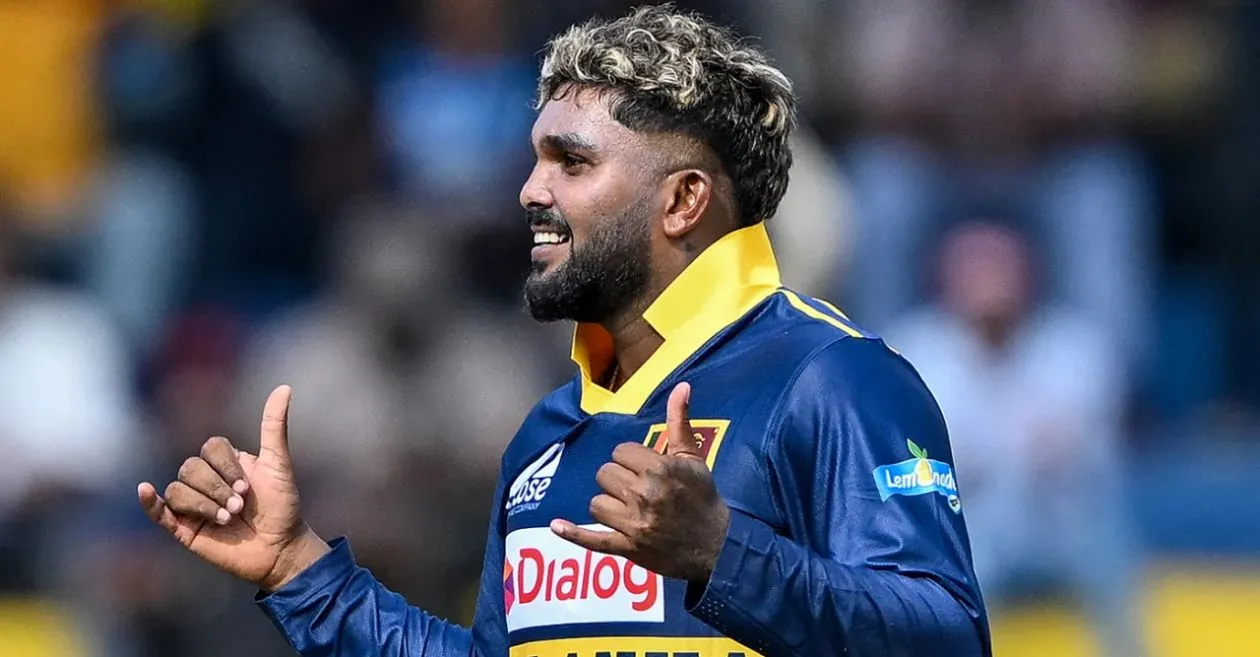
The Indian Premier League (IPL) has always been a high-stakes chess match where availability is as crucial as ability. As we approach the IPL 2026 season, the Lucknow Super Giants (LSG) find themselves navigating a precarious situation regarding their star overseas spinner, Wanindu Hasaranga. The Sri Lankan maestro, known for his bamboozling googlies and lower-order pyrotechnics, was snapped up by LSG for ₹2 crore in the December auction, a move hailed as one of the steals of the season.

However, the injury bug that has plagued Hasaranga’s career has struck again at the most inopportune time. With the cricketing world currently focused on the ICC Men’s T20 World Cup 2026, a major development from the Sri Lankan camp has sent ripples through the LSG boardroom.

Wanindu Hasaranga ruled out of T20 World Cup 2026

In a devastating blow to Sri Lanka’s aspirations, Hasaranga has been officially ruled out of the T20 World Cup 2026. The 28-year-old sustained a severe left hamstring tear during Sri Lanka’s opening match victory against Ireland in Colombo. Despite a heroic effort where he completed his spell to take 3/25, subsequent MRI scans on February 10, 2026, revealed a significant tear that requires immediate rehabilitation.

For Lucknow Super Giants, this news is alarming. Hasaranga previously missed the entire 2024 season due to chronic heel pain and has a history of recurring leg injuries. If his recovery timeline extends into the IPL window, LSG owner Sanjiv Goenka and the coaching staff will need to move swiftly. Replacing a player of Hasaranga’s calibre, who offers both elite wrist-spin and batting depth is no easy feat, but the market still holds some world-class specialists who could fill the void.

Also READ: Fans go wild as South Africa edge Afghanistan in epic double Super Over thriller at T20 World Cup 2026

Top 3 strategic replacements LSG can target for IPL 2026

If Hasaranga is unable to board the flight to India, LSG must pivot to a replacement who can exploit the spin-friendly tracks at the Ekana Stadium. Here are three premier options the franchise could consider:

1. Adam Zampa (Australia)

(Image source: X)

Adam Zampa remains arguably the finest T20 leg-spinner in the world not currently holding a permanent starting spot in every IPL franchise. Having most recently represented Sunrisers Hyderabad in 2025, Zampa’s ability to control the middle overs is second to none.

Zampa is a master of the “sliding” leg-break and possesses a deceptive googly that mirrors Hasaranga’s style. In the recent T20I series against Pakistan (February 2026), Zampa showcased his elite form with a clinical 4/24. While he doesn’t offer the same batting utility as Hasaranga, his tactical brilliance and experience on Indian subcontinental tracks make him a “plug-and-play” option for LSG’s bowling attack.

2. Adil Rashid (England)

Adil Rasheed replcement of Hasaranga
(Image source: X)

The veteran Englishman is a connoisseur of the shortest format. Adil Rashid, who has previously donned the jerseys of PBKS and SRH, brings a wealth of international experience, having spearheaded England’s spin attack for over a decade.

Rashid is a wicket-taking spinner who isn’t afraid to toss the ball up, even in the power play. His variations, the leg-break, the googly, and the top-spinner, are delivered with almost identical actions, making him a nightmare for local Indian batters who usually play spin well. With LSG needing someone to lead their spin department, Rashid’s presence would create a formidable leg-spin threat that could stifle any opposition in the middle overs.

3. Tabraiz Shamsi (South Africa)

Tabraiz Shamsi replcement of Hasaranga
(Image source: X)

If LSG wants to add a different dimension to their attack, the flamboyant Tabraiz Shamsi is the perfect candidate. As a left-arm wrist-spinner (Chinaman), Shamsi offers an angle that is notoriously difficult for right-handed batters to pick.

Shamsi has been a consistent performer in global leagues, including recent stints in the SA20 and ILT20. His mystery factor remains high, and his celebratory energy would fit right into the vibrant atmosphere of the IPL. Historically, left-arm wrist-spinners have been rare and highly successful in the IPL. Shamsi’s left-arm craft would give LSG a unique “X-factor” that most teams would struggle to prepare for during the hectic tournament schedule.

Also READ: IPL 2026: 3 players SRH can sign to replace Pat Cummins if he misses out


Source link

‘Unbecoming of a nation like ours’: Sanjay Manjrekar minces no words on India’s ‘silly’ handshake policy vs Pakistan


'Unbecoming of a nation like ours': Sanjay Manjrekar minces no words on India's 'silly' handshake policy vs Pakistan
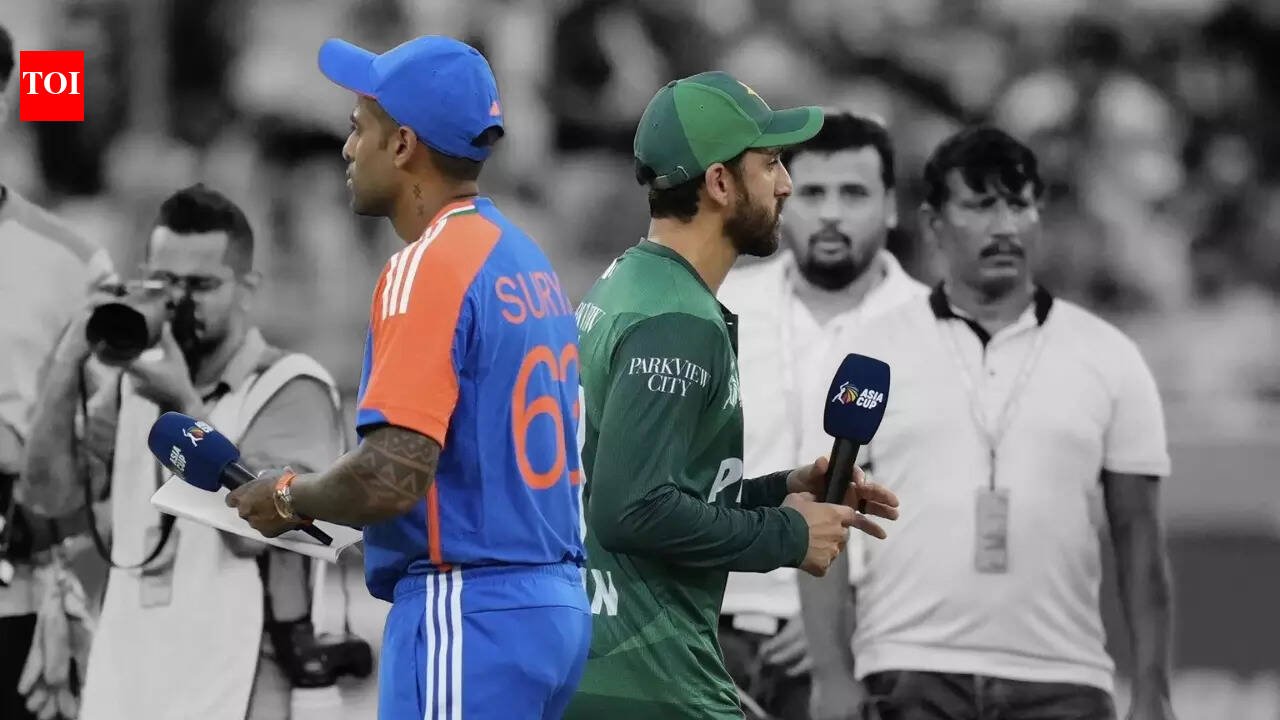
Suryakumar Yadav, Salman Ali Agha. (File photo)

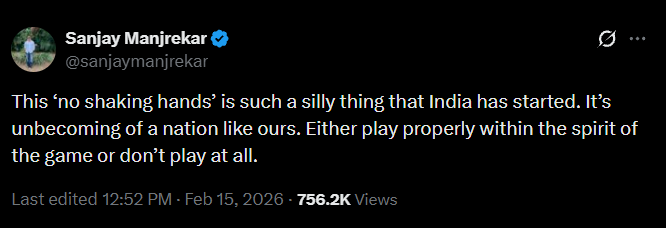
Former India cricketer Sanjay Manjrekar has criticised India’s no-handshake policy against Pakistan, calling it “silly” and saying it does not reflect well on a major cricketing nation.India have followed a no-handshake policy against Pakistan since the Asia Cup 2025 in both men’s and women’s cricket. With the two teams set to meet in the T20 World Cup 2026 on Sunday, Manjrekar said India should either follow the spirit of the game and shake hands or avoid playing Pakistan altogether.

Inside India vs Pakistan Drama: Who Blinked First? | T20 World Cup 2026 Explainer

“This ‘no shaking hands’ is such a silly thing that India has started. It’s unbecoming of a nation like ours. Either play properly within the spirit of the game or don’t play at all,” Manjrekar wrote on his X account.

-

India captain Suryakumar Yadav did not confirm whether he would shake hands with Pakistan players before or after the match in Colombo. Speaking at the pre-match press conference, he said, “Wait for 24 hours. We are here to play cricket. Have good food and sleep.”Pakistan captain Salman Ali Agha said the game should be played in the right manner and indicated his team was open to the usual gesture. “Cricket should be played in the right spirit. My personal opinion may not matter, but cricket should be played the way it has always been played. It’s up to them to decide what to do,” Agha said.During the Asia Cup, Suryakumar had declined to shake hands with the Pakistan captain, which led to a reaction from Pakistan. They briefly considered boycotting their next fixture in the tournament before deciding to continue. The no-handshake policy remained in place for the next two matches between the teams.It is not yet clear what decision the India captain will take in Sunday’s match.


Source link

Security agencies freeze 8,000+ mule accounts in J&K; officials flag funds may be exploited for anti-national activities


Security agencies freeze 8,000+ mule accounts in J&K; officials flag funds may be exploited for anti-national activities

Security agencies in Jammu and Kashmir have identified and frozen over 8,000 “mule accounts” in the past three years.According to the officials, these accounts form the financial backbone of global scam networks and could fund separatist and anti-national activities.Officials described these accounts as the “weakest yet most crucial link” in the cybercrime chain, noting that without them, stolen money could not be converted into untraceable cryptocurrency, news agency PTI reported.Central security agencies have asked the Jammu and Kashmir Police and other law-enforcement bodies to consult with banks to curb the rise of mule accounts and identify middlemen commonly called “mulers” who facilitate these frauds.After the National Investigation Agency’s 2017 crackdown on illicit money flows into the region, officials said anti-national elements may have shifted to a “digital hawala” model, where commissions earned by mule account holders could be used for activities against the country.A muler typically does not contact victims or send fraudulent links. Instead, officials said, their role is arranging and maintaining a steady supply of mule accounts for scammers while concealing their identities.Such accounts often belong to ordinary individuals lured with promises of “easy commission” and minimal risk. They are persuaded to give full control of their bank accounts, including their net banking credentials.Investigators found that a single scammer may be supplied with 10 to 30 mule accounts at a time. In several cases, accounts are opened in the names of fictitious companies, enabling large transactions of up to Rs 40 lakh in a single day without immediately raising alarms.Officials said the money trail is deliberately complex, with funds quickly shifted across multiple accounts and broken into smaller transactions to avoid detection.Law-enforcement agencies stressed that even if mule account holders do not design scams or interact with victims, they remain active facilitators of money laundering. “The entire scam ecosystem depends on these accounts. Without a destination for the money, the scam fails at the first step. Those renting out their accounts are not just victims of circumstance; they are the engines of the crime,” a senior official said.A study by central security agencies also found individuals in countries such as China, Malaysia, Myanmar and Cambodia directing people in the Union Territory to create private crypto wallets. These wallets are often set up using Virtual Private Networks (VPNs) to avoid detection and requiring no Know Your Customer (KYC) verification. The J&K police have already suspended the use of VPNs in the Valley, noting that terrorists and separatists often exploit the technology to evade tracking, PTI reported.


Source link

Noida’s Valentine’s Day car murder: ‘She chose to marry someone else’: WhatsApp text, 15-year relationship and more; chilling details in Noida’s Valentine’s Day car murder | Noida News


Noida’s Valentine’s Day murder

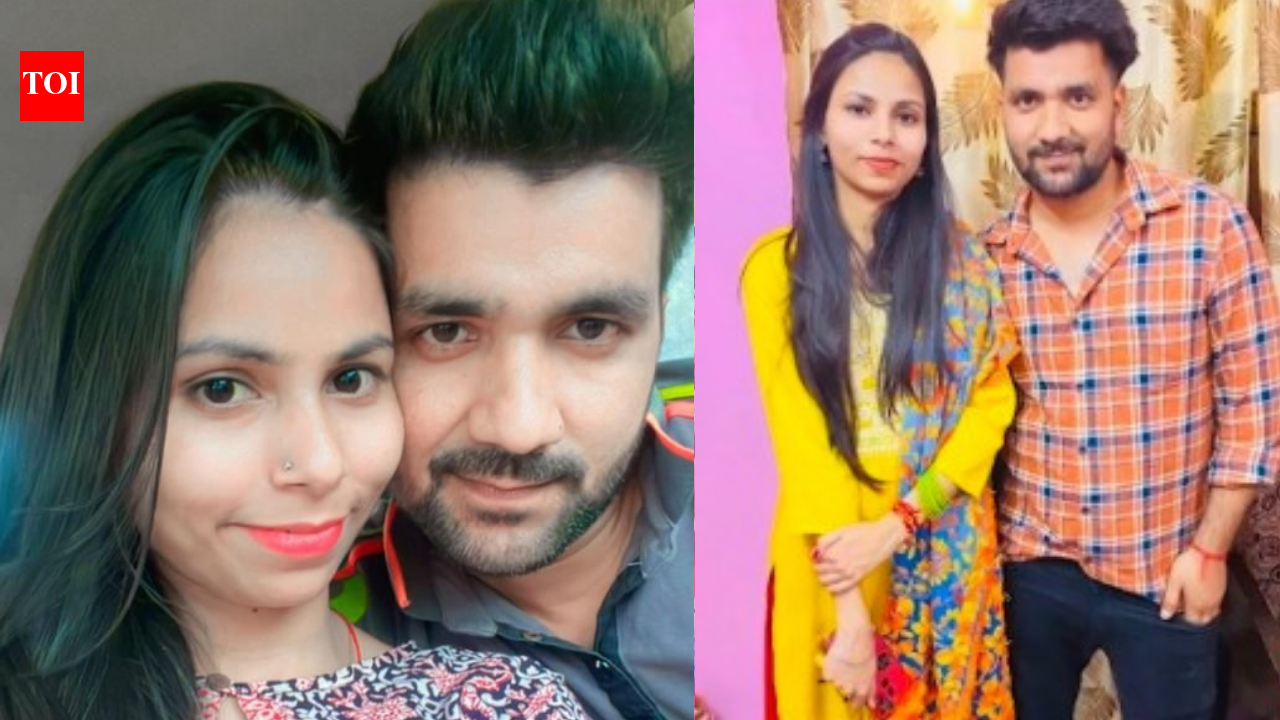
NOIDA: A WhatsApp message purportedly typed by Sumit hours before he was found dead alongside his girlfriend has emerged as a key element in the probe into Noida’s Valentine’s Day deaths, even as grieving family members allege the couple may have been murdered.The bodies of Sumit (32), a resident of Trilokpuri in Delhi, and Rekha (26), from Sector 101 in Noida, were discovered on Saturday with gunshot wounds inside a locked car near Sector 107. Police said a pistol was recovered from Sumit’s hand, and preliminary assessment points towards a possible suicide.Investigators are examining a WhatsApp text allegedly typed by Sumit at 3.39pm on Friday. In the message, he reportedly wrote that the two had been in a relationship for 15 years and had planned to marry. However, he claimed Rekha had recently decided to wed someone else, a development he linked to taking an extreme step. It remains unclear whether the message was sent to anyone or saved as a draft.Sumit’s relatives questioned the suicide theory, alleging the couple had faced caste-based hostility and threats. “We believe both were murdered and were victims of casteism,” a cousin said. Family members stated that Sumit and Rekha had been together for over a decade, that both families were aware of the relationship, and that Rekha had attended several family functions. They also claimed the man’s family had received threatening calls, including from international numbers.Rekha’s family offered a different version, alleging that Sumit had harassed her in the past and that a complaint had previously been filed. According to them, the matter was later resolved after Sumit apologised. Rekha’s brother said the relationship had become strained in recent months as her family was arranging her marriage elsewhere because the couple belonged to different castes.Alleging foul play, Rekha’s family described the circumstances as “suspicious,” noting that the car was found only a few hundred metres from their village in Salarpur.Police maintained that the pistol recovered from Sumit’s hand and the car being locked from inside indicate a possible suicide. Senior officers and forensic teams have inspected the scene, and the post-mortem examination is awaited.Officials said the investigation is underway, with all angles — including the allegations raised by both families — being examined.

Banner Insert


Source link

Lulu Retail to open 50 new stores across Middle East: Hundreds of jobs up for grabs across the UAE, Saudi Arabia, Kuwait and Bahrain


Lulu Retail Holdings, the largest pan-GCC full-line retailer, has unveiled an ambitious expansion strategy that will see the company open 50 new stores across the Gulf region between 2026 and 2028, a move expected to reshape regional retail dynamics and create hundreds of new jobs in coming years. The announcement comes as Lulu reported record revenues of Dh29.1 billion (approximately $7.9 billion) for 2025, driven by strong expansion momentum and robust e-commerce growth.

Lulu Retail’s expansion strategy: GCC growth and new retail formats

Lulu Retail’s rollout will significantly increase its network footprint, building on a baseline of 267 outlets currently operating across the UAE, Saudi Arabia, Kuwait and Bahrain. According to the company’s plans:

  • 50 additional stores including hypermarkets, express outlets and value-format shops, are slated to open by 2028, boosting accessibility to groceries and essentials across urban and suburban areas.
  • The expansion complements Lulu’s recent openings, such as a new Lulu Xpress store in Ras Al Khaimah’s Ghalilah Mall, which provides grocery and daily needs in a convenient neighbourhood location.

Congratulations!

You have successfully cast your vote

This multi-year development mirrors Lulu’s broader strategy to not only maintain its leadership in traditional hypermarkets but also grow smaller-format stores that cater to modern shopping patterns and convenience-based buying.

Lulu Retail driving economic impact: Jobs and local development

One of the most direct benefits of Lulu’s expansion is job creation across GCC markets. The new stores are expected to bring hundreds of employment opportunities in retail operations, supply-chain logistics, customer service and store management, a welcome boost for labour markets in the UAE, Saudi Arabia and neighbouring countries.

Lulu has previously been linked to large hiring drives tied to its growth ambitions; in the past, the retailer’s expansion initiatives included plans to recruit workers for newly opened cinemas and retail facilities. In addition to direct jobs, the company’s footprint aids local economies by strengthening supply chains, supporting national agriculture and food suppliers, and contributing to broader economic diversification goals of GCC countries.

Lulu’s expansion reflects broader regional trends in Gulf consumer markets –

  • Retail growth resilience: Consumer spending on essentials and digital grocery channels has strengthened, with Lulu’s e-commerce platform reporting rapid year-on-year online sales growth alongside physical store expansion.
  • Convenience formats: Smaller formats like express stores and mini-markets are becoming integral to retail ecosystems, mimicking global trends in convenience-oriented shopping behaviour.
  • Cross-border retailing: The group’s presence near strategic locations, such as the UAE–Oman border at Al Sila and busy commercial hubs, increases customer reach and reflects Lulu’s adaptive retail strategy.

The expansion also comes amid an evolving retail space in the Gulf, where regional chains are increasingly investing in technology, loyalty programmes and supply-chain integration to improve cost-competitiveness and customer satisfaction.

Lulu Retail’s e-commerce and loyalty as growth pillars

Lulu’s growth is not limited to physical stores. Its digital platform and loyalty ecosystem are central to its long-term strategy:

  • In 2025, e-commerce surged with online penetration growing significantly, highlighting a successful omni-channel approach that complements brick-and-mortar retailing.
  • The Happiness loyalty programme expanded its membership base, with millions of consumers contributing to sustained sales through repeat purchases and personalised promotions.

This blend of store expansion and digital innovation positions Lulu well to meet shifting consumer expectations in a post-pandemic retail landscape.

Strategic outlook: GCC retail dynamics in 2026–2028

The next three years will be pivotal for retail in the Gulf, and Lulu Retail’s expansion strategy underscores confidence in sustained consumer demand and economic growth across the region. Continued store openings are expected to:

  • Enhance competition and choice for shoppers in suburban and rural markets, not just urban centres.
  • Support job markets, particularly for young professionals and retail specialists.
  • Integrate digital and in-store experiences that reflect global retail best practices.

As GCC economies continue opening up and diversifying, initiatives like Lulu’s expansion, blending physical presence with digital commerce, could shape the future of everyday retailing across the Middle East. Lulu Retail’s announcement of 50 new stores and hundreds of jobs across the GCC by 2028 marks a significant milestone for the region’s retail industry, reflecting an ongoing evolution that blends customer convenience, economic opportunity and digital resilience.

As the company enhances accessibility to essentials and supports local workforces, its strategy embodies the dynamism of Gulf consumer markets in 2026 and beyond.


Source link

From Mayanti Langer to Zainab Abbas: Meet the popular presenters for IND vs PAK clash in T20 World Cup 2026


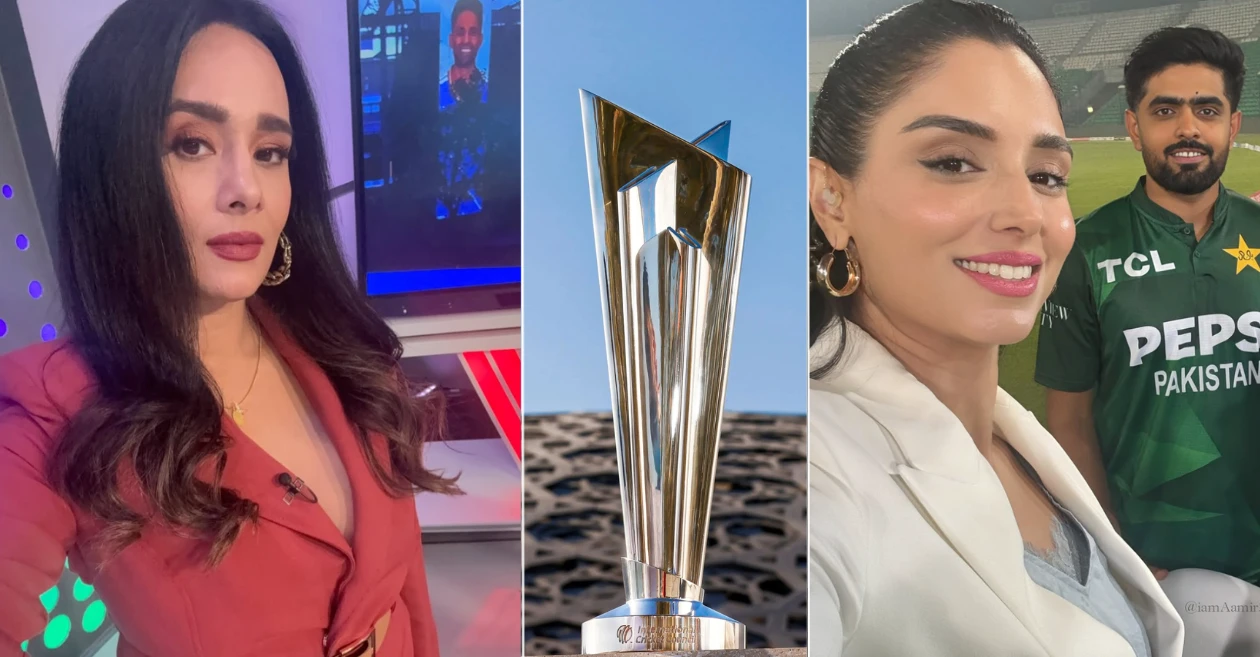
As the ICC Men’s T20 World Cup 2026 reaches its fever pitch, all eyes are on the high-octane clash between arch-rivals India and Pakistan. While the battle on the 22 yards is set to be legendary, the excitement is equally amplified by the stellar lineup of presenters and anchors bringing the action to life.

The star-studded English and Hindi presenters

For the global and national audience, Star Sports has brought back its most trusted faces to anchor the pre-match, mid-innings, and post-match shows.

Mayanti Langer Binny: A veteran in the sports broadcasting world, Mayanti Langer remains the face of Indian cricket coverage. Her ability to break down complex game situations with poise makes her a fan favorite for the English broadcast.

Mayanti Langer | Instagram

Abhinav Mukund: Joining her is former Indian opener Abhinav Mukund. His technical insights and recent transition into a successful broadcaster provide a perfect balance to the English panel.

To cater to the massive Hindi-speaking audience, Swedha Singh Bahal and Tanay Tiwary lead the charge. Their high-energy presentation style is designed to match the intensity of an India-Pakistan encounter.

Swedha Singh Bahal
Swedha Singh Bahal | Instagram

Bridging the language gap: Regional presenters

The ICC Men’s T20 World Cup 2026 is leaning heavily into regional inclusivity. Star Sports is offering specialized coverage in Tamil, Kannada, and Telugu to ensure fans can enjoy the “Mother of all Clashes” in their mother tongue.

Tamil and Kannada expertise

The Tamil broadcast features the duo of Sameena Anwar and Bhavna Balakrishnan.

Sameena Anwar
Sameena Anwar | Instagram

Bhavna, well-known for her versatile anchoring and musical talent, brings a unique flair to the cricket studio. Meanwhile, the Kannada feed is led by the experienced Reena D’Souza, a familiar face for fans in Karnataka who has consistently covered the IPL and domestic circuits.

Reena D' Souza
Reena D’ Souza | Instagram

The Telugu dynamic duo

In the Telugu-speaking regions, the coverage is anchored by Prathyusha Sadhu and Vindhya Vishaka. Vindhya has long been a staple of Telugu sports broadcasting, and her chemistry with the expert analysts ensures that the local audience stays glued to their screens.

Vindhya Vishaka and Prathyusha Sadhu
Vindhya Vishaka and Prathyusha Sadhu | Instagram

Also READ: IND vs PAK, T20 World Cup 2026 Match Prediction – Who will win today’s game between India and Pakistan?

Pakistan’s premier voices: Zainab Abbas and Roha Nadeem

The coverage isn’t just limited to Indian broadcasters. The rivalry is a global event, and the voices from Pakistan are equally prominent.

Zainab Abbas: One of the most recognized female sports presenters globally, Zainab Abbas headlines the digital coverage for Myco and Tapmad. Known for her in-depth interviews and global experience with the ICC and Sky Sports, she brings a sophisticated edge to the broadcast.

Zainab Abbas
Zainab Abbas

Roha Nadeem: Representing the state broadcaster PTV Sports, Roha Nadeem has quickly risen through the ranks to become a leading voice in Pakistan cricket. Her presence ensures that fans across the border receive top-tier analysis and local perspectives.

Roha Nadeem
Roha Nadeem

Also READ: IND vs PAK, T20 World Cup 2026 Broadcast and Live Streaming details – When and where to watch in India, Pakistan, USA, UK & other countries


Source link

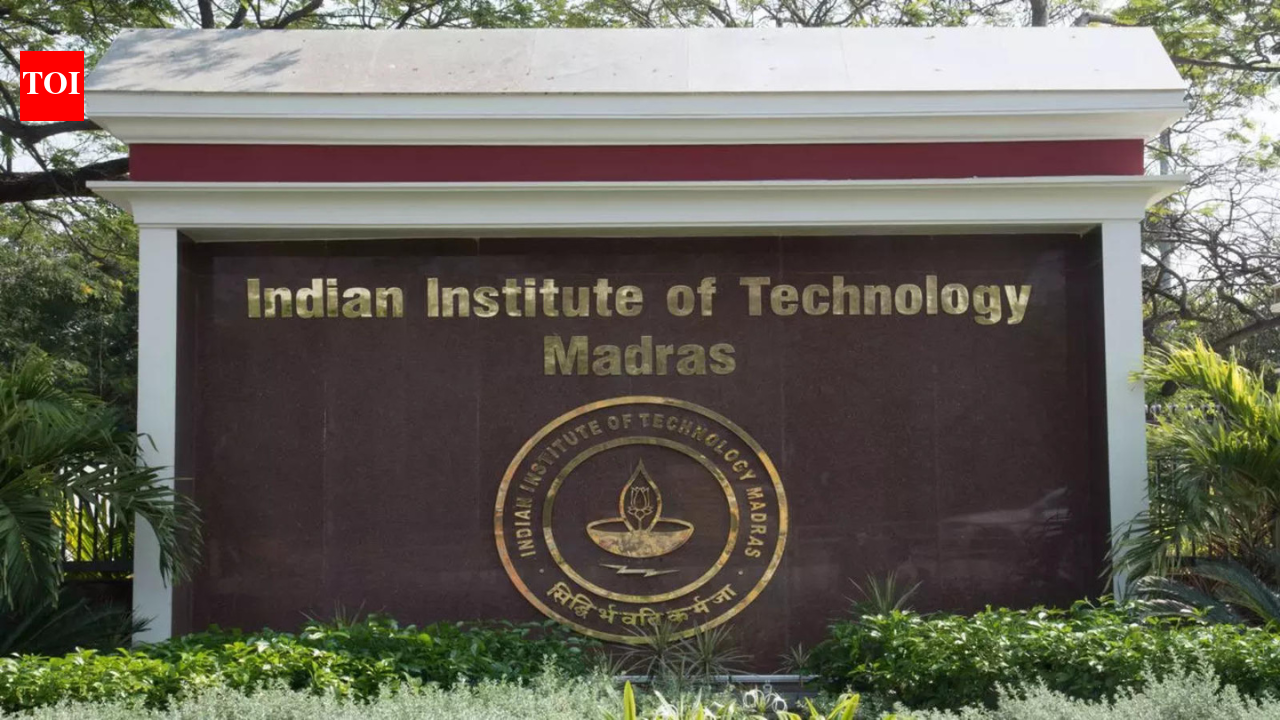
In a first, IITs to allow students to study across campuses from this academic year


MUMBAI: In a first, the Indian Institutes of Technology will begin opening their classrooms to one another from this academic year.Students will be allowed to take select courses at other IIT campuses and even spend a term away from their parent institute, marking the first formal academic exchange within the IIT system. Insiders said the move quietly loosens the rigidity of the JEE-run system, where a single rank has long determined not just entry into an IIT but the boundaries of a student’s academic experience for 4 or more years thereafter.“We are mapping curricula across multiple programmes in various IITs,” said IIT Madras director Padma Shri V Kamakoti. “Once that is matched, our students from IIT Madras can spend a term in another IIT or a student from IIT Kanpur or Delhi or Indore can come to the Madras campus to study some courses and earn credits which we will transfer to the home institute.”For years, universities across the world have been collaborating through joint degrees and shared classrooms. However, India’s most prestigious technical institutions have largely watched this trend from the sidelines.Structured’ system to ease pan-IIT mobilityWe recently had meeting of academic deans from all IITs, organised by IIT Madras,” said Prof Prathap Haridoss, dean (academics), IITM. “Among several issues discussed, one important topic was credit transfer and student mobility across IITs.”To date, as Prof Haridoss explained, “One major reason large-scale transfers have not been permitted is the issue of rank integrity: students were originally allotted seats based on rank-specific constraints, and allowing arbitrary transfers could violate that framework.”However, plan to allow student movement was discussed in IIT Council and decision taken to seek approval from respective senates of individual IITs.This will convert campuses operating parallely into a network that allows the students to move between institutes. “There is growing recognition that students increasingly move across locations for internships, training, and other academic or professional engagements,” said Prof Haridoss. In such cases, it would be useful to allow students from one IIT to take courses at another IIT during the same period.The IITs are therefore working towards creating a “structured mechanism” for semester-based mobility among campuses, where students can spend a term at another IIT, earn credits there, and have those credits transferred back; “similar to how semester exchange programmes currently operate with foreign universities”. “This would initially be implemented in a limited, controlled manner,” Prof Haridoss added.Each IIT would decide how many visiting students it can host at any given point in time, based on their infrastructure and capacity constraints.


Source link

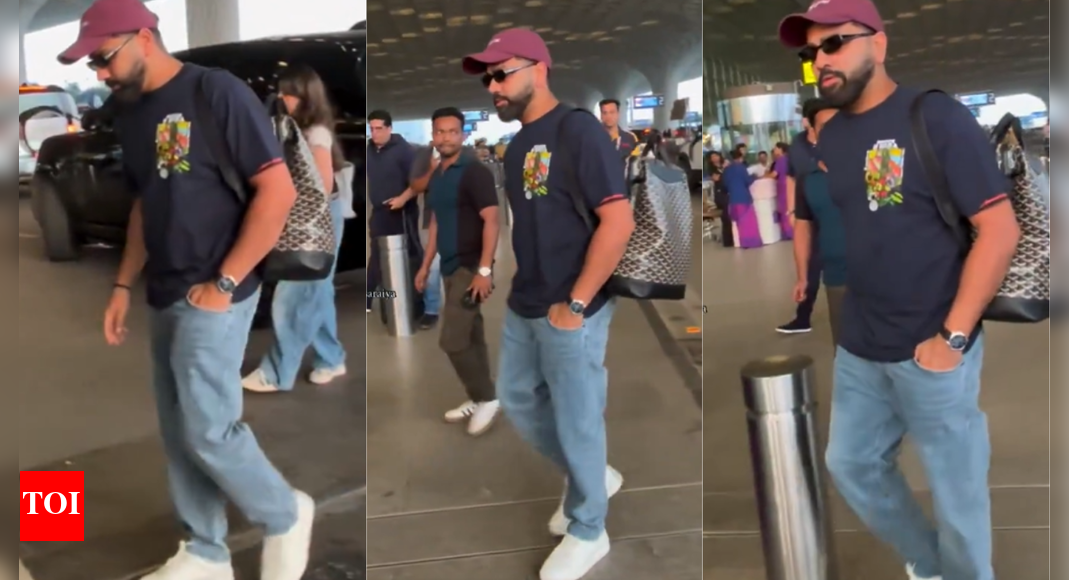
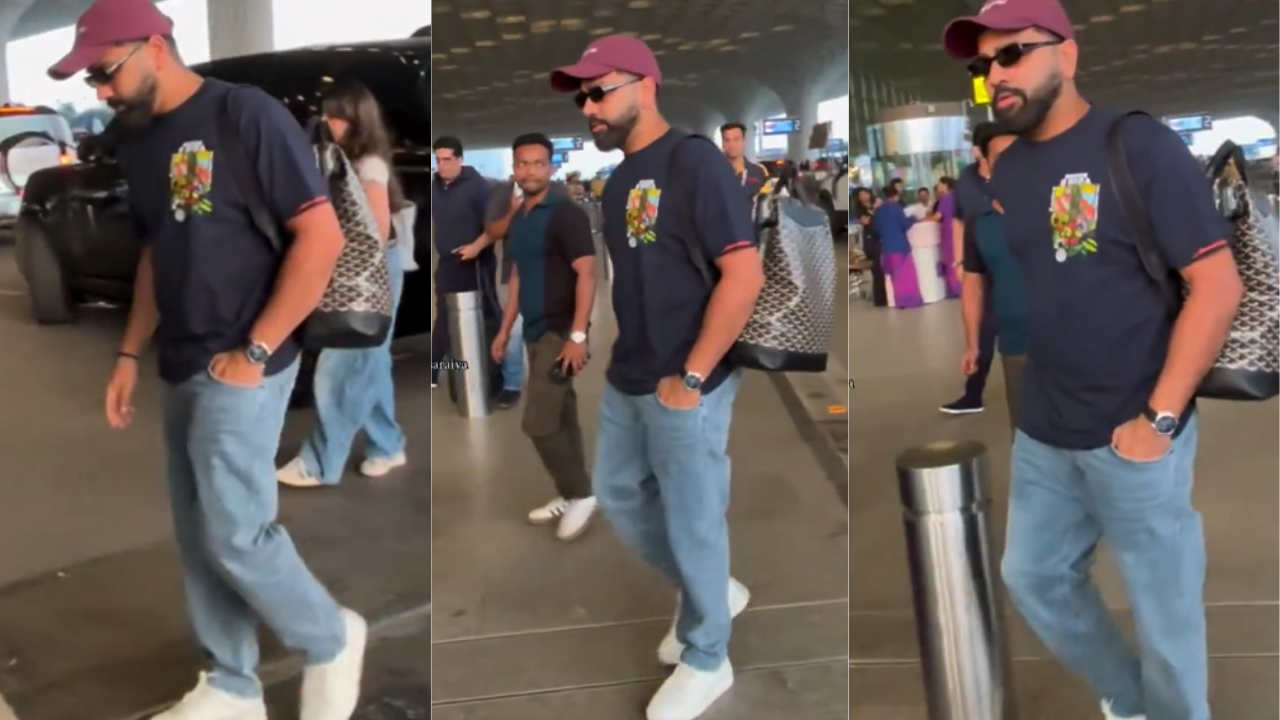
Rohit Sharma’s viral airport video sparks buzz ahead of India-Pakistan showdown | Cricket News


Some might call the game of cricket a bat-and-ball game. While the definition may have worked back in the 16th century when it was first played in South-East England, it may receive unfavourable support now. We are now living in the 21 st century, and as things have undergone changes, evolution so to speak, the gentleman’s game too has evolved into becoming something bigger. Though initially stated to be a children’s game by historians, the game has only gone on to become sophisticated and technical, and hence no longer just a game of bat-and-ball.

In order to celebrate what we have currently, we ought to honour the past as well. And to take a little walk down the line in regard to the game of cricket, we go to England in the old days. Although cricket now attracts money from all corners, it started its journey as a low-profile sport not pursued by many. Slowly and gradually, the game started getting its recognition. Since then, cricket has also been able to create a junction where different category of people could compete, but most importantly enjoy the same sport. The same movement was triggered in India, when the East India Company introduced to game to the Indian masses. The revered Bombay Quadrangular (held from 1912 to 1936) is one such example.

The longest format of the game, Test cricket, has continued to exist even after so many years. In the early 1960s, and once again the story moves to England and its counties, the need for a limited overs format was discussed. The changes were duly made, both domestically and internationally. This meant that the sport would now have a World Cup of its own. When we talk about limited overs format, we are only talking about One day internationals right now since the very popular T20 cricket comes much later in the timeline. The main reason why One Day internationals became a popular choice was because by the end of the game, you surely had just one winner. This paved way for the cricket world cup, which has been played every four years since 1975, with few exceptions in between. During this time, there was a rise in cricket governing bodies. With a new format, there were new teams. The figures were only to increase, with the entry of the shortest format of the game, T20s.

Originally introduced by the England and Wales Cricket Board (ECB), T20 games were introduced in 2003 for the inter-county competition. The first men’s international T20 match was played between Australia and New Zealand in February 2005 in Auckland. The newest format, the shortest one on the list, provided astonishing moments. One can think about India’s win in the inaugural T20 World Cup in 2007, a campaign which included remarkable moments.

The game of cricket, whenever altered to provide something new, always leads to a new option. With T20, cricket’s own club competition system was introduced. Twenty-twenty gave birth to franchise T20 leagues around the world. The Indian Premier League (IPL), one of the flagship T20 leagues, is probably the best example. This gave fans a chance to watch thrillers on the ground more often than usual. Franchise based T20 cricket tournaments also became huge money spinners, with sponsors jumping onto the T20 franchise cricket bandwagon


Source link