Breaking News
Shashi Tharoor: Congress paradox: Shashi Tharoor praises AI Summit, youth leaders protest on spot | India News


Congress paradox: Shashi Tharoor praises AI Summit, youth leaders protest on spot

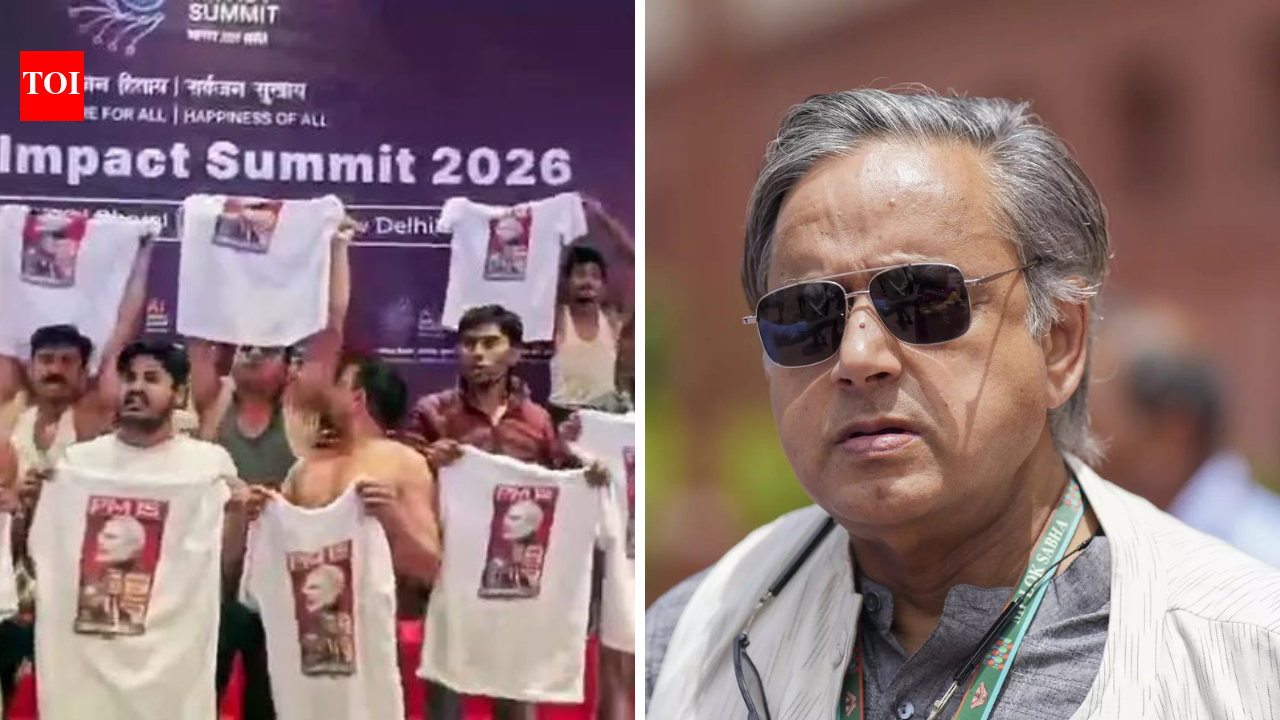
NEW DELHI: Hours after Congress MP Shashi Tharoor praised the organisation and global stature of the AI Impact Summit in New Delhi, Youth Congress workers staged a shirtless protest at the venue on Friday against the India-US trade deal, forcing security personnel to intervene on the summit’s final day.According to officials, several Youth Congress members removed their shirts and raised slogans against Prime Minister Narendra Modi at Bharat Mandapam before being swiftly detained and taken away to prevent disruption of the high-profile international event attended by government officials, industry leaders and foreign delegates.

“We Can’t Be Seen As Weak”: Tharoor’s Bold Claim On Rafale Deal

The protesters were swiftly detained and taken away from the venue to prevent disruption of the high-profile international event attended by government officials, industry leaders and foreign delegates.Interestingly, this comes just hours after Congress MP heaped praises for the AI Summit, claiming that the event was organised “extremely well.”While talking to reporters, Thiruvananthapuram MP said, “These first couple of days have gone extremely well. There have been some glitches, but these things happen in a large event.”“What has been impressive is the attendance of Presidents, Prime Ministers, and world leaders, and they’ve come with a strong message of wanting to see a newly integrated world in AI development, where the impact upon society would be the Principle. Preoccupation in India has clearly led the drive in this area,” Tharoor said.“As far as the French Rafale is concerned, parts of it are being manufactured in India, and that is a very important aspect of the deal because it is part of strengthening our defence, but also increasing our self-reliance in the defence sector. Defence is important for India not because we want to go to war, but because we don’t want others to think that we are so weak that they can be tempted to go to war. It is a defensive defence literally, and I support the government on that,” He further said.This is not the first time Shashi Tharoor has taken a contrasting stance from the party and commended the government.After India launched Operation Sindoor after Pahalgam attack, Tharoor participated in government’s diplomatic outreach to garner international support.


Source link

Why rights exist but justice remains out of reach for the poor | India News


Why rights exist but justice remains out of reach for the poor

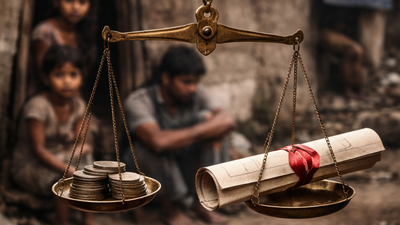
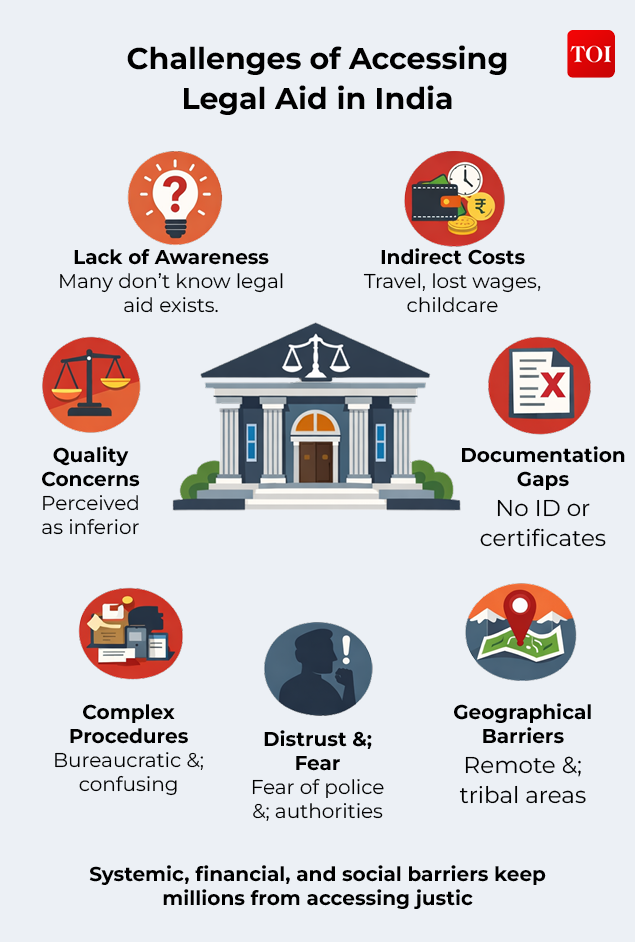
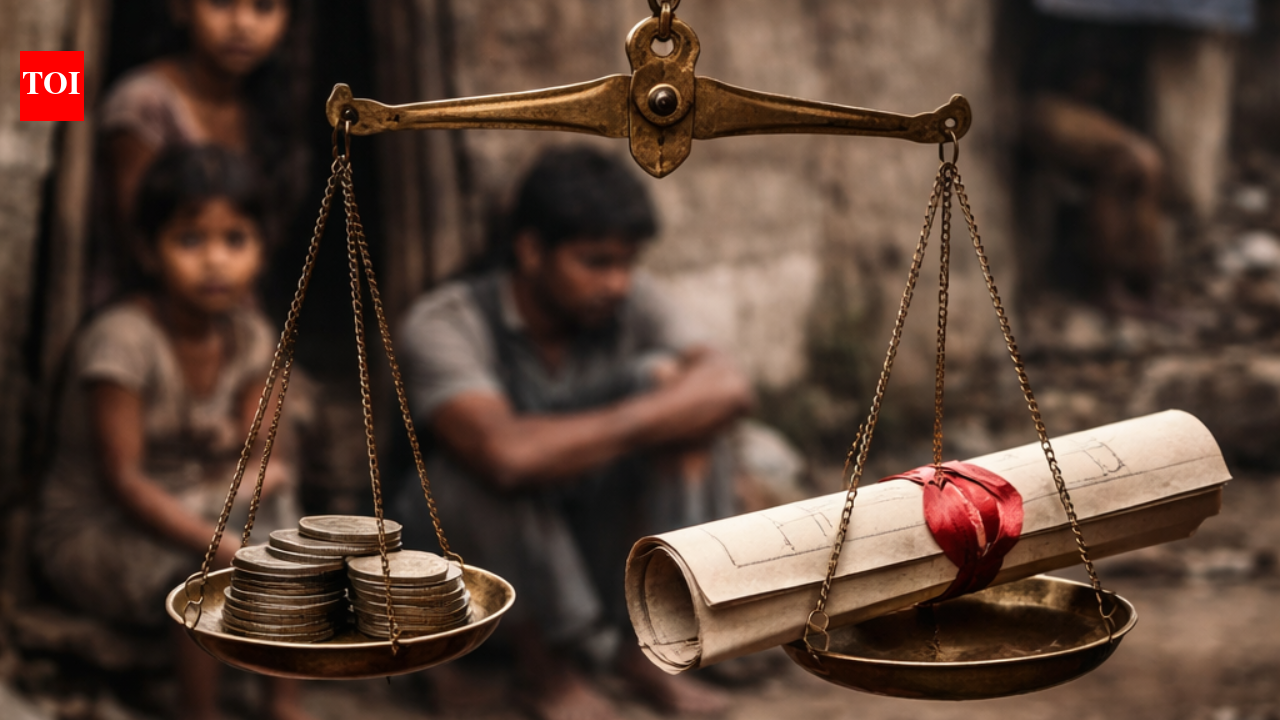
Justice comes with hidden costs that those already burdened by the perpetual cycle of poverty, a cycle that shackles every step each day, feel too acutely to ignore. Rights exist. Legal aid is free for them. However, they do not have the privilege of affording the costs, both literal and opportunity-related, associated with recurring court dates. Injustice in any form hits them harder. Some remain under the dark cloud of lack of awareness about their existing rights, while others fear the consequences that may follow if they assert them.Poverty not only strips away social standing, hinders growth, and erodes health, but also robs dignity, striking most brutally at the vulnerable.When poverty forces people from disadvantaged backgrounds to toil relentless hours under harsh conditions just to ensure their child sees a meal on his plate, even if not the future he dreams of but enough to keep hope alive, survival becomes the only priority.Poverty cements their feet and, at the same time, pushes them into legal vulnerability.And when such individuals are confronted with injustice of any sort, whether a wrongful accusation, workplace exploitation, eviction, domestic abuse, discrimination, or even a sudden legal summons, it takes far more than courage to access their own legal rights.

The constitutional promise vs ground reality

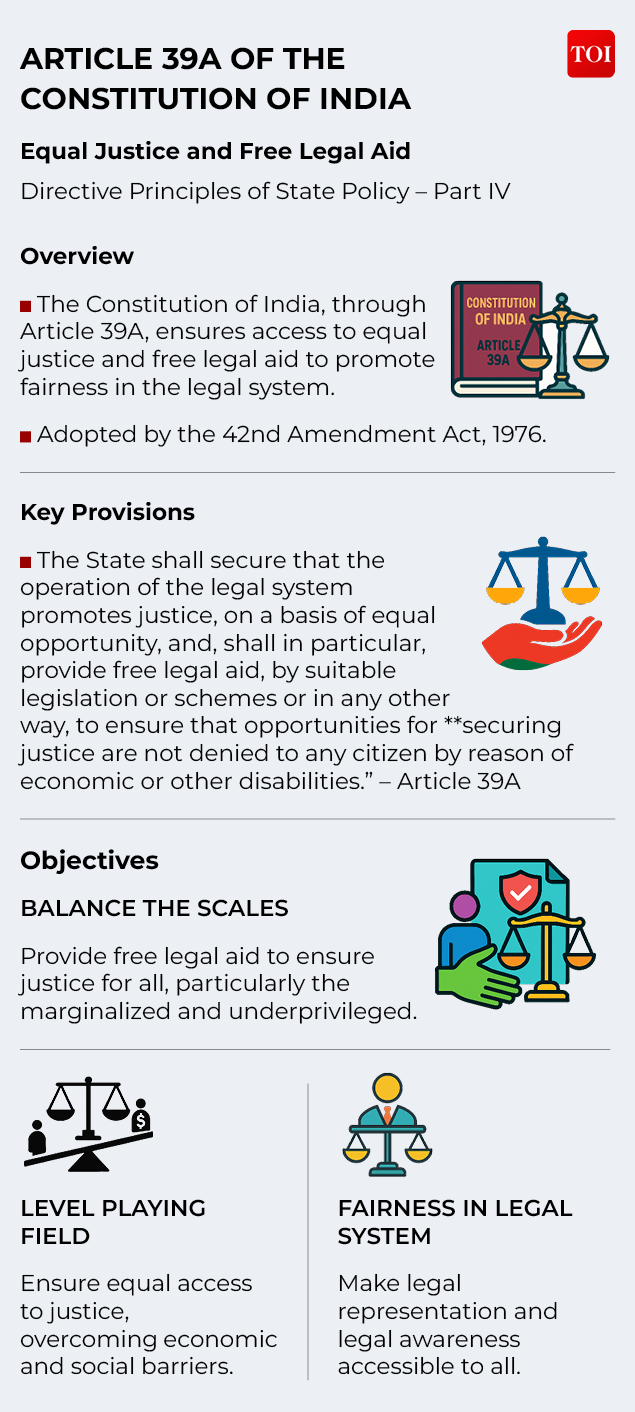
To ensure that no person is denied justice merely because they cannot afford legal representation, Article 39A of the Constitution of India, introduced through the 42nd Amendment in 1976, mandates the State to provide free legal aid and ensure equal justice for all.
12 (1)

.

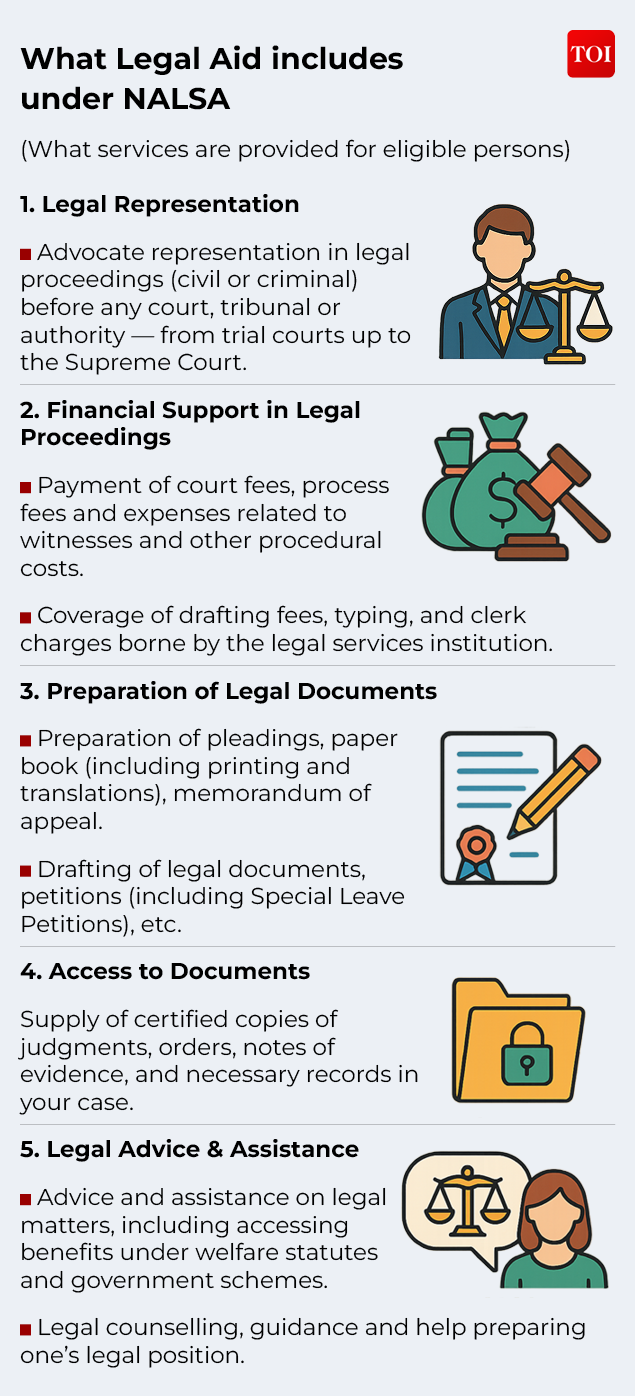
This constitutional vision was institutionalised through the Legal Services Authorities Act, 1987, under which the National Legal Services Authority (NALSA) was established in 1995 as the central body to implement legal aid programs across the country.The legal aid system in India is structured as a nationwide network, from the National Legal Services Authority (NALSA) at the Centre, chaired by a Supreme Court judge with the Chief Justice of India as Patron-in-Chief, to State and District Legal Services Authorities, and local Taluka bodies. At the grassroots, paralegal volunteers, drawn from communities, including teachers, social workers, Anganwadi workers, law students, and marginalized groups serve as bridges between citizens and the justice system.
14 (1)

.

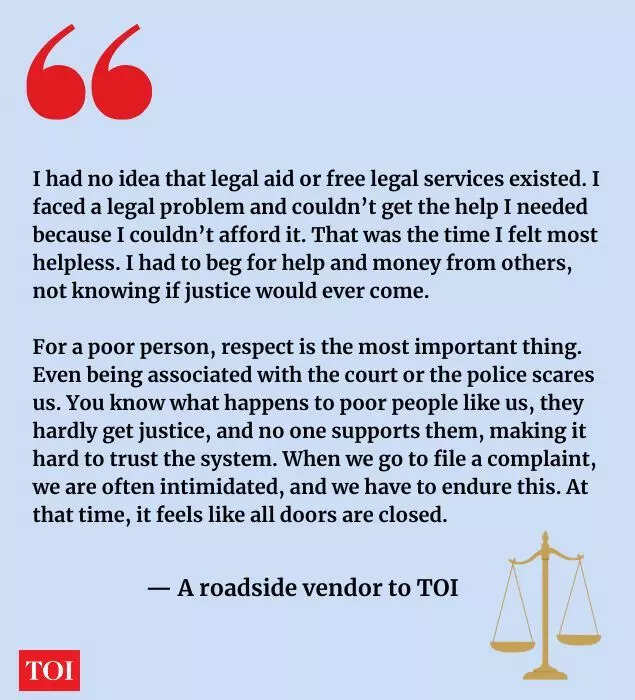
The idea being simple yet ambitious, justice should reach the doorstep of the poor.Yet access remains low. Former Chief Justice of India, former Judge of the Supreme Court of India, and former Executive Chairman of the National Legal Services Authority (NALSA), Justice Uday Umesh Lalit, in an interview to Sansad TV, noted after reviewing nationwide data:“Statistics showed that people get legal aid in less than 1% of the cases where justice is required. If we look at how many people are below the poverty line, it is inconsistent that only 1% would need legal aid. Either they do not know it is their right, or they do not have confidence in the system.”That single statistic exposes a deep structural contradiction, a country with millions eligible for free legal assistance sees only a tiny fraction accessing it.Amid the daily struggles of poverty, many people remain unaware of their right to legal aid or free legal services. A roadside vendor narrated how police use court cases to intimidate them. When asked if he knew that legal aid is free, he expressed shock.“I had no idea that legal aid or free legal services existed. I faced a legal problem and couldn’t get the help I needed because I couldn’t afford it. That was the time I felt most helpless. I had to beg for help and money from others, not knowing if justice would ever come. For a poor person, respect is the most important thing. Even being associated with the court or the police scares us. You know what happens to poor people like us, they hardly get justice, and no one supports them, making it hard to trust the system. When we go to file a complaint, we are often intimidated, and we have to endure this. At that time, it feels like all doors are closed,” he told TOI.
SC (3)

.

Poverty and legal vulnerability: A reinforcing cycle

According to the latest World Bank data, between 2011‑12 and 2022‑23, India lifted roughly 269 million people out of extreme poverty, reducing the poverty rate from 27.1% to 5.3%. Yet around 75 million people still live in extreme poverty, leaving them vulnerable not only to deprivation in food, healthcare, and education, but also to challenges in accessing legal protections and exercising their rights effectively.
1 (2)

.

People living in deprivation often face:

  • inability to miss daily wages to attend hearings,
  • lack of transport to courts,
  • absence of identity or property documents,
  • fear of police or authority figures,
  • dependence on informal or exploitative intermediaries,

For many, even receiving a legal notice or court summons can trigger panic rather than protection. Without awareness or guidance, such notices may be ignored, not out of defiance but confusion or fear, sometimes worsening legal consequences.Advocate Abhipriya Rai explained, “Poverty is not merely an economic condition, it is a legal disability. When a family cannot produce an Aadhaar card, a birth certificate, or a caste certificate, they become invisible to the very systems designed to protect them.”
SC (4)

.

She added that legal vulnerability operates on three levels simultaneously. “Informational: they do not know their rights exist. Documentary: even if they do, they lack the paperwork that activates those rights. Representational: even if they reach a forum, they cannot sustain effective advocacy. Each barrier compounds the others.”Legal vulnerability therefore becomes not a separate condition, but a direct extension of economic vulnerability.

What grassroots organisations witness

NGO workers who interact daily with marginalised families consistently observe how poverty quietly erodes agency and confidence.According to Vikash Jha, founder of Bhavishya NGO, poverty often prevents families from even believing their grievances will be heard. Lack of access to nutritious food, clean water, healthcare, and quality education weakens both physical and psychological resilience. He noted that many children from such backgrounds begin working early to support their households, further reducing their chances of awareness about rights or legal remedies.
SC (5)

.

TOI also spoke to Mahendra Singh Rawat, project coordinator at Bhumi NGO, Delhi, who has worked with underprivileged children in shelter homes and slum communities for over three years. He highlighted how poverty affects every aspect of a child’s life:“It is not only financial deprivation, but also limits awareness, opportunities, confidence, and aspirations. Many parents are daily wage workers with unstable incomes. Many children drop out early, and some are pushed into begging or work to support their families”. He further noted that there is lack of awareness about rights and government schemes, absence of proper documentation in some cases, and fear of approaching authorities that further perpetuates lack of access to justice among the poor even when the legal aid framework exists.
quote 1

.

A Delhi-based cleanliness worker who wished to remain anonymous added: “Demanding better conditions is a privilege daily wage workers like me cannot afford. Even if it badly affects our health, we cannot quit. Nobody cares. I may be useful to the system, but I am not treated as a dignified part of it and I don’t feel that my voice would be heard even if raised.”

Why free legal aid alone is not enough

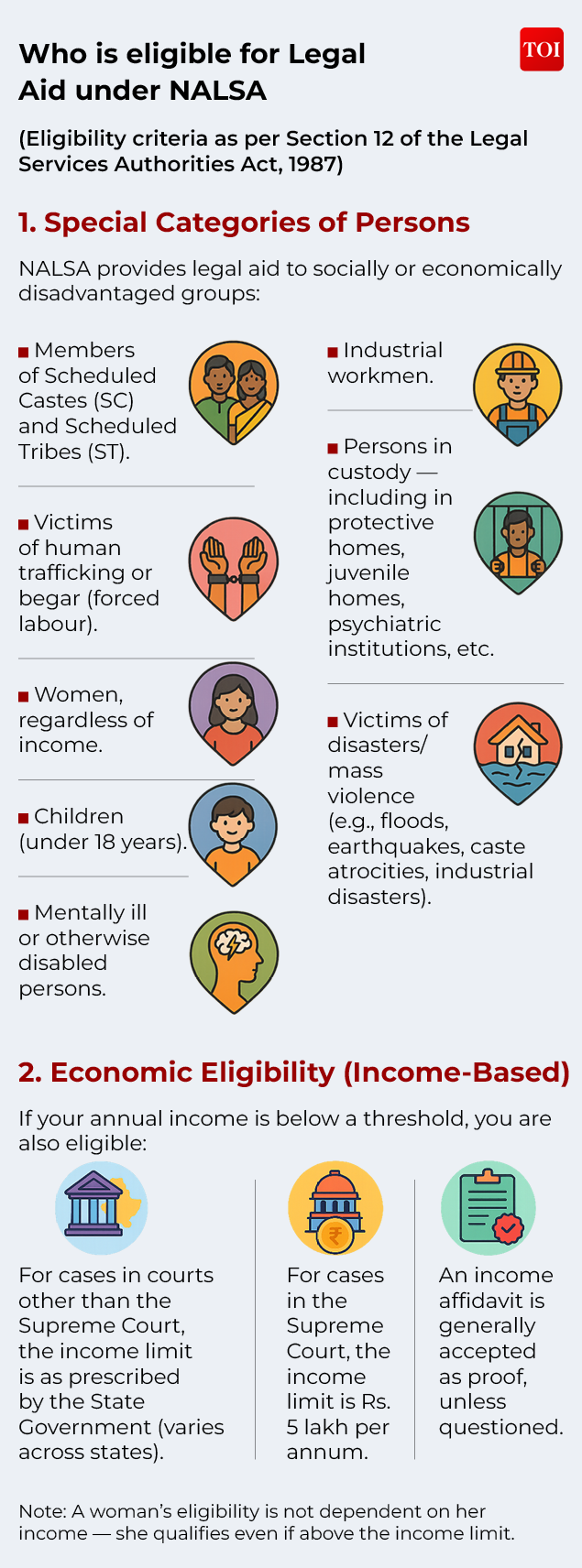
India’s legal aid framework is widely regarded as one of the most comprehensive in the world. Eligibility typically includes:

  • persons below income thresholds,
  • women and children,
  • Scheduled Castes and Scheduled Tribes,
  • persons with disabilities,
  • victims of trafficking or disaster,
  • industrial workmen,
  • those in custody,
13

.

Services may include legal advice, representation, drafting documents, and mediation, all free of cost.Yet access gaps persist because formal entitlement does not automatically translate into practical accessibility.

Common barriers include:

  • lack of awareness about the rights, legal aid framework, and eligibility,
  • distrust of state institutions,
  • language barriers,
  • social stigma,
  • procedural complexity,
  • perception that free services are inferior,

The Hidden Costs of Justice

Although legal representation may be free, justice still carries indirect expenses:

  • travel costs to courts,
  • lost wages from attending hearings,
  • childcare arrangements,
  • repeated procedural delays,

Reflecting on these hidden costs, Adv. Abhipriya observes:“A worker who cannot read the summons served to her, who has been told by police to ‘go home and settle,’ does not see the law as a resource. She sees it as a threat. That fear is rational.” On the broader framework, she notes, “India has one of the most elaborate statutory frameworks for protecting the poor in the developing world. But a right that cannot be exercised is not a right. It is a promise that was never kept.”For daily wage earners, a single missed workday can mean a missed meal. Multiple court dates can therefore translate into financial distress, discouraging people from pursuing even legitimate claims.

Can legal aid help alleviate poverty?

Adv. Abhipriya noted that legal aid, when delivered effectively, has immediate, tangible impacts. The mechanism is more direct than people assume:When a woman who has been illegally terminated recovers her wages through a legal aid lawyer, she has protected her family’s food security for months. Similarly, when a family obtains a stay against illegal demolition, children stay in school.She added that legal aid, when delivered well, is poverty alleviation, without a welfare scheme label attached.Between 2015 and 2025, over 1.61 crore citizens received legal aid, while over 40 crore cases were settled through National Lok Adalats, and the Legal Aid Defence Counsel System disposed of nearly 8 lakh criminal cases in three years.Government funding for NALSA for 2022‑23 was Rs. 190 crore, which was increased to Rs. 400 crore for 2023‑24, dropped to Rs. 200 crore in 2024‑25, and rose again by 25 percent to Rs. 250 crore in the Union Budget 2026‑27.However, structural challenges still persist:Awareness: Judges and legal experts have emphasised that many eligible people are unaware of free legal aid, with most assuming they cannot access assistance because it is unaffordable.Quality: Justice Nagarathna emphasized that “legal aid to the poor does not mean poor legal aid.” Panel lawyers are often junior, overloaded, and inadequately compensated. Wide disparities persist between legal aid representation and private representation. This is not a criticism of individual lawyers but a systemic design failure.Geography: Tribal families in remote areas often cannot reach District Legal Services Authorities, and the digital divide creates additional barriers for accessing online portals.Fund utilisation: Hon’ble Chief Justice Surya Kant disclosed at the Conference that by September 2025, only 16.93% of the Legal Aid and Advice budget had been utilised, while outreach expenditure had exceeded its allocation. Money meant for representation and aid delivery remained unspent, while funds for awareness were overspent, an inversion of priorities.

Why this conversation matters

On World Social Justice Day, observed annually on February 20 by the United Nations, the global spotlight turns to poverty, inequality, exclusion, and human rights. For India, it underscores the urgent challenge of bridging the gap between legal rights and actual access to justice.As harsh as it may sound, society often reserves dignity for those who are affluent and demands subservience from those who struggle simply to survive, educate, and aspire. Poverty does not only deprive, it silences. Understanding how poverty intersects with legal vulnerability is essential not merely for policy reform, but for safeguarding democracy itself. Because access to justice is not just another welfare benefit, it is the foundation that determines whether rights exist only on paper or in reality.

Source link

Rajasthan: Man detained in Kota for threatening to ‘shoot’ Rahul Gandhi and 25 other Congress MPs | India News


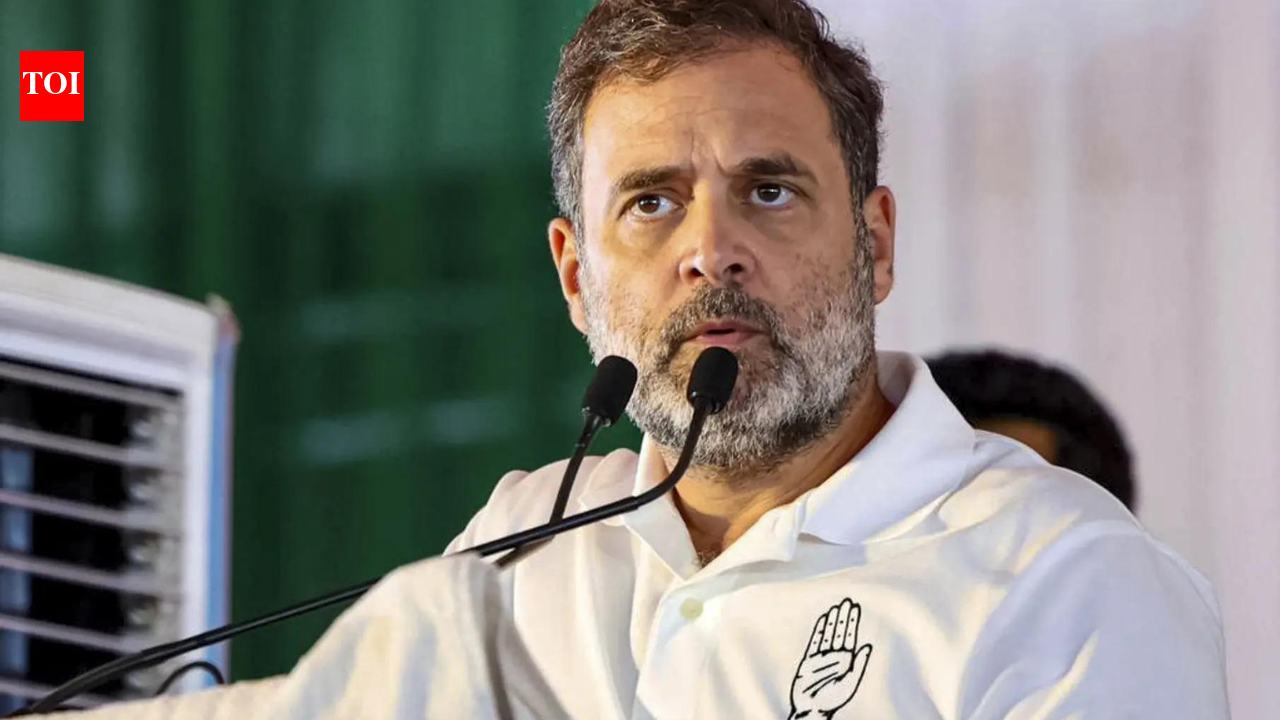
NEW DELHI: A man was detained by Rajasthan police in Kota on Thursday after he allegedly uploaded a video threatening to shoot Congress MP and leader of opposition Rahul Gandhi and 25 other MPs of the party.According to police, the man, who identified himself in the video as Raj Singh is a spokesperson of the right-wing group Karni Sena and had issued the threats over a recent incident in the Lok Sabha.He alleged that BJP and Karni Sena workers were angered by what he described as verbal abuse directed at Lok Sabha Speaker Om Birla by 25 Congress MPs during the recently concluded first part of the Budget session of Parliament, according to news agency PTI. In the purported video, Singh warned that if such an incident happened again, they would “enter the homes” of the MPs and vandalise them. He also directly threatened Gandhi, saying, “If such an incident occurs again, we will enter the homes of those MPs and vandalise them. I believe this incident occurred on Rahul Gandhi’s orders. Rahul Gandhi, listen carefully, if such an incident occurs again, we will barge into your home and shoot you,” Singh said in the video.He further said that if the 25 MPs were not arrested within 24 hours, “we will shoot them all one by one.”“If those MPs are arrested within 24 hours, it is fine. Otherwise, we will shoot them all one by one,” he said.After the video surfaced on social media, police in Kota took action and detained the accused. Superintendent of Police, Kota, Tejaswani Gautam, told news agency PTI that the man has been detained at the Borkheda police station and is being questioned in connection with the video.The video reportedly shows a photograph of Prime Minister Narendra Modi and Speaker Om Birla shaking hands displayed on the wall behind the accused.Both the Bharatiya Janata Party (BJP) and the Karni Sena have denied any association with the individual. BJP Kota city president Rakesh Jain said that the party has no connection with the person seen in the viral video. “I want to clarify that the person seen in the viral video has no connection with the BJP. The BJP is a disciplined party committed to nation-building. This type of language and conduct are completely contrary to our ideology and moral values,” he said.A senior Karni Sena leader also stated that the accused does not have any link with the organisation. Police said that further investigation is underway.Reacting to the alleged death threat issued to Rahul Gandhi by Karni Sena, Congress MP KC Venugopal said, “See the atmosphere which is created by the BJP ecosystem and the Sangh parivar ecosystem. They are not even allowing Rahul Gandhi to speak in Parliament. They are not honouring the Leader of the Opposition… The Sangha Pariwar system is saying that they will go and kill Rahul Gandhi along with 25 MPs. No FIRs have been registered. This is a clear case of anarchy. We know how to protect our Leader of Opposition, we are not bothered about all these things. Rahul Gandhi also knows how to protect himself; he is not bothered about his life.”


Source link

Sunil Gavaskar predicts one change in India’s playing XI for the Super 8 clash against South Africa in T20 World Cup 2026


India continued their dominant run in the ICC Men’s T20 World Cup 2026, finishing at the top of their group with a flawless record in the league stage. Clinical with both bat and ball, the Men in Blue ticked almost every box as they outplayed their opponents to seal a comfortable passage into the Super 8 stage.

Now, the challenge intensifies. India are set to face South Africa, West Indies and Zimbabwe in Group 1 of the Super 8s. Their first assignment is a blockbuster encounter against the Proteas on Sunday (February 22) at the Narendra Modi Stadium in Ahmedabad. With both teams carrying strong momentum into the next phase, the contest promises to be a defining moment in the tournament.

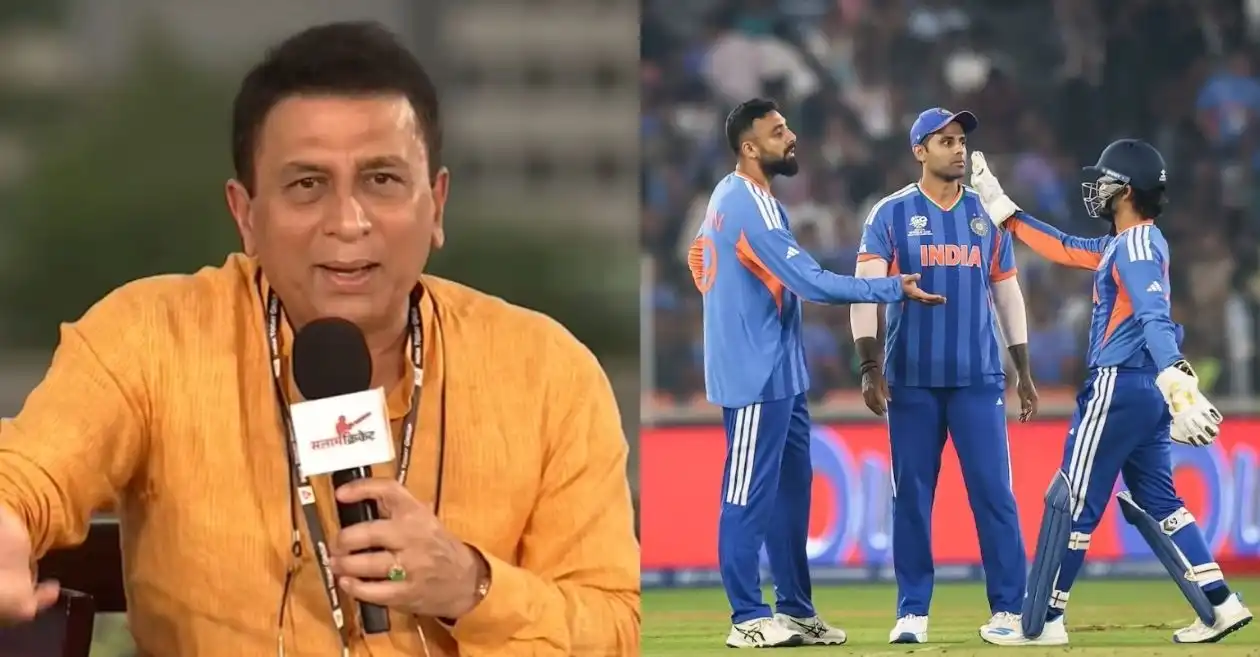
Amid the build-up to this high-profile fixture, former India captain Sunil Gavaskar has weighed in with his thoughts on a possible change in India’s playing XI.

Sunil Gavaskar suggests one change in India’s playing XI for the match against South Africa

Speaking on Star Sports, Gavaskar predicted one likely tweak to the Indian combination. According to him, all-rounder Axar Patel could return to the playing XI for the Super 8 matches. Gavaskar was uncertain about whom Axar would replace, mentioning Arshdeep Singh as a possibility. He also raised doubts about whether Washington Sundar will retain his spot but indicated that he believes Washington is likely to continue in the team. He further explained that the conditions at the Narendra Modi Stadium in Ahmedabad, especially a pitch expected to offer very little turn, may not suit a specialist wrist-spinner like Kuldeep Yadav, which could influence the team management’s selection decision.

“I feel Axar Patel will definitely come back to the playing XI for the Super 8 games. Now, whether he comes in place of Arshdeep Singh, we will have to wait and see. Whether Washington keeps his place is another aspect we don’t know. My feeling is that Washington will probably keep his place. On a ground like the Narendra Modi Stadium in Ahmedabad, on a pitch with hardly any turn, the team management might not go with Kuldeep Yadav,” Gavaskar said.

Gavaskar pointed out that Kuldeep did not feature prominently against South Africa in the earlier five-match T20I series, implying that he may not be central to the current strategy against the Proteas. He emphasized Washington’s batting ability at number eight as a key advantage, highlighting the value of added depth and power in the lower order. Based on this combination of past usage and team balance, Gavaskar concluded that the only likely change in the XI would be Axar coming in for Arshdeep, while Washington is expected to retain his place.

“Kuldeep also did not play too many matches against South Africa in the five-match T20I series. My feeling is that Washington Sundar, being able to bat at number eight and hit the ball, gives him an advantage. So I feel only the return of Axar Patel in place of Arshdeep Singh will be the change,” he added.

Also READ: Sunil Gavaskar reveals how Abhishek Sharma can rediscover his lost mojo in T20 World Cup 2026

Why the India-South Africa clash could shape the road to the final?

The India versus South Africa encounter carries weight far beyond two points. Both sides were finalists in the previous edition of the T20 World Cup, where India lifted the trophy in a memorable showdown. That rivalry adds an extra layer of intensity to Sunday’s contest.

In the ongoing edition as well, both teams are widely regarded as the frontrunners to reach the final. Their squad depth, recent form and big-match temperament make them stand out in Group 1. While West Indies and Zimbabwe are capable sides and can spring surprises, their recent record against India and South Africa does not inspire the same level of confidence.

A win in this opening Super 8 fixture would not only give momentum but also a psychological edge. In a tightly contested group, net run rate and head-to-head results could play a decisive role in determining who advances to the final. For India, maintaining their unbeaten streak will be crucial. For South Africa, it’s a chance to send a statement. With pride, history and a potential finalist spot at stake, the Ahmedabad showdown could very well shape the destiny of the T20 World Cup 2026.

Also READ: ICC announces complete list of teams qualified for the T20 World Cup 2028


Source link

India-US trade deal operational soon! Other FTAs will follow, here’s what Union minister Goyal said


India-US trade deal operational soon! Other FTAs will follow, here's what Union minister Goyal said

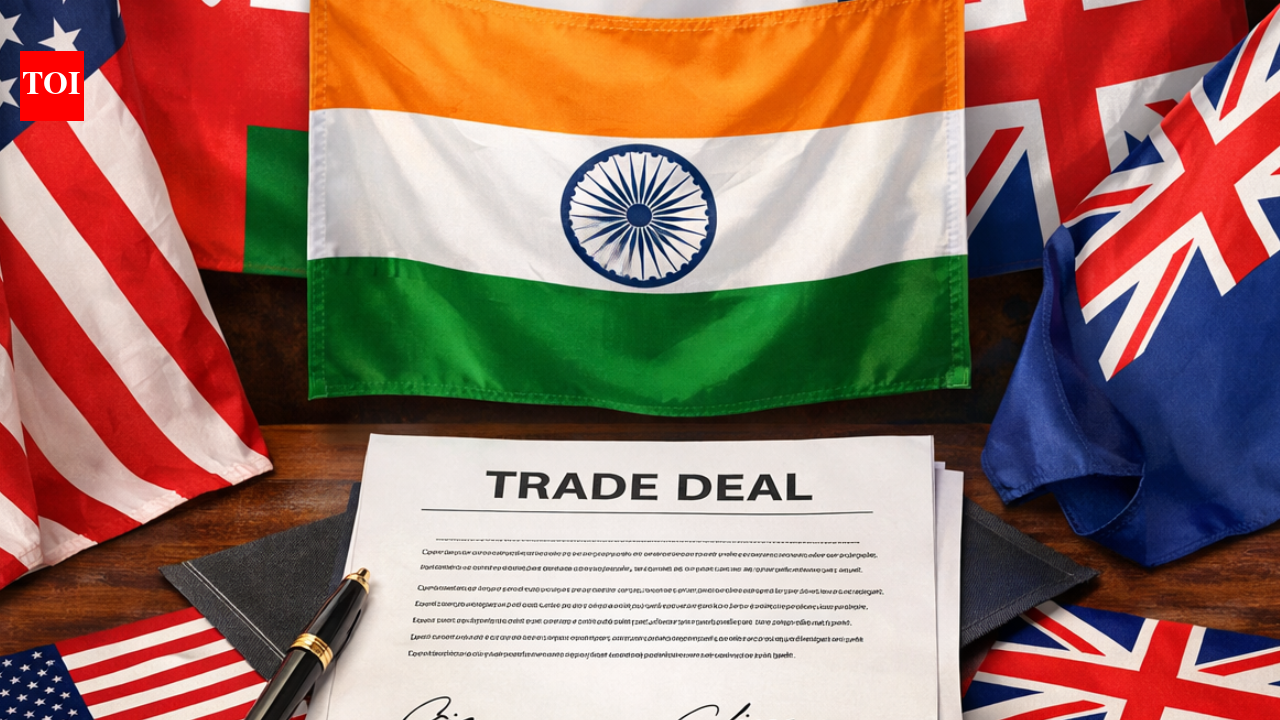
India is set to operationalise its recently signed trade deals with the United States, the United Kingdom, and other countries soon. Earlier this month, India and the US announced that they had reached an interim trade deal, scheduled for formalisation in March. Union commerce and industry minister Piyush Goyal said on Friday that the deal is expected to come into effect in April. The minister further confirmed that other free trade agreements with the United Kingdom and Oman might also materialise in April. Meanwhile, a similar pact with New Zealand is scheduled for implementation in September.To finalise the legal text of the interim trade agreement, officials from India and the US will meet for three days starting February 23. The meeting follows months of negotiations between the two countries, resulting in the announcement of an interim trade deal. During this period, the Trump administration had imposed a 50% tariff on Indian exports, including a 25% levy, citing India’s purchase of Russian crude as indirectly supporting Moscow’s “war machine” against Ukraine.Under the deal, reciprocal tariffs on India have come down from 50% to 18%, while India has committed to lowering tariffs on US products. Meanwhile, India also entered the US-Led Pax Silica on Friday. Minister Piyush Goyal had earlier assured that the trade pact protects farmers and the agricultural sector. Welcoming the trade framework, he highlighted the opportunities it offers for farmers, fishermen, and micro, small, and medium enterprises to access the $30 trillion US market. He added that the formal agreement could be signed by March, after which India’s tariff reductions on US exports would come into effect.


Source link

Shahid Afridi issues fiery challenge to Shadab Khan over ‘India World Cup’ comment | Cricket News


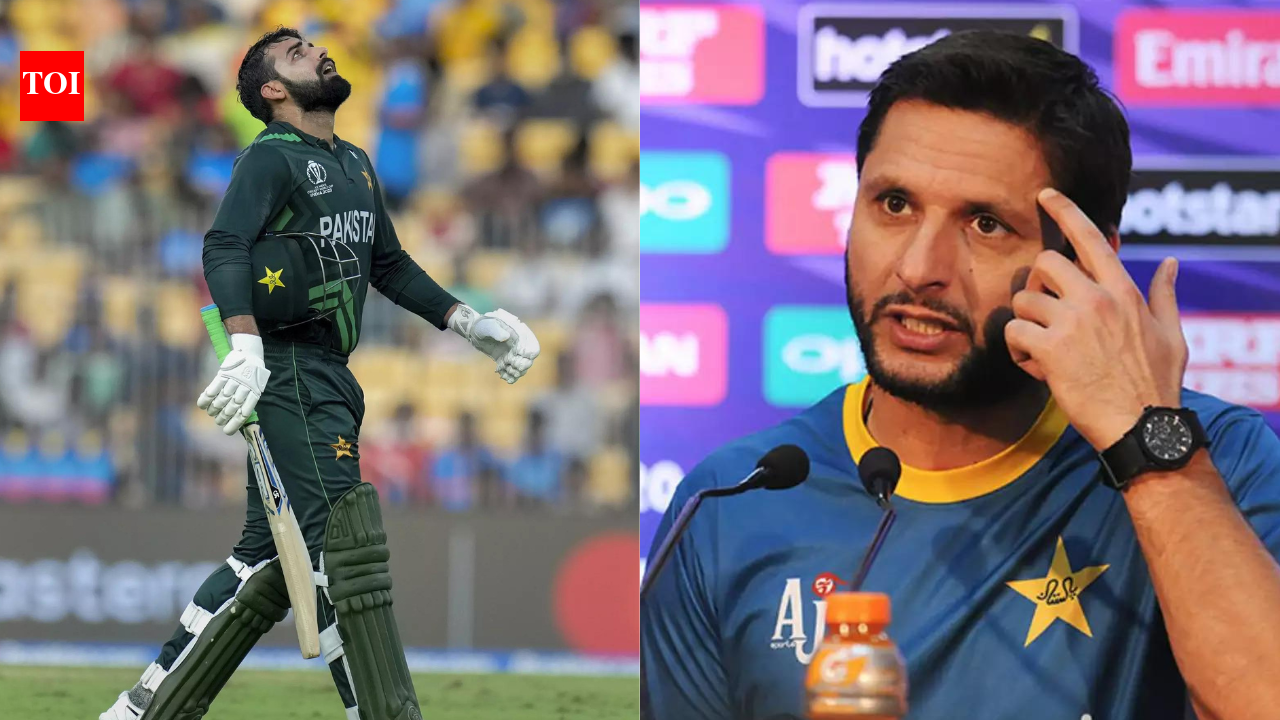
Shahid Afridi issues fiery challenge to Shadab Khan over 'India World Cup' comment
Shadab Khan and Shahid Afridi (Agency Image)

Shahid Afridi, the former Pakistan captain, has taken a swipe at Shadab Khan following the all-rounder’s post-match comments, reminding him of the challenges of handling success. Afridi said that while former Pakistan players had struggled to defeat India in World Cups, Shadab’s team managed it in 2021.After Pakistan’s 102-run win over Namibia in Colombo in their Group A match of the 2026 T20 World Cup, the 27-year-old Shadab was asked about criticism from former stars like Afridi and Mohammad Yousuf. He reminded the media that he had been part of the side that beat India in the 2021 World Cup in Dubai.

Why Pakistan don’t trust Babar Azam any more | T20 World Cup 2026

Following Pakistan’s defeat to India earlier in the tournament on February 15, Afridi and Yousuf had suggested dropping Babar Azam, Shaheen Shah Afridi, and Shadab in favour of giving youngsters a chance. But under Salman Ali Agha’s leadership, Pakistan bounced back emphatically against Namibia, securing a Super 8s berth.In the Namibia game, Shadab shone with an unbeaten 35 and picked up three wickets, producing a near-perfect all-round performance. Yet his comments at the post-match press conference have sparked criticism among former players.Afridi responded, saying: “Shadab was absolutely right when he said that we didn’t beat India in the World Cups, but his side did. They got respect after that, but they couldn’t handle it. By the respect thing, I mean that after they defeated India, they could not handle the issues between them. Shadab should also know that when he was not able to perform for the team, we guys stood up for him on national television, saying he is the backbone of the team.“I know Shadab, he is a very good guy, he has always spoken to us respectfully. When people talked about us during our playing days, we always backed up our words with our actions on the field. Not against the smaller teams, we used to perform against the bigger teams,” Afridi added.The former captain urged Shadab to let his performance answer the critics during the upcoming Super 8s matches against New Zealand, England, and Sri Lanka. “So Shadab beta, aap bhi performance kariye. Beta performances karo. We stood by you in your difficult times; you didn’t play domestic cricket, yet you still got into the national team. If you want to answer us, then do it by performing on the field. Perform and let the World Cup get over, we will get quiet after that,” Afridi said.Pakistan will kick off their Super 8s campaign on Saturday against New Zealand at the R. Premadasa Stadium in Colombo.


Source link

‘Design deficiencies’: Nasa’s harsh ‘mission failure’ verdict on Sunita Williams’ Starliner mission


‘Design deficiencies’: Nasa’s harsh 'mission failure' verdict on Sunita Williams’ Starliner mission
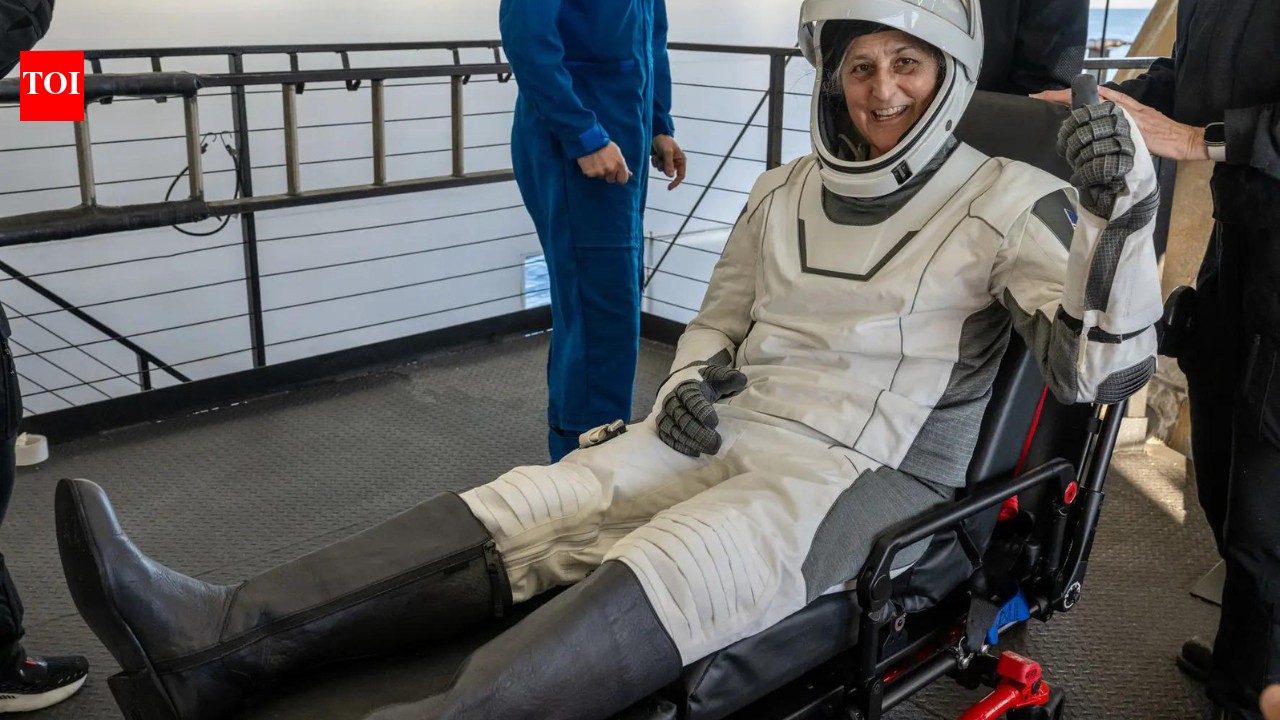
Sunita Williams back to Earth after spending months in space

Nasa has sharply criticised Boeing’s Starliner programme following an investigation into the spacecraft’s troubled 2024 mission to the International Space Station (ISS), that led to astronauts Sunita Williams and Butch Wilmore being stuck in space for months. The agency blamed both technical flaws and management shortcomings for the incident.The US space agency designated the test flight a “Type A mishap” — its highest classification for mission failures, previously used in cases such as the Columbia shuttle disaster that killed Kalpana Chawala and six others and the Challeneger explosion that also killed seven. Nasa said the label for the Starliner mission reflects the “potential for a significant mishap”.“We are formally declaring a Type A mishap and ensuring leadership accountability so situations like this never reoccur. We look forward to working with Boeing as both organizations implement corrective actions and return Starliner to flight only when ready,” said Nasa in a statement.“The Boeing Starliner spacecraft has faced challenges throughout its uncrewed and most recent crewed missions. While Boeing built Starliner, NASA accepted it and launched two astronauts to space. The technical difficulties encountered during docking with the International Space Station were very apparent,” said Nasa Administrator Jared Isaacman. The mission drew global attention after propulsion system failures left Nasa astronauts Butch Wilmore and Sunita Williams aboard the ISS for nine months, far exceeding the planned eight-to-14-day duration. The astronauts were ultimately brought back to Earth via a SpaceX Dragon spacecraft in March 2025.Isaacman said the investigation uncovered serious concerns extending beyond hardware issues. “Starliner has design and engineering deficiencies that must be corrected, but the most troubling failure revealed by this investigation is not hardware. It’s decision-making and leadership,” Isaacman said during a briefing.“If left unchecked,” he added, this mismanagement “could create a culture incompatible with human spaceflight.”According to the report, the most significant risk to the crew occurred when Starliner’s thrusters malfunctioned as the spacecraft approached the space station. Enough thrusters were restored to enable a successful docking, but officials said the outcome could have been far worse. “At that moment, had different decisions been made, had thrusters not been recovered or had docking been unsuccessful, the outcome of this mission could have been very, very different,” Isaacman said.He also said that Nasa would not proceed with another Starliner mission until technical issues are resolved. “Nasa will not fly another crew on Starliner until technical causes are understood and corrected,” Isaacman said, adding that the spacecraft is currently “less reliable for crew survival than other crewed vehicles.”Isaacman also suggested that concerns about Boeing’s reputation influenced earlier internal reviews. “Programmatic advocacy exceeded reasonable bounds and place the mission, the crew and America’s space program at risk in ways that were not fully understood at the time,” he said.However, despite the findings, Isaacman said that Nasa would continue working with Boeing. “Nasa will continue to work with Boeing, as we do all of our partners that are undertaking test flights,” he said.In a statement, Boeing said it remains committed to the Starliner programme. “Boeing has made substantial progress on corrective actions for technical challenges we encountered and driven significant cultural changes across the team that directly align with the findings in the report.”Nasa officials also acknowledged internal accountability. “We managed the contract. We accepted the vehicle, we launched the crew to space. We made decisions from docking through post-mission actions,” Isaacman said. “A considerable portion of the responsibility and accountability rests here.”In a statement by Nasa it further said, “To undertake missions that change the world, we must be transparent about both our successes and our shortcomings. We have to own our mistakes and ensure they never happen again.”Nasa Associate Administrator Amit Kshatriya also described the episode as a failure for the agency. “They have so much grace, and they’re so competent, the two of them, and we failed them,” Kshatriya said. “The agency failed them.”


Source link

Six e-commerce firms face action as CCPA targets unauthorised sale of anti-drone & signal jammers | India News


Six e-commerce firms face action as CCPA targets unauthorised sale of anti-drone & signal jammers

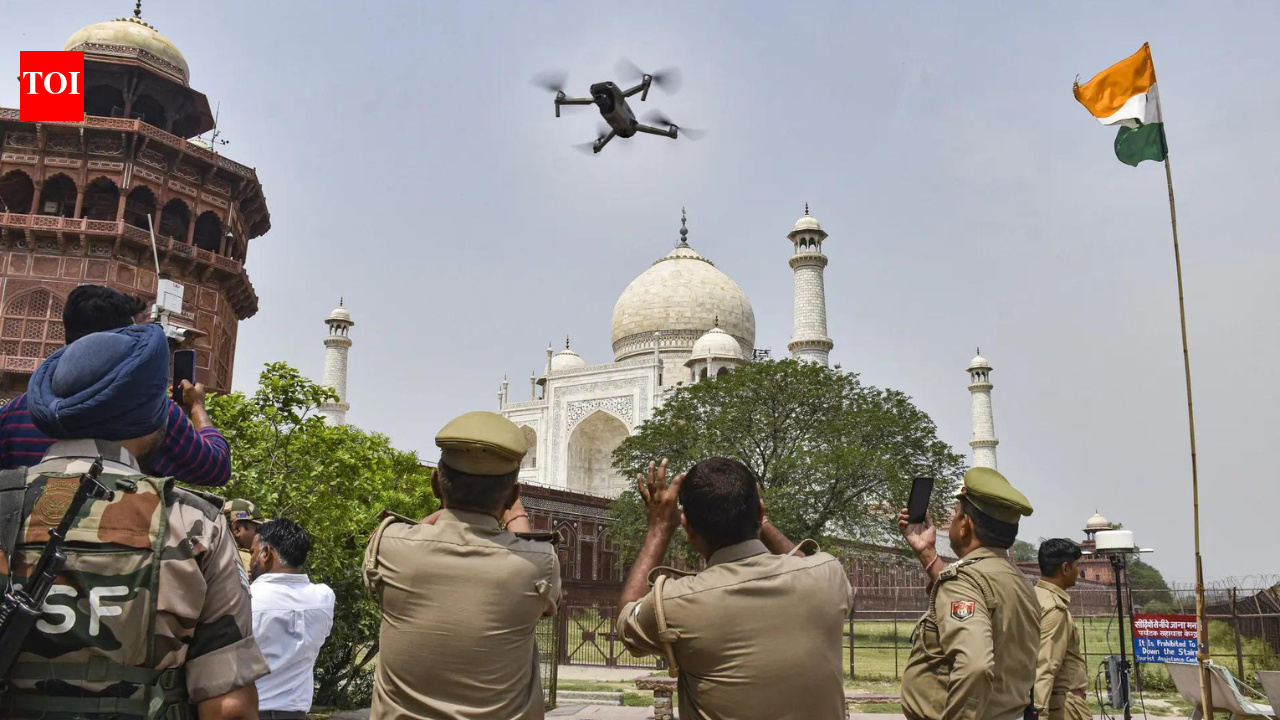
NEW DELHI: Cracking down on the online sale of “anti-drone” and “GPS jammer” devices, the Central Consumer Protection Authority (CCPA) has issued notices to six e-commerce platforms and entities. These entities face the risk of punitive action for misleading listings and regulatory non-compliance, officials said.The CCPA has sought detailed information on import licences, regulatory clearances, and buyer details from Everse, Indiamart, Xboom, Javiat Aerospace, AirONE Robotics, and Maveric Drones & Technologies Pvt Ltd.The authority observed that these devices were being listed online without disclosure of mandatory licensing requirements, without valid Equipment Type Approval (ETA) or Wireless Planning and Coordination (WPC) certification details, and without clearly stating that civilian possession and use without statutory authorisation is prohibited. It stated that the sale of such products on e-commerce platforms is likely to mislead consumers into believing that these devices are freely purchasable.The CCPA has directed the entities to furnish detailed information, including the source of procurement and import, along with copies of import licences, invoices, and related documents. They have also been asked to submit copies of regulatory approvals and authorisations obtained from the WPC, Department of Telecommunications (DoT), Directorate General of Foreign Trade (DGFT), Cabinet Secretariat, and Ministry of Home Affairs (MHA).The authority has further sought the legal basis for offering the restricted equipment for commercial sale; the number of units sold over the past two years along with complete purchaser details; particulars of third-party sellers listing similar equipment; steps taken to discontinue such listings and prevent recurrence; and a complete list of similar radio frequency or wireless transmitting equipment offered on their platforms.Drone jammers and signal jamming equipment are regulated under the Indian Telegraph Act and the Wireless Telegraphy Act, and are subject to strict licensing and regulatory control by the Department of Telecommunications (DoT) and the Wireless Planning & Coordination (WPC) Wing. The import of such restricted equipment is governed by the Foreign Trade (Development and Regulation) Act, 1992, and applicable DGFT notifications. Such equipment is ordinarily permitted only for authorised government agencies and law enforcement authorities, subject to statutory approvals.


Source link

Alia Bhatt sends gift hamper for ‘Raazi’ costar Vicky Kaushal’s baby Vihaan; Katrina Kaif reacts to ‘adorable cuddlies’ – PIC |


Katrina Kaif shared a sweet gift from Alia Bhatt for her baby, Vihaan—a cute hamper featuring a blue knitted bunny and a woolen blanket from Alia’s kidswear brand, Ed-a-Mamma. Thanking Alia on Instagram, Katrina joined the list of stars who’ve received thoughtful gifts from the actress’s sustainable label.

Katrina Kaif recently gave fans a heartwarming glimpse into a special gift she received from Alia Bhatt for her baby boy, Vihaan. Taking to Instagram stories, the new mom shared the adorable hamper, melting hearts across the fandoms of all three stars. Known for showering her industry friends with thoughtful gifts from her kidswear label, Ed-a-Mamma, Alia added Katrina to that growing list.

Katrina Kaif reveals Alia Bhatt’s adorable gift

Today, Katrina took to Instagram to reveal a charming surprise from Alia. The actress posted a picture of a delightful gift hamper that Alia had sent for baby Vihaan. The hamper, wrapped beautifully, included a soft blue knitted bunny and what looked like a warm woolen blanket or wrap for the little one. Sharing her appreciation, Katrina tagged Alia’s brand and wrote, “Thank you, Ed-a-Mamma, for these adorable cuddlies.

Alia Bhatt Goes Gaga Over Yami Gautam’s Haq Role, Calls It One Of Her All-Time Favourites

153644401

Alia Bhatt continues her sweet gifting tradition

Alia Bhatt, who launched her sustainable kidswear label Ed-a-Mamma in October 2022, has previously sent thoughtful gifts to celebrities like Karan Johar, Kiara Advani, and Parineeti Chopra. Her hampers often feature adorable plushies and soft toys.

Alia Bhatt and Katrina Kaif’s ‘Jee Le Zaraa’ back on track

Meanwhile, Alia Bhatt and Katrina Kaif were once in discussions to feature in Farhan Akhtar’s film ‘Jee Le Zaraa’, which also had Priyanka Chopra attached to the cast. The women-centric road trip drama was announced in 2021 but remained stalled for years due to scheduling issues and doubts surrounding the original lineup. Recently, however, Akhtar confirmed that the project is finally back on track.


Source link

Bangladesh Cricket Board unveils central contracts for the 2026 season


The Bangladesh Cricket Board (BCB) has announced its men’s central contracts for the 2026 season, introducing a new contract structure and expanding the list of centrally contracted players. The new contracts are effective from January 1 to December 31, 2026 .

Key changes made by BCB in the 2026 contract structure

The BCB has made significant changes to its central contract system for the 2026 season:

A+ category removed: The board has decided to eliminate the top-tier ‘A+’ category from the contract list. This decision was made due to the scarcity of cricketers who regularly play across all three formats for Bangladesh . As a result, no player has been placed in the A+ category this year.

Expanded player pool: The total number of centrally contracted players has increased from 22 in 2025 to 28 in the 2026 list.

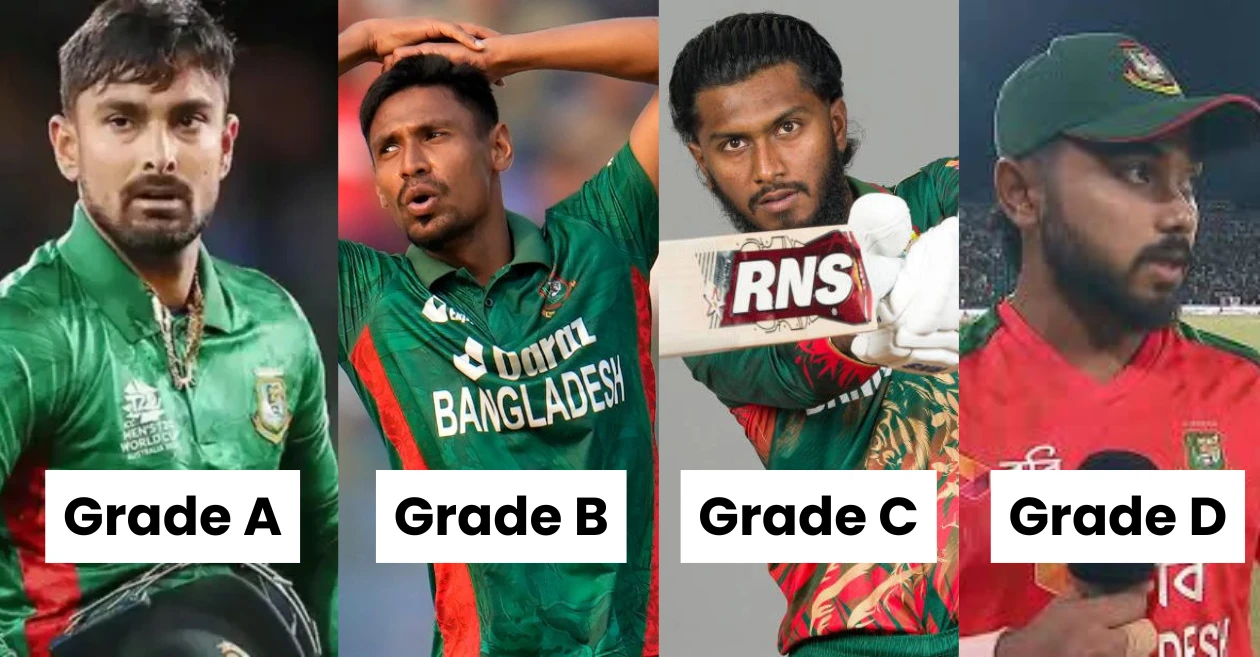
Four-tier system: Players are now distributed across four grades: A, B, C and D with corresponding monthly retainers.

Grade-wise contract list and salaries

Here’s the complete breakdown of Bangladesh players in each grade along with their monthly salaries:

 Grade Players Monthly Salary (BDT)
 Grade A  Najmul Hossain Shanto, Mehidy Hasan Miraz, Litton Das,   Taskin Ahmed  800,000 taka
Grade B  Mushfiqur Rahim, Mominul Haque, Taijul Islam, Mustafizur   Rahman, Towhid Hridoy, Shadman Islam, Tanzid Hasan   Tamim, Rishad Hossain, Mahedi Hasan, Hasan Mahmud, Nahid Rana  600,000 taka
Grade C  Soumya Sarkar, Jaker Ali Anik, Shoriful Islam, Tanzim Hasan   Sakib, Nasum Ahmed, Syed Khaled Ahmed  400,000 taka
Grade D  Saif Hassan, Parvez Hossain Emon, Tanvir Islam, Nayeem   Hasan, Hasan Murad, Shamim Hossain, Quazi Nurul Hasan   Sohan  200,000 taka

Also READ: Virat Kohli and Rohit Sharma face Grade B demotion as Shubman Gill enters top bracket of BCCI central contracts for 2025-26

The 2026 central contracts feature several significant changes based on player performances and career decisions:

Taskin Ahmed downgraded: The pacer, who was the sole A+ category player in 2025, has been downgraded to Grade A. This decision follows an Achilles injury that kept him out of all Test matches in 2025, though he remained active in white-ball cricket.

Mushfiqur Rahim moves to Grade B: The veteran batter has moved down to Grade B following his retirement from ODIs in March 2025.

Young players promoted: Strong performances earned promotions for several young cricketers. Tanzid Hasan, who was Bangladesh’s leading run-scorer in T20Is in 2025 with 775 runs in 27 matches, has been promoted to Grade B. Leg-spinner Rishad Hossain, who topped the wicket charts in both ODIs and T20Is last season, also earned a promotion to Grade B.

First-time contract recipients: Batters Saif Hassan and Parvez Hossain Emon, along with spinners Hasan Murad and Tanvir Islam, have received central contracts for the first time. They have all been placed in Grade D .

Notable omissions: Test opener Mahmudul Hasan Joy has failed to make the cut in the 2026 contract list . Veteran all-rounder Mahmudullah, who had retired from all formats, was not included in the new list as expected .

Players returning to contracts: Spinner Nayeem Hasan, batter Shamim Hossain, and wicketkeeper-batter Nurul Hasan have regained their positions in the central contracts after being previously omitted.

Also READ: T20 World Cup 2026 – Shahid Afridi delivers blistering reality check to Shadab Khan after Pakistan’s underwhelming group stage run


Source link