Breaking News
Maharashtra: Man stabbed and beaten to death, cops arrest one | Mumbai News


Vasai: A 31-year-old was stabbed and beaten to death on Friday night in Nalasopara (W). Police have arrested one, while teams have been formed to trace the remaining. In the FIR, five have been named — Roshan Singh, Jagan Mehndi, Sunil Malusare, Suraj Singh, Tinkle Mishra, with at least four other unknown accused. The victim has been identified as Shubham Mishra and is said to be known to the accused. The killing allegedly stemming from an old rivalry. Mishra sustained severe injuries and heavy bleeding, and died on spot.

Red Fort on Target, Namo Bharat Train Launch, Shirtless Protest & More


Source link

Report on Davos deals soon, 15 bills to be passed in House: CM | India News


Report on Davos deals soon, 15 bills to be passed in House: CM

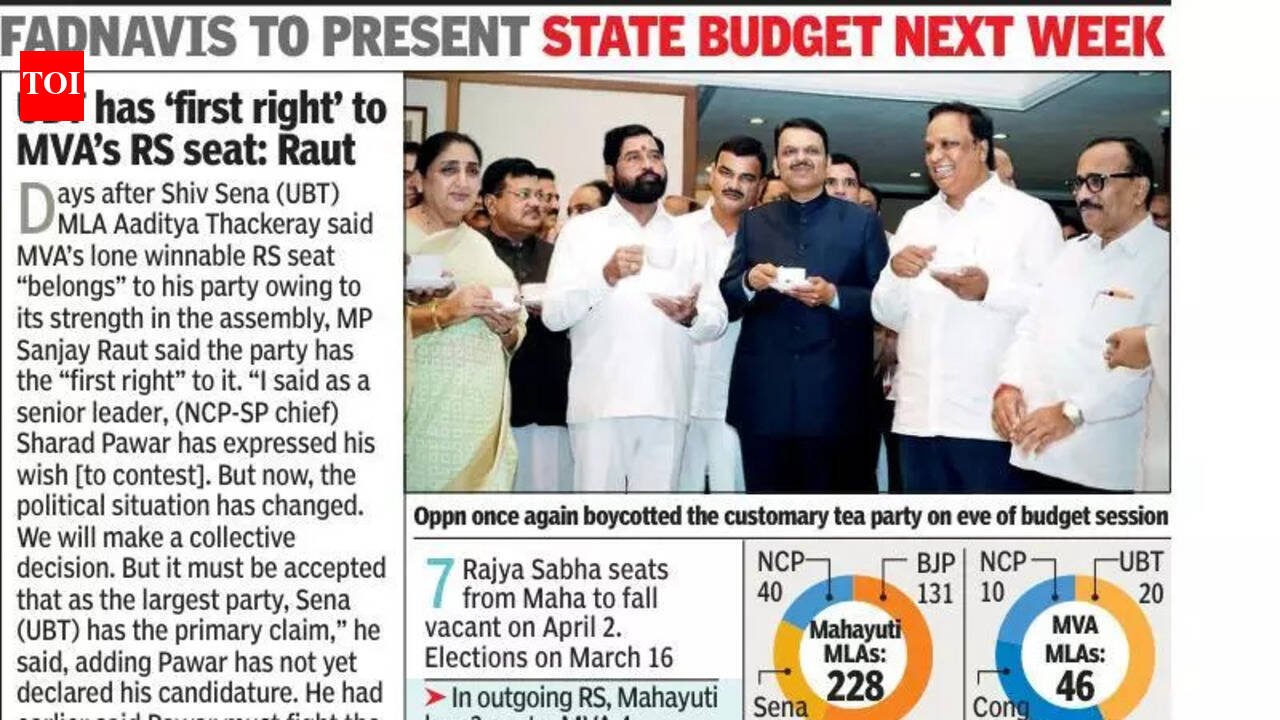
Mumbai: CM Devendra Fadnavis on Sunday said the state govt will present a detailed report on the Rs 30-lakh crore MoUs signed at World Economic Forum in Davos last month as well as the status of past deals. Earlier in the day, the opposition demanded a white paper on such past agreements.After the opposition once again boycotted the customary tea party on the eve of the budget session, Fadnavis told reporters at the state guest house, Sahyadri, that 13 bills will be introduced during the one-month session. He said two bills are pending from the previous session and all of them will be passed. “We shall give sufficient time for discussions,” he said. He said the death of deputy CM Ajit Pawar meant it had fallen upon him to present the budget. The opposition, which addressed the media separately, also cited the plane crash to question govt. “Govt has given only two lines of explanation that no one should raise questions about the accident. Why not? Is it a conspiracy or an accident? This is being discussed all over the country,” said Congress MLA Vijay Wadettiwar. The CM pointed to NCP (SP)’s absence at the opposition’s press conference, a six-page letter from the opposition being signed by a former MLA of the Sharad Pawar group and numerous grammatical errors in the letter that highlighted 18 issues. Sena (UBT) MLA Bhaskar Jadhav later said NCP (SP) netas arrived late for the meet owing to some communication gap. “But we are all together as MVA,” he asserted. While Sena (UBT) MLA Aaditya Thackeray pointed to the vacant posts of the leader of opposition in both Houses and asked why the Mahayuti govt was “afraid” of the post when it has the brute majority, Fadnavis said the decisions are to be taken by the assembly speaker and the legislative council chairman. Congress MLC Satej Patil demanded the resignation of FDA minister Narhari Zirwal from NCP over a bribery case involving a staffer attached to his office in Mantrayala. The CM said his name had not cropped up in the Anti-Corruption Bureau (ACB) investigation. Acknowledging that the incident affects govt’s image, Fadnavis said, “We have zero tolerance towards corruption and that is why you see so many cases of action being taken. I have given clear instructions to ACB that if any such act of corruption is found in his office, then it must take action.” Thackeray also took a dig at Mahayuti, saying there is a growing rivalry among its ministers, likely referring to Fadnavis and deputy Eknath Shinde, on who govt’s “infra man” is. He also slammed govt for giving just Rs 5 lakh compensation to the family of the Mulund Metro concrete parapet crash victim. Alleging that the new India-US trade deal “will break the backs of farmers”, Wadettiwar pointed to the ongoing farmer suicide crisis in Maharashtra. Shinde urged the opposition to attend the budget session and not sit on the steps of Vidhan Bhavan and oppose govt. “Govt will address all issues raised by the opposition in the House,” he said.


Source link

Daren Sammy breaks silence on Super 8 pre-seeding debate: ‘Play what’s in front of you’ | Cricket News


'Play what's in front of you': West Indies coach defends Super 8 pre-seeding amid debate

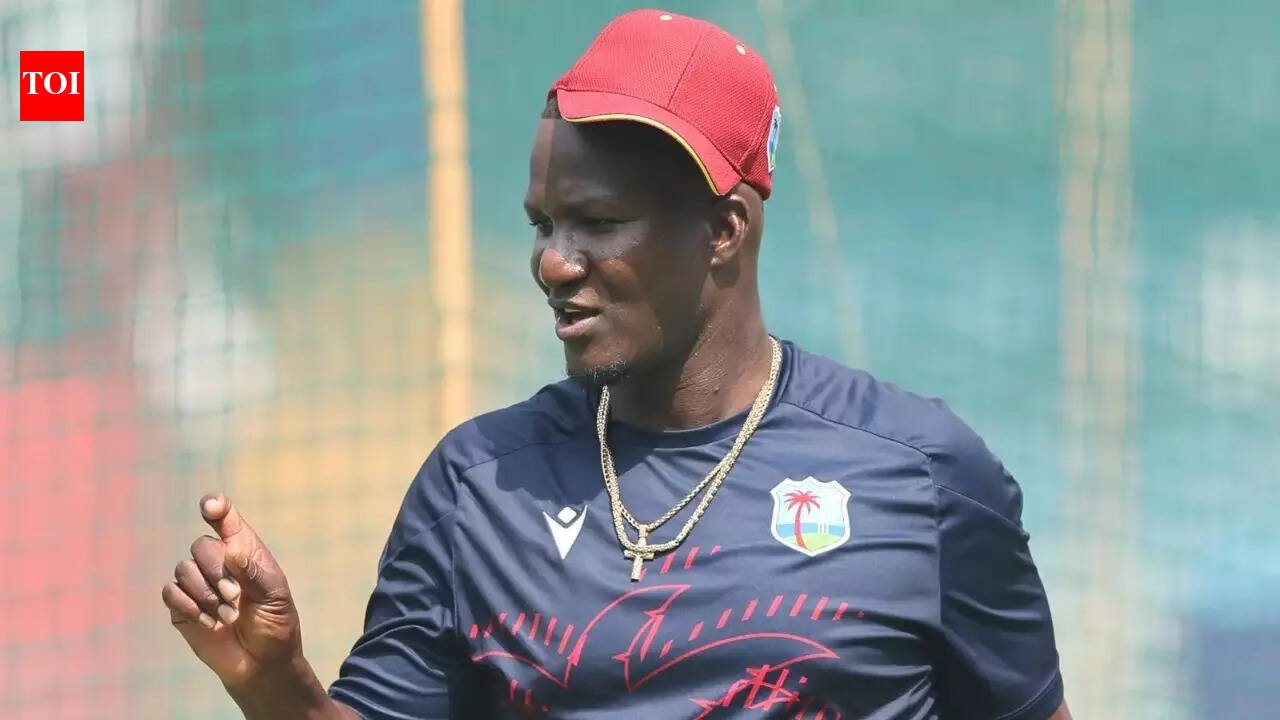
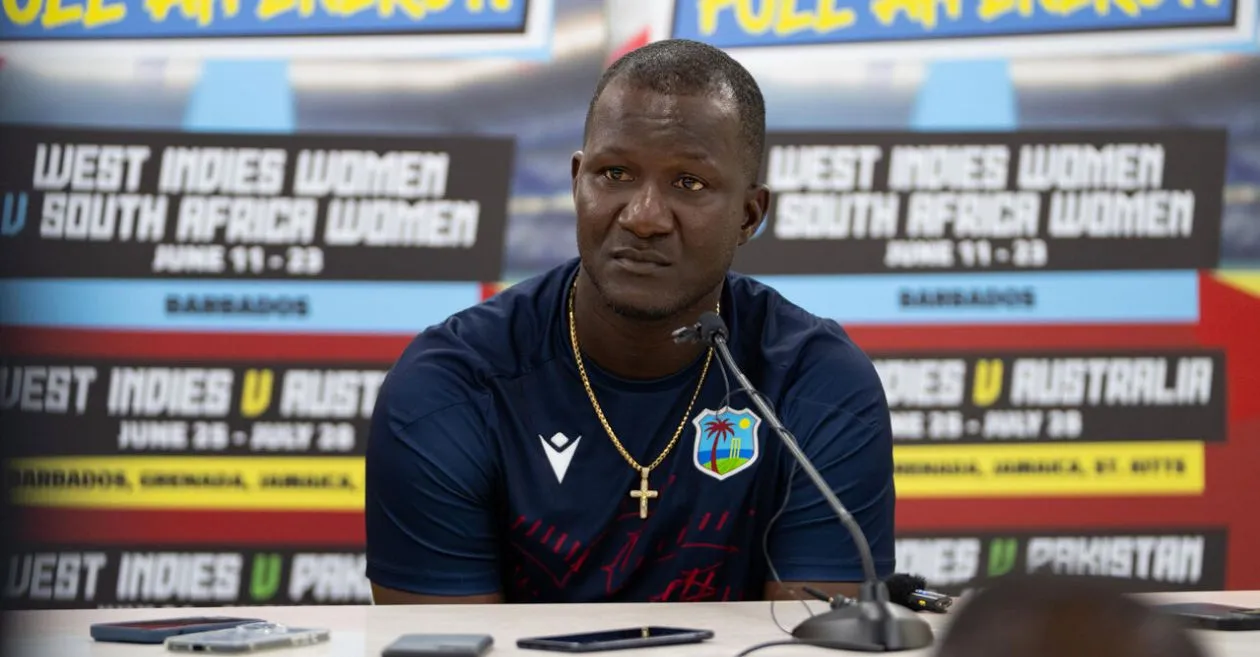
West Indies head coach Daren Sammy on Sunday defended the tournament’s pre-seeding system, saying group placements may have motivated teams like Zimbabwe to raise their level and perform beyond expectations at the ICC Men’s T20 World Cup.Zimbabwe finished on top of Group B ahead of Sri Lanka, while former champions Australia were eliminated — an outcome that surprised many.Pre-seeding for the Super Eights has been widely discussed since the tournament reached the later stages, but Sammy said he understood the system, particularly from a logistical perspective.“If you take the logistics that comes into it, trying to give fans who probably travel, (it is) an opportunity to plan ahead,” Sammy told reporters ahead of West Indies’ Super Eights clash against Zimbabwe.“… The big thing for most people is (that) they would be saying ‘oh! West Indies came out of the group’ (or) ‘oh! Zimbabwe came out of the group’ — that means somebody they see (coming out from) there did not come out.”He said group composition itself can become a motivating factor.“Zimbabwe did what they had to do. If we were not seeded or so, and I saw this person (an opponent) is going to play there, that gives me motivation.“I’m pretty sure Zimbabwe, looking at that group there, gave them motivation and inspiration to come out and play the way they played. But I do understand from the logistics standpoint, trying to give the fans the surety.”Sammy added that his team does not focus on how opponents are grouped.“You seldom get top teams in the same round. My team knows they have to play (in) a World Cup. We’ve got Zimbabwe tomorrow, (then) we’ve got South Africa and then India ,” he said.“We’ve got (the two) finalists of the last World Cup. If you’re going to win, you’ve got to play what’s in front of you. Not take it for granted, not take anybody lightly. If you start to bring in other factors, it takes you off-track,” he said.When asked about facing a team not widely expected to progress this far, Sammy questioned the assumption.“Who said Zimbabwe is not supposed to be here?”“A lot of people say West Indies is not supposed to be here either. When you’re in a World Cup, you’ve got to respect every opposition.“That’s what we’ve been doing; that’s what I encourage my guys to do. Respect the opposition, but believe in yourself, believe in your processes and your execution. Tomorrow, we approach it the same way we would approach a game against India or Australia or whoever,” Sammy said.The two-time T20 World Cup-winning captain also said the format narrows the gap between teams.“Like us, they (Zimbabwe) are very confident, they are playing some good cricket. T20 is a format that brings teams closer together. There’s no clear-cut winner. These guys have played well. Zimbabwe, missing out on the last World Cup, they (are) led well. Sikandar Raza is very confident. He leads by example.“They’ve got six fans in the stands that sounds like one million. There are a lot of things that (are) going for them. I could understand from that standpoint, where nobody gives you a chance (and) how you could use that as inspiration,” Sammy added.


Source link

Traders take stock, expect market mood swings


Traders take stock, expect market mood swings

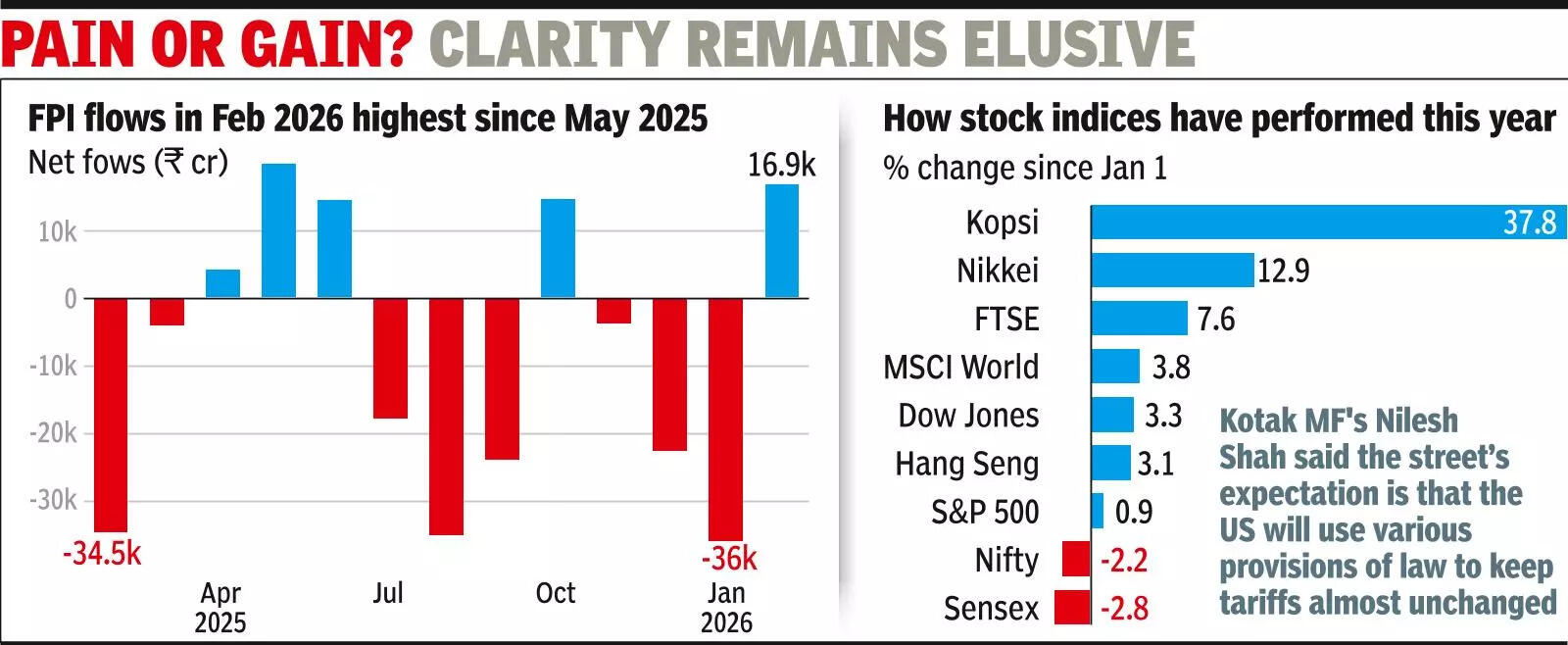
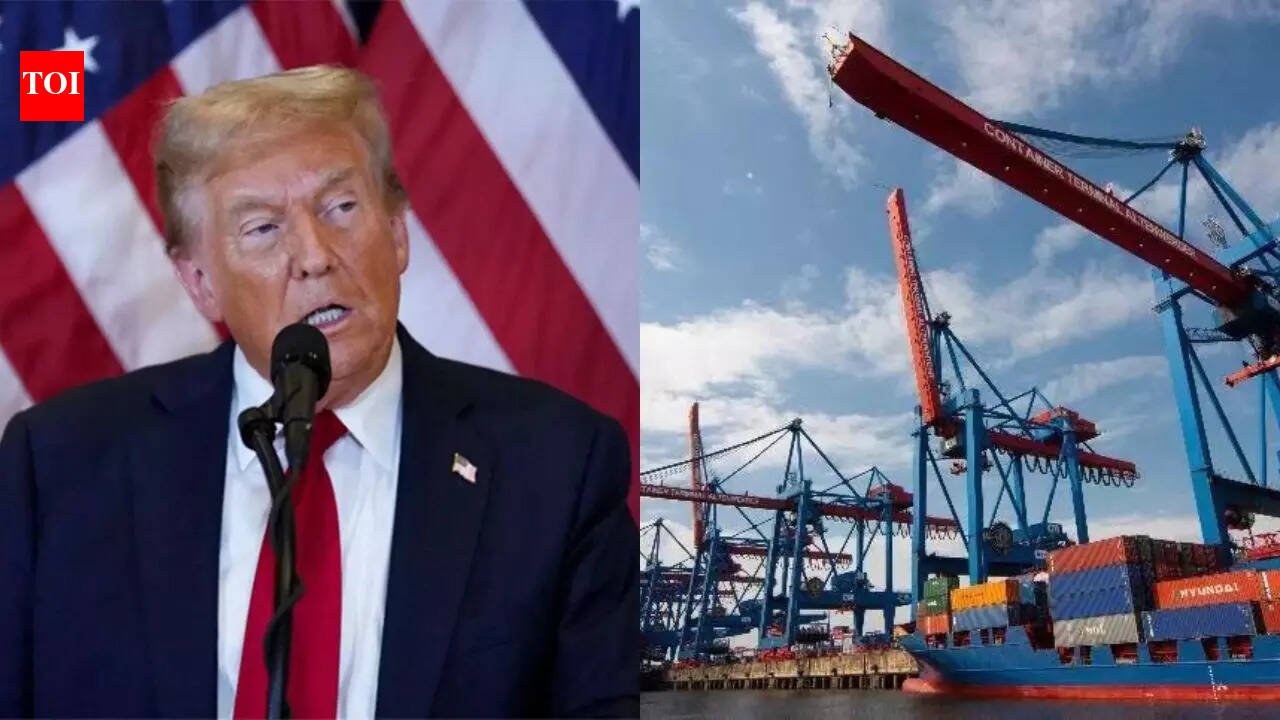
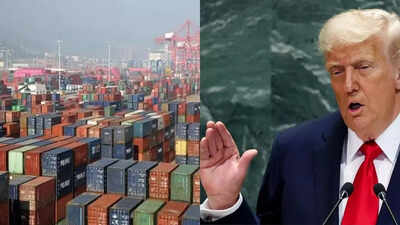
MUMBAI: Markets are expected to remain volatile during the week as clarity among Dalal Street investors about the US tariffs on goods exported to the world’s largest economy continues to remain elusive. While most market players feel that the rate of tariff on Indian goods will not be much different from what it was earlier, some feel that the new tariff structure will put India at the same level with several other competing countries, a favourable situation than what it was before the US Supreme Court invalidated President Donald Trump’s tariffs on Friday evening.

Traders take stock, expect mkt mood swings

Late on Friday, after the US SC order and the subsequent announcement by Trump that he will impose a 10% tariff on all goods (for 150 days), the GIFT Nifty index rallied to close 320 points or 1.25% higher at 25,886 points. Traded on NSE’s GIFT City platform till late into the night on all trading days, it usually gives an indication about how the Indian market would open the next day, provided there are no late-night or early-morning developments.After the GIFT Nifty closed, Trump changed the tariff structure on Saturday to 15%. To add to the confusion, Neal Katyal, the US lawyer who won the tariff case against Trump, said the new tariff rate is also invalid under US laws.Fund managers, however, assured jittery investors. According to Nilesh Shah, MD, Kotak Mahindra Mutual Fund, the street’s expectation is that the US will use various provisions of law to keep tariffs almost unchanged. “Any change will be for the short term and hence unlikely to impact market direction materially,” Shah said late on Saturday.Samir Arora, the founder of Singapore-based Helios Capital that also has a domestic fund house with the same name, said on X that there was nothing wrong with the 15% rate of tariff as far as India was concerned.


Source link

Have sought CBI probe into Ajit plane crash: Fadnavis | Mumbai News


Mumbai: CM Devendra Fadnavis on Sunday said govt has requested a CBI inquiry into the plane crash that killed deputy CM Ajit Pawar last month. “We received a letter from the NCP seeking a CBI inquiry. We have written to the Union home ministry and the case will now be investigated by CBI, along with investigations by Directorate General of Civil Aviation and the state CID.” He said those raising doubts over the crash must write to the appropriate authority or they could write to govt, which will forward it to the authority. “All valid doubts must be answered and we shall pursue the matter till all answers are received.” Fadnavis said an audit of all flights of VSR, which owned the ill fated aircraft, had been initiated, adding that he had flown 4-5 times in the aircraft that crashed. He said owing to overheating, help had been sought from the manufacturer to retrieve data from the voice recorder. TNN

Red Fort on Target, Namo Bharat Train Launch, Shirtless Protest & More


Source link

Section 301: How USTR polices trade partners


Section 301: How USTR polices trade partners

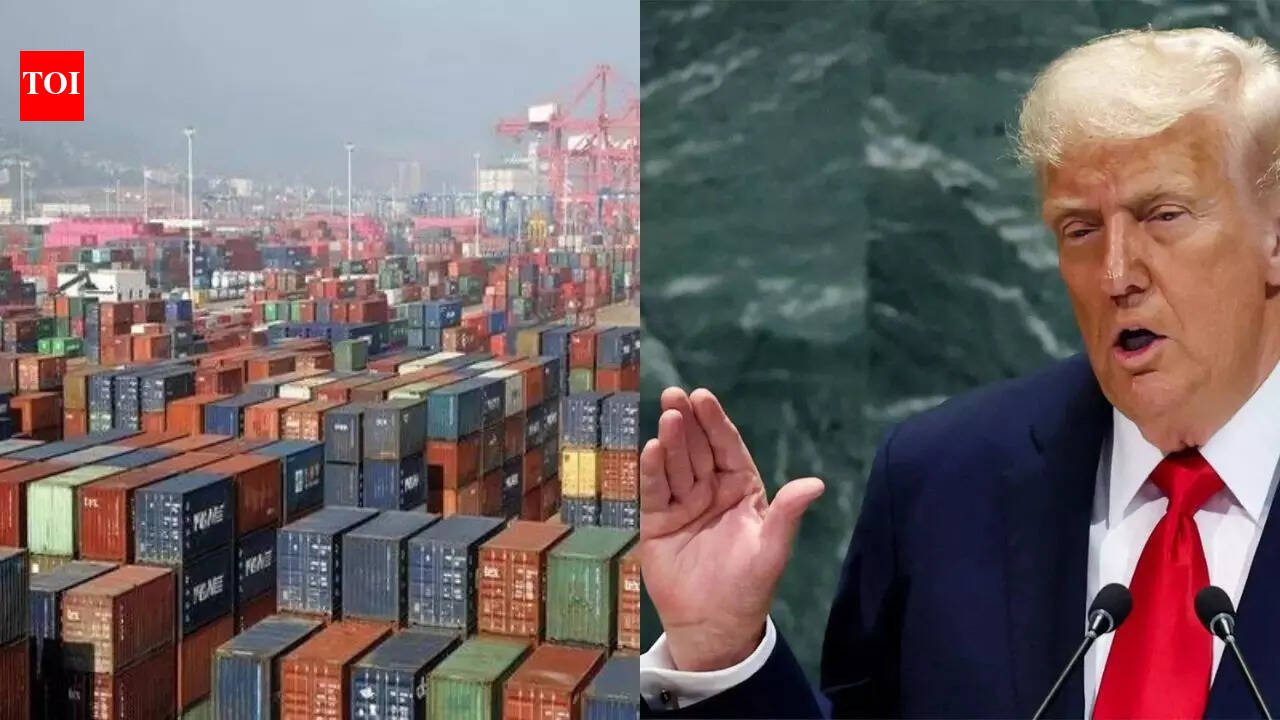
After the setback on tariffs in the US Supreme Court, US president Donald Trump indicated that he would order section 301 investigations against trading partners. USTR Jamieson Greer followed it up, saying that the probe will cover major trading partners and may range from industrial policies of countries to drug pricing and ocean pollution.What is Section 301?Sections 301 to 310 of the Trade Act of 1974 of the United States, titled “Relief from Unfair Trade Practices” are collectively referred to as “Section 301”. It provides for the Congress to grant the office of the United States Trade Representative (USTR) powers to investigate and initiate action through measures such as imposition of tariff to enforce US rights under trade agreements and respond to certain foreign trade practices. The law allows the USTR to “self-initiate” a probe or order investigations based on complaints.How do these investigations work?The investigations are conducted by a “Section 301 committee”, which reviews petitions, conducts hearings and submits its recommendations. USTR is required to seek consultations with the foreign govt at the time of initiation of probe as part of trade agreements. For investigations that do not involve an agreement, USTR has generally requested consultations with other govts.

Section 301: How USTR polices trade partners

What happens after a probe and how much time does it take?If USTR concludes there is a violation of a trade agreement or a country’s action is “unjustifiable” and it “burdens or restricts” American commerce, action is “mandatory”. In case it finds that the action by a govt is “unreasonable or discriminatory” and “burdens or restricts” US commerce, action is discretionary. Usually, in cases where trade agreements are not involved, USTR makes its determination within 12 months after the launch of a probe.What steps can USTR take?It can impose tariffs or other import restrictions; withdraw or suspend trade agreement concessions; and enter into a binding agreement with a govt to either cease the action or compensate the US.What kind of steps has the US taken in the past?Since the WTO was set up in 1995 and until the first Trump Administration, the US used Section 301 primarily to build cases and pursue dispute settlement at the WTO. The first Trump administration used the provision to investigate foreign trade practices six times. Two investigations into China and the EU resulted in the imposition of tariffs. In 2020, USTR imposed tariffs on imports from the EU under Section 301 based on the findings of a WTO dispute settlement body on subsidies on civil aircraft. They were suspended in 2021.In 2018, USTR imposed tariffs of up to 25% on US imports of $370 billion from China after a probe into the country’s practices relating to “forced technology transfer”, intellectual property rights, and innovation. During the Biden administration, after a review, the US increased tariffs on EVs. It also undertook three other investigations, involving Nicaragua’s policies, and practices related to labour rights, human rights, and the rule of law and Chinese practices on semiconductor and ship building.Under the current Trump administration, USTR has initiated two investigations into Brazil’s practices related to digital trade and electronic payment services, ethanol market access, and other issues and also one related to China’s implementation of its commitments under the US-China “Phase One” deal. Even before the US Supreme Court verdict it had indicated probes on digital service tax on American companies, practices of seafood exporters and China’s apparel sector policies.Is the law compatible with global trade rules?In 1998, the EU had challenged the provision, with India, Brazil, China, Japan and Canada reserving their rights as third parties, on the grounds that the unilateral determination, including trade sanctions against trade partners of the US, bypassed WTO’s dispute settlement process. The panel under the dispute settlement body found the undertaking given by the US sufficient to overcome “prima facie violation of WTO obligations”, trade expert Abhijit Das wrote in his book. It concluded that sections 304, 305 and 306 were not inconsistent with global trade rules.


Source link

IDFC First reports Rs 590cr fraud in Haryana govt a/c; bank suspends 4 employees pending probe


IDFC First reports Rs 590cr fraud in Haryana govt a/c; bank suspends 4 employees pending probe

MUMBAI: IDFC First Bank has reported a Rs 590-crore discrepancy in deposits held on behalf of Haryana govt at its Chandigarh branch, and suspended four employees pending investigation.The bank’s filing comes after the state directed its departments to close accounts with private lenders on Feb 18. The matter was escalated to the bank’s board at a hastily convened meeting on Feb 21, after the lender filed a police complaint and notified regulators. It has also informed its statutory auditors and initiated the process of appointing an independent external agency to conduct a forensic audit. In addition, recall requests have been sent to certain beneficiary banks to lien-mark balances in suspicious accounts.The disclosure was made to the exchanges has been uploaded on the bank’s website. Meanwhile, Haryana’s finance department has de-empanelled IDFC First Bank and AU Small Finance Bank for all state business with immediate effect, barring any parking or transaction of govt funds through them. On Feb 18, 2026, it also tightened rules on handling public funds. Departments can now open scheme accounts only in nationalised banks in the state, while accounts in private or corporate banks will need prior finance department approval.Based on a preliminary internal assessment, the bank said the issue is confined to a group of Haryana govt-linked accounts operated through the Chandigarh branch and does not extend to other customers at the branch. The aggregate amount under reconciliation across the identified accounts is about Rs 590 crore. The eventual impact will depend on validation of claims, recoveries, including lien-marking of balances in beneficiary accounts maintained with other banks, liabilities of other entities involved in the transactions, and the outcome of legal recovery proceedings.


Source link

Tariff tantrums: Exporters brace for uncertain times


Tariff tantrums: Exporters brace for uncertain times

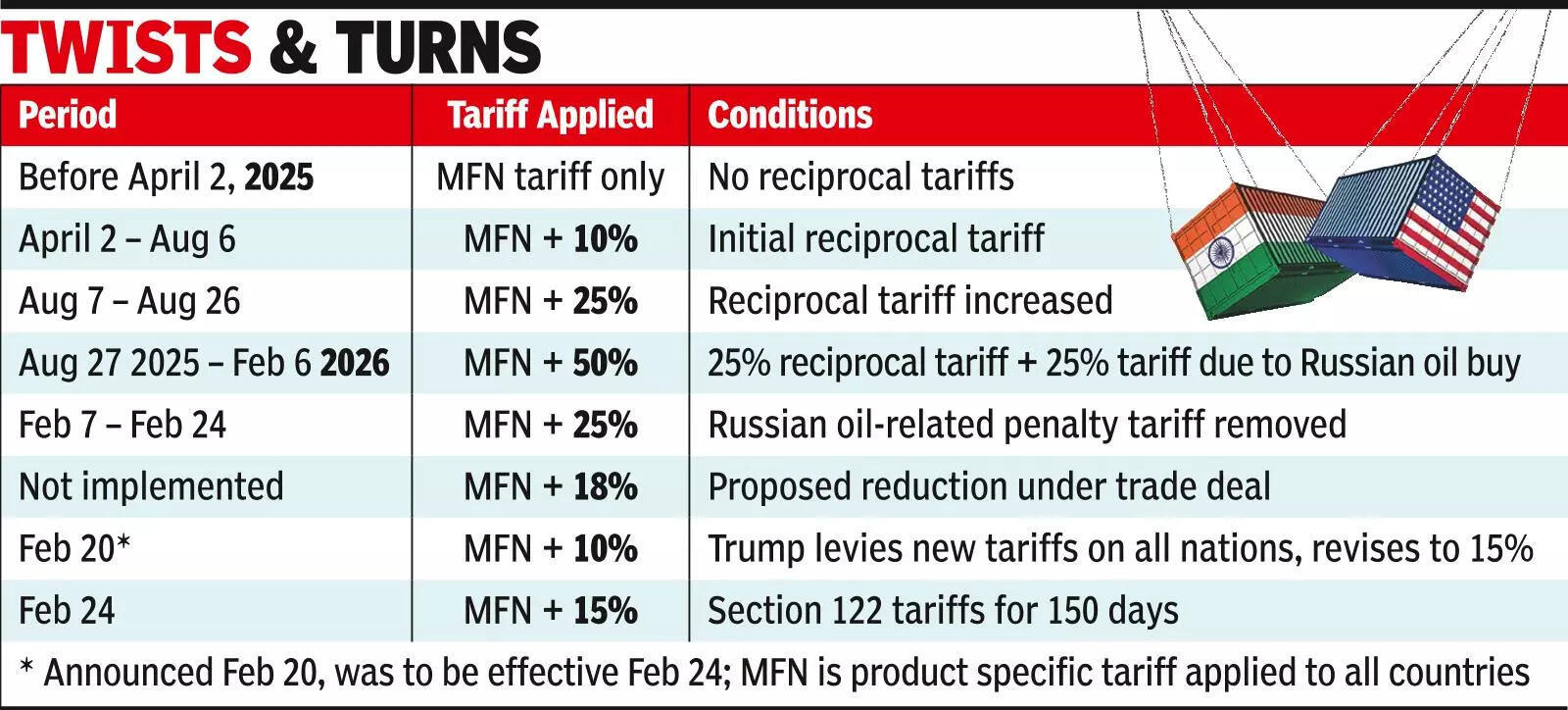
NEW DELHI: A leading exporter left work on Friday with additional US tariffs on most goods from India at 25%. He was hoping it will fall to 18% this week. Late evening, the US Supreme Court declared the imposition of reciprocal tariffs illegal and by Saturday a new levy of 10% kicked in, which moved to 15% by evening.“Indian exporters were on tenterhooks for the last three quarters as we were offering very heavy discounts to retain US business. We knew our govt was working on a bilateral trade deal. The US economy’s resilience is the only help that mitigated these effects, but one thing is very clear, that inconsistency in US tariff policies is new normal for now,” said Pallab Banerjee, MD of Pearl Global, a leading garment maker.Over the last 10 months, they have seen multiple changes and most businesses are bracing for more twists and turns as the current tariffs are in place for 150 days.

Tariff tantrums: Exporters brace for uncertain times

Inconsistent Policies In US Seen As ‘New Normal’

Most exporters are happy with uniform tariffs over the MFN or product specific rate and having dealt with discounts of as much as 15-18% when Trump had slapped 50% levy on India, discounts are something that they are willing to live with. Against discounts of 15-18% when the punitive tariffs of 50% were in place for Indian exports, the discounts had dropped to 0-3% after the trade deal was announced on Feb 2. Now, many exporters fear that US buyers will seek a three-way split, which means a discount of up to 5%.“The 10% tariffs were good, we were all smiling, but then it changed within a few hours. This is temporary. We will get to know what happens when offices open (in the US on Monday),” said Jyoti Apparels MD HKL Magu, an industry veteran.“The frequent tariff changes impact businesses, particularly retailers and brands, who will continuously need to recalibrate their cost calculations and negotiate or renegotiate with suppliers,” said Banerjee. Footwear industry players believe level-playing field is good for Indian businesses. “It is good. Coming from a higher duty to lower will not make much difference,” said Israr Ahmed, director at Farida Group, a large leather and footwear exporter.“Recent clarity provided by the US Supreme Court ruling has improved visibility for global footwear and leather sourcing, with effective duties now expected to fall in the 10-15% range, a more favourable outcome than earlier. The ruling applies uniformly across Asian sourcing countries, helping restore predictability for US brands,” added Florence Shoe Company chairman Aqueel Panaruna.The elephant in the room is China, which is a major gainer from the fallout of the US Supreme Court ruling. Against additional tariffs of well over 30% on most products, it will pay less than half the rate and tariff-wise, be at par with competitors.


Source link

Odisha Police Accident: 5 police personnel killed, 3 critical after SUV collides with gravel-laden tipper truck in Odisha | Bhubaneswar News


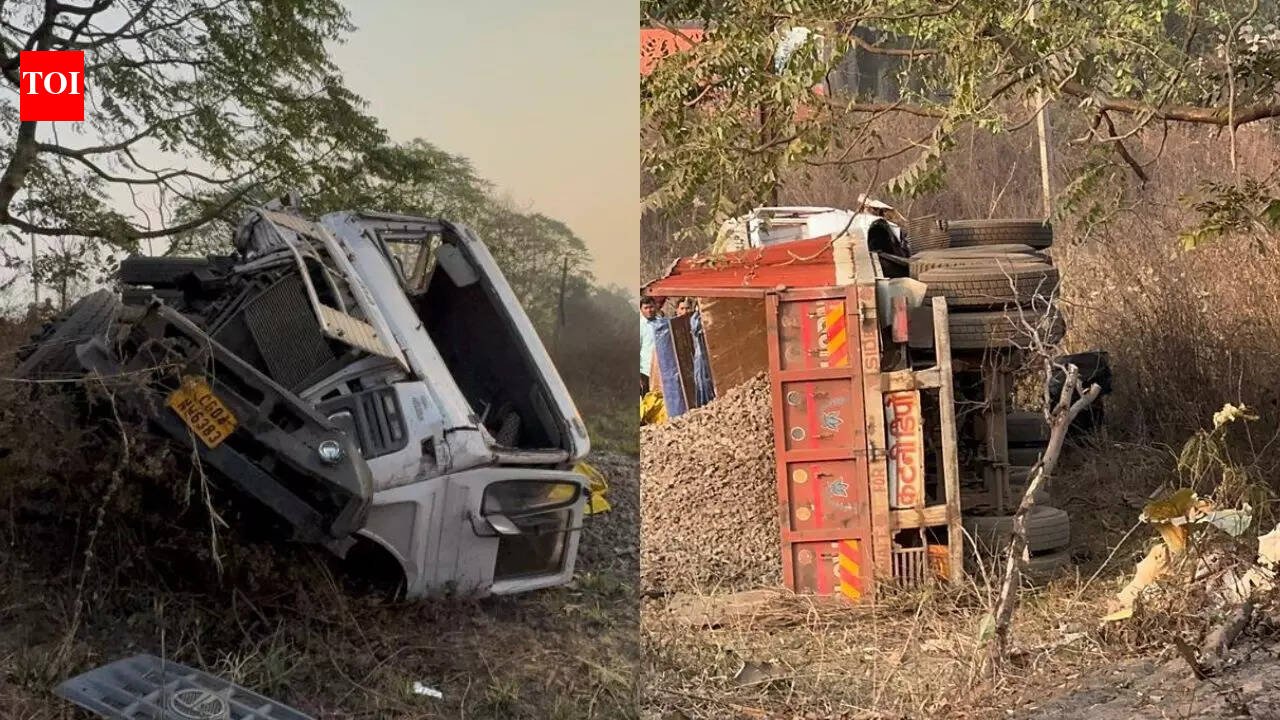
BHUBANESWAR: At least five police personnel were killed and three others critically injured after a head-on collision between a gravel-laden tipper truck and an SUV in Odisha’s Jharsuguda district early Sunday morning.The deceased personnel were identified as armed police reserve constables Kasiram Bhoi and Debendra Sa, havildar Lingaraj Dharua, sub-inspector Niranjan Kujur, and home guard Bhakta Bandhu Mirdha. All were in their 40s.

Bhubaneswar: Govt Clears ₹44k-Cr Projects, Police Killed, Hoteliers Seek 15-Destinations Plan & More

Jharsuguda superintendent of police Gundala Reddy Raghavendra said that the tipper driver has been arrested. “The circumstances leading to the accident are under investigation,” he said, after visiting the crash site and later meeting the injured personnel at the hospital. The SUV was left completely mangled, underscoring the severity of the impact. Fire service teams deployed hydraulic cutters to dismantle the twisted cabin and extricate the trapped personnel. Despite swift rescue efforts, doctors declared five of them dead upon arrival at the hospital.


Source link

Daren Sammy defends T20 World Cup 2026 Super 8’s pre-seeding system prior to West Indies vs Zimbabwe encounter


The ICC Men’s T20 World Cup 2026 has entered the Super 8 stage, but a familiar debate recently resurfaced about the pre-seeding system. This administrative framework, designed to help fans and broadcasters plan for matches months in advance, has come under fire for creating a lopsided bracket. Following the group stages, all four group winners India, South Africa, West Indies and Zimbabwe – have been funnelled into Group 1, while Group 2 consists entirely of runners-up.

Ahead of a critical clash between the West Indies and a resurgent Zimbabwe at the Wankhede Stadium in Mumbai, West Indies head coach Daren Sammy addressed the noise surrounding the tournament’s structure. Choosing to prioritize performance over politics, the two-time World Cup-winning captain offered a grounded perspective on the logistical challenges of modern global cricket.

Daren Sammy responds to concerns over fixed T20 World Cup seeding before facing Zimbabwe

Breaking his silence on the seeding debate, Sammy acknowledged that while the pre-determined slots might seem frustrating from a sporting integrity standpoint, they serve a practical purpose for the tournament’s audience.

I do understand from the logistics standpoint, trying to give the fans the surety,” Sammy stated during Sunday’s pre-match press conference. He noted that the “surety” of knowing where and when a team will play allows traveling supporters to book flights and accommodation, a necessity in a multi-host tournament across India and Sri Lanka.

For Sammy and his squad, the “Group of Death” scenario—where they must navigate past India and South Africa in addition to Zimbabwe—was a challenge they accepted long ago.

We knew before the tournament what was going to happen, where we were going to be. We just try to control what we can,” he explained. Rather than viewing the bracket as a “punishment for excellence,” Sammy characterized it as the natural progression of a premier event where the best must eventually face the best. His message to the Men in Maroon was simple: stay on track and respect the immediate opponent.

Also WATCH: Dasun Shanaka’s bullet throw removes Tom Banton in SL vs ENG Super 8 showdown

West Indies’ unbeaten momentum meets Zimbabwe’s rise in their first Super 8 encounter

The West Indies enter the Super 8s with significant wind in their sails, having finished the group stage with a perfect 4-0 record. Their latest victory, a clinical 42-run win over Italy at Eden Gardens, was a testament to their balanced depth. Captain Shai Hope anchored the innings with a blistering 75 off 46 balls, while the pace battery, led by Shamar Joseph (4/30) and Matthew Forde, has consistently dismantled opposition batting lineups.

However, Zimbabwe is no longer the “minnow” of the tournament. Under Sikandar Raza’s inspired leadership, the Chevrons topped their group after stunning upsets over Australia and Sri Lanka. Sammy was quick to praise their progress, noting that Zimbabwe’s presence in the Super 8s isn’t a fluke but a result of capitalizing on opportunity.

Zimbabwe did what they had to do,” Sammy remarked, suggesting that their rise underlines the competitive spirit of this World Cup. As both unbeaten sides prepare to square off, the focus remains squarely on the 22 yards of the Wankhede, leaving the seeding debates for the analysts in the commentary box.

Also READ: T20 World Cup 2026: Dinesh Karthik picks his semifinalists; includes India and three other powerhouses


Source link