Breaking News
Rage over grazing car in Bengaluru: Ambulance rushing to attend critically ill patient stopped midway, driver abused | Bengaluru News


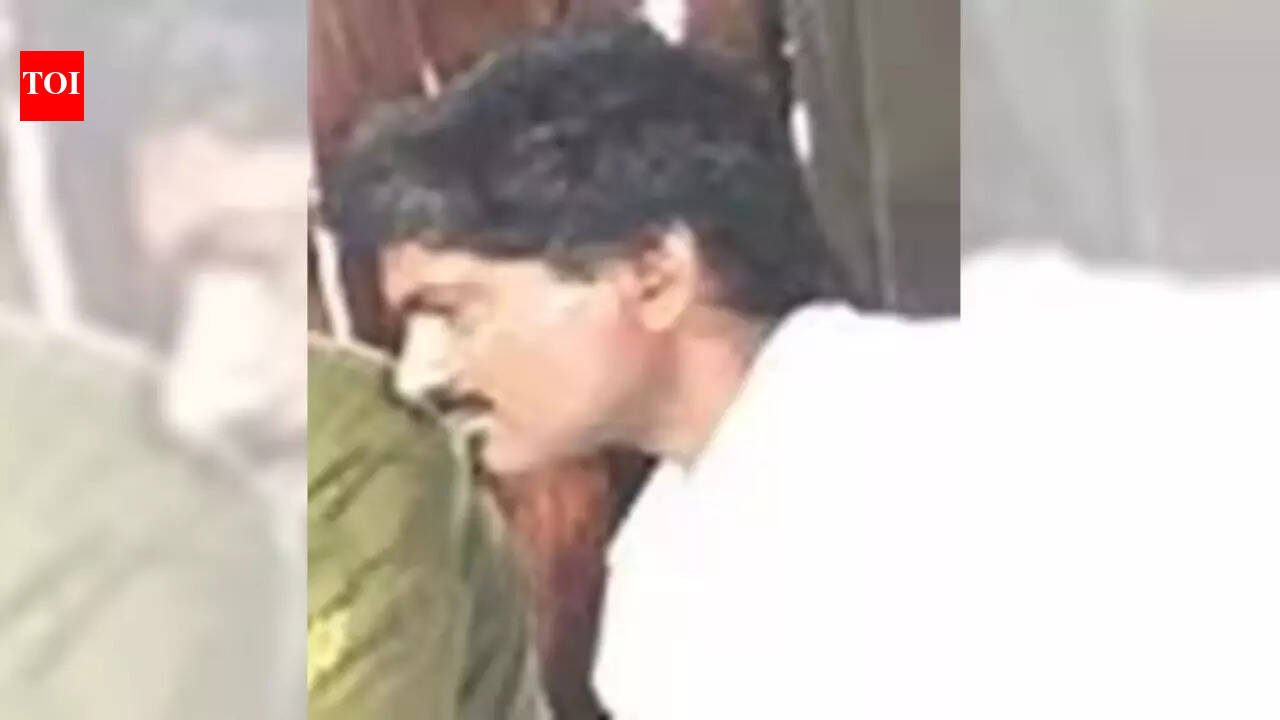
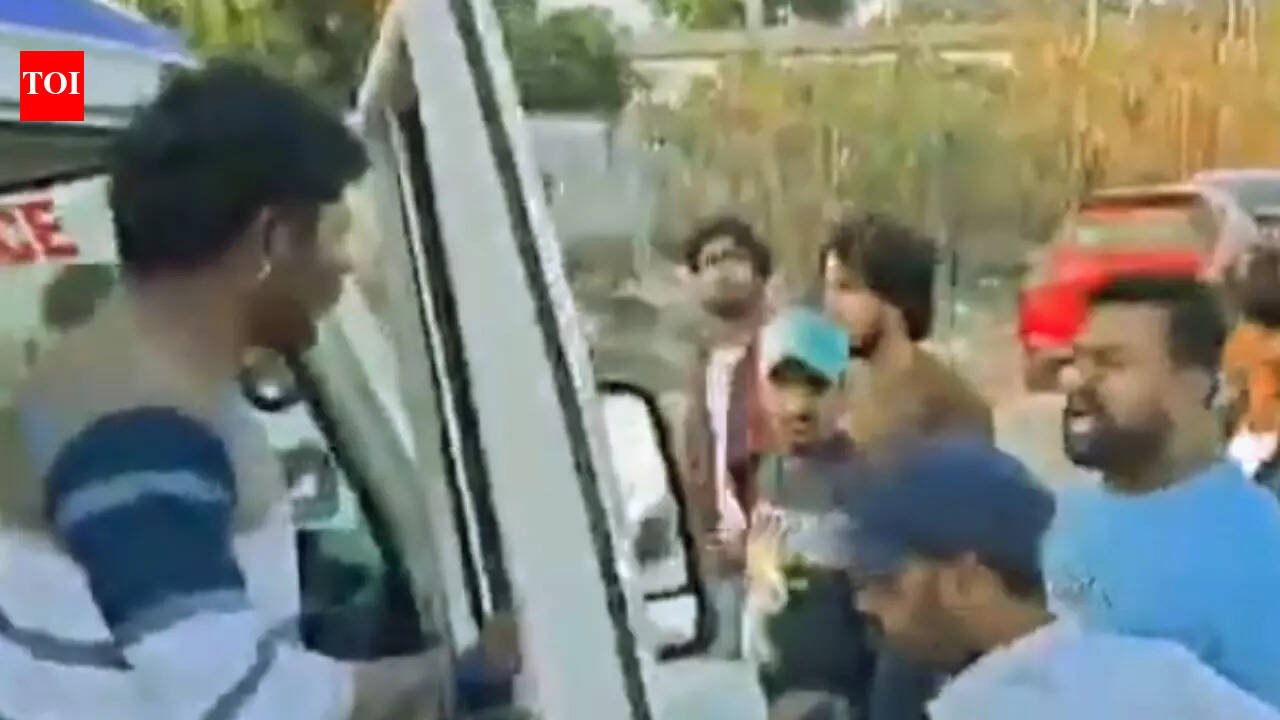
In an incident that triggered public anger, an ambulance rushing to attend to a critically ill patient was allegedly stopped midway after it grazed a car near Alliance University at Anekal in Bengaluru Rural district on Saturday. (Image Credit/ X)

BENGALURU: In an incident that triggered public anger, an ambulance rushing to attend to a critically ill patient was allegedly stopped midway after it grazed a car near Alliance University at Anekal in Bengaluru Rural district on Saturday, resulting in a 15-minute delay.Based on a complaint by driver Gnanendra, police registered a case and detained two persons, Vasanth from Anekal and Bharath from Hosur in Tamil Nadu.

Delhi Bomb Threat Hoax, Prahaar Anti-Terror Doctrine, 60+ Nation Groups & More

The accident occurred when 108 Arogya Kavacha ambulance, which set out from Anekal with its siren blaring, navigated a narrow stretch of the road in front of the campus. According to reports, a car moving or parked along the roadside partially obstructed the carriageway. In the process, the ambulance reportedly touched the car.Instead of allowing the emergency vehicle to proceed, the car driver, allegedly joined by a few students, stopped the ambulance and engaged in a heated argument.Despite the ambulance driver repeatedly explaining he was responding to a medical emergency, the vehicle was reportedly blocked for 10-15 minutes. The ambulance driver was verbally abused.Police rushed in and controlled the situation. A video shows the driver asking the car owner or driver to take a photo of the ambulance and file a complaint, but the person got into an argument and blocked the way.Under traffic laws, motorists are legally bound to give free passage to emergency vehicles, including ambulances and fire engines. Failure to do so can attract penalties and legal action.


Source link

3 reasons why MS Dhoni won’t play every match of IPL 2026


As Chennai Super Kings (CSK) prepare for the upcoming IPL edition, the whistle podu fans have received both reassurance and a reality check. While CSK CEO Kasi Viswanathan has confirmed that MS Dhoni will be available for the upcoming season, multiple reports confirm that the 44-year-old legend will not feature in every game.

Primary reasons why MS Dhoni won’t feature in every game of IPL 2026

1. Fitness and workload management at 44

The most compelling reason for Dhoni’s reduced participation is simply the physical demands of the game at his age. Dhoni, who turns 45 in July 2026, has been managing persistent knee and back issues over recent seasons. Wicketkeeping across tightly packed IPL fixtures – often with minimal turnaround time between matches – can take a significant toll on his body.

A senior CSK official spilled beans on the franchise’s approach: “We can confirm that he [Dhoni] is coming to Chennai and had confirmed his availability for the season. Whether he will play all games or not is something we can’t say at the moment.” The team management is expected to use Dhoni selectively through the long tournament to manage these physical demands.

2. Sanju Samson’s arrival provides reliable cover

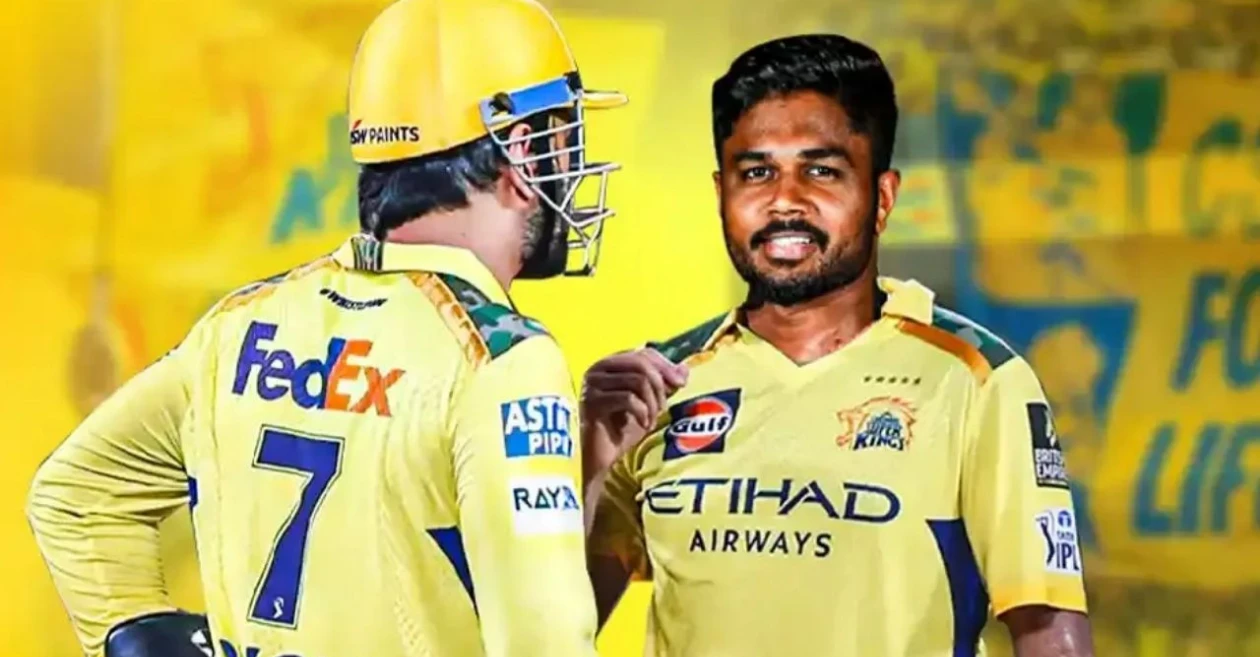
The acquisition of Sanju Samson in a high-profile trade from Rajasthan Royals has transformed CSK’s wicketkeeping options. With Samson now in the squad, CSK possess a ready-made first-choice wicketkeeper who can seamlessly take over the gloves when Dhoni is rested.

CSK’s wicketkeeping depth extends beyond Samson. The franchise also has Urvil Patel as backup, along with 19-year-old Kartik Sharma – a ₹14.20 crore recruit who is being groomed as a future finisher alongside Shivam Dube  This embarrassment of riches behind the stumps gives CSK the tactical flexibility to preserve Dhoni for high-impact situations without compromising team balance.

3. Impact player rule reduces Dhoni’s batting workload

The Impact Player rule, which has been in effect over the past two IPL seasons, has fundamentally altered Dhoni’s role in the team. He has not been required extensively as a batter in the middle overs, with his appearances largely limited to situational cameos in the death overs.

This reduced batting workload has allowed Dhoni to conserve energy while still providing his invaluable presence on the field. The team management is likely to continue this approach in IPL 2026, deploying Dhoni primarily as a finisher in short bursts rather than expecting him to bat through extended innings.

Also READ: CSK recruit Rahul Chahar announces separation from wife Ishani Johar ahead of IPL 2026

The Chepauk guarantee: Dhoni to play all matches at home

While rotation is expected throughout the season, one factor appears certain: Dhoni will feature in all home matches at the MA Chidambaram Stadium  His presence at Chepauk remains an emotional and commercial draw, with the crowd’s energy often shifting momentum in CSK’s favour the moment he walks onto the field.

As IPL 2026 approaches, fans can expect to see Thala in yellow – just perhaps not in every single match. The strategy represents a sensible balance between maximising Dhoni’s impact and ensuring the 44-year-old legend remains fresh for the moments that matter most.

Also READ: EXPLAINED – Why CSK legend MS Dhoni has been ordered to pay INR 10 Lakh by Madras High Court?


Source link

Solo run in Maharashtra local body polls helped revive grassroots network, say Congress politicians to Rahul Gandhi | Mumbai News


Mumbai: The Congress’s decision to contest alone in most parts of Maharashtra during the recently concluded local body elections offered the party a mixed lesson. While the results fell short of expectations, leaders believed the solo run helped revive its fading grassroots network — a point that came up during Rahul Gandhi’s brief visit to Mumbai on Saturday. Leader of opposition in the Lok Sabha Rahul Gandhi visited Mumbai on Saturday, appeared before a court in Bhiwandi in connection with a criminal defamation case linked to remarks made during the 2014 Lok Sabha election campaign, and held an unplanned meeting with senior Congress leaders in Mumbai during his spare time to review the party’s performance in the recently concluded local body elections. During the meeting, leaders told Gandhi that the solo run helped revive the party’s fading grassroots network. Leaders present said the discussion turned candid, with Gandhi expressing disappointment over the party’s electoral showing, particularly in urban pockets, including Mumbai.Gandhi, held a separate review meeting with Maharashtra Congress President Harshwardhan Sapkal to assess organisational weaknesses and strength. He also spoke to Mumbai party chief Varsha Gaikwad about the party securing fewer seats in the city than anticipated. Party sources said leaders pointed to a severe lack of resources and organisational preparedness in several constituencies as a major reason for the underwhelming performance.Leaders said Gandhi instructed them to reconnect with people directly by taking up local civic issues and returning to street-level agitations. Internal politics also surfaced during the discussions. Several leaders raised concerns about seat-sharing decisions, particularly leaving certain crucial wards to the Prakash Ambedkar led Vanchit Bahujan Aghadi (VBA). A senior leader present said the Colaba area, where a relatives of the Assembly Speaker was contesting, an example of poor political judgement as the Congress given seats in that area to VBA, and leaders argued such decisions weakened the party’s local presence at prominent area and confused workers on the ground.Despite the disappointing results, Gandhi reportedly told party leader to expedite the alignments of local level party office bearer with an emphasis on strengthening booth-level committees, addressing civic grievances, and regaining credibility among voters by raising local public issues aggressively.


Source link

Taking cue from Devji, more cadres may shun Maoist ideology, join mainstream | India News


Taking cue from Devji, more cadres may shun Maoist ideology, join mainstream

NEW DELHI: The expected surrender of CPI(Maoist) de-facto general secretary Thippiri Tirupahii alias Devji, alongside another central committee member Malla Raji Reddy alias Sangram, is like “the proverbial last nail in CPI(Maoist) coffin”, according to sources in the counter-Naxal establishment.Devji is likely to be joined by other cadres working closely with him as he comes overground and joins the mainstream – an announcement by the Telangana Police to this effect is expected on Tuesday or Wednesday. The remaining Maoist cadres – now believed to number around 300 across all affected areas, and mostly operating in disjointed groups of 10-12 each, in some cases even 4-5 – too may have little ideological baggage or stomach to continue facing bullets after their top leader throws his hat in the ring, according to a senior IPS officer engaged in anti-Maoist operations.Sangram, being in his seventies, was not known to be active of late, but his surrender, like Devji’s, signals the weakened hold of CPI(Maoist) ideology. Coming after the round of surrenders by politburo member Mallojula Venugopal alias Sonu, as also central committee members Chandranna, Ramder, Rupesh and Sujata, the latest one involving their top leader is seen as a potential signal to the Maoists still on the ground to toe the line. “With the top leadership, always dominated by Telugu veterans who once swore by the ideology of violent, Left-wing extremism, and motivated others to ‘fight and oppose’ the state, choosing pragmatism over ‘dying upholding the ideology’, the junior cadres will have no motivation to continue leading a difficult life in the jungles,” said an officer.With Devji and Sangram’s impending surrender, the only member of the top CPI(Maoist) politburo and central committee still active is Misir Besra. Besra, who looks after the eastern regional bureau of the CPI(Maoist), is the only non-Telugu face in the organisation’s decision-making hierarchy. He has been on the run since his close aide Anal da was killed in Jharkhand last month. Besra is possibly hiding along the Jharkhand-Odisha border, and the forces are on his trail. “Chances are that he will take a cue from Devji’s surrender and follow suit,” an officer said.Meanwhile, multiple operations are going on simultaneously along the Chhattisgarh-Telangana-Odisha-Jharkhand axis, to keep up pressure on the remaining Maoists to surrender or face neutralisation by the security forces.


Source link

Tensions rising between Iran and US: India explores ways to secure crude, LNG supplies | India News


Tensions rising between Iran and US: India explores ways to secure crude, LNG supplies

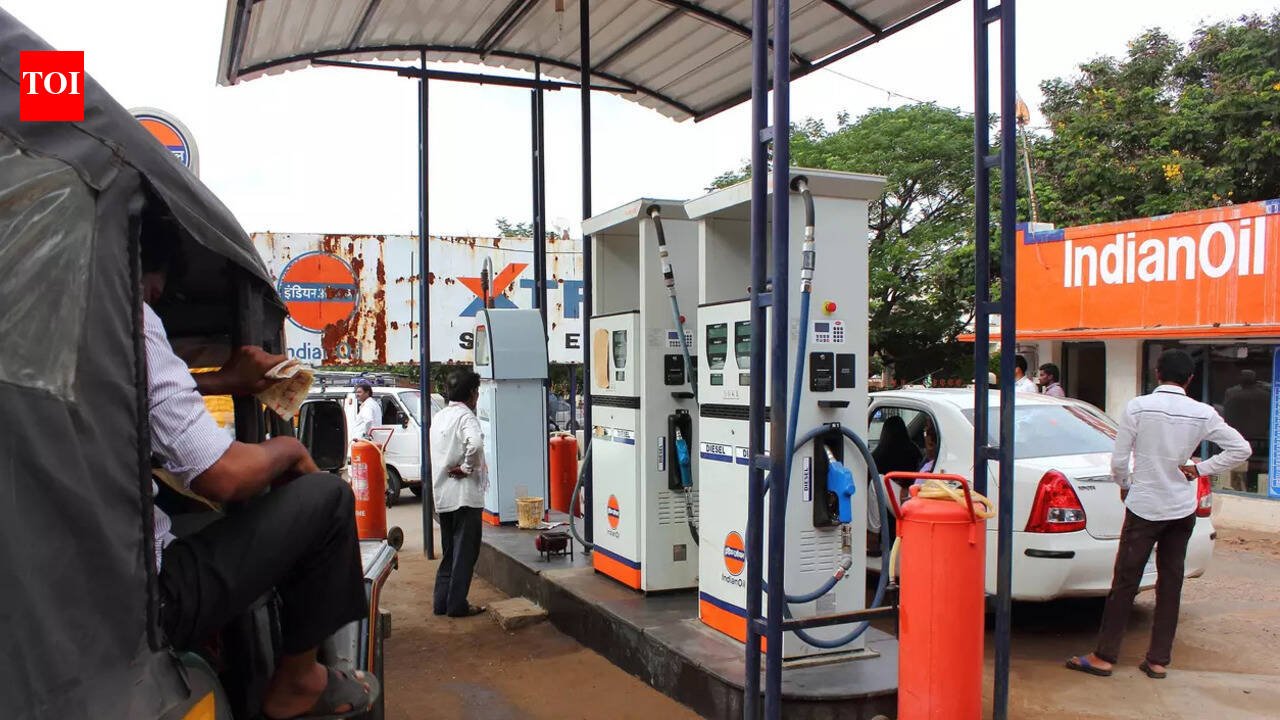
NEW DELHI: With tensions rising between Iran and the US and fears of war looming, India has started exploring ways to secure its energy supplies.Iran has signalled the temporary closure of sections of the Strait of Hormuz, the narrow gateway linking the Gulf to the open seas, which witnesses nearly 20% of global crude movement. Any restriction on cargo movement through the Strait of Hormuz may impact India’s supplies of crude oil and liquefied natural gas (LNG) from Saudi Arabia, Iraq, the UAE, Kuwait, Qatar and Oman. India imports 90% of its crude requirement – nearly 5.5 million barrels per day (mbpd) – and more than 40% comes from West Asia through this narrow passage.If the Strait of Hormuz is closed, officials said, India may try to partially secure supplies through the 360-km Habshan-Fujairah strategic oil pipeline and the 1,200-km East-West crude oil pipeline that provides access to the Red Sea. While the former is operated by Adnoc and has the capacity to carry 1.5 mbpd, the latter is controlled by Aramco and has a capacity of 5 mbpd.Though India purchased nearly one-third of its crude requirement from Russia over last three years, recent trends show the share of oil from Moscow has started dipping. India’s crude purchases from Saudi have witnessed a six-year high this month. Officials said New Delhi has already diversified crude imports in the last few years and its strategic oil reserves may last up to 74 days.Energy expert Narendra Taneja said, “Our main worry is not the availability of crude, but that prices may go up globally.” Prashant Vasisht, senior VP and co-group head of corporate ratings agency ICRA, said, “For every increase of $10 a barrel, India’s annual import bill would rise by $13-14 billion.” Taneja, however, said the situation may not come to that pass and closure of the Strait of Hormuz would not be acceptable to the US and to the Gulf’s oil exporting countries.


Source link

India tells citizens to leave Iran by all available means | India News


India tells citizens to leave Iran by all available means

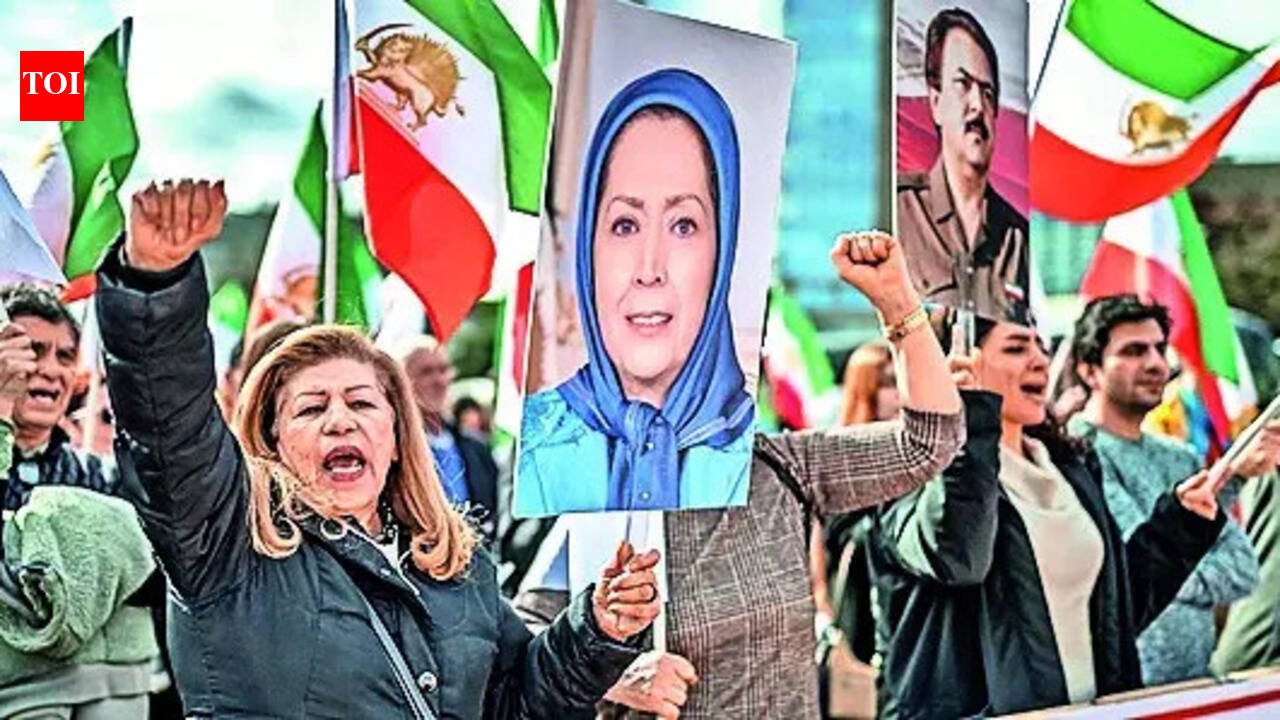
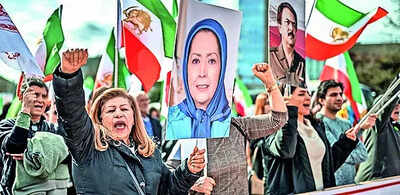
NEW DELHI: India on Monday advised all its nationals residing in Iran to leave the country by all available means of transport, including commercial flights, in view of the evolving security situation.The Indian embassy in Iran issued a fresh advisory to the Indian nationals amid fresh protests in Tehran and increasing fears of US military strikes on the Gulf nation. Students at several universities in Iran held anti-govt demonstrations in a first such agitation since Tehran’s brutal crackdown on the protesters last month. The advisory comes ahead of PM Narendra Modi’s visit to Israel from Feb 25-26. Sources said that as of now, the PM’s visit is on. According to official estimates in Jan, a little over 10,000 Indians, including students, were living in Iran.“In continuation of the advisory issued by the govt of India on Jan 5 and in view of the evolving situation in Iran, Indian nationals who are currently in Iran (students, pilgrims, business persons and tourists) are advised to leave Iran by available means of transport, including commercial flights,” the embassy said.The mission also reiterated that all Indian citizens and PIOs (persons of Indian-origin) should exercise due caution, avoid areas of protests or demonstrations and stay in contact with the Indian Embassy. “All Indian nationals in Iran are requested to also have their travel and immigration documents, including passports and identity cards, readily available with them,” the mission said in the advisory. “They are requested to contact the Indian Embassy for any assistance in this regard.” the mission added.


Source link

What went wrong for Team India vs South Africa? Proteas legend breaks it down | Cricket News


What went wrong for Team India vs South Africa? Proteas legend breaks it down

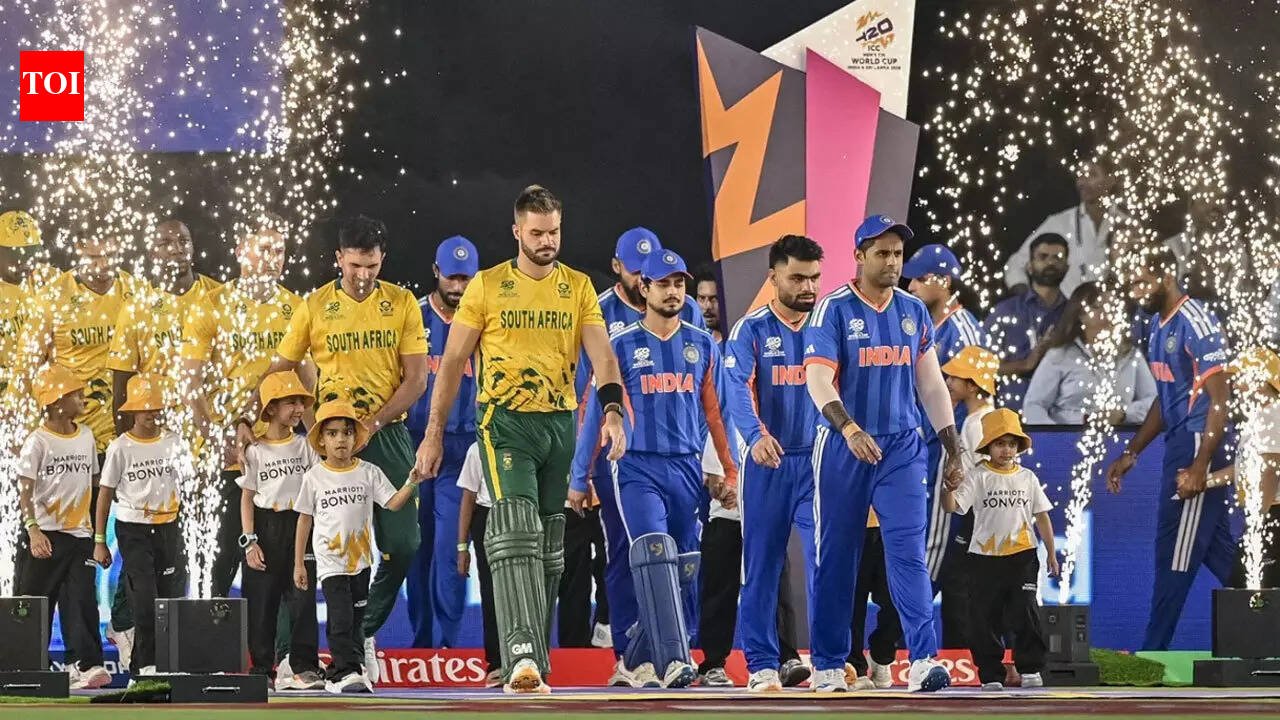
NEW DELHI: Former South Africa captain Shaun Pollock shared his assessment of India’s Super 8 defeat to the Proteas, saying the co-hosts failed to adjust to the conditions in Ahmedabad and did not recognise the “new ball challenge with the seam moving around.South Africa ended India’s 12-match unbeaten run in the ICC Men’s T20 World Cup with a commanding 76-run victory at the Narendra Modi Stadium on Sunday.

India fans in Ahmedabad react to loss vs South Africa | T20 World Cup

India made an early impact as Jasprit Bumrah delivered a superb opening spell of 2/7. However, the Proteas bounced back strongly through a 97-run stand off just 51 balls between David Miller and Dewald Brevis. Tristan Stubbs then provided the finishing touch with an unbeaten 44 off 24 deliveries, powering South Africa past 180.“India didn’t adapt well to the conditions in Ahmedabad. South Africa had played three matches here already, so they knew what to expect. Yes, they struggled at first when they lost the wickets of Quinton de Kock, Aiden Markram and Ryan Rickelton early, but they did not stop adjusting as per the conditions. It was only when Brevis and Miller batted together that things worked for them.“Tristan Stubbs put his batting power to good use in the end to help South Africa reach 187. India’s chase would have been simple had they played carefully in the beginning,” Pollock said.In reply, India never found momentum in the powerplay and slipped to 31/3 after six overs. South Africa maintained control over the strong Indian batting unit, eventually bowling them out for 111 in 18.5 overs.“The first six overs was the toughest because the ball wasn’t coming onto the bat nicely. Instead, they went after the bowlers from the very first over. You can’t do that on this kind of a pitch while chasing a big total. They lost two early wickets and were under pressure right away. Sometimes, you have to be smart and patient. India didn’t change their approach. They didn’t realise that the new ball would be the biggest challenge with the seam moving around,” he added.India must now win their remaining matches against Zimbabwe and the West Indies to keep their semi-final hopes alive, especially with their net run rate slipping to -3.8.


Source link

Wall Street trips as Trump’s tariff fans uncertainty


Wall Street trips as Trump's tariff fans uncertainty

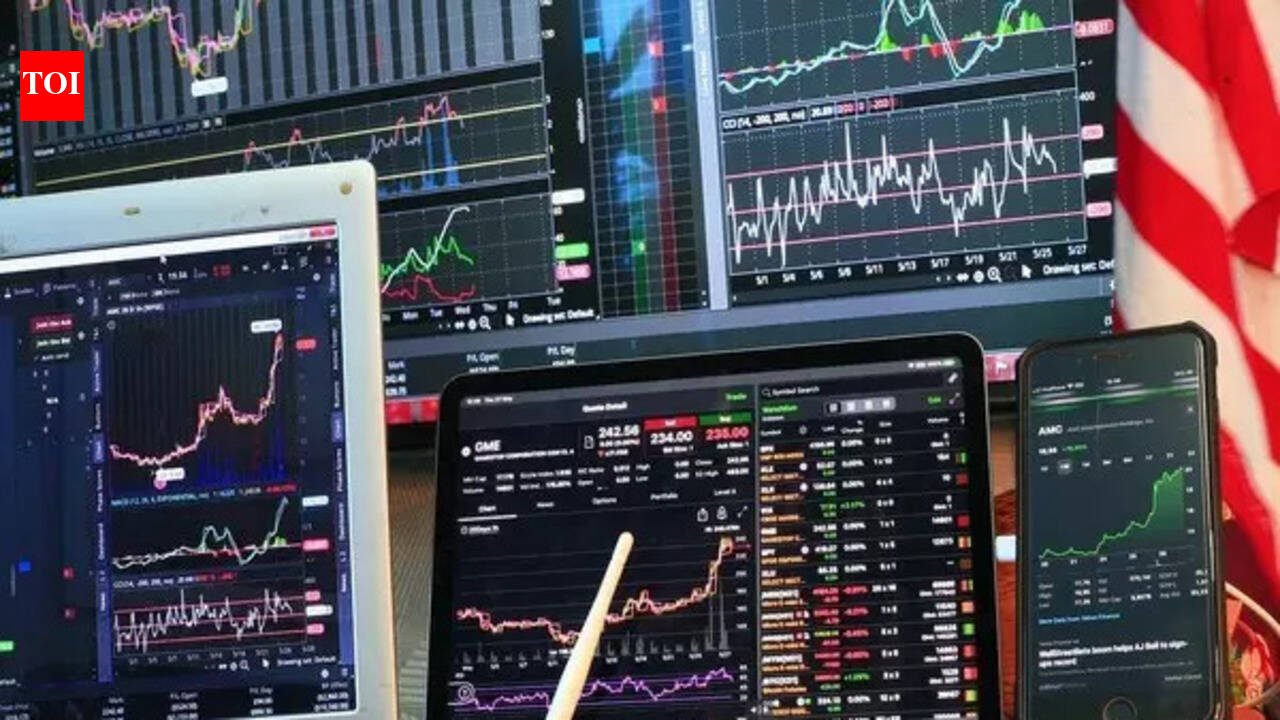
Global stocks on Monday were dragged down by losses on Wall Street and European equities as fresh uncertainty around tariffs intensified after US President Donald Trump announced new levies following a US Supreme Court ruling last week.Wall Street’s main indexes slid, with software and financials being the biggest drags on the benchmarks. Citigroup was down 5.4%, while JPMorgan Chase and Wells Fargo dropped more than 4% each. The Dow Jones Industrial Average fell 1.6%, S& fell 1.2% and Nasdaq Composite fell 1.3%.The US Supreme Court in a Friday ruling voided most of the tariffs Trump imposed last year. Using a different statute, Trump announced first a 10%, then a 15%, global levy that could last five months while the administration searches for more durable workarounds. Software-related companies were also among top decliners. The S& Software and Services index was down 3.8%, extending its 23.5% drop this year over AI disruption fears .


Source link

AI reshapes IT talent’s pyramid model


AI reshapes IT talent's pyramid model

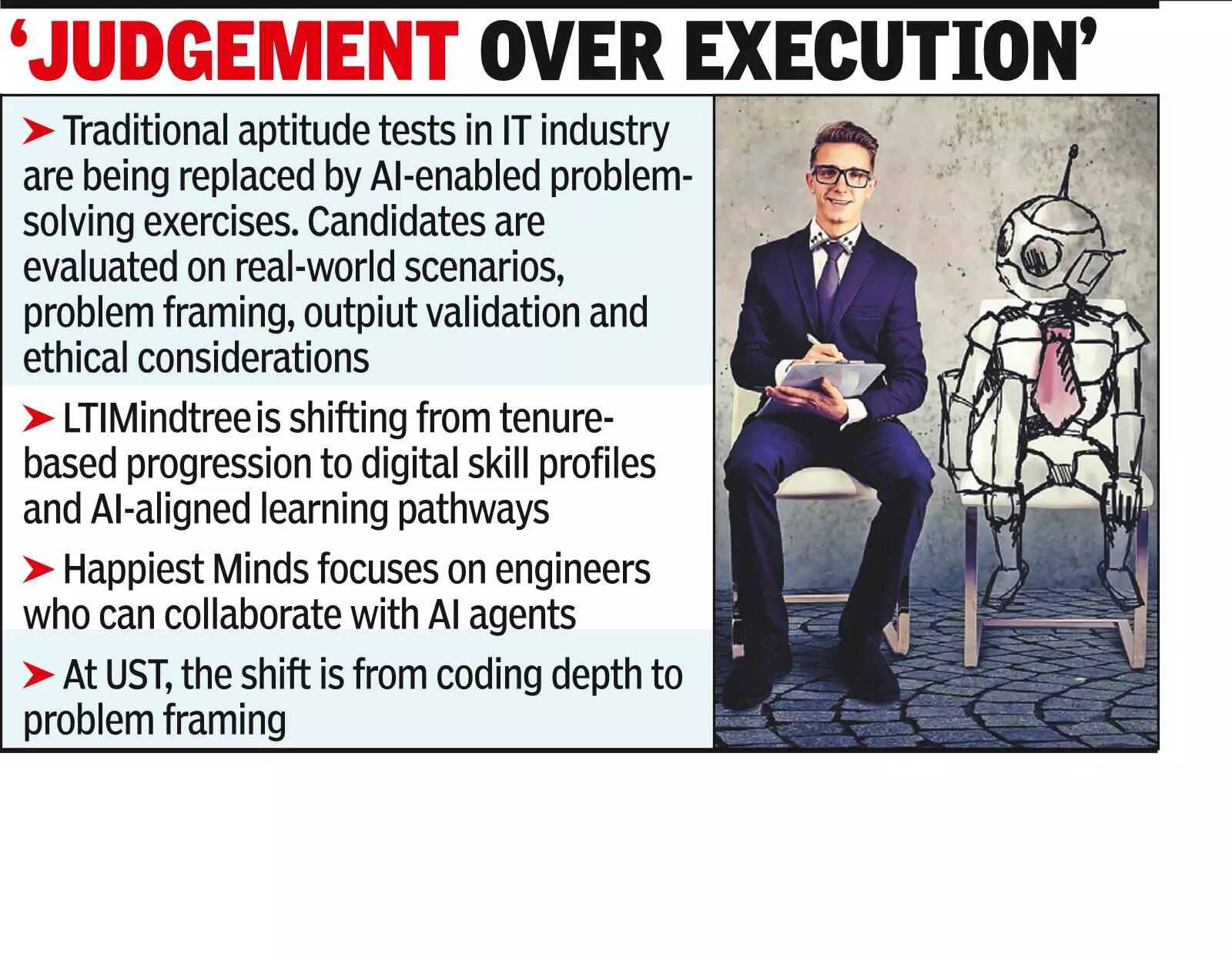
BENGALURU: The IT industry is undergoing one of its deepest structural shifts in decades as AI reshapes talent needs across the delivery chain. The traditional pyramid model with large teams of junior coders supervised by layers of managers-is giving way to a capability-dense, AI-augmented structure. “The shift is from coding depth to problem framing,” said Gilroy Mathew, COO of UST. Instead of testing whether candidates can write a Java function, firms now ask whether they can define business problems, break them into AI-executable steps, and validate outputs for bias, risk and completeness. Access to AI tools is narrowing the gap between freshers and mid-level engineers. A well-trained entry-level hire is expected to become productive faster than before.

AI reshapes IT talent’s pyramid model

.

LTIMindtree describes the emerging structure as a “diamond” rather than a pyramid. At the base is a smaller layer of AI-fluent engineers, supported by automation and AI agents handling routine execution. In the middle, architects and managers are evolving into orchestrators-designing AI-first workflows, integrating systems and aligning delivery with business goals. “It’s not about fewer people; it’s about fewer people doing low-judgement work,” said Gururaj Deshpande, chief delivery officer at LTIMindtree, arguing that AI-led productivity gains will help clear larger project backlogs rather than simply reduce headcount. One clear shift is the shrinking space for purely supervisory managers. In an AI-led environment, managers are expected to redesign processes around automation, understand agent-based workflows, ensure AI governance and tie execution to business KPIs. Hiring models are changing in parallel. At UST, screening moved from “employability” to “adaptability”. Candidates are given real-world business scenarios and evaluated on how they frame problems, use AI tools, validate outputs and factor in ethical considerations.


Source link

David Miller and Washington Sundar locked in heated exchange: On-field drama! | Cricket News


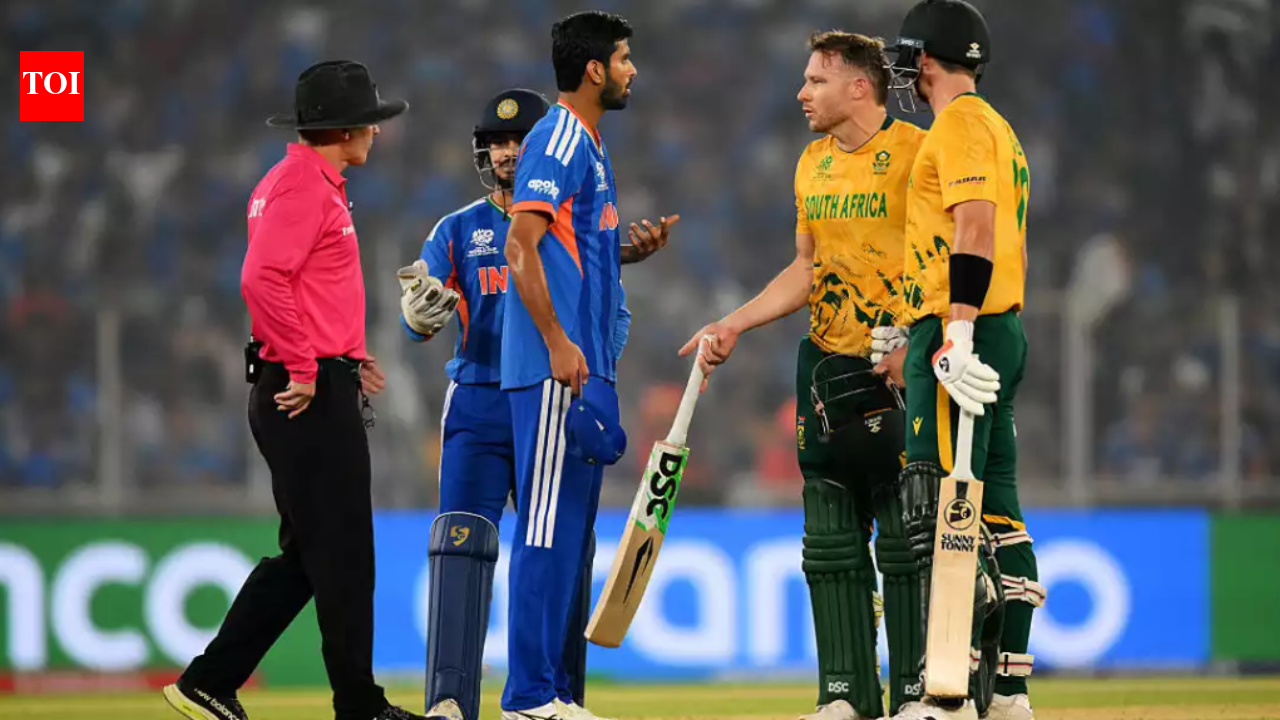
David Miller and Washington Sundar (Getty)

India’s T20 World Cup title defence suffered a significant setback after a crushing 76-run defeat to South Africa in a high-stakes Super 8 clash. The night had begun brightly for the hosts, who reduced the Proteas to 20/3 with a sharp new-ball burst. But what followed was a complete shift in momentum, driven by a calculated counter-attack in the middle overs.David Miller turned the tide with a commanding 63 off 35 deliveries, striking seven fours and three sixes. Calm and assured for most of his innings, he rebuilt South Africa’s total alongside Dewald Brevis and Tristan Stubbs, steering the innings towards a competitive 187/7.However, Miller’s composure briefly slipped during a tense on-field exchange with Washington Sundar. The flashpoint came when Stubbs nudged a single to the leg side and Miller set off from the non-striker’s end. Sundar appeared unhappy, believing Miller had left his crease early before the ball was released, and immediately raised the matter with the umpire.

India, left-handers and off-spin: Why hosts need to be very worried

Miller responded by confronting Sundar, leading to a heated argument between the two. On-field umpire Chris Gaffaney stepped in to calm proceedings, and South Africa captain Aiden Markram later joined during the drinks interval to defuse the situation. The precise trigger for the disagreement remained unclear, and the tension did not resurface. Miller was dismissed shortly afterwards, briefly offering India hope.That hope faded quickly. Stubbs delivered a strong late flourish to lift the Proteas to 187, setting India a stiff target of 188.The chase unravelled almost instantly when the in-form Ishan Kishan fell for a duck. India never recovered. Partnerships were scarce, the required rate ballooned, and wickets tumbled steadily. Bowled out for 111, India slumped to a heavy 76-run loss, damaging their net run rate and leaving their Super 8 campaign hanging in the balance.


Source link