Breaking News
Social media companies must pay creators fairly: Vaishnaw | India News


Fair Pay, Consent, Online Safety: Ashwini Vaishnaw Draws Red Line For Digital Platforms

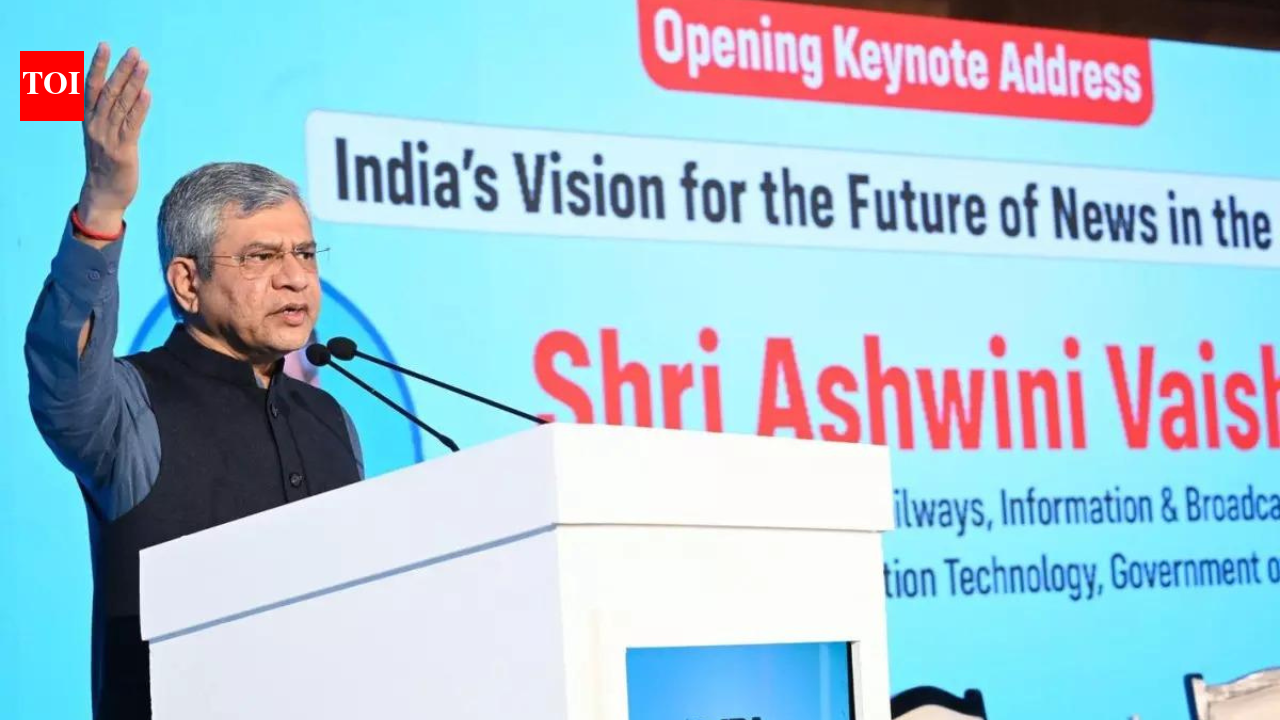
NEW DELHI: Information and broadcasting minister Ashwini Vaishnaw said Thursday social media platforms should compensate creators of the content they use for earning billions in profit.“Social media platforms must also share revenue in a fair way with the people who are creating content, whether it is news persons, conventional media, creators in far-flung areas, influencers, or professors and researchers disseminating their work using the platforms... there has to be a fair share of revenue with the people who are creating the content,” Vaishnaw said at the Storyboard 18 Digital News Publishers Association Conclave.

Fair Pay, Consent, Online Safety: Ashwini Vaishnaw Draws Red Line For Digital Platforms

‘Social media giants must be accountable’Information and broadcasting minister Ashwini Vaishnaw’s pitch for “fair compensation” comes amid a debate raging globally over the refusal of social media giants to compensate creators of content which they have used to make huge profits.The conduct of platforms was under focus in the deliberations at the conclave, with Vaishnaw saying that social media companies can no longer function as neutral intermediaries. They now operate like publishers and must be accountable for the content they host and amplify, he said.Vaishnaw said internet’s evolution into a powerful media ecosystem demands a redistribution of responsibility. “The nature of internet has changed… today it has become a powerful media outlet, where, like media, the platforms must take responsibility,” he said, adding, “Platforms must take responsibility for what they are publishing.”Warning deepfakes, disinformation and synthetic media are corroding public trust, the minister said the damage goes beyond individual harm. “The entire society is built upon trust in institutions… that core tenet of trust is under threat,” he said, pointing to the rapid spread of fabricated images and videos through algorithm-driven virality.The I&B minister also emphasised that synthetic content must not be created without explicit consent.


Source link

‘Seagull Boy’ Cooper set to visit DHR in April | Kolkata News


Darjeeling: Cooper Wallace, the 10-year-old British sensation famously known as ‘Seagull Boy’ for his award-winning European gull-screeching performances, will visit the Darjeeling Himalayan Railway in April. A railway enthusiast, Cooper will be accompanied by his younger sister, Shelby, who plans to explore Darjeeling and learn Nepali dance on the visit.Cooper’s fascination with the DHR runs in the family. His grandfather, David Charlesworth, is a longstanding member of the Darjeeling Himalayan Railway Society (DHRS), while his mother, Lauren, shares his passion and is revisiting the DHR after more than two decades.

Kolkata: Politics, Policy Shifts, New Services, Business Moves & More

From Chesterfield in Derbyshire, Cooper first made headlines in 2024 as the first UK participant in the European ‘Meeuwenschreeuwen’, or gull-screeching championship in De Panne, Belgium. He won the title twice, competing against 21 participants, including Shelby, who finished fourth. Speaking to TOI from the UK, Charlesworth said Cooper’s admiration for the railway was rooted in childhood experiences. “Cooper even recognises Darjeeling No 19 ‘Alfred’, the only class ‘B’ engine to leave India preserved at the Statfold Barn Railway Museum. He knows what the DHR looks like and is keen on seeing it in person. Shelby is excited to learn Nepali dance while we all enjoy the hills and the historic railway,” said Charlesworth. The DHRS, based in England, was formed in 1997 with the mission to promote awareness and appreciation of the Darjeeling Himalayan Railway (DHR). Born in 1954, Charlesworth is an English fine arts artist, designer and author with a wide portfolio including graphic design and illustrations and cartoons. He is acclaimed for his paintings and drawings of transport and historical subjects, and is regularly commissioned for portraits and book illustrations. Raised by his maternal grandparents, he has been fascinated by India all his life as his grandfather was in India and Burma in 1943 and brought back books and photographs from Darjeeling. Charlesworth was a co-founder of the DHRS and has just completed 113 issues of their magazine, ‘The Darjeeling Mail’. The 10 volumes are now recognised as a highly prized source of historical reference. He is also the author and producer of ‘Up the Line to Darjeeling’, where he has mapped and described the whole length of the line and the current DHR guide book. His children’s story book ‘Baby Sivok’, released by Foothills Publishing in Siliguri, aims at driving new interest in the DHR.The DHRS, based in England, was formed in 1997 with the mission to promote awareness and appreciation of the DHR. DHR director Rishab Choudhary confirmed the family’s visit, saying it promises to be a memorable experience combining family tradition, cultural exploration, and a young champion’s quirky talent. The family will reach Darjeeling on the evening of April 2. “Lauren is also a DHR enthusiast and visited in 1999, when she was 13. She has finally got time to make her second break during the Easter holidays,” Charlesworth said. Charlesworth also shared a humorous update on the siblings’ gull-screeching skills. “Cooper’s voice is starting to change, and Shelby can now hit higher pitches. She might just beat Cooper next time.” Cooper’s fascination with seagulls began with a personal encounter when he was pecked by one. Reflecting on the moment, he told the media, “Spiderman got bitten by a spider, and I got bitten by a seagull — so now I am Seagull Boy.”


Source link

Bangladesh tension leads to 9% fall in foreign tourist arrivals | India News


Bangladesh tension leads to 9% fall in foreign tourist arrivals

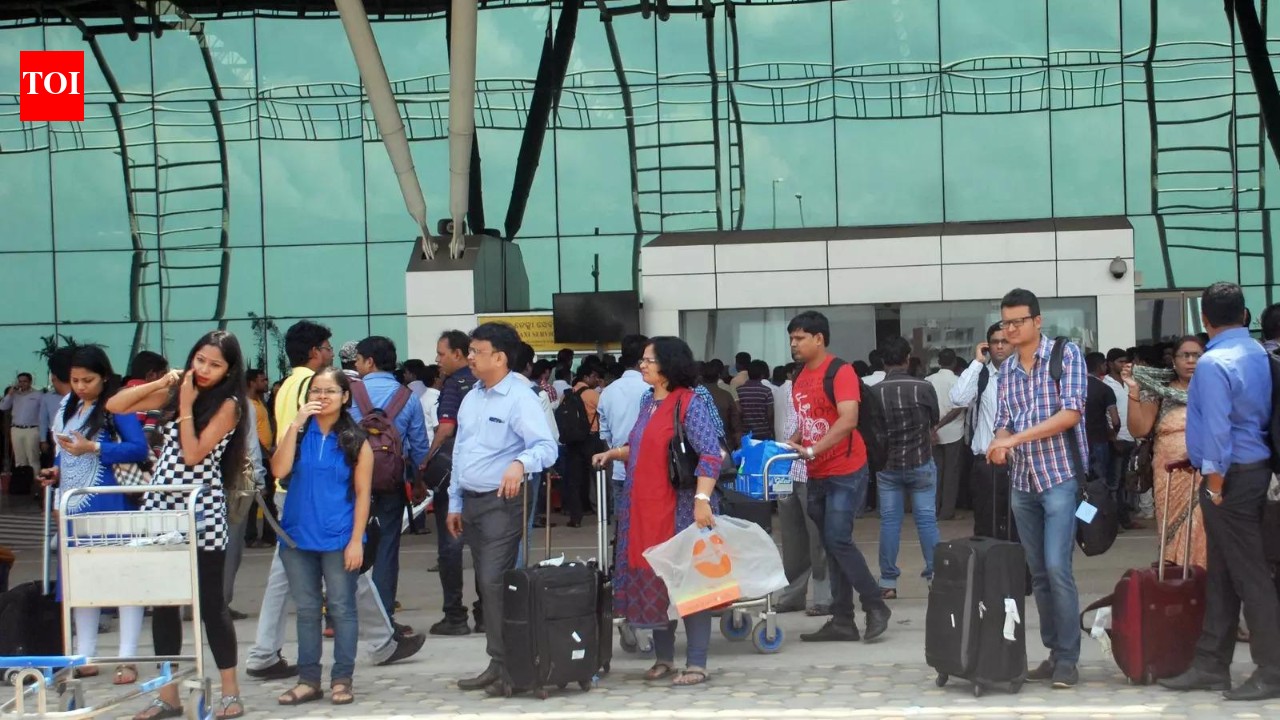
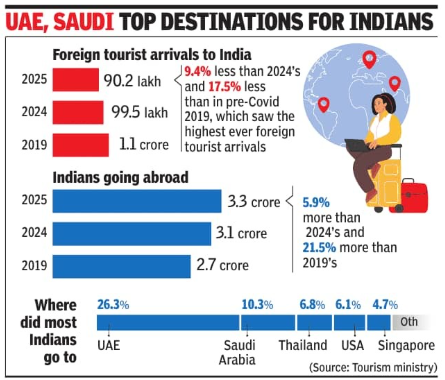
NEW DELHI: The tension between India and Bangladesh, which resulted in fewer visas by both sides, resulted in an over 9% fall in foreign tourist arrivals to 90.2 lakh in 2025, with the eastern neighbour slipping from the second largest source to being the fifth biggest.Latest official data estimated tourist arrivals from Bangladesh at 4.7 lakh in 2025, 73% lower than the level in the previous year. The 12.8 lakh decline was more than the 9.3 lakh fall in the overall foreign tourist arrivals during the year.Travel industry insiders are not exactly moaning about this decline as they always questioned adding Bangladesh arrivals into FTA numbers as majority of them come for non-tourism purposes such as medical treatment and work and don’t exactly fill up hotels and line up at tourist spots.

-

On the other hand, the number of Indians going abroad rose 6.6% to a record 3.3 crore in 2025, although there was a dip in those going to Saudi Arabia and the US. Last year, the number of Indians flying to Canada also declined nearly 16% to 8 lakh.“India is outpricing itself in terms of star hotel rates despite reasonable domestic airfares in non-peak seasons. So, the Indian middle class now finds it cheaper to go to places like the UAE, CIS countries, Sri Lanka, Thailand, Vietnam and Malaysia than going to domestic destinations such as Goa or Kerala. And foreign tourists find a cheaper alternative to us,” said a leading travel agent.Many frequent Indian travellers say they get “good” hotel rooms for Rs 5,000-8,000 in these places while the same in India is at least double in low season and can increase manifold in peak holiday time.Asked about high tariffs, a leading hotelier said: “India is seeing a rise in business travel and domestic travel remains strong. So, we have no reason to worry over foreign tourists skipping till such time that our properties are full. The demand for luxury stays is far more than the supply and this imbalance will ensure good yields (rates) for the big players here.” Indian carriers are also expanding majorly on foreign routes to cash in on the boom in outbound travel.


Source link

‘We need to be courageous’- Suryakumar Yadav not happy with team India’s performance after win against Zimbabwe


India beat Zimbabwe in the Super 8 clash at the 2026 T20 World Cup by 72 runs at the MA Chidambaram Stadium, Chennai. In a must-win game for the Men in Blue, they came out hard after their humiliating loss against South Africa. India, after being invited to bat first, posted 256/4 in their 20 overs.

Suryakumar Yadav’s side started the match on a positive note as they made two changes in the team, bringing in Sanju Samson and Axar Patel. Sanju, along with Abhishek Sharma, gave a good start as they posted the highest opening stand in this World Cup with 48 runs.

Abhishek Sharma finally found his form back

Abhishek Sharma also got his maiden fifty in the T20 World Cup, after a string of low score he scored 55 off 30 balls. A 50 off 23 balls from Hardik Pandya and a fiery 44 off 16 balls helped the side to post a target of 257 runs. Hardik was the Player of the Match with his all round performamce.

Your daily dose of cricket!

next

Zimbabwe had a decent start while chasing the target. Brian Bennett was excellent with the bat, as he was unbeaten with the score of 97 off 59 balls. The Chevrons could only score 184/6, and Arshdeep Singh was the pick of the bowlers for India, picking 3/24 in his four-over spell.

Our video analyst had prepared a slide for all the batters- Suryakumar Yadav

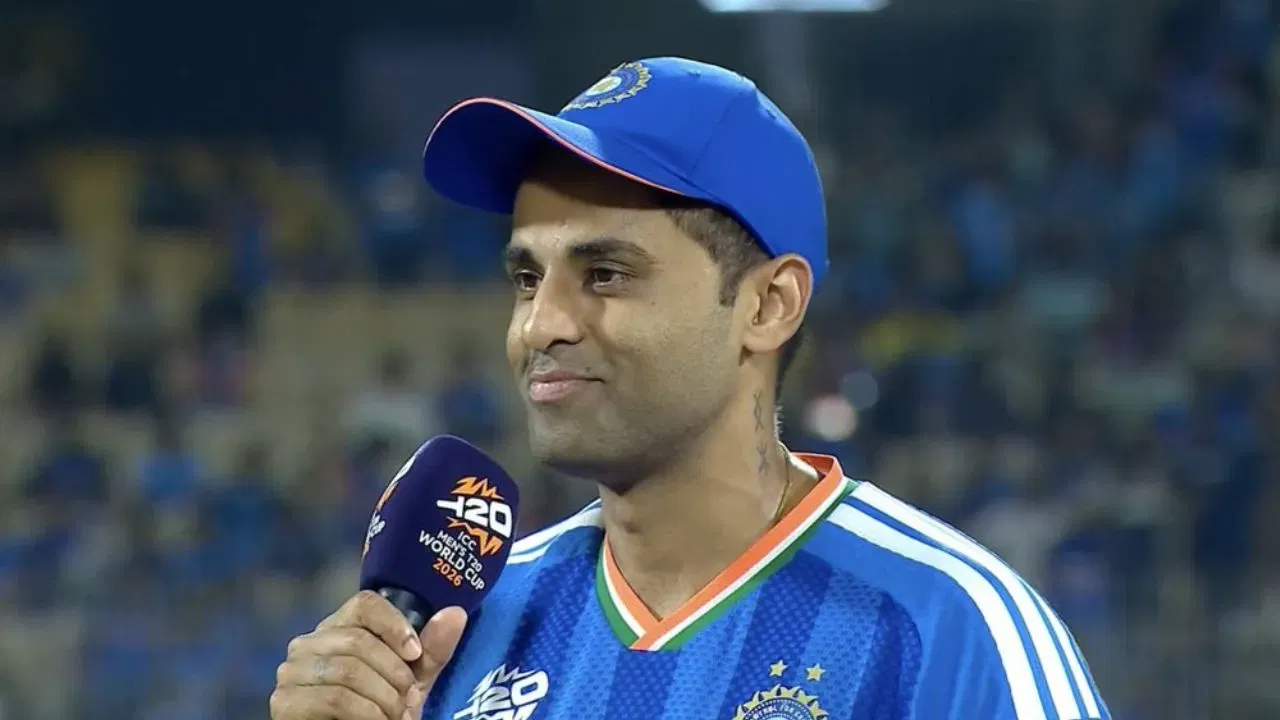
After the match, team India captain Suryakumar Yadav talked about how they prepared for this game, as they had a long discussion with the analyst after the loss against the Proteas.

“I think we wanted to leave everything behind. We didn’t think too much about what we did in the league stage or in the last game in Ahmedabad. Our video analyst had prepared a slide for all the batters and bowlers, highlighting what we’ve done well over the past year. We looked at that, took a lot of positivity from it, and came here with clarity,” said the India skipper.

I think there was hardly anything missing in our performance- Suryakumar Yadav

Suryakumar Yadav also praised that all the batters took the responsibility of scoring runs in this game. He also pointed out the faults of the side made while bowling in the second innings, as he said they should have been clinical with their bowling.

“With contributions from the top order right down to number seven, I think there was hardly anything missing in our performance. To be very honest, we could have been a little more clinical with the ball. But at the end of the day, a win is a win, and we’ll take it as we move forward,” he added

We need to be courageous with our decisions- Suryakumar Yadav

Finally he concluded saying, “We’ll definitely tighten a few screws when we go and play the West Indies cricket team. I don’t want to take any credit away from the Zimbabwean batters. I think they batted beautifully. Yes, the wicket was good, but the way they approached the innings — taking their time in the powerplay and then accelerating smartly — was impressive. Credit goes to them as well.”

Suryakumar Yadav stated, “From a bowling point of view, though, we could have been a little smarter with certain options at key moments. In situations like this, we need to be courageous with our decisions. There’s no option other than taking the positive route. Once we reach Kolkata, we’ll sit down and plan properly for that game. For now, it’s about taking a day off, travelling, and relaxing.”

Also Read: India Qualification Scenario after Zimbabwe Clash in T20 World Cup 2026


Source link

Forbes’ 250: Who are the 11 Indian Americans recently named America’s Greatest Innovators?


Forbes’ 250: Who are the 11 Indian Americans recently named America’s Greatest Innovators?
Meet the 11 Indian Americans Who Just Made Forbes’ Most Powerful Innovators List

In a striking testament to the evolving face of American ingenuity, 11 Indian Americans have been honoured among Forbes’ 250 America’s Greatest Innovators, a list released as part of the United States’ 250th anniversary celebrations, spotlighting those whose ideas and leadership have shaped the nation’s technological and economic future.Compiled by Forbes with input from industry experts and data-driven ranking tools, the Innovators 250 list celebrates impactful entrepreneurs, engineers and researchers whose work goes beyond creating products: they’ve transformed entire industries, from the early internet to artificial intelligence, biotech and cloud infrastructure. Against iconic names like Elon Musk and Jeff Bezos in the broader ranking, the presence of multiple Indian Americans underscores how deeply the diaspora has integrated into the backbone of American innovation.

A spectrum of Indian-American innovators on Forbes and breakthroughs

The Indian-American innovators span a wide range of sectors, each with a story of resilience, expertise and transformative impact:

Tech titans and disruptors

  1. Vinod Khosla: Co-founder of Sun Microsystems and founder of a major venture investment firm; celebrated for early bets on frontier tech like generative AI.
  2. Satya Nadella: Credited with reinventing Microsoft into an AI-centric powerhouse, guiding its strategic embrace of modern cloud and intelligent services.
  3. Sundar Pichai: Recognised for steering Alphabet’s pivot toward advanced AI applications, including Gemini and deep integration of machine learning.
  4. Neha Narkhede: A key figure in distributed computing, co-founding Confluent and advancing real-time data streaming infrastructure critical to modern cloud systems.

Health, biotech and real-world solutions

  1. Suma Krishnan: Awarded for co-founding a biotech firm that developed the world’s first topical gene therapy to treat epidermolysis bullosa, a rare and painful skin disorder, a breakthrough in genetic medicine.
  2. Sangeeta Bhatia: Celebrated for pioneering the integration of microchip technology with biology, improving how drugs are tested and diseases are modeled, a fusion of engineering and lifesaving biology.

Entrepreneurial architects of modern infrastructure

Innovators like Jay Chaudhry (pioneering zero-trust cloud security), Aman Narang (transforming digital restaurant operations) and Baiju Bhatt (broadening access to financial markets and now developing space-based solar power) also feature, each shaping sectors that touch millions of people daily.Others, including Shiv Rao and Shan Sinha, are recognised for contributions to medical AI tools and data-driven healthcare safety platforms, reflecting how innovation increasingly intersects with human welfare. Together, these Indian-American innovators represent every stage of the innovation lifecycle, from foundational research to commercial transformation, illustrating a broad and sustained influence on how technology, healthcare and infrastructure evolve in the 21st century.

Forbes Innovators 250: Innovation, immigration and America’s future

The Forbes Innovators 250 list highlights not only the individuals but also a deeper structural trend that the United States remains a magnet for global talent and its innovation ecosystem thrives on ideas and entrepreneurship that cross borders. Notably, many of the Indian-American innovators recognised were not born in the US but came from elsewhere, often transitioning from rigorous technical education systems abroad into leadership roles in Silicon Valley, academia and corporate strategic innovation. This narrative of immigrant achievement in high-growth sectors reinforces America’s identity as a place where talent, regardless of origin, can find opportunity and make outsized impact. Their inclusion on this prestigious list also reflects a broader shift in how innovation is measured. It is not just about invention alone but how ideas are scaled, commercialised and woven into the fabric of everyday life, from how we communicate, conduct business, receive healthcare and even manage data at global scale.

What this means for Indian Americans and future innovators

For the Indian-American community, one of the fastest-growing demographic groups in the US, this deep representation in the Forbes Innovators 250 signals both pride and possibility. Young professionals, students and aspiring technologists now see visible role models in multiple fields, from AI to biotech and cybersecurity. Their success serves as a reminder that innovation is both cumulative and collaborative since today’s breakthroughs often stand on decades of research, partnerships and crucially, diverse perspectives. This recognition also aligns with a broader narrative in American industry and academia. Innovation is becoming more inclusive, with women and people of colour making up significant portions of the top rankings, a stark contrast to similar lists from past decades. 11 Indian Americans have been named among Forbes 250: America’s Greatest Innovators, featuring leaders from tech, biotech, data infrastructure, healthcare and digital services.Their impact spans early internet infrastructure to cutting-edge AI, cloud computing, gene therapy and cybersecurity. The list reinforces the role of immigrant talent in driving American innovation, a trend visible across the economy. Recognition of these innovators provides inspiration for the next generation of scientists, entrepreneurs and builders reshaping the future.


Source link

In Rajasthan, the Aravallis can’t be simply measured | India News


In Rajasthan, the Aravallis can’t be simply measured

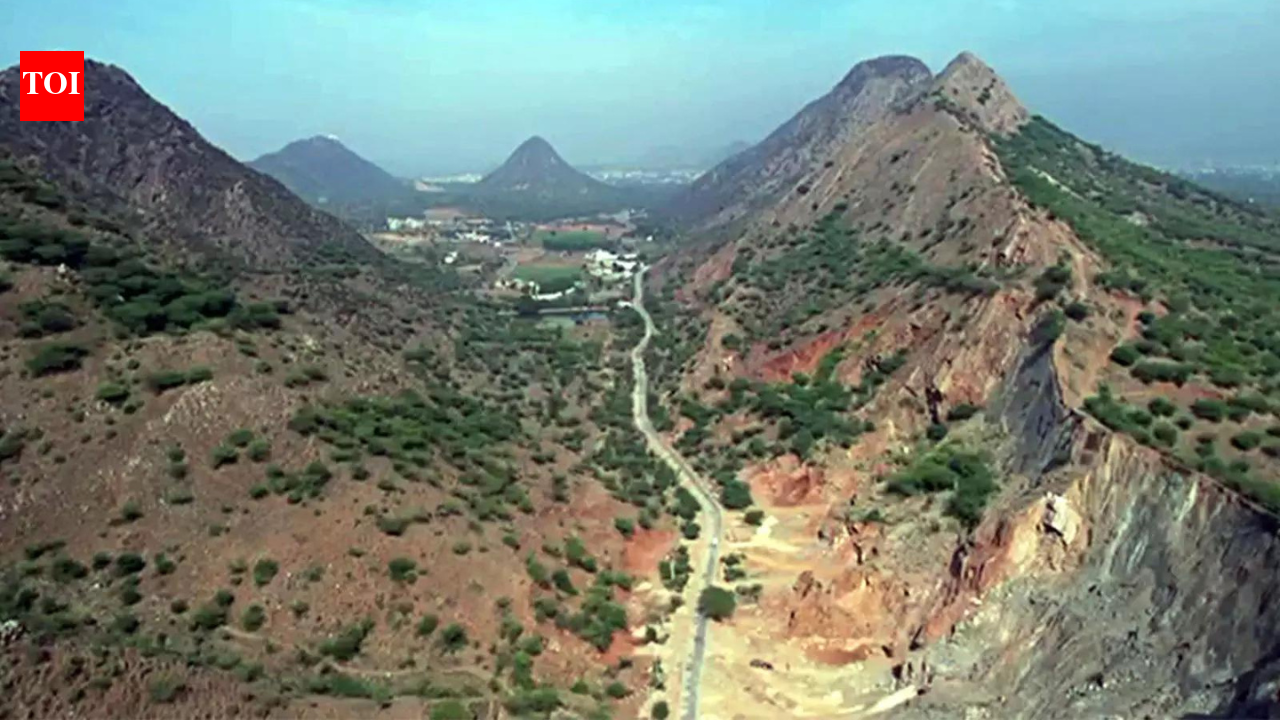
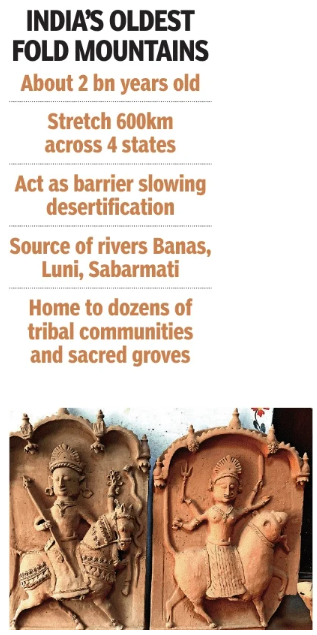
The range has shaped everything — from livelihoods to culture, faith and language — for the many communities and tribes it has cradled. Even as controversy over an official definition has led Supreme Court to seek a review, voices on the ground say the Aravallis’ imprint far exceeds physical dimensionsWhat are the Aravallis? An answer to this seemingly straightforward question was stayed by Supreme Court last Dec after it sparked a public outcry for being too narrow in scope. The top court now wants a new yardstick to define the range, which stretches 600km across four states and, at close to 2 billion years old, represents India’s oldest fold mountains. But talk to people on the ground in Rajasthan, the state synonymous with the Aravallis, and it becomes evident that the measure of these mountains lies not so much in their height, but in how deeply they have shaped the lives of the people who call the landscape home.The now-shelved definition — involving a 100m elevation cutoff and proximity of 500m between hills for demarcating the range — had inspired fears that a significant portion of the Aravallis would be stripped of environmental protections. For people who live in its folds, the stakes are immediate: if the map shrinks, so do forests, grazing commons, water systems, sacred groves, and the checks that stand between community life and mining, fragmentation and forced migration.Shelter And Sustenance“The Aravallis and our communities share a bond that goes back centuries. These mountains are not just geography for us. They are a living god, central to our identity and survival,” says Hari Ram Meena, tribal writer and former IPS officer.

.

The Aravallis are home to some of Rajasthan’s oldest communities. The Meena tribe once ruled large parts of the Jaipur region, controlling strategic passes of the Aravallis before the rise of the Kachwaha Rajputs. In southern Rajasthan, Bhil chieftains held sway over vast forested tracts. “The Bhils were known as the ‘kings of the forest’. So crucial was their role that the royal coat of arms of Mewar depicts a Rajput warrior on one side and a Bhil warrior on the other,” Meena adds.The mountains also shaped warfare. During Maharana Pratap’s resistance against the Mughals, the Aravallis enabled guerrilla tactics and hidden movement based on local knowledge of forests, mountain passes and water sources.If the hills protect, they also sustain. The Aravallis are Rajasthan’s ecological spine. It regulates climate, arrests desertification, feeds rivers like the Banas, Luni and Sabarmati, and helps forests survive in a largely arid landscape. It is also a cultural watershed, separating not just river systems flowing towards the Arabian Sea and the Bay of Bengal, but also shaping traditions, languages and ways of life.

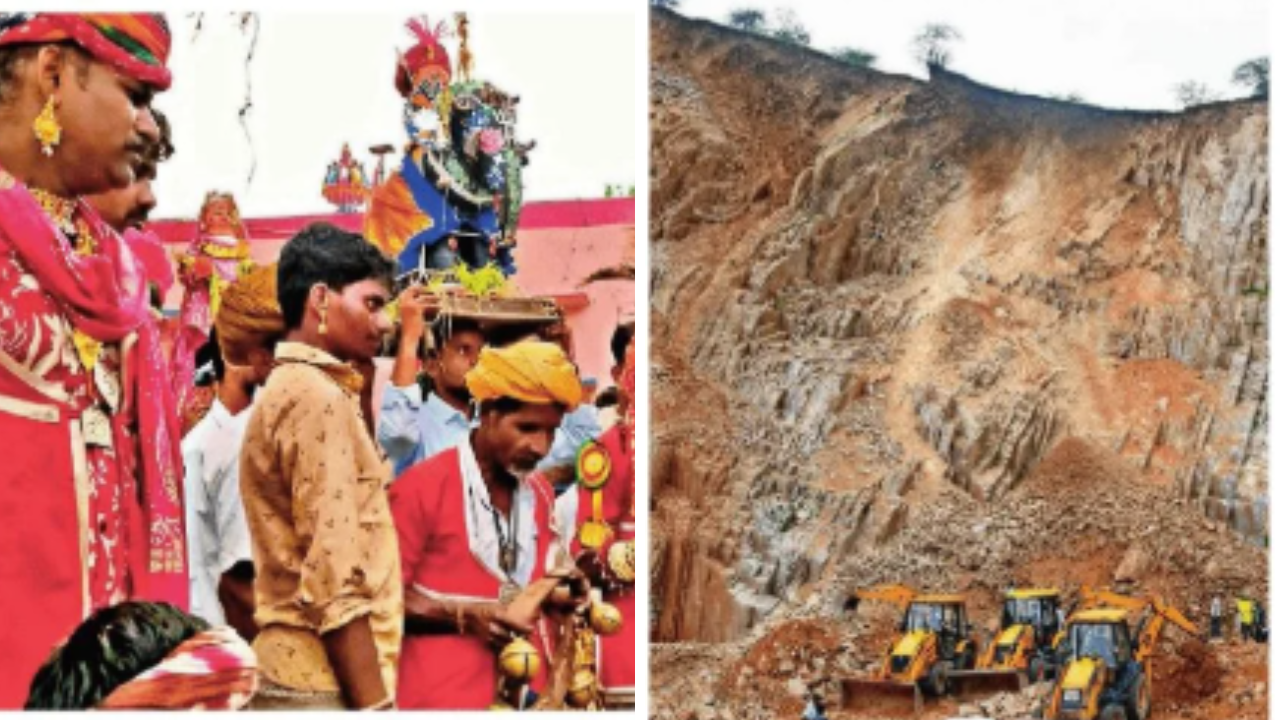
Men of the Bhil community perform the annual Gawari dance (left) themed around the message of conservation of forests and the Aravallis; (Right) Illegal mining and hill-cutting in the Aravallis have long posed a threat to the range

For communities such as the Bhil, Meena, Garasia, Saharia, Raika, Rewari, Mogia, Nath, and Gurjar, the mountains are not a resource, but a living presence. Temples, sacred groves, hilltop shrines, and forest deities dot the landscape and the mountains are treated as a ‘prakriti tirtha’, a sacred geography.Embedded In Everyday LifeLife in the Aravallis has always revolved around forest produce, livestock and water. Communities collect food, fuelwood, medicinal herbs, bamboo, tendu leaves and wild fruits from the forest. Rain-fed terraced farming supports hardy crops such as millets and pulses, while hill slopes provide grazing areas for cattle, sheep, goats and camels.Traditional water systems are central to survival. ‘ Johads ’, stepwells, nadis and baoris — built and maintained collectively — harvest rainwater and recharge groundwater. “Our water structures are our lifeline. They are protected not by law but by community ethics,” Meena says.Social activist Kunj Bihari Sharma explains how deeply human and animal life are intertwined here. “Aravalli forests are not just greenery,” he says. “They are sources of fuel, fodder, herbs and water. In summers, even wild animals depend on village wells and grazing areas. Humans and wildlife survive together.”But this balance has been steadily eroded. Over the years, communities were told that forests belonged to the state, not to them. “Earlier, people built johads through collective labour. Now, even that is restricted. At the same time, illegal mining and stone mafia hollow out the hills,” Sharma says.Nowhere is the impact more visible than among Denotified Tribes (DNTs) and nomadic communities, whose lives depend entirely on grazing landscapes. Gopal Keshawat, former chairperson of the Development and Welfare Board for Denotified, Nomadic, and Semi-Nomadic Communities, warns that mining has triggered a deep livelihood crisis. “Pastoral communities survive on livestock, milk, wool and leather. When grazing lands are destroyed, their entire economy collapses,” he says.Keshawat says that nearly 10% of India’s nomadic population and more than one crore people in Rajasthan depend on Aravalli-linked ecosystems. He recalls that commissions such as the Ayyangar Committee, and Balkrishna Renke Commission had clearly recommended mining bans in the Aravallis and separate grazing lands for DNT communities. “These recommendations were to protect both people and nature. Ignoring them puts animals and humans at equal risk,” he said. But, where laws fail, cultural practices continue to protect biodiversity.Living MountainsAcross Rajasthan, ‘orans’, or community-protected sacred groves, remain untouched due to religious beliefs. Social sanction rather than written rules prohibit tree-cutting and hunting in these forests, dedicated to local deities like Bhadarva Dev and Pandurimata.Among the most powerful expressions of this belief is the Gawari dance of the Bhil community. Dedicated to Shiva and Parvati and performed over 45 days by men in parts of Udaipur district, the dance is both spiritual and ecological — what social activist Kishan Gurjar says “is not entertainment, but the worship of nature”. “Cutting forests is considered a sin, and Gawari spreads the message of conservation,” Gurjar adds.The Aravallis are also deeply linked to nomadic communities such as the Sapera or Kalbelia. “The Kalbelia learned to live with snakes, treat snake bites and understand forest behaviour,” says social justice researcher Navin Narayan, who has worked with these groups for over 20 years. Kalbelia were once seen as protectors of villages, not entertainers. Amid mining and forest loss, Narayan warns that the shrinking Aravallis are threatening not only their livelihoods, but also the traditional knowledge that connected people with nature for generations.“The survival of the Aravallis is largely because of indigenous communities. These hills have protected people, and people have protected the hills,” says Manish Barod, block president of the Scheduled Areas Reservation Front in Udaipur. It’s a link that is repeatedly stressed with an eye on the Aravallis’ future, with activists and stakeholders saying that protecting the mountains is much more than a simple definition. “Reducing Aravallis to physical measurements denies its reality. It is a socioecological organism where folk culture, agriculture and community knowledge are deeply intertwined,” says sociologist Shyam Sunder Jyani.What is at stake is not just forests or hills, but Rajasthan’s living memory — its languages, rituals, arts and ways of life shaped over millennia.Mountains that define art, cultureAlong the banks of the Banas river, which originates in the Aravallis, lies Molela village that’s famed for its terracotta sculptures of deities. Ask potter Prabhu Gameti, and he says the craft exists because of the mountains. “The clay from the Banas is smooth and flexible. When fired, it doesn’t crack. That’s why idols made here last generations,” he explains.Researcher and folk artist Madan Meena warns that environmental destruction directly erases culture. “When livelihoods collapse, people migrate. And when people migrate, languages die,” he says, referring to the more than two dozen languages and dialects, many existing only in oral tradition, that are spoken in the region. An art form carries hundreds of words linked to seasons, tools, etc. “When an art form disappears, an entire vocabulary disappears with it,” he says.Communities like the Mogiya, who collect medicinal herbs, and the Nath sect, whose shrines such as Pandupol lie deep within the hills, show how belief, livelihood and landscape merge seamlessly. Also, Jain temples, Buddhist remnants and folk shrines together reflect the Aravallis’ religious diversity. “The Aravallis prevented cultural homogenisation in Mewar. Its geography ensures this region’s diversity,” says C S Sharma, a history professor in Udaipur.


Source link

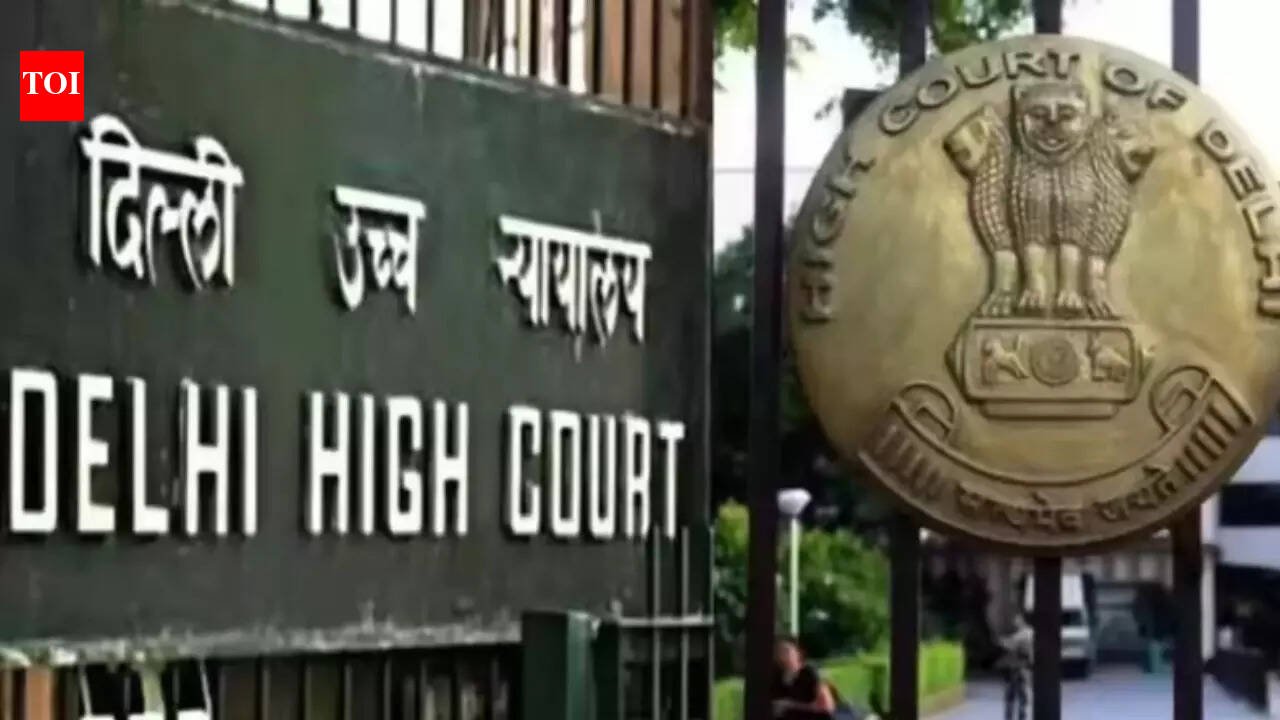
Delhi High Court: Sengar’s sentence suspension plea: HC asks AIIMS to examine him | India News


Sengar’s sentence suspension plea: HC asks AIIMS to examine him

NEW DELHI: Delhi high court has asked AIIMS to set up a medical board to examine Jaideep Sengar, who is seeking suspension of a 10-year jail sentence on medical grounds in the 2018 custodial death case of the Unnao rape survivor’s father.Jaideep — brother of expelled BJP functionary Kuldeep Sengar, who was convicted of raping the Unnao girl when she was a minor — sought relief on account of Stage-IV oral cancer with suspected recurrence.

Unnao Rape Case: Delhi HC Rejects Kuldeep Sengar’s Plea To Suspend Sentence

A bench of Justices Navin Chawla and Ravinder Dudeja observed that an independent medical assessment was necessary to ascertain Jaideep’s current health condition.CBI opposed the petition and contended that the medical documents produced by the convict in support of his plea were fake. Counsel for the rape survivor also opposed the plea, apprehending that he would misuse his liberty.


Source link

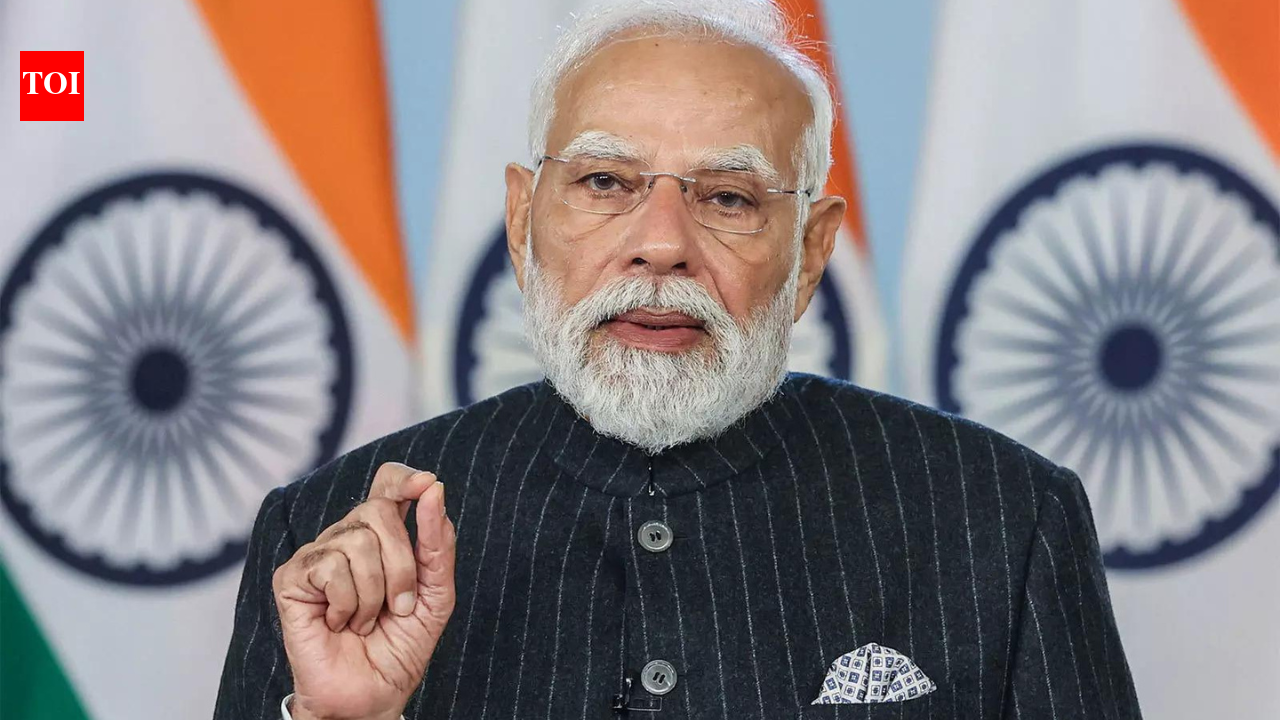
Pm Modi Instagram Followers: PM Modi first leader to cross 100m followers on Instagram | India News


PM Modi first leader to cross 100m followers on Instagram

NEW DELHI: PM Modi Thursday became the first world leader and politician to cross 100 million followers on Instagram, marking a new milestone in his global digital footprint and online political communication.Modi, who joined the platform in 2014, has steadily built one of the world’s most-followed political accounts. His follower count is now more than double that of US President Donald Trump, who stands second with around 43.2 million followers on Instagram.Among other international leaders, Indonesian President Prabowo Subianto has about 15 million followers, Brazilian President Luiz Inacio Lula da Silva has 14.4 million, Turkish President Recep Tayyip Erdogan has 11.6 million, and Argentine President Javier Milei has about 6.4 million followers. The combined following of these five leaders remains lower than Modi’s individual tally.In India, UP CM Yogi Adityanath has around 16.1 million followers, while Leader of Opposition in Lok Sabha Rahul Gandhi has about 12.6 million.The milestone comes alongside strong global approval ratings for the PM. As of Dec 2025, Modi held a 70% approval rating, according to Statista, placing him first among selected world leaders. Japan’s PM Sanae Takaichi ranked second with 63%, followed by Argentina’s Milei at 60%, while Trump ranked 11th with 43%.


Source link

Kerala HC stays ‘The Kerala Story 2’ for 15 days, a day before scheduled release | India News


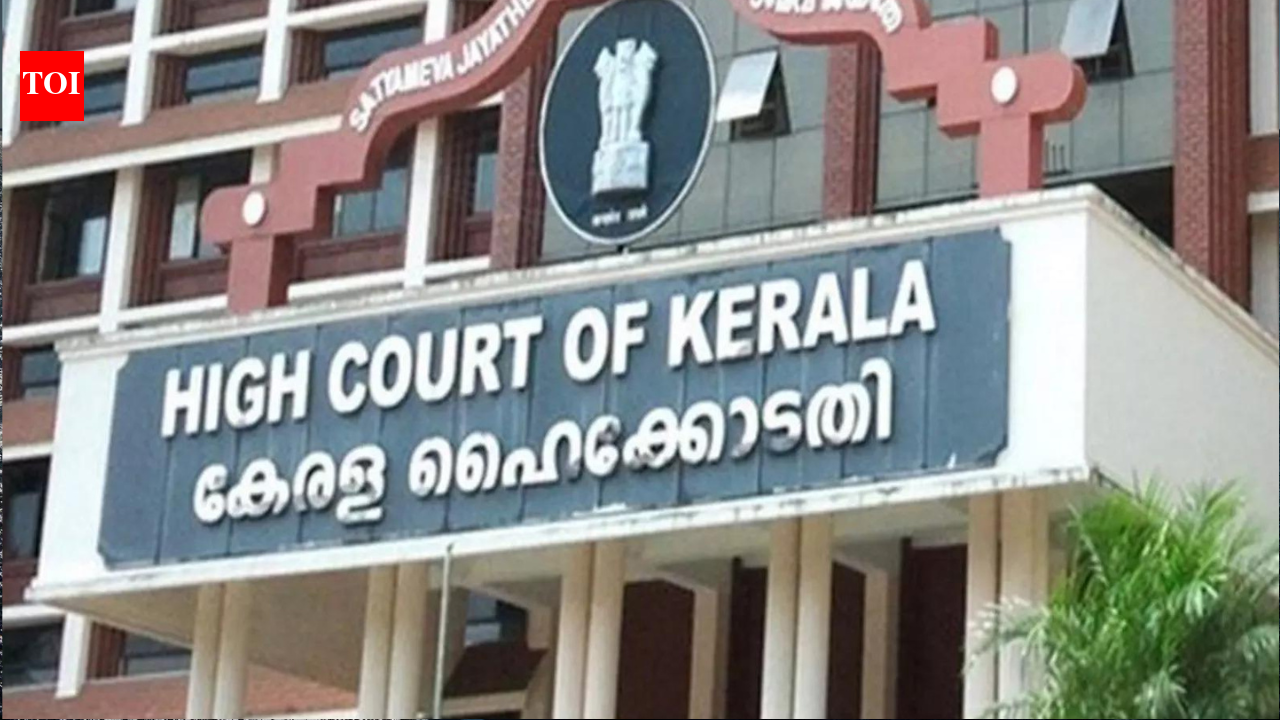
NEW DELHI: The Kerala High Court on Thursday issued an interim stay on the release of the film ‘The Kerala Story 2: Goes Beyond’, for 15 days, a day before its scheduled to release on February 27.The Court observed that, prima facie, there appeared to be non-application of mind by the censor board while granting certification to the movie, reported PTI.

Kerala Story 2 Sparks Fresh Controversy After Court Notice Over Certification & Content Concerns

The interim order came after the court heard petitions challenging the censor certificate granted to the film and seeking suspension of its release. The bench of Justice Bechu Kurian Thomas was considering pleas filed by Sreedev Namboothiri of Kannur and others. During proceedings on Tuesday, the court orally observed that the apprehensions raised by sections of people in Kerala over the film’s release could not be ignored, particularly since the filmmakers had claimed it was based on true events and had used ‘Kerala’ in the title.“Kerala lives in total harmony among various religions. But portraying it in such a manner as though this is what is happening all over Kerala gives a wrong indication and may also incite passions, which is where the censor board comes into play,” the court said.Later in the day makers of the film filed for a review of the judgement in front of a division bench. According to Bar to Bench, the matter was taken up for an urgent hearing at 7:30 pm, late evening. During the hearing the Justices observed that given the public interest nature of the matter it should not have been heard by a single bench.The division bench after hearing both parties reserved the order.


Source link

Trump tariff in limbo, US commerce secretary meets Piyush Goyal


Trump tariff in limbo, US commerce secretary meets Piyush Goyal

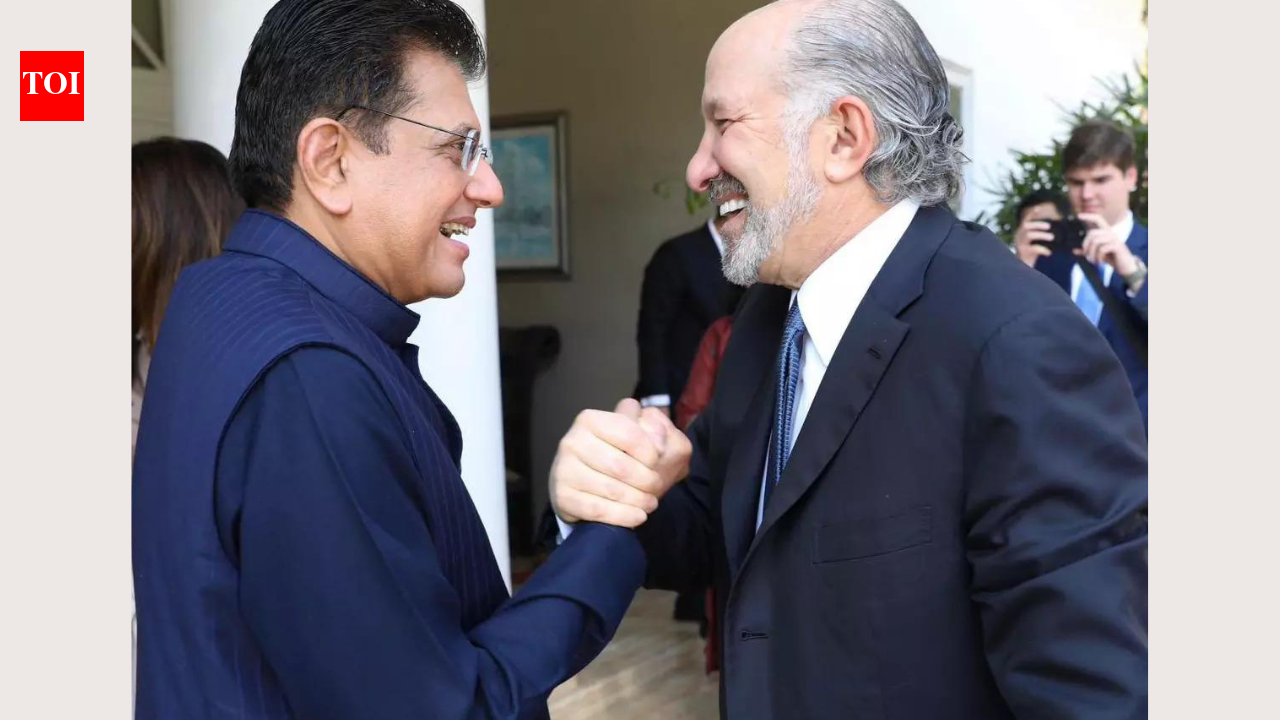
NEW DELHI: Amid uncertainty over tariffs imposed by the US, commerce and industry minister Piyush Goyal met US commerce secretary Howard Lutnick in the Capital on Thursday, signalling that both sides remain engaged on the issue.The details of what transpired remain unclear. “Engaged in very fruitful discussions to expand our trade and economic partnership,” Goyal posted on social media. On X, US ambassador to India Sergio Gor said the lunch meeting was “highly productive”. “So many areas of cooperation for our two nations!”Lutnick is in India to attend a wedding.Although the interim framework, under which the US was to lower the reciprocal tariff for India to 18% is on hold, the two sides remain on track to boost bilateral trade. “Thanks to your support, the US-India economic relationship has never been stronger. With our new target of $500 billion in bilateral trade, the United States and India are creating jobs, driving innovation, and building shared prosperity,” the US embassy tweeted, pointing to the target set by PM Modi and US President Trump.The US commerce secretary is the highest-ranking official from Trump’s economic team to visit India. A tariff hawk, Lutnick had in the past slammed India for its tariffs and oil purchases. The meeting signals the Trump administration is keen to ensure communication channels stay open even as it seeks to recalibrate its tariff strategy after the US Supreme Court dealt a major blow to reciprocal tariffs. Textiles, gems & jewellery get duty boostThe sudden meeting happened after Lutnick’s trip to India to attend a wedding in Jodhpur, where he landed in the evening. A photo released by the US embassy showed that Goyal’s wife Seema and Lutnick’s spouse Allison also joined them and Gor.After last Friday’s ruling by Supreme Court, India and the US decided to reschedule the visit by chief negotiator Darpan Jain and his team to work out the legal text for the interim framework.The US is India’s largest export destination, and has accounted for nearly a fifth of total goods exports. The recent tariff relief has provided a boost to sectors such as textiles, leather, seafoods, carpets and gems and jewellery, which were hit hard by the 50% tariffs, including the 25% penalty for Indian refiners purchasing crude oil from Russia.


Source link