Breaking News
India walks tightrope amid Iran conflict | India News


India walks tightrope amid Iran conflict

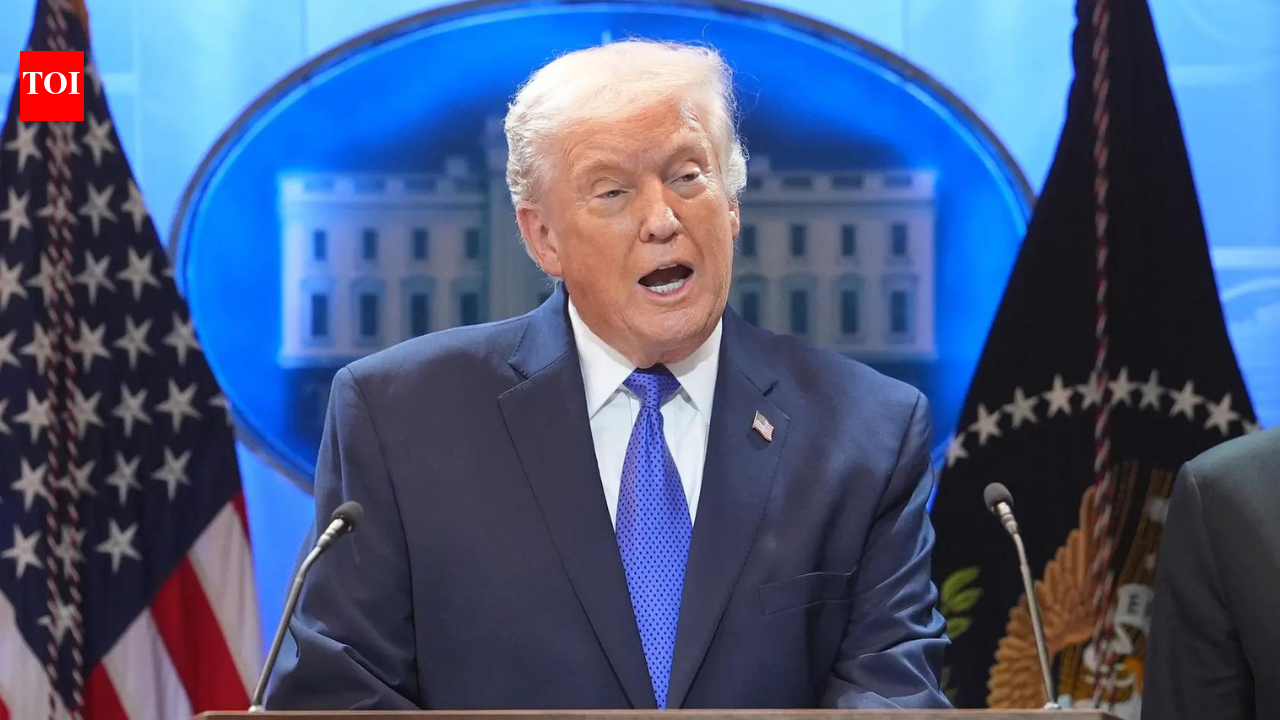
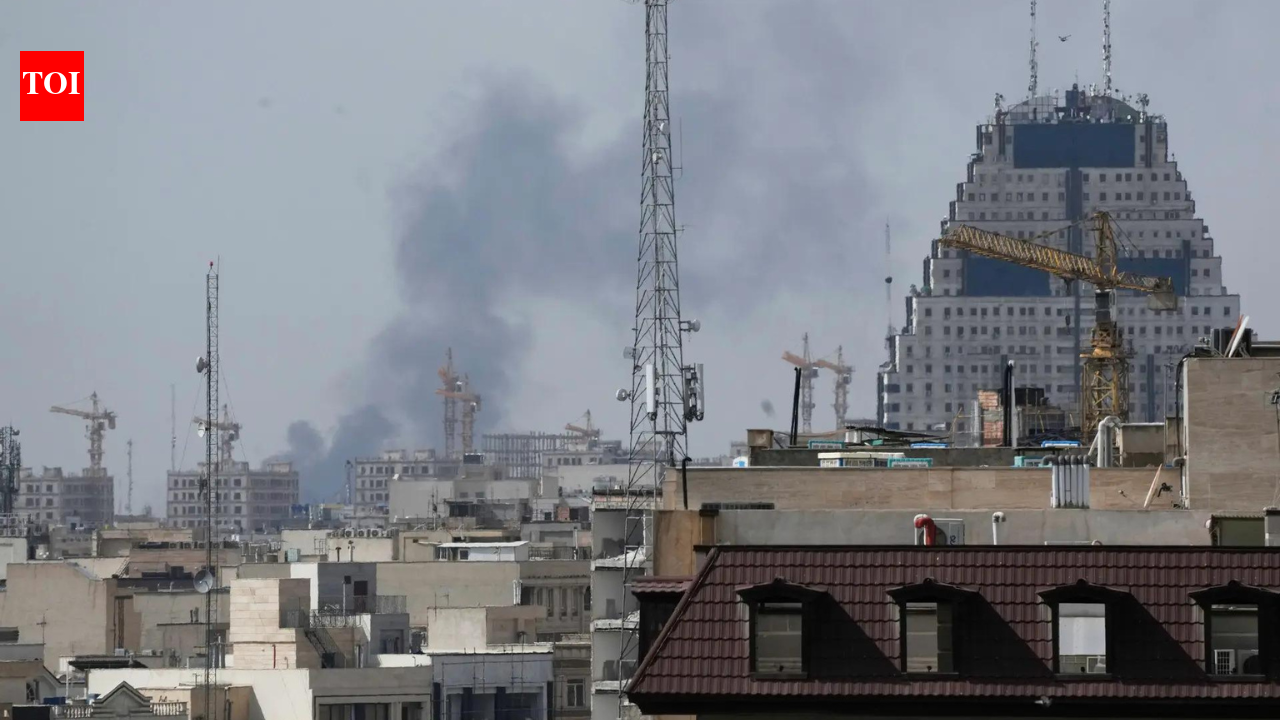
NEW DELHI: India is deeply concerned over the recent developments in Iran and the Gulf region, govt said Saturday, hours after US-Israel joint military action against Iran and the latter’s retaliatory targeting of Gulf states where Washington has military assets. While seeking safety of civilians in a region that is home to a nearly 10-million-strong Indian diaspora, the govt also stressed in its tough balancing act that sovereignty and territorial integrity of all states must be protected.External affairs minister S Jaishankar spoke to his Iranian and Israeli counterparts, Seyed Abbas Araghchi and Gideon Sa’ar, respectively, to express deep concern and to reiterate India’s call for dialogue and diplomacy to de-escalate tensions. Late in the evening, Jaishankar also spoke to his counterparts from the UAE, Qatar, Kuwait and Bahrain and sought their cooperation in ensuring the well-being of the Indian community.
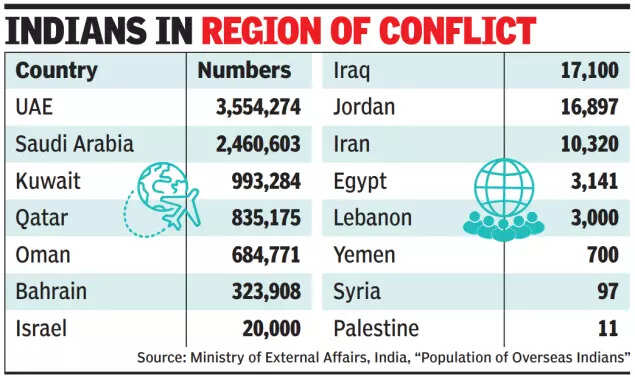
Indians in region of conflict

India’s response in the form of a statement by the ministry of external affairs was carefully calibrated as it said that dialogue and diplomacy should be pursued to de-escalate tensions and address underlying issues. “We urge all sides to exercise restraint, avoid escalation and prioritise the safety of civilians,” said MEA, adding that Indian missions across the Gulf were in touch with Indian nationals and had issued appropriate advisories asking them to remain vigilant and follow local security guidance. There are close to 40,000 Indian citizens in Israel and anywhere between 6,000 and 10,000 in Iran.With the US and Israel reportedly looking to precipitate a regime change in Iran, India was again forced to walk a diplomatic tightrope, caught between its steady ties with Iran that are based on common regional interests and strong signs of improvement in the critical relationship with the US after a period of extreme turbulence.The attack on Iran also came barely 48 hours after a bilateral meeting between PM Narendra Modi and his counterpart Benjamin Netanyahu in Israel that saw the leaders discussing US-Iran tensions and Modi offering, if required, India’s support for any efforts towards a peaceful resolution. Significantly, in his media remarks during the visit which took place amidst mounting US-Iran friction, Modi said that peace and security in West Asia is directly linked to India’s security interests.The Gulf region is also one of India’s most significant and reliable sources of oil and gas. The diaspora, whose well-being is a major priority for the govt, is one of the largest sources of remittances for India. The GCC countries — Bahrain, Kuwait, Oman, Qatar, Saudi Arabia and United Arab Emirates — are together also India’s largest trading partner bloc.While India has deepened its strategic partnership with Israel in the past decade or so, its ties with Gulf states have also undergone a complete transformation during this period. India, in fact, now has a strategic partnership with five out of the six GCC countries, moving from the traditional energy buyer-seller relationship to other domains like defence and security, investment, connectivity and tech.India will be worried about the likely impact of a full-blown regional war on the India-Middle East-Europe Economic Corridor (IMEEC) project that has already been delayed by the instability in West Asia. During his visit to Israel, Modi had said that both countries will move forward with renewed momentum on initiatives like IMEEC and India–Israel–UAE–USA (I2U2) to promote regional connectivity.For India, Iran remains a key regional partner, one that New Delhi has not given up on despite President Donald Trump’s restoring a maximum pressure campaign against Iran. In Jan this year, India joined China, Pakistan and four other countries in voting against a UN Human Rights Council resolution that strongly deplored the crackdown on protests in Iran and extended the mandate of a fact-finding mission for the country.According to Indian authorities, it is in India’s interests to maintain a functional relationship with Iran, not least because of the strategic Chabahar port in the country that India has helped develop for access to Central Asia and Afghanistan, bypassing Pakistan – though the US muddied the picture last year with its decision to revoke a sanctions waiver for the port that is expected to come into effect in late April.


Source link

Government directs cricketing body to drop ‘India’ or ‘Indian’ from name; here’s why | Cricket News


Government directs cricketing body to drop 'India' or 'Indian' from name; here's why
Photo credit: X/@dcciofficial

The Union sports ministry has asked the Differently Abled Cricket Council of India (DCCI) to stop using the words “India” or “Indian” in its name and activities, stating that the body is not recognised as a National Sports Federation (NSF).In a communication to DCCI secretary Ravi Kant Chauhan, the ministry said that only government-recognised federations are allowed to use those terms. Similar notices were sent to the Women’s Football Federation of India and the Indian Body Builders’ Federation, among others.“…It has come to the notice of this Department that the expression “India” is being used by your Federation, namely, Differently-Abled Cricket Council of India, despite the fact that the said Federation is not recognised as National Sports Federation by this Ministry,” the letter stated, as cited by news agency PTI.

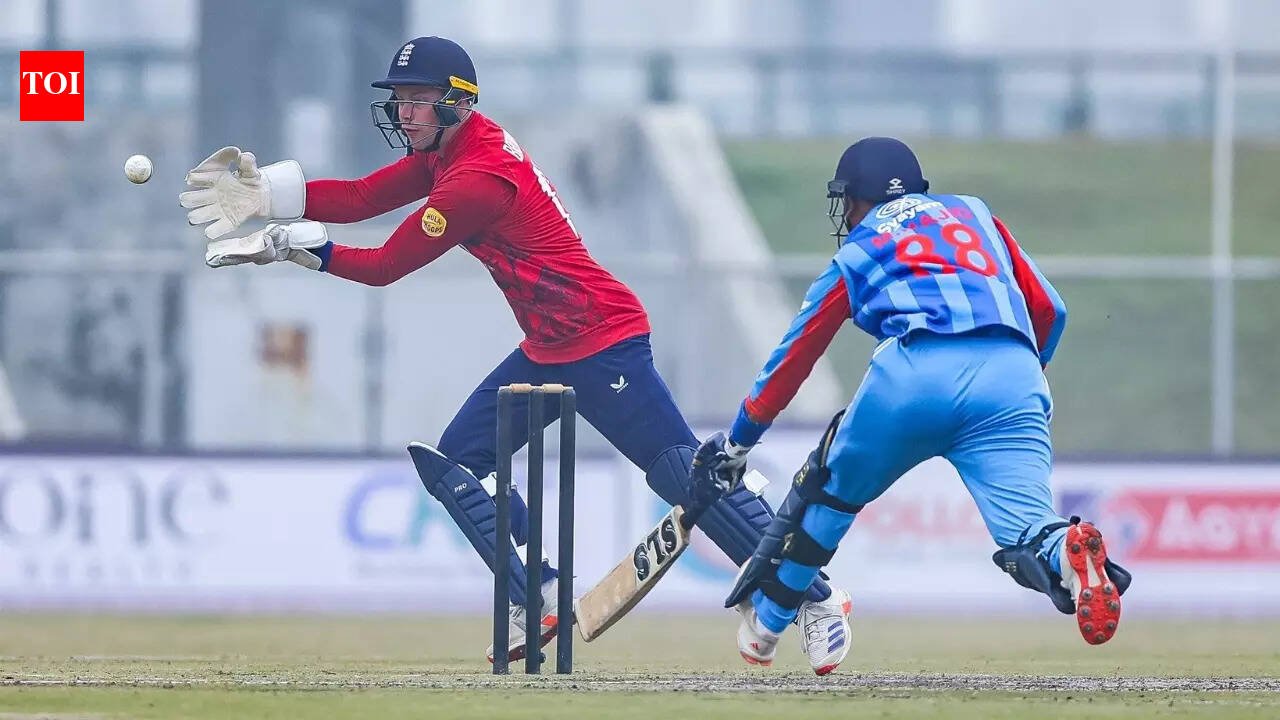
India keep T20 World Cup dream alive, over to Kolkata now

“…it is hereby directed to desist from using the expression “India” or “Indian” in the name and/or any activities of your Federation. Unauthorized use of the said expressions are liable for appropriate action under the extant rules and applicable laws,” it warned.The DCCI does not have official recognition from the Board of Control for Cricket in India (BCCI), although it has the board’s backing. The BCCI itself is not a recognised NSF.Chauhan confirmed that he had received the ministry’s letter and requested that DCCI be granted NSF status.“…it is not just us but multiple sports bodies have been notified that they can’t use the word India since they are not Registered NSF. My plea to ministry would be to accord us NSF status as we have been running the Differently Abled Cricket in the country.”“We have organised World Cups, Asia Cups, national tournaments as well bilateral series. Our national team has played in England, Sri Lanka. The BCCI also recognises us,” Chauhan, the secretary of DCCI, told PTI.He also sought similar action against other organisations involved in differently-abled cricket.“There is CABI (Cricket Association for Blind), the Wheelchair Association, Association for speech and hearing impaired players. I believe everyone should get this notification from Ministry,” he said.A ministry source said that with the National Sports Governance Act now in force, all sports bodies must seek recognition from the National Sports Board, which is yet to be set up, to receive approval from the ministry.

Taekwondo decision

In a separate move, the ministry has withdrawn recognition of the Taekwondo Federation of India. It also said that India Taekwondo would not be granted recognition as the governing body for the sport.The decision followed directions from the Delhi High Court, which had asked both factions to justify their claims.“…upon further examination, it has been observed that the Constitution/Memorandum of Association (MoA)/Bye-laws of Taekwondo Federation of India and India Taekwondo are not fully in conformity with the Sports Code…it is observed that, as on date, both the parties’ viz., Taekwondo Federation of India and India Taekwondo do not fully meet the conditions prescribed in the guidelines for recognition of NSFs as contained in the National Sports Development Code of India, 2011.“…at present, neither of the above said two Federations qualifies for grant of government recognition…in compliance of the directions of the Hon’ble High Court of Delhi dated 06.01.2026, it has been decided that, as neither Taekwondo Federation of India nor India Taekwondo fully meet the criteria prescribed in the Sports Code for grant of recognition.”Also See: PAK vs SL


Source link

98 flights cancelled at Mumbai airport amid Iran-Israel conflict; fares to London surge to Rs 1.4 lakh | Mumbai News


Massive Flight Cancellations Hit India As Iran War Disrupts West Asia Airspace

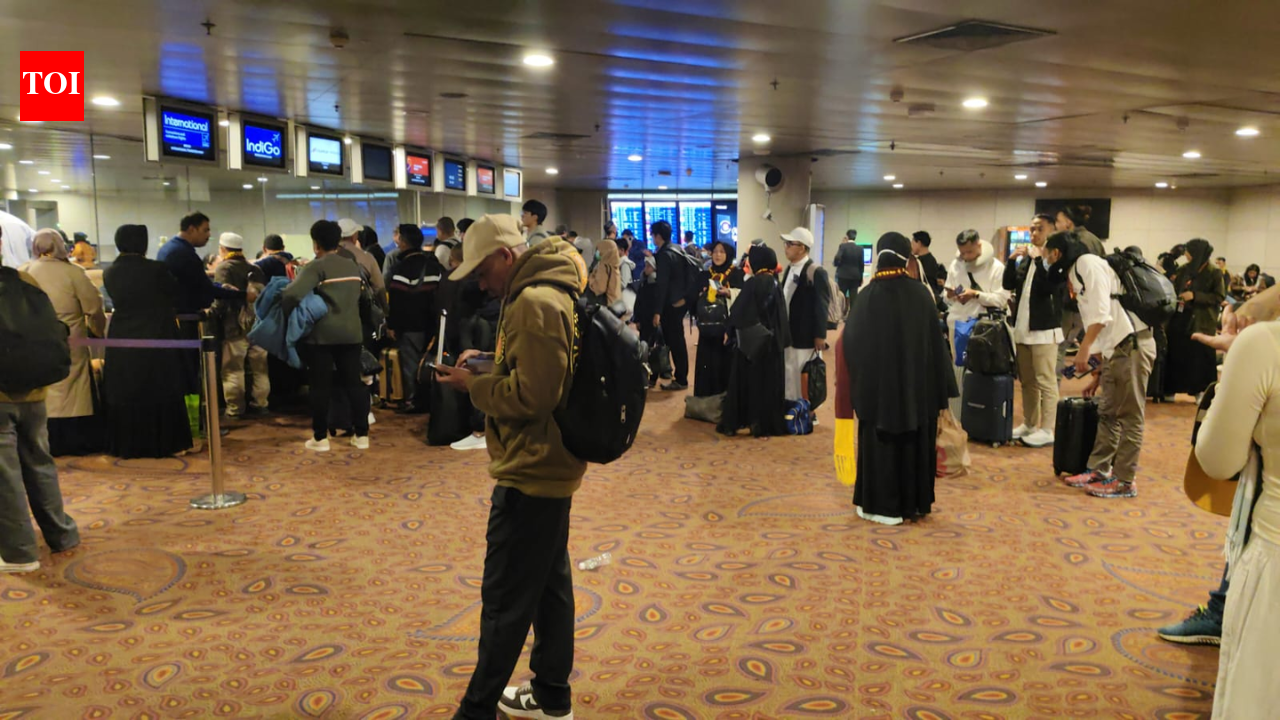
MUMBAI: Ninety-eight flights were cancelled, five diverted at Mumbai airport as of 9:30pm on Saturday, amid escalating tension in parts of the Middle East and Gulf region. Among them was IndiGo‘s Mumbai–London flight 6E-1.At 9pm, the Mumbai airport informed airlines and pilots that parking space was not available for diverted aircraft and that no diversions would be accepted until 8am on Sunday. Late in the evening, Air India cancelled several long-haul international services scheduled for March 1, citing safety considerations. The affected flights include services between Delhi, Mumbai and Amritsar and London (Heathrow and Gatwick), New York (JFK), Newark, Chicago (via Vienna), Toronto (via Vienna), Frankfurt and Paris. The airline said it is notifying passengers and offering alternative travel options.

Massive Flight Cancellations Hit India As Iran War Disrupts West Asia Airspace

Akasa Air said all its flights to and from Abu Dhabi, Doha, Jeddah, Kuwait and Riyadh have been suspended until March 2, 2026. For bookings made to or from these cities until March 7, passengers may opt for a full refund or reschedule at no additional cost. Air India Express extended the suspension of its westbound international flights until 23:59 hrs on March 1. “Air India Express has extended the suspension of its westbound international flights until 23:59 hours on March 01, 2026,” said a spokesperson.Airfares for March 1 travel to London and several Middle East destinations surged after the airspace closures, with a one-way direct London fare touching Rs 1.40 lakh on Saturday afternoon. The Directorate General of Civil Aviation issued an urgent advisory warning of “a significant escalation in security risks” in the Middle East and Persian Gulf airspace, advising Indian operators to avoid the affected airspace at all flight levels.


Source link

Bhajan reboot | Kochi News


By: Ganesh NeelakandanA packed auditorium in Palakkad last Nov. A group of youths in brick-red shirts and dhotis on stage is joyfully rendering Pamba Ganapathi, a fast number from the Mammootty-starrer Pattalam, in a devotional mood, with minimal orchestral support. Almost everyone in the crowd is singing along, either clapping or tapping on their thighs to keep the beat cycle. The group pauses as the song’s pallavi ends when Arvind Nair, the stylish young reality show winner, emerges from the far end in a matching costume. He walks onto the stage singing the charanam and blends into the confluence.Nandagovindam, which describes itself as a “trendsetter bhajan band” on Instagram, where it has over seven lakh followers, is on song. Many more have watched its performances live across the world as the band, after lying low for two decades, has surged in popularity to reach a level unachieved by traditional bhajan samithis or modern bands in Kerala.

Israel–Iran Strike, J&K’s Historic Ranji Win, India’s Reform Drive & More

“Wonderful harmony,” remarked composer Sharreth, who joined them to sing Pranathosmi Guruvayur Puresam, a complex composition typical of him from Sindoorarekha, in Kollam late last month.Most members of the troupe have been together performing sampradaya bhajana—a structured, traditional form of congregational devotional singing—together for more than 25 years, long enough to even measure another’s breath. That perhaps makes Nandagovindam inimitable. They look relaxed and happy on stage, constantly engaging the audience and encouraging everyone to sing along. As the show ends, one returns home as if they have been part of the symphony.Yet, the band’s fervent following is recent. The troupe, which started off as Sreedurga Bhajana Samithi at Nattassery near Kottayam and later performed to support its founder Rajendra Panicker after he lost his eyesight, took the name Nandagovindam, and continued to sing bhajans, mainly in temples.The breakthrough came during the Covid lockdown, when they began posting many of their renderings, like the devotional Neela Neela Malayil, on social media, which people watched on loop. When live performances resumed, they incorporated hit film songs from the 1980s and 90s with lyrics denoting devotion; sopana sangeetham; and popular devotional album songs, presenting them as a pleasant package through social media. The approach helped them connect more strongly with older generations.“With the innovations made primarily by our lead singer Naveen Mohan and manager E P Unnikrishnan, supported by a creative orchestra team, we incorporated popular songs or portions of them, such as the solo violin from the Tamil movie ’96, into our performances,” said Vipin Krishna, who handles rhythm pad in the troupe.In doing so, they kept things simple. Talented and celebrated local musicians were engaged on stage. Flautist Rajesh Cherthala performed alongside them in Alappuzha a fortnight ago. The world came to know about Babu Narayanan, who penned the lyrics of Darikante Sirassu, only when Nandagovindam honoured him.Mini P (63), who watched their performance at Thamaramkulangara Sree Dharma Sastha Temple in Tripunithura recently, said: “I feel calm listening to Nandagovindam. I repeatedly hear their songs on my phone and go to sleep playing them, though Radha Than Premathodano (from the 1993 Yesudas album Mayilpeeli) is my favourite.”Equally popular is their version of Ponpularoli Poo Vithariya, a romantic song from Bharathan’s Ithiri Poove Chuvanna Poove, which deals with Naxalism. Uma Jayachandran, 62, who attended their programme at Pandavarkulangara Bhagavathi Temple in Kallara last Sunday, had watched the film as a 20-year-old but she says its scenes did not come to mind as Hindu mythological visuals played on the LED back wall during the performance.Singer V S Umesh, alias Umesh Thuravoor, best known for his rendering of the S P Balasubrahmanyam-hit Sankara Nadasareera Para from Sankarabharanam, said film songs were earlier banned in many temples. “Some festival organisers permitted songs like Sankara as they are presented as devotional in the film. But Nandagovindam has given us a new licence,” he said. “We incorporated three lines beginning with Thungajadadhara from the peppy number Confusion Theerkkaname from Summer in Bethlehem into another song with a similar raga, and it worked.” His Thrissur-based troupe, Mahadeva Bhajans, recently underwent a cosmetic makeover modelled on Nandagovindam.Playback singer Ganesh Sundaram and four others have formed Nadabrahmam Cinematic Bhajans Concert, while reality show performer Jins Gopinath is part of a similar troupe, Thrayambakam. Umesh says the comparison ends with attire. There is a huge gulf in remuneration and following. Nandagovindam now attracts crowds in thousands in India and abroad for programmes titled Sandranandalayam in temples and Bhajan Connect elsewhere. They have already branched out to the UAE and Canada.Some Left sympathisers have criticised them as pied pipers, luring devotees with popular film numbers towards Hindutva. P Vasudevan of CPM, however, said the party has not made any such comment on the programme and added that it is not against celebrations of any kind.Thamaramkulangara Ayyappa Seva Samithi vice-president Krishnanath Venkataraman, who was instrumental in bringing the band to the temple, described what they offer as “spiritual entertainment”. “They follow the style of Nama Sankeerthana singer Swami Haridhos Giri, who was affectionately called Guruji. It is true that the band is drawing devotees to temples in large numbers, but nobody can complain as long as they are not using any wrong means. They create a frenzied mood without any intoxicants. Energy is their hallmark,” he said.As thousands of youths sang and danced to Pamba Ganapathi at the Siva temple in Ettumanoor earlier this week, the Nandagovindam impact was evident.Sopana sangeetham singer Eloor Biju admits as much. His popular song Chandrasekhara, composed by him and penned by Radhakrishnan Narikode, gained more listeners after being performed by the band. “They are transforming many generations,” said Biju. “People prefer trends, and what Nandagovindam has achieved is incredible.” Everyone is jumping on the bandwagon.


Source link

IND vs WI, T20 World Cup 2026: Eden Gardens Pitch Report, T20I Stats and Records


The stage is set at the iconic Eden Gardens for a high-stakes showdown between two T20 titans. India enter this fixture looking to capitalize on home conditions and their spin-heavy arsenal, led by the inventive Suryakumar Yadav. Meanwhile, the West Indies bring their brand of calypso power-hitting, anchored by Shai Hope and a deep batting lineup capable of clearing any boundary. With the Super 8 race reaching its climax, this clash under the Kolkata lights is more than just a game, it’s a fight for survival.

For both India and the West Indies, the margin for error has evaporated. This is a quintessential do-or-die encounter where the loser faces an immediate exit or a nearly impossible mathematical path to the semi-finals. For the West Indies, their tournament life hangs by a thread; they must overcome India’s spin trap to stay alive. India, despite their home advantage, carries the immense weight of expectation. One bad session could derail their entire campaign. In the cauldron of Eden Gardens, every dropped catch or mistimed slog could be the difference between glory and a heartbreaking flight home.

Eden Gardens Pitch Report

The pitch at Eden Gardens for this high-stakes clash is expected to be a classic Kolkata surface—firm, dark, and offering a fair contest between bat and ball. Early on, the new ball will likely zip through, providing pacers some genuine carry to the wicketkeeper. However, as the powerplay concludes, the surface traditionally settles into a batter’s paradise where the true bounce allows for expansive stroke play across the lightning-fast outfield.

The key factor will be the surface tension; while the pitch itself remains hard, the sky-high humidity reaching 81% will inevitably introduce dew as the match progresses. This will likely neutralize the effectiveness of spinners in the second innings, making the ball difficult to grip and turn. Consequently, the captain winning the toss will almost certainly look to bowl first, eyeing a chase on a skidding surface.

Also READ: T20 World Cup 2026: What if the India vs West Indies Super 8 clash at Eden Gardens gets washed out due to rain in Kolkata?

Eden Gardens T20I Stats and Records

  • Matches played:18
  • Matches won batting first: 9
  • Matches won bowling first: 9
  • Average 1st innings score: 161
  • Average 2nd innings score: 139
  • Highest total recorded: 207/4 (20 Ovs) by Scotland vs Italy
  • Lowest total recorded: 70/10 (15.4 Ovs) by Bangladesh vs New Zealand
  • Highest score chased: 186/5 (20 Ovs) by India vs West Indies
  • Lowest score defended: 162/4 (18.5 Ovs) by India vs West Indies

Also READ: Sunil Gavaskar highlights silver lining of South Africa defeat following India’s T20 World Cup Super 8 triumph vs Zimbabwe


Source link

‘Growing signs that dictator is gone’: Netanyahu’s big claim on Khamenei after US-Israel strikes


'Growing signs that dictator is gone': Netanyahu's big claim on Khamenei after US-Israel strikes

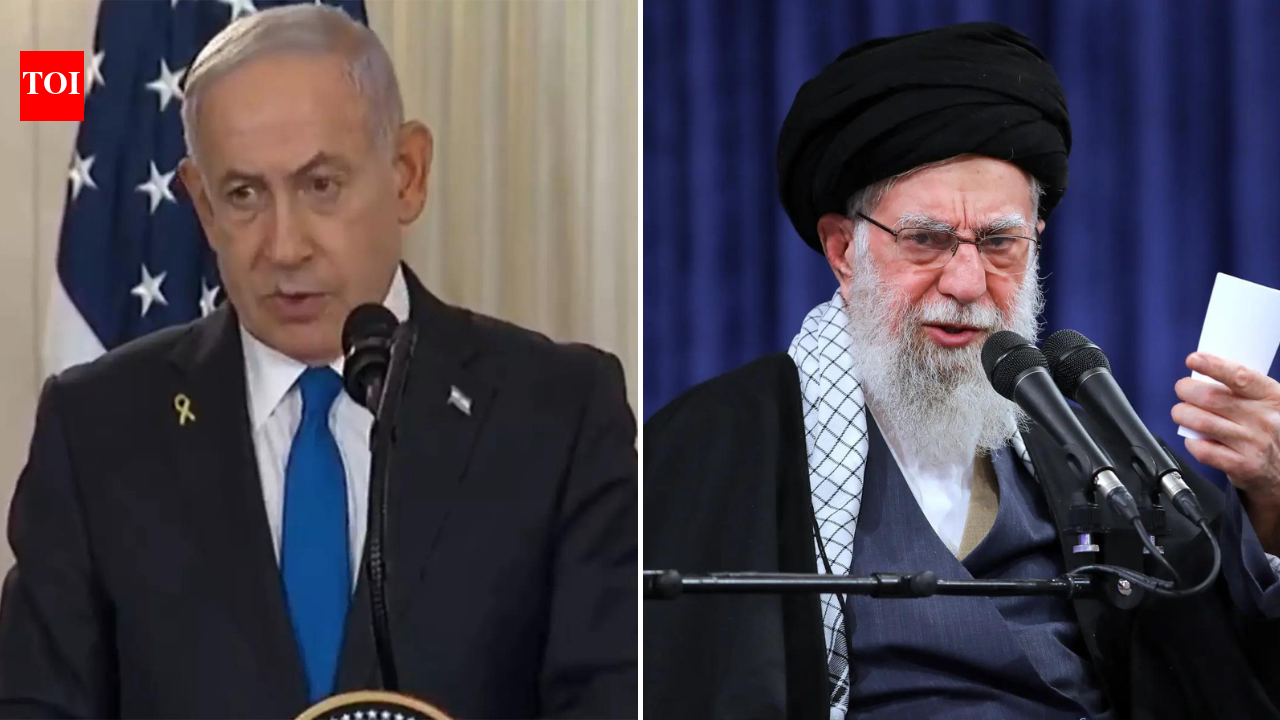
Israeli Prime Minister Benjamin Netanyahu has claimed there are “growing signs that this dictator is gone”, suggesting that Iran’s Supreme Leader Ali Khamenei may have been killed in sweeping US-Israeli strikes on Tehran.In a nationally televised address, Netanyahu said one of the first targets was Khamenei’s compound in the Iranian capital. “There are growing signs that the tyrant is no longer alive,” he told Israelis, hours after explosions were reported near the offices of the 86-year-old cleric.The Israeli leader said the operation had eliminated senior commanders in the Islamic Revolutionary Guard Corps (IRGC), high-ranking regime officials and leading nuclear scientists. “This morning we eliminated IRGC commanders, senior Iranian regime officials, senior nuclear officials,” he said, adding that “in the coming days, we will hit thousands of targets of the terror regime”.The joint assault, described by US President Donald Trump as a “massive operation”, marked one of the most direct attacks on Iran’s leadership in decades. Trump said the objective was to destroy Iran’s military capabilities and remove the threat of it acquiring a nuclear weapon. About 12 hours after the strikes began, the US military reported no American casualties despite what it called “hundreds of Iranian missile and drone attacks”.Iranian state media, citing the Red Crescent, said at least 201 people had been killed and more than 700 injured. Tehran retaliated with missiles and drones aimed at Israel and at US military installations in Bahrain, Kuwait and Qatar. Exchanges of fire continued into the night.Earlier, Iran’s foreign minister, Abbas Araghchi, told NBC News that Khamenei and President Masoud Pezeshkian were alive “as far as I know”, calling the attack “unprovoked, illegal and absolutely illegitimate”.Netanyahu, however, framed the campaign as a turning point. Israel had gone to war to “fundamentally change” the situation in which Iran was nearing a nuclear weapon, he said. The operation would continue “as long as necessary”, and “stamina is necessary”.In an unusual direct appeal to Iranians, he urged them to seize what he called a “once in a generation chance” to overthrow the regime. “Take to the streets en masse,” he said. “It is high time you come together and unite for a historic mission.”Thanking Trump for his “historic leadership”, Netanyahu said the campaign would ultimately “lead to peace, true peace” — even as the region braces for further escalation.


Source link

UAE market stability, food prices, stock update amid Iran–US-Israel escalation: Panic buying in the emirates as oil prices surge?


UAE market stability, food prices, stock update amid Iran–US-Israel escalation: Panic buying in the emirates as oil prices surge?
UAE Food Stock Update: Are Supermarkets Running Out Amid Iran–US-Israel Tensions?

Amid escalating geopolitical tensions in West Asia, including recent missile exchanges involving Iran, the United States and Israel that rattled Gulf cities and triggered regional alerts, the United Arab Emirates has reassured the public that its markets remain stable and strategic food reserves are secure. Despite periodic jitters in financial markets and broader concerns about supply chains during such crises, the UAE’s Ministry of Economy and Tourism has firmly stated that essential commodities, both food and non-food, are available in ample quantities across all retail outlets nationwide with no indications of shortages or disruptions.The ministry confirmed that it is actively monitoring stock levels through advanced digital systems that collect and analyse data daily, ensuring that supplies remain sufficient and that price stability is maintained even in the face of heightened uncertainty across the region. Strategic reserves of staple goods are held at high and diversified levels, and import flows continue normally, thanks in part to the UAE’s broad network of global trading partners and diversified supply routes. Officials have urged residents not to panic-buy or engage in excessive stockpiling, emphasising that the country’s resilience and preparedness will protect everyday life and commerce.

UAE’s economic stability amid regional strains due to Iran and US–Israel clashes

The backdrop to this reassurance includes not only concerns about food and essential supplies but also financial market reactions to geopolitical stress. In recent days, UAE stock indices experienced modest declines as investors reacted to uncertainty stemming from stalled diplomatic talks and the heightened possibility of conflict involving Iran, with major developers and banks seeing pressure on share prices. Meanwhile, oil prices climbed on fears of supply disruption, reflecting how deeply energy markets are tied to regional stability.

Is There Food Shortage in UAE? Government Issues Major Update on Supplies

Is There Food Shortage in UAE? Government Issues Major Update on Supplies

Despite such volatility, the UAE government’s proactive policies, from diversified import sources and strategic reserves to real-time price monitoring, appear to be cushioning the broader economic ecosystem. Markets, logistics networks and supply chains remain functional, underscoring the robustness of the nation’s economic framework even during moments of geopolitical stress.

Why food security in the UAE matters now

Food security is a pressing issue in the Gulf as the UAE imports a significant portion of its food, making secure supply chains vital for national well-being. In times of international turbulence, quick spoilage or disruption in trade corridors, for example due to maritime tensions in the Red Sea or risks to the Strait of Hormuz, can rapidly feed public anxiety. However, authorities have continuously stressed that comprehensive planning, diversified sources and strong logistical infrastructure support uninterrupted availability of essential goods.This robust stance is aligned with the UAE’s broader approach to economic resilience: strengthening strategic reserves, maintaining a diversified import portfolio and leveraging a world-class transport and logistics network. These measures help ensure that no single route, region or event can significantly destabilise supply, a critical priority not just for food but for overall economic and social stability.

UAE’s public reassurance and official messaging amid Iran and US–Israel clashes

Officials have also been careful to reinforce calm and confidence among residents, urging the public to rely on verified information and to avoid succumbing to rumours or fear-driven buying behaviour. This messaging is part of a broader communications strategy seen in recent days, including high-level appeals to stability from security and government departments, emphasising that the UAE’s internal environment remains steady even as external tensions persist.

Will UAE Food Prices Rise? Authorities Respond as Oil Prices Surge

Will UAE Food Prices Rise? Authorities Respond as Oil Prices Surge

At a time when headlines are dominated by clashes and diplomatic strains in the Middle East, the UAE government’s message is clear: everyday life, market operations and access to essentials are secure, underpinned by sound economic planning and resilient supply chains. The UAE Ministry of Economy and Tourism has confirmed that markets are stable and stocked with essential food and goods, with robust strategic reserves in place.Import activity and supply flows are proceeding normally, with no indication of shortages despite regional tensions. Financial markets have faced some pressure due to geopolitical uncertainty but core economic functions remain resilient. Authorities continue to monitor data in real time and have urged the public not to panic buy, reassuring residents of the country’s preparedness.


Source link

Two minor boys drown in quarry near Mumbai, one body found | Mumbai News


Palghar: Two minor boys drowned in a closed stone quarry near Manor, close to the Mumbai — Ahmedabad highway. The accident occurred on Friday afternoon when the children had gone for a swim there. The stone quarry, which is no longer operational, had accumulated deep water. Three children from the area had gone to bathe in the quarry. During the process, an eight-year-old allegedly slipped and fell into the deep water. Seeing him struggle, another 15-year-old boy jumped in to rescue him. However, he too drowned.

Mumbai: Flight Disruptions, Digital Arrest, Urban Challenges & More

Police rushed to the spot after being alerted. A search operation was launched and by Friday evening, the eight-year-old’s body was recovered. However, the second boy remained missing till late Saturday evening.


Source link

Old boundary wall in Mumbai collapses, no one injured | Mumbai News


Mumbai: A boundary wall, which had advertisement hoardings above it, at a construction site on SV Road at Dahisar (E), suddenly collapsed onto the footpath and roadside. While no injuries were reported, a civic official said that the compound wall was an old one and that the designated officer of the BMC R-North ward had asked the developer to stop work at the redevelopment project.


Source link

‘I can go long and take over the whole thing’: Trump after US strikes on Iran


'I can go long and take over the whole thing': Trump after US strikes on Iran

US President Donald Trump has said he is prepared to escalate US military action against Iran dramatically following coordinated American and Israeli strikes, warning he could “go long and take over the whole thing” if Tehran attempts to rebuild its nuclear or missile programmes.“I can go long and take over the whole thing, or end it in two or three days and tell the Iranians: ‘See you again in a few years if you start rebuilding [your nuclear and missile programs],’” Trump told Axios in a five-minute phone interview from Mar-a-Lago. In a separate video address announcing what he called “major combat operations”, he urged Iranians to “seize control of your destiny” and rise up against the Islamic leadership that has ruled since 1979, adding: “When we are finished, take over your government. It will be yours to take. This will be probably your only chance for generations.”The strikes, launched jointly by the US and Israel during the holy month of Ramadan, targeted Revolutionary Guard command facilities, air defence systems, missile and drone launch sites and military airfields, according to US officials. Early attacks appeared to hit near the offices of Iran’s Supreme Leader, Ali Khamenei, who has not been seen in public since the operation began.Israeli Prime Minister Benjamin Netanyahu claimed there were “growing signs that Khamenei is no longer around” and said strikes had targeted his compound. In a televised address, Netanyahu said Israel had eliminated senior IRGC commanders, nuclear officials and other regime figures, and promised to hit “thousands of targets of the terror regime” in the coming days. He thanked Trump for his “historic leadership”, calling him “a leader who keeps his word”.Earlier, Iran’s foreign minister, Abbas Araghchi, told NBC News that Khamenei and President Masoud Pezeshkian were alive “as far as I know”, describing the attack as “unprovoked, illegal and absolutely illegitimate”.Iranian state media, citing the Red Crescent, said at least 201 people were killed and more than 700 injured. In southern Iran, local officials reported dozens killed, including at a girls’ school allegedly struck in the fighting. The US military said it had suffered no casualties and only minimal damage at regional bases despite “hundreds of Iranian missile and drone attacks”.Tehran retaliated with missiles and drones targeting Israel and US installations in Bahrain, Kuwait and Qatar, while air defences were activated across the region. The United Nations Security Council convened an emergency meeting, and the International Atomic Energy Agency said it was monitoring the situation and had seen no evidence of radiological impact.


Source link