Breaking News
Nothing changes for India: Donald Trump’s big statement on trade deal after US Supreme Court strikes down tariffs

Nothing changes for India: Donald Trump's big statement on trade deal after US Supreme Court strikes down tariffs
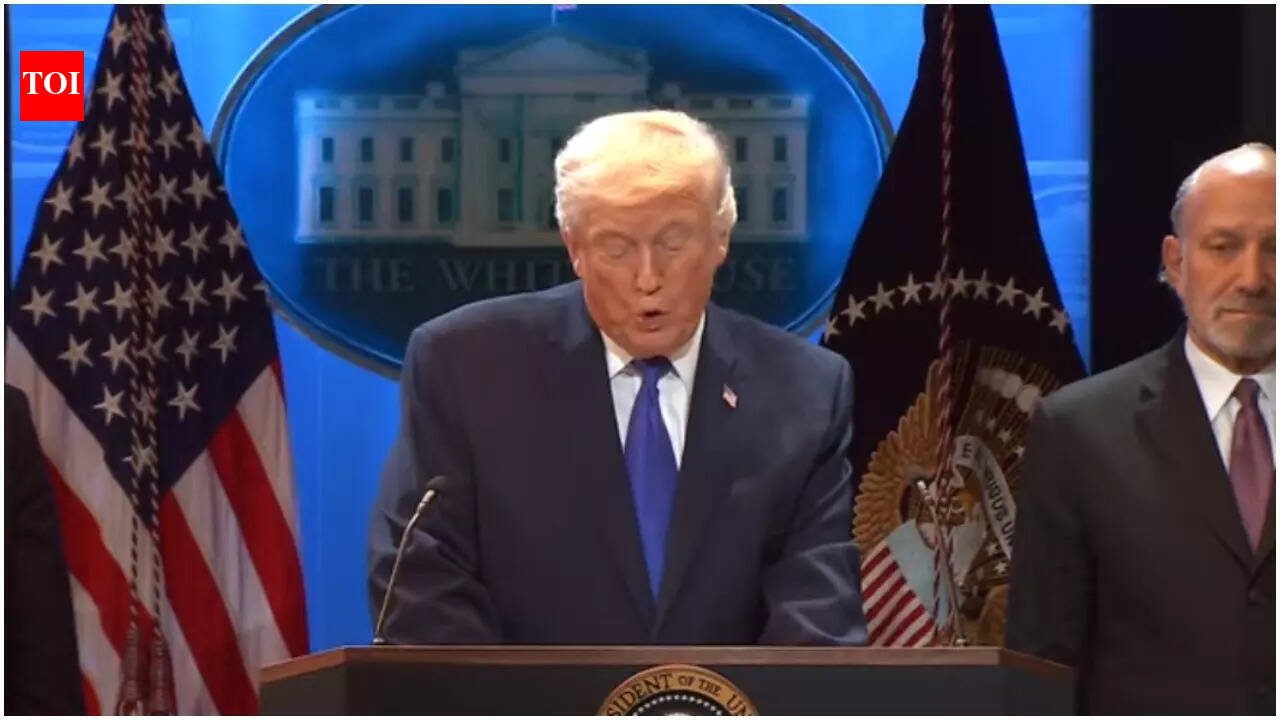
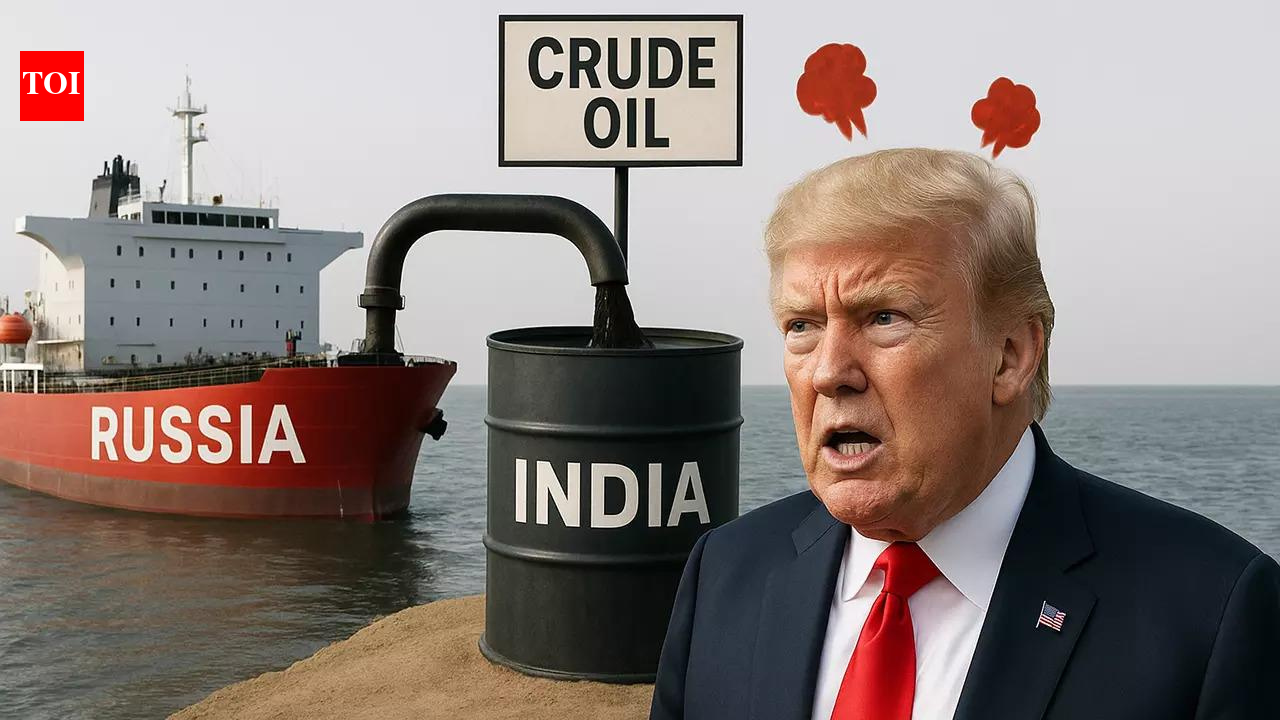
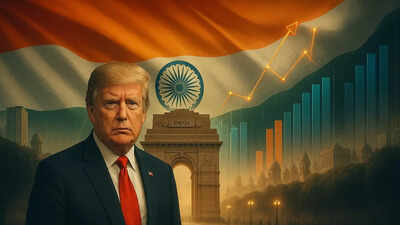
Trump on tariffs (AI image)

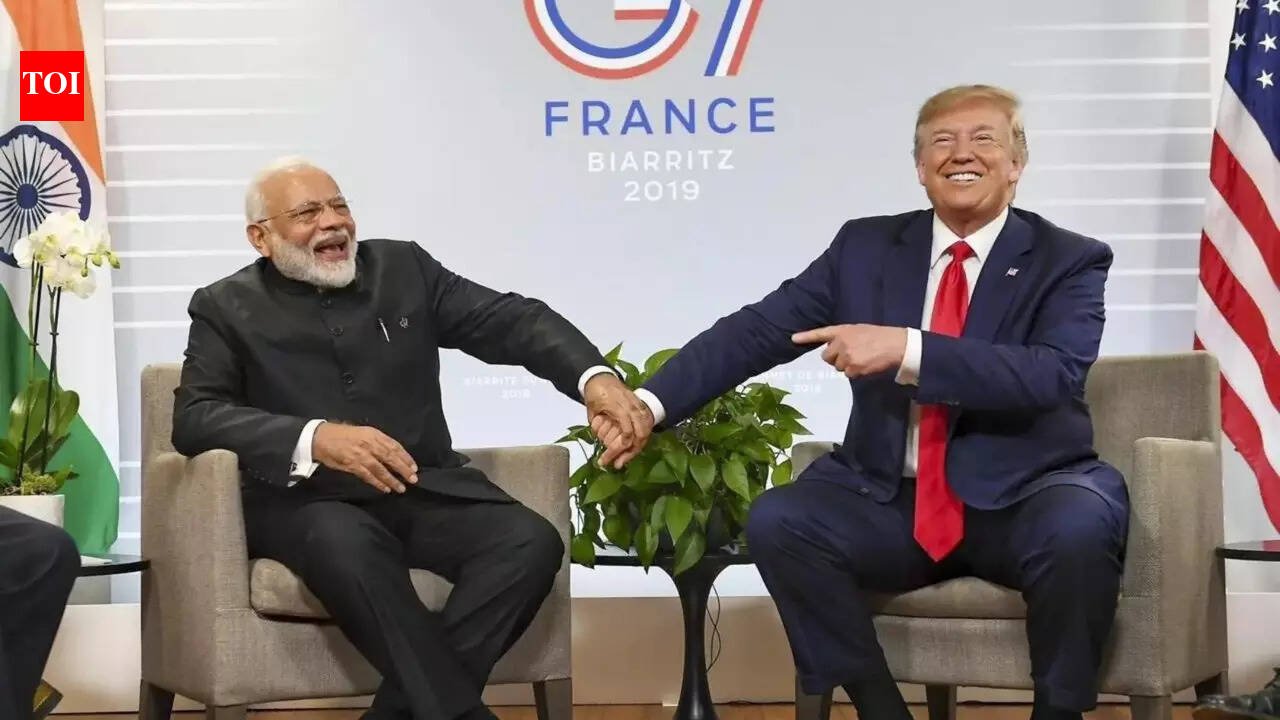
US President Donald Trump on Friday said that there will be no change in the India-US trade deal. His comments come after he announced a 10% global tariffs post the US Supreme Court deeming his reciprocal tariffs as illegal. Trump said that India will continue to pay the tariffs that have been decided, and the US will not pay any tariffs.Asked about the impact of the Supreme Court verdict on the India-US trade agreement that is being finalised, Trump said, “Nothing changes, they’ll be paying tariffs, and we will not be paying tariffs. So, the deal with India is they pay tariffs. This is a reversal for what it used to be. I think Prime Minister Modi is a great gentleman, a great man, actually, but he was much smarter than the people that he was against in terms of the United States. He was ripping us off, India. So we made a deal with India, it’s a fair deal now, and we are not paying tariffs to them and they are paying tariffs. We did a little flip.”

India-US Trade Deal:

Earlier this month, US President Donald Trump and Prime Minister Narendra Modi announced agreeing to a trade deal. Under the proposed framework, the US will impose an 18% tariff on Indian exports to the US. Trump has said that the duties on US exports will come down to zero.Also Read | Donald Trump announces 10% global tariffs after SC deems his reciprocal tariffs illegalSoon after, India and the United States issued a joint statement outlining the contours of their interim trade arrangement. At the same time, Trump signed an executive order withdrawing the 25% tariffs earlier imposed on India over its purchases of Russian crude oil.With the revised 18 percent tariff rate, India said it secured a relative edge over several regional competitors in labour-intensive, export-oriented industries. The new rate is lower than those applied to countries such as Vietnam, Bangladesh, China, Thailand, Pakistan and Indonesia, and marks a reduction from the 50% tariff level introduced by the Trump administration in August 2025.Commerce Minister Piyush Goyal said that the agreement provides Indian exporters access to a $30 trillion market. He added that the interim arrangement is expected to deliver significant gains to MSMEs, as well as to farmers and fishermen.Earlier this week it was reported that a delegation is expected to travel to the US in the coming days to finalise the interim trade deal.

Trump’s Angry Reaction to Supreme Court Verdict

On Friday, the US Supreme Court invalidated President Donald Trump’s worldwide tariffs, delivering a sharp setback to a policy central to his economic platform.Angered by the outcome, Trump responded by announcing plans to introduce a uniform 10% global tariff through a different statutory route, noting that the alternative law would limit such duties to a period of 150 days. He said he would continue advancing his trade agenda using other available mechanisms.Also Read | Why were Trump tariffs ruled illegal by Supreme Court? Top points from what SC said in its rulingHis remarks came after he strongly criticized the Supreme Court for dismantling much of his tariff framework, which the justices determined had been enacted through an improper use of emergency authority. Trump said he felt “absolutely ashamed” of the justices who voted against his measures and described the judgment as “deeply disappointing.”He maintained that the ruling was wrong but added that it would not halt his efforts, asserting that other powerful options remain at his disposal.

Source link

The 50 Winner: Shiv Thakare bags the title after an intense finale? |


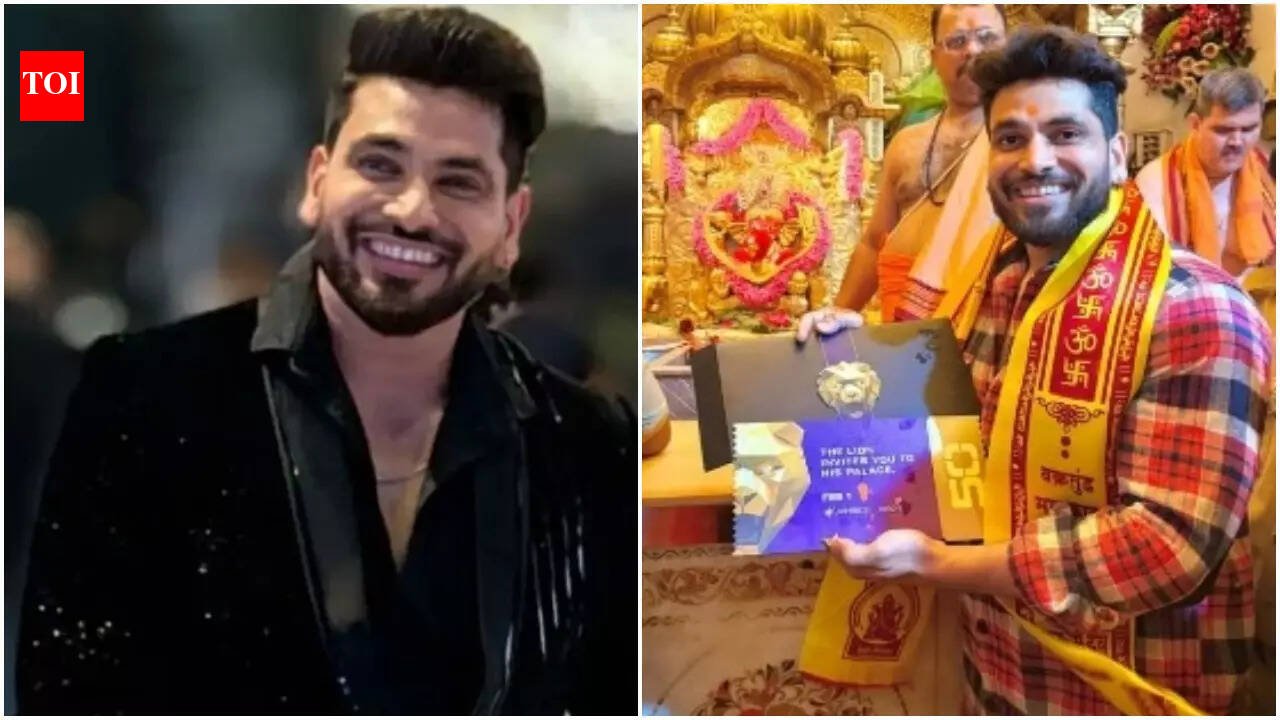
The 50, a high-stakes celebrity reality series featuring 50 stars that premiered on February 1, has wrapped up its shoot. The show, which has made headlines since its launch, held its grand finale on February 19 in Mumbai. While the news of the Top 4 contestants — Mr Faisu, Immortal Kaka, Krishna Shroff and Shiv Thakare, competing for the trophy was already out, the latest update is that the show has found its winner in Shiv Thakare.Times of India TV has exclusively learnt from the sets that Shiv Thakare is the winner of the show. However, instead of announcing one winner, the makers shot the winning moment with all the four finalists. This was done to maintain a mystery around the winner which will be only announced on March 22.

The 50’s Shiv Thakare, Competing With Prince, Allegation On Raqesh in BB Marathi & Acting Offers

Sources close to The 50 informed us that the grand finale saw Rajat Dalal exit in fifth place, after which the Top 4 — Mr Faisu, Immortal Kaka, Krishna Shroff and Shiv Thakare — competed for the trophy. For the finale, the makers introduced a “Puzzle” task in which timing played an important role. Each contestant had to solve the puzzle individually, and the remaining three players were not allowed to watch the one performing.Immortal Kaka was the first to attempt the task but failed to solve the puzzle. Next was Krishna Shroff, who completed it in approximately 25 minutes. After her, Shiv Thakare attempted to solve the puzzle and he managed to finish it in approximately 10 minutes. Mr Faisu was the last to perform. He initially completed the puzzle incorrectly, and The Lion had to inform him that it had not been solved properly. He attempted it again and took approximately 14 minutes to finish.Based on the timing of the puzzle task, Shiv Thakare emerged as the winner. However, the makers introduced a surprising twist towards the end which left the contestants stunned. They shot the winning moment with all the four finalists, to maintain the secrecy around the winner’s name.For the uninitiated, Shiv Thakare is not new to the reality space. He was previously featured in shows like Roadies, Bigg Boss Marathi, Bigg Boss 16 (Hindi), Jhalak Dikhhla Jaa and his most recent show is ‘The 50’.The 50 starred some of the biggest names of television like Karan Patel, Urvashi Dholakia, Yuvika Choudhary, Ridhi Dogra, Prince Narula, Ridhima Pandit, Divya Agarwal, Rajat Dalal, Nikki Tamboli amongst others.


Source link

Explained: 5 reasons why NYT op-ed is saying it’s ‘India’s century’


Explained: 5 reasons why NYT op-ed is saying it's 'India's century'

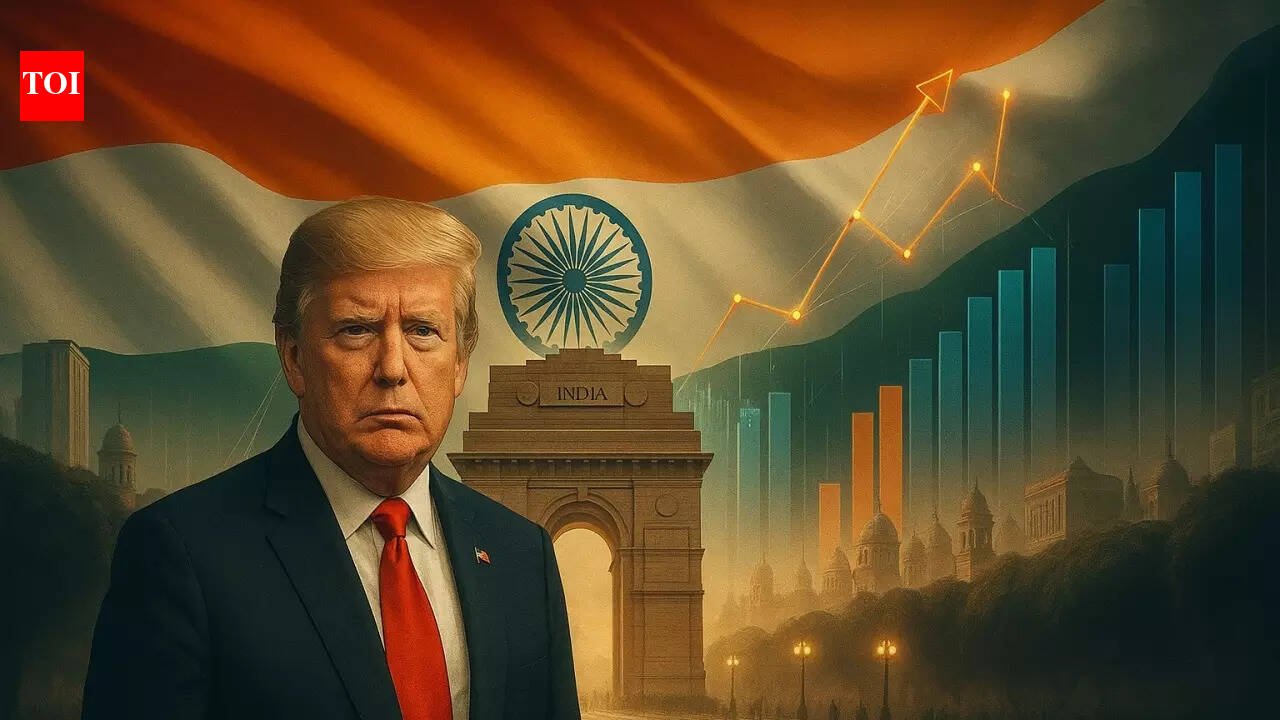
For years, 21st-century geopolitics has been framed as a heavyweight bout between Washington and Beijing. But what if the most consequential player isn’t in either corner?The world’s fastest-growing major economy — and its most populous nation — isn’t China. It’s India.As other major powers age, India’s greatest export may simply be its people. So what could that mean for the global order?On the podcast “Interesting Times,” host Ross Douthat spoke with international relations scholar Amitav Acharya about demographics, growth and what Acharya calls a “multiplex” world — one shaped by several rising powers, not a single superpower.Here are five takeaways from the NYT conversation on why this could be India’s century:

Third pole

The “third pole” envisions India as an independent center of global power — distinct from both the United States and China.Instead of aligning fully with Washington or Beijing, India would act as its own gravitational force: a top-three economy, a strategic power in the Indian Ocean, a demographic heavyweight and a diplomatic swing state engaging both sides without formal alliances.In Acharya’s “multiplex world order,” power is distributed among several major actors — and India is one of them.

Faster growth than China

Acharya acknowledged that China industrialized and reduced poverty faster. But he cautioned against a short-term lens.In the early post-independence decades, India played a significant role in Asian affairs while China was consolidating Communist rule. Though China later surged ahead, India’s recent growth rates have outpaced China’s — albeit from a lower base.India has also preserved its democratic system. The key challenge now is jobs. If India expands trade access — especially with Europe and the United States — it could combine growth with greater economic resilience.

Demographic advantage

While China faces a collapsing birthrate and rapid aging, India is entering a “demographic dividend” phase — a large working-age population with fewer elderly dependents.Unlike China, India never implemented a one-child policy, leaving it with a younger labor force.But demographics are not destiny. Without job creation, education reform and skill development, the dividend could become a liability. Integration into global supply chains — blending manufacturing with services and technology — will be critical.

Multi-alignment

India’s strategy has evolved from Cold War “non-alignment” to what Acharya calls “multi-alignment.”The goal: avoid overdependence on any single power. India maintains ties with the U.S., engages Russia and deepens trade with the European Union — all while preserving strategic autonomy.This balancing act works so long as major powers tolerate flexibility. It becomes harder if Washington demands countries choose sides.

The Indian diaspora

Prime Minister Narendra Modi has turned the Indian diaspora into a diplomatic asset, staging major events in U.S. cities to showcase global influence.Yet American understanding of India still lags behind its focus on China. Indian Americans have risen prominently in tech and politics, but their success — especially in Silicon Valley and through H-1B visas — has triggered backlash amid rising populism.Acharya argues the resentment reflects broader anti-immigrant currents rather than direct job displacement. Politically diverse, parts of the diaspora appear to be trending conservative — in some cases as a path toward assimilation in a polarized America.


Source link

CSK recruit Rahul Chahar announces separation from wife Ishani Johar ahead of IPL 2026


In a deeply personal revelation, Chennai Super Kings’ newest recruit Rahul Chahar has confirmed his separation from wife Ishani Johar, formally ending their marriage after more than three-and-a-half years. The 26-year-old leg-spinner shared the news on Friday, February 20, through an elaborate social media post, stating that the legal proceedings have concluded and the matter now stands settled.

Chahar and Johar had tied the knot in a private ceremony in Goa on March 9, 2022, marking the beginning of a journey that, as the cricketer described, became a transformative chapter in his life.

Rahul Chahar confirms divorce with wife Ishani Johar

In his statement, Chahar reflected candidly on his early decision to marry and the lessons that followed. He admitted entering marriage at a young age, before fully understanding himself and the life he wanted to build.

“I entered marriage at a young age, before I fully understood myself, my worth, or the life I truly wanted to build. What followed were years of lessons I never expected, and the last fifteen months spent navigating courtrooms, learning patience, resilience, and the strength that comes from truth,” wrote Chahar in a social media post.

The spinner further revealed that the legal process had reached its conclusion. “After due legal process, the matter has been settled with my resolution that costed a lot, bringing finality to this phase of my life. I close this chapter not with anger or regret, but with clarity,” he added.

Chahar emphasized that he is moving forward with a renewed sense of self-awareness and purpose. He described the relationship as one that awakened and transformed him, even if it was not meant to last forever.

“Some relationships are not meant to last forever; they are meant to awaken us, teach us, and transform us,” he shared, adding that he now aims to build a life rooted in “self-respect, peace, and better choices.”

Also READ: IPL 2026: 3 players KKR can sign to replace Matheesha Pathirana if he misses out

Focus shifts to IPL 2026 with Chennai Super Kings

With his personal life entering a new phase, Chahar is set to turn his attention fully to cricket as the 2026 season of the Indian Premier League (IPL) approaches. The tournament is expected to run between March and May.

Chahar will don the iconic yellow jersey after being picked up by CSK for INR 5.20 crore in the IPL 2026 mini-auction. Interestingly, he had initially gone unsold before the franchise secured him in the accelerated round. He was released by Sunrisers Hyderabad ahead of the auction.

Over the years, the leg-break bowler has represented Rising Pune Supergiant, Mumbai Indians, Punjab Kings, and Sunrisers Hyderabad in the IPL. In 79 matches, Chahar has claimed 75 wickets at an average of 28.66, showcasing his ability to strike at crucial moments in the middle overs.

Also WATCH: CSK’s record-breaking IPL signing Kartik Sharma faces painful collapse during Mewar Cup season 4


Source link

Donald Trump announces 10% global tariffs after SC deems his reciprocal tariffs illegal


Donald Trump announces 10% global tariffs after SC deems his reciprocal tariffs illegal

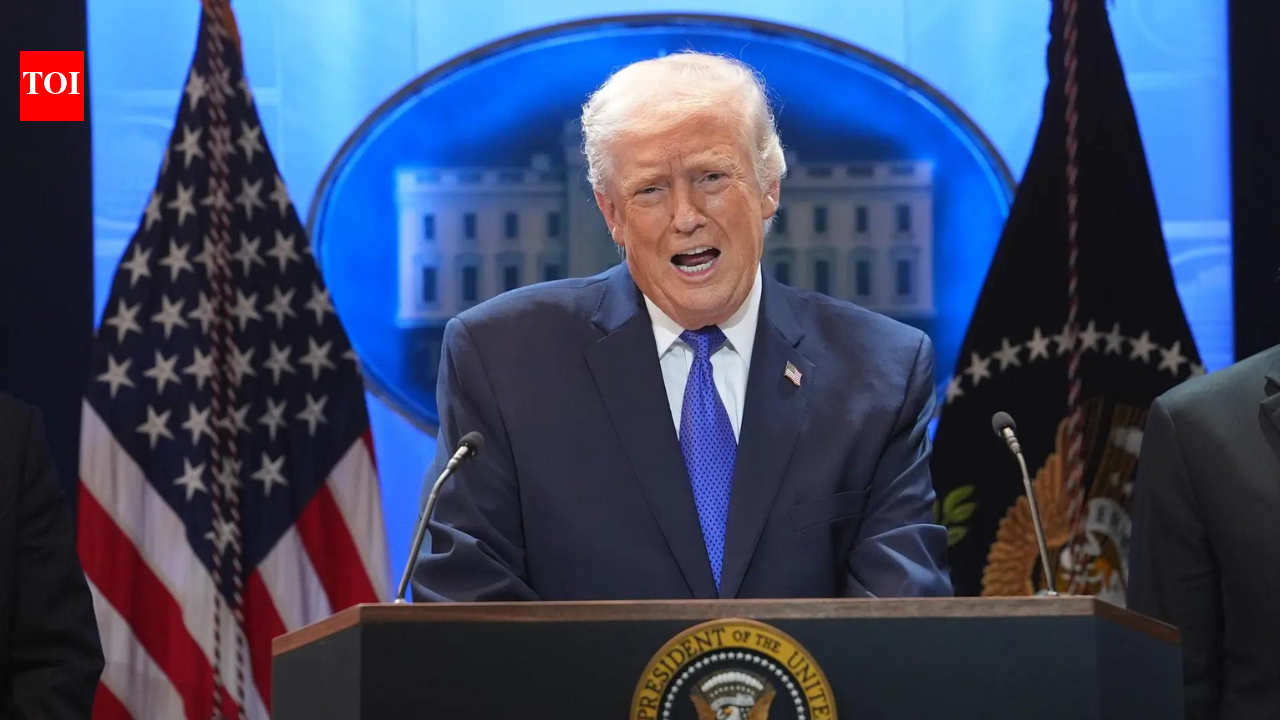
A furious Donald Trump on Friday announced that he would be signing an executive order imposing a 10% global tariff. Trump’s statement comes within hours of the US Supreme Court striking down his reciprocal tariffs and deeming them as illegal.“Today, I will sign an order to impose a 10% global tariff under Section 122, over and above our normal tariffs already being charged and we’re also initiating several Section 301 and other investigations to protect our country from unfair trading practices,” the US president said during his press conference.Following the Supreme Court’s decision to invalidate his tariff measures, Trump said his administration would pursue different avenues to restore the trade duties that had been overturned. He also said that the issue of refunds could end up in courts for years. The Supreme Court verdict is being seen as a big setback to one of his central economic initiatives.

Trump’s Reaction to SC striking Down Tariffs

Speaking at a press briefing, Trump said that alternative mechanisms would be deployed to substitute those the court had, in his view, wrongly dismissed, and suggested that these new approaches might even generate higher revenues.Trump reacted angrily to the verdict, calling it “deeply disappointing” and “ridiculous,”. Trump said he felt “absolutely ashamed” of the six justices who sided against him, accusing them of lacking the courage to act in the country’s best interests.During an afternoon press conference, he criticized the court’s majority as “fools” and “lap dogs” for what he described as RINOs — “Republicans in Name Only” — and “radical left Democrats.” He further alleged that their stance was unpatriotic and disloyal to the Constitution. Trump also indicated that he believes existing statutes may still allow him to introduce alternative tariffs.The president has repeatedly asserted – contrary to available evidence – that foreign governments would bear the cost of his tariffs and that the resulting revenue would be substantial enough to reduce the national debt and even fund dividend payments to taxpayers.However, fresh analysis linked to a major US bank showed on Thursday that tariff payments made by mid-sized American firms have tripled over the past year. These added costs have affected businesses employing a combined 48 million people nationwide — the very segment Trump had pledged to strengthen. To manage the higher tax burden, such companies have had to raise prices for consumers, cut back on hiring, or accept slimmer profit margins.According to estimates from the Congressional Budget Office, the tariffs — not all of which were invalidated — were projected to raise $3 trillion over a decade. While significant, that amount would still fall short of offsetting anticipated budget deficits.The Supreme Court has yet to provide guidance on how any potential reimbursement of tariffs might be handled.The Supreme Court invalidated Trump’s tariff program, delivering a significant setback to a cornerstone of his economic strategy.In a 6-3 ruling, the justices examined duties introduced under an emergency authority statute, including the broad “reciprocal” tariffs applied to almost every foreign nation. The Court concluded that invoking emergency powers to impose import taxes without congressional approval was unlawful.The majority held that the Constitution does not permit a president to independently create or modify tariffs, as the authority to levy taxes is explicitly assigned to Congress. Writing for the Court, Chief Justice John Roberts stated that the nation’s founders did not allocate any portion of the taxing authority to the executive branch.The conservative-led bench determined, by a six-to-three vote, that the International Emergency Economic Powers Act does not grant the president the power to impose tariffs.


Source link

‘I can do anything I want’: Trump warns of ‘even stronger methods’ after SC tariff blow


'I can do anything I want': Trump warns of 'even stronger methods' after SC tariff blow

“I can do anything I want,” Donald Trump declared in his address as his first reaction to the Supreme Court’s landmark ruling on Friday, a major setback to his second stint in the presidency.“There are methods that are even stronger available to me,” he said in his White House address.Trump also said he was “absolutely ashamed” of the US Supreme Court justices who issued the “deeply disappointing” tariff decision.“The Supreme Court’s ruling is absolutely disappointing, and I am ashamed of certain members of the court for not having the courage to do what is right for our country,” he said.Frustrated and agitated by the Supreme Court ruling, Trump threatened to impose a 10 per cent global tariff. He added, “Today, I will sign an order to impose a 10% global tariff under Section 122, over and above our normal tariffs already being charged, and we’re also initiating several Section 301 and other investigations to protect our country from unfair trading practices.”The US top court on Friday struck down President Trump’s sweeping global tariffs, which were central to his second-term presidency and trade policies, handing him a major defeat.In a 6–3 ruling, the apex court examined tariffs imposed under an emergency powers law, including the broad “reciprocal” duties he placed on nearly all countries. The justices held that Trump’s use of emergency authority to impose import tariffs without congressional approval was unlawful.


Source link

‘Deeply disappointing,’ says Donald Trump on US Supreme Court striking down Tariffs — Top quotes


'Deeply disappointing,' says Donald Trump on US Supreme Court striking down Tariffs — Top quotes

US President Donald Trump on Friday called the Supreme Court’s ruling on tariffs “deeply disappointing.” and said that he is ashamed of certain members of the Court for not having the courage to do what’s right for our country.The US Supreme Court on Friday deemed Trump’s reciprocal tariffs as ‘illegal’, a move that is a big blow to the American President’s trade war. The ruling invalidates country-specific “reciprocal tariffs” and fentanyl-linked duties imposed on imports from major trading partners.Here are the top quotes:

  • Trump said, “The court has been swayed by foreign interests and a political movement far smaller than people would ever think. It is a small movement. I won by millions of votes. We won in a landslide. With all of the cheating that went on.”
  • Others think being politically correct which has happened before far too often with members of this court. They are just being fools and lapdogs for the RINOS and radical left Democrats. They are very unpatriotic and disloyal to our constitution: Trump


Source link

India, Pakistan players ‘talking behind closed doors’: England legend amid handshake row | Cricket News


India, Pakistan players 'talking behind closed doors': England legend amid handshake row
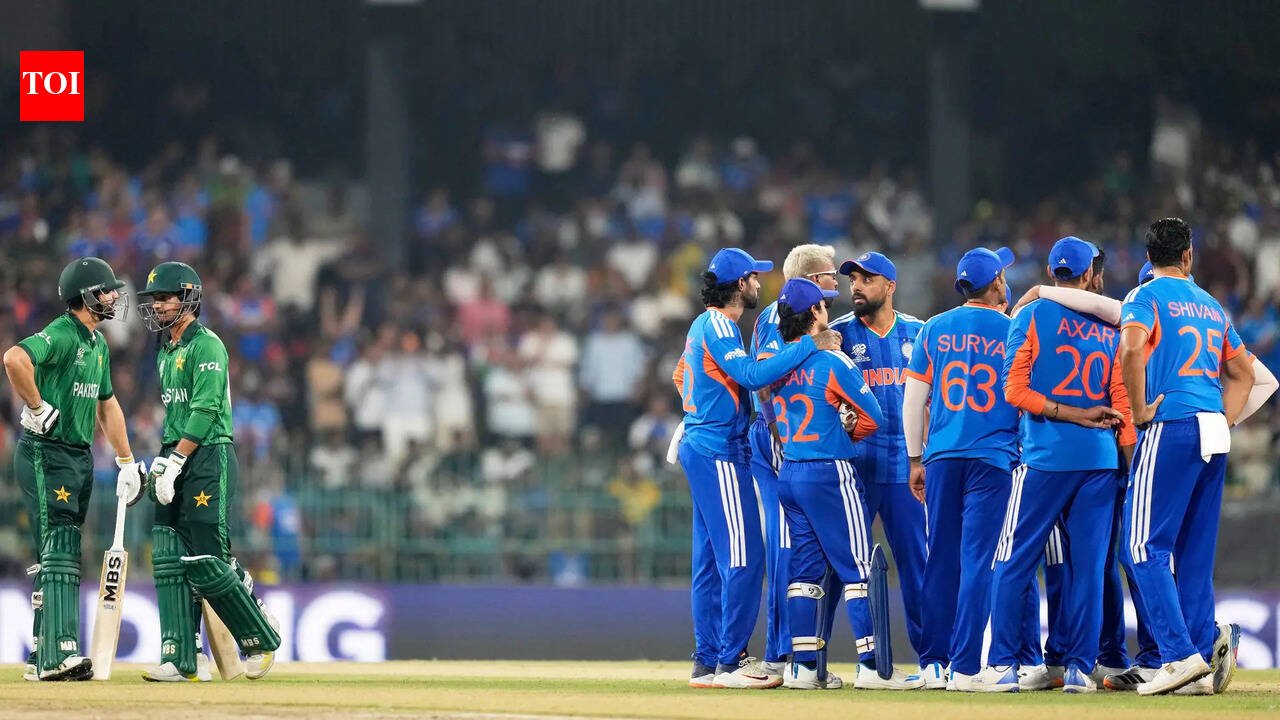
India vs Pakistan (AP Photo/Eranga Jayawardena)

NEW DELHI: The rivalry between India and Pakistan has become more intense in recent times. India has been dominating Pakistan on the field, but the focus has now shifted to something else. Indian players have refused to shake hands with Pakistan players after matches, and this has created a big debate.The issue started during last year’s Asia Cup. India captain Suryakumar Yadav did not shake hands with Pakistan players. The decision was linked to showing respect for the victims of the Pahalgam terror attack and support for the Indian Army after Operation Sindoor. Some former overseas players criticised India, but many former Indian players supported the move and said cricket should remain the main focus.

T20 World Cup: Afghanistan coach Jonathan Trott’s emotional press conference

The topic came up again after India and Pakistan played in the T20 World Cup, where the captains again skipped the handshake. Former England players Michael Vaughan, Alastair Cook, Phil Tufnell, and David Lloyd discussed this on a cricket podcast.Phil Tufnell said Pakistan are not at the same level as India right now. He said, “Dare I say it, Pakistan against India, that’s a mismatch, isn’t it,” and added that India look far stronger.Michael Vaughan also shared his opinion and said Pakistan seem nervous when they play India. He said, “I mean it look to me that way. It seems to me every time Pakistan play India they look intimidated by India on a cricket field.” He also felt the handshake issue was sad and said, “That whole situation in sour isn’t it? You know, it is just sad. Not shaking hands on a cricket field.”Alastair Cook had a different view. He questioned whether the tension is real or just for the public. He asked, “But aren’t they talking behind closed doors? I read somewhere that everyone’s just chatting away.” He also said, “It like, it is only for show, isn’t it? On the actual field, they are not shaking hands, but then behind closed doors, they are all talking and are all fine.”


Source link

SC verdict on Trump tariffs: Dissent highlights India in Russia oil context


SC verdict on Trump tariffs: Dissent highlights India in Russia oil context

India found itself directly referenced in a landmark US Supreme Court judgment limiting presidential tariff authority, after justices examined how tariffs imposed under emergency powers were used as tools of foreign policy– including pressure linked to Russian oil imports.The ruling in Learning Resources, Inc. v. Trump held that the International Emergency Economic Powers Act (IEEPA) does not authorise a US president to impose tariffs, significantly narrowing executive power over trade policy even when tied to diplomatic negotiations.

MEA’s Clears India’s Position On Russia Oil After US Envoy Conveys Trump’s Wish On Venezuelan Oil

While the majority struck down the tariffs, the Court’s dissent highlighted India as an example of how such measures had been deployed in foreign affairs.India cited in tariff diplomacy linked to Russia-Ukraine conflictIn his dissenting opinion, Justice Brett Kavanaugh described how the US administration used tariffs during sensitive geopolitical negotiations.“As with tariffs on foreign imports historically, the IEEPA tariffs on foreign imports at issue in this case implicate foreign affairs,” the dissent noted.According to the judgment, the US government argued that tariffs had been leveraged in negotiations with major trading partners.“The Government says that the tariffs have helped make certain foreign markets more accessible to American businesses and have contributed to trade deals with foreign nations worth trillions of dollars.”India was specifically mentioned in connection with US efforts tied to the Russia-Ukraine conflict.“To that end, on August 6, 2025, the President imposed tariffs on India for ‘directly or indirectly importing Russian Federation oil.’”The dissent further recorded that the tariffs were later eased, noting “And on February 6, 2026, the President reduced the tariffs on India because, according to the Government, India had ‘committed to stop directly or indirectly importing Russian Federation oil.’”

Foreign policy versus constitutional limits

The dissent argued that tariffs have historically functioned as instruments of diplomacy and national security, warning that courts should not restrict presidential authority in foreign affairs using doctrines typically applied to domestic regulation.“Presidential actions pursuant to broad congressional authorizations related to foreign affairs often have long historical pedigrees,” the dissent stated, arguing that statutes should be interpreted “as written, not with a thumb on the scale against the President.”Justice Kavanaugh contended that applying the “major questions doctrine” — which requires clear congressional approval for sweeping executive action — represented a novel judicial intervention in foreign policy decision-making.

Majority rejects foreign affairs justification

The Supreme Court’s majority, however, rejected the argument that foreign policy considerations expand tariff authority.Chief Justice John Roberts wrote that tariffs are fundamentally a form of taxation and therefore fall within Congress’s exclusive constitutional powers under Article I.The Court concluded that even emergency statutes dealing with international threats cannot transfer core taxing authority to the president without explicit language from Congress.The justices emphasised that no president had previously used IEEPA to impose tariffs in its nearly five-decade history, reinforcing their conclusion that Congress never intended to delegate such sweeping authority.


Source link

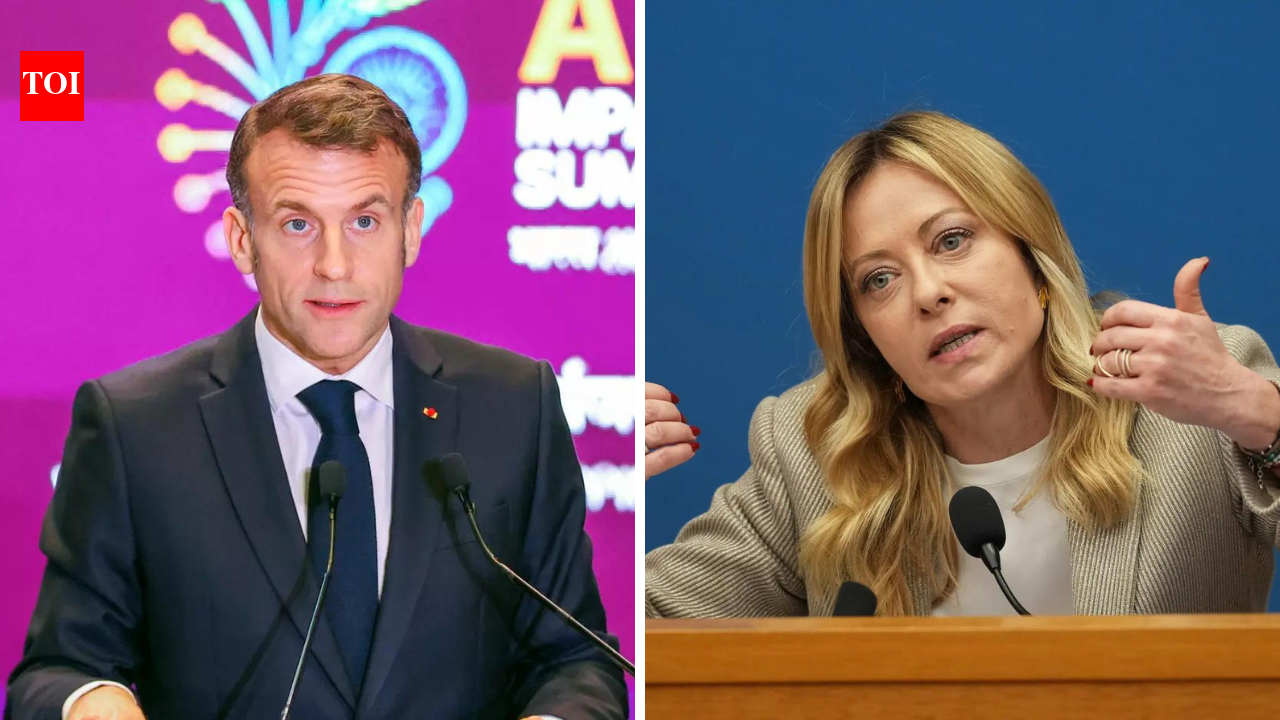
‘Stay in own lane’: French President Macron tells Italian PM Meloni to ‘stop commenting on other countries’


French President Emmanuel Macron on Thursday launched a broadside against Italian Prime Minister Giorgia Meloni, asking her to stop “commenting on what is happening in other people’s countries.”This comes after Meloni condemned the killing of a far-right activist, Quentin Deranque, claiming that the incident was “a wound for all of Europe.”

From Google To Chanel: French President Emmanuel Macron Highlights India Global Influence In Mumbai

Deranque, 23, died from head injuries after being attacked by at least six people last week on the sidelines of a far-right protest at a university in the city of Lyon.Most of the 11 suspects detained are from far-left movements, news agency AFP reported, citing sources.“If everyone just minded their own business, things would be just fine. Let everyone stay in their own lane,” Macron shot back in New Delhi.Macron also said there was no place in France “for movements that adopt and legitimise violence.”“Nothing can justify violent action — neither on one side nor the other, and not even in a head-to-head confrontation that is deadly for the republic,” he said.Macron said he was “struck by the fact that people who are nationalists, who don’t want to be bothered at home, are always the first to comment on what is happening in other countries.”Meanwhile, a member of the French president’s team told news agency AFP that Macron is “concerned about the situation, which he is closely monitoring.”“We must avoid any spiral of violence,” they said.Meanwhile, officials close to the Italian PM said Macron’s comments were met “with astonishment” and insisted that Meloni’s statement was meant to “show solidarity with the French people affected by this terrible event and that in no way interfere in France’s internal affairs.”“Frankly, I’ve been very surprised by this declaration from Macron. I was not expecting it. My reflection is not about France but about the risks of polarization,” Meloni told Sky later in the day.“I am sorry Macron perceived it as interference. Interference is something else, for instance, when a leader is elected by his citizens, and a foreign country says we will monitor on the rule of law. That’s interference,” she added, in a reference to when the French government said it would monitor rule of law in Italy days after Meloni’s election win.Among them are two parliamentary assistants to Raphael Arnault, a member of parliament from the hard-left France Unbowed (LFI) party, as well as a former intern.


Source link