Breaking News
EC asks West Bengal govt to comply with its directives by February 17 | India News


EC asks West Bengal govt to comply with its directives by February 17

NEW DELHI: EC has directed West Bengal chief secretary Nandini Chakravarty to comply with its directives regarding payment of honorarium to BLOs, appointment of suitable SIR/poll-related officers, the rescinding of unilateral transfer of roll observers and registration of FIRs against errant officers, by 5.30 pm on Feb 17.Chakravarty was summoned by EC here Friday to discuss matters pending with Bengal govt, including one in which EC has sent multiple reminders. EC had last written to Bengal govt on Feb 4, seeking a compliance report by 3 pm on Feb 9, 2026.Among the key issues flagged by EC is the failure of state govt to pay full honorarium to BLOs. As of now, Bengal govt has paid Rs 7,000 as honorarium to BLOs, as against Rs 13,000 payable as per EC’s guidelines. BLO supervisors, for whom EC has fixed an honorarium of Rs 20,000, have not been paid at all. Chakravarty has now been directed to immediately release the pending amount.The poll panel also asked Chakravarty to comply with its directives dated 05.08.2025 for registration of FIRs against two electoral registration officers, two assistant EROs and one data entry operator over their alleged failure to perform their statutory duty and for violating data security policies. A reminder in this case was last sent to West Bengal on Jan 2, 2026.The commission also pressed its directive dated Jan 25 for suspension of Basirhat assistant electoral registration officer Sumitra Pratim Pradhan, who had “unauthorisedly deployed 11 additional AEROs to conduct hearing by issuing suo-motu order, in contravention of statutory provisions”.EC further directed the chief secretary to cancel transfer orders issued by state govt in respect of three electoral roll observers without consulting it.


Source link

T20 World Cup 2026: Is Abhishek Sharma fit for the high-voltage clash against Pakistan? Star Indian opener gives massive update


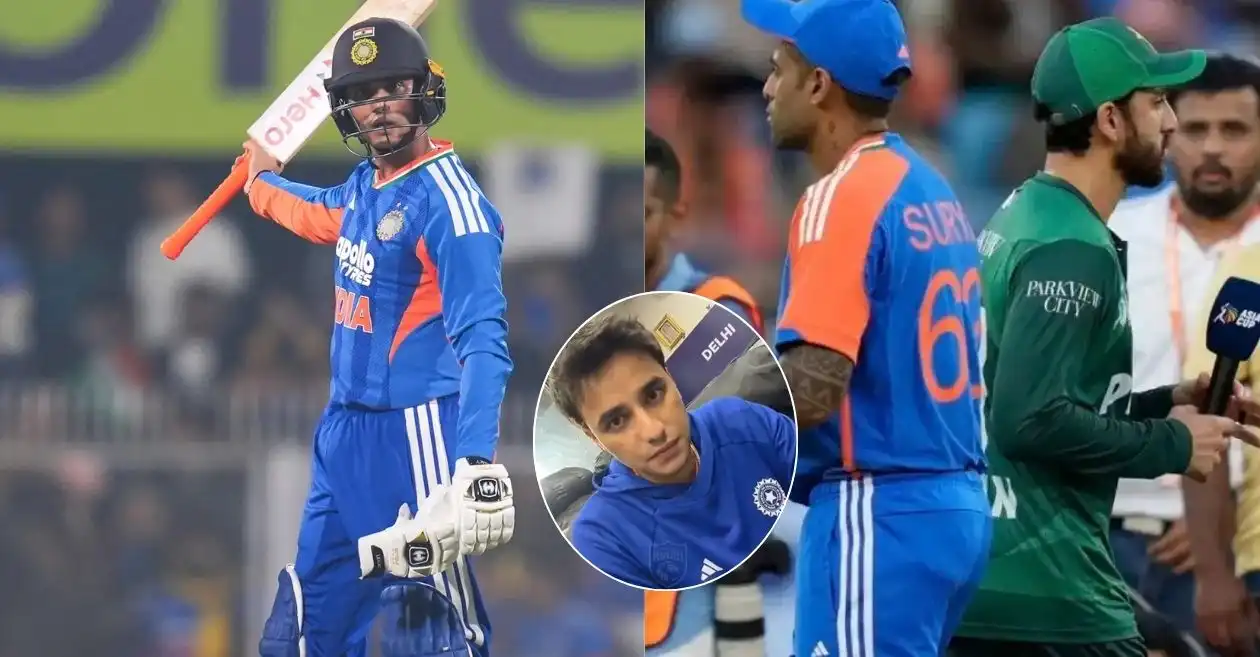
As Team India have landed in Colombo for the much-anticipated T20 World Cup 2026 clash against Pakistan on February 15, all eyes were on one man – Abhishek Sharma. The explosive left-hander, who has become a vital cog in India’s T20 setup, recently battled a severe stomach infection that briefly cast doubt over his availability for the high-voltage encounter.

Abhishek was hospitalised in Delhi earlier this week after suffering from high fever and dehydration. Reports suggested he required intravenous fluids and lost nearly two kilograms during the illness, leaving him visibly weak. The setback forced him to miss India’s group-stage fixture against Namibia on February 12, raising concerns among fans and team management alike.

Abhishek Sharma provides health update ahead of IND vs PAK clash

However, the latest visuals from Colombo have brought relief. Abhishek travelled with the squad and has resumed light training sessions. Though he is yet to confirm full match fitness, the signs are encouraging.

In a light-hearted video shared by his IPL franchise, Punjab Kings (PBKS), teammate Arshdeep Singh is seen asking him, “How are you?”

With a smile that reassured millions, Abhishek replied, “Daal-rice, very good, me? Good.”

The franchise captioned the clip: ‘Daal-rice khao, jaldi theek ho jaao!’ — a playful nod to his recovery diet.

The short exchange may have been humorous, but it carried a deeper message — the star opener is on the mend and in good spirits ahead of cricket’s fiercest rivalry.

Also READ: Mohammad Amir mocks unwell Abhishek Sharma ahead of IND vs PAK T20 World Cup 2026 clash

Abhishek: India’s in-form T20 superstar

Abhishek’s presence in the XI could be crucial. Since India’s T20 World Cup triumph under Rohit Sharma in 2024, the youngster has cemented his place at the top of the order. In just 38 T20Is (37 innings), he has amassed 1,297 runs at an impressive average of 37.05. What sets him apart, however, is his breathtaking strike rate of 194.74 — a figure that underlines his aggressive approach in the powerplay.

The southpaw has already registered two centuries and eight half-centuries, with a highest score of 135. Entering the ongoing ICC Men’s T20 World Cup 2026 as the top-ranked T20I batter in the world, Abhishek carries both form and expectation on his shoulders.

Against Pakistan, he has been equally impactful. In three matches, he has scored 110 runs at an average of 36.66 and a strike rate nearing 190, including a commanding 74 that showcased his ability to dominate quality bowling attacks.

Also READ: T20 World Cup 2026: Sunil Gavaskar highlights technical flaw in Sanju Samson’s batting ahead of Pakistan showdown


Source link

Govt cheating cotton farmers, textile exporters in US trade deal, says Rahul Gandhi | India News


Govt cheating cotton farmers, textile exporters in US trade deal, says  Rahul Gandhi

NEW DELHI: Congress minister Rahul Gandhi Saturday accused the govt of “cheating cotton farmers and textile exporters in the country through the India-US interim trade deal” and alleged that the agreement “is likely to inflict deep damage on both sectors”.“18% tariff vs 0% — let me explain how the PM and his cabinet are spreading confusion on this issue. And how they are cheating India’s cotton farmers and textile exporters through the India-US trade deal,” he said on X.“Bangladesh is being given zero % tariff benefit on garment exports to US — the only condition is that they import American cotton,” he said.“After the announcement of 18% tariff on Indian garments, when I raised the question in Parliament about the special concession being given to Bangladesh, the reply from a minister of Modi govt was: ‘If we also want the same benefit, we will have to import cotton from America’,” Gandhi said.“Why was this fact hidden from the country till now? And what kind of policy is this? Is this really any kind of choice, or is it a trap designed to push us into a ‘well in front, ditch behind’ situation?” he asked.“If we import American cotton, our own farmers will be ruined. If we don’t import it, our textile industry will lag behind and get destroyed,” Gandhi claimed.Highlighting the importance of textile industry and cotton farming, he said that “attacking these sectors means pushing millions of families into the pit of unemployment and economic crisis.”He further said, “A visionary govt that thinks in the national interest would have negotiated a deal that protects and ensures the prosperity of both cotton farmers and textile exporters. But exactly the opposite has happened…”


Source link

Inside Story: ‘Move on’ – How BCCI nudged MS Dhoni to quit captaincy and hand over to Virat Kohli | Cricket News


Inside Story: 'Move on' – How BCCI nudged MS Dhoni to quit captaincy and hand over to Virat Kohli
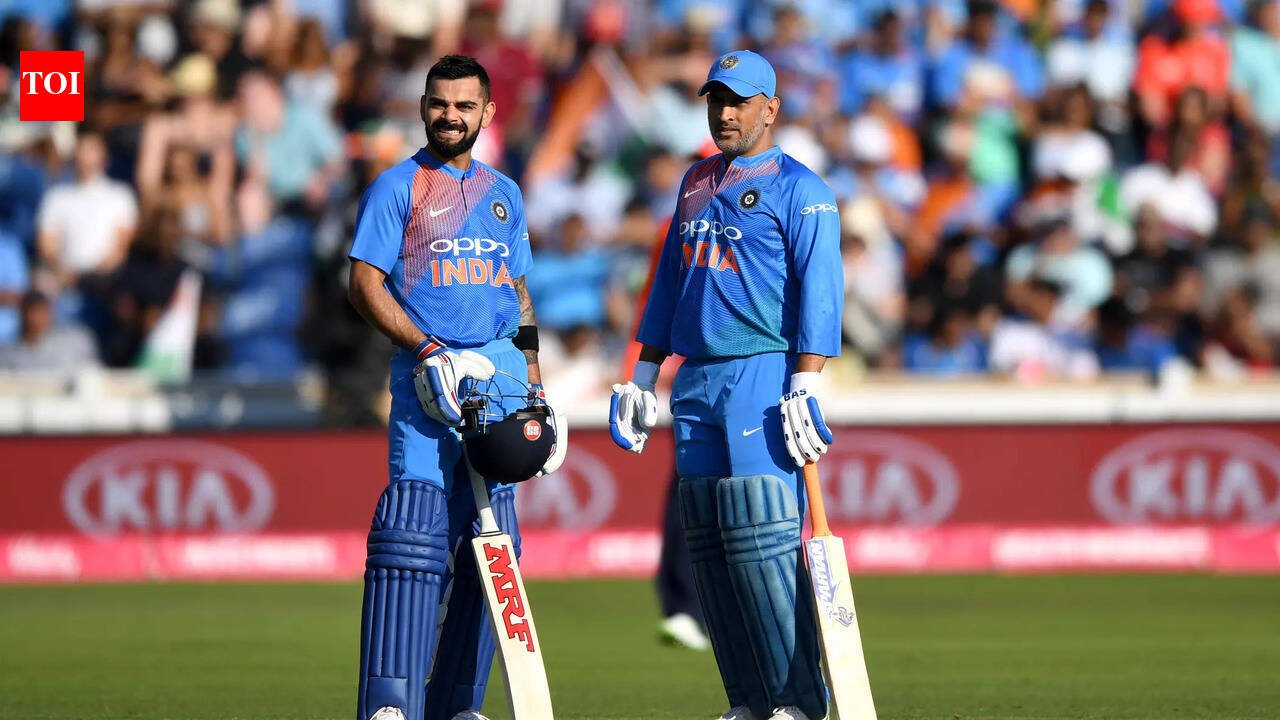
MS Dhoni and Virat Kohli (Getty Images)

The captaincy handover from Rohit Sharma to Shubman Gill in 2025 sparked plenty of debate in Indian cricket. Nearly eight years earlier, a similar shift had taken place when MS Dhoni made way for Virat Kohli as India’s full-time captain across formats in 2017.Dhoni had already stepped down as Test captain in 2014, but 2017 marked the complete transition. It has now come to light that the move was initiated by the Board of Control for Cricket in India selection committee, who informed Dhoni of their intention to make a change. He was also asked to formally communicate his decision via email.

T20 World Cup: Salman Ali Agha press conference ahead of India vs Pakistan

Former selector Jatin Paranjpe, speaking on The Great Indian Cricket Show, recalled how he and then chief selector MSK Prasad approached Dhoni about the matter.“Mahi (Dhoni) was batting. He kept batting for an hour, and MSK and I were just looking at each other. We had prepared how to tell him in the most respectful way. So we went to him and said, ‘You know, Mahi, I think it’s the right time to move on’,” Paranjpe said.According to Paranjpe, Dhoni accepted the proposal without resistance.“He told MSK, ‘Anna, this is the perfect decision. Let me know what you want from me’. MSK told him that he will have to put it in writing that you are ready to move on. He said, ‘Alright, I will do it’.”“Late at night, we received an email: ‘I would like to step down’. We had to make this decision. We were criticised for it as well, but these are the tough decisions that you have to take,” he added.Paranjpe further revealed that Dhoni assured complete support to Kohli.“He also said, ‘Don’t worry. I will work completely with Virat. He is like my brother. I will do everything that is required of me for him. Whatever experience I have, I will give it to him. And we’ll make a good team’,” Paranjpe shared.At the time, Dhoni was 35 and had already achieved everything in white-ball cricket, guiding India to the inaugural T20 World Cup in 2007, the ODI World Cup in 2011 and the Champions Trophy in 2013.


Source link

Strategic sovereignty a guiding imperative in reshaping global economy, say CEOs


Strategic sovereignty a guiding imperative in reshaping global economy, say CEOs

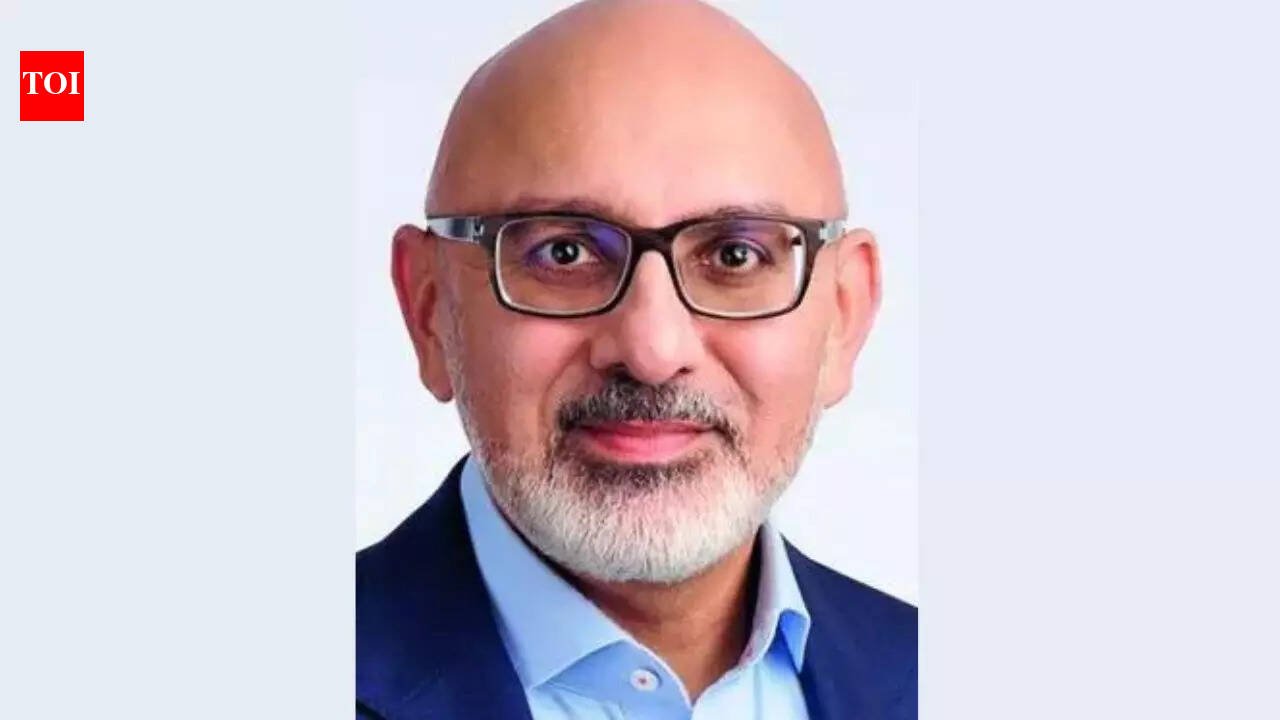
NEW DELHI: In a rapidly reshaping global economy, strategic sovereignty has emerged as a guiding imperative, as nations navigate global supply chains while safeguarding critical capabilities in an increasingly fragmented world, global business leaders said. During a panel discussion, KPMG India CEO Yezdi Nagporewalla, global leaders across new age economy, technology and defence, financial inclusion, and consumer sectors, discussed the challenges and opportunities of operating in a fragmented global economy.Highlighting the core of strategic sovereignty in a world of global supply chains, General Atomics Global Corporation CEO Vivek Lall, chief executive of, said, “It is about reducing vulnerability to geopolitical choke points, whether in energy, technology, manufacturing, logistics, or data. Strengthening domestic capabilities while building trusted international partnerships is critical, and it is equally important to develop resilience against any potential choke points. As the global community moves forward, the underlying theme is going to be human resource training and human resource knowledge, capabilities. This is often underemphasized, but at the root of strategic sovereignty is a strong focus on human resource development.”Talking about how strategic sovereignty is reshaping the flow of global capital, Kishore Moorjani CEO – Alternatives, Private Funds CapitaLand Investment said, “Perhaps there’s no better place to see that in action than in India. When the country began liberalising over 30 years ago, it was hungry for capital and attracted significant foreign institutional investment. While FII capital is important, it can be fickle. Today, the situation has reversed: capital is chasing India… We respect the sovereignty of the markets we operate in and align our investments accordingly. We come to build India, not just trade.”Discussing the role of financial institutions in building national resilience, Mary Ellen Iskenderian, president & CEO of Women’s World Banking, said, “True economic resilience depends on inclusive access to savings, credit, insurance, and digital payments. Financial inclusion strengthens households and communities, particularly in the face of climate shocks and economic volatility, reinforcing national stability from the ground up.On the question of how consumer brands maintain core identity while navigating local cultures, regulations, and consumer expectations, Mike Jatania, CEO and chairman The Body Shop & co-founder of Aurea, said: “For brands operating across borders, maintaining identity while respecting national priorities is essential. If your brand has a clear purpose and core values, it can adapt locally without losing its identity. Purpose, transparency, and trust are economic currency.”


Source link

S&P Global chief: India’s post-Covid expansion among most consistent for any major economy


S&P Global chief: India’s post-Covid expansion among most consistent for any major economy

NEW DELHI: Driven by structural reforms, entrepreneurial energy and a forward-looking approach to debt and development, India’s post-Covid expansion has been among the most consistent for any major economy, with expectations remaining strong for the medium term, Yann Le Pallec, president, S&P Global Ratings said on Saturday. “In our latest report, we explored how India is navigating a new global reality and what we found was a story of resilience, but also one of ambition which is at the core of Viksit Bharat 2047,” Le Pallec said, while highlighting India’s sustained commitment to fiscal discipline, targeted public investments and credible policy frameworks that have enhanced confidence in the country`s long term growth trajectory.Pointing to the link between trust, transparency, confidence and capital flows in a rapidly changing world economy, he said that few economies understand better than India that the “price of trust is truly the price of growth” and when trust breaks down, the cost of capital becomes a tax on progress. Referring to the growing depth of India’s domestic bond market and rising foreign participation, Le Pallec said inclusion of Indian govt bonds in global indices can significantly increase overseas investment and expand funding opportunities for domestic companies over coming years. Such developments, he said, strengthen the country’s financial ecosystem and support long-term growth.“This evolving distribution of trust aligns with the broader structural shift in the global economy. The centre of the global economy continues to move east. Emerging markets are expected to represent two-thirds of global growth this year, a trend which is supported by domestic policy predictability at a time when global uncertainty is rising,” he said. Le Pallec stressed that trust has always been at the heart of financial systems as credit ratings were created to help investors assess risk in emerging industries. Over time, standardised ratings became an important benchmark for global investors, enabling informed decisions and greater transparency during periods of uncertainty, including major economic downturns.According to Le Pallec, the role of credit ratings has remained largely unchanged in principle, providing independent assessments of risk, but the environment around them has transformed dramatically as global markets today face rising geopolitical uncertainties, shifting trade rules and changing policy dynamics, all of which influence the way trust is formed and maintained.He said that the global order built on predictable trade and policy frameworks is undergoing structural change. As trust weakens in certain relationships, countries and investors are increasingly focusing on diversification. This includes reducing exposure to concentrated risks, seeking new partnerships and strengthening domestic financial systems. While these adjustments may increase costs in the short term, he suggested they can also provide long-term resilience.


Source link

AI investments may top $200 billion, $90 billion already pledged: Ashwini Vaishnaw | India News


AI investments may top $200 billion, $90 billion already pledged: Ashwini Vaishnaw

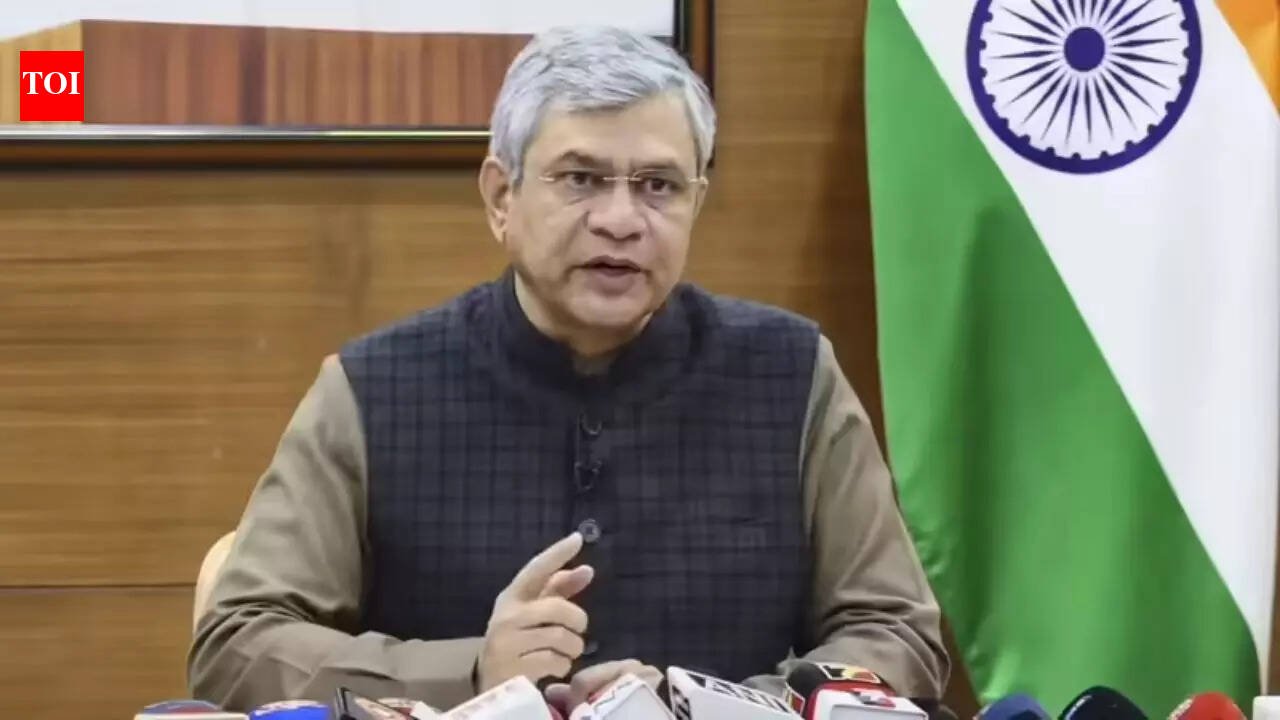
NEW DELHI: Ahead of next week’s AI Impact Summit, Union information technology minister Ashwini Vaishnaw on Saturday said that investments in the infrastructure layer of artificial intelligence may top $200 billion with commitments of around $90 billion already received.“We are working on all five layers of the AI stack. Conventionally, our strength has been providing IT services. Now, we have to convert this into providing AI-based services. The IT industry too has worked in recent years on this changing business model. It has invested in creating new tools and reskilling their workforce, so they can provide AI services,” Vaishnaw said, while addressing the ET NOW Global Business Summit.He added that after the UK, South Korea and France, India is set to host the biggest AI Impact summit next week, with more than 20 Heads of State and govts attending the event. “At the summit, we will be launching our bouquet of sovereign models. On so many parameters, the models are better than Open AI, Gemini Pro and Deep Seek, giving us confidence that India can develop models on very frugal resources,” said the minister, who is also in charge of railways and information and broadcasting ministries.Highlighting the development in the third layer of AI stack, Vaishnaw stressed that progress in semiconductor development — the “chip layer” — had been significant, with startups and research teams developing cutting-edge solutions that are expected to bear fruit in the coming years.Vaishnaw also noted electronic goods will be among the top two exported goods soon. “One of the key things Europeans wanted from India was electronic goods in the FTA. They wanted electronic items of all kinds for their industry and consumers, because we are a trusted country. India will become a trusted partner in the semiconductor and electronics value chain,” Vaishnaw said. The minister said AI is set to outpace all previous industrial revolutions and technological shifts, necessitating the need for industry and society to remain prepared for this swift transformation, as India’s coordinated push across talent, models, chips and applications will help position the country at the forefront of the global AI revolution. Sharing the progress on the first bullet train project, Vaishnaw said that the first section between Mumbai and Ahmedabad will open in 2027. He also said that the proposed Bengaluru–Chennai corridor could reduce travel time to just 73 minutes, thus bringing the two cities much closer and boosting economic activity. “Our engineers have really lived up to the challenge. Our industry too has gone through that learning curve and is practically self-sufficient in the entire high speed train technology. That is why Prime Minister Modi has announced seven new bullet train corridors, which will connect large parts of the country and transform the entire transportation industry. We are also going to standardise the entire system so that anyone in the world can come and participate. We will have a large role for the industry as well,” he added. On wider railway reforms, Vaishnaw said the ministry is working on “52 reforms in 52 weeks” in 2026, with two new reforms slated to be announced on the same day. Seven reforms have already been implemented and the rest are in progress.“These changes aim to improve overall travel experience, especially for daily passengers belonging to the low- and middle-income families. They remain our most important customers in the railways. We have been able to reduce accidents by about 90%. We want to further reduce it,” he said.


Source link

Consumer forums can’t be sinecures for retired judges: SC | India News


Consumer forums can’t be sinecures for retired judges: SC

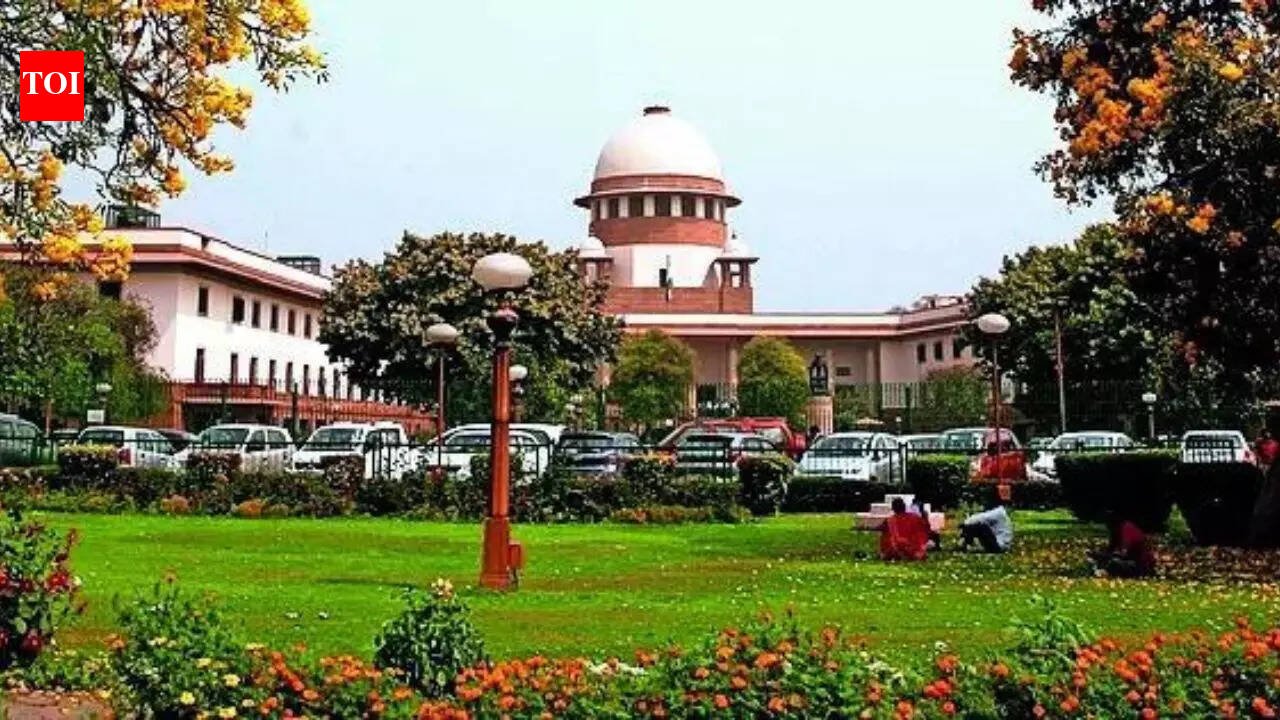
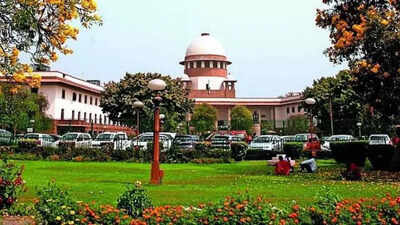
NEW DELHI: Supreme Court has taken exception to district and state consumer forums fast becoming sinecures for retired district and HC judges and admitted that the apex court had passed sweeping orders in the past for activating these forums without realising the pendency of cases in these institutions.A district consumer forum is headed by a retired district judge, and a state consumer disputes redressal commission (SCDRC) is headed by a retired HC judge. Most northeastern states and Union territories have complained that there is little work for the commissions and setting them up in full strength will be a drain on the exchequer.Arunachal Pradesh informed a bench of CJI Surya Kant and Justice Joymalya Bagchi on Feb 11 that it has a total of 59 consumer cases pending in district and state consumer forums. It said that it has advertised for post of president of the state consumer forum, but no retired judge is interested in taking up the assignment.A similar story emerged from other northeastern states and UTs. Sikkim has a total pendency of 64 consumer cases — 52 in district forums and 12 in state forum; Mizoram has 82 cases in district forums and 12 in state forum; Manipur has 123 cases in district forums and 43 in state forum; Lakshadweep has a total of 10 cases; Andaman and Nicobar islands has 37 cases in district forum and four in state forum; and Goa has a total pendency of 39 consumer cases.The bench agreed that creating separate district and state forums in states where pendency of consumer cases is low casts an unnecessary burden on the exchequer and the assignment becomes a sinecure for retired judicial officers and retired HC judges.Reflecting on past orders on the issue by SC, the CJI-led bench said, “We are also fond of issuing sweeping directions without realising the ground realities. The presidents of district consumer forums are on a par with district judges but look at the workload of the two. The district judges are overburdened whereas the consumer forums in these states have no work. Why should the president of a district forum be equated with a district judge?”Seeking data from all states on pendency of cases before district forums, the bench decided to deal with the state commissions in seven states/UTs where pendency is low and transferred the pending cases to the HCs concerned.It said the HC chief justice would assign consumer forum work to one of the judges, who would act as president of the forum and hear the cases along with members of the state forum. Those aggrieved by their orders could file an appeal before National Consumer Disputes Redressal Commission (NCDRC), the bench said. “States and UTs where pendency of consumer cases are less than 1,000 can submit an alternative proposal for the purpose of providing a mechanism to redress grievances of consumer complaints,” the bench said as some states wanted to appoint part-time members to district consumer forums.


Source link

6 students killed in horrific multi-vehicle collision in Bengaluru: Parents were in the dark about kids’ pre-dawn drive plan | Bengaluru News


Image Credit; TOI

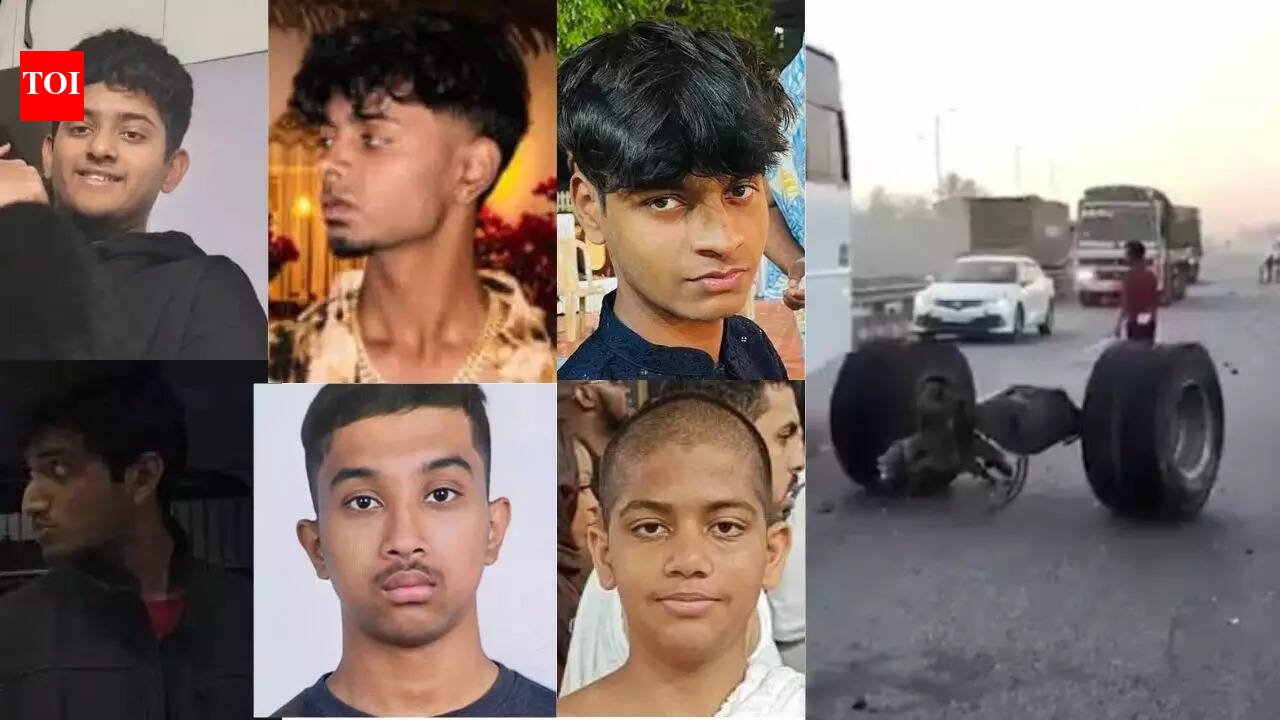
BENGALURU: A discreet outing plan, dodging parents’ calls, and a sudden end in a pre-dawn crash. Grief-stricken families of the six deceased boys followed a familiar script of keeping strict vigil on their children and checking on them every now and then through the night so that the kids are preparing for approaching exams. What they were not prepared to receive were phone calls from police with the most tragic and shocking one-line news: “Please come and identify your child’s body.”Around 11am Friday, grieving parents gathered at MVJ Hospital, near Hoskote, in shock and disbelief, refusing to accept the harsh reality that their sons were killed in the XUV crash hours earlier. For most families, the call from police shook them. The families had thought their children were in their rooms at home. It was only when the parents walked into their children’s rooms they realised something was amiss: beds were empty, phones unanswered. Their planned late-night joyride had been kept a secret from their parents. Four families TOI spoke to said they had no clue their sons had slipped out before dawn.

Deadly Joyride: Teen Driving SUV At 160 Kmph Triggers Chain Crash In Bengaluru, 6 Students Dead

Bharath’s family had vague inkling, though: one of his elder sisters recalled he had casually mentioned something about stepping out after 5am to eat Hoskote biryani at a shop. He left much earlier than expected, without informing anyone. Their father was out of station for work when the accident occurred, leaving the sisters to confront the loss alone for a while. “He was like my baby,” one sister said, breaking down.Also read: ‘Teen driving at 160 kmph’: How speeding SUV triggered chain collision on BengaluruAccording to police sources, Ashvin Nayar’s mother knew of the plan and had asked him not to go. She checked on him three times during the night. The third time, however, he was not found at home. She called him, but there was no response. Hours later, she received a call from police, asking her to identify her son’s body. Ashvin’s autopsy was delayed as his father, who works in Mumbai, had to return to Bengaluru.Ayan, whose father’s car was involved in the crash, had followed a routine that gave no hint of the night ahead. Sources said his mother made him sit down and complete studies. Both went to sleep. Some time later, Ayan is believed to have taken the keys and driven out in the new car, purchased barely six months ago. A neighbour said, “Ayan knew how to drive, but his parents wouldn’t even allow him to sit in the driver’s seat.When Mohammed Farhan Shaik’s mother noticed he was not in bed, she called him. “He told me he would be back in 10 minutes. So I kept quiet.” She waited and waited. And the call she never imagined came at 11am — from police.


Source link

WATCH: Grace Hayden hilariously mimics father Matthew Hayden’s signature batting style


In a delightful break from the intense rivalry of the T20 World Cup 2026, the ICC’s official Instagram handle recently shared a viral gem that has cricket fans smiling. The video features popular sports presenter Grace Hayden hilariously channeling her ‘inner Haydos’ by perfectly imitating the signature batting mechanics of her father, the legendary Australian opener Matthew Hayden.

Sports presenter Grace recreates father Matthew Hayden’s famous batting technique in hilarious fashion

The video captures Grace leaning into the family genes with surprising accuracy and a sharp sense of humor. Rather than just a casual pose, she hilariously recreates the specific mannerisms that once haunted the world’s best fast bowlers. Grace funnily replicates the ‘big burly Queenslander’ walk, taking those iconic two steps down the track that her father used to neutralize swing and turn.

She nails the wide, imposing base and the high back-lift, capturing that exact moment where Matthew would “look down” the pitch to dominate the bowler’s psyche. With comedic timing, she mimics the violent flourish of the bat and the follow-through of the lofted drive over long-on, a shot that Matthew famously used to dismantle attacks during the T20 World Cup.

Here’s the video:

Also READ: Glamorous cricket presenter Grace Hayden reacts after fake social media account impersonate her

While she may be the daughter of a cricketing icon, Grace Hayden has carved out a distinct and powerful identity in the broadcasting world through her own merit and digital savvy. Her journey into the spotlight accelerated in 2023 with her debut on Star Sports, where her natural charisma and deep technical knowledge of the game made her an instant hit during the IPL and the ODI World Cup. Beyond traditional TV, Grace has built a massive digital empire:

  • The Digital Powerhouse: With around 724K followers on Instagram, she is a major influencer who blends high-fashion aesthetics with behind-the-scenes cricket insights.
  • YouTube and “Game On”: Her popular YouTube channel, particularly her podcast series ‘Game On with Grace,’ has become a go-to platform for unfiltered conversations with global stars like Jason Holder and rising talents from the USA and Canada.
  • Fan Connection: Grace is renowned for her ‘old school’ preparation, often seen with handwritten notes, and her ability to build genuine rapport with players, making her one of the most relatable and respected young voices in the T20 World Cup 2026 media contingent.

Also READ: 7 most stunning pics of Delhi Premier League’s sports presenter Grace Hayden


Source link