Breaking News
Higher than India’s GDP: Value of household gold at record high of over $5 trillion – why even RBI is buying the yellow metal


Higher than India’s GDP: Value of household gold at record high of over $5 trillion - why even RBI is buying the yellow metal
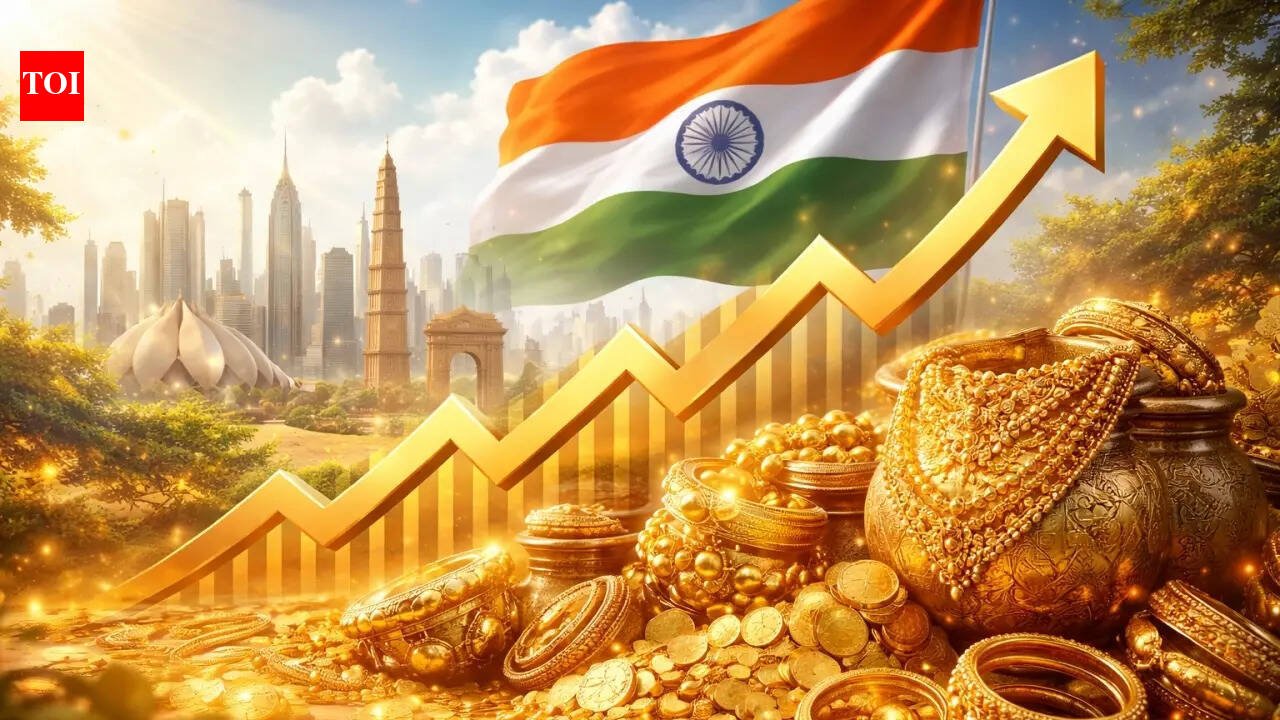
The value of gold with Indian households has seen a big jump due to the rally in gold prices which has beaten all analyst expectations. (AI image)

Did you know that the value of household gold with Indians is more than the size of India’s GDP? With gold prices skyrocketing in recent years, the value of gold with Indians has also ballooned. Recent estimates suggest that Indian households hold around 30,000 tonnes cumulatively in gold. At the current valuation of gold, this would mean that the value stands at around $5 trillion. As per International Monetary Fund (IMF’s) World Economic Outlook report in October 2025, India’s nominal GDP for 2025 (financial year ending March 2026) is projected at $4.125 trillion.While household gold is broadly representative of the wealth that has been accumulated over a period of time and is currently held, GDP is the value of goods and services that are produced in an economy over a year.Changes in the price of gold will change the value of gold held, and does not represent economic productivity. However, it is interesting to note that this stock of privately held gold represents one of the largest pools of household financial wealth anywhere in the world.

Rise in Gold Prices

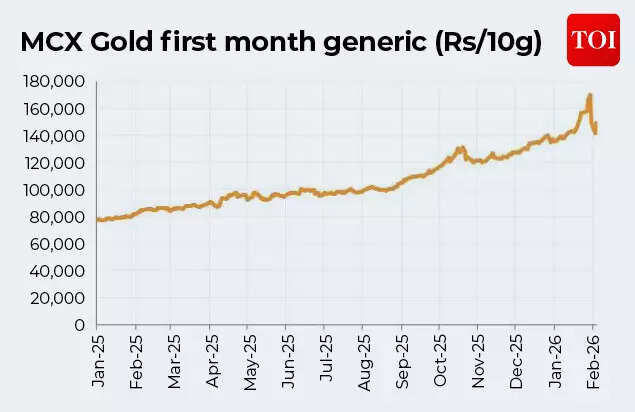
The value of gold with Indian households has seen a big jump due to the rally in gold prices which has beaten all analyst expectations. In 2025 alone, gold prices rose 65%.But why has gold rallied so strongly? According to Praveen Singh, Head of commodities, Mirae Asset ShareKhan, the yellow metal has rallied sharply in this period due to several factors.
Rise in Gold Prices

Rise in Gold Prices

These include; debasement trade leading to erosion of trust in government bonds and fiat currencies, fiscal concerns in key economies (the US, the UK, Japan), risk to the US Federal Reserve’s independence as the White House pursues its political ambitions to cut rates aggressively even into elevated inflation, dollar weakness, the US weaponizing its currency and the economy, struggling property sector of China, inflation hedge buying, key central banks running fiscal dominant monetary policies, risk to the US dollar’s status of global reserve currency and geopolitical upheaval as nations adopt to changing world order. “What we are seeing is an emergence of a new global monetary system in which gold will play a prominent role in global trade and economic policies. This has led the countries to increase the share of the yellow metal in their forex reserves at the expense of the US dollar,” Praveen Singh tells TOI.Long standing alliances are fracturing, the post-Cold War rules-based order is weakening, and new blocs are emerging as nations prioritize strategic autonomy. Rising security tensions, coupled with the US’s increasingly assertive “America First” posture, have sparked a scramble for resources. This shift is lifting commodity prices broadly, with gold—both a monetary and strategic asset—benefiting disproportionately, he says.Fundamentally, gold’s sharp rise reflects more than cyclical demand. It embodies deep structural changes in global economics, geopolitics, and the functioning of the international monetary system, driving investors and central banks alike toward the world’s oldest store of value, Singh adds.

Importance of Household Gold with Indians

Experts note that while Indians traditionally save in gold, it is still a relatively unproductive class in terms of feeding into economic channels.Ranen Banerjee, who is Partner and Leader, Economic Advisory Services Government Sector Leader at PwC India sees this stock of gold as a non-yielding and non-productive asset which is considered culturally as a financial hedge for rainy days in households. “Some of this gold however has been put to productive use in recent times with the growth of gold loans,” he says.As BlackRock CEO Larry Fink recently told ET: If you want to be a part of the entire growth of India, investing in the Indian equity markets over time is probably the best solution. Gold has proven to be a great international investment, and it is somewhat of a diversifier. But you’re not growing with India.“You’re just growing with basically the fears of the world. Right now, gold has rallied dramatically because of all the fears, the debasement of currencies. So I’m not by any means suggesting gold is a bad investment. But gold has a different parameter over the long run. Gold is independent of India. In fact, when you invest in gold, you actually hurt the Indian economy, because once you invest in gold, there’s no monetary effect to it. It’s an asset that is unaffected to the economy. So when you invest in gold, you’re actually taking money out of the economy,” he told the financial daily.However, Sujan Hajra, Chief Economist & Executive Director, Anand Rathi Group says that the size of India’s household gold when compared to the GDP underscores the scale of wealth embedded in physical assets outside the formal financial system and highlights the macroeconomic significance of even a gradual shift of a portion of this gold into financialised channels such as monetisation schemes, collateralised lending, or gold-linked savings instruments.

Not Just Households, Even RBI Loves Gold

Hedging against global risks and de-coupling from the US dollar, central banks around the world have been aggressively buying gold. The Reserve Bank of India (RBI) has also stepped up gold purchases in the last few years. In fact, India’s gold reserves have risen by 57.81% in the last 10 years. The mix of its foreign exchange reserves has also changed – from 6-7% of gold holdings till a few years ago – the share of gold in India’s forex reserves has risen to over 17%. Madan Sabnavis, Chief Economist at Bank of Baroda sees RBI’s purchase of gold as a case of diversification in forex reserves. This has been done by various other central banks too, he notes.As per World Gold Council data, India currently holds the world’s eighth highest gold reserves. At 880 tonnes, it is just over one-tenth of the gold reserves with America.Sujan Hajra of Anand Rathi Group explains that the gold in RBI reserves is valued at international market prices, which are typically lower than domestic Indian prices because the latter include duties and levies. “The reported value is therefore modestly understated in rupee terms. For India, the gradual rise in gold holdings strengthens the resilience and diversification of the external balance sheet, while the still-dominant foreign-currency assets ensure continued liquidity for exchange-rate management,” he tells TOI.Hajra explains that the RBI, like other central banks, does not accumulate gold in pursuit of financial returns. “Instead, gold serves as a diversification asset offering safety, liquidity, and the absence of counterparty risk. Concerns over currency debasement risks, the concentration of reserves in dollar-denominated assets, and the rising incidence of financial sanctions have led many central banks to increase gold allocations, with global official-sector purchases averaging close to 1,000 tonnes annually in recent years,” he says.Ranen Banerjee of PwC India tells TOI, “The central banks across the world are slowly increasing their reserves of gold as a diversification measure as well as a hedge against an uncertain geopolitical environment. The volatility of various currencies as well as a diversification of trade basket requires a diversification of reserves too.”Gold is a safe haven asset – for households and central banks alike – and as data suggests, both in terms of rise in reserves and their value – it is increasingly gaining importance. As RBI governor Sanjay Malhotra recently noted – gold is the new barometer of global uncertainty, just the way oil prices were once seen as a reflection of geopolitical tensions.


Source link

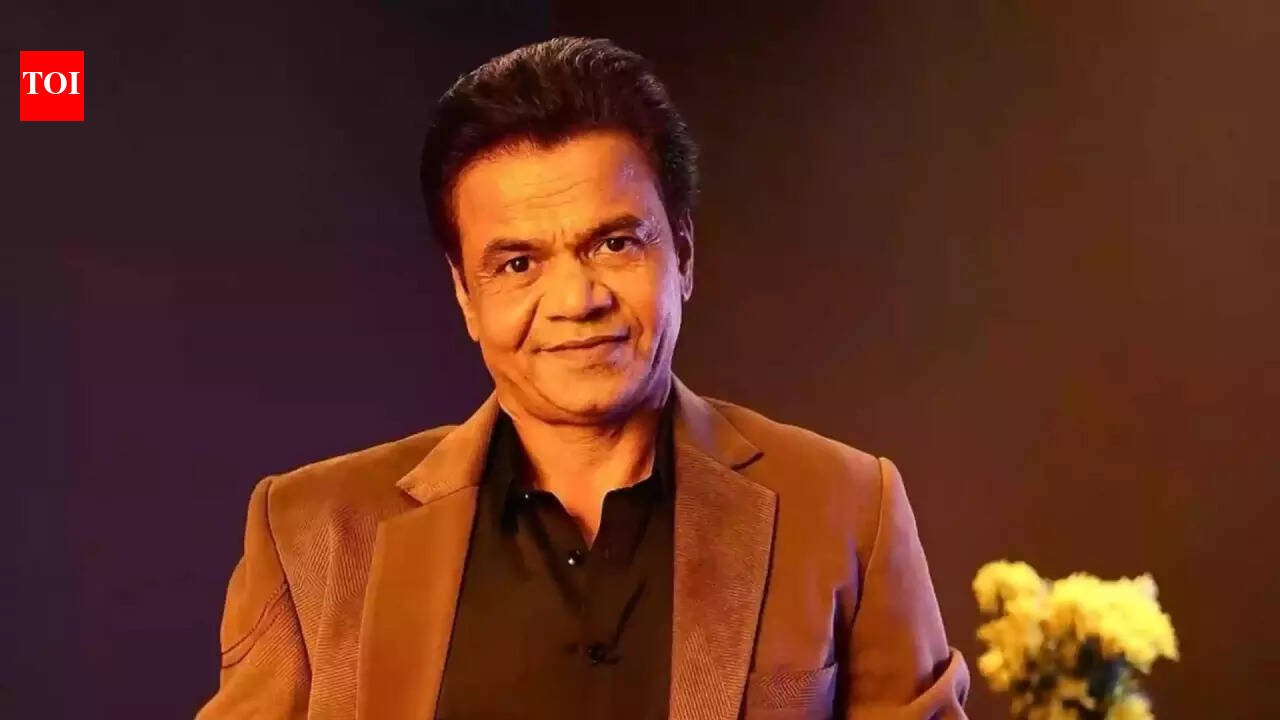
Rajpal Yadav makes an emotional statement before surrendering himself in Tihar jail in cheque bounce case: ‘Mere paas paise nai hai’ | Hindi Movie News


Actor Rajpal Yadav has been in the news for his name attached to the cheque bounce case. The actor has been going through a tough time amidst legal and financial troubles and was asked to surrender at Tihar jail in cheque bounce case of approximately Rs 2.5 crore. Now as per a recent report, the actor made an emotional statement right before surrendering himself to the authorities. Breaking down as he addressed the situation, Yadav said as quoted by News X, “Sir, kya karoon? Mere paas paise nahin hain. Aur koi upaay nahin dikhta… Sir, yahan hum sab akele hain. There are no friends. I have to deal with this crisis on my own.”For those not in the know, the legal battle dates back to 2010, when Yadav borrowed Rs 5 crore from Murali Projects Pvt Ltd to finance his directorial venture Ata Pata Laapata. The film failed to perform at the box office, leading to severe financial strain and difficulties in repaying the loan. As a result, several cheques issued by the actor reportedly bounced, triggering legal action.

Rajpal Yadav Seeks Delhi High Court Nod To Fly To Dubai Despite Ongoing Case

In April 2018, a Magistrate’s Court found Rajpal Yadav and his wife guilty under Section 138 of the Negotiable Instruments Act and sentenced them to six months in prison. Although the actor challenged the verdict and sought relief through multiple appeals, the matter dragged on for years, with the outstanding amount swelling to nearly Rs 9 crore.See More: Sonu Sood stands by Rajpal Yadav; actor promises him a role; urges film industry to helpDuring this period, Yadav managed to repay portions of the debt, including Rs 75 lakh in 2025. However, repeated delays and missed deadlines led the court to question his intent, observing his “lack of seriousness” in resolving the matter.On February 4, 2026, Justice Swarana Kanta Sharma dismissed Yadav’s final request for a one-week extension to arrange funds. The court made it clear that repeated leniency could not be granted, irrespective of one’s fame, and directed the actor to surrender without delay.See More: Rajpal Yadav’s Tihar Jail case: A long list of controversies around the actor


Source link

High gold prices alter wedding purchases amid marriage season | Mumbai News


MUMBAI: The wedding season has begun in right earnest, and the astronomical price of gold is rapidly changing shopping patterns. Several clients are selling off old jewellery to buy new designs for family weddings. Others are exploring lightweight ornaments and studded items that give a stylish look.On Saturday, 24 carat gold cost Rs 1,55,000 per 10 gm, excluding GST and making charges, and silver Rs 2,50,000 per kg.TOI interviewed a cross section of bullion traders, jewellers and wedding families who all pointed to changing dynamics in trousseau shopping for ornaments.Surendra Mehta, national secretary, IBJA (India Bullion & Jewellers Association) said, “Nearly 30% customers are opting to buy new jewellery against old. Light weight and lower caratage are other options many are exploring.”Kanaya Kakad, joint treasurer, IBJA, said, “All big brands like Tanishq and Kalyan are offering to exchange old gold for new. Gifting of silver items like vessels is presently low at weddings due to high prices.”Pt Bharat Bhushan Mishra of Malad is solemnising a handful of marriages this fortnight across Mumbai, Mahabaleshwar and Igatpuri. Of these, Amit Bubna, brother of groom Vimal, told TOI, “Definitely we have had to reduce the grammage of wedding ornaments. Salaries are nowhere keeping pace with the rise in prices. Imagine the condition ten years later.”Another groom’s relative Vastupal Shah said, “A family’s wedding budget is fixed so one has to compromise on quantity of gold. In 2025 we spent Rs 75,000 per 10 gm to buy gold for another marriage at home, and this time the rate has doubled to Rs 1,50,000.”Goldsmiths are on their toes. Jay Sagar, partner at the 60-year-old family-run Pransukhlal Jewellers, Charni Road, points to a new trend of convertible ornaments. “Buying has not stopped. But the young generation doesn’t want big expensive sets. They want something that they can wear, not jewellery that will be put away in a bank. It should have multiple uses. For this reason the trend of convertible jewellery is gaining ground. For instance, a necklace can be converted into a pendant or bracelet. Owing to changing times we have a team dedicated to innovative ornaments. Yes it is going to get tough, considering how expensive jewellery is getting. But we must adapt.”Colin Shah, MD, Kama Jewelry, says selling old ornaments is subjective. “One set of consumers believes in passing on heirloom jewels to future generations for its sentimental value while another wants to keep up with latest fashion trends and sell off old pieces.”Sanjay Shah, MD of Gold Star Group added, “People are also exchanging diamond studded jewellery for gold jewellery. They are accepting lower gold caratage especially with diamond studded gold jewellery — 14/10.”While Colin Shah feels gold will continue as Indians’ favourite investment although the size may lessen, Surendra Mehta points out, “Nearly 50% sale is down at retail counters. This shows that the ordinary middle class is not able to afford gold.” Sanjay Shah says, “I agree to this as people’s income is the same.”Indeed, bullion is swiftly becoming an investors’ market. The ordinary middle class buyer who purchased small items on every festival or gifted ornaments on auspicious occasions is gradually being driven out. Salaries and incomes are unable to keep pace with inflation. Households say the bride and groom’s families have now come to accept that volumes of gold exchanged will be low, and are quite accommodating too.

Banner Insert


Source link

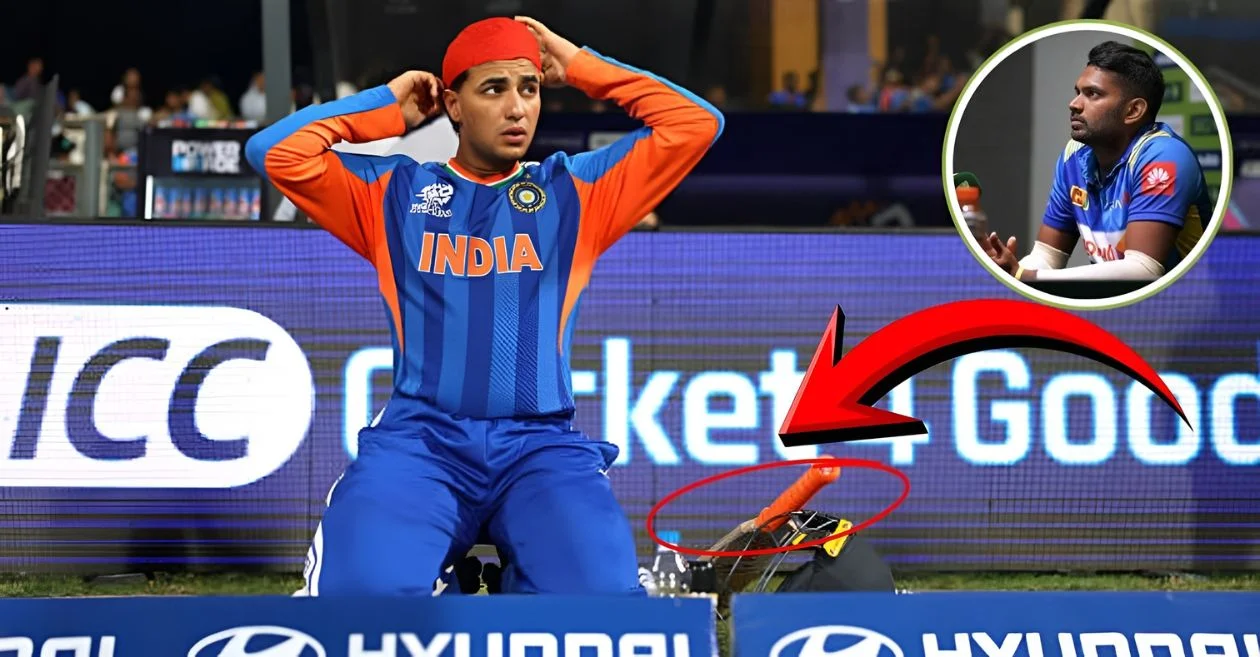
T20 World Cup 2026: Sri Lanka’s Bhanuka Rajapaksa alleges Indian players use ‘special bats’ with power others can’t get


In a T20 World Cup 2026 campaign where the co-hosts are looking to reclaim their former glory on home soil, Sri Lanka has made a resounding statement with their clinical efficiency. Under the tactical leadership of Dasun Shanaka, the ‘Lions” have utilized their spin-friendly home conditions in Colombo and Kandy to dismantle early opposition, proving that they remain a formidable force in the shortest format. However the headlines have been dominated by Bhanuka Rajapaksa‘s controversial claims about ‘rubber-layered” Indian bats.

T20 World Cup 2026: Sri Lanka’s Bhanuka Rajapaksa raises concerns over special bats used by Indian players

The controversy reached a boiling point on February 10, 2026, when Rajapaksa suggested in an interview with News Wire that Indian batters are operating with equipment that defies standard physics. Amidst a World Cup where sub-continental pitches are producing high-scoring thrillers, the Sri Lankan power-hitter expressed his disbelief at the ease with which Indian players are clearing the ropes.

“Indian players have bats that are far superior to the best bats we get. It feels as though a layer of rubber has been applied. I can’t imagine how that’s possible. These bats can’t even be bought by others,  all players know this,” Rajapaksa claimed.

While the ICC maintains strict standards for all participating nations, these comments have sparked a massive debate over whether the technological gap in bat manufacturing has created an uneven playing field in modern T20 cricket.

Also READ: Shubman Gill’s close friend Agni Chopra responds to PSL registration rumours

Sri Lanka’s performance in the T20 World Cup 2026

Sri Lanka’s journey in the T20 World Cup 2026 began with a clinical 20-run victory over Ireland on February 8, 2026. The match perfectly illustrated the “Lankan Blueprint”:

  • The Spin Web: Wanindu Hasaranga and Maheesh Theekshana combined for six wickets, suffocating the Irish batters on a surface that offered significant turn and grip.
  • The Mendis Partnership: The victory was built on a vital 67-run stand between Kusal Mendis and Kamindu Mendis, with the latter smashing a rapid 44 off 19 balls to propel the score to 163.
  • Current Standings: Following their opening win, Sri Lanka sits comfortably at the top of Group B with 2 points and a healthy Net Run Rate (NRR) of +1.000.

The co-hosts have shown remarkable adaptability, moving from the humidity of Colombo to the cooler climes of Kandy for their upcoming fixtures. With a well-balanced attack featuring the pace of Matheesha Pathirana and the experience of spinners, Sri Lanka have emerged as a team that knows exactly how to exploit their home advantage.

Also READ: Virat Kohli and Rohit Sharma face Grade B demotion as Shubman Gill enters top bracket of BCCI central contracts for 2025–26


Source link

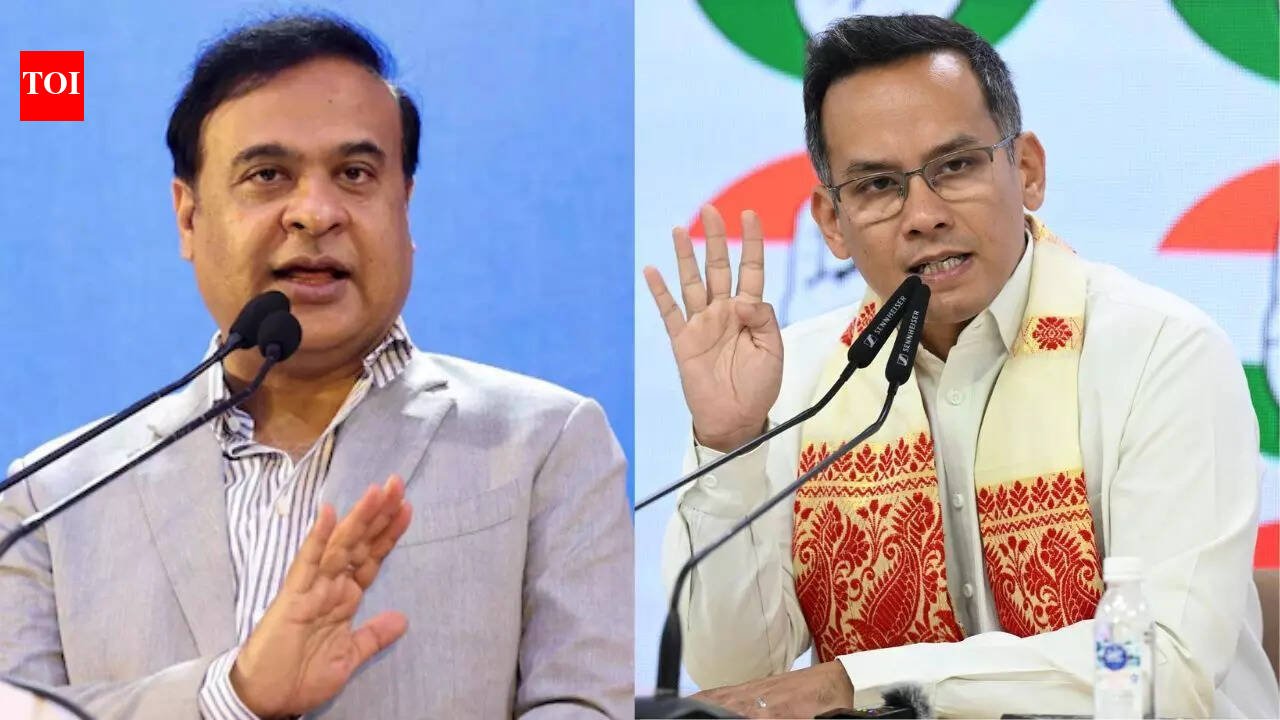
Assam CM Himanta Biswa Sarma files Rs 500 crore defamation case against Congress MP Gaurav Gogoi | India News


Assam CM Himanta Biswa Sarma files Rs 500 crore defamation case against Congress MP Gaurav Gogoi

NEW DELHI: Assam chief minister Himanta Biswa Sarma on Tuesday said filed a Rs 500 crore defamation case against Congress leaders Gaurav Gogoi, Jitendra Singh and Bhupesh Baghel, accusing them of making false and defamatory allegations against him. In a post on X, Sarma said the case followed remarks made at a Congress press conference. “Today, I have filed a defamation case seeking ₹500 crore in damages against Congress leaders Jitendra Singh, Bhupesh Baghel and Gaurav Gogoi for making false, malicious and defamatory allegations against me through a press conference,” he wrote. The Assam chief minister said he was initiating both civil and criminal proceedings. “I am initiating civil and criminal defamation proceedings on 9 February 2026 against @JitendraSAlwar, @bhupeshbaghel, @GauravGogoiAsm and @DsaikiaOfficial for making false, malicious and defamatory statements against me in today’s press conference,” Sarma said.“The era of hit-and-run politics is over. If they have even an ounce of courage or evidence, let them prove every allegation before a court of law,” he said, adding, “I will not be intimidated by propaganda, coordinated slander, or political theatrics of so called slaves of Gandhi family,” he added. There was no immediate response from the Congress leaders named in the defamation case.


Source link

Explained: How a no-confidence motion against the Lok Sabha Speaker works — and does oppn have the numbers? | India News


Explained: How a no-confidence motion against the Lok Sabha Speaker works — and does oppn have the numbers?

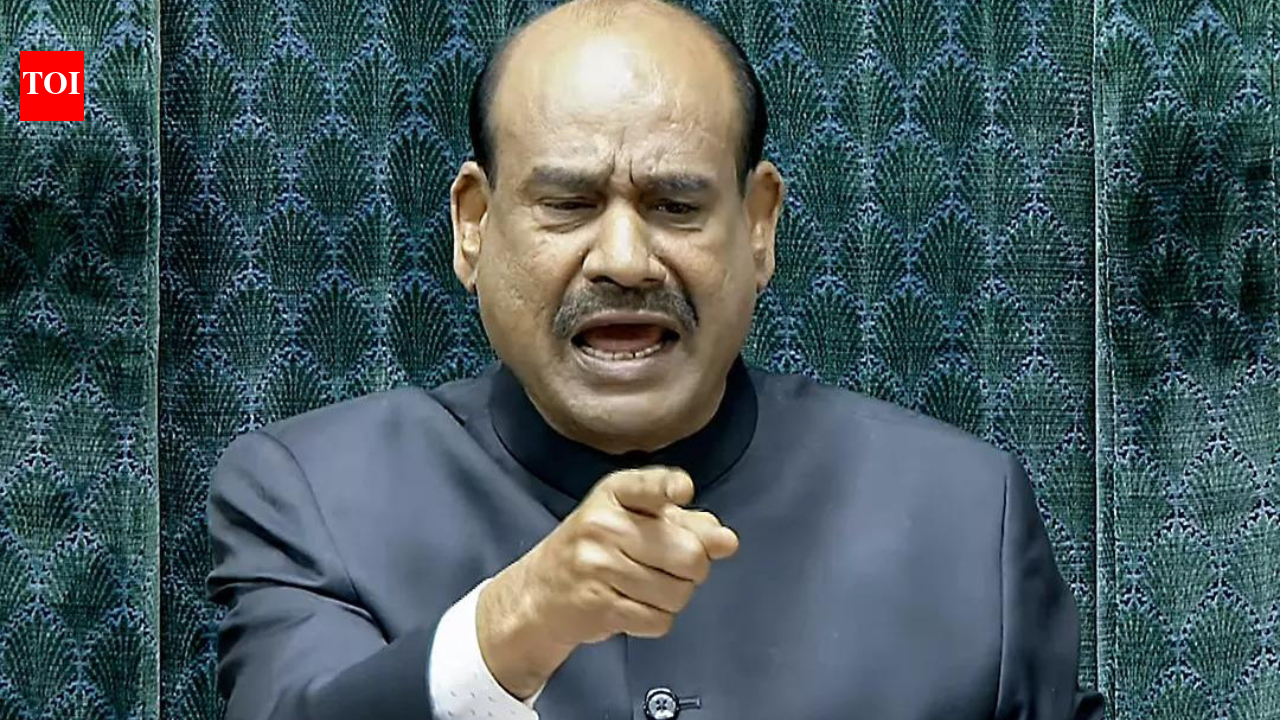
NEW DELHI: Escalating its confrontation with the BJP-led NDA government, the Congress on Tuesday moved a no-confidence notice against Lok Sabha Speaker Om Birla, alleging repeated instances of blatantly partisan conduct during the ongoing Budget session, including the denial of speaking time to leader of opposition Rahul Gandhi and the suspension of MPs.Congress’s no-confidence motion, signed by 118 opposition MPs, was moved for disallowing the leader of opposition Rahul Gandhi from speaking in the House, for not initiating action against BJP MP Nishikant Dubey, for making unsubstantiated charges against women MPs of the Congress and for the suspension of eight opposition MPs.“Notice of a resolution for the removal of Om Birla from the office of Speaker Lok Sabha, in terms of the provisions of Article 94(c) of the Constitution of India, has been given because of the blatantly partisan manner in which he has been conducting the business of the Lok Sabha. On several occasions, leaders of opposition parties have just not been allowed to speak, which is their basic democratic right in Parliament,” the motion moved by Congress said.In a social media post on X, Congress MP Manickam Tagore said that the opposition has taken such a step in “extraordinary circumstances.”“The opposition has placed its faith in constitutional propriety. While holding the Hon’ble Speaker in personal regard, we are pained and anguished by the consistent denial of opportunities to Opposition MPs to raise issues of public importance,” Tagore said.“After many years, a no-confidence notice against the Speaker has been moved – an extraordinary step born out of extraordinary circumstances,” he added.The motion received the support of 118 MPs, including the support of Samajwadi Party and DMK. However, another INDIA bloc partner TMC has not yet declared its position.Why nowDuring the Budget session, Parliament witnessed major showdowns between the opposition and the ruling party. It began after Speaker Om Birla stopped Congress leader Rahul Gandhi from quoting from an article which referenced an unpublished memoir of former Army chief General MM Naravane. During the discussion on Motion of Thanks to the President’s Address, the House descended into chaos after Rahul refused to move on and repeatedly tried to quote excerpts from the memoir on 2020 Galwan Vally clash with China.Additionally, Birla also suspended eight Congress MPs over repeated disruptions of the House.On February 4, Birla had also advised Prime Minister Narendra Modi not to come to the House to deliver his much-anticipated speech, after he claimed to have received information that some Congress MPs could rush to the Prime Minister’s seat in the House and “resort to an unprecedented incident”.Rahul Gandhi, however, refuted Birla’s claims and maintained that PM Modi avoided attending the House because of the issues he was raising.“The issue began a few days ago when the Naravane book came up. The government did not want me to discuss it and therefore stalled the House,” Rahul said.“The fact is very clear, the Prime Minister was afraid to come to the House, not because of the members, but because of what I was saying. He is still afraid because he cannot face the truth,” he added.Claims and counterclaimsEarlier on Monday, a group of women MPs from the Congress also shot off a strongly worded letter to Om Birla, accusing him of making “false and defamatory allegations” against them.“We write this letter with deep anguish and a strong sense of constitutional responsibility. It is extremely unfortunate that you, as the Hon’ble Speaker of the Lok Sabha, have been forced by the ruling party to make false, baseless, and defamatory allegations against women Members of Parliament belonging to the Opposition,” the letter read.This was countered by a letter from the women parliamentarians of BJP to Birla which alleged that Congress MPs crossed parliamentary limits.The BJP MPs wrote to Speaker Birla alleging that Opposition women MPs “surrounded the Prime Minister’s seat” and later aggressively approached the Speaker’s chamber on February 4.They urged the Speaker to take “the strongest possible action” against the MPs involved in the alleged incident.Parliamentary affairs minister Kiren Rijiju also shared a video of the stand-off that unfolded in Lok Sabha on February 4. Rijiju slammed the grand-old-party for ‘egging on’ its women MPs to block the alley where the Prime Minister would have walked into the House, saying that the BJP lawmakers displayed maturity and restraint, else this could have led the House into complete bedlam.In the video, two or three ministers, including Ashwini Vaishnaw, Giriraj Singh and other MPs, are seen pleading and persuading the women lawmakers to go back to their seats and refrain from such unparliamentary behaviour, but the latter remained unrelenting and stood firm with banners and posters.What is article 94(C)In the Constitution, Article 94(C) deals with the procedure of moving a no-confidence motion against the Lok Sabha Speaker.“A member holding office as Speaker or Deputy Speaker of the House of the People may be removed from his office by a resolution of the House of the People passed by a majority of all the then members of the House” the Constitution states.“Provided that no resolution for the purpose of clause (c) shall be moved unless at least fourteen days’ notice has been given of the intention to move the resolution,” it further states.How it worksAccording to the Rules of Procedure and Conduct of Business in the Lok Sabha, any member of the House can seek the removal of the Speaker. Under chapter 18 of the rulebook, the member must submit a written notice, along with the full text of the resolution, to the secretary-general of the House.Once a notice is received, a motion seeking leave to move the resolution is entered in the List of Business in the name of the member who submitted the notice. The date for taking up this motion is fixed by the Chair — usually the Deputy Speaker, as the Speaker cannot preside over the House when a motion for his removal is taken up.The Chair then places the motion before the House and asks whether leave should be granted to take it up. After the motion is placed before the House, at least 50 members must rise in support of it. If this threshold is not met, the motion fails and the member who moved it is informed accordingly.If the motion is accepted, it is then put to a vote. The voting can be conducted through a voice vote, division of votes, or other prescribed means.Will the motion be accepted?Even after 118 opposition MPs signatures, it would still depend on the Deputy Speaker of the House on whether the motion will see the light of day.For a resolution to be admissible, it must meet specific conditions laid down in the rules. The resolution should be specific with respect to the charges, clearly stating the allegations without ambiguity.It must also be clearly and precisely expressed, leaving no scope for vague or loosely worded claims. Further, the resolution must not contain arguments, inferences, ironical expressions, imputations or defamatory statements, ensuring that it remains factual, restrained and confined strictly to the stated charges.Does the opposition have numbers?The motion appears more symbolic and a case of political posturing, as the removal of the Lok Sabha Speaker requires an effective majority — a majority of the present strength of the House, excluding vacant seats.Even if the motion is moved, it appears to be an uphill battle for the opposition as it lacks the requisite numbers in the 543-member House. In the 18th Lok Sabha, the BJP-led NDA enjoys a comfortable majority with 293 seats. In contrast, the INDIA bloc holds 238 seats, falling short of the numbers required.However, if the motion is discussed in the House, it will give the opposition a chance to place its charges against Speaker Birla on record.Has it happened before?While rare, such motions have historically been used to question the moral authority of the Chair rather than to unseat it.This is not the first time the opposition has decided to move a no-confidence motion against the presiding officer of Parliament. Earlier in 2024, the opposition moved a similar motion against then Rajya Sabha Chairman and Vice-President Jagdeep Dhankhar.However, Deputy Chairman Harivansh dismissed the motion, terming it an act of impropriety that was severely flawed and drawn in haste to mar the reputation of Vice-President Jagdeep Dhankhar.At least 60 opposition members had signed the notice seeking the removal of Vice-President Dhankhar from his post on December 10.History also records at least three instances since Independence when a no-confidence motion was moved to remove the Speaker. The first was against the first Lok Sabha Speaker, GV Mavalankar, in 1954, after MP Vigneshwar Misra alleged that the Speaker was not impartial.In 1966, opposition MPs moved a motion against Speaker Sardar Hukum Singh, with Madhu Limaye leading the charge and Deputy Speaker S V Krishnamoorthy Rao in the Chair.The third motion was moved on April 15, 1987, for the removal of Speaker Balram Jakhar by CPI(M) MP Somnath Chatterjee, with Deputy Speaker Thambi Durai presiding. This motion was axed by the House.


Source link

Netherlands beat Namibia by 7 wickets as Bas de Leede shines in T20 World Cup | Cricket News


T20 World Cup: Bas de Leede's all-round brilliance helps Netherlands beat Namibia by 7 wickets
Netherlands’ captain Scott Edwards, left and Netherlands’ Bas de Leede walks out of the field after their win over Namibia during the T20 World Cup cricket match between Namibia and Netherlands in New Delhi, India, Tuesday, Feb. 10, 2026. (AP Photo/Manish Swarup)

NEW DELHI: A couple of days ago in Colombo, the Netherlands saw the game being taken away from their grasp against Pakistan in the last few balls, but on Tuesday, Dutch all-rounder Bas de Leede made sure there were no hiccups this time and led his team to their first victory of the T20 World Cup as they registered a thumping seven-wicket win over Namibia.Bas, whose father Tim de Leede also played for the Netherlands and had dismissed Sachin Tendulkar in the 2003 ODI World Cup for his first international wicket, showed his all-round prowess at Delhi’s Firoz Shah Kotla Ground to keep his team alive in the tournament.

How PCB, ICC, BCB reached a resolution on India vs Pakistan T20 World Cup match

After restricting Namibia to 156 for 8, Bas de Leede steered the Netherlands home with twelve balls to spare. De Leede stayed unbeaten on 72 off 48 balls.De Leede got ample support from Colin Ackermann, who scored 32 off 28 balls, and opener Michael Levitt, who made 28 off 15 balls. His 70-run stand with Ackermann for the third wicket proved to be the game-changing partnership.Meanwhile, taking a cue from the Netherlands, Namibia also began their attack with spin and found success straightaway as Max O’Dowd was caught at long-on by the Namibian captain off left-arm orthodox Bernard Scholtz’s quicker back-of-a-length delivery in the third over of the innings.Left-arm pacer Ruben Trumpelmann removed Michael Levitt on the third ball of the sixth over, but the 22-year-old batter had inflicted enough damage with his 15-ball 28-run innings as the Dutch finished the powerplay at 50 for 2.Ackermann was dropped on 13 by Steenkamp in the 10th over. The Netherlands still needed 80 runs in the final half of their innings, and Ackermann’s wicket would have put them under pressure, but Steenkamp could not hold on to a regulation catch at deep square leg.After being put in to bat, Namibia had a slow start. Louren Steenkamp and Jan Frylinck opened the innings as the Netherlands began with off-spinner Aryan Dutt. The lanky spinner had Steenkamp stranded halfway down the track as the right-handed batter was stumped by Dutch skipper Scott Edwards in the third over.The Dutch bowlers made full use of the conditions and bowled four overs of spin in the powerplay as the Namibia Eagles could score only 40 runs in the first six overs, hitting just three boundaries and four sixes.Jan Frylinck’s innings never took off and came to an unceremonious end when he was caught by Edwards off Logan van Beek’s bowling as Namibia were left reeling at 65 for 2 after 10 overs.It was only after captain Gerhard Erasmus joined left-hander Jan Nicol Loftie-Eaton in the middle that Namibia’s run rate received a boost as they scored 29 runs in the next two overs to take the total to 94 for 2 in 12 overs.However, Erasmus, who scored 18 off 9 balls, was caught at midwicket in the 13th over. Loftie-Eaton, who made 42 off 38 balls, followed soon after, and Namibia were reduced to 107 for 4 in the 15th over.Namibia were left without the hitting prowess of Ruben Trumpelmann in the final few balls of their innings, as a poor call from Dylan Leicher led to Trumpelmann being run out for 9.

Poll

Should Bas de Leede be considered one of the key players for the Netherlands in this T20 World Cup?

Namibia finished on 156 for 8 in 20 overs, aided in part by some ordinary captaincy from Scott Edwards, as none of the four successful Dutch bowlers completed their full quota. Aryan Dutt took one wicket while conceding just 13 runs in his three overs, while Logan van Beek and Bas de Leede picked up two wickets each.Jan Nicol Loftie-Eaton was the top scorer for Namibia with 42, while opener Jan Frylinck scored 30 off 26 balls.Brief scoresNamibia: 156/8 in 20 overs (Jan Nicol Loftie-Eaton 42, Jan Frylinck 30; Logan van Beek 2/13, Bas de Leede 2/20).Netherlands: 159/3 in 18 overs (Bas de Leede not out 72, Colin Ackermann 32).


Source link

Gold price today: How much 18K, 22K and 24K gold costs in Delhi, Mumbai & more – Check rates for your city


Gold price today: How much 18K, 22K and 24K gold costs in Delhi, Mumbai & more - Check rates for your city

Gold continued to fall on Tuesday, reaching Rs 1.57 lakh per 10 grams in futures trade, as investors booked profits amid muted global gains. On the Multi Commodity Exchange (MCX), gold for April delivery eased, falling Rs 677, or 0.43%, to Rs 1,57,389 per 10 grams after gaining 1.7% the day before. Market analysts said a stronger US dollar weighed on sentiment, limiting upside in domestic bullion prices. The dollar index rose 0.09 per cent to 96.90, pressuring global markets. Here’s how much gold costs in your city today:

Gold price in Ahmedabad today

The price of 24K gold in Ahmedabad is Rs 15,796 per gram. 22K gold costs Rs 14,480 per gram, while 18K gold is priced at Rs 11,849 per gram.

Gold price in Bangalore today

The price of 24K gold in Bangalore is Rs 15,791 per gram. 22K gold costs Rs 14,475 per gram, and 18K gold is Rs 11,844 per gram.

Gold price in Bhubaneswar today

The price of 24K gold in Bhubaneswar is Rs 15,791 per gram. 22K gold is Rs 14,475 per gram, and 18K gold is Rs 11,844 per gram.

Gold price in Chennai today

The price of 24K gold in Chennai is Rs 15,906 per gram. 22K gold costs Rs 14,580 per gram, and 18K gold is Rs 12,530 per gram.

Gold price in Delhi today

The price of 24K gold in Delhi is Rs 15,806 per gram. 22K gold costs Rs 14,490 per gram, and 18K gold is Rs 11,859 per gram.

Gold price in Hyderabad today

The price of 24K gold in Hyderabad is Rs 15,791 per gram. 22K gold is Rs 14,475 per gram, and 18K gold costs Rs 11,844 per gram.

Gold price in Jaipur today

The price of 24K gold in Jaipur is Rs 15,806 per gram. 22K gold costs Rs 14,490 per gram, and 18K gold is Rs 11,859 per gram.

Gold price in Kanpur today

The price of 24K gold in Kanpur is Rs 15,806 per gram. 22K gold is Rs 14,490 per gram, and 18K gold costs Rs 11,859 per gram.

Gold price in Kolkata today

The price of 24K gold in Kolkata is Rs 15,791 per gram. 22K gold costs Rs 14,475 per gram, and 18K gold is Rs 11,844 per gram.

Gold price in Mumbai today

The price of 24K gold in Mumbai is Rs 15,791 per gram. 22K gold is Rs 14,475 per gram, and 18K gold costs Rs 11,844 per gram.


Source link

Access Denied


Access Denied

You don’t have permission to access “http://www.ndtv.com/world-news/gonna-miss-gta-uk-mans-reaction-while-being-arrested-for-ex-girlfriends-murder-goes-viral-10980740” on this server.

Reference #18.ee4fc817.1770718952.2a0c71cc

https://errors.edgesuite.net/18.ee4fc817.1770718952.2a0c71cc


Source link

Indian exports to hit $1 trillion soon? Exporters expect boost from trade deals with US, EU


Indian exports to hit $1 trillion soon? Exporters expect boost from trade deals with US, EU

Indian exporters are hoping that the country’s goods and services outflows could touch $1 trillion in 2026-27, supported by the recently signed trade agreements with the United States and the European Union. The anticipated surge comes as the US has reduced tariffs on Indian products from 50% to 18%, opening the door for more orders across sectors.“Orders have begun coming in for chemicals, shoes and marine products. We expect more orders to come in the next 10-15 days. India’s exports in FY27 could rise to $1,000 billion,” S C Ralhan, president of the Federation of Indian Export Organisations (FIEO) told ET.The US-India trade pact, expected to be implemented soon, and the EU deal, likely to take effect by year-end and are seen as key drivers for growth. Under the first phase of the bilateral agreement with the US, reciprocal tariffs on Indian goods will fall from 25% to 18%. Washington has also revoked the 25% tariffs imposed earlier due to India’s purchase of Russian crude oil imports, which the US claimed was fueling Moscow’s “war machine” in Ukraine.Ramesh Juneja, chairman of the Council for Leather Exports, noted India’s current limited share in the US market. “We have only 3% share in the US while China has 35% share, but China has a higher tariff of 34%. We expect orders to come in but we don’t have that much capacity,” he told ET. The council expects India’s leather and footwear exports, currently at Rs 18,000 crore, to rise by 30% in the first year and by another 50% subsequently, supported by expected foreign investment.During the April-December period, exports of goods and services stood at $634.26 billion, marking a 4.3% year-on-year increase. Manu Gupta, chairman of the Toy Association of India, pointed out that two-thirds of global toy transactions occur in the US. Labour-intensive handmade toys, such as stuffed and wooden items requiring manual finishing, could benefit most from the tariff reductions.Despite the tariff cuts, exporters have flagged the need for clarity on implementation timelines and provisions related to oil purchases. These issues are scheduled for discussion in a meeting with commerce and industry minister Piyush Goyal on Wednesday, as the country moves to finalise its trade arrangements with both the US and the EU.


Source link