Breaking News
Indian-origin restaurant owner Vikas Nath caught spiking woman’s drink at UK club; staff swap glass before calling police


Indian-origin restaurant owner Vikas Nath caught spiking woman’s drink at UK club; staff swap glass before calling police

A Knightsbridge restaurant owner of Indian origin is on trial after being caught attempting to spike a woman’s drink with a date-rape drug (Any drug that incapacitates a person and renders them vulnerable to sexual assault).63-year-old Vikas Nath used a straw to put gamma-butyrolactone (GBL) into the woman’s spicy margarita while sitting with her on the rooftop garden bar at the exclusive Mayfair private members’ club Annabel’s.Vikas owns a string of high-end restaurants in the UK and Spain, including two with Michelin stars, reports The London Standard.Staff at Annabel’s noticed Nath dipping the straw into a small bottle of vanilla extract he had retrieved from his pocket, sucking up liquid, and putting it into the cocktail. The staff replaced the drink before the woman could drink it, and Nath threw the bottle into the toilet when police were called. Managers checked the CCTV and warned the woman that her drink might have been spiked.Prosecuting the case, Tim Clark KC told jurors: “This case is unusual because there’s no dispute Mr Nath spiked her drink. His acceptance is not surprising, he had little choice because the spiking was captured on CCTV at Annabel’s. Due to the actions of quick-thinking staff, the spiked drink was retrieved, and she was warned. Staff replaced it with a fresh one, and police were called to the club.”Nath admits spiking the drink but claims it was to “relax” the woman.One message read: “I’m at Annabel’s. This is probably the last evening with (her). She ain’t biting.” His friend replied: “Action time I hope.”Traces of the sleep-inducing drug were later found, and police discovered two more bottles under his sink at home. Nath claimed in police interviews that he obtained GBL as a cleaning fluid for a high-performance car and was told it could be drunk as a “relaxant.” He said he disposed of the bottle because he believed the club would not approve.


Source link

Saudi Arabia’s oil giant Saudi Aramco raises $4 billion: Shakes global markets, has Wall Street buzzing


Saudi Arabia’s oil giant Saudi Aramco raises $4 billion: Shakes global markets, has Wall Street buzzing
Saudi Aramco Just Raised $4 Billion And Global Investors Are Rushing In

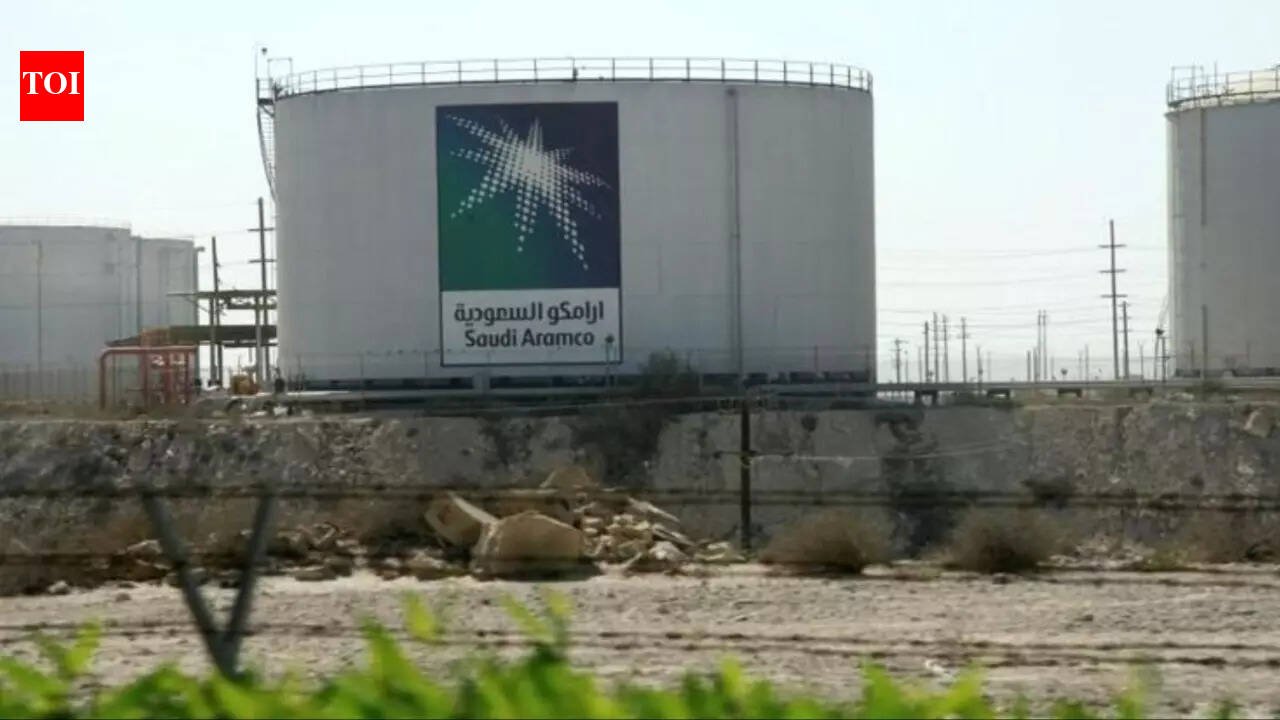
Saudi Arabia’s oil giant, Saudi Aramco, has successfully completed a major $4 billion bond issuance, underscoring strong investor confidence in the company’s financial stability and its strategic capital management approach. The multi-tranche bond sale, a part of Aramco’s Global Medium Term Note Programme, was priced on January 26, 2026 and formally completed in early February 2026, with the notes listed on the London Stock Exchange.This development has attracted attention not just within the energy sector but also among global investors and market watchers, as it reflects broader trends in risk appetite, corporate financing and the evolving role of oil majors in capital markets.

What Saudi Aramco’s $4 billion bond deal entails

Saudi Aramco issued bonds across four tranches, each with different maturities and coupon rates, creating a diversified debt structure designed to appeal to a wide range of investors:

  • $500 million tranche maturing in 2029 at a 4.0% coupon.
  • $1.5 billion tranche maturing in 2031 at 4.375%.
  • $1.25 billion tranche maturing in 2036 at 5.0%.
  • $750 million tranche maturing in 2056 at 6.0 %.

These USD-denominated notes were marketed under both Rule 144A and Reg S offerings, broadening interest across US, European and other global investors. The varied maturities offer investors options across short, medium and long time frames, potentially enhancing liquidity and appeal across different investment strategies. Listing the bonds on a major exchange like London also boosts their visibility and tradability in global fixed-income markets.

Investor confidence and attractive pricing of Saudi Aramco

One of the standout aspects of the transaction was the pricing conditions achieved by Aramco. According to company statements, three of the four tranches were priced with negative new issue premiums, a technical indicator that suggests bonds were issued at yields slightly below comparable secondary market levels. This is generally interpreted as strong investor demand and trust in the issuer’s credit quality.

Ziad T Al-Murshed, Aramco’s Executive Vice President and Chief Financial Officer, described the issuance as part of a focused strategy to optimise the company’s capital structure while enhancing shareholder value over the long term. He further noted that the “attractive pricing achieved reflects global investors’ continued confidence in Aramco’s financial strength and resilient balance sheet.”

Saudi Aramco’s strategic financial management at a time of market uncertainty

Aramco’s decision to tap the international debt markets for $4 billion comes at a time when global energy markets are in flux. While oil price volatility persists, with prices having earlier been pressured by weaker demand signals and lower pricing environments, large and credit-strong corporates like Aramco are still able to secure financing on favourable terms compared with sovereign and many corporate peers.Despite occasional pressure on oil prices, Aramco’s robust balance sheet and dominant market position as the world’s largest crude exporter help sustain investor interest in its debt. Its ability to secure funding at such pricing speaks to both its investment grade profile and the perceived safety of dollar-denominated issuances from non-sovereign entities in the Middle East.

More broadly, bond markets have remained receptive to high-quality credits, even amid macroeconomic uncertainties, as global investors seek stable returns in an environment of shifting interest rate expectations and geopolitical risk. Aramco’s successful issuance is thus both a reflection of company credibility and broader market dynamics.

Implications for Aramco and Saudi Arabia’s economy

The proceeds from the bond issuance are expected to support Aramco’s ongoing capital expenditure, including investments in upstream oil and gas capacity, downstream refining and chemicals projects and future business diversification efforts. They also provide the company with strategic liquidity as it navigates a transition toward cleaner energy opportunities and broader industrial growth ambitions.For Saudi Arabia, Aramco’s strong performance in debt markets also signals the kingdom’s continued integration with global capital markets, a priority under its broader economic transformation strategies, which aim to reduce reliance on oil revenues while expanding industrial and technological sectors. Large, well-capitalised issuances contribute to enhanced financial market depth and investor confidence in the region.

Looking ahead: Debt markets and energy transition finance

Aramco’s successful bond issuance may set a precedent for other Middle Eastern corporates and sovereign entities looking to access debt markets for strategic funding, especially as the energy sector increasingly intersects with transition finance, funding initiatives that support lower-carbon projects and diversified energy portfolios.

As global investors continue to seek yield amid tightening monetary conditions and competitive credit landscapes, well-priced, high-quality issuances like Aramco’s $4 billion bonds are positioned to remain attractive, reinforcing the role of bond markets in fuelling long-term industrial and economic strategies.Saudi Aramco’s completion of a $4 billion multi-tranche bond issuance offers a clear signal. Even in times of broader energy market volatility, capital markets still place strong confidence in major energy producers with stable financial fundamentals. By leveraging global debt markets under attractive terms, Aramco not only strengthens its financial position but also contributes to shaping investment flows and economic confidence across Saudi Arabia and the broader Middle East, a trend with implications for investors, policymakers and energy markets alike.



Source link

Old rivals unite again as Shiv Sena–BJP form power alliance in Ulhasnagar | Thane News


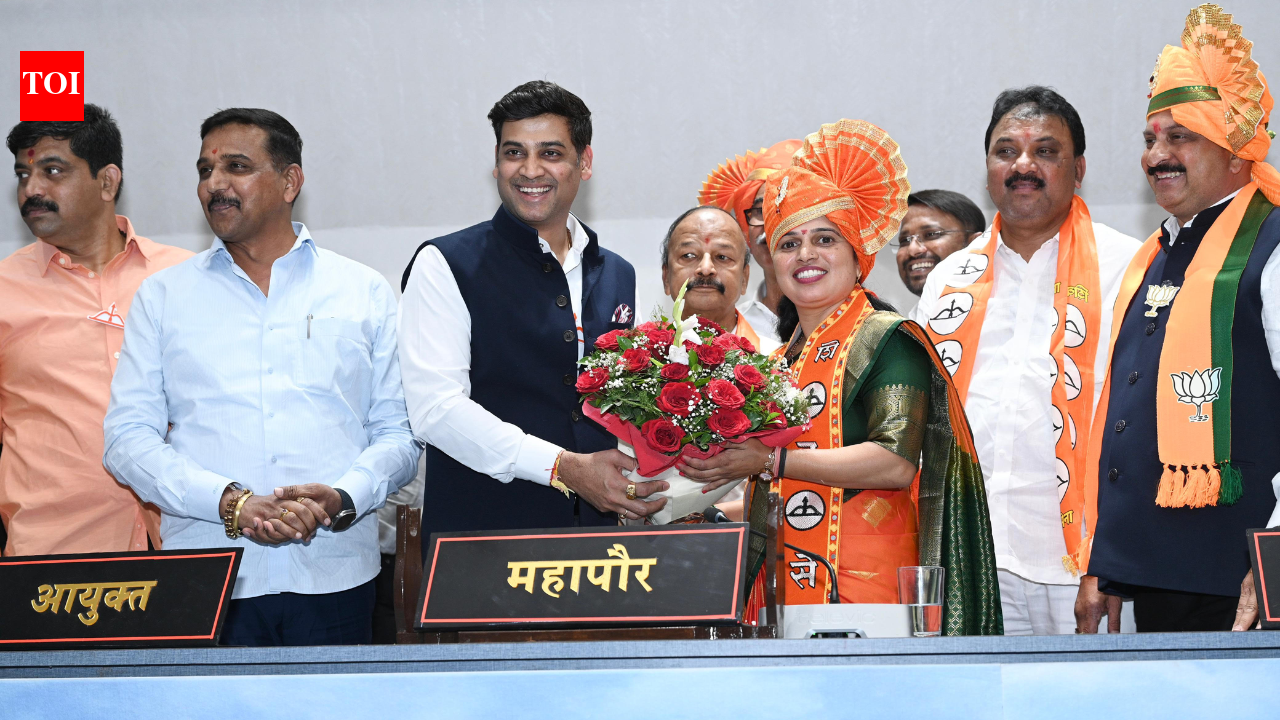
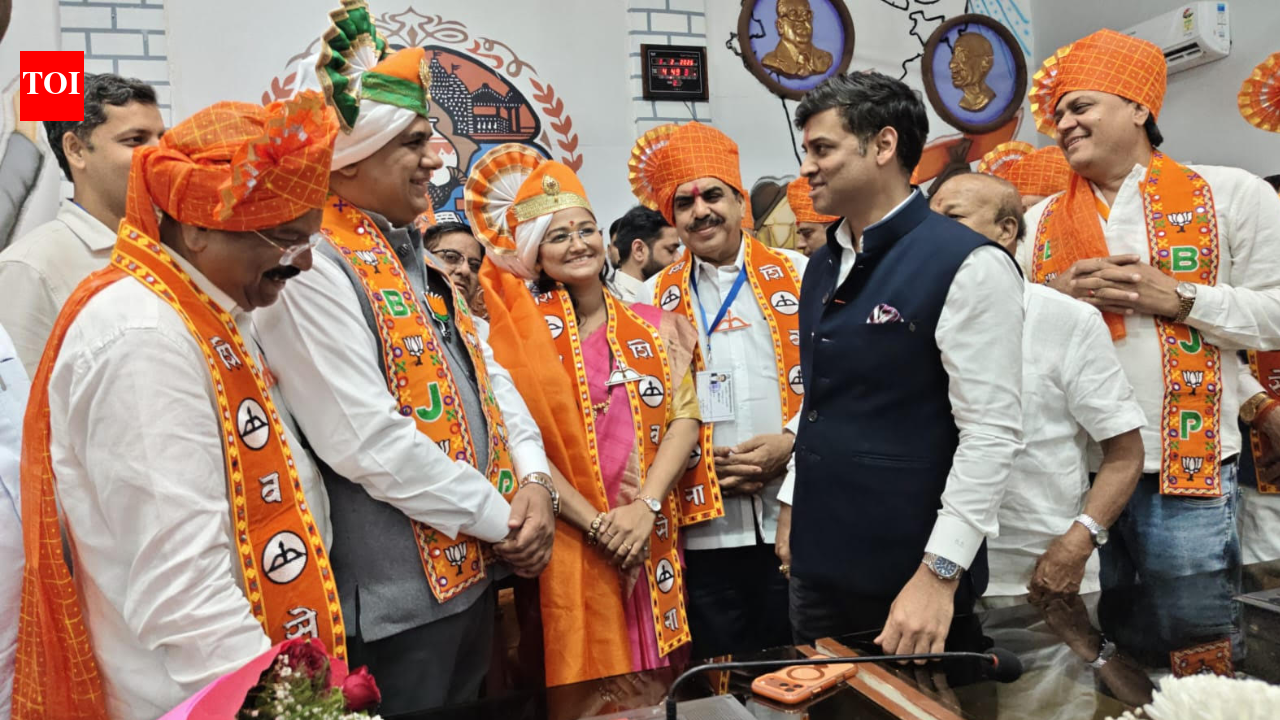
ULHASNAGAR: Ulhasnagar has once again witnessed a dramatic political realignment as long-time rivals—the Pappu Kalani group and the Bharatiya Janata Party (BJP)—came together to form the ruling alliance in the Ulhasnagar Municipal Corporation. The development was formalised on Tuesday with the unopposed election of Ashwini Kamlesh Nikam as Mayor from Shiv Sena and BJP’s Amar Lund as Deputy Mayor.Ashwini Nikam, elected on the Shiv Sena symbol, represents Team Omie Kalani (TOK), led by the influential Kalani family. With no rival nominations filed, both key civic posts were decided unopposed, formalising a power-sharing arrangement between Shiv Sena and the BJP under the Mahayuti banner.The 78-member civic body saw a closely contested election. Shiv Sena, along with its allies—the SAI Party and independents—secured 38 seats, while the BJP emerged with 37 corporators after contesting independently and campaigning aggressively against the Shiv Sena–TOK alliance. Despite the intense rivalry during the polls, Shiv Sena later secured the support of two corporators from the Vanchit Bahujan Aghadi to cross the majority mark.Interestingly, even after attaining the required numbers to form the government on its own, Shiv Sena MP Shrikant Shinde chose to align with the BJP, mirroring the Mahayuti partnership at the state and national levels.This post-election alliance placed the BJP in an awkward position, as it had fought much of the campaign on an anti-Kalani plank in Ulhasnagar, only to now share power with leaders associated with the Kalani group who were elected on the Shiv Sena symbol.

‘Batenge Toh Katenge’: Uddhav & Raj Thackeray Unite For Mumbai Civic Polls | Shiv Sena (UBT) | MNS

With the alliance in place, the ruling coalition now commands 77 of the 78 seats in the Ulhasnagar Municipal Corporation, leaving the Congress—with just one corporator—as the lone opposition party.The latest alliance is politically significant given the turbulent history between the Kalani family and the BJP. Pappu Kalani, a once-dominant and controversial figure in Ulhasnagar politics, and the BJP have traditionally been staunch rivals. In 2018, however, Kalani-backed leaders aligned with the BJP, resulting in Pancham Kalani becoming Mayor. That partnership later collapsed, with Kalani supporters switching sides to Shiv Sena and removing the BJP from power. The current arrangement, though seemingly reluctant, marks yet another shift in Ulhasnagar’s fluid political landscape.Congratulating the newly elected Mayor and Deputy Mayor, Shiv Sena leader Shrikant Shinde said the return of the Mahayuti to power in the civic body would usher in a new phase of development. He said that just as the Mahayuti is working under Prime Minister Narendra Modi at the Centre and Chief Minister Devendra Fadnavis in Maharashtra, the alliance would now work collectively in Ulhasnagar to transform the city.Mayor Ashwini Nikam said her focus would be on the all-round development of the city, with priority given to basic civic amenities. Deputy Mayor Amar Lund expressed confidence that the alliance would ensure stable governance and timely implementation of development projects.


Source link

Administration rule ends: KDMC gets mayor and deputy mayor after 6 years wait | Thane News


KALYAN: After a prolonged administrative rule, the Kalyan-Dombivli Municipal Corporation (KDMC) has finally witnessed the restoration of elected civic leadership with the unopposed election of its Mayor and Deputy Mayor. Shiv Sena’s Harshali Vijay Chaudhari has been declared elected unopposed as the Mayor of KDMC, while Rahul Vasant Damle has been declared elected unopposed as the Deputy Mayor. Both will serve a term of two and a half years.The election process for the two key civic posts was completed during a special general body meeting held at the municipal headquarters. The proceedings were conducted under the chairmanship of Presiding Officer Anchal Goel, Mumbai City District Collector. With these elections, the six-year-long administrative rule in Kalyan-Dombivli has officially come to an end. The civic body had been under administrative control since 2020, after the term of the elected representatives expired during the COVID-19 pandemic. The restoration of elected leadership marks a significant political milestone for KDMC. Earlier, the longest administrative rule in the history of the corporation was between 1983 and 1995, which lasted nearly 12 years after its formation.However, the special general body meeting was not without political drama. Three corporators from Uddhav Thackeray led Shiv Sena out of elected 11 remained absent during the proceedings. Verbal exchanges were witnessed inside the civic hall, particularly between corporators belonging to the Shiv Sena (Shinde faction) and the Thackeray faction. Shiv Sena (Shinde) corporators Sachin Pote and Nilesh Shinde took a dig at Thackeray group leader Umesh Borgavkar, with a sarcastic remark comparing a “cricket team” turning into a “kabaddi team,” drawing laughter from members present.Meanwhile, two of the four corporators from the Uddhav Balasaheb Thackeray (UBT) faction who had earlier gone missing have returned. Of them, corporator Kirti Dhone was present at the meeting, while three members remained absent from the special session.Addressing the gathering after her election, Mayor Harshali Chaudhari said she would not allow the trust shown by citizens to be broken. Emphasizing the need for collective cooperation, she assured that she would fulfill her responsibilities with utmost sincerity and ensure that public works are carried out efficiently.Deputy Mayor Rahul Damle echoed similar sentiments, stating that by working hand in hand and maintaining coordination, Kalyan-Dombivli could be taken forward on the path of development.Welcoming the newly elected Mayor, Kalyan Lok Sabha MP Shrikant Shinde said that in recognition of the overwhelming support extended by women voters under the “Ladli Behna” initiative, Deputy Chief Minister Eknath Shinde had ensured that women were given the opportunity to occupy the important Mayor’s post in civic bodies across Thane district, including Thane, Kalyan-Dombivli, and Ulhasnagar, even in the absence of reservation for the post. He added that the government would continue to introduce more welfare-oriented initiatives for women in the coming days.


Source link

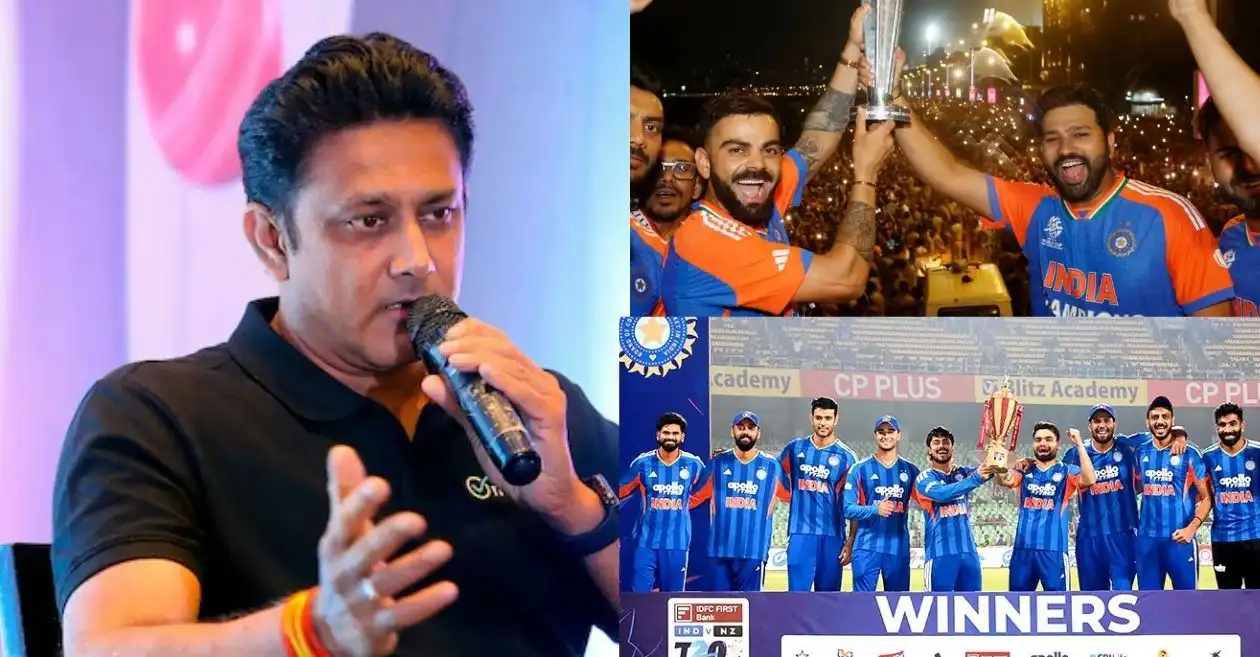
Anil Kumble reveals why India’s 2024 T20 World Cup-winning team has an edge over the 2026 squad


Team India will walk into the T20 World Cup 2026 carrying the tag of defending champions after their memorable triumph in the 2024 edition. That title win not only ended a long ICC trophy drought in the shortest format but also set the tone for a fearless, attacking brand of cricket that has since become India’s identity in T20Is. With a deep talent pool, multiple bowling combinations, and a refreshed batting approach at the top, India are widely seen as one of the favourites to defend their crown in 2026.

The current squad reflects a clear transition phase. Several young players have taken on prominent roles, offering explosive batting, athletic fielding, and flexible bowling options. While the experience factor has slightly reduced, the balance and adaptability of this group make them a serious threat in conditions that demand innovation and aggression.

Anil Kumble explains why the previous side had a slight edge

Former India captain and head coach Anil Kumble believes that although the 2026 squad is well-rounded, the team that lifted the trophy in 2024 was marginally stronger. According to Kumble, the difference lies mainly in experience rather than skill or balance.

“If you talk about experience, they will miss Virat Kohli and Rohit Sharma, the two legends,” Kumble said while speaking on Star Sports. He pointed out that the presence of senior players during pressure moments often makes a decisive difference in global tournaments.

However, Kumble was quick to add that the current side has its own strengths. He praised the team’s balance, highlighting the variety in bowling options and a refreshed batting mindset at the top of the order. “The batting is different in terms of approach, and the bowling depth gives the captain more flexibility,” he explained.

Kumble summed up his assessment by saying that he would rate the 2024 team “maybe 10 percent ahead” of the 2026 squad, while also stressing that the gap is minimal and the present group is very close to the championship-winning combination.

“However, it’s still going to be challenging. 2024, in terms of conditions, was very different. I would probably rate the 2024 team maybe 10 percent ahead of this team, but I still feel this team is very close to that,” added Kumle.

Also READ: Can India create history by defending their T20 World Cup crown? MS Dhoni shares his verdict

Some bright stars to watch out for in T20 World Cup 2026

As the T20 World Cup 2026 approaches, several young and in-form players are expected to shape the tournament. For India, explosive opener Abhishek Sharma has emerged as a powerplay game-changer, while Ishan Kishan offers left-handed firepower and wicketkeeping flexibility. Finisher Rinku Singh continues to impress with his calmness under pressure and ability to close out tight games.

Globally, the tournament will feature several match-winners capable of turning games on their own. Australia’s Travis Head and Tim David bring brute power and momentum-shifting potential, while England’s Harry Brook remains one of the most feared batters in the middle order. South Africa’s young sensation Dewald Brevis adds flair and unpredictability to the mix.

Also READ: Pommie Mbangwa predicts the winner of T20 World Cup 2026


Source link

Access Denied


Access Denied

You don’t have permission to access “http://www.ndtv.com/health/red-flags-to-recovery-doctors-guide-parents-on-gaming-addiction-after-ghaziabad-teen-suicide-case-10943793” on this server.

Reference #18.ee4fc817.1770196733.12c95fcc

https://errors.edgesuite.net/18.ee4fc817.1770196733.12c95fcc


Source link

‘2 fell while trying to save the third’: Man who saw Ghaziabad sisters jump from 9th floor at 2am | India News


'Sorry Papa': Suicide Note From Three Sisters In Ghaziabad Triggers Debate On Gaming Addiction

NEW DELHI: An eyewitness in the Ghaziabad case said that one of the three minor sisters appeared to have jumped deliberately, while the other two fell while trying to stop her.Arun Kumar, a resident of Bharat City Society, said he noticed something amiss around 2.00am when he saw the girls sitting on a glass balcony in the dark.

‘Sorry Papa’: Suicide Note From Three Sisters In Ghaziabad Triggers Debate On Gaming Addiction

“It looked quite abnormal,” he said. “It was around 2 am, and if there’s no light on, it’s a bit suspicious and if someone is sitting on the balcony it’s even more suspicious.”Moments later, the tragedy unfolded.“I saw all three of them jumping from the front. Before I could even understand what was happening or call out, the whole incident was over,” Kumar said.He added that while one of the sisters seemed intent on jumping, the others appeared to be trying to pull her back.“They were repeatedly trying to fall from the back, and the other person was trying to catch them,” he said. “The planning was of one – that’s what it looked like to me. From what I saw, one of them planned to jump, and the others fell while trying to save her.”After the fall, Kumar said he rushed downstairs and alerted emergency services.“I just came downstairs, called my wife, called the police, called the ambulance, and immediately informed everyone.”The deceased were identified as Nishika (16), Prachi (14) and Pakhi (12), residents of Tower B-1 under Tila Mod police limits.Assistant commissioner of police Atul Kumar Singh said police received information around 2.15am. “On reaching the spot, it was confirmed that the girls had died due to the fall. They were taken to a hospital in Loni, where doctors declared them dead,” he said.Singh added that a window in the room that had a temple was found open. The sisters allegedly used a chair placed near the window and jumped one by one.Police sources said the girls were reportedly addicted to a Korean task-based online gaming application and had begun addressing each other by Korean names. Their parents had repeatedly reprimanded them over excessive gaming and had recently barred them from using the app.Investigators said the sisters had quietly stepped out of their bedroom early Wednesday, moved to the temple room window and allegedly jumped into the darkness below.Parents also found a handwritten note pasted on a glass panel, titled “True Life Story” and bearing a sad emoji. Written in a Hindi-English mix, it read: “Is diari me jo kuch bhi likha hai wo sab padh lo kyunki ye sab sach hai. Read now!!! I’m really sorry. Sorry papa.”Police further revealed that all three sisters had not attended school since the Covid-19 pandemic. Despite being 16, the eldest was enrolled only in Class 4, indicating prolonged educational disruption.Residents rushed out after hearing the impact. The bodies have been sent for post-mortem.Officials said they are analysing the handwritten note, the diary referred to in it and digital evidence linked to the gaming app. All aspects, including online activity, family circumstances and mental health, are being examined as part of the ongoing probe.(With inputs from agencies)


Source link

Big relief for UAE travellers to India: Higher duty-free limits, gold jewellery reforms, simpler baggage clearance, revamped customs rules


Big relief for UAE travellers to India: Higher duty-free limits, gold jewellery reforms, simpler baggage clearance, revamped customs rules
India’s 2026 Baggage Rules: Are UAE Travellers Finally Getting a Fair Deal?

India has introduced a major overhaul of its customs baggage rules for 2026, bringing changes that will significantly benefit international travellers, especially UAE residents, Indian expats (NRIs) and tourists of Indian origin flying into the country. These changes come into effect from February 02, 2026 under the Customs Baggage (Declaration and Processing) Regulations, 2026 and a consolidated “Baggage Rules, 2026,” which replace decade-old frameworks and modernise customs procedures at Indian airports.For UAE travellers, a large diaspora that frequently shuttles between India and the Gulf for family, business and leisure, these developments make shopping, carrying personal goods and returning home with prized purchases far easier and more predictable.

India hikes duty-free allowance to ₹75,000

One of the most impactful changes is the increase in the general duty-free limit that passengers can bring into India without paying customs duty:

  • The allowance has been raised from ₹50,000 to ₹75,000 for most travellers arriving by air or sea.
  • The higher limit applies to Indian residents, NRIs, people of Indian origin and foreign nationals with valid visas.
  • Foreign tourists enjoy a separate allowance of ₹25,000.
  • Airline crew members have a smaller duty-free cap of ₹2,500.

This increase reflects the government’s recognition that baggage values and travel-shopping patterns have shifted significantly since the previous rule was introduced over a decade ago. This matters for UAE flyers because with the Dirham/Rupee exchange rate and lower prices for many electronics and fashion products in markets like the UAE, the higher duty-free band allows travellers to bring more back home from smartphones and watches to clothing and accessories, without getting hit with import duties at Indian airports.

India simplifies gold jewellery rules for the UAE: No value caps

Another welcome reform affects gold jewellery duties, an especially important issue for Indian expats returning from the UAE, where gold shopping is common before trips home. Under the 2026 framework, value-based caps on duty-free gold jewellery have been removed, leaving only weight-based limits.Eligible travellers who have been abroad for more than a year can carry:

  • Up to 40g of jewellery for female passengers
  • Up to 20g for male and other passengers

This applies regardless of the market value of the gold, easing stress from price fluctuations and aligning the rules with contemporary market conditions. Previously, passengers faced both weight and value limits (₹100,000 for women and ₹50,000 for men), which became confusing as gold prices soared over the years. The revised rule removes this complexity and reduces disputes at customs.For many in the UAE’s Indian community, this has been a long-pending demand and the updated rule is seen as a practical and fair resolution that improves compliance and avoids hassles for genuine travellers.

Other traveller-friendly additions by India for UAE

The 2026 customs regime streamlines several other baggage categories that directly affect UAE travellers –

  • Laptop exemption: One laptop per passenger above age 18 is fully duty-free, separate from the ₹75,000 cap, making it easier for business and tech travellers.
  • Pets: Travellers carrying pets have clearer duty-free provisions (subject to prescribed animal import rules).
  • Advance and electronic baggage declaration: The new rules allow passengers to declare their baggage digitally using apps or e-services before landing, speeding up customs clearance and reducing queue times at airports.
  • Temporary import and re-import: Clear procedures for temporary imports (such as professional equipment or exhibitions) help avoid unnecessary detention at arrival points.

These enhancements signal a broader shift toward efficiency and passenger convenience in India’s customs processes, aligning with global travel standards.

What UAE travellers should know before flying to India

Here are key takeaways for UAE passengers planning trips to India in 2026 –

  1. Pack with the higher duty-free limit in mind: You can bring up to ₹75,000 worth of goods (including electronics, accessories and gifts) without paying duty if arriving by air or sea.
  2. Gold shopping is simpler: Carry jewellery up to the specified weight limits without value worries, a big relief for those who buy gold in the UAE before visiting India.
  3. Electronics and gadgets are cheaper to bring: Smartphones, watches, cameras and other personal tech will now fall more comfortably within duty-free value caps, reducing unexpected tax at arrival.
  4. Digital declarations save time: Use advance electronic baggage declaration systems to reduce processing time and make arrivals smoother.
  5. Be aware of exemptions that still apply: Certain items, such as alcohol beyond prescribed volumes, tobacco above limits, firearms, large appliances or goods intended for commercial use, continue to face specific rules and duties under customs laws.

India’s Baggage Rules, 2026 represent one of the most significant updates to its customs framework in nearly a decade by increasing duty-free limits, scrapping outdated value caps on jewellery, streamlining digital procedures and clarifying exemptions. For UAE-based travellers, returning expats and frequent flyers, these reforms mean less worry about customs duties, simpler airport clearance and greater flexibility in carrying purchases home. As international travel resumes full pace and global shopping remains a strong part of travel culture, these new rules help India stay aligned with modern travel expectations and passenger convenience


Source link

‘Safeguarded agriculture, dairy’: Piyush Goyal hails India-US trade deal in Parliament


‘Safeguarded agriculture, dairy': Piyush Goyal hails India-US trade deal in Parliament

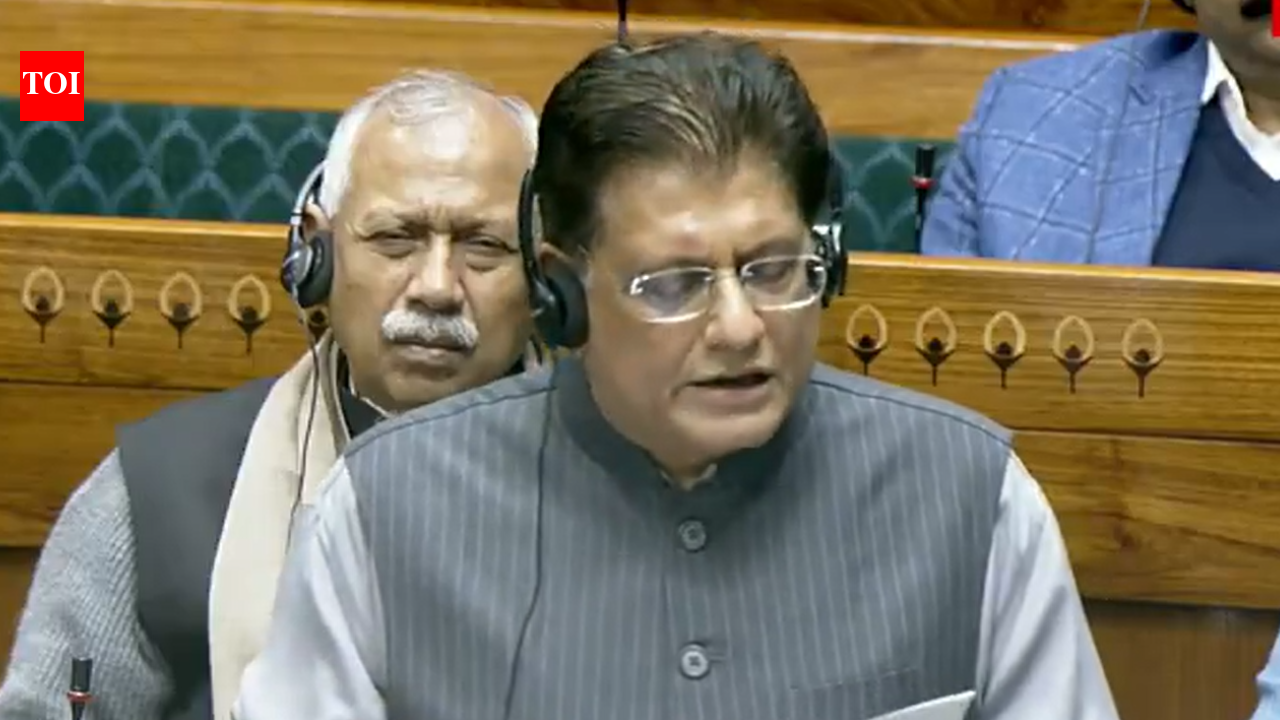
NEW DELHI: Union commerce and industry minister Piyush Goyal on Wednesday defended the India-US bilateral trade agreement in the Lok Sabha, saying India had “successfully safeguarded” its sensitive sectors, particularly agriculture and dairy, after nearly a year of negotiations between the two sides. “As the Members of the House are aware, since Prime Minister Narendra Modi’s visit to the United States in February 2025, India and the US have been regularly engaged in discussions with the objective of concluding a balanced and mutually beneficial bilateral trade agreement,” Goyal said.He added that negotiators from both countries held intensive discussions at multiple levels over the past year. “During these negotiations, the Indian side successfully ensured the protection of its sensitive sectors, particularly agriculture and dairy,” he said, noting that the US too had areas it considered sensitive.

Year-long talks, key sectors finalised

Goyal said it was natural for both sides to protect critical interests while seeking the best possible outcome. “After several rounds of deliberations spanning approximately one year, the negotiators from both sides have succeeded in finalizing several areas of the bilateral trade agreement,” he told the Lower House. He said the agreement would help promote flagship initiatives such as Viksit Bharat, Atmanirbhar Bharat, Make in India and Design in India for the world, while also enhancing the export competitiveness of Indian exporters.The minister said the deal would open up opportunities for skilled Indian professionals and micro, small and medium enterprises (MSMEs) in the US market.

Tariff reduction lower than competitors

Referring to the latest call between PM Modi and Trump, Goyal said, “On 2nd February 2026, PM and US President Donald Trump held a telephonic conversation on several matters of bilateral and international importance. After this, President Trump announced a reduction in tariff to 18 per cent.”He added, “I would like to emphasize the fact that this tariff is lower than the US tariff on several competitor nations,”. Further the minister added that, “Energy security for Indians is the top priority of government.”Goyal maintained that the agreement balanced the interests of both countries while protecting India’s core sectors and strengthening bilateral trade ties.US President Donald Trump on Monday night on his social media platform Truth Social announced that India and the US have “agreed to a trade deal” and also the US would reduce tariffs in India from 25 per cent to 18 percent.PM Modi later in a post on X acknowledged Trump’s announcement saying, “Delighted that Made in India products will now have a reduced tariff of 18%. Big thanks to President Trump on behalf of the 1.4 billion people of India for this wonderful announcement. When two large economies and the world’s largest democracies work together, it benefits our people and unlocks immense opportunities for mutually beneficial cooperation.


Source link

‘Is age a factor? No’: MS Dhoni backs Rohit Sharma, Virat Kohli to chase 2027 World Cup dream | Cricket News


'Is age a factor? No': MS Dhoni backs Rohit Sharma, Virat Kohli to chase 2027 World Cup dream
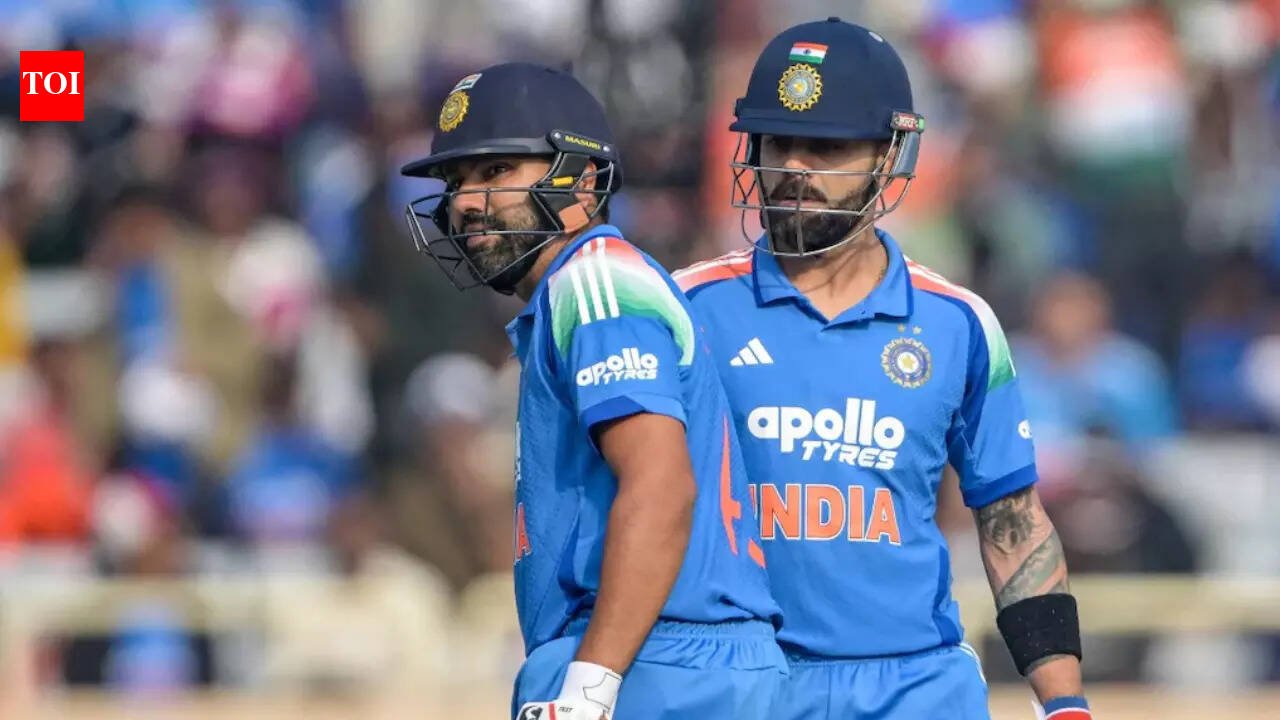
Rohit Sharma and Virat Kohli (Getty Images)

NEW DELHI: As India begin shaping their roadmap towards the 2027 ICC Cricket World Cup, former captain MS Dhoni has thrown his weight behind senior stars Rohit Sharma and Virat Kohli, insisting that performance and fitness — not age — should determine their future in ODI cricket. Go Beyond The Boundary with our YouTube channel. SUBSCRIBE NOW!Speaking at a recent event, Dhoni made it clear that experienced players should not be written off simply because they are in their 30s, especially with scrutiny increasing after both stalwarts stepped away from Test cricket last year.

Are India favourites to win 2026 T20 World Cup? | Greenstone Lobo makes a HUGE PREDICTION

“Why not? The thing is, why somebody should not play the next World Cup? For me, age is not a criteria. Performance, fitness, these are the criteria,” Dhoni said, adding that no player should be judged purely on numbers associated with age. “Is age a factor? No. Fitness factor? Yes. Even if you are 22 and not fit, you cannot play international cricket.” Dhoni emphasised that decisions on longevity ultimately belong to the players themselves: “If they keep performing and have the urge to do well for the country, then why not? How do you get experienced people otherwise?”The World Cup-winning skipper also stressed the value of seasoned campaigners in a young dressing room. “You cannot get a 20-year-old who is experienced unless it is someone like Sachin Tendulkar,” he noted, pointing out that experience is built over years of high-pressure matches. “If people are performing, they will be there, otherwise not. If they are not fit, you can chuck them out,” he added.

Poll

Should age be a factor in determining a player’s future in ODI cricket?

Dhoni’s remarks come as both Rohit and Kohli continue to build their ODI credentials. Since the Australia tour, Kohli has amassed 616 runs in nine matches at an average of 88, while Rohit has contributed 409 runs @ 51 average. With the next ODI assignment scheduled in England from July, the debate over India’s senior core heading into 2027 remains firmly alive.


Source link