Breaking News
‘We completely agree with ICC’: BCCI VP backs world body as Pakistan boycotts India match at T20 World Cup | Cricket News


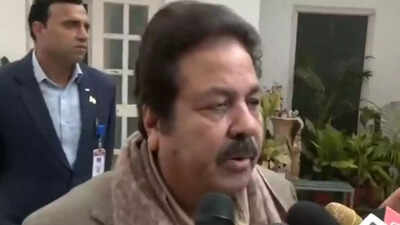
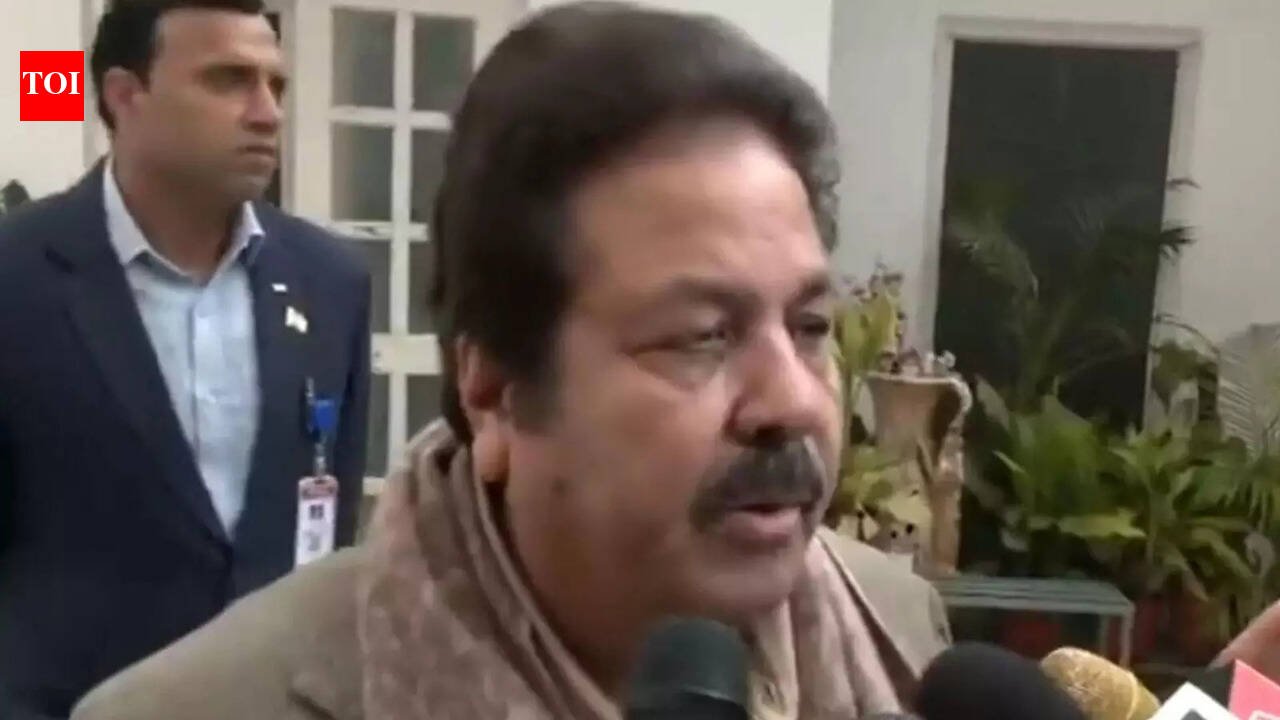
BCCI vice-president Rajeev Shukla (ANI Photo)

NEW DELHI: The Board of Control for Cricket in India (BCCI) on Monday said it fully agrees with the International Cricket Council’s stance on sportsmanship following Pakistan’s decision to boycott its T20 World Cup 2026 group-stage match against India, scheduled for February 15. BCCI vice-president Rajeev Shukla said the Indian board would refrain from making further comments until it holds formal discussions with the ICC.Go Beyond The Boundary with our YouTube channel. SUBSCRIBE NOW!“ICC has issued a big statement, they have spoken about sportsmanship. We completely agree with the ICC. BCCI won’t make any comments on it until we speak with the ICC,” Shukla said, underlining India’s alignment with the global governing body’s position on the issue.

Former captain Rashid Latif on Pakistan boycotting India T20 World Cup match

Shukla’s remarks came a day after the Pakistan government announced that while it had cleared the national team’s participation in the ICC Men’s T20 World Cup 2026, it would not allow the side to take the field against India. In a post on X, the Government of Pakistan said the team “shall not take the field” for the February 15 fixture, without offering any specific reason for the decision. Pakistan will, however, play the rest of the tournament, which begins on February 7.The ICC responded firmly to the development, stating that “selective participation” runs counter to the fundamental premise of a global sporting event. In its release, the ICC said it had noted the Pakistan government’s statement and was awaiting official communication from the Pakistan Cricket Board (PCB), but stressed that all qualified teams are expected to compete on equal terms as per the published schedule.The global body added that ICC tournaments are built on sporting integrity, competitiveness, consistency and fairness, and warned that selective participation undermines the spirit and sanctity of such competitions. While respecting the role of governments in national policy, the ICC said the decision was not in the interest of the global game or fans worldwide, including millions in Pakistan, and urged the PCB to explore a mutually acceptable resolution that protects all stakeholders.India, meanwhile, head into the tournament in strong form after winning a five-match T20I series against New Zealand 4-1. The defending champions are placed in Group A alongside Pakistan, Namibia, the Netherlands and the USA, and will open their campaign on February 7.


Source link

T20 World Cup 2026: Parthiv Patel reveals his ideal India playing XI, excludes Harshit Rana


As India prepares to defend their crown in the T20 World Cup 2026, former wicketkeeper-batter Parthiv Patel has stirred the pot with a bold selection strategy that prioritizes current rhythm over past reputation.

Speaking on the Star Sports show ‘Follow the Blues,’ Parthiv laid out a blueprint that sees several high-profile stars relegated to the bench. His vision for the tournament opener against the USA in Mumbai is defined by a ‘form-first’ philosophy, notably moving away from some of the squad’s younger sensations. The Gujarat Titans assistant coach believes the intensity of a World Cup demands players who are already in peak mental and physical condition. By choosing experienced death-bowlers and a red-hot wicketkeeper, Parthiv has sparked a massive debate across the cricketing landscape.

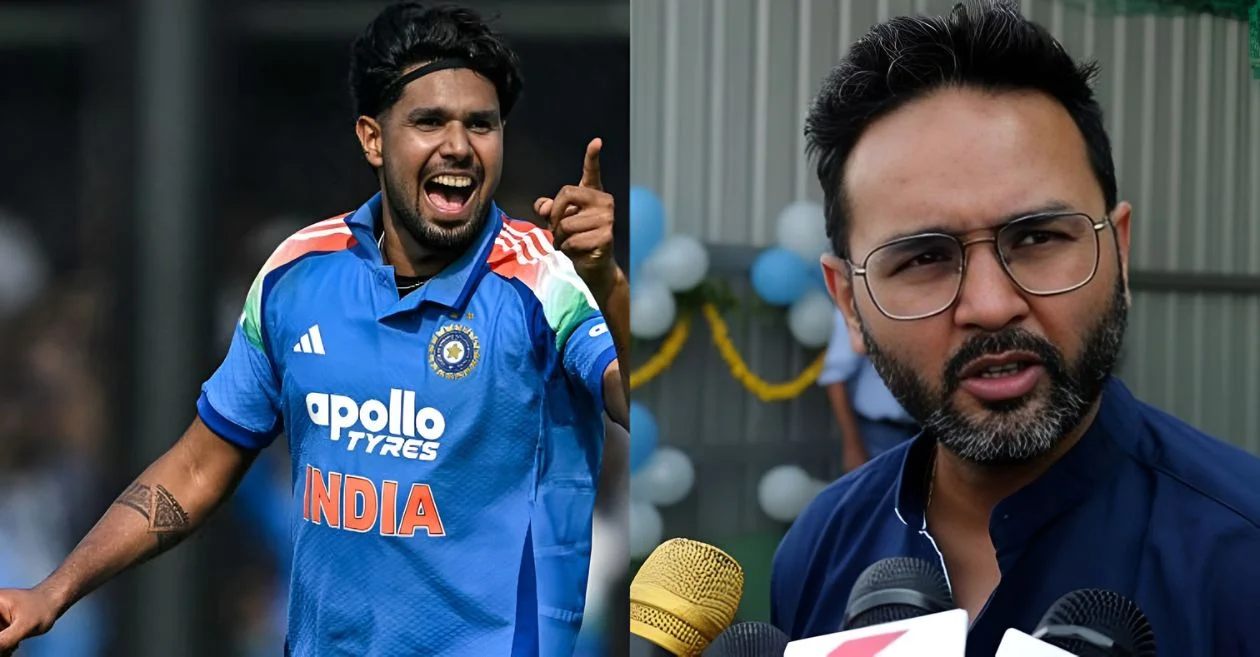
Parthiv Patel’s decision to snub Harshit Rana from India’s XI for T20 World Cup 2026

Despite Harshit Rana‘s rapid rise and his knack for picking up crucial wickets in the IPL and domestic circuits, Parthiv Patel has opted for a more conservative and battle-hardened pace attack. Parthiv believes that in a high-stakes tournament opener, the reliability of a Jasprit Bumrah-led attack is non-negotiable. He argued that while Rana offers raw pace and bounce, the combination of Jasprit Bumrah’s precision and Arshdeep Singh’s left-arm variety provides a more complete defensive and offensive package. For Parthiv, Rana remains a brilliant prospect, but one that must wait for the right opening.

“Then Arshdeep Singh, Jasprit Bumrah and Varun Chakaravarthy. That will be my playing XI. I would like to include both Arshdeep Singh and Jasprit Bumrah…” Parthiv said.

Also WATCH: Mitchell Marsh breaks silence on Pakistan’s boycott of India game and Bangladesh’s T20 World Cup 2026 withdrawal

Ishan Kishan or Sanju Samson? Parthiv reveals his wicketkeeping choice for T20 World Cup 2026

The most contentious part of Patel’s XI is the wicketkeeping slot, where he has unequivocally backed Ishan Kishan over Sanju Samson. This follows Kishan’s explosive return to form against New Zealand, highlighted by a dominant century that reminded selectors of his match-winning pedigree. Parthiv noted that Samson’s recent struggles with consistency make it impossible to ignore Kishan’s momentum. He emphasized that the team needs a wicketkeeper who isn’t just reliable behind the stumps but can also tear the game apart during the Powerplay.

“I feel Ishan Kishan is keeping quite well too. He kept in the previous match as well, and will also keep in the warm-up match. You want your in-form player in the team when the World Cup starts. In my opinion, when the team selection happens, India will have to include Ishan Kishan.” the former cricketer added.

The strategic return of Tilak Varma

Addressing the middle-order balance, Parthiv insisted on the immediate inclusion of Tilak Varma as soon as he is declared match-fit. Varma has been undergoing rehabilitation at the Centre of Excellence (CoE) for a lower abdominal injury, and Patel views him as the anchor that allows the likes of Suryakumar Yadav and Shivam Dube to play with freedom. By slotting Varma at No. 3, Patel aims to give the Indian top order a left-handed stability that has been missing in high-pressure scenarios over the last year.

“I feel Tilak Varma will get a place in the Indian team’s playing XI as soon as he gets fit because of how he has performed, the way he has batted for India in different, different positions in the T20 format for the last one to one-and-a-half years. Along with that, he will obviously play the warm-up game.” Parthiv concluded.

Parthiv Patel’s India playing XI for T20 World Cup 2026

Abhishek Sharma, Ishan Kishan, Suryakumar Yadav, Tilak Varma, Shivam Dube, Hardik Pandya, Rinku Singh, Axar Patel, Arshdeep Singh, Jasprit Bumrah, Varun Chakaravarthy.

Also READ: ‘When you can’t beat them, boycott them’: Pakistan’s decision to decline India T20 World Cup 2026 match triggers fan reactions


Source link

SC to examine ways to protect open spaces from squatters | Mumbai News


New Delhi: Supreme Court on Monday agreed to examine ways and means to protect Mumbai’s parks, gardens and maidans as an NGO said land mafia and builders are encouraging encroachments to gobble up these open spaces that serve as green lungs by misusing the policy for in-situ rehabilitation of slumdwellers.A bench of CJI Surya Kant and Justice Joymalya Bagchi said passing orders to protect non-encroached parks, maidans and gardens is easy, but it would be a complex issue to order removal of those who have been living in slums in such open areas for years. “Slumdwellers must have basic amenities in their houses. At the same time, if one person encroaches on an open area and it gets reserved for in-situ rehabilitation of slumdwellers, then it is a problem of different magnitude,” the CJI-led bench said and sought responses from the Maharashtra govt and BMC. Appearing for NGO Alliance for Governance and Renewal (NAGAR), senior advocate Shyam Divan said the petitioner had no objection to in-situ rehabilitation of slumdwellers, but it cannot be done on open spaces encroached upon. “They can be rehabilitated around the same area, sparing the open areas for common use of citizens,” he said. He said Development and Control Regulations (DCR), 1991, had specified that if 25% or more of an open space is encroached upon by slumdwellers, then that site is to be used for in-situ rehabilitation by building pukka houses for them. But DCR, 2034, issued by the Maharashtra govt in 2018, states that no minimum percentage of a plot area of 500sqm is required for in-situ rehabilitation of encroachers on the land, Divan said, adding that this is a clear invitation to land mafia and builders to encourage encroachment, and even if one hut is erected on such an open space, it would be reserved for in-situ rehabilitation. “Slum rehabilitation is virtually an industry in the city of Mumbai,” he said. Challenging the provision in DCR 2034, the petitioner said, “Perpetuating the illegality of encroachment by sanctioning construction leads to irreversible consequences. Areas lost to construction cannot be regained. Encroachers are forgiven and rewarded; private rights are created in favour of third parties (purchasers of the free sale component) of the redeveloped area (close to 50% of the reconstructed area or 33% of the total area). The loser is the larger public, which is forever deprived of that area, meant for public use and access.” The appeal before SC was drafted by senior advocate Madhvi Divan, who 24 years ago had drafted the first petition on this issue that was filed before Bombay high court. Both she and Shyam Divan presented the case before the CJI-led bench.


Source link

India-US trade deal: 25% penal tariffs linked to Russian oil gone? Here’s what we know


India-US trade deal: 25% penal tariffs linked to Russian oil gone? Here’s what we know
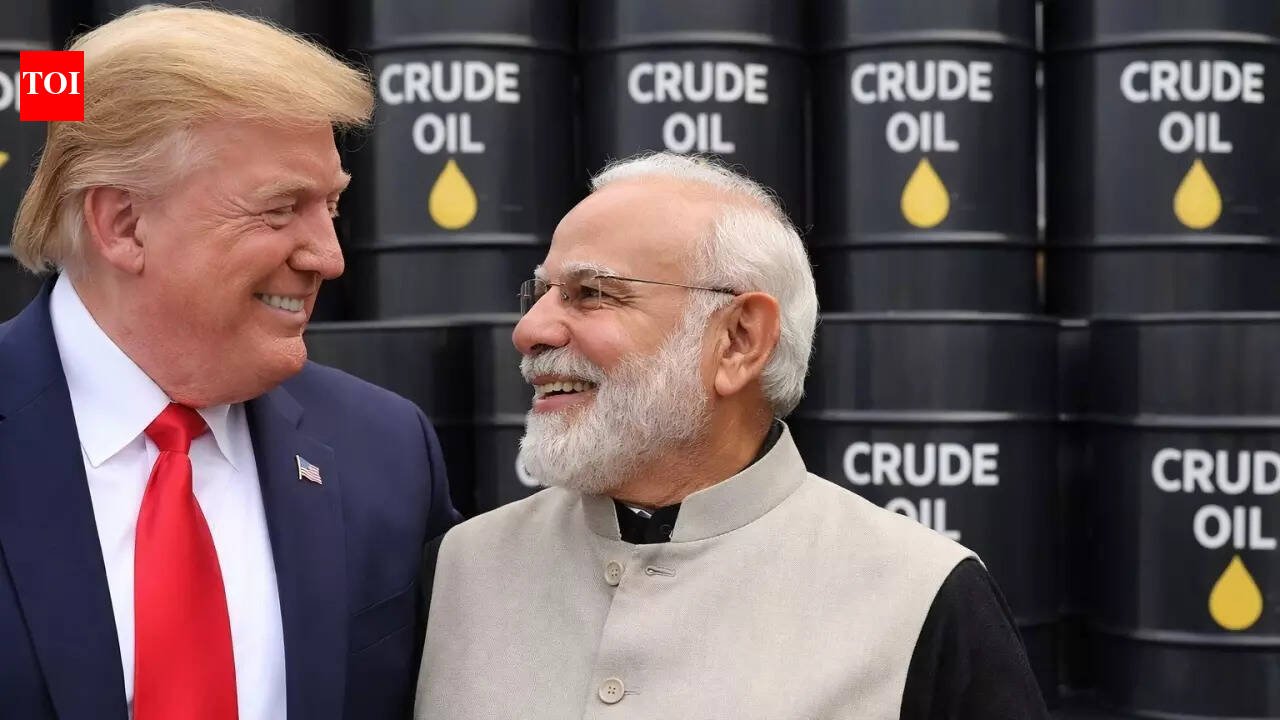
India and the US have announced a trade deal, with the Trump administration lowering the tariffs on Indian exports to 18%. (AI image for representative purpose)

US President Donald Trump has reportedly agreed to remove the 25% tariff America imposed on India for its crude oil imports from Russia. A New Delhi–based source quoted in a Bloomberg report said that the US has agreed to withdraw the 25% penal tariff for India’s Russian oil procurement. In the meantime, India and the US have announced a trade deal, with the Trump administration lowering the tariffs on Indian exports to 18%. Trump took to social media platform Truth Social to announce the trade deal, which was later confirmed by PM Narendra Modi confirming it via X (Twitter). However, India is yet to confirm the details of the trade deal shared by Trump in his post.

Trump Announces India-US Trade Deal, Reduces Reciprocal Tariffs On Delhi To 18%; PM Modi Reacts

Also Read | India-US trade deal announced by US President Donald Trump; check detailsUS Ambassador to India Sergio Gor also told a TV channel that the final figure of tariff on India will be 18%, indicating that the 25% penal tariff linked to Russian crude has also been removed.He also said that the 18% tariff rate is effective immediately, and that India would buy $500 billion worth of US energy, coal, technology and agricultural products.Russia has been the largest supplier of crude for India since the start of the former’s war with Ukraine. The share in India’s oil import basket has gone up to almost 40%. But recently, after US sanctions on Russian oil firms, Indian refiners had been forced to reduce Russian crude oil purchases.

India-US Trade Deal: What PM Modi, Trump said

PM Modi posted on X, “Wonderful to speak with my dear friend President Trump today. Delighted that Made in India products will now have a reduced tariff of 18%. Big thanks to President Trump on behalf of the 1.4 billion people of India for this wonderful announcement. When two large economies and the world’s largest democracies work together, it benefits our people and unlocks immense opportunities for mutually beneficial cooperation. President Trump’s leadership is vital for global peace, stability, and prosperity. India fully supports his efforts for peace. I look forward to working closely with him to take our partnership to unprecedented heights.”Before Trump had posted on social media, “It was an Honor to speak with Prime Minister Modi, of India, this morning. He is one of my greatest friends and, a Powerful and Respected Leader of his Country. We spoke about many things, including Trade, and ending the War with Russia and Ukraine. He agreed to stop buying Russian Oil, and to buy much more from the United States and, potentially, Venezuela. This will help END THE WAR in Ukraine, which is taking place right now, with thousands of people dying each and every week! Out of friendship and respect for Prime Minister Modi and, as per his request, effective immediately, we agreed to a Trade Deal between the United States and India, whereby the United States will charge a reduced Reciprocal Tariff, lowering it from 25% to 18%. They will likewise move forward to reduce their Tariffs and Non Tariff Barriers against the United States, to ZERO. The Prime Minister also committed to “BUY AMERICAN,” at a much higher level, in addition to over $500 BILLION DOLLARS of U.S. Energy, Technology, Agricultural, Coal, and many other products. Our amazing relationship with India will be even stronger going forward. Prime Minister Modi and I are two people that GET THINGS DONE, something that cannot be said for most. Thank you for your attention to this matter!”


Source link

‘Mogambo khush hai’: Congress jabs PM Modi over Trump’s announcement of India-US trade deal | India News


'Mogambo khush hai': Congress jabs PM Modi over Trump's announcement of India-US trade deal
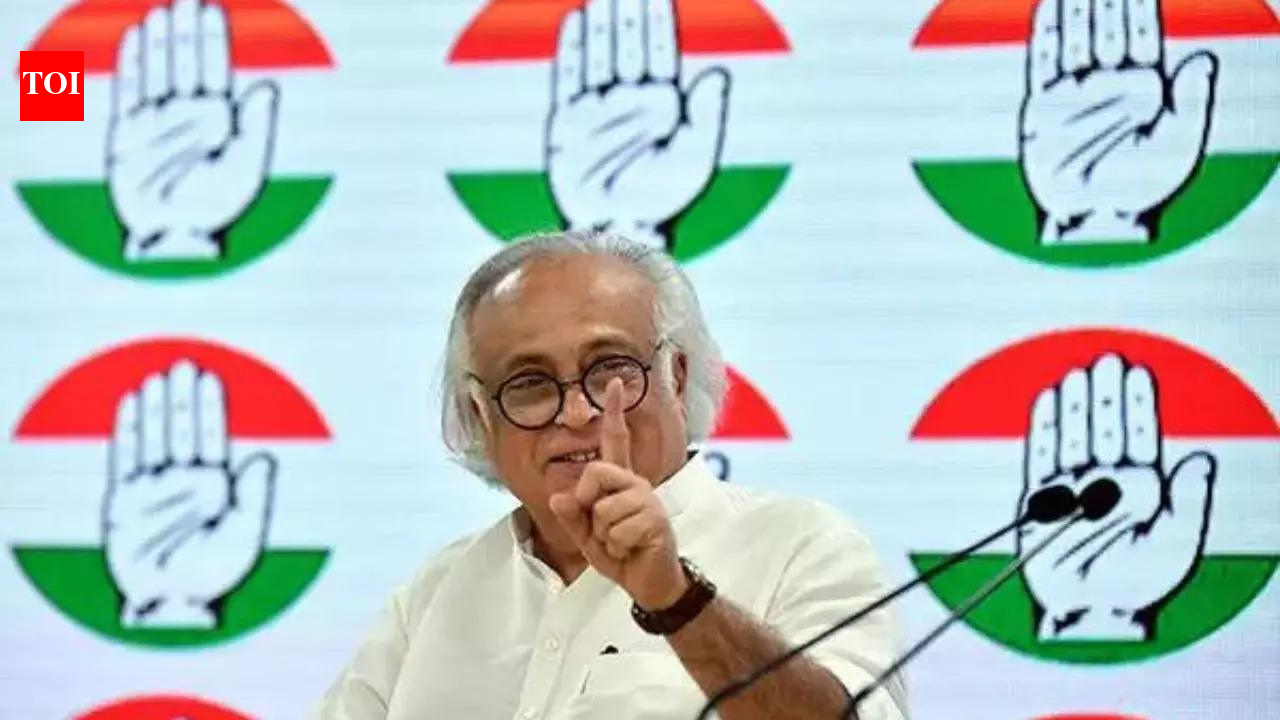
Jairam Ramesh, Congress general secretary in-charge communications

NEW DELHI: Congress general secretary Jairam Ramesh on Monday took a swipe at Prime Minister Narendra Modi after US President Donald Trump announced an “immediate” India-US trade deal from Washington, adding New Delhi would move to cut tariffs and non-tariff barriers on American goods while the US reduces reciprocal tariffs on India.In a post on X, Ramesh alleged that key announcements impacting India, including the halt of Operation Sindoor, updates on India’s crude purchases from Russia and Venezuela, and now the trade deal itself, were being made from the US capital.

Trump Announces India-US Trade Deal, Reduces Reciprocal Tariffs On Delhi To 18%; PM Modi Reacts

“He announced the halt of Op Sindoor from Washington DC. He announced the updates on India’s oil purchases from Russia and Venezuela from Washington. He’s now announced an India-US Trade Deal from Washington, the full details of which are awaited,” he wrote.“President Trump clearly seems to have some leverage over Prime Minister Modi,” he wrote, adding that the Prime Minister appeared “mortified of even being seen with him”, in an apparent reference to PM Modi’s earlier public bonhomie with Trump.Ramesh suggested that Modi had “capitulated” and questioned whether the agreement could be “the father of all deals”, using the Bollywood catchphrase “Mogambo Khush Hai” to underline the attack.“President Trump clearly seems to have some leverage over Prime Minister Modi – who is now mortified of even being seen with him, let alone engage in the usual bout of hugs. It appears Mr. Modi has capitulated finally. Surely this cannot be the father of all deals. In Washington clearly Mogambo Khush Hai,” he said.The Congress leader’s remarks came minutes after Trump, in his Truth Social post, said India had agreed to stop buying Russian oil and would buy “much more” from the US and potentially Venezuela, arguing the shift would help end the Russia-Ukraine war. He also said the US would lower reciprocal tariffs from 25% to 18% and that India would move to reduce its tariffs and non-tariff barriers against the US to “zero”.Later, PM Modi thanked Trump for the tariff announcement. In a post on X, the Prime Minister said he was “delighted” that Made in India products would get a reduced tariff of 18%, and thanked the US President “on behalf of the 1.4 billion people of India” for the “wonderful announcement”.


Source link

Access Denied


Access Denied

You don’t have permission to access “http://www.ndtv.com/india-news/big-thanks-pm-modi-on-trump-tariff-announcement-10934080” on this server.

Reference #18.7fdd417.1770055310.15723ec8

https://errors.edgesuite.net/18.7fdd417.1770055310.15723ec8


Source link

India-US trade deal: Top 7 points Trump says he agreed on with PM Modi


India-US trade deal: Top 7 points Trump says he agreed on with PM Modi
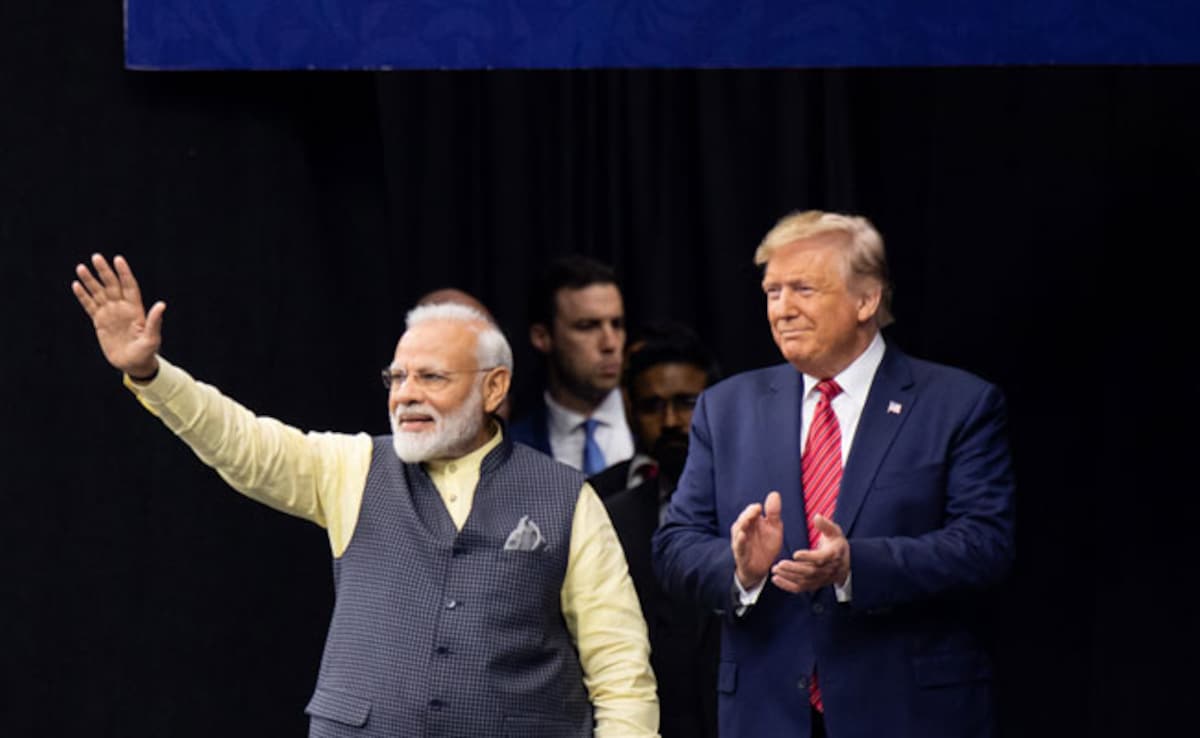
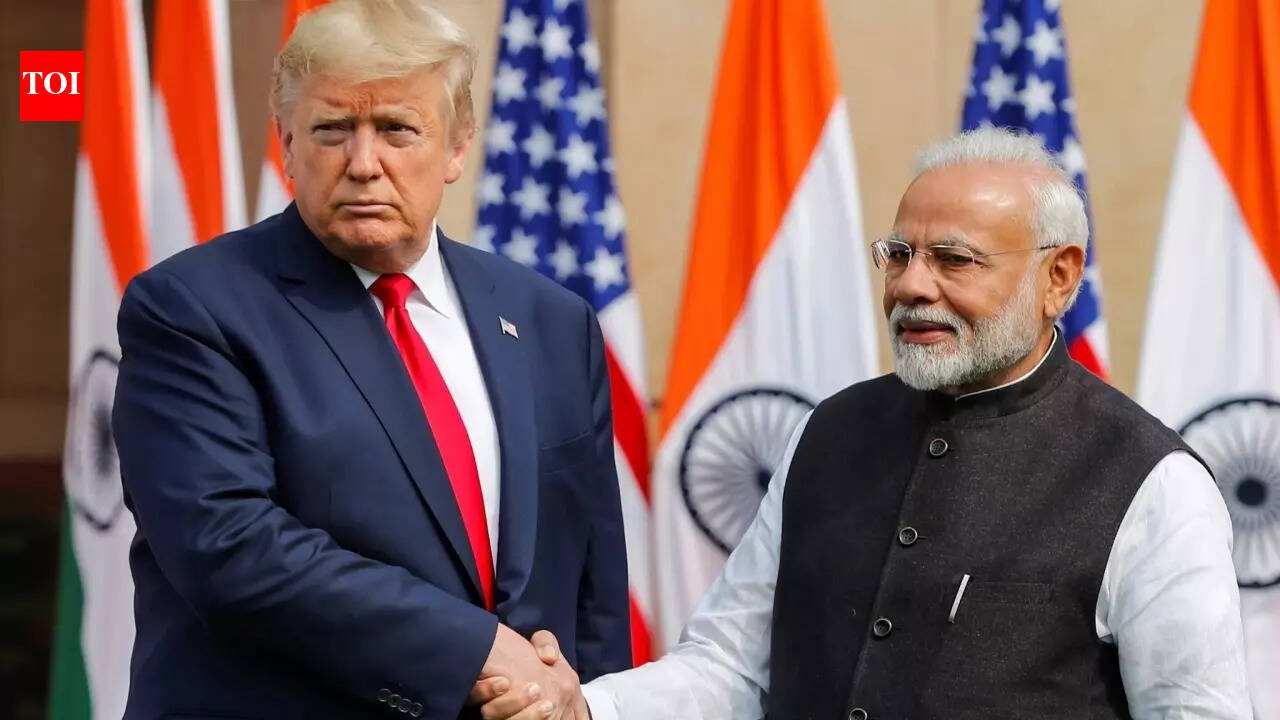
Trump with PM Modi (file photo)

US President Donald Trump has announced a trade deal with India, after having imposed 50% tariffs on Indian goods in August 2025. The trade deal announced by Trump on his social media platform Truth Social has several elements, including a substantial reduction in tariffs and claims of India stopping Russian oil purchases.Trump had imposed a 50% tariff on India, 25% of which were for crude oil imports from Russia. Trump administration officials have repeatedly claimed that India’s crude purchase from Russia helped finance the latter’s war against Russia.PM Narendra Modi confirmed the trade deal via X (formerly Twitter: “Wonderful to speak with my dear friend President Trump today. Delighted that Made in India products will now have a reduced tariff of 18%. Big thanks to President Trump on behalf of the 1.4 billion people of India for this wonderful announcement. When two large economies and the world’s largest democracies work together, it benefits our people and unlocks immense opportunities for mutually beneficial cooperation. President Trump’s leadership is vital for global peace, stability, and prosperity. India fully supports his efforts for peace. I look forward to working closely with him to take our partnership to unprecedented heights.”

India-US Trade Deal: Top Points To Know

Trump’s Truth Social post contained many points around the trade deal. India is yet to confirm the trade deal. Here are the top points that Trump has said:

  1. India will lower its tariffs on US exports to zero
  2. US will drop the reciprocal tariffs from 25% to 18%
  3. Trump claimed that India will stop buying oil from Russia
  4. India will step up oil purchase from the US
  5. India may potentially starting buying oil from Venezuela
  6. Trump said that India has committed to buying $500 billion on several American things including energy, agriculture, coal, and technology
  7. Trump claimed the deal will help stop the Russia-Ukraine war

How Trump announced India-US trade deal

Trump posted on Truth Social, “It was an Honor to speak with Prime Minister Modi, of India, this morning. He is one of my greatest friends and, a Powerful and Respected Leader of his Country. We spoke about many things, including Trade, and ending the War with Russia and Ukraine. He agreed to stop buying Russian Oil, and to buy much more from the United States and, potentially, Venezuela. This will help END THE WAR in Ukraine, which is taking place right now, with thousands of people dying each and every week! Out of friendship and respect for Prime Minister Modi and, as per his request, effective immediately, we agreed to a Trade Deal between the United States and India, whereby the United States will charge a reduced Reciprocal Tariff, lowering it from 25% to 18%. They will likewise move forward to reduce their Tariffs and Non Tariff Barriers against the United States, to ZERO. The Prime Minister also committed to “BUY AMERICAN,” at a much higher level, in addition to over $500 BILLION DOLLARS of U.S. Energy, Technology, Agricultural, Coal, and many other products. Our amazing relationship with India will be even stronger going forward. Prime Minister Modi and I are two people that GET THINGS DONE, something that cannot be said for most. Thank you for your attention to this matter!”


Source link

SEZ domestic sales at concessional duty will boost import substitution and jobs, says commerce secretary


SEZ domestic sales at concessional duty will boost import substitution and jobs, says commerce secretary
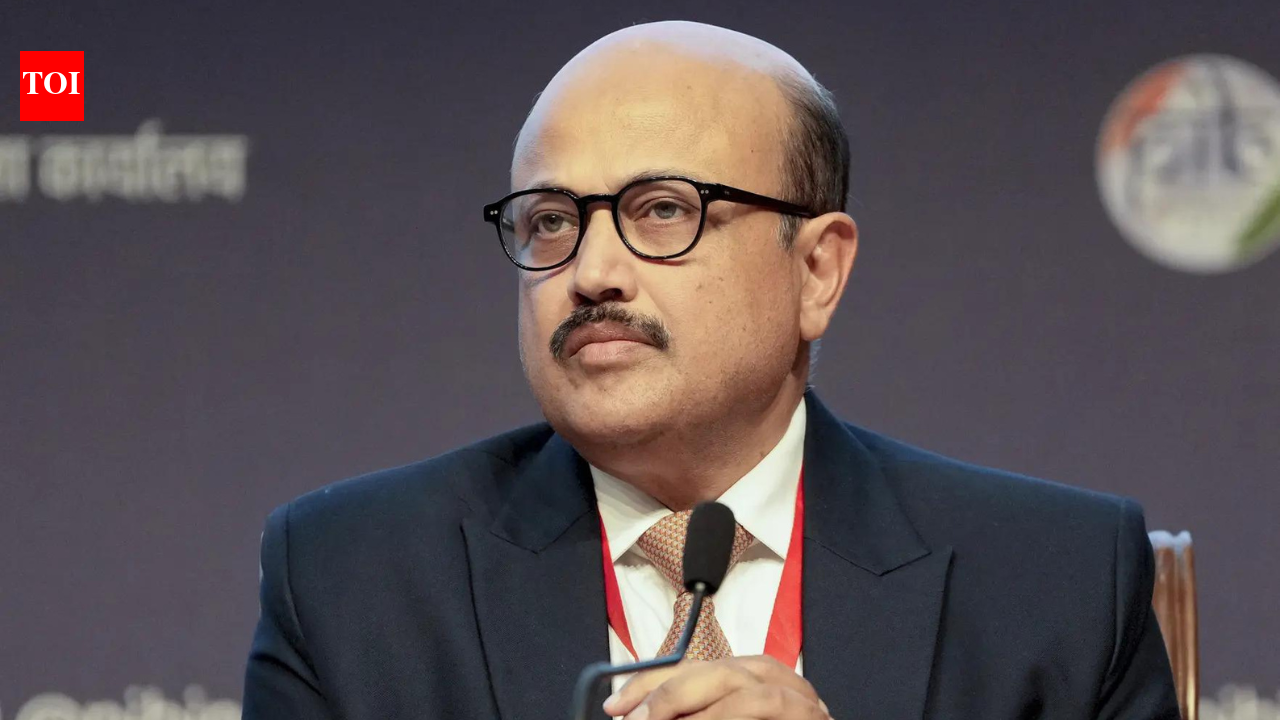
Commerce Secretary Rajesh Agrawal (Photo-PTI)

The Budget FY27 proposal to allow Special Economic Zone (SEZ) units to sell goods in the domestic market at concessional duty rates is expected to boost import substitution and generate employment, Commerce Secretary Rajesh Agrawal said, adding that detailed operational guidelines will be rolled out in the next two to three months.The government has announced a one-time measure allowing SEZ manufacturing units to sell goods in the domestic tariff area (DTA) at concessional import duty rates, subject to quantitative restrictions.The move addresses a long-pending demand from SEZ units, which were unable to offload excess production domestically due to high import duties on several labour-intensive sectors and global demand uncertainties.“It will help in import substitution and better job creation. It will also provide a level playing field to DTA (domestic tariff area) firms (vis-a-vis SEZs),” Agrawal told PTI.He said the proposal would enable domestic buyers to source goods from SEZ units instead of importing from third countries.About seven to eight sectors, including leather, textiles and engineering goods, are expected to benefit significantly from the measure, as these sectors currently face relatively high import duties in India.At present, goods sold from SEZ units into the domestic market attract high import duties, limiting local sales viability.In her Budget speech, Finance Minister Nirmala Sitharaman said the measure is aimed at addressing capacity utilisation concerns in SEZ manufacturing units arising from global trade disruptions.“I propose, as a special one-time measure, to facilitate sales by eligible manufacturing units in SEZs to the DTA at concessional rates of duty,” Sitharaman had said.The quantity of such domestic sales will be restricted to a prescribed proportion of exports. The government will introduce regulatory changes to operationalise the measure while ensuring fair competition with units outside SEZs.Agrawal said limits will be imposed to ensure DTA industries are not adversely impacted.“They cannot sell all of their production. They will be able to sell a portion only in DTA. So, what will be that part? We will calculate that, we will keep a limit on that,” he said.He noted that labour-intensive goods currently imported from countries such as Vietnam and Bangladesh at concessional duty rates could increasingly be sourced domestically from SEZ units.Vietnam is part of the 10-nation ASEAN grouping, with which India has a free trade agreement in goods, while Bangladesh enjoys duty-free access as a least developed country.Agrawal explained that SEZs function as foreign trade enclaves primarily designed for export-led manufacturing, allowing duty-free import of raw materials but requiring finished goods to be exported.“This has been an old pending demand. SEZs are foreign territories as they are mainly designed for export-led production. It can have a duty-free import of raw material, but the production has to be exported. If it has to sell in DTA, it has to pay import duty on that product,” he said.Due to high import duties in certain domestic sectors, SEZ units were often unable to serve local demand despite having spare capacity, he added.The move also reflects changes in India’s trade policy landscape since the SEZ Act was introduced in 2005.“Now, we have done multiple FTAs (free trade agreements),” Agrawal said, adding that imported goods are already entering India at concessional duty rates under trade agreements.The government will separately notify concessional duty rates sector-wise and finalise limits on domestic sales volumes.The measure is also expected to support SEZ exporters facing steep tariff barriers in markets such as the US, where duties on certain Indian goods have risen to around 50 per cent, impacting sectors like textiles and leather.Exports from SEZs rose 7.37 per cent to $172.27 billion in 2024-25. India currently has 276 operational SEZs housing 6,279 units, according to official data.


Source link

Sri Lanka drop Test captain Dhananjaya de Silva from T20 World Cup squad | Cricket News


Sri Lanka drop Test captain Dhananjaya de Silva  from T20 World Cup squad
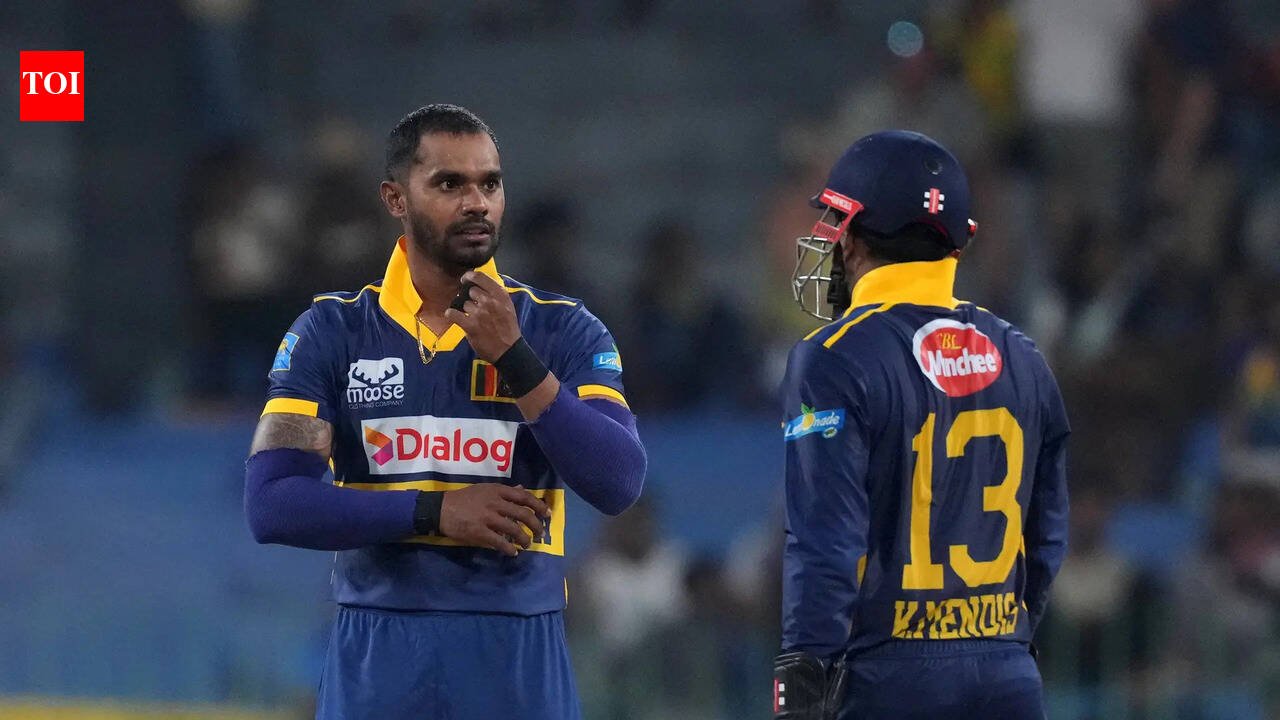
Dhananjaya de Silva (L) and Kusal Mendis (R) of Sri Lanka (Photo by Sameera Peiris/Getty Images)

COLOMBO: Sri Lanka on Monday dropped Test captain Dhananjaya de Silva from their 15-man T20 World Cup squad led by Dasun Shanaka.De Silva had been recalled for a three-match T20 international series against Pakistan early last month after an 18-month absence and played the opening game against England in an ongoing series.But he was dropped for the second T20, while the final match is scheduled for Tuesday.Since his recall, he has only scored 43 runs in three innings and taken one wicket with his off-spin.Against England at Pallekele last week, he laboured to 11 off 12 balls before being dismissed by Adil Rashid.Seam bowler Eshan Malinga has been named in the squad despite suffering a shoulder injury against England on Sunday.Sri Lanka are co-hosting with India the T20 World Cup, which starts on Saturday, and face Ireland in their opening game in Colombo on Sunday.They will also play Australia, Oman and Zimbabwe in Group B, with the top two teams to qualify for the Super 8 stage.Sri Lanka T20 World Cup squadDasun Shanaka (captain), Pathum Nissanka, Kamil Mishara, Kusal Mendis, Kamindu Mendis, Kusal Perera, Charith Asalanka, Janith Liyanage, Pavan Rathnayake, Wanindu Hasaranga, Dunith Wellalage, Maheesh Theekshana, Dushmantha Chameera, Matheesha Pathirana, Eshan Malinga


Source link

Finance ministry mulls raising FDI limit in public sector banks to 49%


Finance ministry mulls raising FDI limit in public sector banks to 49%

The Finance Ministry is considering raising the foreign direct investment (FDI) limit in public sector banks (PSBs) to 49 per cent from the current 20 per cent to strengthen their capital base, PTI reported.“We are still considering, and inter-ministerial consultation is on for raising FDI cap to 49 per cent,” Financial Services Secretary M Nagaraju said.At present, FDI in PSBs is capped at 20 per cent, while private sector banks can receive up to 74 per cent foreign investment. In private banks, FDI up to 49 per cent is permitted through the automatic route, while investment beyond 49 per cent and up to 74 per cent requires government approval.The move is being evaluated as part of broader efforts to support capital needs of state-run lenders amid growth expansion.Nagaraju said the Union government’s shareholding in 12 PSBs has not declined in terms of number of shares since 2020, although percentage shareholding has reduced in some banks due to capital raising through fresh share issuance.He said PSBs collectively raised about Rs 45,000 crore through various routes, including qualified institutional placement (QIP) and offer for sale.Banks are expected to mobilise about Rs 45,000-50,000 crore in the next financial year as well, in line with their growth trajectory.Providing a growth outlook, he said public sector banks are expected to double their asset size over the next five years. The combined assets of PSBs stood at about Rs 261 lakh crore at the end of September 2025.On the strategic disinvestment of IDBI Bank, the secretary said financial bids are likely to be invited this month or next month.In October 2022, the government and LIC had invited expressions of interest (EoI) from investors for privatisation of IDBI Bank through sale of a total 60.72 per cent stake, including 30.48 per cent held by the government and 30.24 per cent by LIC.DIPAM received multiple EoIs in January 2023. Prospective buyers have received security clearance from the Ministry of Home Affairs and have been declared fit and proper after evaluation by the Reserve Bank of India.On sector consolidation, Nagaraju said India would need three to four large banks.“We need 3-4 big banks for a country of our size,” he said.


Source link