Breaking News
Ratnagiri plan pushes solar pumps, resilient infrastructure, climate cell for growth | Mumbai News


Ratnagiri district has launched a pioneering District Development-cum-Climate Action Plan, integrating climate-resilient measures into its growth strategy (AI image)

MUMBAI: In a first-of-its-kind move, Ratnagiri district on Tuesday unveiled a District Development-cum-Climate Action Plan that places actionable climate-resilient measures at the heart of its growth strategy, with a focus on renewable energy, climate-proof infrastructure and strengthening farm and fisheries value chains.Prepared by the International Forum for Environment, Sustainability & Technology (iFOREST) under an MoU with the state’s department of environment and climate change, the plan proposes a series of sector-specific interventions to safeguard livelihoods in the coastal district and unlock new economic opportunities.Among the key measures is the large-scale deployment of solar pumps, renewable-powered cold chains and clean energy systems to support agriculture and fisheries. The plan calls for expansion of climate-resilient agricultural practices, micro-irrigation and post-harvest infrastructure for horticulture crops such as mango and coconut, which form the backbone of the district’s rural economy.It also emphasises climate-proofing of roads, bridges, public buildings and coastal infrastructure through improved drainage systems and resilient design standards, amid projections of rising temperatures, extreme rainfall and increasing flood and landslide risks. Nearly one-third of the district’s villages are projected to face higher flood risks by 2050, and 167 villages fall in landslide-prone zones.Renewable energy development is identified as a major growth lever. The plan estimates Ratnagiri’s renewable energy potential at nearly 19 gigawatts across solar, wind, rooftop and floating solar systems, creating scope for decentralised energy generation and green jobs. It recommends building green skills among youth to tap emerging clean-technology and climate-linked livelihood opportunities.Institutionally, the blueprint proposes setting up a dedicated district climate cell within the administration to integrate climate priorities into annual planning and budgeting across departments. A district climate finance platform has also been recommended to facilitate convergence of government schemes and mobilise investments for climate-resilient projects.The plan was released by district collector and magistrate Manuj Jindal at a meeting attended by district officials, panchayati raj representatives, women’s self-help groups, farmer cooperatives and civil society organisations.“As a coastal district within the eco-sensitive zones of the Sahyadri mountains, Ratnagiri must prepare for climate risks that will directly impact local lives and livelihoods,” Jindal said, stressing the need to strengthen fisheries through improved cold storage, electric boats and resilient infrastructure to enhance economic output and sustainable employment.Srestha Banerjee, director, just transition and climate change at iFOREST, said integrating climate action with district planning would help streamline administrative oversight and converge financial resources for effective implementation.


Source link

AUS vs IND: Deepti Sharma shares update on Harmanpreet Kaur’s injury ahead of 2nd Women’s ODI


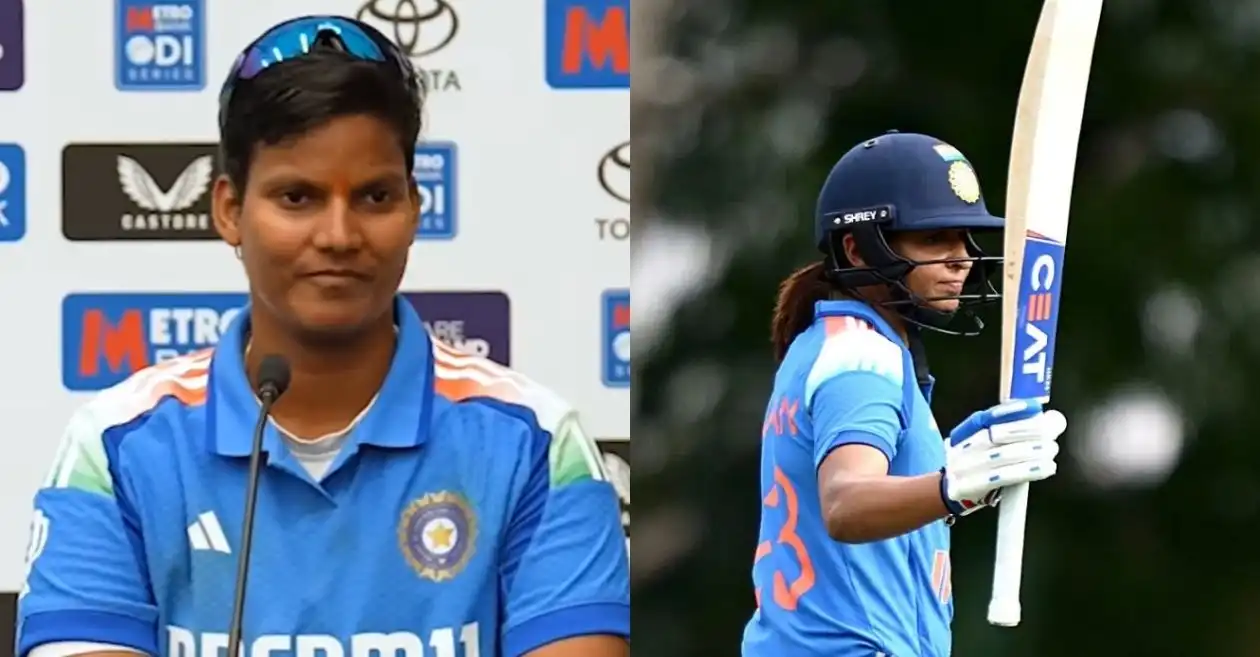
India Women all-rounder Deepti Sharma has reassured fans about skipper Harmanpreet Kaur’s fitness ahead of the crucial second ODI against Australia Women. The match is scheduled to be played at Bellerive Oval on Friday, and the Indian camp appears more relaxed after initial concerns over their captain’s injury.

Harmanpreet had suffered a scare during the opening ODI at Allan Border Field, injuring her left knee while batting. The incident forced her off the field, and she did not return during Australia’s run chase, sparking worries about her availability for the remainder of the series.

Deepti Sharma shares update on Harmanpreet Kaur’s injury

Speaking at the pre-match press conference, Deepti offered a calm and confident update on her skipper’s condition. Her words will come as a major boost for the visitors, who are aiming to level the series after losing the opener. Harmanpreet’s presence is vital not just for her batting but also for her leadership, especially in high-pressure overseas conditions.

“I can say that she is fit and fine. As a team, we played really good cricket. The result didn’t go our way, but we are looking forward and we’ll come back stronger in the next game,” Deepti said.

Earlier, the Board of Control for Cricket in India had confirmed that Harmanpreet sustained a left knee injury while batting and that the medical team was closely monitoring her recovery. In her absence on the field during the second innings, vice-captain Smriti Mandhana stepped up to lead the side.

Also READ: Australia vs India, Women’s ODI Series: Schedule, Team News, Broadcast and Live Streaming Details

Series on the line after opening defeat

India Women began the ODI series on a disappointing note, going down by six wickets in Brisbane. After being bowled out for 214 in 48.3 overs, the visitors struggled to defend the total. Australia Women comfortably chased down the target in just 38.2 overs, finishing with six wickets in hand.

The loss means India must win in Hobart to keep the series alive. With Harmanpreet likely available, the team management will be hoping for a stronger all-round performance.

Also READ: Stafanie Taylor becomes only 2nd player after Mithali Raj to achieve special record in WODIs

This article was first published at WomenCricket.com, a Cricket Times company.


Source link

Vayushakti 2026: IAF video shows S-400 air defence system in action — watch


Vayushakti 2026: IAF video shows S-400 air defence system in action — watch

NEW DELHI: The Indian Air Force (IAF) successfully completed the full dress rehearsal for the upcoming Vayushakti-26 exercise at Pokhran, officials confirmed on Thursday, marking a key milestone in validating all operational parameters ahead of the main demonstration.In a post on X, the IAF said, “Indian Air Force: Infallible, Impervious and Precise 1 day to go. The Indian Air Force has successfully validated all operational parameters during the Full Dress Rehearsal for #Vayushakti26 at Pokhran, all targets effectively neutralised. All Air Warriors now stand fully mission-ready for the decisive demonstration on 27 February, Pokhran, Jaisalmer.”The IAF video showcased the launch of Russian S-400 air defence missiles in action. The S-400 systems shot down at least five high-tech Pakistani fighters in the F-16 and JF-17-class in the air as well as an ELINT (electronic intelligence) or AEW&C (airborne early warning and control) aircraft in the “longest kill ever achieved” at a distance of 314 km during Operation Sindoor.The S-400 Triumf surface-to-air missile system boasts an impressive range of 380 km and has been deployed in three operational squads under a Rs 40,000 crore deal with Russia signed in October 2018. Originally planned for five squads, the deployment of the remaining two squads has been delayed to 2026–27 due to disruptions caused by the Russia–Ukraine conflict.The exercise aims to demonstrate the force’s ability to swiftly neutralise threats, dominate the operational environment, and translate tactical actions into strategic outcomes. In addition, Vayushakti-26 will showcase the IAF’s role in humanitarian assistance and disaster relief, including rapid airlift, rescue, and evacuation operations within India and abroad.A wide range of aircraft and helicopters will participate, including India’s fighter jets Tejas, Rafale, Jaguar, Mirage-2000, Sukhoi-30MKI, MiG-29, and Hawk, as well as transport planes like C-130J, C-295, and C-17. Helicopters including Chetak, ALH MK-IV, Mi-17 IV, LCH, Apache, and Chinook will also take part, along with Remotely Piloted Aircraft (RPA). Advanced weapons such as Short Range Loitering Munitions (SRLM), Akash, SpyDer, and Counter Unmanned Aerial Systems (CUAS) will be used in day, dusk, and night missions to show the IAF’s flexibility and readiness.The exercise will also reaffirm the success of Operation Sindoor and demonstrate the IAF’s strength in controlling airspace, targeting threats from long distances, operating across multiple areas, and using indigenous platforms, in line with the vision of Aatmanirbhar Bharat.Guided by the core values of “Achook, Abhedya aur Sateek,” the exercise aims to reassure IAF’s readiness to safeguard sovereignty, protect national interests, and maintain operational superiority in an evolving security landscape.


Source link

Virender Sehwag: India never chased 160 in World Cup without Virat Kohli | Cricket News


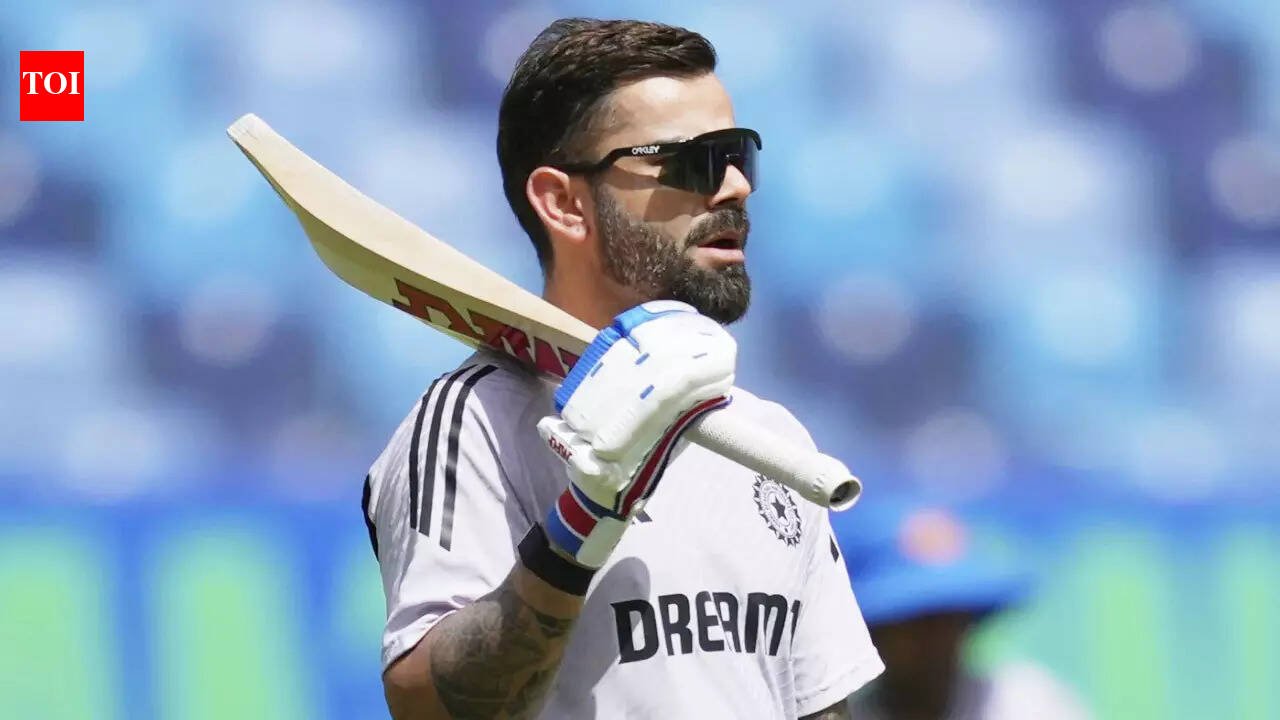
'India never chased 160 in World Cup without Virat Kohli': Virender Sehwag drops harsh stat

Former India opener Virender Sehwag shared an interesting statistic after India lost to South Africa in their first Super 8 match of the T20 World Cup 2026 at the Narendra Modi Stadium in Ahmedabad.India gave away 187 runs after being asked to bowl first and were later bowled out for just 111 runs, losing the match by 76 runs. This heavy defeat could hurt their chances of reaching the semi-finals.

T20 World Cup: Sitanshu Kotak press conference before India vs Zimbabwe

Sehwag pointed out that India have never won a World Cup match while chasing more than 160 runs. He said that when the team had a chance to play like Kohli in pressure situations, players like Tilak Varma, Suryakumar Yadav, Shivam Dube, and Hardik Pandya could not step up.“India have won chasing 160 only when Virat Kohli made runs. Otherwise, India have never won chasing more than 160 in a World Cup. And in most cases, he used to stay unbeaten. Be it 80, 60, or 50 not out, Kohli used to finish the match. Which player finished the match yesterday (vs SA)? In this World Cup, which batsman has finished the match? Yesterday, many players had the opportunity to become Virat Kohli,” Sehwag told Cricbuzz.From Sehwag’s view, Suryakumar Yadav was not at his best against South Africa. He felt that Suryakumar looked under pressure while trying to save the match, and this stopped him from playing his natural game. Sehwag said that playing with fear does not help a team win big matches. He believes that if India want to do well in the World Cup, they must play fearless cricket and stay confident in tough situations.“Be it Surya Kumar Yadav. He doesn’t play like he played against South Africa… It felt like Surya Kumar Yadav was playing under pressure. He is playing to save. If you play like that, it is difficult to win. India will have to play fearless cricket,” he further added.Speaking about India’s strong batting line-up, Virender Sehwag said the players need to learn from Virat Kohli. He explained that while strike rate is important in T20 cricket, it does not matter much during a run chase if a batter can stay till the end and finish the match for the team. Sehwag added that Indian batters must take more responsibility in pressure situations and focus on winning games rather than just scoring quickly.“Tilak Verma had a chance. Surya Kumar Yadav had a chance. Shivam Dube had a chance. Hardik Pandey had a chance. Someone has to become Virat Kohli. Someone has to finish the match. Someone has to learn. How did Virat Kohli finish games? We talk about strike rate. Ok, I agree that strike rate matters. But when you chase, you can see the scoreboard. Then you can play as you wish and win the game. Then strike rate doesn’t matter. So, I think the players will have to take the responsibility,” he added.


Source link

How your salary and benefits may change with labour codes and income tax reforms – explained


How your salary and benefits may change with labour codes and income tax reforms – explained
To understand the magnitude of the change, it is useful to revisit how salaries have typically been paid in India. (AI image)

India’s wage and compensation landscape is entering a new and progressive phase. The implementation of the four labour codes, effective 21 November 2025, together with the new Income‑tax Act and Rules coming into force from 1 April 2026, marks a coordinated effort to modernise how salaries, benefits and social security are governed.At the heart of this transition is a unified definition of “wages” under the labour codes – a seemingly simple reform that brings consistency and transparency to pay structures that have evolved over decades. This shift is expected to strengthen the link between earnings, statutory benefits and long‑term social security. At the same time, the proposed revisions to income‑tax exemption limits are expected to enable employees to claim higher tax exemptions on select allowances and benefits, improving the overall treatment of compensation.In this environment, employers must carefully balance the wage definition under the labour codes with the revised income‑tax rules while evaluating the impact on compensation arrangements. Different components of pay now need to be reviewed through both statutory and tax lenses, requiring organisations to reassess implications on costs, benefits and competitiveness.

How salary structures traditionally worked

To understand the magnitude of the change, it is useful to revisit how salaries have typically been paid in India. Most organisations follow a Cost‑to‑Company (CTC) model, under which total compensation is split across multiple components. These usually include basic salary, allowances such as house rent allowance (HRA), special allowance, conveyance allowance, and employer contributions to provident fund and other benefits.Over time, many employers adopted compensation models where a portion of the CTC was paid as basic salary, with the balance distributed through allowances and reimbursements. This approach served two broad purposes. First, it limited the base on which statutory contributions such as provident fund and gratuity were calculated. Second, it often enhanced short‑term take‑home pay for employees, particularly where certain allowances or reimbursements enjoyed tax exemptions.

Labour codes and the new definition of wages

The labour codes seek to replace this variability with greater uniformity. Under the new framework, the definition of wages has been standardised across all four codes, creating a single reference point for calculating statutory benefits.Wages broadly include all remuneration payable for employment, subject to specific exclusions such as house rent allowance, conveyance allowance, statutory bonus, commission, specified reimbursements, and retirement benefits. Any salary component that does not fall within the prescribed exclusions may be treated as wages.A key feature of the framework is the introduction of a structural threshold. Excluded components cannot exceed 50% of total remuneration. Where this limit is breached, the excess is automatically included within wages. This effectively establishes a minimum level for wage‑linked components such as basic salary, dearness allowance and other included elements.The intent is to curb excessive fragmentation of pay and ensure that social security contributions are calculated on a more representative earnings base.It is also important to address a common misconception. Even organisations where basic salary is set at 50% of gross remuneration may be impacted. Where components such as special allowance form part of the overall pay arrangement, they may still be required to be included within wages, depending on how total remuneration is configured.

Inter‑play with the new income‑tax rules

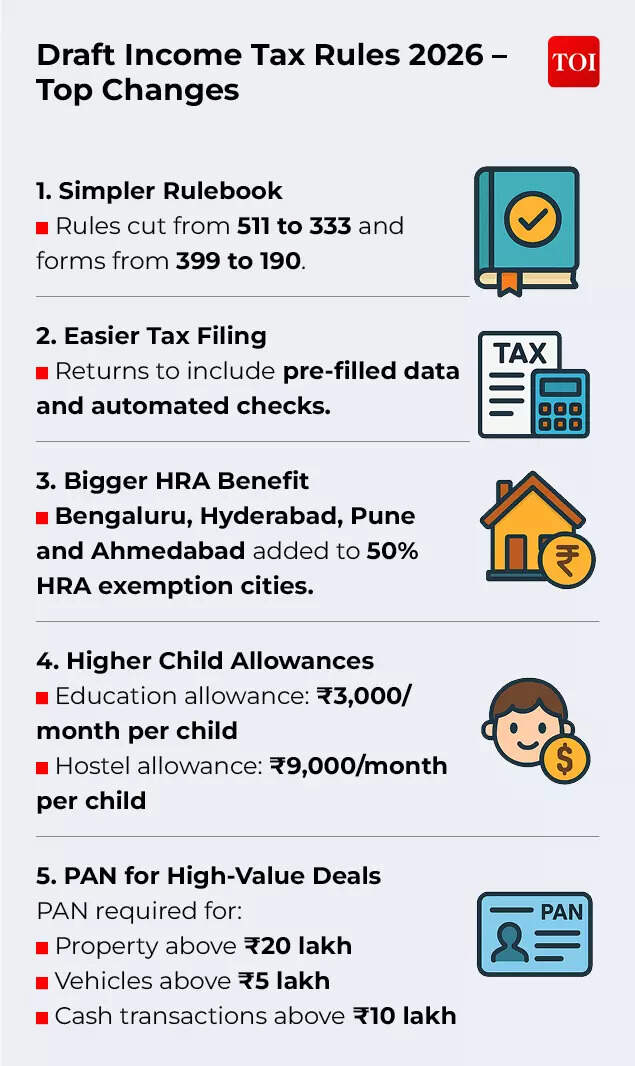
On 7 February 2026, the draft Income‑tax Rules, 2026 were released for public consultation, signalling important changes in the tax treatment of certain allowances and benefits.As per the proposed rules, where an employee owns and uses a motor car for both official and personal purposes, the tax‑exempt limit for running and maintenance expenses borne by the employer has been increased to Rs 5,000 per month (plus Rs 3,000 per month for a chauffeur, if provided), from the current limits of Rs 1,800 and Rs 900 respectively. Higher limits apply for cars with larger engine capacity. Corresponding increases have been made to taxable perquisite values where cars are owned or hired by employers.The exemption limit for free food and non‑alcoholic beverages provided during working hours—whether at office premises or through paid vouchers—has been enhanced to Rs 200 per meal, up from Rs 50.The list of cities eligible for a 50% HRA exemption under the old tax regime has been expanded beyond the four metros to include Bengaluru, Hyderabad, Pune and Ahmedabad.

Draft Tax Rules: Top changes

The exemption limit for Children Education Allowance under the old tax regime has been increased to Rs 3,000 per month per child (from Rs 100), subject to a maximum of two children.The interaction between the labour codes and the income‑tax framework also needs to be viewed in the context of the old and new tax regimes. For instance, HRA is specifically excluded from the definition of wages under the labour codes. From a tax perspective, HRA may be partially exempt under the old tax regime, subject to prescribed conditions, while remaining fully taxable under the new tax regime. Similarly, the revised income‑tax rules provide for a higher tax‑exempt ceiling for free food and non‑alcoholic beverages, including meal vouchers, while the draft central rules under the labour codes propose to exclude meal vouchers from the definition of wages. These examples illustrate that the tax treatment of a component and its treatment under labour codes can differ, and that both frameworks operate independently, though in parallel.

Impact on gratuity and provident fund contributions

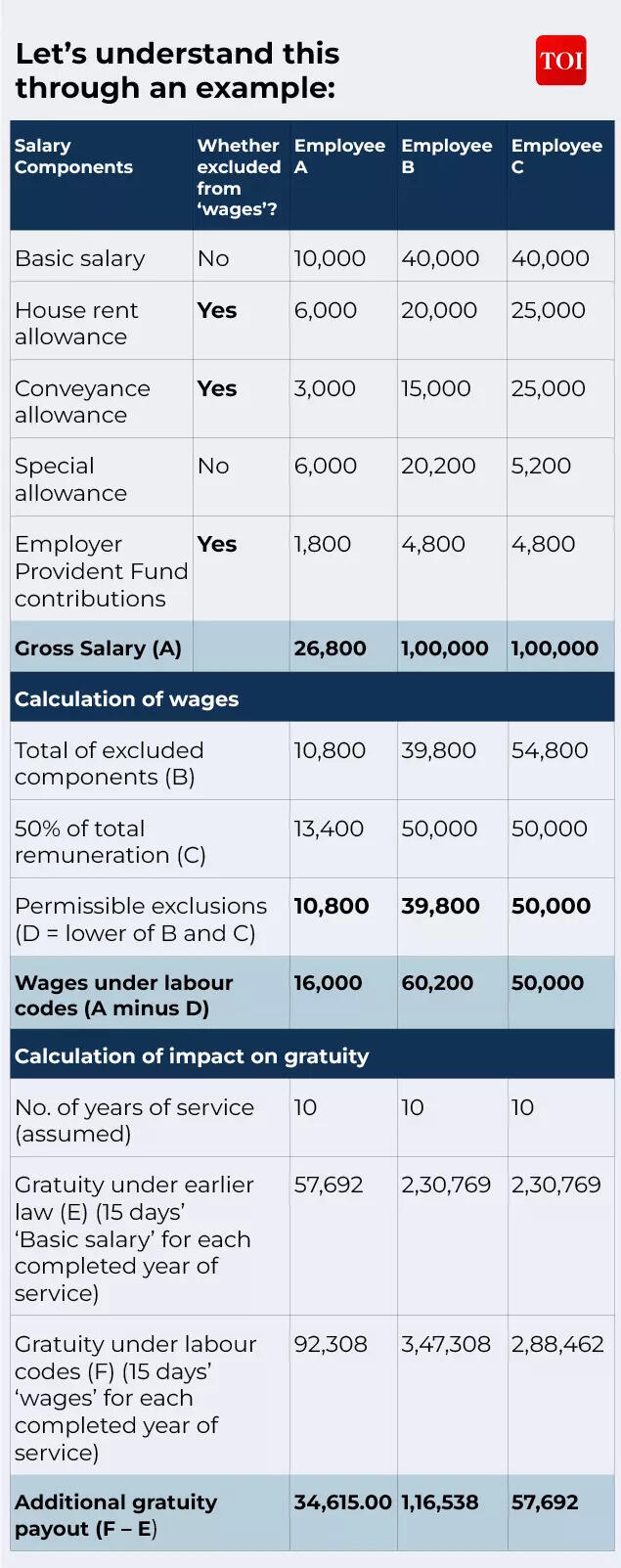
The revised definition of wages has important implications for social security. Benefits such as gratuity and leave encashment will now be calculated based on the new wage definition, which could increase employer outgo where the wage base expands.Provident Fund contributions, however, remain unchanged for now. Provident Fund contributions may continue to be calculated on the statutory wage ceiling of Rs 15,000 per month, or such revised ceiling as may be notified under the EPF Scheme. Employers and employees may continue contributing at 12% of basic salary where basic salary exceeds the ceiling, even if wages under the labour codes are higher. This ensures continuity and avoids an automatic reduction in take‑home pay solely due to the new wage definition.

Example

Managing the transition

From a compliance perspective, the introduction of a uniform wage definition reduces ambiguity and interpretational disputes, particularly for organisations operating across multiple states. At the same time, employers will need to evaluate the financial implications arising from higher wage‑linked statutory benefits and ensure that systems, payroll processes and HR platforms are aligned with the new framework.An important safeguard during this transition is provided under Section 124 of the Code on Social Security. This provision prohibits employers from reducing an employee’s wages or benefits solely on account of increased statutory contribution requirements.For employees, the changes bring greater clarity on how different elements of pay are treated for statutory benefits and tax purposes, reinforcing transparency around earnings and long‑term social security coverage.Looking aheadAs central and state governments finalise supporting rules and enforcement gathers pace, the practical impact of the labour codes will become clearer. In the near term, proactive planning will be critical to managing the transition smoothly.Over the longer term, India’s new wage framework represents a structural shift toward greater consistency, predictability and alignment between labour and tax laws. By strengthening the link between earnings and social security while allowing appropriate tax relief on select benefits, the reforms mark a significant step in the evolution of India’s world of work.(Puneet Gupta is Partner, People Advisory Services Tax at EY India)



Source link

Salman Agha’s wife Sabba Manzer slams Pakistan fans: Abusing me and my son won’t win you the World Cup | Cricket News


'Abusing me and my son won't win you the World Cup': Salman Agha's wife slams Pakistan fans

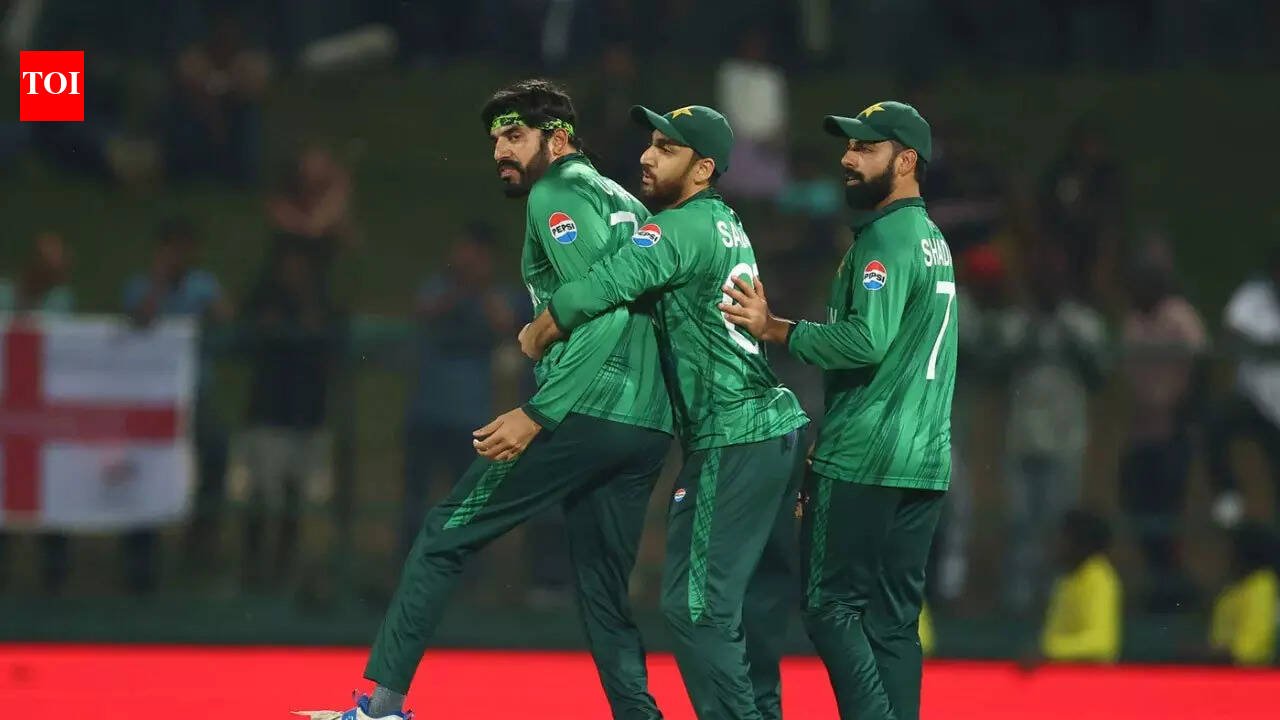
NEW DELHI: Pakistan’s narrow loss to England in the Super Eights of the T20 World Cup triggered an ugly backlash online, with several fans targeting captain Salman Ali Agha’s family with abusive and threatening messages.Salman’s wife, Sabe, responded on Instagram, saying that directing threats at her or their child would not help Pakistan win the tournament. Despite the team’s two-wicket defeat in Pallekele on Tuesday, many supporters also condemned the toxic reactions, urging restraint and accountability on social media.

T20 World Cup: Sri Lanka bow out of the tournament; Pakistan’s hopes dim

Former Pakistan captain Moin Khan said such behaviour was unacceptable and called for action from the cybercrime authorities. He recalled facing similar hostility after Pakistan’s defeat in the 1999 World Cup final.Emotional reactions from sections of Pakistan’s fan base during ICC events are not new. Following the team’s quarterfinal exit against India in the 1996 World Cup, angry protesters vandalised the homes of certain players, including then-captain Wasim Akram.On the field, England became the first team to confirm a semi-final berth at the ICC Men’s T20 World Cup 2026 with their win over Pakistan. The defeat, coupled with Pakistan’s earlier washout against New Zealand, has left their qualification hopes hanging in the balance. With England already through, Pakistan, Sri Lanka and New Zealand are fighting for the remaining semi-final spot.England had begun their Super 8 stage with a 51-run victory over Sri Lanka in Kandy before edging out Pakistan at the same venue. Captain Harry Brook led from the front, smashing his maiden T20I century and becoming the first skipper to score a hundred in T20 World Cup history.

.

Chasing 166, England were in early trouble at 58/4 in the eighth over. Brook, promoted to No. 3, rebuilt the innings with a 45-run stand alongside Sam Curran, followed by a crucial 52-run partnership with Will Jacks that shifted the momentum. He reached his hundred in style — clearing the ropes over cover before punching a boundary through mid-off.Although Brook fell with England on 155/6 and victory within sight, a brief wobble saw three wickets tumble for just six runs, adding late tension. Needing three runs in the final over with two wickets in hand, Jofra Archer sealed the contest with a boundary through mid-wicket.

T20 World Cup: What Pakistan need to qualify for semis

Pakistan’s semi-final fate will largely be determined by the result of Friday’s England vs New Zealand clash in Colombo. A New Zealand victory would take them to five points and seal qualification, making Pakistan’s final Super Eights game against Sri Lanka inconsequential.However, if England prevail, they will top the group with six points. That would leave New Zealand on three, giving Pakistan a lifeline — provided they defeat Sri Lanka in Kandy. In that case, both Pakistan and New Zealand would finish on three points, pushing the race into a net run rate shootout. The numbers, though, suggest Pakistan face a steep challenge.To illustrate, if England beat New Zealand by 50 runs, Pakistan — assuming a first-innings total of around 170 — would need to win by roughly 20 runs to move ahead on net run rate. The equation becomes even tighter if Pakistan are chasing. They would likely have to overhaul the target in about 17.5 overs to leapfrog New Zealand. Anything slower could see the Blackcaps retain the advantage.England’s strong run in the Super Eights has streamlined the table, and with Sri Lanka out of contention, the final semi-final spot is set for a dramatic conclusion. For Pakistan, it is no longer just about winning — it is about winning big, and relying on England to tilt the scales in their favour.


Source link

PM Modi to launch nationwide HPV vaccination drive from Ajmer on February 28: Health ministry | India News


PM Modi to launch nationwide HPV vaccination drive from Ajmer on February 28: Health ministry

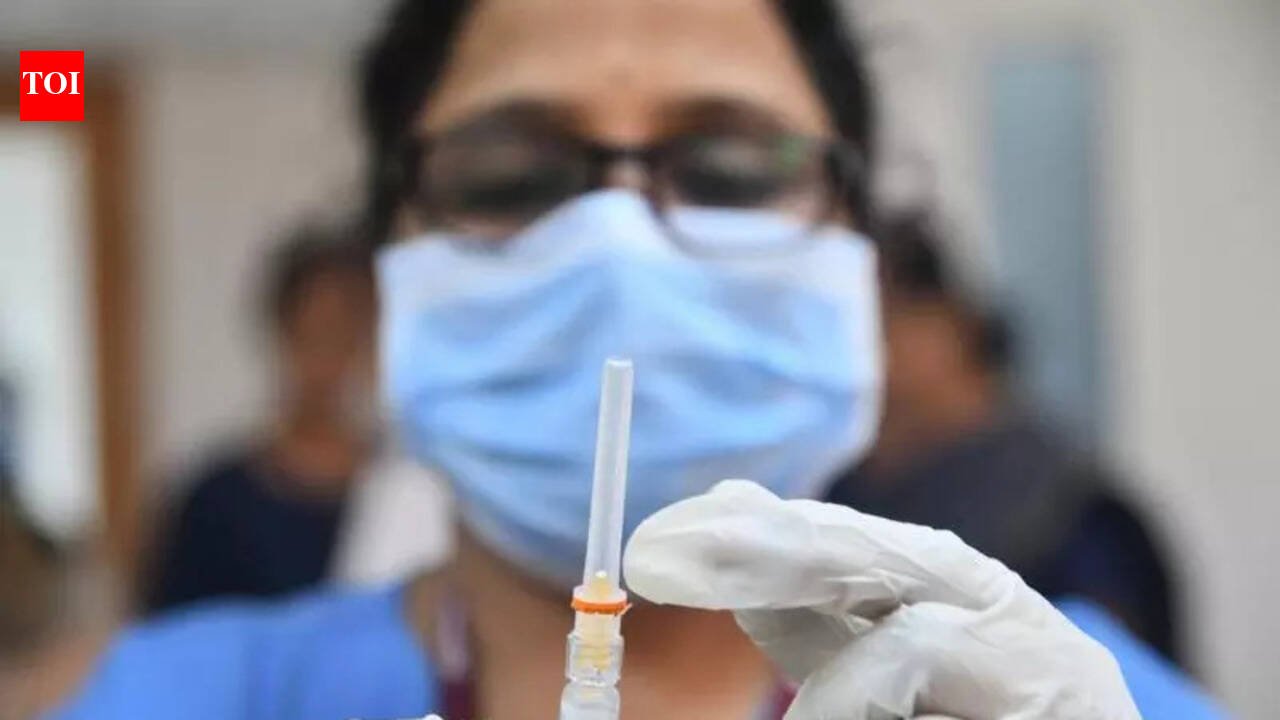
NEW DELHI: Prime Minister Narendra Modi is set to inaugurate the nationwide Human Papillomavirus (HPV) vaccination drive for 14-year-old girls from Ajmer in Rajasthan on Saturday, the Union health ministry announced. The launch event will see participation from representatives of all states and Union territories through a virtual platform, the ministry stated on Thursday. In an official statement, the ministry said, “We remain committed to promoting vaccination among girls to prevent cervical cancer. The launch of the HPV vaccination campaign for all girls aged 14 years is tentatively scheduled for 11:30 am on February 28. The prime minister has graciously agreed to launch the campaign from Ajmer, Rajasthan.”It added that all states and UTs will join the programme virtually in coordination with their local National Informatics Centre (NIC) units. Chief ministers, administrators, state health ministers, and senior health officials are expected to be present at their respective state or UT headquarters. The access link for the event will be shared separately. The ministry clarified that girls who turn 15 within three months of the campaign’s launch will also be eligible for vaccination during the special three-month drive. A single dose of Gardasil-4 will be administered as part of the campaign, which will be conducted at government health centres across the country.The vaccination will be entirely voluntary and will require consent from a parent or guardian. During the three-month intensive phase, the HPV vaccine will be available daily to maximise coverage. After this period, it will continue to be offered at the same health facilities on designated routine immunisation days.


Source link

Movie tickets will become costlier with BMC’s reintroduction of entertainment tax, say industry associations | Mumbai News


Mumbai’s cinema halls may soon see costlier tickets as the BMC plans to reintroduce entertainment tax after September 2026.

MUMBAI: The prospect of film tickets becoming costlier in Mumbai looms large on the horizon after the BMC’s budgetary decision to impose entertainment tax upon cinema halls after Sept 2026.This age-old, dreaded tax was not being levied in Maharashtra since the introduction of the “all encompassing GST”. GST had been brought in by the Centre to assimilate and absorb most other taxes.Entertainment tax has a direct impact on the price of cinema tickets, which are already costly and unaffordable for lower, and to an extent, even middle class families.On Wednesday Nitin Datar, president of COEAI (Cinema Owners and Exhibitors Association of India) said, “Since the GST levy was implemented, the Centre had allowed individual states to collect entertainment tax. But Maharashtra and some northern states have not implemented it.” Datar said, “Many states in the South were levying entertainment tax, but Maharashtra was not doing so. There are many taxes that businessmen pay to the Centre and to the states. Now with the imposition of entertainment tax in Mumbai, it is almost certain that ticket prices will rise.The quantum of increase depends on percentage. If 10% entertainment tax is levied, in multiplexes the ticket cost will rise from say Rs 100 to Rs 110. But in a single screen theatre where tickets cost Rs 30-40, maximum Rs 80, even a three or four rupee increase means a lot [to low income families].”Nitin Tej Ahuja, CEO, Producers Guild of India, said, “I have not reviewed the BMC tax proposal so I am yet to ascertain what it entails and what its implications are. Conceptually, however, we have made many representations to the Central as well as various state govts against local bodies charging entertainment tax. The underpinning principle behind the introduction of the GST regime was ‘One Nation One Tax’ and one doesn’t understand the rationale why the entertainment industry should be singled out for additional levies. The whole idea behind GST was to subsume all these multiple taxes into one tax.”B N Tiwari, president of FWICE (Federation of Western India Cine Employees) said, “The film and television industry has only recently stabilised after years of pandemic losses and the sharp impact of OTT platforms on theatrical footfall. Any re-introduction of entertainment tax at the municipal level must be handled very cautiously. If the levy directly increases ticket prices, the immediate burden will fall on the common audience, and that ultimately reduces footfall in theatres — which again affects workers and daily wage technicians across the industry.” Tiwari added, “FWICE believes that the objective of revenue generation for the civic body should not come at the cost of revival of cinema exhibition. We request that either the tax be kept nominal or structured in a way that it is not passed on to consumers. Otherwise exhibitors, already struggling with maintenance, electricity and rental costs, will face additional financial pressure. If ticket prices rise, audiences shift faster to digital platforms, and that harms the entire ecosystem — producers, distributors, theatre owners and thousands of workers.Tiwari said, “Therefore, any policy must balance civic revenue with protection of employment and theatrical business sustainability. FWICE expects that ticket prices may increase if the tax is directly applied per ticket, unless the govt caps or absorbs part of the levy. Theatres could face further financial strain, especially single-screen cinemas, unless concessions or differential rates are provided.”


Source link

Nvidia sees 94% surge in Q1 sales: Chipmaker reports strong AI-driven growth


Nvidia sees 94% surge in Q1 sales: Chipmaker reports strong AI-driven growth

Chipmaker Nvidia reported stronger-than-expected results for the January quarter on Wednesday. The company also projected current-quarter revenue above market estimates, fueled by strong spending on artificial-intelligence processors by Big Tech companies.The company posted sales of $68.13 billion for the quarter, up 94% from a year ago, exceeding analysts’ estimate of $66.21 billion. Adjusted earnings came in at $1.62 per share, above the expected $1.53 per share. For the current fiscal first quarter, Nvidia forecasts sales of $78 billion, compared with the analysts’ average estimate of $72.6 billion.CEO Jensen Huang said that AI-generated output will form the foundation of future computing and the company will continue to invest in infrastructure to support this growth. CFO Colette Kress added that the company plans to reinvest its projected $100 billion cash flow this year into developing the AI ecosystem rather than returning it to shareholders, according to Reuters. Nvidia also addressed concerns over supply constraints at its chip maker TSMC, confirming it has enough inventory and capacity to meet demand for several upcoming quarters. However, the company cautioned that the shortage may affect its gaming business.The company’s revenue remains concentrated among a few clients, with two customers accounting for 36% of total sales in fiscal 2026, slightly higher than 34% in the previous year. Competition is increasing as rivals such as AMD plan new AI servers and Google supplies chips to Anthropic and potentially Meta.Nvidia highlighted that its current-quarter forecast does not include expected revenue from China. The US government recently issued licenses allowing the shipment of small amounts of H200 chips to Chinese customers, easing previous export restrictions. The company also announced it will include stock-based compensation in its non-GAAP measures to attract and retain top AI engineers and researchers.Despite the strong results, Nvidia’s stock traded flat in after-hours trading, as investors had anticipated robust numbers given the company’s 14-quarter streak of revenue beats. Analysts said that much of the growth was already priced into the stock.


Source link

Asiatic Library receives Rs 75 lakh budgetary grant from BMC | Mumbai News


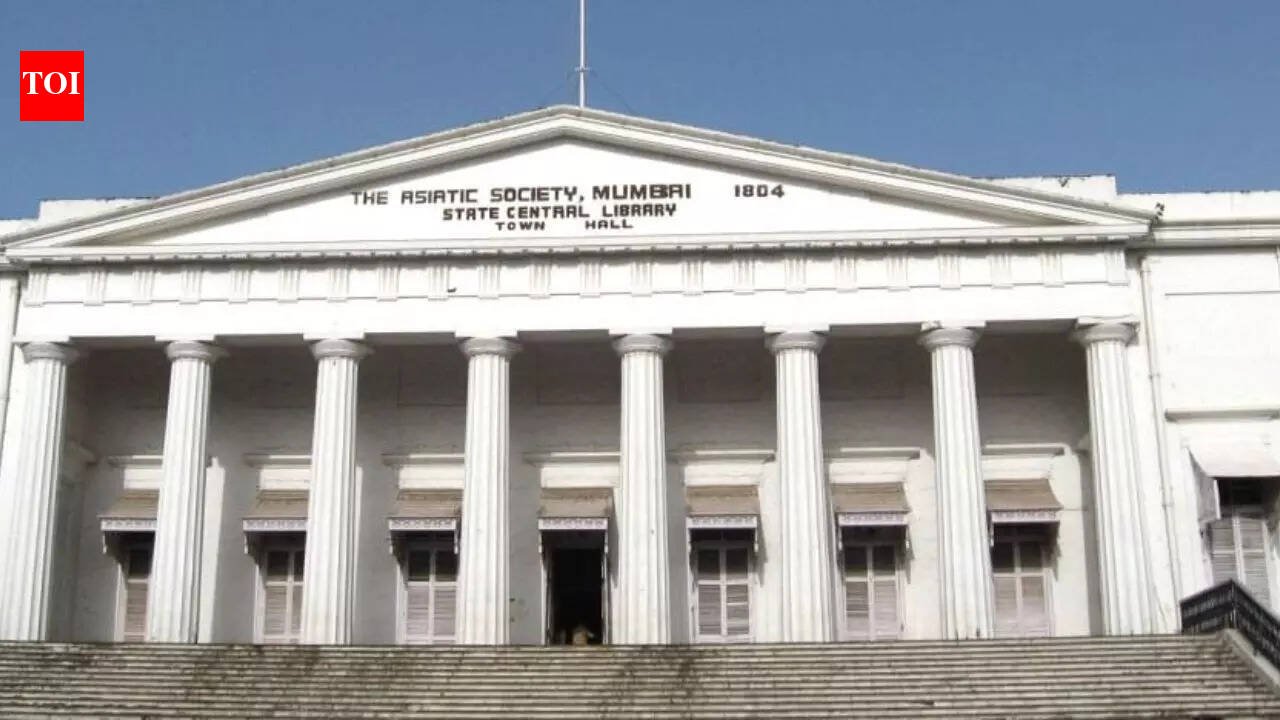
The historic Asiatic Library in Fort has received a Rs 75 lakh grant from the BMC budget for 2026-27.

MUMBAI: The BMC budget for 2026-27 awarded a grant of Rs 75 lakh to the historic Asiatic Library in Fort.Vispi Balaporia, president of the Asiatic Society of Mumbai, said, “We are pleased at the excellent grant of Rs 75 lakh allocated to our institution in the BMC budget, although we had sought Rs 1 crore from the civic body. about paying salaries to employees every month. Although we do receive an annual grant from the Union ministry of culture, that involves restrictions on where that money can be spent. The Maharashtra govt has been giving us an annual grant of Rs 1 crore for the past two years with a clear mandate that the money cannot be used for salaries.”She said, “We are very grateful to municipal commissioner Bhushan Gagrani for this allocation. The funds can be used on purchase of books, renewal of AMCs (annual maintenance contracts)… Ours is a vast institute, computers can break down, we have precious artefacts and manuscripts which need care, some of them need to be restored. My own office is crumbling with falling plaster so I put a chair and table in the Darbar Hall and do my work.


Source link