Breaking News
T20 World Cup 2026: Sunil Gavaskar slams star India batter following humiliating defeat against South Africa


Legendary Indian cricketer Sunil Gavaskar launched a scathing attack on young batter Tilak Varma following India’s humiliating 76-run defeat against South Africa in the T20 World Cup 2026 Super 8 clash at the Narendra Modi Stadium in Ahmedabad. The defending champions, chasing a target of 188, were bundled out for a paltry 111 in 18.5 overs, suffering their heaviest defeat in T20 World Cup history.

“Disappointed with his approach”: Sunil Gavaskar questions Tilak Varma’s shot selection

Speaking on Star Sports after the match, Gavaskar did not mince words while criticising Tilak Varma’s reckless dismissal. Coming in at No. 3 after Ishan Kishan fell for a duck in the very first over, Tilak attempted an ill-advised charge at Marco Jansen, made room, and tried to slap the ball over mid-off, only to edge behind to Quinton de Kock for just 1 run.

“Yes, I think he’s been a very street-smart batter. I was a little disappointed with his approach today because, look, a wicket had already fallen. Yes, the required rate was 9.5 runs an over, but it wasn’t like you were chasing 15 runs an over,” Gavaskar said.

The former India captain emphasised that Tilak should have shown more responsibility, especially with an out-of-form Abhishek Sharma at the other end who had registered three consecutive ducks in the group stage.

“So you could have given yourself a little more time, particularly because at the other end, Abhishek Sharma hadn’t got runs. Therefore, the responsibility was yours to try and stick around with Abhishek and build a partnership, get past those six overs. With a wicket gone, you don’t have to get to 70. Even 55 would have been a good sort of platform,” he added.

The left-hander’s dismissal continued what has been a disappointing campaign for him personally. Across five matches in T20 World Cup 2026, Tilak has managed only 107 runs at an average of 21.40 and a strike rate of 118.88 – well below his usual standards.

Before Sunday’s game, Tilak had amassed 496 runs in 10 T20Is against the Proteas at an astonishing average of 70.85 and a strike rate of 163.15, including two centuries and two fifties. Those numbers suggested a favourable match-up, but Sunday’s outing did not reflect that dominance.

India’s top-order collapse was complete within the powerplay itself. After Kishan’s first-ball duck and Tilak’s dismissal for 1, Abhishek Sharma managed 15 off 12 balls before falling to Jansen’s knuckle ball. At 31 for 3 inside the powerplay, India’s chase was effectively dead.

“They came out with overconfidence”: Gavaskar on India’s batting approach against South Africa

Beyond Tilak’s dismissal, Gavaskar slammed the entire Indian batting unit for failing to learn from how South Africa rebuilt their innings after being reduced to 20 for 3 inside four overs. David Miller (63 off 35) and Dewald Brevis (45 off 29) added 97 runs for the fourth wicket, playing intelligently on a tricky surface where the ball was not coming onto the bat quickly.

“When you look at how Dewald Brevis and David Miller repaired the South African innings, they played shots more in the V. When the bouncers were bowled, they countered them intelligently because they realised that the ball was not coming onto the bat quickly. Having seen how Brevis and Miller built their partnership, that was the approach needed from the Indian batters,” Gavaskar observed.

“But India did not take notes from South Africa’s innings. They came out and threw their bat at every delivery, hoping for a boundary. That is not how you play T20 cricket. You have to learn from the opposition. If they have scored well on a tricky surface like this, you have to get rid of your ego, observe and adjust. The Indian batters did not do that. They came out with overconfidence, threw their bat at everything and lost wickets. South Africa clearly outsmarted India, and it was a well-deserved win for them,” he added.

Also READ: Suryakumar Yadav reveals turning point in India’s Super 8 defeat to South Africa in T20 World Cup 2026

Gavaskar’s advice for struggling Abhishek Sharma

Gavaskar also analysed Abhishek’s ongoing struggles, revealing how South Africa cleverly exploited his preference for creating room on the off-side.

“He was a little trapped, and South Africa bowled very cleverly. They know he likes to create room and play through the off-side. Look at Rabada – he kept targeting the pads, even after being hit for a six, he didn’t change his line,” Gavaskar observed.

The 76-year-old advised Abhishek to focus on rotating strike rather than forcing big shots. “He shouldn’t force himself to play big shots across the line. Take a single and get off the mark. Even four dot balls don’t matter,” he advised.

Also WATCH: Pakistan TV channel dubs Mohammad Amir an ‘astrologer,’ credits him for India’s defeat to South Africa

Source link

Canada moves to revoke Tahawwur Rana’s citizenship; terror charges not cited | India News


Canada moves to revoke Tahawwur Rana's citizenship; terror charges not cited

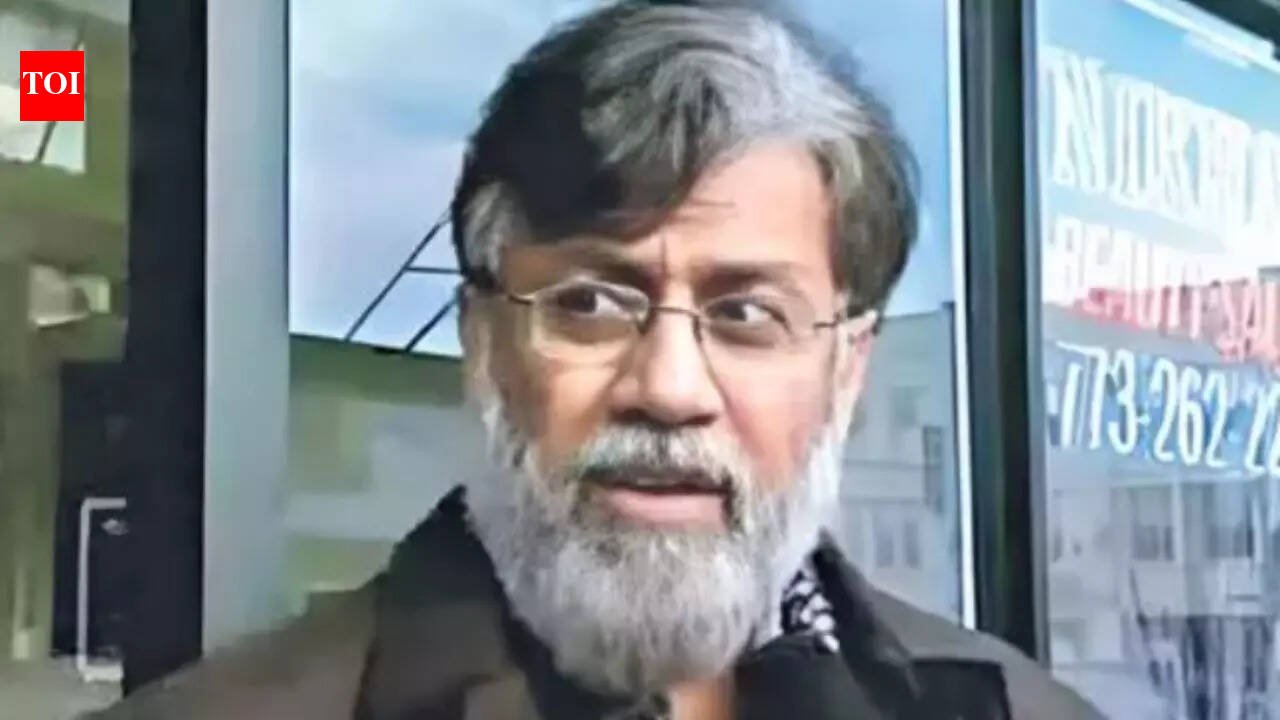
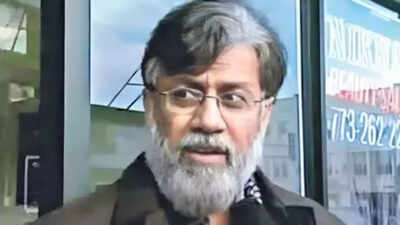
NEW DELHI: Ahead of Canadian prime minister Mark Carney’s visit to India, his government has started the process to revoke the citizenship of Tahawwur Rana, Pakistan-born businessman, currently being tried in India for helping plan the 2008 Mumbai terror attacks that killed 166 people.However, the move to cancel his citizenship is not based on terrorism charges, but on alleged misrepresentation in his citizenship application. According to documents obtained by Global News, Immigration, Refugees and Citizenship Canada (IRCC) has accused Rana of lying about his residence history. In his 2000 application, he claimed he had lived in Ottawa and Toronto for four years, with only a six-day absence from Canada. Rana moved to Canada in 1997 and became a citizen in 2001. An investigation by the Canadian police later found that he had actually spent most of that period in Chicago, where he owned properties and businesses, including an immigration firm and a grocery store.In a letter dated May 31, 2024, IRCC told Rana that he had misrepresented his time in Canada and failed to declare his absences. The department described it as a “serious and deliberate deception” and said his actions showed a lack of respect for Canada’s citizenship laws.The case has now been referred to the Federal Court, which will decide whether his citizenship was obtained through false representation or fraud.


Source link

Auqib Nabi: Ranji Trophy final | ‘Bowled 1000 balls in a year’: The making of J&K speedgun Auqib Nabi | Cricket News


Ranji Trophy final | 'Bowled 1000 balls in a year': The making of J&K speedgun Auqib Nabi

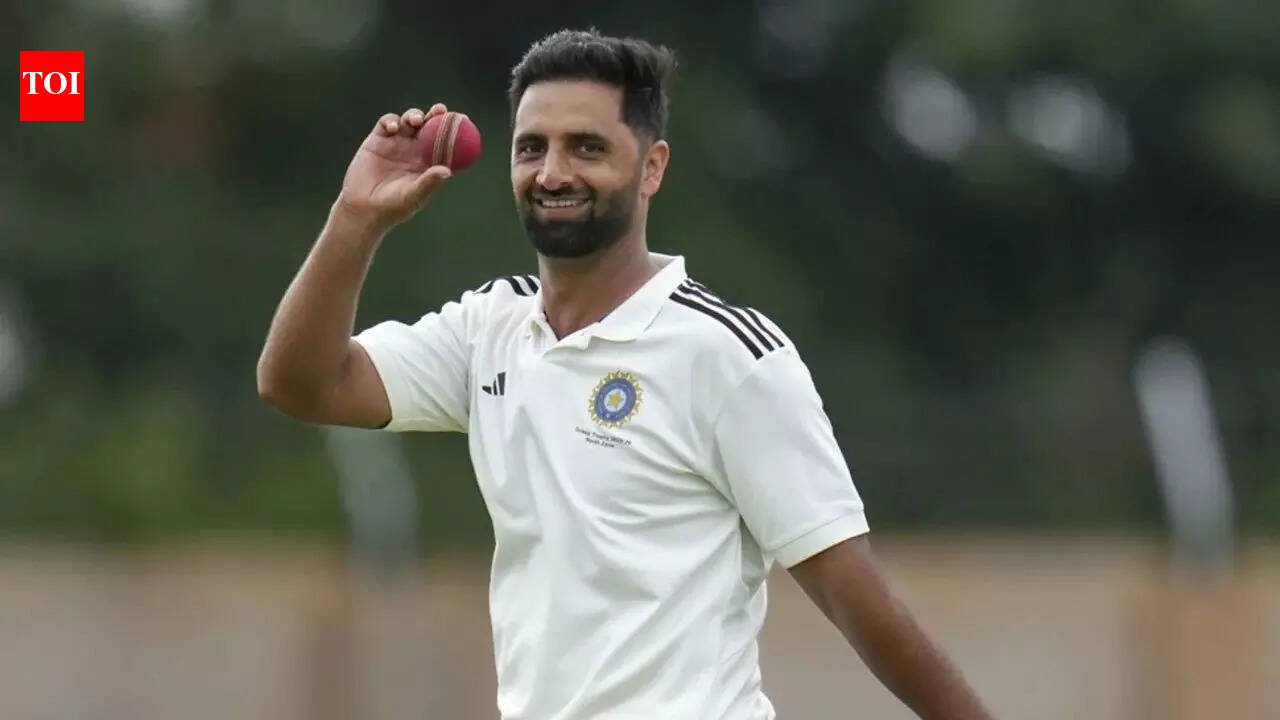
NEW DELHI: As Jammu and Kashmir prepare for their maiden Ranji Trophy final against Karnataka in Hubbali, fast-bowling spearhead Auqib Nabi remains the calmest presence in a dressing room filled with nerves. The pacer from Sheeri village in Baramulla has been the driving force behind J&K’s dream run this season.When J&K step onto the field on Tuesday, expectations will once again rest on Nabi’s shoulders. He has taken 55 wickets from nine matches this season — the second-highest tally — at a remarkable average of 12.72. Bowling coach P. Krishnakumar reflected on the shy pacer’s rise into a dominant force.

India fans in Ahmedabad react to loss vs South Africa | T20 World Cup

“If you look at his record, he has got 199 wickets in 40 games. I have been with him for the last three years and he has taken 99 wickets in the last two seasons. In this season, he’s taken 50-plus wickets so far and that shows his skill level has gone to a different level now because he knows how to move the ball, bowl on different pitches and against different batters. So it’s not a one-day process – it took almost one year to develop it and it began in the first year when I came into the Jammu & Kashmir team,” said Krishnakumar to IANS.A fan of Dale Steyn, Nabi made his Ranji debut in 2020 but has flourished in the past two seasons. Krishnakumar credited his bowling action as the foundation of his success.“You see, he has a very, very good action… If you compare and look at it from a biomechanical perspective, his action is perfect… With the swing and seam he has, it becomes very difficult for the batters to get runs against Auqib.”The transformation required relentless effort.“The first year of me being with him, it was all about the process… He bowled a thousand balls in the first year to develop his skills, master his wrist position, and his backspin… it took almost one year to change him,” he said.Nabi’s nine-wicket haul against Bengal in the semi-final, alongside a crucial 42 with the bat, underlined his all-round impact. He also produced career-best figures of 7-24 against Rajasthan and played key roles against Delhi.“Auqib has been fantastic because taking 99 wickets in the last two seasons is unbelievable… I am sure that he will definitely get a nod in some upcoming Test series,” Krishnakumar said.Calling for national recognition, he added, “As a coach, I feel that he should be given a chance when he is performing… Taking almost 100 wickets in two years – what do you want as a player?… If somebody is performing there, I think they should definitely get into the team.”With Karnataka’s star-studded batting line-up awaiting in the final, Krishnakumar believes the occasion will not change Nabi.“The best part about Nabi is, he’s very calm in his mind… If he takes a six-wicket haul, he’s still the same and that is very important,” he said.For Nabi, who once trained without proper facilities, the final is another step in an extraordinary journey — but his focus remains firmly on delivering glory for Jammu and Kashmir.


Source link

Cong seeks 45 seats in Tamil Nadu; DMK ‘reluctant’ to offer beyond 25: Report | India News


Cong seeks 45 seats in Tamil Nadu; DMK 'reluctant' to offer beyond 25: Report
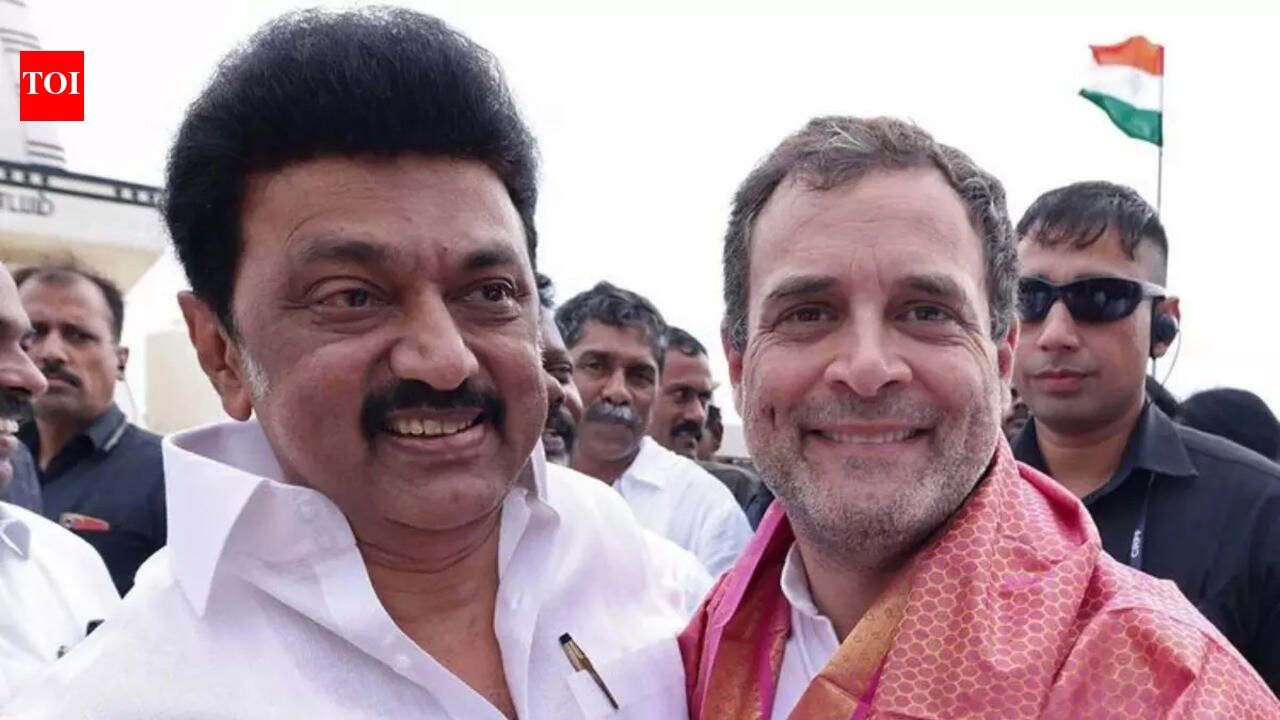
MK Stalin and Rahul Gandhi (File photo)

NEW DELHI: The Congress has sought 45 seats from the DMK for the upcoming Tamil Nadu assembly elections, but the MK Stalin-led party is hesitant to allocate more than 25, leading to a deadlock, according to sources.The ruling DMK and the Congress kicked off their long-awaited seat-sharing talks on Sunday, with Congress national general secretary KC Venugopal meeting Tamil Nadu chief minister Stalin at his official Chennai residence.A follow-up meeting on Monday saw Congress Tamil Nadu in-charge Girish Chodankar and state unit chief K Selvaperunthagai meet DMK parliamentary party leader Kanimozhi, Stalin’s sister, in Delhi.During the meeting, the two Congress leaders reportedly conveyed that they want to contest 45 of the 234 assembly seats.While the DMK has been firm on allocating 25 seats—the same as in the 2021 elections—it has yet to formally respond to its ally’s demand for 45 seats.The Congress’ demand is reportedly based on a review of the 2021 election results, when it won 18 of the 25 constituencies it contested, achieving a strike rate of 72%.Party insiders say Congress believes it could win at least 20 of the seats it lost if allotted them this time, pointing to a stronger local presence and better consolidation in direct contests.By contrast, the DMK contested 173 constituencies in 2021, winning 133 and comfortably crossing the majority mark on its own.The back-to-back meetings come amid calls from a section of Tamil Nadu Congress leaders for a share in power, which Stalin has ruled out, saying such an arrangement would not suit the state.The DMK heads the Secular Progressive Alliance (SPA) in Tamil Nadu, which includes the Congress, the DMDK, Left parties, and the VCK.The Tamil Nadu assembly elections are expected in April.(With PTI inputs)


Source link

‘The 2028 Global Intelligence Crisis’: Who is author Alap Shah?


‘The 2028 Global Intelligence Crisis’: Who is author Alap Shah?

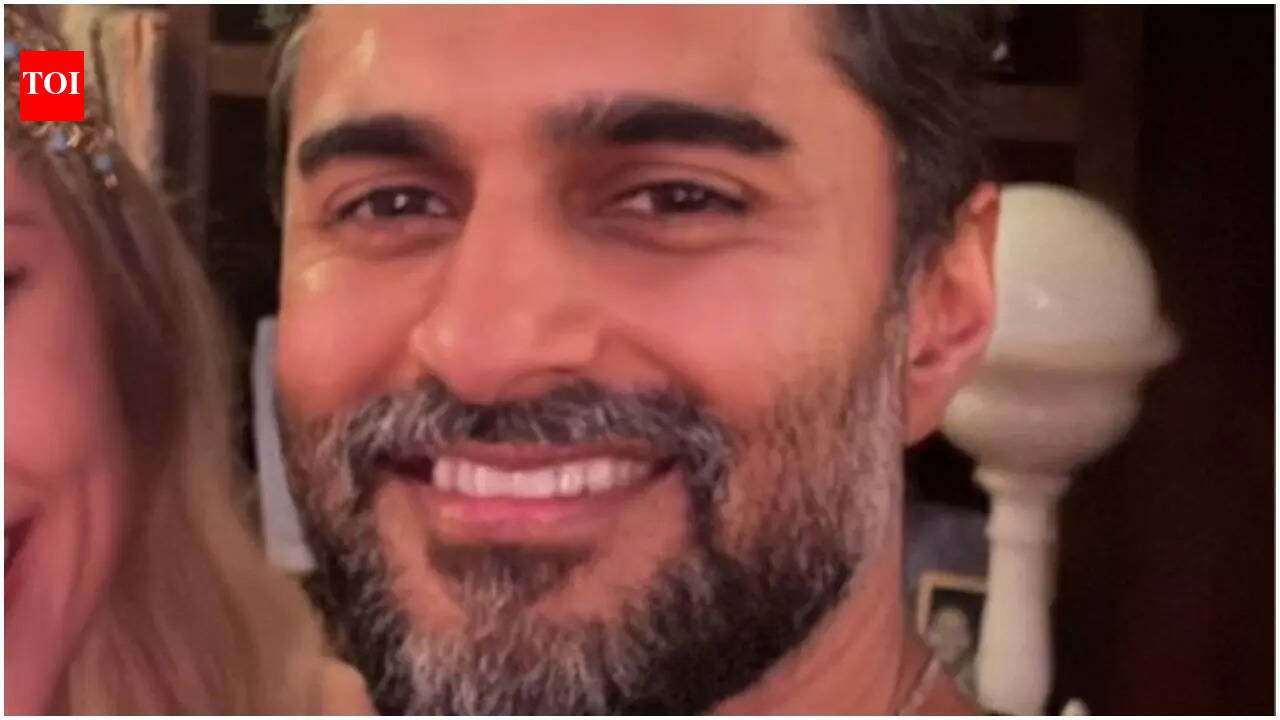
The Citrini Research’s “The 2028 Global Intelligence Crisis” has gone viral, giving deep insights into thematic equity and global macro markets by using cross-asset, lateral thinking.In this different 2028, AI doesn’t just help people do their jobs; it takes them over completely. Citrini Research highlights a move away from the basic hardware race toward “Phase 2” of the AI trade, where the focus lies on operational efficiency and the displacement of high-cost human labor. While corporate margins are expanding through automation and lean structures, there is a growing concern over “Ghost GDP”. “The 2028 Global Intelligence Crisis” is written by Citrini Research and Alap Shah. Shah currently serves as Chief Executive Officer of Littlebird in the New York City Metropolitan Area (since September 2024), Managing Partner at Lotus Technology Management in Florida (since March 2011), and Co-Founder & Chairman of Thistle in the San Francisco Bay Area (since April 2013). He previously co-founded Sentieo, an AI-powered financial search platform later acquired by AlphaSense, serving as CEO from December 2011 to September 2020 and as Chairman from September 2020 to May 2022.He did his graduation in Economics from Harvard University, according to his LinkedIn profile.


Source link

4 riding on 1 bike threaten constable in Kandivli; held | Mumbai News


Mumbai: Four men have been arrested by Samta Nagar police after they got abusive with a police constable on being intercepted for commuting illegally together on a single motorcycle and not wearing a helmet in Kandivli East. The incident had occurred on Feb 18. A beat marshal had gestured at the rider to halt when he noticed four men on a single motorcycle. The beat marshal, Govind Sangle, asked two of the men to get off and take an alternative mode of transport. He also pointed out that the rider was not wearing a helmet.The men got abusive with Sangle and threatened him. They refused to accompany him to the police station.Later, Sangle called in reinforcements and an FIR was registered. Police registered a case under Bhartiya Nyaya Sanhita for “obstructing a govt servant from doing his duty”. tnn


Source link

Ukraine Stands: Four years of full-scale war hasn’t broken Ukrainians. They thrive as resistance | World News


Ukraine Stands: Four years of full-scale war hasn’t broken Ukrainians. They thrive as resistance

I write this as I am on my way to Kyiv. Tomorrow, Feb 24, will mark the fourth anniversary of the full-scale Russian invasion of Ukraine. And despite Trump’s attempts to ‘negotiate’ an end to the war – remember he had claimed that he would stop the war within 24 hours of taking office? – no such outcome is expected any time soon. That’s because, by all accounts, it is Putin that doesn’t seem to want to end the war. Ukraine has said it is willing to effect a ceasefire along the current frontline in eastern Ukraine. Putin, however, wants Kyiv to give up even those areas of the Donbas it still controls. Moscow knows there is no way Kyiv will agree to this. Around 200,000 Ukrainians still live in the part of the Donbas that Ukraine controls. Plus, this area also hosts a fortress belt of heavily fortified Ukrainian towns and cities that Kyiv will be daft to give up. So, Moscow, essentially, is making demands it knows Kyiv will not be amenable to.

Russia Openly Threatens NATO Member Estonia With Nuclear Weapons; ‘Bear In Mind, Our Nukes…’

Then there is the Zaporizhzhia Nuclear Power Plant – the largest in Europe – that Russia has taken hostage. A clear case of nuclear blackmail for entire Europe. And finally, Russia has essentially vetoed any proposal that guarantees Ukraine’s future security – it rejects any European peacekeeping force in Ukraine, it has a problem with the size of the Ukrainian army, and it doesn’t want the West to provide Ukraine will serious, tangible military packages that can secure Ukrainians from future attacks. In all of this, Russia, the invading country, the aggressor, is making demands of Ukraine and the West! That’s downright bizarre! And Trump, looking for a quick political win, has largely gone along with Putin’s ploy. But Ukrainians are still resisting and standing strong. There is no question of giving up or backing away from Ukrainian-controlled Donbas or recognising Russian occupation of any internationally-recognised Ukrainian territory. Note that this winter has been terrible for Ukrainians. Russia has relentlessly attacked Ukraine’s energy infrastructure to freeze ordinary Ukrainians in sub-zero temperatures. Yet, the Ukrainians haven’t been broken. They live and thrive as resistance. On the fourth anniversary of the full-scale war, Ukraine stands. And Russia’s strategic objects remain unrealised. As President Zelenskyy has said, Ukrainians are tired, yes, they want peace more than anything else. But they want peace not at the cost of their dignity and sovereignty. It is this resiliency that defines Ukrainians today. Tomorrow in Kyiv, I will once again come face to face with this special Ukrainian spirit – volya. Watch this space for more.


Source link

‘DCM steps in’, illegal D’vli bldg razing on hold | Mumbai News


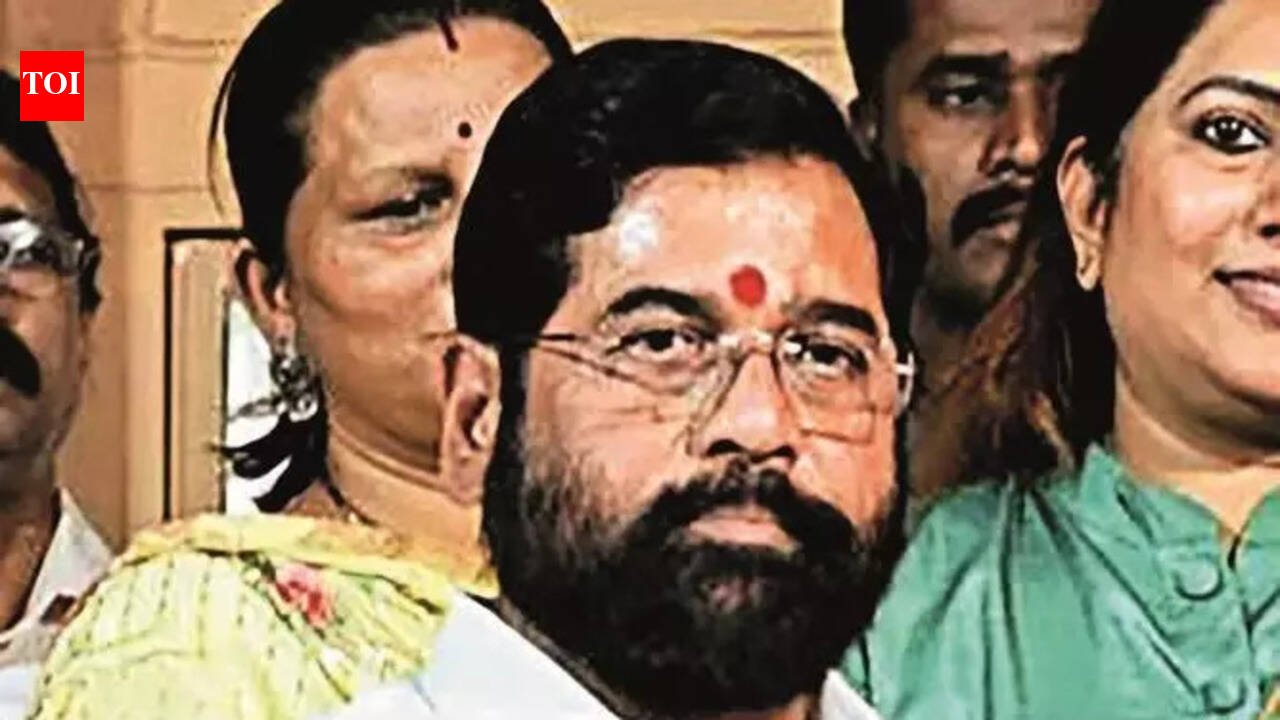
Kalyan: Kalyan-Dombivli Municipal Corporation (KDMC) stayed the HC-ordered demolition of an illegal seven-storey building in Dombivli reportedly following DCM Eknath Shinde’s intervention, offering relief to about 150 residents.The building, Samarth Complex, is one of 65 constructed using forged approvals and fake MahaRERA registrations whose razing has been ordered by HC. KDMC issued a demolition notice to it last week. Following pleas from residents, Shinde reportedly contacted KDMC chief Abhinav Goel late on Sunday to discuss possible relief measures. The demolition proceedings were then put on hold.

Delhi Bomb Threat Hoax, Prahaar Anti-Terror Doctrine, 60+ Nation Groups & More

Kalyan Rural MLA Rajesh More said he will raise the issue of protecting residents of all 65 buildings during the ongoing House session. —Pradeep Gupta


Source link

Bombay High Court Bail Pocso Case: Bombay high court grants bail to man behind bars for 10 years in Pocso case | Mumbai News


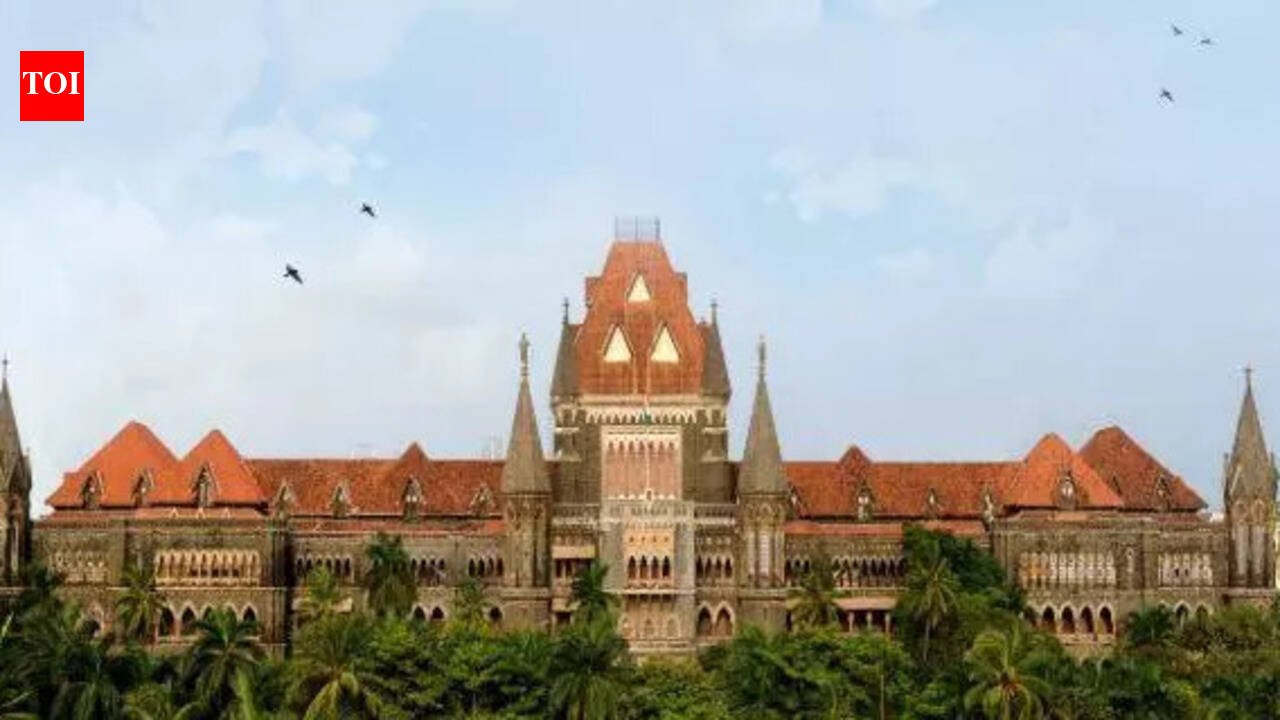
Mumbai: The Bombay high court recently released on bail a man who spent 10 years in prison for the sexual assault and rape of a minor in a Mumbai suburb following “inconsistencies” in the evidence.Allowing his bail plea, Justice R M Joshi on Feb 11 directed that “the substantive sentence imposed against the appellant” shall stand suspended till the decision on his appeal against the Feb 2024 judgment of a special court.

Delhi Bomb Threat Hoax, Prahaar Anti-Terror Doctrine, 60+ Nation Groups & More

According to the prosecution, on Dec 17, 2015, the girl (then 5 years old) and her sister (7) were playing when the accused came and took her to his house. He locked the door, keeping her sister out, and committed the offence.He was booked under the Protection of Children from Sexual Offences (Pocso) Act including for aggravated penetrative sexual assault and under IPC for rape of a minor and sentenced to 20 years of imprisonment.“As rightly pointed out” by the applicant’s advocate Shashikant Chandak, Justice Joshi said “prima facie, the evidence on record indicates that there are major inconsistencies in the statements of the victim, her sister, and her mother”.Chandak argued that a medical examination on Dec 17, 2015, did not find she was sexually assaulted. On Dec 23, 2015, the FIR was registered introducing the commission of the offence. Chandak said the girl and her sister differed on whether the lights of the house were on or off. The mother and the girl differed on the mother’s presence at home when she went crying to her.Opposing the grant of bail, the prosecutor and the mother’s advocate said the minor had narrated the manner in which she was sexually assaulted. They referred to the trial court’s observation on possible miscommunication between her and the medical officer.Justice Joshi said, “The inconsistencies are material in nature and cannot be brushed aside by way of branding them as insignificant.”There is substance in the contention that “history of sexual assault given at a later point of time may not depict the correct facts”.The judge noted that the applicant has been behind bars for 10 years and his appeal is unlikely to be heard soon. He also has no criminal history and is unlikely to flee. Justice Joshi directed him not to contact the girl or her family members, adding any breach of the condition “shall result forthwith in cancellation of bail”.


Source link

FM Sitharaman rules out roadmap for PSU bank mergers, panel to review sector reforms


FM Sitharaman rules out roadmap for PSU bank mergers, panel to review sector reforms

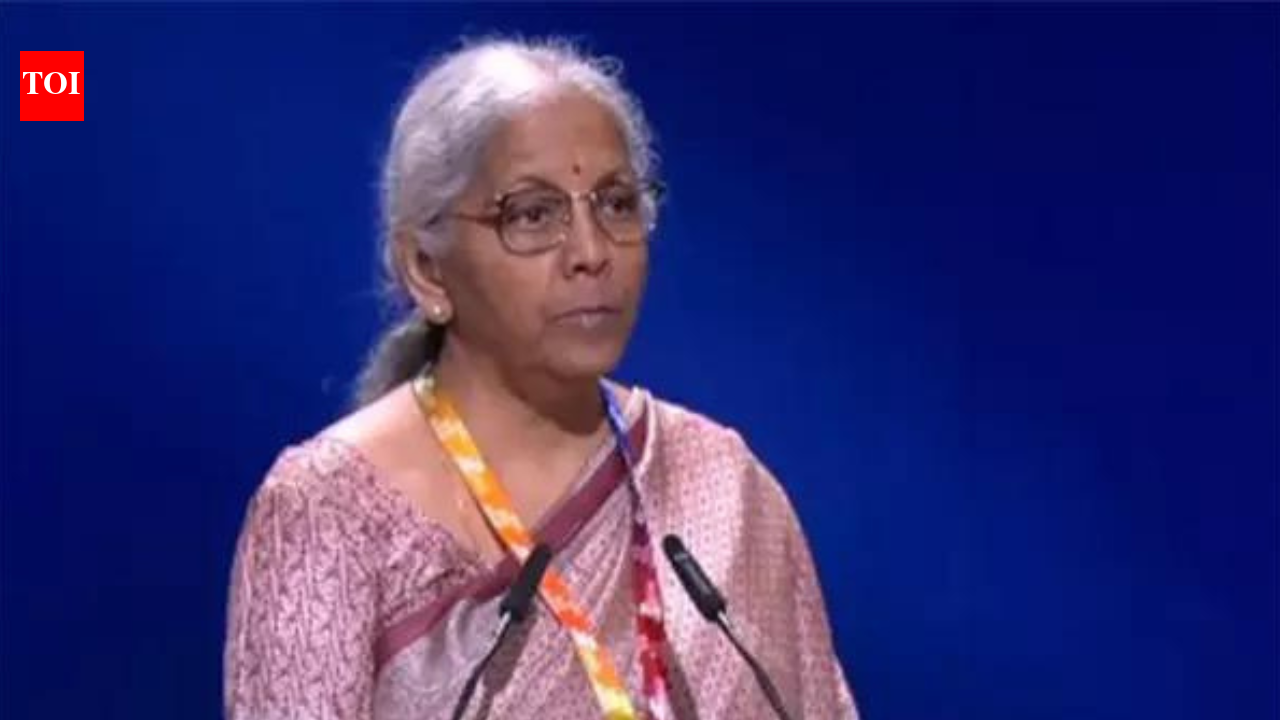
The government currently has no roadmap for mergers among public sector banks, Finance Minister Nirmala Sitharaman said, indicating that consolidation is not under active consideration even as a new banking reform panel is set to review the sector’s future.“I am not familiar with any roadmap…there isn’t one,” Sitharaman said in a media briefing after her post-Budget customary address to the Board of the Reserve Bank of India, PTI reported.She clarified that bank consolidation was neither discussed during Budget preparations nor raised in recent deliberations, though the proposed High-Level Committee on Banking for Viksit Bharat will examine all aspects related to strengthening the banking ecosystem.“Bank consolidation was not a subject here, nor was it a subject before the Budget, but the Committee, which is now being appointed, once the terms of reference are given, they will look into every aspect of how to strengthen Indian banking,” she said.In the Union Budget 2026-27, Sitharaman proposed setting up a ‘High Level Committee on Banking for Viksit Bharat’ to comprehensively review India’s banking sector and align it with the country’s growth goals while safeguarding financial stability, inclusion and consumer protection.“I propose setting up a ‘High Level Committee on Banking for Viksit Bharat’ to comprehensively review the sector and align it with India’s next phase of growth, while safeguarding financial stability, inclusion and consumer protection,” she had said in the Budget speech on February 1.The committee is expected to draw up a blueprint aimed at creating mega lenders capable of meeting the financing needs of a developed India.As part of broader financial sector reforms, the Budget also proposed restructuring Power Finance Corporation (PFC) and Rural Electrification Corporation (REC) to achieve scale and improve efficiency in public sector NBFCs. REC is a subsidiary of state-owned power sector lender PFC, and both institutions play a key role in financing power generation, transmission and distribution projects.In March 2019, PFC completed the acquisition of a majority stake in REC Ltd by transferring Rs 14,500 crore to the government. PFC acquired 103.94 crore shares, representing a 52.63 per cent stake, along with management control, at Rs 139.50 per share following approval from the Cabinet Committee on Economic Affairs.Commenting on the banking sector’s health, RBI Governor Sanjay Malhotra said banks are adequately capitalised and capable of sustaining credit growth for the next four to five years, supporting the economy’s financing needs.He added that deposit growth is now keeping pace with credit expansion.On moderation in net foreign direct investment (FDI), Malhotra said gross FDI inflows have continued to rise.Last year, he said, “It increased by about 14-15 per cent. Even this year, gross FDI has increased, and the growth rate is also high. It’s because of repatriations of those people who had done earlier FDI. It has gone out. The net (FDI) has decreased”.Similarly, he said Indian companies are increasingly investing overseas as domestic economic measures have strengthened confidence, which has also contributed to lower net FDI levels.


Source link