Breaking News
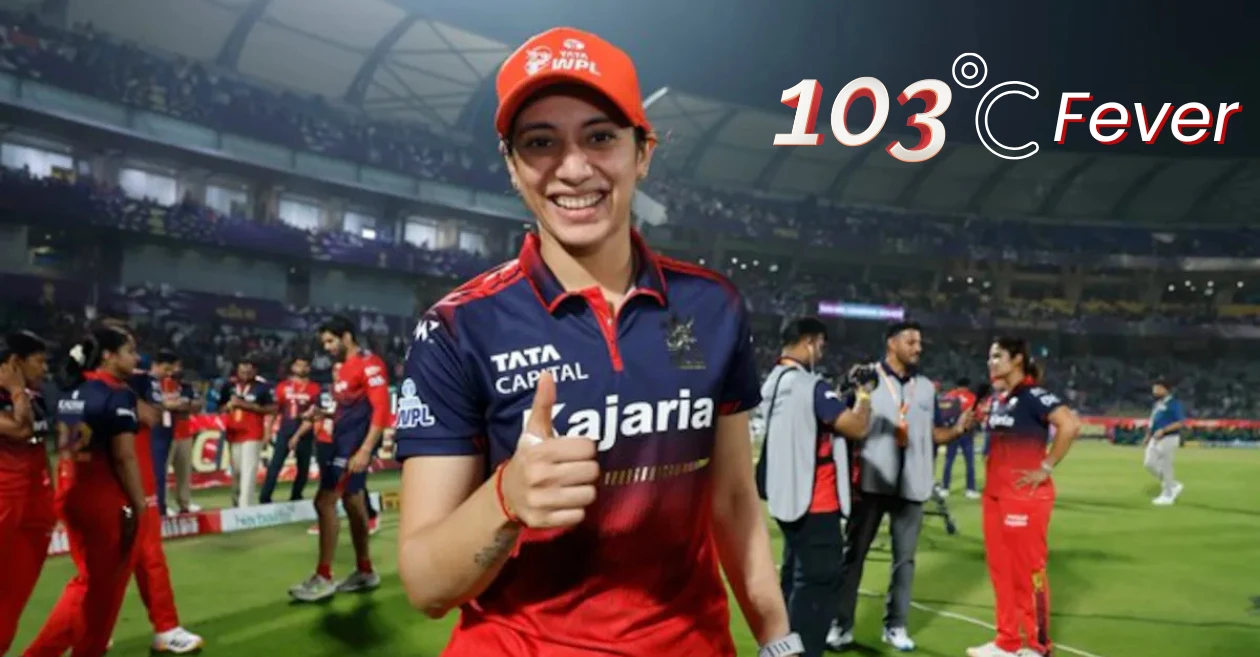
“Played through massive flu!”: RCB coach reveals after Smriti Mandhana led her team to WPL 2026 title triumph


If there were any lingering whispers about Smriti Mandhana faltering on the biggest stage, they were emphatically put to rest in the Women’s Premier League (WPL) 2026 final. Battling a severe bout of flu, Mandhana produced one of the finest innings of her career, leading Royal Challengers Bengaluru (RCB to their second WPL title with a scintillating 87 off just 41 balls.

Chasing a daunting target of 204 against Delhi Capitals (DC) in Vadodara, Mandhana’s composure and controlled aggression proved decisive, as RCB sealed the final with a six-wicket victory.

RCB coach reveals Smriti Mandhana played despite severe illness

RCB head coach Malolan Rangarajan later revealed the extent of Mandhana’s struggle, describing it as a “massive, massive flu.” Speaking after the triumph, Rangarajan said the captain had been suffering from a high fever but never once let it show.

“She was seriously unwell,” Rangarajan explained. “But she turned up and didn’t show it for even one second. When I spoke to her earlier, she just said there was no problem and that she’d be there. That’s her work ethic.”

The revelation only added to the magnitude of Mandhana’s innings, which came under immense pressure on the grandest stage of the season.

A masterclass in chasing under pressure

Even by Mandhana’s lofty standards, the final was a lesson in how to pace a high-stakes chase. She began cautiously, playing second fiddle to Australian batter Georgia Voll, before dramatically shifting gears after the powerplay.

At the end of the fifth over, Mandhana was just 6 off 5 balls. What followed was sheer dominance. She dismantled Delhi’s spin attack with surgical precision, exploiting angles and field placements with ease. As RCB’s only left-handed batter, Mandhana targeted left-arm spinner Sree Charani, neutralising a bowler who had been highly effective throughout the Vadodara leg.

Her ability to send similar deliveries to different parts of the ground left the opposition scrambling for answers.

Delhi Capitals bowlers run out of answers

Experienced campaigner Sneh Rana also struggled to contain Mandhana, who appeared in complete control. RCB struck at least one boundary in every over, underlining the relentless pressure applied during the chase.

Mandhana’s confidence was summed up by her audacious stroke play – backing away to loft spinners inside out and casually stepping across her stumps to find gaps at will. She ended the tournament as the leading run-scorer, amassing 377 runs in WPL 2026.

Also READ: From MVP to Purple Cap – Full List of WPL 2026 Award Winners and Prize Money

“Smriti saved one of her best innings for the final”: RCB coach

Rangarajan credited Mandhana’s preparation and evolving mindset for her final heroics. He noted that her unbeaten 54 against UP Warriorz (UPW) in the final league game marked a turning point, blending high tempo with consistency.

“She saved one of her best innings for the final,” Rangarajan said. “She looked completely in control, knowing exactly where and when to attack.”

Behind the scenes, Mandhana’s relentless pursuit of improvement stood out. Described as a “nerd” about her batting, she constantly tweaks her technique, always searching for marginal gains. That attention to detail, coupled with calm leadership, set the tone for RCB’s title-winning campaign.

Also READ: AB de Villiers, Ashwin and others in awe as Smriti Mandhana and Georgia Voll drive RCB to 2nd WPL triumph


This article was first published at WomenCricket.com, a Cricket Times company.


Source link

‘I would dedicate the award to them’: Vaibhav Sooryavanshi after India’s U19 World Cup victory | Cricket News


'I would dedicate the award to them': Vaibhav Sooryavanshi after India’s U19 World Cup victory
Vaibhav Sooryavanshi (Photo by @BCCI on X)

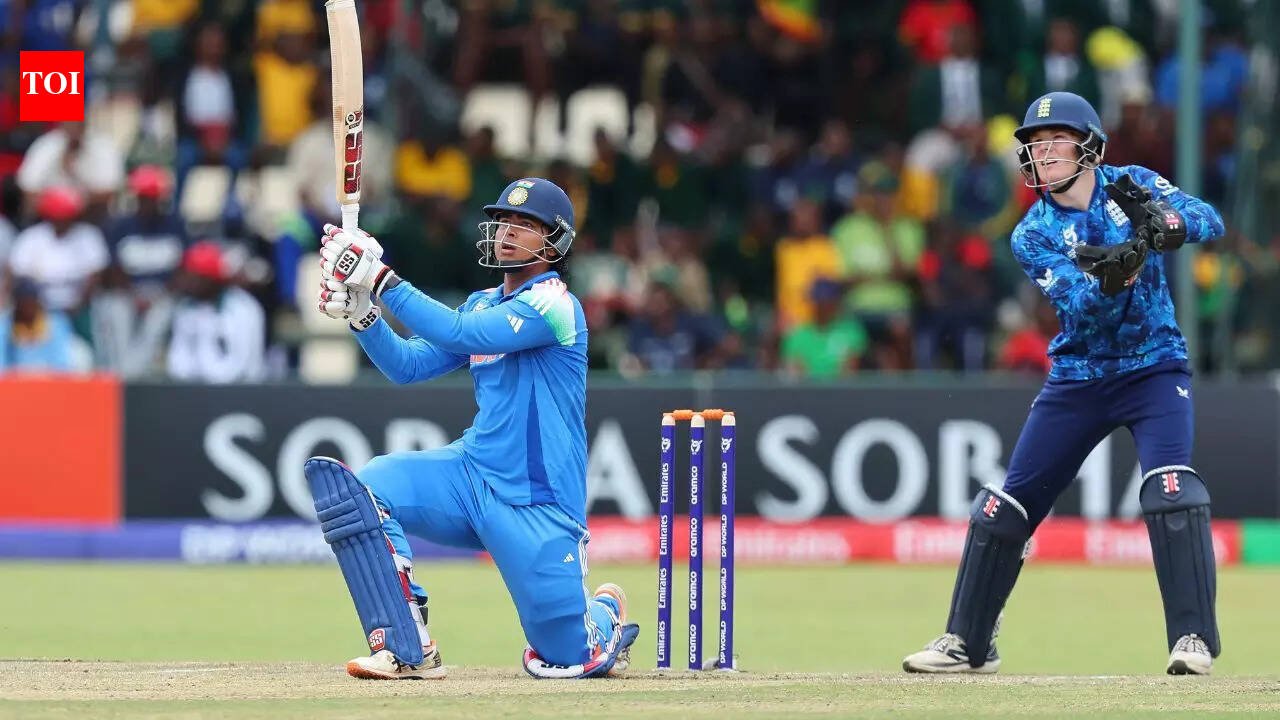
NEW DELHI: Teen cricket prodigy Vaibhav Sooryavanshi stole the show in India’s U-19 World Cup final on Friday, smashing a breathtaking 175 off just 80 balls to guide India to a 100-run win over England and a record-extending sixth title. After the match, he dedicated his Player of the Final award to the team’s support staff.“I can’t express what I am feeling but the way we have all been working hard for the last 7-8 months and our support staff who have been with us for a long time and always made sure we are alright, I would like to dedicate the award to them,” Sooryavanshi said.

How India trained at Wankhede – massive sixes, intense chats and more

“For the last eight to nine months, the support staff and the team have been working together. That preparation has played a huge role in getting us to where we are today.”The 14-year-old became the first player in U-19 World Cup history to win both the Player of the Final and Player of the Tournament awards. His innings included 15 sixes and 15 fours, and he reached the fastest 150 in Under-19 cricket in just 71 balls, propelling India to a commanding 411 for 9 after winning the toss.England fought valiantly, with Caleb Falconer scoring a 115 off 67 balls, but regular wickets prevented them from keeping up with the required rate. They were eventually bowled out for 311, handing India a dominant victory.Sooryavanshi, who had already made waves in last year’s Indian Premier League, now holds the record for the highest individual score in any ICC tournament final, further cementing his reputation as one of cricket’s brightest young talents.This remarkable performance not only secured India’s sixth U-19 World Cup title but also showcased the impact of preparation, teamwork, and raw talent on the world stage.


Source link

From Uber’s Balaji Krishnamurthy to Anthropic’s Rahul Patil: Top Indian-origin executives in Silicon Valley |


From Uber’s Balaji Krishnamurthy to Anthropic’s Rahul Patil: Top Indian-origin executives in Silicon Valley

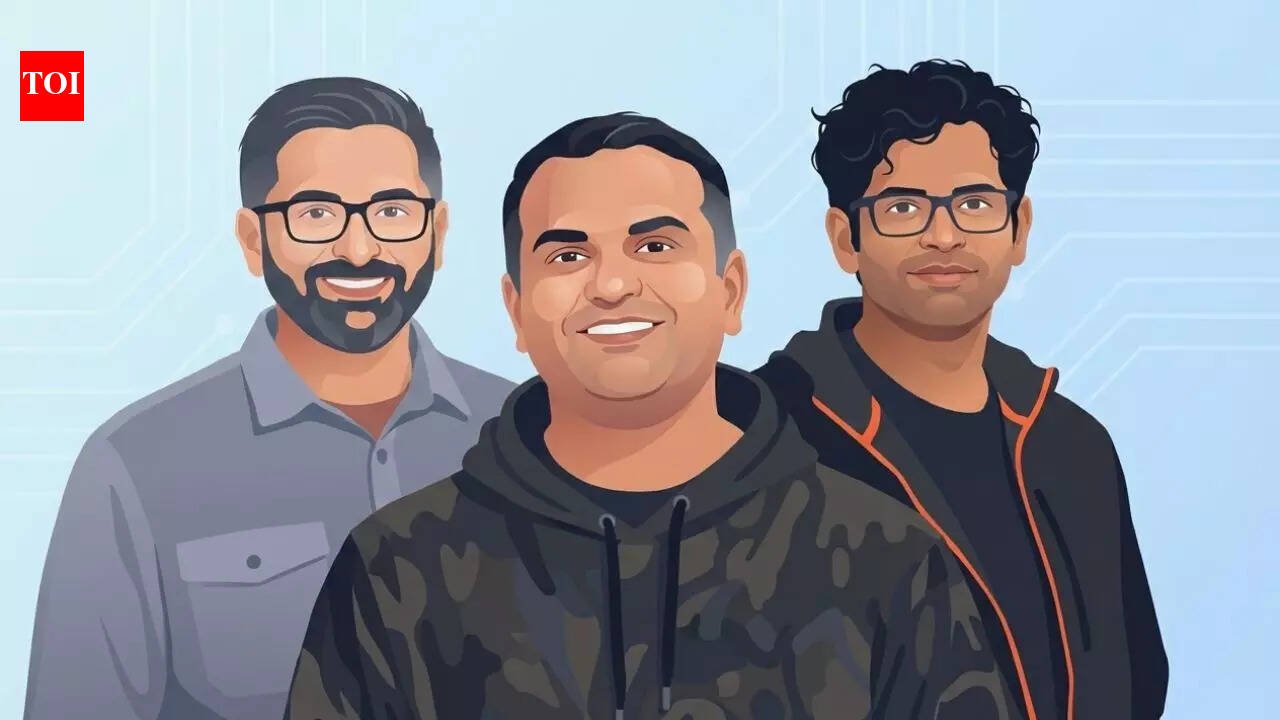
Behind Silicon Valley’s wealth and innovation lies a quieter story of migration, struggle, and relentless effort. Many of today’s most powerful Indian-origin executives arrived in the US with little more than strong academic foundations, technical skills, and a willingness to start at the bottom. They navigated cultural barriers, visa constraints, and hyper-competitive workplaces, often spending years in engineering, product, or strategy roles before reaching the top. Their contributions now underpin the Valley’s tech ecosystem, from cloud computing and cybersecurity to AI models, digital media, and global platforms used by billions. At the same time, Silicon Valley and the broader American technology ecosystem provided an environment where talent, risk-taking, and merit could translate into opportunity, allowing these executives to grow alongside the companies they helped build. Together, they illustrate how Indian-origin talent has become integral to Silicon Valley’s leadership and long-term technological direction.

Indian-origin tech leaders in Silicon Valley

Balaji Krishnamurthy – Chief Financial Officer, Uber

Balaji Krishnamurthy’s appointment as Uber’s Chief Financial Officer in 2026 marked a significant moment for Indian-origin leadership in Silicon Valley’s financial ranks. An alumnus of IIT Madras, where he trained as an engineer, Krishnamurthy later earned an MBA from Stanford Graduate School of Business, a combination that positioned him well for roles bridging technology and finance. Early in his career, he worked at McKinsey & Company, advising large corporations on strategy, operations, and capital allocation. He later joined Google, where he held senior finance and strategy roles tied to long-term investments and emerging business lines. At Uber, Krishnamurthy oversees budgeting, investor relations, regulatory risk, and profitability across ride-hailing, food delivery, and logistics, making him central to the company’s effort to balance growth with financial discipline.

Balaji Krishnamurthy – Chief Financial Officer, Uber

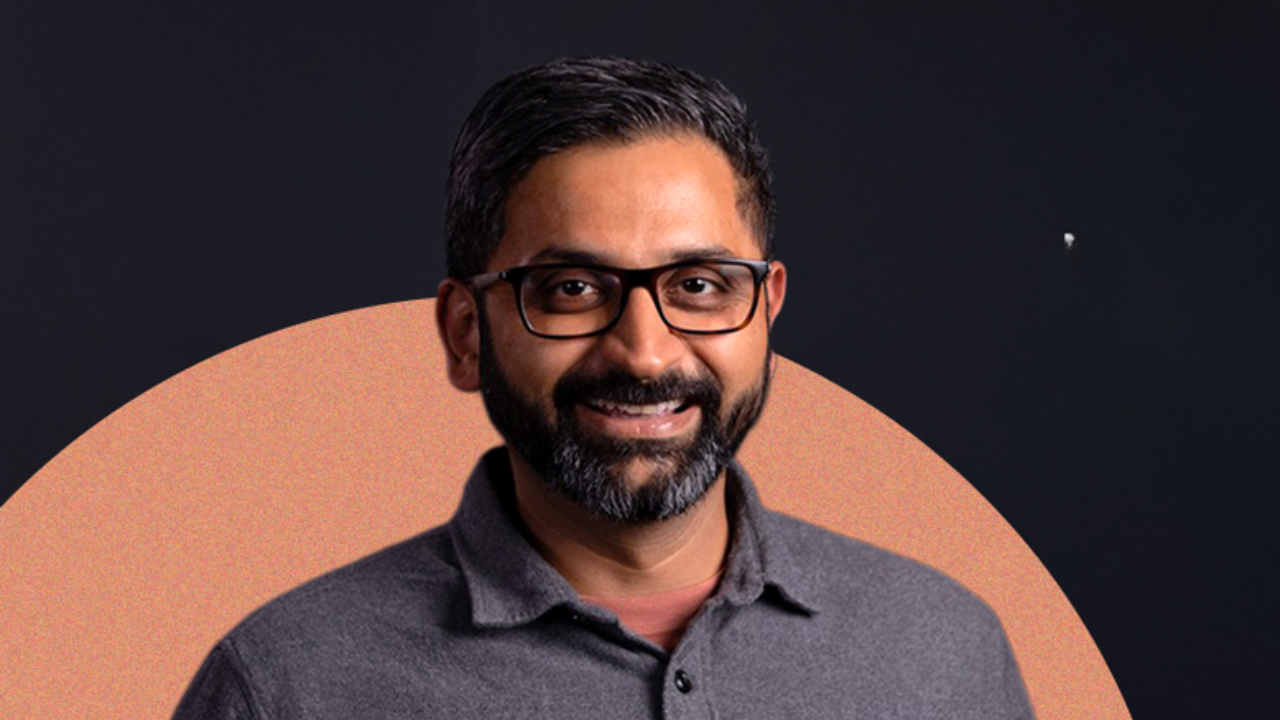
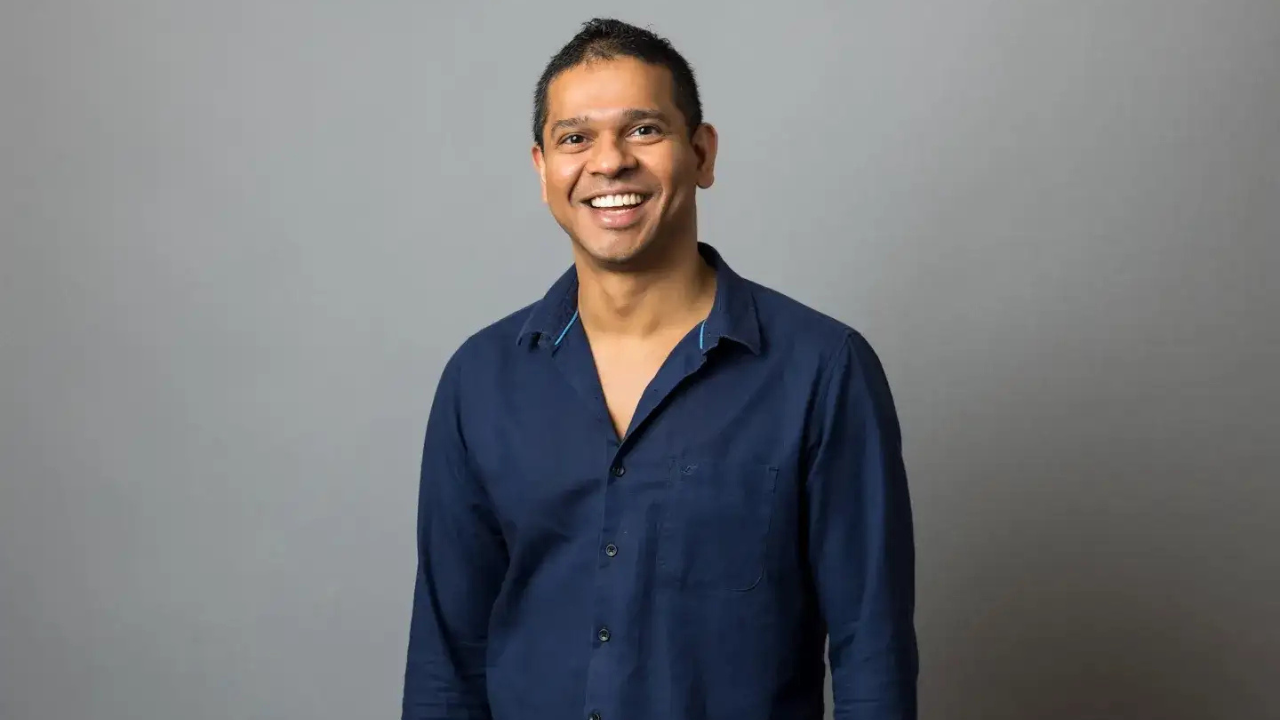
Rahul Patil – Chief Technology Officer, Anthropic

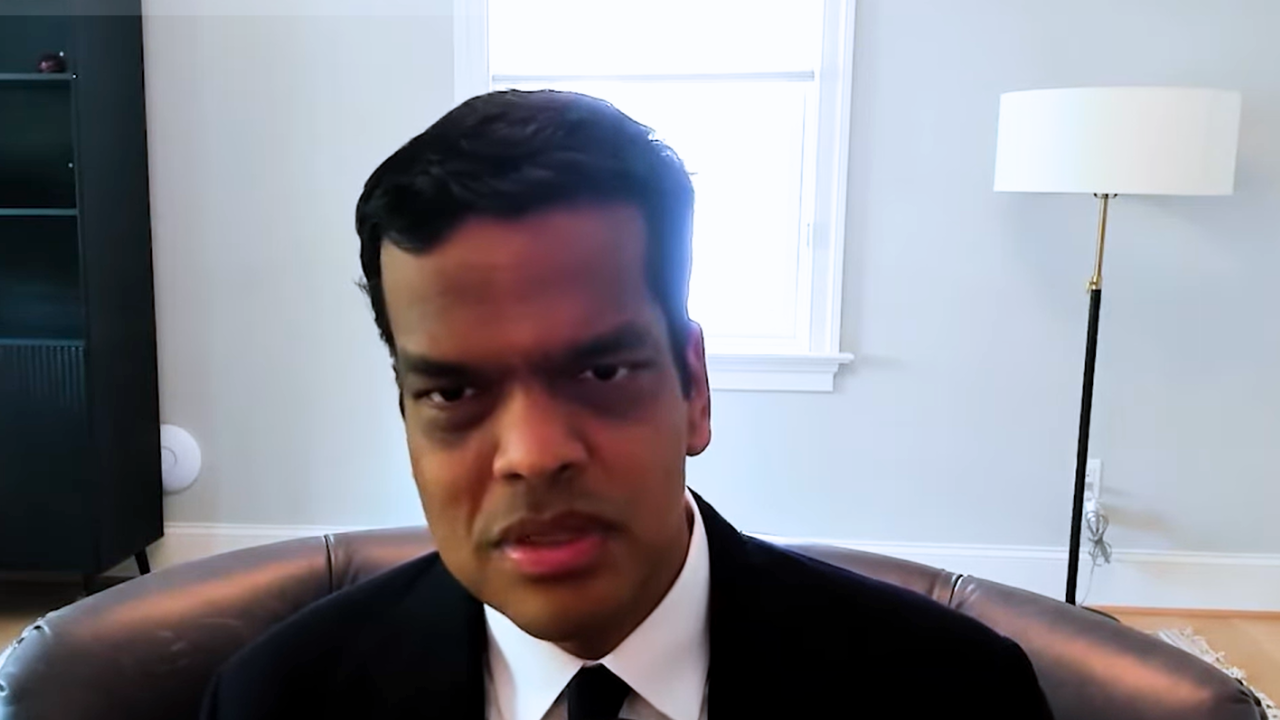
Rahul Patil is a key architect behind one of Silicon Valley’s most influential AI labs, despite maintaining a relatively low public profile. Trained as an engineer, Patil began his career working on large-scale distributed systems, gaining experience in building infrastructure that can operate reliably at massive scale. Over the years, he moved into senior technical leadership roles focused on AI platforms and backend systems. As Chief Technology Officer at Anthropic, he is responsible for the engineering teams that design, train, and deploy advanced large language models. His remit includes compute infrastructure, model reliability, and safety-focused system design, areas that are critical as AI models become more powerful and widely deployed. Patil’s work plays a direct role in shaping how AI is governed and integrated into real-world applications.

Rahul Patil – Chief Technology Officer, Anthropic

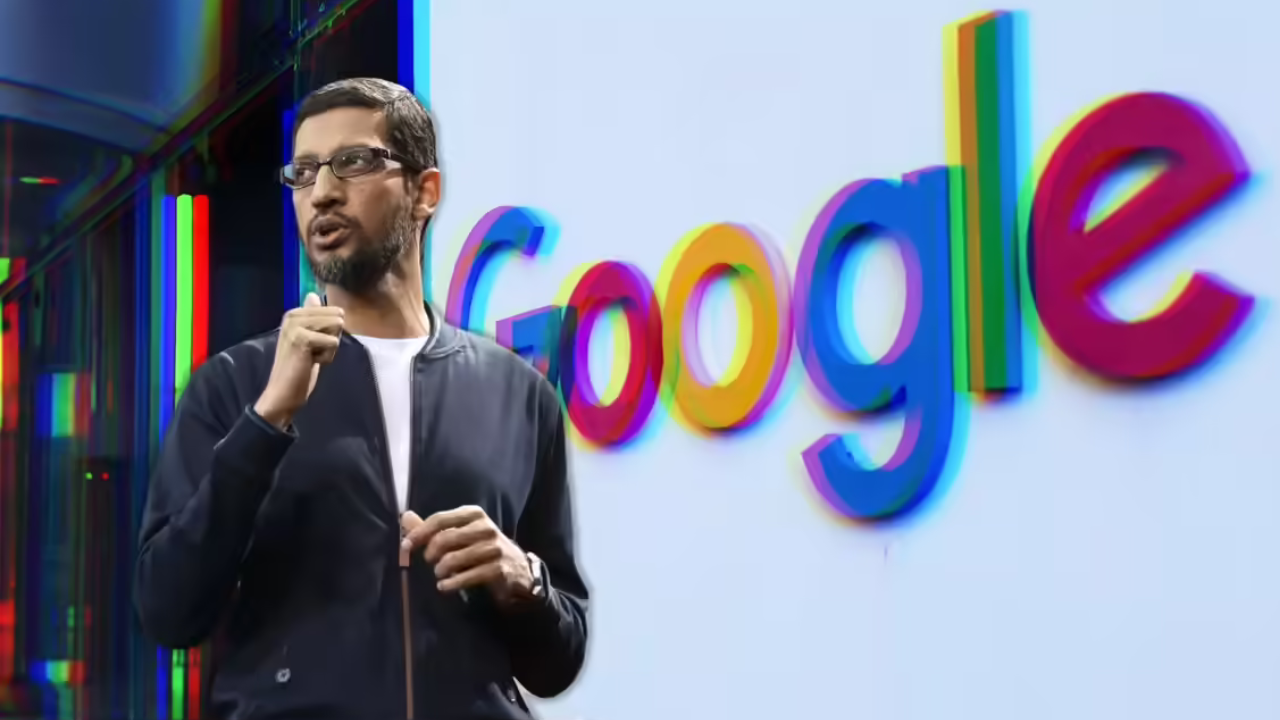
Sundar Pichai – Chief Executive Officer, Google and Alphabet

Sundar Pichai’s rise from Chennai to the top of Google and Alphabet is often cited as one of Silicon Valley’s most emblematic success stories. After earning an engineering degree from IIT Kharagpur, he moved to the US to study at Stanford University and later completed an MBA at Wharton. Pichai joined Google in 2004 and quickly made his mark leading products such as Google Toolbar and Chrome, which became one of the world’s most widely used web browsers. Over time, he took charge of Android and other core platforms before being named CEO of Google in 2015 and Alphabet in 2019. Today, Pichai oversees search, advertising, cloud computing, YouTube, and the company’s AI strategy, managing a business that sits at the heart of the global internet economy.

Sundar Pichai

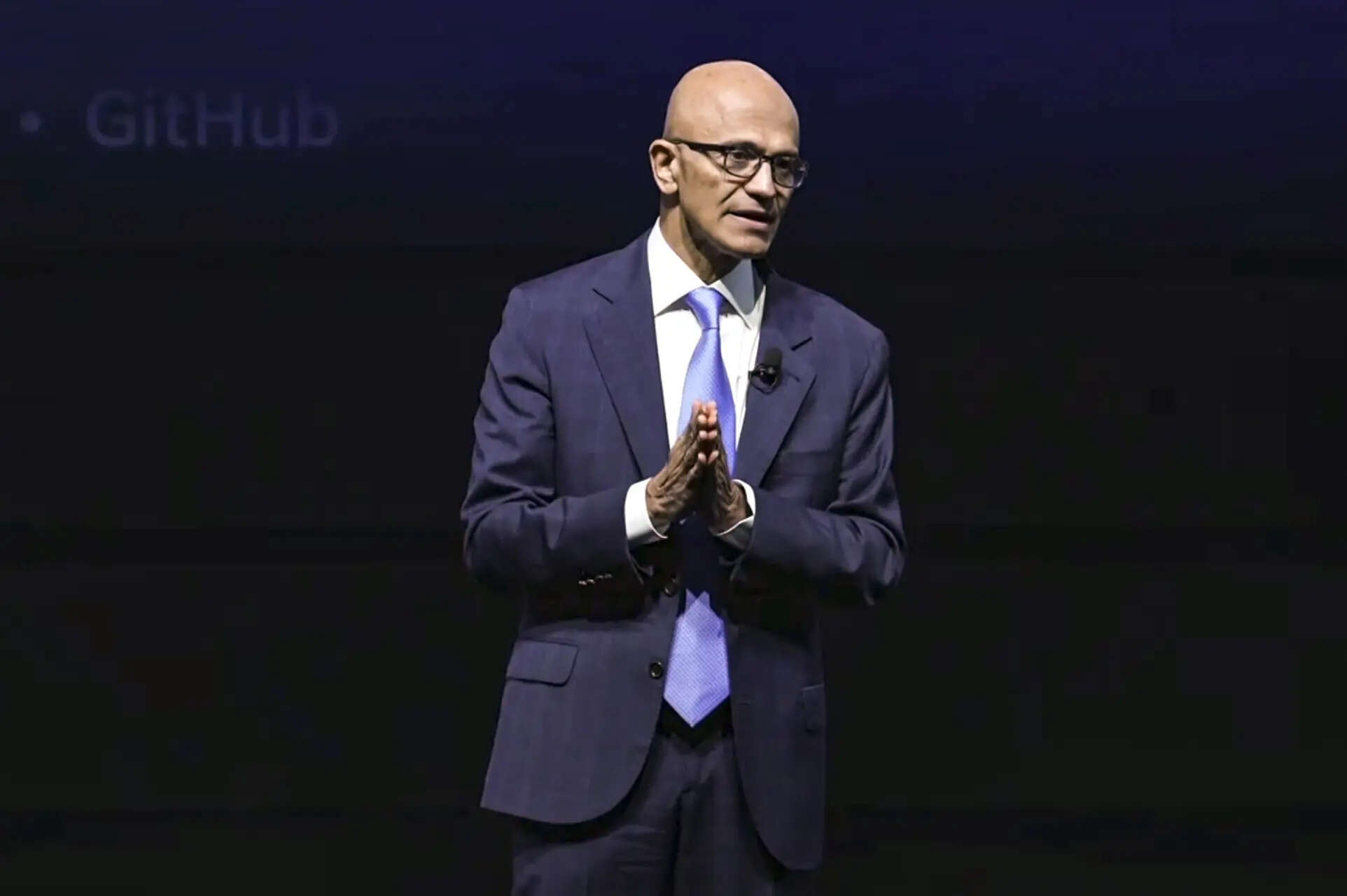
Satya Nadella – Chief Executive Officer, Microsoft

Satya Nadella’s leadership is widely credited with reshaping Microsoft’s trajectory in the modern tech era. Born and educated in India, Nadella moved to the US for graduate studies and joined Microsoft in 1992. He spent decades inside the company, holding senior roles across enterprise software, cloud services, and developer platforms. When he became CEO in 2014, Microsoft was struggling to adapt to mobile and cloud-first computing. Nadella led a cultural reset that emphasised collaboration and innovation, while steering the company decisively toward cloud infrastructure through Azure. Under his leadership, Microsoft also made major investments in AI and enterprise software, helping it regain relevance and emerge as one of the world’s most valuable technology companies.

Satya Nadella

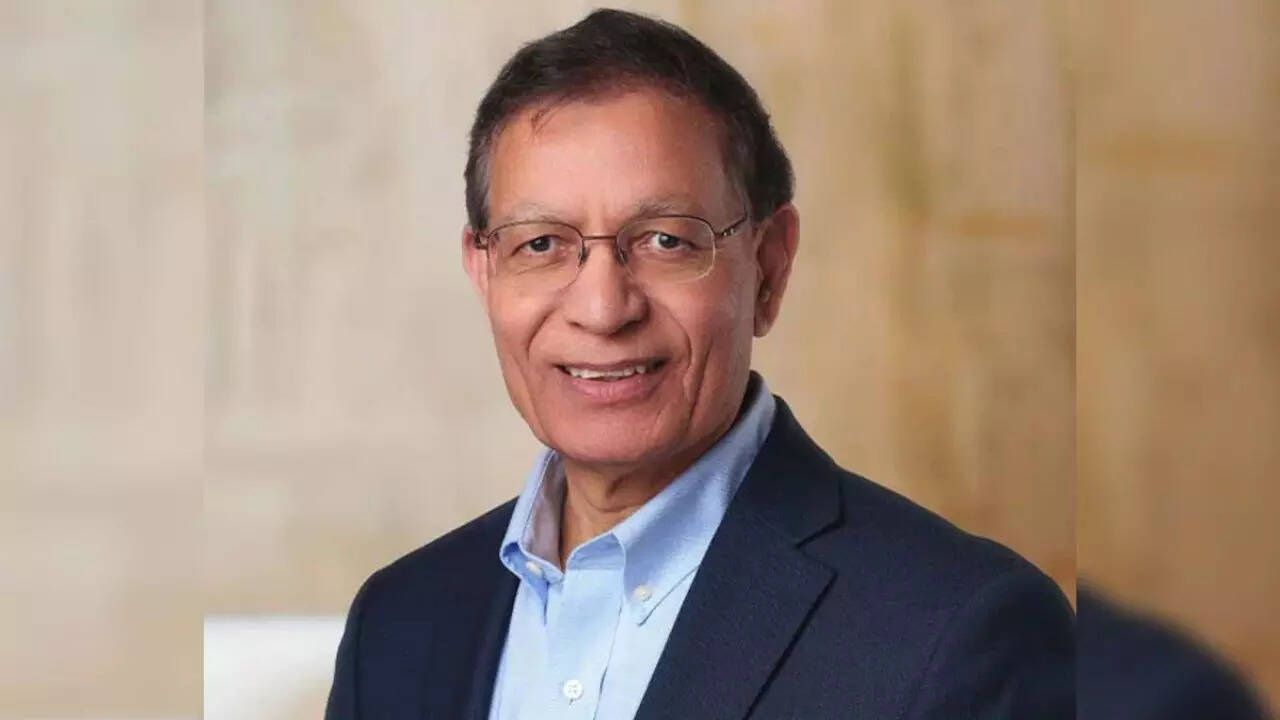
Jay Chaudhry – Founder and Chief Executive Officer, Zscaler

Jay Chaudhry’s path to Silicon Valley success began far from the tech campuses of California. Raised in a small village in Haryana, he later moved to the US for higher education, earning multiple degrees in engineering and management. Chaudhry founded several cybersecurity companies before launching Zscaler in 2007. The company challenged traditional network security by adopting a cloud-native, zero-trust model that eliminated the need for on-premise hardware. Under his leadership, Zscaler became a critical security provider for global enterprises and governments, particularly as remote work and cloud computing expanded. Chaudhry’s success has made him one of the wealthiest self-made Indian-origin entrepreneurs in Silicon Valley.

Jay Chaudhry

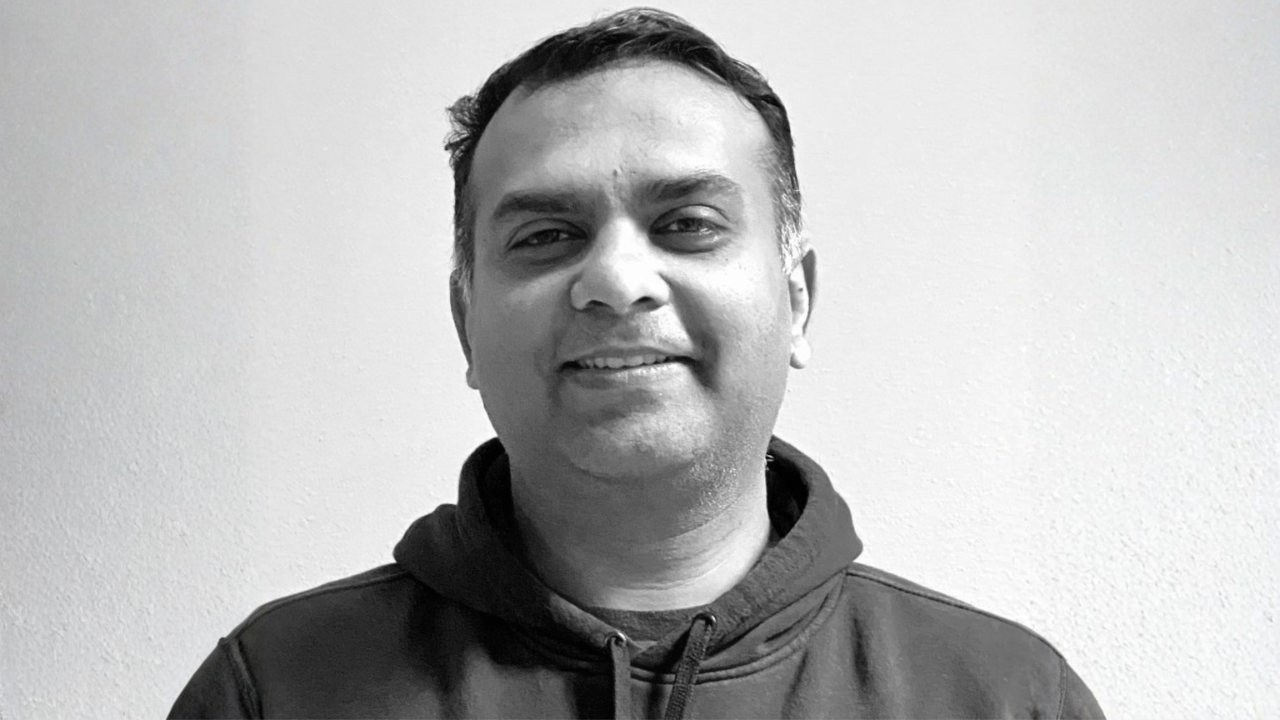
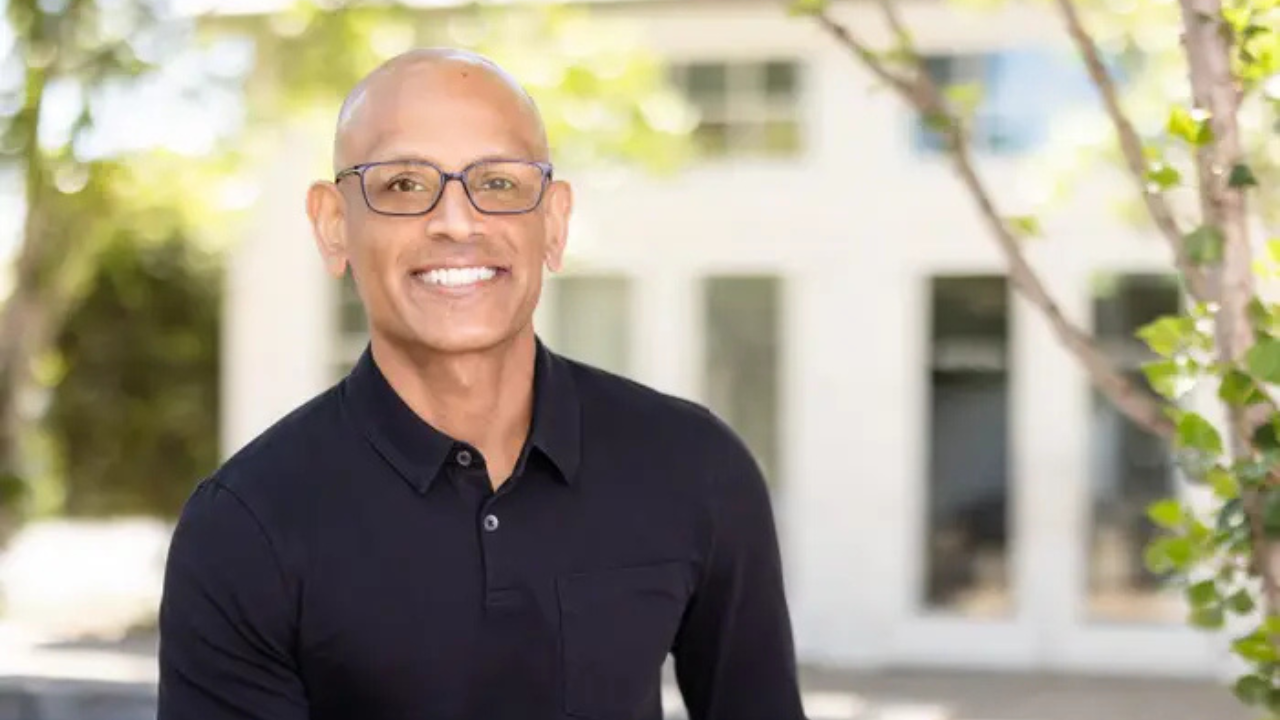
Vijaye Raji – Senior Technology Executive, OpenAI

Vijaye Raji belongs to a newer generation of Indian-origin technologists shaping AI from inside elite research organisations rather than from the CEO’s office. Educated in India before moving to the US, Raji built his career around data analytics and developer-focused platforms. He founded a startup focused on product analytics, which was later acquired by OpenAI. At OpenAI, Raji works on core engineering and product systems that support the deployment and scaling of large AI models. His work helps bridge cutting-edge research with real-world applications, ensuring that AI tools can be reliably delivered to developers and enterprises worldwide.

Vijaye Raji – Senior Technology Executive, OpenAI

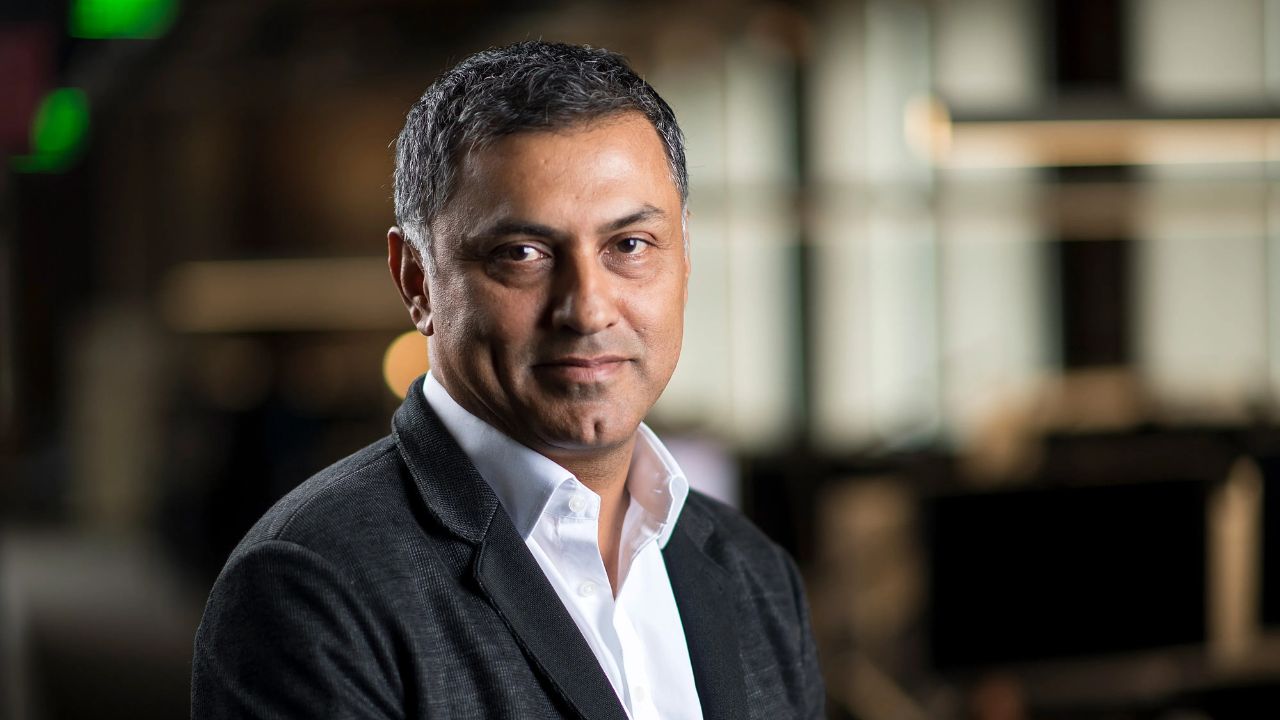
Nikesh Arora – Chairman and Chief Executive Officer, Palo Alto Networks

Nikesh Arora is one of the most globally connected Indian-origin executives in Silicon Valley. After early education in India, he studied and built his career in the US, rising through Google during its rapid expansion in advertising and mobile. He later joined SoftBank, where he managed large-scale global investments and played a central role in shaping the firm’s technology portfolio. As CEO of Palo Alto Networks, Arora leads one of the world’s largest cybersecurity companies, overseeing products that defend enterprises, governments, and critical infrastructure. His tenure has been marked by aggressive acquisitions and expansion, reinforcing Palo Alto Networks’ position as a cybersecurity powerhouse.

Nikesh Arora – Chairman and Chief Executive Officer, Palo Alto Networks

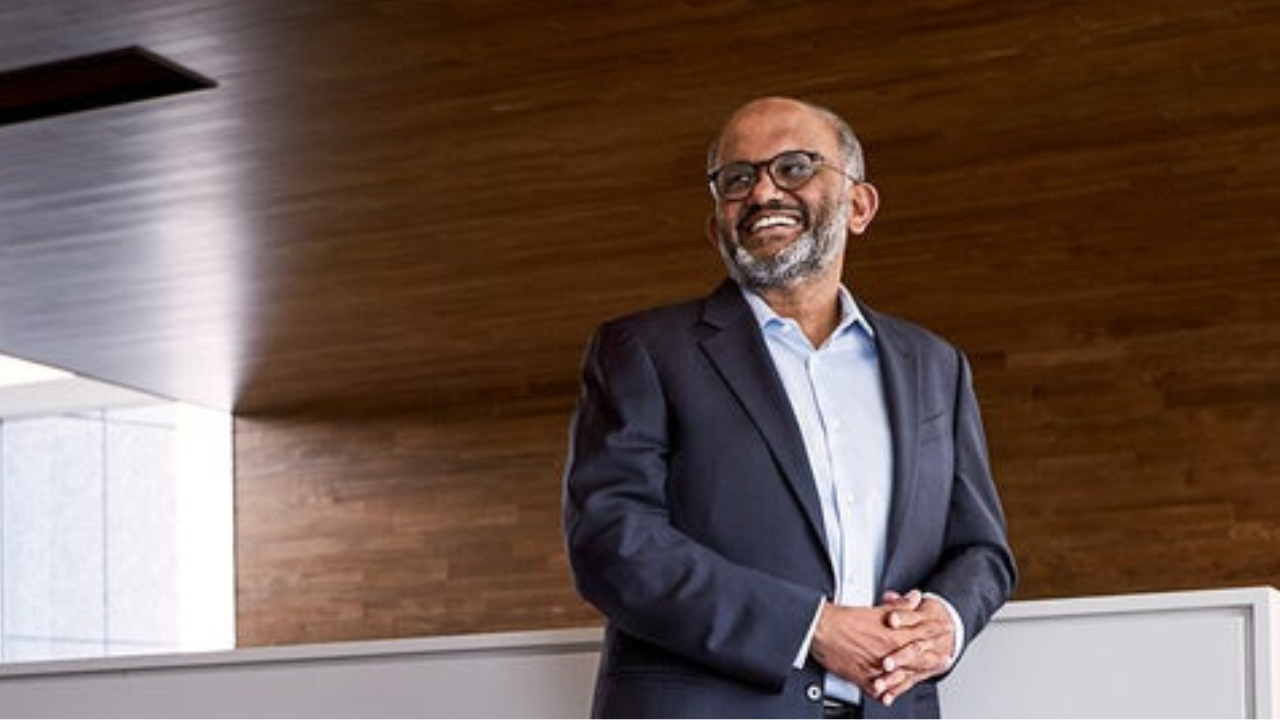
Shantanu Narayen – Chairman and Chief Executive Officer, Adobe

Shantanu Narayen’s leadership transformed Adobe from a traditional software company into a cloud-first enterprise. A graduate of Osmania University in Hyderabad, Narayen moved to the US for advanced studies and joined Adobe in 1998. When he became CEO in 2007, he made the bold decision to shift Adobe’s flagship products to a subscription-based cloud model, a move initially met with scepticism. The strategy ultimately paid off, stabilising revenue and expanding Adobe’s reach across creative, marketing, and document software. Today, Adobe sits at the centre of the global digital content and design economy.

Shantanu Narayen – Chairman and Chief Executive Officer, Adobe

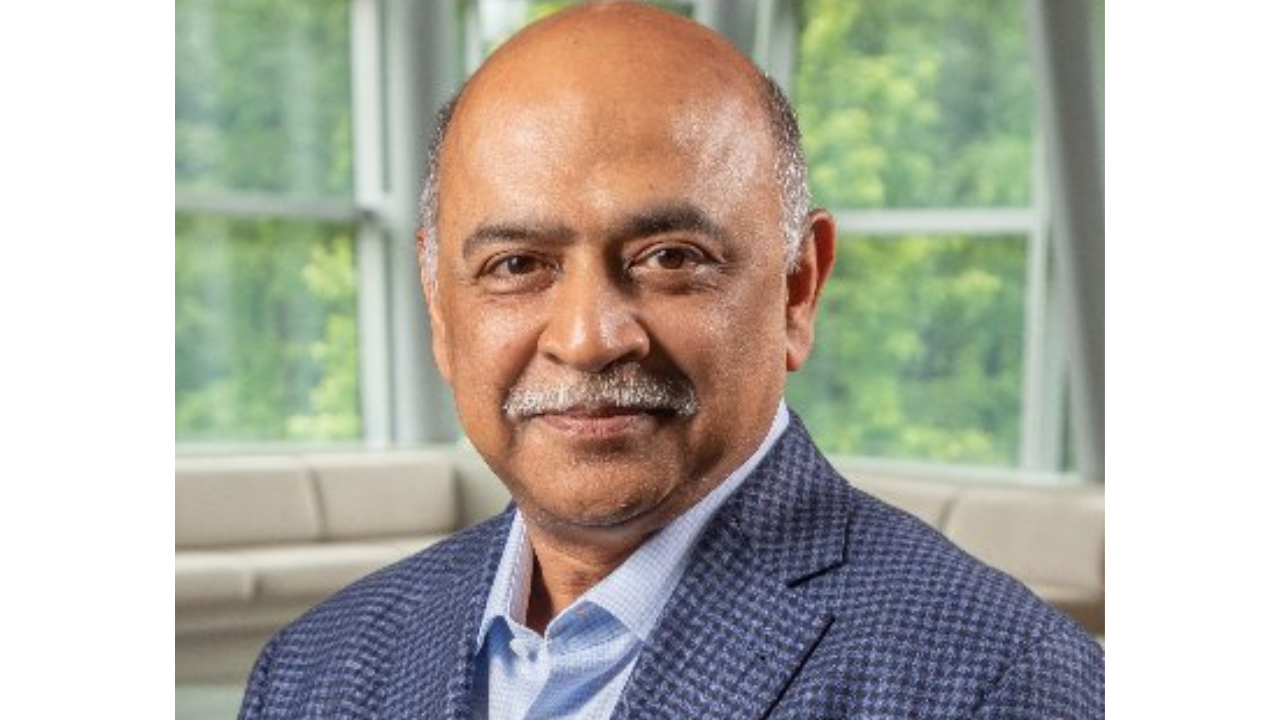
Arvind Krishna – Chairman and Chief Executive Officer, IBM

Arvind Krishna grew up in India and later earned a doctorate in electrical engineering in the US before joining IBM’s research division. He spent years working on advanced technologies before moving into executive leadership roles. As CEO since 2020, Krishna has focused on repositioning IBM around hybrid cloud computing, enterprise AI, and consulting services. His strategy aims to make IBM a key partner for large organisations navigating complex digital transformations, balancing the company’s legacy systems with emerging technologies.

Arvind Krishna – Chairman and Chief Executive Officer, IBM

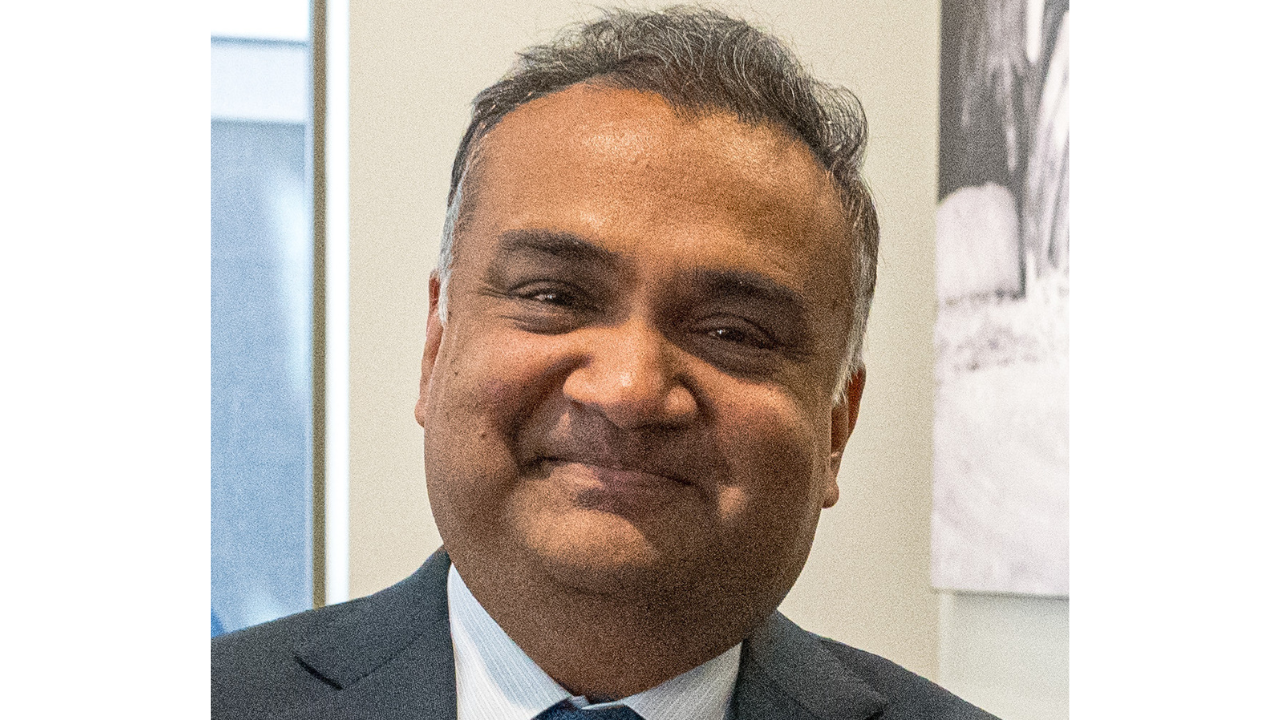
Neal Mohan – Chief Executive Officer, YouTube

Neal Mohan has been a central figure in shaping the modern digital advertising and creator economy. Educated partly in India and later in the US, he joined Google after its acquisition of advertising firm DoubleClick. Mohan rose through senior roles overseeing advertising products and revenue strategy before becoming CEO of YouTube. In his current role, he manages creator monetisation, platform governance, and global expansion, overseeing a service used by billions of people and millions of creators worldwide. His decisions influence not only media consumption but also how online content is regulated and monetised.

Neal Mohan – Chief Executive Officer, YouTube

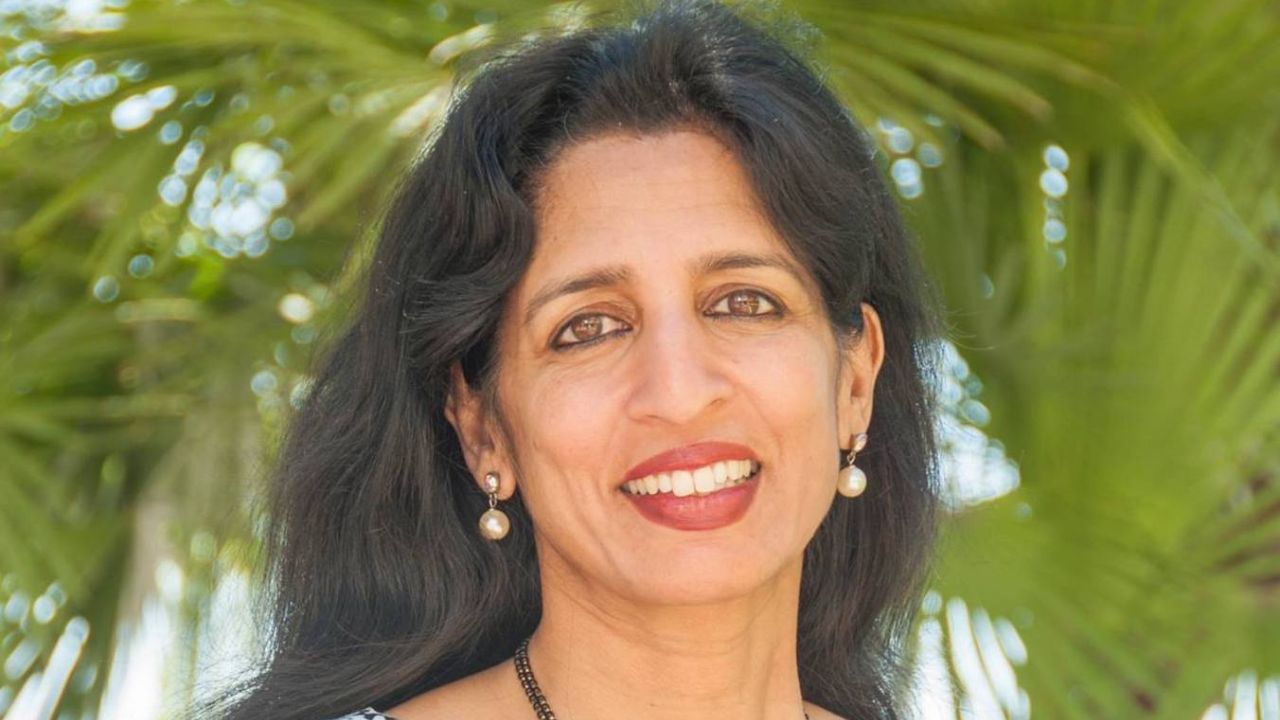
Jayshree Ullal – President and Chief Executive Officer, Arista Networks

Jayshree Ullal is one of Silicon Valley’s most successful Indian-origin executives in both leadership and financial terms. Born in India and trained as an engineer, she built her career at Cisco Systems before joining Arista Networks as CEO. Under her leadership, Arista became a major supplier of high-performance networking equipment to cloud data centres and hyperscalers. The company’s technology plays a crucial role in supporting AI workloads and large-scale computing, placing Ullal at the heart of Silicon Valley’s infrastructure boom.

Jayshree Ullal – President and Chief Executive Officer, Arista Networks

Jay Parikh – Former Global Head of Engineering, Meta

Jay Parikh was instrumental in building the infrastructure that allowed Meta, then Facebook, to scale globally. Educated in India before moving to the US, he joined Facebook early in its growth and eventually became Global Head of Engineering. Parikh oversaw data centres, networking, and internal platforms that supported billions of users worldwide. After leaving Meta in 2021, he transitioned into venture capital and advisory roles, continuing to influence the technology ecosystem behind the scenes.

Jay Parikh – Former Global Head of Engineering, Meta

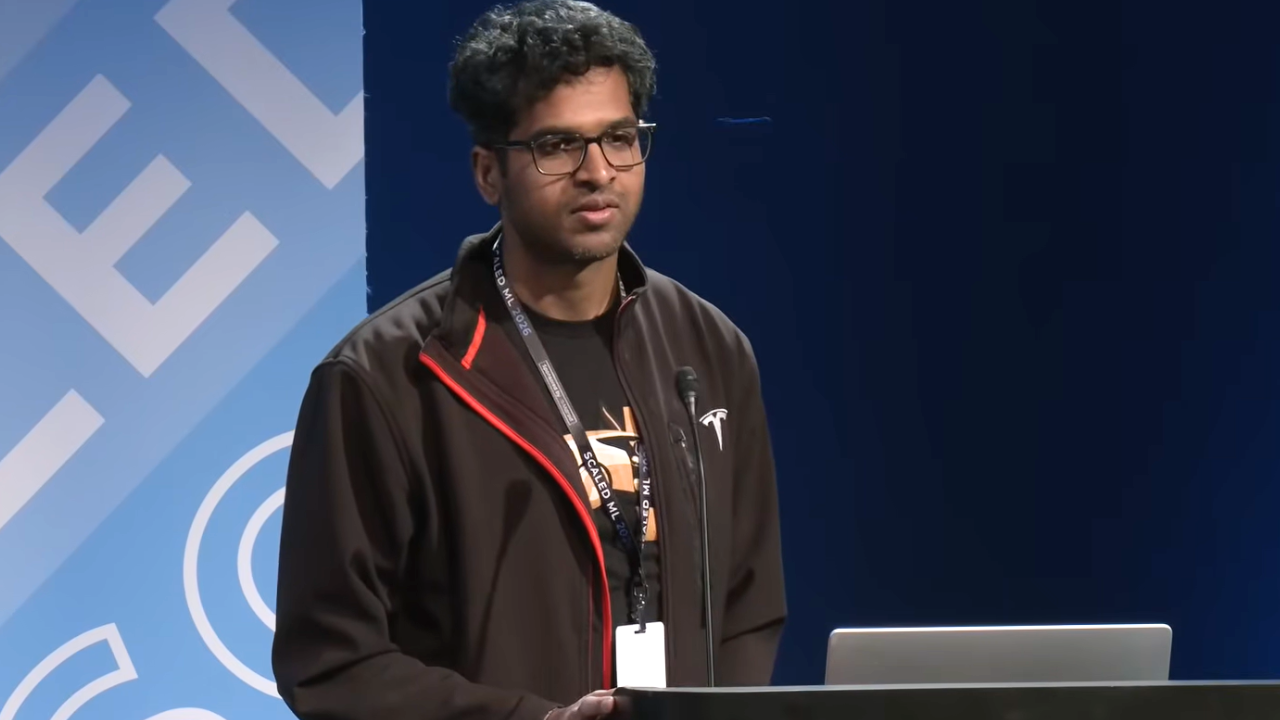
Ashok Elluswamy – Director of Autopilot Software, Tesla

Ashok Elluswamy is one of the most influential Indian-origin engineers working on applied AI and autonomous systems. An IIT Madras graduate, he moved to the US for graduate studies and joined Tesla during the early development of its Autopilot programme. Today, he leads AI and self-driving software development, working closely with Elon Musk. Elluswamy’s work underpins Tesla’s Full Self-Driving system and contributes to broader AI initiatives across Musk’s companies, placing him at the cutting edge of automotive and AI innovation.

Ashok Elluswamy – Director of Autopilot Software, Tesla

Sriram Krishnan – Senior White House Policy Advisor on Artificial Intelligence, United States

Sriram Krishnan is an Indian-origin technology leader who has moved from Silicon Valley product roles into shaping how artificial intelligence is governed in the United States. Born in Chennai and educated in engineering in India before moving to the US, Krishnan built his career at major technology companies including Microsoft, Twitter, Facebook, and Snap, and later as a venture capitalist advising fast-growing tech startups. In recent years, he has taken on a senior advisory role within the US government’s AI policy ecosystem, working on frameworks around AI competitiveness, safety, and adoption across federal agencies. His transition from Big Tech and venture capital into public policy highlights how Indian-origin technologists are increasingly influencing not just products and companies, but national AI strategy itself.

Sriram Krishnan – Senior White House Policy Advisor on Artificial Intelligence, United States

Parag Agrawal – Former Chief Executive Officer, Twitter

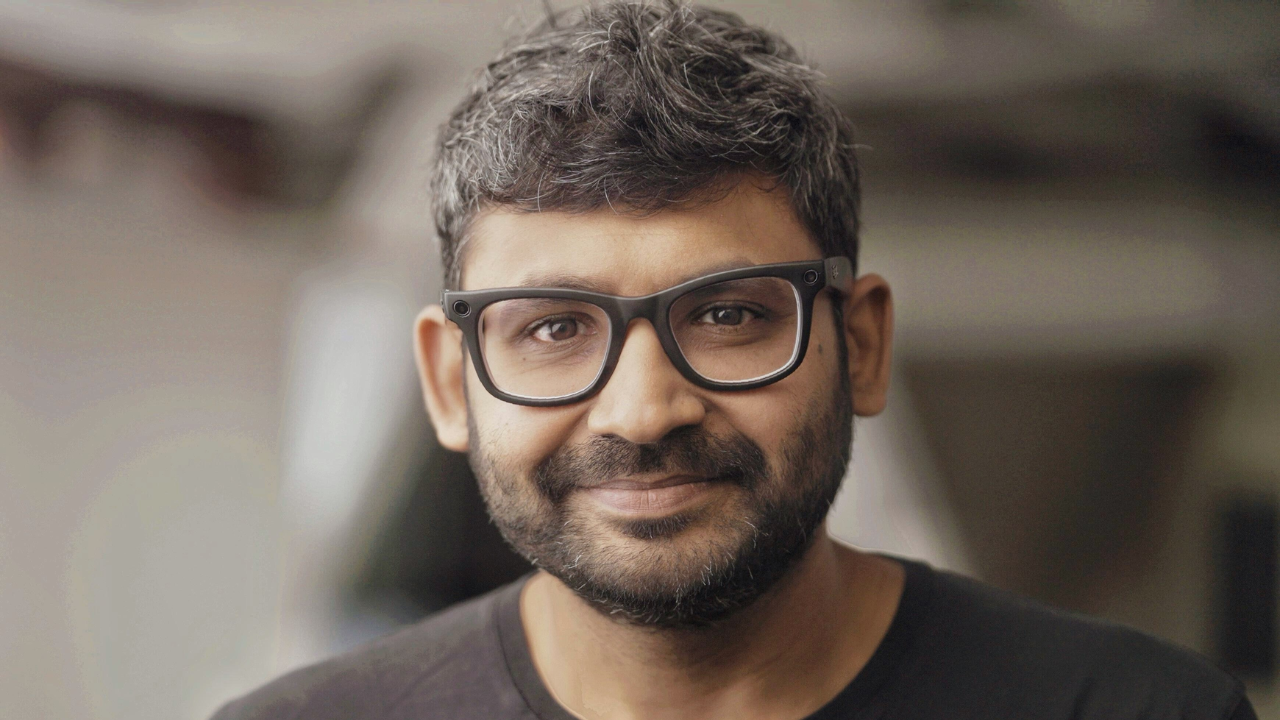
Parag Agrawal is an Indian-origin technology leader who served as CEO of Twitter from 2021 to 2022. Born in Rajasthan, he earned a B.Tech from IIT Bombay before completing a PhD in computer science at Stanford University. Agrawal joined Twitter as an engineer in 2011 and rose to Chief Technology Officer, leading work on machine learning and decentralised projects. After leaving Twitter following Elon Musk’s acquisition, he went on to found an AI-focused startup, marking his continued influence in Silicon Valley’s technology ecosystem.
Parag Agrawal – Former Chief Executive Officer, Twitter


Source link

Mumbai railway police arrest labourer for throwing stone at train after man loses eye | Mumbai News


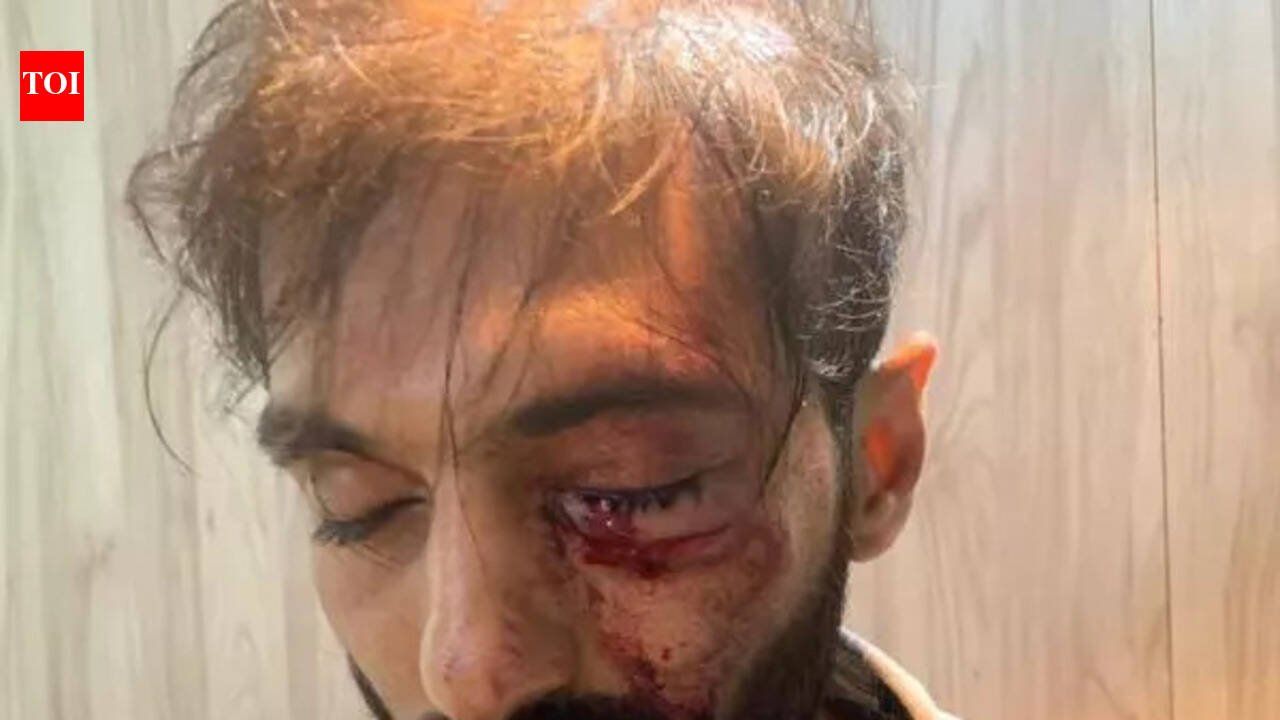
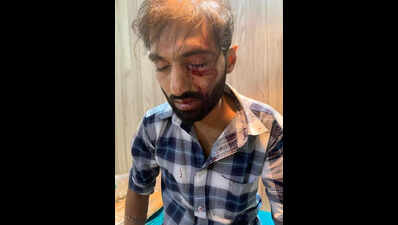
Mumbai: After a bystander lost an eye to a stone flung by a commuter over a spat between him and another traveller on a local train at Bandra, the Govt Railway Police (GRP) tracked down and arrested the suspect on Thursday. Yogendra Bauddha, the accused, is a labourer. The stone flung by Bauddha injured Nishant Khatri, a 28-year-old professional who had got engaged just two days before the incident.On Feb 3, Khatri had finished work at office and boarded a Churchgate-bound local from Andheri station to head home. An MBA in finance, he works as an assistant manager (accounts and finance) at a firm in Sakinaka. Two commuters were bickering over seats in the compartment. When the train reached Bandra, one of them (later identified as Bauddha) hopped on to the tracks and picked up a stone.“I was seated on the third seat,” said Khatri. “The first stone came up from behind me and hit the train. Nobody was hurt, but there was a loud sound and everyone gasped in horror.”As chaos broke out in the compartment, Khatri turned to his left to find out what was happening. “Then a second stone came in — the size of my palm. It hit me in the left eye and left it bloodied,” said Khatri. Co-travellers watched him get injured but nobody came forward to help. “They did not pull the alarm chain either. I somehow got off the train after it had started moving,” he said. Khatri found a home guard who walked him the entire length of the platform. He was then taken to the station manager’s office. Khatri has alleged that he was made to wait for 45 minutes for completion of procedural formalities. Western Railway officials denied the allegation and said he was moved to Bhabha Hospital at 11.25 pm, 15 minutes after the matter was brought to their attention. “At Bhabha Hospital, doctors were not available and a ward boy cleaned my wound, before giving me a tetanus injection. My relatives moved me to Hinduja Hospital where I underwent a surgery,” Khatri said.Bandra GRP registered an FIR and put together a team to hunt for the suspect. The team, led by DCP Sunita Salunke, ACP Kishore Shinde and senior inspector Shahaji Nikam, combed through CCTV footage from various railway stations on Western Railway. After a tip-off was received from informants that the suspect was to arrive at Dadar, the police team laid a trap and apprehended him.Bauddha hails from UP and came to Mumbai eight months ago. He resides at Vasai and works at a plastics company. Police said he often travels on local trains between Vasai and Churchgate for fun. Khatri’s relatives said he was the sole breadwinner and the loss of vision in one eye will impact his capability to work. “My eyeball was damaged in the incident and doctors said I will never recover vision in my left eye. For no fault of mine, my life has been wrecked,” he said.

Banner Insert


Source link

AAP leader Lucky Oberoi shot dead in Thar outside gurdwara in Punjab’s Jalandhar | Chandigarh News


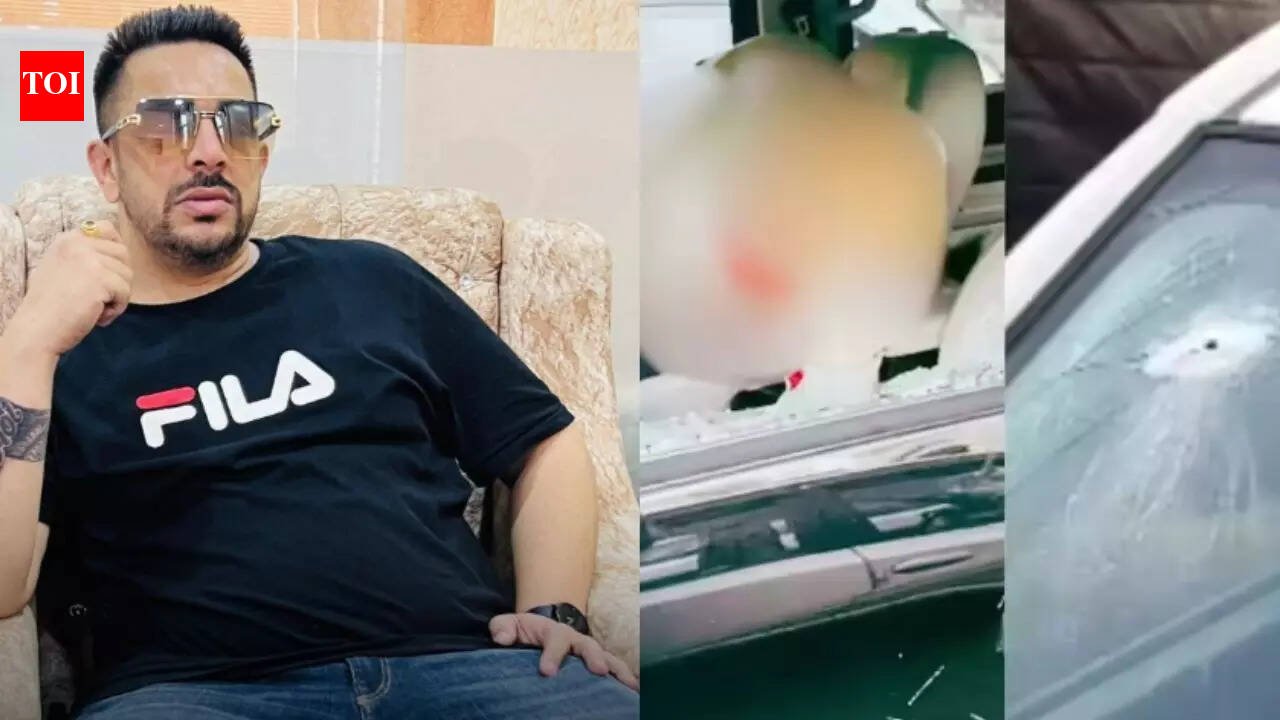
An Aam Aadmi Party (AAP) functionary, Lucky Oberoi, was shot dead early on Friday morning outside a gurdwara in the posh Model Town area of Punjab’s Jalandhar city.

JALANDHAR: An Aam Aadmi Party (AAP) functionary, Lucky Oberoi, was shot dead early on Friday morning outside a gurdwara in the posh Model Town area of Punjab’s Jalandhar city. According to initial reports, police said Oberoi was sitting inside his Thar vehicle when the attackers fired several bullets at him. He was rushed to a private hospital in a critically injured condition, but later succumbed to his injuries.

AAP Leader Lucky Oberoi Shot Dead Outside Gurdwara In Jalandhar, Raising Fresh Law Order Fears

At least two shooters arrived on a scooter and opened fire at Oberoi from close range. The incident took place at around 7.55am, shortly after he had come out of the gurdwara.Oberoi’s wife, Simarjot Kaur, had contested the municipal corporation elections last year on an AAP ticket.He was considered close to AAP’s Jalandhar Cantt constituency in-charge, party leader Rajwinder Thiara. Oberoi worked as a financier and was also involved in the property business. He lived in the Guru Teg Bahadur Nagar area of the city.


Source link

‘Shamelessness of government and police’: AAP’s Saurabh Bhardwaj hits out at BJP over Janakpuri youth’s death | India News


'Shamelessness of government and police': AAP's Saurabh Bhardwaj hits out at BJP over Janakpuri youth's death

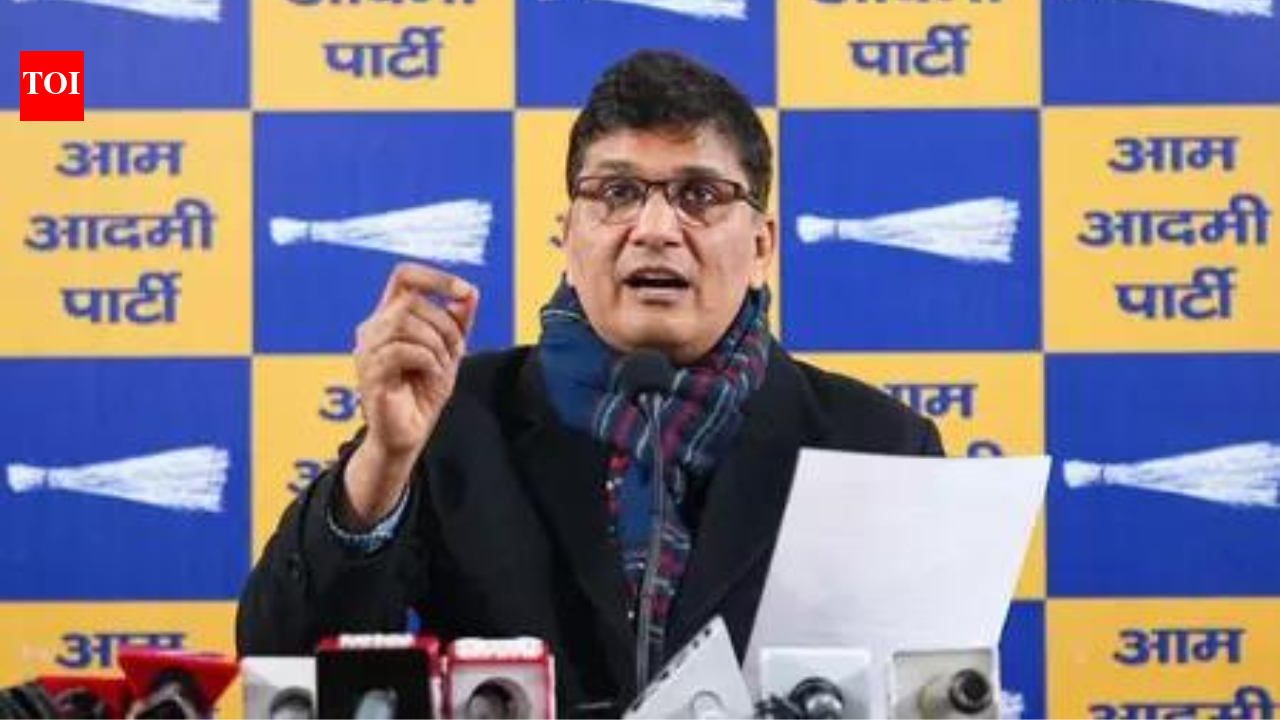
File photo: AAP leader Saurabh Bhardwaj

NEW DELHI: Aam Aadmi Party (AAP) Delhi President Saurabh Bhardwaj on Friday strongly criticised the Delhi Police and the Bharatiya Janata Party (BJP)-led Delhi government following the tragic death of 25-year-old Kamal Dhyin Janakpuri, alleging police negligence and deliberate attempts to withhold crucial information.Speaking to ANI, Bhardwaj described the incident as a reflection of the government’s and police’s “shamelessness.”“What happened in Janakpuri has exposed the BJP government in Delhi, the Delhi Police Commissioner, and the entire Delhi Police… Today, a 25-year-old youth has died… Serious allegations have been slapped on the police. Around 12 am, the family went to the police station in search of their son… Not just one, but they went to six police stations, yet no one filed their report. Their children’s phone location was deliberately deleted in haste. Why did they do this? What is the police trying to hide? When the boy’s phone was on, the police had his location. If they wanted to, they could have found him. Maybe he might have been saved, but no one saved him. In the morning, Ashish Sood went there and lied about having proper arrangements. If there were proper arrangements, then did that boy jump to take his own life? This is simply the shamelessness of the government and the police, who are falsifying data. Today, with concrete evidence, this has been exposed to the entire country,” he told ANI.Bhardwaj visited the accident site to assess the situation and pointed out alleged tampering with the scene.“This is the crime scene… On one side of this road, there’s an 8-foot-high barricade with wire on top. There’s also a barricade on the other side of the road. On the third side of this road, there’s a large iron barricade, and there’s a barricade on the other side of this ditch as well. The Delhi Police have directly tampered with the crime scene. They have openly committed fraud by altering it. It’s obvious to everyone here that the biker could only have fallen if someone had thrown him from an aeroplane. This is clear to any basic person… Did the man just appear out of thin air? Should any department stoop to such a level of depravity? Can any government fall to such a low level of dishonesty, just to claim that it wasn’t anyone’s fault and that the boy died on his own? That’s why the crime scene was later barricaded from all sides,” he added. The criticism comes after Kamal Dhyani, a 25-year-old Janakpuri resident, reportedly fell into a deep pit while riding his motorcycle home late Thursday night. Police confirmed the identification of the deceased.Dhyani’s brother claimed that the family did not recieve any help even after visiting six police stations and received the information only after calling him on his phone in the morning, which was received by an official to extend the news of his death.Dhyani’s friend condemned the police department, saying that they neglected the urgency of the situation by not providing the exact location of his mobile phone during the search, resulting in his death. He further questioned how his phone could not be tracked last night.Meanwhile, Delhi urban development minister Ashish Sood is scheduled to inspect the site on February 7. The Delhi government, on Friday, issued a notification taking cognisance of the incident and assuring action against the responsible authorities.The tragedy has evoked comparisons with a similar incident in January, when a 27-year-old IT professional, Yuvraj Mehta, lost his life after his car plunged into an unmarked, water-filled construction pit in Noida amid dense winter fog. The incident had sparked widespread concern over urban safety standards, incomplete construction sites, and the urgent need for better road safety measures in the Delhi-NCR region.


Source link

T20 World Cup 2026 Opening Ceremony: Date, Time, Celebrity Performers and Live Streaming Details


The anticipation for the tenth edition of the ICC Men’s T20 World Cup 2026 is at an all-time high as the tournament gears up for a spectacular launch on February 7 in Mumbai.

T20 World Cup 2026 set for a grand opening

The tournament, which has solidified its status as the pinnacle of international T20 cricket, promises an electrifying month filled with intense rivalries, global stars, and grand entertainment. The inaugural match in India will feature a highly anticipated showdown between the defending champions India and the USA at the Wankhede Stadium in Mumbai, setting the stage for an action-packed month of cricket across the subcontinent.

With 20 teams set to battle it out across various venues, T20 World Cup 2026 will showcase top-tier talent and bring fans closer to the action. The tournament, spanning from February 7 to March 8, will travel across key hubs in both India and Sri Lanka. This co-hosting strategy aims to deepen the tournament’s reach and celebrate the massive global passion for cricket in two of the sport’s most vibrant nations.

The journey of the T20 World Cup 2026 commences with a historic opening day featuring matches in both host nations. While the action kicks off earlier in the day in Colombo, the official Opening Ceremony has been reserved for Mumbai’s Wankhede Stadium. This legendary venue will host the ceremonial launch just before India begins its title defense under the lights. The tournament will culminate in a grand finale on March 8, marking a month of elite competition that transitions from the coastal energy of Mumbai and Colombo to the massive arenas of Ahmedabad.

Also READ: T20 World Cup 2026: Broadcast, Live Streaming details: When and where to watch in India, Pakistan, Sri Lanka, USA, UK & other countries

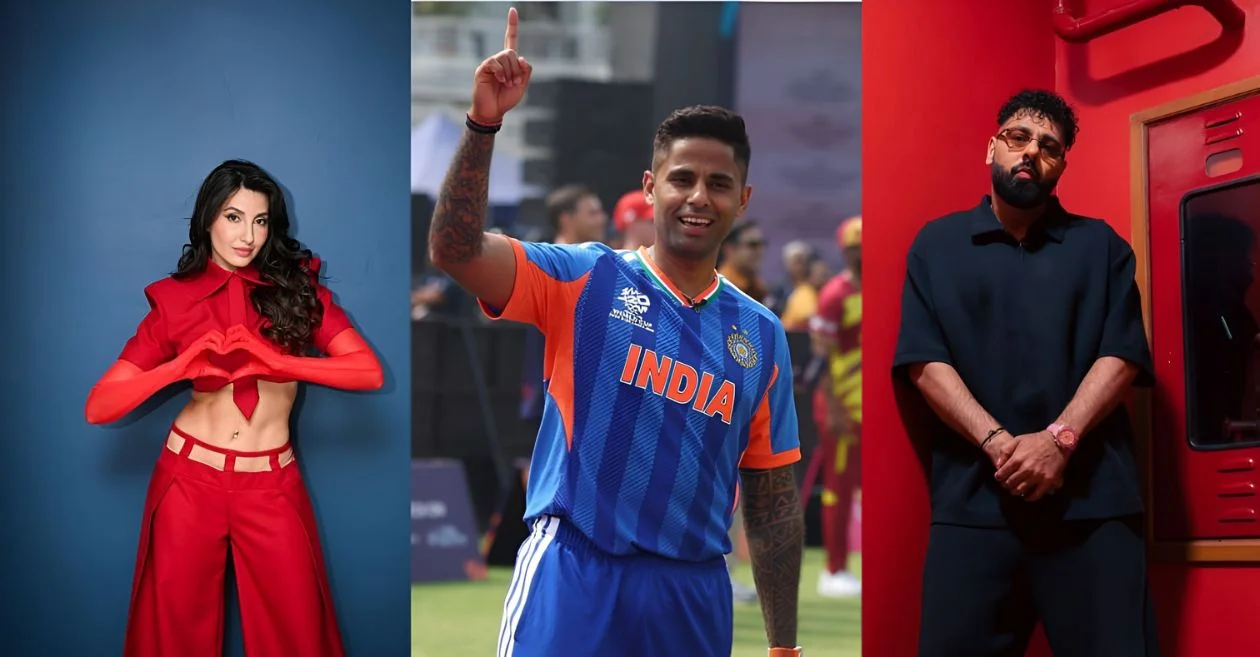
T20 World Cup 2026 opening ceremony: Badshah, Nora Fatehi, Rishab Rikhiram Sharma and Sivamani

The ICC Men’s T20 World Cup 2026 will burst into life with Rishab Rikhiram Sharma, Sivamani Badshah, and Nora Fatehi taking the center stage at the Wankhede Stadium. The ceremony is designed to reflect the pace and energy of T20 cricket, with the field of play acting as a unified visual canvas and the official tournament logo forming the main performance stage.

  • Musical Medley: Starting at 6:00 PM IST, a powerful musical medley from renowned percussionist Sivamani and neo-classical sitarist Rishab Rikhiram Sharma will set the pulse racing. Their performance is rooted in rhythm and classical improvisation, foregrounding traditional sounds in a bold, global setting.
  • Spectacular Trophy Arrival: Following the music, the T20 World Cup Trophy will make a spectacular entrance, carried into the stadium by a jetpack performer to captivate the fans.
  • Official Launch: The gleaming trophy will touch down to a hero’s welcome from ICC Chairman Jay Shah and former India skipper Rohit Sharma (who led the 2024 champions). They will be joined by 20 young ambassadors representing every competing nation to officially declare the tournament open.
  • Headline Performances: Rapper-singer Badshah will then electrify the stadium with his contemporary pop and hip-hop hits, followed by a dynamic dance spectacular from Nora Fatehi. The ceremony will culminate with both artists coming together for a grand finale and a stunning pyrotechnic display.

T20 World Cup 2026: Broadcast and Live Streaming Details

With the increasing global pull of T20 cricket, the World Cup 2026 will reach a massive audience through extensive coverage. Fans in India can catch the live telecast on the Star Sports Network, which has secured the exclusive broadcasting rights for this edition. For those preferring digital platforms, the ceremony and matches will be available for live streaming on JioHotstar (via the app and website). Additionally, the official theme song “Feel the Thrill” by Anirudh Ravichander will feature prominently throughout the broadcast, making this the most accessible and entertaining World Cup to date.

*Note to Fans: Only ticket holders for the India vs USA match will be able to attend the Opening Ceremony. Fans are strongly encouraged to arrive by 5:30 PM IST to ensure they do not miss any part of this unmissable show.

Also READ: From Dinesh Karthik to Wasim Akram: Full list for commentators for the ICC Men’s T20 World Cup 2026


Source link

Access Denied


Access Denied

You don’t have permission to access “http://www.ndtv.com/world-news/russia-ukraine-war-vladimir-putin-volodymyr-zelensky-beyond-the-frontlines-how-kyiv-is-moving-the-war-into-russias-backyard-10960654” on this server.

Reference #18.adf5d217.1770397850.787fd53e

https://errors.edgesuite.net/18.adf5d217.1770397850.787fd53e


Source link

T20 World Cup: Harshit Rana deemed ‘unfit’, ruled out of tournament; Mohammed Siraj named replacement | Cricket News


T20 World Cup: Harshit Rana deemed 'unfit', ruled out of tournament; Mohammed Siraj named replacement

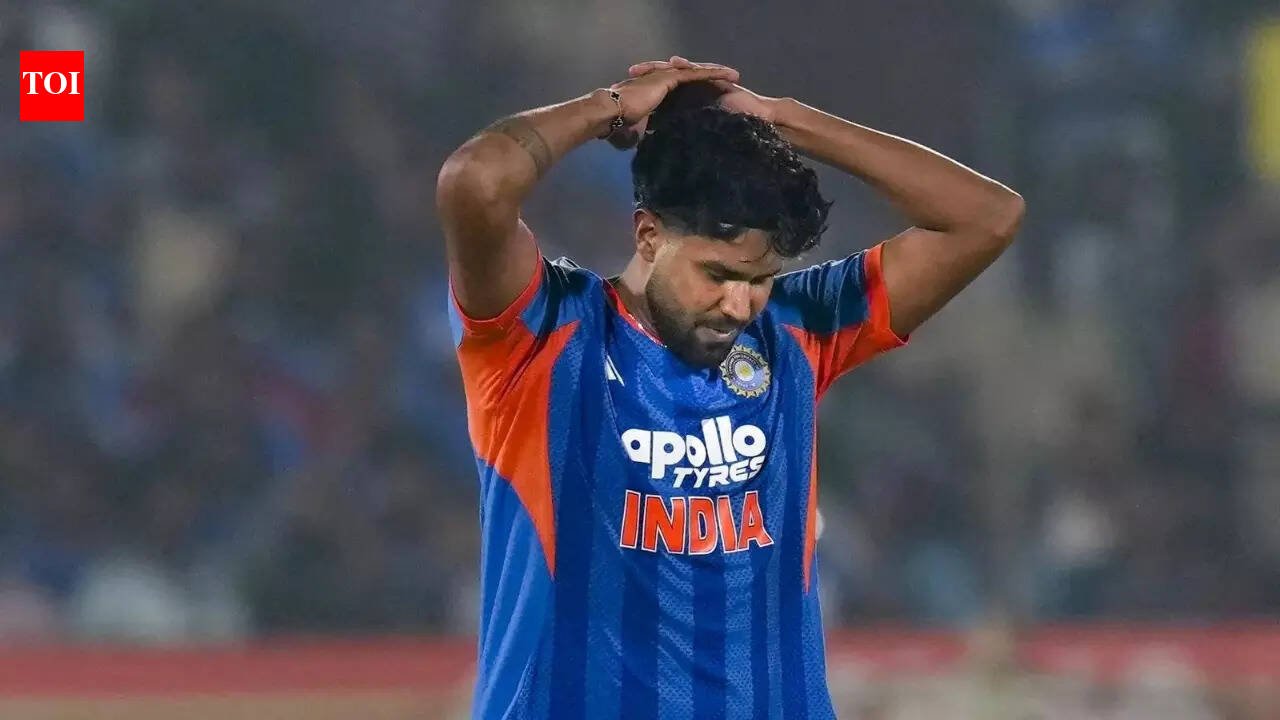
NEW DELHI: India fast bowler Harshit Rana has been ruled out of the ICC Men’s T20 World Cup 2026, the BCCI said on Friday. Rana suffered a knee injury during India’s warm-up match against South Africa in Navi Mumbai on February 4, 2026.The BCCI said Rana was assessed by a specialist and underwent scans, following which the medical team declared him unfit for the tournament. Mohammed Siraj has been named as his replacement in the squad.Earlier in the day, India captain Suryakumar Yadav had said Rana was “not looking good”.Rana was injured during India’s T20 World Cup warm-up game against South Africa on Wednesday. He pulled out of his run-up twice in an over before holding his knee and leaving the field. He bowled just one over and gave away 16 runs.India are already managing other fitness concerns in the squad. All-rounder Washington Sundar, who missed the recent T20 series against New Zealand due to a side strain, remains part of the World Cup squad and is expected to return in time for the tournament. Tilak Varma, who was earlier ruled out due to injury, has made his return and featured in two warm-up matches ahead of the World Cup. India will begin their T20 World Cup 2026 campaign on February 7 at the Wankhede Stadium in Mumbai against USA.India’s updated squad: Suryakumar Yadav (C), Abhishek Sharma, Sanju Samson (WK), Ishan Kishan (WK), Tilak Varma, Hardik Pandya, Shivam Dube, Axar Patel (VC), Rinku Singh, Jasprit Bumrah, Arshdeep Singh, Kuldeep Yadav, Varun Chakaravarthy, Washington Sundar, Mohd Siraj


Source link

US slaps more sanctions on Iran hours after nuclear talks end in Oman


US slaps more sanctions on Iran hours after nuclear talks end in Oman
Representative image (AI-generated)

The United States on Friday announced new sanctions targeting Iran’s oil and petrochemical trade, hours after indirect talks between Tehran and Washington concluded in Oman.The move came even as both sides signalled willingness to continue negotiations aimed at easing tensions over Iran’s nuclear programme.The sanctions, unveiled by the US State Department, target 15 entities and 14 vessels linked to Iran’s “shadow fleet,” which is used to transport petroleum, petroleum products and petrochemicals in violation of international restrictions, according to Reuters.In a statement, State Department spokesperson Tommy Pigott said that the measures were part of the Trump administration’s renewed pressure campaign against Tehran. “President Donald Trump is committed to driving down the Iranian regime’s illicit oil and petrochemical exports under the administration’s maximum pressure campaign,” Pigott said.The announcement came shortly after Iranian and US officials wrapped up a day of indirect negotiations in Muscat, mediated by Oman. The talks were described as constructive by TehranIran’s foreign minister Abbas Araghchi, speaking after the talks, struck a cautiously optimistic tone, calling the discussions “a good start.”“If we can go along with this positive path, I can say that we can reach a positive framework regarding the nuclear talks between Iran and the US,” Araghchi told reporters.He said both sides had agreed to continue discussions after further consultations in their respective capitals.“Our concerns were conveyed, as well as our interests and the rights that the Iranian people have. It was conveyed in a very good atmosphere, and the views of the other side were also heard,” he added.According to Oman’s foreign ministry, foreign minister Badr al-Busaidi met separately with Araghchi and US Middle East envoy Steve Witkoff in Muscat. Footage later released by Oman’s state news agency showed US Navy Admiral Brad Cooper, head of US Central Command also present.The negotiations mark the first formal engagement since the United States joined Israel’s military action against Iran in June, during which US strikes damaged Iranian nuclear facilities.Israel also targeted Iran’s air defence systems and ballistic missile infrastructure. Since then, Washington has bolstered its military presence in the region, deploying additional warships, fighter jets and the aircraft carrier USS Abraham Lincoln.US officials have indicated that Washington wants the talks to go beyond Iran’s nuclear programme to include its missile capabilities and regional influence. Iran, however, has insisted that discussions remain limited.US Secretary of State Marco Rubio acknowledged the difficulty of the negotiations earlier this week, saying, “I’m not sure you can reach a deal with these guys, but we’re going to try to find out.”Tensions remain high as both sides weigh diplomacy against the risk of escalation. The US has recently shot down an Iranian drone near the USS Abraham Lincoln, while Iran has attempted to stop a US-flagged vessel in the Strait of Hormuz.Friday’s sanctions also follow similar measures imposed last month, when the US targeted vessels accused of moving hundreds of millions of dollars’ worth of Iranian oil. The Treasury Department has said that Iran’s shadow fleet plays a critical role in financing the regime, including its domestic crackdowns and regional activities.


Source link