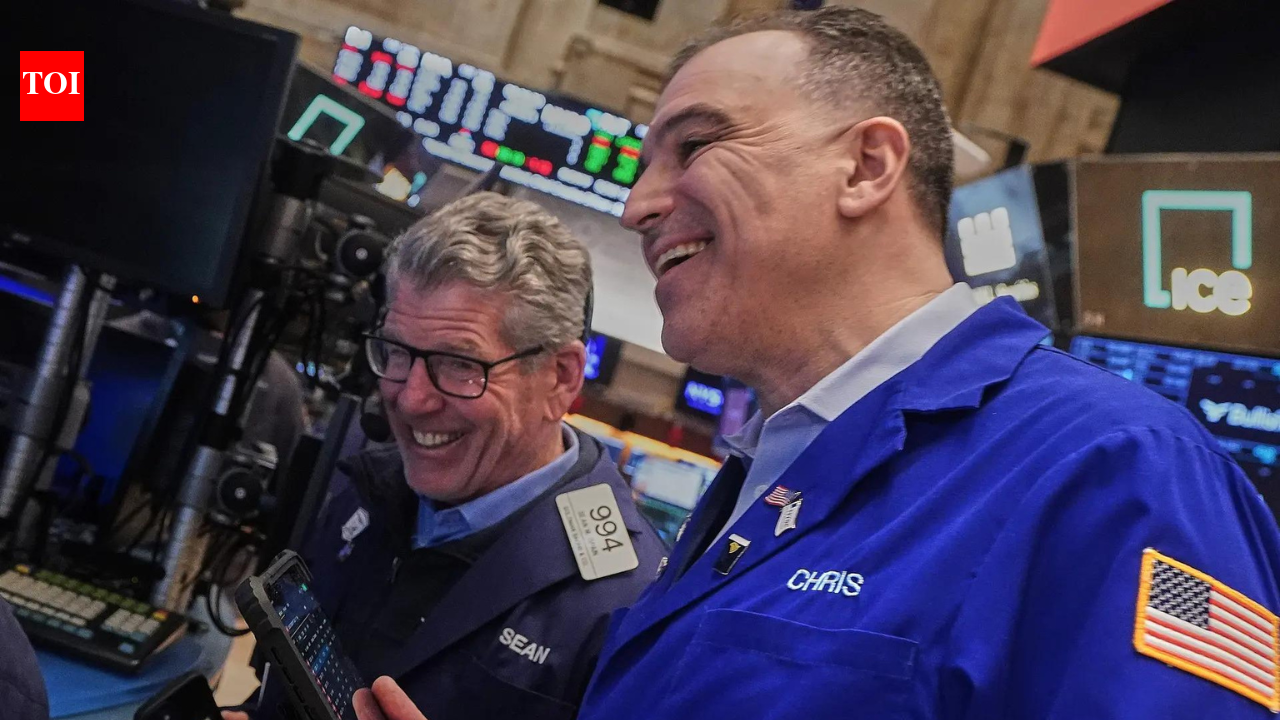
File photo: Traders work on the floor of the New York Stock Exchange (Picture credit: AP)
US stock markets moved higher on Friday, clawing back part of the heavy losses seen earlier in the week, as technology shares recovered and bitcoin halted its recent slide. The rebound came after several volatile sessions driven by worries over massive spending on artificial intelligence and its impact on corporate profits.The S&P 500 rose 0.9 per cent, marking only its second gain in the past eight sessions. The Dow Jones Industrial Average jumped 776 points, or 1.6 per cent, while the Nasdaq Composite was up 0.5 per cent by mid-morning trading in New York.Chipmakers led the recovery. Nvidia climbed 4.9 per cent, trimming a weekly decline of more than 10 per cent, while Broadcom gained 3.8 per cent after falling sharply earlier in the week. According to news agency AP, hopes of strong long-term demand for chips linked to artificial intelligence continued to support the sector.
AI spending worries hit Amazon
Despite the broader rebound, concerns over soaring AI investment remained. Amazon shares slumped 8.5 per cent after the company said it expects to spend around $200 billion this year on areas such as AI, chips, robotics and low-earth-orbit satellites. Similar spending plans announced earlier by Alphabet have raised questions about whether such large investments will deliver enough future profits.As per news agency AFP, investors have grown cautious after a period when enthusiasm around AI lifted much of the technology sector. Chris Low of FHN Financial said markets were now reassessing whether the sell-off had gone too far, noting that traders felt some of the recent declines may have been “overdone”.Even with Friday’s gains, the S&P 500 was still on course for its third weekly fall in four weeks.
Bitcoin stabilises, crypto stocks jump
Bitcoin showed signs of stabilising after weeks of losses that wiped out more than half its value since its October peak. The cryptocurrency recovered to around $68,000 after briefly slipping near $60,000 late on Thursday.The move helped lift shares linked to the crypto sector. Robinhood Markets surged 11.7 per cent, Coinbase Global rose 7.3 per cent, and Strategy, a company known for holding large amounts of bitcoin, jumped 15.9 per cent.
Consumers, airlines and smaller stocks gain
US consumer sentiment also provided some support. A preliminary survey from the University of Michigan showed sentiment improving slightly, defying expectations of a fall. The improvement was strongest among households that own shares.Airline stocks gained on hopes that stronger confidence would translate into more travel spending. United Airlines rose 5.4 per cent, American Airlines gained 4.6 per cent, and Delta Air Lines added 4.4 per cent.Smaller companies outperformed larger peers, with the Russell 2000 index climbing 2.3 per cent. These firms tend to be more sensitive to the strength of the US economy.In the bond market, US Treasury yields were largely steady. The yield on the 10-year Treasury held at around 4.21 per cent, unchanged from late Thursday.
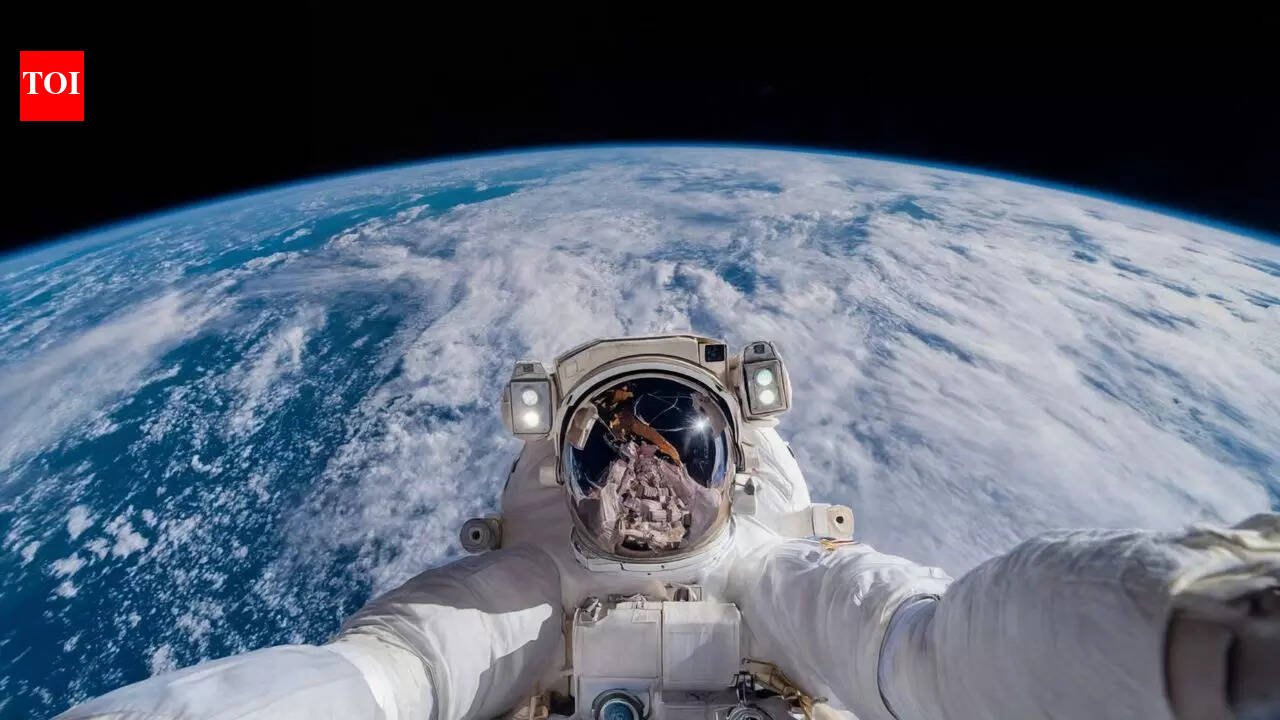
Space selfies with smartphones? Imagine the shots they could get with a smartphone in hand. NASA has reportedly announced that astronauts on the upcoming Crew-12 and Artemis II missions will be allowed to carry their own smartphones. This is a bit of a departure from the usual strict rules about what gadgets can fly in space. Usually, every device has to pass of tests before it’s cleared for orbit. But now, astronauts might have the freedom to snap whatever they want, whenever they want. The announcement came from NASA Administrator Jared Isaacman on X on February 5. Space photography is about to get personal, and maybe a little more human.
NASA astronauts will soon fly with the latest smartphones for Crew-12 and Artemis II
Astronauts taking selfies in space might sound funny, but it could help make space feel closer to home. NASA has always been careful about gadgets. Radiation can fry electronics, and even minor glitches can be a headache when you’re 250 miles above Earth. As reported by AppleInsider, experts say the newest camera officially approved for Artemis II was a 2016 Nikon DSLR, alongside GoPros that are over ten years old. Not exactly cutting-edge tech. Even after all that, there’s no guarantee it’ll fly. But now, it seems NASA is softening. The Crew-12 mission is going to the International Space Station to bring four astronauts onboard. The ISS has been short-staffed after a medical evacuation earlier this year. Having astronauts document daily life on their smartphones could make the station feel a bit more relatable. Then there’s Artemis II, NASA’s first crewed lunar mission in over 50 years. Four astronauts will do a 10-day flyby around the Moon.
NASA makes cosmic selfies possible but with few limitations
As reported by AppleInsider, iPhones in space aren’t completely unheard of, back in 2011, two iPhone 4s flew on the final space shuttle mission. Apple Watches, AirPods, iPads, and iPods have also made appearances in orbit. Long before that, the Macintosh Portable sent the first email from space in 1991. Private missions have had it easier. Now, it seems the big government missions are catching up. Maybe NASA figured it’s time to let astronauts be a little more.
NEW DELHI: At least 7 Naxals were killed in an encounter with special force of police in Maharashtra’s Gadhchiroli on Friday.Officials said that top Naxal Prabhakar, from Telangana was also among 7 Naxals killed. Officials added that Prabhakar had Rs 25 lakh bounty on his headMaharashtra police launched an operation three days ago ear Phodewada village on the Gadchiroli-Narayanpur (Chhattisgarh) border, following inputs about the presence of cadres of company number 10 of the Maoists. According to officials, it involved 14 C-60 units under the SDPO.While police busted two Naxalite camps on Wednesday, they deployed four more C-60 units and one unit of QAT (Quick Action Team) of the Central Reserve Police Force on Thursday morning for reinforcement.The C-60 is a specialised combat unit of the Maharashtra police engaged in tackling Naxalism in the Gadchiroli and Gondia districts.During the operation, a jawan from the special force Deepak Chinna Madavi also succumbed to injuries. According to police, Deepak was earlier airlifted to Bhamragad after sustaining injuries in the anti-Naxal operation, died during treatment, police said.Another injured jawan, Joga Madavi, was also airlifted to Bhamragad. He is out of danger and will be taken to Gadchiroli shortly, said police, adding that the operation is still under way.
NEW DELHI: A 25-year-old man died in west Delhi’s Janakpuri area after his motorcycle fell into an uncovered pit dug for construction work, police said on Friday. The victim’s family alleged that they were left in the dark for several hours and spent the entire night visiting multiple police stations before being informed of his death the next morning.The victim was returning home from office. The man allegedly went missing late at night after leaving home on his motorcycle. When he failed to return and his phone became unreachable, relatives began searching for him and approached several police stations in west Delhi. They claimed that despite repeated visits to nearly a dozen police stations, they received no concrete information about his whereabouts. At around 7am, the police called the family and informed them that his body had been found. Preliminary reports indicated that construction work was underway at the accident site, during which a pit had been dug on the road. The biker is believed to have lost control of his motorcycle and fallen into the pit at Joginder Singh Marg, near Green Valley Apartments, leading to fatal injuries. The area reportedly lacked adequate barricading or warning signage at the time of the incident. The victim’s family accused the concerned departments of negligence and demanded strict action against those responsible for failing to ensure road safety. Police said an investigation was underway to determine the exact circumstances of the accident and to fix responsibility. Further action would be taken based on the findings of the inquiry, they added.
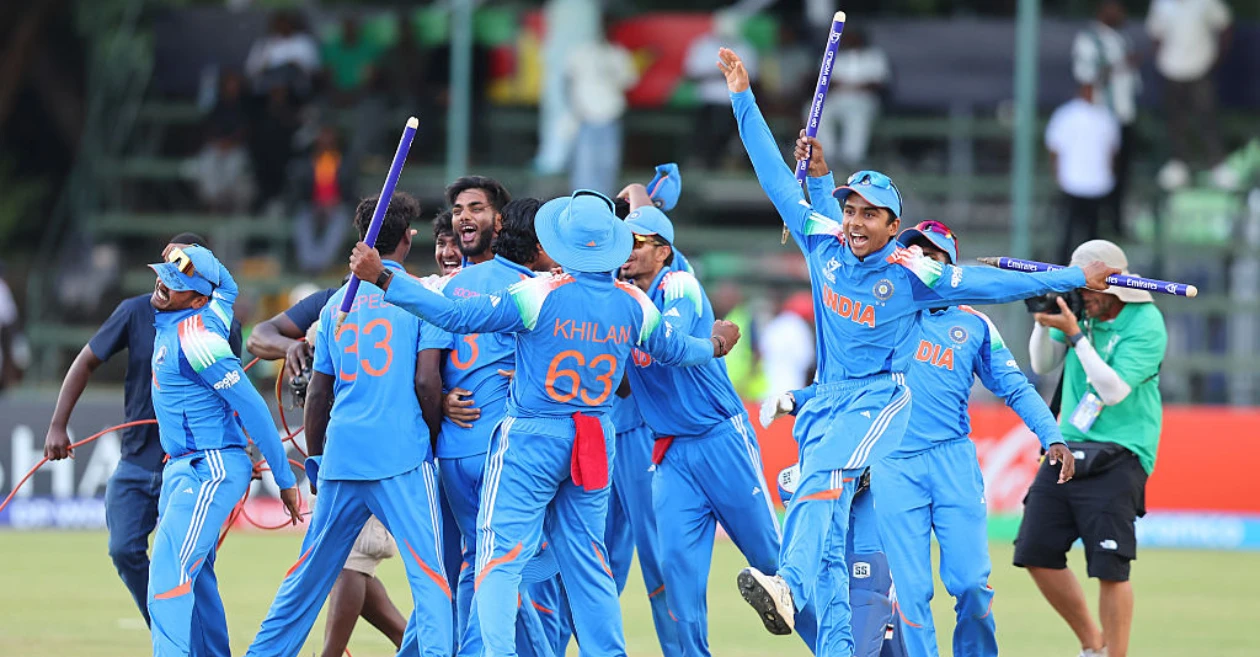
India delivered a commanding performance to defeat England by 100 runs in the final of the ICC Under-19 World Cup 2026, securing their record-extending sixth title. The one-sided contest unfolded at the Harare Sports Club, where India’s batting firepower and disciplined bowling proved far too strong for the English side.
Winning the toss and opting to bat first, India laid the foundation for victory with a monumental total that left England chasing the game from the outset.
Vaibhav Suryavanshi’s blistering century anchors India’s record total
India’s innings was headlined by a sensational knock from Vaibhav Suryavanshi, who smashed a breathtaking 175 off just 80 balls. His innings, laced with clean hitting and fearless stroke play, dismantled the England bowling attack and set the tone for a record total of 411 for 9 in 50 overs.
Captain Ayush Mhatre played a crucial supporting role with a composed 53, ensuring stability after early wickets. Valuable contributions from Abhigyan Kundu (40), Kanishk Chouhan (37 not out) and Vedant Trivedi (32) helped India maintain relentless momentum throughout the innings.
England’s bowlers struggled for control, with Sebastian Morgan, Alex Green and James Minto among the few to make breakthroughs, though at significant cost.
Facing a daunting target of 412, England required a near-perfect chase but were immediately put under pressure by India’s incisive bowling. Early wickets pegged them back, though Ben Dawkins and Ben Mayes showed intent with brisk starts.
The standout effort came from Caleb Falconer, who struck a valiant 115, displaying power and resilience in the middle order. However, with partners falling regularly, his efforts were ultimately in vain.
India’s bowlers executed their plans to perfection, never allowing England to build sustained partnerships. RS Ambrish was the pick of the attack, claiming three key wickets and breaking the backbone of England’s lower order. Kanishk Chouhan and Deepesh Devendran provided crucial support, ensuring England were bowled out for 311 in 40.2 overs.
The disciplined bowling effort reflected India’s depth and preparation, hallmarks of a champion side throughout the tournament.
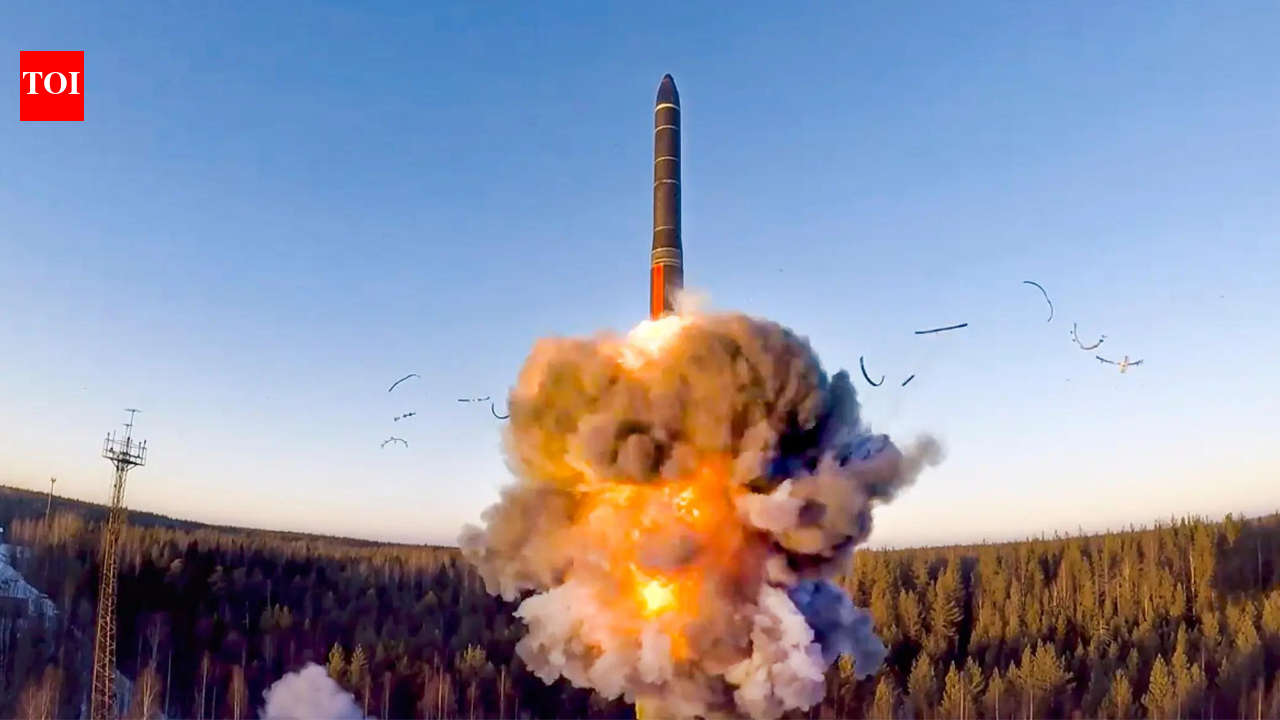
The United States on Friday accused China of secretly carrying out nuclear explosive tests, even as Washington and Moscow acknowledged the need to urgently begin fresh arms control talks following the expiry of the last remaining US–Russia nuclear treaty.The accusation came as US officials renewed pressure on Beijing to be part of any future nuclear arms agreement. US secretary of state Marco Rubio said an arms control framework that does not include China would leave the United States and its allies “less safe”, pointing to what he described as China’s rapidly expanding nuclear arsenal.Speaking at the UN-backed Conference on Disarmament in Geneva, top US arms control official Thomas DiNanno said China had conducted covert nuclear tests and attempted to conceal them. “The US government is aware that China has conducted nuclear explosive tests, including preparing for tests with designated yields in the hundreds of tons,” he said, according to news agency AP. DiNanno alleged that China’s military sought to hide the activity because it knew such tests violated commitments to suspend nuclear testing.China strongly rejected the claims. Ambassador Shen Jian called the allegations “false narratives and unfounded accusations”, insisting Beijing continues to honour its pledge to suspend nuclear testing. He said US criticism was aimed at shifting responsibility for nuclear disarmament and justifying what he described as American “nuclear hegemony”, reported AP.
New START expires, Russia and US discuss next steps
The sharp exchange came a day after the New Strategic Arms Reduction Treaty (START) formally expired, removing limits on the world’s two largest nuclear arsenals for the first time in more than 50 years. The agreement had capped each side at 1,550 deployed nuclear warheads.According to the Kremlin, Russian and US negotiators meeting in Abu Dhabi discussed the future of nuclear arms control and agreed on the need to launch talks quickly. Kremlin spokesman Dmitry Peskov said both sides understood the importance of acting responsibly and beginning negotiations “as soon as possible”, as per AP.Russian President Vladimir Putin has offered to stick to New START limits for another year if Washington does the same, but US President Donald Trump has not accepted the proposal. Trump has instead argued for a new and broader agreement that includes China.Asked about reports of a possible informal extension of the treaty limits, Peskov dismissed the idea, saying any extension would need to be formal. Meanwhile, the US and Russia have agreed to restore high-level military-to-military dialogue, which had been suspended since 2021.
China rejects talks
Washington says China’s growing nuclear stockpile makes its inclusion essential. Rubio wrote that China’s arsenal had increased from the low 200s to more than 600 warheads since 2020 and could cross 1,000 by 2030. “As we sit here today, China’s entire nuclear arsenal has no limits, no transparency, no declarations and no controls”, DiNanno added.China, however, has refused to join disarmament talks at this stage. Shen said Beijing’s nuclear capabilities were not comparable to those of the US or Russia and urged the two biggest nuclear powers to shoulder primary responsibility for disarmament. He also expressed regret over the expiry of New START and called on Washington to accept Moscow’s offer to temporarily maintain its limits.Russia and the US together control over 80 per cent of the world’s nuclear warheads, while China’s arsenal is expanding faster than any other country’s. The lapse of New START has raised fears of a renewed nuclear arms race, with no binding framework now in place to restrain the most destructive weapons.Despite these concerns, big differences remain over the shape of any future agreement, with Washington pushing for a three-way deal, Moscow suggesting other nuclear powers be included, and Beijing refusing to take part for now.
Gold price today: Precious metal prices fell sharply in the national capital on Friday as investors continued to book profits for the second consecutive session. Silver plunged nearly 5%, while gold also registered a steep decline.According to the All India Sarafa Association, silver prices dropped by Rs 13,000, or 4.85%, to Rs 2,55,000 per kilogram (inclusive of all taxes), compared with Thursday’s closing price of Rs 2,68,000 per kg.
Gold, Silver Under Pressure After Peaks: Should You Invest And Hold Precious Metals Or Sell Off?
Gold of 99.9% purity also weakened, falling Rs 3,400, or 2.12% , to Rs 1,57,200 per 10 grams (inclusive of all taxes), down from Rs 1,60,600 per 10 grams in the previous session.Traders said the decline in domestic prices was largely due to profit-taking at elevated levels, even as global precious metal prices recovered later in the day.In the international markets, bullion prices rebounded sharply after an early sell-off. Spot silver jumped $3.02, or 4.26% to $74 per ounce, recovering from an intra-day low of $64.08 per ounce, where it had fallen nearly 10% .Gold also staged a strong recovery, rising $106.74, or 2.23% , to $4,887.30 per ounce after hitting a session low of $4,654.86 per ounce earlier in the day.
Gold prices today across major Indian cities
Gold price today in AhmedabadIn Ahmedabad, 24-carat gold is priced at Rs 15,447 per gram, while 22-carat gold is selling at Rs 14,160 per gram. The price of 18-carat gold stands at Rs 11,587 per gram.Gold price today in DelhiIn Delhi, gold prices are slightly higher, with 24-carat gold available at Rs 15,457 per gram. The 22-carat variant is priced at Rs 14,170 per gram, while 18-carat gold is trading at Rs 11,597 per gram.Gold price today in MumbaiIn Mumbai, the rate for 24-carat gold is Rs 15,442 per gram. The 22-carat gold price stands at Rs 14,155 per gram, and 18-carat gold is selling at Rs 11,582 per gram.Gold price today in Hyderabad Gold prices in Hyderabad mirror those in Mumbai, with 24-carat gold priced at Rs 15,442 per gram. The 22-carat variant costs Rs 14,155 per gram, while 18-carat gold is available at Rs 11,582 per gram.Gold price today in ChennaiIn Chennai, gold rates are higher compared to most other cities. The price of 24-carat gold is Rs 15,622 per gram, while 22-carat gold is selling at Rs 14,320 per gram. The 18-carat gold rate in the city stands at Rs 12,250 per gram.Gold price today in KolkataIn Kolkata, 24-carat gold is trading at Rs 15,442 per gram. The 22-carat variant is priced at Rs 14,155 per gram, while 18-carat gold costs Rs 11,582 per gram.Gold price today in PuneIn Pune, gold prices are in line with Mumbai and Hyderabad. The rate for 24-carat gold stands at Rs 15,442 per gram, with 22-carat gold priced at Rs 14,155 per gram and 18-carat gold at Rs 11,582 per gram.
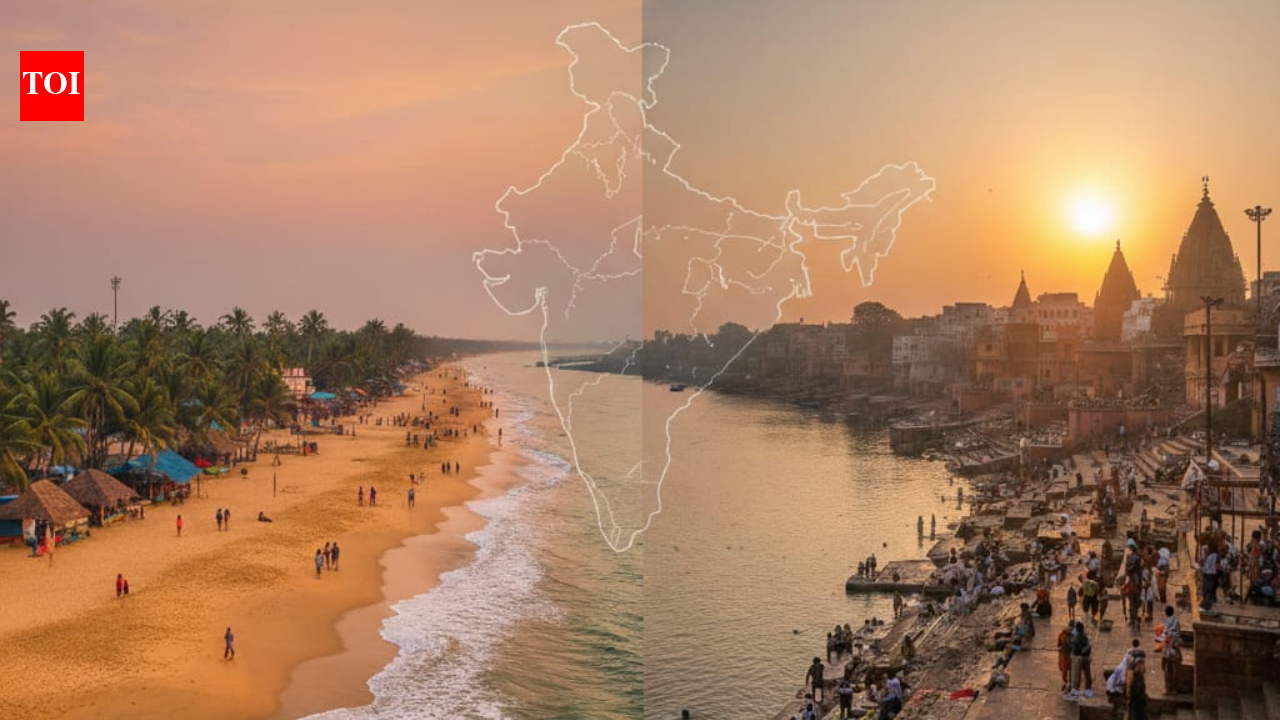
For years, planning a holiday in India meant choosing between two familiar choices: beach or hills. Goa or Manali. Sand or snow.Not anymore.Today, the most searched destinations on travel apps are just as likely to be Ayodhya as Alibaug, Varanasi as Vagator, Ujjain as Udaipur. A generation that grew up posting sunsets from shacks and selfies from mountain cafés is now booking flights to temple towns, river ghats and heritage streets.India’s tourism map is changing — quietly, steadily, and faster than many imagined.Across India, places once considered peripheral to mainstream tourism – religious towns, heritage cities, riverfront settlements and small cultural hubs – are emerging as year-round travel destinations. Ayodhya, Varanasi, Ujjain, Prayagraj, Dwarka, Puri, Hampi, Madurai and Maheshwar are no longer niche or purpose-driven stops. They are becoming central nodes in India’s tourism geography, drawing millions of travellers who are not just pilgrims, but explorers, photographers, students, influencers, backpackers and international visitors.What’s driving this change is not one factor, but a convergence: religious revival, infrastructure investment, social media discovery, generational travel habits, and a redefinition of what “travel” means in India today.
Religious tourism: From margins to mainstream
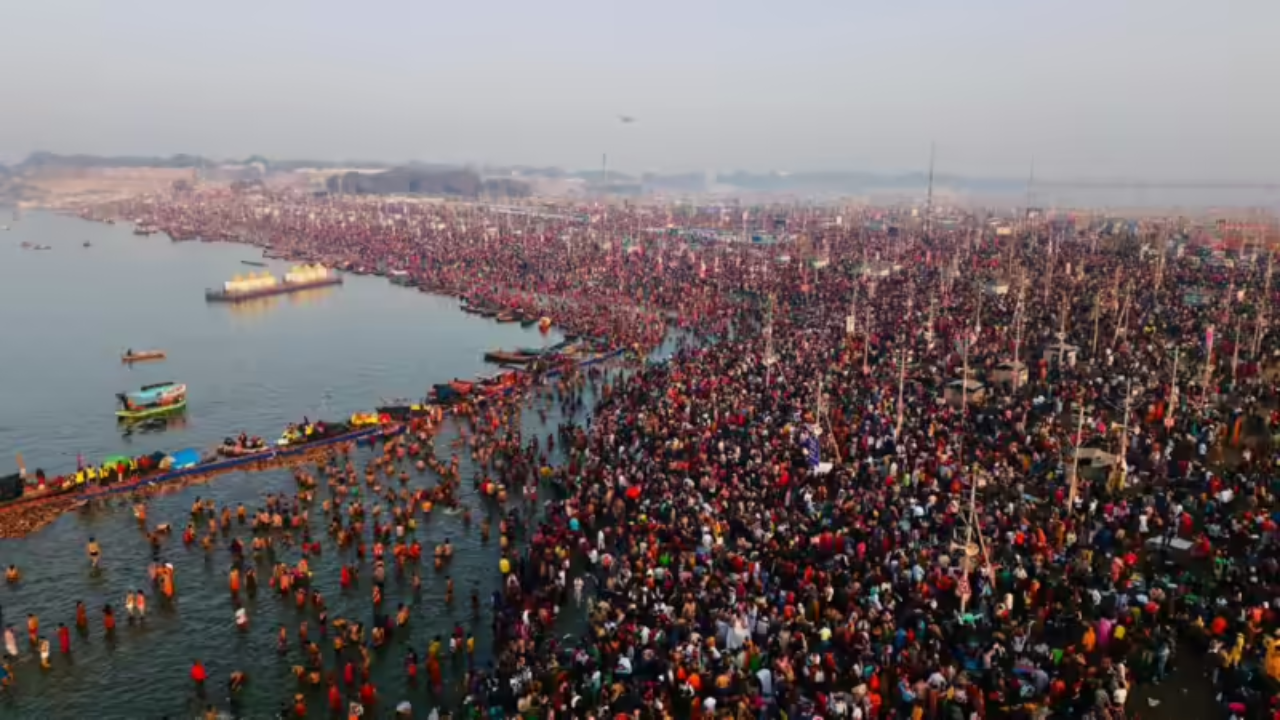
The most decisive force reshaping India’s tourism map is the scale and transformation of religious travel.India has always been a land of pilgrimage, but for much of the post-liberalisation era, religious tourism remained largely disconnected from mainstream travel narratives. Pilgrims travelled with families, stayed briefly, and rarely engaged with destinations beyond ritual.That distinction has collapsed. Data from the Union ministry of tourism and state governments shows that religious tourism now accounts for more than half of all domestic tourist visits in India. In several states, pilgrimage-led travel has overtaken leisure tourism as the primary driver of footfall. Uttar Pradesh illustrates this transformation most starkly. The state reported over 130 crore domestic tourist visits in a single year – 2025, making it India’s most visited state. The surge has been driven overwhelmingly by pilgrimage and heritage circuits connecting Ayodhya, Prayagraj, Varanasi and Mathura–Vrindavan. Ayodhya, once a relatively modest religious town, has undergone a dramatic transformation since the inauguration of the Ram Temple. Annual visitor numbers now run into millions, outpacing several long-established heritage destinations. The city’s airport, railway station, road network and public spaces have been redeveloped to accommodate a scale of travel previously unimaginable for a town of its size.Last year’s Maha Kumbh in Prayagraj, a once in 144 year affair, alone drew footfalls on a scale rarely seen anywhere in the world, making it the largest religious congregation, so much so that it was even visible from space.
Varanasi, long considered a place one visited once in a lifetime, has emerged as one of India’s fastest-growing cultural destinations. State government figures show tourist visits crossing 10 crore annually in 2024, with foreign arrivals rising sharply over the past three years. What was once seen primarily as a site of ritual and renunciation is now firmly embedded in India’s travel economy.Tamil Nadu tells a similar story. Temple circuits linking Madurai, Rameswaram, Kanchipuram and Tiruvannamalai account for a majority of domestic travel into the state, drawing millions annually. Maharashtra’s Shirdi–Pandharpur belt, Odisha’s Puri, Madhya Pradesh’s Ujjain and Maheshwar, and Gujarat’s Dwarka and Somnath now function as high-volume, year-round tourism economies. Karnataka’s Udupi and Hampi, and West Bengal’s Kalighat and Dakshineswar reflect similar patterns.“Faith has become infrastructure-led,” said a senior employee of a travel agency in Delhi, working at a tech savvy firm which thrives on social media added, “Once access improved, demand exploded.” He says, the jump in visit plans to cities like Varanasi, Chopta, Kedharnath has increased manyfold, and when the char dham yatra opens, demand shoots up.Interestingly the crowd mostly has youths, reflecting a shift from assumed travel preferences.
The power of religious events: Scale, spectacle and sustained travel
If religious tourism is the backbone of the new travel map, religious events are its accelerators.India’s religious calendar is dense with gatherings that combine faith, spectacle, culture and community – often on a scale unmatched anywhere else in the world. These events are no longer seen only as spiritual congregations; they have become major tourism drivers with global visibility and measurable economic impact.
Maha Kumbh and Magh Mela: Temporary cities, permanent impact
The Maha Kumbh Mela at Prayagraj, held once every 12 years at the Sangam of the Ganga, Yamuna and Saraswati, remains the best example. The most recent edition drew hundreds of millions of visits over several weeks, making it the largest human gathering on the planet – so vast that it was visible in satellite imagery. Beyond the ritual bathing, the Kumbh now attracts cultural tourists, photographers, researchers, vloggers and international visitors seeking to witness a phenomenon unmatched in scale.By the end of the event over 660 million people took a dip in Triveni Sangam. The festival generated approximately 1.2 million jobs in sectors like tourism, transportation, healthcare, and retail, significantly boosting the both state and national economies.
The organisation of the event saw major revamp for the city, from over 200 roads renovated and 3 lakh plus trees planted. Post event data released by the state shows, trade in daily essentials reached Rs 17,310 crore, while the hotel and travel sectors were at Rs2,800 crore. Religious materials and flowers generated approximately Rs 2,000 crore and Rs 800 crore, respectively.Alongside the Maha Kumbh, the Magh Mela, held annually at Prayagraj, has emerged as a major draw in its own right. While smaller than the Kumbh, it attracts crores of devotees over its duration, sustaining tourism flows every year rather than once a decade. Temporary cities rise on the riverbanks, supported by transport networks, sanitation infrastructure and cultural programming – an example of how religious events are now treated as logistical and tourism exercises at scale.“These events create massive short-term employment and long-term tourism memory,” said an official involved in last year’s Mela administration. “People return later with families, friends, even tour groups.” He added, “during mela people come to stay for weeks at times the entire month of snan.”
Puri Rath Yatra: Faith meets coastal tourism
In eastern India, the Puri Rath Yatra draws millions of devotees annually, turning the coastal town into a global focal point for weeks. Odisha government estimates show hotel occupancy peaking across the state during the festival period, while transport networks operate at full capacity.Artisans, street vendors and small businesses see a surge in income, while the event also introduces many first-time visitors to Odisha’s beaches, crafts and heritage circuits.
Dev Deepawali, Deepotsav, Durga Puja and festival-led tourism
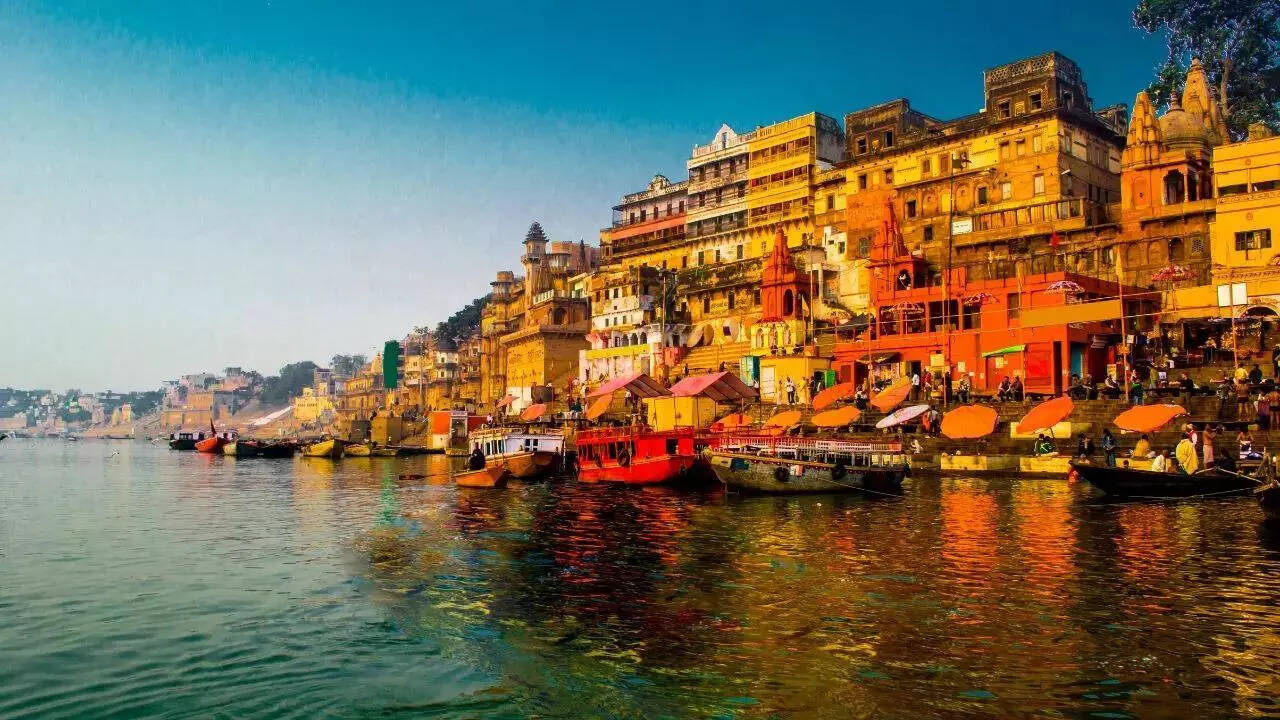
In Varanasi, Dev Deepawali has evolved from a local religious observance into a marquee tourism event. Lakhs of lamps illuminate the ghats of the Ganga on Kartik Purnima, drawing domestic and foreign travellers months in advance.If you think you can walk past the roads of the old holy city easily during and around the month of Diwali, think again. Every corner of the city is filled with people, tourists and visitors. Ghats bustle through the night and probably the night life is never better there. Durga Puja in Kolkata, now recognised by UNESCO, blends religion, art, music and urban culture, drawing tourists not just from India but from Bangladesh, Europe and Southeast Asia.Similarly, Deepotsav in Ayodhya, Holi in Mathura–Vrindavan and Barsana, Navratri in Gujarat, and Thrissur Pooram in Kerala,function as major tourism magnets. These festivals blend religion, culture, music, food and visual spectacle, extending stays and broadening visitor profiles beyond traditional pilgrims.“The festivals are no longer spikes; they are anchors,” said Naveen Singh, a resident of Varanasi who runs a hotel. “They fill rooms, generate repeat visits and stabilize demand.”What is notable is that these events are no longer treated as isolated spikes. State tourism boards actively integrate them into annual calendars, align transport and accommodation planning, and promote them digitally as experiential travel moments.
From pilgrimage to experience: How sacred cities are being reimagined
The transformation of religious destinations is not only about numbers. What’s changed is not just where people are travelling, but how they are travelling. Increasingly it is about how these places are experienced, the mark that the visit leaves on the people’s mind. Cities like Varanasi, Ujjain and Dwarka are no longer framed merely as sites of ritual obligation. They are increasingly experienced as layered cultural spaces. They are being reimagined – by travellers as much as by planners – as experience-led destinations.Morning boat rides on the Ganga, evening Ganga aartis framed by restored ghats, heritage walks through ancient neighbourhoods, classical music performances, local food trails, classical music performances, and café culture tucked into centuries-old lanes – all now form part of the itinerary.
The sacred and the everyday coexist – and travellers engage with both. This shift has been enabled by sustained infrastructure investment: expanded airports, redeveloped railway stations, improved roads, pedestrian corridors, lighting projects and riverfront development. Government schemes such as PRASHAD and Swadesh Darshan have focused on improving tourist facilities around religious and heritage sites, while state tourism departments have leaned into festival-led tourism to keep destinations active year-round.What emerges is a new category of travel – one that blends faith, culture, leisure and storytelling. Leading travel companies of the country are also playing a crucial role in facilitating these travel experiences. Providing millions of devotees and visitors seamless travel solutions, including flight bookings, customized pilgrimage packages, and guided experiences, ensuring a smooth spiritual journey for attendees. While speaking at an event, Rikant Pittie, CEO and Co-Founder, EaseMyTrip said:“Spiritual tourism in India is witnessing significant growth as more travellers seek meaningful experiences at sacred destinations. In 2024, India’s religious tourism market was valued at US$ 202.8 billion, and is expected to grow to US$ 441.2 billion by 2032. Pilgrimage sites like Varanasi, Rishikesh, Tirupati, and Shirdi are attracting millions of devotees annually, contributing to both cultural preservation and economic growth. With improved infrastructure and digital advancements, accessibility to these sites has become easier, further fueling interest in spiritual travel.”
Foreign tourists: Fewer in number, deeper in engagement
India’s foreign tourist arrivals are yet to fully recover to pre-Covid levels, and international media has pointed to concerns ranging from cost to pollution and infrastructure stress. But the recovery, where it is happening, is highly destination-specific. Foreign travellers are increasingly gravitating toward cultural depth rather than checklist sightseeing. Hampi and parts of Rajasthan (deserts and old cities) and Madhya Pradesh, the likes of Khajuraho, and select Himalayan towns have seen renewed interest from overseas visitors looking for immersive experiences – slow travel, spiritual exploration, history, architecture, and everyday life.For many international travellers, India’s emerging destinations offer something that over-touristed global cities no longer do: authenticity without over-curation.
For instance, global pop icon Dua Lipa’s travel pattern to India offers a telling anecdote. She first visited the country in 2018 for a vacation with her then boyfriend Issac Carew, explored several iconic locations, including Ranthambore, Jaipur, Jodhpur, Kerala, and Goa.She returned again in 2023 on her fourth visit to the country, in late December to spend New Year with her family, this time in a very low profile exploring streets and small towns of Rajasthan. The trip was so out of the media gaze that people only found out about it once Dua herself posted pictures on her social media. Interestingly, during her interaction and exploration with people on streets she received warm welcome and hospitality, but notably no one recognised her to the star she is.
How youth are traveling differently
Perhaps the most consequential shift reshaping India’s tourism geography is generational.India’s Gen Z and young millennial travellers are not chasing the same markers of travel that defined earlier decades. Monuments still matter, but they are no longer the sole focus. For this cohort, travel is experiential, social and performative.
Cafés, sunsets, street food and local neighbourhoods often matter more than monuments
Travel is as much about content creation as consumption
Short trips, frequent getaways and budget-flexible itineraries are preferred over long vacations
A city’s “vibe” matters as much as its history
For many, travel is not an escape from daily life, but an extension of identity – curated, shared and remembered through content.Suchna Yadav, a content creator/ influencer working with a travel agency in Delhi says, “while travelling I see unexplored places which take my breath away, so beautiful that one part of me wants that it should remain the way it is, but then I also want people to see the surreal beauty of nature. And to relay my message, what could be a better option than social media and a little storytelling.” Another influncer Nikita Rawat, has the same opiion and she does it through docu-series and short clips. Travel platforms report a sharp rise in bookings to spiritual and heritage destinations among travellers under 35, often combining pilgrimage with leisure, photography and food exploration.Well many today discover and decide their travel plans according to the social media, but there are also people who have it the old classic way – movies.Aastha Jha, a young journalist working in Delhi has been to Varanasi twice. She started off her travel journey from the city and her most recent visit has been there as well. The reason? ‘Masaan’ (movie).“Watching Masaan, I was so fascinated by the ‘Ye dukh kahe khatam nahi hota be’ scene, that I made up my mind…if I travel, I will definitely go to Benaras,” she said.
Travel as performance, not escape
Social media has fundamentally altered how destinations are discovered.Instagram reels, YouTube vlogs and travel influencers have turned once-understated towns into aspirational stops. A single viral sunset video from Dwarka or a café walkthrough in Varanasi can reach millions.This has changed the rhythm of tourism:
Destinations peak not just during festivals, but after viral moments
Cafés, boutique stays and experiential tours become anchors of tourism
Local entrepreneurs – from boatmen to homestay owners – increasingly shape the tourist economy
In this new ecosystem, travel is not always about escape. It is about visibility, storytelling and identity.Underrated, but risingBeyond the headline destinations, India’s tourism boom is quietly lifting lesser-known places into the spotlight.
Chitrakoot, straddling Uttar Pradesh and Madhya Pradesh, is emerging as a spiritual and nature-led destination
Badami–Aihole–Pattadakal in Karnataka offer a quieter alternative to Hampi
Mandawa and Bundi in Rajasthan are drawing heritage travellers looking beyond Jaipur and Udaipur
Maheshwar on the Narmada blends spirituality, architecture and textiles
These destinations benefit from a trickle-down effect – travellers extending trips, seeking quieter experiences, or deliberately avoiding crowds.
Concerts, culture and the rise of event-led travel
Alongside religious festivals, concerts and large-scale cultural events have emerged as powerful drivers of domestic travel.These events often trigger short, high-intensity travel bursts, filling hotels, boosting transport demand and introducing new audiences to destinations.The effect is cumulative: travellers arrive for an event, discover a place, and return later for leisure or exploration. Over the past couple of years multiple national and international celebrities have held concerts across the country, and their impact has been phenomenal. Now a global superstar Diljit Dosanjh ‘Dil-Luminati’ tour was a sold out game, spanning through multiple cities and the story was the same everywhere, immense demand and sold-out, high-energy shows. So has been the results of Lollapalooza India, Sunidhi Chauhan’s ‘I am Home India tour’ and Shreya Ghosal’s ‘All Hearts Tour’ all of which have been monumental successes.The massive crowd in every show has not been only the locals but people travel cities, states to attend these concerts and events. Similarly, international acts like The Coldplay concerts, Ed Sheeran’s India tour, Maroon 5, Cigarettes After Sex, Akon and many others triggered massive short-term travel spikes. Hotels sold out, flight fares surged, and cities that rarely featured on tourism maps saw first-time visitors.Last year when Coldplay performed in Ahmedabad, the record-breaking shows, featuring 1.34 lakh attendees, created a massive ₹Rs 641 crore economic impact. One of the attendees was Kikruheno Casavi, then a student in Delhi now a working professional in Kohima. She along with her friends who flew all the way from Kohima visited the Ahmedabad, paid much more for the flights to hands down everything from hotels to local travel and food, when compared to regular time, given the high demand, at the end she ended of spending close to lakh on the concert, that was a good influx into the economy. So has been the impact of these massive events on the domestic travel and economy.
Marketing, platforms and the democratisation of discovery
One of the most profound changes in Indian tourism is how destinations are discovered.For decades, tourism marketing centred on a narrow set of icons – beaches, palaces, monuments. Today, social media has emerged as a powerful equaliser. A single Instagram reel of a sunset in Dwarka or a café walk-through in Varanasi can reach millions, bypassing traditional campaigns entirely.Unlike curated brochures or seasonal campaigns, digital storytelling is organic, constant and often driven by travellers themselves. A single reel, vlog or photo series can introduce millions to places that once barely featured on travel maps. As a result, destinations are no longer marketed only as pilgrimage stops or heritage sites, but as spaces for culture, leisure, food and everyday exploration.Travel platforms, too, have adapted. Pilgrimage packages now integrate leisure, experiences and flexible itineraries. Boutique stays, heritage homestays and experiential tours have become anchors of tourism ecosystems.The change in narrative – from “must-see” landmarks to “must-feel” moments – has made India’s emerging destinations more accessible, relatable and aspirational, particularly for younger travellers.In many ways, the tourism boom reflects not a discovery of new places, but a reframing of familiar ones – amplified by platforms where authenticity, not advertising, now drives attention.
Economic ripple effects and the sustainability challenge
The tourism shift has tangible economic consequences. Hospitality players report higher occupancy rates across the year, not just during peak seasons. Local economies – transport operators, guides, artisans, food vendors – benefit from sustained demand rather than seasonal spikes.
At the same time, challenges are mounting. Overcrowding, waste management, environmental stress and infrastructure capacity pose real risks. Experts warn that without heritage-sensitive planning and sustainability measures, the very qualities drawing travellers could be compromised.
A tourism map still in motion
What’s clear is that India’s tourism map is no longer static – or metro-centric.It is being reshaped by faith and culture, by digital discovery, by younger travellers redefining value, and by destinations once overlooked now stepping into the national and global imagination.The shift underway is not about discovering new places, but about seeing familiar ones differently. And in that reframing, India’s tourism future is quietly being rewritten. And in that shift, the most interesting stories may lie far beyond Mumbai and Goa.
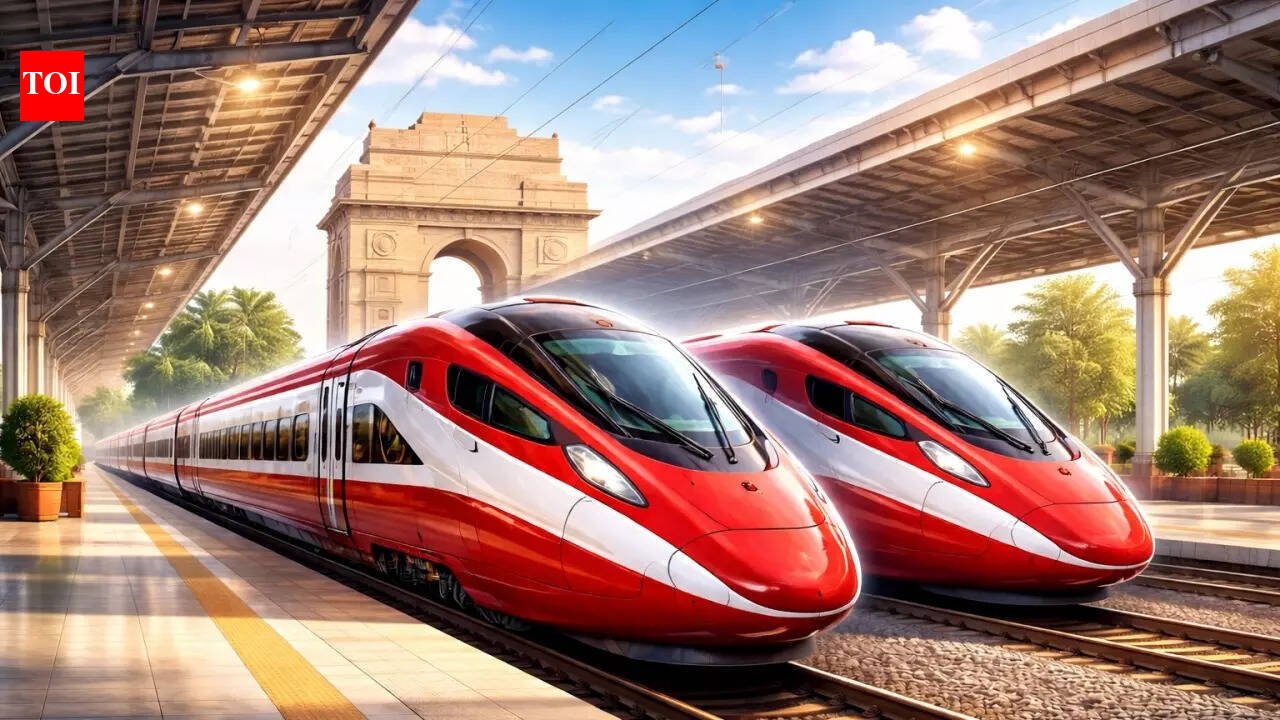
The 7 high-speed rail corridors have been identified with an aim to provide high-speed connectivity across key economic centres. (AI image)
Indian Railways is looking to move to a passenger train services model that offers faster, more comfortable, and premium travel experience. In that context Finance Minister Nirmala Sitharaman’s Union Budget announcement of seven new high-speed corridors assumes significance.This comes at a time when Indian Railways is already working to upgrade its overnight train travel with the launch of Vande Bharat sleeper trains that allow for faster and more world-class passenger focus. At the same time, Amrit Bharat trains with better amenities are being launched for the common man.
India Moves To Secure Chicken’s Neck As Underground Rail Project Targets Strategic Vulnerabilities
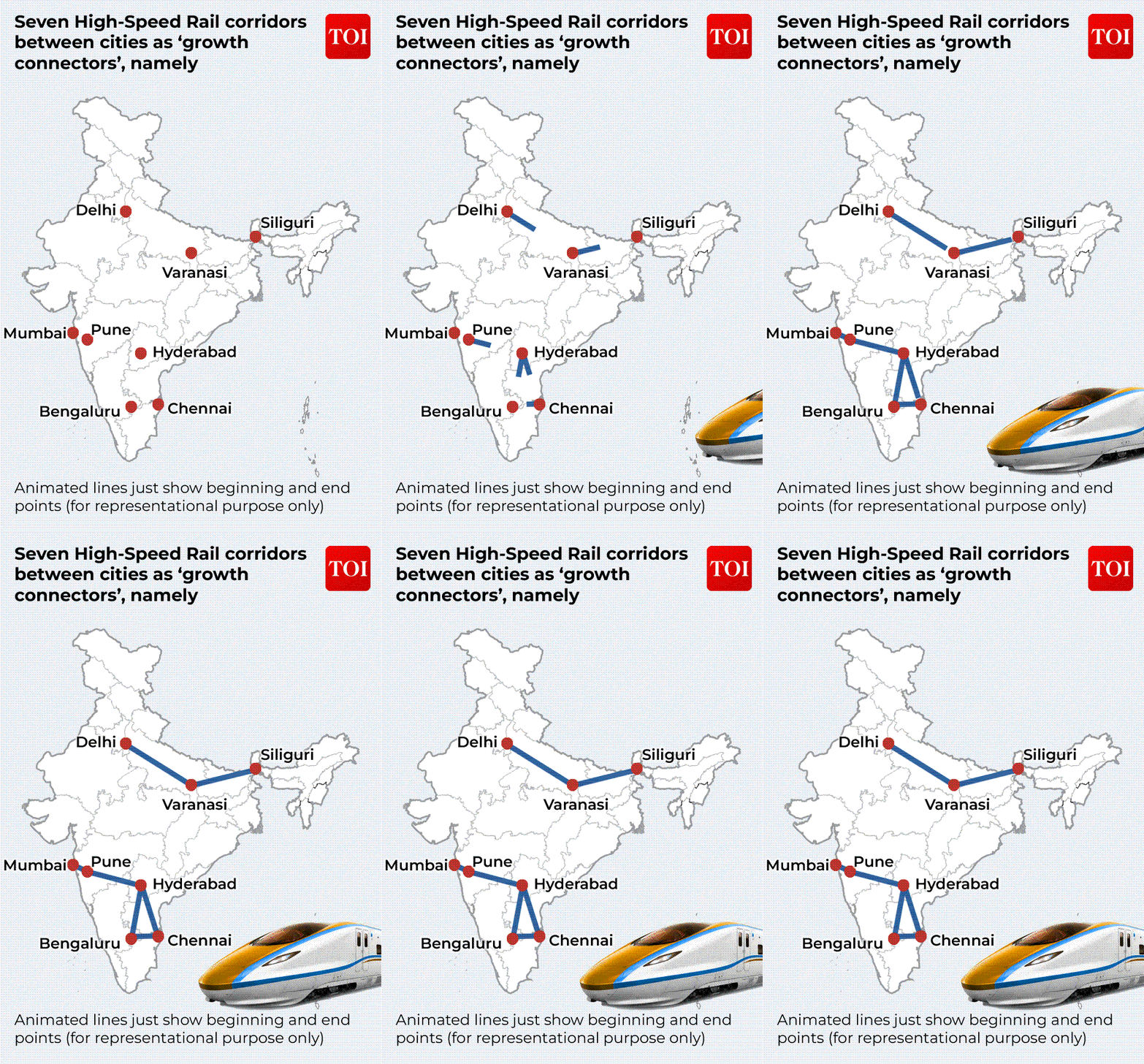
Announcing the move in her Budget speech, the Finance Minister said, “In order to promote environmentally sustainable passenger systems, we will develop seven High-Speed Rail corridors between cities as ‘growth connectors.” India is already constructing its first bullet train corridor between Ahmedabad and Mumbai, the first stretch of which is expected to be operational in the coming years. While bullet trains run at 300 kmph, high-speed rail by some definitions includes travel at 220-250 kmph.Which seven routes have the new high-speed rail corridors been announced and by how much will the travel time come down? Why are high-speed rail or bullet train corridors important and where do Vande Bharat sleeper and Amrit Bharat trains fit into the broader objective of offering new-age train travel? We decode:
Seven New High-Speed Rail Corridors: Key Details
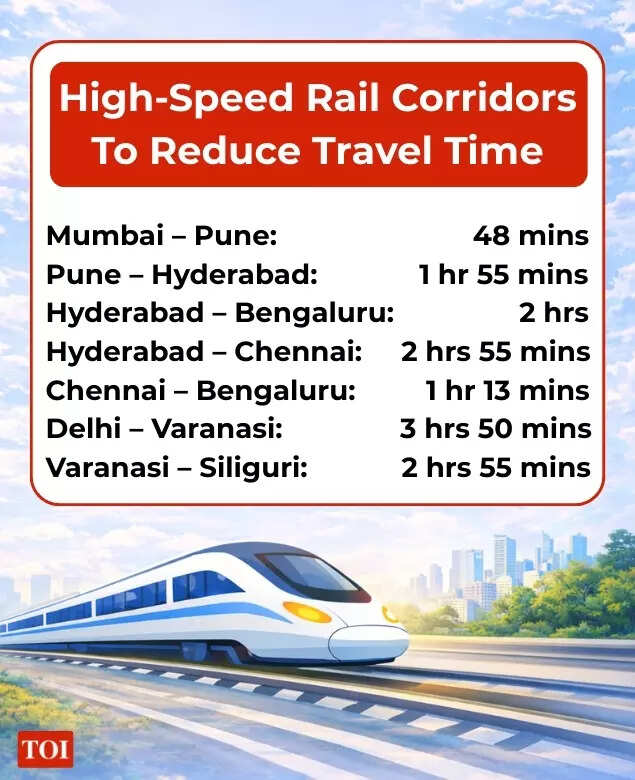
Mumbai–Pune: The western region’s flagship corridor will integrate India’s major urban centres, cutting travel time to just 48 minutes! This project, combined with upgrades to congested trunk routes and suburban rail services, aims to accommodate the state’s rapidly growing passenger and freight demand.Pune–Hyderabad: Linking Maharashtra with Telangana, this corridor will enable travel in approximately 1 hour 55 minutes, creating a continuous high-speed spine across western and southern India. Passengers and regional economies are expected to benefit from faster, more reliable connectivity.Hyderabad–Bengaluru: As part of the emerging southern high-speed rail “diamond,” this route will reduce travel time to about 2 hours, significantly improving mobility across major IT, manufacturing, and service hubs in Karnataka and Telangana.
High-speed rail corridors
Hyderabad–Chennai: Travel between these southern economic centres will take around 2 hours 55 minutes. The corridor is expected to enhance business, talent mobility, and inter-state commuting across Andhra Pradesh, Telangana, Tamil Nadu, Kerala, and Puducherry.Chennai–Bengaluru: This corridor will compress travel to approximately 1 hour 13 minutes, further strengthening southern India’s high-speed network and acting as a growth multiplier for key urban centres and surrounding regions.Delhi–Varanasi: Connecting the national capital with eastern Uttar Pradesh, this corridor will enable travel in around 3 hours 50 minutes. It aims to strengthen tourism, link secondary cities, and create a new economic belt spanning Delhi, Uttar Pradesh, Bihar, and West Bengal.Varanasi–Siliguri: Travel between Varanasi and Siliguri will take about 2 hours 55 minutes via Patna, connecting important religious, educational, and medical centres across Uttar Pradesh, Bihar, and West Bengal. This route will mark the first high-speed rail service in eastern India, expanding trade, services, and inter-regional mobility.
Bullet Train Corridors: What do they mean for passengers, Indian Railways?
Jagannarayan Padmanabhan, Senior Director & Global Head, Consulting, Crisil Intelligence believes that the seven high-speed rail corridors respond directly to rising commuter demand for faster, reliable and energy-efficient travel.“They can substantially cut journey times between high-density city pairs, expand passenger capacity and enable a shift away from road and short-haul aviation. While capital-intensive, such systems tend to become cost-effective over time through higher utilisation and productivity gains,” he tells TOI.
High Speed Rail Corridors: How Much Time Will Trains Take?
The 7 high-speed rail corridors have been identified with an aim to provide high-speed connectivity across key economic centres, covering nearly 4,000 km with an estimated investment of ₹16–20 lakh crore, says Anurag Gupta, Partner, Deloitte India. “This will significantly transform the inter-city passenger movement and will act as a key economic multiplier,” he tells TOI. Anurag Gupta highlights some of the important takeaways from the proposed projects:
Delhi–Varanasi (~3.5–4 hrs): fast connectivity to a heavy passenger footfall and high tourism corridor and further to Siliguri.
Mumbai–Pune (~45–50 mins) and Pune–Hyderabad (~2 hrs): links major industrial and IT hubs
Hyderabad–Chennai (~3 hrs) and Hyderabad–Bengaluru (~2 hrs): strengthens the South economic triangle, by facilitating high-value business travel and generating substantial economic multiplier effect.
Sharp reduction in travel time coupled with competitive pricing will enable modal shift from both air and road mode
Frees up existing railway lines, complementing freight and conventional passenger services
G Raghuram, Advisor, The Infravision Foundation explains that high-speed rail travel, in principle, is good for faster travel and capacity expansion. “This will have an impact on economic development. There are also positive externalities, because the technology used for high-speed rail will have benefits in other domains: better concrete, construction management, better mechanical and precision engineering amongst others,” G Raghuram who is also Former Dean, IIM Ahmedabad and Director, IIM Bangalore tells TOI.“I think it is time for India to expand high-speed rail. Mumbai-Ahmedabad, hopefully, will be completed in the next couple of years, and it’s time we plan for more,” he says.However the railway and infrastructure sector expert raises concerns on funding for the ambitious projects.“Where will the money come from and what is our bandwidth in executing these? At the current estimate of Rs 2 trillion for the Mumbai-Ahmedabad project, 7 more corridors may mean at least Rs 16 trillion. The Rs 2 trillion for Mumbai-Ahmedabad is being spent over 11 years, which means roughly under 0.2 trillion per annum. Even if railways steps up the rate of spending to 0.5 trillion per year, it will take 32 years before these seven projects are done. Or maybe 25 years if we step up the allocations,” he says.“I am wondering whether we will see all the corridors done before Viksit Bharat, the Amrit Kaal, in 2047. Also, it is not the first time budgets are announcing high speed projects. Many announcements of different corridors were made in various (then) railway budgets of 2007 to 2014,” he adds.
Vande Bharat Sleeper Trains In Focus
Apart from high-speed trains, Indian Railways is also betting on self-propelled semi-high speed offerings like Vande Bharat Express and Vande Bharat sleeper for world-class travel experience. Vande Bharat Express is India’s first indigenously designed and manufactured semi-high-speed train set. It combines advanced technology with improved passenger comfort and reduced journey times, strengthening inter-city rail connectivity. Now a sleeper variant has been launched and Railway Minister Ashwini Vaishaw has said that plans are in place to launch 260 such train sets. Vande Bharat sleeper with advanced Kavach integration (indigenous train protection system) and a host of passenger amenities offers better and faster overnight travel compared to Rajdhani Express trains. According to a TOI report, Indian Railways has decided to have a fixed fare for each class of travel for Vande Bharat sleeper trains. Rs 2.4, Rs 3.1 and Rs 3.8 per km for third, second and first AC. No dynamic pricing rules will be applicable.
Vande Bharat sleeper trains
The train is a central part of India’s long-term plan for rail modernisation. By 2047, the fleet of Vande Bharat trains including sleeper is expected to reach around 4,500 trainsets, while in the medium term, about 800 trainsets are planned to be operational by 2030, depending on infrastructure and manufacturing capacity. Keeping in mind the needs of the common man, Indian Railways is also launching the Amrit Bharat trains.
Amrit Bharat features
To Anurag Gupta of Deloitte, Vande Bharat sleeper and Amrit Bharat trains represent a fundamental upgrade across passenger services and amenities, safety, comfort etc. bringing quality of train travel for common man on par with global countries and competing modes like air. G Raghuram sees potential in Vande Bharat sleeper trains changing overnight travel experience and time, but is less enthusiastic about Amrit Bharat trains. “Vande Bharat is a very good technology platform for passenger rolling stock in India. It is our own design and has proved itself in intercity trains. Now we are moving into sleeper. I hope the Vande Bharat sleeper will make many city pairs in the 1,200–1,800 km range become overnight journeys—for example, Bangalore-Mumbai, which is currently 24 hours, could be reduced to 15–16 hours. Guwahati-Kolkata is another example where the train has been introduced,” he tells TOI.“Instead of continuing with LHB coaches, more investment will go into Vande Bharat sitting and sleeper coaches. It will definitely have a good impact,” he adds.Amrit Bharat, on the other hand, mainly improves interiors, G Raghuram says. “It has not increased speed. The train timings do not show any improvement over regular trains. I am less optimistic about Amrit Bharat, but Vande Bharat sleeper is definitely promising. In fact, it should have been brought in much earlier than 2026, given that the technology platform was first ready in 2018,” he says.For Jagannarayan Padmanabhan of Crisil Intelligence, these two new trains signal a shift towards more efficient, modern rail travel. “The sleeper variant combines speed with overnight connectivity, offering an energy-efficient alternative to flying, while Amrit Bharat focuses on capacity and affordability. Together, they upgrade both premium and mass travel segments,” he notes.For passengers, the Budget promises shorter travel times, improved safety, modernised stations and better last-mile connectivity. At the same time, Indian Railways’ long-term target of 3,000 million tonnes of freight loading is expected to be supported through dedicated freight corridors, upgraded tracks, modern locomotives and advanced signalling. In the coming years, high-speed rail travel and Vande Bharat sleeper trains are set to change travel options in India, and it’s a change whose time has come.
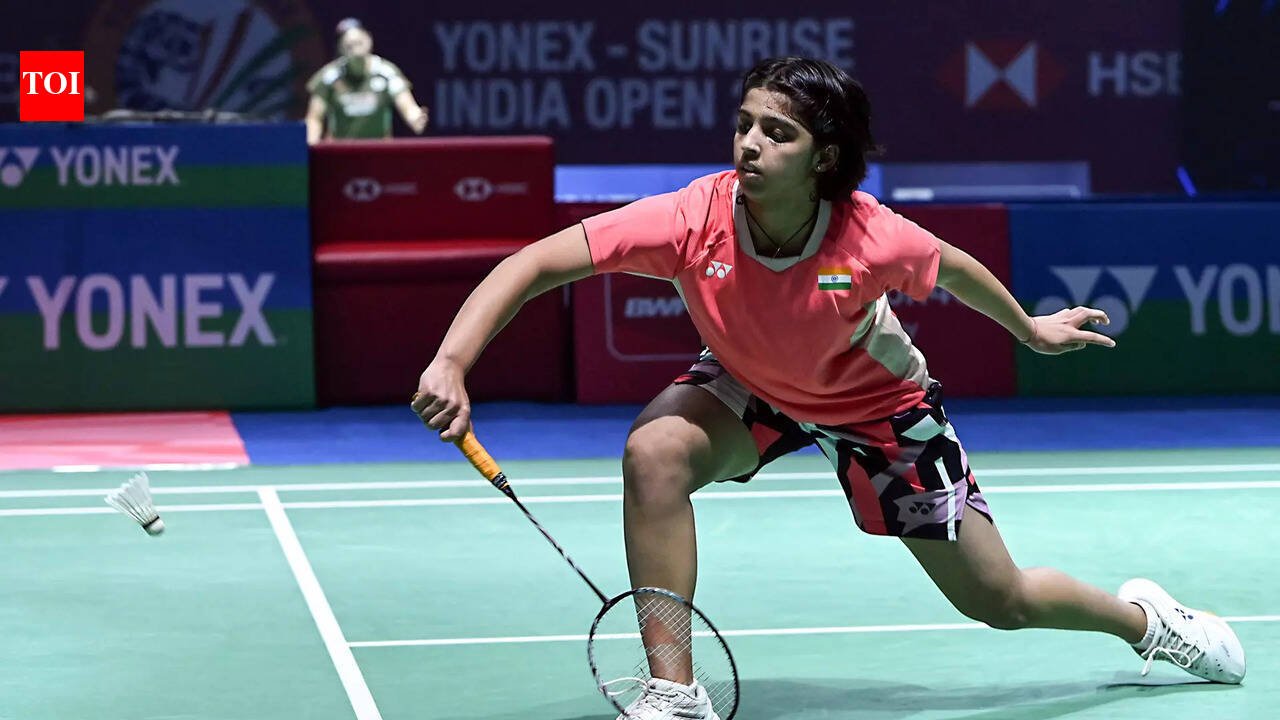
NEW DELHI: India’s campaign at the Badminton Asia Team Championships ended in disappointment on Friday as both the women’s and men’s teams were knocked out in the quarterfinals.The defending champion women’s team crashed out after a 0-3 loss to a second-string China, with the absence of star shuttler PV Sindhu proving costly. India failed to get off to a strong start as world No. 42 Tanvi Sharma, who had impressed earlier in the tournament, lost in straight games to world No. 10 Gao Fang Jie, struggling to match her opponent’s pace and power. In the doubles, Gayatri Gopichand and Treesa Jolly fought hard against world No. 4 Jia Yi Fan and Zhang Shu Xian but went down in two close games after letting slip advantages in both. Facing elimination, Rakshitha Ramraj battled for 69 minutes in the second singles before losing in three games, sealing India’s exit and ending their title defence.Earlier in the day, the men’s team also bowed out after a 1-3 defeat to Korea, hampered by the absence of key players Lakshya Sen and Satwiksairaj Rankireddy. Lakshya was rested due to back pain, while Satwik was unavailable for personal reasons. Ayush Shetty suffered a heartbreaking loss in the opening singles, missing several match points in an 84-minute contest against Yoo Tae Bin. The makeshift doubles pair of Chirag Shetty and Hariharan Amsakarunan then lost in straight games. Kidambi Srikanth briefly revived India’s hopes with a straight-games win in the second singles, but the second doubles defeat for Pruthvi Krishnan and K Sai Pratheek sealed Korea’s victory.