Breaking News
‘Historic moment’: Who is Ritu Tawde? Meet BJP’s mayoral pick for India’s richest civic body | Mumbai News


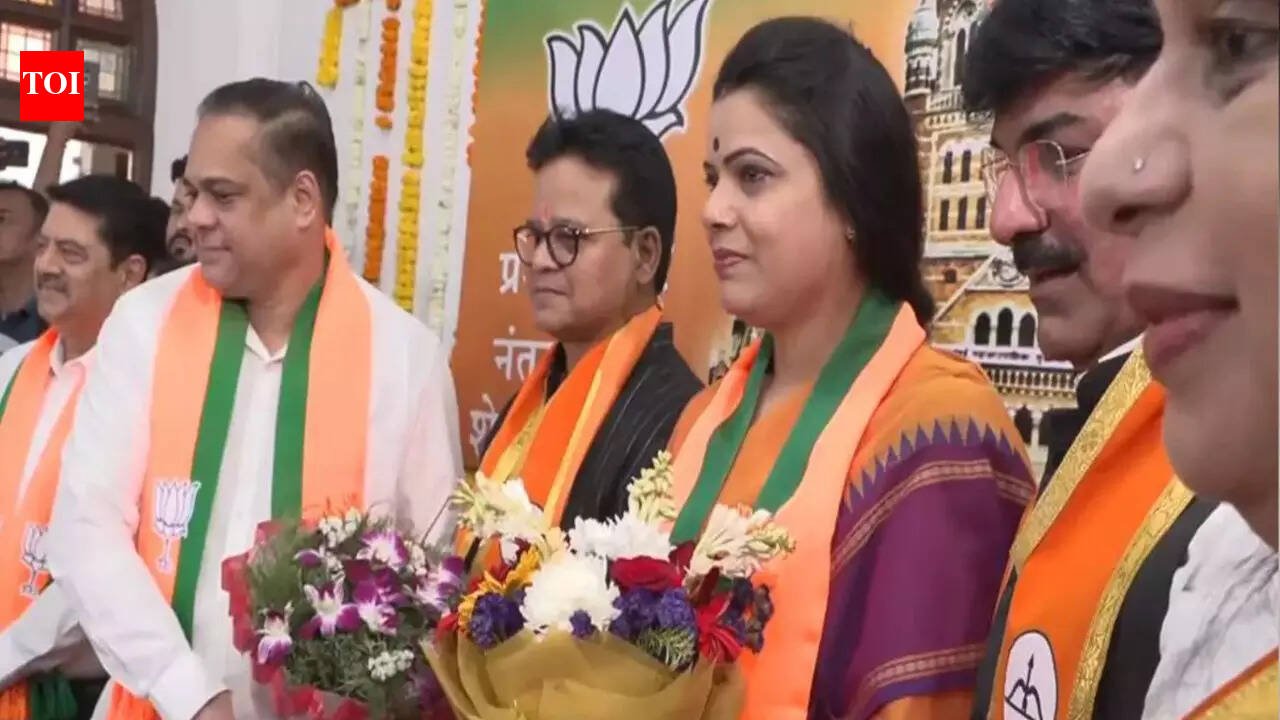
MUMBAI: The Bharatiya Janata Party (BJP) on Saturday announced Ghatkopar corporator Ritu Tawde as its mayoral candidate for the Brihanmumbai Municipal Corporation (BMC). The announcement was made by Mumbai BJP president Ameet Satam at the civic headquarters, in the presence of senior party leaders and corporators.Who is Ritu Tawde?

  • Ritu Tawde is a two-time corporator from Ghatkopar.
  • Tawde joined the BJP from the Congress in 2012.
  • Tawde is a corporator from Ward 132.
  • She is known as a senior corporator and an aggressive Marathi face of the party.
  • She represents Mumbai’s eastern suburbs, a region the party is keen to give representation to.
  • Tawde’s name figured among the BJP’s frontrunners for the Mumbai mayor’s post, along with Sheetal Gambhir, Rajashree Shirwadkar, Asha Marathe, Priti Satam and Shrikala Pillai.
  • The BJP has stated that the mayor will be a Marathi-speaking person, making Tawde a strong contender.

Tawde’s name had been doing the rounds in the run-up to the announcement, along with that of Sion corporator Rajeshree Shirwadkar. Meanwhile, the Eknath Shinde-led Shiv Sena named Sanjay Ghadi as its candidate for the post of deputy mayor, a position that will have a one-and-a-half-year term.Calling the nomination a “historic moment”, Tawde said she was grateful to the party leadership for entrusting her with the responsibility. Satam said the new dispensation would work towards making Mumbai a corruption-free city, adding that the alliance would govern with the blessings and support of Mumbaikars.Even if the Opposition fields candidates for the posts of Mayor and deputy mayor, the BJP–Shinde-led alliance is confident of winning both positions, backed by its numerical strength of 118 corporators in the 227-member civic House.

Banner Insert


Source link

BCCI contracts: Virat Kohli, Rohit Sharma may be moved to Grade B | Cricket News


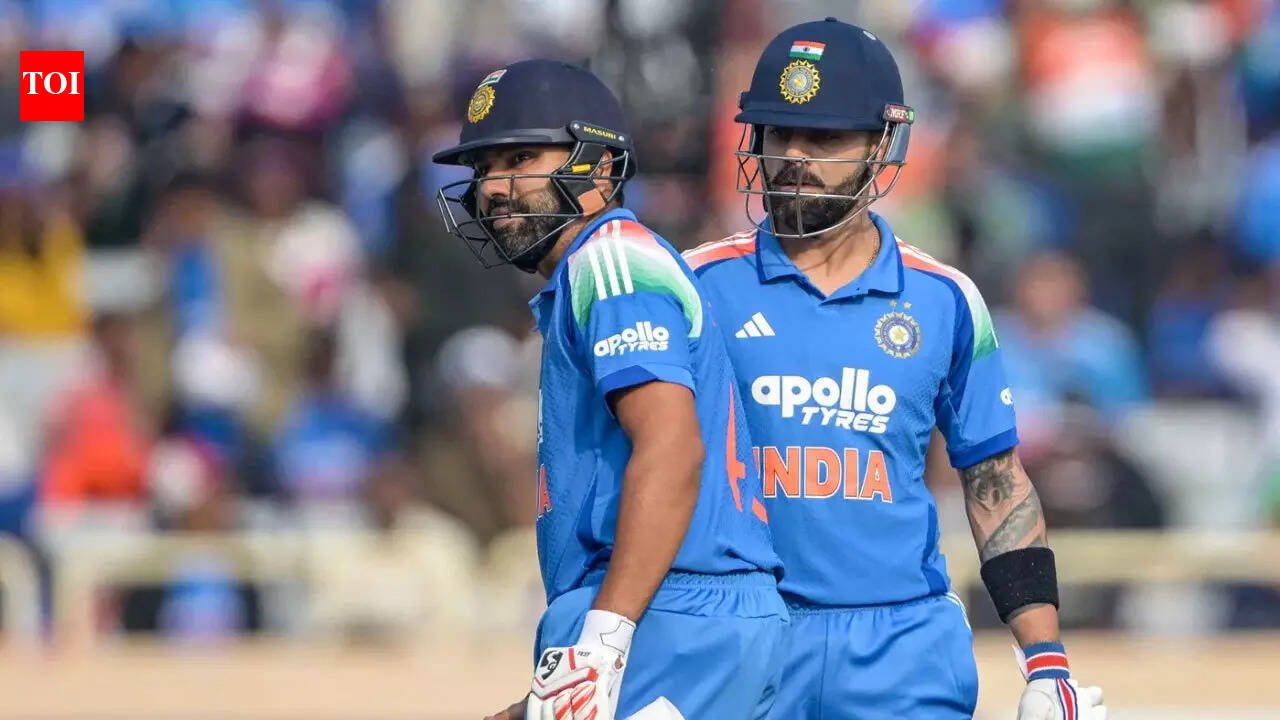
BCCI contracts: Virat Kohli, Rohit Sharma may be moved to Grade B
Virat Kohli and Rohit Sharma (Image credit: AFP)

MUMBAI: India’s premier pacer Jasprit Bumrah, ODI and Test skipper Shubman Gill and veteran allrounder Ravindra Jadeja are the only three players who will be given Grade A central contracts for 2025-26 by the BCCI, while former captains Virat Kohli and Rohit Sharma, who play only the ODI format now, have been kept in the ‘B’ category, TOI has exclusively learnt. Kohli and Rohit are both modern-day legends and were in the A+ category earlier, but have been moved to the B category as they now play only one out of three formats. Overall, 30 Indian players will be given the BCCI central contracts for the 2025-26 season, as per the recommendations of the national selectors. The Board is expected to officially announce the list of contracted players soon.

T20 World Cup Groups Explained: Who Can Reach the Super 8

Bumrah, India’s premier pacer across formats and team’s strike bowler, was in the A+ category, and so was Jadeja. For Gill, being retained in the A category of central contracts is a major source of relief after being dropped from India’s T20 squad just ahead of the 2026 T20 World Cup at home. Like Kohli and Rohit, Jadeja has retired from T20Is, but he still features in Tests and ODIs, where he has been in poor form of late. TOI had reported in its Jan 21 edition that BCCI was set to make a major overhaul in its Annual Central Contracts system, with sweeping changes that could significantly reshape the hierarchy of Indian cricket’s elite players, for the 2025-26 season. The Ajit Agarkar-led national selection committee had proposed doing away with the prestigious Grade A+ category, which was introduced back in 2018 altogether, a move that directly impacted senior stalwarts Kohli and Rohit.Including Rohit and Virat, there are 11 players Who will be given Grade ‘B’ central contracts by the BCCI. The others in this category are: Off-spinning allrounder Washington Sundar, Test opener and ODI ‘keeper-batter KL Rahul, senior pacer Mohammed Siraj, white-ball allrounder Hardik Pandya, India’s Test vice-captain Rishabh Pant, Chinaman bowler Kuldeep Yadav, India’s Test and ODI opener Yashasvi Jaiswal, India’s T20 captain Suryakumar Yadav, and ODI middle-order batter Shreyas Iyer.Grade C contracts will be given to 16 players-Axar Patel, Tilak Varma, Rinku Singh, Shivam Dube, Sanju Samson, Arshdeep Singh, Prasidh Krishna, Akash Deep, Dhruv Jurel, Harshit Rana, Varun Chakravarthy, Nitish Kumar Reddy, Abhishek Sharma, Sai Sudarshan, Ravi Bishnoi and Ruturaj Gaikwad.Jemimah promoted to A category contractMeanwhile, in the case of the Indian women’s team, the biggest gainer in the case of annual retainership for 2025-26 is India’s 2025 World Cup semifinal hero Jemimah Rodrigues, who has been promoted to the A category, where she joins skipper Harmanpreet Kaur, vice-captain Smriti Mandhana and ace allrounder Deepti Sharma. Rodrigues, who captained Delhi Capitals to the final in the recently-concluded Women’s Premier League, had slammed brilliant 127 not out off 134 balls to fashion a stunning five-wicket win over Australia in the semifinal of the 2025 Women’s ODI World Cup in Oct-Nov last year at the DY Patil Stadium in Navi Mumbai. Before that game, the Mumbai batter had smashed 76 not out off 55 balls against New Zealand to contribute to India’s win in a do-or-die game for them at the same venue.The list of men’s contracts for 2025-26Grade A: Jasprit Bumrah, Shubman Gill and Ravindra Jadeja.Grade B: Washington Sundar, Rohit Sharma, Virat Kohli, KL Rahul, Mohammed Siraj, Hardik Pandya, Rishabh Pant, Kuldeep Yadav, Yashasvi Jaiswal, Suryakumar Yadav, Shreyas Iyer. Grade C: Axar Patel, Tilak Varma, Rinku Singh, Shivam Dube, Sanju Samson, Arshdeep Singh, Prasidh Krishna, Akash Deep, Dhruv Jurel, Harshit Rana, Varun Chakravarthy, Nitish Kumar Reddy, Abhishek Sharma, Sai Sudarshan, Ravi Bishnoi, Ruturaj Gaikwad.List of Women players for 2025-26 contractsGrade A: Harmanpreet Kaur, Smriti Mandhana, Jemimah Rodrigues, Deepti Sharma.Grade B: Renuka Thakur, Shafali Verma, Richa Ghosh, Sneh Rana.Grade C: Radha Yadav, Amanjot Kaur, Pratika Rawal, Kranti Gaud, Uma Chhetri (wk), Arundhati Reddy, Shree Charini, Yastika Bhatia, Harleen Deol, Kashvi Gautam, G Kamlini (wk), Vaishnavi Sharma, Tejal Hasbnis.


Source link

Donald Trump’s racist attack on Obamas: Why monkey portrayals of Black folks are considered deeply offensive


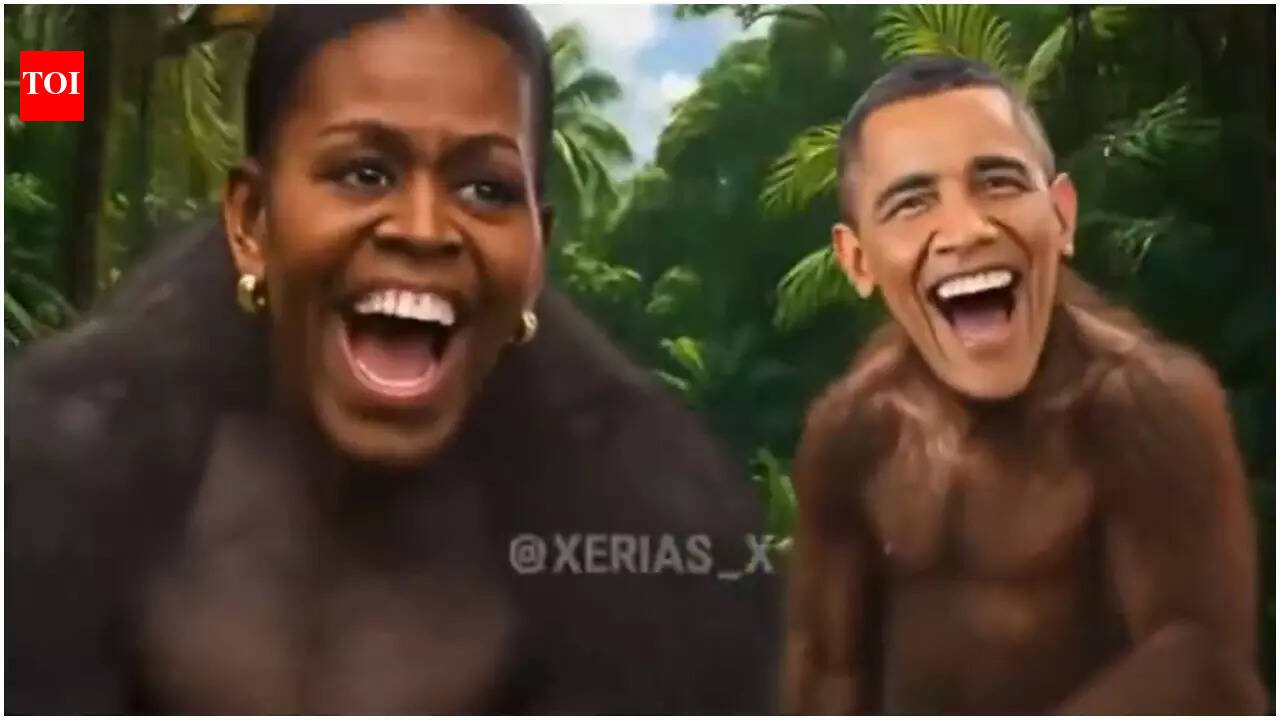
US President Donald Trump on Thursday posted an election conspiracy video on his Truth Social platform that depicted former President Barack Obama and his wife, Michelle, as monkeys, drawing condemnation from prominent Democrats.Near the end of the one-minute-long video, the Obamas were shown with their faces on the bodies of monkeys for about one second. The song “The Lion Sleeps Tonight” played in the background when the Obamas appeared.

‘DISGUSTING’: Trump’s AI Video Of Obamas As Monkeys Kicks Off Storm; Dems Seethe At ‘RACISM’

The video repeated false allegations that ballot-counting company Dominion Voting Systems helped steal the 2020 election from Trump.

How is that video offensive?

The association of Barack Obama and Michelle Obama with monkeys is offensive because it comes from a long history of dehumanisation, used to justify racism, slavery, and colonial violence.In history, comparing Black to animals—especially apes—was never neutral. Monkeys and apes were framed as sinful, lustful, irrational, or closer to evil. Over time, these ideas were projected onto groups seen as “inferior.” As European encountered Africa, racist thinkers falsely portrayed Africans as closer to animals on a supposed hierarchy of humanity. This was not based on science, but on prejudice designed to rationalise domination.During centuries of slavery and colonial rule, depicting Black people as simian served a clear purpose: if a group could be seen as less than fully human, then exploiting, enslaving, or killing them could be portrayed as acceptable. These images appeared in pseudo-science, popular literature, cartoons, films like King Kong, and everyday language. They reinforced the stereotype of Black people as primitive, dangerous, and sexually threatening.

How Democrats reacted?

The office of California Governor Gavin Newsom, a potential 2028 Democratic presidential candidate and a prominent Trump critic, slammed the post. “Disgusting behavior by the President. Every single Republican must denounce this. Now,” Newsom’s press office account posted on X.Ben Rhodes, a former top national security advisor and close confidant to Barack Obama, also condemned the imagery.“Let it haunt Trump and his racist followers that future Americans will embrace the Obamas as beloved figures while studying him as a stain on our history,” he wrote on X.Obama is the only Black president in American history and backed Trump’s opponent Kamala Harris on the campaign trail in the 2024 presidential election.


Source link

Injured Sri Lanka pacer Eshan Malinga ruled out of T20 World Cup 2026, replacement announced


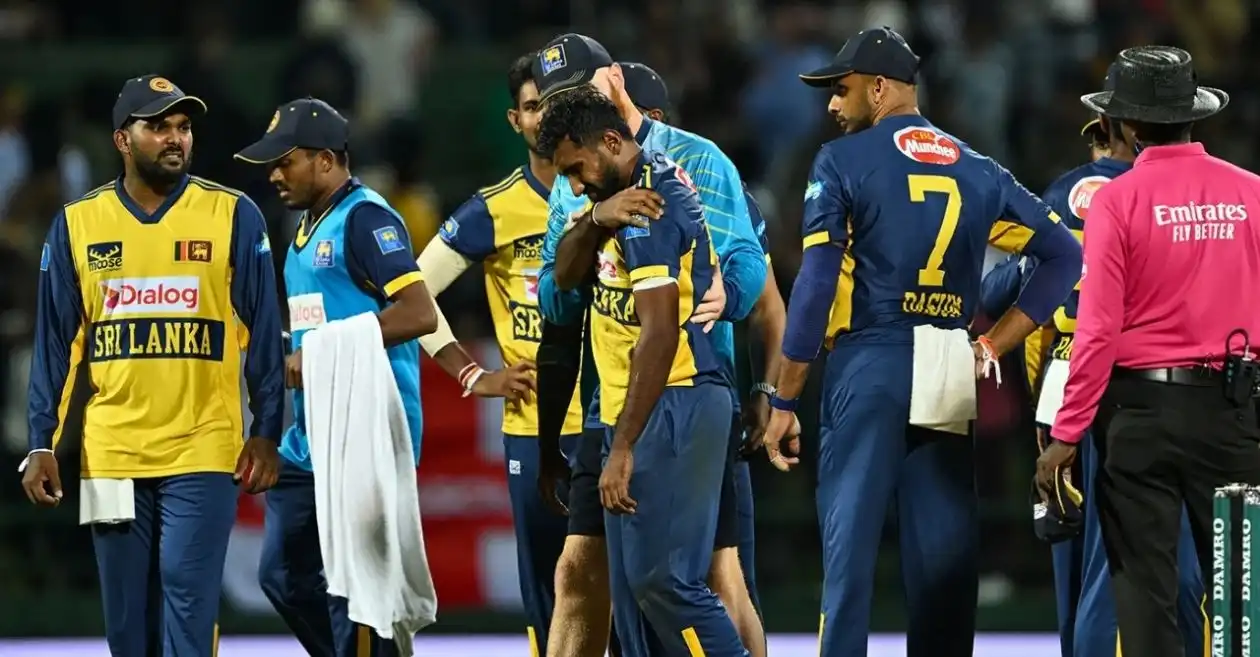
Sri Lanka have suffered a major setback ahead of the ICC T20 World Cup 2026 with young fast bowler Eshan Malinga ruled out of the tournament due to a shoulder injury. The development comes at an unfortunate time for the Islanders, who were banking on Malinga’s pace and wicket-taking ability to strengthen their bowling attack in home conditions. The injury was sustained during the second T20I against England on February 1, casting a shadow over Sri Lanka’s preparations just days before the marquee event begins.

Shoulder injury rules out Eshan Malinga from T20 World Cup 2026

Malinga picked up the injury in dramatic fashion after a rain interruption in the match. Bowling the first delivery following the break, the pacer immediately clutched his non-bowling shoulder after releasing the ball and collapsed during his follow-through. He was taken off the field and subsequently missed the third T20I of the series. Medical assessments later confirmed that the injury would rule him out of the entire T20 World Cup campaign, dealing a significant blow to Sri Lanka’s ambitions.

Replacement announced for Malinga

In response to Malinga’s unfortunate exit, Sri Lanka Cricket has announced Pramod Madushan as his replacement in the 15-member squad for the ICC T20 World Cup 2026. Madushan, who was initially left out of the squad announced earlier this month, now gets a second opportunity to feature on the global stage.

The selectors have opted for Madushan as a like-for-like replacement, considering his ability to bowl at pace and operate effectively in the powerplay and middle overs. While he has not featured regularly in the T20I setup recently, Madushan’s numbers remain encouraging. In eight T20Is, he has picked up 12 wickets at an economy rate of 8.63, which is notably better than Malinga’s 9.41 in the same number of matches.

For Madushan, the call-up is a chance to re-establish himself in the national side and make an impact in a high-pressure tournament. His return adds experience and depth to Sri Lanka’s seam bowling resources at a time when adaptability will be key.

Also READ: Mohammed Siraj in line to replace injured Harshit Rana in India’s T20 World Cup 2026 squad

Pace attack reshuffled as Sri Lanka finalize squad

Malinga’s absence is particularly disappointing given his recent rise in Sri Lanka’s pace hierarchy. The young seamer had earned a promotion in the pecking order after impressing during the 2025 IPL, where his raw pace and attacking intent caught the eye. Since making his T20I debut in November last year, he had taken eight wickets in eight matches, emerging as one of Sri Lanka’s exciting fast-bowling prospects.

With Madushan now drafted in, Sri Lanka’s pace attack will be led by Matheesha Pathirana and Dushmantha Chameera, offering a blend of express speed and experience. The Islanders, champions in 2014, will kick off their T20 World Cup 2026 campaign against Ireland at the R. Premadasa Stadium in Colombo on February 8. Australia, Oman and Zimbabwe complete their group, making consistency and squad balance crucial for progression.

Sri Lanka squad (updated) for T20 World Cup 2026:Dasun Shanaka (c), Pathum Nissanka, Kamil Mishara, Kusal Mendis, Kamindu Mendis, Kusal Janith Perera, Charith Asalanka, Janith Liyanage, Pavan Rathnayake, Wanindu Hasaranga, Dunith Wellalage, Maheesh Theekshana, Dushmantha Chameera, Matheesha Pathirana, Pramod Madushan

Also READ: From Dinesh Karthik to Wasim Akram: Full list for commentators for the ICC Men’s T20 World Cup 2026


Source link

‘We bowed and then an explosion’: Witnesses recall suicide blast that tore through Pakistan mosque


‘We bowed and then an explosion’: Witnesses recall suicide blast that tore through Pakistan mosque

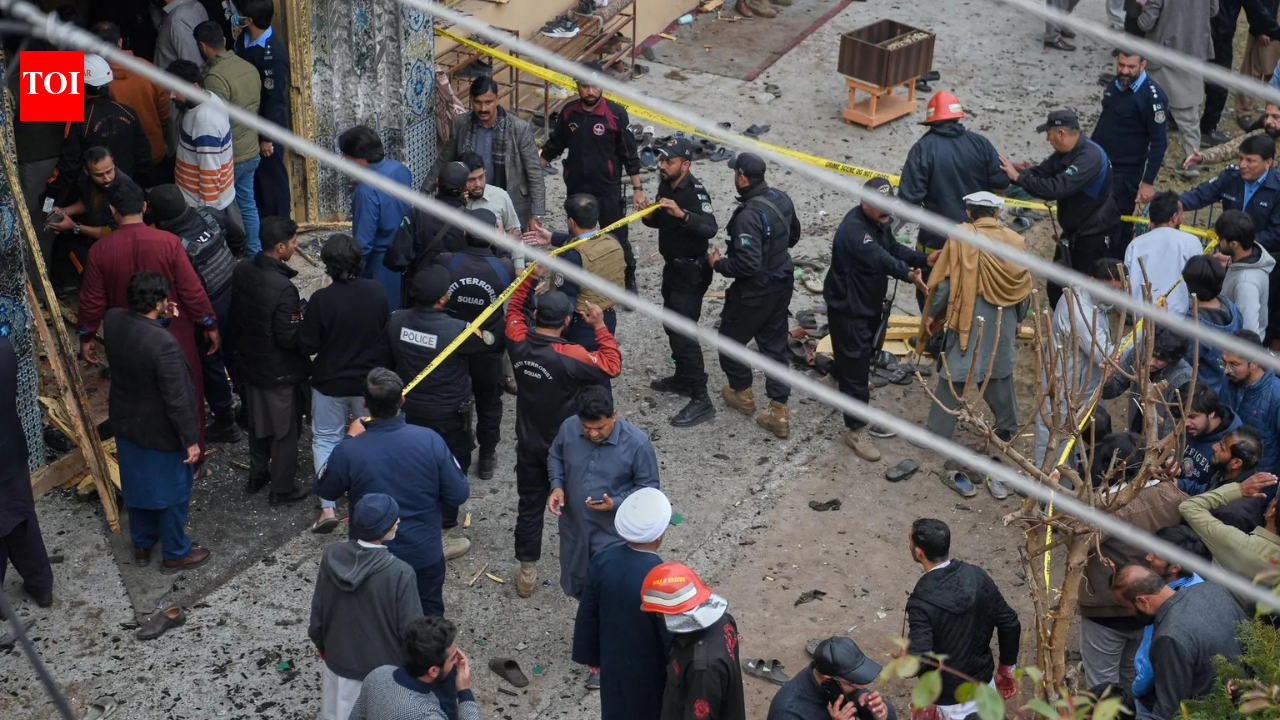
At least 31 people were killed and dozens more injured in an explosion at the Imam Bargah Qasr-e-Khadijatul Kubra mosque in the Tarlai area on the outskirts of Islamabad, with the death toll expected to rise.A worshipper, Zaheer Abbas, said he was inside the mosque offering prayers when he first heard the sound of gunfire, moments before the blast.“After that, we bowed and then prostrated, and then there was an explosion,” Abbas was quoted as saying by the BBC. “After which, there were injured people lying everywhere.”An emergency was declared as hospitals began receiving the injured, and authorities issued an appeal for blood donations. Abbas said he “lost his senses” in the immediate aftermath of the explosion before being rescued by emergency services and taken to the hospital, where he was later discharged.“Fortunately, I did not suffer much injury,” he added. Muhammad Kazim, 52, said that he arrived at the Imam Bargah Qasr-e-Khadijatul Kubra mosque shortly after 1:00 pm (local time) on Friday and was standing around seven or eight rows behind the imam.“During the first bow of the Namaz (prayer ritual), we heard gunfire,” he told AFP outside the Pakistan Institute of Medical Sciences (PIMS) hospital, where many of the injured were taken for treatment.The mosque’s caretaker, Syed Ashfaq, who lives next door, said he also heard gunfire and rushed towards the mosque to assist.“By the time I reached it there had already been an explosion,” he was quoted as saying by the BBC. “Bodies were lying everywhere, some were missing arms, some missing legs. We took the most injured in our own vehicle [to hospital].”

IS claims responsibility

The Islamic State (IS) group has claimed responsibility for the suicide bombing at the Imam Bargah Qasr-e-Khadijatul Kubra mosque. In a statement cited by SITE, which monitors jihadist organisations, IS said, “upon reaching the inner gate of the temple, the martyrdom-seeker detonated his explosive vest amidst the Shi’a congregation, inflicting a large number of deaths and injuries.”The blast marked the deadliest attack in Islamabad since 2008, when a suicide bomber targeted the Marriott Hotel in the capital, killing 63 people and injuring more than 250 others.More recently, in November, a suicide attack outside a court in Islamabad killed 12 people.The latest incident comes less than a week after the outlawed Baloch Liberation Army carried out a series of attacks in insurgency-hit Balochistan province, leaving around 50 people dead. Security forces responding to those assaults killed more than 200 “terrorists,” according to the military.Pakistan’s Prime Minister Shehbaz Sharif condemned the attack and expressed condolences to the families of those killed. He directed authorities to ensure the injured receive the best possible medical care and said the health minister would personally monitor the situation.“No one will be allowed to spread chaos and unrest in the country,” Sharif said in an official statement.


Source link

Access Denied


Access Denied

You don’t have permission to access “http://www.ndtv.com/world-news/bangladesh-election-2026-general-election-on-12th-feb-sheikh-hasina-the-rise-rule-and-downfall-of-bangladeshs-iron-lady-10951935” on this server.

Reference #18.c7f5d217.1770440910.bb142dc5

https://errors.edgesuite.net/18.c7f5d217.1770440910.bb142dc5


Source link

Access Denied


Access Denied

You don’t have permission to access “http://www.ndtv.com/india-news/why-ola-uber-and-rapido-drivers-are-protesting-today-all-you-need-to-know-10962893” on this server.

Reference #18.95d70b17.1770440084.14c160aa

https://errors.edgesuite.net/18.95d70b17.1770440084.14c160aa


Source link

‘Papa, pranaam’: Vaibhav Sooryavanshi’s emotional first words with trophy go viral | Cricket News


'Papa, pranaam': Vaibhav Sooryavanshi's emotional first words with trophy go viral
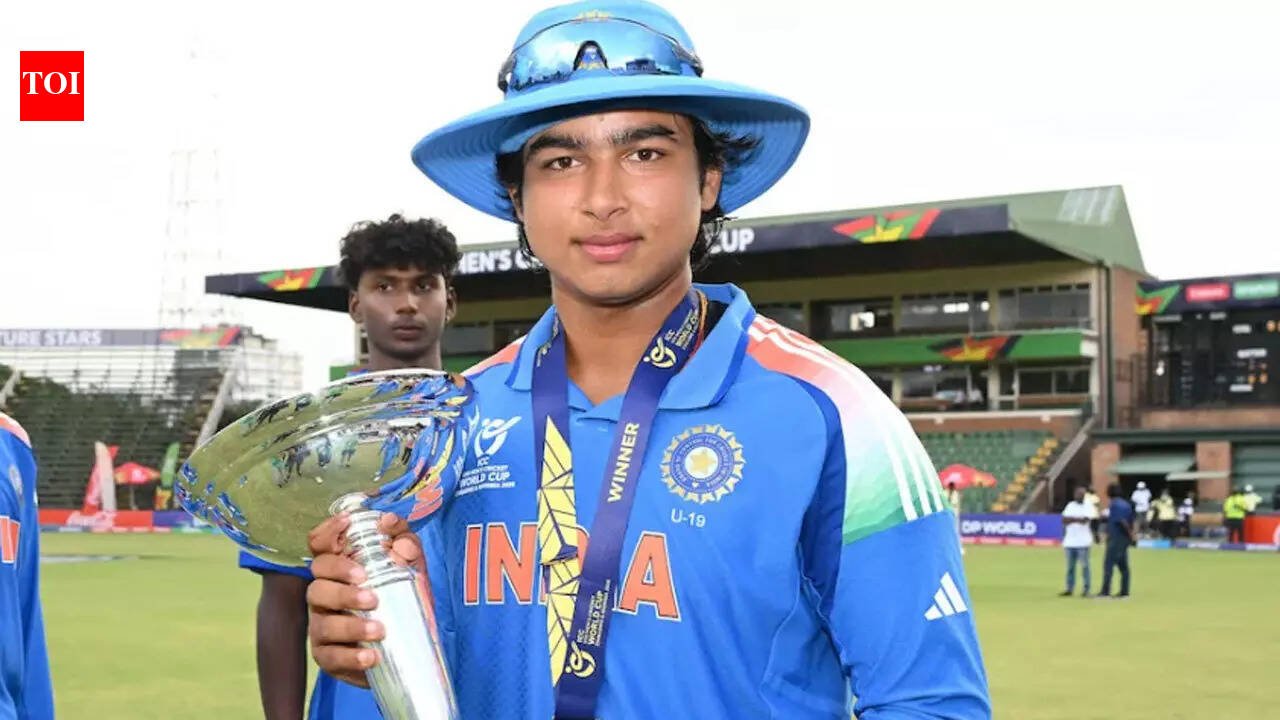
Vaibhav Sooryavanshi (Image credit: ICC)

Teen batting sensation Vaibhav Sooryavanshi produced a knock for the ages, playing arguably the most breathtaking innings in U-19 World Cup history to guide India to a record-extending sixth title with a commanding 100-run victory over England in the final here on Friday.On the biggest stage of the tournament, the 14-year-old lit up the contest with a jaw-dropping 80-ball 175, an innings that will be remembered as one of the finest ever in age-group cricket. His knock, studded with a record 15 sixes and an equal number of fours, propelled India to a daunting 411 for 9 after England opted to bowl first. The onslaught left the English attack bruised and battered, with Sooryavanshi dismantling both pace and spin with remarkable ease and maturity beyond his years.

T20 World Cup Groups Explained: Who Can Reach the Super 8

Sooryavanshi’s innings also saw him rewrite the record books. He became the fastest player to score 150 in Under-19 cricket, reaching the milestone in just 71 deliveries, and registered the highest individual score by any batter in an ICC tournament final. Having burst into the limelight during last year’s Indian Premier League, the prodigy showcased why he is already being talked about as a generational talent.England, set an improbable target of 412, showed brief resistance in the chase. They kept the required run rate within touching distance for large parts of the innings but lost wickets at regular intervals against India’s well-rounded bowling attack. Caleb Falconer fought a lone battle with a fluent 67-ball 115, but the task proved too steep. England were eventually bowled out for 311 in 40.2 overs, sealing a comprehensive win for India.After the triumph, Rajasthan Royals’ social media handle shared a touching moment, posting a photo of Sooryavanshi holding the trophy while making a video call and saying, ‘Papa, pranaam’. Fittingly, the young star remained grounded despite the historic achievement.Sooryavanshi dedicated his Player of the Final award to the Indian team’s support staff, saying, “I can’t express what I am feeling but the way we have all been working hard for the last 7-8 months and our support staff who have been with us for a long time and always made sure we are alright, I would like to dedicate the award to them.” He added, “For the last eight to nine months, the support staff and the team have been working together. That preparation has played a huge role in getting us to where we are today.”Capping off a dream tournament, Sooryavanshi also became the first player to win both the Player of the Final and Player of the Tournament awards in U-19 World Cup history, underlining his extraordinary impact on India’s title-winning campaign.


Source link

US tariffs on India cut to 18%; $30 trillion market access – India-US trade deal explained in 10 points


US tariffs on India cut to 18%; $30 trillion market access – India-US trade deal explained in 10 points

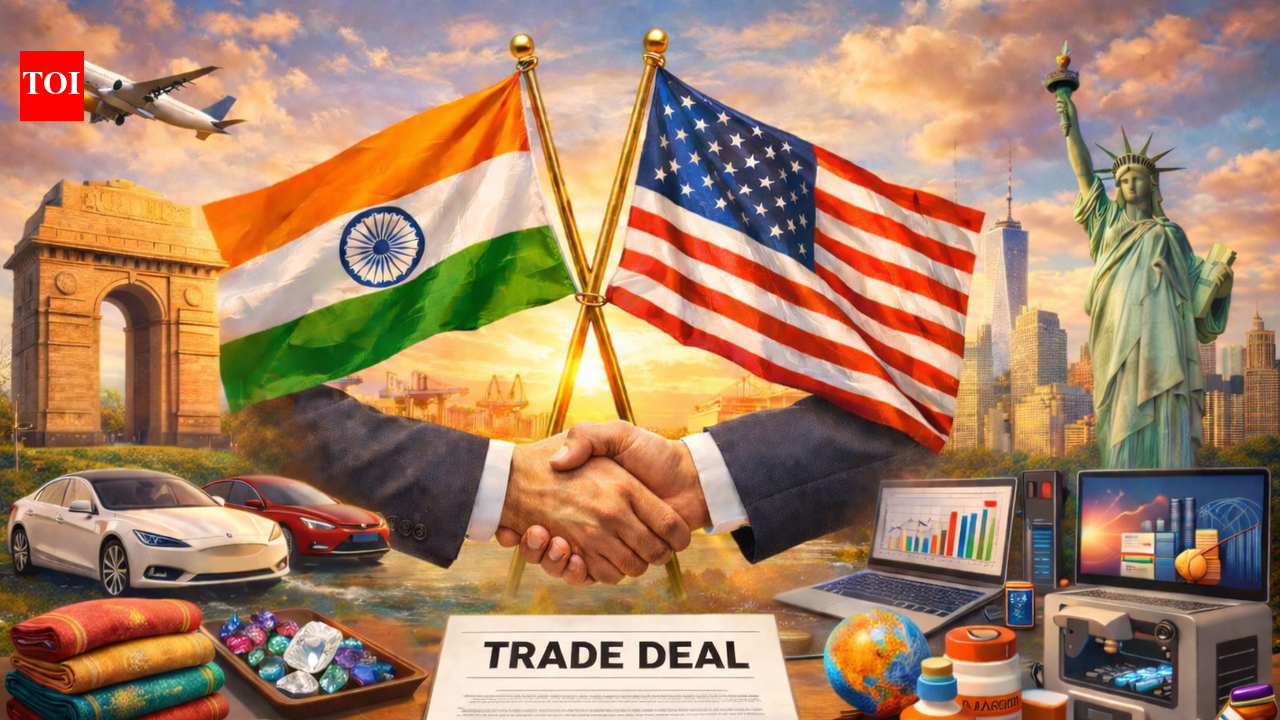
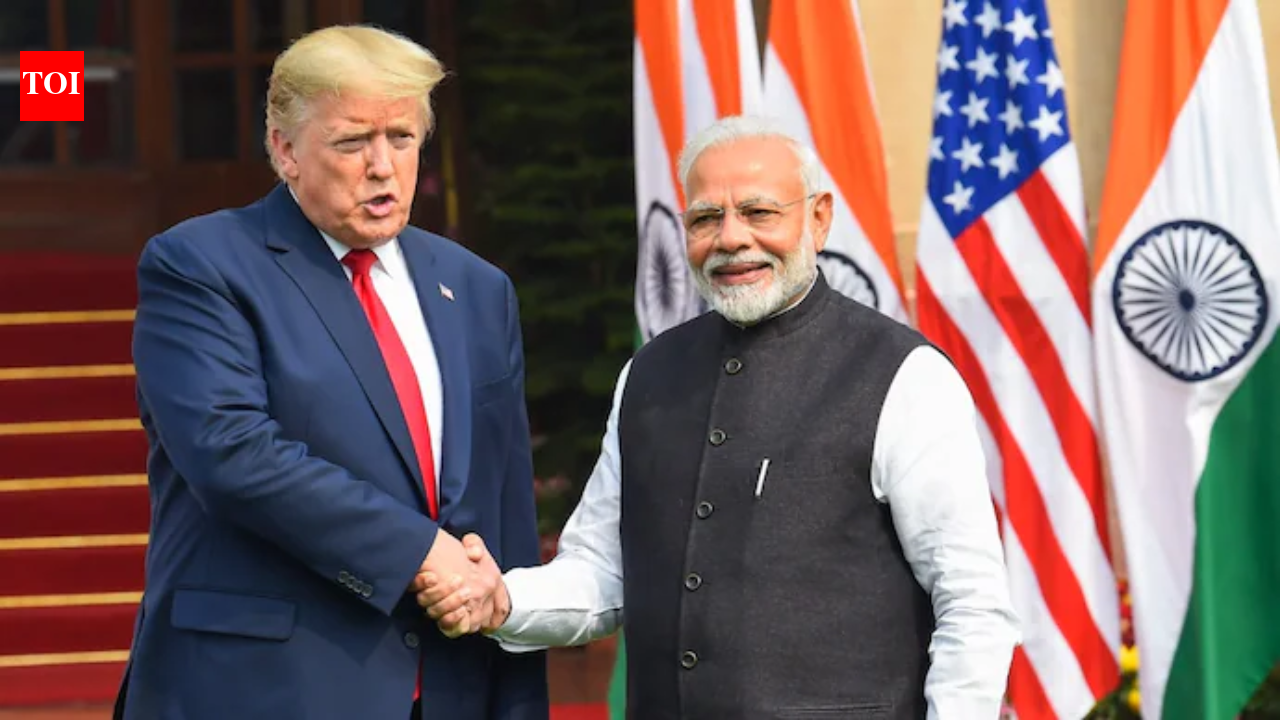
India and the United States released a joint statement on Saturday, announcing the framework for an interim trade agreement. Under the newly announced trade pact, tariffs on Indian goods will drop from 50% to 18%. “The US and India are pleased to announce that they have reached a framework for an Interim Agreement regarding reciprocal and mutually beneficial trade,” the joint statement said.Both nations have held repeated trade negotiations over the past months, as talks stalled after the US imposed 50% tariffs on Indian imports. Of this, 25% duties were introduced in August, with the US alleging that India was supporting Russia’s war efforts against Ukraine through its purchases.The framework also reaffirms the commitment of both countries to the broader US-India Bilateral Trade Agreement negotiations, launched by PM Modi and US President Donald Trump in February 2025, following months of trade tensions over India’s purchase of Russian oil.Also read | Trump signs executive order lifting 25% tariff penalty on India

Here are the top 10 key takeaways from the interim trade deal:

  1. Tariffs on Indian goods: The United States will cut import duties on Indian products to 18%, covering textiles and apparel, leather and footwear, plastic and rubber products, organic chemicals, home decor, artisanal products, and select machinery. Furthermore, after the successful conclusion of the interim trade agreement, the US will remove tariffs on several Indian goods, including generic pharmaceuticals, gems and diamonds, and aircraft parts.
  2. Tariffs on US goods: India will eliminate or reduce tariffs on all US industrial goods and a wide range of food and agricultural products, such as dried distillers’ grains, red sorghum for animal feed, tree nuts, fresh and processed fruit, soybean oil, wine and spirits, among others.
  3. Protection for India’s agriculture sector: Union commerce and industry minister Piyush Goyal reassured that the agreement safeguards Indian farmers’ interests and supports rural livelihoods by fully protecting sensitive agricultural and dairy products, including maize, wheat, rice, soya, poultry, milk, cheese, ethanol (fuel), tobacco, certain vegetables, and meat.
  4. India’s $500 billion purchase: Over the next five years, India plans to purchase $500 billion of US energy products, aircraft and parts, precious metals, technology products, and coking coal, significantly increasing bilateral trade and market opportunities.
  5. Russian oil trade: White House has claimed that India will end Russian oil imports, purchase US energy products, and expand defence cooperation with the United States over the next 10 years. India is yet to respond to this claim and has maintained that ensuring energy security remains the supreme priority. “Diversifying our energy sourcing in keeping with objective market conditions and evolving international dynamics is at the core of our strategy to ensure this,” MEA spokesperson Randhir Jaiswal said in a statement.
  6. Vast market for Indians: Piyush Goyal said that the India-US trade pact will open a $30 trillion market for Indian exporters, especially MSMEs, farmers and fishermen, creating lakhs of new jobs for women and youth.
  7. Preferential market access: India and US will commit to grant each other preferential market access in key sectors on an ongoing basis. The US will remove tariffs on certain Indian aircraft and aircraft parts previously imposed for national security. New Delhi will also receive a preferential tariff rate quota on automotive parts and get negotiated outcomes for generic pharmaceuticals and ingredients.
  8. Boost to digital and technology trade: Both nations will tackle barriers to digital trade, increase trade in technology products including GPUs and data centre goods, and expand joint technology cooperation.
  9. Market access and non-tariff barrier resolution: Both nations will work to remove non-tariff barriers affecting bilateral trade. “India agrees to address long-standing barriers to the trade in US” medical devices, ICT goods, and food and agricultural products, eliminate restrictive import licensing, and review standards within six months to ensure smoother market access for American exports.
  10. Trade expansion: The framework sets the stage for finalising the Interim Agreement and advancing the full Bilateral Trade Agreement, with provisions to reduce tariffs further.

Also read | PM Modi hails India-US trade deal, thanks Trump


Source link

Strengthens ‘Make in India’: PM Modi hails India-US trade deal; thanks Trump | India News


World Praises India-US Trade Deal: PM Modi Tells Rajya Sabha Youth Will Gain Global Opportunities

NEW DELHI: Prime Minister Narendra Modi on Saturday welcomed the India-US interim trade agreement, calling it a major step towards strengthening economic ties, boosting domestic manufacturing and creating jobs.In a post on X, PM Modi said: “Great news for India and USA! We have agreed on a framework for an Interim Trade Agreement between our two great nations. I thank President Trump for his personal commitment to robust ties between our countries. This framework reflects the growing depth, trust and dynamism of our partnership. It strengthens ‘Make in India’ by opening new opportunities for India’s hardworking farmers, entrepreneurs, MSMEs, StartUp innovators, fishermen and more. It will generate large-scale employment for women and youngsters. India and the United States share a commitment to promoting innovation and this framework will further deepen investment and technology partnerships between us. This framework will also strengthen resilient and trusted supply chains and contribute to global growth. As India moves forward towards building a Viksit Bharat, we remain committed to building global partner”.

World Praises India-US Trade Deal: PM Modi Tells Rajya Sabha Youth Will Gain Global Opportunities

India and the United States earlier released a joint statement announcing the framework for an interim trade agreement, under which tariffs on Indian goods entering the US will be reduced from 50% to 18%. “The US and India are pleased to announce that they have reached a framework for an Interim Agreement regarding reciprocal and mutually beneficial trade,” the statement said.The announcement follows months of negotiations after trade talks stalled when Washington imposed 50% tariffs on Indian imports. Of these, 25% duties were introduced in August, with the US alleging that India was supporting Russia’s war efforts against Ukraine through oil purchases.The framework also reaffirms both sides’ commitment to negotiations on a broader US-India Bilateral Trade Agreement, launched by Modi and US President Donald Trump in February 2025 amid prolonged trade tensions linked to India’s energy imports from Russia.Under the interim deal, the United States will lower tariffs to 18% on a wide range of Indian products, including textiles and apparel, leather and footwear, plastic and rubber goods, organic chemicals, home décor, artisanal products and select machinery. Subject to the successful conclusion of the agreement, Washington has also said it will remove tariffs on additional Indian exports such as generic pharmaceuticals, gems and diamonds, and aircraft parts.India, in turn, will eliminate or reduce tariffs on all US industrial goods and a broad basket of food and agricultural products, including dried distillers’ grains, red sorghum for animal feed, tree nuts, fresh and processed fruit, soybean oil, wine and spirits.Union commerce and industry minister Piyush Goyal said the agreement protects India’s agriculture sector, with sensitive farm and dairy products fully safeguarded. These include maize, wheat, rice, soya, poultry, milk, cheese, ethanol for fuel, tobacco, certain vegetables and meat.The framework also outlines India’s intent to purchase $500 billion worth of US energy products, aircraft and aircraft parts, precious metals, technology products and coking coal over the next five years, a move expected to significantly expand bilateral trade.On claims that India would end Russian oil imports, New Delhi has not confirmed any such commitment. The government has reiterated that energy security remains its top priority. “Diversifying our energy sourcing in keeping with objective market conditions and evolving international dynamics is at the core of our strategy to ensure this,” MEA spokesperson Randhir Jaiswal said.The agreement provides for preferential market access for both countries in key sectors. The US will remove tariffs on certain Indian aircraft and aircraft parts imposed on national security grounds, while India will receive preferential tariff rate quotas for automotive parts and negotiated outcomes for generic pharmaceuticals and ingredients.Goyal said the pact opens up a $30 trillion market for Indian exporters, particularly MSMEs, farmers and fishermen, and is expected to create lakhs of jobs for women and youth.The framework also includes steps to boost digital and technology trade, with both sides committing to address barriers to digital commerce, increase trade in technology products including GPUs and data centre equipment, and expand joint technology cooperation.Both countries have agreed to work on removing non-tariff barriers affecting bilateral trade. India will address issues related to US medical devices, information and communication technology goods, and food and agricultural products, eliminate restrictive import licensing and review standards within six months to ease market access.Officials said the framework paves the way for finalising the interim agreement and advancing negotiations on a comprehensive bilateral trade agreement, with scope for further tariff reductions.


Source link