Breaking News
‘Chakka marna inka style nahi hai’: Babar Azam trolled on-air during Pakistan’s T20 World Cup opener – Watch | Cricket News


'Chakka marna inka style nahi hai': Babar Azam trolled on-air during Pakistan's T20 World Cup opener - Watch
Pakistan’s Babar Azam (AP Photo/Eranga Jayawardena)

NEW DELHI: Pakistan narrowly avoided a major upset in their T20 World Cup opener against the Netherlands, winning by three wickets in Colombo on Saturday. But during the match, former India cricketer Mohammad Kaif took a swipe at Babar Azam on Hindi commentary, saying, “Aapne bola chakka maro, kaha maar paayein, fielder peeche hai, unka taqat nahi hai, style unka chakka marne ka nahi hai. Run-a-ball lo aur match jeetake jaao hai unka style. Jaha badha shot marne gaye, out ho gaye. (You asked him to go for a six, but where could he hit it? The field was set back, he doesn’t have that power, and hitting sixes isn’t his style. His style is to take a run a ball and win the match. When he went for a big shot, he got out.)”

Why Gautam Gambhir and Hardik Pandya had an intense chat before India vs USA T20 WC

Pakistan’s chase was far from smooth. After a solid start, wickets kept falling, and the team suddenly needed 29 runs from the last two overs with just three wickets left. That’s when Faheem Ashraf played a crucial role, smashing an unbeaten 29 off 11 balls, including three sixes in the 19th over, to take Pakistan home with three balls to spare.Pakistan captain Salman Agha admitted, “We had to do it the hard way,” and praised Faheem, saying, “All credit to Faheem.” Faheem himself said, “We have been playing this brand of cricket for this past year. Heart rates go up and down, it’s happened so many times before, we’re used to it.”Earlier, the Netherlands looked strong with the bat and reached a good position, but Pakistan’s bowlers pulled things back in the final overs. Dutch captain Scott Edwards admitted, “We weren’t at our best in all three departments today,” and added that small moments made the difference.Pakistan survived a scare, while Kaif’s on-air comment about Babar’s batting style went viral and sparked debate among fans.


Source link

SBI Q3 results: Net profit jumps 24% to all-time high of Rs 21,028 crore; operating profit rises 40% on loan growth


SBI Q3 results: Net profit jumps 24% to all-time high of Rs 21,028 crore; operating profit rises 40% on loan growth

State Bank of India (SBI) reported a 24% year-on-year record (all-time high) standalone net profit of Rs 21,028 crore for the December quarter of FY26, reflecting steady growth in core income and recovery trends.On a consolidated basis, the state-owned lender posted a 13.06 per cent rise in profit to Rs 21,317 crore during the quarter, according to a regulatory filing, PTI reported.The bank’s standalone net interest income (NII) rose 9.04 per cent year-on-year to Rs 45,190 crore from Rs 41,446 crore in the corresponding period last year. The growth was supported by 15.14 per cent loan expansion, even as domestic net interest margin saw a marginal compression of 0.03 per cent to 3.12 per cent.Non-interest income increased 15.65 per cent to Rs 8,404 crore during the quarter. Meanwhile, total expenses rose to Rs 1,08,052 crore compared with Rs 1,04,917 crore in Q3 FY25. The bank’s net interest margin (NIM) stood at 2.99% in Q3FY26, while domestic NIM was 3.12%. For the nine months ended December 2025, domestic NIM was recorded at 3.08%.Deposit growth stood at 9.02 per cent during the October–December period. Fresh slippages were reported at Rs 4,458 crore, higher than Rs 3,823 crore in the year-ago period.On asset quality, the gross non-performing assets (GNPA) ratio improved to 1.57 per cent as of December 31, 2025, compared with 1.73 per cent at the end of September. Total provisions rose to Rs 4,507 crore against Rs 911 crore in the year-ago period.Provision coverage ratio (PCR), including AUCA, stood at 92.37%, while PCR excluding AUCA was 75.54%. The slippage ratio remained contained at 0.40%, and credit cost stood at 0.29%, as per ET report. On the balance sheet front, SBI’s total business crossed Rs 103 lakh crore. Deposits exceeded Rs 57 lakh crore, while advances crossed Rs 46 lakh crore.The bank’s overall capital adequacy ratio stood at 14.04 per cent as of December 31, 2025, with core capital buffer at 10.99 per cent.Digital adoption remained strong, with more than 68% of savings bank accounts opened through Yono in Q3. Alternate channels accounted for nearly 98.6% of total transactions during the nine-month period.At a press conference, SBI Chairman C S Setty said a special dividend of Rs 2,200 crore from SBI Mutual Fund supported profit growth during the quarter, along with higher fee income, recoveries from written-off accounts and net interest income.


Source link

‘Golden letter day’: Piyush Goyal hails India-US trade deal; reiterates farmers protected


'Golden letter day': Piyush Goyal hails India-US trade deal; reiterates farmers protected

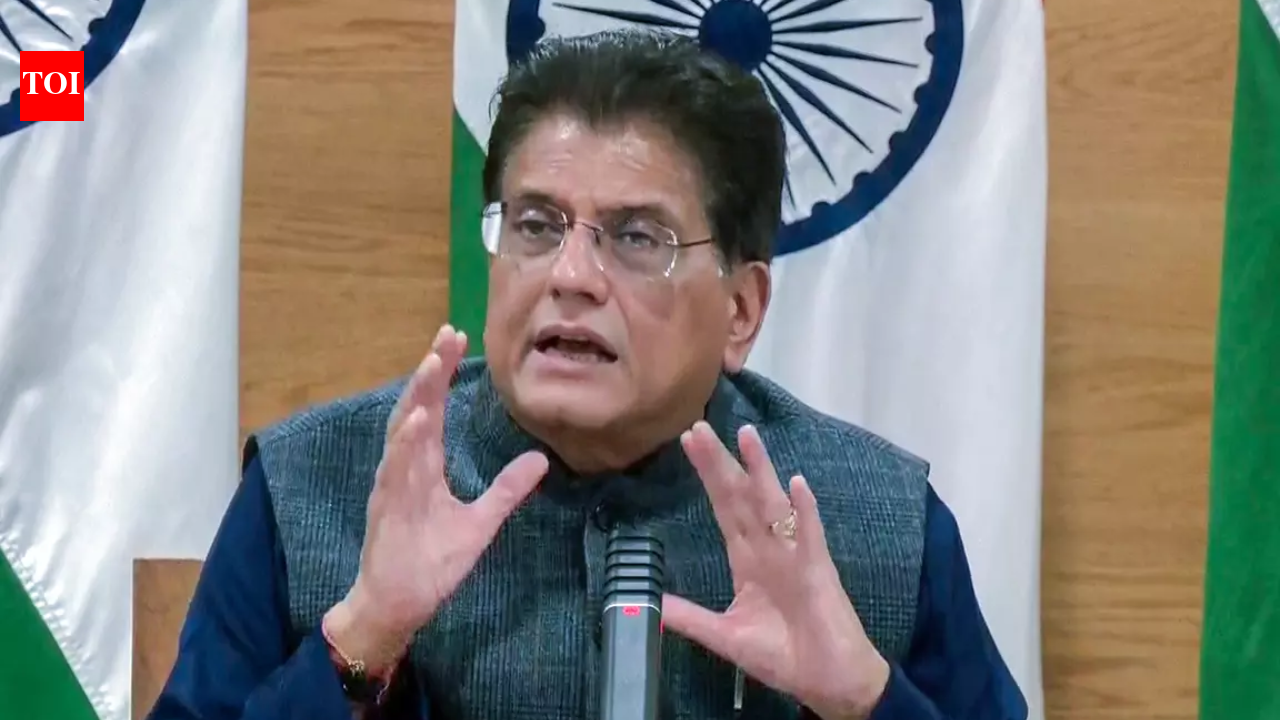
Union minister for commerce and industry Piyush Goyal on Saturday described the India-US trade agreement as a landmark step in India’s journey towards becoming a developed nation by 2047. Addressing a media briefing, he said the day would be remembered as a major achievement in strengthening economic ties between the two countries. He said discussions on the bilateral trade agreement began in February 2025, keeping the future in mind and considering the diplomatic relationship between India and the United States, as well as the friendship between the leaders of the two nations.Goyal said the key objective of the agreement is to achieve annual bilateral trade of 500 billion dollars between India and the United States.Calling the day historic, he said it would be remembered for opening new opportunities for India and said there is a wave of happiness and enthusiasm across all sectors of the country regarding the future.Goyal said the agreement has been structured in a way that protects the interests of Indian farmers and the dairy sector.He said some people in the country are against the interests of farmers, do not worry about farmers’ welfare, and mislead the public, adding that they are surprised to see that no steps in the India-US trade agreement go against farmers’ interests.Highlighting benefits for exporters, Goyal said the reciprocal tariff on Indian exports to the US has been sharply reduced from 50 percent to 18 percent under the agreement.He said the 18 percent tariff is lower than the tariffs imposed by neighbouring countries and other competing nations, which will give Indian exporters a clear advantage.Referring to public response, Goyal cited the example of a handicrafts artisan from Sambhal in Uttar Pradesh who said the tariff reduction would bring new orders, benefits and progress for his sector.Goyal said several categories of Indian exports will now attract zero duty when sent to the United States.He said gems and diamonds exported from India will be subject to zero duty under the agreement.Goyal said pharmaceutical products, which are exported from India in large quantities, will also face zero duty in the US market.He added that smartphones exported from India to the United States will continue to enjoy zero duty.In the agricultural sector, Goyal said many products will be exported to the US with zero reciprocal tariff, meaning no additional duty will be applied.He listed spices, tea, coffee and products made from them, coconut and coconut oil, vegetable wax, areca nut, Brazil nut, cashew nut and chestnut among the agricultural items covered.Goyal said several fruits and vegetables are also included under the zero-duty provisions of the agreement.He said the agreement is expected to open up new opportunities across sectors and will significantly benefit Indian exporters in the coming days.


Source link

Watch: 14-year-old Vaibhav Sooryavanshi’s animated celebration after record-breaking ton goes viral in U19 World Cup final | Cricket News


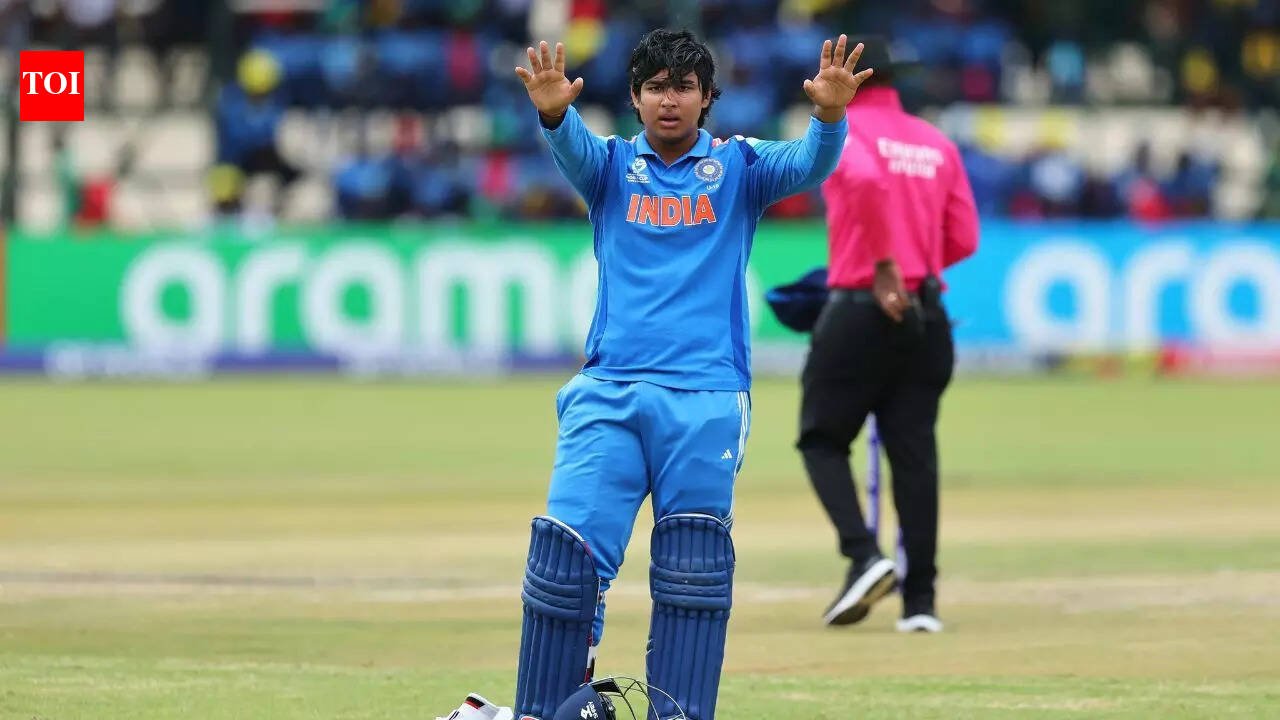
Vaibhav Sooryavanshi (Photo by @BCCI on X)

NEW DELHI: Fourteen-year-old Vaibhav Sooryavanshi delivered a stunning performance in the U-19 World Cup final on Friday, producing one of the most dominant innings ever seen at this level. Playing against England on the biggest stage, the young Indian opener showed remarkable composure and attacking intent from the very start.

Why this T20 World Cup could well see a 300 plus total | Will India create history?

Sooryavanshi reached his century in just 55 balls, making it the second-fastest hundred in U-19 World Cup history. Only Australia’s Will Malajczuk has scored a quicker ton in the tournament. He brought up his century with a single and then marked the moment with a calm and respectful celebration. After a brief roar, he removed his helmet and gloves, paused for a brief prayer, and applauded the dressing room.Watch:The Indian batter brought up his first fifty in 32 balls and then accelerated even further, scoring his next fifty in only 23 deliveries as England’s bowlers struggled to slow him down.He shared a rapid 142-run partnership with captain Ayush Mhatre, who contributed a steady half-century before getting out. Together, they completely took control of the final and pushed England onto the back foot.Sooryavanshi eventually fell for a breathtaking 175 off 80 balls, an innings filled with 15 fours and 15 sixes. His dismissal finally gave England a moment to regroup, as the scoring rate had made even an extremely high total seem possible.Despite missing out on a double century, the young prodigy walked off to a standing ovation. Suryavanshi fell for 175 in the 26th over as India went on to post 411 for 9. The left-hander has seen a phenomenal rise over the last couple of years, scoring a U-19 debut century, hitting a six off his first IPL ball for Rajasthan Royals, and now smashing the tournament’s second-fastest hundred.


Source link

WATCH: Deepak Chahar and Rahul Chahar brutally troll Babar Azam with viral warm-up drill


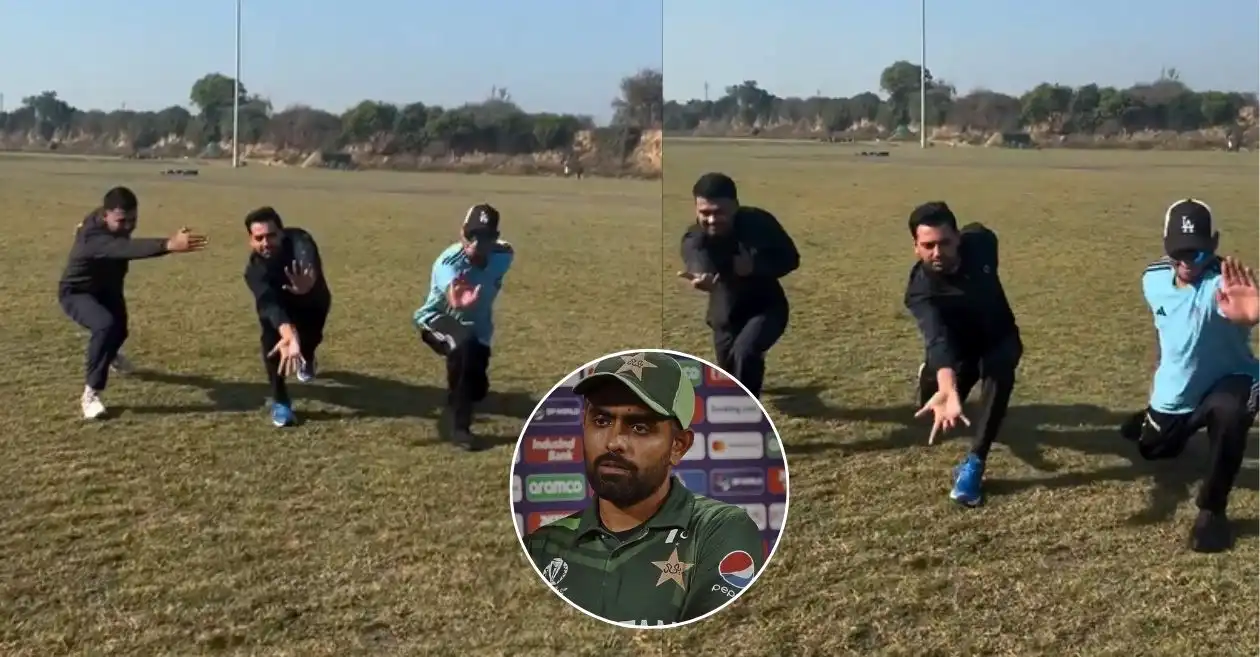
Cricket’s intense rivalries often spill beyond the boundary ropes, but this time, it’s humour that has taken centre stage. Indian pacer Deepak Chahar and leg-spinner Rahul Chahar set social media buzzing after playfully trolling former Pakistan captain Babar Azam with a hilarious recreation of a viral warm-up drill. Joined by domestic cricketer Kartik Sharma, the Indian trio poked fun at a quirky exercise performed by Pakistan stars that had already become meme material across platforms.

The warm-up drill that broke the internet

The original clip that sparked widespread amusement featured Mohammad Rizwan and Babar during a pre-match warm-up session. In the video, the duo were seen spreading their legs wide, holding a curved arc-like object, before swiftly straightening up and raising their arms in the air. The unusual movements left fans puzzled and amused in equal measure, with many questioning the purpose of the drill while others turned it into comedy gold through memes and parody reels.

Before long, the Babar-Rizwan clip had taken over timelines, becoming one of those rare cricket moments where fitness routines overshadow on-field action.

Deepak Chahar and Rahul Chahar join the fun to troll Babar Azam

Not one to miss out on a viral trend, Deepak shared a light-hearted reel recreating the same movements, with Rahul and Kartik perfectly in sync. Set to the nostalgic Bollywood track ‘Chale Toh Kat Hi Jayega Safar’, the video added an extra layer of humour to the imitation.

While the actual benefit of the exercise remains unclear—perhaps something only the Pakistan team’s physio can explain—it has undeniably succeeded in one department: entertainment. From professional cricketers to casual fans, everyone seems to be enjoying the lighter side of the game, proving once again that cricket culture thrives as much on humour as on competition.

Here’s the video:

Also WATCH: Babar Azam and Shaheen Afridi combine to take a spectacular catch in PAK vs NED clash at T20 World Cup 2026

IPL futures and World Cup focus

Away from the viral fun, Deepak is gearing up for a crucial season with Mumbai Indians. The fast bowler, who was bought for ₹9.25 crore at the 2025 mega auction, has been officially retained by the franchise for IPL 2026, underlining MI’s faith in his experience and skill. Rahul, meanwhile, will turn out for Chennai Super Kings in the upcoming season. After being released by Sunrisers Hyderabad, the leg-spinner was snapped up by CSK for ₹5.20 crore at the IPL 2026 mini-auction held in December 2025.

On the other side of the rivalry, Babar is currently focused on leading Pakistan national cricket team in the T20 World Cup 2026, which got underway today. While the stakes on the field remain sky-high, moments like these remind fans that cricket, at its heart, is also about joy, camaraderie, and the ability to laugh at oneself.

Also READ: Injured Sri Lanka pacer Eshan Malinga ruled out of T20 World Cup 2026, replacement announced


Source link

Mumbai horror: 40-year-old man arrested for sexually assaulting female dog in Kandivali | Mumbai News


MUMBAI: A 40-year-old man was arrested by Samta Nagar Police for sexually assaulting a female dog in Kandivali East. The case was reported by a local social worker.According to the FIR, the social worker was returning home from her uncle’s place on 1 February when she saw a crowd near a drain by Lokhandwala Complex.She found the accused lying in the drain with a female dog that was crying in pain. The dog had injuries to its private parts. The social worker took the animal to Parel Animal Hospital, where it was treated. Doctors confirmed the dog had been sexually assaulted.The social worker then reported the incident to Samta Nagar Police.An FIR was filed under the Prevention of Cruelty to Animals Act and the Bharatiya Nyaya Sanhita against the accused, Sanjay Gaud.

Banner Insert


Source link

‘Lost balance, foot slipped from stool’: UP woman accidentally hangs herself while shooting Instagram reel, dies | Kanpur News


‘Lost balance, foot slipped from stool’: UP woman accidentally hangs herself while shooting Instagram reel, dies

KANPUR: A 27-year-old woman died while filming an Instagram reel in which she pretended to hang herself in Karuiya Purwa in Baberu town of Banda district, Uttar Pradesh, after the noose tightened around her neck and she could not save herself, police said on Saturday.The woman, Mohini, wife of Jagdish, was fond of making reels on social media, her family members told investigators.According to the family, on the evening of February 6, Mohini was shooting a hanging scene on her mobile phone inside a room. She hung a noose from a ceiling hook, stood on a stool and acted with the noose around her neck.During the filming, she suddenly lost her balance or her foot slipped. As her feet left the stool, the act turned into reality and she died within seconds.The incident came to light when her 4-year-old daughter entered the room and saw her mother hanging from the noose. The child screamed, and nearby people and family members rushed in after hearing her cries.Initially, family members thought she committed suicide, but further investigation revealed she was making a reel when the incident occurred, police said.On receiving information, Baberu police station police and superintendent of police Palash Bansal reached the spot. Police took the body into custody and sent it for post-mortem.SP Palash Bansal said, “In preliminary investigation, this case appears to be an accident that occurred while making a reel. Police are investigating the matter from every angle.”


Source link

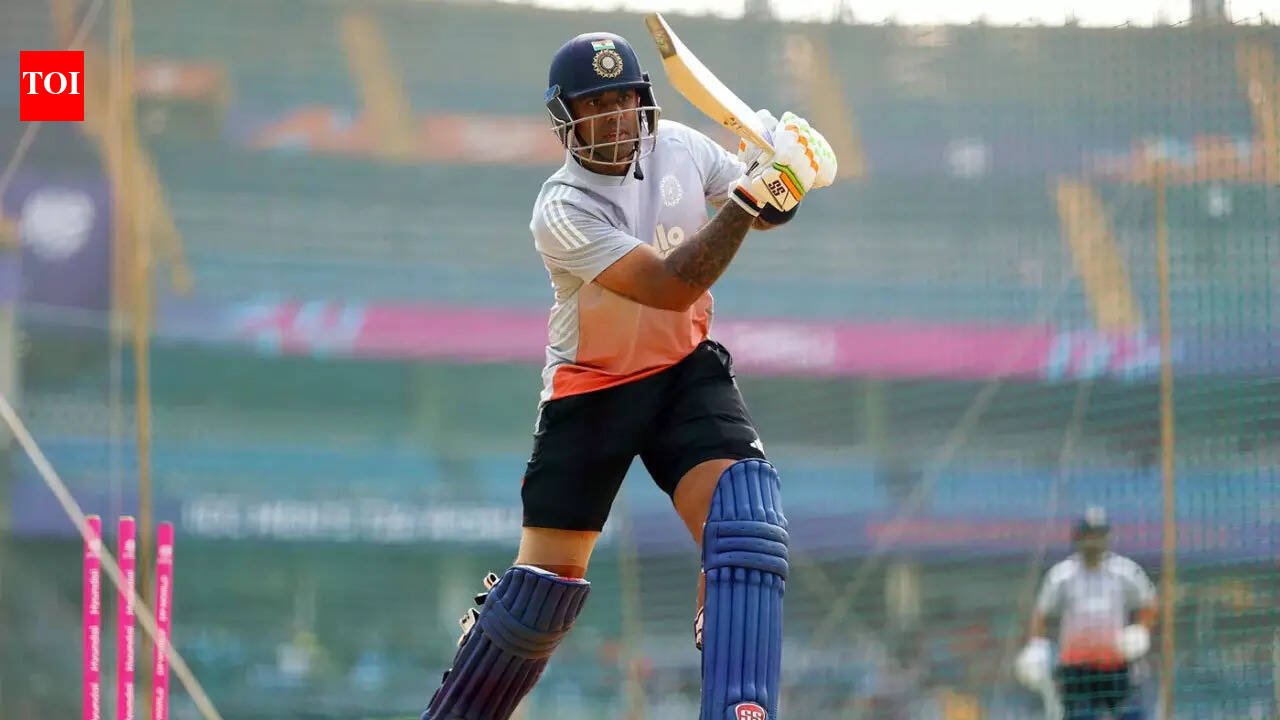
T20 World Cup: India’s spin riches give Suryakumar Yadav a ‘good headache’ | Cricket News


T20 World Cup: India’s spin riches give Suryakumar Yadav a 'good headache'
Suryakumar Yadav (Getty Images)

MUMBAI: Harshit Rana’s injury and the uncertainty surrounding Wash -ington Sundar may leave India short of allround options, but the hosts remain well-stocked in spin, with Varun Chakravarthy, Kuldeep Yadav and Axar Patel forming a potent trio capable of troubling the best batters, especially on Indian pitches.T20 captain Suryakumar Yadav said the team would not hesitate to play both Kuldeep and Varun together if con -ditions and opposition demanded it, calling the selection dilemma around the world-class wrist-spin -ners a “very good headache”. The duo featured together only once during the recent five-match T20I series against New Zealand—India’s sevenwicket win in the second T20I in Raipur.

T20 World Cup Groups Explained: Who Can Reach the Super 8

“It is an added advantage to have such quality bowlers available,” Surya said on Friday. “But at the same time, you have to look at the combination and the opposition. If there is a need to play two spinners—or two wrist-spinners—we will definitely do that. It’s always good to have options like Varun Chakravarthy and Kuldeep Yadav, two of the best spinners in the world. It’s a very good headache.”Surya also indicated that India are keen to capitalise on Ishan Kis -han’s blazing form, even if it means fielding a top three compris -ing left-handers Abhishek Sharma, Kishan and Tilak Varma. Responding to a question on whether an overload of left-handers concerned the team management, the skipper again termed it a “good headache”.“Are you enjoying watching the fours and sixes being hit or not?” Surya quipped. “I think it’s an over-rated con -versation,” he added. “At this level, you’ve played enough cricket against left-arm spinners and offspinners.”


Source link

Message to Pakistan? Amid trade pact, India’s map shared by US trade representative grabs attention | India News


Message to Pakistan? Amid trade pact, India's map shared by US trade representative grabs attention

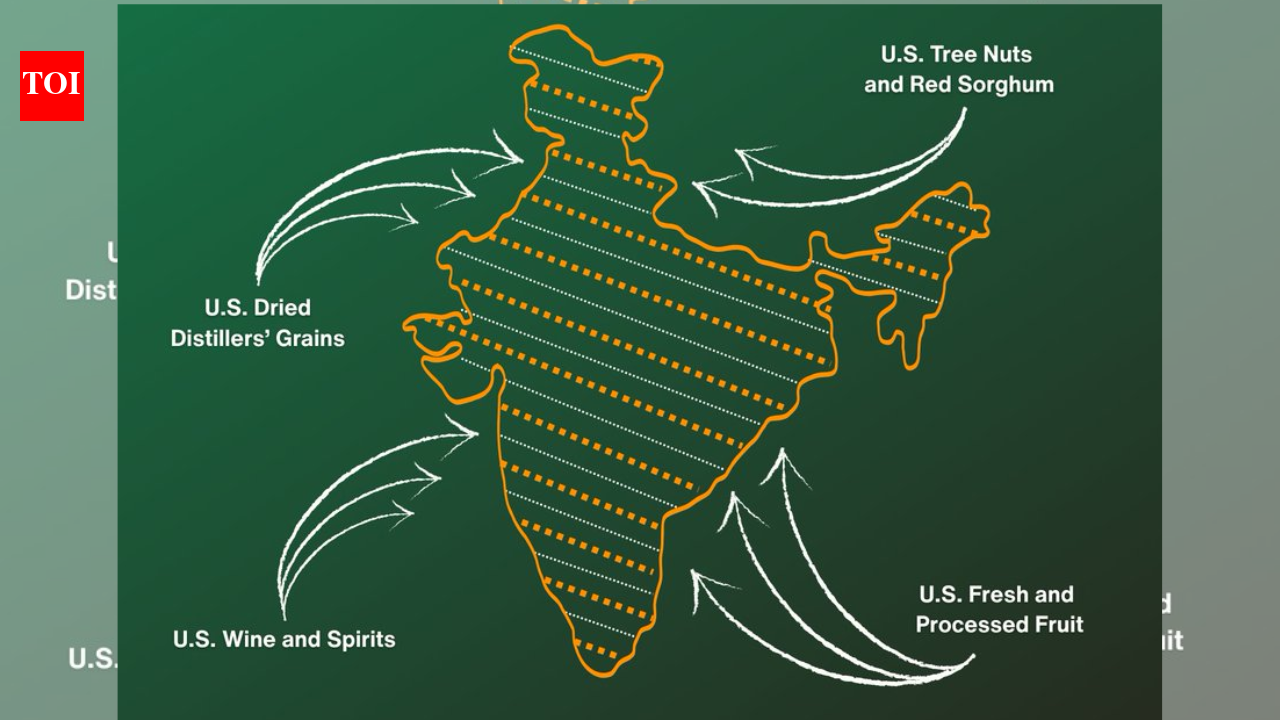
NEW DELHI: As New Delhi and Washington announced the framework for an interim trade agreement on Saturday, a map of India released by the US trade representative’s (USTR) office drew attention.The map, shared alongside details of the trade deal framework, shows the entire Jammu and Kashmir region – including Pakistan-occupied Kashmir (PoK) – as part of India. It also depicts Aksai Chin, a region claimed by China, within Indian territory. China claims the territory and has objected to India’s position, a dispute that has remained a sensitive issue in bilateral ties between New Delhi and Beijing.

India-US Trade Deal Explained: What The White House Says On Tariffs, Markets And Tech Shifts

In a post on X US trade representative said, “From tree nuts and dried distillers’ grains to red sorghum and fresh and processed fruit, the US-India Agreement will provide new market access for American products.While India has consistently maintained that Jammu and Kashmir is an integral part of the country and does not require external validation of its sovereignty, the depiction marks a departure from earlier US government maps, which typically showed the other claims as a part of the map.The timing of the map release is notable, coming as India and the US are moving to better the trade ties following months of speculation.Earlier this year, the Trump administration imposed a 50% tariff on Indian goods, including an additional 25% for Russian oil imports – the highest levied on a US ally – amid stalled trade negotiations. Under the interim framework announced, that tariff is set to be reduced to 18%, one of the lowest among Asian countries.

Signal to Islamabad

Though the USTR did not comment on the map, it comes as an embarrassment for Pakistan, which claims PoK. The release also comes amid sustained diplomatic outreach by Pakistan to Washington in recent months, including multiple visits by Pakistan’s PM Shehbaz Sharif and army chief, Asim Munir, and meetings with President Trump.The interim trade pact, expected to be signed by mid-March, is aimed at easing trade tensions and providing relief to Indian exporters after months of uncertainty.


Source link

No duty concessions on sensitive grains, fruits, dairy: Highlights from India-US trade deal


India-US Trade Deal Explained: What The White House Says On Tariffs, Markets And Tech Shifts

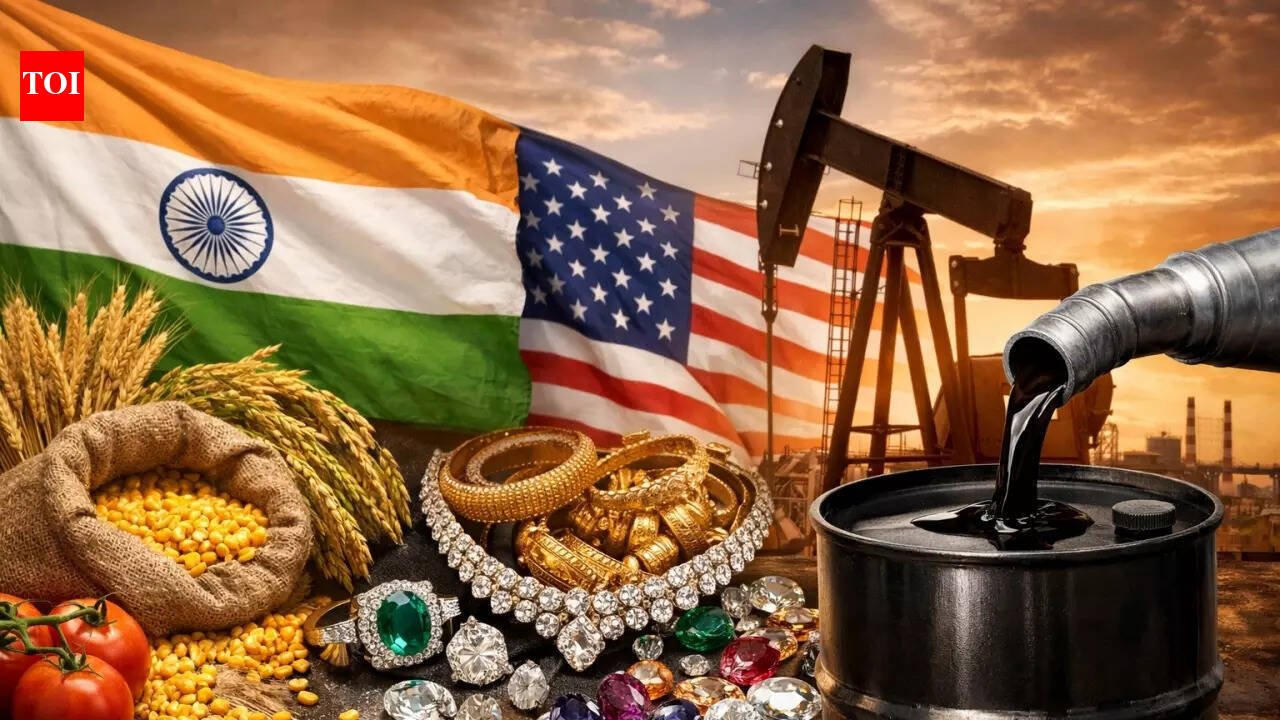
NEW DELHI: India and the United States on Saturday announced the framework for an interim trade agreement that will sharply cut US tariffs on Indian goods while easing duties on several American food and agricultural products entering India. The agreement marks a de-escalation of months of trade tensions and sets the stage for a broader bilateral trade pact.Under the framework, tariffs on Indian goods exported to the United States will be reduced from 50% to 18%. At the same time, India will eliminate or reduce tariffs on a range of US industrial goods and agricultural products, a move that could make several American imports cheaper for Indian consumers.

India-US Trade Deal Explained: What The White House Says On Tariffs, Markets And Tech Shifts

“The US and India are pleased to announce that they have reached a framework for an Interim Agreement regarding reciprocal and mutually beneficial trade,” the joint statement said.

.

Also read: US tariffs on India cut to 18%; $30 trillion market access – India-US trade deal explained in 10 pointsThe interim deal follows prolonged negotiations after Washington imposed steep tariffs on Indian imports, including a 25% duty introduced in August. The US had alleged that India was indirectly supporting Russia’s war efforts against Ukraine through oil purchases, a charge New Delhi has consistently rejected.The framework also reaffirms the commitment of both countries to continue negotiations on a comprehensive US–India Bilateral Trade Agreement. These talks were launched by Prime Minister Narendra Modi and US President Donald Trump in February 2025 after months of friction over trade and energy ties.As part of the interim agreement, India will reduce or eliminate tariffs on several US food and agricultural products, including dried distillers’ grains, red sorghum for animal feed, tree nuts, fresh and processed fruit, soybean oil, wine and spirits.The United States, in turn, will apply a reciprocal tariff rate of 18% on a wide range of Indian-origin goods, including textiles and apparel, leather and footwear, plastic and rubber products, organic chemicals, home décor, artisanal products and certain machinery. Subject to the successful conclusion of the interim agreement, Washington has also said it will remove tariffs on additional Indian exports such as generic pharmaceuticals, gems and diamonds, and aircraft parts.Also read: India-US trade deal: Read full text of joint statementThe White House said the framework would represent a historic milestone in the India–US partnership and help strengthen resilient supply chains, investment flows and technology cooperation.The agreement also outlines India’s intent to purchase $500 billion worth of US energy products, aircraft and aircraft parts, precious metals, technology products and coking coal over the next five years, significantly expanding bilateral trade.Both sides have committed to addressing non-tariff barriers affecting trade, including in medical devices, information and communication technology goods, and food and agricultural products. India has agreed to review standards and licensing procedures within six months to improve market access for US exports.Also read: India-US trade deal: What it means for farmers, entrepreneurs and the ‘Make in India’ pushOfficials said the framework would be implemented promptly, with negotiations continuing towards a full bilateral trade agreement aimed at further tariff reductions and expanded market access.

Key highlights of the India–US interim trade deal

  • Tariffs on Indian goods: US duties on Indian exports cut from 50% to 18%, covering textiles, apparel, leather and footwear, plastic and rubber goods, organic chemicals, home décor, artisanal products and select machinery.
  • Future tariff removals: Subject to the final agreement, the US will remove tariffs on generic pharmaceuticals, gems and diamonds, and aircraft parts.
  • Tariffs on US goods: India to eliminate or reduce tariffs on US industrial goods and food and agricultural products such as dried distillers’ grains, red sorghum, tree nuts, fresh and processed fruit, soybean oil, wine and spirits.
  • Cheaper US imports for India: Reduced duties could lower prices of select US food and agricultural products in the Indian market.
  • Agriculture safeguards: Sensitive Indian farm and dairy products remain protected, according to government assurances.
  • $500 billion purchase plan: India plans to buy $500 billion worth of US energy, aircraft, technology products, precious metals and coking coal over five years.
  • Preferential market access: Both sides to grant each other preferential access in key sectors, including automotive parts and pharmaceuticals.
  • Digital and technology trade: Commitment to boost trade in GPUs, data centre goods and expand joint technology cooperation.
  • Non-tariff barriers: India to address long-standing barriers affecting US medical devices, ICT goods and agricultural exports.
  • Path to full trade pact: Interim agreement lays groundwork for concluding a comprehensive India–US Bilateral Trade Agreement.


Source link