Breaking News
$3.3 billion funding: Key real estate firms line up IPO listings in 2026 amid strong housing demand


$3.3 billion funding: Key real estate firms line up IPO listings in 2026 amid strong housing demand

Indian real estate companies are rushing to raise around $3.3 billion through IPOs this year. This surge in public offerings comes as developers gain confidence in urban growth and housing demand, with more than half a dozen firms preparing to go public, as reported by Bloomberg.n comparison, the entire property sector, including developers and REITs, raised only $3.2 billion through IPOs in the past decade combined. Leading the lineup is Bangalore’s RMZ Corp., eyeing a $1 billion IPO, while Mumbai’s K Raheja Corp. plans to raise up to $700 million. Shapoorji Pallonji Group is also considering an $880 million listing of its real estate business.“The growing demand in Indian real estate IPOs reflects a sector that has matured,” says Ranvir Davda, co-head of investment banking at HSBC India. “Improved transparency, stronger governance and sustained demand are making investors more comfortable backing listed platforms to fund growth and build scale.”The push towards cities is driving this trend. Invest India predicts nearly $906 billion in new housing demand by 2034. Big global players like Blackstone, Brookfield, and GIC have already invested heavily in Indian property.Despite property stocks underperforming recently, with the Nifty Realty Index falling 2 per cent compared to the benchmark Nifty 50’s 12 per cent gain, investor interest remains strong. “Real estate companies are tapping the capital markets to fund growth. Residential demand has surged amid rapid urbanization, while commercial real estate has strengthened with the expansion of global capability centers, data centers and warehousing assets,” said SBI Capital Markets’ Amrendra Singh.This boom also reflects India’s growth as a tech hub, boosting demand for office space, retail developments, and IT parks across commercial real estate sectors.


Source link

Bhupen Borah’s big u-turn: Assam Congress leader withdraws resignation after talks with party leadership | India News


Bhupen Borah's big u-turn: Assam Congress leader withdraws resignation after talks with party leadership

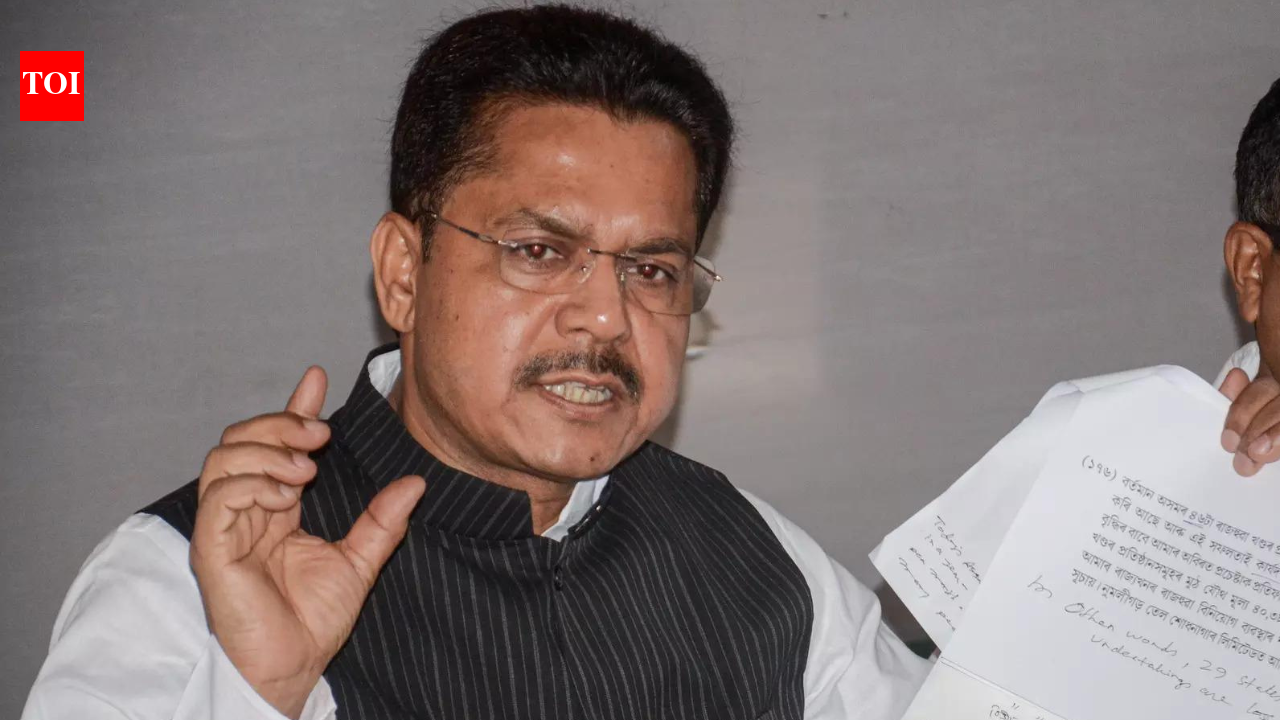
NEW DELHI: Assam Congress MP and former state unit chief Bhupen Borah on Monday withdrew his resignation after holding long discussions with the party’s central leadership, including Rahul Gandhi. Congress’s Assam in-charge Bhanwar Jitendra Singh, sharing about the resignation withdrawal by the Congress leader said that internal differences had been resolved through dialogue.Congress’s Assam in-charge Bhanwar Jitendra Singh said the party leadership did not accept Borah’s resignation and reaffirmed his importance within the organisation. He said, “I thank Bhupen Borah for taking back his resignation. Senior Congress leader Bhupen Borah is an important member of the Congress family. He had sent his resignation to our party’s national president.”“Sometimes differences of opinion arise, but these have been resolved through discussions,” Singh told reporters, adding that Borah has been associated with the party for nearly three decades.

Borah had earlier in the day submitted his resignation to the Congress high command, citing dissatisfaction over being “ignored” within the state unit and not receiving due recognition.Speaking to reporters after sending his resignation letter, he said the decision was not personal but stemmed from concerns about the party’s future. He said, “I sent my resignation to the Congress High Command at 8 am this morning and explained in detail why I was compelled to take this stand. This is not a personal decision. I have given 32 years to the party and joined it in 1994.”He also detailed the reasons behind his decision in his communication to the leadership.“This principle is not merely personal; it is driven by concern for the party’s future. That is why I conveyed everything in detail to the Congress High Command,” he said.Following the meeting with senior leaders, the party persuaded Borah to continue, signalling an effort to maintain unity ahead of the upcoming Assam Assembly elections.Borah served as president of the Assam Pradesh Congress Committee from 2021 to 2025 before being replaced by Gaurav Gogoi last year. A two-time legislator, he clarified earlier that his resignation was not intended as a departure from politics and said he had not received any offer from other political parties.The development comes as the Congress prepares for the Assam Assembly elections, expected to be held in March–April, where it is likely to contest in alliance with other opposition parties.In the 126-member Assembly, the BJP currently holds 64 seats, with allies AGP, UPPL and BPF holding nine, seven and three seats respectively. In the opposition ranks, the Congress has 26 MLAs, followed by AIUDF with 15 and CPI(M) with one, along with an Independent legislator.


Source link

“My wife should be ready to beg.” A doctor couple who charged Rs 2 as fees, helped transform a village and raised successful children


"My wife should be ready to beg." A doctor couple who charged Rs 2 as fees, helped transform a village and raised successful children

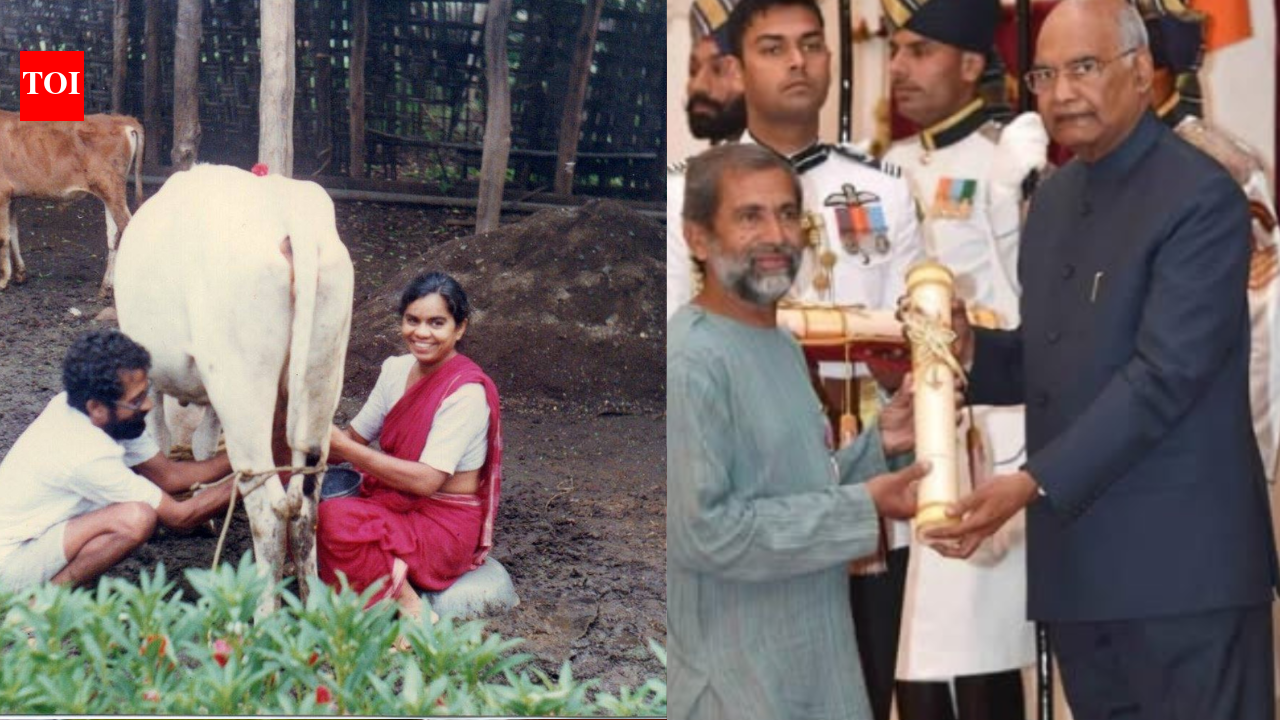
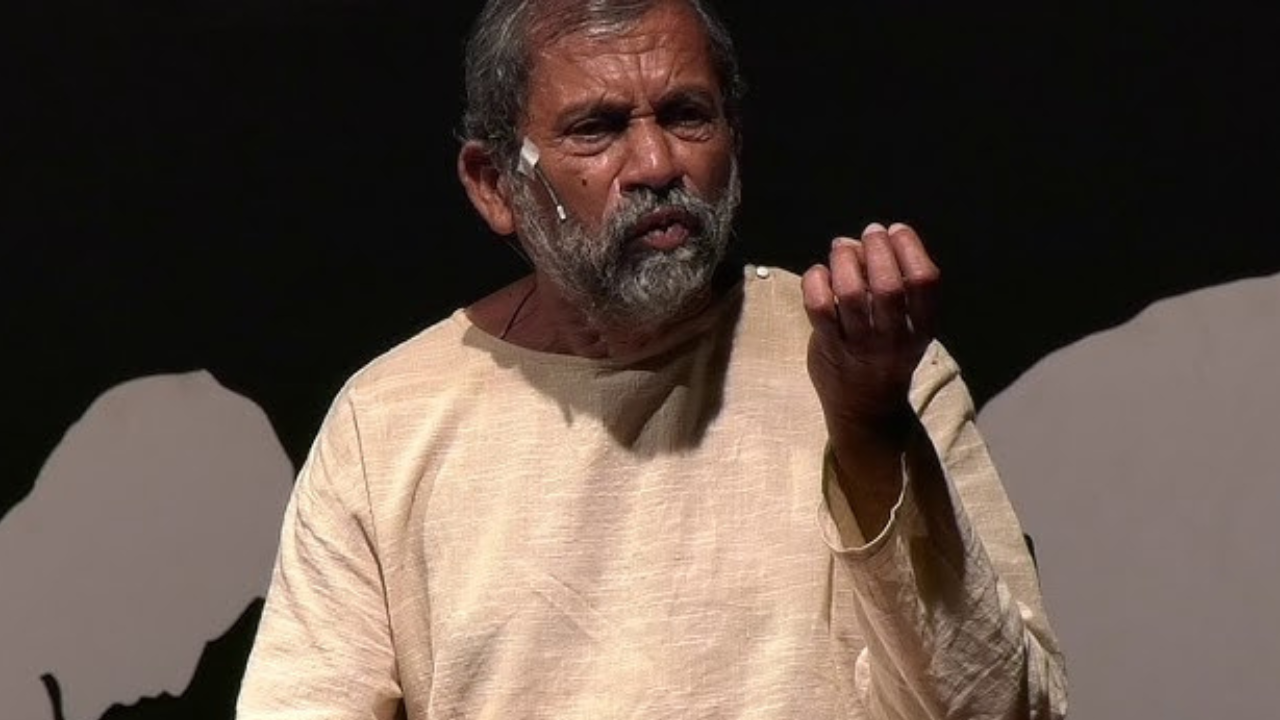
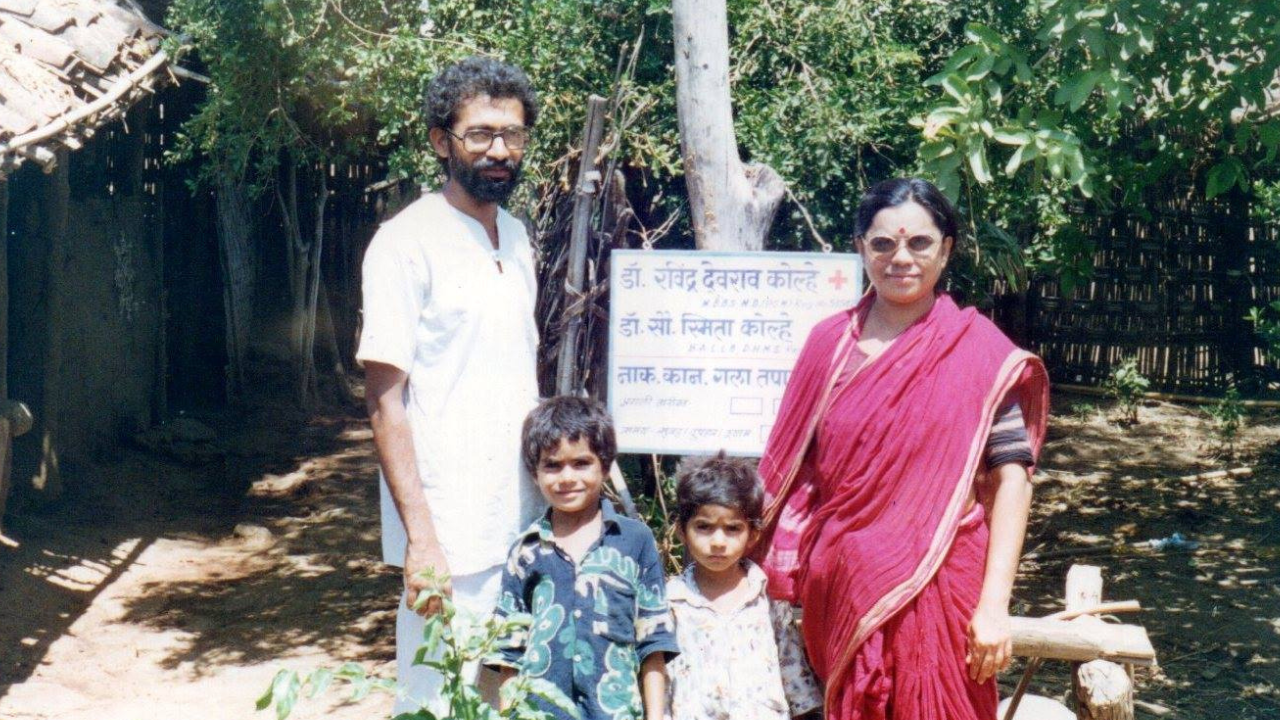
Long before recognition, awards or headlines, a young doctor chose to travel to a village that most maps barely acknowledged. In the mid 1980s, reaching Bairagarh in Maharashtra’s Melghat region meant travelling only as far as the road allowed and then walking nearly 40 kilometres through rugged forest terrain. Healthcare facilities were almost nonexistent here, electricity was unreliable, and illness had become part of everyday life. Children often fell sick, mothers delivered babies without medical support, and loss was quietly accepted as fate. Then, in 1985, when Dr Ravindra Kolhe arrived here, he was not just stepping into a remote village. He was unknowingly beginning a journey that would test everything he believed about medicine, service and what it truly means to stay when everyone else leaves. Scroll down to read more.

When staying became the real treatment

In a place where most professionals would have eventually returned to the comfort of cities, Dr. Ravindra Kolhe began building something quietly extraordinary. He set up a small medical practice and charged just ₹2 for a consultation and ₹1 for follow-ups, not as an act of charity, but because that was all the villagers could realistically afford. For him, medicine was never meant to feel distant, expensive or intimidating. It had to exist within the reach of the people who needed it most.

2

Slowly, word spread across nearby hamlets. People began walking long distances for treatment, and with time, the villagers gave him a name that reflected both affection and gratitude: The one-rupee doctor.But what they did not yet know was that this decision would quietly change the future of their entire community.

A life chosen, not fallen into

After graduating from Government Medical College in Nagpur, Dr. Ravindra Kolhe had the opportunity to pursue a stable and comfortable career in an urban hospital, a path most young doctors naturally chose. But comfort was never his goal. Deeply influenced by Gandhian ideals of service and social equality, he felt drawn toward places where medical care was absent rather than abundant. For him, medicine carried meaning only when it reached those who had been left behind. Plus, Melghat was not merely remote; it was a region long overlooked, where distance, poverty and neglect had quietly separated entire communities from basic healthcare.The first years were harsh. Patients arrived with advanced illnesses. Resources were scarce. Sometimes, diagnosis depended more on instinct and experience than on equipment. And yet, every day, people came, walking miles through forests for treatment.

3

An early medical emergency shook him deeply, making him realise how much more knowledge he needed to truly serve the community. So he left temporarily, completed a postgraduate degree in Preventive and Social Medicine, and prepared to return. But he knew one thing clearly: this life could not be lived alone.

The partner who chose the same path

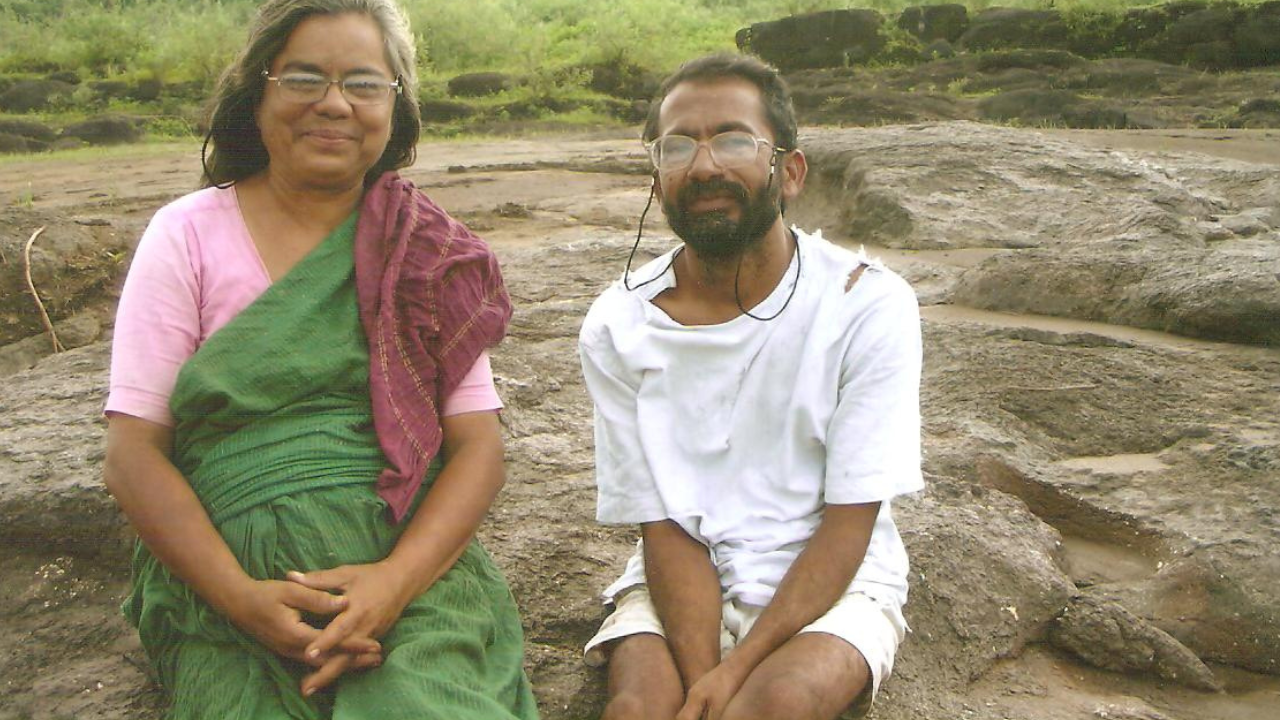
“When I decided to look for a life partner, I had 4 conditions. First, was that since I used to take Re 1 as consultation fees and managed to earn not more than Rs 400 a month and hence wanted a life partner who would run the house frugally in this amount. Second condition was that she should be willing to walk for 40 kilometers daily as village life demanded this, the third condition was that she should be willing for Rs 5 registered marriage and the last condition was that she should be willing to beg, not for ourselves but for others.” says Dr Kohle in a YouTube interview.Dr. Smita Manjare agreed to marry him. A homoeopathic doctor with training in law and yoga therapy, she stepped into Bairagarh knowing that ease would not be part of the journey. The couple lived with limited amenities, adapting to a rhythm of life defined by patients, emergencies, and community needs. At first, villagers were unsure about her. She spoke openly about women’s health and empowerment, ideas unfamiliar in the region, and change often arrives quietly before it is accepted. Trust did not come overnight, but through patience, presence and shared hardships, the distance between doctor and community slowly began to disappear.

Image credit: Dr. Avinash Saoji/ Facebook

” Two sons came in our lives-Rohit and Raam. They studied in the local school and are now doing what they wanted pursue as career-one became a doctor and the other a farmer. Parents should let their children follow their own path. We are glad we supported our children in their endeavors.”

Then something happened that changed everything

When their own newborn child became critically ill with pneumonia, meningitis, and septicemia, they were advised to leave immediately for advanced treatment in a city hospital. Instead, Dr. Smita chose to treat the child within the same limited conditions available to every villager.Nothing was spoken, yet everything changed. The villagers realised that the doctors’ lives were intertwined with their own, and in that shared vulnerability, acceptance deepened into lasting trust.

Healing meant more than medicine

The Kolhes soon understood that disease in Melghat was rooted in something deeper than infection. Hunger, failing crops, and poverty shaped health long before patients reached a clinic.In 1990, the infant mortality rate in the region was devastating, around 200 deaths per 1,000 births. Many losses were preventable, but prevention required changing everyday living conditions. So the couple expanded their idea of healthcare.They educated mothers about nutrition and prenatal care. They stayed through difficult deliveries. They treated children relentlessly. Slowly, survival replaced resignation. Over the years, infant mortality dropped dramatically to fewer than 40 deaths per 1,000 births.

6

But even that was not enough. The Kolhes soon realised that illness in Bairagarh did not begin in the body alone; it began in empty kitchens and uncertain harvests. When villagers approached them for help with farming, Dr. Kolhe made an unexpected choice. Instead of limiting himself to medicine, he began studying agriculture, determined to understand the roots of the community’s struggles.The couple introduced improved crops, sustainable farming practices and practical techniques suited to the region’s harsh conditions. When hesitation held farmers back, they chose action over persuasion, cultivating the land themselves to prove that change was possible.Slowly, the results became visible. Better harvests meant fuller meals. Improved nutrition strengthened children. Stable incomes replaced constant insecurity. In time, it became clear that healing in Bairagarh was no longer happening only inside a clinic. Medicine and agriculture had merged into a single purpose, restoring not just health, but hope.

Asking for roads instead of a house

Years later, when officials offered to build a house for the couple in recognition of their service, Dr. Smita made a different request. Not a home for them, but roads, electricity, and infrastructure for the village.It was a small decision that revealed everything about how they saw their work. Progress was meaningful only if it reached everyone.Gradually, Bairagarh changed. Better roads connected the village. Access to rations improved. Awareness camps educated young people about health, farming, and government schemes. What once felt isolated slowly began to feel hopeful.

A legacy built quietly

4

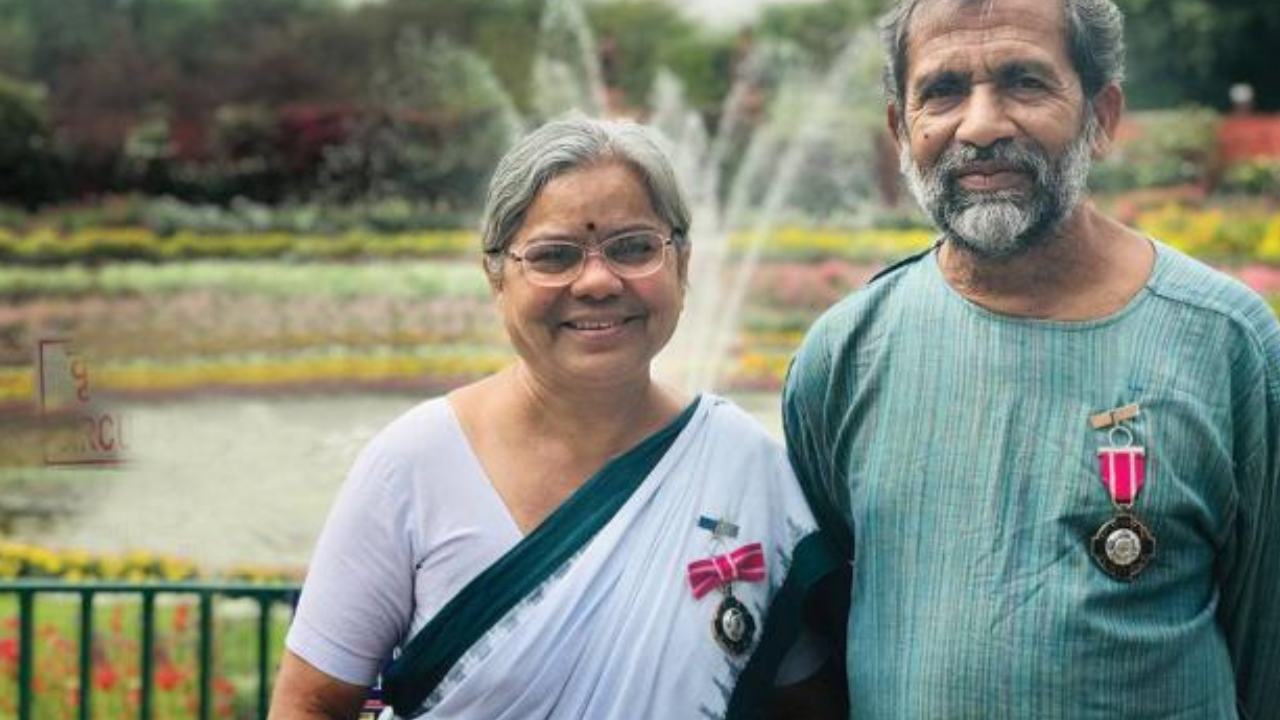
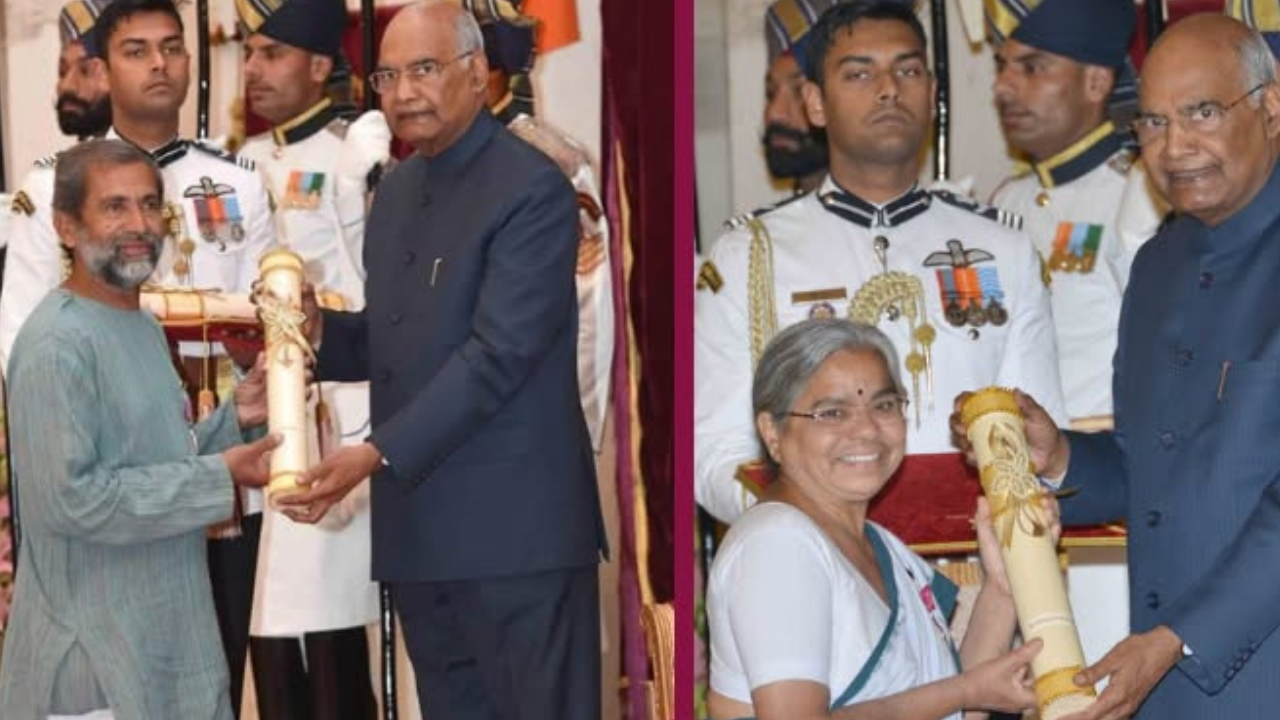
In 2019, the Government of India honoured Dr. Ravindra and Dr. Smita Kolhe with the Padma Shri, recognising decades of quiet service that had transformed tribal healthcare in one of Maharashtra’s most neglected regions. For many across the country, it was the first time they heard of the couple who had spent more than thirty years working far from recognition or visibility. But in Bairagarh, their legacy had been felt long before any award arrived, in children who survived, in safer childbirths, and in families who no longer faced illness with helpless acceptance.Their journey does not fit the rhythm of modern success stories. There were no dramatic turning points, no sudden breakthroughs, and no moments of overnight change. Progress came slowly, almost invisibly, built through patience and persistence. Just steady work, repeated every single day, year after year, until change quietly became permanent.Two doctors who chose to live where help was needed most and stayed long enough for hope to take root. Sometimes, transformation does not arrive through grand systems or sweeping reforms. Sometimes, it begins with a person willing to walk where the road ends… and decide not to walk back.



Source link

Mumbai traffic restrictions on Feb 17 for India-France year of Innovation event- check full list | Mumbai News


MUMBAI: Traffic police have announced road restrictions on February 17 for the main event of the India-France Year of Innovation, which will be attended by the Prime Minister and the President of France.A) South Mumbai – Restrictions from 2 pm to 9 pm

  • Chhatrapati Shivaji Maharaj Marg will be closed to all traffic, except emergency vehicles, from Regal Junction.
  • Alternative route: Regal Junction → Shahid Bhagat Singh Marg → Mahakavi Bhushan Road → Boman Bheram Marg → proceed to the desired destination.
  • P Ramchandani Marg: The stretch from North Court to Adam Street Junction will be closed to all traffic, except emergency vehicles.
  • Alternative route: Alva Chowk → Radio Club via P Ramchandani Marg → Haji Niyaz Azmi Road → Bhid Bhanjan Mandir → right turn → Shahid Bhagat Singh Road → Regal Junction → complete turnaround → Shahid Bhagat Singh Road → Mahakavi Bhushan Marg → proceed to the desired destination.
  • Rambhau Salgaonkar Road – The one-way road from Indu Clinic Junction to Volga Chowk will be opened for two-way traffic from 1 pm to 4 pm.
  • No parking zones: Nathalal Parekh Road, Jagannath Bhosle Road, Captain Prakash Pethe Road, Rambhau Salgaonkar Road, Shahid Bhagat Singh Road, BK Boman Behram Marg.
  • Taxi and BEST bus stands on Adam Street and P Ramchandani Marg will be closed.

B) Western Suburbs – Western Express HighwayHeavy vehicles will not be allowed to move on either northbound or southbound carriageways of the Western Express Highway between Vakola Flyover and Dahisar Toll Naka from 8 am to 9 pm. Ambulances, fire brigade vehicles, police vehicles, and government vehicles deployed for VVIP security will be exempt.


Source link

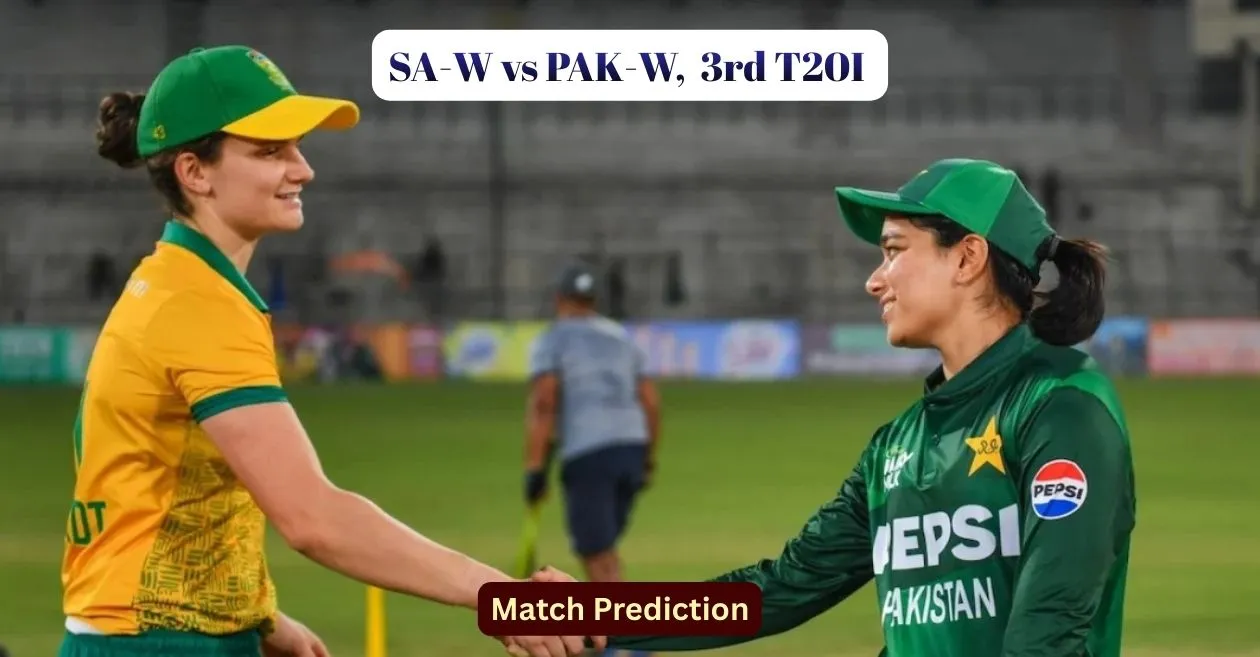
SA-W vs PAK-W, 3rd T20I Match Prediction: Who will win today’s game between South Africa and Pakistan?


The stage is set at the Diamond Oval in Kimberley for the third and final T20I of the series. With the hosts already holding an unassailable 2-0 lead, this match is a quest for a clean sweep for South Africa, while Pakistan fights to salvage pride and find momentum before the ODI leg of the tour begins.

The South African lineup is currently anchored by the sublime form of their skipper, Laura Wolvaardt, who has already amassed 101 runs across the first two matches of the series. Her ability to stabilize the innings while maintaining an aggressive strike rate of approximately 150 makes her the most prized wicket for the opposition. Complementing this batting strength is the lethal precision of Ayabonga Khaka, who enters this match fresh off a Player of the Match performance in the second T20I where she claimed figures of 3/10 with clinical death-over execution. Adding to their depth is the young all-rounder Kayla Reyneke, who has emerged as a true revelation for the Proteas by providing vital middle-order cameos and picking up crucial wickets at turning points in the game.

Pakistan’s hopes for a comeback rest heavily on the shoulders of their captain, Fatima Sana, who has been carrying the weight of the team as a premier dual-threat. Her explosive 90-run knock in the series opener proved she has the power to dismantle any bowling attack, though she remains in desperate need of more consistent support from her teammates. Setting the tone at the top of the order is wicket-keeper batter Muneeba Ali, whose role is essential for ensuring Pakistan maintains early momentum without losing quick wickets. On the bowling front, the visitors will rely on the clever left-arm spin of Sadia Iqbal, who remains their most consistent threat and is expected to thrive on a surface that may offer extra grip under the lights.

SA-W vs PAK-W, 3rd T20I: Match Details

  • Date and Time: February 16; 9:30 pm IST / 4:00 pm GMT / 6:00 pm local
  • Venue: Diamond Oval, Kimberley

Head-to-Head Record (T20Is)

Matches played: 26 | South Africa Women won: 15 | Pakistan Women won: 11

Diamond Oval Pitch Report

The pitch at the Diamond Oval in Kimberley is traditionally a sporting surface that offers a fair contest between bat and ball. Known for its generous carry and early bounce, the wicket typically favours pace bowlers who can exploit the new ball. However, once the initial shine wears off, the surface tends to settle, allowing batters to play their shots with confidence on a consistent line. With an average first-innings score of approximately 131–150 in T20Is, it is a competitive venue rather than a high-scoring paradise. Under the evening lights, a touch of dew may also assist the chasing side.

Also READ: Ayabonga Khaka, Laura Wolvaardt power South Africa to dominant T20I series triumph over Pakistan

Squads:

South Africa Women: Laura Wolvaardt (c), Tazmin Brits, Nadine de Klerk, Sinalo Jafta (wk), Kayla Reyneke, Sune Luus, Marizanne Kapp, Chloe Tryon, Annerie Dercksen, Masabata Klaas, Ayabonga Khaka, Dane van Niekerk, Nonkululeko Mlaba, Ayanda Hlubi, Karabo Meso

Pakistan Women: Sidra Amin, Ayesha Zafar, Muneeba Ali (wk), Aliya Riaz, Eyman Fatima, Natalia Pervaiz, Fatima Sana (c), Nashra Sandhu, Rameen Shamim, Sadia Iqbal, Tuba Hassan, Gull Feroza, Tasmia Rubab, Humna Bilal, Saira Jabeen

SA-W vs PAK-W, 3rd T20I: Today’s Match Prediction

Case 1:

  • South Africa wins the toss and bowl first
  • Pakistan powerplay score: 30-40
  • Pakistan total score: 140-150

Case 2:

  • Pakistan wins the toss and bowl first
  • South Africa powerplay score: 50-60
  • South Africa total score: 170-180

Match result: Team bowling first to win the contest

Also READ: Fatima Sana’s brilliant 90 goes in vain as South Africa edge Pakistan in a thrilling first T20I

This article was first published at WomenCricket.com, a Cricket Times company.


Source link

‘We naturally do not accept it’: Russia rejects Alexei Navalny poisoning charge by Europeans nations


'We naturally do not accept it': Russia rejects Alexei Navalny poisoning charge by Europeans nations
Image credit: Getty Images

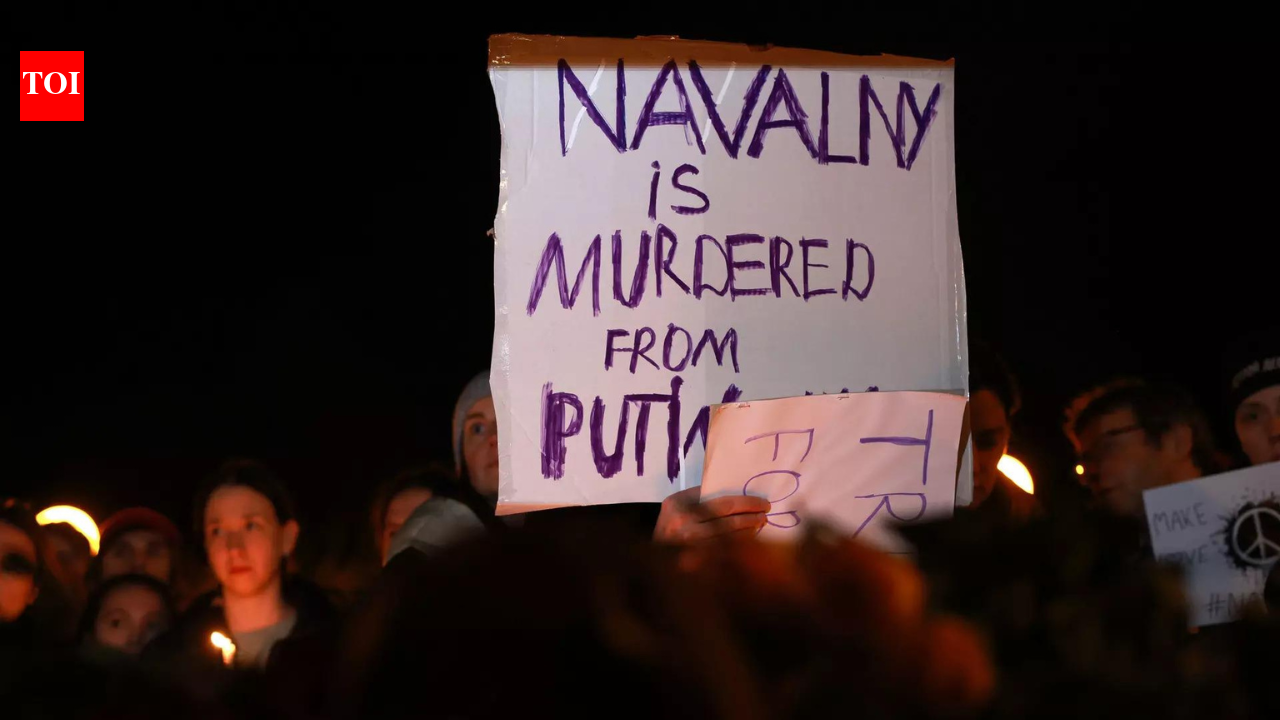
Russia on Monday rejected the Alexei Navalny poisoning charge by Europeans nations calling it “biased and baseless”.“We naturally do not accept such accusations. We disagree with them. We consider them biased and baseless,” AFP quoted Kremlin spokesman Dmitry Peskov as saying.Britain, Sweden, France, Germany and the Netherlands said in a joint statement on Saturday that they believe Navalny was poisoned with epibatidine, a toxic substance derived from poison dart frogs.Meanwhile, US said that it was “not disputing” the charge, but stayed clear of making any direct comments on it.“Sometimes countries go out and do their thing based on the intelligence they have gathered. We obviously were aware of the report. It’s a troubling report. Certainly we don’t have any reason to question it or we’re not disputing or getting into a fight with these countries over it,” US secretary of state Marco Rubio said.Navalny, the most prominent domestic critic of Russian President Vladimir Putin, died in February 2024 at an Arctic penal colony, where he was serving a 19-year prison term.


Source link

Rajpal Yadav Bail News: Rajpal Yadav gets relief, Delhi HC grants him interim bail in cheque bounce case after the actor deposits Rs 1.5 crore |


Rajpal Yadav gets relief, Delhi HC grants him interim bail in cheque bounce case after the actor deposits Rs 1.5 crore

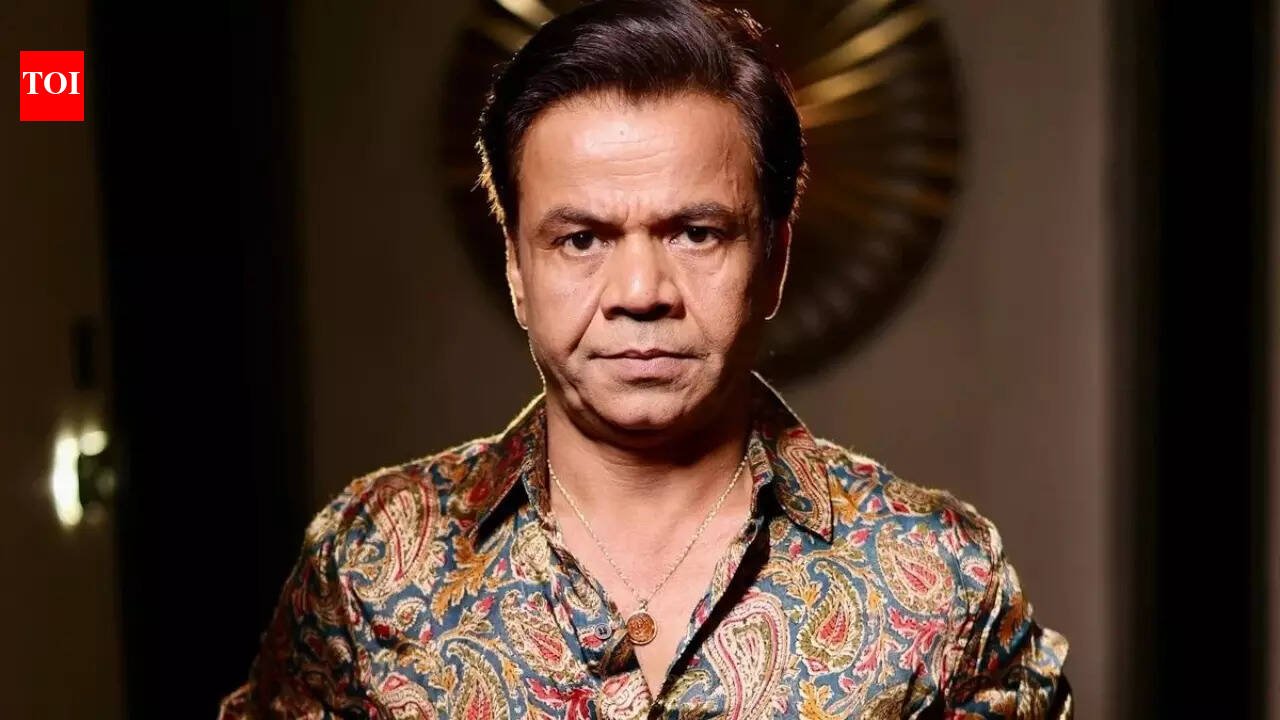
Rajpal Yadav who was in custody at Tihar jail after being asked to surrender in several cheque bounce cases has finally got an interim bail from the Delhi High Court. The actor had filed a plea for bail citing a family wedding and a hearing took place last week on Thursday which was further adjourned to Monday, February 16. The court had given the actor time till 3pm to deposit Rs 1.5 crore if he wants bail, and he managed to do so. As per the latest update, the court has granted interim suspension of sentence to actor Rajpal Yadav in connection with the cheque bounce case against him.While granting relief, the court took note that Rs 1.5 crore had already been deposited into the respondent’s bank account. Considering this submission, the bench ordered that the sentence be suspended subject to certain conditions. Yadav has been directed to furnish a personal bond of Rs 1 lakh along with one surety of an equivalent amount. As a result of the interim relief, the actor will remain out of custody until March 18, the date fixed for the next hearing in the matter.Yadav is yet to comment on the matter. Meanwhile, in an exclusive chat with Bombay Times, his wife had thanked the industry for all the support. Speaking about the support he has been receiving from the industry, Radha added, “Our whole family is together at this time. We are very grateful for the support and love he is receiving from his fans and the film fraternity.”There have been rumours that multiple actors such as Salman Khan, Akshay Kumar, Ajay Devgn, and others have paid off the actors debt, Radha addressed the speculations, and clarified, “I can’t take any specific names right now, but I would just want to say many people from the industry have stepped in to support. I’m not able to divulge names and figures at this stage. We are very hopeful that he will be out soon. That’s all I can say now. Once Rajpalji is out, he will be able speak to you and the media and give further clarity on the matter.


Source link

India’s wholesale inflation rises to 1.81% in January, highest in 10 months


India's wholesale inflation rises to 1.81% in January, highest in 10 months

India’s wholesale prices jumped 1.81 per cent in January 2024 compared to last year, marking the highest increase in 10 months. According to government data, revealed Monday, the figures exceeded economists’ predictions of 1.25 per cent and was driven by rising vegetable prices, basic metals, and manufacturing costs.The increase was notably higher than December’s 0.83 per cent rise and reached levels not seen since March 2025, when it stood at 2.25 per cent, according to Reuters. Food prices saw a significant uptick, climbing 1.41 per cent year-on-year in January, after showing no change the previous month.Vegetables were a major contributor, with prices soaring 6.78 per cent compared to last year, reversing the previous month’s 3.5% decline. The manufacturing sector also showed strong inflation, with prices rising 2.86 per cent year-on-year, up from December’s 1.82 per cent increase.“A global rally in metal prices due to economic and political circumstances has raised the cost of manufacturing goods,” said Madan Sabnavis, chief economist at Bank of Baroda. However, he noted that this higher inflation rate would not influence monetary policy decisions.The only sector showing a decline was fuel and power, where prices fell 4.01 per cent compared to the previous year, a steeper drop than December’s 2.31 per cent decrease. This decline helped offset some of the pressure from other sectors but wasn’t enough to prevent the overall wholesale price increase.


Source link

T20 World Cup: Afghanistan scrape through to avoid another heartbreak, keep slim Super Eight hopes alive | Cricket News


T20 World Cup: Afghanistan scrape through to avoid another heartbreak, keep slim Super Eight hopes alive
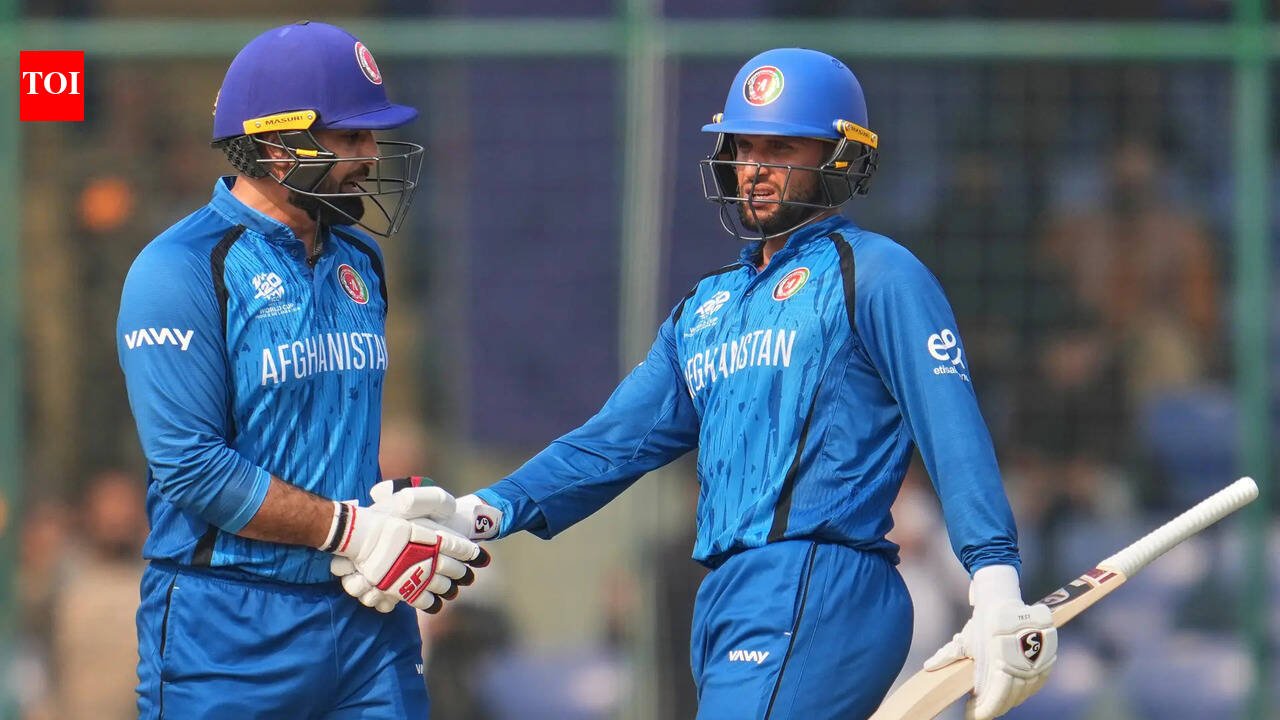
Afghanistan’s Azmatullah Omarzai, right, and Mohammad Nabi celebrate after winning the T20 World Cup cricket match between Afghanistan and UAE (AP Photo/Manish Swarup)

TimesofIndia.com in New Delhi: How many days do you think one needs to recover from a heartbreak of going down in a double Super Over? Five days, is that enough? Well, Afghanistan flirted with the possibility of another Super Over, or even a defeat, but eventually went past the finish line by five wickets, with four balls remaining, against the UAE at the Arun Jaitley Stadium on Monday.At one point, it looked as if Afghanistan were headed for the exit door. Needing 28 runs from 18 balls, the ask looked too big even if they had six wickets in hand.

Why is Ahmedabad likely to be the sporting capital of India? | Bombay Sport Exchange

An over later, which saw a six and a wicket, the equation changed to 17 needed from 12 balls. A couple of singles later, the tension was visible in the dugout and at a venue where quite a few Afghanistan flags could be spotted.Muhammad Jawadullah, who had just produced three valuable dot balls, darted in and sent one outside off, into the fourth stump line, and Azmatullah Omarzai got underneath it and smashed it into the crowd.Next ball, a back of length delivery, luck came to Omarzai and Afghanistan’s rescue with a thick inside edge running off to the boundary rope.With just four needed off the last over, the 25-year-old all-rounder kept Afghanistan’s slender hopes of making the Super Eight alive with a boundary that went over the cover region.Afghanistan, who have Canada next, don’t control their fate in the competition anymore. If New Zealand beat Canada on Tuesday, the last edition’s semi-finalists will be knocked out.

UAE post 160/9, suffer in last two overs

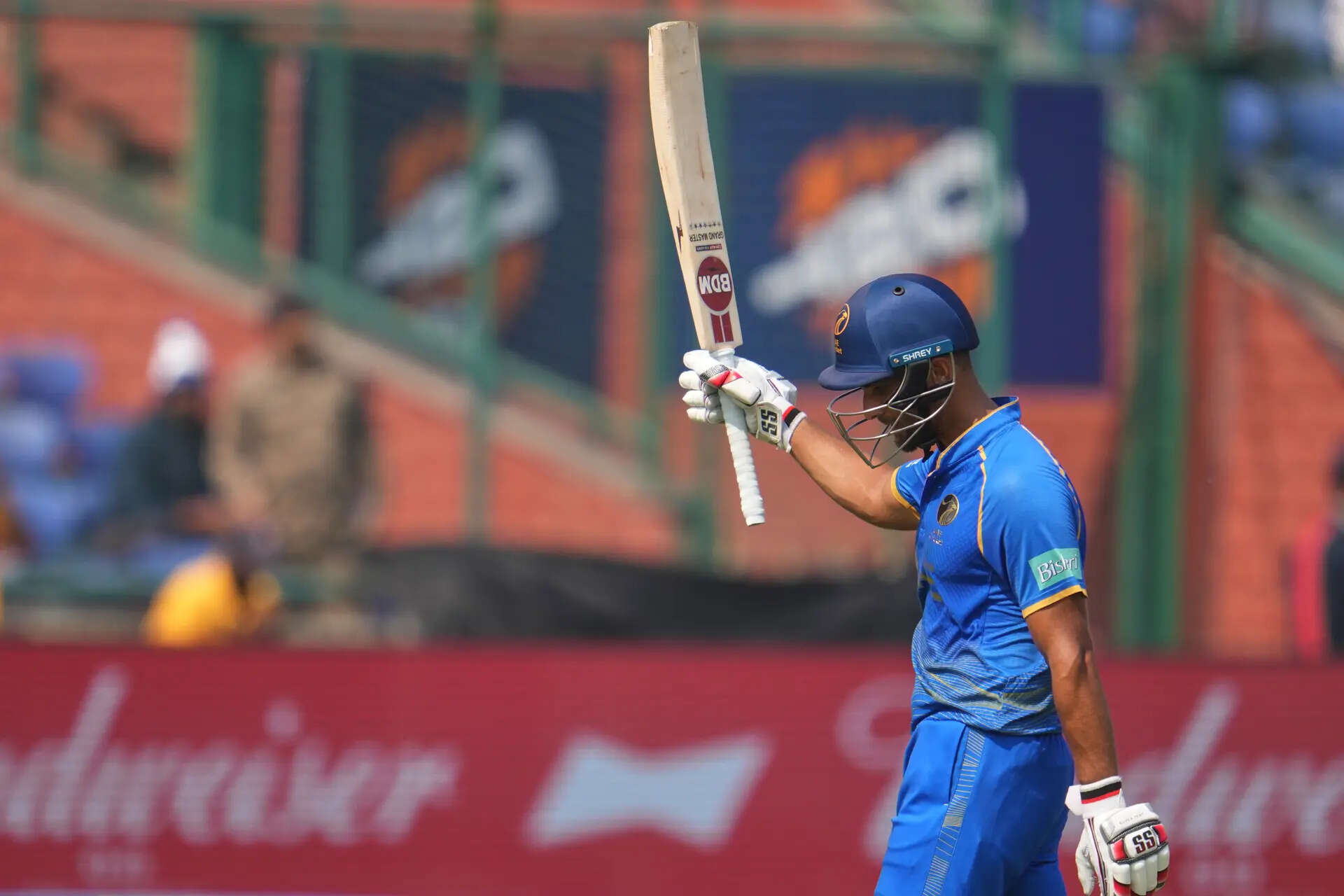
Sohaib Khan produced a fine half-century, but Azmatullah Omarzai’s four-wicket haul helped keep UAE to 160/9.After choosing to bowl, Afghanistan struck early to leave UAE reeling at 13 for 2, before Sohaib anchored the innings with a composed 68 off 48 balls, studded with six fours and four sixes.He put on a 57-ball 84-run stand for the third wicket alongside Alishan Sharafu (40 off 29), helping the side recover from the early blows.Afghanistan, however, fought back in the middle overs with a flurry of wickets, reducing UAE to 121 for 6 by the 16th over.Sohaib then added a further 31 runs with Haider Ali, but Omarzai returned in the 19th over to remove him and claim his fourth wicket.

Afghanistan United Arab Emirates T20 WCup Cricket

United Arab Emirates’ Sohaib Khan (AP Photo/Manish Swarup)

Earlier, UAE suffered an early setback when the previous match hero Aryansh Sharma was dismissed for a four-ball duck, under-edging a pull to wicketkeeper Rahmanullah Gurbaz off Omarzai. Captain Muhammad Waseem (10) hit two boundaries before being trapped lbw by Mujeeb Ur Rahman, as UAE slipped to 13 for 2. Afghanistan’s replacement pacer Ziaur Rahman, who came in for left-arm seamer Fazalhaq Farooqi, and spinner Noor Ahmad both proved costly.Rahman conceded 16 runs in his first over, with Sohaib striking three boundaries.UAE’s batters negotiated the Afghan spinners well in the Powerplay, cashing in on anything loose. Sharafu struck two boundaries off Mujeeb as UAE moved to 55 for 2, before taking on Rashid Khan for a six to raise the half-century stand.Noor endured a difficult outing, with Sohaib hitting him for two sixes over cover and mid-wicket as UAE reached 93 for 2 in 10 overs.Mujeeb eventually broke the stand, with Sharafu finding Ibrahim Zadran at long-off. Omarzai then struck twice in his third over, dismissing Syed Haider (13) and forcing an edge from Harshit Kaushik (0).Sohaib reached his fifty off 37 balls with a six, but Muhammad Arfan (0) was out attempting a reverse hit, knocking over his own stumps. Omarzai, the Man of the Match, finally ended Sohaib’s resistance in the 19th over, capping off an impressive spell.


Source link

RERA under fire from SC: Why are RERA annual reports important to protect interests of homebuyers?


RERA under fire from SC: Why are RERA annual reports important to protect interests of homebuyers?
Almost ten years after the RERA Act, 2016 attention is increasingly moving from developers to the functioning of the regulator itself. (AI image)

The Real Estate Regulatory Authority or RERA is in focus again. Recently, the Supreme Court made blunt observations about the role of RERA and its importance. The apex court remarked that the time has come for all states to reconsider the structure and composition of RERA, observing that the body appears to be merely “facilitating” errant builders rather than holding them accountable. The apex court has raised concerns over whether real estate regulatory authorities are adequately safeguarding the interests of homebuyers. A bench comprising Chief Justice Surya Kant and Justice Joymalya Bagchi said that the very individuals RERA was meant to protect are now deeply disillusioned. “Better abolish this institution, we don’t mind that,” the Chief Justice remarked. Almost ten years after the Real Estate (Regulation and Development) Act, 2016 came into force and was rolled out across states in 2017, attention is increasingly moving from developers to the functioning of the regulator itself. In this context, a homebuyer advocacy group has alleged that several state regulators have failed to publish the annual reports mandated under the law. Has RERA improved project delivery? What are RERA reports and why are they important for protecting homebuyers? We take a look:

Understanding the importance of RERA annual reports

Fundamentally, the objective of RERA was to move away from opaque practices toward transparent and measurable regulatory oversight, with the annual report serving as an evaluation of the regulator’s functioning. The reports should ideally have information not only on project registrations and complaints received, but also on project completion status, enforcement of regulatory orders, and action taken against developers who fail to comply with the rules.According to an ET report, Section 78 of RERA makes it compulsory for every state regulator to release an annual report which details its activities and performance. This is a key element of the legislation’s framework. In early 2023, the Ministry of Housing and Urban Affairs issued a reporting format to allow for consistent comparison across states.Discussions around RERA’s performance usually centre around metrics such as the number of projects registered and the volume of complaints resolved. However, these indicators reflect activity rather than actual outcomes. Annual reports are intended to provide insight into whether projects were completed within timelines, whether orders related to refunds and compensation resulted in actual payments, and whether possession directives ultimately led to homes being handed over to buyers.A complaint may be marked as resolved once an order is issued, but genuine relief exists only when that order is implemented. In the absence of enforcement-related data, it becomes difficult to objectively evaluate the effectiveness of the law.

What’s the row about?

The Forum for People’s Collective Efforts (FPCE), an organisation representing homebuyers, has alleged that more than 75% of Real Estate Regulatory Authorities have either never released their annual reports, stopped publishing them after the initial years, or failed to keep them updated.According to the group, only a limited number of states have made reports available up to FY24, while some major real estate markets issued reports earlier but subsequently discontinued the practice. FPCE has also said that in several cases where reports have been published, the format recommended by the ministry has not been followed, making meaningful comparison across states difficult.

What are the implications of the alleged lapses?

India has, in the past, grappled with significant delays in housing projects. A government-appointed panel chaired by Amitabh Kant had identified nearly 412,000 housing units across the country as stressed.RERA was introduced as a structural remedy, incorporating mechanisms such as escrow-linked project funding and mandatory disclosures. However, if data on project completion and enforcement remains unavailable, policymakers are left without a clear basis to judge whether the sector’s apparent recovery reflects a genuine strengthening of delivery standards or simply the beginning of another cycle of new project launches, according to the ET analysis. While registration figures indicate the addition of supply, completion statistics provide a more accurate measure of the sector’s underlying health.The consequences extend beyond the interests of homebuyers alone. Governments depend on reliable delivery data to shape taxation decisions and urban planning strategies, while financial institutions use completion records to evaluate lending risk. Regular and standardised reporting could help identify whether delays arise from funding constraints, regulatory hurdles, or litigation, and whether certain developers repeatedly default. RERA was designed to move the sector from a system based on trust to one grounded in transparency. If regulators themselves cannot be assessed, the framework risks operating primarily as a project registration platform rather than a true mechanism of accountability.


Source link