Breaking News
Australia chase down target before 10 overs, beat Oman by nine wickets in final T20 World Cup group-stage match | Cricket News


Australia chase down target before 10 overs, beat Oman by nine wickets in final T20 World Cup group-stage match
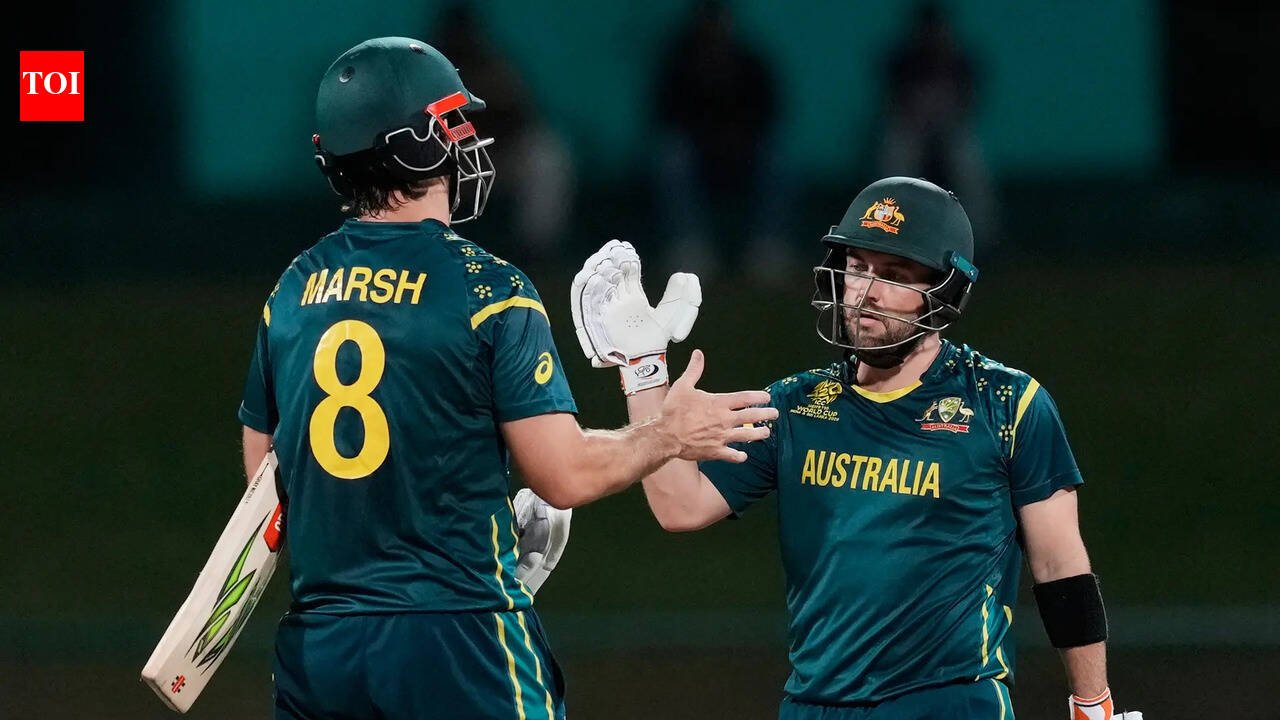
Australia celebrate after winning the T20 World Cup cricket match (AP Photo/Eranga Jayawardena)

Australia ended their disappointing T20 World Cup campaign with a big win over Oman, but the victory came too late to change their fate. They were already out of the tournament after losing to Zimbabwe and Sri Lanka, so this match was only about pride.Australia bowled first and dominated Oman. Adam Zampa was the star with the ball and took four wickets, while Xavier Bartlett and Glenn Maxwell took two wickets each.

Why Pakistan don’t trust Babar Azam any more | T20 World Cup 2026

Oman struggled to score and were bowled out for just 104 runs in 16.2 overs. Wasim Ali was the top scorer for Oman with 32 runs, but the rest of the team failed to build partnerships.After that, Australia chased the target very quickly. Captain Mitchell Marsh played an aggressive innings and scored 64 runs without getting out, and Travis Head added 32 runs. They hit many boundaries and sixes and made the chase look easy. Australia finished the match in just 9.4 overs, which is one of the fastest chases in the tournament for a target above 100 runs.Marsh and Head shared a strong 93-run partnership and attacked the Oman bowlers from the start. Their hitting helped Australia win by nine wickets in dominant fashion.Even though the win was impressive, it could not hide how poor Australia’s campaign had been.Their early exit shocked fans and experts, and many people are now calling for a major review of the team’s performance and future plans.In the match, Oman had some early moments, but they kept losing wickets. Australia’s bowlers kept the pressure on, and Oman could not recover. Australia finally played like a strong team, but the performance came when it no longer mattered in the tournament.


Source link

California Gurdwara: 57-year-old Sikh man kidnapped from California gurdwara; CCTV captures 3 unidentified people ‘forcing’ him into white SUV | Chandigarh News


JALANDHAR: A 57-year-old Sikh man was allegedly kidnapped on Tuesday afternoon (US time) from a gurdwara complex in the Tracy area of California, US. The gurdwara Guru Nanak Parkash is being run by Damdami Taksal.The victim, Avtar Singh, worked in the gurdwara as a cook for quite a few years, and was residing in the gurdwara complex.

Chandigarh: Gurdwara Kidnap Shock, Highway Pillar Delay, Phase 11 Murder Crackdown & More

The San Joaquin County Sheriff’s Office launched an investigation and posted the available details of the crime on its Facebook page. It also urged people to provide information.“On Feb 17 at approximately 8.52pm, patrol deputies responded to the 16000 block of W Grant Line Road in Tracy for a reported missing person. During the investigation, surveillance footage showed a white SUV and three unidentified individuals dressed in dark clothing with the victim at approximately 2.30pm. The victim appears to have entered the vehicle against his will,” the Sheriff’s Office posted.“Detectives are actively investigating. Based on the information available at this time, this appears to be an isolated incident, and there is no known ongoing threat to the community,” it added, while posting a picture of the victim.Sources in the Sikh community in California revealed that the victim could not be traced till Thursday morning (US time).


Source link

Metro Line 12A extension along Shilphata Road announced; boost for Kalyan-Navi Mumbai connectivity | Thane News


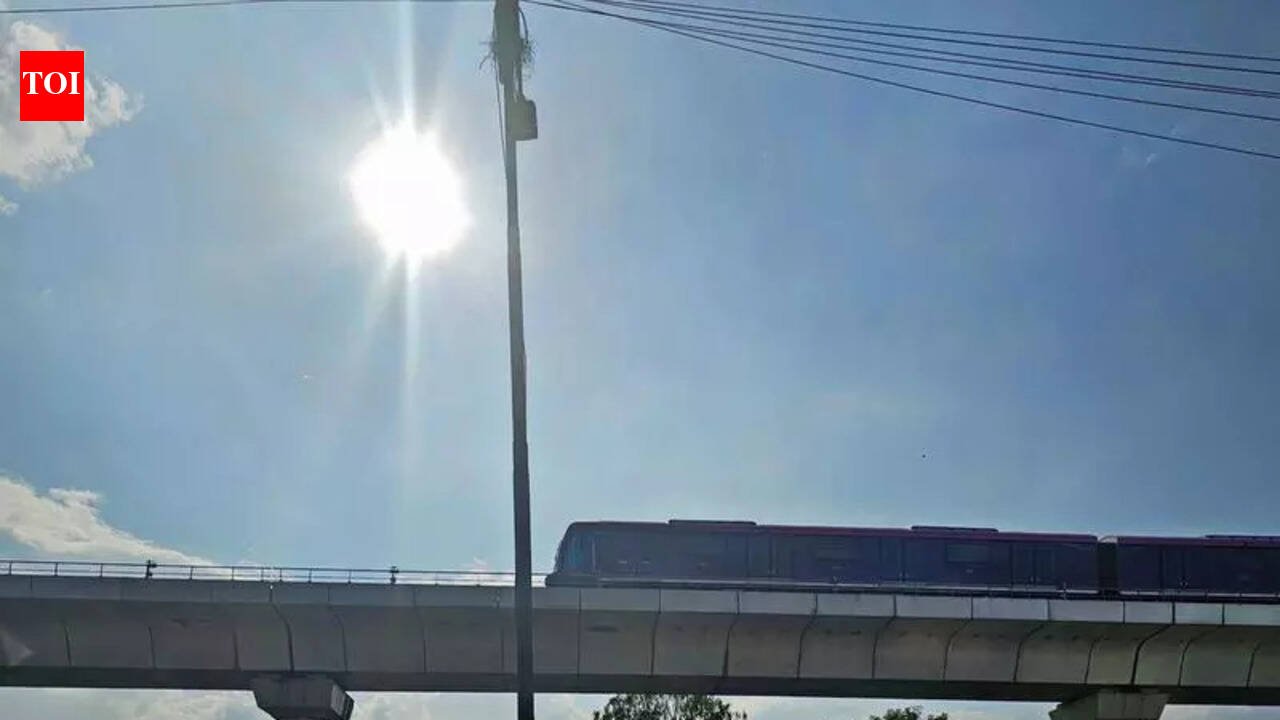
KALYAN: Commuters along the congested Kalyan–Shilphata corridor can soon expect Metro connectivity, with the Mumbai Metropolitan Region Development Authority (MMRDA) announcing the extension of Mumbai Metro Line 12 under a new project, Metro Line 12A. The move is being seen as a significant step towards improving transport links between Kalyan-Dombivli, Navi Mumbai, Thane, and Mumbai.The extension, cleared with an administrative approval of Rs 8,414.53 crore, was announced under the guidance of Maharashtra deputy chief minister and urban development minister Eknath Shinde.

Political Clash on US Trade Deal, FTAs Progress, IT Rules Rollout & More

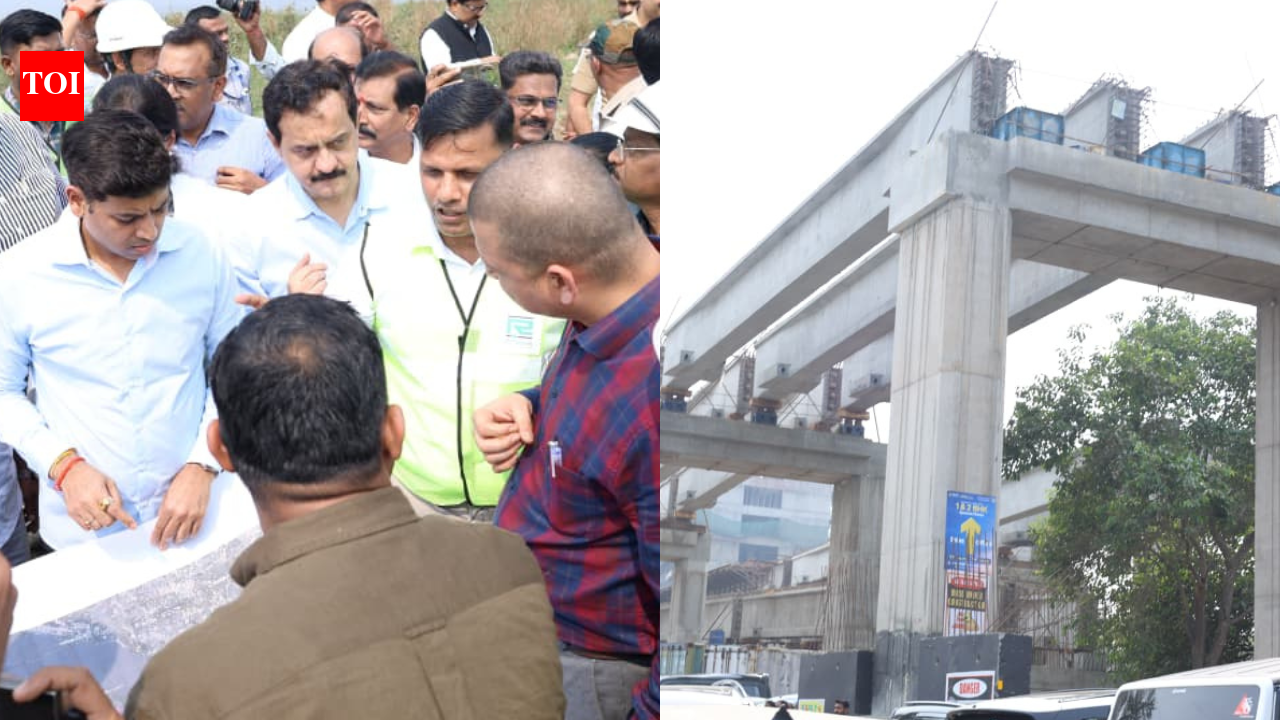
The development comes alongside MMRDA’s budgetary allocation of nearly Rs 5,000 crore for multiple ongoing infrastructure projects across the Kalyan Lok Sabha constituency.Following the announcement, MP Shrikant Shinde on Friday conducted an extensive inspection of works in progress, accompanied by senior MMRDA, KDMC officials and project contractors.Projects reviewed during the visit included Metro Line 12 (Kalyan–Taloja), Mumbai Metro Line 5, elevated flyovers, and key phases of the ring road network aimed at reducing traffic congestion and strengthening regional mobility.“These projects are critical for transforming mobility in Kalyan-Dombivli and surrounding cities. Delays must be minimised so that citizens receive the benefits at the earliest,” Shrikant Shinde said, directing authorities to accelerate execution and adhere to timelines.Shrikant Shinde stated that Metro Line 12A will run parallel to the Kalyan–Shilphata Road, one of the region’s busiest and most traffic-prone stretches. The corridor will branch from Kalyan Phata, pass through Dahisar Mori, and merge with the existing Metro Line 12 near Khutari village before extending towards Taloja.“The extension of Metro Line 12 is a transformative decision. It will significantly benefit residents of extended Dombivli, Manpada, Katai Naka, Desai Naka, Padalegaon, Kalyan Phata, Gotheghar, Dahisar Mori, Dahisargaon, Kirawali village, Rohinjan, and Khutari village,” the MP said. He added that the new alignment would help reduce vehicular pressure on Shilphata Road and improve travel times.The revised corridor will span 18.4 km, of which approximately 10.5 km is already under construction. The plan proposes 12 elevated stations.A key feature of the project is its proposed integration with Mumbai Metro Line 14, with common track and station sharing between Katai Naka and Kalyan Phata. The line will also connect to the Nilje depot and is expected to link with the upcoming National High Speed Rail Corporation Limited bullet train station at Thane, enhancing multimodal connectivity across the Mumbai Metropolitan Region.

Banner Insert


Source link

Metro Line 12A extension along Shilphata Road announced; boost for Kalyan and Navi Mumbai connectivity | Mumbai News


Kalyan: Commuters along the congested Kalyan–Shilphata corridor can soon expect Metro connectivity, with the Mumbai Metropolitan Region Development Authority (MMRDA) announcing the extension of Mumbai Metro Line 12 under a new project, Metro Line 12A. The move is being seen as a significant step towards improving transport links between Kalyan-Dombivli, Navi Mumbai, Thane, and Mumbai.The extension, cleared with an administrative approval of Rs 8,414.53 crore, was announced under the guidance of Maharashtra deputy chief minister and urban development minister Eknath Shinde.The development comes alongside MMRDA’s budgetary allocation of nearly Rs 5,000 crore for multiple ongoing infrastructure projects across the Kalyan Lok Sabha constituency.Following the announcement, MP Shrikant Shinde on Friday conducted an extensive inspection of works in progress, accompanied by senior MMRDA, KDMC officials and project contractors.Projects reviewed during the visit included Metro Line 12 (Kalyan–Taloja), Mumbai Metro Line 5, elevated flyovers, and key phases of the ring road network aimed at reducing traffic congestion and strengthening regional mobility.“These projects are critical for transforming mobility in Kalyan-Dombivli and surrounding cities. Delays must be minimised so that citizens receive the benefits at the earliest,” Shrikant Shinde said, directing authorities to accelerate execution and adhere to timelines.Shrikant Shinde stated that Metro Line 12A will run parallel to the Kalyan–Shilphata Road, one of the region’s busiest and most traffic-prone stretches. The corridor will branch from Kalyan Phata, pass through Dahisar Mori, and merge with the existing Metro Line 12 near Khutari village before extending towards Taloja.“The extension of Metro Line 12 is a transformative decision. It will significantly benefit residents of extended Dombivli, Manpada, Katai Naka, Desai Naka, Padalegaon, Kalyan Phata, Gotheghar, Dahisar Mori, Dahisargaon, Kirawali village, Rohinjan, and Khutari village,” the MP said. He added that the new alignment would help reduce vehicular pressure on Shilphata Road and improve travel times.The revised corridor will span 18.4 km, of which approximately 10.5 km is already under construction. The plan proposes 12 elevated stations.A key feature of the project is its proposed integration with Mumbai Metro Line 14, with common track and station sharing between Katai Naka and Kalyan Phata. The line will also connect to the Nilje depot and is expected to link with the upcoming National High Speed Rail Corporation Limited bullet train station at Thane, enhancing multimodal connectivity across the Mumbai Metropolitan Region.


Source link

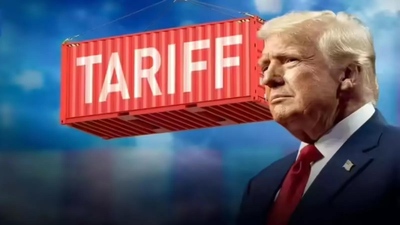
Trump tariffs trashed: US businesses fret as court ruling ‘worryingly silent’ over refunds


Trump tariffs trashed: US businesses fret as court ruling 'worryingly silent' over refunds

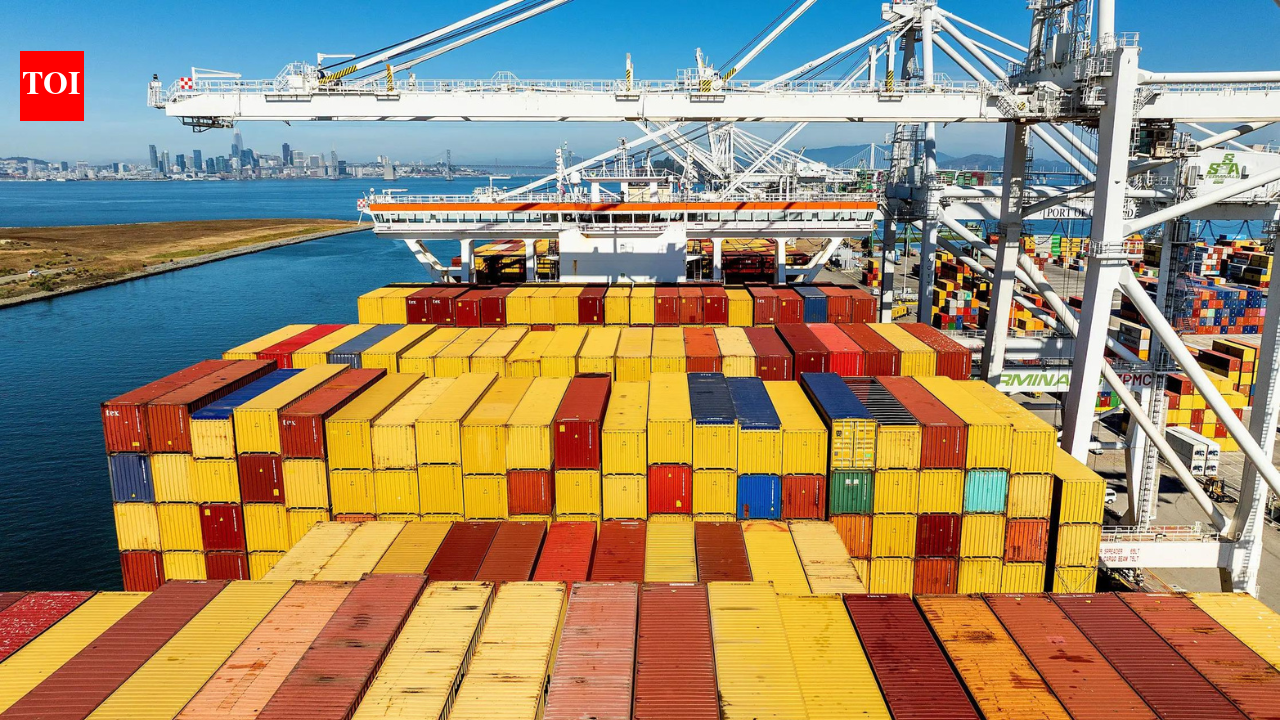
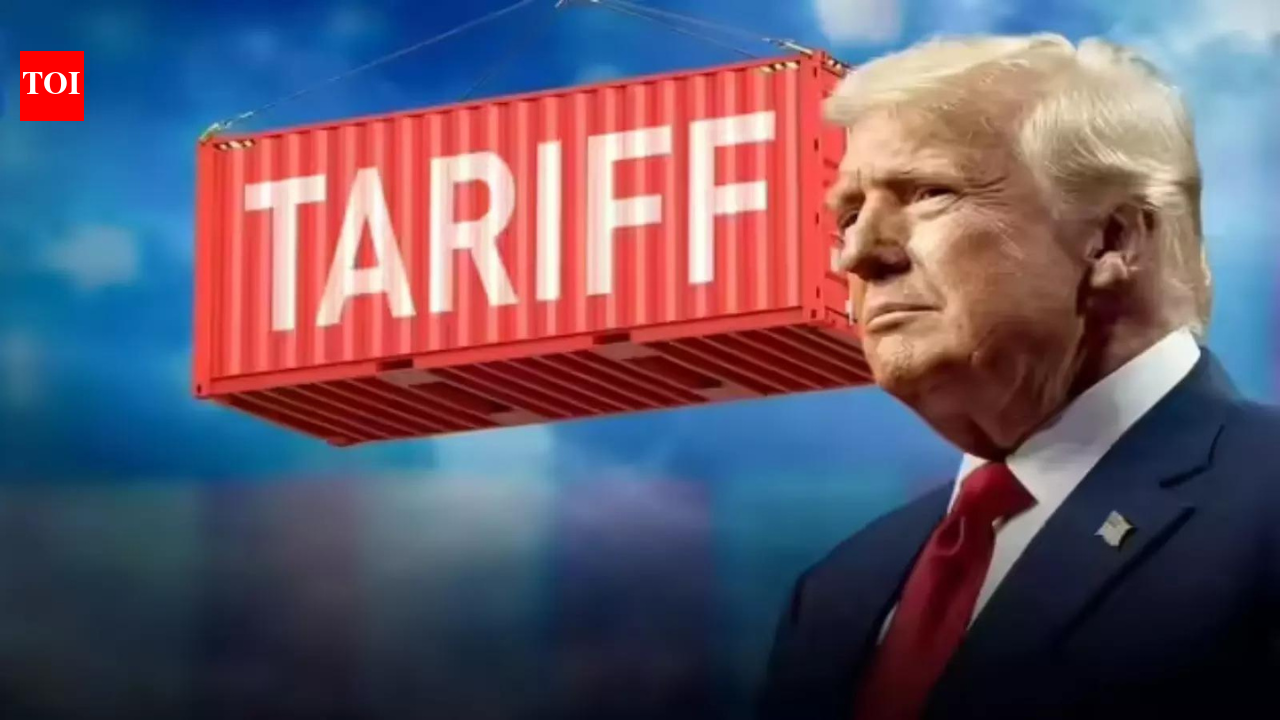
Thousands of US businesses scored a major victory after the US Supreme Court struck down emergency tariffs imposed by President Donald Trump. However, while companies welcomed the decision, the process of getting refunds worth billions of dollars is expected to be slow and complex.In a landmark ruling with global economic implications, the court said Trump could not use the 1977 International Emergency Economic Powers Act (IEEPA) to impose sweeping tariffs on imports. The decision could open the door for more than $175 billion in tariffs already collected by the US government to be refunded, according to economists at the Penn-Wharton Budget Model.

Businesses welcome ruling, markets respond positively

Many companies had struggled to cope with Trump’s shifting trade policies, which used tariffs not only to address trade issues but also as leverage against other countries’ policies. Now, thousands of businesses—not just those that filed lawsuits—are considering whether to seek refunds.Stock markets in the US and Europe rose after the ruling. Shares of companies affected by tariffs, including luxury firms such as LVMH, Hermes, and Moncler, saw gains as investors reacted positively to the decision.

Thousands of lawsuits filed by affected companies

Companies in sectors such as consumer goods, automobiles, manufacturing, and apparel were among the hardest hit. Many rely on low-cost production in countries like China, Vietnam, and India. The tariffs increased the cost of imports, reduced profits, and disrupted global supply chains.More than 1,800 tariff-related lawsuits have been filed in the US Court of International Trade since April, compared with fewer than two dozen cases in all of 2024.Major companies involved in the legal battle include subsidiaries of Toyota Group, retailer Costco, tire maker Goodyear, aluminum producer Alcoa, motorcycle manufacturer Kawasaki Motors, and eyewear giant EssilorLuxottica.Legal experts said many more companies may now join the lawsuits. However, the refund process could take months or even years.“Companies face the challenge of gathering detailed import data to calculate the tariffs paid under various regimes, which were applied over different time periods. Even multinational firms may not have all their data neatly organized,” said Nabeel Yousef, partner at law firm Freshfields.He added, “Even with the Friday ruling, it’s not as if ‘on Monday, companies are going to start getting checks in the mail.’”

Tariffs increased costs for companies and consumers

The tariffs increased costs for businesses and consumers already dealing with inflation. According to the Federal Reserve Bank of New York, 90% of Trump’s tariffs were paid by American companies and consumers, not foreign exporters.The effective US tariff rate rose sharply to 11.7% as of November, compared with an average of 2.7% between 2022 and 2024, according to the Yale Budget Lab.

Uncertainty remains despite court ruling

Although businesses celebrated the decision, uncertainty remains. The US Court of International Trade is expected to handle the refund process, which experts say will be complicated.International Chamber of Commerce secretary general John Denton said the ruling was “worryingly silent” on how refunds would be managed.Trump administration officials said the US would continue to use other legal powers to impose tariffs when needed.“It’s not like tariffs are going away. They’re just going to be under a different umbrella,” said Ted Murphy, co-leader of Sidley Austin’s global arbitration, trade and advocacy practice.Tariffs on automobiles, including a 25% duty on vehicles imported from Mexico and Canada on national security grounds, remain in place.

Companies explore alternative ways to recover losses

Some US companies, expecting delays in refunds, have already sold their rights to future refunds to investors at discounted rates—receiving about 25 to 30 cents on the dollar upfront.Logistics firm DHL said it would use technology to ensure customers receive refunds “accurately and efficiently” if approved.However, lower prices for consumers are unlikely, even if companies receive refunds.“We would definitely be filing for a refund as I imagine every other importer would. I highly doubt prices will go down though. That rarely occurs,” said Jason Cheung, CEO of toymaker Huntar Co.While the ruling is a major legal setback for Trump’s tariff policy, the financial and economic consequences will continue to unfold over the coming years.



Source link

Access Denied


Access Denied

You don’t have permission to access “http://www.ndtv.com/world-news/trump-tariffs-us-supreme-court-trumps-loss-indias-gain-how-tariff-order-could-affect-trade-talks-11114687” on this server.

Reference #18.adf5d217.1771608276.1b522701

https://errors.edgesuite.net/18.adf5d217.1771608276.1b522701


Source link

Adam Zampa, Mitchell Marsh sizzle as Australia end T20 World Cup 2026 campaign with emphatic win over Oman


Australia delivered a commanding all-round performance to thrash Oman by nine wickets in the 40th Match of Group B at the Pallekele International Cricket Stadium. After electing to bowl first, the Aussies bundled Oman out for just 104 in 16.2 overs before chasing down the target in a mere 9.4 overs, underlining their title credentials in the ICC Men’s T20 World Cup 2026. Leg-spinner Adam Zampa was the star of the night and deservedly walked away with the Player of the Match award.

Adam Zampa dismantle Oman’s batting

Australia’s decision at the toss proved spot on as their bowlers wasted no time in asserting dominance. Xavier Bartlett struck early to remove Aamir Kaleem for a first-ball duck, setting the tone for the innings. Oman skipper Jatinder Singh tried to counterattack with three crisp boundaries in his 17 off 15 balls, but regular wickets kept pushing Oman on the back foot.

Hammad Mirza showed brief resistance with a 16-run cameo, while Wasim Ali fought hard for his 32 off 33 deliveries, hitting four boundaries. However, Oman struggled to build partnerships as wickets fell in clusters.

The turning point came when Zampa weaved his magic through the middle overs. The leg-spinner returned sensational figures of 4 for 21 in 3.2 overs, dismantling Oman’s lower order with clever variations and sharp turn. Glenn Maxwell provided excellent support with 2 for 13 in his three overs, while Nathan Ellis and Marcus Stoinis chipped in with a wicket each. Oman were eventually bowled out for 104, a total that always looked below par on a good batting surface.

Also READ: T20 World Cup 2026: Zimbabwe’s Brian Bennett overtakes Virat Kohli and Jos Buttler to achieve a unique milestone

Mitchell Marsh makes light work of the chase

Chasing 105, Australia came out with aggressive intent. Mitchell Marsh led from the front with a blistering 64 off just 33 balls, smashing seven fours and four towering sixes. His powerful strokeplay immediately deflated the Omani bowling attack.

Travis Head complemented Marsh perfectly, racing to 32 off 19 deliveries with six boundaries. The duo added a rapid opening partnership that effectively sealed the game inside the powerplay. Oman’s only breakthrough came through Shakeel Ahmed, who dismissed Head, but by then the damage had been done.

Josh Inglis finished things off in style with a quick 12 off six balls as Australia cruised to 108 for 1 in just 9.4 overs, wrapping up a comprehensive nine-wicket victory.

Also READ: ICC announces complete list of teams qualified for the T20 World Cup 2028


Source link

Trump tariffs struck down by US Supreme Court: What it means for India – 55% exports to America free from 18% duty


Trump tariffs struck down by US Supreme Court: What it means for India - 55% exports to America free from 18% duty

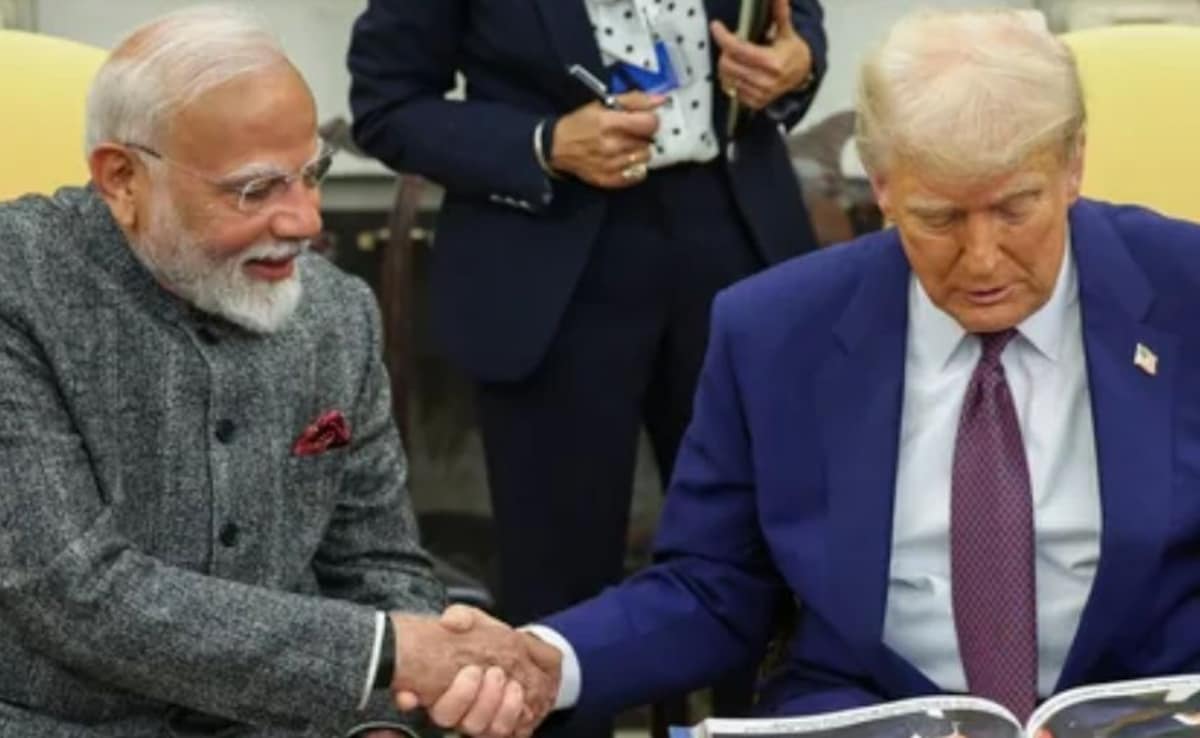
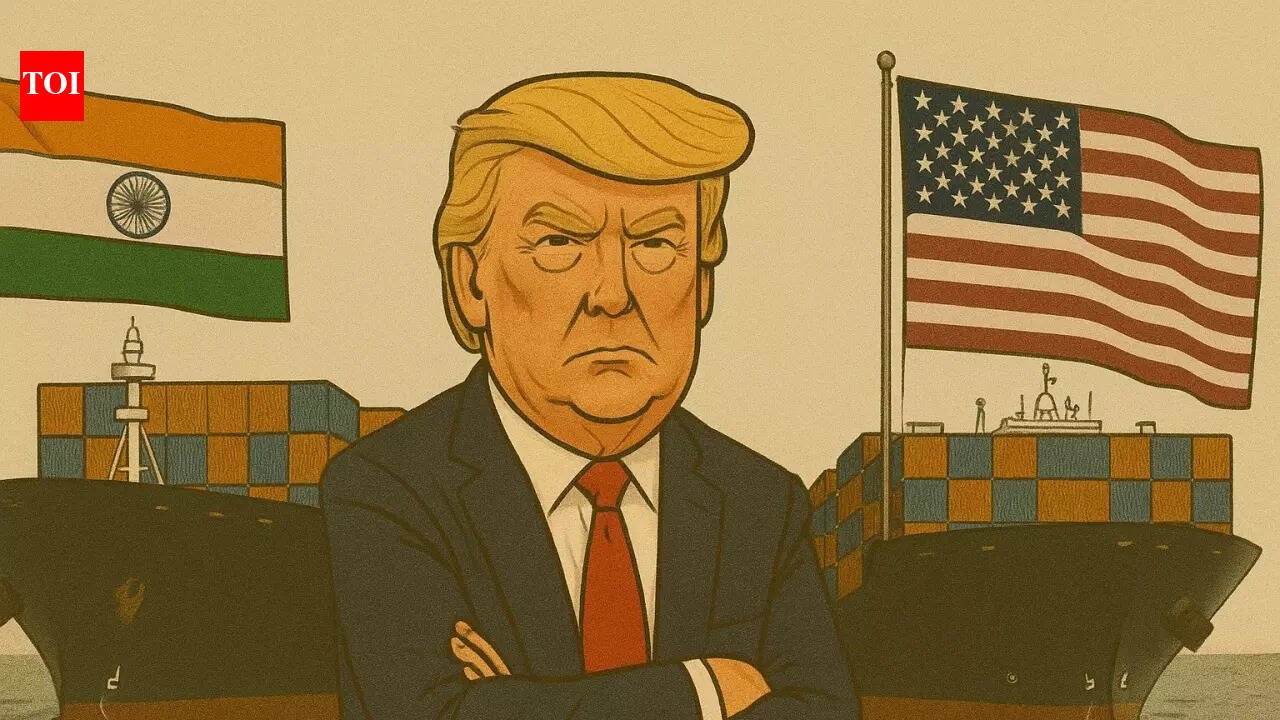
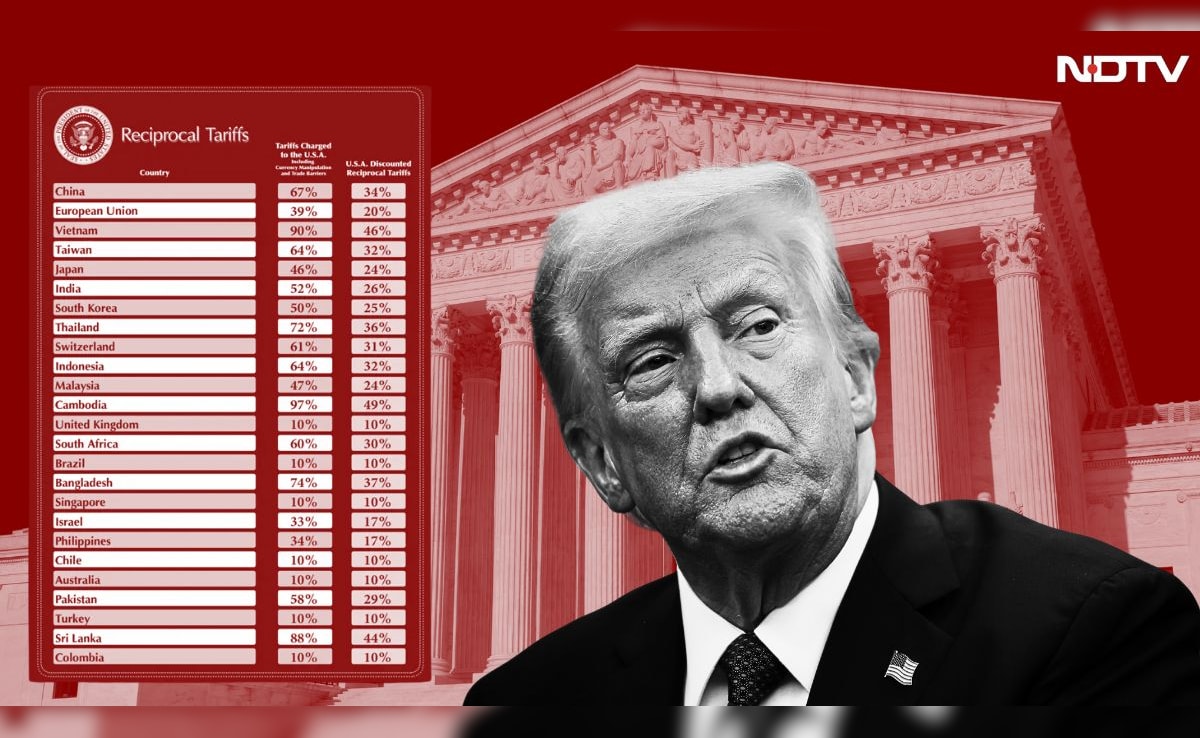
The US Supreme Court’s ruling striking down president Donald Trump’s tariffs will mean that 55% of India’s exports to the US will not face the 18% reciprocal tariffs. The US Supreme Court on Friday deemed Trump’s reciprocal tariffs as ‘illegal’, a move that is a big blow to the American President’s trade war. The ruling invalidates country-specific “reciprocal tariffs” and fentanyl-linked duties imposed on imports from major trading partners. Trump had recently removed the 50% tariffs that he had imposed on India, bringing it down to 18%. An India-US joint statement on the same was issued earlier this month and an Indian delegation is travelling to the US in the coming days to finalise the interim trade deal.

SC ruling on Trump tariffs: What does it mean for India?

According to Global Trade Research Initiative (GTRI) founder Ajay Srivastava, the ruling by the topmost US court should prompt India to re-examine its trade deal with the United States.“Removal of reciprocal tariffs will free about 55% of India’s exports to the US from the 18% duty, leaving them subject only to standard MFN tariffs,” says a GTRI analysis.Also Read | Why were Trump tariffs ruled illegal by Supreme Court? Top points from what SC said in its rulingAccording to the think tank, on the remaining exports; (i) Section 232 tariffs will continue — 50% on steel and aluminium and 25% on certain auto components(ii) products accounting for roughly 40% of export value, including smartphones, petroleum products and medicines, will remain exempt from US tariffs“The decision effectively renders recent trade deals initiated or concluded by the United States with the UK, Japan, the EU, Malaysia, Indonesia, Vietnam and India one-sided and useless. Partner countries may now find reasons to dump these deals,” says GTRI.Commenting on the ruling, Manoj Mishra, Partner and Tax Controversy Management Leader at Grant Thornton Bharat said the decision would be a competitive boost to Indian exports.“The US Supreme Court’s ruling against reciprocal tariffs brings significant legal clarity and reduces tariff uncertainty for India, reinforcing limits on unilateral tariff actions. Notably, under the interim trade arrangement the US had agreed to reduce reciprocal tariffs on India to 18% which shall no longer remain relevant following the Court’s decision,” he said.“Any attempt to levy such tariffs would require Congressional approval. This is likely to give much-needed relief and a competitive boost to Indian exporters, while also paving the way for potential refunds of tariffs collected without adequate legal basis. However, the US is expected to continue relying on sector-specific tariffs under Section 232 in strategic sectors, underscoring the importance of advancing the bilateral trade agreement to secure durable tariff certainty and stable market access for Indian exporters,” he added.

What the US Supreme Court said

The court ruled that President Donald Trump had overstepped his authority by levying tariffs under the International Emergency Economic Powers Act (IEEPA), a 1977 statute that has been designed to address national emergencies. The decision reinforces Congress’s central role in shaping trade policy, significantly limiting the president’s discretion to use tariffs as a strategic tool and redefining how future administrations may rely on emergency economic powers.Chief Justice John Roberts said that IEEPA does not grant the president the power to impose tariffs unilaterally and noted that the administration failed to identify any law that authorized such action.The judgment strikes down the country-specific “reciprocal” tariffs as well as fentanyl-related duties applied to imports from key trading partners. Although Trump may seek to reinstate tariffs under Section 301 or Section 232, those provisions require fresh investigations and formal justification, which would slow implementation and likely trigger additional legal disputes. Moreover, these statutes cannot be deployed as a blanket enforcement mechanism.


Source link

Can Trump overturn Supreme Court tariff ruling? What US Constitution says


Can Trump overturn Supreme Court tariff ruling? What US Constitution says

The US Supreme Court’s ruling striking down tariffs imposed under emergency powers has triggered a fundamental constitutional question: can a president –including Donald Trump — overturn or bypass a Supreme Court decision on tariffs?The answer, rooted in the US Constitution’s separation of powers, is clear. A president cannot reverse a Supreme Court ruling. But the judgment itself explains why — and outlines the limited paths still available to the executive branch.

‘US Is Screwed If…’: Trump Fears Supreme Court Ruling As Tariff Empire Faces Trillions In Losses

Supreme Court has the final word on constitutional meaning

Under Article III of the US Constitution, the Supreme Court exercises judicial power to interpret federal law and determine whether presidential actions comply with statutes and constitutional limits.In Learning Resources, Inc. v. Trump, the Court held that the International Emergency Economic Powers Act (IEEPA) does not authorise a president to impose tariffs, rejecting the administration’s claim of sweeping emergency authority.The Court emphasised that tariffs are fundamentally taxes — and taxation authority belongs to Congress.“There is no exception to the major questions doctrine for emergency statutes. Nor does the fact that tariffs implicate foreign affairs render the doctrine inapplicable. The Framers gave “Congress alone” the power to impose tariffs during peacetime.” the Court wrote, reaffirming Article I’s allocation of taxing power.Once the Court interprets a statute or constitutional provision, that interpretation becomes binding law nationwide. The executive branch must comply.

Why a president cannot overturn the ruling

The Constitution divides government power among three branches:

  • Congress (Article I) writes laws and controls taxation and tariffs
  • The president (Article II) executes and enforces laws
  • Courts (Article III) interpret laws and resolve disputes

Because tariff authority derives from Congress’s taxing power, the Court ruled, “The president has no inherent authority to impose tariffs independently during peacetime.”That means a president cannot:

  • Nullify a Supreme Court judgment by executive order
  • Reissue identical tariffs under the same rejected legal theory
  • Ignore the ruling without triggering a constitutional conflict.

The Court stressed: “There is no major questions exception to the major questions doctrine. Accordingly, the President must “point to clear congressional authorization” to justify his extraordinary assertion of the power to impose tariffs,” which it found absent in IEEPA.

The constitutional principle behind the decision

Central to the ruling is separation of powers — a system designed to prevent concentration of authority in one branch.The justices warned that allowing tariff powers through vague emergency language would create unchecked presidential authority over trade policy and the broader economy.According to the judgment, Congress historically delegated tariff authority only through statutes containing explicit limits on scope, duration and procedure.The Court also relied on the “major questions doctrine,” under which courts require clear legislative approval before allowing executive action involving vast economic and political consequences.

What Trump or any president can still do

While the ruling blocks tariffs imposed under IEEPA, it does not eliminate presidential trade power entirely.The Constitution leaves several lawful options:

  • Seek new legislation from Congress: Congress can explicitly authorise tariffs through new statutes. If lawmakers grant clear authority, tariffs could return in a legally sustainable form.
  • Use other trade laws: Other statutes contain detailed procedures allowing tariffs under specific conditions, though the Court did not evaluate hypothetical future actions.
  • Pursue future litigation: A later case could revisit related legal questions, though only the Supreme Court itself can overturn its precedent.
  • Shape future courts indirectly: Presidents influence constitutional interpretation over time through judicial appointments when vacancies arise.

What a president cannot legally do

The ruling makes clear that a president cannot:

  • Claim emergency authority alone to impose tariffs
  • Reinterpret the same statute contrary to the Court’s holding
  • Bypass Congress to exercise taxation powers.

The justices noted that emergencies do not justify transferring core legislative powers to the executive without explicit language from Congress.

Why the decision matters beyond Trump

The case can be viewed as one of the most significant separation-of-powers rulings affecting economic policy in decades.The Court concluded that accepting the administration’s argument would have allowed tariffs of unlimited amount, duration and scope based solely on a presidential emergency declaration.By rejecting that claim, the ruling reasserts congressional control over trade policy and narrows how emergency powers can be used to reshape the economy.


Source link

Access Denied


Access Denied

You don’t have permission to access “http://www.ndtv.com/world-news/trump-global-tariffs-struck-down-by-us-supreme-court-11113895” on this server.

Reference #18.34a21ab8.1771603968.f43c8a6

https://errors.edgesuite.net/18.34a21ab8.1771603968.f43c8a6


Source link