Breaking News
Deepinder Goyal’s health tech startup ‘Temple’ secures $54 million funding, valued at $190 million


Deepinder Goyal’s health tech startup 'Temple' secures $54 million funding, valued at $190 million
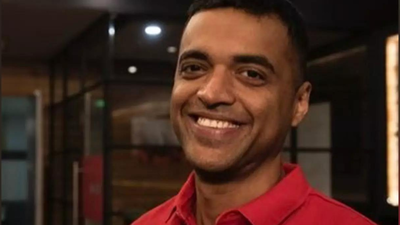
Deepinder Goyal (File photo)

Zomato founder Deepinder Goyal on Friday announced that his new health tech venture, Temple, has secured $54 million in its first funding round from friends and family, and valued at approximately $190 million.“Temple has raised its first round. Friends and family. $54m. Post-money valuation of ~$190m,” said Goyal on X.Temple, which is developing a wearable device aimed at elite performance athletes, made headlines earlier in the day when Goyal posted a recruitment ad seeking “athletes who are also engineers and scientists.” The ad specified that male candidates should have less than 16 per cent body fat and female candidates less than 26 per cent, drawing amusement and attention online.In his statement, Goyal highlighted the support from close associates and early-stage Zomato investors. “Every investor in this round is a founder friend or early-stage Zomato investor who wanted in, whether or not Temple ever makes it to market,” he wrote.“More than 30 Temple employees participated in the round, at par valuation. No discount. Their own money. That’s the kind of belief you can’t buy,” he added.Temple is actively hiring across a range of roles, from Analog Systems Engineers to Computational Neuroscientists. Goyal stressed that the startup is building “the ultimate wearable for elite performance athletes” and is seeking employees who are themselves committed to peak fitness. Applicants not meeting the body fat requirements can still apply if they commit to achieving the target within three months, though they would be on probation until then.Meanwhile Goyal, who resigned last month as Managing Director and Group CEO of Eternal, the parent company of Zomato and Blinkit, to pursue higher-risk experimental ventures, continues with the firm as Vice Chairman.


Source link

FDI climbs 18% to $47.87 bn in FY26 so far; US inflows nearly double


FDI climbs 18% to $47.87 bn in FY26 so far; US inflows nearly double

Foreign direct investment (FDI) into India increased 18 per cent year-on-year to $47.87 billion during April-December 2025-26, with inflows from the United States nearly doubling in the first nine months of the fiscal, government data released on Friday showed.FDI during April-December FY24 had stood at $40.67 billion, PTI reported.In the October-December quarter of 2025-26, FDI equity inflows rose about 17 per cent year-on-year to $12.69 billion. However, they declined over 23 per cent compared with the June-September quarter, when inflows were $16.55 billion.Total FDI, which includes equity inflows, reinvested earnings and other capital, grew 17.4 per cent to $73.31 billion during April-December this fiscal, compared with $62.48 billion in the same period of 2024-25.Inflows from the US increased sharply to $7.8 billion during the latest nine-month period, up from $3.73 billion recorded in April-December 2024-25.Singapore remained the largest source of FDI during the period at $17.65 billion. It was followed by the US, Mauritius at $4.83 billion, Japan at $3.2 billion, the UAE at $2.45 billion, the Netherlands at $2.29 billion, the Cayman Islands at $1.97 million, and Cyprus at $1.4 billion.The US is the third-largest investor in India with cumulative investments of $78.46 billion between April 2000 and December 2025. Singapore leads with $192.53 billion, followed by Mauritius at $185 billion during the same period.Sector-wise, computer software and hardware attracted the highest inflows at $10.7 billion during April-December this fiscal. Services received $8.42 billion and trading $3.36 billion. Non-conventional energy saw inflows of $2.53 billion, construction infrastructure activities $2.1 billion, automobiles $1.82 billion, and chemicals $702 million.Among states, Maharashtra received the highest inflow of $15.38 billion, followed by Karnataka at $11.2 billion, Gujarat at $5 billion, Tamil Nadu at $3.89 billion, Haryana at $3.84 billion, Delhi at $3.52 billion, and Telangana at $1.7 billion.The government said it has put in place an investor-friendly FDI policy under which most sectors are open for 100 per cent overseas inflows through the automatic route. Reforms between 2014 and 2019 included increased FDI caps in defence, insurance and pension sectors, along with liberalised policies for construction, civil aviation and single-brand retail trading.From 2019 to 2024, further measures allowed 100 per cent FDI under the automatic route in coal mining, contract manufacturing and insurance intermediaries.During the last financial year, FDI equity inflows stood at $50.01 billion, while overall FDI totalled $80.6 billion.


Source link

Access Denied


Access Denied

You don’t have permission to access “http://www.ndtv.com/world-news/i-saw-nothing-did-nothing-wrong-bill-clinton-testifies-on-epstein-files-11146867” on this server.

Reference #18.c7f5d217.1772214809.856bbb38

https://errors.edgesuite.net/18.c7f5d217.1772214809.856bbb38


Source link

Ravi Shastri to have stand named after him at Wankhede Stadium | Cricket News


Ravi Shastri to have stand named after him at Wankhede Stadium

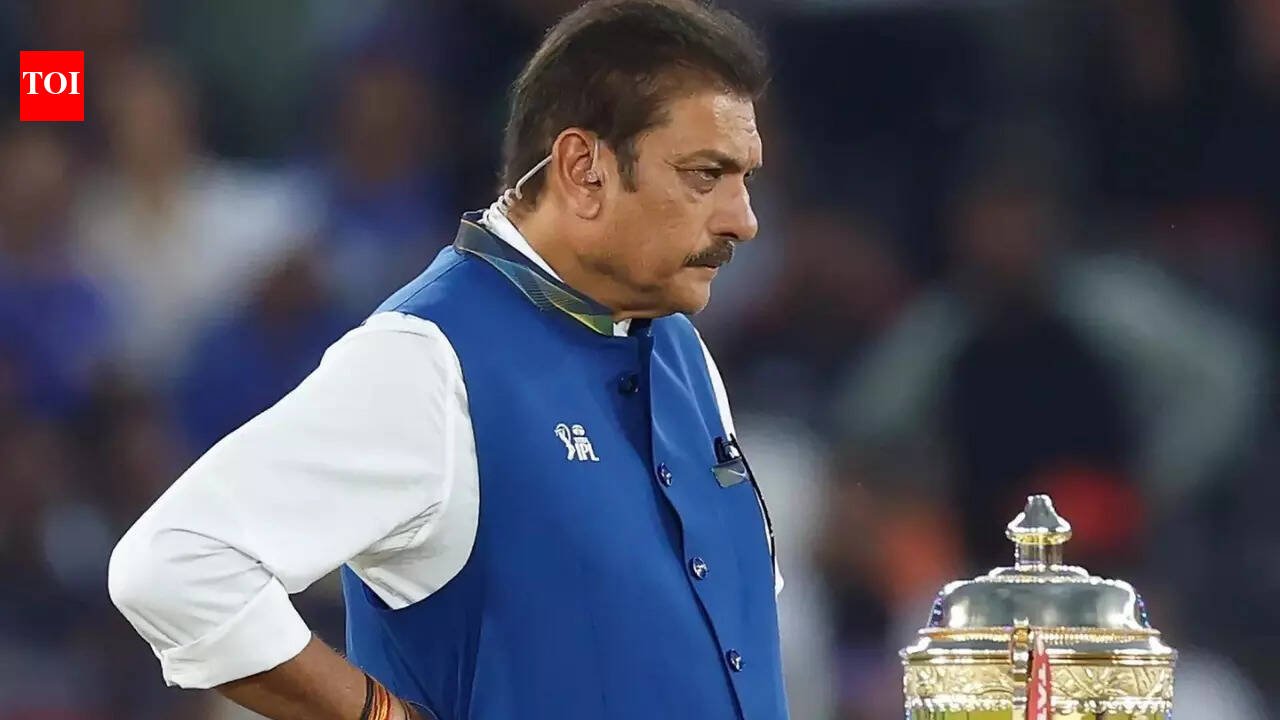
MUMBAI: The iconic Wankhede Stadium is set to honour legends of the game, with the Mumbai Cricket Association (MCA) on Friday announcing that a stand will be named after former India all-rounder Ravi Shastri, alongside gates dedicated to Dilip Sardesai, Eknath Solkar, and Diana Edulji.While the stand will be named in honour of former Mumbai captain Shastri, three different gates of the venue will be named after players from the city.

India land in Kolkata for do-or-die WI clash | Semi-final spot on the line

“The Apex Council approved a proposal to name Level 1 Stand below the Press Box at the iconic Wankhede Stadium after former India captain and renowned commentator Ravi Shastri, in recognition of his outstanding contribution to Mumbai and Indian cricket, both as a player and as a coach,” the MCA said.The decisions were taken during an apex council meeting of the MCA here.Gate No. 3 will be named after Sardesai, who played 30 Tests for India and an overall 179 First-Class matches between 1960-61 and 1972-73.Gate No. 5 will be named in honour of Edulji, who played an overall 20 Tests and 34 ODIs between 1976-1993.Similarly, Gate No. 6 will be named after Solkar, a former all-rounder and one of the best close-in fielders who featured in 27 Tests and seven ODIs for India.“Mumbai cricket is built on the foundation laid by our stalwarts. It is our responsibility to honour those who have brought pride to the city and the nation,” MCA president Ajinkya said.“The proposal to name Level 1 Stand below Press Box after Ravi Shastri is a tribute to his immense contribution as a player, leader and coach.“Similarly, dedicating gates at (the) Wankhede Stadium to Dilip Sardesai, Eknath Solkar and Diana Edulji ensures that every fan who walks into the stadium is reminded of the legends who shaped our glorious cricketing heritage.“These decisions reflect MCA’s commitment to celebrating its past while inspiring future generations,” he added.


Source link

“This should be the rule everywhere in India”: See what happened when a tourist threw orange peels on the roads of Sikkim


“This should be the rule everywhere in India”: See what happened when a tourist threw orange peels on the roads of Sikkim

Now, it’s a very common scene: A man driving in a car, slows the vehicle, pulls down the windows and bam, throws a handful of orange peels in the middle of the road. But what happens next is not quite common: local authorities stop the car, ask the man to step out of his vehicle, and instruct him to pick up each and every piece of peel. And the litter-maker obliged. The incident is from Sikkim, the beautiful state in the Northeastern region of India. And Sikkim also happens to be one of the cleanest cities in the country where people know the meaning of “Civic Sense”. But the recent act of discarding orange peels became a remarkable example of public introspection. It’s a short video clip which shows a tourist in Sikkim throwing orange peels out of his car window. The video just didn’t go viral, it struck a chord with millions across India. And in no time, became a topic of Civic Sense and responsible behaviour. The video has been widely circulated across social media platforms. There is a woman (apparently who made the clip), narrating the act. No chaos. No fight. Just a man correcting his mistake. It is a reminder that every individual action, however small it might be, leaves an impression on the shared spaces we inhabit.Swift actionAlso, people have widely appreciated the on-the-spot enforcement. People praised the “zero-tolerance approach” and public cleanliness. The comments also noted how refreshing it was to see people taking accountability (enforced without drama). “Please do this all over India!!” one user wrote. For Sikkim, which is a state that prides on keeping its landscape clean. It’s a collective effort where every resident plays a role. The hills of Sikkim are biodiversity rich like nowhere. The state has closely knit communities, which have clean public spaces in India. For some long-term residents and travellers, this respect for the environment is seen as part of the local ethos — one that many believe should be more widely embraced across the country.But the episode also raised deeper questions: Why such behaviour in the first place?Why the intervention needed to make someone clean up their own mess, such a basic sense? Why does such a common-sense behaviour feel out of the ordinary in many parts of India? And why, for that matter, does a place need vigilance? Why are people still so ignorant of basic civic sense?Many comments also mentioned that India has made cleanliness a national priority through campaigns like Swachh Bharat. Others also noted that citizens work daily to keep their space clean. Accountability should come from within and should not be enforced. But some people don’t understand this, and that’s why enforcement becomes the only step. Some reactions went further, questioning regional perceptions and stereotypes. In the original online posts about the video, certain users referenced the man as being from “North India,” now another topic of debate. Fair or not, such comments reveal the frustration around littering.Nestled in the eastern Himalayas, Sikkim is often cited as one of India’s cleanest and most environmentally conscious states. Cleanliness here is not treated as a campaign but as a way of life. From mountain highways and village paths to markets and monasteries, public spaces reflect a deep respect for nature and community living.Sikkim, the first fully organic state of India
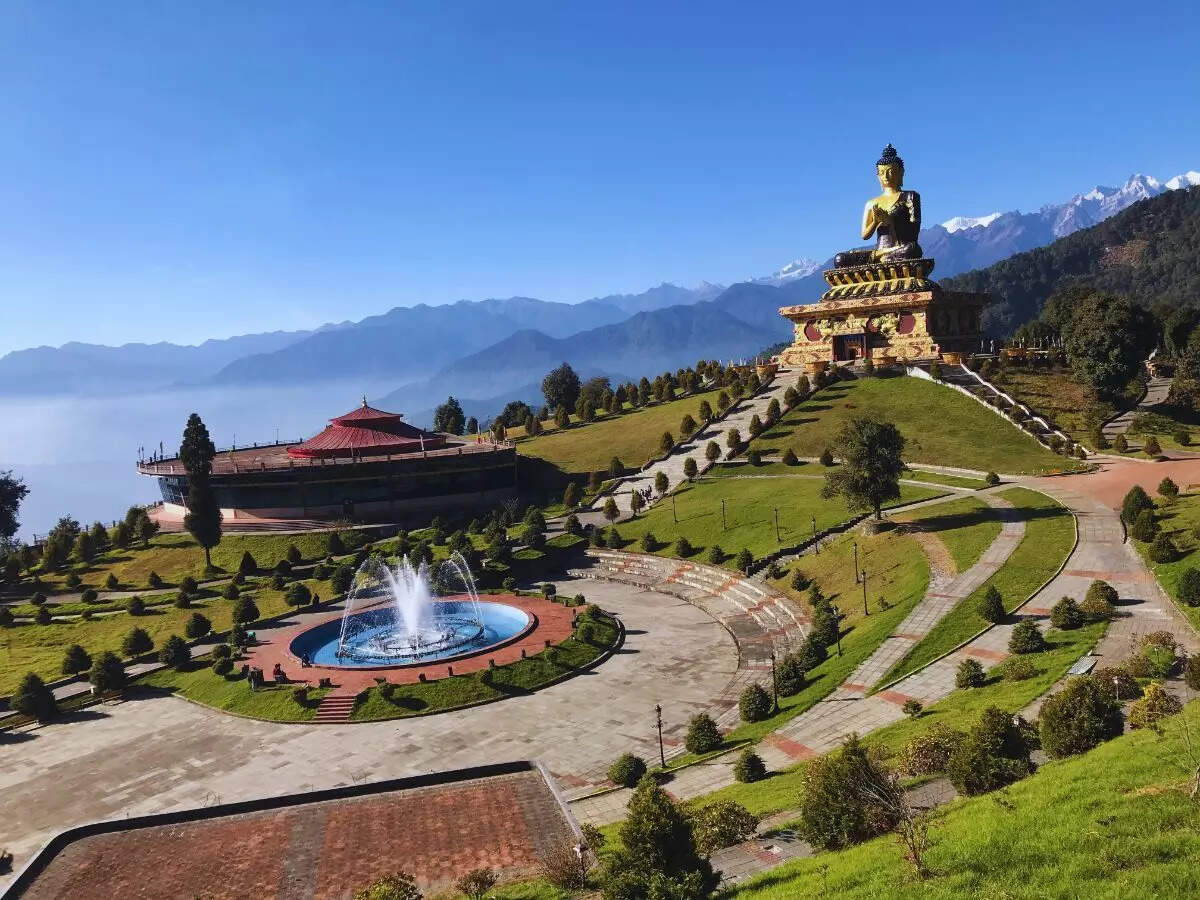
Sikkim

Canva

Sikkim was the first Indian state to become fully organic. It continuously works on disciplined cleanliness. Regular cleanliness drives are conducted in the state by local bodies, who focus on roadside waste and tourist spots, among others. There are strict anti-littering rules, combined with public awareness programs.The state’s civic participation is simply commendable where citizens actively cooperate with authorities. At its heart, this is more than a story about orange peels and the authorities. The story is about how a community chooses to define itself. Keeping our public spaces clean is a collective effort and doesn’t happen by chance. They are the product of discipline, awareness, and yes, when necessary, consistent some strict rules and regulations.


Source link
T20 World Cup: Rinku Singh to rejoin India squad for virtual knockout after father’s demise | Cricket News


T20 World Cup: Rinku Singh to rejoin India squad for virtual knockout after father's demise

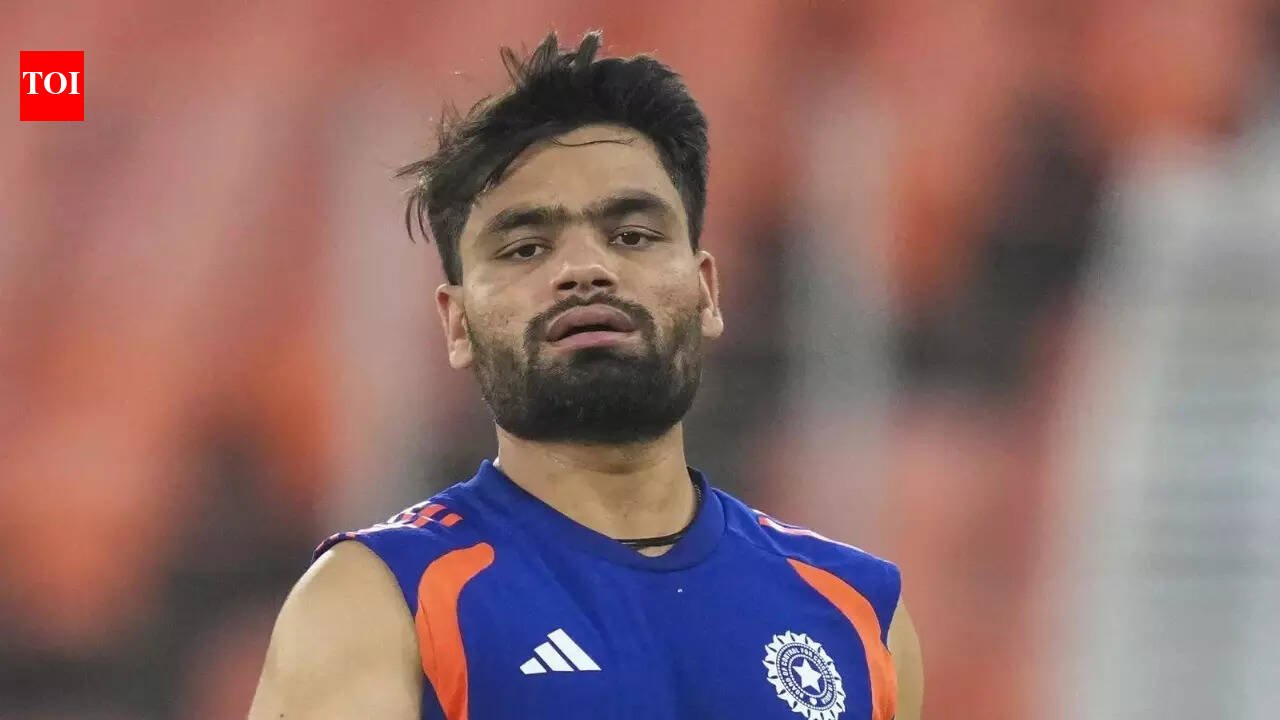
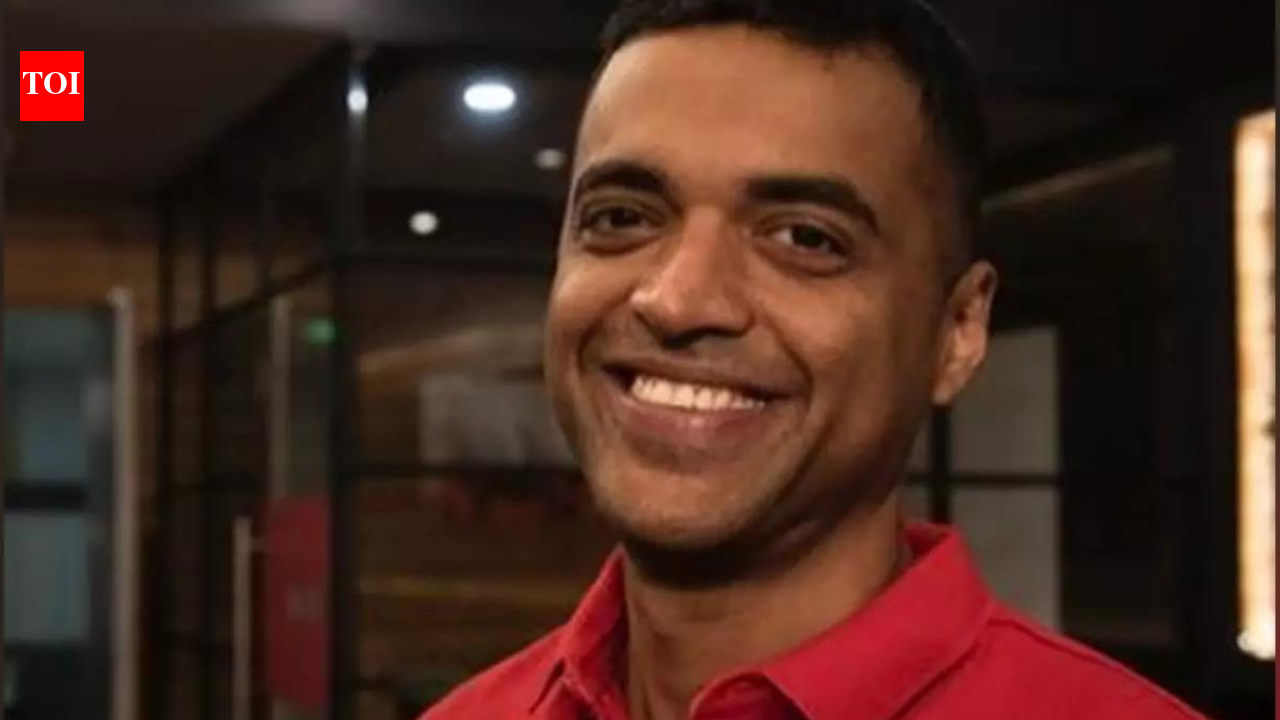
NEW DELHI: The Board of Control for Cricket in India (BCCI) secretary Devajit Saikia has confirmed that Rinku Singh will rejoin the India squad in Kolkata on Saturday ahead of the Super 8 match against West Indies cricket team in the T20 World Cup.“Rinku Singh will join the team tomorrow in Kolkata,” Saikia was quoted as saying by news agency IANS.Rinku had returned home following the death of his father, Khanchand, late on Thursday night due to liver cancer. He left Chennai at 5:00 am to travel to New Delhi for the last rites.The 28-year-old cricketer, a resident of Aligarh district in Uttar Pradesh, credits much of his success to his father. Khanchand Singh, who worked in gas cylinder distribution in Aligarh, supported his son’s dream of becoming a cricketer despitefacing financial hardships.Khanchand was admitted to Yatharth Hospital in Greater Noida. He was placed on ventilator support and passed away in the early hours of Friday.Rinku had earlier been with his father when his health declined but had rejoined the squad before India’s match against Zimbabwe at the MA Chidambaram Stadium on Thursday. He did not play in that match, as Sanju Samson was selected to open with Abhishek Sharma.Rinku, who was added to the World Cup squad shortly before the tournament, has scored 24 runs in five innings so far, including a duck against South Africa at the Narendra Modi Stadium.India, the defending champions, will face West Indies in a virtual knockout match on Sunday, with a semifinal place at stake. The winner will join South Africa in the semifinals from Group 1.


Source link

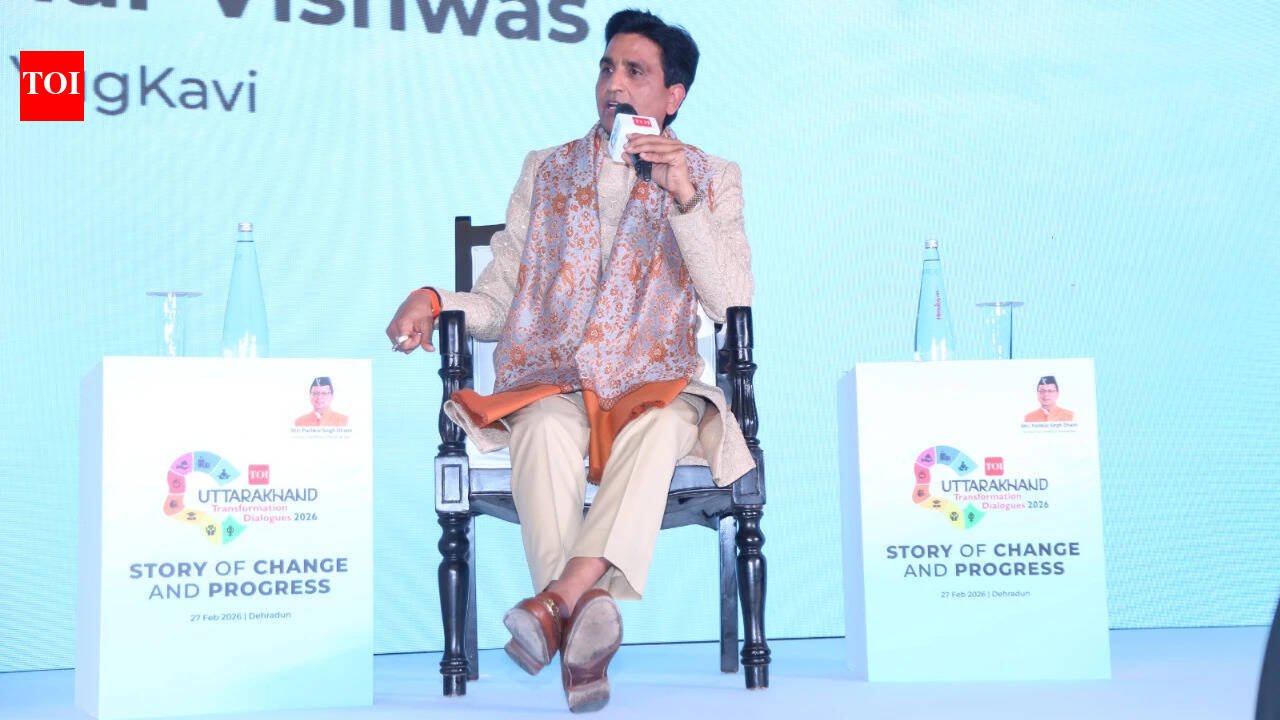
Uk Transformation Dialogue: ‘Uttarakhand is a sentiment, not just a state’: Dr Kumar Vishwas at Uttarakhand Transformation Dialogues | India News


'Uttarakhand is a sentiment, not just a state’: Dr Kumar Vishwas at Uttarakhand Transformation Dialogues

NEW DELHI: At the Times of India’s Uttarakhand Transformation Dialogues held in Dehradun, poet and author Dr Kumar Vishwas discussed the state’s spiritual essence, cultural identity and development journey. He urged people to view Uttarakhand not merely as a destination, but as a sacred space that demands respect.Emphasising the deeper connect people share with the region, he said, “Uttararakhand is not a state, it’s a sentiment. People should enter the state as though they’re entering a temple.” People who visit the Devbhoomi should embody its spirit.Vishwas made a strong appeal to preserve the sanctity of key pilgrimage towns. He urged authorities and visitorsnot to turn Haridwar and Rishikesh into commercial tourism hubs, suggesting that destinations like Mussoorie and Landour are better suited for such activities.Protecting the sacred character of holy towns would ensure that people continue to respect their cultural and spiritual heritage.He said that visitors must come to Uttarakhand with “tameez and tehzeeb,” respecting the traditions of the land.Sharing his views on the idea of religious tourism, Vishwas said, “I’ve been visiting Uttarakhand since many years. These two words should never go together. Places like Haridwar and Kedarnath are not religious, they are spiritual. Anyone can create a religion to fool gullible masses. Spirituality is all about keeping humanity alive in you.”Referring to the Covid-19 pandemic, he highlighted India’s scientific achievements and humanitarian outlook. “India’s scientific temperament helped fight the corona epidemic. We were among the first to create a vaccine and then sent it to countries that couldn’t afford creating one. This is India’s thought process. We want everyone to stay happy, prosper,” he said.He also advised travellers to embrace the local culture. “When you visit Uttarakhand for tourism, you must follow its culture, eat its food, else you might as well visit Switzerland,” he said.When asked about the growing influence of AI on every aspect of life including creative arts, he said “The more AI comes, the more real intelligence will be valued.” Weaving together spirituality, cultural pride and modern realities, Vishwas kept the audience hooked with his anecdotes and wide-ranging knowledge.


Source link

Access Denied


Access Denied

You don’t have permission to access “http://www.ndtv.com/india-news/congress-legal-notice-triggers-video-takedowns-in-ai-summit-row-bjp-holds-ground-11146701” on this server.

Reference #18.f5493417.1772213142.28f1b7

https://errors.edgesuite.net/18.f5493417.1772213142.28f1b7


Source link

Watch: Strong earthquake rattles Kolkata, residents flee homes, offices in panic | Kolkata News


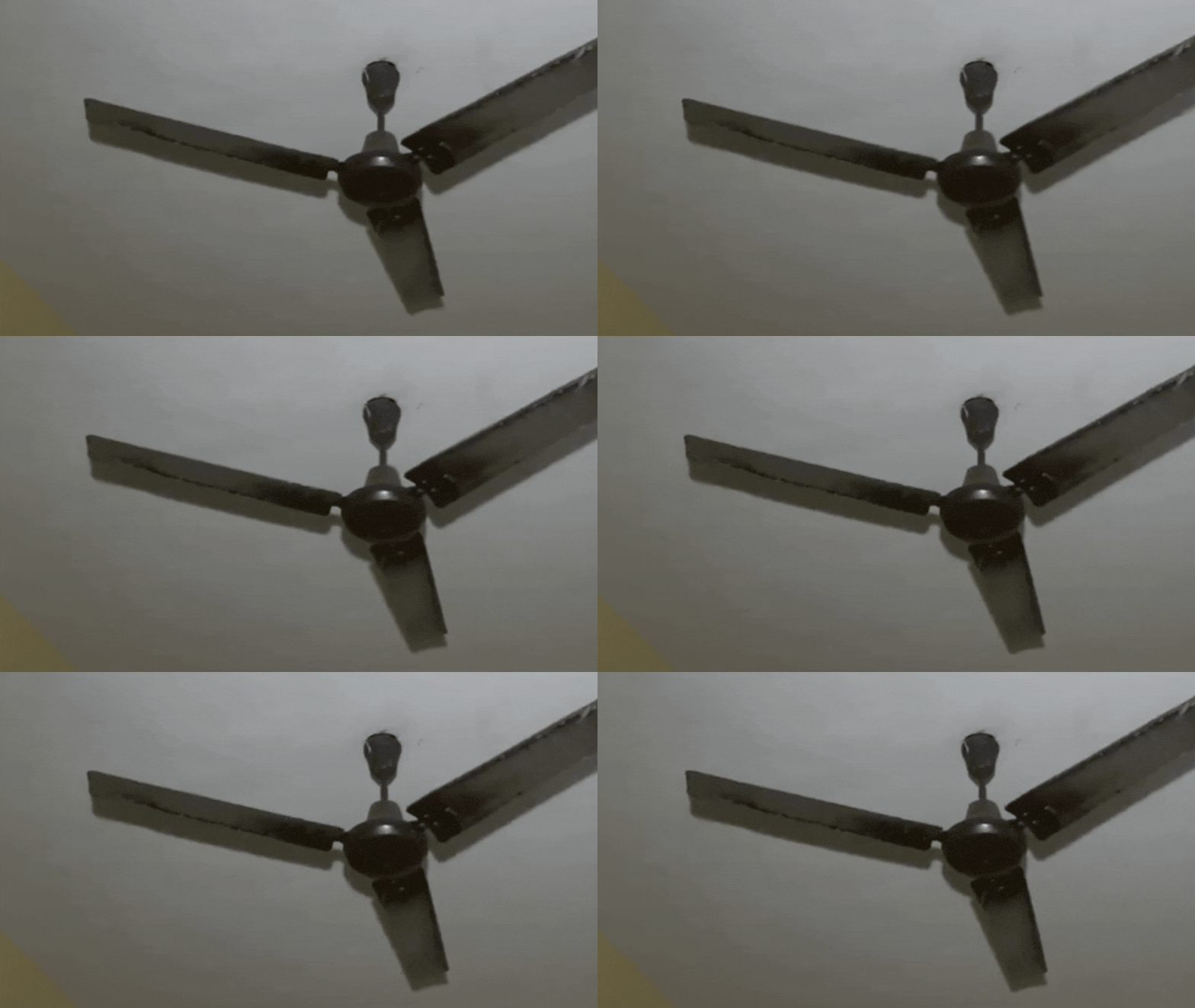
KOLKATA: Strong tremors rattled Kolkata on Friday afternoon, sending residents fleeing from homes and offices as panic spread across the city and nearby areas.Tremors were reportedly strong enough to shake fans and water bottles in homes and offices. Visuals from across the city showed people rushing out of their residences in fear. Many residents shared screenshots of earthquake alerts received on their mobile phones via social media.Videos and images circulating online captured people in Kolkata hurriedly leaving their homes and offices as a safety precaution, highlighting the widespread impact of the tremors on the city. The earthquake, estimated at a magnitude of 5.4, struck at around 1:22 pm, with its epicentre located just 3 km inside Bangladesh, near the India-Bangladesh border.Sikkim also witnessed multiple jolts of earthquakes in late February 2026, raising alarm across the state. The latest tremor, measuring 3.7 on the Richter scale, struck early Friday morning at around 4:10 am, triggering panic among residents.According to the National Centre for Seismology, the tremor occurred at a shallow depth of 5 km, near latitude 27.40 N and longitude 88.69 E. Many people across different parts of the state reported feeling strong shaking.In recent times, frequent earthquake tremors have been particularly felt in West Sikkim, intensifying concerns among locals about the region’s seismic activity.(Witrh agency inputs)


Source link

Govt OK for Metro linking two airports | Mumbai News


Mumbai: The state govt approved the Rs 22,862-crore Mumbai Metro Line-8 project connecting Chhatrapati Shivaji Maharaj International Airport (CSMIA) with Navi Mumbai International Airport (NMIA). It cleared 40% viability gap funding support and permitted the transfer of 27.2 hectares of reserved forest land at Mandale for a metro car depot.Under the funding structure, the Centre and the state will contribute 20% each — Rs 3,446 crore apiece — while the balance will be invested by a private concessionaire under the public-private partnership (PPP) model on a design, build, finance, operate and transfer (DBFOT) basis. Cidco will implement the project. The total cost includes escalation and interest during construction.The 34.9-km corridor will comprise 9.8km of underground and 25.09km of elevated stretches, with 20 stations — 14 elevated and six underground. Construction is scheduled from June 2026 to May 2031.Navi Mumbai International Airport Ltd will contribute Rs 564 crore, while the concessionaire’s share stands at Rs 9,773 crore. Cidco will bear the land acquisition and rehabilitation costs of about Rs 2,393 crore.The line is projected to carry 9.82 lakh passengers daily by 2031, rising to 17.7 lakh by 2061. The proposed 2031 fare ranges from Rs 15 to Rs 125, subject to review before commissioning.The project was declared an important urban transport initiative aimed at strengthening airport connectivity across the Mumbai Metropolitan Region.


Source link