Breaking News
Sunil Gavaskar highlights silver lining of South Africa defeat following India’s T20 World Cup Super 8 triumph vs Zimbabwe


In a high-stakes encounter at the MA Chidambaram Stadium in Chennai, India rejuvenated their T20 World Cup 2026 campaign with a resounding 72-run victory over Zimbabwe on Thursday (February 26). Entering the 48th match of the tournament under immense pressure following a bruising defeat to South Africa, the Men in Blue delivered a masterclass in aggressive T20 cricket. The win not only kept their semifinal hopes alive but also showcased a team that had successfully digested the ‘shock therapy’ of their previous loss to emerge stronger and more tactically flexible.

Sunil Gavaskar shares insight on gains from South Africa loss after India’s Super 8 success over Zimbabwe

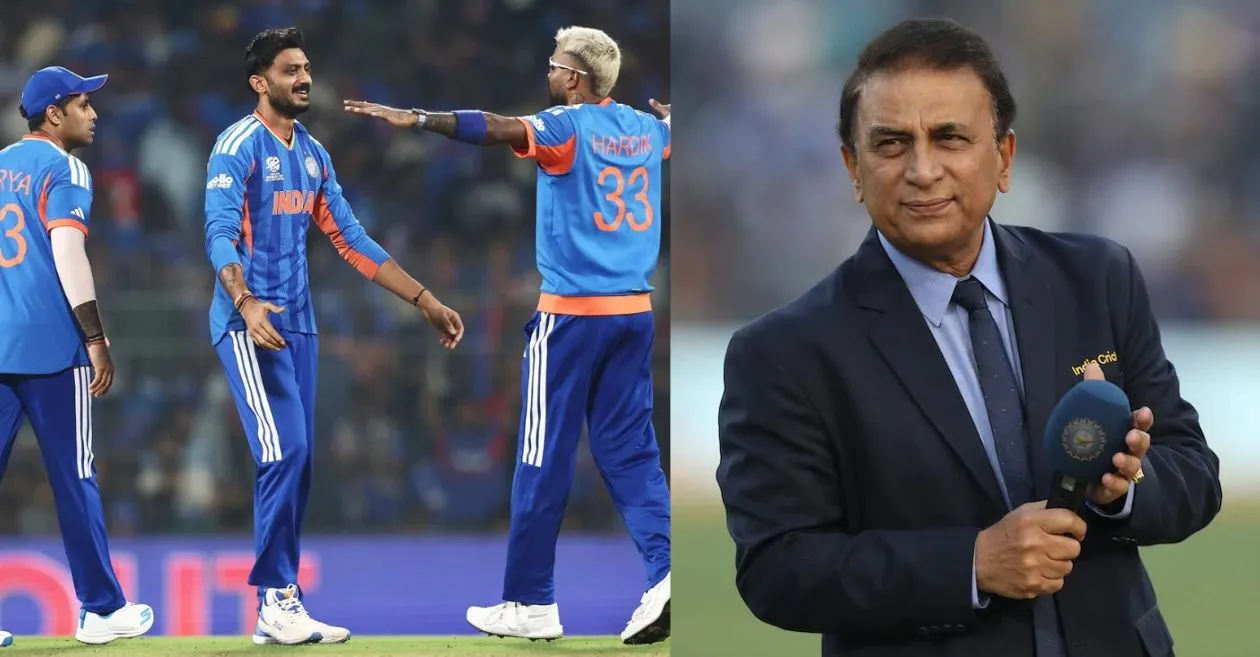
Legendary opener Sunil Gavaskar was quick to point out that India’s dominant performance was a direct result of the psychological jolt received from the Proteas. Speaking on Star Sports, Gavaskar noted that the 76-run loss to South Africa acted as a catalyst for much-needed change.

The margin of the loss would have shaken them up, and I think they took that shock in a positive way,” Gavaskar observed.

One of the most debated tactical shifts was the inclusion of Sanju Samson at the top of the order to provide a right-left opening combination with Abhishek Sharma. Gavaskar lauded this move, specifically highlighting Samson’s selfless approach. Although Samson fell for 24 off 15 balls, his intent set the tone for a mammoth total.

Having Sanju Samson at the top helped. He gave the team a flying start—exactly what was needed,” Gavaskar added, noting that the momentum remained intact even after an early wicket fell.

Also WATCH: Brian Bennett’s Beckham-style reflexes deny Jasprit Bumrah a stunning yorker dismissal during T20 World Cup 2026 Super 8 clash

A record-breaking night at Chepauk for India against Zimbabwe

India’s batting unit functioned like a well-oiled machine, posting a staggering 256/4, the second-highest total in T20 World Cup history. What made the feat remarkable was the collective effort; for the first time, India crossed the 250-mark without an individual century. Abhishek rediscovered his touch with a fluent 55, while Hardik Pandya (50* off 23) and Tilak Varma (44* off 16) provided a thunderous finish.

Zimbabwe’s chase was largely a one-man show by Brian Bennett, who fought valiantly for an unbeaten 97. However, the asking rate proved insurmountable against a disciplined Indian attack led by Arshdeep Singh. Arshdeep was the pick of the bowlers, returning figures of 3/24 and becoming India’s highest wicket-taker in T20 World Cup history, surpassing Jasprit Bumrah.

Despite the clinical win, Gavaskar issued a stern warning regarding the upcoming clash against the West Indies on Sunday. Characterizing it as a “completely different game,” he emphasized that India cannot afford to take anything for granted as they head into what is essentially a virtual quarterfinal.

Also READ: India’s T20 World Cup 2026 semi-final qualification scenario after thumping win over Zimbabwe


Source link

‘Snap’ decision: OPS trades Amma’s iconic portrait for Stalin’s smile | India News


'Snap' decision: OPS trades Amma's iconic portrait for Stalin's smile

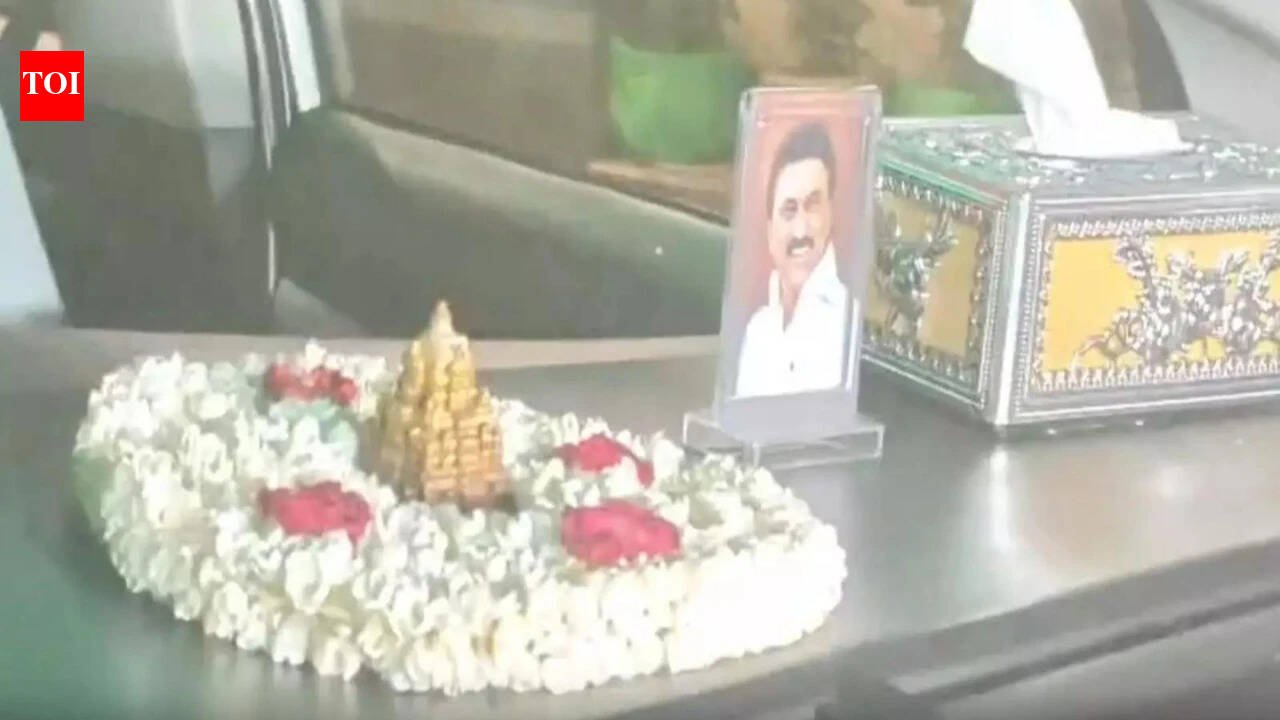
NEW DELHI: O Panneerselvam made a striking political statement on Friday by replacing a photograph of his late mentor J Jayalalithaa with one of Chief Minister M K Stalin in his car, moments before formally joining the DMK in Chennai.The carefully timed gesture, carried out as he arrived at Anna Arivalayam, the DMK headquarters, underscored a dramatic shift in allegiance for the three-time former Chief Minister who once symbolised unwavering loyalty to the AIADMK supremo. The image of Jayalalithaa had long occupied pride of place on his vehicle’s dashboard; its removal signalled a decisive break from his political past.Former Tamil Nadu Chief Minister O Panneerselvam on Friday joined the Dravida Munnetra Kazhagam (DMK) in Chennai, formally switching sides ahead of the forthcoming 2026 Assembly elections. Inducted in the presence of Chief Minister and DMK president M K Stalin at the party headquarters, Panneerselvam said he would work for the party as a cadre, marking a significant realignment in the state’s political landscape.“I have joined the DMK. I will work and support the DMK as a cadre,” Panneerselvam told reporters shortly after his induction. His son, P Ravindhranath Kumar, also joined the party.Welcoming him into the fold, Stalin described Panneerselvam as a “dear brother” and praised his humility and virtues.“Former Chief Minister and dear brother Thiru. O. Panneerselvam has joined the mother organisation, the Dravida Munnetra Kazhagam. I welcome him with open arms. He, who bears the name of the great leader of the Dravidian movement, has joined our great movement to safeguard the Dravidian movement’s ideology,” he posted on X.Framing the development in the context of the next Assembly election, Stalin added:“The 2026 Assembly election is a democratic battle between Tamil Nadu and the fascist BJP. It is with this realisation that various democratic forces are joining the DMK alliance. Our brother who has joined us, Thiru. O. Panneerselvam is a loving person, a virtuous person, a humble person! May his arrival be for the welfare! May Tamil Nadu triumph!”Explaining his decision, Panneerselvam said he had chosen to join the DMK to draw a line under his troubled past in the AIADMK.“The decision I’ve taken is my own, to put a fullstop to the bitter experience for me. I thank CM and DMK President Stalin for accepting me to join DMK. I have joined DMK with full joy. EPS is behaving as a dictator, and he has created a situation where AIADMK cannot get victory,” Panneerselvam told media persons.Panneerselvam was expelled from the AIADMK in 2022 following a protracted leadership tussle with Edappadi K Palaniswami, a rupture that reshaped the party’s internal power structure and ultimately paved the way for his latest political move.


Source link

Buying property abroad? FEMA rules Indian investors must follow to avoid penalties


Buying property abroad? FEMA rules Indian investors must follow to avoid penalties

Owning overseas real estate, whether in Dubai, London or Singapore, has become an increasingly popular aspiration among Indian investors. But recent enforcement action has highlighted that foreign property purchases can invite regulatory scrutiny if Foreign Exchange Management Act (FEMA) rules are not followed carefully.Earlier this month, the Directorate of Enforcement conducted searches under FEMA, 1999 against high net-worth individuals who had acquired multiple properties in Dubai without corresponding outward remittances through authorised banking channels. As the foreign properties could not be seized directly, equivalent immovable assets in India worth Rs 27.83 crore were attached instead.

1. LRS limit is the first checkpoint

Under the Liberalised Remittance Scheme (LRS), resident individuals can remit up to USD 250,000 per financial year without prior RBI approval to acquire overseas immovable property, according to an ET report.The limit applies per individual and across all bank accounts. Splitting payments among family members or routing funds through multiple banks does not expand the cap. Experts caution that mis-declaring the purpose of remittance or booking property in another person’s name to bypass limits can trigger compliance inquiries.

2. Overseas borrowing is not allowed

FEMA prohibits residents from borrowing abroad to finance property purchases. Even informal arrangements can fall foul of rules.In some cases, buyers have asked relatives overseas to make payments with plans to reimburse them later. Such arrangements may be treated as overseas borrowing and classified as violations. Developer EMI schemes can also be interpreted as creating foreign borrowing obligations, prompting banks to block remittances.

3. Documentation and banking trail are critical

All payments must move through authorised dealer banks using the correct purpose codes. Transactions routed outside the banking system — commonly referred to as hawala — are illegal.However, risks are not limited to illegal transfers. Missing agreements, incorrect declarations, or lack of source-of-fund documentation can resurface years later, particularly when investors attempt to sell the property or repatriate funds. Banks typically require complete remittance records, tax proofs and transaction documents before allowing money to return to India.

4. FEMA compliance does not replace tax compliance

Another common misconception is that FEMA approval automatically ensures tax compliance. India taxes residents on global income, meaning rental earnings and capital gains from overseas property must be declared in Indian income tax returns.Failure to disclose foreign assets or income may invite action under the Black Money Act, which allows steep penalties and prosecution in serious cases.

5. Repatriation timelines matter

FEMA rules also govern what happens after purchase. Rental income or sale proceeds may be retained abroad only if reinvested. Otherwise, funds must generally be repatriated to India within prescribed timelines — typically 180 days.Holding funds overseas without reinvestment beyond this period may be treated as a violation.

Compliance continues after purchase

Owning foreign property brings ongoing obligations, including local tax filings, rental disclosures and ownership reporting requirements in the destination country. Non-compliance abroad can delay or block sale proceeds and create complications under Indian regulations.


Source link

Hardik Pandya reveals how Team India kept an eye on SA vs WI clash | Cricket News


‘Obviously, we were’: Hardik Pandya reveals how Team India kept an eye on SA vs WI clash
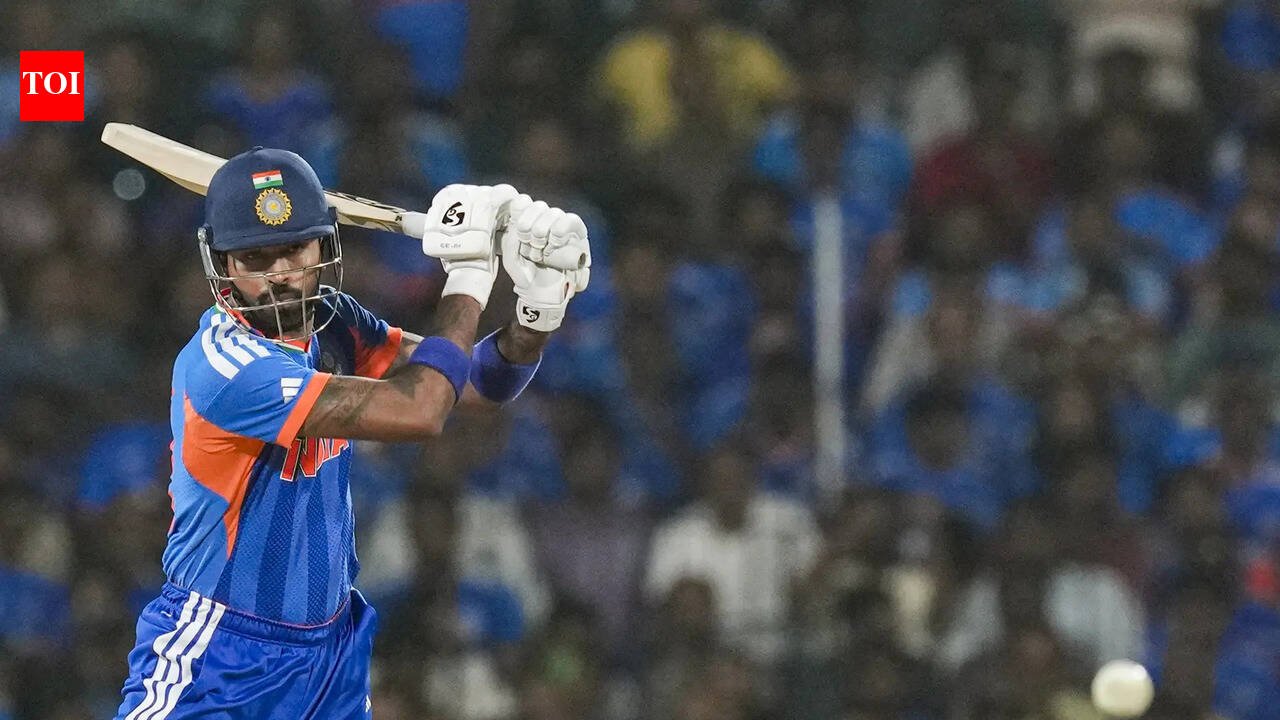
Hardik Pandya plays a shot (PTI Photo)

India won their Super 8 match against Zimbabwe in Chennai by 72 runs. All-rounder Hardik Pandya said it was ‘it was a good game to continue the rhythm’ as India aim for a semi-final spot.India batted first, and the top-order players gave a strong start.

India keep T20 World Cup dream alive, over to Kolkata now

Hardik Pandya was named Player of the Match for his excellent all-round performance. He scored an unbeaten 50 off 23 balls and then bowled 3 overs for just 21 runs.After taking his award during the post-match presentation, Pandya said, “Pretty happy. It sounds 23-ball-50, but I think I had to reassess the situation as well. I felt I was trying to hit too hard. And just in the game, I realised, I think I can time the ball and hit sixes as well. It was a good game to continue the rhythm because I feel a couple of games I had, I could not do what I wanted to do.”When asked if he was following the earlier game between South Africa and West Indies, Pandya said, “Obviously, we all were keeping an eye. Now it’s all about playing good cricket, backing your skill set, absorbing the pressure, and making sure that you put the best foot forward. So yeah, definitely we were keeping an eye, but at the same point of time, once the game got over, we focused on the fact that this is our game. We need to focus on this.Chasing a big target of 257 runs, Zimbabwe managed 184/6 in 20 overs. Brian Bennett played brilliantly, scoring an unbeaten 97 off 59 balls.Hardik Pandya didn’t take any wickets but bowled 3 economical overs for just 21 runs.Talking about his bowling, Pandya said, “Pretty good, I think. I like bowling with the new ball. It swings. I mean, God has been kind. I have the skillset of bowling inswing and outswing. So I really enjoy. I think it gives me the opportunity to take wickets as well. It challenges the batter as well. So yeah, pretty satisfied. I still have to bowl my one over, which I’m going to go after this.”Now, India will play their last Super 8 match against the West Indies on Sunday, while Zimbabwe will face South Africa in Delhi, aiming for a consolatory win.Brief Scores: India: 256/4 (Abhishek Sharma 55, Hardik Pandya 50*, Blessing Muzarabani 1/43) beat Zimbabwe: 184/6 in 20 overs (Brian Bennett 97*, Sikandar Raza 31, Arshdeep Singh 3/24).


Source link

Uttarakhand Transformation Dialogues: TOI Uttarakhand Transformation Dialogues 2026: Digital debate must embrace diversity, says Anand Ranganathan | India News


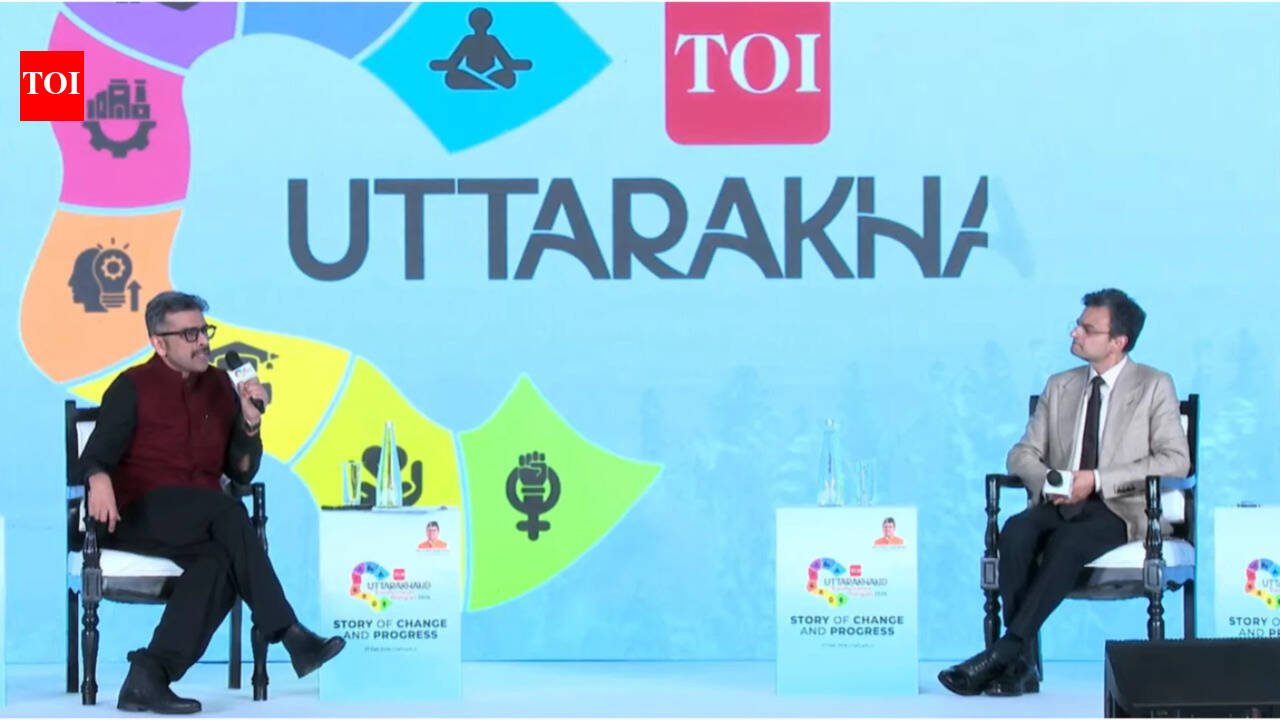
TOI Uttarakhand Transformation Dialogues 2026: Digital debate must embrace diversity, says Anand Ranganathan

TOI Uttarakhand Transformation Dialogues 2026

NEW DELHI: The Times of India’s flagship Uttarakhand Transformation Dialogues 2026 brought together policymakers, academics and industry leaders in Dehradun on Friday, with a sharp focus on the state’s next phase of growth.Among the key sessions was a fireside chat featuring scientist and author Anand Ranganathan, who spoke on the theme “Digital Education, Governance & Public Reason”. The session explored how digital platforms, education and governance shape public discourse and policy outcomes.The larger event, organised by The Times of India, aims to create collaboration between government, industry and civil society.

Public reasoning has increased in the digital era

Opening the discussion, the moderator asked whether the scope of public reasoning in society has grown or shrunk in the digital age.Ranganathan was clear in his response.“It has certainly increased. There is no two ways about it,” he said.Recalling the 1970s and 1980s, he noted that earlier generations had very limited avenues to respond to opinions published in newspapers or aired on radio and television.“If we didn’t like it, the only option was to roll up the newspaper and fling it against the wall. On rare occasions, you would write a letter to the editor. I had one published once,” he said, adding that there was a sense of frustration in not being heard.In contrast, he described today’s environment as a “problem of plenty”, where people have multiple platforms to voice their views. While acknowledging that extremes can be disruptive, he said he would prefer a noisy democracy over enforced silence.

Labels, ideology and the Left–Right debate

The conversation then moved to whether society is becoming overly opinionated, forming views before facts.Ranganathan argued that political labels are often imposed rather than clearly defined. In the Indian context, he said, Western definitions of Left and Right do not neatly apply.“In India, one can perhaps define the Left, but it’s very difficult to define the Right. In fact, in many domains, I consider the BJP a left-wing party, economically, it is certainly left-wing,” he remarked.He added that labels can sometimes simplify arguments by giving people a sense of belonging to an ideological group. “It’s convenient,” he said, noting that he has learnt to accept such labels in “the right spirit”.

Popularity versus truth in public discourse

Asked whether he faces pressure to adopt popular positions rather than factual ones, Ranganathan said he has consistently relied on a scientific approach since he began writing and appearing in public debates in 2008.“I have always looked at everything through the lens of science. If you do that, you can never go wrong,” he said.He admitted that public reactions often fluctuate. “People love what I say when it conforms to their thinking. The next day, they troll me because I’ve said something they disagree with. That happens almost every day.”

On corruption and selective narratives

Referring to debates around textbook references to judicial corruption, Ranganathan argued that institutions should not be shielded from scrutiny.“Is there corruption in the judiciary? It’s not me saying it, former Chief Justices have acknowledged it,” he said, adding that if students are being educated about institutions, they should understand the “full picture”.However, he cautioned against selective criticism. “If you talk about corruption, talk about it everywhere. Don’t be selective,” he said, pointing out that corruption is discussed in politics, science, medicine and sports.He also criticised what he described as a tendency in the media to portray current problems as unprecedented.“Science teaches you to ask, has this happened before? Look at the data before drawing conclusions,” he said, urging comparisons across states and over time before assigning blame.

Digital media, misinformation and bias

On the role of digital media in spreading both information and misinformation, Ranganathan said eliminating misinformation entirely is unrealistic.“You can’t eliminate misinformation entirely. It happens naturally,” he said.He argued that exposure to diverse viewpoints is the best corrective. Drawing an example from children of civil servants who move across states and encounter different narratives, he said, such mobility often gives them a more balanced understanding.“The only way to circumvent bias is to know the other opinion. Always read two newspapers,” he advised.He described disagreement as healthy. “You and I have agreed on some issues and disagreed on others. I see that as diversity, not difference. The listener benefits by hearing both sides. That is the democratisation digital media has given us.”

Uttarakhand’s growth and structural challenges

Turning specifically to Uttarakhand, Ranganathan presented a mix of achievements and concerns.He said the state’s GDP per capita is about $1,000 higher than the national average. Welfare schemes, including toilets, bank accounts, tap water connections and Ayushman cards, have reached nearly 100% of the targeted population.However, he stressed that long-term planning is crucial. “This is a golden opportunity to draw a roadmap, not for five years, because governments come and go, but for 15 to 20 years,” he said.Highlighting what he termed a “problem of plenty”, he noted that while Uttarakhand’s population is around one million, tourist arrivals are about 6.5 million.“Everything has a flip side,” he said.He pointed out that 80% of the state still depends on agriculture, yet in the past 15 years, about 28% of cultivable land has been lost, largely due to construction, urbanisation and tourism. Agricultural produce availability has declined by around 15%.“You are facing a situation where one sector is doing extremely well — but structural balance must be maintained,” he cautioned.

Digital governance and the role of critics

On governance, Ranganathan observed that merely providing digital information is not enough.“You can provide all the digital information you want. But digital information is not interactive. You tend to pick solutions from those who praise you. Critics are often pushed aside,” he said, underlining the need for inclusive dialogue.The Uttarakhand Transformation Dialogues also featured sessions with various famous personalities, focusing on culture, gender and heritage as drivers of growth.


Source link

OpenAI and Microsoft release joint statement on their partnership: What the two AI companies said


OpenAI and Microsoft release joint statement on their partnership: What the two AI companies said

Microsoft and OpenAI have released a joint statement saying that new funding and expanded partnerships with Amazon, Nvidia and Softbank have no impact on their relationship and remain exactly as outlined in our October 2025 update. Both the companies listed addressed all the core pillars of their partnership, saying that the two companies intentionally designed the 2025 pact that will give them room to pursue independent opportunities.

OpenAI’s partnership with Amazon, Nvidia and Softbank

OpenAI announced that Amazon is investing $50 billion, Nvidia $30 billion and SoftBank $30 billion in the round – a total of $110B in new investment at a $730B pre-money valuation. With Amazon, OpenAI will bring a new generation of products to market, especially around new enterprise products, said OpenAI CEO Sam Altman. He praised Nvidia “for their continued trust” and called SoftBank “an incredible and high-conviction partner.

Read Microsoft and OpenAI’s joint statement on ChatGPT-maker’s new deals

Since 2019, Microsoft and OpenAI have worked together to advance artificial intelligence responsibly and make its benefits broadly accessible. What began as a research partnership has grown into one of the most consequential collaborations in technology—grounded in mutual trust, deep technical integration, and a long‑term commitment to innovation.As conversations around AI investments and partnerships grow and as OpenAI announces new funding and new partners as they did today, we want to ensure these announcements are understood within the existing construct of our partnership. Nothing about today’s announcements in any way changes the terms of the Microsoft and OpenAI relationship that have been previously shared in our joint blog in October 2025.The partnership remains strong and central. Microsoft and OpenAI continue to work closely across research, engineering, and product development, building on years of deep collaboration and shared success.Our IP relationship continues unchanged. Microsoft maintains its exclusive license and access to intellectual property across OpenAI models and products. Collaborations like the partnership between OpenAI and Amazon were always contemplated under our agreements and Microsoft is excited to see what they build together.Our commercial and revenue share relationship remains unchanged. The ongoing revenue share arrangement remains unchanged and has always included sharing revenue from partnerships between OpenAI and other cloud providers.Azure remains the exclusive cloud provider of stateless OpenAI APIs. Microsoft is the exclusive cloud provider for stateless APIs that provide access to OpenAI’s models and IP. These APIs can be purchased from Microsoft or directly from OpenAI. Customers and developers benefit from Azure’s global infrastructure, security, and enterprise-grade capabilities at scale. Any stateless API calls to OpenAI models that result from a collaboration between OpenAI and any third party—including Amazon—would be hosted on Azure.OpenAI’s first party products, including Frontier, will continue to be hosted on Azure.AGI definition and processes are unchanged. The contractual definition of AGI and the process for determining if it has been achieved remains the same.The partnership supports OpenAI’s growth. As OpenAI scales, it continues to have flexibility to commit to additional compute elsewhere, including through large-scale infrastructure initiatives such as the Stargate project.The partnership was designed to give Microsoft and OpenAI room to pursue new opportunities independently, while continuing to collaborate, which each company is doing, together and independently.We remain committed to our partnership and to the shared mission that brought us together. We continue to work side‑by‑side to deliver powerful AI tools, advance responsible development, and ensure that AI benefits people and organizations everywhere.


Source link

Virat Kohli pens emotional note after demise of Rinku Singh’s father | Cricket News


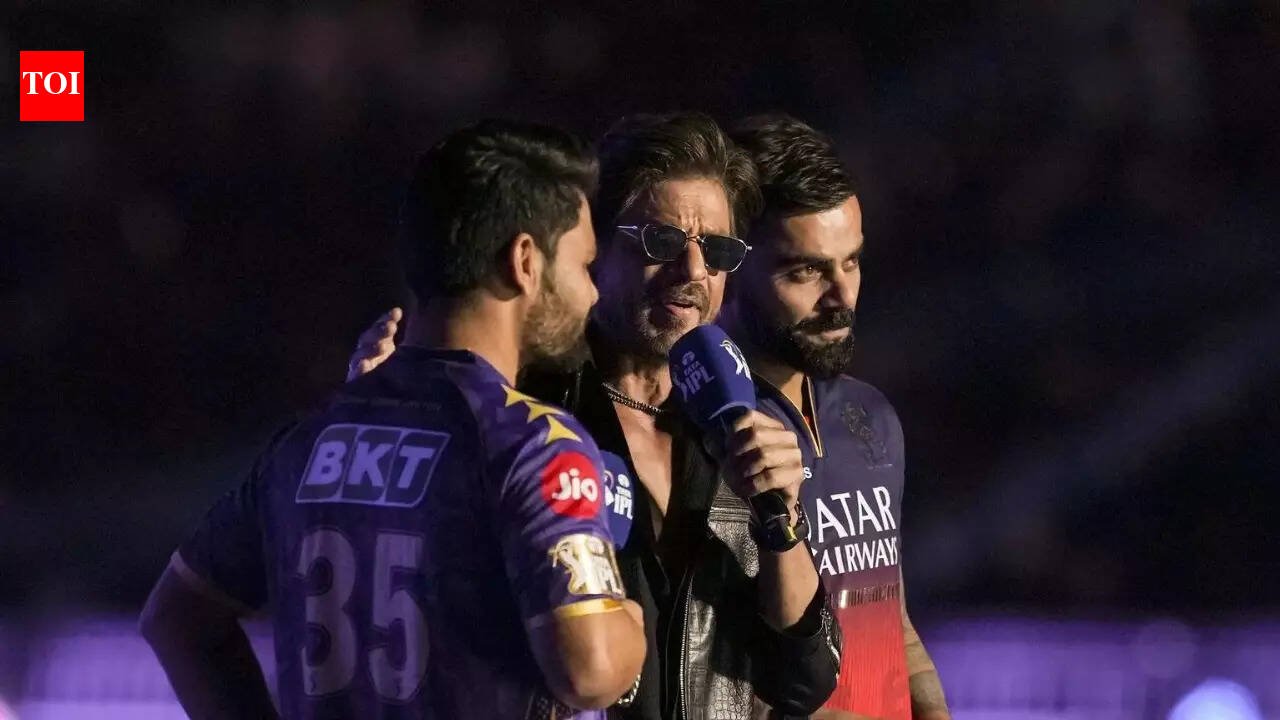
Kolkata Knight Riders owner and actor Shah Rukh Khan with Royal Challengers Bengaluru’s player Virat Kohli and KKR’s Rinku Singh during the opening ceremony of Indian Premier League 2025, at Eden Gardens in Kolkata. (PTI Photo)

Star India batter Virat Kohli paid his condolences to Rinku Singh after his father passed away on Friday morning at the Yatharth Hospital in Greater Noida.Rinku Singh’s father breathed his last on Friday morning at the Yatharth Hospital in Greater Noida, informed the hospital PRO. He was undergoing treatment at Yatharth Hospital in Greater Noida.

India set for next challenge | Hardik, Mahieka at airport; SKY spotted with wife, Rinku heads home

Taking to X, Kohli shared a message, standing in solidarity with the India batter and his family during a difficult time. “Deeply saddened by the news of Rinku’s father’s demise. My heartfelt prayers and thoughts are with you and your family during this difficult time. May you always find strength in his eternal blessings. Om Shanti,” Kohli wrote.Former India spinner Harbhajan Singh also conveyed his condolences through a post on X, “Pained to learn about the demise of Shri Khanchand Singh Ji, father of Rinku Singh. This must be an especially difficult time for Rinku and his family, even as he remains committed to his responsibilities during the T20 World Cup. My heartfelt thoughts and prayers are with him and his loved ones. May Waheguru grant eternal peace to the departed soul and give strength and courage to the bereaved family.Former India opener turned commentator Aakash Chopra offered prayers and strength to the grieving family through an X post, “Really sad to hear about the passing of Rinku’s father. May God give you and your family strength to deal with the pain and the loss. Stay strong, brother. Om Shanti,” Chopra wrote.Rinku had to rush back home from the T20 World Cup squad to be with his family after his father’s condition worsened after India’s first Super 8 fixture against South Africa.Rinku was quick to return to Chennai to join the Indian squad ahead of the Zimbabwe clash on Thursday after a quick visit to meet his father.However, Rinku didn’t feature in the playing 11 for the Zimbabwe clash as India opted for Sanju Samson to open alongside Abhishek Sharma, leaving Rinku out of the equation.


Source link

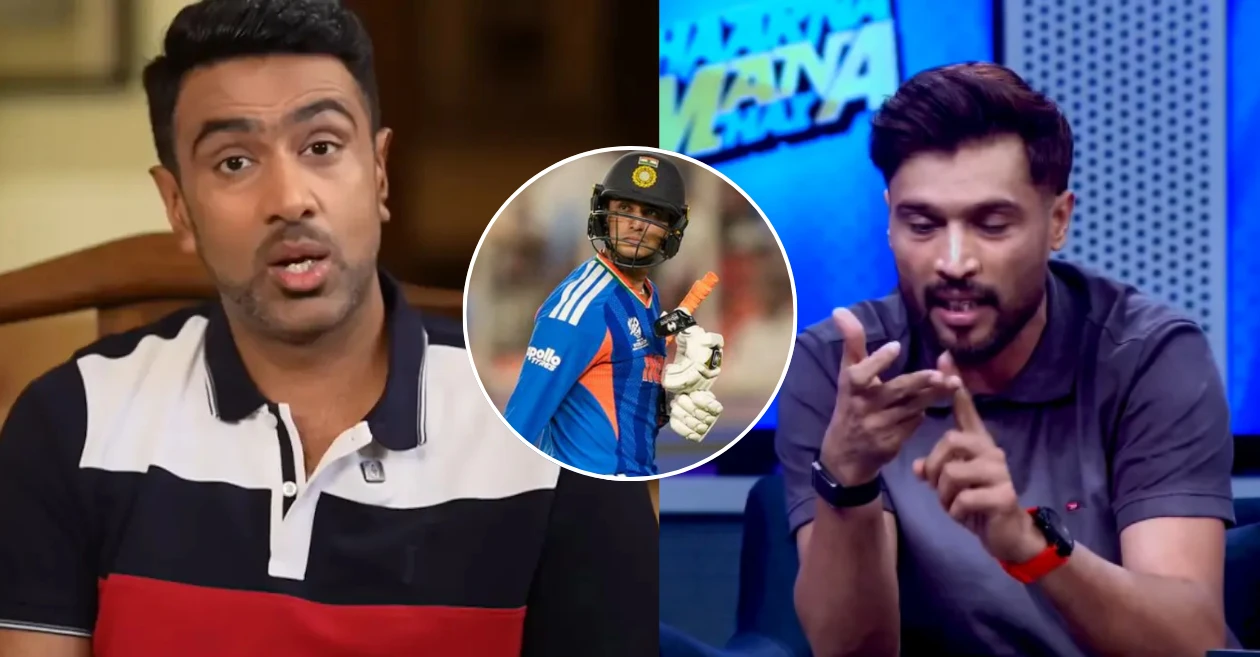
Ravichandran Ashwin slams Mohammad Amir over Abhishek Sharma ‘slogger’ remark


Former India off-spinner Ravichandran Ashwin has delivered a scathing response to Mohammad Amir’s controversial ‘slogger’ tag for Abhishek Sharma, launching an impassioned defence of the young opener following his match-winning fifty against Zimbabwe in the T20 World Cup 2026 Super 8 clash in Chennai.

Speaking on his popular YouTube channel ‘Ash Ki Baat’, Ashwin dismissed the former Pakistan pacer’s assessment and made the stunning claim that Abhishek possesses a better bat swing than his legendary mentor Yuvraj Singh.

Ravichandran Ashwin’s fiery response to Mohammad Amir

The controversy began during the tournament’s group stage when Abhishek registered three consecutive ducks against the USA, Pakistan, and the Netherlands. Amid the lean patch, Amir labelled the left-handed opener a “slogger” and questioned his defensive technique, stating that quality bowling attacks would expose his limitations at the international level .

However, after Abhishek silenced his critics with a blazing 55 off just 30 balls against Zimbabwe – featuring four boundaries and four sixes—Ashwin took to his YouTube channel to set the record straight .

“There is a video of Mohammad Amir doing the rounds, where he called Abhishek Sharma a slogger. I just want to make one thing clear: you can say anything about his game, but he is not a slogger. He has one of the most enviable bat swings in the game today,” Ashwin declared.

The former India spinner, who retired from international cricket in December 2024, went a step further by comparing Abhishek’s technique to his illustrious mentor.

“We all know Yuvraj Singh is his mentor. He has probably got a better bat swing than him as well. You cannot get a better bat swing than that. Whenever Abhishek strikes the ball, it goes very far. So people can mistake him for being a slogger. The one thing Abhishek has been guilty of is showing intent on every ball,” Ashwin added.

Abhishek endured a nightmare start to his T20 World Cup campaign, registering ducks against the USA, Pakistan and the Netherlands – a run compounded by a stomach infection that required hospitalisation and caused significant weight loss. He missed the Namibia match entirely before managing just 15 off 12 balls in India’s heavy defeat to South Africa.

However, against Zimbabwe at the MA Chidambaram Stadium on February 26, Abhishek finally delivered the knock India had been waiting for. Opening alongside Sanju Samson, he reached his fifty in just 26 balls, setting the platform for India’s mammoth 256/4. His innings, combined with a late blitz from Tilak Varma and Hardik Pandya, proved decisive as India secured a crucial 72-run victory to keep their semifinal hopes alive.

Amir’s clarification regarding his slogger remark for Abhishek

Following the backlash, Amir had eralier clarified his remarks, explaining that his comments were technical observations rather than personal criticism. Speaking after India’s defeat to South Africa, the left-arm pacer emphasised that he rates Abhishek as one of the finest young talents in the game.

“I was talking about him from the point of view of a bowler. I was talking about his technique. People felt bad because I used the word slogger,” Amir told a Pakistani TV channel. “By that, I meant his technique is such that a good team, a bunch of good bowlers, can trap him. Look at the 14 runs he scored, he scored all of them on one side. The balls he hit were bad balls. But, when Rabada started bowling well, he was not able to figure it out.”

Amir also sent a public message to the young Indian batter, advising him to incorporate patience into his naturally aggressive game. “As a senior player, if my message goes to him, I will tell him: Your technique gets exposed in international cricket. If you can show some patience and play the ball on its merit, then it will be better. He has the skills, but it depends on him how well he will utilise them.” 

Also WATCH: Mitchell Starc can’t contain laughter as Harmanpreet Kaur’s scoop attempt misses the mark during AUS-W vs IND-W 2nd ODI

Ashwin’s technical advice to Abhishek

Beyond defending Abhishek, Ashwin offered constructive technical advice, urging the young batter to prioritise timing over brute force. “Abhishek doesn’t have to give power on his shots. If anyone is talking to him, just tell him about the importance of timing the ball properly,” the veteran spinner advised.

This emphasis on timing aligns with Ashwin’s broader assessment that Abhishek’s natural gifts – particularly his bat swing – are world-class. The former off-spinner has previously identified Abhishek as one of two “puzzles” opposition teams must solve to beat India in the T20 World Cup, alongside mystery spinner Varun Chakravarthy.

Also READ: Virat Kohli’s dream list – Qualities he wishes to inherit from SRK, Dhoni, Ronaldo, Messi, Tendulkar, Taylor Swift and The Rock


Source link

US stocks today: Wall Street slides as AI disruption fears, hot inflation data and Iran tensions rattle markets


US stocks today: Wall Street slides as AI disruption fears, hot inflation data and Iran tensions rattle markets

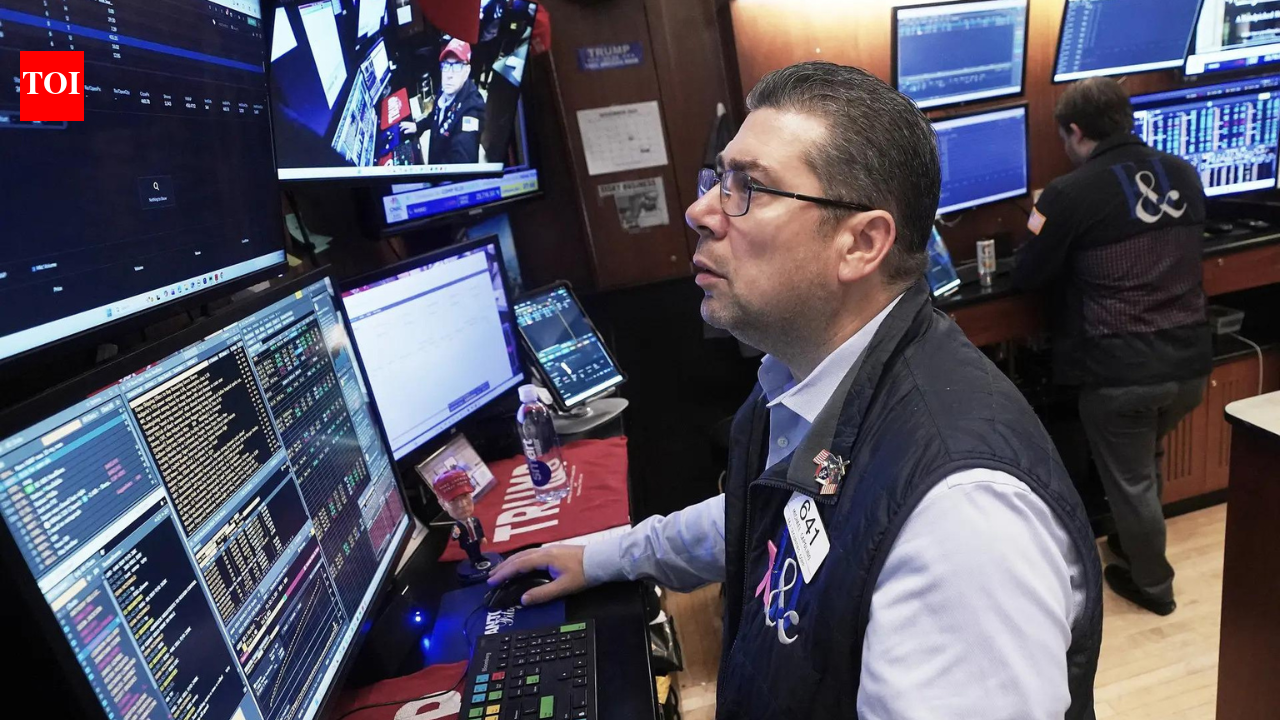
US stocks fell sharply on Friday as renewed fears around artificial intelligence-driven disruption, a stronger-than-expected inflation reading and rising geopolitical tensions weighed on investor sentiment.The S&P 500 declined 0.8%, heading toward what could be only its second losing month in the past 10. The Dow Jones Industrial Average dropped 569 points, or 1.2%, while the Nasdaq Composite fell 1.2% in early trade, AP reported.Markets were unsettled by a report showing US wholesale inflation at 2.9% last month, significantly above economists’ expectations of 1.6%. The stronger reading raised concerns that the Federal Reserve may delay interest rate cuts. Lower rates typically support economic growth and asset prices but can also risk stoking inflation.The data added to a broader selloff in companies perceived to be vulnerable to AI disruption. Investors have increasingly targeted software firms and other businesses seen as potential losers in the AI revolution.Block, the company behind Cash App and Square, provided a stark example. CEO Jack Dorsey announced plans to cut nearly half its workforce — more than 4,000 jobs from a staff of over 10,000 — despite rising profits and increased share buybacks.“Intelligence tools have changed what it means to build and run a company,” Dorsey said in a letter to shareholders. “We’re already seeing it internally. A significantly smaller team, using the tools we’re building, can do more and do it better.”He added, “I don’t think we’re early to this realization. I think most companies are late. Within the next year, I believe the majority of companies will reach the same conclusion and make similar structural changes.”Block’s shares surged nearly 20% following the announcement.Even AI beneficiaries faced pressure. Nvidia fell 2.6%, extending losses from the previous session despite reporting better-than-expected profit and projecting higher revenue for the current quarter. Broadcom also dropped 2.6%, while other chipmakers declined similarly.Investors are questioning whether major AI spenders such as Amazon and Alphabet can generate sufficient returns to justify their multi-billion-dollar investments.Salesforce fell 4.4%, surrendering gains from the previous day despite posting stronger-than-expected profit.Among gainers, Netflix rose 8.6% after withdrawing from its bid to acquire Warner Bros. Discovery’s studio and streaming business, clearing the way for Skydance-owned Paramount to pursue a takeover. Paramount Skydance shares climbed 2.2%, while Warner Bros. Discovery slipped 1.9%.In the bond market, the yield on the 10-year Treasury stood at 3.97%, rising after the inflation report but still below Thursday’s 4.02%.Energy markets saw sharp moves amid geopolitical tensions. US benchmark crude oil rose 3.2% to $67.27 per barrel, while Brent crude gained 3.1% to $73.04. Concerns over escalating tensions between the United States and Iran have heightened fears that any conflict could disrupt global oil supplies.Markets in Europe and Asia were mixed. South Korea’s Kospi fell 1% from a recent record high, while Hong Kong’s Hang Seng advanced 0.9%.


Source link

IAEA flags Iran’s 60% uranium reserve — why the revelation matters


IAEA flags Iran’s 60% uranium reserve — why the revelation matters

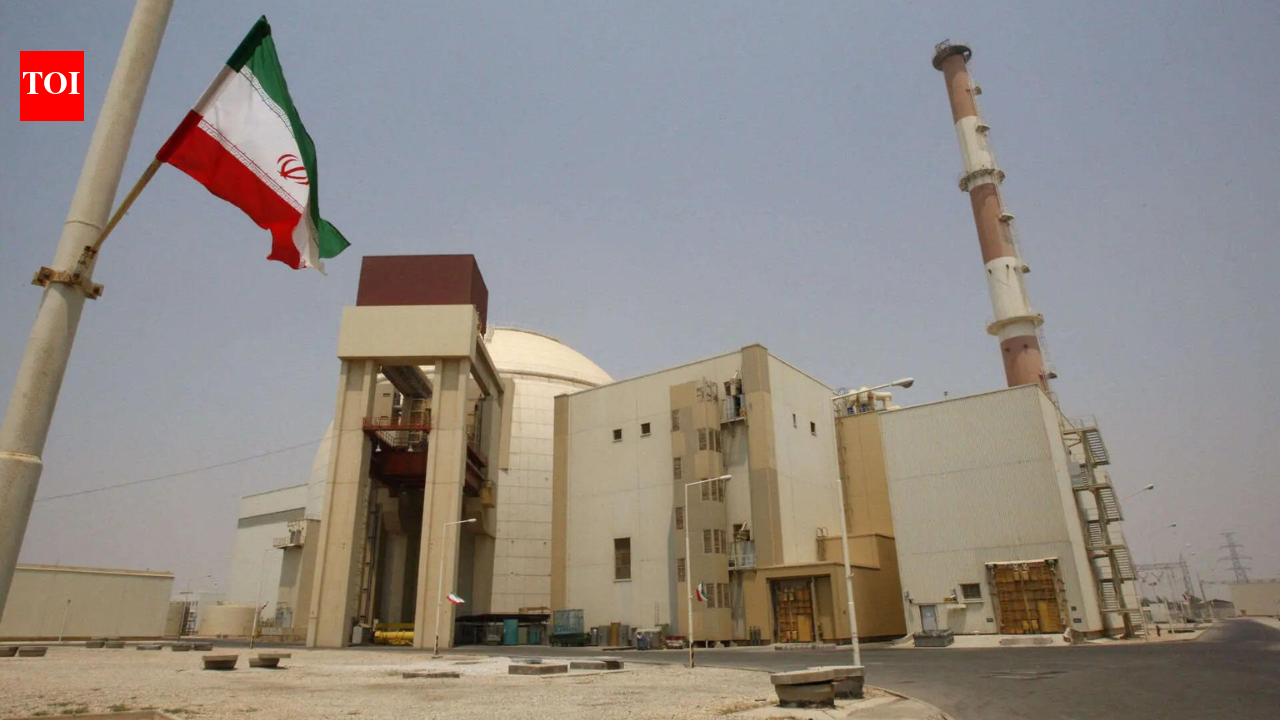
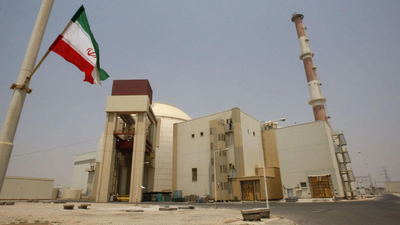
Iran has stored some of its most highly enriched uranium in an underground tunnel complex at its key Isfahan nuclear facility, the International Atomic Energy Agency disclosed in a confidential report, according to Reuters. The disclosure marks the first time the UN nuclear watchdog has publicly pinpointed the location of Iran’s near-bomb-grade stockpile.The tunnel complex’s entrance was targeted in US and Israeli strikes in June, but the facility appears largely undamaged, according to diplomats.As per the report, the Isfahan site, a cornerstone of Iran’s nuclear infrastructure, houses uranium enriched to 60% purity, perilously close to the 90% threshold for nuclear weapons. According to experts, it could be rapidly converted into weapons-grade material sufficient for multiple bombsIAEA has also confirmed “technical discussions” in Vienna next week, beginning Monday, between Iran and the United States to hammer out safeguards implementation.The report said, “Technical discussions will take place in Vienna in the week beginning 2 March 2026.” It further added, “a successful outcome of Iran-US negotiations would have a positive impact on the effective implementation of safeguards in Iran,” news agency AFP reported.The disclosure comes at a time of heightened friction between Washington and Tehran. The two nations recently held talks in Geneva, mediated by Oman, which was also described as “most intense” by Iran’s foreign minister, Abbas Araghchi, as he added that the negotiators made very good progressThe United States has stepped up its military presence across the Middle East, while President Donald Trump has repeatedly warned Iran of “serious consequences” if diplomatic efforts collapse.Tehran continues to insist that its nuclear programme is strictly for civilian purposes. However, US officials remain wary, suspecting that Iran could be positioning itself to restore or expand elements of its nuclear capabilities if negotiations falter.Diplomatic failure could further destabilise an already volatile region.


Source link