Breaking News
Japan snap elections: Takaichi-led LDP projected to storm back to power – top developments


Japan snap elections: Takaichi-led LDP projected to storm back to power - top developments

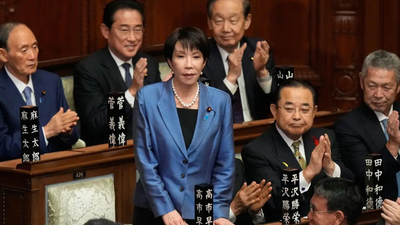
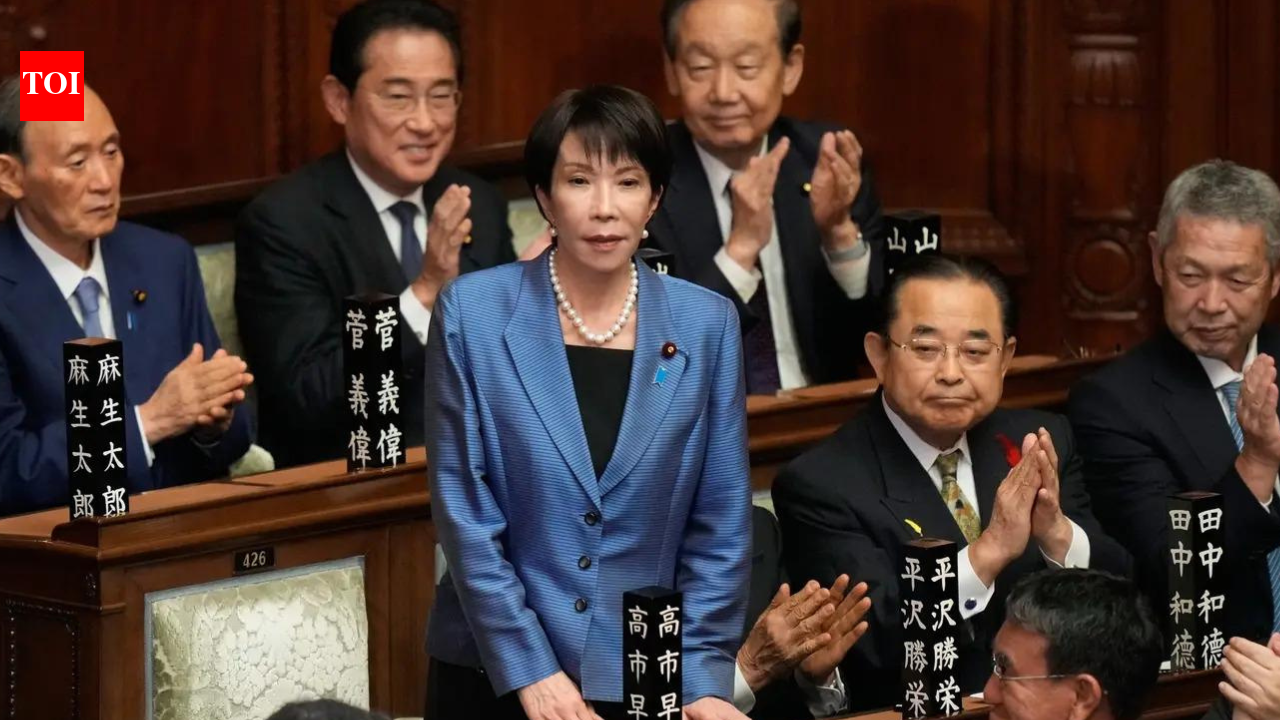
File photo (Picture credit: AP)

Japan’s ruling Liberal Democratic Party (LDP), led by Prime Minister Sanae Takaichi, is set for a decisive victory in Sunday’s snap lower house elections, according to exit polls and media projections.

LDP projected to secure strong lower house majority

Public broadcaster NHK said the LDP could win between 274 and 328 seats in the 465-member lower house, far above its pre-election tally of 198, reported news agency AFP.Along with coalition partner Japan Innovation Party (JIP), the ruling bloc is projected to secure between 302 and 366 seats.Crossing the 310-seat mark would hand the coalition a two-thirds majority for the first time since 2017, enabling it to pass legislation without opposition backing.

Boost for Takaichi after turbulent years for LDP

The outcome marks a sharp turnaround for the LDP, which had suffered electoral setbacks in recent years due to rising prices and corruption concerns. Under Takaichi’s predecessor, Shigeru Ishiba, the coalition lost its upper house majority last year and its grip on the lower house in 2024.Takaichi, who became Japan’s first female prime minister in October, called the snap election after just three months in office to capitalise on her popularity.According to AFP, she has attracted younger voters with her energetic and unconventional style, defying scepticism within her party.

Economy and inflation remain voter concerns

Despite the projected win, voters remain anxious about the economy. Inflation and stagnant wages featured prominently on polling day.“With prices rising like this, what matters most to me is what policies they’ll adopt to deal with inflation,” Tokyo voter Chika Sakamoto said, as quoted by AFP, adding that household incomes were not keeping pace with costs.Takaichi rolled out a $135-billion stimulus package and promised to suspend consumption tax on food, but concerns remain about Japan’s public finances. The country’s debt is more than twice the size of its economy, while bond yields have hit record highs in recent weeks.

China, Taiwan and regional tensions in focus

The election result could also complicate ties with China. Takaichi, seen as a China hawk, recently suggested Japan could intervene militarily if Beijing used force against Taiwan, triggering a strong response from China.Beijing summoned Japan’s ambassador, warned its citizens against travelling to Japan and held joint air drills with Russia. The issue has raised concerns about regional stability, even as US President Donald Trump publicly praised Takaichi as a “strong, powerful, and wise Leader”.

Big mandate could push right-wing agenda

According to news agency AP, a strong majority would allow Takaichi to push ahead with her conservative agenda, including boosting defence spending, revising security policy, lifting restrictions on weapons exports and tightening rules on foreigners.Experts caution that while the win strengthens her position, unresolved questions remain over funding military expansion and managing diplomatic tensions. As per AFP, one analyst said that the best outcome now would be for Takaichi to “take a deep breath” and work on stabilising relations with China before the next electoral test in 2028.


Source link

$1 billion for Syria’s Internet? Saudi Arabia’s historic telecom deal SilkLink, new joint airline push explained


$1 billion for Syria’s Internet? Saudi Arabia’s historic telecom deal SilkLink, new joint airline push explained
Saudi Arabia Bets Big on Syria: New Airline and $1 Billion Telecom Deal Unveiled

On February 7, 2026, Syria and Saudi Arabia signed a series of major economic agreements designed to catalyse reconstruction in war-torn Syria and deepen bilateral cooperation across strategic sectors including aviation, telecommunications and infrastructure. The accords come as Damascus seeks to rebuild after years of conflict and as Riyadh expands its engagement with the country’s new leadership.

Syria and Saudi Arabia’s joint airline to reconnect the region

One of the headline components of the agreements is the creation of a new low-cost airline jointly owned by Syrian authorities and Saudi partners. The venture, often described in reports as “Flynas Syria” or a Syrian-Saudi carrier aimed at strengthening regional and international air links, is intended to boost connectivity and reintegrate Syria into regional flight networks after years of limited operations.In addition to the airline itself, plans also include the redevelopment of Aleppo’s existing airport and the construction of new international airport facilities capable of handling millions of passengers annually, signalling a broader push to rebuild the country’s aviation infrastructure.

SilkLink: A $1 billion telecoms push between Syria and Saudi Arabia

Perhaps the most ambitious non-aviation component of the agreements is the “SilkLink” telecommunications project, backed by a reported investment of around $1 billion. This initiative, led by Saudi telecom firms including STC Group, aims to revamp Syria’s telecommunications infrastructure, laying tens of thousands of kilometres of fiber-optic cables and enhancing digital connectivity within Syria and between Asia and Europe.

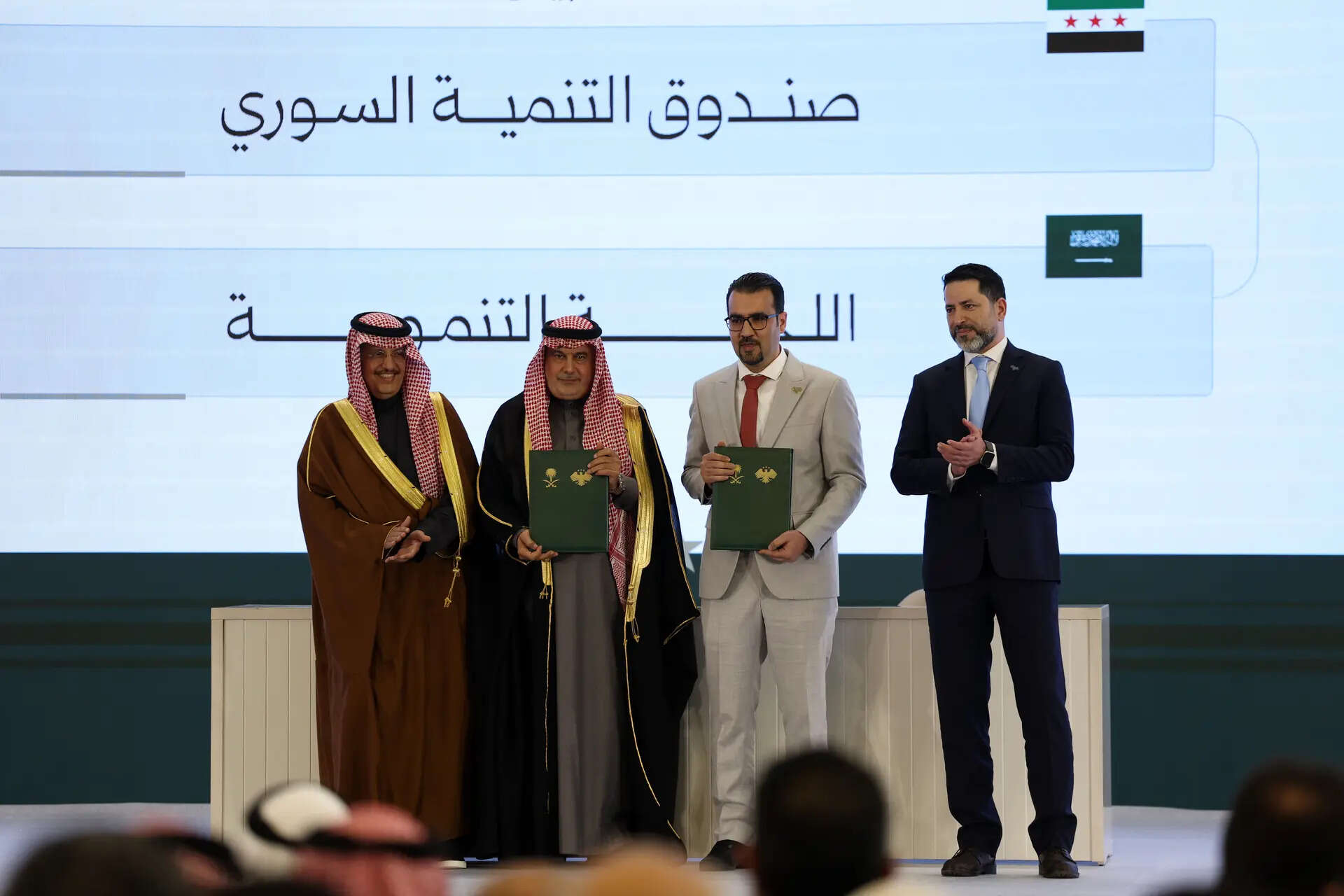
Syria and Saudi Arabia sign multibillion-dollar investment deals to boost economy

Officials pose after signing a framework agreement for developmental cooperation and the launch of 45 development initiatives between the Syrian Development Fund and Saudi Arabia’s Development Committee at the People’s Palace in Damascus, Syria, Saturday, Feb. 7, 2026. (AP Photo/Ghaith Alsayed)

Improving Internet and connectivity infrastructure is seen as key to stimulating economic growth, supporting business development and integrating Syria into the broader Middle Eastern digital economy, especially after decades of conflict severely damaged basic services.

Syria’s reconstruction after years of war

These deals reflect a significant shift in Syria’s economic landscape. After more than a decade of civil conflict, which devastated infrastructure, displaced millions and led to stringent Western sanctions under the Assad era, Syria’s new interim leadership has been actively seeking foreign investment to rebuild its shattered economy and infrastructure.The US removed remaining sanctions on Damascus in late 2025, clearing a major legal hurdle that had previously deterred large foreign investments. This change has opened the door for initiatives like the telecoms and aviation deals with Saudi Arabia and other Gulf partners.

Strategic Saudi support and broader cooperation with Syria

Saudi Arabia’s involvement underscores a broader regional strategy. Officials from both countries described the agreements as part of a strategic partnership meant to drive economic recovery and bilateral cooperation across multiple sectors. Beyond aviation and telecoms, additional partnerships include water desalination, infrastructure development and private-sector investment funds dedicated to major Syrian projects.According to reports, Saudi investment funds such as the Elaf Investment Fund are earmarked to redevelop major airports and support infrastructure projects, while Saudi companies like STC are set to lead the expansion of Syria’s digital backbone.

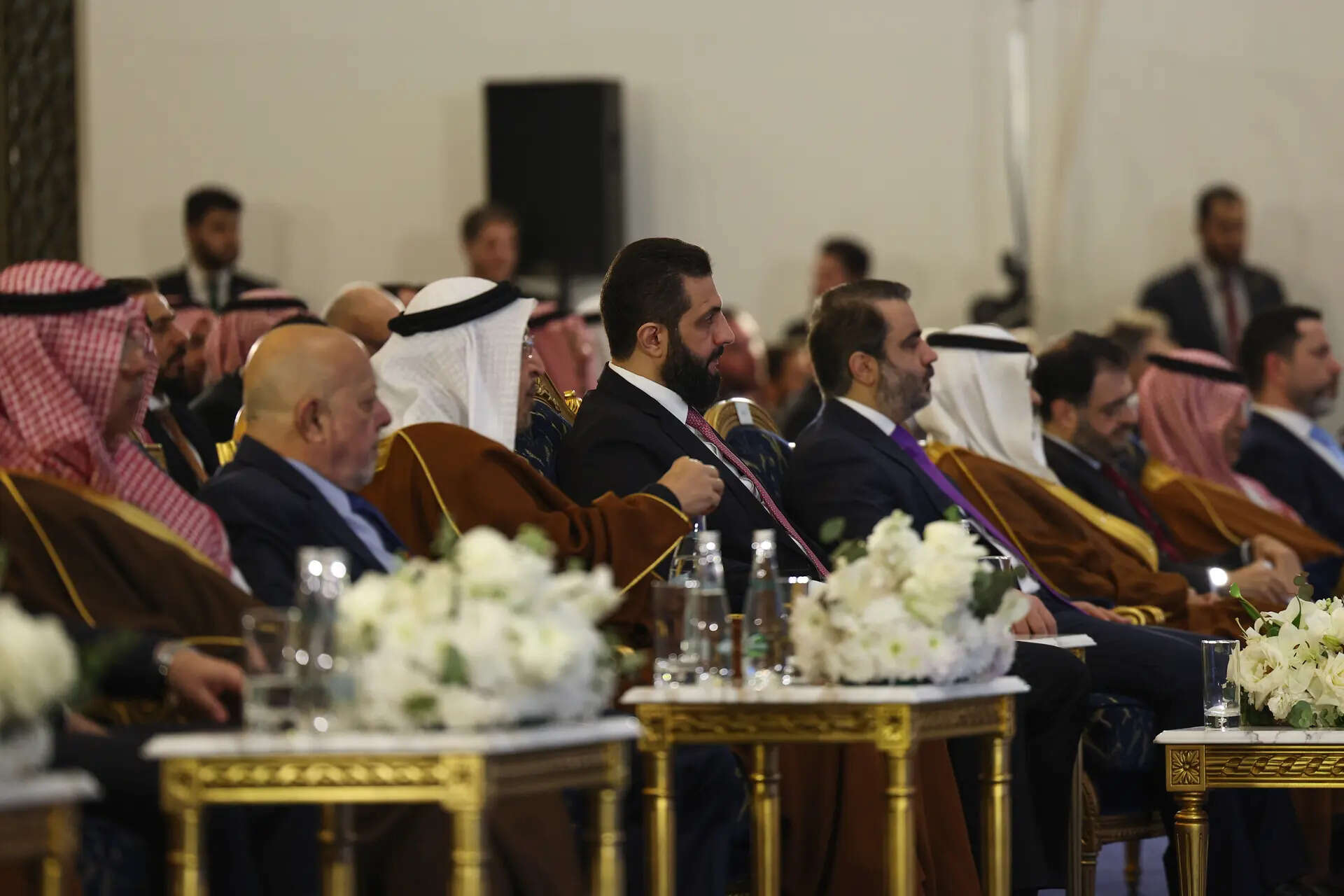
Syria and Saudi Arabia sign multibillion-dollar investment deals to boost economy

Syrian interim President Ahmad al-Sharaa attends a signing ceremony of strategic agreements between Syria and Saudi Arabia at the People’s Palace in Damascus, Syria, Saturday, Feb. 7, 2026. (AP Photo/Ghaith Alsayed)

These deals could provide a major boost to Syria’s reconstruction effort by attracting foreign capital, creating jobs and restoring essential services. A new national airline and improved airport infrastructure may help reconnect Syria with regional and international travel markets, which is a key step toward normalising its global presence.SilkLink’s telecom overhaul could extend digital services, attract tech investments and support new industries in a country where Internet access and modern connectivity were among the hardest hit by war. However, analysts caution that transforming agreements into tangible results will require overcoming lingering political, security and bureaucratic challenges and that some of the projects, while transformative in scope, may take years to fully materialise.The Syria-Saudi investment agreements of February 2026, highlighted by a joint low-cost airline and a $1 billion telecoms project, mark one of the most significant foreign engagement efforts in Syria since the civil war. By tackling strategic sectors like aviation and digital connectivity, the deals represent both an economic lifeline for Syria and a deepening of diplomatic and economic ties between Damascus and Riyadh.Their success, observers say, will depend on effective implementation, stable security conditions and sustained investor confidence but the ambitions laid out this week suggest a dramatic shift in post-war reconstruction efforts.


Source link

When will India U19 World Cup winner Vaibhav Sooryavanshi turn 15? | Cricket News


When will India U19 World Cup winner Vaibhav Sooryavanshi turn 15?

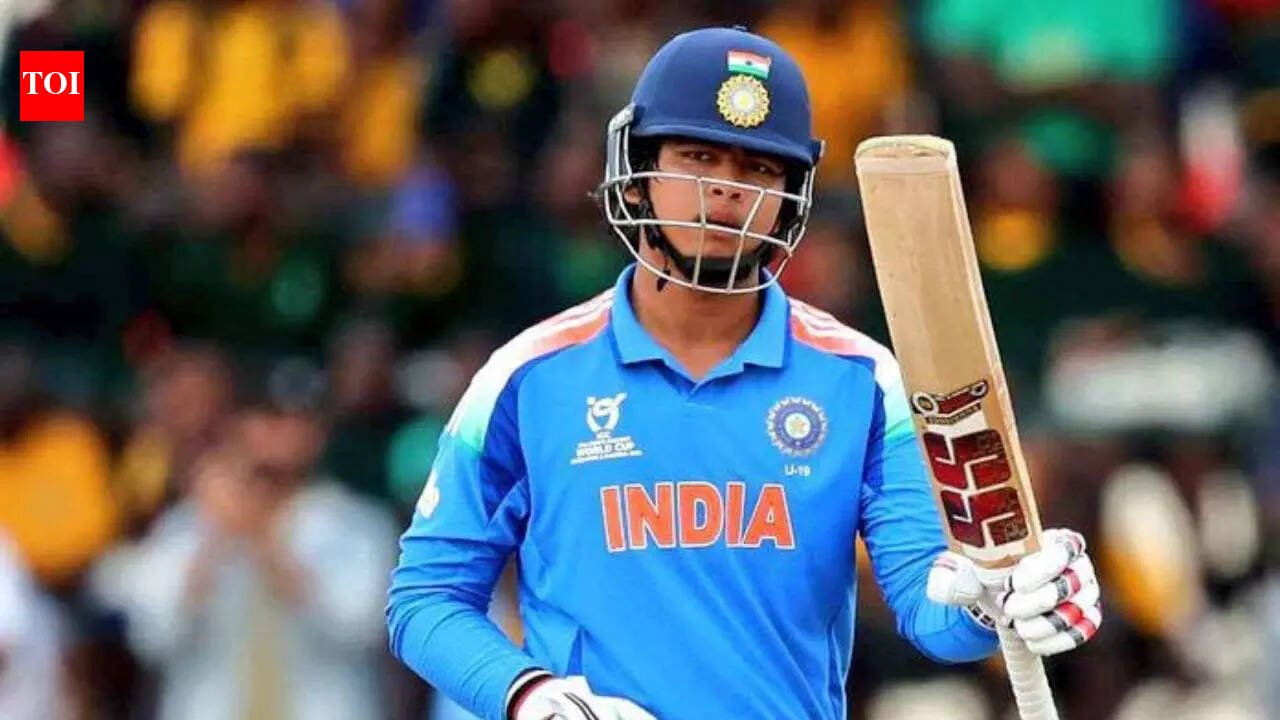
Cricket fans across India and the world are talking about Vaibhav Sooryavanshi, the teenage batting sensation from Bihar who stunned everyone with his explosive performance in the Under-19 World Cup final. At just 14 years old, he smashed 175 runs off 80 balls against England, hitting huge sixes and playing like a seasoned superstar.

How Mohammed Siraj’s February plans were changed after dream T20 World Cup call

Naturally, many fans are asking: if he is this good, why isn’t he already playing for the senior Indian team?The simple answer is his age.Vaibhav Sooryavanshi was born on March 27, 2011. As of now, he is 14 years and 318 days old. He will turn 15 on March 27, 2026. Until that date, he is officially too young to play international cricket for India’s senior team.This is because of a rule set by the International Cricket Council (ICC). In 2020, the ICC introduced a minimum age rule that says a player must be at least 15 years old to play international cricket. The rule is meant to protect young players from mental pressure, physical stress, and burnout.Ironically, Vaibhav is in a strange situation. He is too young for the senior Indian team, but he is also done with Under-19 World Cups. The BCCI has a “one tournament only” rule for U19 World Cups, so players can’t play multiple editions. Since Vaibhav already played and dominated the 2026 tournament, he won’t be allowed to play the 2028 or 2030 editions, even though he would still be under 19.Despite his age, Vaibhav has already broken several records. He is the youngest player ever to score a List-A century, the youngest IPL centurion, and has set multiple records in youth cricket for fastest centuries and most sixes. His rise has been historic.Once he turns 15, the door to international cricket will officially open. Until then, fans will have to wait, but the future looks incredibly bright for India’s teenage cricket prodigy.


Source link

Elon Musk’s Starlink entry in Pakistan delayed over data security concerns


Elon Musk's Starlink entry in Pakistan delayed over data security concerns

Pakistan’s decision on granting a licence to Starlink to operate in its satellite internet market has been delayed amid data security concerns, geopolitical sensitivities and competition from Chinese firms, local media reported on Sunday.Starlink, owned by tech billionaire Elon Musk, is among five companies seeking approval to provide satellite-based internet services in Pakistan. However, officials say unresolved security considerations and broader geopolitical factors have slowed the clearance process.According to the Express Tribune, the government has raised concerns that Starlink’s services could allow certain data transmissions to bypass Pakistan’s monitoring, regulatory and safety checks. “We cannot allow a license to Starlink without ensuring a safety check to ensure the safety of the data of consumers in Pakistan,” a senior government official was quoted as saying by Express Tribune.Sources cited by the newspaper said authorities had tested scenarios in which Starlink was expected to pick up sensitive data while providing satellite-based internet services. “But the real reason is that the government has tested some cases in which Starlink was supposed to pick up some sensitive data while providing satellite-based internet services,” sources said. Officials added that the government is working to address these issues, which have delayed the approval process.The report also cited the fallout between US President Donald Trump and Elon Musk as a factor being weighed by the Pakistani establishment. While Trump and Musk had enjoyed a close relationship in the past, they later drifted apart. Officials indicated that Pakistan, which has seen improved ties with the United States since Trump returned to power last year, is cautious about taking steps that could draw scrutiny from Washington.At present, Pakistan maintains control over internet data traffic largely through Pakistan Telecommunication Company Limited, which holds a majority stake in the country’s undersea cable infrastructure. Authorities are concerned that similar oversight may not be feasible with satellite-based services, raising fears of potential data breaches or loss of regulatory control.Satellite internet services are expected to focus primarily on remote and underserved regions, including Balochistan, where conventional broadband infrastructure remains limited. Currently, authorities are able to monitor internet traffic and suspend connectivity when required for security reasons. Officials have expressed concern that enforcing similar controls over satellite-based networks could prove more challenging.The Pakistan Space Activities Regulatory Board has confirmed that five companies, including Starlink and China-based Shanghai Spacecom Satellite Technology Limited, have shown interest in entering the satellite internet market. Chinese firms already have a strong presence in Pakistan’s telecommunications sector and are viewed as direct competitors to US-based companies such as Starlink.While consultations with stakeholders have been completed, the PSARB has yet to finalise the licensing framework. According to officials, additional time is needed to establish safety mechanisms before satellite-based internet services are permitted to begin operations.


Source link

Private aircraft crashes in Karnataka: Two injured after plane goes down | India News


Private aircraft crashes in Karnataka: Two injured after plane goes down

NEW DELHI: A private training aircraft operated by Redbird Flying Training Academy Limited crashed in an open field in Karnataka’s Vijayapura district on Sunday afternoon, police said. as visuals from the spot emerged showing the wreckage.Belagavi Police said that a Red Bird aircraft, which is a two-seater plane went down in Mangaluru village of Babaleshwar taluk. Both occupants, including the pilot, survived the crash and were taken to the hospital with injuries.The Directorate General of Civil Aviation (DGCA) said that the aircraft involved was a Cessna 172 (registration VT-EUC), which was operating as part of a training flight. According to the regulator, the aircraft made a forced landing in a field near Bagalkot, around 100 km east of Belagavi airport.Sources said that the aircraft broke into multiple parts after the crash. The condition of the injured was not immediately known.Visuals from the spot showed the aircraft broken into multiple pieces. Preliminary information suggests the training aircraft was flying from Kalaburagi to Belagavi when the incident occurred.This is a developing story. Further details awaited..


Source link

India sees no hurdle in importing $500 billion goods from US over five years, Piyush Goyal says demand will far exceed figure


India sees no hurdle in importing $500 billion goods from US over five years, Piyush Goyal says demand will far exceed figure

India will face no difficulty in purchasing goods worth $500 billion from the United States over the next five years, with Commerce and industry minister Piyush Goyal calling the number “very conservative” given the scale of demand expected from the country’s expanding economy.Speaking to PTI Videos in an interview on Sunday, Goyal said India’s import demand is projected to touch about $2 trillion over the next five years, creating significant scope to increase sourcing from the US.

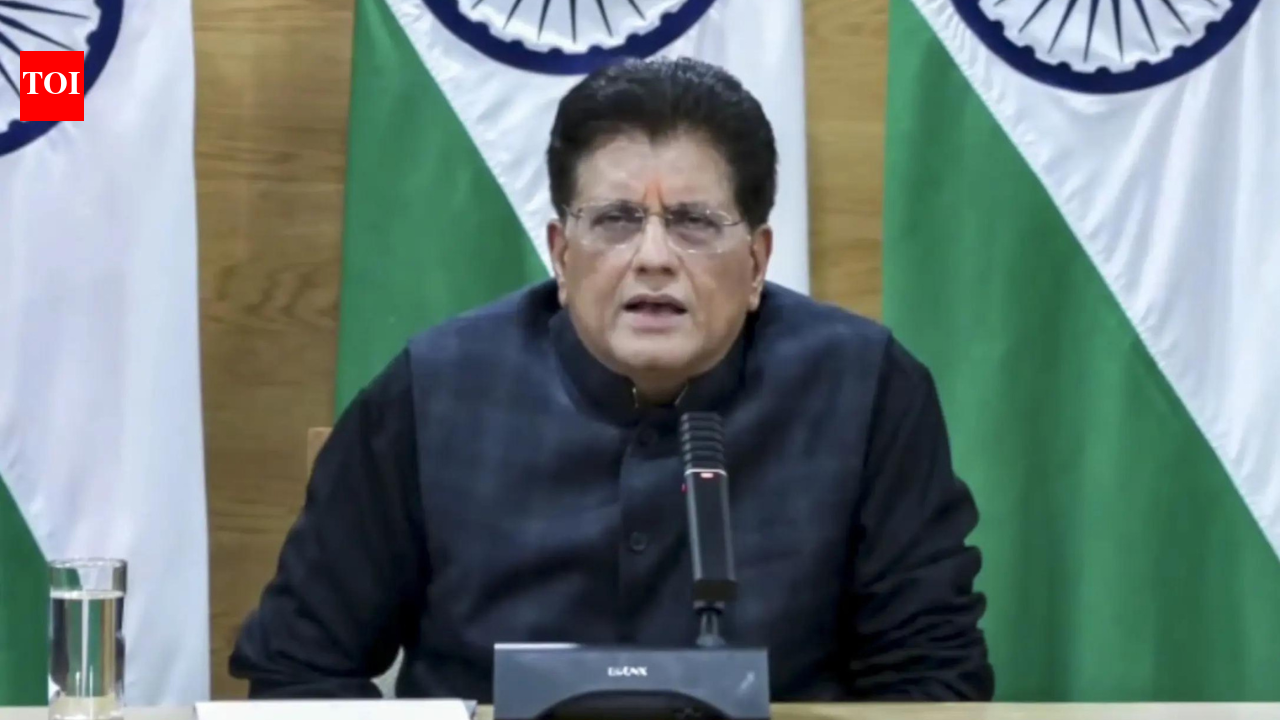
Piyush Goyal Says Agriculture Is Self Reliant Sector As India Refuses Farm Import Benefits To US

“We are even today importing 300 billion dollars of goods that can be imported from the US. We are importing from all over the world. That is going to grow up to two trillion in the next five years…I told my counterparts that look, I can assure you that there is demand in India, but you have to be competitive,” he said.

Trade pact framework and import roadmap

India and the US on Saturday announced that they have finalised the framework for the first phase of the bilateral trade agreement. According to a joint statement issued by both sides, India has expressed its intention to purchase $500 billion of US energy products, aircraft and aircraft parts, precious metals, technology products and coking coal over the next five years.Goyal said rising investments by global technology firms in India are expected to significantly increase demand for equipment imports. He said large data centre expansion is likely to drive demand for US-origin technology and equipment.“My sense is that we will see 10 gigawatts of data centres” in India, he said, adding that the US can supply key equipment required for such infrastructure.

Aviation demand and existing order pipeline

Responding to a query on whether the $500 billion purchase plan includes existing aircraft orders, including Boeing deals, Goyal said current commitments are part of the overall figure.“Everything that we are talking about is in continuation and includes what we already are purchasing,” he said.He added that India currently imports about $45-50 billion worth of goods from the US, largely in categories where domestic production is limited.“We are going to need aircraft. We are going to need engines for aircraft. We are going to need spare parts. We already have $50 billion worth of orders on Boeing alone for aircraft. We have orders for engines,” he said.The minister said aviation sector demand alone could cross $100 billion over the next five years.“So, almost 80, 90 billion (dollars) is already on order for the next five years. We will actually need more than that. I read the other day that Tata plans to place some more orders. My sense is we need at least a 100 billion dollar plus only for the aviation sector, in addition to oil, LNG, LPG, and crude oil,” he said.

Steel, energy and technology to drive future imports

Goyal also flagged strong demand for coking coal to support steel sector expansion.India is already importing about 17-18 billion tonnes of coking coal, he said, adding that rising steel production could push import demand sharply higher.“When we reach 300 billion, which is a stated target and expansion is going on at breakneck speed in the steel industry. We’ll need 30 billion dollars per year for cooking coal alone. And all of these products I’m mentioning are already being imported since the Congress time, since the UPA was in power. Nothing new,” he said.The minister said rising consumption and industrial demand in the world’s fastest-growing major economy will continue to drive imports of high-end technology and industrial inputs.“There’s a growth of demand and consumption of all of these products. In addition, we announced in the budget that we want to promote data centres, we want to promote the AI mission, and we want to promote critical manufacturing and critical minerals processing in India. All of this will require high-quality machinery, ICT products, and Nvidia chips, as well as machinery for AI for quantum computing. Where is all of that going to come from?” he said.Goyal said the US remains the world’s leading provider of advanced technologies.“So, 100 billion (dollars per year) is very conservative. I think it’s extremely conservative for a country which wants to become a 30 trillion dollar economy, which India intends to,” he added.


Source link

‘35 minutes of horror’: Kerala spa gang-rape survivor says knife was held to her neck | Kochi News


KOTTAYAM: The Thiruvalla gang-rape survivor revealed chilling details of the incident, saying that a group of 10 people arrived at the spa and told her it was a “quotation.” She said she suspected that the accused, Chacko, was under the influence of some drug.According to her statement, the room was locked from the inside, and she was brutally raped for about 35 minutes while being threatened with a knife to her neck.Pathanamthitta district police chief R Anand said that Kaapa Act would be imposed once again against Subin Alexander Chacko, also known as Marana Subin, who was arrested in the case related to the rape of a spa employee at Thiruvalla.He was released in March 2025 after six months of preventive detention under Kaapa Act.Chacko (27) and Berlin Das (38) were arrested in the case. Four others are on the run. A special team has been formed under Thiruvalla DSP to investigate the case.Anand said that the special branch was the first to receive information on the gang rape and though no formal complaint was received, police officers reached the institution, recorded the statements of the survivor, registered a case and launched an investigation.Anand also said that the probe team was investigating whether the assault was the result of any quotation though the spa owner did not yet file any complaint in this regard. He also said that the activities of all the spas in the area would be probed.Meanwhile, spa owner Dr Sanjay said that a quotation was given by another spa owner with the aim of ruining his business. He also alleged a police-gangster unholy alliance behind the incident.(The victim’s identity has not been revealed to protect her privacy as per Supreme court directives on cases related to sexual assault)


Source link

India-US trade deal: How 18% tariff gives Delhi edge over China and others – Piyush Goyal explains


India-US trade deal: How 18% tariff gives Delhi edge over China and others - Piyush Goyal explains

NEW DELHI: Commerce and industry minister Piyush Goyal has said Indian exporters will enjoy a “competitive advantage” in the US market under the interim trade framework, arguing that an 18 per cent tariff on Indian goods compares favourably with higher duties imposed on others.Speaking after a day after US President Donald Trump signed an executive order reducing tariffs on Indian imports to 18 per cent, Goyal dismissed criticism that New Delhi conceded too much by accepting the rate while offering duty-free access to American goods.

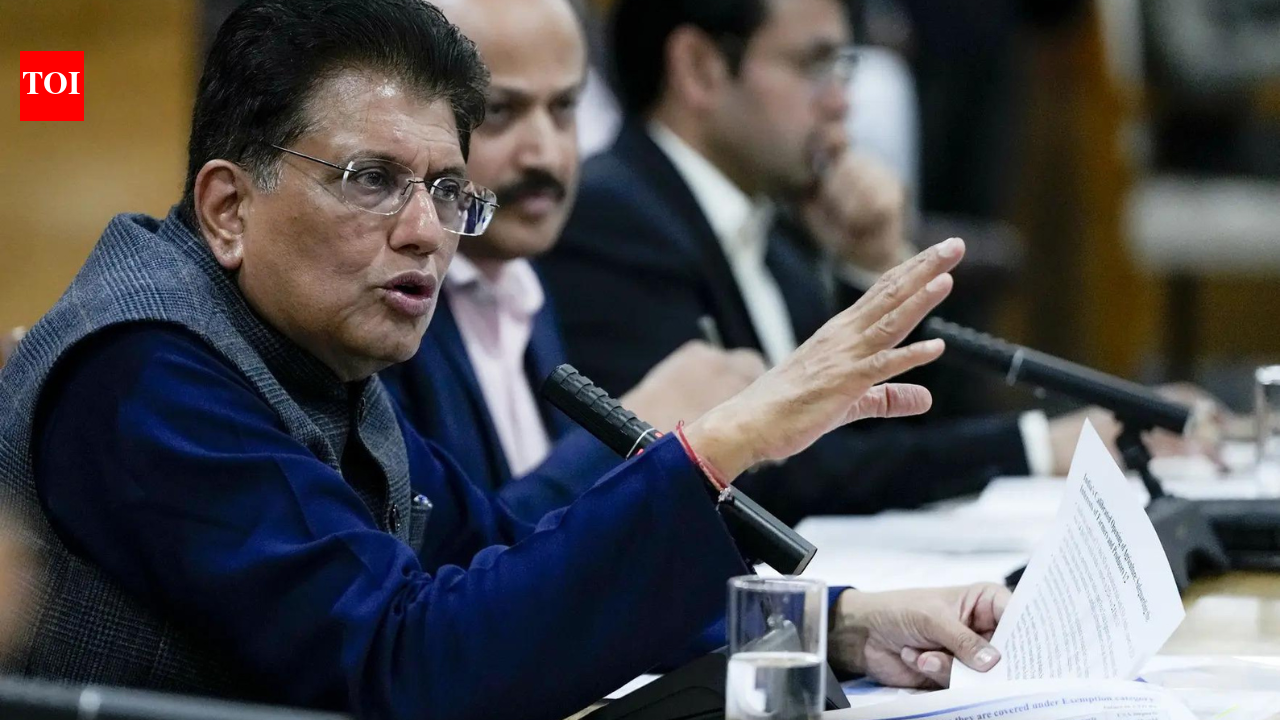
Piyush Goyal Says Agriculture Is Self Reliant Sector As India Refuses Farm Import Benefits To US

Also read: Piyush Goyal hails negotiators behind FTAs after India-US trade dealIn an exclusive interview with PTI, Goyal pointed out that China faces tariffs of 35 per cent, while several other countries are subject to duties of 19 per cent or more, positioning India more favourably in relative terms.The executive order removes a 25 per cent additional duty imposed in August 2025, which had been layered on top of an earlier 25 per cent reciprocal tariff, pushing effective duties on some Indian exports to as high as 50 per cent. The new 18 per cent rate marks a significant rollback and restores India’s standing in the US market after months of strain linked to New Delhi’s purchases of Russian oil.Goyal said a short document could not reflect the full scope of the agreement and insisted that adequate safeguards had been built in, particularly for farmers. “I am very excited about the future of India. I can see before my eyes these international engagements, we have concluded nine agreements across the world, in the East and the West, covering different continents and 38 countries. Thirty-seven of them are developed; Mauritius has a largely Indian-origin population and does not compete with us. These 38 countries represent a very large share of global GDP. They are rich economies that largely do not compete with us and are mostly complementary.”He added, “I can see the huge potential that going international will provide for our farmers, fishermen, workers, businesses, investors, and MSMEs, creating many job opportunities. Effectively, we have opened large markets, in addition to India’s own fast-growing large economy, enabling economies of scale. High-quality manufacturing and service delivery can become the hallmark of India. This is the path to Viksit Bharat 2047.Goyal also framed India’s trade negotiations as being conducted from a position of strength. “That’s what is our negotiating strength,” he said, noting that India is currently a $4 trillion economy but is projected to grow to $30–35 trillion by 2047. “And that is the confidence that india has today, that delta of opportunity from 4 trillion to 30-35 trillion, that is the future we offer.”


Source link

WATCH: Suryakumar Yadav pokes fun at Arshdeep Singh after India’s thrilling win over USA in T20 World Cup 2026


India‘s T20 World Cup 2026 campaign began with a mix of pressure, resilience, and humour as the Men in Blue registered a thrilling win over the USA at the Wankhede Stadium in Mumbai. While the match demanded composure on a challenging surface, it was a candid post-match moment involving Suryakumar Yadav and Arshdeep Singh that caught fans’ attention and quickly went viral.

India recover after shaky start against USA

Asked to bat first, India found scoring difficult on a pitch that offered grip and inconsistent bounce. Early wickets and a sluggish outfield prevented the batters from playing with complete freedom, putting the onus on the middle order to stabilise the innings. Suryakumar shouldered the responsibility with maturity, anchoring the innings while waiting for support from the other end.

That support arrived in an unexpected yet impactful form when Arshdeep walked in during the 17th over. With India still searching for momentum, the left-arm pacer showed fearless intent straightaway.

Brief cameo that shifted momentum

Arshdeep announced himself with a daring stroke, lifting left-arm spinner Harmeet Singh cleanly over his head for a boundary. The shot not only fetched four runs but also injected belief into India’s innings. The 22-run stand between Suryakumar and Arshdeep came off just 14 deliveries and proved vital in pushing India towards a competitive total.

Although Arshdeep was dismissed for 4, his aggression had already served its purpose. Suryakumar capitalised on the momentum, striking two boundaries and a six in the following overs to finish strongly. His composed yet attacking knock of 84 off 49 balls ensured India posted a total that kept them firmly in the contest.

Also WATCH: Badshah, Nora Fatehi set the T20 World Cup 2026 opening ceremony ablaze with their power-packed performances

Suryakumar Yadav’s playfully teases Arshdeep Singh after India’s win

After the match, a video shared on social media showcased the lighter side of Indian players. Suryakumar, responding to Arshdeep’s praise for his innings, returned the compliment with humour, crediting the pacer’s fearless mindset for changing the course of the game.

He jokingly remarked that Arshdeep’s “unbelievable intent” had earned him the right to bat at No.8, drawing laughter from teammates and fans alike. The exchange struck a chord online, underlining the strong camaraderie within the squad.

“Thank you, paaji. Partnership ekdam tagdi rahi, maza aa gaya. Aapse thoda sa motivation mila tujhe. Aapne hee contribute kiya. Intent aapka unbelievable tha. Jahan se aapne chaunka maara udhar se hee game change ho gaya. Aapne earn kar liya batting No.8 par,” said Suryakumar.

Here’s the video:

Also READ: Fans go crazy as Suryakumar Yadav orchestrates India’s dominant win over USA in T20 World Cup 2026


Source link

Storm Marta’s fury: Spain and Portugal face heavy rain; emergency worker drowns


Storm Marta's fury: Spain and Portugal face heavy rain; emergency worker drowns

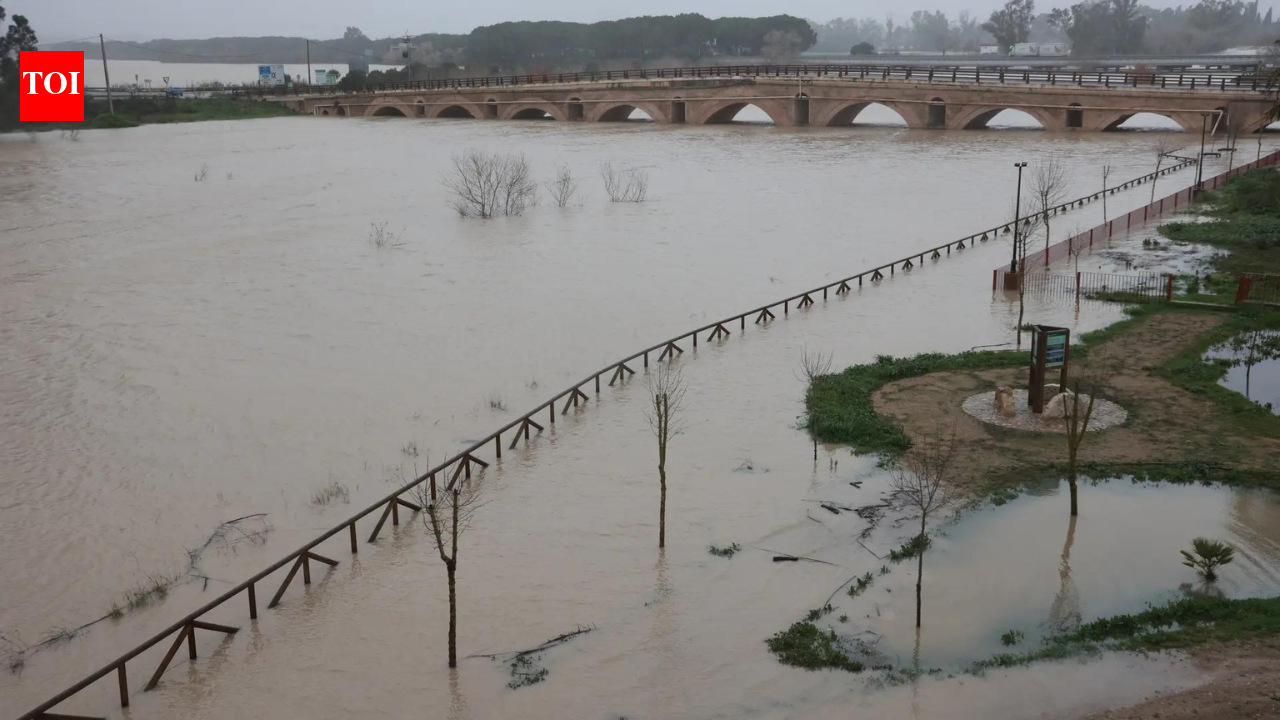
Storm Marta batters Spain and Portugal (Representative image)

Fresh storms and torrential rain battered Spain and Portugal on Saturday, triggering widespread flooding, evacuations and major transport disruptions across the Iberian Peninsula, just days after earlier storms caused deadly damage in the region.In Portugal, the latest weather system — named Storm Marta — prompted the deployment of more than 26,500 rescue workers as authorities responded to rising waters, landslides and flood risks across several regions. Flood alerts remained in place in both Portugal and neighbouring Spain, where hundreds of roads were blocked, rail services disrupted and thousands of residents forced to leave their homes.In Spain, southern regions, particularly Andalusia, were placed on orange alert amid heavy rain and violent storms, while parts of the northwest also faced severe weather warnings. Andalusia’s regional president Juan Manuel Moreno described the situation as “complex”, with dozens of roads cut off, rail traffic largely suspended and more than 11,000 people evacuated. The farming sector has been severely affected, with repair costs for damaged infrastructure expected to exceed 500 million euros.Authorities closed the historic Roman bridge over the Guadalquivir river in Cordoba as a precaution, while Sevilla Football Club’s home match against Girona was postponed to ensure public safety. Evacuated residents from hard-hit areas such as Grazalema were sheltered in temporary accommodation, including gymnasiums in nearby cities.The severe weather also disrupted civic life in Portugal, where three municipalities postponed a presidential vote scheduled for Sunday due to safety concerns. The risk of flooding along the Tagus river in the Santarem region remained at its highest level, although waters further south along the Sado river had begun to recede.CasualtiesThe storms claimed another life on Saturday when a 46-year-old volunteer member of Portugal’s emergency services drowned while attempting to cross a flooded area near Campo Maior in the central Portalegre district. Local media reported that the man encountered difficulties in strong floodwaters, becoming the first confirmed victim of Storm Marta.The death adds to a growing toll from a series of recent storms. Storm Kristin killed five people in Portugal last week, while Storm Leonardo claimed another life earlier this week. Authorities said Leonardo also forced the evacuation of around 1,100 people across the country.Background: a deadly series of stormsSpain and Portugal have faced an unusual succession of intense weather systems in recent weeks, with meteorologists pointing to increasingly volatile climatic conditions in the region. Portuguese Prime Minister Luis Montenegro described 2026 as a “particularly unusual year” marked by “exceptionally violent” weather events.According to the Portuguese Environment Agency, dams across the country were forced to release a volume of water equivalent to Portugal’s annual consumption within just three days during the recent storms, highlighting the scale of the rainfall.The Iberian Peninsula is considered one of Europe’s regions most exposed to climate change, with scientists warning of longer heatwaves and more frequent episodes of extreme rainfall in recent years. The latest storms have reinforced concerns about growing weather volatility across southern Europe.The impact has extended beyond the peninsula, with Morocco also reporting severe storms in recent days that displaced around 150,000 people in the country’s northwest.


Source link