Breaking News
Supreme Court to examine HP decision to withdraw cases against 65 netas | India News


Supreme Court to examine HP decision to withdraw cases against 65 netas

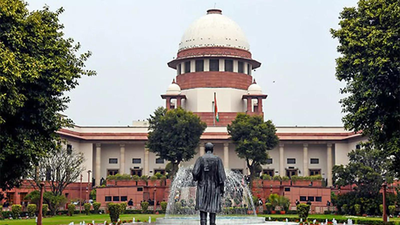
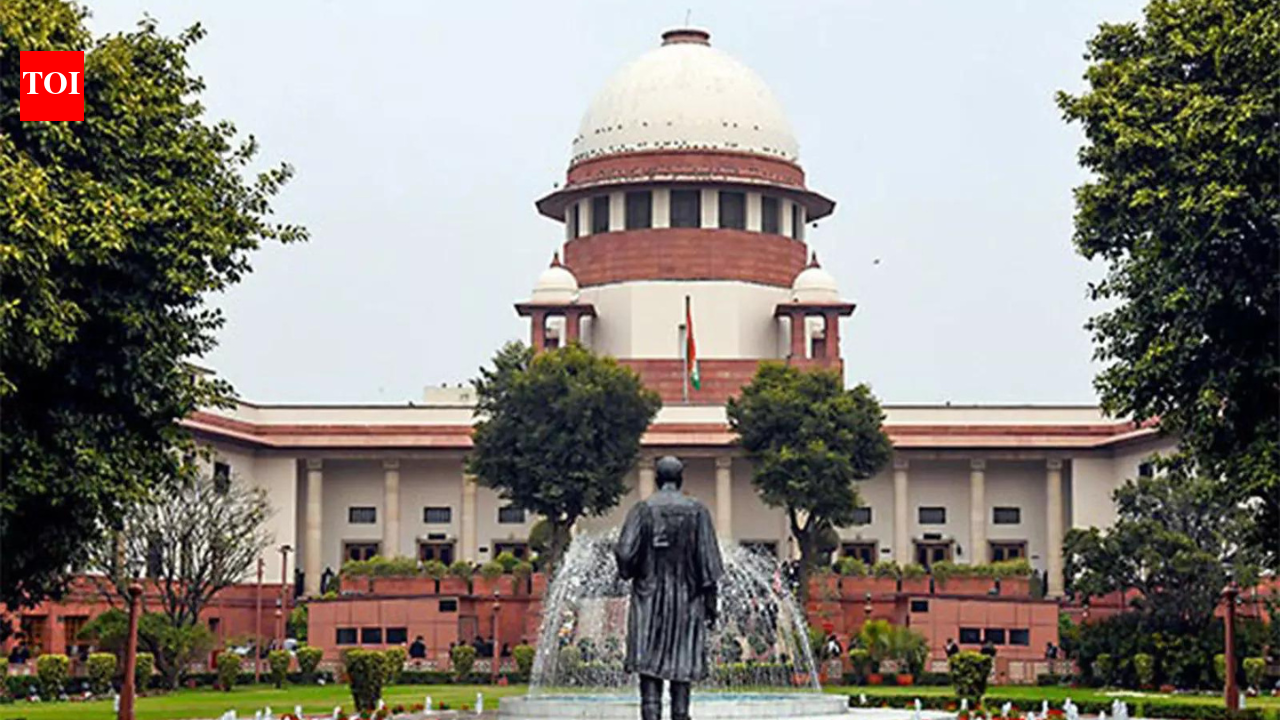
NEW DELHI: Himachal Pradesh govt on Friday moved Supreme Court questioning the HC’s decision not to permit it to withdraw in entirety 65 FIRs, involving non-serious offences, lodged against MPs, MLAs and politicians. On July 20, 2023, the Congress govt headed by Sukhvinder Singh Sukhu moved a petition before the HC seeking permission to withdraw prosecution against current and former MPs/MLAs acro-ss parties who were named in 65 FIRs on recommendations of public prosecutors. The HC found that five of the 65 FIRs had been disposed of and, after examining records, permitted withdrawal of prosecution in 15 FIRs. As one FIR detail was repeated in the list and four more cases had led to acquittal/discharge, HP govt, more than a year after the HC decision, approached the SC seeking permission to withdraw prosecution in the remaining 39. A bench of Chief Justice Surya Kant and Justice Joymalya Bagchi issued notice on the petition and posted the matter for March 16. HP govt through senior advocate V Giri said it was seeking withdrawal of prosecution in public interest, after taking independent opinions of public prosecutors and district attorneys in consultation with DMs and SPs. The SC in the Ashwini Kumar Upadhyay case in 2021 ruled public prosecutors may withdraw prosecution to further the broad ends of justice The HP govt said, “The cases/FIRs relate to peaceful public agitations, whereby no loss to property or injury to any person occurred.”


Source link

Pvt, more than govt, colleges gain from NEET PG cut-off drop | India News


Pvt, more than govt, colleges gain from NEET PG cut-off drop

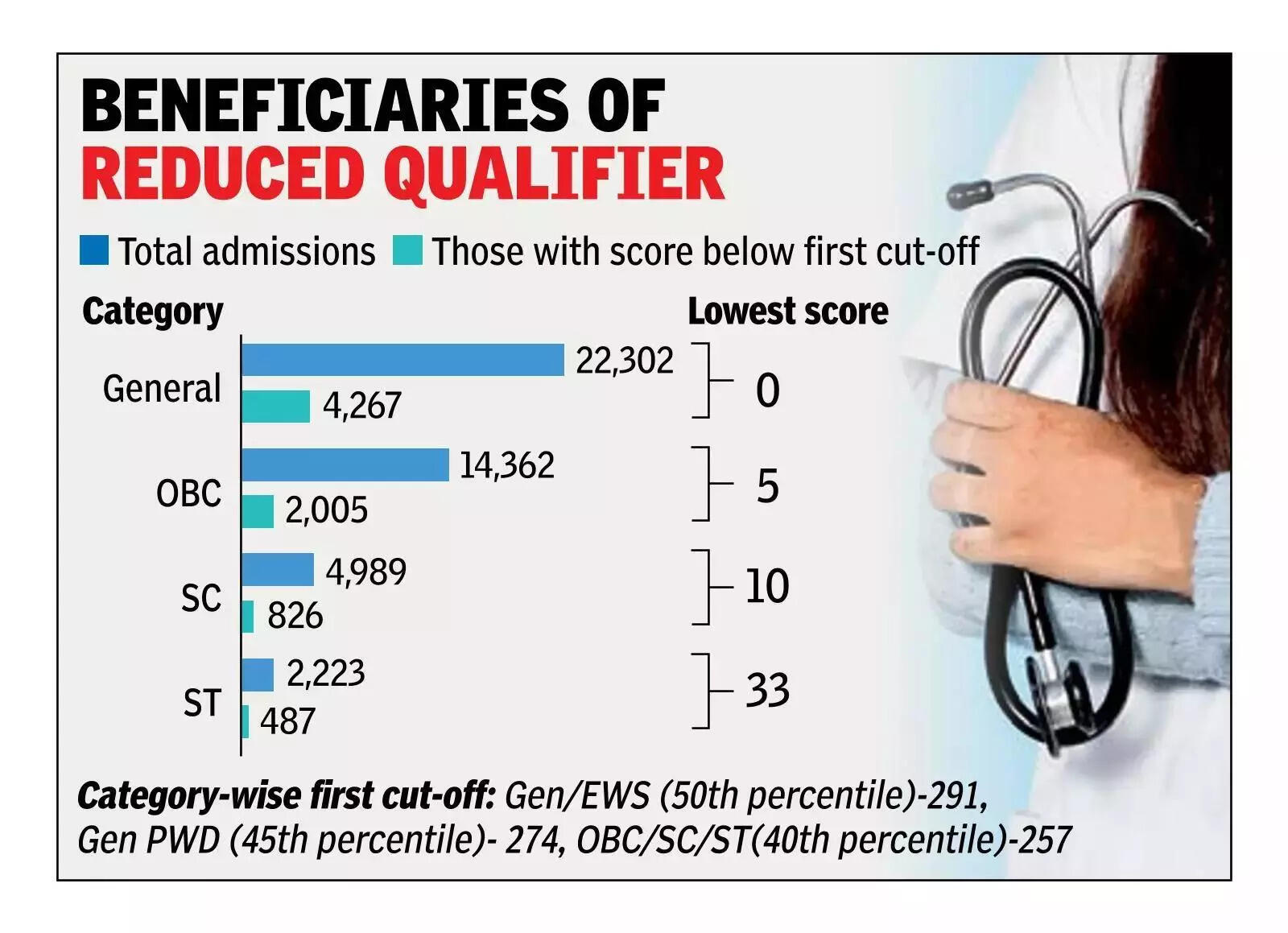
When the cut-off percentile for NEET PG was reduced to zero in 2023, private colleges benefited more than govt colleges. Around 64% of seats filled by students who scored below the initial cut-off were in private colleges. Not only that, 2,677 or about 85% of seats in clinical specialties bagged by those with scores below the initial cut-off were in private medical colleges as well. In comparison, only 485 clinical specialty seats in govt colleges were filled by those with scores below the initial cut-off. Tuition fees are highest for clinical specialties in private colleges.

-

General category candidates benefited the most from the cut-off reduction as they accounted for over 56% of those admitted with scores below the first cut-off. OBCs accounted for 26%, and SC and ST candidates 11% and 6%, respectively. The skew is even more pronounced among those who got clinical specialities in private colleges – 70% were from the general category, and about 20% were OBC. In govt colleges, the general category accounted for 33% of such seats and OBC for 37%. To understand what happens when the cut-off is reduced to zero percentile, TOI analysed admissions to PG seats in 2023, when it was dropped to zero percentile or -40 out of 800 marks for all categories. The reduction took place as thousands of seats remained vacant. A “consolidated list” of PG admissions in 2023 put up on the National Medical Commission (NMC) website shows that the lowest score that got admission belonged to a general category candidate, who scored zero out of 800. Sixty-nine candidates with less than 50 marks got admission. This included 39 from general, 20 from OBC, seven from SC and three from ST category. The “consolidated list of PG students” admitted under NEET 2023 was put up on June 13, 2024, on the NMC website but gives data only for about 43,900 seats. According to the health ministry’s reply to a Rajya Sabha question in July 2024, there were 54,834 PG seats in medical colleges in 2023. This indicates that data for over 10,900 seats is missing from the list. It does not, for instance, include data of PG seats in central govt-funded colleges such as PGI Chandigarh, JIPMER and all the AIIMS. There is also no data on admission to over 10,000 DNB seats.


Source link

T20 World Cup: USA’s Saurabh Netravalkar says players do not discuss India-Pakistan issues | Cricket News


T20 World Cup: USA's Saurabh Netravalkar says players do not discuss India-Pakistan issues

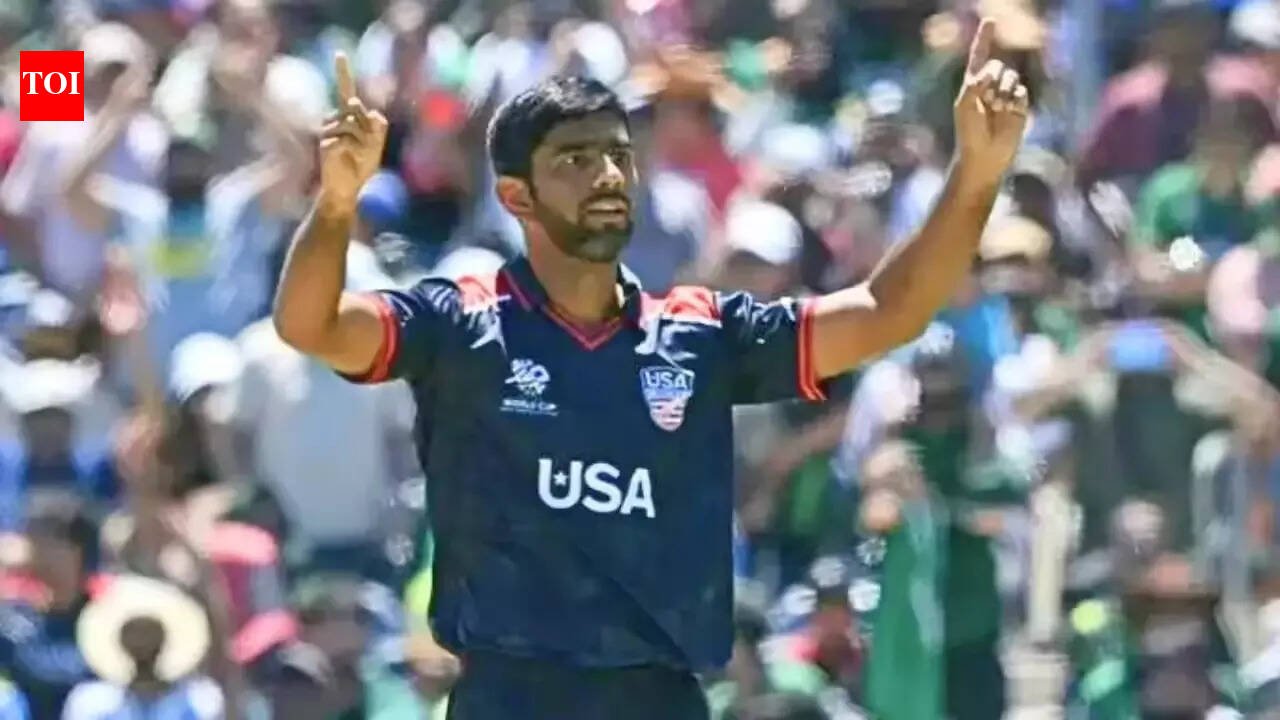
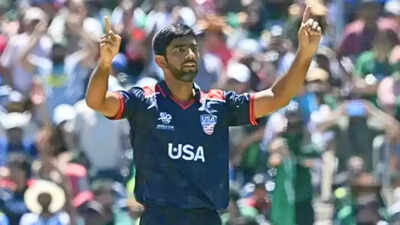
MUMBAI: Amid political tensions between India and Pakistan, USA fast bowler Saurabh Netravalkar said such issues have never been a topic of discussion within the US team, even though many players have roots in the two countries.The India-Pakistan league-stage match of the 2026 T20 World Cup, scheduled in Colombo on February 15, is in doubt after Pakistan refused to take part. However, speaking on Friday, a day before USA’s tournament opener against India at the Wankhede Stadium, Netravalkar said the squad remains focused only on representing the United States.

T20 World Cup: Squads, Full Schedule, Venues and Key Details Explained

“Yes we have players from all parts of the world. We gel and bond together because of our love for the game. And no I don’t think we have ever discussed the India-Pakistan issues amongst ourselves. I don’t think so at least. We are all proud to play for USA and that’s what we focus on,” Netravalkar said.“We are a group of people from multiple countries across the group and what brings us together is the love of the game. We are proud to represent the USA,” he added.For Netravalkar, the match against India will also be a personal milestone. The left-arm seamer grew up in Mumbai and learned his cricket at the Wankhede. He said playing at the venue would fulfil a long-held ambition.“It feels like a full circle moment for me because I learnt my cricket here. I grew up in Mumbai, and getting an opportunity to play at Wankhede, which has been my dream since childhood as well. So nostalgic, emotional, (and) good to see (it happening). I’m looking forward to my family, friends to be there, and I’ll give my best,” said the 34-year-old.Netravalkar said the presence of former Mumbai players in the US squad, including Harmeet Singh and Shubham Ranjane, provides some understanding of Indian conditions, though he acknowledged that the game has changed significantly.“It definitely helps, but frankly speaking, it’s been a long time. Like, I last played in India in 2014, 2015, things have changed drastically. The game itself has changed drastically. It’s become so much more aggressive from the better’s perspective, so I wouldn’t compare it. Yes, the experience helps, but the game is very different,” he said.Netravalkar was part of the US team that beat Pakistan in Dallas a couple of years ago, when he took 2 for 18 in four overs in a seven-wicket win. On Indian pitches, he said the approach would be different, with the focus on damage control.“The focus will more be on minimising the damage, like you’re saying (there are) high scoring pitches here. Every ball that we bowl, (it should be) to the field, as long as we bowl to the field, we bowl to our matchups and maximise our chances. Defence might be the best attack on this kind of pitches and hopefully we induce a mistake on a false shot, that’s the best we can do as bowlers on these wickets,” he said.


Source link

Thane: Commission asks school to clarify withholding class X result over fee dispute | Mumbai News


Thane: The Maharashtra State Commission for Protection of Child Rights asked a city-based CBSE-affiliated school to clarify its stance after parents of a student accused the school management of illegally withholding his Class X result for the last 2 years and demanding that the pending tuition fees be cleared first.The student apparently scored fewer marks in the Class IX finals, and his parents allegedly failed to pay his school fees for the last few years. The parents alleged that the management, which probably waited to expel him on these grounds, took his poor academic performance as an opportunity and convinced his parents to let him appear for his Class X exams through the National Institute of Open Schooling (NIOS), New Delhi, in 2023 instead.Even after clearing the NIOS exam, the parents approached the school but were in for a rude shock, as the management allegedly refused to release his academic documents and demanded that the dues be cleared first. As the boy was losing out on crucial years, the parents sought help from the Commission, which issued a notice to the school demanding an explanation.“Due to the fee dispute, the school deliberately failed him in Class IX, forcing him to appear for the Class X examination through the NIOS. Now they are even delaying giving his results to him, which resulted in him losing 2 crucial years, and this is unfair,” said Nitin Dalvi, a Mumbai-based activist who took up the case on behalf of the parents.Acting on the complaint, the Commission issued a notice to the school last year and also directed the Education Officer of Thane district to take appropriate action. However, no concrete action was taken, following which Dalvi again approached the Commission, which issued a fresh notice to the school on Feb 2 and instructed the Education Officer, Thane, to submit a report within 7 days.When contacted, the school principal confirmed the result was not shared as the parents refused to come to the school to personally collect the result. “It is true that the parents did not clear school fees for the last few years, and we also requested them to pay it in instalments, but they refused to relent. We received the notice and responded to the Commission accordingly, clarifying our stand. We did not hold back his result and instead repeatedly asked the parents to collect the results personally, but they insist on us sending the crucial document through post, which is not possible,” the school clarified.Devidas Mahajan, district education officer, said he would look into the matter and take adequate action.Meanwhile, Dalvi sought action against the officials for failing to take timely action against the school.

Banner Insert


Source link

Bangladesh set for ‘secret’ US tariff deal ahead of elections — move after India’s pact?


Bangladesh’s interim government plans to sign a secret tariff agreement with the United States on February 9, just three days before the country’s parliamentary elections and about a week after India secured a trade with the US. The move has sparked concerns among business leaders and analysts due to its timing and lack of transparency, as the contents remain confidential under a non-disclosure agreement signed between the two nations.Concerns have been raised over plans to sign the agreement in the final days of the government’s tenure, primarily because details of the draft remain undisclosed, as reported by Bangladesh Daily Prothom Alo. Bangladesh has already signed a non-disclosure agreement (NDA) with the US, keeping all aspects of the proposed deal confidential.

After India Breaks Trump’s Tariff Wall, Bangladesh Moves Fast On A Hidden US Pact Under Interim Rule

Thus, if the agreement is signed on February 9, it will come just days before the interim government’s term is set to end, with voting for the 13th parliamentary election. The timing also means, it will be signed a week after US president Donald Trump announced it’s trade deal with India, leading to tariff reduction to 18 per cent.Details of the newly announced India–US trade agreement are expected to become clearer in the coming days, with Union commerce and industry minister Piyush Goyal confirming that the first tranche of the bilateral pact is ready. A joint statement is likely within the next four to five days, after which the United States is expected to issue an executive order reducing tariffs to 18 per cent. The formal legal agreement is expected to be signed around mid-March.Read more: India-US trade deal – Joint statement in next 4–5 days; agreement likely by mid-March, says Piyush GoyalThe business leaders are worried about potential negative impacts on various sectors and question why such a significant decision is being made by a temporary government.BGMEA senior vice president Inamul Haque Khan expressed surprise at the timing, saying, “I still believe this should have been done after the election, because it carries major implications.” “Based on the target for purchases from the US, it can be expected that the reciprocal tariff rate will come down to 15 per cent (currently 20 per cent). I had heard that national security adviser Khalilur Rahman had streamlined this. I was surprised to see the signing of the agreement come just three days before the election. I still believe this should have been done after the election, because it carries major implications,” he added.Similarly, DCCI president Taskeen Ahmed added that the interim government could have avoided this rushed decision.The negotiations and concerns linger from April 2025, when US President Donald Trump announced reciprocal tariffs on 100 countries, initially setting Bangladesh’s rate at 37 per cent. Through negotiations, this was eventually reduced to 20 per cent in August last year.The US included various conditions in the agreement. These include requiring Bangladesh to reduce Chinese imports, increase American military equipment purchases, and accept US standards without additional inspections. The deal also aims to boost US agricultural exports to Bangladesh and ease access for American automobiles.Commerce secretary Mahbubur Rahman confirmed the signing date and but will not travel to Washington in-person. Instead, a five-member delegation from Bangladesh will travel to Washington for the event, according to a Bangladesh government order (GO) issued by their ministry of commerce on February 3.The delegation will be led by Khadija Nazneen, Additional Secretary at the Ministry of Commerce and head of the World Trade Organization (WTO) Wing. The other members are Joint Secretaries Firoz Uddin Ahmed and Mustafizur Rahman, Senior Assistant Secretary Sheikh Shamsul Arefin, and National Board of Revenue (NBR) Commissioner Rais Uddin Khan. As per the GO, the delegation is scheduled to leave Dhaka on Friday, February 6, and return on or around February 10.The interim government has recently made other significant long-term decisions, including port management agreements with international companies. CPD distinguished fellow Debapriya Bhattacharya criticized the lack of transparency, stating, “This is not just a tariff agreement with the US but one with long-term implications. It must be viewed holistically, including its geopolitical and political dimensions.Critics argue that while keeping such agreements confidential is common practice, they are typically signed by elected governments accountable to parliament and citizens. The rushed timing and secretive nature of the agreement have led to speculation about whether it unnecessarily constrains the incoming elected government’s options.


Source link

High drama at Pappu Yadav’s house: Cops arrive to arrest Bihar MP; he claims plot ‘to kill’ | India News


High drama at Pappu Yadav's house: Cops arrive to arrest Bihar MP; he claims plot 'to kill'

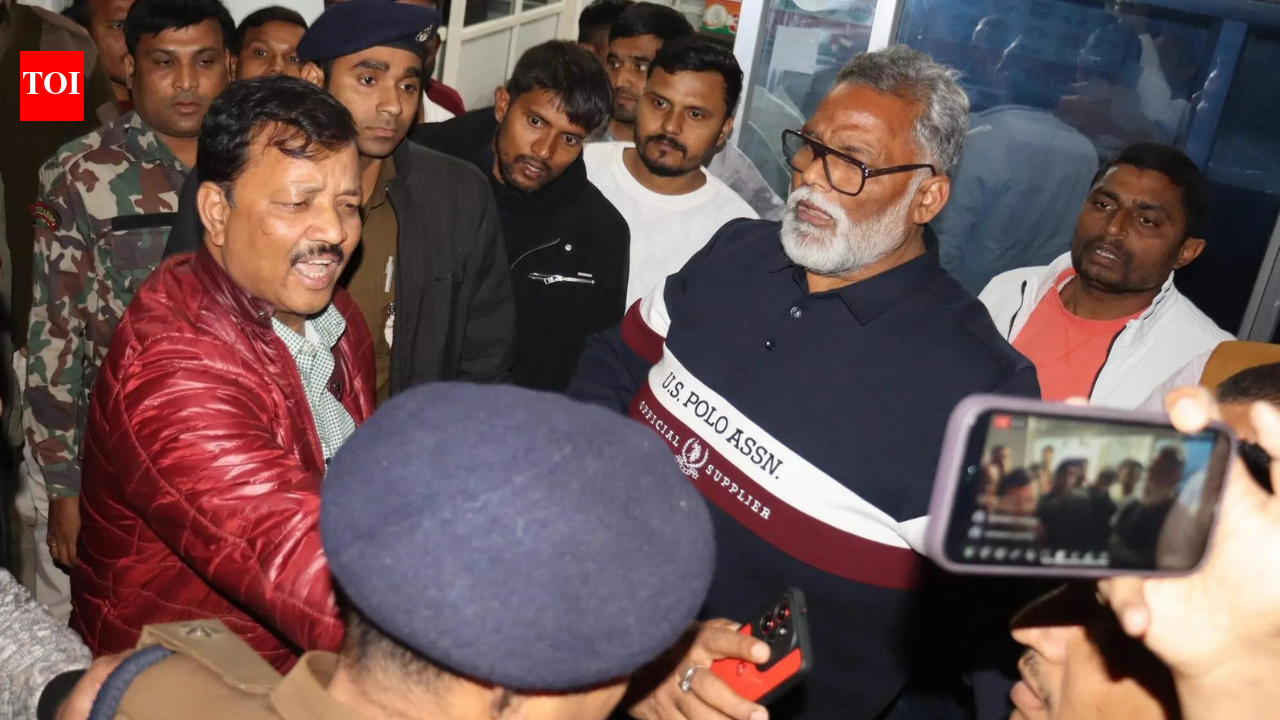
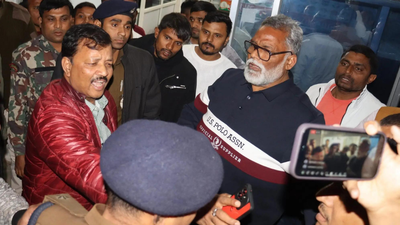
NEW DELHI: Police on late Friday night arrived at the residence of Purnia MP Pappu Yadav in Patna in connection with an old case.Meanwhile, Pappu Yadav resisted the arrest and accused Bihar Police of hatching a conspiracy of killing him and said that cops reached at his residence in civil uniform like criminals.“I have doubt that these people might have killed me. I will go straight to the Court. I will not go to the police station. If they want, they can house arrest me. The Court has called me tomorrow,” Pappu Yadav said.“Police reached here in civil uniform like criminals. I thought they had come to kill me. Is this a criminal’s house?… There was a case registered around 35 years ago, and the police came to arrest me in connection with that case,” he added.In a social media post on X, Pappu Yadav claimed that cops turned up at his residence because he was protesting against the death of student.“Brilliant Bihar Police. We fought the battle for justice for the NEET student girl Bihar Police got a right pain in the guts,” he said.“They turned up at the Patna residence to arrest us. But this won’t make Pappu Yadav bow down or shut up We’ll keep exposing the wrongdoings of the dishonest ones! Send us to jail or, give us the noose—Pappu won’t stop,” he added.(This is a developing story)


Source link

Toll on partially opened e-ways like Delhi-Mumbai to be same as that of other NHs | India News


Toll on partially opened e-ways like Delhi-Mumbai to be same as that of other NHs

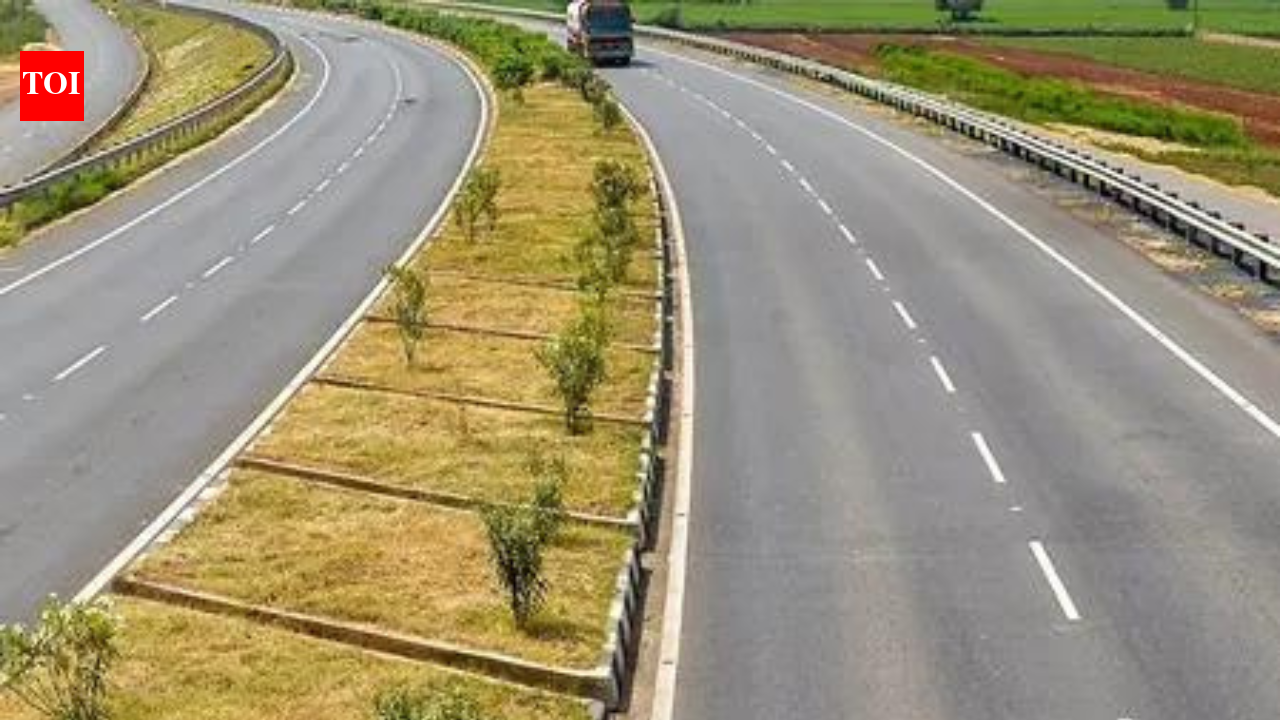
NEW DELHI: In a relief to commuters using partially opened expressways such as Delhi-Mumbai, Delhi-Katra and Amritsar-Jamnagar, the toll on these corridors will be same as that of other NHs, as per a notification issued by the road transport ministry. Till now the toll on expressways was 1.25 times of other NH stretches.The notification issued this week said that the rate of fee for use of a national expressway which is in operation for only a part of its notified length shall be levied at the rate of normal highways “for a period of one year” or till the expressway is fully operational, whichever is earlier. TOI on January 2 had first reported the finance ministry giving go ahead to this proposal of highways ministry considering that commuters don’t avail the full facility of an expressway till the entire stretch isn’t opened.Secondly, the the highways ministry had submitted that vehicles, particularly heavy commercial vehicles, were not using the partially opened expressways because of higher toll rates. The finance ministry had said that a decision on continuing the relaxation beyond one year may be taken based on actual uptake of traffic on such expressways. It had also asked the highways ministry to impose penalties on contractors for delay in completion of works.


Source link

“Played through massive flu!”: RCB coach reveals after Smriti Mandhana led her team to WPL 2026 title triumph


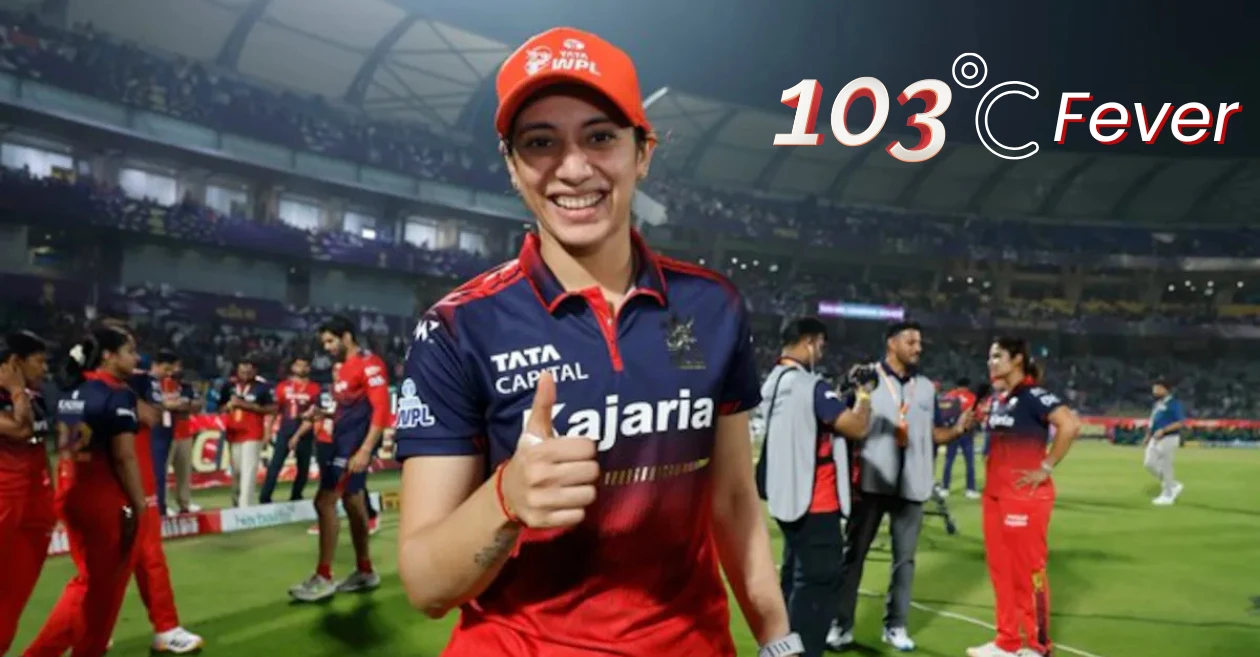
If there were any lingering whispers about Smriti Mandhana faltering on the biggest stage, they were emphatically put to rest in the Women’s Premier League (WPL) 2026 final. Battling a severe bout of flu, Mandhana produced one of the finest innings of her career, leading Royal Challengers Bengaluru (RCB to their second WPL title with a scintillating 87 off just 41 balls.

Chasing a daunting target of 204 against Delhi Capitals (DC) in Vadodara, Mandhana’s composure and controlled aggression proved decisive, as RCB sealed the final with a six-wicket victory.

RCB coach reveals Smriti Mandhana played despite severe illness

RCB head coach Malolan Rangarajan later revealed the extent of Mandhana’s struggle, describing it as a “massive, massive flu.” Speaking after the triumph, Rangarajan said the captain had been suffering from a high fever but never once let it show.

“She was seriously unwell,” Rangarajan explained. “But she turned up and didn’t show it for even one second. When I spoke to her earlier, she just said there was no problem and that she’d be there. That’s her work ethic.”

The revelation only added to the magnitude of Mandhana’s innings, which came under immense pressure on the grandest stage of the season.

A masterclass in chasing under pressure

Even by Mandhana’s lofty standards, the final was a lesson in how to pace a high-stakes chase. She began cautiously, playing second fiddle to Australian batter Georgia Voll, before dramatically shifting gears after the powerplay.

At the end of the fifth over, Mandhana was just 6 off 5 balls. What followed was sheer dominance. She dismantled Delhi’s spin attack with surgical precision, exploiting angles and field placements with ease. As RCB’s only left-handed batter, Mandhana targeted left-arm spinner Sree Charani, neutralising a bowler who had been highly effective throughout the Vadodara leg.

Her ability to send similar deliveries to different parts of the ground left the opposition scrambling for answers.

Delhi Capitals bowlers run out of answers

Experienced campaigner Sneh Rana also struggled to contain Mandhana, who appeared in complete control. RCB struck at least one boundary in every over, underlining the relentless pressure applied during the chase.

Mandhana’s confidence was summed up by her audacious stroke play – backing away to loft spinners inside out and casually stepping across her stumps to find gaps at will. She ended the tournament as the leading run-scorer, amassing 377 runs in WPL 2026.

Also READ: From MVP to Purple Cap – Full List of WPL 2026 Award Winners and Prize Money

“Smriti saved one of her best innings for the final”: RCB coach

Rangarajan credited Mandhana’s preparation and evolving mindset for her final heroics. He noted that her unbeaten 54 against UP Warriorz (UPW) in the final league game marked a turning point, blending high tempo with consistency.

“She saved one of her best innings for the final,” Rangarajan said. “She looked completely in control, knowing exactly where and when to attack.”

Behind the scenes, Mandhana’s relentless pursuit of improvement stood out. Described as a “nerd” about her batting, she constantly tweaks her technique, always searching for marginal gains. That attention to detail, coupled with calm leadership, set the tone for RCB’s title-winning campaign.

Also READ: AB de Villiers, Ashwin and others in awe as Smriti Mandhana and Georgia Voll drive RCB to 2nd WPL triumph


This article was first published at WomenCricket.com, a Cricket Times company.


Source link

‘I would dedicate the award to them’: Vaibhav Sooryavanshi after India’s U19 World Cup victory | Cricket News


'I would dedicate the award to them': Vaibhav Sooryavanshi after India’s U19 World Cup victory
Vaibhav Sooryavanshi (Photo by @BCCI on X)

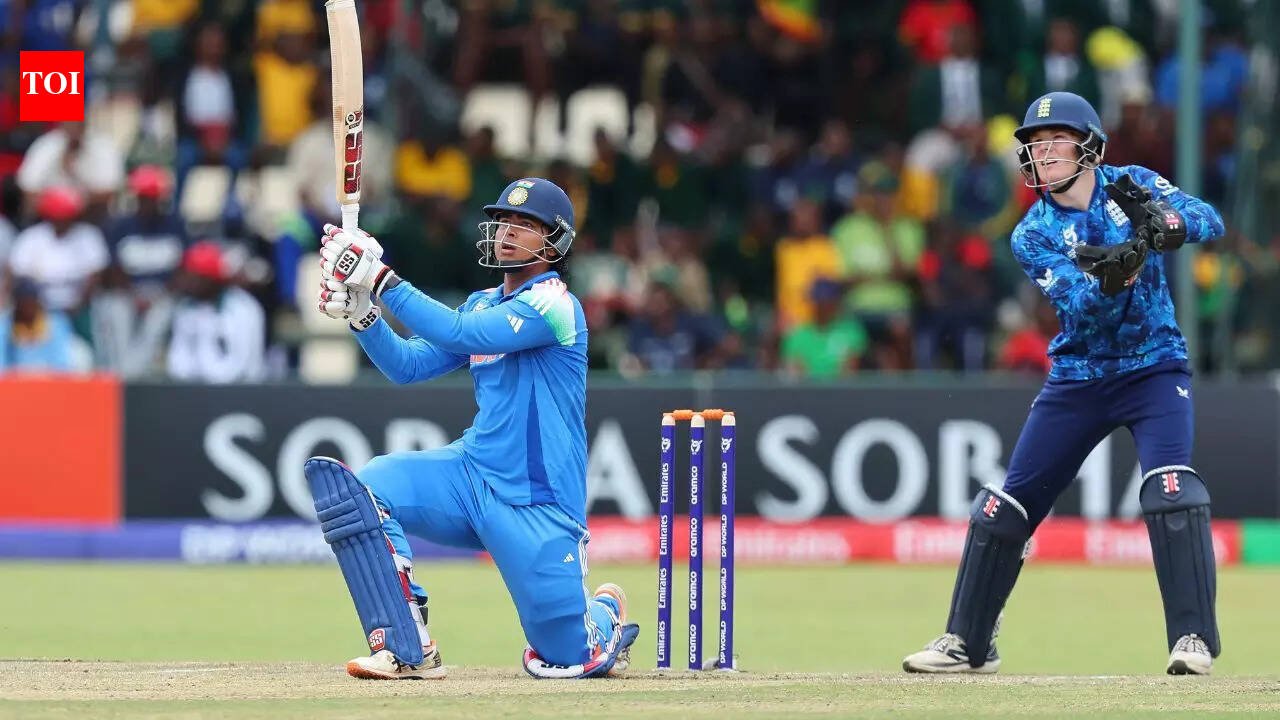
NEW DELHI: Teen cricket prodigy Vaibhav Sooryavanshi stole the show in India’s U-19 World Cup final on Friday, smashing a breathtaking 175 off just 80 balls to guide India to a 100-run win over England and a record-extending sixth title. After the match, he dedicated his Player of the Final award to the team’s support staff.“I can’t express what I am feeling but the way we have all been working hard for the last 7-8 months and our support staff who have been with us for a long time and always made sure we are alright, I would like to dedicate the award to them,” Sooryavanshi said.

How India trained at Wankhede – massive sixes, intense chats and more

“For the last eight to nine months, the support staff and the team have been working together. That preparation has played a huge role in getting us to where we are today.”The 14-year-old became the first player in U-19 World Cup history to win both the Player of the Final and Player of the Tournament awards. His innings included 15 sixes and 15 fours, and he reached the fastest 150 in Under-19 cricket in just 71 balls, propelling India to a commanding 411 for 9 after winning the toss.England fought valiantly, with Caleb Falconer scoring a 115 off 67 balls, but regular wickets prevented them from keeping up with the required rate. They were eventually bowled out for 311, handing India a dominant victory.Sooryavanshi, who had already made waves in last year’s Indian Premier League, now holds the record for the highest individual score in any ICC tournament final, further cementing his reputation as one of cricket’s brightest young talents.This remarkable performance not only secured India’s sixth U-19 World Cup title but also showcased the impact of preparation, teamwork, and raw talent on the world stage.


Source link

From Uber’s Balaji Krishnamurthy to Anthropic’s Rahul Patil: Top Indian-origin executives in Silicon Valley |


From Uber’s Balaji Krishnamurthy to Anthropic’s Rahul Patil: Top Indian-origin executives in Silicon Valley

Behind Silicon Valley’s wealth and innovation lies a quieter story of migration, struggle, and relentless effort. Many of today’s most powerful Indian-origin executives arrived in the US with little more than strong academic foundations, technical skills, and a willingness to start at the bottom. They navigated cultural barriers, visa constraints, and hyper-competitive workplaces, often spending years in engineering, product, or strategy roles before reaching the top. Their contributions now underpin the Valley’s tech ecosystem, from cloud computing and cybersecurity to AI models, digital media, and global platforms used by billions. At the same time, Silicon Valley and the broader American technology ecosystem provided an environment where talent, risk-taking, and merit could translate into opportunity, allowing these executives to grow alongside the companies they helped build. Together, they illustrate how Indian-origin talent has become integral to Silicon Valley’s leadership and long-term technological direction.

Indian-origin tech leaders in Silicon Valley

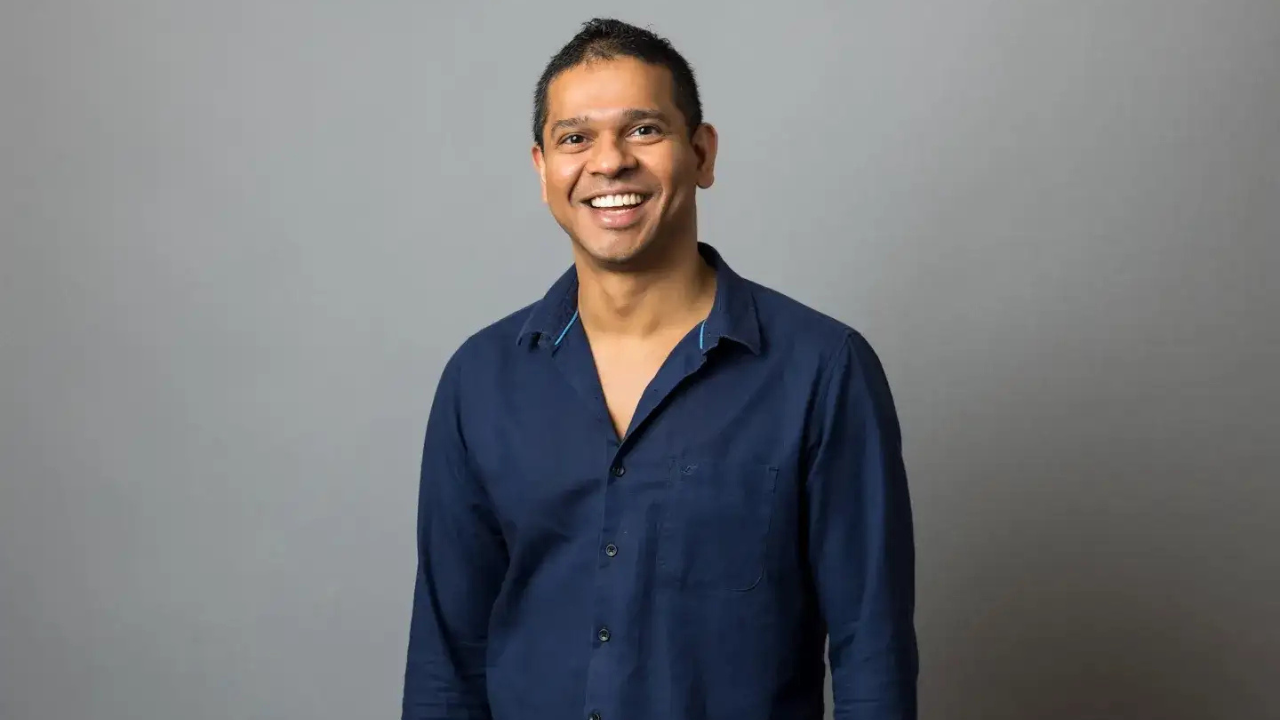
Balaji Krishnamurthy – Chief Financial Officer, Uber

Balaji Krishnamurthy’s appointment as Uber’s Chief Financial Officer in 2026 marked a significant moment for Indian-origin leadership in Silicon Valley’s financial ranks. An alumnus of IIT Madras, where he trained as an engineer, Krishnamurthy later earned an MBA from Stanford Graduate School of Business, a combination that positioned him well for roles bridging technology and finance. Early in his career, he worked at McKinsey & Company, advising large corporations on strategy, operations, and capital allocation. He later joined Google, where he held senior finance and strategy roles tied to long-term investments and emerging business lines. At Uber, Krishnamurthy oversees budgeting, investor relations, regulatory risk, and profitability across ride-hailing, food delivery, and logistics, making him central to the company’s effort to balance growth with financial discipline.

Balaji Krishnamurthy – Chief Financial Officer, Uber

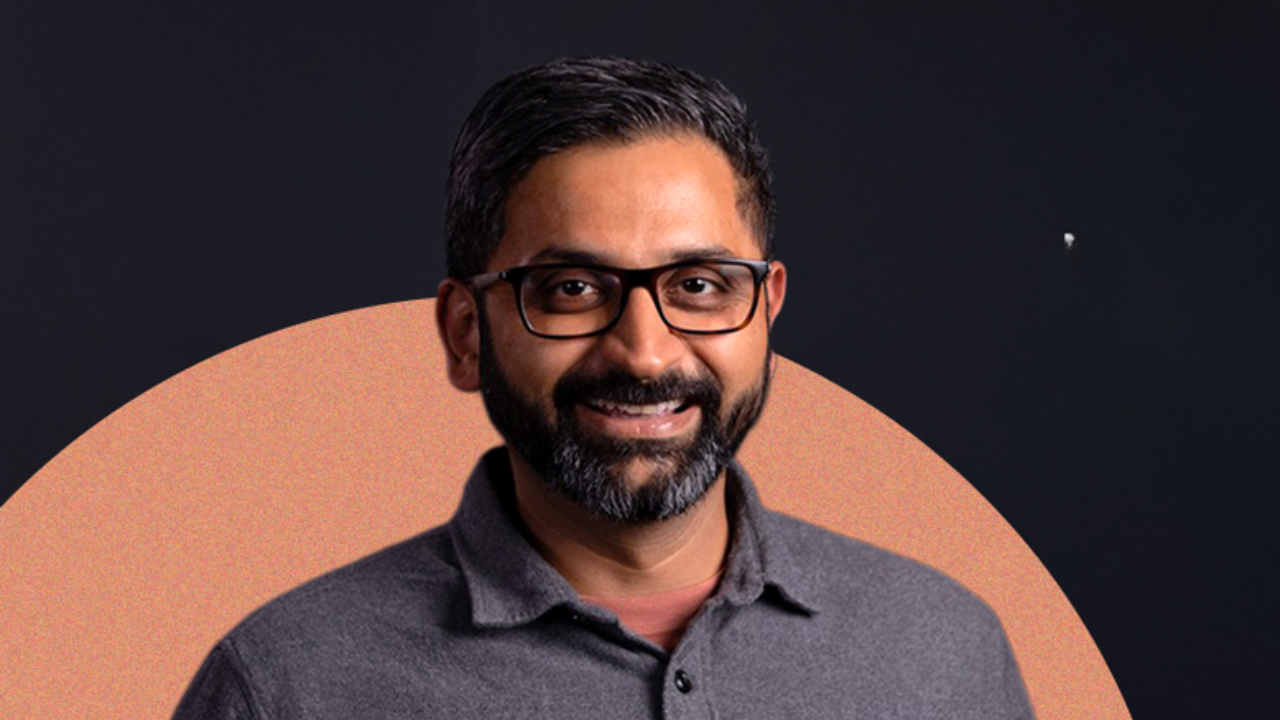
Rahul Patil – Chief Technology Officer, Anthropic

Rahul Patil is a key architect behind one of Silicon Valley’s most influential AI labs, despite maintaining a relatively low public profile. Trained as an engineer, Patil began his career working on large-scale distributed systems, gaining experience in building infrastructure that can operate reliably at massive scale. Over the years, he moved into senior technical leadership roles focused on AI platforms and backend systems. As Chief Technology Officer at Anthropic, he is responsible for the engineering teams that design, train, and deploy advanced large language models. His remit includes compute infrastructure, model reliability, and safety-focused system design, areas that are critical as AI models become more powerful and widely deployed. Patil’s work plays a direct role in shaping how AI is governed and integrated into real-world applications.

Rahul Patil – Chief Technology Officer, Anthropic

Sundar Pichai – Chief Executive Officer, Google and Alphabet

Sundar Pichai’s rise from Chennai to the top of Google and Alphabet is often cited as one of Silicon Valley’s most emblematic success stories. After earning an engineering degree from IIT Kharagpur, he moved to the US to study at Stanford University and later completed an MBA at Wharton. Pichai joined Google in 2004 and quickly made his mark leading products such as Google Toolbar and Chrome, which became one of the world’s most widely used web browsers. Over time, he took charge of Android and other core platforms before being named CEO of Google in 2015 and Alphabet in 2019. Today, Pichai oversees search, advertising, cloud computing, YouTube, and the company’s AI strategy, managing a business that sits at the heart of the global internet economy.

Sundar Pichai

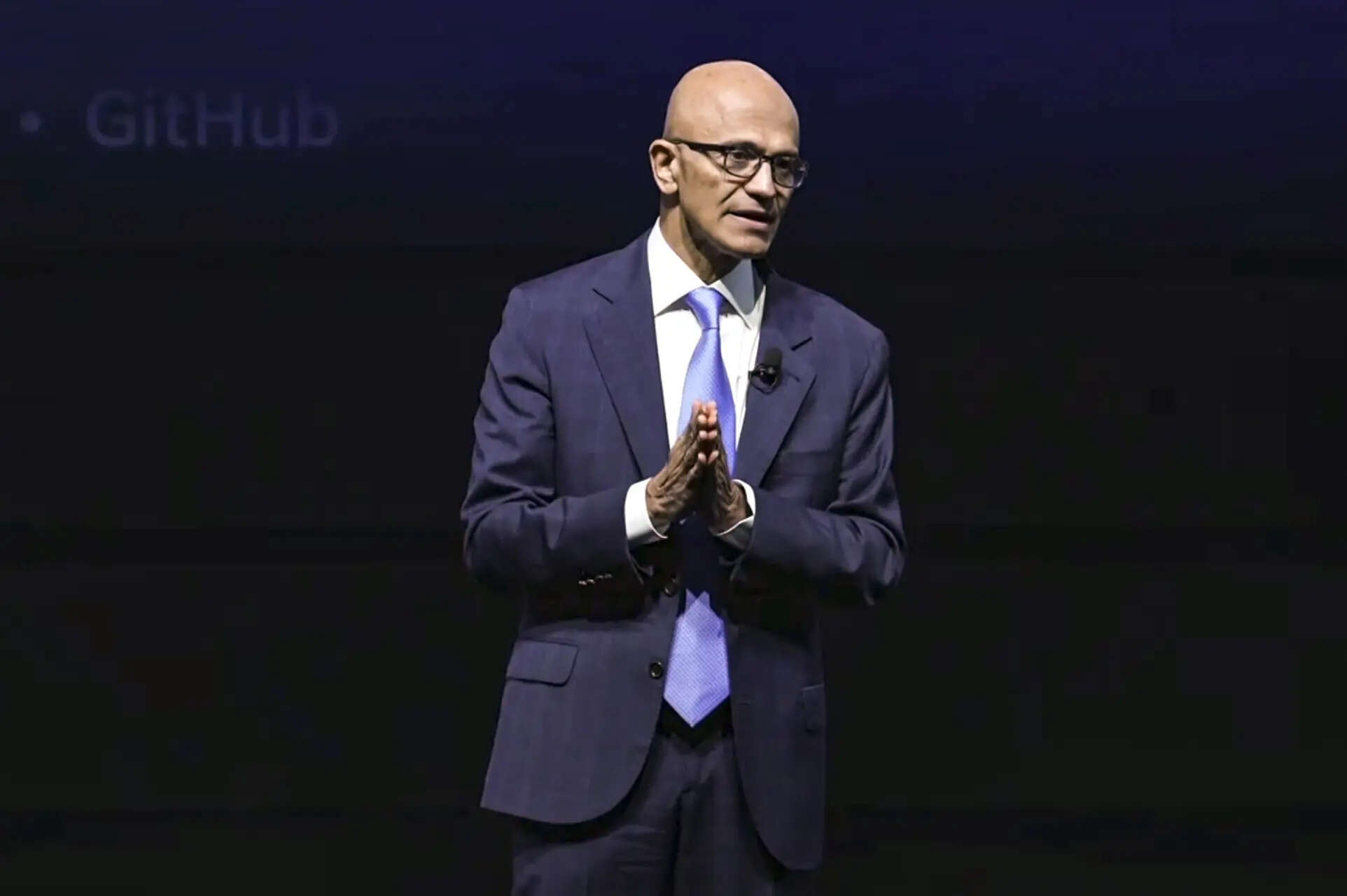
Satya Nadella – Chief Executive Officer, Microsoft

Satya Nadella’s leadership is widely credited with reshaping Microsoft’s trajectory in the modern tech era. Born and educated in India, Nadella moved to the US for graduate studies and joined Microsoft in 1992. He spent decades inside the company, holding senior roles across enterprise software, cloud services, and developer platforms. When he became CEO in 2014, Microsoft was struggling to adapt to mobile and cloud-first computing. Nadella led a cultural reset that emphasised collaboration and innovation, while steering the company decisively toward cloud infrastructure through Azure. Under his leadership, Microsoft also made major investments in AI and enterprise software, helping it regain relevance and emerge as one of the world’s most valuable technology companies.

Satya Nadella

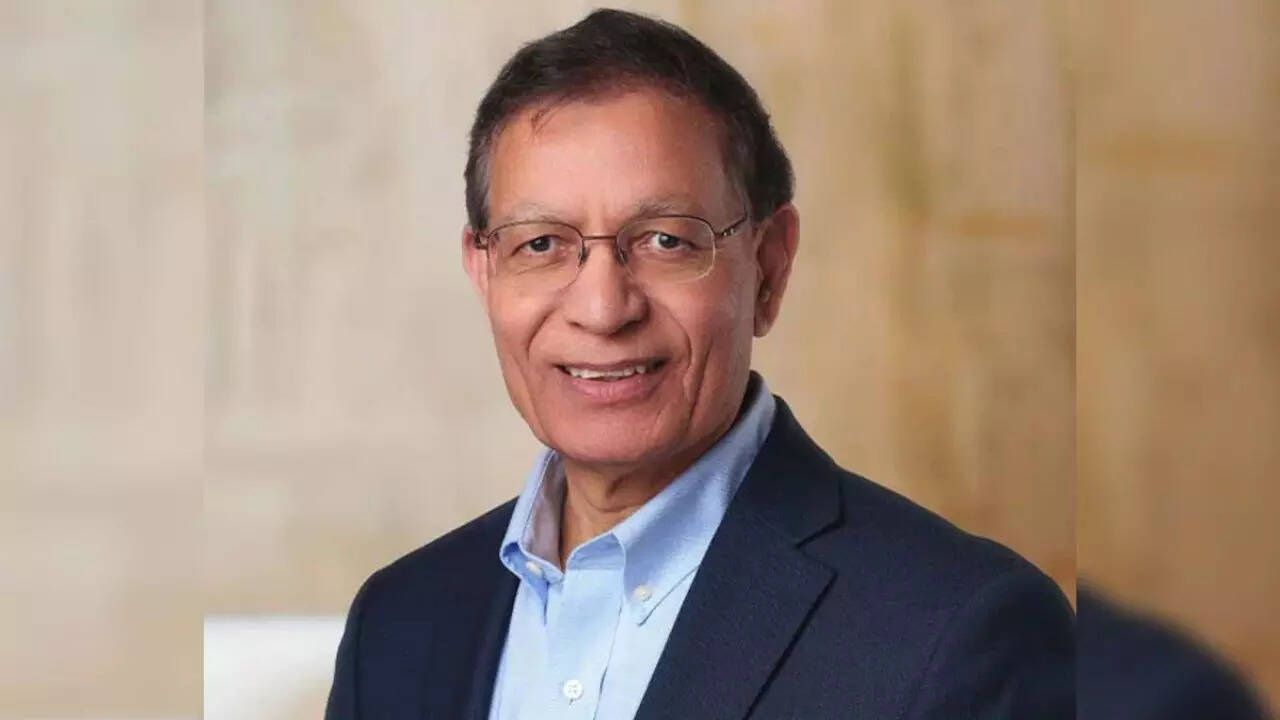
Jay Chaudhry – Founder and Chief Executive Officer, Zscaler

Jay Chaudhry’s path to Silicon Valley success began far from the tech campuses of California. Raised in a small village in Haryana, he later moved to the US for higher education, earning multiple degrees in engineering and management. Chaudhry founded several cybersecurity companies before launching Zscaler in 2007. The company challenged traditional network security by adopting a cloud-native, zero-trust model that eliminated the need for on-premise hardware. Under his leadership, Zscaler became a critical security provider for global enterprises and governments, particularly as remote work and cloud computing expanded. Chaudhry’s success has made him one of the wealthiest self-made Indian-origin entrepreneurs in Silicon Valley.

Jay Chaudhry

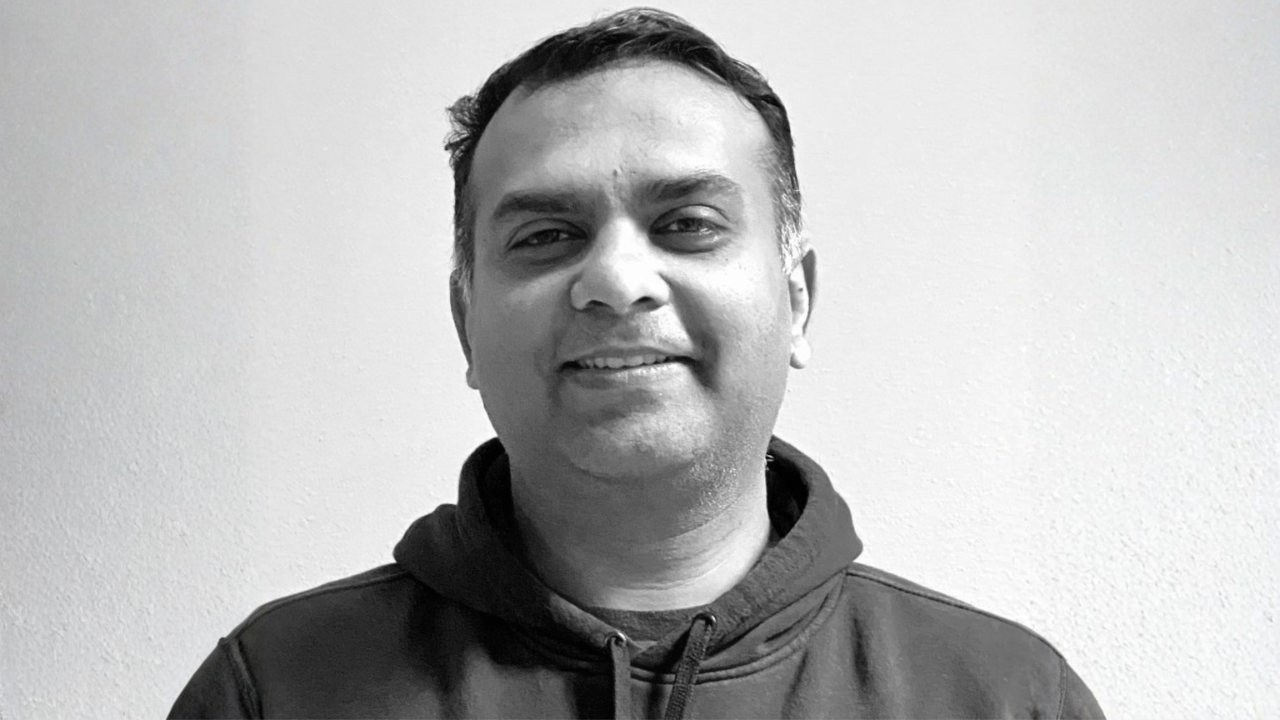
Vijaye Raji – Senior Technology Executive, OpenAI

Vijaye Raji belongs to a newer generation of Indian-origin technologists shaping AI from inside elite research organisations rather than from the CEO’s office. Educated in India before moving to the US, Raji built his career around data analytics and developer-focused platforms. He founded a startup focused on product analytics, which was later acquired by OpenAI. At OpenAI, Raji works on core engineering and product systems that support the deployment and scaling of large AI models. His work helps bridge cutting-edge research with real-world applications, ensuring that AI tools can be reliably delivered to developers and enterprises worldwide.

Vijaye Raji – Senior Technology Executive, OpenAI

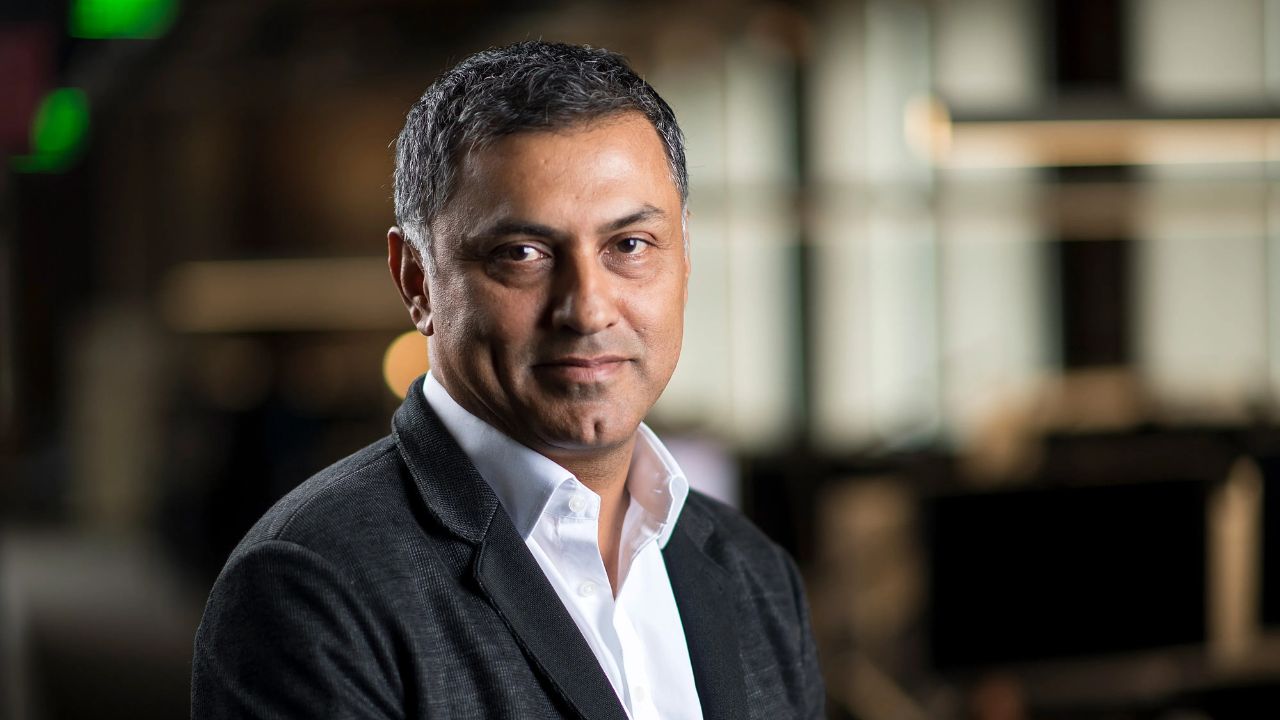
Nikesh Arora – Chairman and Chief Executive Officer, Palo Alto Networks

Nikesh Arora is one of the most globally connected Indian-origin executives in Silicon Valley. After early education in India, he studied and built his career in the US, rising through Google during its rapid expansion in advertising and mobile. He later joined SoftBank, where he managed large-scale global investments and played a central role in shaping the firm’s technology portfolio. As CEO of Palo Alto Networks, Arora leads one of the world’s largest cybersecurity companies, overseeing products that defend enterprises, governments, and critical infrastructure. His tenure has been marked by aggressive acquisitions and expansion, reinforcing Palo Alto Networks’ position as a cybersecurity powerhouse.

Nikesh Arora – Chairman and Chief Executive Officer, Palo Alto Networks

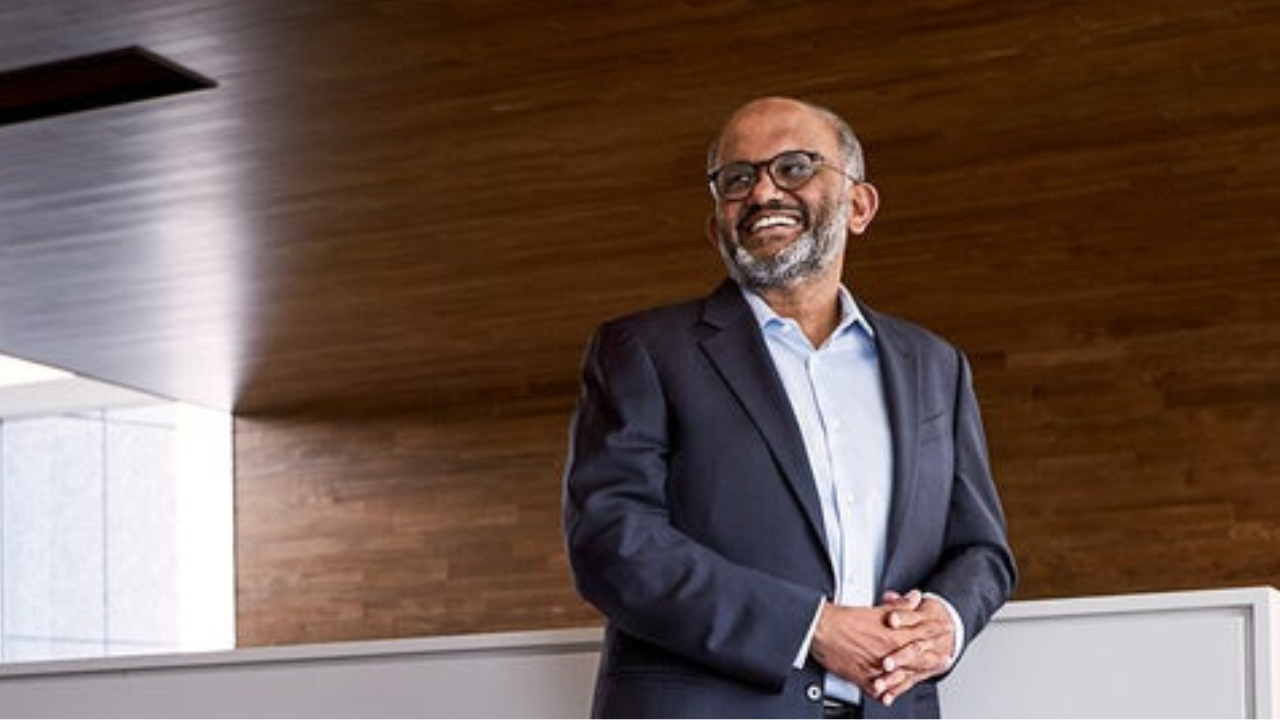
Shantanu Narayen – Chairman and Chief Executive Officer, Adobe

Shantanu Narayen’s leadership transformed Adobe from a traditional software company into a cloud-first enterprise. A graduate of Osmania University in Hyderabad, Narayen moved to the US for advanced studies and joined Adobe in 1998. When he became CEO in 2007, he made the bold decision to shift Adobe’s flagship products to a subscription-based cloud model, a move initially met with scepticism. The strategy ultimately paid off, stabilising revenue and expanding Adobe’s reach across creative, marketing, and document software. Today, Adobe sits at the centre of the global digital content and design economy.

Shantanu Narayen – Chairman and Chief Executive Officer, Adobe

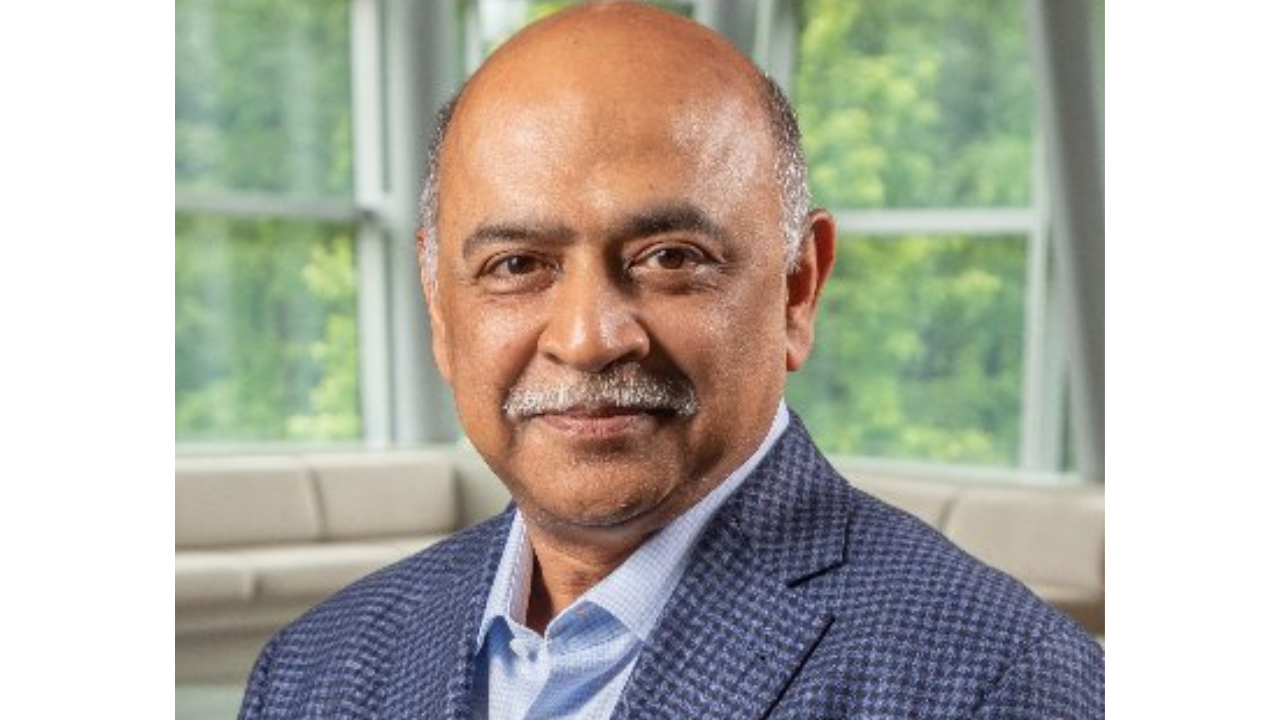
Arvind Krishna – Chairman and Chief Executive Officer, IBM

Arvind Krishna grew up in India and later earned a doctorate in electrical engineering in the US before joining IBM’s research division. He spent years working on advanced technologies before moving into executive leadership roles. As CEO since 2020, Krishna has focused on repositioning IBM around hybrid cloud computing, enterprise AI, and consulting services. His strategy aims to make IBM a key partner for large organisations navigating complex digital transformations, balancing the company’s legacy systems with emerging technologies.

Arvind Krishna – Chairman and Chief Executive Officer, IBM

Neal Mohan – Chief Executive Officer, YouTube

Neal Mohan has been a central figure in shaping the modern digital advertising and creator economy. Educated partly in India and later in the US, he joined Google after its acquisition of advertising firm DoubleClick. Mohan rose through senior roles overseeing advertising products and revenue strategy before becoming CEO of YouTube. In his current role, he manages creator monetisation, platform governance, and global expansion, overseeing a service used by billions of people and millions of creators worldwide. His decisions influence not only media consumption but also how online content is regulated and monetised.

Neal Mohan – Chief Executive Officer, YouTube

Jayshree Ullal – President and Chief Executive Officer, Arista Networks

Jayshree Ullal is one of Silicon Valley’s most successful Indian-origin executives in both leadership and financial terms. Born in India and trained as an engineer, she built her career at Cisco Systems before joining Arista Networks as CEO. Under her leadership, Arista became a major supplier of high-performance networking equipment to cloud data centres and hyperscalers. The company’s technology plays a crucial role in supporting AI workloads and large-scale computing, placing Ullal at the heart of Silicon Valley’s infrastructure boom.

Jayshree Ullal – President and Chief Executive Officer, Arista Networks

Jay Parikh – Former Global Head of Engineering, Meta

Jay Parikh was instrumental in building the infrastructure that allowed Meta, then Facebook, to scale globally. Educated in India before moving to the US, he joined Facebook early in its growth and eventually became Global Head of Engineering. Parikh oversaw data centres, networking, and internal platforms that supported billions of users worldwide. After leaving Meta in 2021, he transitioned into venture capital and advisory roles, continuing to influence the technology ecosystem behind the scenes.

Jay Parikh – Former Global Head of Engineering, Meta

Ashok Elluswamy – Director of Autopilot Software, Tesla

Ashok Elluswamy is one of the most influential Indian-origin engineers working on applied AI and autonomous systems. An IIT Madras graduate, he moved to the US for graduate studies and joined Tesla during the early development of its Autopilot programme. Today, he leads AI and self-driving software development, working closely with Elon Musk. Elluswamy’s work underpins Tesla’s Full Self-Driving system and contributes to broader AI initiatives across Musk’s companies, placing him at the cutting edge of automotive and AI innovation.

Ashok Elluswamy – Director of Autopilot Software, Tesla

Sriram Krishnan – Senior White House Policy Advisor on Artificial Intelligence, United States

Sriram Krishnan is an Indian-origin technology leader who has moved from Silicon Valley product roles into shaping how artificial intelligence is governed in the United States. Born in Chennai and educated in engineering in India before moving to the US, Krishnan built his career at major technology companies including Microsoft, Twitter, Facebook, and Snap, and later as a venture capitalist advising fast-growing tech startups. In recent years, he has taken on a senior advisory role within the US government’s AI policy ecosystem, working on frameworks around AI competitiveness, safety, and adoption across federal agencies. His transition from Big Tech and venture capital into public policy highlights how Indian-origin technologists are increasingly influencing not just products and companies, but national AI strategy itself.

Sriram Krishnan – Senior White House Policy Advisor on Artificial Intelligence, United States

Parag Agrawal – Former Chief Executive Officer, Twitter

Parag Agrawal is an Indian-origin technology leader who served as CEO of Twitter from 2021 to 2022. Born in Rajasthan, he earned a B.Tech from IIT Bombay before completing a PhD in computer science at Stanford University. Agrawal joined Twitter as an engineer in 2011 and rose to Chief Technology Officer, leading work on machine learning and decentralised projects. After leaving Twitter following Elon Musk’s acquisition, he went on to found an AI-focused startup, marking his continued influence in Silicon Valley’s technology ecosystem.
Parag Agrawal – Former Chief Executive Officer, Twitter


Source link