Breaking News
Fastag may go tagless with AI, says DPI architect


Fastag may go tagless with AI, says DPI architect

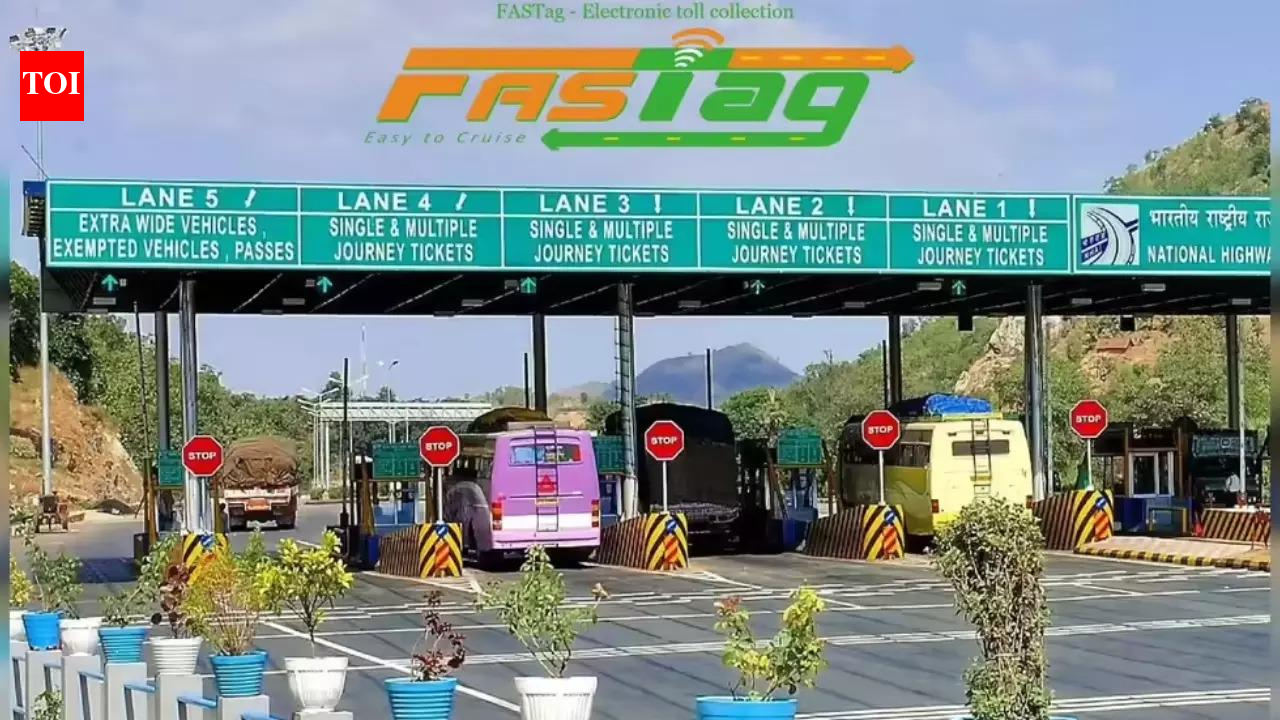
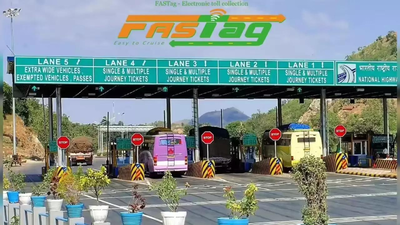
BENGALURU: India’s next-generation Fastag system may not require a physical tag at all. Vehicles could be identified through roadside cameras, their type and number detected in real time, and tolls deducted automatically without a windshield sticker, Pramod Varma, a key architect of India’s digital public infrastructure (DPI), said on Tuesday.Speaking at the ConvoZen Conversational AI Summit in Bengaluru, Varma said such computer vision-led systems represent the next layer of India’s digital evolution, where artificial intelligence is embedded directly into public infrastructure and operates at the edge. The proposed system, he said, would process thousands of vehicles passing through highways each minute, detecting and charging them instantly.The broader shift, he argued, is from building digital identity to enabling “digital agency.” Over the past decade, India formalised nearly a billion people into the economy through platforms such as Aadhaar, UPI, DigiLocker and account aggregators. Citing global studies, Varma said India achieved in seven to eight years what might otherwise have taken five decades.“The last decade formalised a billion people. The next decade must meet their aspirations,” he said, outlining a move toward livelihood, skilling and income-generating transactions powered by AI.A key barrier now is interface complexity. While about 550-600 million Indians actively use digital systems, a large share of the adult population still struggles with forms and text-heavy interfaces. Conversational AI, particularly voice systems that allow broken, code-mixed language, could lower that barrier.Varma pointed to a demonstration under the India Energy Stack, where a farmer seeking to increase income could state that goal, after which an AI system analysed pricing, structured an energy trade contract and executed payments through UPI. “The real breakthrough is complexity reduction,” he said.He also cautioned that AI-driven fraud and deepfake attacks make “proof of personhood” and cryptographically verifiable digital trust essential in the AI era, adding that identity frameworks will need to extend to digital agents and machines.


Source link

DNPA Conclave 2026: Navigating technology, inclusion, and future of news in an evolving digital ecosystem | India News


DNPA Conclave 2026: Navigating technology, inclusion, and future of news in an evolving digital ecosystem

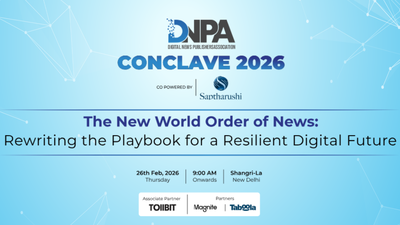
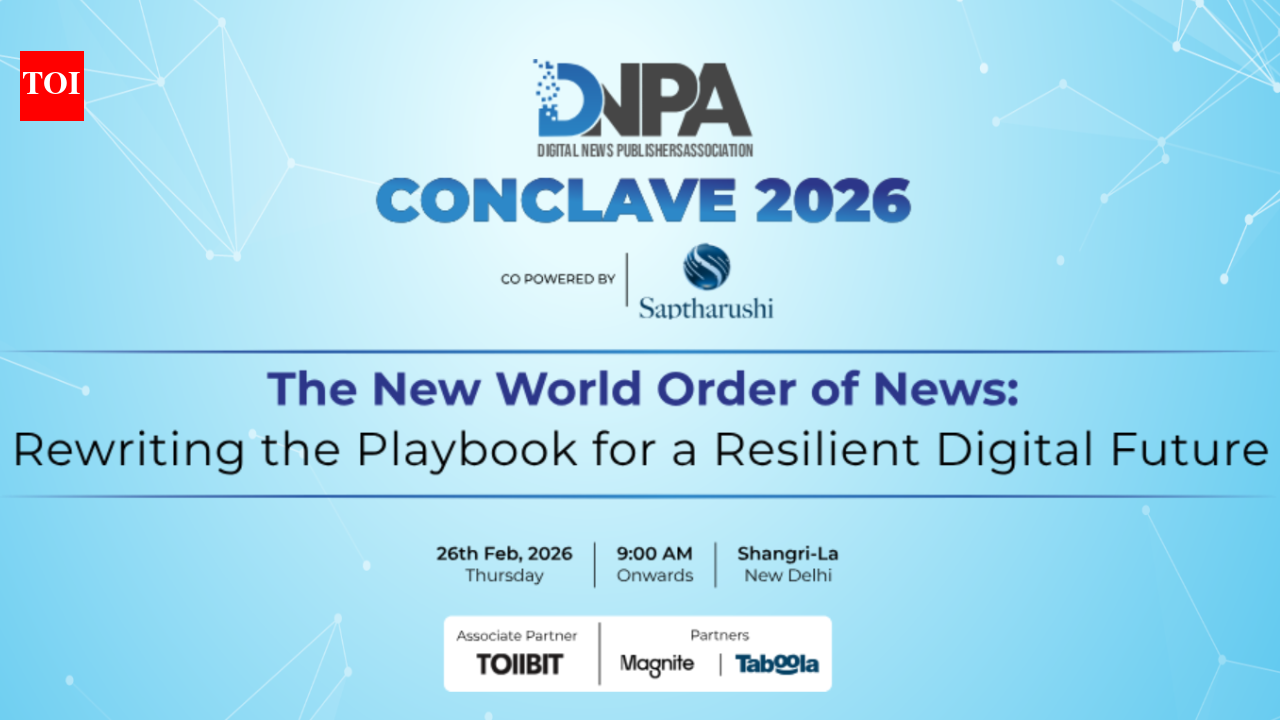
India’s digital public infrastructure is transforming the way citizens interact with the state, the economy, and each other. From governance and finance to identity verification, these systems operate at population scale, reshaping expectations around access, trust, and authentication. For the media industry, this is more than a technological shift, it is a redefinition of the role of news organisations within the ecosystem of digital citizenship.Digital infrastructure increasingly functions as public architecture, determining who can access information and how quickly. Newsrooms must navigate this landscape carefully, understanding that technology now shapes reach, availability, and audience engagement. Authentication and verification systems are establishing new norms for credibility, positioning aligned newsrooms to maintain audience trust in a world of information overload and misinformation.While these systems can broaden reach, they also carry risks of exclusion. Uneven connectivity, literacy gaps, and digital access can deepen divides if not accounted for. Media strategies that prioritise inclusion can ensure these systems expand opportunity rather than widen gaps.Against this backdrop, DNPA Conclave 2026 emerges as a pivotal forum for shaping the future of Indian journalism. To be held in New Delhi on February 26 under the theme “The New World Order of News: Rewriting the Playbook for a Resilient Digital Future,” the conclave will bring together policymakers, media leaders, and industry experts to examine the intersections of news, governance, and digital innovation.Through curated panels and expert-led sessions, the conclave will spotlight emerging trends, shared challenges, and strategic pathways for India’s digital news ecosystem. It will explore how news organisations can thrive in a landscape defined by large-scale public technology, trust-by-design systems, and inclusion imperatives.India’s scale and ambition have captured global attention. International observers view the country as a laboratory for integrating technology and public interest. For media organisations, this adds responsibility and opportunity. They operate under a global spotlight, translating public infrastructure into trusted news for millions. When technology becomes civic architecture, media becomes a stakeholder and not just a user. Engaging with this transformation is essential for credibility, relevance, and sustainable growth.Some years test resilience. Others test clarity. 2026 demands both but rewards only the latter. This is the year when industry leaders must decide what they stand for, how they operate, and whom they serve. It is the year the rules of the next media era will be written decisively.The Digital News Publishers Association (DNPA) represents leading digital media organisations across India. Committed to strengthening credible journalism, upholding ethical standards, and enabling sustainable growth, DNPA Conclave 2026 will be the stage where these defining questions are debated, directions are charted, and the future of Indian journalism takes shape.


Source link

‘Forced to read religious books, marry Muslim men’: How 2 sisters and their gang ran rape-conversion racket | Bhopal News


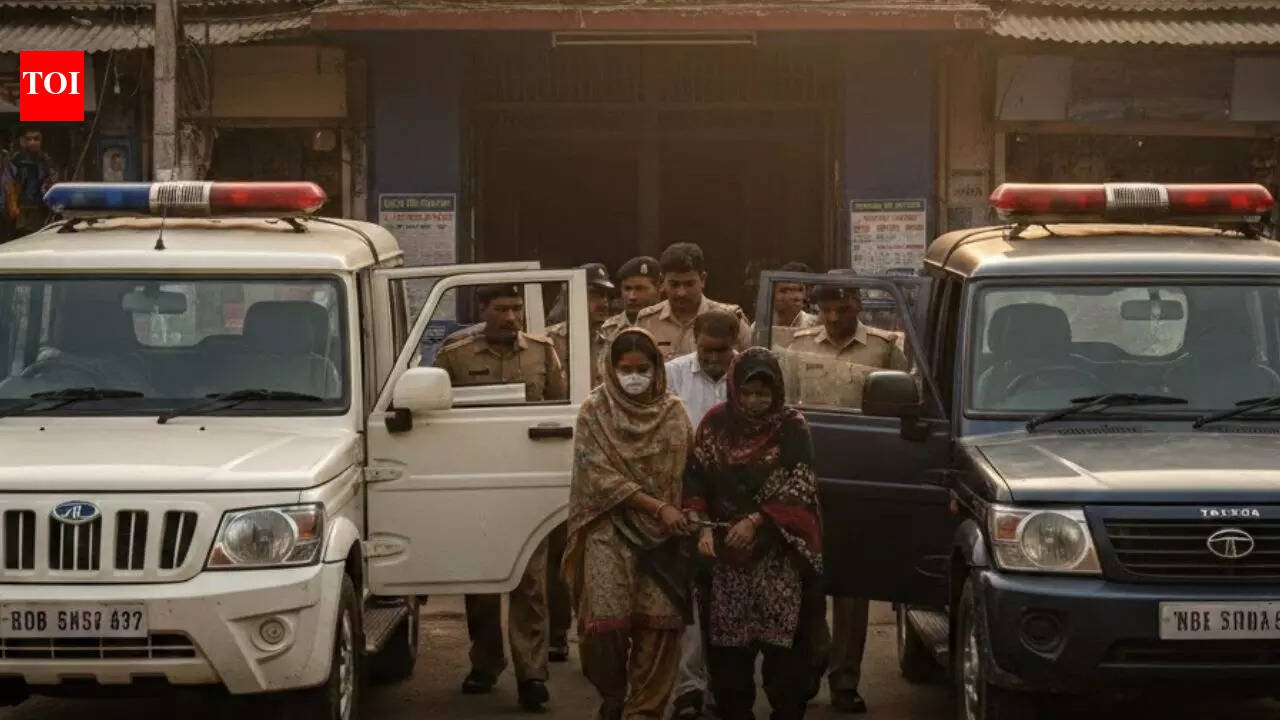
Image Used For Representational Purpose Only. (AI Image)

BHOPAL: Acting on complaints filed by two women—a 21-year-old from Chhattisgarh and a 30-year-old Bhopal-based woman—Bag Sewania police on Sunday registered two separate FIRs on charges of rape and forced religious conversion against around half a dozen accused, including two women who are sisters, under relevant sections of the BNS and the MP Freedom of Religion Act. According to police, the accused woman and her gang befriended a needy woman and a young girl on the pretext of providing employment. They offered support, gained their trust, and then allegedly presented them before her brother and lover for sexual exploitation. The survivors were later allegedly pressured to convert. The gang allegedly forced them to read religious books and pressured them to marry Muslim youths. The survivors somehow managed to escape from their clutches. When they later came into contact with each other, the two approached Bag Sewania police station and lodged complaints exposing the entire racket. Police registered a case against the alleged mastermind Razia (name changed); her live-in partner Chandan Yadav, who allegedly converted; her brother Bilal; Yasir; sister Ayesha (name changed); and another associate. So far, police have arrested Razia, Ayesha, and Chandan. On Monday, they were produced before a court and taken on remand. According to Bag Sewania police, Razia Khan is the kingpin of the gang. She worked at a spa centre and was in a relationship with Chandan Yadav. In her complaint, the 30-year-old survivor stated that she is divorced and a mother of two children. She used to work at a catering agency and came into contact with Razia in 2024 at Ashima Mall. Razia allegedly offered her a babysitting job at her house with a salary of Rs 10,000 per month. The survivor accepted the offer and later began living with Razia and her partner Chandan at their residence. During this period, Chandan allegedly mixed an intoxicant in her tea and raped her. Later, Razia allegedly presented her to a friend from Jehangirabad and then took her to Ahmedabad, where she was allegedly sexually exploited by her brother Yasir. Razia and Chandan also allegedly pressured her to convert and discussed arranging her remarriage to a Muslim man. The survivor managed to escape from their clutches in February 2025. A similar complaint was filed by a 21-year-old beautician from Chhattisgarh. She stated that she met Razia’s sister-in-law Riya (name changed) at a friend’s birthday party. At the time, she was unaware that Riya had converted. Riya allegedly introduced her to Razia at Ashima Mall on the promise of a better job. Through Razia, she came into contact with Chandan, who allegedly forced physical relations with her. Subsequently, Razia’s brother Bilal and later Yasir in Ahmedabad allegedly sexually exploited her. When the survivor complained to her friend Riya, she came to know that Riya herself had married Razia’s brother Haider and changed her name. Riya allegedly told her that nothing happens and that she too had converted from Hinduism to Islam. Razia and Chandan allegedly harassed the survivor severely, took her to parties in revealing clothes, and pressured her to marry a Muslim man. They also allegedly asked her to adopt their religion, telling her: “Men in our community are good; they do not beat women or drink alcohol. You should adopt our religion and marry one of our men.” Bag Sewania SHO Amit Soni said that two separate cases of rape and forced religious conversion were registered based on the complaints of the two women. Three accused have been arrested so far, and efforts are underway to nab the remaining suspects.


Source link

WATCH: Gautam Gambhir shares stern words with Abhishek Sharma prior to high-stakes T20 World Cup Super 8 match vs Zimbabwe


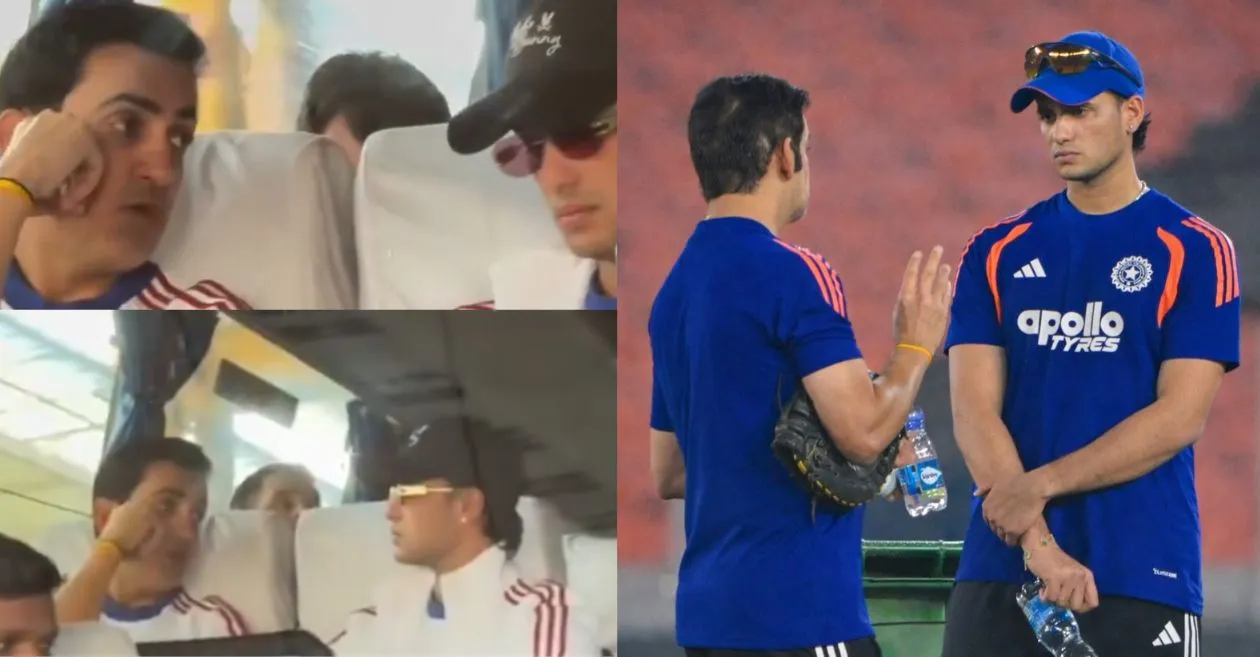
The Indian cricket team find themselves at a critical juncture in the T20 World Cup 2026 following a bruising 76-run defeat to South Africa in their Super 8 opener. As the squad touched down in Chennai for a must-win encounter against Zimbabwe at the MA Chidambaram Stadium, the spotlight shifted from the scoreboard to a viral moment on the team bus. Head coach Gautam Gambhir was captured in an intense, animated discussion with struggling opener Abhishek Sharma, signalling a high-stakes intervention for the World No. 1 T20I batter. With India’s semifinal hopes hanging by a thread, the message from the “Gambhir school of coaching” appeared loud and clear: performance is no longer negotiable.

Gautam Gambhir’s animated chat with Abhishek Sharma before do-or-die Super 8 encounter against Zimbabwe

The viral footage from Chennai airport shows a stern Gambhir engaged in a deep one-on-one with Abhishek, with assistant coach Ryan ten Doeschate eventually joining the huddle. The body language was unmistakable; Gambhir, known for his no-nonsense approach, seemed to be dissecting technical flaws and tactical lapses with the young left-hander.

This bus-stop masterclass comes at a time when calls for Abhishek’s omission are growing louder, with fans and critics suggesting Sanju Samson as a viable replacement at the top of the order. While Ten Doeschate hinted in a press conference that the coaching staff has a job to pull things right, the sight of Gambhir’s animated gestures suggests the management is still leaning toward backing their primary opener, provided he can implement immediate changes. In a tournament where India’s net run rate has plummeted to -3.800, the coaching staff is clearly working overtime to ignite the explosive strokeplay that saw Abhishek dominate the format just last year.

Here’s the video:

Also READ: T20 World Cup 2026: Sunil Gavaskar slams star India batter following humiliating defeat against South Africa

The slump of the World No. 1 T20I batter in T20 World Cup 2026

For a player who entered the tournament as the top-ranked T20I batter, Abhishek’s campaign has been nothing short of a nightmare. His struggles began with three consecutive ducks during the group stages, leaving the Indian top order exposed early in almost every outing. There was a glimmer of hope in the Super 8 opener against South Africa in Ahmedabad, where he managed to find his first runs of the tournament. However, after a promising start of 15 off 12 balls, he gifted his wicket to Marco Jansen in the fifth over, failing to convert the start into the substantial knock India desperately needed.

Abhishek’s total tally of just 15 runs across four matches has placed immense pressure on Suryakumar Yadav and the middle order. Despite the batter’s public stance that he refuses to change his aggressive mindset, the consistency of his failures has turned the upcoming match against a resurgent Zimbabwe into a do-or-die scenario for his place in the XI. As India prepare for the spinning tracks of Chepauk, the question remains: will Gambhir’s stern words be the catalyst for a comeback, or is time running out for the young opener?

Also READ: Not Virat Kohli! Google CEO Sundar Pichai names his cricketing idol


Source link

Pollution crackdown: 88 per cent construction sites in Maharashtra receive ‘stop-work’ notice | India News


Pollution crackdown: 88 per cent construction sites in Maharashtra receive 'stop-work' notice

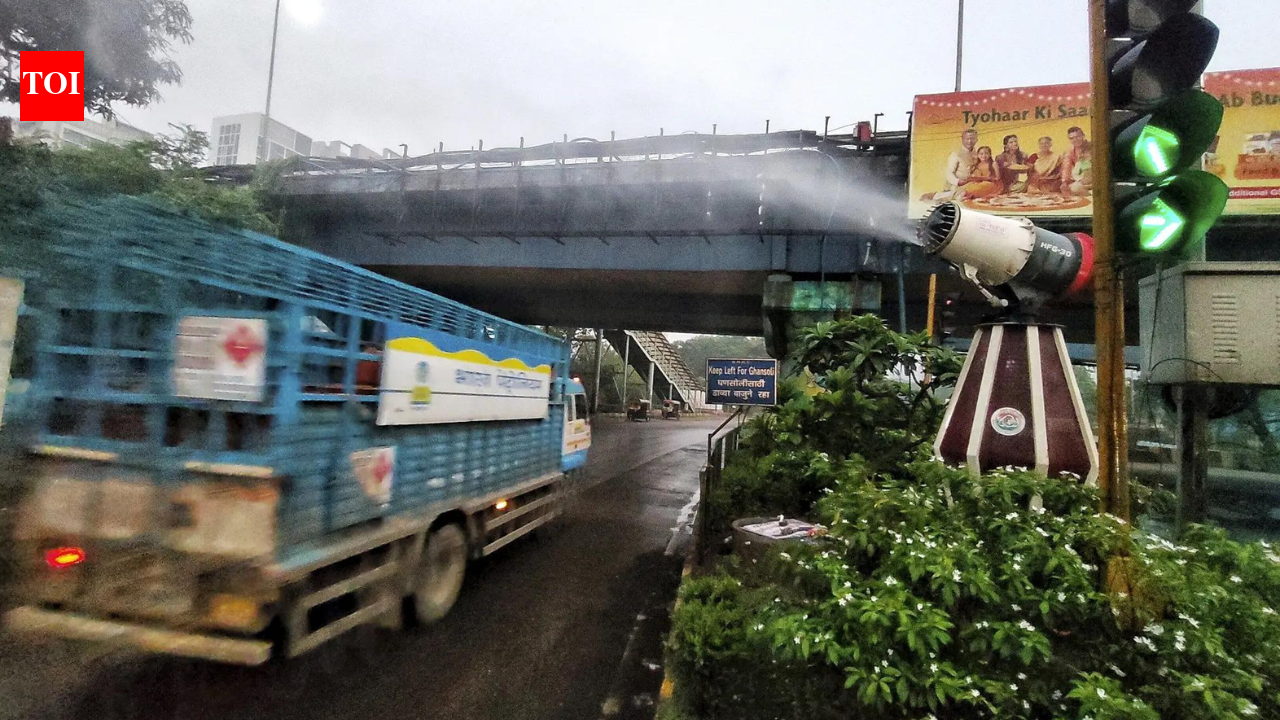
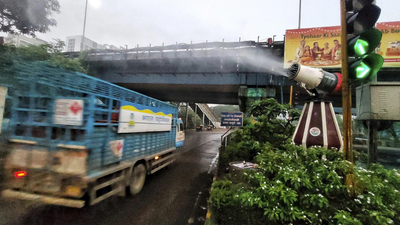
NEW DELHI: In a sweeping crackdown on air pollution, the Maharashtra government has issued stop-work notices to more than 1,000 construction sites across Mumbai, with nearly 88 per cent of active projects facing action for violating environmental norms, Environment Minister Pankaja Munde informed the state legislative assembly on Tuesday.Presenting data from October 2025 to January 2026 under the ongoing “clean air” initiative, Munde said 1,047 stop-work notices and 1,981 show-cause notices were served to errant sites as authorities tightened enforcement against dust and pollution violations.Of the 2,224 active construction projects in the city, 1,952 — about 88 per cent — have installed low-cost air quality sensors, while the remaining faced strict penalties.On January 16 alone, 678 projects were ordered to halt operations for failing to comply with mandatory sensor installation norms, underscoring the government’s push for technology-driven monitoring of pollution sources.“We are following a strict escalation matrix for violators. Construction projects failing to adhere to dust-mitigation guidelines are first given a formal intimation, followed by a show-cause notice, and then a stop-work order if they remain non-compliant,” Munde said in a written reply on AQI levels.The minister asserted that Mumbai’s air quality has largely remained within the ‘satisfactory’ (51–100) and ‘moderate’ (101–200) categories. Refuting allegations of a public health crisis, she cited reports from the Brihanmumbai Municipal Corporation (BMC) and Navi Mumbai Municipal Corporation (NMMC), which recorded no adverse health impacts among vulnerable groups such as children and senior citizens during the fluctuation in air quality.As part of intensified enforcement, the BMC’s 25 ward-level flying squads have been targeting illegal debris transport, collecting over Rs 1.21 lakh in fines during the four months.To tackle the city’s persistent dust problem, authorities have also deployed 126 water tankers and 25 misting machines, washing over 14,408 kilometres of roads.


Source link

Access Denied


Access Denied

You don’t have permission to access “http://www.ndtv.com/education/cbse-ctet-feb-2026-exam-answer-key-response-sheet-for-paper-1-and-2-out-check-download-link-here-11129578” on this server.

Reference #18.f4493417.1771941816.13e100e3

https://errors.edgesuite.net/18.f4493417.1771941816.13e100e3


Source link

‘Should play Virat Kohli’s role’: India batter asked to ‘become a chase master’ amid T20 World Cup criticism | Cricket News


'Should play Virat Kohli's role': India batter asked to 'become a chase master' amid T20 World Cup criticism
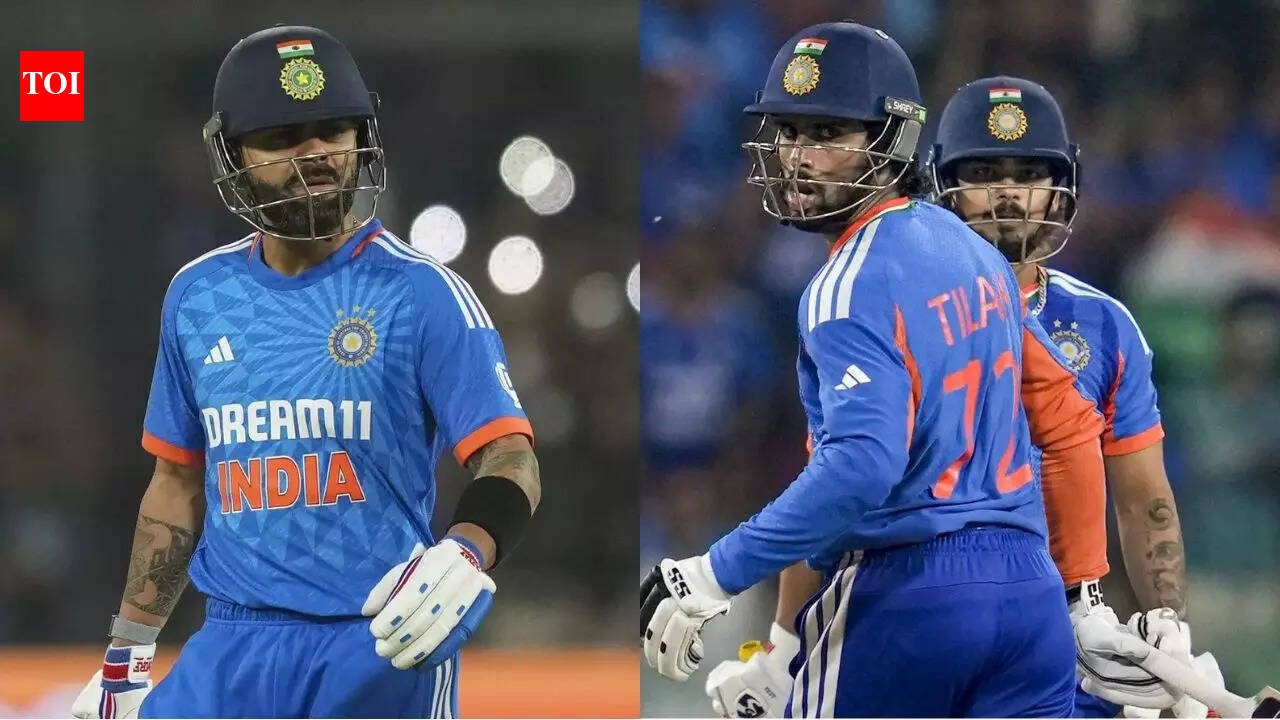
Virat Kohli (left), Tilak Varma and Ishan Kishan (on right) (Photos by PTI and AP)

NEW DELHI: Former India cricketer Mohammed Kaif has advised Tilak Varma to ignore outside criticism and focus on playing his natural game in the T20 World Cup 2026. Tilak has had a tough tournament so far, scoring 107 runs in five matches at a modest strike rate. In the match against South Africa, he tried to change his approach by playing aggressively, but it backfired when he got out attempting a big shot.

Indian cricket team arrives for nets in Chennai

Kaif said Tilak should stick to being an anchor for the team, similar to Virat Kohli’s role, instead of trying to hit too many big shots. He pointed out that Tilak changed his style due to pressure over his strike rate, which affected his performance.“Tilak Varma has his own way of playing. He can afford to play with a slow strike rate. However, he got out while playing a big shot. There was pressure building on him for the strike rate. As a player, you do keep track of what is being said. But it is the job of the management to ask the player to stick to his role. He should play Virat Kohli’s role. He moved away from his gameplay by stepping out and going for a big shot. You’ll never be able to play if you listen to what others are saying,” Kaif said on his YouTube channel.He also explained that India already has many aggressive batters, so Tilak’s job should be to stay till the end and guide the innings.“To become a chase master, you will have to first bat till the 20th over. Tilak Varma got out early, trying to hit. What is your role? Abhishek Sharma, Ishan Kishan, Washington Sundar, Suryakumar Yadav, Hardik Pandya, and Rinku Singh play attacking cricket. There should be at least one player who takes the game deep,” said Kaif.Tilak is expected to play in India’s crucial match against Zimbabwe in Chennai.


Source link

After Amma: AIADMK’s struggle to fill the void left by Jayalalithaa | India News


After Amma: AIADMK's struggle to fill the void left by Jayalalithaa
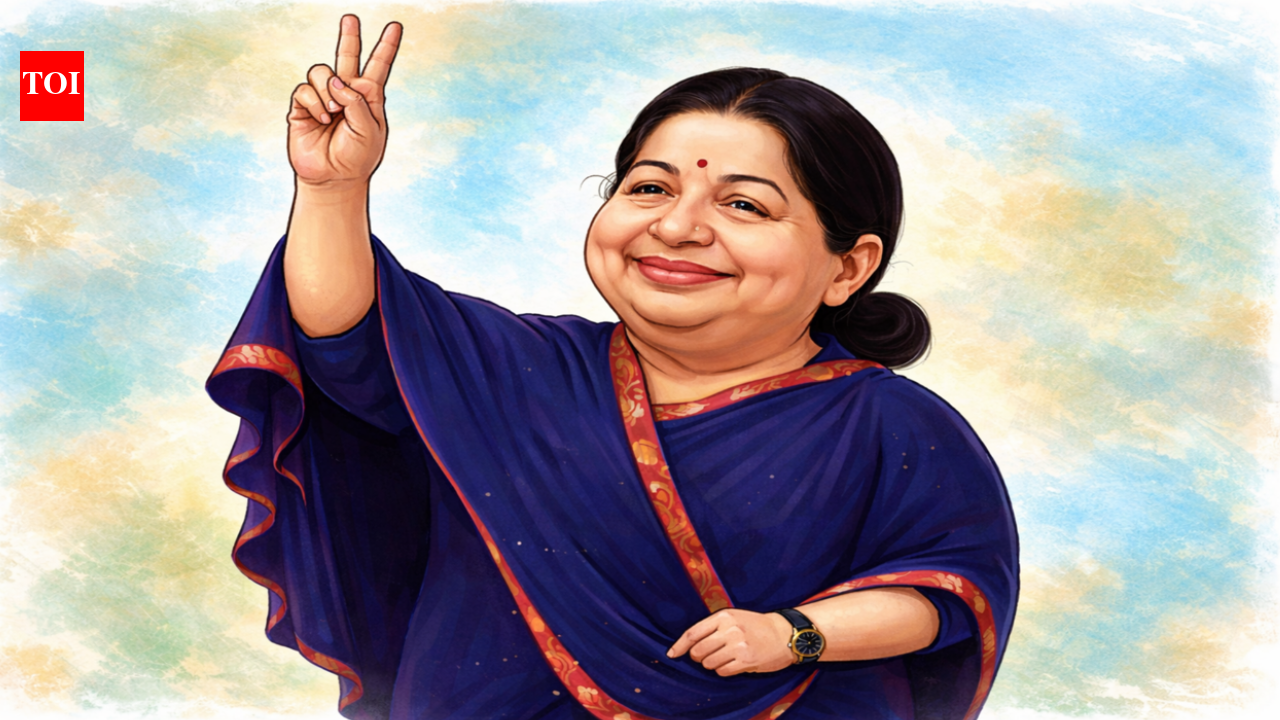
J Jayalalithaa (AI-generated image used for representation)

NEW DELHI: Nearly a decade after J Jayalalithaa’s death, the AIADMK is still trying to rediscover itself. Once held together by Amma’s towering authority, the party has spent years battling leadership struggles, electoral setbacks and shifting alliances, even as it prepares for another high-stakes assembly election in 2026.On Jayalalithaa’s birth anniversary, the question looms large: has the AIADMK truly moved beyond the vacuum she left behind, or is it still searching for a leader who can restore its lost dominance?Once a dominant force under Jayalalithaa’s leadership as party supremo, the AIADMK held significant influence in the state’s political landscape. But how has the party reshaped itself after her death, and how has it navigated internal infighting over her true political heir following the passing of Tamil Nadu’s leading lady in 2016?From delivering a big blow to the Vajpayee government to its on-and-off ties with the saffron party, and now a mention in PM Modi’s ‘Mann Ki Baat’, Amma’s AIADMK has remained impossible to ignore — whether the BJP was vulnerable or politically dominant.

-

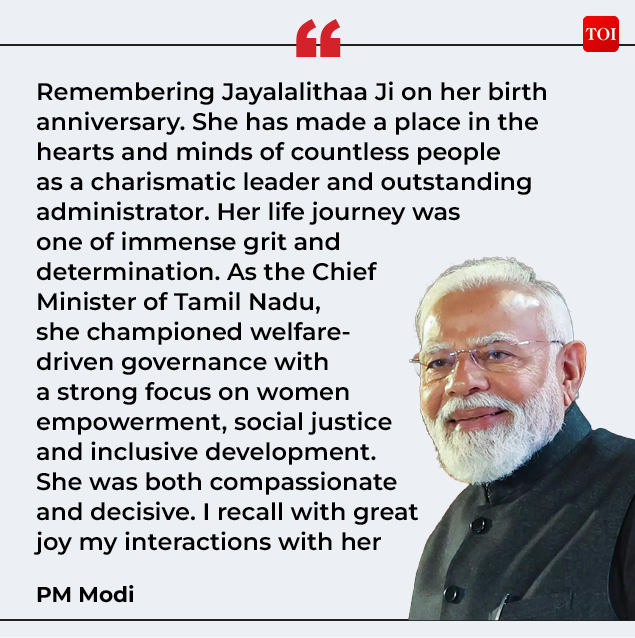
“Remembering Jayalalithaa Ji on her birth anniversary. She has made a place in the hearts and minds of countless people as a charismatic leader and outstanding administrator. Her life journey was one of immense grit and determination. As the Chief Minister of Tamil Nadu, she championed welfare-driven governance with a strong focus on women empowerment, social justice and inclusive development. She was both compassionate and decisive. I recall with great joy my interactions with her,” said PM Modi.With Tamil Nadu heading towards assembly elections scheduled for the summer of 2026, it will be the second such poll without Jayalalithaa’s formidable presence. The 2021 assembly elections had dealt a major blow to the AIADMK, as the party suffered a major defeat at the hands of DMK leader and M Karunanidhi’s son, MK Stalin. Not exactly the void after the strong leadership of Amma was filled as the party struggled with contenders within, for now Edappadi Palaniswamy, known for short as EPS, now in the role of captaining the AIADMK ship, established a strong eye on the Chennai’s chair.

The leadership vacuum after 2016

Immediately after Jayalalithaa’s passing, senior party leader O Panneerselvam, popularly known as OPS, assumed the office of chief minister. However, he was widely away and unable to fully fill Amma’s shoes, given her towering personality and mass appeal.Her gravitas and unmatched mass connect, cultivated over the stretch of years in public life, drew oceanic crowds onto the streets as she was laid to rest at Chennai’s iconic Marina Beach, beside her political guru and AIADMK founder, MG Ramachandran.

OPS vs EPS: Battle for the party’s soul

After Amma’s, senior party leader OPS found himself comfortably succeeding to Jayalalithaa’s chair, but not for long. Within less than a year, he was demoted. In February 2017, EPS rose to the top post. Months later, OPS began serving as deputy chief minister under his new boss, this time not Jayalalithaa, but a man from a rival faction within the party, Edappadi K. Palaniswamy, who is a few years younger than him.The EPS-OPS relationship began to strain as both AIADMK stalwarts engaged in an ugly duel, gradually making the rival DMK appear stronger and ultimately paving the way for MK Stalin to claim a strong chief minister’s chair. Meanwhile, the AIADMK leadership was drawn into a legal battle, with EPS and OPS each denying the other authority and asserting their own claim to the party chief post—the position of general secretary.The dispute between the two veterans was taken up by the Madras high court and later by the Supreme Court, both of which eventually ruled that EPS was the more suitable leader for AIADMK, leading the expulsion of O Panneerselvam.

The Sasikala chapter

However, Amma’s death did not immediately pit EPS and OPS against each other. The real player at the center of the initial power struggle was the Sasikala family. Sasikala, a close aide of the most powerful woman in Tamil Nadu, was often described by some as Jayalalithaa’s shadow and by others as her friend. Yet it was the then-CM and party chief, Jayalalithaa herself, who spoke most kindly of Sasikala, describing her as “almost like a sister.Sasikala, after Amma’s demise, immediately selected unanimously as the acting general secretary of AIADMK and soon after that she was selected as the leader of assembly but sitting-chief minister then, OPS rebelled against Sasikala and reported that he had been compelled to resign as Tamil Nadu CM, bringing in a new twist in state’s politics.Sasikala also installed her nephew, TTV Dhinakaran, as the party’s deputy general secretary. Dhinakaran, who later began leveraging Amma’s legacy for political currency, eventually floated his own party after the EPS-led AIADMK expelled Sasikala from the organisation. He went on to found a new outfit named after Jayalalithaa — the Amma Makkal Munnetra Kazhagam (AMMK).Following her conviction in the disproportionate assets case linked to Jayalalithaa, Sasikala was sentenced to four years in prison and lodged at Bengaluru Central Prison. Before beginning her jail term, she appointed EPS as the AIADMK’s legislative party leader, paving the way for him to assume the office of chief minister.

EPS consolidates control

In a dramatic turn, EPS later expelled members of the Sasikala family from the party and also removed OPS from key positions, consolidating his control over the AIADMK.After sidelining bigwigs such as former CM Panneerselvam and distancing the Sasikala faction, EPS has strengthened his grip on the party command. He now continues to position himself as the AIADMK’s undisputed leader, aspiring to reclaim the top post in the state and challenge incumbent MK Stalin’s leadership.

‘Good news will come’: Sasikala

However, on the occasion of her birth anniversary on Tuesday, Sasikala also floated the idea of launching her own party, yet another attempt to invoke Amma Jayalalithaa’s name and legacy as political currency.

-

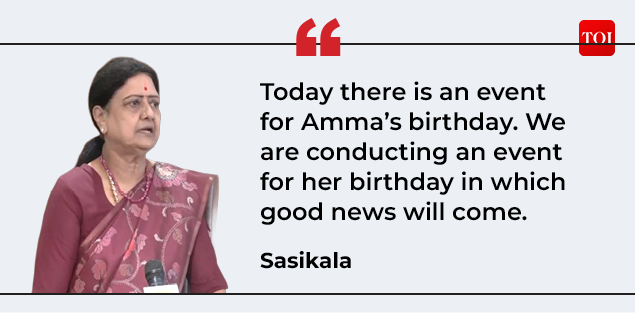
Speaking to reporters, Sasikala said, “Today there is an event for Amma’s birthday. We are conducting an event for her birthday in which good news will come.”

2016: Amma’s final electoral triumph

Amma’s last elections in Tamil Nadu, made her considerably losing control on many seats, declining the number of seats, she had won in 2011 elections. Still Jayalalithaa was able to push her boat beyond the mark of magic numbers — a majority — 118 out of 234 seats, — Amma-led party secured 136 seats, without any support of alliance, not even with the BJP — a national party which has had a bitter and sweet relations with Jayalalithaa’s AIADMK.Under Jayalalithaa’s leadership, the AIADMK won the assembly polls and made history by becoming the first ruling party in Tamil Nadu since 1984 to return to power, albeit with a simple majority.This was the last election contested by J Jayalalithaa and M Karunanidhi, as they passed away later in 2016 and 2018, respectively.

2019: Lok Sabha drubbing after her demise

The AIADMK faced one of its biggest setbacks in the 39-seat Tamil Nadu battleground during the Lok Sabha elections. After the loss of its leading lady, the party was reduced to just one seat, a stark contrast to the landslide victory of 37 seats it had secured in 2014 under Amma’s leadership—clearly highlighting the impact of Jayalalithaa’s absence.However, the AIADMK was in alliance with the BJP, led by Prime Minister Narendra Modi, who secured a commanding victory nationally and returned to power for a second consecutive term as PM. In Tamil Nadu, however, the alliance performed disastrously and delivered a shameful result. No man—neither EPS nor Modi—was able to replicate the sweeping success that a lady, Jayalalithaa had achieved in the state in the 2014 elections.

2021: Assembly defeat and Stalin’s rise

The slide continued in the Tamil Nadu assembly polls as well. The EPS-led and Amma-less AIADMK, hoping to retain power, failed to stage a comeback. After the humiliating tally of just one seat in the Lok Sabha polls, the Amma-less party saw its strength shrink further in the assembly, reduced to double digits—far from what was needed to remain in power.Stalin, meanwhile, emerged stronger despite the passing of his father and DMK stalwart M Karunanidhi. This was also the DMK’s first election without its long-time patriarch. However, unlike the AIADMK, the DMK did not witness visible infighting or petty internal politics. That relative unity may have helped Stalin consolidate his leadership and firmly establish himself in the state’s top post.

2024 Lok Sabha polls: From setback to wipeout

Nothing changed for AIADMK in the 2024 general elections. The party remained at the bottom and, this time, failed to win even a single seat. Once a formidable force under MG Ramachandran and later his successor Jayalalithaa, the party was reduced to insignificance in the Lok Sabha polls.

Old guards, new tensions within AIADMK

The setback has forced the AIADMK to virtually start afresh, even as several old guards continue to cast a shadow over its present. Sasikala and her nephew Dhinakaran intermittently adopt an aggressive stance in the new EPS-led era, while another veteran leader and former chief minister, O Panneerselvam, continues to launch barbs at the party leadership. For many within the organisation, these developments are a far cry from the party’s olden, golden days.

Full circle politics: BJP and AIADMK find their way back

From the Vajpayee era to Prime Minister Modi’s recent tribute to “Amma” on her birth anniversary, the BJP’s ties with the AIADMK have come full circle, alliance, rupture, reunion. Even after electoral setbacks in Tamil Nadu, the saffron party has kept the door open to its old Dravidian ally, signalling once again that political necessity outweighs past differences.Union home minister Amit Shah has described the BJP-AIADMK partnership as a “natural alliance,” arguing that the 2024 Lok Sabha results would have looked dramatically different had the two contested together. “We fought together in 1998, in the 2019 Lok Sabha elections, and in the 2021 assembly polls. But in 2024, we contested separately. If our vote shares are to be combined, we would have won 36 seats,” he said, adding that 2024 and 2025 had been victorious years for the BJP in several states and that the trend would repeat in Tamil Nadu and West Bengal.For the BJP, the outreach specifies a hard truth: Tamil Nadu’s Dravidian voter base remains rooted in regional forces, primarily the ruling DMK and the opposition AIADMK. To rebuild a broader NDA footprint in the state, the party is also engaging smaller players and former allies.AIADMK chief Edappadi K Palaniswami, meanwhile, has called the alliance “essential” to defeat what he terms an “anti-people” DMK regime. “AIADMK will capture power with absolute majority in 2026… Never in the history of Tamil Nadu has there been such a corrupt, incompetent anti-people government,” EPS said.This latest AIADMK-BJP partnership, led once again by Edappadi K. Palaniswami — now once again positioning himself as Jayalalithaa’s political heir and reshaping the party’s lineup, balancing longtime allies with those who keep him in check — aims to take on a strengthened Stalin-led DMK, without Amma’s shadow yet again. Whether this renewed alliance will endure or prove another short-lived truce will ultimately be decided at the ballot box, as Tamil voters weigh legacy, leadership, and promises in the months ahead.

Source link

‘We’re 2002’: Nitish Kumar’s big slip as he loses cool on oppn in assembly – watch | India News


'We're 2002': Nitish Kumar's big slip as he loses cool on oppn in assembly - watch

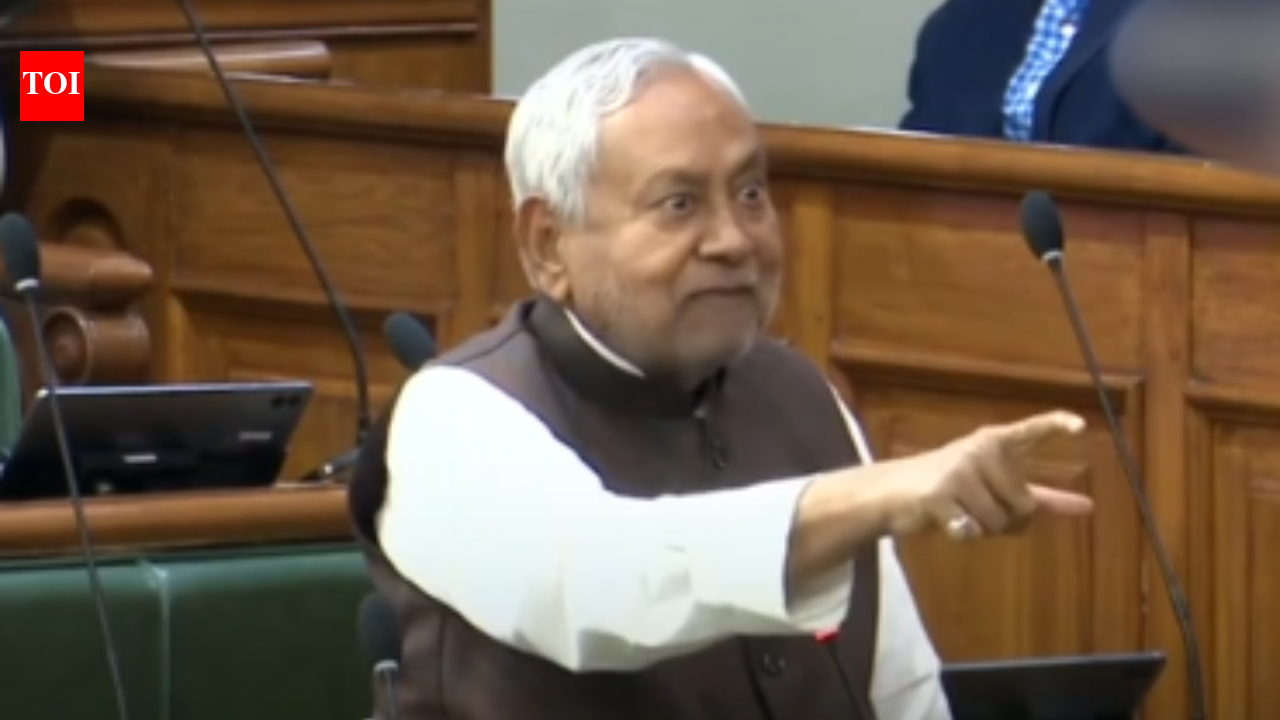
Bihar chief minister and JD(U) supremo Nitish Kumar lost his composure in the state assembly on Tuesday as opposition members protested, alleging that the NDA-led government was ruling the state with the help of “guns and bullets”. During the heated exchange, Kumar made a notable slip of the tongue, wrongly mentioning the NDA’s strength as “two thousand and two” instead of 202, while referring to the mandate won by the BJP-led coalition, which had secured 202 of the 243 assembly seats in last year’s elections, news agency PTI reported.The protest began shortly after the House convened at 11 am, when RJD MLA Kumar Sarvajeet raised concerns over a police baton charge on village chowkidars demanding higher stipends. Sarvajeet said, “The ‘chowkidars’ who were demanding a hike in their pay are very much employees of the Home department. Yet, they were treated in a deplorable fashion yesterday.”

Chief Minister Nitish Kumar Loses Cool In Bihar Assembly After Guns And Bullets Jibe By RJD MLAs

Opposition members shouted slogans: “bandook goli ki sarkar nahin chalegi (will not allow a rule by brute force, with the help of guns and bullets)”. Responding sharply, Kumar said, “Do not talk rubbish. This government will run without any hiccups. Just look at us. We are two thousand and two. And just look at how many of you have been left now.”RJD leader Bhai Virendra reminded Nitish Kumar of previous short-lived alliances, to which the CM hit back, saying, “Yes, and you people always indulged in mischief, a reason why I pulled out never to return.” He also criticised the RJD’s past governance: “Law and order had been so abysmal that people feared getting out of their homes after 5 pm. So you better not talk nonsense.”The situation briefly escalated when some opposition MLAs entered the well. Order was restored after parliamentary affairs minister Vijay Kumar Chaudhary assured talks with chowkidar representatives and promised appropriate action.


Source link

Stock market today: Which are top gainers and losers on NSE and BSE on February 24? Check list


Stock market today: Which are top gainers and losers on NSE and BSE on February 24? Check list

Equity benchmark indices Sensex and Nifty ended sharply lower, falling more than 1 per cent, as heavy selling in information technology stocks combined with global trade uncertainties and rising geopolitical tensions to weigh on investor sentiment.The NSE Nifty declined 288.35 points, or 1.12 per cent, to close at 25,424.65 after touching an intraday low of 25,327.60. The BSE Sensex tumbled 1,068.74 points, or 1.28 per cent, to settle at 82,225.92, after plunging as much as 1,359.93 points during the session.The selloff snapped a two-session rally and came amid renewed concerns over artificial intelligence-led disruption in the IT sector, rising crude oil prices linked to escalating US-Iran tensions, and persistent global trade worries, market participants said.Market breadth remained weak, with 2,802 stocks declining against 1,422 advances on the BSE, while 143 shares remained unchanged. On the NSE, 32 constituents of the Nifty ended in the red, while 18 closed higher. Metal, Oil & Gas, Power, Energy, Utilities, Commodities, FMCG, Healthcare, PSU Bank and Capital Goods indices, however, ended in the green.Here are the top gainers and loser of the day:

Nifty50 top gainers:

  • NTPC (1.95%)
  • Coal India (1.17%)
  • JSW Steel (1.13%)
  • Hindalco (0.73%)
  • HUL (0.57%)
  • Tata Consumer (0.53%)
  • Titan Company (0.52%)
  • Tata Steel (0.48%)
  • Power Grid (0.48%)

Nifty50 top losers

  • Tech Mahindra (-6.63%)
  • HCL Tech (-6.11%)
  • Eternal (-5.23%)
  • Infosys (-3.92%)
  • TCS (-3.84%)
  • L&T (-3.60%)
  • Trent (-3.05%)
  • Bharti Airtel (-2.82%)
  • Wipro (-2.80%)
  • Kwality Wall’s (-2.75%)

BSE Sensex top gainers

  • NTPC (1.95%)
  • HUL (0.57%)
  • Titan Company (0.52%)
  • Power Grid (0.48%)
  • Tata Steel (0.48%)
  • Axis Bank (0.07%)
  • Reliance Industries (0.06%)

BSE Sensex top losers

  • Tech Mahindra (-6.63%)
  • HCL Tech (-6.11%)
  • Eternal (-5.23%)
  • Infosys (-3.92%)
  • TCS (-3.84%)
  • L&T (-3.60%)
  • Trent (-3.05%)
  • Bharti Airtel (-2.82%)
  • Kwality Wall’s (-2.75%)
  • HDFC Bank (-1.42%)

“Investor sentiment weakened amid renewed concerns over global trade developments and rising geopolitical tensions, which kept crude oil prices elevated. Moreover, continued pressure on global technology stocks and fears of AI-led disruption further dragged domestic IT shares, amplifying the decline in the benchmark indices,” Ajit Mishra – SVP, Research, Religare Broking Ltd, said, PTI quoted.Technology stocks bore the brunt of selling pressure, with Tech Mahindra emerging as the biggest laggard, falling 6.6 per cent. HCL Technologies, Eternal, Infosys, Tata Consultancy Services, Larsen & Toubro, Trent, Bharti Airtel, HDFC Bank, Bharat Electronics Ltd and ICICI Bank were also among major losers.In contrast, NTPC, Hindustan Unilever, Tata Steel, PowerGrid, Titan, Reliance Industries, Axis Bank and Sun Pharmaceuticals were among the gainers, providing limited support to the indices.“Domestic markets registered a sharp decline, led by significant weakness in IT stocks amid renewed global concerns over AI-driven disruption and margin pressures for traditional service providers. Global trade and tariff worries resurfaced as well, with additional pressure arising from Trump’s warnings on trade deals and reports of possible national-security tariffs,” Vinod Nair, Head of Research, Geojit Investments Limited, said.He added that escalating US–Iran tensions, including embassy staff evacuations and warnings of wider regional escalation, intensified risk aversion among investors.Broader markets also closed in negative territory, with the BSE Smallcap Select Index falling 0.68 per cent and the Midcap Select Index declining 0.54 per cent.“Weekly expiry of Nifty derivatives further added to intraday volatility, with markets reacting to a combination of weak global cues and sector-specific pressures…IT emerged as the worst performer, dropping 4.8 per cent amid continued concerns around AI disruption to large outsourcing businesses and its impact on growth visibility,” Siddhartha Khemka, Head of Research, Wealth Management, Motilal Oswal Financial Services Ltd, said.Among sectoral indices, Focused IT declined 4.80 per cent, followed by Information Technology (4.53 per cent), Realty (2.61 per cent), Telecommunication (1.79 per cent), Consumer Discretionary (1.12 per cent) and Industrials (0.91 per cent).Asian markets ended mostly higher, with South Korea’s Kospi, Japan’s Nikkei 225 and Shanghai’s SSE Composite closing in positive territory, while Hong Kong’s Hang Seng ended lower.European markets were trading weak in mid-session deals, with Germany’s DAX, London’s FTSE 100 and Paris’ CAC 40 declining up to 0.27 per cent.Markets remain highly sensitive to geopolitical developments and sector-specific risks, analysts said, with investors increasingly shifting toward defensive and domes


Source link