Breaking News
Vicky Kaushal: Katrina Kaif: ‘She has been a warrior through the pregnancy,’ says Vicky Kaushal as he showers love on Katrina Kaif, talks about son Vihaan |


Vicky Kaushal and Katrina Kaif became parents to a baby boy in November 2025. Two months after his birth, in a joint post, Katrina and Vicky wrote, “Our Ray of Light ❤️Vihaan Kaushal. विहान कौशल Prayers are answered. Life is beautiful. Our world is changed in a instant. Gratitude beyond words 🙏🏽🧿🕉️”While Katrina has taken a break from movies and is completely enjoying being a hands-on mom, Vicky has now showered praise on her as a mother. Vicky recently made an appearance at an event by The Hollywood Reporter India. When he was on stage, Neha Dhupia asked him, “How is it being a brand new dad?” Responding to it, Vicky said, “He is three months old right now, there’s very little a dad has to do when the baby is three months old, I’m just trying to be a cheerleader and I’m waiting for him to grow up so I can contribute more. Right now, the mother is being the superhero and she’s been a warrior through her pregnancy and she’s been a warrior as a mother as well. I’m so incredibly proud of her and I love her so much.

Vicky & Katrina Reveal Baby Name — And the Uri Twist Everyone Noticed

During a recent chat, Vicky Kaushal faced a fun question: after shining in acting and dance, had he conquered diaper duty too? Chuckling, he replied to NDTV, “I am better at changing diapers than acting. I’d just like to say that.” Reflecting on fatherhood’s emotional pull, he confessed leaving the city shortly after his son’s arrival was challenging. “It’s very tough (to leave the city after becoming a father). But one day when he watches this, he’ll be proud of his dad. I can’t express in words what it means to be a father,” he shared.


Source link

Irfan Pathan suggests one change India must do for Super 8 clash against Zimbabwe in T20 World Cup 2026


India‘s campaign in the ICC Men’s T20 World Cup 2026 has reached a critical juncture following a heavy 76-run defeat to South Africa in their opening Super 8 match on Sunday. The loss not only snapped India’s remarkable 18-match unbeaten streak in ICC events but also pushed the defending champions into a corner.

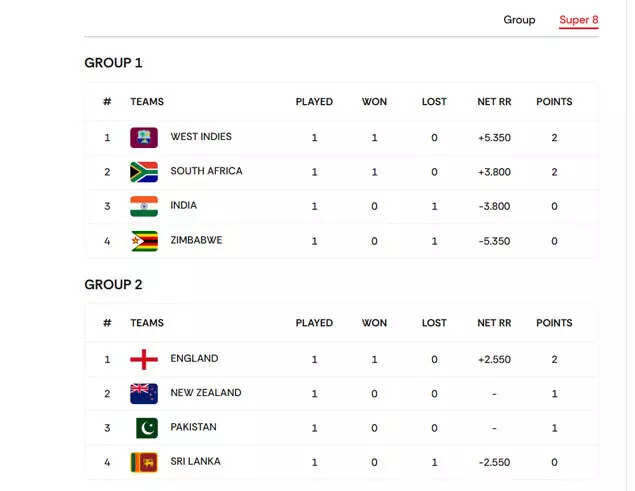
Placed third in Group 1, India’s Net Run Rate (NRR) has taken a massive hit, plummeting to -3.800 — a worrying sign in a tightly contested Super 8 stage. With two crucial matches remaining against Zimbabwe and West Indies, the equation is clear: win both games and win them convincingly.

For a side that entered the tournament as one of the favourites, the margin of defeat against South Africa has suddenly made the road to the semifinals far more complicated. The defending champions now not only need victories but also dominant performances to repair their NRR and restore belief.

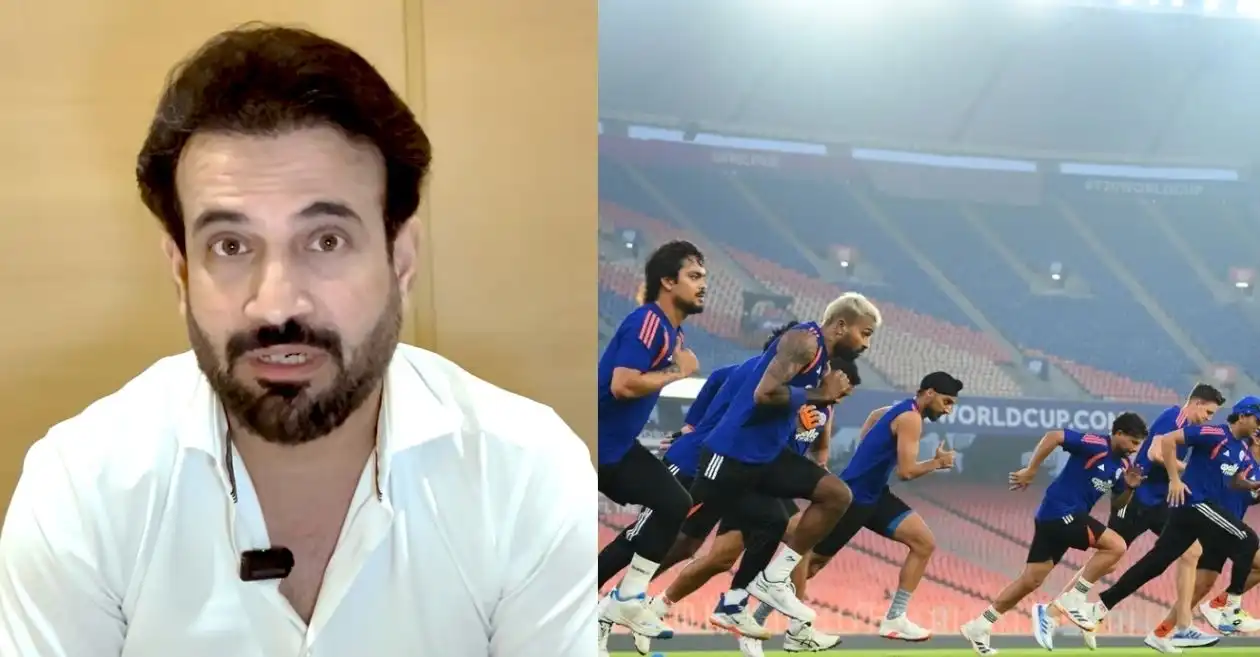
Amid rising pressure and intense scrutiny, former India all-rounder Irfan Pathan has weighed in with a strong suggestion regarding India’s playing XI for the must-win clash against Zimbabwe.

Irfan Pathan picks a change India must do in their playing XI for Zimbabwe clash

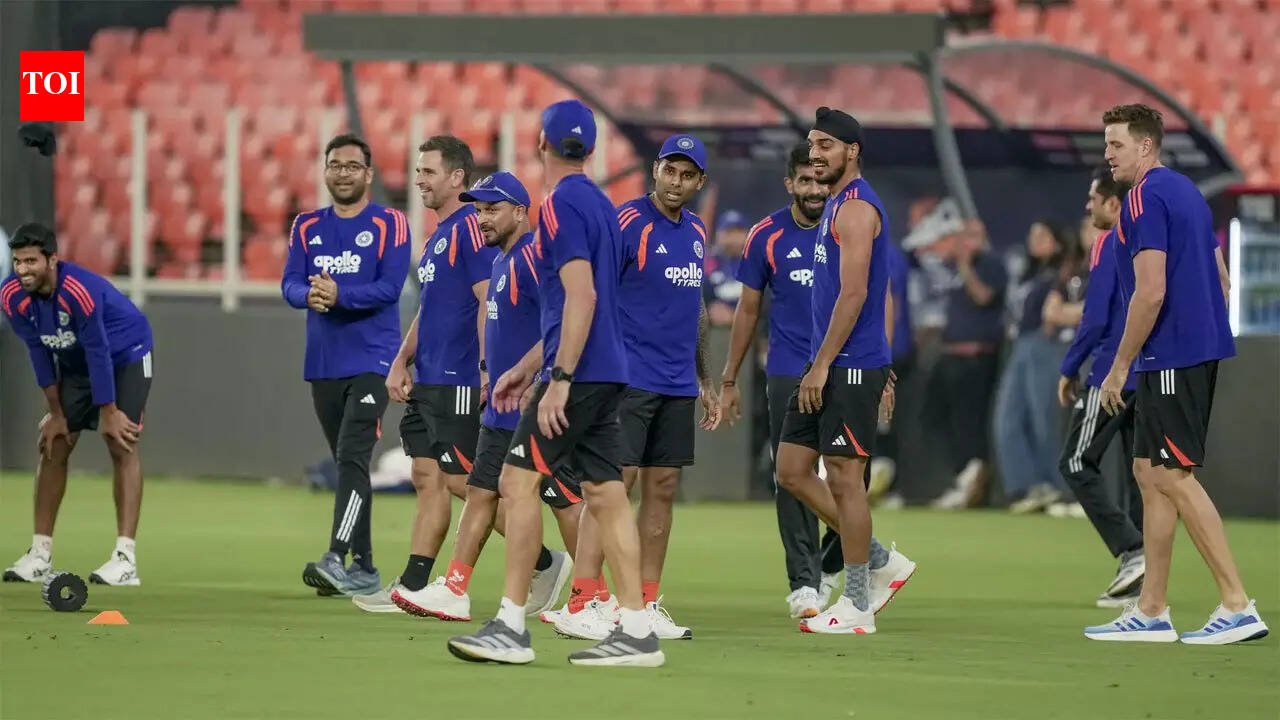
Speaking on Star Sports, Pathan made it clear that India should resist the temptation to make wholesale changes but insisted on one key inclusion — Axar Patel.

“Axar Patel should get in. He is a guy who can actually bowl against left-hand batters as well. So let me make it very clear that he’s very good. He’s very experienced. We can use him as a floater in batting as well. So that’s the first thing first,” Pathan said.

Pathan emphasised Axar’s ability to handle left-handers, something that could be crucial against Zimbabwe’s batting unit. Apart from his bowling value, Axar’s flexibility in the batting order adds balance to the side — a quality India seemed to lack in the previous game.

Pathan also acknowledged that the team management might be considering bringing in wrist-spinner Kuldeep Yadav, especially with a big clash against West Indies looming. However, Pathan warned against overthinking.

“The Indian team might be thinking if they can get Kuldeep Yadav in because they must have seen the attack they got in as far as the West Indian team is concerned as well. So they might be thinking against Zimbabwe, should they get Kuldeep in and give him a go before the big game against West Indies as well,” he added.

“Apart from that, yes, they are left-handers. Yes, they’ll be thinking about Sanju Samson as well, but I don’t want the Indian team to think and tinker too much. I would think they should make only one change as far as the playing 11 is concerned. Axar should get in,” Pathan concluded.

Also READ: Mohammad Kaif explains how Tilak Varma can rediscover his lost form in T20 World Cup 2026

Defending champions face defining moment

India now find themselves at a defining moment in their title defence. The aura of invincibility built over 18 ICC matches has been shaken, and the margin for error is virtually zero.

Against Zimbabwe, India are expected to dominate with both bat and ball. The batting unit must show intent from the outset, ensuring a big total or a swift chase to improve the damaged NRR. The bowling attack, meanwhile, needs sharper execution in the powerplay and death overs — areas that proved costly in the defeat to South Africa.

The clash against Zimbabwe is not just another group-stage encounter; it is a survival test. With the high-stakes battle against West Indies next in line, India cannot afford another slip-up.

Also READ: India’s T20 World Cup 2026 semi-final qualification scenario after West Indies’ dominant win over Zimbabwe


Source link

5 Pakistani cops killed in coordinated militant attack in Khyber Pakhtunkhwa


5 Pakistani cops killed in coordinated militant attack in Khyber Pakhtunkhwa

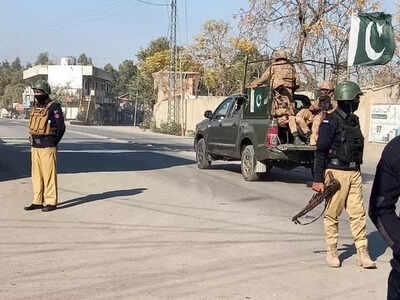
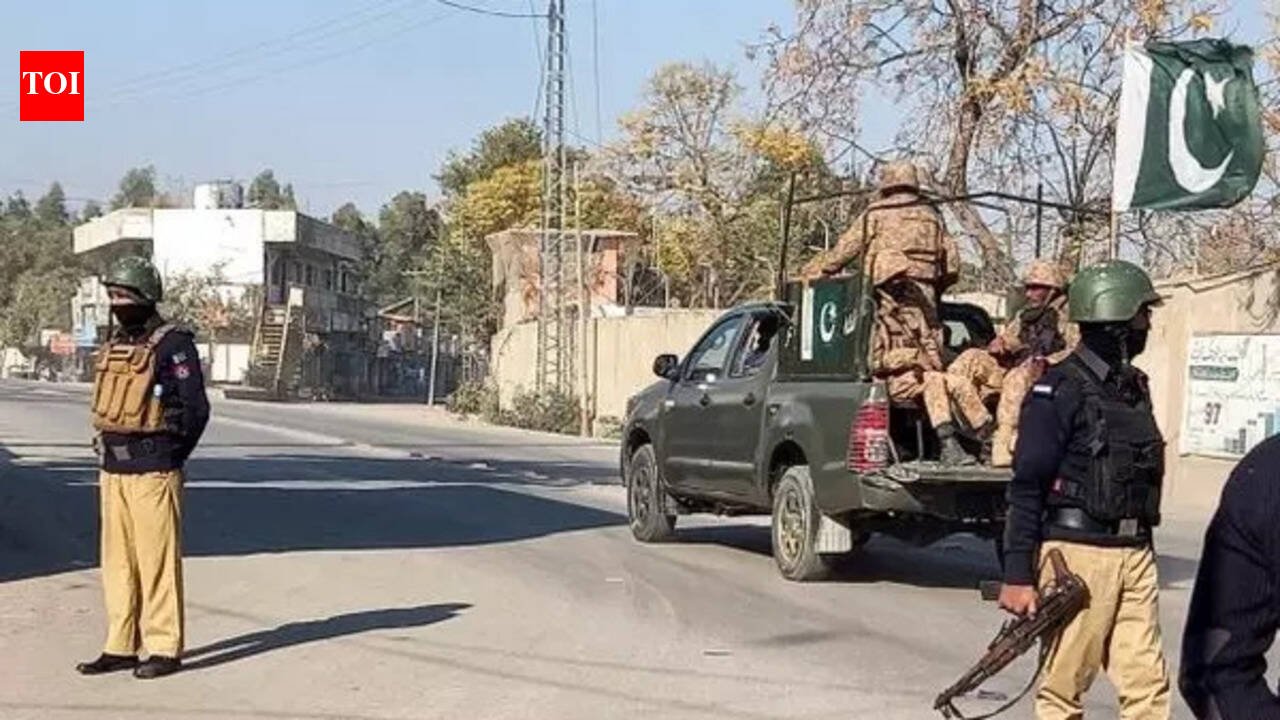
At least five police officers were killed in two coordinated attacks on police vehicles in northwest Pakistan on Tuesday, officials said, highlighting a renewed spike in militant violence in the region.The first attack took place in the Kohat district of Khyber Pakhtunkhwa province, where gunmen ambushed a police vehicle and shot dead one officer. Within minutes, as additional personnel rushed to the scene, the assailants struck again, killing four more officers, local police official Kamran Khan told news agency AP.

Jaish Terror Network Shaken In Jammu: Top Commander Among 3 Terrorists Killed In Kishtwar Encounter

No group immediately claimed responsibility for the assault, which appeared to be carefully timed to target responding officers.The violence came just a day after another deadly episode in nearby Karak. On Monday, attackers used an explosives-laden drone to hit a paramilitary post, injuring several personnel. As the wounded were being transported for treatment, the assailants ambushed two ambulances. Three officers were killed in the attack, and their bodies were set on fire before the attackers fled. Despite suffering burn injuries, the driver of the second ambulance managed to evacuate other wounded officers to safety. Authorities later recovered the remains of the slain personnel.While no group has formally claimed responsibility for this week’s attacks, suspicion is likely to fall on Tehrik-e-Taliban Pakistan, or TTP, often referred to as the Pakistani Taliban. The group is distinct from but maintains close ties with Afghanistan’s Taliban rulers. Islamabad has repeatedly accused the TTP of operating from sanctuaries inside Afghanistan, an allegation both the group and the Taliban administration in Kabul deny.The latest bloodshed follows a major military operation along the Afghan border on Sunday, in which Pakistan’s armed forces said they killed at least 70 militants in strikes on suspected hideouts. The military said those targeted were linked to recent attacks inside the country.The back-to-back assaults highlight mounting security challenges in Khyber Pakhtunkhwa, where militant attacks have intensified in recent months.


Source link

India T20 World Cup: NRR drama peaks: How Team India can still reach T20 World Cup semis | Cricket News


NRR drama peaks: How Team India can still reach T20 World Cup semis

India’s semifinal hopes in the T20 World Cup 2026 now depend not just on winning, but on winning big. After cruising through the group stage unbeaten — including a statement victory over Pakistan — India suffered a major setback in the Super 8s. A crushing 76-run defeat to South Africa has left Suryakumar Yadav’s men under pressure in Group 1. With a net run rate of -3.800, India are well behind West Indies (+5.350) and South Africa (+3.800).For India, two wins alone may not guarantee qualification. Given their poor NRR, they need emphatic victories to stay in control of their fate.

Gautam Gambhir’s animated chat with Abhishek Sharma goes viral; Team India lands in Chennai

INDIA QUALIFICATION SCENARIO

Following the heavy loss to South Africa, India face Zimbabwe in Chennai on February 26 before taking on West Indies in Kolkata on March 1.To remain in serious contention, India must first secure a commanding win over Zimbabwe. A victory by a margin of around 100 runs could play a crucial role in repairing their damaged net run rate.If India, South Africa and West Indies all finish on four points — a very realistic scenario — NRR will decide the semifinalists. With India currently lagging far behind, they must bridge the gap quickly.For instance, if India post 220 batting first, they would need to bowl Zimbabwe out for approximately 120 or less to make a significant improvement in NRR. A narrow win could leave them dependent on other results.

.

Scenario 1 – India win both matchesIf India beat both West Indies and Zimbabwe, they will finish on four points. And if South Africa win all their matches, both India and South Africa will qualify for the semins. If India win both matches and South Africa lose one of their games, three teams could end up tied on four points. In that case, qualification would be decided by Net Run Rate.If India win both their matches and South Africa lose both their games, then India and West Indies will qualify for the semi-final,Scenario 2 – India win one matchIf India pull off only one win, then they will be eliminated irrespective of what happens in other results of the group.Remaining Super 8 Fixtures – Group 1February 26: South Africa vs West Indies (Ahmedabad)February 26: India vs Zimbabwe (Chennai)March 1: South Africa vs Zimbabwe (Delhi)March 1: India vs West Indies (Kolkata)For the defending champions, the margin for error has vanished. The road to the semifinals now demands not just victories, but dominance.


Source link

Cabinet nod for Rs 9,072 crore railway multitracking plan to add 307 km network capacity


Cabinet nod for Rs 9,072 crore railway multitracking plan to add 307 km network capacity

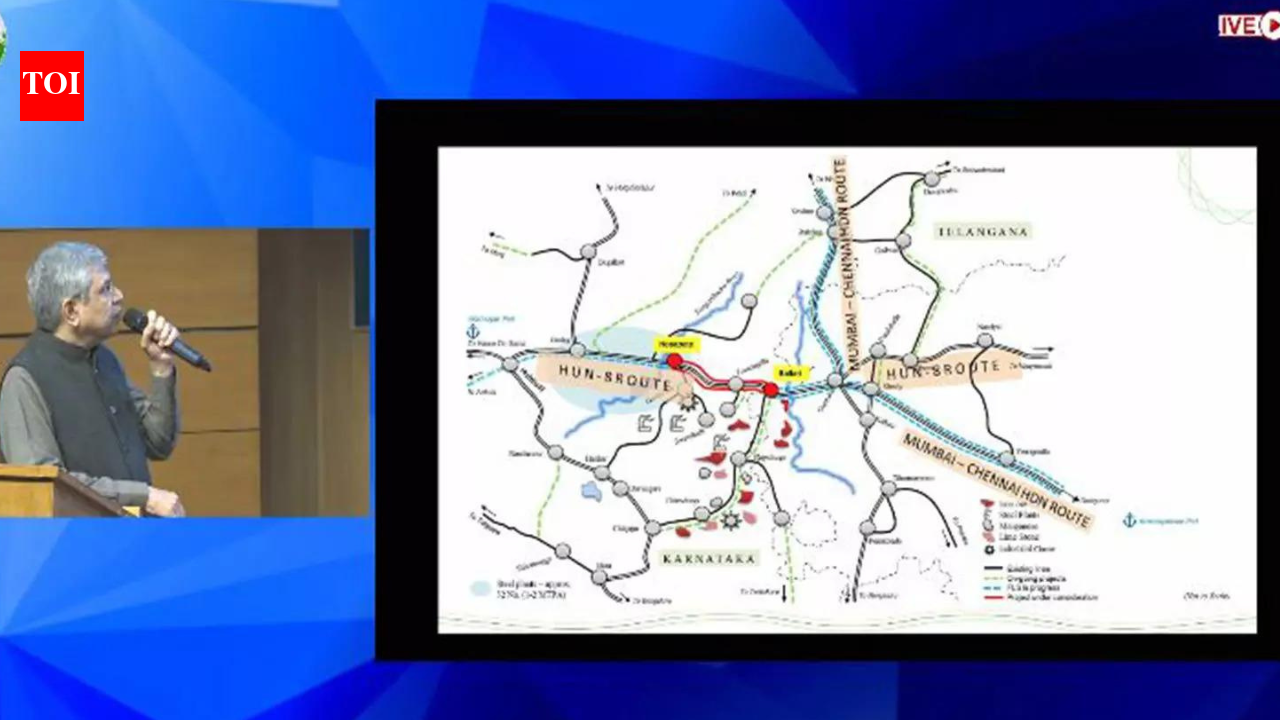
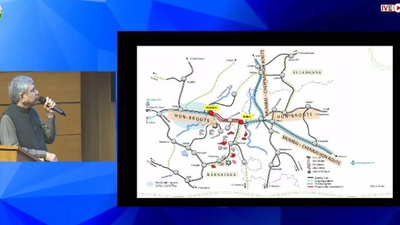
The Union cabinet has approved three railway multitracking projects worth Rs 9,072 crore aimed at expanding network capacity and easing congestion across Maharashtra, Madhya Pradesh, Bihar and Jharkhand, according to an official statement.The projects includes, Gondia–Jabalpur doubling, Punarakh–Kiul third and fourth line, and Gamharia–Chandil third and fourth line, will together add about 307 km to the existing Indian Railways network and are scheduled for completion by 2030-31.The cabinet said the projects will cover eight districts and improve connectivity for around 5,407 villages with a combined population of nearly 98 lakh people.The multitracking expansion is expected to enhance line capacity, improve operational efficiency and strengthen service reliability by reducing congestion on key freight and passenger routes. The projects have been planned under the PM-Gati Shakti National Master Plan with a focus on integrated infrastructure planning and multimodal logistics connectivity.“The increased line capacity will significantly enhance mobility, resulting in improved operational efficiency and service reliability for Indian Railways,” the cabinet statement said, adding that the projects are intended to streamline operations and support regional economic development.According to the government, the upgraded corridors will also improve rail access to several tourist destinations, including Kachnar Shiv Temple in Jabalpur, Kanha and Pench national parks, Dhuandhar waterfall, Bargi Dam, Chandil Dam and Dalma Wildlife Sanctuary, among others.The routes are key freight corridors used for transporting commodities such as coal, steel, iron ore, cement, fertilizers, limestone, foodgrains and petroleum products. Capacity augmentation is expected to enable additional freight movement of about 52 million tonnes per annum (MTPA).The government said rail expansion would also support climate and logistics goals by reducing dependence on road transport. The projects are estimated to save about 6 crore litres of oil and lower carbon emissions by nearly 30 crore kg – equivalent to planting around one crore trees.The cabinet noted that improved connectivity and logistics efficiency are expected to generate employment and self-employment opportunities while supporting broader regional development aligned with the vision of a self-reliant India.


Source link

Rahul Gandhi: ‘Scrap the deal’: Rahul dares PM Modi to abandon trade pact, repeats ‘sold India’ claim | India News


'Scrap the deal': Rahul dares PM Modi to abandon trade pact, repeats 'sold India' claim

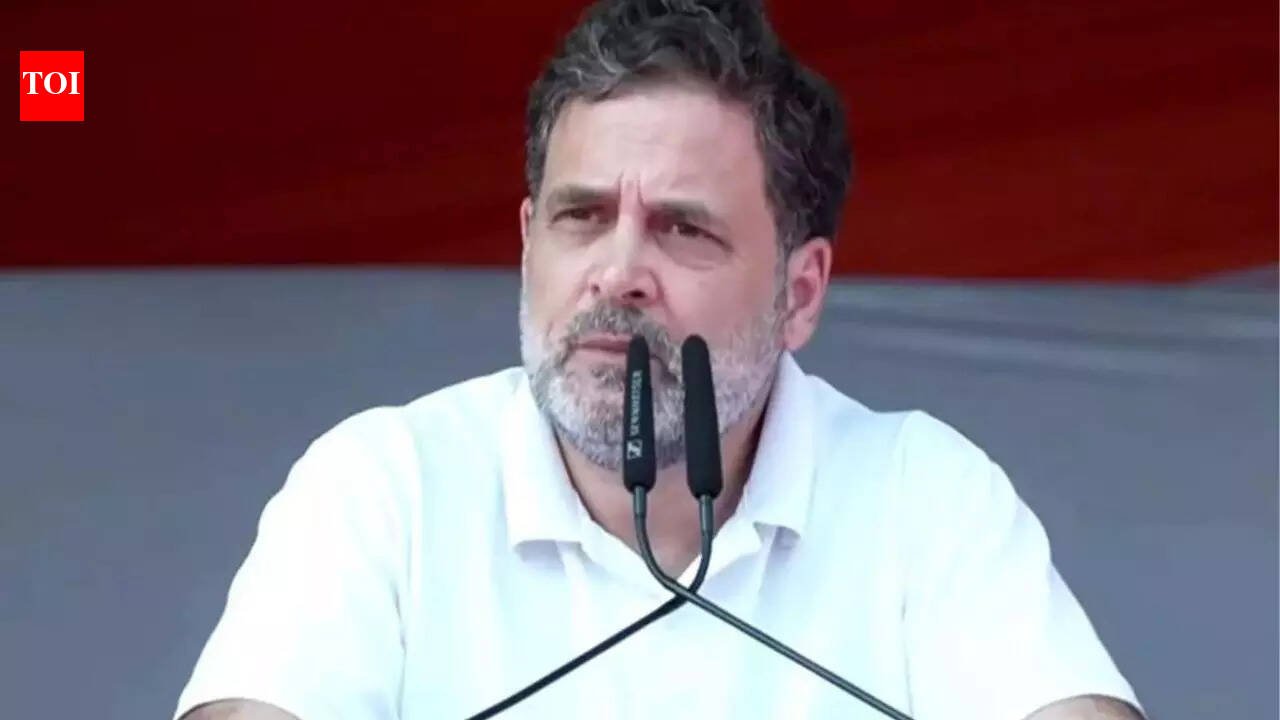
NEW DELHI: Congress leader Rahul Gandhi on Tuesday challenged Prime Minister Narendra Modi to scrap the India-US trade deal, which he described as being against the interests of Indian farmers.Addressing the ‘Kisan Mahachaupal’ farmers’ rally in Bhopal, Gandhi called the interim trade deal an “arrow piercing the hearts of Indian farmers”.“After the US Supreme Court ruling on the trade deal, I challenge PM Modi to scrap it…but he won’t be able to do so,” the Leader of Opposition in the Lok Sabha said.Rahul’s demand comes in the backdrop of the US Supreme Court ruling against Trump’s global tariffs and invalidating it.The Congress leader also made a series of serious allegations against Prime Minister Narendra Modi, claiming the PM rushed into a trade deal with the United States in the interest of his minister Hardeep Puri and industrialist Gautam Adani, who Rahul said is the “BJP’s financial structure”.Rahul Gandhi claimed Union minister Hardeep Puri’s name in the infamous Epstein files was released to “threaten” the PM, and that there are “videos and messages which have not been released from the millions of Epstein files” held up in the US.In another allegation, Rahul claimed that the case against Adani in the United States is not against the industrialist but against PM Modi, adding that these two were the reasons behind PM Modi’s withdrawal from Parliament and finalisation of the trade pact with America that had been stuck for months.“Millions of Epstein files are held up in the US; there are videos and messages which have not been released. Hardeep Puri’s name was released to threaten him. PM Modi must clear his relationship Anil Ambani?… Adani is not a small company; it is the BJP’s financial structure. Adani faces criminal charges in the US. He cannot go to the US or Europe. The target of the case in the US is Modi, not Adani… These were the two reasons why Modi withdrew from Parliament,” claimed Rahul Gandhi. Rahul said: “He left and called Trump, saying, ‘Sir, I’m ready to do whatever you say’, and he sold the country… Narendra Modi is compromised; he was trapped and forced to sign the US-India trade deal.”He claimed that PM Modi called US President Donald Trump to finalise the trade deal on the same day he, as leader of the opposition, questioned the Prime Minister in the Lok Sabha over ex-Army chief MM Naravane’s book. Further questioning the timing of the deal, which had been dragging on for months, the Gandhi scion stepped up his attack on the PM, saying he sealed the deal with Trump “without even consulting his Cabinet”.Rahul, repeating his “PM Modi sold India’s farmers, garment industry and data” charges, said: “I want to say two or three more things. Listen carefully after my speech ends. The moment my speech ended, the Prime Minister left the Lok Sabha. In the evening, without consulting Rajnath Singh, Shivraj Chouhan, Gadkari, in fact, without consulting his Cabinet, Narendra Modi called Trump. Trump tweeted that the Prime Minister of India had called him and said he was ready to sign the US–India deal. For four months, nothing happened, and suddenly Narendra Modi called and sold out India’s farmers, sold out India’s garment industry, and handed over all our data to America.”The Congress leader also said that the ruling NDA made a false excuse that the opposition women MP had planned to attack PM Modi during his reply to the motion of thanks on the President’s address.“I want to ask, this deal had been stalled for four months. For four months, nothing moved. Narendra Modi left the Lok Sabha; you all saw it on TV. The next day, a false excuse was made, saying there was going to be an attack on him. The truth is that the Prime Minister could not stand in Parliament and then directly call Trump. Why did he do this?” the Raebareli MP asked.Cornering the central government over General MM Naravane’s unpublished book, Rahul Gandhi said: “Former Army chief General MM Naravane (Retd) wrote a book mentioning that when the Chinese tanks were entering the Indian boundary, he called Rajnath Singh for the orders, but did not get an answer. He said that even Ajit Doval and S Jaishankar did not answer… The decision of war is taken by the Prime Minister, but the PM did not answer, he hid in his room and asked the Army Chief to do whatever he deems fit... The Army Chief wrote that he was left alone by the Indian government that day.”“Decision to go to war is political, not a military one,” the Congress leader said.


Source link

Fans erupt as Alyssa Healy and Beth Mooney steer Australia to dominant victory over India in Women’s ODI opener


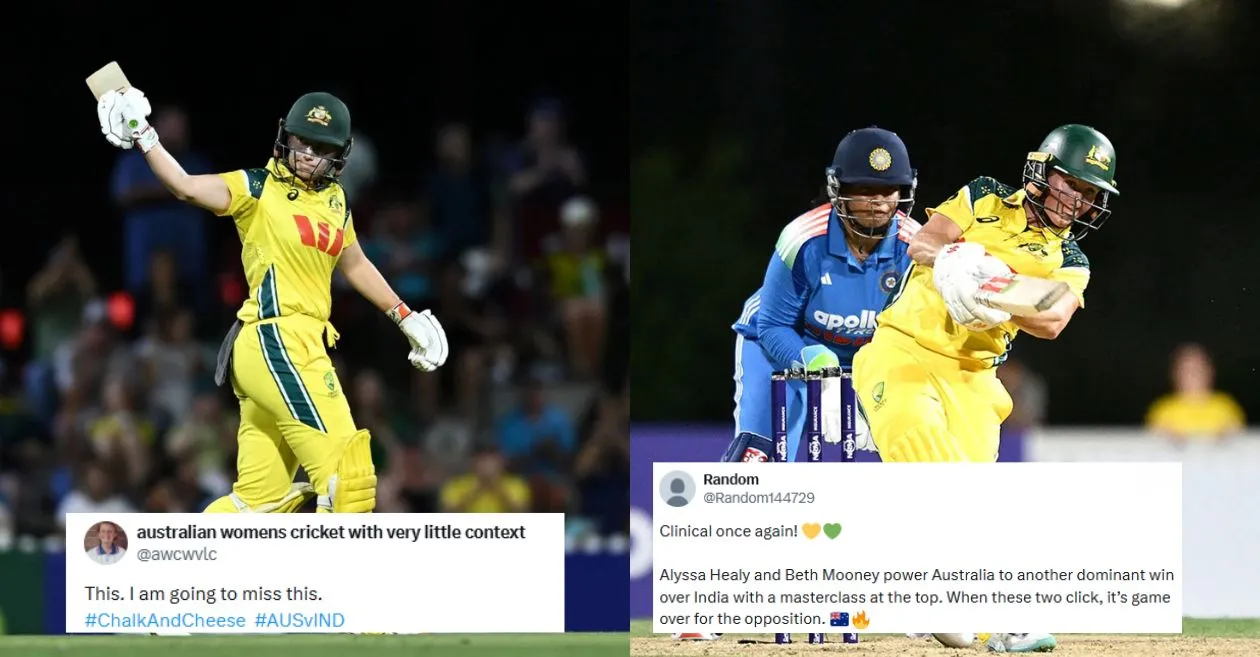
The much-anticipated India Women’s tour of Australia kicked off with a display of clinical efficiency from the hosts at the Gabba on Tuesday (February 24, 2026). In what is an emotional farewell series for the legendary Alyssa Healy, the Australian captain led from the front, alongside Player of the Match Beth Mooney, to secure a commanding 6-wicket victory in the opening Day/Night ODI. Despite India entering the series with the prestige of being the reigning World Champions, the Australian “Golden Era” showed no signs of fading, chasing down a target of 215 with 70 balls to spare.

The atmosphere in Brisbane was electric as fans gathered to witness the first chapter of this high-stakes series. However, for the Indian contingent, the night proved to be a challenging outing against a disciplined Australian bowling attack that exploited the humid conditions perfectly under the lights.

Disciplined Australian attack stifles Indian batting order for a low score

The match began with a nightmare start for the World Champions. Choosing to bat first, India found themselves under immediate pressure when Megan Schutt trapped Pratika Rawal lbw for a duck in the very first over. While the seasoned Smriti Mandhana played a fluent knock of 58 off 68 balls, featuring nine boundaries, she lacked a stable partner at the other end. Australia’s bowling unit operated like a well-oiled machine, with Ashleigh Gardner (3/33) and Annabel Sutherland (3/20) dismantling the middle order.

India’s captain Harmanpreet Kaur fought a lonely battle, digging deep to score a gritty 53 off 84 deliveries. Her half-century, supported by brief cameos from Deepti Sharma (24) and Richa Ghosh (23), pushed India past the 200-mark. However, the lack of a late-inning acceleration proved costly. India was eventually bundled out for 214 in 48.3 overs. The Australian bowlers maintained a stranglehold throughout the innings, ensuring that the world-class Indian hitters were never allowed to break free, setting the stage for a straightforward chase.

Alyssa Healy and Beth Mooney take Australia to an emphatic victory in Women’s ODI opener

The chase was defined by experience and composure. Captain Healy, playing in her final international series, looked determined to leave on a high. She anchored the top order with a solid 50 off 70 balls, providing the perfect platform. Although India’s Shree Charani briefly sparked hope by removing Phoebe Litchfield and Georgia Voll in consecutive deliveries to leave Australia at 55/2, the recovery was swift and ruthless.

Beth Mooney joined her captain to put on a batting clinic. Mooney, who was later named Player of the Match, scored a brilliant 76 off 79 balls, striking five boundaries and two massive sixes. Her ability to rotate the strike kept the scoreboard ticking at over five runs per over, effectively deflating the Indian bowling spirit. By the time Mooney departed in the 37th over, the result was a foregone conclusion.

Annabel Sutherland provided the finishing touches with an unbeaten 48, as Australia reached 217/4 in just 38.2 overs. The victory levelled up Australia to a scoreline of 4-4 in the multiformat series, sending a clear message that while India may hold the World Title, the Aussies remain the team to beat on their home soil.

Also WATCH: Georgia Voll plucks a screamer to remove Richa Ghosh in 1st WODI

Here’s how fans reacted:

Also WATCH: Pratika Rawal’s return cut short by Megan Schutt’s unplayable inswinger during WODI series opener

This article was first published at WomenCricket.com, a Cricket Times company.


Source link

From sales pitch to suitability check: What RBI’s draft mis-selling rules could mean for your money


From sales pitch to suitability check: What RBI’s draft mis-selling rules could mean for your money
AI image used for representation purpose only

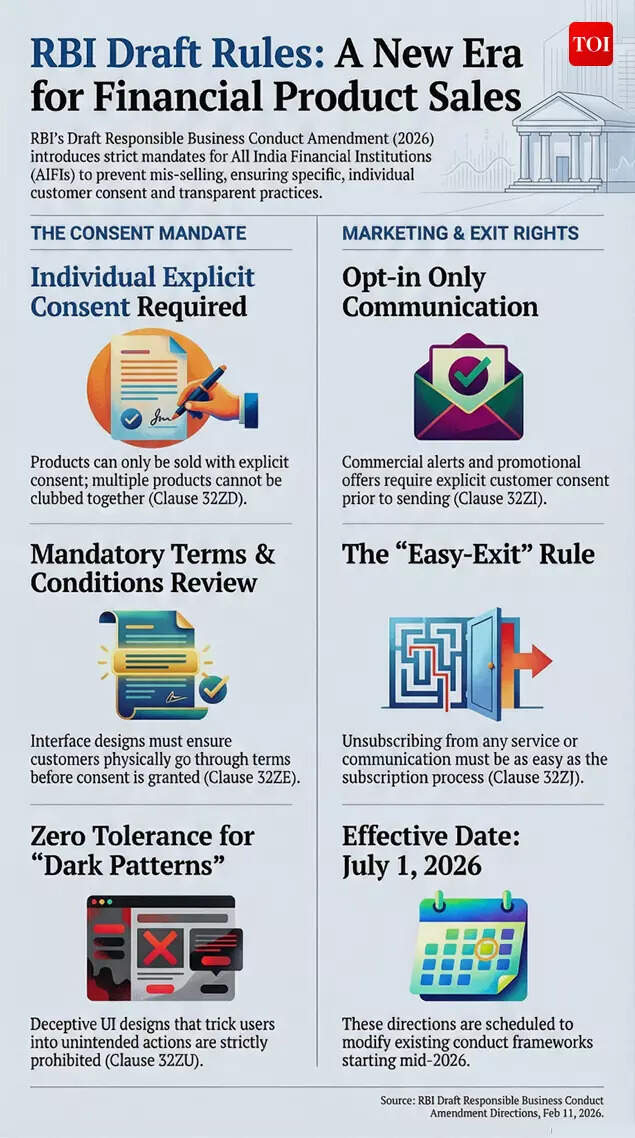
NEW DELHI: The Reserve Bank of India has proposed a new set of rules that could reshape how banks and financial institutions sell insurance, loans, mutual funds and other financial products to customers.Issued on February 11, 2026, the draft All India Financial Institutions — Responsible Business Conduct Amendment Directions, 2026 seek to address a long-standing concern in retail finance — mis-selling, or the sale of unsuitable, unwanted or poorly explained financial products.The proposed framework applies to All India Financial Institutions (AIFIs), including NABARD, National Housing Bank, EXIM Bank and SIDBI. The draft is open for public comments and is proposed to come into effect from July 1, 2026, if finalised.Here is what the draft proposes and how it could affect customers, banks and insurers if implemented.

What is mis-selling — and why the draft redefines it

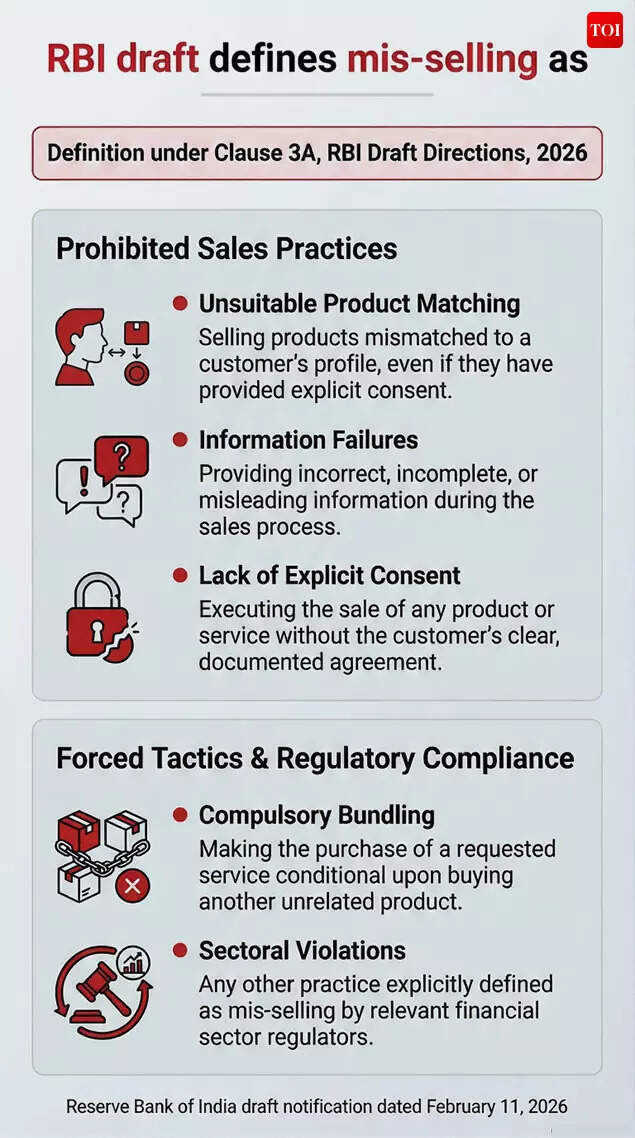
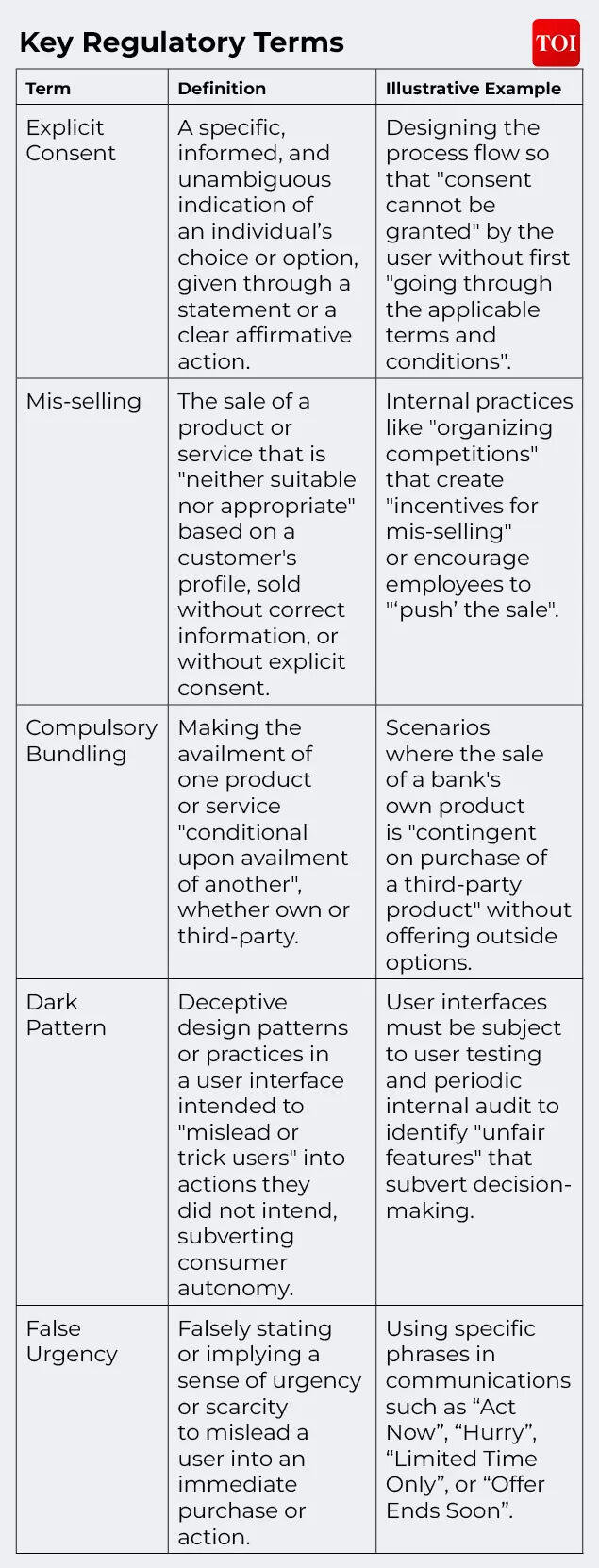
For the first time within this framework, the RBI draft sets out a detailed definition of mis-selling under Clause 3A.An institution would be considered to have mis-sold a product if it:

  • Sells a product unsuitable for a customer’s profile, even where explicit consent exists;
  • Provides incomplete or misleading information;
  • Completes a sale without explicit customer consent; or
  • Bundles an additional product with one the customer actually requested.

The most consequential element is the first. Under the proposal, customer consent alone would no longer shield an institution if the product itself was inappropriate for the customer’s age, income, financial literacy or risk tolerance.

LOGO

In effect, responsibility shifts from what customers signed to how products were sold.

How branch interactions and sales calls could change

The draft places suitability assessment at the centre of product sales.Clause 32ZF proposes that institutions determine whether a product is suitable and appropriate before marketing or selling it. The assessment must compare product characteristics – including risk-return profile, complexity, fees and investment horizon – against customer attributes such as income, financial literacy and risk tolerance.If implemented, this could mean more structured conversations before recommendations are made, with profiling becoming part of the sales process rather than an afterthought.Sales outreach is also addressed. Under Clause 32ZL:

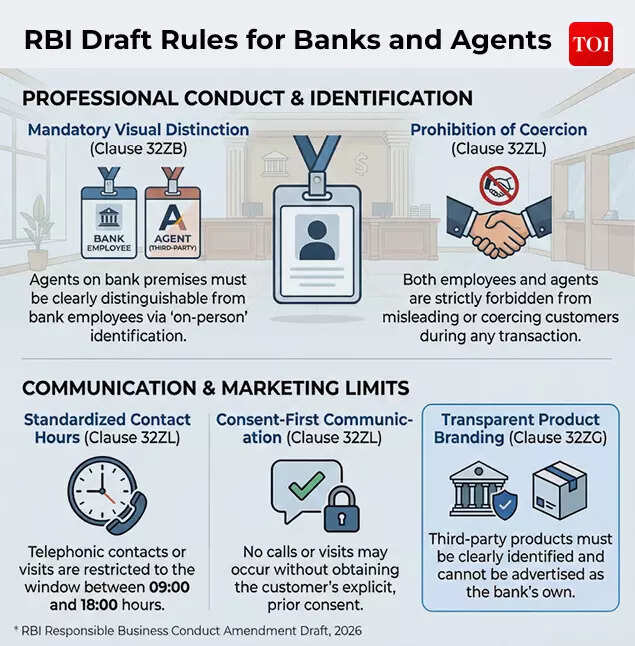
  • Agents and representatives may normally contact customers only between 9 AM and 6 PM unless expressly authorised otherwise;
  • Terms and conditions must be explained before completing a sale; and
  • Misleading or coercive conduct is prohibited.

Agents would also need to disclose upfront if purchasing through them involves different fees or charges compared with buying directly from the institution.

-

However, Rohit Shah, Financial Planner, cautioned against expecting immediate change on the ground. “I’d call most of this unethical selling rather than mere mis-selling. Given the slow nature of such changes actually transpiring on the ground, I suspect customers won’t notice a material difference immediately,” he said. Shah noted that ground-level behaviour typically lags regulation by several quarters, and that real awareness at the customer end would not build unless the RBI mandated sustained awareness campaigns – the way AMFI drove “Mutual Fund Sahi Hai” or IRDAI pushed “Insurance Liya Achha Kiya.” “Without that, these remain gazette notifications, not behavioural shifts,” he said.Shruti Ladwa, Partner and Insurance Sector Leader at EY India, offered a more structural reading of the shift. “The RBI circular represents a shift towards more transparent distribution, with a focus on strengthening customer protection,” she said. Ladwa said the most visible change for customers would be in the nature of the conversation itself. “Branch interactions and sales calls will prioritise the customer’s financial profile and need analysis, supported by suitability assessments and standardised disclosures. The recommendations will also be better explained and documented, moving the conversations towards advisory or need-based dialogue which will enhance transparency and long-term trust,” she said.

Consent rules become more explicit — especially online

The draft introduces detailed requirements around how customer consent must be obtained.Under Clauses 32ZD and 32ZE:

  • Consent must be taken separately for each product or service;
  • Institutions cannot bundle multiple approvals into a single checkbox; and
  • Digital interfaces must ensure customers navigate applicable terms and conditions before granting consent.

Promotional communications may be sent only where explicit permission has been given, and unsubscribing must be as simple as subscribing.

-

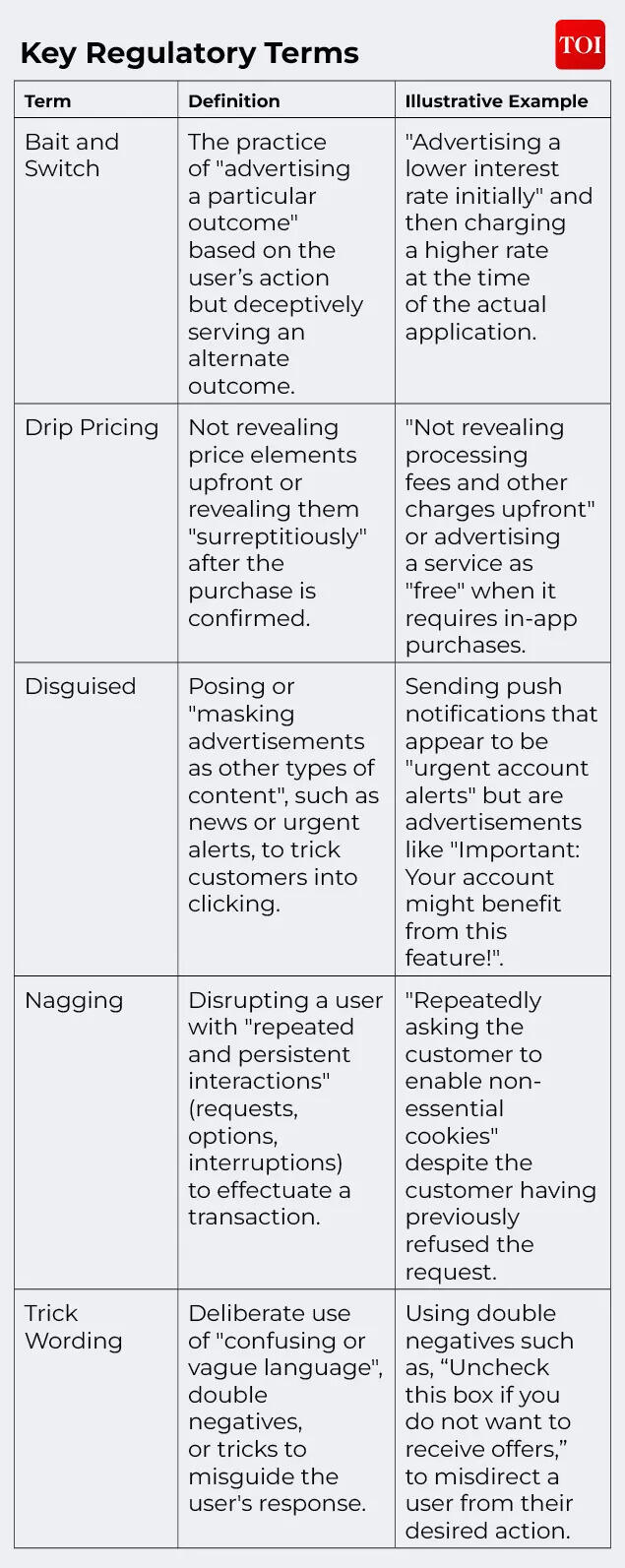
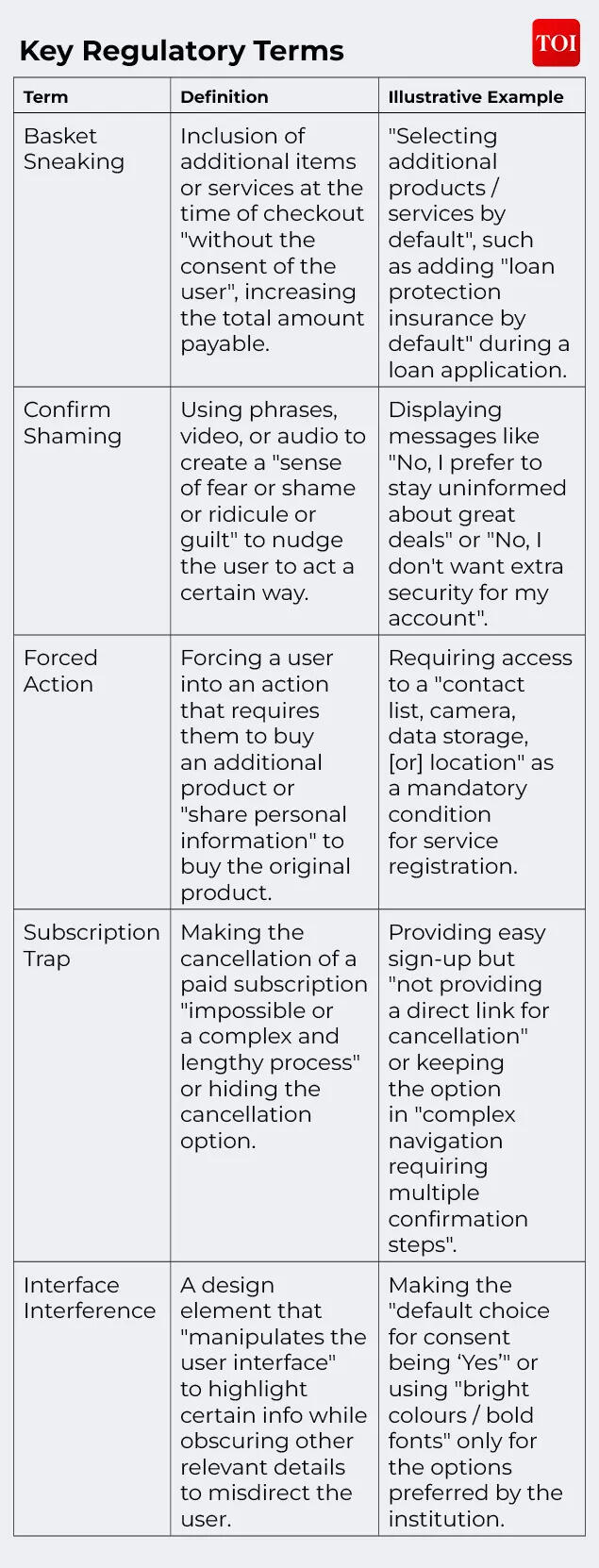
Vivek Iyer, Partner and Financial Services Risk Advisory Leader at Grant Thornton Bharat, said the opt-in requirement addresses a gap that has long worked against customers. “Currently, many customers do not even know that they have opted for being contacted and this guideline will give them the flexibility to decide,” he said. He added that the change would reduce unsolicited outreach to those who do not want it, “which is a positive from a conduct risk point of view, which is how it should have been in the first place.Iyer also said the framework would push institutions toward more sustainable communication strategies. “Financial literacy campaigns will help financial institutions inform customers about new products and services, instead of reaching out through unsolicited calls,” he said.The draft also proposes a ban on “dark patterns” – interface designs that nudge users into unintended decisions. Annex I lists practices such as false urgency messaging, default add-ons, subscription traps, disguised advertisements and hidden pricing structures as examples relevant to financial services.

What customers may need to do differently

The proposed framework also changes what happens after a sale.Clause 32ZV requires institutions to contact a sample of customers within 30 days to confirm they understood the product’s features and risks. The feedback must be collected by teams not involved in the original sale.Customers who believe a product was mis-sold may lodge complaints within timelines specified by sectoral regulators, or within 30 days of receiving signed agreements where no timeline exists (Clause 32ZW).If mis-selling is established, Clause 32ZX proposes:

  • Refund of the entire amount paid; and
  • Compensation for losses arising from the mis-sale in accordance with institutional policy.

The emphasis moves toward evaluating conduct and suitability rather than relying solely on signed documentation.Shah said customers should not wait for institutions to act first. “Caveat emptor always applies. Customers should read the product literature carefully, insist on written answers from the bank relationship manager, and do their own due diligence before trusting any recommendation,” he said. He pointed to pressure tactics that remain common: RMs seeking help in meeting sales quotas or offering quid pro quo for routine banking services such as a locker or a loan. “Customers must resist this influence, ask tough questions, and demand that their normal banking services are never held hostage to product purchases,” Shah said. On the new complaint provisions, he described the shift as decisive: “If mis-sold, the draft rules now require banks to refund the full amount paid and compensate for any loss — a decisive shift from ‘buyer beware’ to ‘seller beware’. Customers should document everything and escalate through the RBI Ombudsman if the bank fails to act.”Ladwa said informed decision-making would remain the customer’s best protection even under the new framework. “Before purchasing any financial product, customers should ensure that they clearly understand product features, costs and exclusions, among other things. They should also evaluate how the product aligns with their financial goals and risk profile,” she said. On the complaint process, Ladwa said the revised framework was designed to deliver timely resolution. “If a customer believes a product has been mis-sold, they can lodge a complaint with the bank within the timeline specified by the respective financial sector regulator. The revised emphasis on accountability is intended to ensure timely resolution and fair outcomes while strengthening customer protection,” she said.

Could tighter rules affect bank earnings?

Banks and financial institutions generate fee income by distributing third-party products such as insurance policies, mutual funds and pension schemes.

-

The draft introduces provisions that could influence how this business operates, including:

  • Mandatory suitability assessment before sale (Clause 32ZF);
  • Prohibition on incentives encouraging aggressive product pushing (Clause 32ZR); and
  • Restrictions on compulsory bundling of third-party products (Clause 32ZS).

According to Vivek Iyer, the intent is tied to broader financial stability goals. “Systemic risk stability is one of the core objectives of the Reserve Bank of India and treating customers fairly is one of the key goals to keep the financial services system stable. Mis-selling guidelines issued by RBI are issued with this intent to protect consumer interests and thereby maintain financial stability, which is a long-term positive impact for the financial services ecosystem.He added that institutions may need to embed customer protection into business strategy rather than treat the framework purely as compliance. “We expect the approach by the financial institutions to change from sellers of products or services to providers of genuine solutions for customer challenges.”Iyer noted that stronger dispute-resolution mechanisms may also become necessary as complaint processes evolve.Shah said the revenue impact should not be underestimated. “Third-party product distribution is now a critical revenue pillar – fee income constitutes roughly 25–30% of total income for top private banks,” he said.

-

But he argued that a shift in approach could offset near-term pressures. “Banks that pivot from pushing products to genuinely understanding customer needs may find that right-fit recommendations lead to higher retention, larger ticket sizes, and better margins over time — offsetting the short-term revenue hit.”Ladwa said the income pressure was real but was likely to be transitional. “In the near term, banks could see moderate pressure on fee income, alongside some increase in compliance and process-related costs. However, this impact is likely to be transitional only. As banks recalibrate distribution models and adapt to the requirements, income momentum should stabilise over the medium term,” she said. She added that larger institutions were better placed to absorb the shift. “Large private banks, in particular, are well positioned to adapt quickly given their strong digital infrastructure, integrated platforms and established capability in managing process transitions,” Ladwa said.

Implications for bancassurance and insurance distribution

Insurance distribution through bank branches – commonly known as bancassurance – is directly affected by several draft provisions.The proposals state that:

  • Customers cannot be compelled to purchase third-party products alongside another service (Clause 32ZS);
  • Institutions cannot market third-party products as their own (Clause 32ZG); and
  • Agents operating inside branches must be clearly identifiable (Clause 32ZB).

These measures could alter how insurance products are presented within banking relationships, particularly where policies have historically been linked to loans or relationship-based selling.

-

Ladwa said leading insurers had already built resilience into their distribution models. “Bancassurance has evolved over the past decade, and most bank-promoted insurers have built strong distribution, product and servicing capabilities,” she said. She acknowledged a likely near-term slowdown but said adaptation would follow quickly, driven by three levers: distribution evolution toward advisory and digitally enabled models, technology-led sales enablement including AI-driven personalised product recommendations, and product innovation with greater emphasis on need-based solutions and simpler structures. Ladwa added that diversification would cushion the impact. “Most leading bank-promoted insurers have diversified distribution, with roughly 50% of premium coming from non-bancassurance channels. This should help cushion the impact and enable faster adjustment,” she said, noting that recent GST regulatory changes could also strengthen underlying insurance demand.Iyer said stronger consumer confidence could support long-term engagement. “When customers feel protected, they are more likely to engage and buy products or services.”Shah said tighter rules would create friction in the short term but should not be read as a structural setback. “Bancassurance is now a Rs 55,800 crore market and a critical growth engine for insurers, especially in Tier 2–4 cities. Tighter norms will certainly create short-term friction,” he said. “But India’s insurance penetration remains just 3.7% of GDP – half the global average of 7.3%. The problem was never demand; it was trust.” He said insurers should use the moment to strengthen alternate channels – traditional agents and digital platforms – and shift toward products such as pure term plans, where penetration is low and genuine need is high. “Better selling practices may ultimately expand the market, not shrink it,” Shah said.

A broader conduct shift under consultation

Taken together, the draft directions introduce a conduct-focused framework covering advertising practices, consent collection, agent behaviour, digital interface design and post-sale verification.The proposals remain under consultation and may evolve following stakeholder feedback before finalisation.If implemented substantially in their current form, they would mark a shift in regulatory focus – from merely ensuring financial soundness to closely examining how financial products are presented, explained and sold to customers.


Source link

Centre boosts Powergrid equity threshold to Rs 7,500 crore per subsidiary; move to support 500 GW non-fossil target by 2030


Centre boosts Powergrid equity threshold to Rs 7,500 crore per subsidiary; move to support 500 GW non-fossil target by 2030

NEW DELHI: The government has raised Power Grid Corporation of India Ltd’s (Powergrid) equity investment ceiling in each subsidiary from Rs 5,000 crore to Rs 7,500 crore, in a move designed to bolster funding for large transmission projects and renewable energy evacuation.The cabinet committee on economic affairs (CCEA), chaired by Prime Minister Narendra Modi, approved the higher threshold under existing Maharatna delegation guidelines, while retaining the overall cap of 15 per cent of the company’s net worth. Under department of public enterprises guidelines issued on 4 February 2010, Maharatna CPSEs such as Powergrid enjoy enhanced autonomy to make large investments without case-by-case government approvals.

Impact on Powergrid’s project pipeline

The higher limit expands Powergrid’s headroom to back capital-intensive transmission schemes, particularly ultra high voltage alternating current (UHVAC) and high voltage direct current (HVDC) corridors.These assets form the backbone of long-distance bulk power transfer, allowing the utility to scale up its role in strengthening the national grid and integrating geographically remote generation centres.

Renewable push and capacity evacuation

Government officials said the additional financial flexibility will help Powergrid step up investment in transmission systems dedicated to evacuating renewable power, a critical enabler for India’s goal of 500 GW of non-fossil capacity by 2030.Powergrid already handles the majority of inter-regional transfer capacity in the national grid and has facilitated the evacuation of over 110 GW of non-fossil energy, positioning it as a key player in the next leg of green capacity build-out.With a higher equity cap per subsidiary, Powergrid can more aggressively participate in tariff based competitive bidding (TBCB) for new transmission projects, including complex, high-ticket networks.The government expects deeper participation in TBCB to broaden competition, aid sharper price discovery, and, over time, translate into more affordable and cleaner power for industrial and retail consumers.


Source link

Anil Kumble hails West Indies’ title charge, warns India after crushing reality check | Cricket News


‘They know what it takes to win’: Anil Kumble hails West Indies’ title charge, warns India after crushing reality check
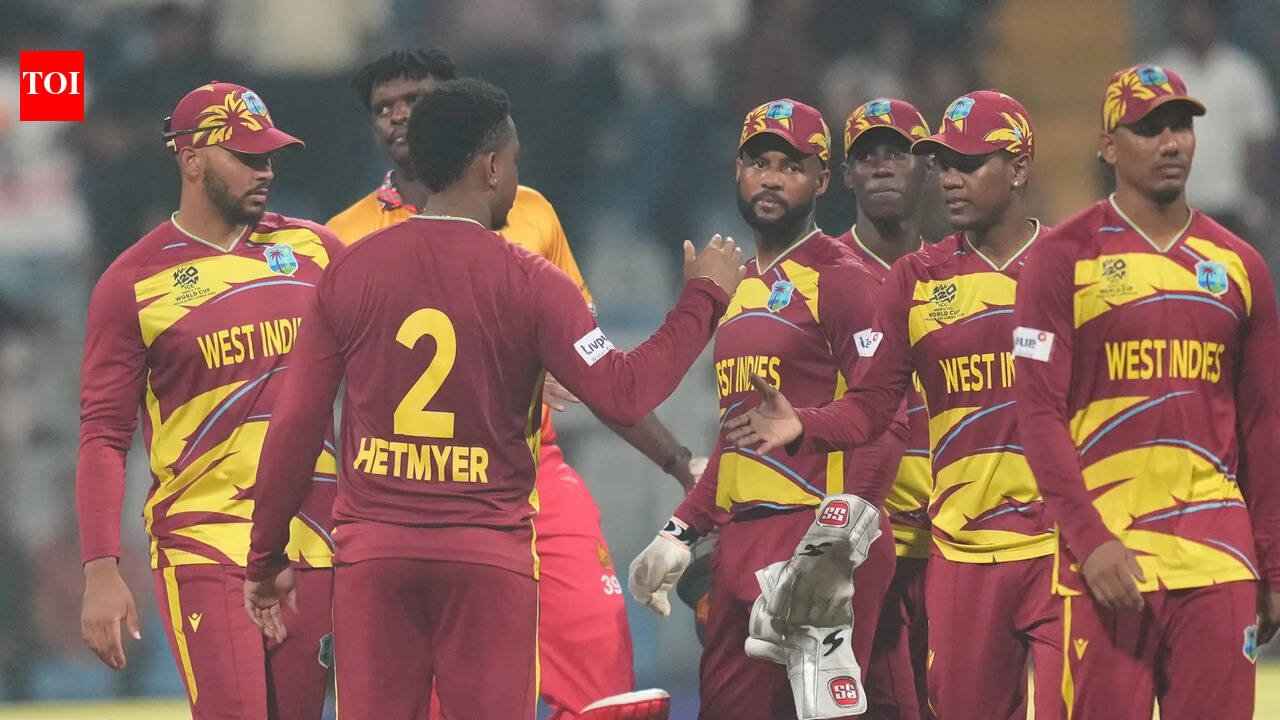
West Indies’ players after their win against Zimbabwe. (AP Photo)

NEW DELHI: Former India captain Anil Kumble believes West Indies have shown they possess the qualities needed to win the T20 World Cup at the business end, while warning that India now face a difficult road to the semi-finals after their heavy defeat to South Africa.Go Beyond The Boundary with our YouTube channel. SUBSCRIBE NOW!West Indies sent a strong message to the rest of the field with a dominant 107-run demolition of Zimbabwe, piling up a staggering 254/6 before bowling their opponents out for 147. The performance impressed Kumble, who said the Caribbean side demonstrated a clear understanding of how to succeed in knockout-style situations.

T20 World Cup: Shai Hope press conference after West Indies beat Zimbabwe

“The West Indies understand what it takes to win at this stage of the tournament. The left-arm spinners were outstanding. Gudakesh Motie bowled brilliantly. In this format, finger spinners often try to stay away from the batter’s hitting arc, but Motie and Hosein were different,” Kumble said on JioHotstar.He also singled out Shimron Hetmyer’s explosive 34-ball 85 as the turning point. “Shimron Hetmyer has long been a finisher and knows how to clear the boundaries. He has the power and the temperament. What stands out is that he doesn’t settle for quick cameos of 20 or 30. He converts them into substantial scores. Had he fallen for 30, perhaps the West Indies wouldn’t have reached 254,” Kumble explained.

Poll

Can India still reach the semi-finals after their defeat to South Africa?

Kumble added that Rovman Powell’s calculated assault made the total even more formidable. “Powell is again a proven power-hitter. He took his time initially, but once he settled, he was unstoppable.”Turning to India’s situation, Kumble admitted the margin and manner of their loss to South Africa had made things complicated. “Every game counts at this stage. India suffered a significant loss… The key question now is whether they can bounce back strongly.”He stressed that India must now win big. “India needs to win convincingly, much like the West Indies did… The primary focus should be on winning both matches.”


Source link