Breaking News
Crude oil prices in focus: OPEC+ increases output by 206,000 bpd amid Middle East tensions


Crude oil prices in focus: OPEC+ increases output by 206,000 bpd amid Middle East tensions

OPEC+ on Sunday announced a higher-than-expected increase in oil production quotas, days after US and Israeli strikes on Tehran triggered Iranian retaliation across the Middle East, according to AFP.The oil producers’ group, which includes Saudi Arabia, Russia and several Gulf states affected by the escalation, said it had “agreed on a production adjustment of 206 thousand barrels per day”.“This adjustment will be implemented in April,” OPEC+ said in a statement.While the cartel did not directly refer to the Iran conflict, it cited “a steady global economic outlook and current healthy market fundamentals” as the rationale behind the output increase.The move comes amid heightened geopolitical tensions in the Middle East, a region critical to global crude oil supply.

-

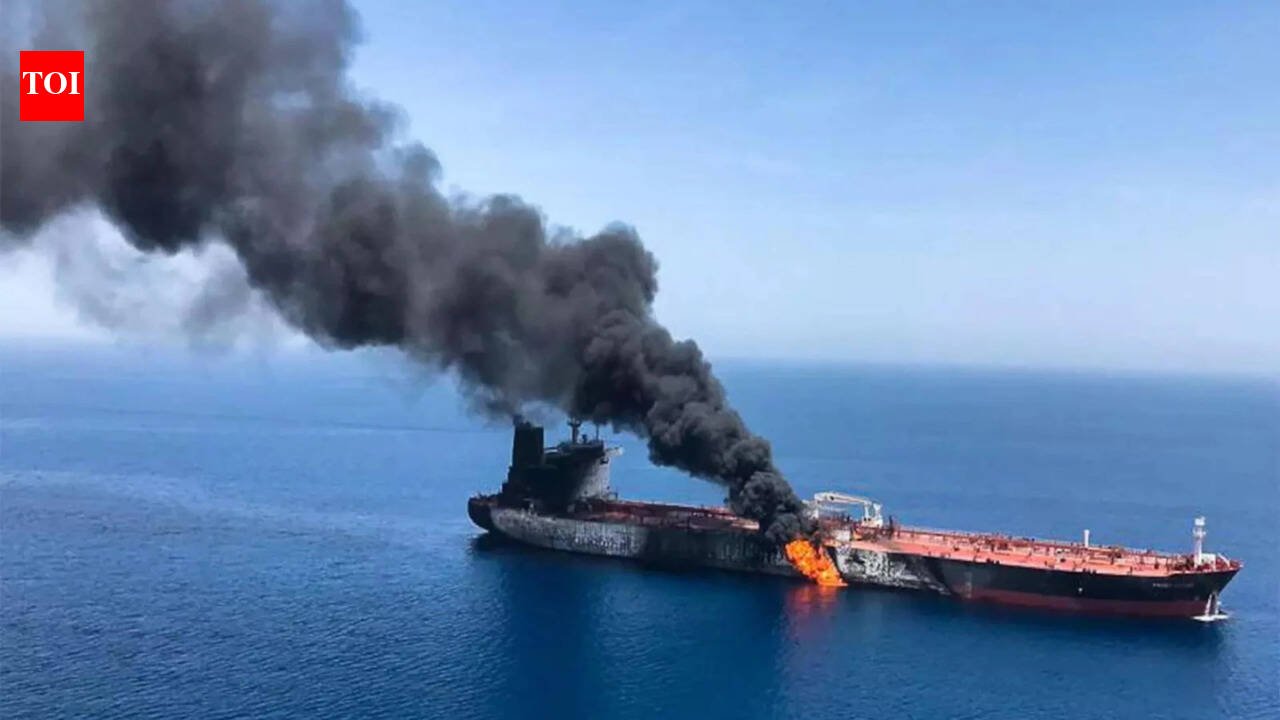
The announcement did not directly reference the outbreak of the Iran conflict, instead attributing the decision to “a steady global economic outlook and current healthy market fundamentals”.Before the meeting, analysts had projected a more modest increase of 137,000 barrels per day.However, Jorge Leon, an analyst at Rystad Energy, cautioned that the agreed hike may not be sufficient to offset the potential impact of escalating tensions on crude oil markets.Leon highlighted the risk of disruption in the Strait of Hormuz, a critical waterway through which nearly a quarter of the world’s seaborne oil supplies transit.Iran’s Revolutionary Guards have reportedly contacted vessels to declare the strait closed. Iranian state television on Sunday said an oil tanker attempting to “illegally” pass through the strait was struck and was sinking, broadcasting footage of a burning tanker at sea.“If oil cannot move through Hormuz, an extra 206,000 barrels per day does very little to ease the market,” Leon said, adding that “logistics and transit risk matter more than production targets right now”.He said the OPEC+ move “is unlikely to calm markets”, noting that “prices will respond to developments in the Gulf and the status of shipping flows, not to a relatively small increase in output.”Apart from Russia and Saudi Arabia, the V8 group includes Kuwait, Oman, Iraq and the United Arab Emirates — all of which were targeted by Iranian attacks for a second consecutive day on Sunday. Algeria and Kazakhstan are also part of the group.


Source link

Alyysa Healy, Beth Mooney sizzle as Australia whitewash India in Women’s ODI series


Australia Women delivered a commanding performance in the third ODI of the series, thrashing India Women by 185 runs at Bellerive Oval. After India opted to bowl first, the hosts produced a batting masterclass, piling up a massive 409/7 in 50 overs before bowling India out for 224 in 45.1 overs. With this emphatic win, Australia completed a 3-0 clean sweep in the ODI leg of the tour.

Alyssa Healy’s dazzling ton powers Australia to massive total

The foundation of Australia’s mammoth total was laid by skipper Alyssa Healy, who played one of the finest knocks of her ODI career. The wicketkeeper-batter smashed 158 off just 98 deliveries, peppering the ground with 27 boundaries and two sixes. Healy was aggressive from the outset, dismantling India’s pace attack and putting the bowlers under relentless pressure.

She received solid support from Georgia Voll, who scored a fluent 62 off 52 balls, and Beth Mooney, who struck a classy 106 off 84 deliveries. Mooney’s innings, laced with 10 fours and a six, ensured that the scoring rate never dipped. Late cameos from Nicola Carey (34 off 15) and Annabel Sutherland (23 off 20) provided the finishing touches as Australia crossed the 400-run mark with ease.

For India, it was a tough outing with the ball. Shree Charani (2/106) and Sneh Rana (2/66) picked up two wickets each, while Renuka Thakur, Kashvee Gautam and Deepti Sharma managed one apiece. However, none of the bowlers were able to stem the flow of runs on a batting-friendly surface.

Also WATCH: Mitchell Starc cheers as Alyssa Healy signs off with an ODI century against India

Alana King’s four-wicket burst dismantles India

Chasing a daunting 410, India’s innings never truly gained momentum. Smriti Mandhana fell early for a duck, putting immediate pressure on the visitors. Pratika Rawal (27 off 21) and Jemimah Rodrigues (42 off 29) counterattacked briefly, playing some attractive strokes to keep India in the contest during the powerplay.

However, once the spinners were introduced, the chase unraveled quickly. Alana King was the chief destroyer, finishing with impressive figures of 4/33 in her 10 overs. Her disciplined line and sharp turn troubled the Indian middle order, removing key batters including Harmanpreet Kaur and Deept.

Rana showed resilience with a fighting 44 off 74 balls, while Deepti added 29, but the required run rate kept climbing steeply. Georgia Wareham struck twice in quick succession to wrap up the tail, as India were bowled out for 224, falling well short of the target.

With victories by 6 wickets in the first ODI, 5 wickets in the second, and now a dominant 185-run triumph in the third, Australia asserted their dominance throughout the series. The hosts were clinical in all departments — batting depth, disciplined bowling, and sharp fielding — leaving India searching for answers ahead of the red-ball clash. Healy was deservedly named Player of the Match for her explosive 158, which set up the one-sided contest.

Also READ: AUS-W vs IND-W: Alyssa Healy and Beth Mooney tons power Australia past 400-run mark in 3rd ODI

This article was first published at WomenCricket.com, a Cricket Times company.


Source link

US-Israel strike Iran: With homeland under attack, Iran women chase FIFA World Cup dream | Football News


US-Israel strike Iran: With homeland under attack, Iran women chase FIFA World Cup dream
Iranian women’s national football team captain Zahra Ghanbari reacts during a press conference ahead of their game against South Korea on Monday at Robina Stadium on the Gold Coast, Australia, Sunday, March 1, 2026. (AP)

Football authorities have extended support to Iran’s women’s team competing in Australia at the Women’s Asian Cup after military strikes by the United States and Israel on Iran.Iran’s 26-member squad reached the Gold Coast days before the attacks on Saturday, which killed supreme leader Ayatollah Ali Khamenei as Washington and Tel Aviv seek to topple the Islamic Republic. The team is scheduled to begin its campaign against South Korea on Monday.The Asian Football Confederation said it is monitoring developments.The AFC said in a statement it “continues to closely monitor the recent developments in the Middle East during this challenging period”.“The AFC’s foremost priority remains the welfare, safety and security of all players, coaches, officials and fans,” it added.“In this regard, we are in close and regular contact with the Iran women’s national team and officials on the Gold Coast and are offering our full support and assistance.”Head coach Marziyeh Jafari addressed the media on Sunday ahead of the opener but focused on football. She said the tournament gives her players an opportunity to highlight their ability.“After the league season in Iran, we came together for three training camps, before coming to Australia where we have had a few fruitful sessions, so I hope tomorrow we can show you a good match,” she said.The 12-team competition begins Sunday and will be among the biggest stages for several players in the Iranian squad.Iran made its first appearance at the previous Asian Cup in India in 2022. The team lost to China and Taiwan but received recognition at home in a country where women’s rights are restricted.“In India in 2022, the group was a little easier. Now in 2026 we enter with more experience but the group is more tough,” Jafari said, referring to a pool that also features hosts Australia and the Philippines.“But we (still) want to show in these games the potential of Iranian women.”Iran qualified for the tournament after progressing through the qualifiers, sealing back-to-back appearances with a win over Jordan.Captain Zahra Ghanbari said the team has clear targets.“I believe this tournament is great with great teams, but we really want to qualify for the World Cup,” said the 33-year-old.“We know these will be tough games, but we have a tough mentality and we want to do our best.”The top six teams in the tournament will secure places at the 2027 World Cup in Brazil.


Source link

Cost Of Raising Kids: Raising kids in this economy: To DINK or not? Why more Indian couples are rethinking parenthood


Raising kids in this economy: To DINK or not? Why more Indian couples are rethinking parenthood

Raising a child in today’s economy isn’t just about love, care, and dreams. It’s more about smart planning and careful budgeting. Even before the baby is born, mamma and papa are already thinking ahead, carefully categorizing their everyday savings to secure their child’s future.As the cost of raising babies into full fledged adults continues to climb, many couples are hitting a pause button on parenthood and embracing the DINK — Double Income, No Kids — lifestyle. Once viewed largely as a Western trend, the DINK concept has now entered everyday vocabulary and is gaining ground in India, with a growing number of couples choosing to remain child-free.

Who are DINKs?

Driving this shift is a mix of financial realities, emotional considerations and environmental concerns that is steadily reshaping how modern couples approach the idea of parenthood.

Why are so many couples choosing not to have children?

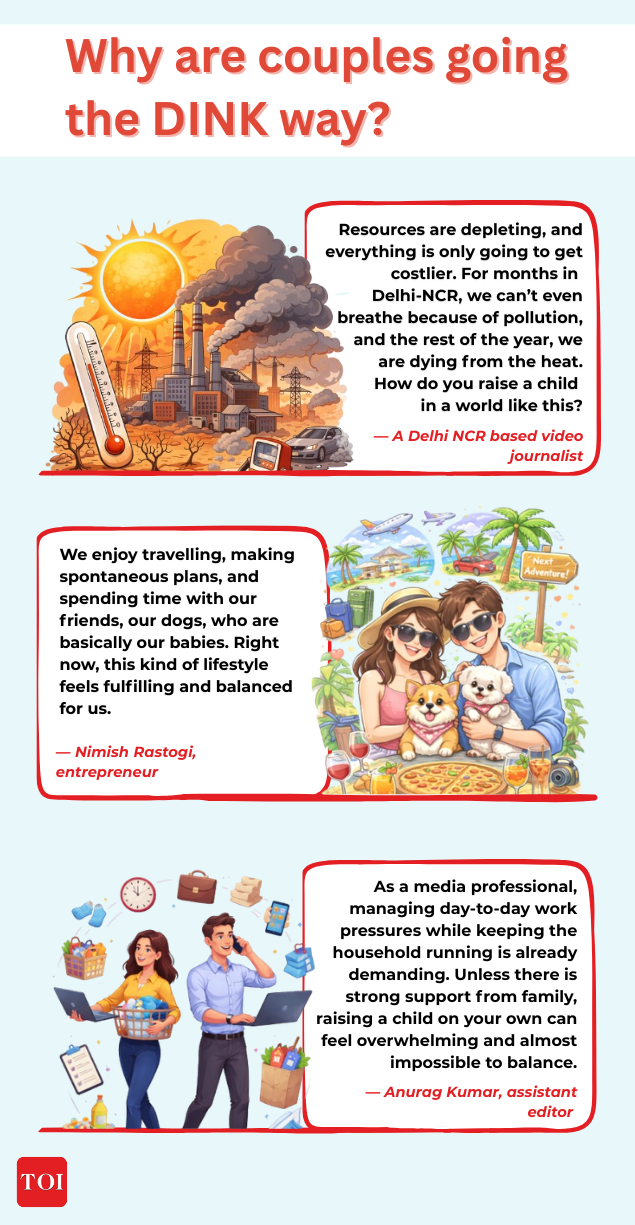
A world too harsh For many, the decision not to have children is shaped by the harsh realities of the world. “The air is terrible and life already feels quite demanding,” Nimish Rastogi, an entrepreneur, told TOI. A video journalist working in Delhi raised similar concerns and said, “resources are depleting, everything is only going to get costlier, and institutions are in decline. For months in Delhi-NCR, we can’t even breathe because of pollution, and the rest of the year, we’re dying from the heat. How do you raise a child in a world like this?”Balancing kid and work — Herculean job!For many working couples, raising a child can feel like an almost impossible balancing act. “Juggling work, home and a child can be taxing, and realistically you need a certain level of financial comfort to afford the kind of support that lets you enjoy everything without compromising too much on your own interests and lifestyle,” Nimish said. Anurag Kumar, assistant editor, added that the decision is also influenced by daily time and work pressure as “managing day-to-day work while keeping the household running is already demanding.”

Why are couples going the DINK way?

Family plays a roleFor many, raising a child without strong family support feels overwhelming. “Unless there is strong support from family, raising a child on your own can feel almost impossible to balance,” Anurag said. Others find the idea of constant oversight intrusive. “Having a whole proverbial village breathing down my neck is not good for my mental health,” explained the video journalist, who did not wish to be named, that the concept clashes with the life they currently have.Personal preferencesFor many couples, maintaining personal freedom and lifestyle balance plays a key role in the decision to remain child-free. “We genuinely like having our freedom…right now, this kind of lifestyle feels fulfilling and balanced for us,” Nimish added. Anurag summed it up, saying, “The choice to have a child ultimately depends on the couple, their vision for life, where they stand at present, and how they see their future unfolding.”Education — a costly affairFor many, the decision not to have children is increasingly driven by practical considerations, citing the rising costs of childcare, schooling, healthcare, and housing becoming hard to ignore. “I went to a Catholic convent school for my schooling and my quarterly tuition fees was Rs 1800. Quarterly! What do you get for Rs 1800 today?” the video journalist told TOI. “In a volatile economy, anything can happen. I lost my job during COVID-19 for four months. Imagine if I had a child in school then — it would have been even harder,” she further added, throwing light on how unpredictable costs and economic uncertainty make the decision to have children a major financial consideration.Nimish added, “Education is so expensive now, healthcare costs are rising, and even basic things like good schools, extracurricular activities, childcare and daily expenses add up quickly.” For some, however, finances are only part of the equation. As Anurag said, “Finances are definitely a factor, but not the decisive one.”

What are DINKers thinking?

How much does it actually cost to raise a child?

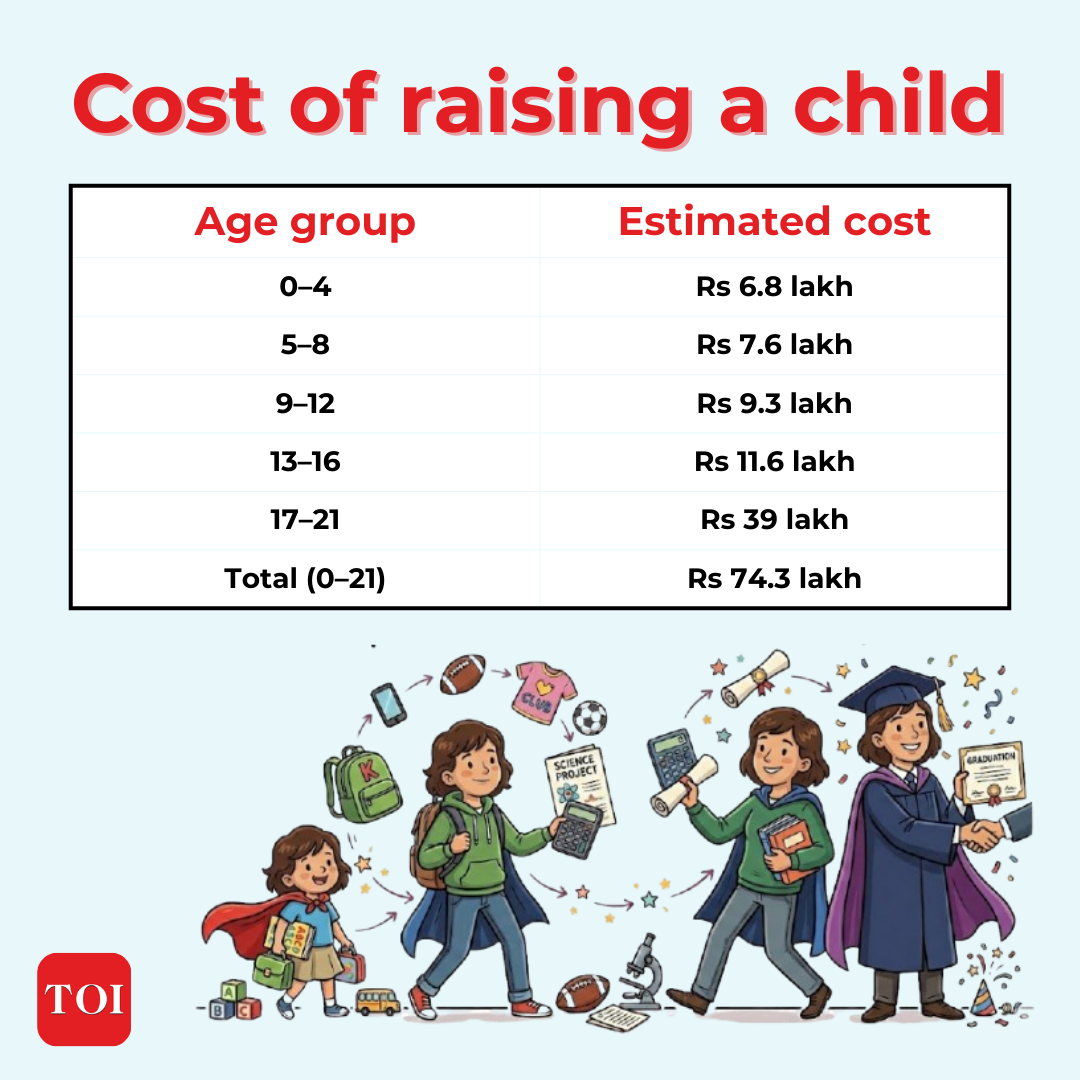
Raising a child from conception until the age of 21 costs an estimated Rs 74.3 lakh — and that’s without factoring in inflation.Rohit Saran explains in his book ‘100 Ways to See India: Stats, Stories, and Surprises’ that the total expense rises to approximately Rs 1.16 crore when adjusted for a 3% annual inflation rate. At a 6% inflation rate, the figure climbs even higher, reaching nearly Rs 1.83 crore. Couples today often find themselves stuck between two equally important dreams. Imagine you’ve finally saved up Rs 25–30 lakh for the down payment on a bigger 3BHK in a better neighbourhood, closer to work, with more space and security. But at the same time, you know that sending your child abroad for a master’s degree could easily cost Rs 40–60 lakh.So the question becomes real: do you upgrade your living standard now, or park that money in a fund that might one day pay for tuition fees in London or New York? For many families, these aren’t hypothetical situations — they’re monthly conversations at the dining table. A government official shared, “I’ve started a Voluntary Provident Fund for my daughter so that over the years, enough money will build up for her higher studies, learning new skills, or even starting her own business. I want her to have the freedom to chase her dreams without financial limits.” These decisions aren’t just about lump sums, they trickle down into everyday spending, shaping how families allocate resources across different categories. From education and housing to entertainment, clothing, food, transportation, and healthcare, every rupee is carefully planned to balance current needs with long-term goals.

Cost of raising a child

Raising a child goes beyond planned savings, their needs often reshape how families earn, spend, and prioritize money. Vacations, lifestyle upgrades, and even retirement plans are adjusted to give children the best opportunities. As a parent shared, “Sacrifice is part of being a parent. When you know your child needs a high-end laptop to study comfortably, you don’t dwell on your slow phone or the winter vacation you had planned, it’s not even a question.Meanwhile, Swasti Choudhary, mother of a 2 year old, explained, “having both parents earning definitely makes a big difference. When I found out I was pregnant, my husband and I created a full budget plan. With both of us earning, the risk from sudden financial emergencies is much lower. That said, it comes with challenges. We constantly ensure that both of us are present for our son. Leaving our jobs isn’t an option — it would be a major setback for the family.

Spending on kids — A bigger picture

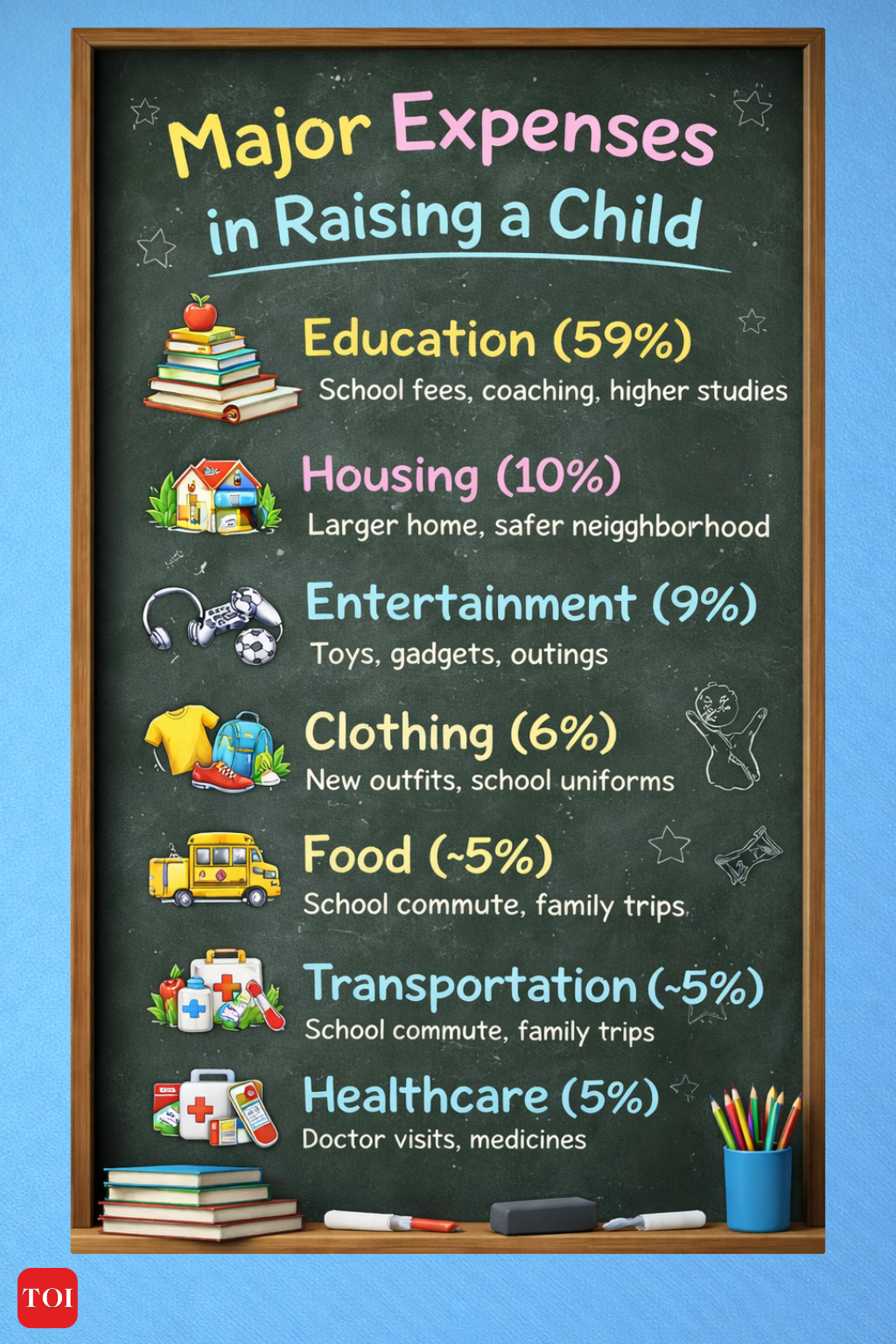
EducationEducation alone accounts for more than half of the total cost of raising a child. At least 59% of overall childcare expenses are directed towards education. Think about it — school admissions, annual fees, uniforms, books, private coaching…year after year, these costs quietly add up, keeping parents on their toes and always planning the next step. And careful planning doesn’t end the moment their kids graduate — it continues with competitive exams, skill-building classes, technology needs, and even the possibility of studying abroad. Of all the expenses parents manage, education consistently emerges as the largest and most demanding category.HousingAbout 10% of child-rearing expenses go towards housing, as many parents upgrade to larger homes in safer, better-connected neighbourhoods. A government officer shared that he moved to a bigger flat before his daughter was born to ensure a child-friendly environment. “Moreover, since my job requires frequent transfers, I’m planning to settle my family near the NCR so she has access to all the major educational institutions and can choose freely. It will be expensive, yes, but it’s a financially sustainable decision that will benefit in the long run,” he further added.Entertainment Nearly 9% of the total child-rearing cost goes towards entertainment — and this share tends to rise sharply during the teenage years. What begins as spending on toys and birthday parties in early childhood gradually shifts to bigger expenses like smartphones, laptops, hobby classes, sports coaching, movie outings, and holidays with friends. For instance, a simple 16th birthday celebration at a cafe, combined with gifts and decorations, can easily cost Rs 25,000–40,000. Add in a new phone for school and social use, music or dance classes, and a yearly trip with friends, and entertainment quickly turns into a regular and often overlooked expense.ClothingClothing alone accounts for around 6% of the total cost of raising a child, reflecting the need to regularly replace everyday wear, school uniforms, shoes, and seasonal outfits as children grow.

Major expenses

Education: the biggest slice of family expenses

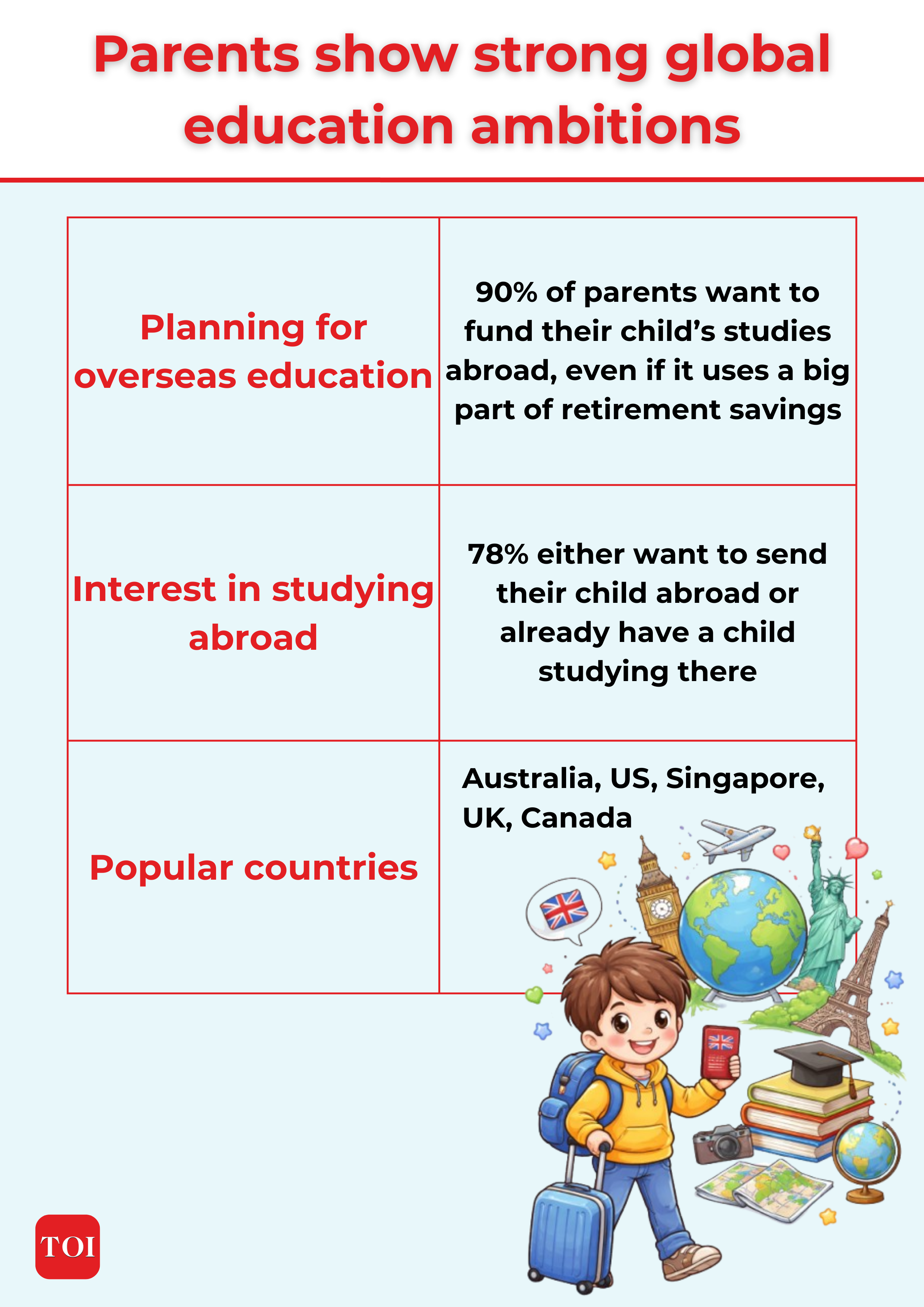
According to the CMS Education Survey, part of the 80th round of the National Sample Survey (NSS) 2025, households across India are spending significantly on school education. Government vs private schooling: A sharp cost divideGovernment schools still enroll most students in India — 55.9% nationwide, 66% in rural areas, and 30% in cities. But the cost of education varies widely. Households spent an average of Rs 2,863 per student on school education in government schools, while spending in non-government schools cost nine times more, at Rs 25,002. Course fees are the biggest expense, with urban families paying Rs 15,143 and rural families Rs 3,979 on average. Textbooks, stationery, uniforms, and transport add further costs, showing that “free” education often still comes with a price.Coaching and tuition cultureBeyond school fees, private coaching and tuition are emerging as parallel expenses. Nearly 27% of students nationwide are enrolled in private coaching — 30.7% in urban areas and 25.5% in rural regions.Urban families spend an average of Rs 3,988 annually on coaching per student, compared to Rs 1,793 in rural areas. At the higher secondary level, the gap widens sharply — Rs 9,950 in urban India versus Rs 4,548 in rural areas. Nationally, coaching costs rise with grade levels, from Rs 525 at pre-primary to Rs 6,384 at higher secondary.Study abroadAccording to a report by HSBC titled Quality of Life Report 2024, 90% of affluent Indian parents intend to fund their child’s overseas education. However, the cost of a three- or four-year international degree in destinations like the US or UK could consume up to 64% of parents’ retirement savings .The report also notes that 40% of parents expect their children to take student loans, 51% hope for scholarships and 27% would consider selling assets to fund overseas studies .

Studying abroad

Fur babies over babies: A growing DINK trend

As more couples rethink what a “perfect” family means to them, many are opting for pets instead of children. For these couples, the choice is both practical and personal — offering companionship without the financial and lifestyle pressures that come with raising a child.With the rising costs of raising children, pets, particularly dogs, are increasingly viewed as a more manageable and predictable responsibility. “Once you get a dog and it’s healthy, you have a fairly fixed cost for its lifetime. Sure, you buy toys or treats, but that’s it. A child? The costs just keep growing. It never stops. Everything is so expensive!” the video journalist told TOI.While more couples are embracing the DINK lifestyle, broader social expectations still lean toward parenthood. Anurag said, “Most of my married friends are planning or already having children. I’m the only one who chose to have a dog instead.”“Among our friends, some have children, but I’ve noticed a growing number of couples choosing pets or delaying plans for kids. People are thinking more consciously about the life they want rather than just following the traditional path,” Nimish added, further sharing the flexibility that pets offer over having kids. “We genuinely value our freedom. We love travelling, making spontaneous plans, and spending time with friends and our dogs, who are basically our babies. For us, this lifestyle feels fulfilling and balanced right now.”



Source link

GST collections rise to Rs 1.83 lakh crore in February, FY26 tally crosses Rs 20.27 lakh crore


GST collections rise to Rs 1.83 lakh crore in February, FY26 tally crosses Rs 20.27 lakh crore

Goods and Services Tax (GST) revenues continued to show steady expansion in February, with collections reaching Rs 1.83 lakh crore, reflecting resilient economic activity and improved compliance as the financial year nears completion, according to official data released by government.The latest figures take total gross GST collections for FY26 (till February 28) to Rs 20.27 lakh crore, marking an 8.3% year-on-year increase.Refunds during February stood at Rs 22,595 crore, up 10.2% YoY, resulting in net GST revenue of Rs 1.61 lakh crore for the month. Net cess revenue declined to Rs 5,063 crore compared with Rs 13,481 crore in February last year.Gross Domestic Revenue rose 5.3% to Rs 1.36 lakh crore, while Gross Import Revenue increased 17.2% to Rs 47,837 crore, indicating stronger tax collections linked to trade activity.MS Mani, Partner at Deloitte India, said the data reflects improving consumption trends supported by broader macroeconomic strength. “The consumption increase that has led to an 8% plus increase in the monthly and annual collections is also supported by the strong GDP data and other macroeconomic indicators published recently,” Mani said.He added that while collections were earlier approaching the Rs 2 trillion monthly mark, rate rationalisation has moderated the pace and “it will take some more time for the Rs 2 trillion mark to emerge.”State-wise, Maharashtra contributed the highest pre-settlement GST revenue at Rs 10,286 crore, followed by Karnataka and Gujarat.States showing positive post-settlement SGST growth included Himachal Pradesh, Chandigarh, Uttarakhand, Haryana, Delhi, Rajasthan, Uttar Pradesh, Bihar, Maharashtra, Karnataka, Tamil Nadu, Sikkim and Arunachal Pradesh, among others. Negative growth was recorded in West Bengal, Jharkhand, Odisha, Chhattisgarh, Madhya Pradesh, Tripura and Jammu and Kashmir.Commenting on regional trends, Mani said, “The negative growth reported by major states such as Tamil Nadu ( -6%) , MP (-8%) , Rajasthan (-1%) , and the single digit growth below the national average of 8% reported by WB (1%) Haryana(2%) , UP(5%) , Maharashtra (6%) would be a matter of concern for the states and the policy makers.”Manoj Mishra, Partner and Tax Controversy Management Leader at Grant Thornton Bharat, said the collections signal stable fiscal momentum. “February’s gross GST collections at INR 1.83 lakh crore, marking an 8.1% year-on-year increase, reaffirm the steady fiscal momentum as we approach the close of FY26,” he said, adding that revenues are holding firm even on a high base.He noted that domestic revenues grew moderately while import-linked IGST showed stronger expansion, reflecting trade activity and improved compliance. “Equally important is the 10.2% rise in refunds, with net revenues still posting a healthy 7.9% increase. This indicates a maturing GST architecture that is balancing revenue strength with timely liquidity flows to businesses,” Mishra said.Abhishek Jain, Partner and Indirect Tax Head at KPMG, said, “An 8.1% rise in monthly GST collections post GST 2.0 rate rationalisation signals steady economic momentum and improved compliance. The growth reflects a combination of resilient consumption supported by GST rate rationalisation, formalisation of businesses, and better enforcement through technology-driven monitoring.”


Source link

Strait Of Hormuz Attack: Middle East crisis: Oil tanker hit near Oman in Strait of Hormuz amid Iranian retaliation; 15 Indian nationals evacuated


Middle East crisis: Oil tanker hit near Oman in Strait of Hormuz amid Iranian retaliation; 15 Indian nationals evacuated

Representative image (Picture credit: ANI)

An oil tanker was attacked off the coast of Oman in the strategic Strait of Hormuz, injuring four crew members and forcing a full evacuation, as tensions continue to escalate after US–Israel strikes on Iran.Oman’s Maritime Security Centre said the Palau-flagged tanker Skylight was targeted about five nautical miles north of Khasab Port in Musandam Governorate.

Iran Blocks Strait Of Hormuz In Retaliation For US–Israel Attacks; World Energy At Risk

All 20 crew members, 15 Indian nationals and five Iranian nationals, were evacuated safely. Preliminary information indicates that at least four sustained injuries and were transferred for medical treatment, according to Gulf News.Omani authorities also confirmed that the port of Duqm was targeted in a drone attack.

Strait effectively shut after IRGC warning

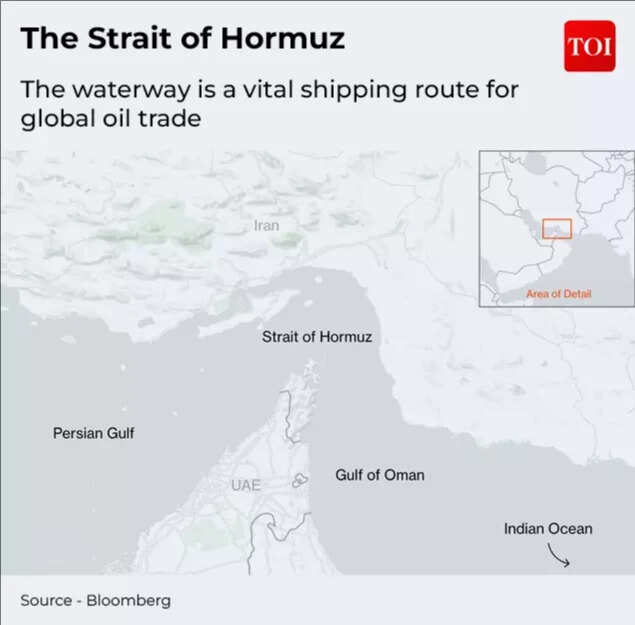
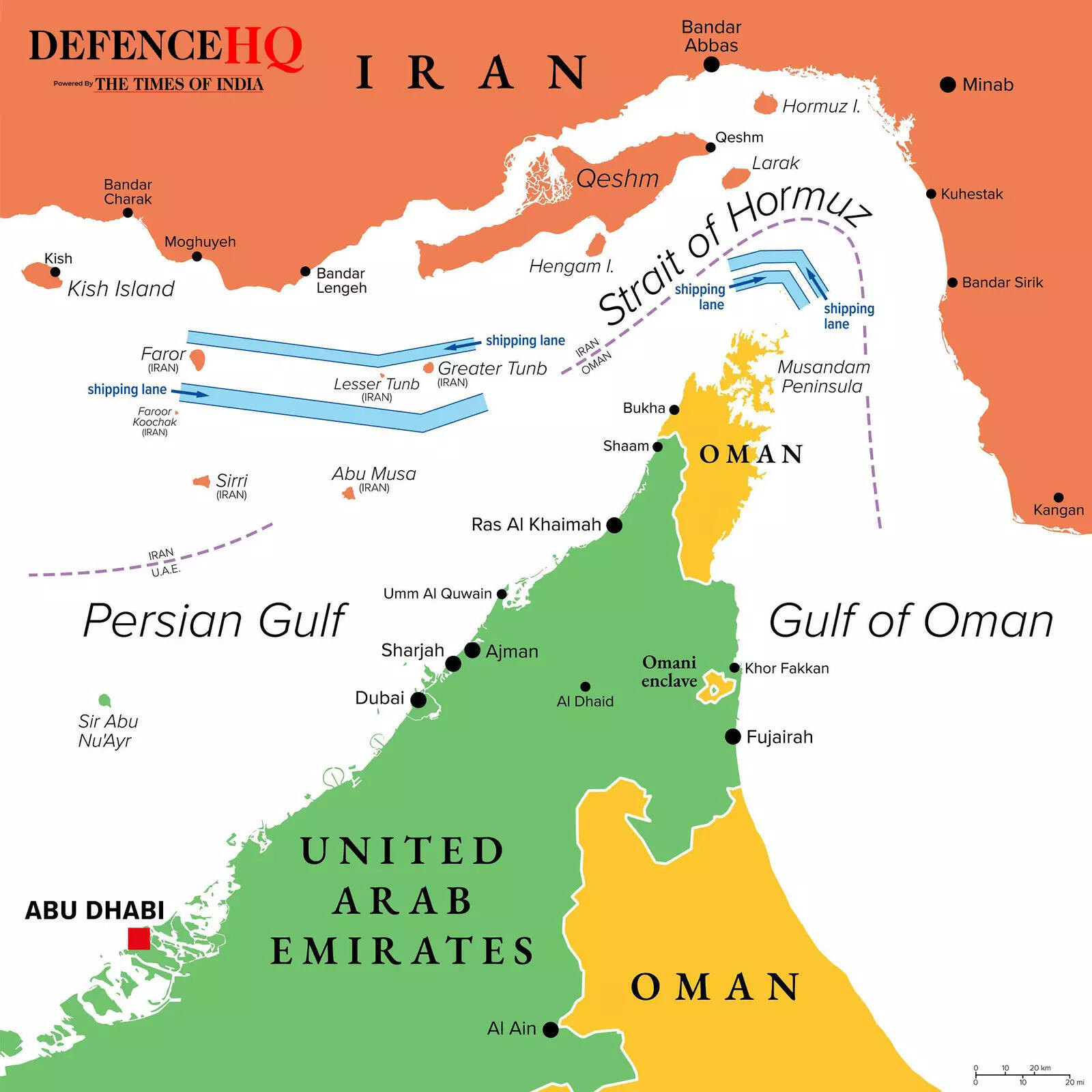
The attack came a day after Iran’s Islamic Revolutionary Guard Corps (IRGC) declared via radio transmissions that the Strait of Hormuz was closed to international navigation.While Tehran has not formally announced a full blockade, Reuters reported that multiple vessels in the area received VHF warnings stating that “no ship is allowed to pass the Strait of Hormuz”.The British Navy said such orders were not legally binding but advised caution. An EU naval mission official told Reuters that disruptions were building rapidly, although traffic had not completely stopped.The strait, which connects the Persian Gulf to the Gulf of Oman, carries roughly 20% of global oil supply and large volumes of LNG, particularly from Qatar. It is considered one of the world’s most critical maritime choke points.

The Strait of Hormuz

Ships halted, insurers withdraw cover

Several tanker owners and oil majors have suspended crude and LNG shipments through the route. Satellite images showed vessels backing up near Fujairah in the UAE. German shipping giant Hapag-Lloyd said it was suspending transit through Hormuz, while French group CMA CGM instructed ships to seek shelter.Consultancy Kpler noted that at least 14 LNG tankers had slowed, stopped or turned around. Specific vessels, including the KHK Empress and India-flagged Desh Abhimaan, reportedly reversed course, as per Euronews.Marine insurers have halted coverage for voyages in the area, leaving operators exposed to major risk premiums.

Regional ripple effects

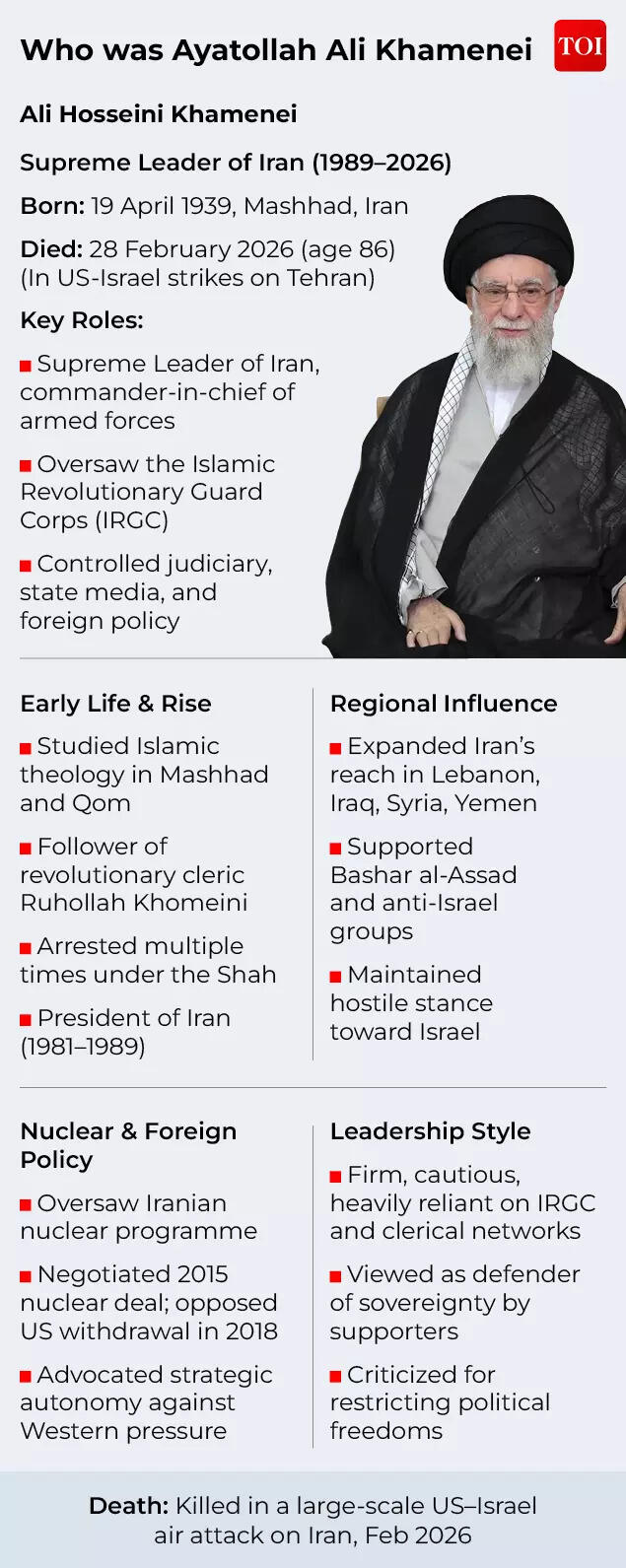
According to news agency ANI, three Pakistan National Shipping Corporation vessels, Karachi, Lahore and Khairpur, were stopped by Iran from entering Hormuz. Two were held at Fujairah port in the UAE, while one anchored at Gwadar in Pakistan.The disruption follows joint US–Israeli strikes that killed Iranian Supreme Leader Ayatollah Ali Khamenei, triggering missile retaliation across the region.Oil markets reopened Sunday evening amid speculation that Brent crude could touch $100 per barrel, levels last seen after Russia’s 2022 invasion of Ukraine. Barclays analysts warned that a prolonged halt could block up to 20 million barrels per day, around 20% of global supply.With traffic stalled and tensions high, the situation in the Strait of Hormuz remains volatile, and further escalation could have severe consequences for global energy markets.


Source link

‘Crumbling empire’: What Khamenei said about US in his last public speech


'Crumbling empire’: What Khamenei said about US in his last public speech

As Iran and much of the world reels from the killing of Supreme Leader Ayatollah Ali Khamenei in joint US–Israel strikes early Sunday, his final public speech has come under spotlight. Delivered on February 17, just over ten days ago, Khamenei’s address included sharp warnings against the United States and Israel, reflections on unrest inside Iran, and references to Iran’s history.He directly criticised the US, calling it a “crumbling empire” and asserting that America was in decline. “It’s a system that is truly in decline. It’s an empire that’s heading toward a collapse,” he said. He rejected pressure over Iran’s defence capabilities and nuclear programme, adding: “The problem we have with the United States is that they want to devour Iran, and the Iranian nation is preventing them. The Islamic Republic stands in their way.” On American threats, he added pointedly: “You, too, won’t be able to do such a thing,” referring to eliminating the Islamic Republic.

‘TRY IT, WE GO ALL-OUT’: Khamenei’s Big Dare To Trump, Tehran Signals ‘TOTAL WAR’ | Watch

Follow live updates on aftermath of Khamenei’s death hereThe speech was delivered in East Azerbaijan Province, on the eve of the anniversary of the 1978 Tabriz uprising, when protests against the Shah had erupted. “Over the course of time during the era of the Revolution, whenever I have traveled to Tabriz or other cities in Azerbaijan, I’ve felt that there was a particular distinction – a certain superiority – in the feelings, outlook, and perspective of these people. It’s something that is seen less frequently elsewhere. That very event which took place on the 29th of Bahman, 1356 (Feb. 18, 1978), is a historical marker that mustn’t be forgotten at all,” he said, in what became his final public speech. He also spoke of a more recent episode of unrest, roughly 40 days prior, which he described as a “coup attempt.” He alleged that foreign intelligence agencies, including those of the US and Israel, had orchestrated the unrest to target sensitive military and governmental sites. “My dear ones! What took place was a ‘coup’ that was defeated,” Khamenei said. “It wasn’t the case that a group of young or old people became angry somewhere… No, it was much more than that. It was a coup attempt, but this coup was crushed under the feet of the Iranian nation.” He claimed security forces, the Basij, the IRGC, and ordinary citizens had foiled the plot, preventing the seizure of key institutions, including the national broadcaster IRIB.

.

Iran’s Supreme Leader Ayatollah Ali Khamenei, 86, was killed in a precise US–Israel airstrike on his central leadership compound in Tehran, the Israeli Defence Forces confirmed. The operation, targeting Khamenei and senior officials, ended decades of his rule, during which he commanded Iran’s armed forces, oversaw domestic repression, and directed regional proxy networks. Iranian authorities acknowledged the strike, with transitional oversight assigned to the president, judiciary chief, and a Guardian Council jurist.


Source link

3 found dead in Surat flat: Family including their 9-year-old daughter die by suicide; here’s what unfolded before tragedy | Surat News


The deceased were identified as Balmukund Khetan, his wife Priyanka Khetan, and their nine-year-old daughter Bhavya Khetan

SURAT: Days after a mass suicide shocked Surat, the man accused of pushing the Khetan family to the brink has been arrested in Delhi. Vaibhav Rungta was detained after police recovered a three-page suicide note and recorded testimonies in the case. Three members of a family — including a share trader, his wife and their elder daughter — died by suicide at their apartment in the posh Vesu locality.The incident came to light after the victim left behind a suicide note alleging prolonged harassment by a man, police said. The deceased were identified as Balmukund Khetan, his wife Priyanka Khetan, and their nine-year-old daughter Bhavya Khetan. The family lived at Happy Elegance society. The couple’s younger daughter, Pathvi (7), survived. According to police, on Tuesday evening Priyanka called her father, Sanjay Agrawal, a textile trader, and informed him that Khetan had consumed pesticide. When Agrawal rushed to the apartment, he found all four family members unconscious. Neighbours alerted emergency services, and medical teams reached the spot. Khetan was declared dead, while the other three were shifted to a private hospital, where Priyanka and Bhavya later succumbed during treatment. Police recovered a suicide note in which Khetan alleged harassment by Rungta. The note claimed that Rungta had used Khetan’s credit card to purchase clothes, a mobile phone and other items, withdrawn cash, and borrowed a two-wheeler that was never returned. When Khetan reportedly demanded repayment and the return of the vehicle, Rungta allegedly threatened and harassed him. Based on a complaint filed by Agrawal, Vesu police registered a case of abetment to suicide and criminal intimidation and launched an investigation. During the probe, police also found that Khetan had mentioned his pet dog in the suicide note, expressing concern about its future and suggesting arrangements for its rehabilitation. Investigators further learnt that Rungta visited the victim’s residence after learning about the incident.

Banner Insert


Source link

Former Pakistan cricketers react after Men in Green knocked out of T20 World Cup 2026


Pakistan’s campaign at the ICC Men’s T20 World Cup 2026 came to a dramatic yet painful end on Saturday night, as the Men in Green were knocked out despite defeating Sri Lanka at the Pallekele International Cricket Stadium.

In a match filled with explosive batting, tense calculations, and last-over drama, Pakistan did what they could — but not enough. The shortfall in net run rate ultimately denied them a semi-final berth, leaving fans and former cricketers fuming back home.

Batting brilliance but margin heartbreak

Coming into the crucial Super Eights clash, Pakistan needed more than just a win. Sitting third in Group 2, they had to beat Sri Lanka by a significant margin to leapfrog New Zealand on net run rate.

Asked to bat first by Sri Lankan skipper Dasun Shanaka, Pakistan responded with intent. The new opening pair of Sahibzada Farhan and Fakhar Zaman unleashed an attacking masterclass, stitching together a stunning 176-run stand.

Zaman smashed 84 off just 42 deliveries, peppering the boundary ropes with nine fours and four towering sixes before falling in the 16th over. Farhan, however, carried on to complete a magnificent century — 100 off 60 balls — a knock that blended elegance with power. Pakistan finished with a formidable 212/8 in 20 overs. The equation was clear: restrict Sri Lanka to 147 or below to secure a semi-final spot.

Sri Lanka’s reply kept Pakistan alive in the contest but alive in anxiety too. The hosts kept chipping away, and with the qualification equation tightening, every run became crucial. Eventually, Sri Lanka crossed the 147 run mark without getting all out and hence denying Pakistan a chance to book a place in the semis. Though Pakistan ended up winning the contest but it was a victory on paper and a defeat in reality.

Ahmed Shehzad questions direction

Former Pakistan opener Ahmed Shehzad did not mince his words on social media. He expressed frustration over what he described as a lack of progress under the current setup.

Shehzad criticised the constant shuffling of the batting order and alleged that team selections were influenced by external pressures rather than cricketing logic. He pointed out that promises of building a strong middle order had failed to materialize, calling the last three years a period of stagnation instead of growth.

“Pakistan is officially out of the World Cup. We supported you when you backed youngsters in the Asia Cup. You promised a strong middle order, but everything changed, not for balance, but to adjust your own people and bow to social media pressure. Three years of this setup, and still no progress. How much more time do you need? We’re not improving. We’re falling,” Shehzad wrote on X as quoted by Geonews.

Mohammad Yousuf and Shahid Afridi demand accountability

Former captain Mohammad Yousuf used sharp sarcasm to sum up the mood. Reflecting on bold pre-tournament claims about reaching the final, he likened the campaign to “the final moments of a sinking ship,” urging serious introspection while hinting that domestic leagues might soon shift public focus.

“We were loud and clear in declaring we were headed for the finals. Turns out, they meant the final moments of a sinking ship. Do we even have enough life jackets, or is this just another Titanic? No worries! #PSL is around the corner, and this embarrassment will soon be forgotten as pride rises again,” Yousuf said.

Meanwhile, ex-skipper Shahid Afridi called for structural reform. He questioned how a cricket-loving nation of over 240 million people continues to struggle at the highest level. Afridi demanded accountability from management and administrators, insisting that Pakistan must rediscover its competitive edge.

“This is a moment to reflect on the future of cricket in Pakistan. How is a nation of our population producing just eleven subpar players at the highest level? Who will take responsibility for restoring the pride and standard of Pakistan national cricket team?,” wrote Afridi.

Also READ: Fans erupt as Sahibzada Farhan outduels Dasun Shanaka but Pakistan’s semifinal dream ends in T20 World Cup 2026

Shoaib Akhtar raises questions on selection

Former speedster Shoaib Akhtar echoed similar concerns on a television show, criticizing recent team combinations. He pointed out that players like Saim Ayub could have offered balance, and questioned why natural roles were ignored earlier in the tournament. According to Akhtar, the strong performances of Fakhar, Farhan, and Abrar Ahmed in this match exposed earlier selection flaws.

“Pakistan’s management looks completely clueless. Today’s team selection only confirmed that the XI picked over the last 15 days was wrong. There was one clear error — Saim Ayub should have played instead of Khawaja Nafay. Saim could have contributed with the ball as well. This selection showed that when you pick the right players for the right roles, they perform. Fakhar Zaman is a natural opener, yet he wasn’t played earlier. Today, Farhan, Fakhar and Abrar all delivered. That tells you everything,” Akhtar said on Tapmad.

Also READ: T20 World Cup 2026: Final-over wide triggers debate in Pakistan vs Sri Lanka Super 8 clash


Source link

Israel-US strike on Iran: PCB confirms ODI match cancelled in Abu Dhabi amid Middle East tensions | Cricket News


Israel-US strike on Iran: PCB confirms ODI match cancelled in Abu Dhabi amid Middle East tensions
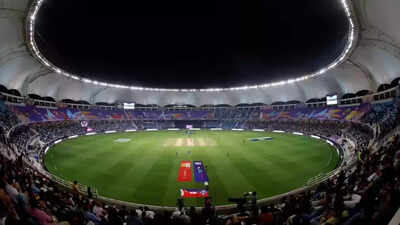
Dubai cricket stadium (File photo)

The second unofficial one-day match between Pakistan Shaheens and England Lions in Abu Dhabi, scheduled for Sunday, was called off after security concerns in the region intensified“The safety and security of our teams and staff is our top priority,” the ECB said in a statement.“Tomorrow’s second ‌50-over game between England Men’s Lions and Pakistan Shaheens in Abu Dhabi will no longer go ahead, and we ‌are delaying the departure of England Women for their proposed trip to Abu Dhabi next week.”.Pakistan Cricket Board also confirmed that the match scheduled for the day had been cancelled and that players and team officials were told to stay inside their hotel as a precaution.The move followed advice from the England and Wales Cricket Board amid the situation in Abu Dhabi.“There will be no practice session as well and the team has been advised to remain indoors,” the PCB said in a statement, adding that the safety and security of players and support staff remains the top priority.The PCB remains in contact with the ECB and is monitoring developments.A decision on the remaining matches will be taken after the Middle East airspace reopens. The board will decide whether the Shaheens squad should return to Pakistan or continue with the series, depending on the security situation.The disruption comes after coordinated military strikes by the United States and Israel on Iran on February 28. Tehran responded with missile fire across parts of the Gulf, leading several countries to close or restrict their airspace.The United States and Israel carried out the offensive on Saturday, with US President Donald Trump urging the Iranian public to remove its leadership.The strikes led to airspace closures in parts of the Gulf and affected international airlines, including Emirates and Air India.Air India said it has cancelled all flights to and from major Gulf cities — Abu Dhabi, Dammam, Doha, Dubai, Jeddah, Muscat, Riyadh and Tel Aviv — until further notice.Dubai International Airport has suspended operations indefinitely due to airspace restrictions following the missile strikes.


Source link