Breaking News
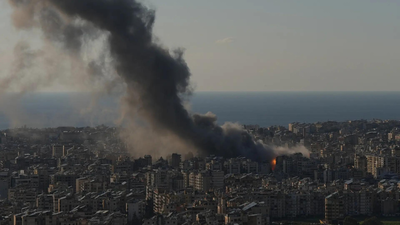
US running out of interceptor missiles? Experts warn of of shortages if Iran clashes continue for 10 days


US running out of interceptor missiles? Experts warn of of shortages if Iran clashes continue for 10 days

The United States may run low on critical missile if strikes if strikes on Iran continue for more than 10 days, Al Jazeera reported.According to the report, the Pentagon has also warned US President Donald Trump at an extended military campaign in Iran would carry serious risks, including the high cost of replenishing Washington’s dwindling munitions stockpiles.However, Trump on Tuesday said that US has enough in its stockpile to keep the military campaign in Iran going.“The United States Munitions Stockpiles have, at the medium and upper medium grade, never been higher or better – As was stated to me today, we have a virtually unlimited supply of these weapons. Wars can be fought ‘forever,’ and very successfully, using just these supplies,” Trump wrote in a Truth Social post.Weapons US using to attack IranAccording to the US military’s Central Command, it has used more than 20 weapons systems across air, sea, land and missile defence forces during its ongoing operation in Iran.
.

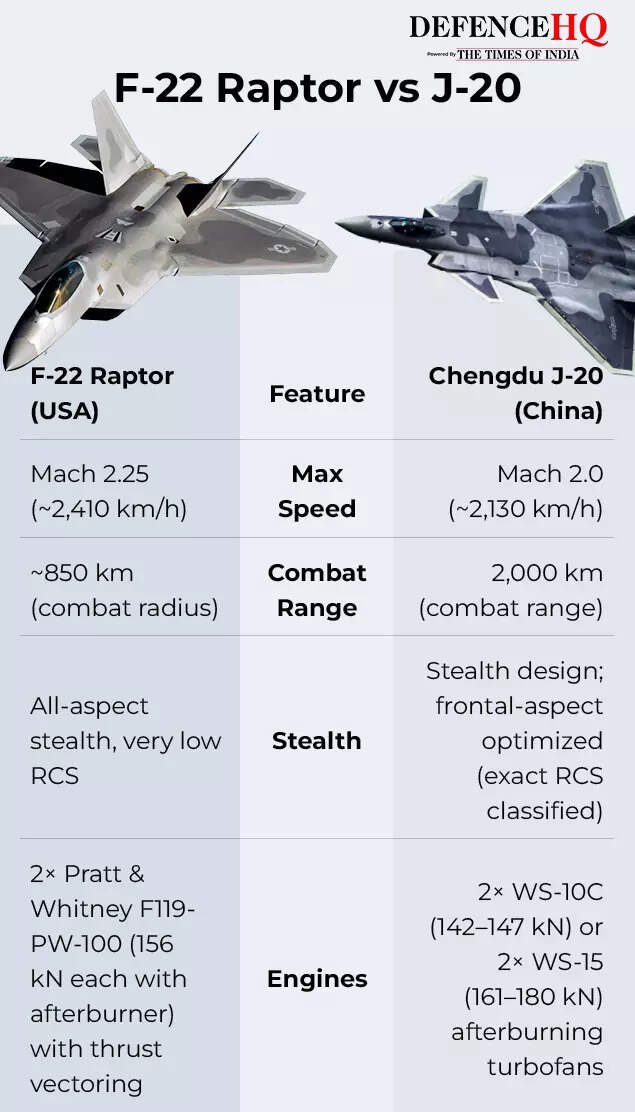
The US is using B-1 bombers, B-2 stealth bombers, F-35 Lightning II stealth fighters, F-22 Raptor jets, F-15s and EA-18G Growlers. It is also using drones and long-range strike systems, including the Low-Cost Unmanned Combat Attack System (LUCAS) one-way drones, MQ-9 Reaper drones, M-142 High Mobility Artillery Rocket Systems (HIMARS) and Tomahawk Cruise Missiles.Here is the complete list

  • B-2 Stealth Bombers
  • LUCAS Drones
  • Patriot Interceptor Missile Systems
  • THAAD Anti-Ballistic Missile Systems
  • F-18 Fighter Jets
  • F-16 Fighter Jets
  • F-22 Fighter Jets
  • A-10 Attack Jets
  • F-35 Stealth Fighters
  • EA-18G Electronic Attack Aircraft
  • Airborne Early Warning & Control Aircraft Airborne Communication Relay
  • P-8 Maritime Patrol Aircraft
  • RC-135 Reconaissance Aircraft MQ-9 Reapers
  • M-142 High Mobility Artillery Rocket Systems Nuclear-Powered Aircraft Carriers
  • Guided-Missile Destroyers
  • Counter-Drone Systems
  • Refueling Tanker Aircraft Refueling Ships
  • C-17 Globemaster Cargo Aircraft C-130 Cargo Aircraft

Two US aircraft carriers, the USS Abraham Lincoln and the USS Gerald R Ford, were in the Middle East when the attack on Iran began.Which weapons could the US run out of?The United States’ arms and ammunition stockpiles have been stretched by sustained military support to allies such as Israel and Ukraine.If a war with Iran continues, the most likely shortages would be in precision, high-end munitions and advanced missile interceptors such as the THAAD system.

.

Last year, during the 12-day Israel-Iran war, Washington joined Israel in bombing Iranian nuclear facilities toward the end of the conflict. The US deployed two batteries of its advanced THAAD missile defence system to Israel during that period.US officials later said more than 150 THAAD interceptors were fired to counter incoming Iranian missiles — roughly 25% of the country’s total stockpile.

.

A single THAAD battery typically includes 95 soldiers, six truck-mounted launchers, 48 interceptors (eight per launcher), one radar system, and a fire-control and communications unit. As of mid-2025, there are nine active THAAD batteries worldwide, according to Lockheed Martin.US media reports also said that large numbers of ship-borne interceptors were expended during the conflict. This included Joint Direct Attack Munitions (JDAMs) — GPS-guided kits that convert unguided bombs into precision-guided “smart” weapons.High-end missile defence systems are designed to counter limited, high-intensity attacks from adversaries such as Russia, China or North Korea — not prolonged barrages of cheaper missiles. Over time, finite stockpiles of advanced interceptors can be depleted quickly. Each interception can cost hundreds of thousands or even millions of dollars, often to neutralise a missile that may have cost only a few thousand dollars to produce.What happens if the US runs low on weapons?According to Al Jazeera, the US could ramp up production or redeploy weapons to the Middle East from other regions.Christopher Preble, a senior fellow at the Stimson Center think tank, said that while Washington can absorb the financial cost of war given its trillion-dollar defence budget, the real constraint lies in interceptor stockpiles such as Patriot and SM-6 missiles.Some of these interceptors were earmarked for Ukraine to defend against Russian strikes, he noted.Others are positioned in the Indo-Pacific, where they would be critical in the event of a regional contingency. Diverting them to the Middle East could raise concerns about weakening deterrence elsewhere.How much are the strikes costing US?The Pentagon has not disclosed the total cost of operations. However, estimates suggest the expenses are mounting rapidly.Reports indicate the US spent approximately $779 million in the first 24 hours of operations in Iran, with an additional $630 million allocated to pre-strike preparations — including aircraft movements, deployment of more than a dozen naval vessels, and mobilisation of regional assets.The Center for a New American Security estimates that operating a carrier strike group, such as the USS Gerald R. Ford, costs about $6.5 million per day.


Source link

India vs England: Can Abhishek Sharma find his fire at Wankhede? | Cricket News


India vs England: Can Abhishek Sharma find his fire at Wankhede?
Abhishek Sharma (Pic credit: BCCI)

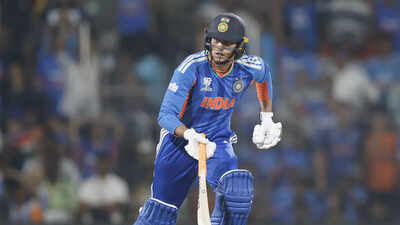
Back at the Wankhede, Team India opener will hope to rediscover fearless touch at the venue where he smashed 135 vs England last yearMUMBAI: Given the way Abhishek Sharma punished everything bowled at him in the lead-up to the T20 World Cup, he was tipped to light up the tournament. It also meant opposition teams went the extra mile to probe for chinks in his armour.Go Beyond The Boundary with our YouTube channel. SUBSCRIBE NOW!Barring the Zimbabwe game — where the left-hander struck a half-century — rivals have largely succeeded in keeping him quiet. His scores read 0, 0, 0, 15, 55 and 10. Yet the team management have shown faith in the 25-year-old, backing him despite his visible dip in confidence. With the semifinal against England on Thursday at the Wankhede Stadium, changes in the starting XI look unlikely.

India fans wait for over four hours to see their heroes outside Wankhede

India trained in full strength on Tuesday, with players spending considerable time across the four nets at the venue. Abhishek was the last among the playing XI batters to pad up, facing mostly net bowlers, with Arshdeep Singh and Tilak Varma the only regulars to bowl at him. He faced a leg-spinner, two off-spinners — operating from both sides of the crease and bowling back of a length — and a couple of right-arm pacers.The Sunrisers Hyderabad opener focused on playing as straight as possible, a routine he has adopted after his early struggles in the tournament. His six dismissals so far show a clear pattern. Teams have tried to block his scoring zones, cramp him for room and take pace off the ball.Against Pakistan, Netherlands and West Indies, he fell to spinners firing in back-of-a-length darts into middle and leg, keeping the ball out of his arc as he attempted to pull or hoick towards the leg side. Against South Africa and Zimbabwe, slower deliveries from pacers deceived him, resulting in miscued shots.A high-risk approach carries its own perils and altering it overnight is never easy. However, there were signs of adjustment during his 30-ball 55 against Zimbabwe — the second slowest fifty of his T20I career — where he showed greater intent to play with a straight bat.Off-spinners Salman Agha and Aryan Dutt have troubled him, so it will be interesting to see if England use Will Jacks early, even though India have tried to balance their left-heavy top order with the inclusion of Sanju Samson.For Abhishek, the immediate challenge will be to shelve the pull shot against spinners in the early stages and devise a plan for back-of-length deliveries. He could, for instance, take a leaf out of Samson’s playbook against West Indies — creating room to cut square of the wicket or stepping inside the line to access the leg side. Experts believe he should trust his natural instincts but give himself time at the crease before shifting gears.Just over a year ago, Abhishek hammered a 54-ball 135 — his highest T20I score and second century — against England at the Wankhede, facing an attack that included Jofra Archer, Jamie Overton and Adil Rashid. The Indian think tank will hope he can draw inspiration from that innings and rediscover the fearless strokeplay that once made him the toast of Indian cricket.


Source link

Access Denied


Access Denied

You don’t have permission to access “http://www.ndtv.com/world-news/nepal-election-2026-nepal-to-vote-in-first-election-tomorrow-since-gen-z-led-protests-toppled-government-11165859” on this server.

Reference #18.34a21ab8.1772601029.96eda3e

https://errors.edgesuite.net/18.34a21ab8.1772601029.96eda3e


Source link

Gold, Silver Rate Today Live Update: Gold rises 1% on Middle East crisis; investors run to safe haven assets


Gold and silver began Wednesday’s session with strong gains on the Multi Commodity Exchange of India as intensifying US-Israeli air strikes on Iran and mounting geopolitical tensions spurred increased buying in safe-haven assets.

April 2026 gold futures on the MCX climbed by more than Rs 2,157, or 1.33%, to trade at Rs 1,63,265 per 10 grams. At the same time, silver contracts for May 2026 delivery jumped Rs 5,682, marking a 2.1% rise to Rs 2,71,000 per kilogram.


Source link

Rupee hit by Middle East crisis: Currency falls to new low of 92.18 against US Dollar


Rupee hit by Middle East crisis: Currency falls to new low of 92.18 against US Dollar

Rupee tumbled 69 paise on Wednesday, sliding to hit a record low of 92.18 against the US dollar amid surging oil prices and a pullback from riskier assets. Analysts have cautioned that the currency could remain under strain until tensions in the Middle East subside.Ongoing tensions in the Middle East have sent shockwaves through global markets, strengthening the dollar and driving crude oil to around $85 per barrel. These developments have pushed inflation fears higher and posed risks for economies like India that rely heavily on energy imports.So far this year, rupee has already lost more than 2%, after shedding almost 5% in 2025. Although a recent US-India trade deal briefly boosted foreign inflows and provided some relief, the resurgence of conflict across the Middle East quickly erased these gains. The currency had suffered significant losses earlier this week. On Monday, it dropped 41 paise to settle at 91.49 against the dollar, following intensified US and Israeli attacks on Iran. According to forex traders, Rupee was under pressure due to massive selling in domestic equity markets and withdrawal of foreign funds. Meanwhile, Dalal Street was also trading in red. In early trade, Nifty50 fell below 24,400, standing at 24,380.45 at 9:16 AM, down 485 points or 1.95%. BSE Sensex dropped 1,644 points, or 2.05%, to 78,594.94, reflecting investor concerns over escalating Middle East tensions and the widening US-Israel-Iran conflict. Global financial markets moved into risk-off mode as concerns over rising inflation rattled stocks and bonds across the world.“Global equities slid as disruptions to Middle East energy supplies threatened to reignite price pressures. Crude oil gained around 5 per cent, while European wholesale natural gas surged a punishing 40%,” said Devarsh Vakil, Head of Prime Research at HDFC Securities. “Prolonged tensions among the United States, Israel, and Iran are mounting pressure on India across its current account, inflation outlook, and currency stability. Elevated crude prices stand to raise the country’s import bill, widen its current account deficit, weaken the rupee, stoke inflation, and trigger foreign capital outflows,” the expert further told ANI.


Source link

Nobel Laureate Omar Yaghi: ”Could be a lifeline for 2 billion people’: Nobel laureate builds a machine that harvests water from desert air |


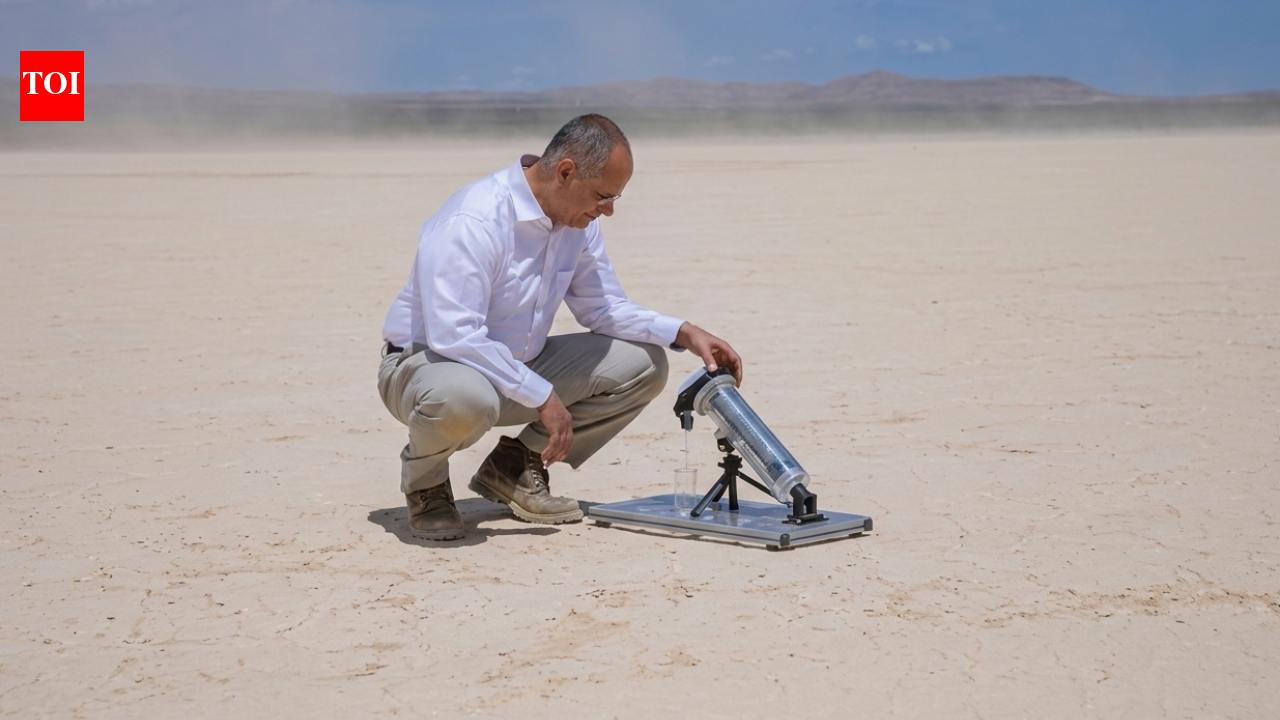
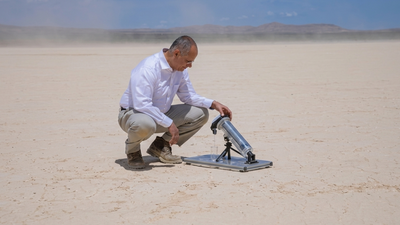
A Nobel Prize-winning chemist has unveiled a solar-powered machine capable of extracting up to 1,000 litres of clean drinking water per day from dry desert air, a breakthrough that could reshape how the world tackles water scarcity. Professor Omar Yaghi, a materials scientist at University of California, Berkeley, developed the system using metal-organic frameworks, or MOFs, highly porous materials that can trap water vapour even in low-humidity environments. Operating entirely off-grid and powered by sunlight, the technology is designed for drought-prone regions, disaster-hit communities and remote settlements where traditional water infrastructure is unreliable or absent.

How the solar machine harvests water from desert air

At the heart of the invention are MOFs, crystalline materials made of metal nodes linked by organic molecules. Their internal surface area is so vast that a single gram can contain pores comparable in area to a football field.At night, when temperatures drop, the MOF material adsorbs water vapour from the air, even at humidity levels as low as 20%. During the day, sunlight gently heats the material, releasing the trapped moisture. The vapour then condenses into liquid water, which is collected and filtered for drinking.“The science is here,” Yaghi said while describing the system. “What we need now is courage, courage scaled to the enormity of the task.”Earlier prototypes tested in California’s Death Valley produced modest outputs, but scaling the system to a 20-foot shipping container has increased production dramatically, making it viable for community-level supply.

Professor Omar Yaghi

Professor Omar Yaghi

A response to global water stress

The innovation comes at a critical time. According to the United Nations, roughly 2.2 billion people worldwide lack safely managed drinking water, and billions more face severe water scarcity for at least one month each year. Recent UN assessments have described the planet as entering a “global water bankruptcy” era.Yaghi’s device offers a decentralised alternative to traditional water sources such as desalination, which can be energy-intensive and produce environmentally harmful brine waste. Because the MOF-based system runs on ambient solar energy, it does not require grid electricity or fossil fuels.“It could function when traditional infrastructure fails,” said Davon Baker, an environmental official in the Caribbean who has expressed interest in the technology for hurricane-prone islands. “The ability to operate off-grid using only ambient energy is particularly compelling for vulnerable communities.”

A response to global water stress

From refugee roots to global impact

Yaghi’s motivation is deeply personal. Born in Jordan to a Palestinian refugee family, he grew up in a desert community without running water. In his Nobel banquet speech, he recalled hearing whispers in his neighbourhood, “The water is coming,” as residents rushed to fill containers before supplies stopped.That memory, he said, shaped his determination to engineer materials capable of solving real-world survival challenges. He described his field, reticular chemistry, as “a science capable of reimagining matter” to address climate and sustainability crises.

Promise and remaining hurdles

Peer-reviewed studies in journals such as Science Advances have confirmed the efficiency of MOFs in atmospheric water harvesting. However, challenges remain before mass deployment becomes feasible. Producing MOFs at scale while keeping costs low is a major hurdle, as is ensuring durability in harsh environments over long periods.Yaghi founded the company Atoco to commercialise the technology and explore partnerships for wider distribution. Experts say that if manufacturing and cost barriers can be reduced, the system could provide a resilient supplement to existing water infrastructure, particularly in arid regions across Africa, the Middle East and parts of Asia.

A climate-era innovation

As droughts intensify and extreme weather events disrupt water systems, decentralised and climate-friendly solutions are increasingly urgent. Yaghi’s invention does not promise to replace rivers or aquifers, but it offers something radical, the ability to generate drinking water from air using nothing more than sunlight and advanced materials.For billions facing unreliable supply, that could indeed prove to be more than just a scientific breakthrough. It could be a lifeline.


Source link

Israel strikes building where Iranian clerics were choosing Khamenei’s successor


Israel strikes building where Iranian clerics were choosing Khamenei's successor

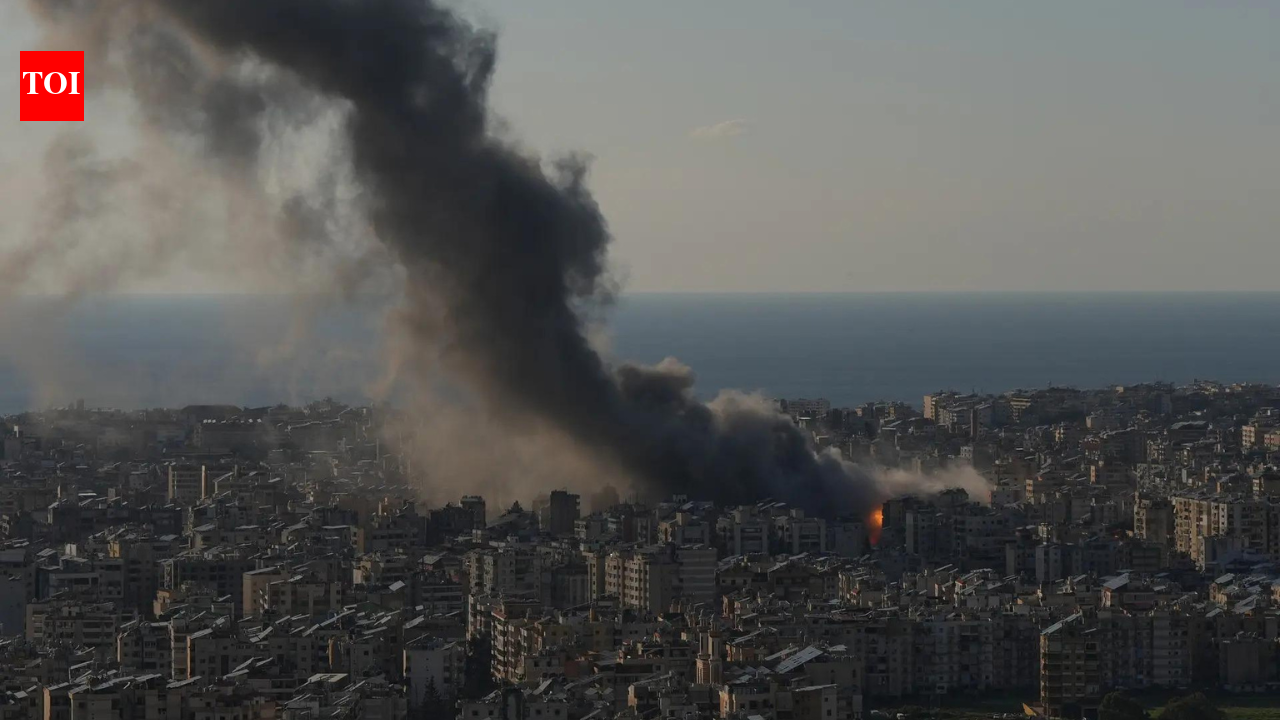
Israel carried out an airstrike on a building in the Iranian city of Qom that was reported to be hosting senior clerics of the Assembly of Experts as they convened to begin the process of selecting a successor to the late Supreme Leader Ayatollah Ali Khamenei. The Assembly, an 88-member clerical body constitutionally tasked with choosing Iran’s supreme leader, had not met for succession since it appointed Khamenei in 1989.An Israeli security official said it was not immediately clear how many of the Assembly’s 88 members were inside the building at the time of the strike, as cited by ANI.Iran’s state news agency, however, disputed the claim, asserting that the structure targeted was an unused, dilapidated building and not a venue for any official meeting.Meanwhile, Israel’s Mossad intelligence service posted a message in Persian on social media stating that regardless of who is chosen to succeed Khamenei, “his fate has already been decided,” adding that only the Iranian people will ultimately determine their future leadership.Ayatollah Ali Khamenei, who had led Iran since 1989, was assassinated on Saturday, triggering the rare convening of the Assembly of Experts to begin the process of selecting his successor.Iran’s leadership is now moving swiftly to fill the position, marking only the second time since the 1979 Islamic Revolution that a new supreme leader is being chosen. Potential successors reportedly range from hardliners advocating continued confrontation with the West to reformist figures who support greater diplomatic engagement.Motjaba Khamenei, son of the slain supreme leader has emerged as his successor under pressure from the Islamic Revolutionary Guard Corps (IRGC). Meanwhile, Israel said it carried out airstrikes on Tuesday targeting Iranian missile launchers and a nuclear research facility, as hostilities between the two sides intensified. Iran responded with strikes against Israel and across the Gulf region, targeting US diplomatic missions and causing disruptions to energy supplies and air travel.Four days into the conflict, which US president Donald Trump noted could last several weeks or longer, nearly 800 people have been killed in Iran. Among the dead, Trump said, were individuals he had previously considered as potential future leaders of the country.Explosions were reported in Tehran and in parts of Lebanon, where Israel said it struck Hezbollah militants in retaliation. The US Embassy in Saudi Arabia and the US Consulate in the United Arab Emirates were targeted in drone attacks. Iran has launched dozens of ballistic missiles toward Israel, most of which have been intercepted, though Israeli authorities said 11 people have been killed since the fighting began.


Source link

SA vs NZ, T20 World Cup 2026 1st semi-final: Kolkata Weather Forecast and Dew Factor


It is the city of joy, but only one team will be celebrating come tomorrow night. In a tournament of high drama, the undefeated South African juggernaut arrives at the iconic Eden Gardens looking to finally bury the chokers narrative once and for all. Standing in their way are the perennial overachievers of world cricket, New Zealand, a side that specializes in the cold-blooded execution of tournament favourites.

South Africa enter the semi-finals as a relentless, unbeaten juggernaut, having dominated the 2026 T20 World Cup with a flawless 7-0 record. Their journey began with commanding victories over Canada and the UAE, but it was a heart-stopping thriller against Afghanistan, won only after a rare double Super Over, that truly signaled their newfound mental fortitude. Carrying that momentum into the Super 8s, the Proteas topped Group 1 with clinical efficiency, most notably dismantling the defending champions, India, by 76 runs in Ahmedabad. With captain Aiden Markram leading the batting charge and the pace duo of Marco Jansen and Anrich Nortje terrorizing lineups, South Africa has shed their historical hesitation to become the team to beat.

In stark contrast, New Zealand’s path to Kolkata has been a great escape defined by turbulence and a late-tournament resurgence. Their campaign hit an early speed bump on February 14 when they suffered a heavy seven-wicket defeat at the hands of these very South Africans, forcing them to scramble through the rest of the group stage. The pressure only intensified in the Super 8s Group of Death, where a narrow loss to England left their survival hanging by a thread. They managed to stay afloat by crushing Sri Lanka, fueled by a vital lower-order stand between Mitchell Santner and Cole McConchie. Even then, their semi-final spot wasn’t secured until the final day of the round, when a favorable Net Run Rate allowed them to edge out Pakistan and keep their championship dreams alive.

SA vs NZ: Kolkata Weather Forecast

The weather in Kolkata for semi-final at Eden Gardens is expected to be ideal for cricket, with clear skies and zero probability of precipitation. Daytime temperatures will peak at a hot 33°C, cooling to a pleasant 24°C by the evening start. While the air will remain dry during the first innings, humidity is forecasted to climb significantly towards 69% as the night progresses. Crucially, a manageable dew point suggests that while dew factor may be present, it shouldn’t be as debilitating for bowlers as in previous matches, ensuring a fair contest under the lights.

SA vs NZ: Dew factor at the Narendra Modi Stadium

The dew factor at Eden Gardens is expected to be a match-defining variable for tomorrow’s semi-final. Research into recent tournament fixtures in Kolkata, including the India-West Indies clash, indicates that humidity levels will surge from roughly 50% at the toss to a staggering 80% by the second innings. This sharp rise will likely result in heavy late-evening dew, making the ball exceptionally slippery and difficult to grip for both spinners and death-over specialists. Consequently, the team batting second will enjoy a significant advantage as the outfield speeds up and the bowling side’s control over variations like yorkers and slower balls diminishes.

Also READ: T20 World Cup 2026 Semifinals: Date, Match Time, Venue, Broadcast and Live Streaming details

SA vs NZ: Toss Prediction

In Kolkata, the toss winner is overwhelmingly likely to elect to bowl first, a decision driven by three tactical factors specific to the iconic Eden Gardens:

  • The late-evening dew: While the early evening starts dry, the humidity in Kolkata is forecasted to spike from 50% at the toss to nearly 80% during the second innings. This wet ball syndrome will make it incredibly difficult for Santner and Maharaj to find their usual purchase. Captains Markram and Santner will both want to chase to ensure their bowlers operate with a dry ball while their batters benefit from a skidding, faster surface later in the night.
  • True bounce and power-hitting: The Eden Gardens strip for this semi-final is a dry, black-soil wicket with negligible grass, designed to be a batter’s paradise. With an average tournament score of 182 at this venue, the pitch remains true throughout the game. However, the lightning-fast outfield and short square boundaries become even more difficult to defend once the moisture sets in, favouring the aggressive stroke-play of finishers like David Miller and Glenn Phillips in a chase.
  • Chasing momentum at Eden: Historical data from the 2026 World Cup night fixtures suggests a clear advantage for the side batting second. As temperatures dip to a pleasant 24°C, the pitch loses its initial tackiness and allows the ball to come onto the bat perfectly. Given South Africa’s clinical chase against the Black Caps earlier in the tournament and New Zealand’s preference for controlled targets, neither side will want to set a total and risk the dew-induced disadvantage of a slippery ball during the high-stakes death overs.

Also READ: T20 World Cup 2026: Glenn McGrath explains why Jasprit Bumrah will sizzle in India’s semi-final clash against England


Source link

Portuguese Vlogger Stalked: ‘Super pushy, followed us for 15 minutes’: 2 held for stalking Portuguese vlogger in Mumbai | Mumbai News


MUMBAI: Agripada police arrested two men for allegedly stalking a foreign tourist and repeatedly demanding selfies near Dhobi Ghat in Mahalaxmi last month.The tourist, Ines Faria, a digital content creator from Portugal, posted an Instagram video showing two men following her. After the clip went viral, Agripada police took cognisance and registered a suo motu case on February 27. The accused were booked for stalking and for assault or use of criminal force on a woman with intent to outrage her modesty.A team led by senior inspector Sanjay Nale arrested the two men, identified as Mansukh Kumar Sharma (22) and Gulshan Kumar Sharma (20). They were produced before a court and remanded to police custody until March 4. Faria, who has been travelling across India for the past two months, wrote on social media that the incident was the first such experience she had faced in the country. She said most of her time in India had been “beautiful, kind and welcoming,” but on that day the men kept following her and her companion, asking for photos even after she refused multiple times. She said they were “super pushy,” followed them for over 15 minutes, and the situation became overwhelming. She added that she had to physically push them away to create space.Police contacted Faria, who said the incident occurred on February 22 at around 5 pm. Investigators used technical inputs, CCTV footage and local enquiries to identify the suspects. Police found that one accused worked at a construction site in Malabar Hill. Gulshan Kumar Sharma was detained on February 28 and arrested after his role was confirmed, police said. The investigators later learnt that Mansukh Kumar Sharma had gone to his native village in Bihar. A police team travelled there and arrested him on March 1.


Source link

Mithi River: BMC slashes scale of Mithi river desilting, cuts cost by nearly 40% | Mumbai News


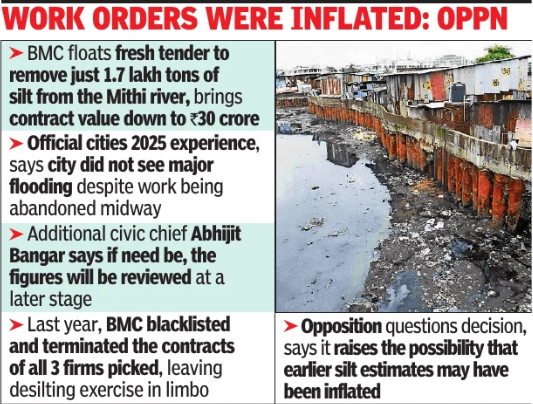
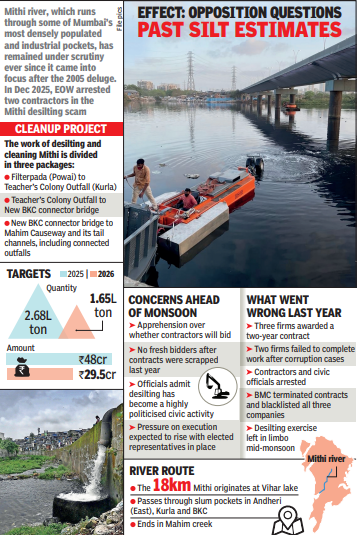
MUMBAI: BMC has proposed a nearly 40% reduction in desilting the flood-prone Mithi river for the coming monsoon after an assessment that the city can avert major flooding with far less work. The appraisal comes in the wake of a probe against contractors and civic officials which looked at allegations of inflated work orders.The civic body during the past weekend floated a fresh tender for desilting 1.65 lakh ton of silt, a steep reduction from 2.67 lakh ton last year, also bringing the contract value down by nearly half — from Rs 48 crore to Rs 29.5 crore. The official BMC explanation, which hinges on last year’s experience, does not refer to overestimation in work orders.

Mithi desilting

“Despite desilting being disrupted after contractors abandoned sites midway amid an EOW (Economic Offences Wing) probe, the city escaped major flooding last year,” said a BMC official. However, the official added that quantity to be desilted would be reviewed if there is scope to take up more work. Additional civic chief Abhijit Bangar said, “This is only a benchmark of the quantum set and if need be, for more silt to be removed, the same will be reviewed at later.”However, there are apprehensions whether contractors will come forward to bid this time. Officials pointed out that after contractors abandoned work last year, no fresh bidders from Mumbai, Thane or Navi Mumbai were willing to take up the remaining desilting works.

Mithi river

Another official acknowledged that desilting has increasingly become politicised, attracting scrutiny. With elected representatives now in place, officials expect the pressure around execution to be even higher this monsoon.Desilting of the Mithi is carried out in 3 phases each year. The desilting of major and minor nullahs are done as well. Last year, of the 3 companies awarded a 2-year contract, two failed to complete the work after getting embroiled in corruption cases, and because of arrests of contractors and civic officials. BMC foreclosed the contract, blacklisted all 3 firms and terminated their contracts, leaving the river-cleaning exercise in limbo.Mithi’s desilting budget cut sparks bid concernsCiting last year’s experience, the civic body has reduced both the scale and cost of desilting the Mithi River ahead of the monsoon. However, there are fears that if contractors do not submit bids — after those previously selected abandoned the work last year — no new bidders will be willing to take up the remaining desilting work.Opposition parties say this immediately casts a shadow over the credibility of desilting carried out in recent years. “If Mumbai could tide over the monsoon with significantly reduced desilting, it raises a possibility that earlier silt estimates may have been inflated. BMC now shouldn’t wait for contractors but get the work departmentally done by hiring only the manpower and machinery required,” said Samajwadi Party MLA Rais Shaikh, who was a two time BMC corporator from 2012-2022.


Source link