Breaking News
Ticketless train travellers fined 121cr in 11 mths | Mumbai News


Mumbai: Ticket checking drives on local trains led to the recovery of over Rs 121 crore in penalties from fare evaders in 11 months. On Central Railway’s (CR) Mumbai division, 16.2 lakh ticketless passengers were caught in 2025-26, leading to recovery of Rs 71.3 crore, up 4% from last year. In AC locals, CR detected 1.1 lakh cases and collected Rs 3.5 crore, a 23% rise in detections. Western Railway (WR) detected over 10 lakh cases between April 2025 and Feb 2026, recovering nearly Rs 50 crore. WR also booked 1.16 lakh AC local cases, collecting Rs 3.8 crore, almost double that of last year. TNN


Source link

What happens if India vs England semi-final washes out? ICC rules explained | Cricket News


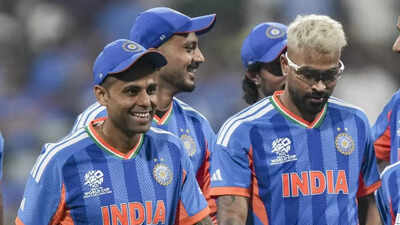
Team India at Wankhede stadium (PTI Photo)

NEW DELHI: The defending champions India take on England at Wankhede Stadium in Mumbai on Thursday in the second semi-final of the ongoing ICC Men’s T20 World Cup 2026. The winner of the contest will then face New Zealand in the summit clash in Ahmedabad on Sunday, after the Kiwis defeated South Africa by nine wickets in the first semi-final in Kolkata on Wednesday.Go Beyond The Boundary with our YouTube channel. SUBSCRIBE NOW!While the weather forecast currently looks clear, fans remain cautious after two earlier matches in the tournament were washed out due to rain, raising concerns about what could happen if the weather disrupts the knockout match.

Why India vs England semi-final match will be a nightmare for bowlers | T20 World Cup 2026

To prevent chaos in the crucial stage, the International Cricket Council has scheduled a reserve day for both semi-finals. If rain or bad weather stops play on the scheduled day, the match will either continue or restart on the following day, ensuring that every effort is made to produce a result.There is also additional time built into the playing schedule. The semi-finals have up to 90 minutes of extra time on the main day, while the reserve day allows up to 120 minutes of extra play if required. For the final, both the main day and the reserve day have 120 minutes of additional time available to complete the match.

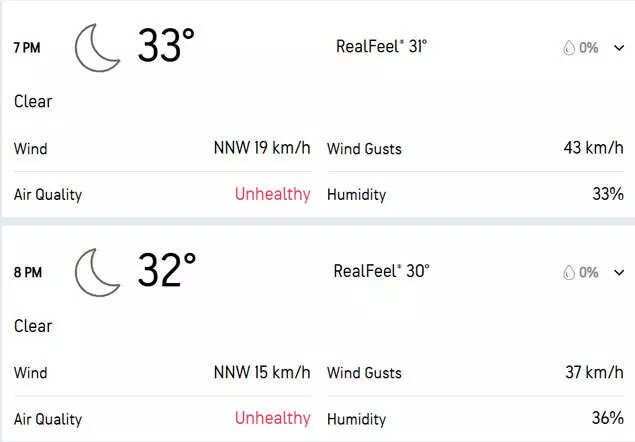
Mumbai Weather Forecast at Match Time Today

Mumbai Weather

For a valid result to be declared, each team must bat at least 10 overs. If rain prevents that from happening on the main day, the match will resume on the reserve day from the exact point where it stopped rather than starting from scratch.However, if the game still cannot be completed even after the reserve day, the rules favour the team that finished higher in the Super 8 stage. This scenario could prove tricky for India. India finished second in their Super 8 group, while England topped theirs with three wins.That means if the India versus England semi-final is completely washed out, England would advance to the final. The tournament final is scheduled for March 8 in Ahmedabad, with March 9 kept as the reserve day.


Source link

Fans go wild as Sanju Samson’s blazing knock powers India into T20 World Cup 2026 final after thrilling win over England


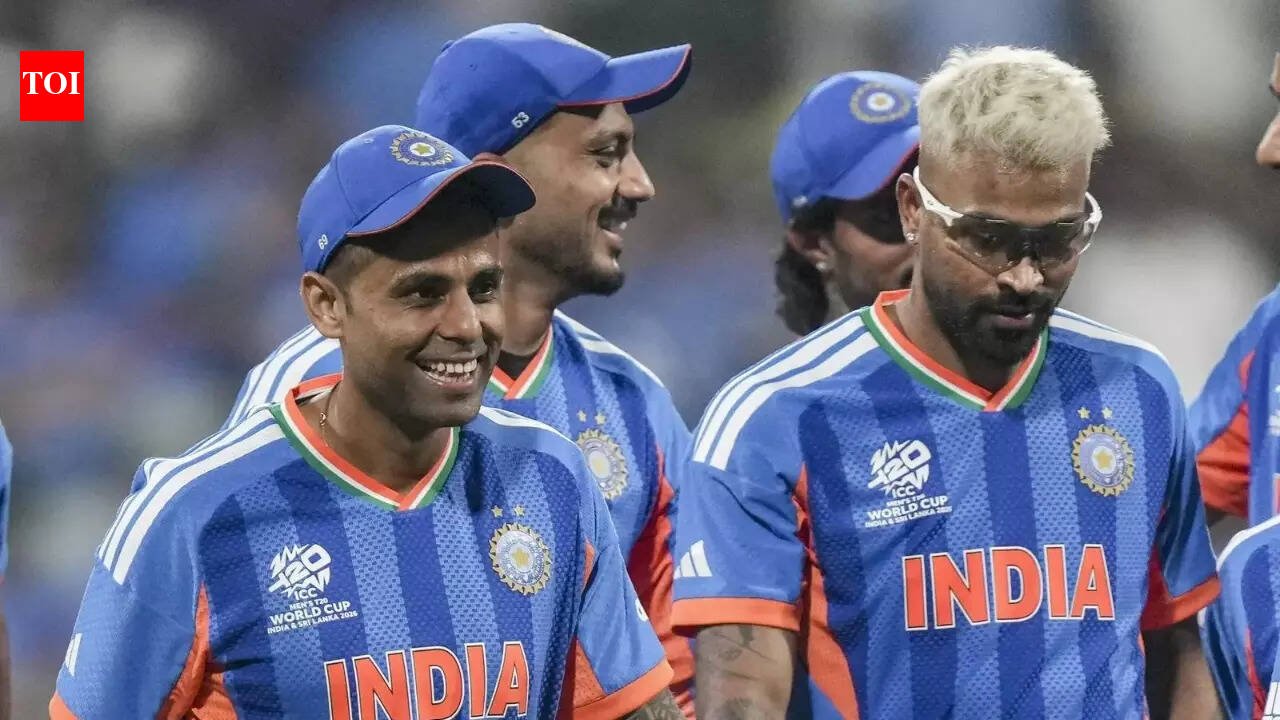
India booked their place in the final of the ICC Men’s T20 World Cup 2026 after defeating England by 7 runs in a breathtaking second semi-final at the Wankhede Stadium, Mumbai. In what turned out to be one of the most electrifying contests of the tournament, India posted a mammoth 253/7 before holding their nerve to restrict England to 246/7 despite a stunning century from Jacob Bethell. Wicketkeeper-batter Sanju Samson starred with a blistering knock and was deservedly named Player of the Match.

Sanju Samson leads India’s batting carnage

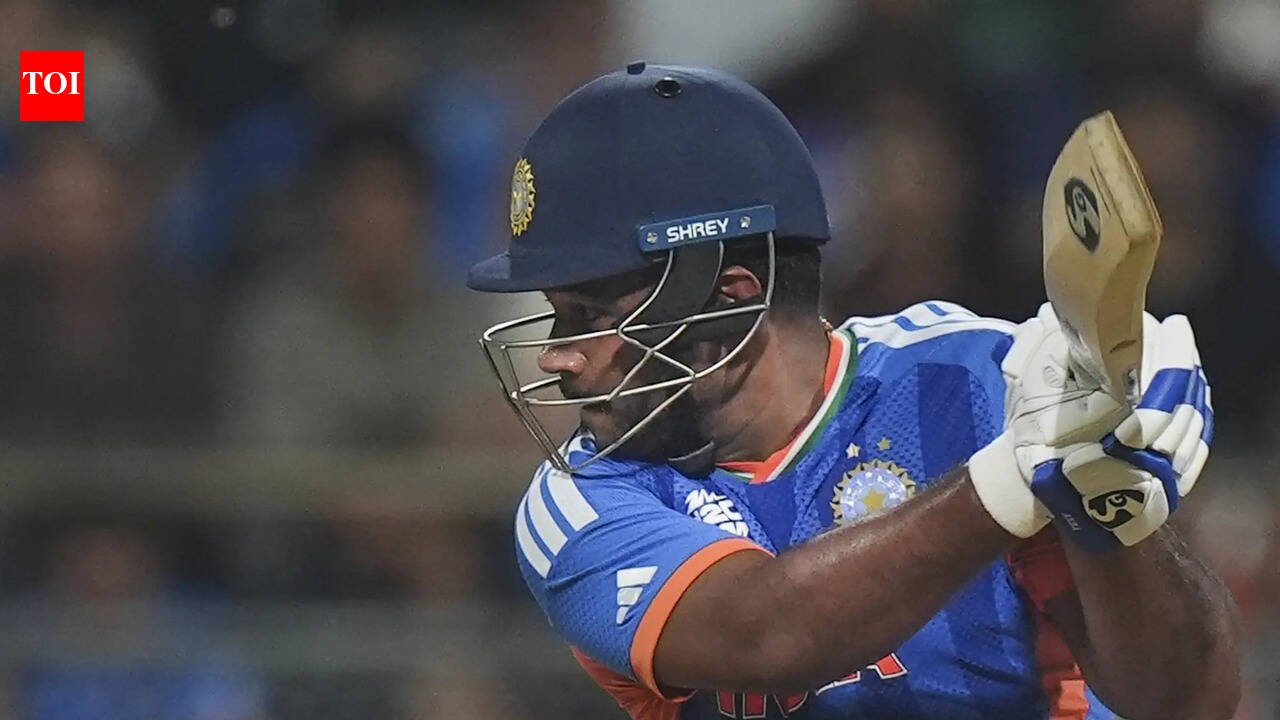
After losing the toss and being asked to bat first, India came out with aggressive intent and immediately put pressure on the English bowlers. The innings was anchored by Samson, who delivered one of the finest knocks of the tournament. The right-hander smashed 89 runs off just 42 balls, striking 8 fours and 7 sixes, dismantling the England attack with elegant strokeplay and fearless hitting.

Abhishek Sharma provided a brief start with 9 off 7 balls, but it was the explosive stand between Samson and Ishan Kishan that set the tone. Kishan played a fiery cameo, scoring 39 runs off 18 deliveries, including 4 fours and 2 sixes, helping India accelerate during the powerplay.

Although Suryakumar Yadav managed only 11 off 6 balls, the middle order ensured the momentum never dropped. Shivam Dube delivered another impactful performance, hammering 43 off 25 balls with four sixes, while Hardik Pandya provided the late fireworks with 27 off just 12 balls.

The final overs proved devastating for England as Tilak Varma smashed 21 runs off only 7 balls, including three towering sixes, pushing India past the 250 mark.

Among England’s bowlers, Will Jacks and Adil Rashid picked up two wickets each, conceding 40 and 41 runs respectively, but the rest of the attack struggled against India’s relentless hitting. Jofra Archer endured a difficult outing, conceding 61 runs in his four overs.

Jacob Bethell’s century keeps England alive

Chasing a daunting 254-run target, England needed a flying start but lost Phil Salt early for 5 runs. Jos Buttler attempted to counterattack with 25 off 17 balls, but India kept striking at key moments to maintain pressure.

However, young batter Bethell produced a sensational innings that almost turned the game on its head. Bethell smashed a magnificent 105 off 48 balls, laced with 8 fours and 7 sixes, and kept England firmly in the chase with fearless hitting.

He received support from Jacks, who scored 35 off 20 balls, while Tom Banton added a quick 17 off 5 deliveries, briefly swinging momentum England’s way. Even Archer contributed a late blitz of 19 off just 4 balls, hitting three sixes to push the match into a tense finish.

Despite the onslaught, India’s bowlers held their nerve in the closing overs. Pandya was the standout performer with the ball, claiming 2 wickets for 38 runs, while Jasprit Bumrah delivered a disciplined spell of 1 for 33 in his four overs.

With England needing big hits in the final overs, India managed to execute their plans under pressure. Key wickets at crucial moments ensured the required rate kept climbing, and England ultimately finished on 246/7, falling just 7 runs short in a thrilling contest.

The victory sends India into the T20 World Cup 2026 final, where they will look to lift the trophy after producing one of the most dominant batting displays of the tournament. Samson’s match-defining innings proved to be the difference in the end, earning him the Player of the Match award and propelling India one step closer to global glory.

Also WATCH: T20 World Cup 2026 – Axar Patel plucks a jaw-dropping catch to dismiss Harry Brook in IND vs ENG semi-final

Here’s how fans reacted:

Also READ: T20 World Cup 2026: Fans brutally troll Abhishek Sharma for his flop show with the bat during IND vs ENG semi-final


Source link

Access Denied


Access Denied

You don’t have permission to access “http://www.ndtv.com/india-news/ex-us-envoy-taranjit-singh-sandhu-appointed-lt-governor-of-delhi-11174256” on this server.

Reference #18.6fdd417.1772738087.1aab41a4

https://errors.edgesuite.net/18.6fdd417.1772738087.1aab41a4


Source link

BEL, Bellatrix ink pact to develop very low Earth orbit satellite systems | India News


BEL, Bellatrix ink pact to develop very low Earth orbit satellite systems

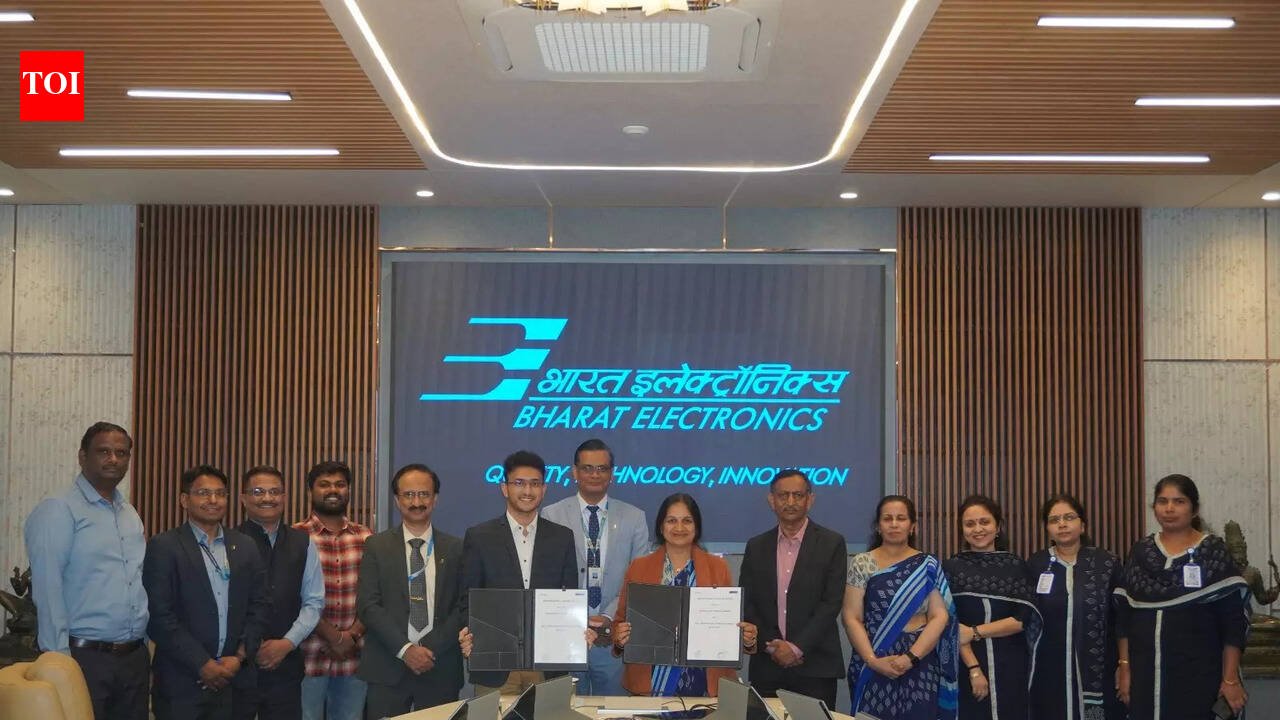
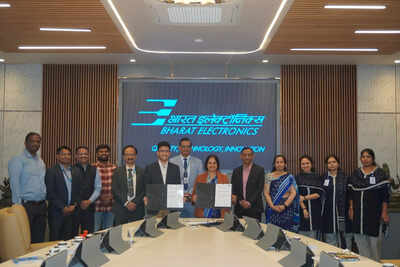
BENGALURU: State-run defence electronics major Bharat Electronics Limited (BEL) has signed a memorandum of understanding with space technology startup Bellatrix Aerospace to jointly design, develop and manufacture satellite systems and payloads, with a focus on the emerging very low Earth orbit (VLEO) regime.“The agreement aims to combine BEL’s experience in mission-critical electronics and defence payloads with Bellatrix’s expertise in satellite propulsion and subsystems to develop next-generation satellite platforms suited for VLEO operations,” BEL said Thursday.VLEO refers to orbital altitudes below traditional low Earth orbit, typically between about 150 km and 450 km above the Earth. Satellites operating in this region can offer higher-resolution imaging, lower communication latency and reduced launch costs, but require advanced propulsion systems to counter atmospheric drag.Under the partnership, the two companies plan to develop integrated satellite solutions that can support both strategic and civilian space missions. The collaboration is expected to strengthen indigenous capabilities in satellite platforms designed for VLEO operations.BEL said the tie-up reflects a broader effort to combine the manufacturing depth of established public sector firms with the agility and innovation of emerging deep-tech startups in the space sector.“BEL has decades of experience in developing advanced electronics, radars and communication systems for defence and strategic programmes. Bellatrix Aerospace, headquartered in Bengaluru, specialises in electric and green propulsion systems for satellites,” BEL said.The memorandum was exchanged between BEL general manager Rashmi Kathuria and Bellatrix Aerospace CEO and chief technology officer Rohan M Ganapathy.Representatives from both organisations said the partnership is expected to accelerate innovation and support the development of indigenous satellite systems tailored for next-generation space missions.


Source link

‘This should go to him’: Sanju Samson credits this India player for T20 World Cup win over England | Cricket News


'This should go to him': Sanju Samson credits this India player for T20 World Cup win over England
India’s Sanju Samson (PTI Photo/Kunal Patil)

NEW DELHI: India sealed a thrilling seven-run win over England in the T20 World Cup semi-final on Thursday at Wankhede Stadium to book a place in the final against New Zealand. It was a high-scoring contest with 499 runs and 34 sixes in total, as both teams entertained the packed crowd with aggressive batting.India first posted a massive 253/7, the fourth-highest total in T20 World Cup history. Sanju Samson led the charge with a brilliant 89 off 42 balls after being dropped early in his innings.

Hardik Pandya, Abhishek Sharma are fan favourites – mood outside Wankhede Stadium

England fought back strongly in the chase, mainly through Jacob Bethell, who smashed a career-best 105 off 48 balls and kept his team in the contest until the final over.However, India managed to hold their nerve at crucial moments. Jasprit Bumrah delivered a controlled spell of 1/33 in four overs, while Axar Patel impressed in the field with two stunning catches and another key contribution. England eventually finished on 246/7, falling just short of the huge target.After the match, Samson, awarded the Player of the Match for his knock, praised the team effort but especially credited Bumrah for making the difference with the ball in the death overs.“As I told before, I think you need to assess the conditions. We have played a lot of cricket here in Wankhede, as I said before, chasing becomes a bit easier here. They won the toss, put us into bat, so we knew after the way we batted, the way myself and Ishaan batted, the partnership which we had for after Abhishek got out, I thought that I think 250 should be, I think, possible here,” Samson said in the post-match presentation.Adding that the Player of the Match award should be given to Bumrah, Samson further noted, “So yeah, very happy how the team turned up today, and all credit goes to Jasprit Bumrah. I think the world-class bowler, once in a generation bowler, I think that’s what he delivered today. I think this should go to him, actually.“If we didn’t bowl that way in the death overs, I think I would not be standing here. All credit goes to the bowlers, how they backed themselves in the tough conditions.”


Source link

‘My fielding academy might have to open again’: Michael Vaughan jokes as England struggle against India | Cricket News


'My fielding academy might have to open again’: Michael Vaughan jokes as England struggle against India
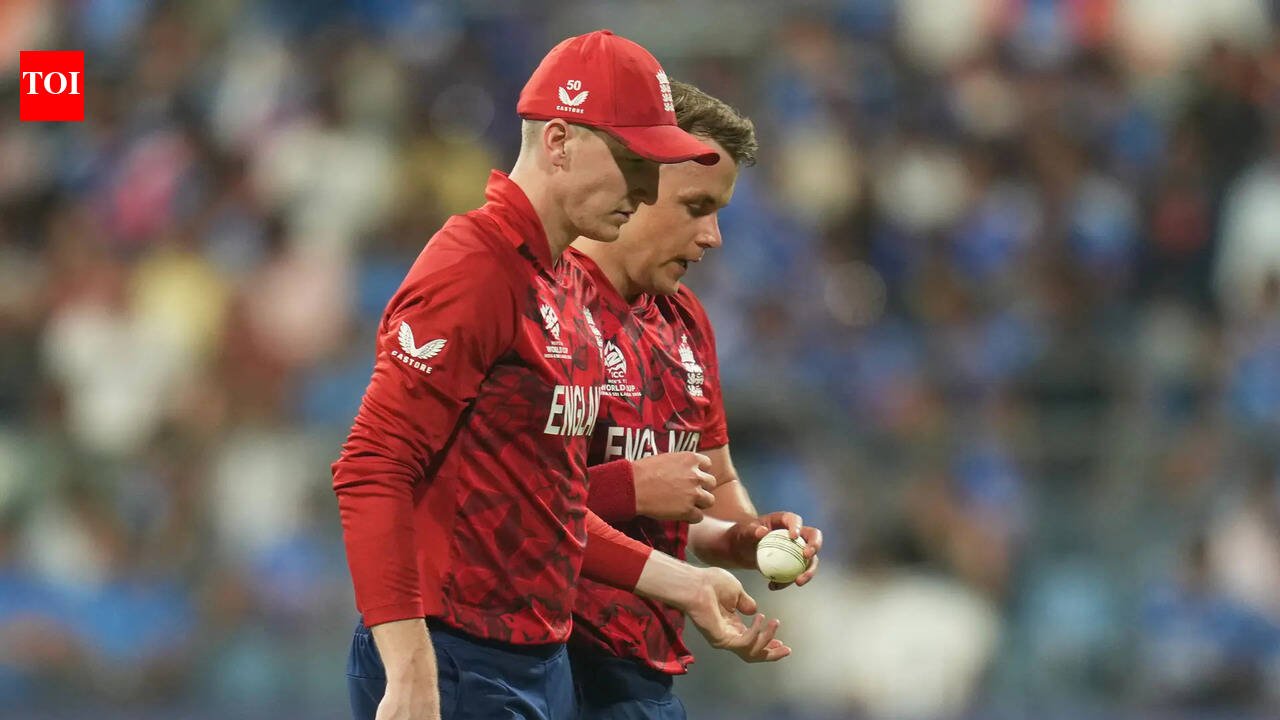
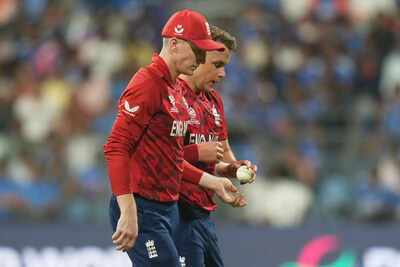
England’s Sam Curran, right, and captain Harry Brook (AP Photo/Rafiq Maqbool)

India piled up a huge total of 253/7 against England in the T20 World Cup semi-final at Wankhede, thanks mainly to a brilliant knock from Sanju Samson. The wicketkeeper-batter smashed 89 off just 42 balls, hitting eight fours and seven sixes, after already scoring an unbeaten 97 in the previous match. He built strong partnerships with Ishan Kishan (39 off 18) and Shivam Dube (43 off 25), putting England’s bowlers under pressure early in the innings.

Why India vs England semi-final match will be a nightmare for bowlers | T20 World Cup 2026

England captain Harry Brook had won the toss and chose to bowl first, but India started aggressively. Samson attacked from the first over, taking on Jofra Archer and other bowlers with powerful shots across the ground. He also got a lifeline early when Brook dropped a simple catch at mid-on. After that, Samson continued to dominate and reached his fifty in just 26 balls, adding 97 runs with Kishan for the second wicket.The momentum slowed slightly toward the end as England picked up a few wickets. Samson fell while trying to reach his maiden T20 World Cup century, caught by Phil Salt off Will Jacks. Suryakumar Yadav scored only 11, and Dube was run out after a mix-up with Hardik Pandya, who contributed a quick 27 off 12 balls. Tilak Varma also chipped in with a late cameo, hitting 27 off just seven balls.During England’s fielding struggles, former England captain Michael Vaughan joked on social media about their poor catching. “My fielding academy might have to open again,” Vaughan said on X.Despite the late wickets, India’s massive total left England with a very challenging target in the high-pressure semi-final clash.


Source link

US mortgage rates rise to 6% after three-week slide as oil-driven bond yields climb


US mortgage rates rise to 6% after three-week slide as oil-driven bond yields climb

The average long-term US mortgage rate edged higher this week, ending a three-week decline as bond yields rose amid oil-price pressures linked to the war with Iran.The benchmark 30-year fixed mortgage rate increased to 6% from 5.98% last week, mortgage buyer Freddie Mac said on Thursday. A year ago, the average rate stood at 6.63%, AP reported.The modest uptick breaks a three-week slide in borrowing costs, with mortgage rates having hovered close to the 6% mark for most of this year. Last week’s average had marked the first time the rate dipped below 6% since September 2022, reaching its lowest level in nearly three and a half years.Mortgage rates are influenced by several factors, including the Federal Reserve’s interest-rate policy, investor expectations about inflation and economic growth, and movements in the bond market.They typically track the direction of the 10-year US Treasury yield, which lenders use as a benchmark for pricing home loans.The 10-year Treasury yield rose to 4.14% at midday Thursday, up from around 4% a week earlier.Treasury yields have moved higher in recent days as rising oil prices added fresh inflation concerns, potentially complicating the Federal Reserve’s plans to cut interest rates.


Source link

Iris Dena Sunk: ‘Will bitterly regret’: Iran warns US after IRIS Dena, ‘Indian Navy’s guest’, sunk by torpedo


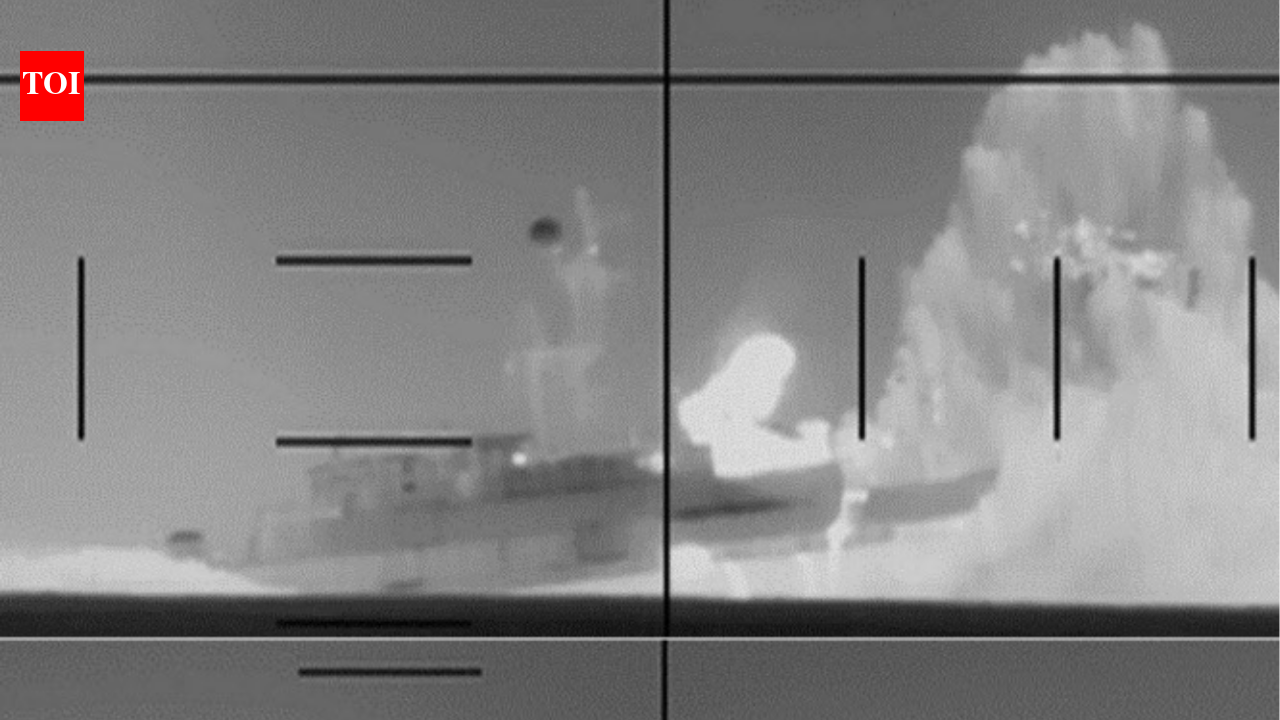
US submarine torpedoed and sank an Iranian warship in international waters off Sri Lanka’s coast.

Iran has sharply criticised the United States after an American submarine sank an Iranian naval vessel in the Indian Ocean, calling the attack an “atrocity” and warning Washington it would “bitterly regret” the precedent set.Iranian foreign minister Abbas Araghchi said the strike took place far from Iran’s territorial waters and condemned the targeting of the frigate Dena, which had recently participated in activities with the Indian Navy.

SENATE BATTLE: GOP Torpedoes Iran War Resolution; 47–53 Vote Shakes Capitol | Win For Trump

“The US has perpetrated an atrocity at sea, 2,000 miles away from Iran’s shores. Frigate Dena, a guest of India’s Navy carrying almost 130 sailors, was struck in international waters without warning,” Araghchi said in a post on X.“Mark my words: The US will come to bitterly regret precedent it has set,” he added.The US Navy sank the Iranian warship that was returning after participating in the Milan naval exercise, a multilateral wargame hosted by India. The lethal attack in the Indian Ocean reportedly killed at least 80 sailors.The strike came amid an intense wave of US and Israeli operations against Iranian targets. The pace of the attacks was so severe on Wednesday that Iranian state television said a planned mourning ceremony for Supreme Leader Ayatollah Ali Khamenei, who was killed at the start of the conflict, had been postponed. Millions had attended the funeral of his predecessor, Ayatollah Ruhollah Khomeini, in 1989.US President Donald Trump praised the American military’s performance in the conflict, saying it was “doing very well on the war front, to put it mildly.” Meanwhile, the conflict continued to spread across the region. Iran launched attacks toward Bahrain, Kuwait and Israel, while Turkey said NATO air defences intercepted a ballistic missile fired from Iran before it entered Turkish airspace.The fighting has already caused heavy casualties and widespread disruption. According to officials, the war has killed more than 1,000 people in Iran, over 70 in Lebanon, and around a dozen in Israel. It has also disrupted global oil and gas supplies, hampered international shipping routes and left hundreds of thousands of travellers stranded across the Middle East.


Source link

Us Iran War: $20,000 drones vs $4 million US missiles: How Iran is managing to hit targets across Middle East


$20,000 drones vs $4 million US missiles: How Iran is managing to hit targets across Middle East

Who is winning the US-Iran war? That’s the question gripping the internet, TV debates, and social media worldwide right now.Six days ago, the US and Israel unleashed coordinated strikes on Iran, hammering military bases, missile sites, and key infrastructure nationwide. Iran has fired back with its remaining arsenal against the world’s top superpower — and Israel, the Middle East’s most battle-hardened force.Missiles, drones and precision-guided bombs have been used by both sides. Yet one particular weapon has drawn global attention: Iran’s Shahed-series drones, which cost a fraction of the missiles used to intercept them.

US Tests ‘Doomsday’ Nuclear Missile: How Does It Strike Any Place On Earth | US-Israel-Iran War

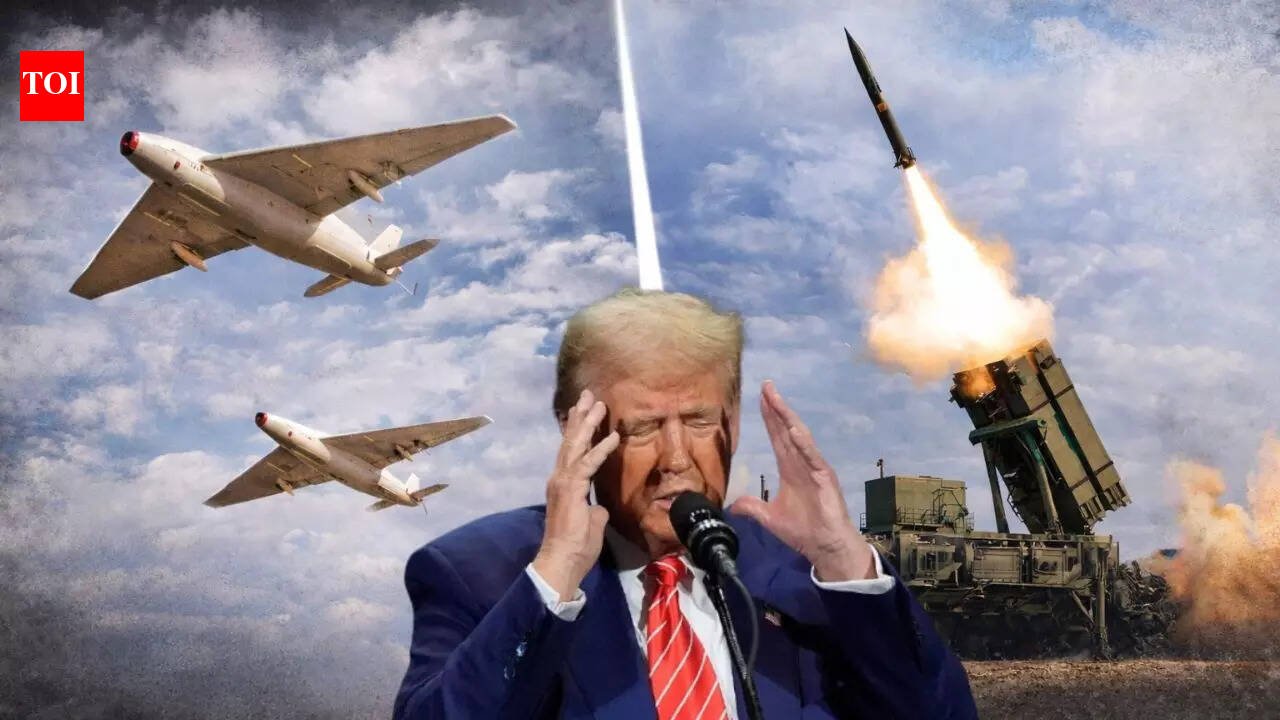
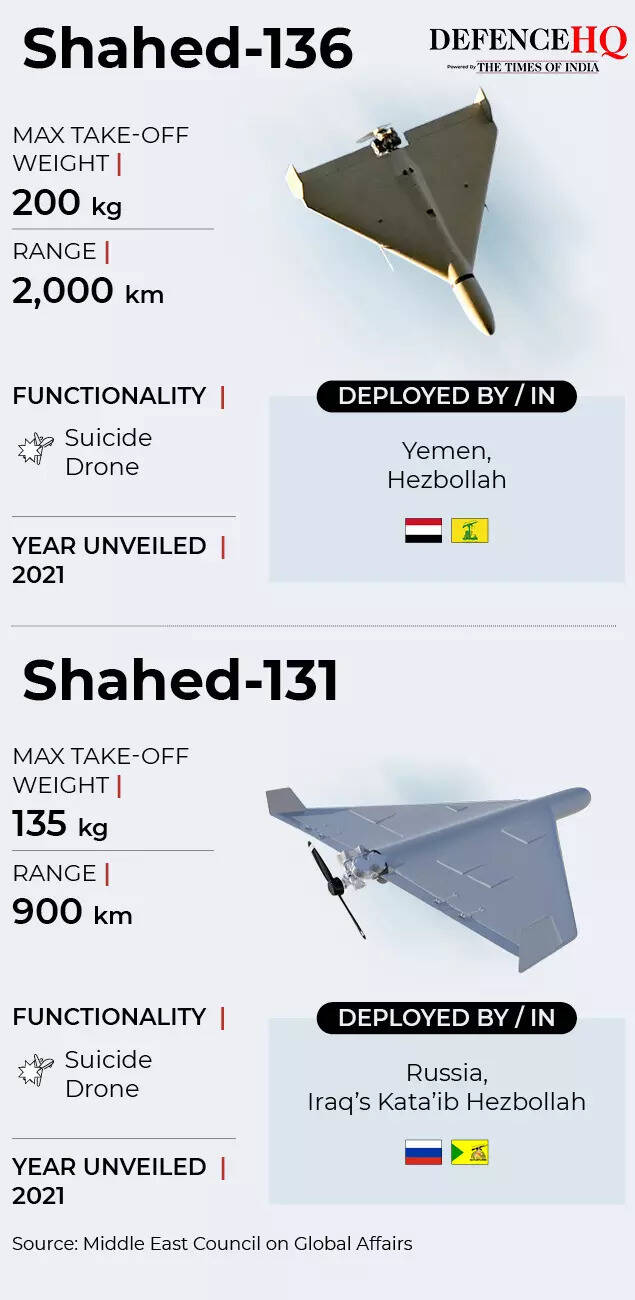
These relatively simple drones, estimated to cost between $20,000 and $50,000 each, are forcing the United States and its regional partners to respond using Patriot air-defence missiles that cost around $4 million per interceptor. The resulting imbalance in costs has turned the conflict into a war of attrition in which the outcome may depend less on technology and more on which side runs out of weapons first.

Cheap drones, expensive defences

Just three days into the conflict, analysts began describing the war as attritional, with both sides expending large quantities of munitions.According to defence data compiled by regional governments and analysts, waves of Iranian drone attacks have targeted US bases, oil infrastructure and civilian buildings across West Asia, including locations in Bahrain, Kuwait, Qatar, Jordan and the United Arab Emirates.Many of these attacks have involved the Shahed-136 one-way attack drone, a loitering munition designed to strike a target and explode on impact.

Iran missiles gfx3

The United States and its allies have largely relied on Patriot air-defence systems to intercept these threats. According to the UAE’s defence authorities, interception rates have exceeded 90 per cent, demonstrating the effectiveness of the American-made system.However, the cost of each interception has become a growing concern among military planners.Destroying a drone worth around $20,000 with a missile costing about $4 million creates a significant economic imbalance. Even if most drones are intercepted, the defending side must expend far more resources to do so.
Iran missiles gfx4

.

The issue has already been observed in the Russia-Ukraine war, where large numbers of inexpensive drones forced defenders to use costly air-defence interceptors.Military analysts say Iran appears to be applying a similar strategy in the current conflict.
Iran missiles gfx

.

Iran’s strategy of attrition

Security experts say Iran’s approach relies on overwhelming air-defence systems with large numbers of inexpensive drones, forcing defenders to expend valuable interceptor missiles.Kelly Grieco, a senior fellow at the Stimson Center, said such a strategy could make operational sense from Tehran’s perspective.
Iran missiles gfx2

.

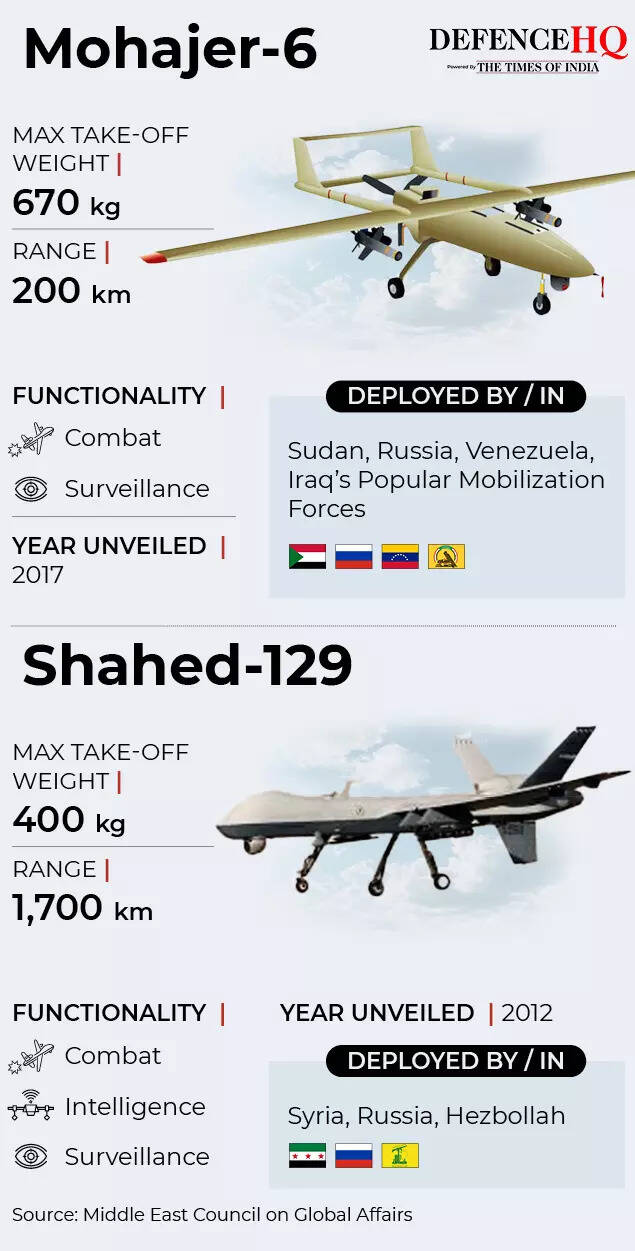
“Attrition strategy makes operational sense from Iran’s perspective,” Grieco told Bloomberg. “They are calculating the defenders will exhaust their interceptors and the political will of Gulf states will crack and put pressure on the US and Israel to cease operations before they run out of missiles and drones.”According to analysts, Iran still possesses a large inventory of drones despite suffering damage to parts of its missile infrastructure during earlier conflicts.Becca Wasser, defence lead at Bloomberg Economics, said Iran was estimated to have around 2,000 ballistic missiles after last year’s confrontation with Israel.However, the number of Shahed drones in Iran’s arsenal is believed to be significantly larger. Russia, which also manufactures similar drones, has demonstrated the ability to produce several hundred per day, according to open-source defence assessments cited by Wasser.Since the start of the current conflict, Tehran is estimated to have launched more than 1,200 projectiles, many of them Shahed drones.Analysts say this could indicate that Iran is conserving its ballistic missiles for later stages of the conflict while relying on cheaper drones to sustain pressure on US and allied defences.

The Shahed drone: Simple but effective

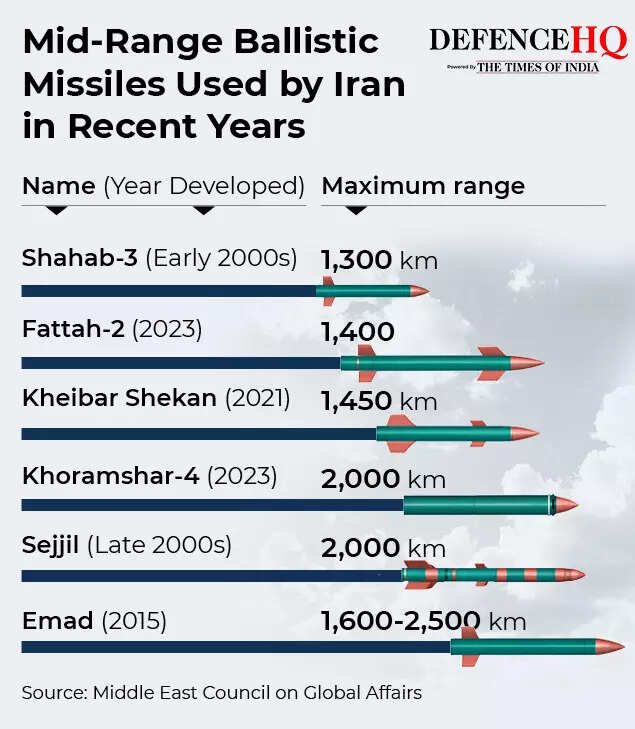
The Shahed-131 and Shahed-136 drones are among the most widely used loitering munitions developed by Iran.The name “Shahed” means “witness” in Persian, and the drones were originally developed by Shahed Aviation Industries, an Iranian aerospace company.Open-source defence assessments suggest the drones are roughly 2.5 to three metres long and weigh around 200 kilograms at launch.They feature a delta-wing design and are powered by a small propeller-driven engine. The engine sacrifices speed but allows the drone to travel long distances while consuming relatively little fuel.The Shahed-136 variant is believed to have a range of 2,000 to 2,500 kilometres, enabling it to reach targets across much of the Middle East.Once launched using a rocket booster, the drone switches to its piston engine and navigates toward pre-programmed coordinates using satellite guidance.It carries an explosive warhead weighing 40 to 60 kilograms, though some versions reportedly carry payloads of up to 90 kilograms with reduced range.Because of their small size and relatively low radar signature, these drones can be difficult to detect until they are already in flight.Their engine produces a distinctive buzzing sound that has earned them the nickname “mopeds of the sky” in previous conflicts.

Launching swarms

One of the main advantages of the Shahed drone is the ability to launch them in large numbers from simple platforms.Unlike advanced fighter aircraft or ballistic missiles that require complex launch infrastructure, Shahed drones can be launched from trucks, mobile launchers or improvised platforms.This makes it difficult for opposing forces to locate and destroy launch sites before drones are deployed.The strategy often involves launching multiple drones simultaneously, creating a swarm designed to overwhelm radar and air-defence systems.Even if most drones are intercepted, the strategy can still be effective.From Iran’s perspective, each drone destroyed forces the defender to spend significantly more money on interception.

Pressure on air-defence stockpiles

The United States and its regional allies rely heavily on the Patriot air-defence system, manufactured by Lockheed Martin and operated across several Middle Eastern countries.The system uses PAC-3 interceptor missiles, which cost several million dollars each.Although the Pentagon has expanded production in recent years, only around 600 PAC-3 missiles were produced in 2025, according to figures cited by defence industry sources.Given the intensity of current combat operations, analysts believe thousands of interceptor missiles may have already been fired since the conflict began.
THAAD2

.

A person familiar with the matter told Bloomberg that Patriot interceptor stocks in the region could run dangerously low within days if Iranian attacks continue at the current rate.
THAAD2

.

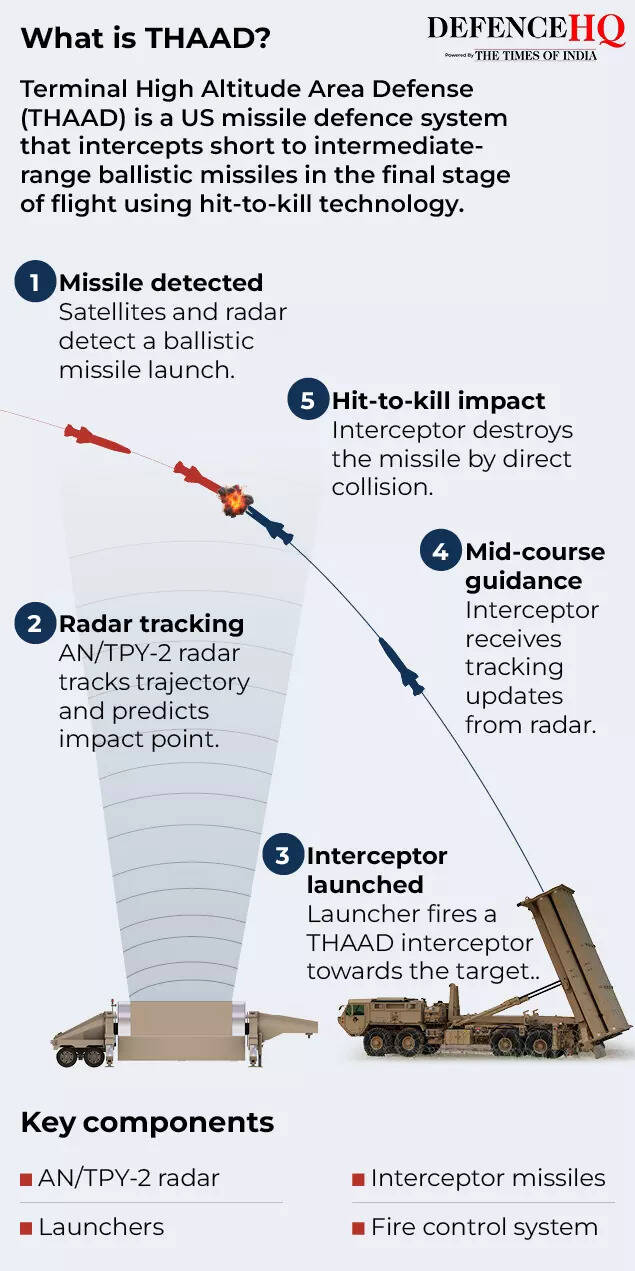
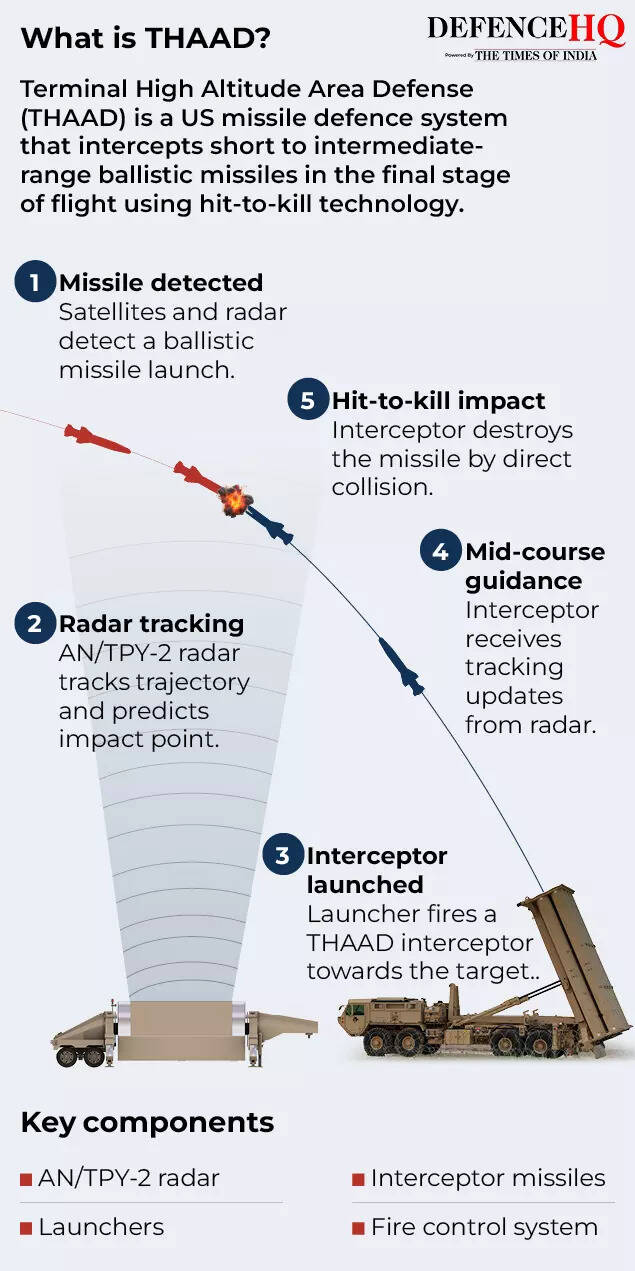
In addition to Patriots, some countries also operate the THAAD missile defence system, designed to intercept high-speed ballistic missiles at high altitude.However, each THAAD interceptor costs around $12 million, making it even more expensive than Patriot missiles.These systems are generally reserved for larger threats such as ballistic missiles rather than slower drones.

Other defensive measures

To reduce reliance on expensive interceptors, the United States and its allies have used other systems to counter drone attacks.These include fighter aircraft armed with Advanced Precision Kill Weapon System (APKWS) missiles, which cost roughly $20,000 to $30,000 each, though the operating cost of the aircraft adds to the expense.
IRAN’S AIR  DEFENCE SYSTEM2

.

However, purpose-built anti-drone systems such as laser weapons, automatic cannons and electronic warfare systems remain limited across the region.Israel has developed a laser-based defence system known as Iron Beam, designed specifically to destroy drones and rockets at a much lower cost.However, the Israeli military said earlier this week that the system had not yet been used in the current conflict.

Iran’s weakened air defences

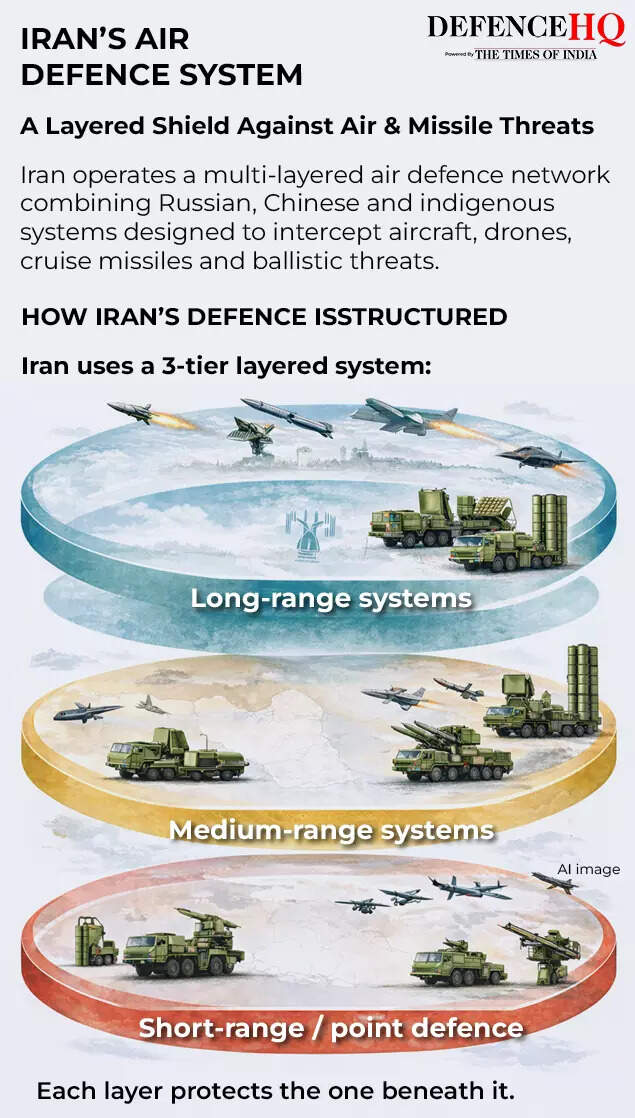
While Iran has been able to launch attacks across the region, its own defensive capabilities have suffered significant damage.According to defence analysts, surface-to-air missile systems were among the first targets during the opening hours of the war.Some of Iran’s most advanced air-defence systems were Russian-made S-300 batteries, designed to intercept aircraft and missiles.Many of these installations were reportedly hit during the initial strikes.As a result, US and Israeli aircraft have been able to operate inside Iranian airspace with relatively little resistance since the start of the conflict.

Military operations and command structure

Iranian Foreign Minister Abbas Araghchi said the country’s military units were operating with a degree of independence during the conflict.“Our military units are now in fact independent and somehow isolated and they are acting based on instructions, general instructions given to them in advance,” Araghchi said in an interview with Al Jazeera.He added that the government had already instructed the armed forces to exercise caution when selecting targets.

Concerns about prolonged war

On the US side, analysts say the Pentagon may not have deployed enough munitions to sustain a prolonged campaign.Becca Wasser said American strike planners were unlikely to have moved sufficient weapons into the region to support the four-week conflict timeline previously mentioned by US President Donald Trump.US Defence Secretary Pete Hegseth also suggested the campaign was not intended to become a long war.“This is not Iraq, this is not endless,” Hegseth said during a news conference.



Source link