Breaking News
8 pvt med colleges allowed up to 4.5L fee hike after review | Mumbai News


Mumbai: At least eight private medical colleges in the state sought review of their fees fixed by Fee Regulating Authority (FRA) for the ongoing academic session. While many of these had demanded higher fees in their original proposals, in some cases, exceeding Rs 20 lakh, FRA has allowed marginal hikes of Rs 50,000 to up to Rs 4.5 lakh.The latter was allowed in the case of Vedantaa Institute of Medical Sciences in Palghar for its MD/MS programme. Vedantaa originally demanded an annual fee of Rs 22 lakh for the programme in its fee revision proposal submitted to FRA. The authority allowed it an annual fee of Rs 13.11 lakh for 2025-26 instead. The college sought a review and based on an an empowered group’s recommendation, the fee was fixed at Rs 17.62 lakh for PG courses. “There was a govt order issued when the institute was established under Companies Act, which we had to follow in its case. It also claimed its admissions were delayed in a particular year, due to which expenses were carried forward to the following year’s accounts. Based on this, the revised fee was allowed, although it is still lower than the fee for the previous academic session, which was around Rs 18 lakh,” said an FRA official. In the case of another institute—Smt Kashibai Navale Medical College—it claimed in its review petition that the number of staff members considered while fixing the fees was lower than the actual strength, according to the FRA official. After the documents were reviewed, it was also allowed around Rs 1.4 lakh hike from the fees fixed originally. Its fee for the MBBS programme was earlier Rs 10.94 lakh per annum, which was revised to Rs 12.34 lakh. For its MD/MS, the fee was revised from Rs 12.95 lakh to Rs 14.23 lakh, mentioned the minutes of the meeting. In its original proposals, however, the college had demanded Rs 22 lakh for MBBS and over Rs 25 lakh for its PG programme. Six other colleges, too, got their fees reviewed after producing documents. Dr NY Tasgaonkar Institute of Medical Science, Karjat, demanded Rs 20 lakh fee, but was allowed only Rs 6.21 lakh; it was revised to Rs 7.65 lakh. Parbhani Medical College, ACPM Dhule, NKP Salve Medical College Nagpur, SMBT Institute of Medical Sciences, Igatpuri, got their fees revised by up to Rs 1 lakh. Parent representative Sudha Shenoy called the whole admission process flawed. “The state govt should ensure that the fees are mentioned next to the college’s name on the CET cell’s portal when students fill their choices. And FRA should fix the final fees much before admissions start as many colleges seek extra money in the name of review,” she said.


Source link

Our national interest, including energy security & trade flows, will always be paramount: EAM Jaishankar tells Parliament | India News


Our national interest, including energy security & trade flows, will always be paramount: EAM Jaishankar tells Parliament

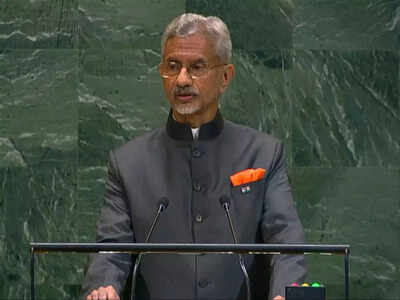
NEW DELHI: Describing the ongoing conflict in West Asia as “an issue of particular concern”, given that the region houses a crore Indians and holds the key to India’s energy security, external affairs minister S Jaishankar on Monday told Parliament that New Delhi’s approach would be guided by “national interest”.“Our national interest, including energy security and trade flows, will always be paramount,” Jaishankar said while making a statement on the security situation in West Asia in both Houses of Parliament. He also pointed to India’s pitch for de-escalation and return to dialogue and diplomacy, and identified the well-being and security of the Indian community in the region as the govt’s priority.The statement made no concession to the demand by Congress and others in opposition for condemnation of the US and Israel for attacking Iran and killing its supreme leader Ali Hosseini Khamenei.However, Jaishankar said India had promptly accepted the requests from three Iranian naval vessels to dock at Indian ports. The Iranian side requested permission on Feb 28 (the day the conflict began) and it was granted on March 1, he said. “We believe that this was the right thing to do and the Iranian foreign minister has expressed his country’s thanks for this humane gesture,” he said. One Iranian vessel, IRIS Lavan, docked in Kochi on March 4 and its crew is currently in Indian naval facilities, he said.Jaishankar disclosed that IRIS Dena – sunk by a US submarine off the Sri Lankan coast on March 4 – along with two sister ships, IRIS Bushehr and IRIS Lavan, had been permitted to dock at Indian ports.While Dena and Bushehr chose not to avail of the permission they had sought, IRS Lavan is docked at Kochi port. The sinking of frigate Dena, while she was returning from a naval exercise in India, had triggered concerns about the expansion of the conflict to the Indian Ocean Region.The minister’s stress on “national interest” being the paramount consideration was being seen as indicative of govt’s decision not to condemn Israel, which has emerged as a reliable security partner, or disregard the threat it faces from Iran – which has vowed to annihilate Israel – and its terror proxies.Also, many in govt don’t agree with opposition’s framing of Khamenei as a ‘friend of India’, and point to the slain Ayatollah’s meddling in the J&K issue, including his description of the abrogation of Article 370 as “ugly”, and bracketing India with places like Gaza and Myanmar where Muslims were suffering.The importance of ties with the US and the volatility they have acquired under the Trump administration was another consideration for the govt to tread carefully.While reiterating India’s repeated calls for an early end to the conflict that has witnessed mounting casualties, “including at the leadership level in Iran, as well as destruction of infrastructure in the region”, Jaishankar said, “I am confident that the House joins me in expressing sorrow at the loss of lives.”“We believed and continue to believe that dialogue and diplomacy should be pursued to de-escalate tensions and address underlying issues… it is also imperative that the sovereignty and territorial integrity of all states in the region be respected,” he said.The minister added that the CCS, at its meeting on March 3, discussed the airstrikes in Iran and the subsequent attacks in several Gulf countries and expressed concerns regarding the safety and security of the Indian community in the region. “The committee was apprised of difficulties faced by Indian travellers transiting the region and by students appearing for scheduled examinations in these countries. It directed all ministries and departments concerned to take appropriate measures to respond to these problems,” he said.Jaishankar also mentioned the attacks on merchant shipping, “where Indian nationals often constitute a large proportion of the crews”. He said two Indian mariners have already been lost to such attacks, while another is missing.Sharing that PM Narendra Modi “continues to closely monitor emerging developments” and maintains contact with the leadership of affected countries, while relevant ministries coordinate to ensure effective response, Jaishankar said India remains alert and committed to ensuring safety of its citizens affected by the conflict, having operated around a hundred flights so far to bring back those stranded or looking to return home. He added that at the same time, the country is alive to the need to protect its energy security and commerce.While Jaishankar’s statement in the Rajya Sabha came amid a walkout by the opposition members, Lok Sabha was adjourned for the day shortly after it reassembled at 3pm, following an earlier adjournment amid opposition protest that broke out as soon as Jaishankar rose to make the statement.


Source link

Middle East crisis: Oil tops $100, nears 4-year high as Saudis cut production


Middle East crisis: Oil tops $100, nears 4-year high as Saudis cut production

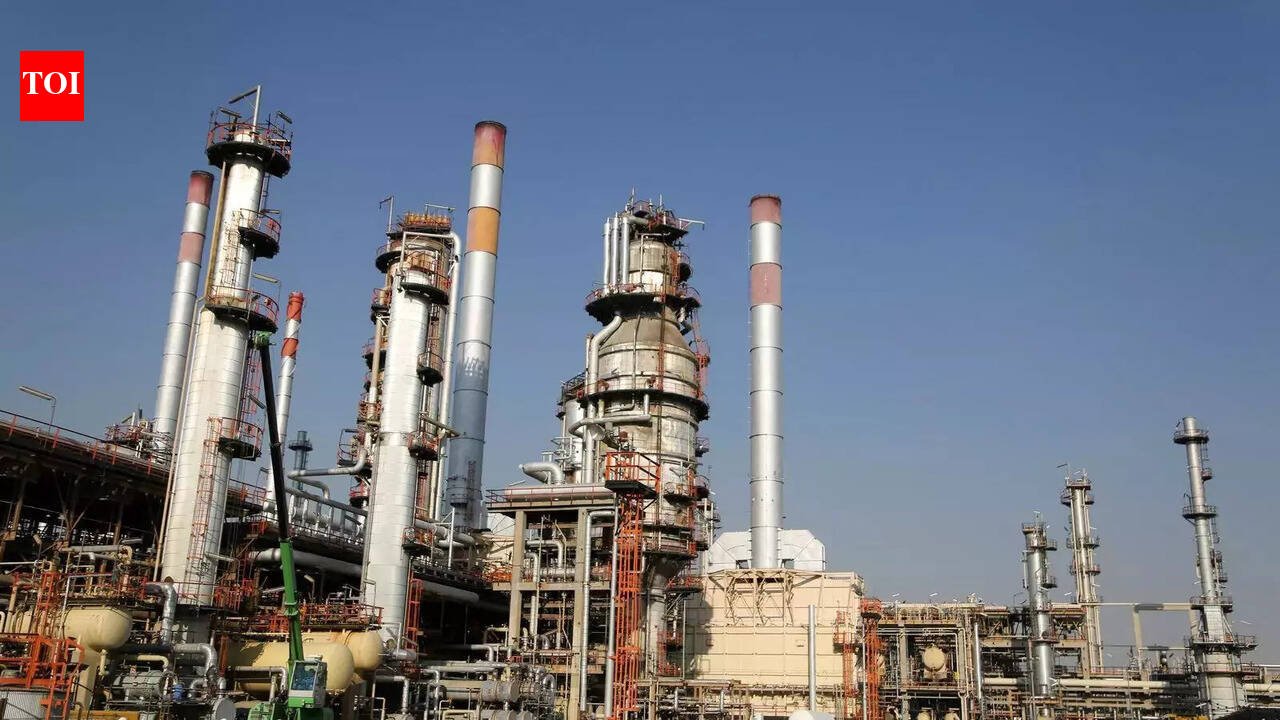
Oil prices surged to $120 a barrel before retreating to $102 Monday as Saudi Arabia was reported to be cutting output, adding to the supply squeeze due to disruption in the Strait of Hormuz.Finance ministers of developed G7 nations, who met Monday evening, deferred plans to tap their strategic reserves to cool down the global flare-up in prices, while vowing to keep close tabs on the evolving supply situation.Although Brent prices touched the highest level seen since mid-2022, govt officials said there was no immediate plan to increase pump prices of fuel in India. “We are nicely placed vis-a-vis crude. There is unlikely to be a rise in petrol and diesel prices in the foreseeable future, even if prices remain at $110-120 a barrel,” said a senior govt official.

-

Iran conflict sends Brent soaring 65% since Feb 28

The Indian basket was on the verge of hitting $100 a barrel after having reached $99.12 on Friday, almost 40% higher than the Feb 27 level of $71.19. Since Feb 28, when the US and Israel bombed Iran, global benchmark Brent has surged as much as 65%.The statement came amid reports that Saudi Aramco had begun reducing production from two of its fields, joining Iraq, Kuwait, Qatar and the UAE, as they ran out of storage due to blocked shipments.Govt officials, however, reiterated that India has sufficient stock of oil and gas to meet domestic requirements. They also sought to dispel rumours of a scarcity of fuel and dismissed reports of shortages anywhere in the country. Officials also maintained there are adequate stocks of aviation turbine fuel. “India is also a producer and exporter of ATF; there is no need to worry,” said one of them.The disruptions have prompted govts to initiate emergency action. For instance, Japan, which imports around 95% of its oil from West Asia, has instructed a national oil reserve storage site to prepare for a possible crude release, while China has asked refiners to halt fuel exports. South Korea has capped prices for the first time in 30 years, while Vietnam removed import tariffs on fuels. Bangladesh has shut universities to conserve electricity and fuel.Panic across markets prompted G7 finance ministers to consider releasing crude from strategic reserves, a step officials said was not being considered by India as it sought to secure its supply lines.India, world’s third-largest oil-importing and consuming nation, has 5.3 million tonnes of underground strategic reserves, which are at 80% of their capacity. “The crisis (that led to a rise in prices) is not our creation. Those responsible have to deal with it and create situations to ease (prices). Ours is an India first policy,” said a govt functionary.India is not a full member of IEA and does not have an obligation to follow the diktat of the international body, officials added.


Source link

Access Denied


Access Denied

You don’t have permission to access “http://www.ndtv.com/world-news/israel-iran-war-donald-trump-says-us-not-planning-to-send-troops-to-iran-11192420” on this server.

Reference #18.27fdd417.1773091104.6c401126

https://errors.edgesuite.net/18.27fdd417.1773091104.6c401126


Source link

CBI coerced key witness in Dera chief case: HC | India News


CBI coerced key witness in Dera chief case: HC

CHANDIGARH: Punjab and Haryana high court’s exoneration of jailed Dera Sacha Sauda chief Gurmeet Ram Rahim on March 7 in the 2002 murder of journalist Ram Chander Chhatrapati comes with a scathing indictment of CBI’s investigation – coercion of a key witness, failure to cross-examine the police officer who recorded the victim’s dying declaration and a conspiracy angle built on evidence that couldn’t stand scrutiny.Journalist may have been murdered by some followers of the Dera head: HCThe division bench of Chief Justice Sheel Nagu and Justice Vikram Aggarwal said Chhatrapati may have been murdered by some followers of the Dera head, noting that it wasn’t uncommon for people driven by “excessive and single-minded zeal” to “cross legal boundaries in the name of faith”. “The trial court should have closely examined whether there was overwhelming evidence directly implicating the Dera chief, or whether the crime could have been carried out independently by some of his staunch followers,” states the 113-page order, made public Monday on the court’s website.In its hurry to wrap up the case, CBI forced the witness mentioned in the order — Ram Rahim’s former driver Khatta Singh — into making a statement that compromised the integrity of the probe, the bench said.It also flagged the absence of Haryana Police SI Ram Chander from the witness stand as a glaring example of the prosecution’s questionable “methodology”. The officer had recorded Chhatrapati’s statement at PGI-Rohtak on Oct 26, 2002, before he died of gunshot wounds. “It is extremely strange that this very important witness was given up =by the prosecution as being unnecessary,” the order states. “In the opinion of this court, he was the most important witness… In so far as Ram Rahim is concerned, since the charge is only that of criminal conspiracy, the version of SI Ram Chander would be of extreme importance.The judges said the intention may have been to implicate the Dera chief in the journalist’s murder, which “was not being fulfilled with the statement recorded by SI Ram Chander”. “In any case, doubt is created in the mind of the court once such an important statement is not brought on record, and such an important witness is not examined. The benefit of the doubt necessarily must go to the accused,” states the acquittal order.Conflicting statements by Khatta Singh, too, cast doubt on Ram Rahim’s involvement in the murder, the bench said. “He (Khatta) chose to remain silent for a number of years and then kept tossing from one side to the other like a ping-pong ball. Even on Dec 26, 2006, when he opened up for the first time, he did not implicate the Dera chief and talked only about the Ranjit Singh murder case,” the order states. “If he was under threat, it is not understood why he was under threat only in this case and not in the Ranjit Singh case, in which he stated that a conspiracy had been hatched by Dera chief.Overturning the special court’s life sentence against Ram Rahim, the verdict acknowledges that being “a prominent public personality with both supporters and detractors” could influence the narrative surrounding criminal allegations against that person. There is a “greater possibility” that those convicted of “executing” the killing – Krishan Lal, Nirmal and Kuldeep Singh – acted on their own rather than on instructions of the Dera head, it states.


Source link

Inside ‘Team Kalki’: How 2 former Tihar inmates built a pan-India darknet drug network | Chennai News


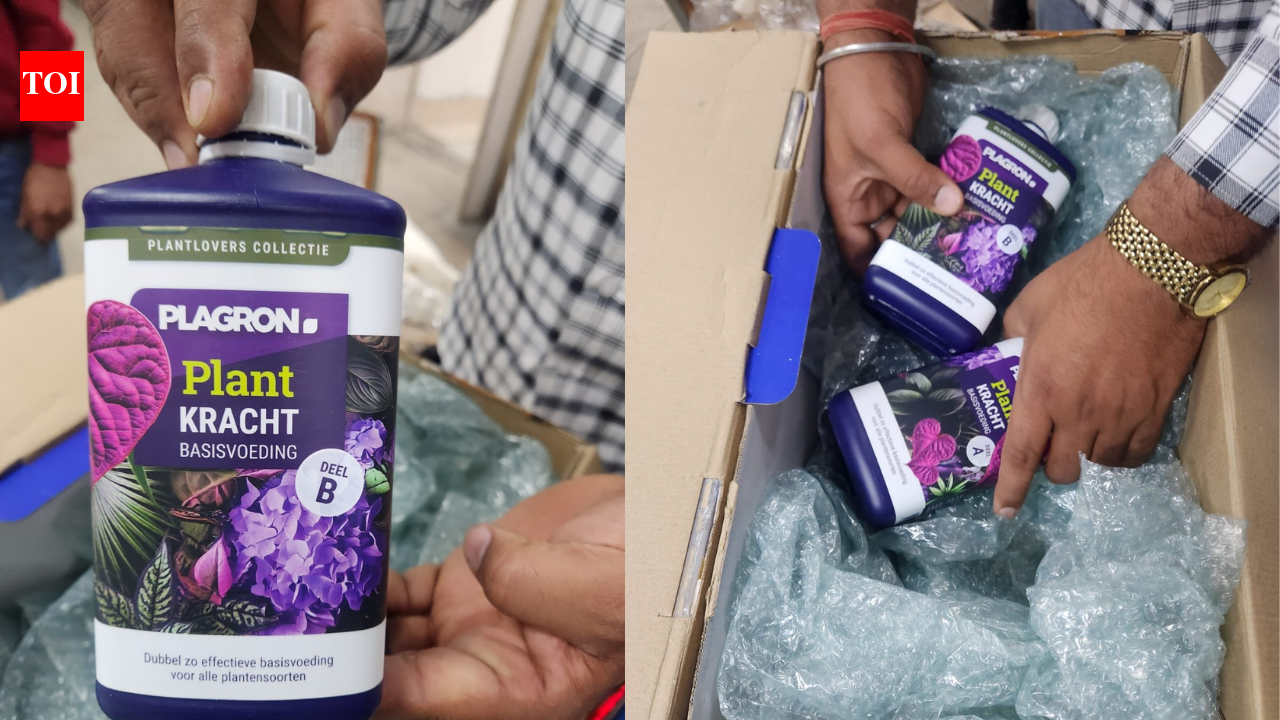
CHENNAI: The Narcotics Control Bureau (NCB) dismantled a pan-India darknet-based drug distribution network operating under the name “Team Kalki”, seizing large quantities of synthetic narcotics, including LSD, MDMA and liquid MDMA, in a major crackdown on online drug trafficking.NCB said the network dispatched more than 1,000 consignments across India since January 2025. Some parcels were already intercepted by enforcement agencies in Delhi, Tamil Nadu, Telangana, Kerala and Karnataka, and the details of those cases are being analysed.During the operation, officers seized 2,338 LSD blotters, 160 MDMA (ecstasy) pills weighing 77.517 grams, 73.612 grams of charas, 3.642 grams of amphetamine, and 3.6 kg of liquid MDMA. The narcotics were recovered from 13 domestically intercepted parcels and 2 parcels originating from the Netherlands linked to the network.

Poll

Do you believe that cracking down on darknet drug distribution networks is an effective measure in combating drug trafficking?

Acting on intelligence gathered over the past 3 months, NCB officials conducted an operation in New Delhi that led to the bust of the network, which was active on darknet platforms and encrypted messaging applications since January 2025.Investigations revealed that the darknet vendor account “Team Kalki” was run by Anurag Thakur along with his associate Vikas Rathi, both of whom are repeat offenders previously arrested in cases under the Narcotic Drugs and Psychotropic Substances Act.Rathi was earlier lodged in Tihar Jail in connection with a charas trafficking case registered by the Delhi Police Special Cell, while Thakur was imprisoned in a methamphetamine trafficking case booked by the Delhi Police Crime Branch. Officials said the 2 met during their incarceration and later started operating the darknet drug network.Initially, the accused operated through the darknet forum “Dread”, where their vendor account reportedly maintained a 4-star rating, indicating successful completion of numerous orders. After establishing their presence there, they expanded operations to the encrypted Session messaging application to manage orders and delivery.Authorities said the accused allegedly sourced LSD and MDMA from international darknet vendors based in the Netherlands, Poland and Germany, while customers across India placed orders through encrypted platforms to maintain anonymity.Multiple electronic devices were seized from the accused, and investigators identified a cryptocurrency wallet linked to the operation. Officials said temporary unhosted wallets were created for receiving payments, after which the funds were quickly transferred through several layers of intermediary wallets to obscure tracking.The NCB said further investigations are under way to identify other members of the network, trace financial transactions and uncover the international supply chain linked to the operation, while efforts continue to dismantle the entire ecosystem of the “Team Kalki” darknet drug network.


Source link

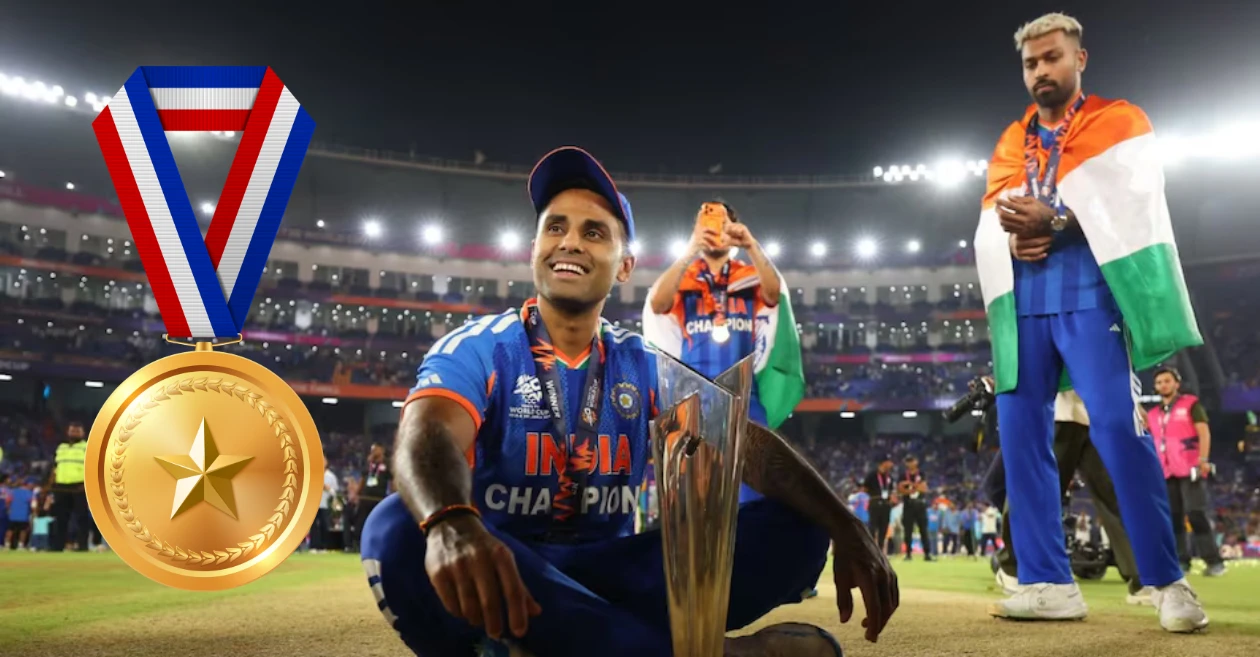
“Next stop Olympic gold”: Suryakumar Yadav reveals LA 2028 dream after India’s T20 World Cup triumph


Fresh from guiding India to a historic T20 World Cup triumph on home soil, captain Suryakumar Yadav has already shifted his focus to the next big milestone – winning an Olympic gold medal at the Los Angeles 2028 Games. Speaking after India’s dominant 96-run victory over New Zealand in the final at the Narendra Modi Stadium in Ahmedabad, the skipper made it clear that the team’s ambitions extend far beyond their latest World Cup success.

India’s emphatic title win marked a new chapter in the team’s modern dominance in global cricket. Yet for Suryakumar, lifting the trophy was not the end of the journey—it was simply another step toward even bigger goals.

Suryakumar Kumar sets his eyes on Olympic gold

Addressing reporters shortly after India secured the title, Suryakumar dismissed speculation about his retirement and instead spoke passionately about what lies ahead for him and the team.

“The next goal is the Olympics. Olympic gold and also the T20 World Cup that year. Don’t forget,” he declared emphatically.

His statement carries special significance because cricket will return to the Olympic Games for the first time in more than a century at Los Angeles 2028. The sport last appeared at the Olympics in 1900, and its return in the T20 format has generated huge excitement among players and fans alike.

The Olympic competition will feature six men’s and six women’s teams, making it one of the most exclusive tournaments in the sport’s history. With India entering the event as back-to-back T20 World Cup champions, expectations will naturally be sky-high.

Adding another layer of challenge, the next ICC Men’s T20 World Cup is scheduled to take place later in 2028 in Australia and New Zealand. That means the Indian team could potentially compete for both Olympic gold and another World Cup title in the same year.

Suryakumar’s announcement also ended speculation about his future in international cricket. After Rohit Sharma retired following India’s 2024 T20 World Cup victory in Barbados, many wondered whether the 35-year-old might soon step away from the format as well. His message was clear – he still has unfinished business.

A dominant final and a journey of growth for the Men in Blue

India’s performance in the final against New Zealand reflected the aggressive and confident style of cricket that Suryakumar has encouraged since taking over as captain.

Batting first, India posted 255 for 5, the highest total ever recorded in a T20 World Cup final. Sanju Samson led the charge with a brilliant 89 off 46 balls, while Ishan Kishan added a rapid 54 and Abhishek Sharma smashed a quickfire 52 off just 21 deliveries. The opening stand of 98 between Samson and Sharma gave India the perfect platform, before Shivam Dube’s late assault ensured the hosts crossed the 250 mark.

New Zealand never truly recovered during their chase. Jasprit Bumrah delivered a sensational spell of 4 for 15, supported by Axar Patel’s 3 for 27, as India bundled out the opposition for 159. The 96-run margin became the largest victory ever recorded in a T20 World Cup final.

For Suryakumar, however, the road to the title was not entirely smooth. Reflecting on the campaign, he admitted the team faced early challenges.

“Obviously, it has been a wonderful journey the last one month, though it didn’t start the way we wanted it to start. But then it’s part of the sport,” he said.

Also WATCH: Ishan Kishan celebrates T20 World Cup title win with girlfriend Aditi Hundia

India struggled in their opening match against the United States and later suffered a defeat to South Africa during the Super Eight stage. According to the captain, the turning point came during their match against Zimbabwe in Chennai.

“When we played in Chennai against Zimbabwe, I felt that we have started playing a different brand of cricket. I understood a little bit how to play going forward. And when I played the (virtual) quarterfinal against West Indies at the Eden Gardens, I felt that there was a different level of confidence in this team,” he recalled.

Suryakumar also looked back at the moment that transformed his own career trajectory – the remarkable catch he took in the 2024 T20 World Cup final.

“That catch changed my life completely. Because that was a moment of the tournament. And then after that, when I started leading this amazing team, it was a very special feeling because I knew that we were going to play the World Cup in India after two years,” he said.

Leading India at home, he explained, carried its own unique energy and expectations.

“And no team has ever won in India. And when you play T20 World Cup or any tournament in India, there is a different vibe, a different excitement. So I started telling everyone when we started playing bilaterally that you should be excited… people will have expectations from you, they will talk to you, you will enjoy it more.”

Under his leadership, India has embraced an aggressive brand of cricket that prioritizes fearless batting and attacking bowling.

“Everything was changed post 2024. We played a different brand of cricket in 2024 and from there we understood how this team needs to work forward,” he explained.

He also pointed out how the team has maintained consistency in global tournaments.

“We won the ICC Champions Trophy in 2025, played a completely different brand of cricket, and now in 2026, we wanted to do something special in front of the home crowd right here. We want to continue doing that in 2027, 2028, 2029 – and never stop.”

Looking back at the turning point for Indian cricket, Suryakumar added, “I think that drought ended in 2024 after a really long time and from there we never looked back.”

Also WATCH: Suryakumar Yadav, Jay Shah and Gautam Gambhir visit Hanuman temple in Ahmedabad with the T20 World Cup trophy
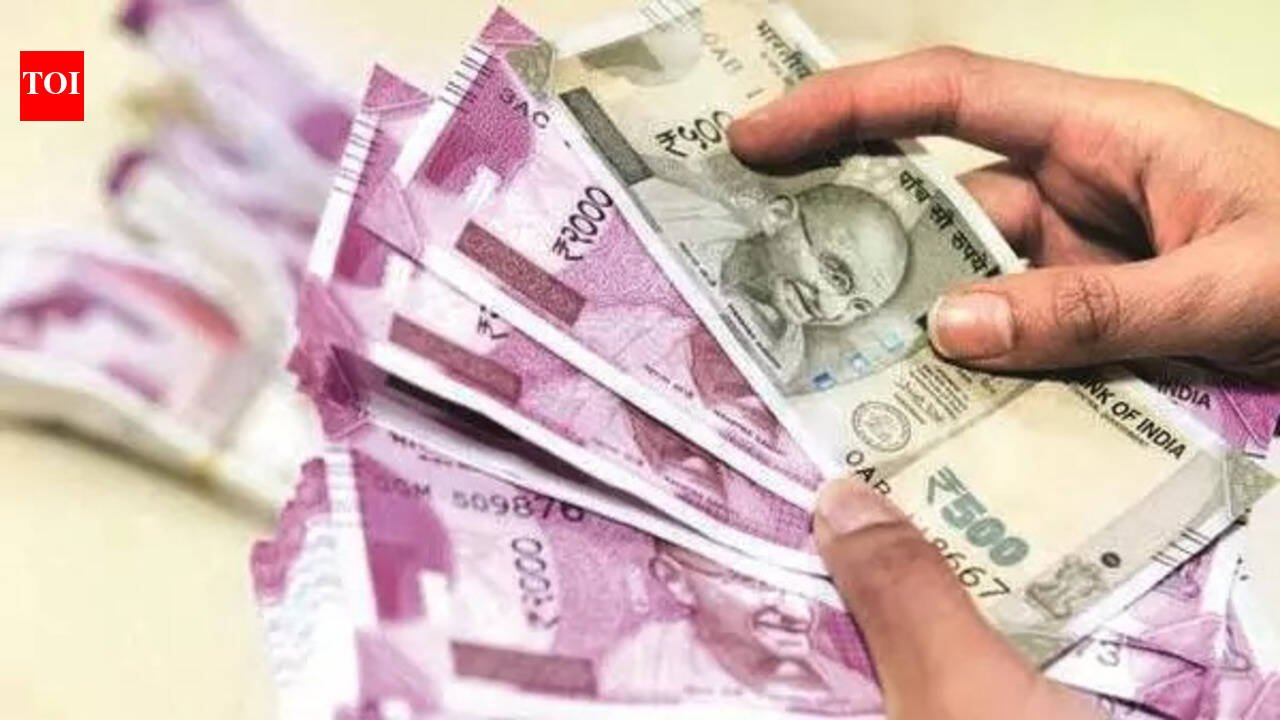

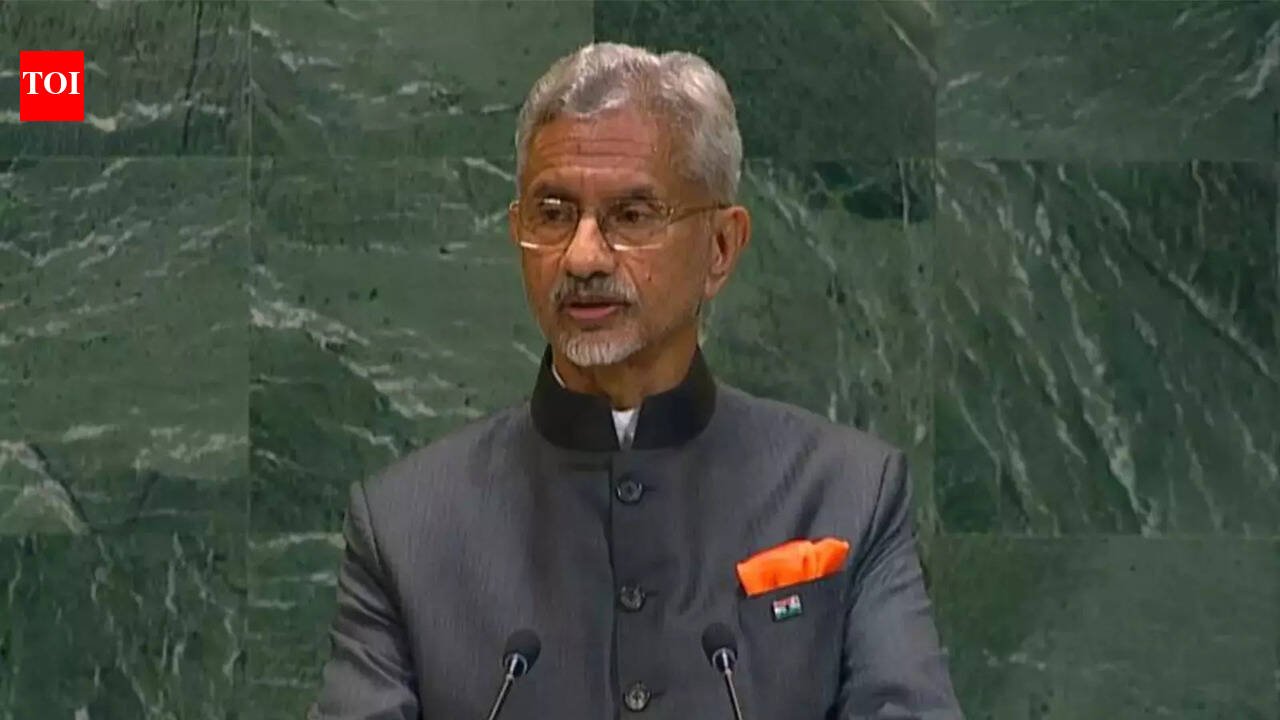
Source link

Biological Aging: Stressful, toxic people in your life may make you age faster, say researchers | India News


Stressful, toxic people in your life may make you age faster, say researchers

NEW DELHI: The company you keep may shape your life – and if it includes stressful or toxic people, it could even make you age faster.A new international study suggests that difficult or persistently stressful people in one’s social circle may quietly accelerate biological ageing and affect overall health.Researchers analysing social network data and biological samples from more than 2,600 adults found that individuals who reported having people in their lives who frequently caused stress or emotional strain showed signs of faster biological ageing. The findings have been published in peer-reviewed journal Proceedings of the National Academy of Sciences (PNAS).The study described such individuals as “hasslers” – people who regularly create tension or emotional strain. Nearly three in 10 participants reported having at least one such person in their social network.Researchers measured biological ageing using saliva samples and DNA methylation patterns known as epigenetic clocks, which estimate how quickly the body is ageing at the cellular level.The analysis found that each additional stressful relationship was linked to about 1.5% faster biological ageing. On average, individuals reporting such ties were found to be roughly nine months biologically older than people of the same age who did not report them.A lead author of the study Byungkyu Lee advises being mindful about relationships, avoiding people who bring persistent negativity and stress, and distancing yourself if needed, though such decisions can be difficult. In many cases, however, completely cutting off “hassler” relationships may not be practical, especially when they involve family or ties that also bring some positive aspects.Dr V Mohan, chairman of Dr Mohan’s Diabetes Specialities Centre in Chennai, said persistent stress increases oxidative stress and free radicals in the body, which can shorten telomeres – protective caps at the ends of chromosomes – speeding up cellular ageing. Stress hormones such as cortisol, epinephrine and norepinephrine also remain elevated during prolonged stress, triggering inflammation, insulin resistance and damage to blood vessels, he said. Dr Rajesh Sagar, professor of psychiatry at AIIMS Delhi, said when stressful relationships repeatedly activate the brain’s fight-or-flight response, the body remains in a prolonged state of alertness. “This sustained stress response keeps cortisol levels high and can affect metabolic and cardiovascular systems over time, making the body biologically older than its chronological age,” he said.Participants with more stressful relationships also reported poorer physical health, higher anxiety and depression levels, and higher body mass index.Doctors said persistent emotional strain can manifest through headaches, digestive problems, sleep disturbance, fatigue and difficulty concentrating – signs that the body is struggling to cope with chronic stress.


Source link

Commercial cylinder supply hit in Mumbai, say dealers; no LPG crunch: Companies | Mumbai News


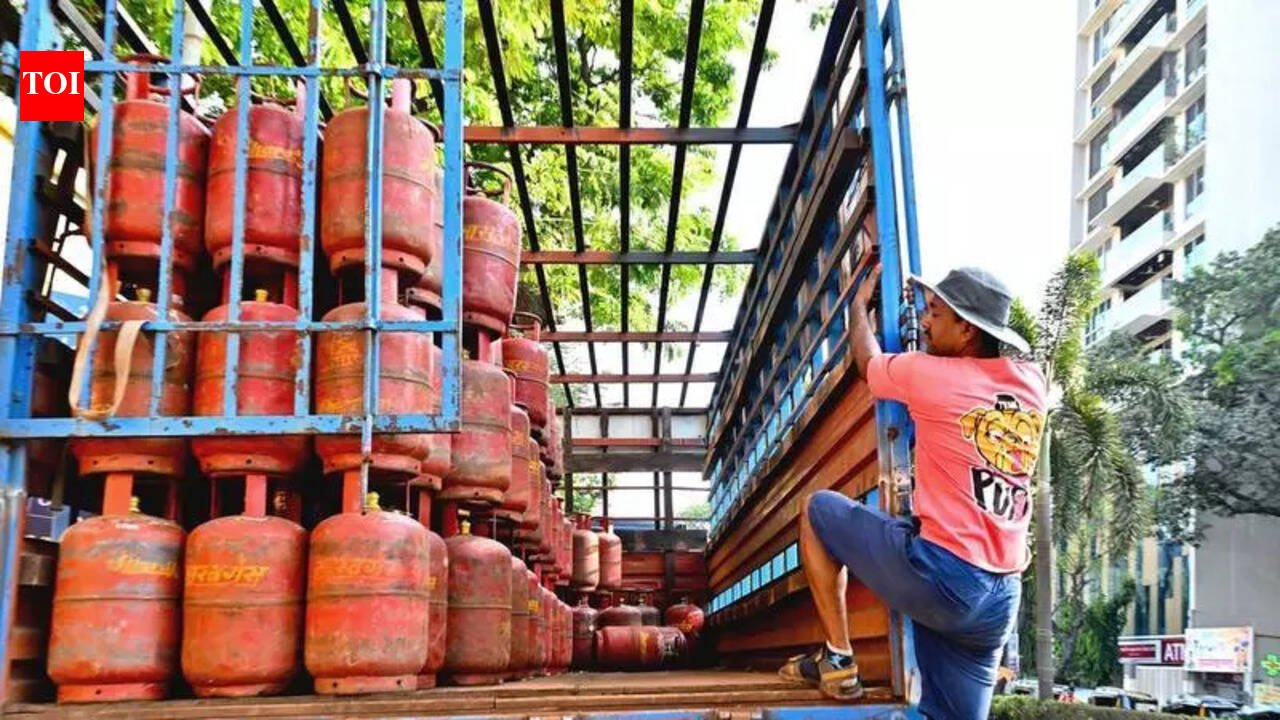
Mumbai: A shortage of LPG cooking gas has reportedly erupted in parts of the city and MMR as a ripple effect of the Middle East conflict. Shortage of arrivals has caused a delay of two to three days after booking a domestic refill cylinder.“Moreover, a new notification from the Union ministry of petroleum stipulates domestic consumers can book a new refill only 25 days after receiving one cylinder,” said a suburban dealer. “It is not like last week when you could book the next refill within a day or two.”Gas agencies claim the supply of commercial cylinders used by hotels and restaurants has ground to a halt. “At least the domestic 14.2 kg cylinder is available. But the supply of commercial gas cylinders has completed halted since Sunday. This will lead to a crisis for roadside stalls and restaurants,” said an owner. “They may be forced to buy domestic cylinders from the black market. This is illegal and dangerous.”A dealer from Kurla said hotels would also find it difficult to buy domestic cylinders in errant ways, given that despatch is now OTP-based. Oil marketing company sources claimed there was no shortage of domestic LPG supply. An SMS was sent to BPCL customers on Monday evening saying: “Claims of shortage in fuel supply are misleading and baseless. There is adequate availability of fuel in the country….” An oil company source, though, said there were “restrictions” on distributing commercial cylinders. They declined to specify the restrictions.Meanwhile, dealers sent TOI videos from Uran of trucks with empty cylinders waiting in 1km queues for refills. “Mumbai dealers are being diverted to Uran saying they can refill empty cylinders there. But Uran staff has reportedly received ‘verbal instructions’ from authorities in New Delhi to not undertake commercial refills,” said one owner.Commercial users buy cylinders ranging from 5 kg to the most common 19 kg, then 47 kg. “Eateries and roadside stalls could enter crisis mode. Migrant workers who rely on small 5 kg commercial cylinders, or ‘chhotu’ refills as they are called, will be stranded,” said an agency owner.Panic buying was visible in Andheri and Navi Mumbai with bookings having multiplied. Families that hold two cylinders rushed to dealer outlets for refills. Some contemplated carrying home a cylinder themselves. One dealer said, “I suggest the govt charge hotels a higher price if it has to, but continue providing commercial cylinders. In any case prices of both commercial as well as domestic cylinders were increased by Rs 115 and Rs 60 respectively on Sunday.Meanwhile, Mahanagar Gas Ltd which supplies piped cooking gas said, “Currently MGL continues to maintain normal CNG & PNG supplies… A majority of gas needed for CNG is domestically produced. In case gas supplies are curtailed due to LNG import, there could be some impact on supply to industrial and commercial customers. This however would be mitigated as customers have recourse to alternative fuels…” (With Somit Sen)


Source link

Assembly OKs amended land revenue code bill that’ll allow use of grazing plots for public works | Mumbai News


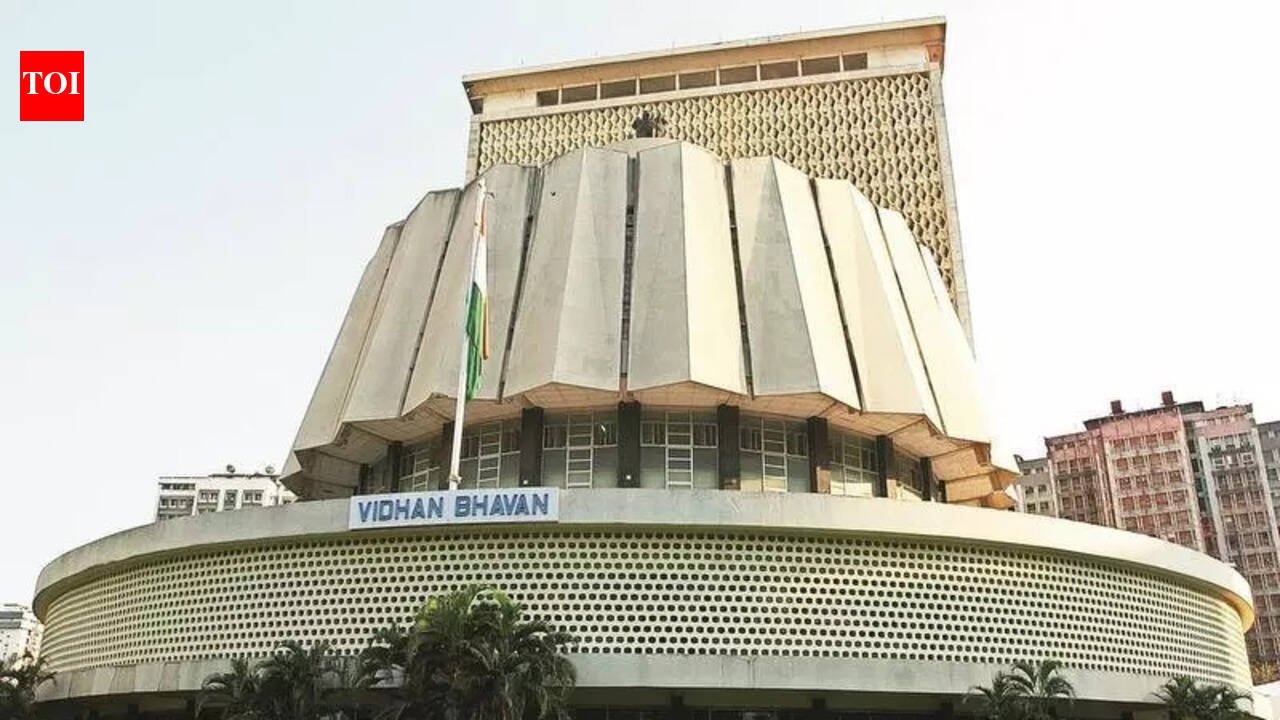
Mumbai: The assembly on Monday passed Maharashtra Land Revenue Code (Amendment) Bill. Revenue minister Chandrashekhar Bawankule said it will pave the way for thousands of hectares of uncultivated grazing land (gairan) in municipal corporation and municipal council areas to be used for public works.He asserted that commercial use of these grazing lands will not be permitted. “Gairan land is generally protected and cannot be diverted or leased for other purposes, except for public projects or if no other suitable land is available, subject to strict regulations,” said the bill. The legislative council will need to clear the bill too, which will then need the governor and the President’s ratification. Bawankule said around 7,700 hectares of land can be made available for public works. He said according to the new rules, such land will be registered as collector’s land. “It will be mandatory to take the district collector’s permission for any use of these lands. Also, the land will be measured and after removing encroachments, it will be taken over by govt.”Officials said this decision is likely to make uncultivated land in 29 municipalities and many smaller towns in the state available for development works. The assembly also passed Maharashtra Stamp (Amendment) Bill, 2026, aimed at speeding up disposal of stamp duty refund applications by decentralising financial powers in the revenue department. Officials said under existing provisions, refund of stamp duty paid on stamps or through challans—when stamps are spoiled, misused or not required—can be granted by authorities under Chief Controlling Revenue Authority (CCRA) only up to Rs 20 lakh, while applications for higher amounts must be referred to CCRA. —Chaitanya Marpakwar


Source link